

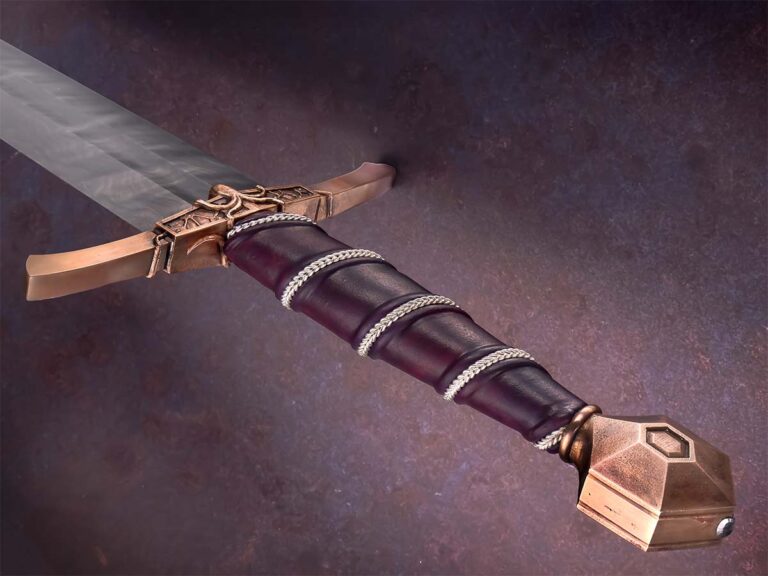
Selling knives takes more than a sharp edge—professionalism, fair pricing and trust are key to long-term success on the show floor.
How you conduct yourself and your knifemaking business when you’re on the selling floor of a knife show is critical. If word comes down the aisle there is a well-known collector in the room, don’t go over and interrupt the business between the collector and crafter by waving your work in front of them, or stepping into the customer’s space.
I’ve seen this too many times over the years. Such crafters are an embarrassment to all who draw from the same collector pool. Stay in your space, behave in a professional manner and wait for the customer to come to you.
The last thing any craft needs is for a crafter to double his prices when a particular collector approaches. As a result, the collector immediately assumes all crafters are a pack of thieves, taking advantage of him. Those who are at the top of their trade will tell you what a bad move this is for any crafter. Such things travel through the collector network worldwide in hours.
Pricing Custom Knives
Sales are the toughest part of the business. Pricing their work is difficult for all crafters. To take some of the mystery out of trying to maintain control of my cash-poor studio, I’ve always gone by the following simple formula.
Work out the minimum amount per month you must earn to eat and pay your bills. Whether you’re paying all or a portion of your bills, it’s the same. How much is the total amount? You can’t drop below netting the figure from your studio. If you spend more than you make, your approach is not working and you need to change something.
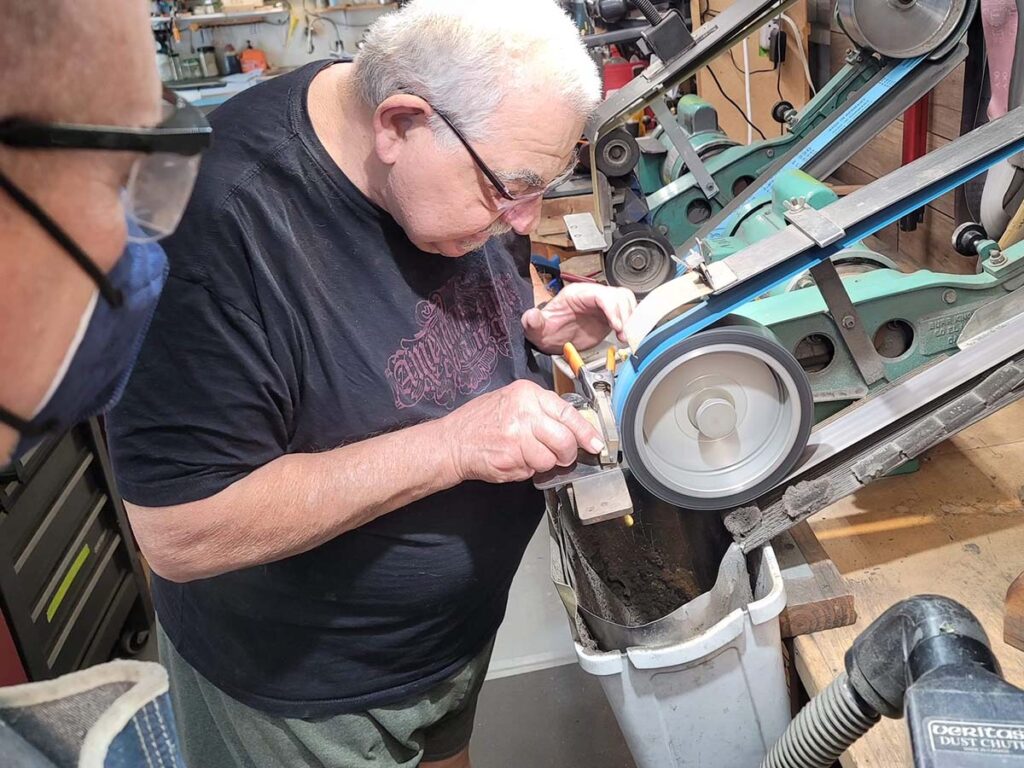
I triple my base material and labor figures. This must cover everything and very often doesn’t work out as hoped. Throw in costly materials and things soon get out of balance, not to mention foundry fees and shipping.
Paying Yourself
Pay yourself. It doesn’t matter if it’s only a little bit, there is still the psychological impact of being paid something for your efforts. Don’t work for free. No one likes not being rewarded for his efforts.
I’ve been on a schedule of seven 10-hour days a week for most of my career. If I don’t work those kinds of hours the pieces won’t get done, and the bills won’t get paid. There has never been a lot of time for doing Alaska kinds of things, be it hiking or fishing, or just sitting and doing nothing. If I’m home, I had better be in my studio working. Welcome to the world of the full-time crafter. Your family is in the wings, waiting for you to finish up so everyone can go out for pizza.
Most of the time, workers in fast food restaurants make more per hour than crafters. That’s a basic fact. Doing things by hand takes time, especially when you start trying to extend your boundaries.
Developing Your Talent As A Smith
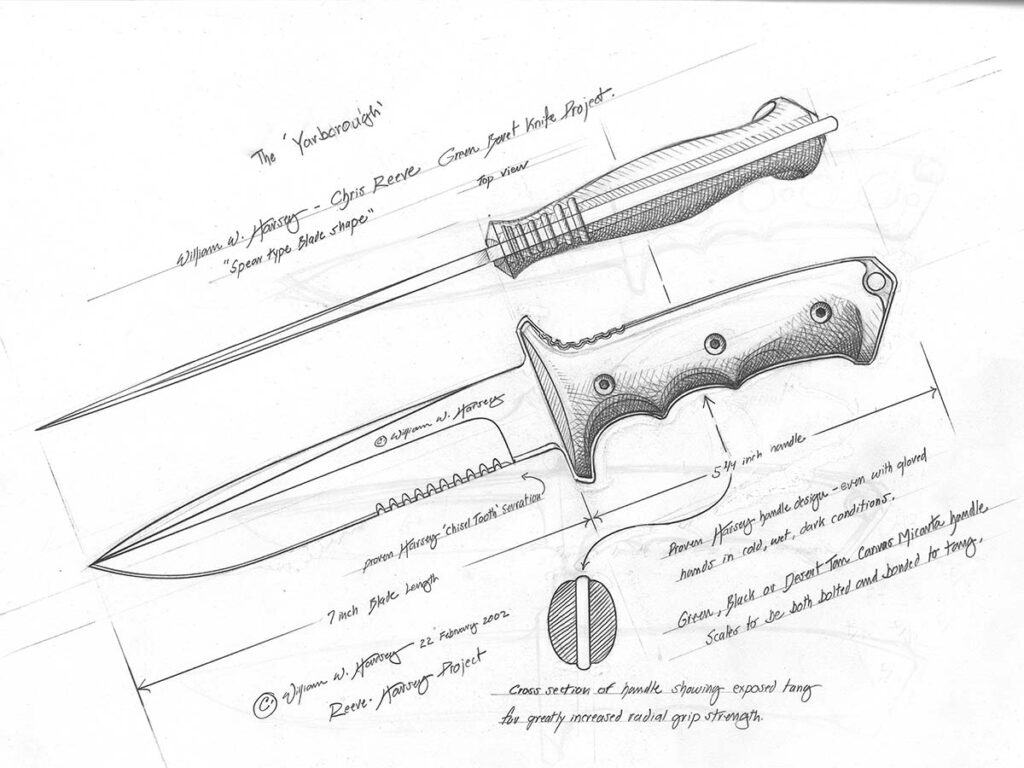
The artisan/crafter who drops the Saturday mall hobby artist status to get into the shows of a size to make the dream of becoming a full-time working artisan/crafter possible must make some adjustments. You will encounter a couple of stumbling blocks along the way. They are big ones and never really go away completely, no matter how much experience you might have.
One is talent—you can’t have enough of it. But the strings attached to it require endless dedication to sometimes crazy rules. There are very talented people who can’t freehand a drawing of something in their imagination, but give them a clear idea and they can do it with a dedication to detail few ever achieve.
Most people with raw talent show it early in life, from the 10-year-old piano protégé and 11-year-old symphonic composer to the ones who talk of space as something tangible to them, to the hands of a 12-year-old who carves hardwoods like the elders around him. They say the spirits of a great carver have moved into his hands. (That’s what I need.)
What do you do if you don’t come loaded down with the skills necessary to get your ideas on paper where you can see them? You don’t have the ability yet to create new and innovative ideas but really like crafting.
Get a pack of white paper, some pink erasers and a pencil sharpener that attaches to your table or bench. Have sufficient light; don’t work in the dark. Try and get the bulk of your idea down the first time, then let it sit and simmer while you look at the rough and try to come up with a direction to take your drawing to next.
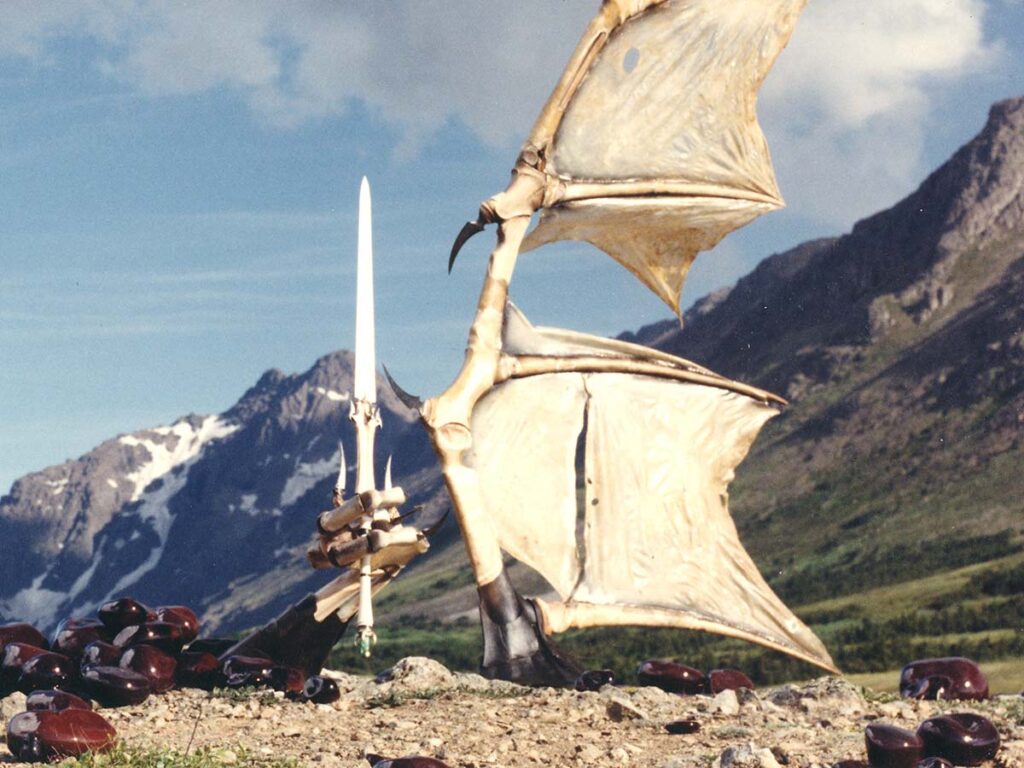
Work with small thumbnail-size sketches. They can be quick and you can do a number till you find something that appeals to you in a short time. Scan it and blow it up to the size it needs to be when finished. Instant gratification art!
Don’t design far beyond your skill sets; keep them in mind when you begin drawing.
I look on my sketches as my guidelines for the final finished piece. I work out the design issues on paper until I’m satisfied. I don’t begin anything until I have a possible route to take to achieve the end product I want. I’m not locked into it but I know there is at least one way that my chances are good, or there’s a reasonable risk, of me pulling something off. When you’re working on something that may take months or years to complete, make sure you have covered the bases as much as you think is possible.
Skills come from continual practice. You don’t have to be Picasso to make a raku* tea bowl. It may not be your original idea but the joy available just in doing the more mundane tasks is tangible. Being able to do raku means you have acquired a new skill set that will tweak your craft view a bit, that will give you the view from another craft’s perspective.
The more skills you can master, the broader your creative strokes can be. It’s not necessary that you learn every technique to the level of a master, only that you can do it without issue the few times it is required.
Sales Presentation
A good idea poorly presented has no positive aspects. Keep it under the table until you work out the kinks at some later date.
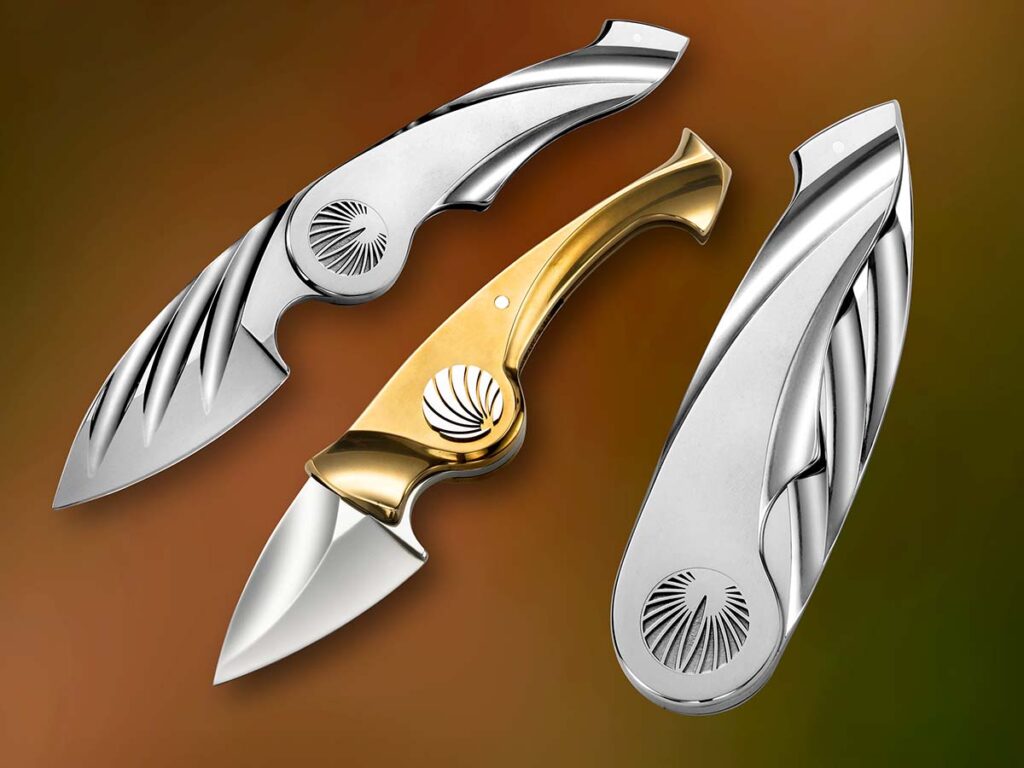
Twenty years ago, celebrated knifemaker Ray Appleton came to the Solvang Knife Show. He is well known for his IQ folders, so named because it takes some thinking to work out how they open and close.
He didn’t have an exhibitor table, so he didn’t have anything to sell. He laid a small, leather-slip-covered folder on my table and stepped away. Ray was very tall, so he walked over by the show entrance and stood there to watch what happened. Someone had spotted him putting the knife down and was at my table immediately. The person asked for permission to look at it, which I gave, as Ray had asked.
The man fiddled with the folder for five minutes, then handed it off to someone else. It went through the hands of at least 20 people in an hour. Then Ray came back over to my table. He picked the knife up and slipped it in his denim shirt pocket.
“Did anyone open it?”
“Not as far as I could tell,” I said.
“Neither can I,” he said with the usual twinkle of the jokester in his eye, a man who saw enough humor in life to drive from central Colorado to Solvang on the California coast just to play a 20-minute joke. Ray was someone who knew the joys available in life for an eternal prankster.
The point here is don’t send customers photos of unfinished projects. Their imaginations aren’t usually up to your level, so it is easy for them to misinterpret something by a large margin. When you show up with the final, they will be expecting something different.
*Editor’s Note: Raku is a low-fire process of making pottery.
More On Knife Marketing:
- How To: Custom Knife Sales And Marketing
- Knife Steel After Crucible Industries LLC
- Tariffs & Knife Prices In 2025
- Collaboration Knives: How Do They Come Together?
- How To: Marketing Knives On Social Media
 NEXT STEP: Download Your Free KNIFE GUIDE Issue of BLADE Magazine
BLADE’s annual Knife Guide Issue features the newest knives and sharpeners, plus knife and axe reviews, knife sheaths, kit knives and a Knife Industry Directory.Get your FREE digital PDF instant download of the annual Knife Guide. No, really! We will email it to you right now when you subscribe to the BLADE email newsletter.





