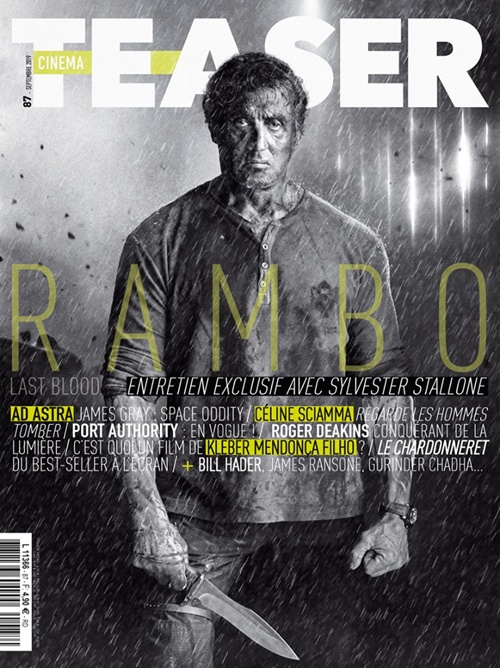
Pohl joins Jimmy Lile and Gil Hibben on the roster of those supplying Sylvester Stallone’s Rambo. As a testament to the longevity of the franchise, and the importance of the knives appearing in the movies, Pohl cited Lile’s First Blood knife as an early influence on his path to knifemaking. In fact, he even came into possession of one of Lile’s movie originals.
“It closes a circle,” Pohl said in the video above about the chance to supply Rambo 5. He echoed the comment on Twitter.
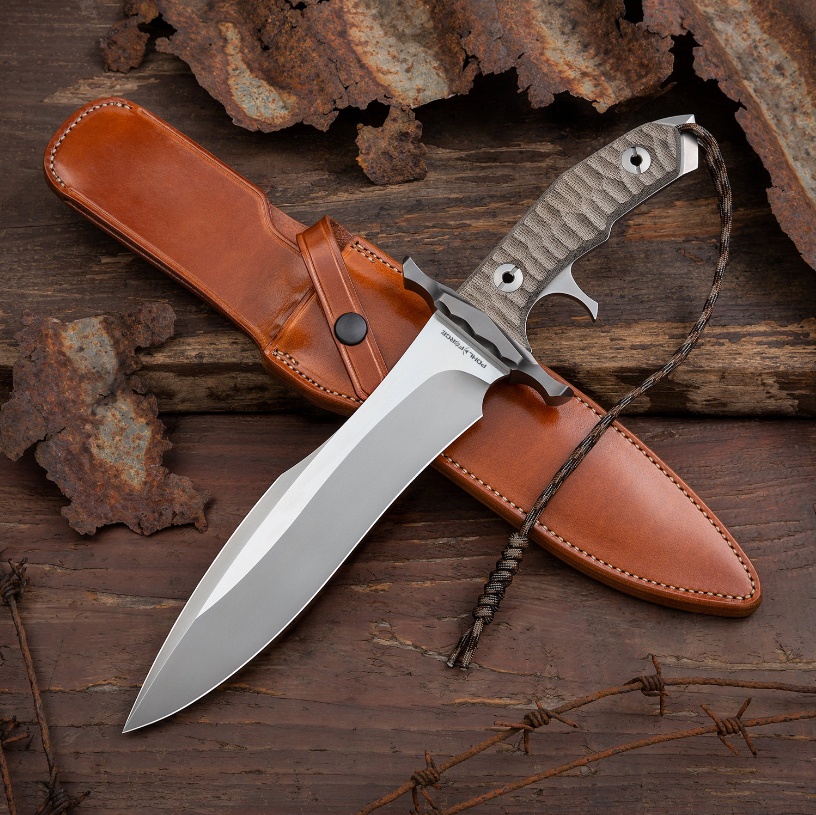
“You just don’t turn it off” Sylvester Stallone posted on Instagram about the “Heartstopper” knife, pictured here. (Photo via MovieKnife.com)
Nicknamed the “Heartstopper,” the Pohl’s MK-9 is the larger of the two knives Rambo uses in Rambo 5. Pohl said the MK-9 pays homage to the survival knife featured in First Blood, tweaked for a modern tactical aesthetic.
Blade length: 9 inches
Blade thickness: 0.24 inches
Steel: Niolox
Finish: two-tone satin finish
Style: sub-hilt fighter
Handle: olive drab canvas Micarta
Guard: titanium
“Skull crusher” pommel
Weight: 1.41 pounds
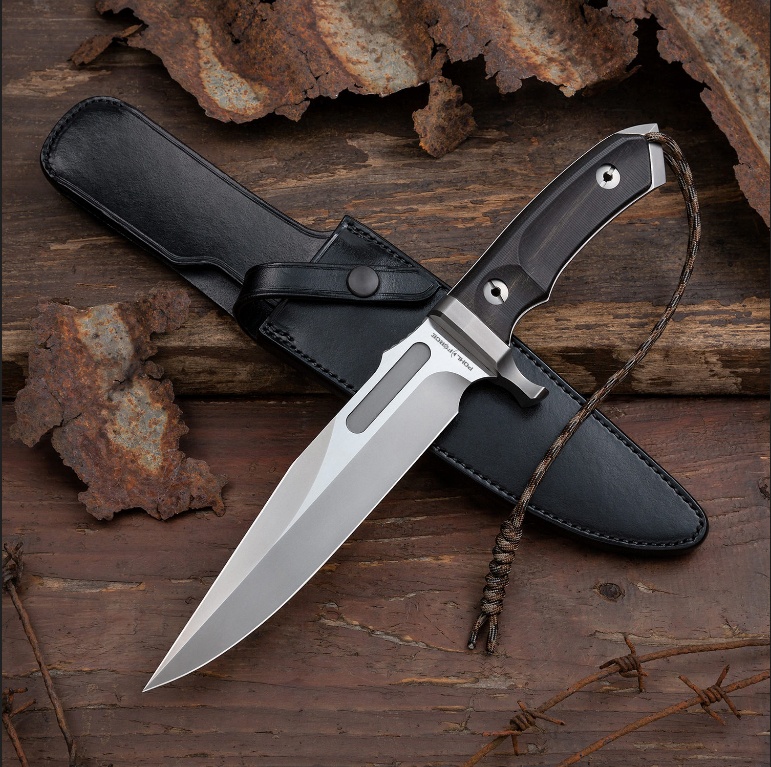
MK-8
(photo via MovieKnife.com)
The MK-8 is the smaller of Pohl’s Rambo knives. This time, the maker dipped even further back into knife history for inspiration, paying respects to the bowie design that influenced the First Blood knife.
Blade length: 7.8 inches
Blade thickness: 0.24 inches
Steel: Niolox
Handle: ebony wood
Guard: titanium
Style: bowie
Weight: 1.1 pounds
Where to Get Rambo 5 Knives
Pohl is keeping reproductions of Rambo knives in-house. Collectors can order direct at MovieKnife.com, a website he created exclusively for the MK-9 and MK-8.
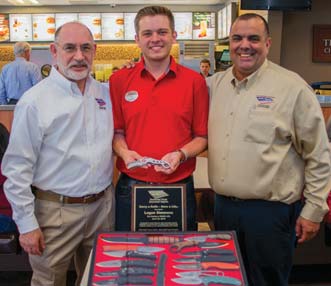
As a result of Logan’s actions, Knife Rights awarded him the Knife Rights’ Carry a Knife – Save a Life Award™.
“Logan Simmons’ action to save a young child’s life is a dramatic testimony to the value of always carrying a knife,” said Doug Ritter of Knife Rights. “You never know when your knife will be the difference between life and death; these situations cannot be foreseen, as Logan discovered.
“There are still places in America where the pocketknife Logan used would be illegal to carry. Knife Rights is committed to ensuring that law-abiding Americans can carry whatever knife they want to be prepared for whatever challenges they may have to meet without irrational restrictions that do nothing to stop criminal activity.”
The Carry a Knife – Save a Life Award honors an individual who uses his or her EDC knife to save a life, demonstrating the practical advantages to always carrying a knife in order to be prepared for situations when a knife is invaluable—up to and including saving lives.
In addition to an award plaque, Knife Rights’ knife industry friends donated over $5,000 in EDC knives for Logan, including one-hand-opening folders, autos and fixed blades, all legal for him to carry in Georgia. The donors each donated two knives, one for Logan to display and one to carry.
In addition, Logan was presented with a Knife Rights Life Membership, a certificate for him to be Knife Rights’ and BLADE® Magazine’s VIP guest at BLADE Show 2020, and a certificate from W.A. Surls Knives and Pop’s Knife Supply of Braselton, Georgia, for a two-day knifemaking experience where Logan will make a knife from scratch with supplies provided by Pop’s.
Logan’s mother, Teri Simmons, also was presented with a number of pocketknives, recognizing that mothers make a difference. Logan’s co-workers at Chick-Fil-A also were given pocketknives to carry.
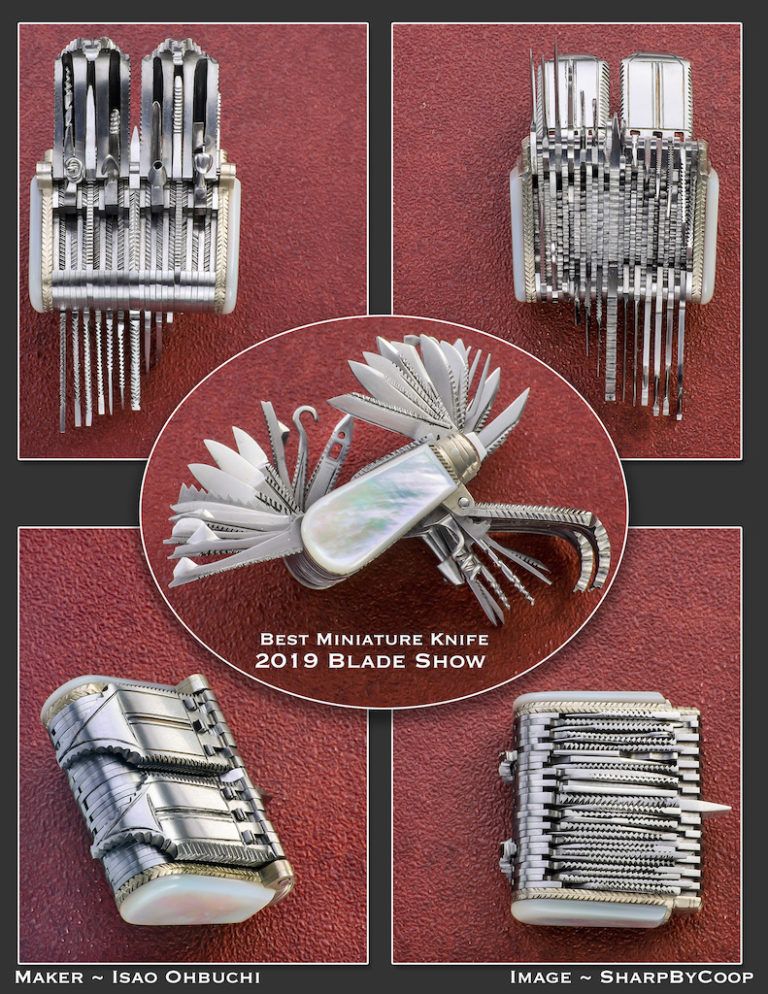
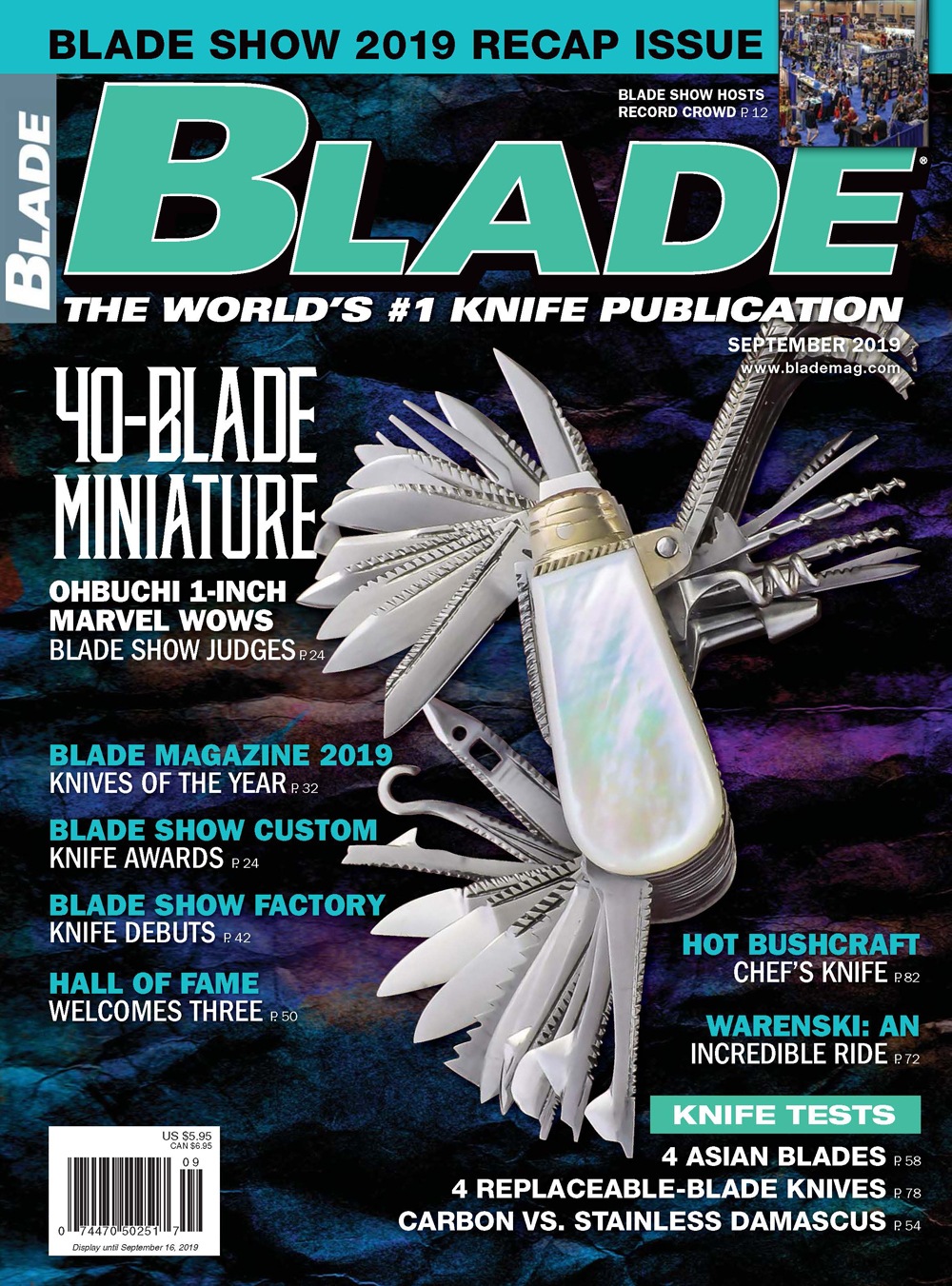
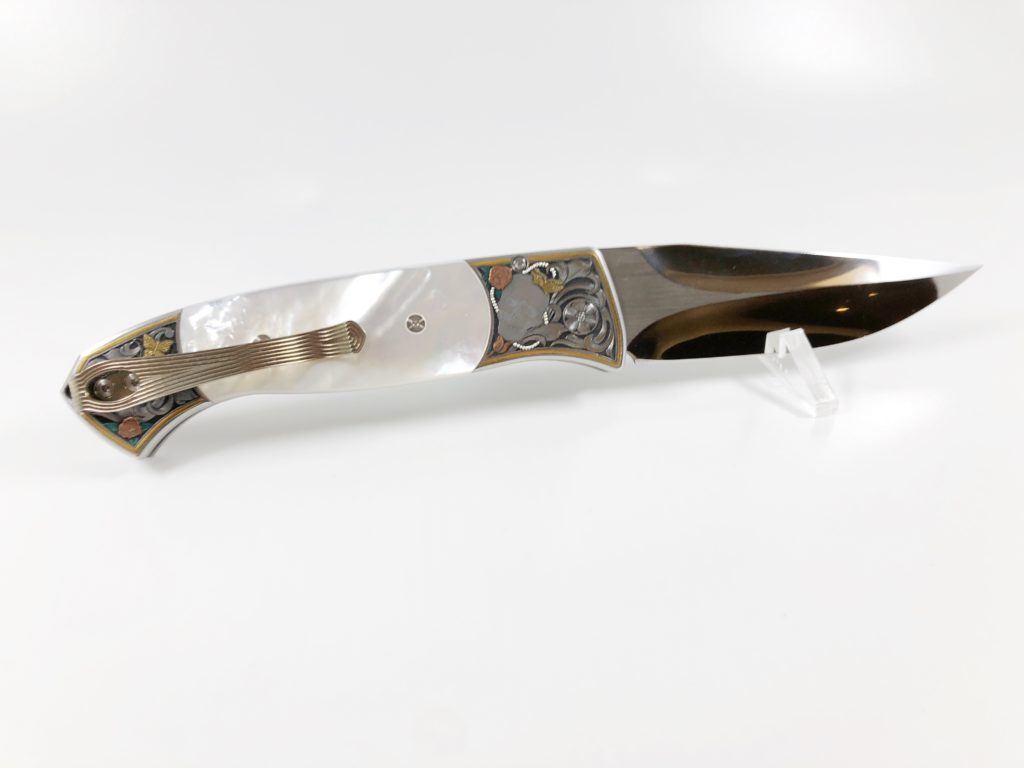
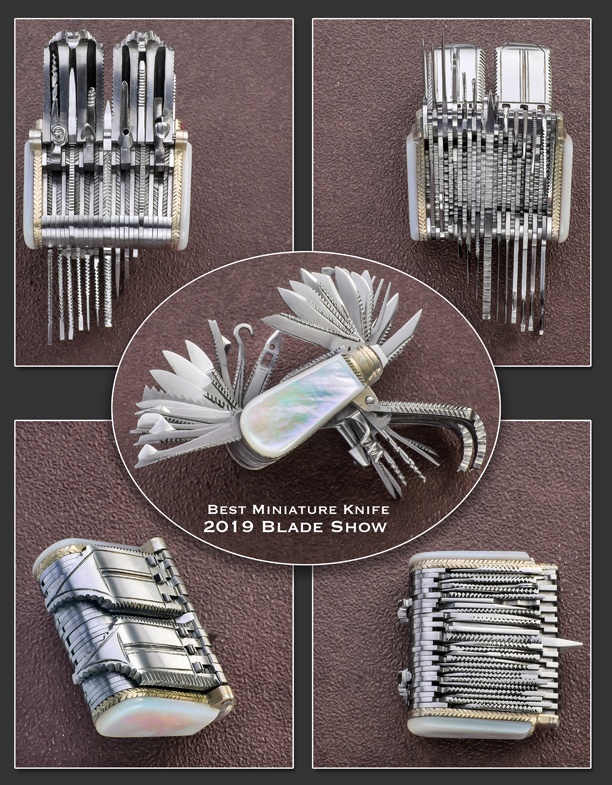
At an inch-long closed, the spectacular 40-blade miniature knife by Japan’s Isao Ohbuchi won the Yvon Vachon Best Miniature Knife Award in the custom knife judging competition of BLADE Show 2019.
Along with all the other knives in the competition except Gabe Mabry’s winner of the Best Kitchen Knife Award judged by Ethan Becker, a select panel of three custom knife authorities judged Ohbuchi’s award winner. Including Becker, all three judges were chosen by the BLADE® staff. Ohbuchi calls his tiny folder a “sportsman’s knife” and stated it is inspired by the legendary Joseph Rodgers & Sons of Sheffield, England, which made fantastic folders and fixed blades in the 19th century. The maker also listed the multi-blade mini as a “horseman’s knife.”
Blade lengths: all in the .8-inch range.
Blade steel: 440C stainless
Blade grinds: flat
Handle material: mother-of-pearl Weight: 1.4 ounces.
The maker’s list price for a similar knife: $15,000.
The image of the cover knife is by SharpByCoop. The inset image of the BLADE Show is by Justin King.
Gravity knives are legal in New York due to New York Gov. Andrew Cuomo signing a bill in late May repealing the state’s gravity knife ban, but the win comes with several label warnings.
For instance, gravity knives—or any knife, for that matter—with blades 4 inches or longer remain illegal in New York City. Also, a recent state case has redefined switchblade to include assisted openers. Meanwhile, New York City Mayor Bill de Blasio, who strongly opposed the repeal of the gravity knife ban, reportedly said he would not stop the arrests and prosecutions of people who carry what are basically common folding knives.
Despite the ban’s repeal and the efforts of such common-sense knife organizations as Knife Rights and AKTI, the current New York state of mind remains as it has been for quite some time: one big anti-knife muddle.
After Nine Years, It’s Still Not Over
“After nine years of fighting, it is a relief to close the book on this extraordinary abuse of authority by a corrupt system that has terrorized over 70,000 honest, law-abiding people, disproportionately minorities, for simply carrying a common tool used daily in their lives,” Knife Rights Chairman Doug Ritter said.
As cited in Cuomo’s signing statement, it didn’t hurt that in another recent case a New York federal judge issued a very narrow ruling saying that NYC’s “wrist flick” test was unconstitutional, though in limited circumstances that did not substantially impact the ability of the city and DA to continue their arrests and prosecutions. Before the federal judge’s ruling, the wrist flick test had been used by the courts to determine whether a knife was a gravity knife.
If You Live In or Travel to New York…
Despite the repeal of the gravity knife ban, New York remains a minefield of knife restrictions. As a result, Knife Rights suggests that you never carry a knife in New York City with a blade 4 inches or longer, nor carry your knife clipped to your pocket.
If you plan to carry a pocket-clip folder there, Knife Rights suggests you remove the clip so you don’t inadvertently attach the knife to your pocket after use. Always ensure your knife is completely concealed at all times, including not “printing” on the outside of your clothing.
In addition, be extremely cautious about using a knife for any purpose in a public setting.
The Latest: “Undetectable Knives” Now Illegal In New York
As Knife Rights reported, Gov. Cuomo recently signed into law a ban on “undetectable knives.” What counts as “undetectable?”
From Knife Rights:
The definition of an “undetectable knife” is: “any knife or other instrument, which does not utilize materials that are detectable by a metal detector…that is capable of ready use as a stabbing or cutting weapon and was commercially manufactured to be used as a weapon” (emphasis ours).
This leaves plenty of room for the same kind of overreach that made the “gravity knife” ban such a disaster:
The new law is unlikely to accomplish anything worthwhile, but rather will give law enforcement and prosecutors another way to harass what will almost always be innocent victims of another poorly conceived and unnecessary knife ban.
Atlanta, Georgia (June 8, 2019) – Awards recognizing the highest achievement in the production and custom knife industries were bestowed the evening of Saturday, June 8, 2019, at the BLADE Show in the Cobb Galleria.
2019 BLADE Show Knife of the Year® Award Winners
Representatives from BLADE (www.blademag.com) distributed BLADE Magazine Knife of the Year® awards in 11 categories, plus awards for individuals’ career achievements. All entrants in the Knife of the Year® competition were evaluated by a super panel of undisclosed judges on a number of factors, including utility, design, creativity, materials, aesthetics, feel and other traits. This was different from years past, when booth holders at the show voted by ballot.
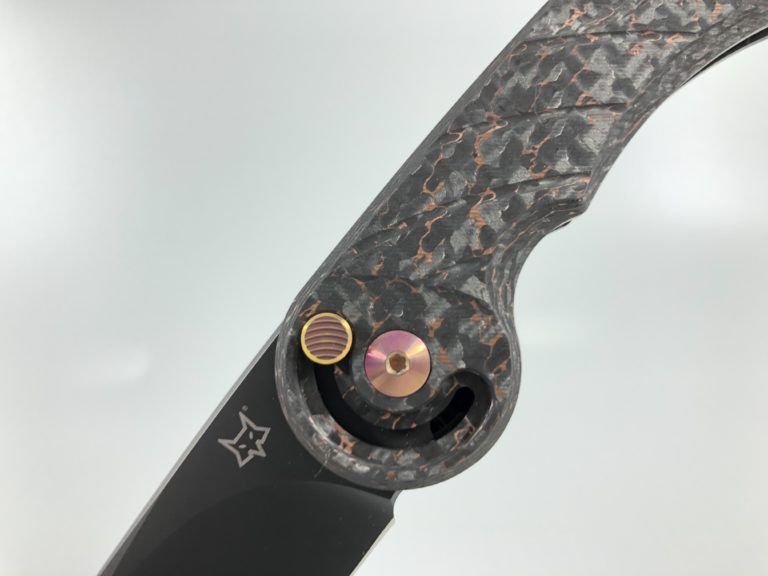
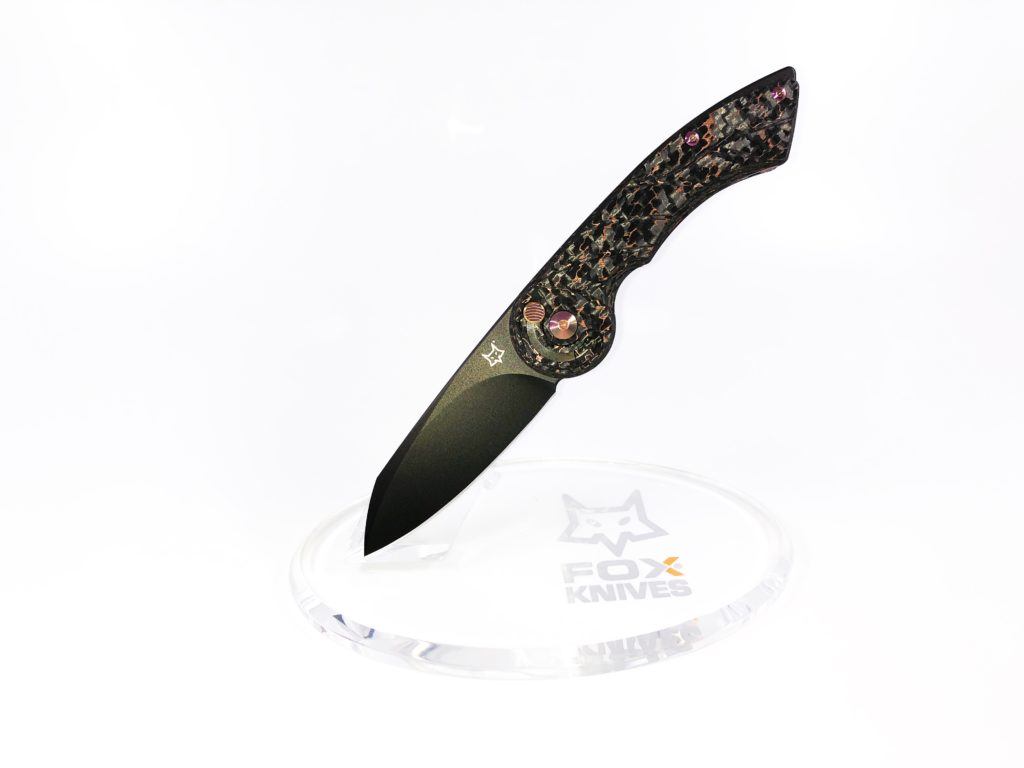
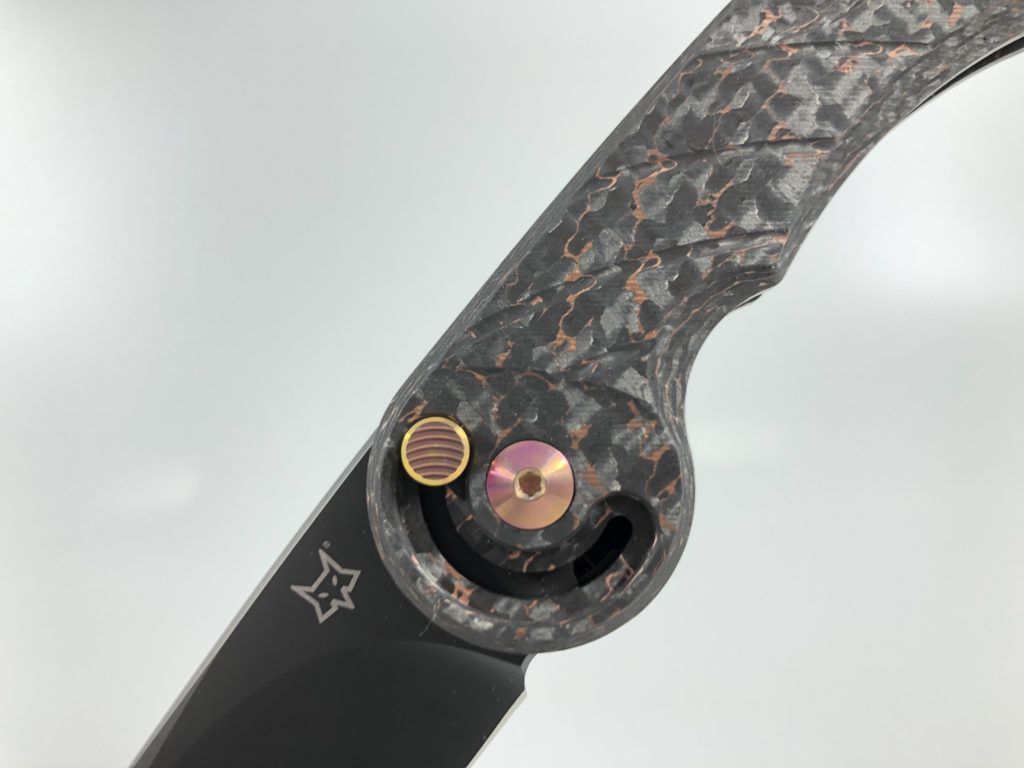
Overall Knife of the Year®: FOX Knives Radius
Judges commented on the innovative opening mechanism and quality workmanship. The patent-pending mechanism requires the user to slightly depress and move the button along the U-shaped track for opening and closing.
The Radius also brings home the Imported Knife of the Year® award.
American-Made Knife of the Year®: Microtech Socom Elite
This exemplary automatic is a hallmark of the American knife industry.
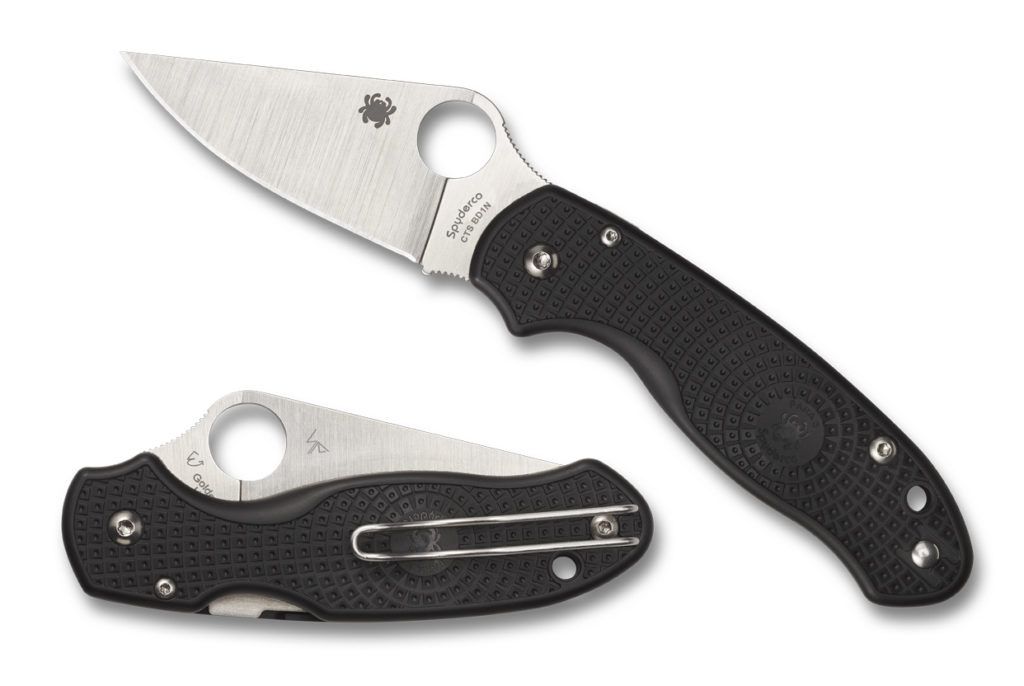
Most Innovative American Design: Spyderco Para 3 Lightweight
Spyderco knocked out about a third of the weight (and the price point) of the standard Para 3 for this lightweight version.
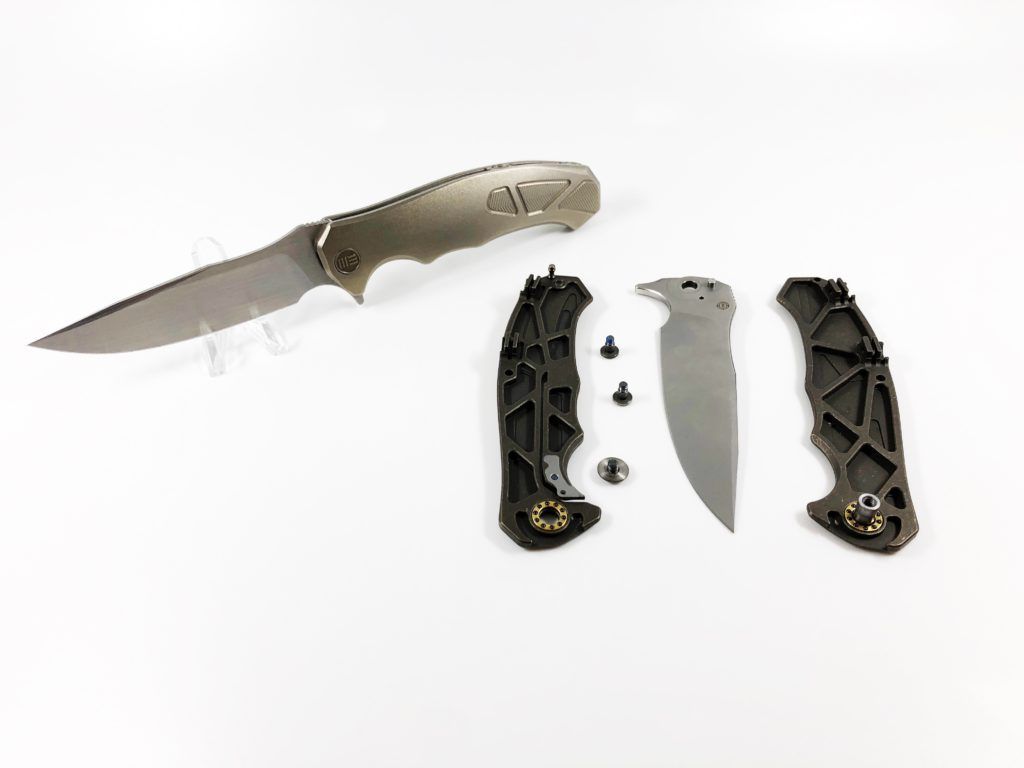
Most Innovative Imported Design: WE Knife .037
WE’s takedown design makes simplicity look easy. The company describes the .037 as sporting “self-locating interlocking tab frame construction.”
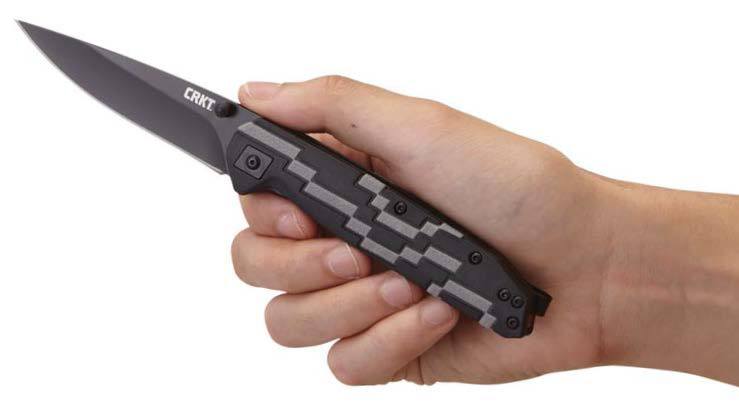
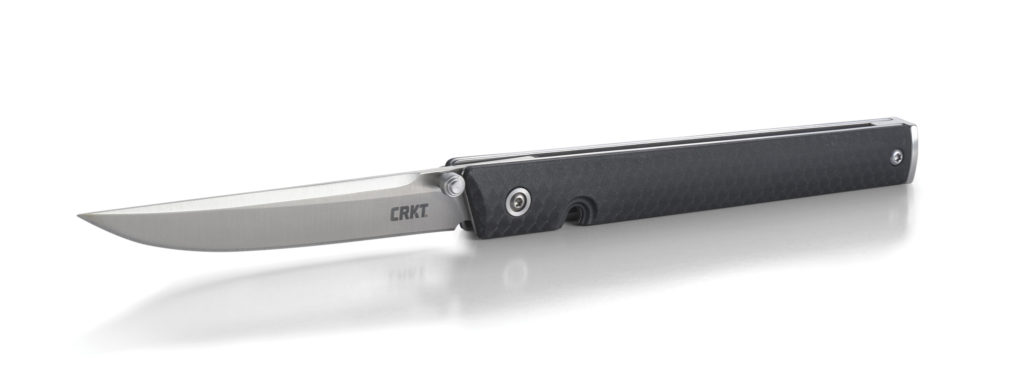
Best Buy of the Year: CRKT CEO
The CEO brings gents’ knives to the masses with its $49.99 price point.
Investor/Collector Knife of the Year®: ProTech Warenski/Brend Masterpiece Custom
ProTech continues to dominate this category with another attractive entry for investors. This one must be seen to be believed, but you’ll need to shell out $12,000.
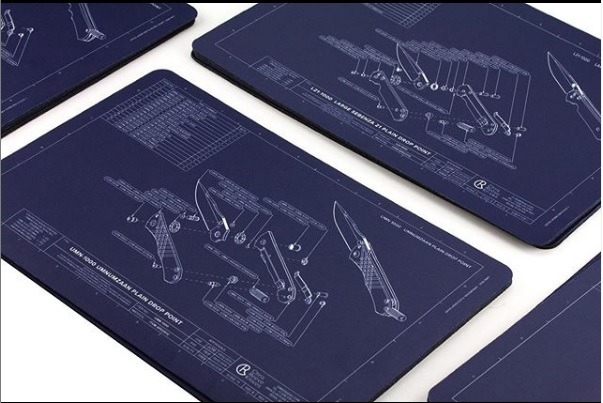
Manufacturing Quality Award: Chris Reeve Knives
It’s not enough to perform at a high level once or twice. Chris Reeve Knives’s consistency in craftsmanship is key to this win.
Accessory of the Year: Outdoor Edge Para Spark
This survival bracelet is handy and just plain cool. Using the latch as a sheath is a nice touch.
Collaboration of the Year: Casstrom/Lars Falt/CAS Iberia Lars Falt Lockback
Simplicity equals versatility, as this lockback demonstrates, and yet the distinct touches of the collaboration still shine through.
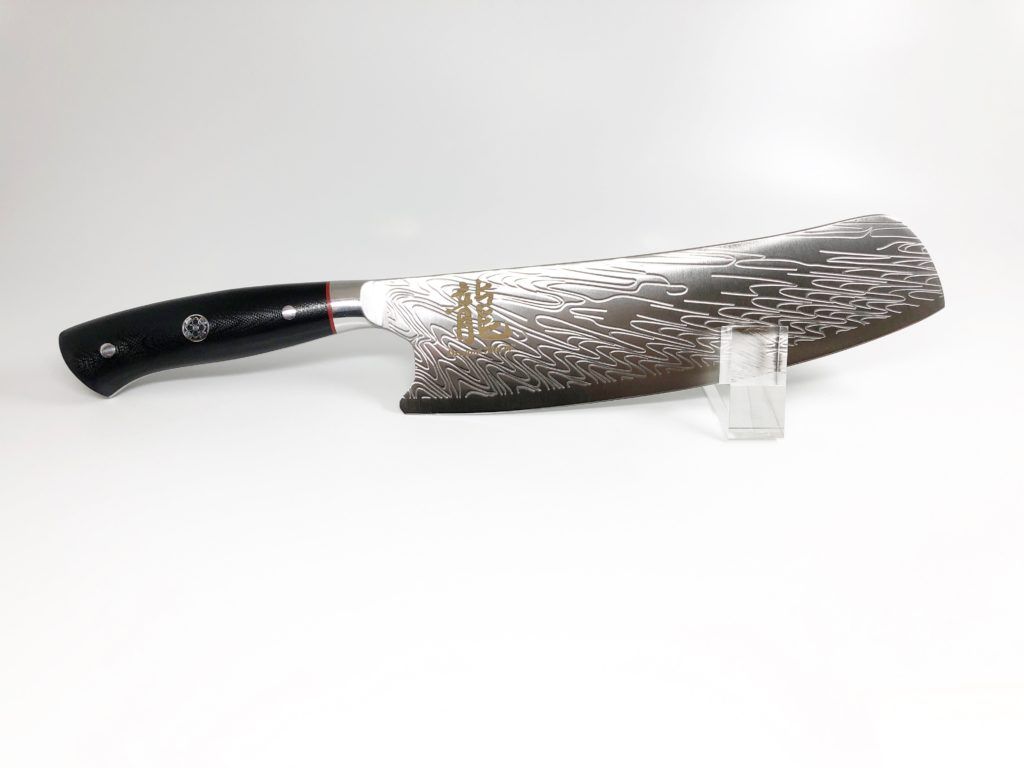
Kitchen Knife of the Year®: Apogee Dragon Storm (set of 4)
This set demonstrates the intersection of art and utility at a high level for a production kitchen knives.
Cutlery Hall-Of-Fame® Inductee (by proclamation): BLADE Editor Steve Shackleford – This came as a surprise to Shackleford, who was emceeing the ceremony. Inductees typically know they will be honored before the event. However, with the blessing of the others in the Hall of Fame, Shackleford was inducted by Bruce Voyles, former publisher of BLADE.
Adam Drescher (middle) during a break between scenes of the upcoming movie, The Mule. At right is Clint Eastwood and at left is character actor Richard Herd. Adam owns Adam Unlimited, which specializes in exotic skins for the knife and motorcycle industries, especially rayskin. (Photos by Images courtesy of Adam Drescher)
Industry Achievement Award: Lucas Burnley, for his charitable work with Toys for Tots
Aldo and Edda Lorenzi Award: Bill Ruple (this award comes with a $1,000 cash prize from the Lorenzi family to support the custom knife industry)
2019 BLADE Show Custom Knife Winners
The 2019 BLADE Show Custom Knife Award Winners were also announced on Saturday, June 8, 2019, at the Cobb Galleria in Atlanta.
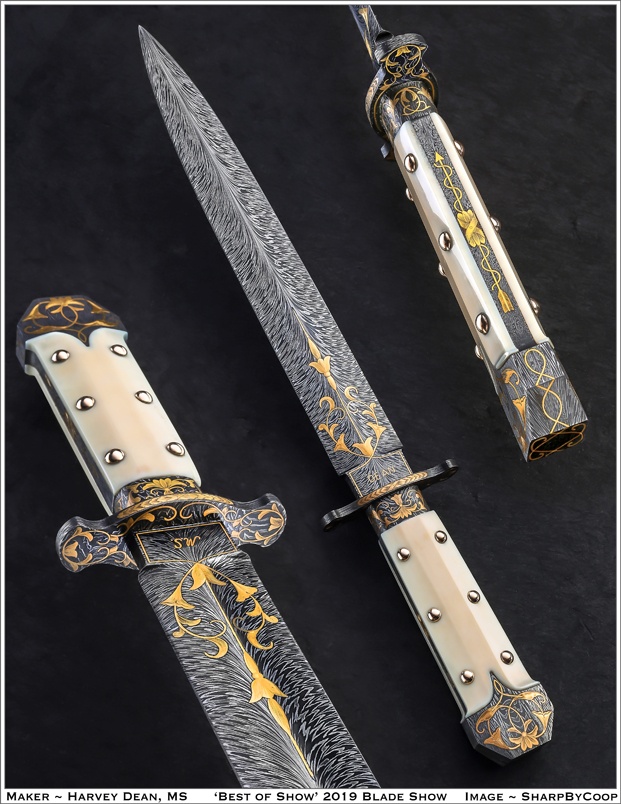
Best in Show: Harvey Dean
Best Art Knife: Veronique Laurent
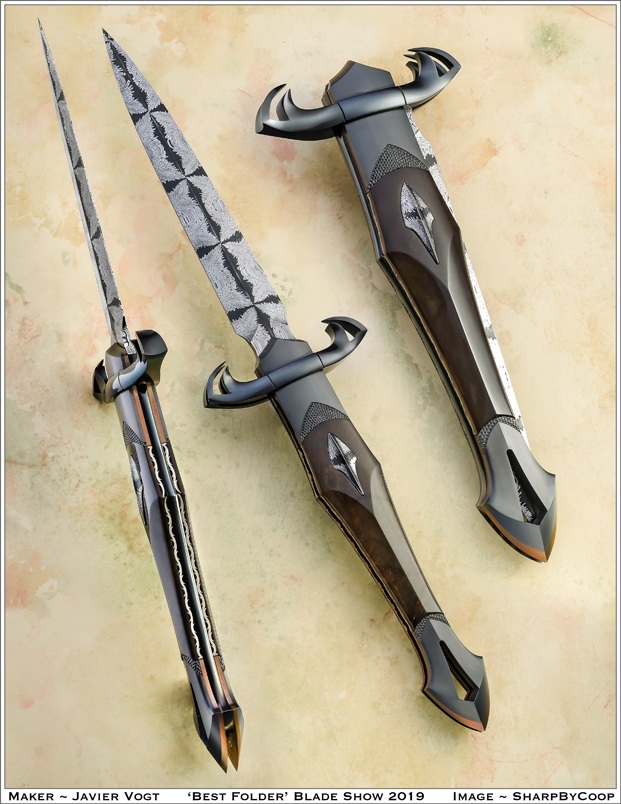
Best Folder: Javier Vogt
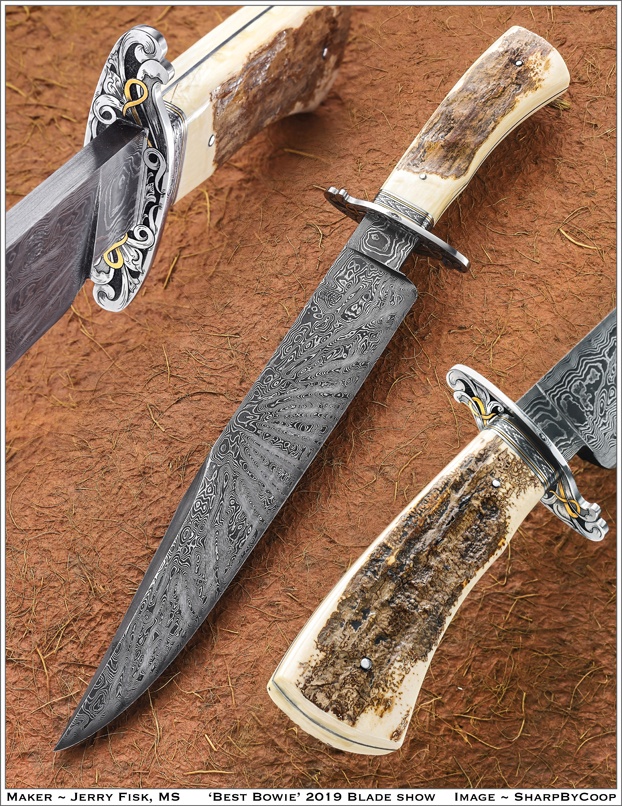
Best Bowie: Jerry Fisk
Best Kitchen Knife: Doberman Forge
Best Fixed Blade: Harvey Dean
Best Damascus: Franco Custom Knives
Best New Maker: Esnyx Knives
Best Collaboration: David Lisch & Andrew Meers
Best Handle Design: Ben Breda
Best Fighter: Brian Sellers
Best of the Rest: Ron Newton
Most Innovative Design: RJ Martin
Best Utility Hunter: Ben Breda
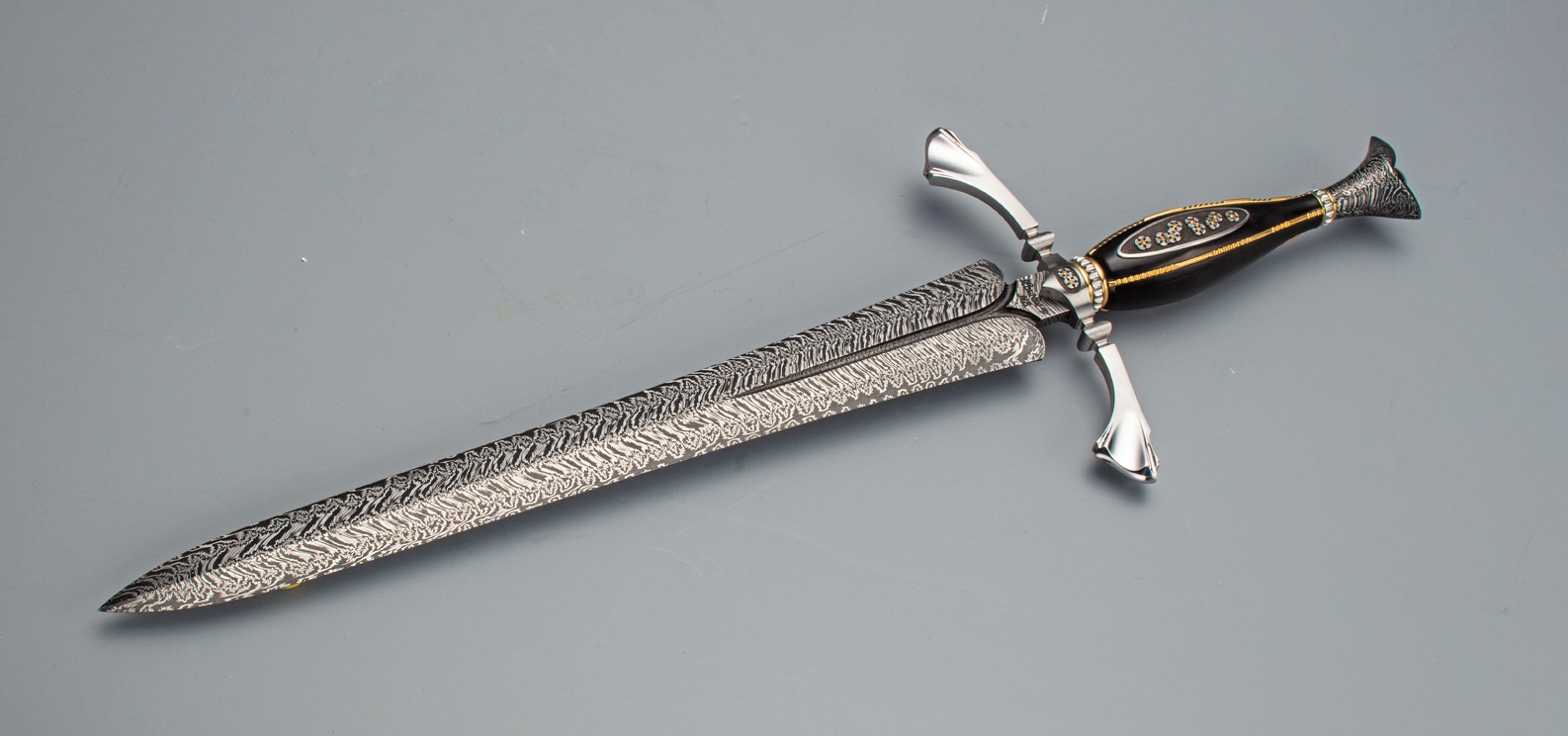
Best Sword: Vince Evans
Best Mini: Ohbuchi Isao
About BLADE Show
The BLADE Show is the world’s largest, most important knife show, and has taken place every year since 1982 and in Atlanta since 1992. Upwards of 1,000 exhibitors from more than 20 countries display their knives and knife-related items over a three-day cutlery celebration that also features BLADE University knife seminars, knife auctions, custom knife awards, celebrity appearances and much more.
About BLADE
BLADE® Magazine (www.blademag.com) is the world’s No.1 knife publication. It is also the world’s oldest knife magazine, publishing its first issue in 1973. In conjunction with the BLADE Show, it has sponsored the Knife of the Year® Awards annually since 1982. The awards are the most coveted honors in the factory knife industry and are voted on by the booth exhibitors at the BLADE Show, who this year number more than 200. Only BLADE Show booth exhibitors are eligible to enter.
The BLADE Show and BLADE Magazine are the properties of Caribou Media LLC.
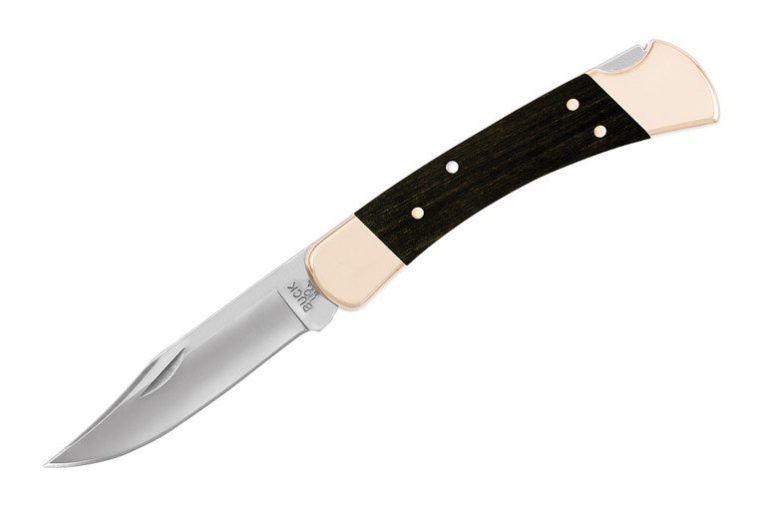
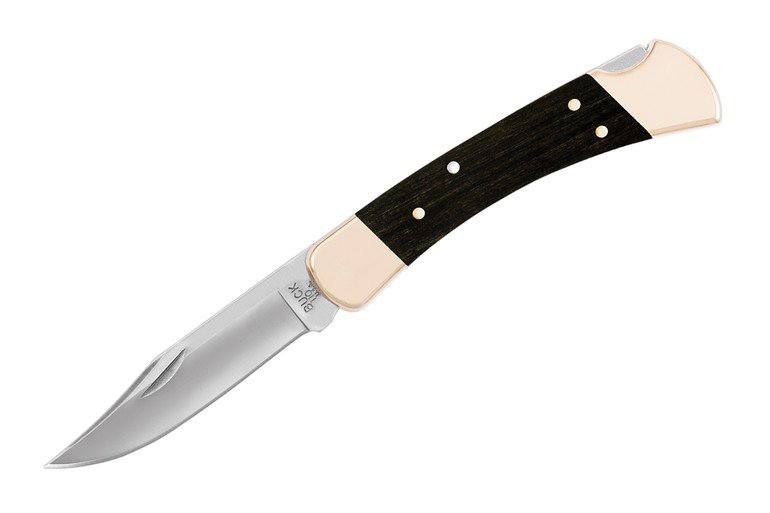
The Buck 110 pictured here, one of the most common folding knives in the United States, could’ve counted as an illegal “gravity knife” under a now-repealed New York law. If the blade could open with a flick, as determined by a law enforcement officer, the possessor of the knife could be arrested and charged with a felony.
In general terms, the now-defunct restriction defined a gravity knife as one with a locking blade able to open with the flick of a wrist. As many in the knife community know, the difference between a folding knife that can and can’t open with a flick is minute. A stiff folding knife on Monday may loosen up by Friday with regular use.
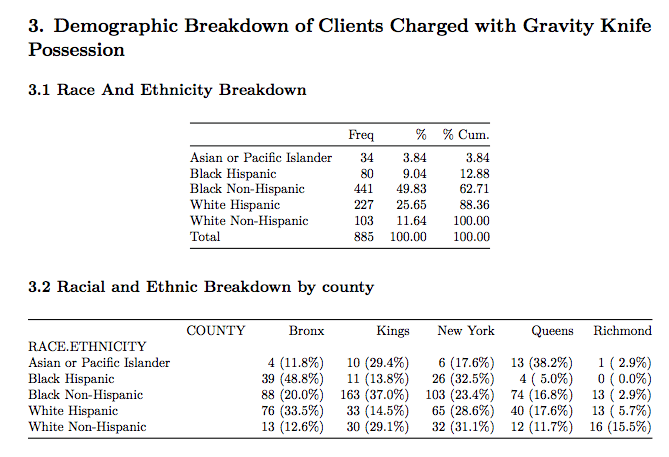
However, up until last week, that small difference came with big consequences, including felony charges or prison time for the 4,000 people arrested each year in New York state. Even if those people, overwhelmingly from minority backgrounds, committed no other crime, possession of a gravity knife alone was grounds for arrest. Due to the vague wording of the law, what constituted a gravity knife was left to the discretion of the arresting law enforcement officers.
A report issued by the Legal Aid Society in 2018 details the lopsided demographics of those charged under the gravity knife ban. Click the image to download the full report (PDF).
As such, major media outlets featured faces familiar to the world of knives in news packages, such as Doug Ritter of Knife Rights.
Reactions
News of Gov. Cuomo’s signature, tempered by the fact that that same governor vetoed the repeal twice before, came as a welcome development to those in the knife community and beyond.
“After nine years fighting, it is a relief to close the book on this extraordinary abuse of authority by a corrupt system that has terrorized over 70,000 honest, law-abiding people, disproportionately minorities, for simply carrying a common tool used daily in their lives. I am thrilled that we and our partners across the political spectrum in this fight have finally prevailed, but it is a sad commentary on the state of politics and justice in New York State, New York City and at the Second Circuit that it took this long and that tens of thousands of innocent folks had to suffer so much for so long,” Ritter said in a Knife Rights article posted May 30.
“A sincere thanks to the New York Legal Aid Society, Rep. Dan Quart, and Senator Diane Savino for not giving up on solving the inconsistency and ambiguity that the NY gravity knife law created. We began working with attorneys at the NY Legal Aid Society on draft language back in 2010 – never imaging success would take so long,” a statement on the website of the American Knife & Tool Institute (AKTI) read.
“For far too long, the NYPD exploited the gravity-knife ban to drive up arrest numbers at the expense of our clients,” Tina Luong, an attorney representing the Legal Aid Society, was quoted as saying in The New York Times.
BLADE reached out for comment from a number of organizations, and had yet to receive responses as of this writing.
NYC Mayor Expresses Opposition
Despite the repeal, some officials remain determined to enforce the restriction through some other mutation. New York City Mayor Bill de Blasio’s office expressed its opposition to the repeal, vowing to find “an alternative” method of restricting gravity knives.
The factory cutlery industry’s most coveted honors, the BLADE Magazine Knife-Of-The-Year® Awards will be announced during the BLADE Magazine Awards Reception the Saturday night of the show in a new venue for this year: the Garden Court Area of the Renaissance Waverly Hotel (tickets required).
Also new for this year, the public will be able to view the proceedings for free from outside a roped off area.
The Garden Court Area is the large room at the top of the escalators on the second floor of the Renaissance Waverly Hotel. When you get to the top of the escalators walk straight ahead and you can’t miss it.
The categories are Overall; American-Made; Imported; Most Innovative American Design; Most Innovative Imported Design; Best Buy Of The Year; Investor/Collector; Collaboration; Manufacturing Quality; Accessory; Kitchen; Publisher’s; and Industry Achievement.
The factory entries are limited to applicable BLADE Show booth exhibitors, and will be exhibited show Friday and Saturday in a special display in the show lobby.