

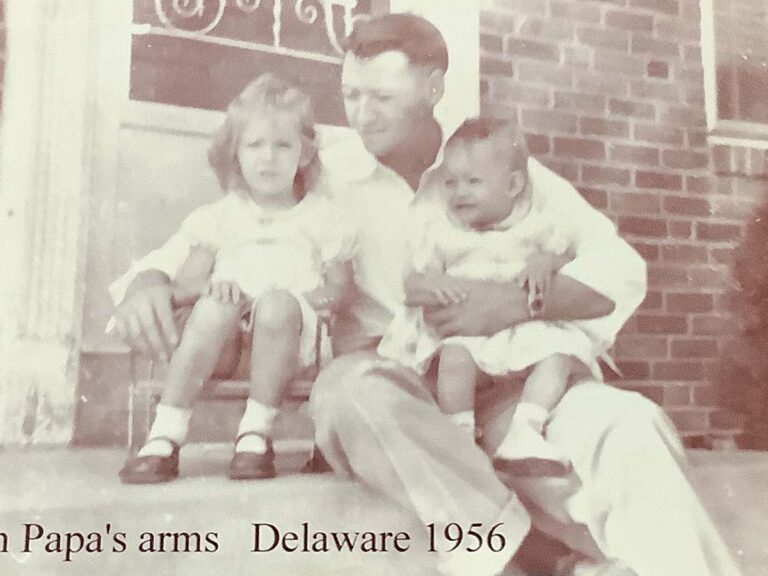
Robin Askew reflects on being the daughter of Bob Loveless.
It was intimate and distant. It was warm and aloof. It was youth, adulthood, hope and memory—all at the same time.
Robin Askew is 70 years old now. She lives a quiet life in Sacramento, California, and her recollections of growing up as the daughter of a legend offer insights into years of experiences that few could imagine. Her father, BLADE Magazine Cutlery Hall-of-Fame® member Bob Loveless, was and remains one of the titans of the custom knife industry. He has been gone more than 15 years, but his imprint on the past, present and future of custom knives is unmistakable and not about to wane.
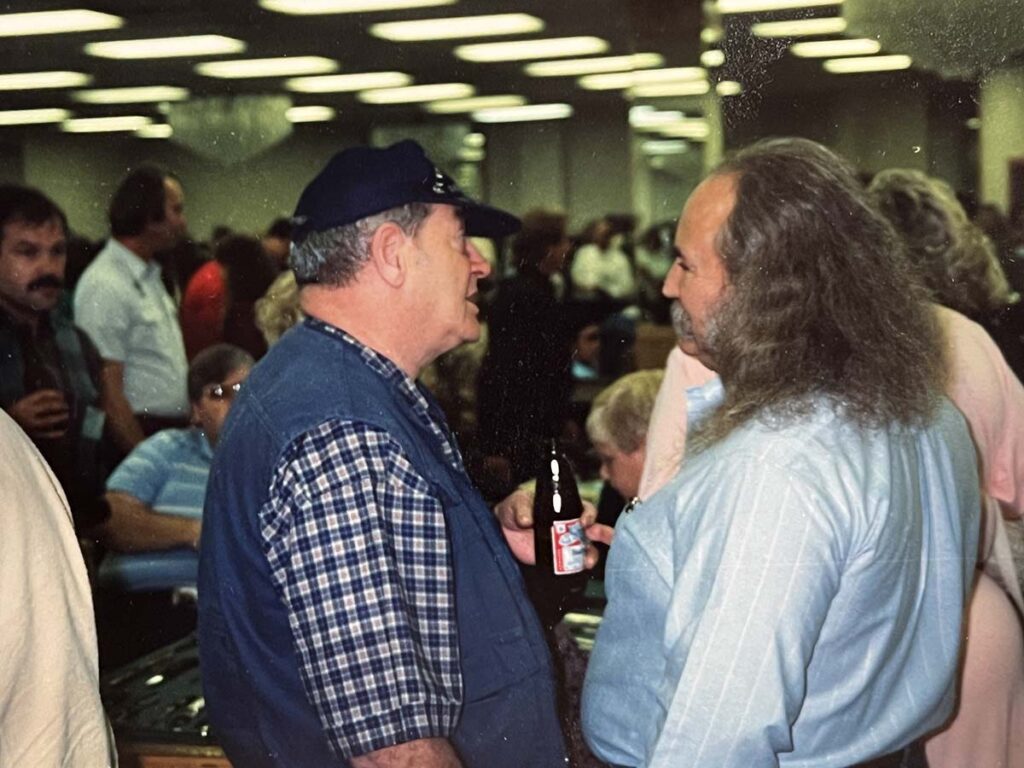
Likewise, those who knew him remember his unforgettable, often larger-than-life persona. Creative genius, irascibility, generosity and unique perspective came together in Loveless, the man who shaped custom knives and literally changed the landscape in tangible ways, including steel and its components, and in intangible ways such as the sweep of the blade, its flow and form, and the aesthetic qualities that characterized his legacy.
Robin experienced the evolution, both in the life of Loveless and in the industry that he forever altered. From her earliest memories, her father was a busy man building a future one knife at a time, crafting a legend—whether he knew it or not—one innovation after another from a basement in Delaware to his shops in California. In the midst of it all, growing up Loveless was a complex, frustrating, fallible, forgiving and ultimately joyous journey.
“Some people were actually frightened of him,” Robin smiled. “They might have been put off. But his bark was so much worse than his bite. Over the years, my father was so amazed by the fact that others regarded him with such a high standard. He didn’t embrace that at all. One time he said to me, ‘They still think I’m the greatest.’ That was something that he had never imagined and never really came to terms with.”
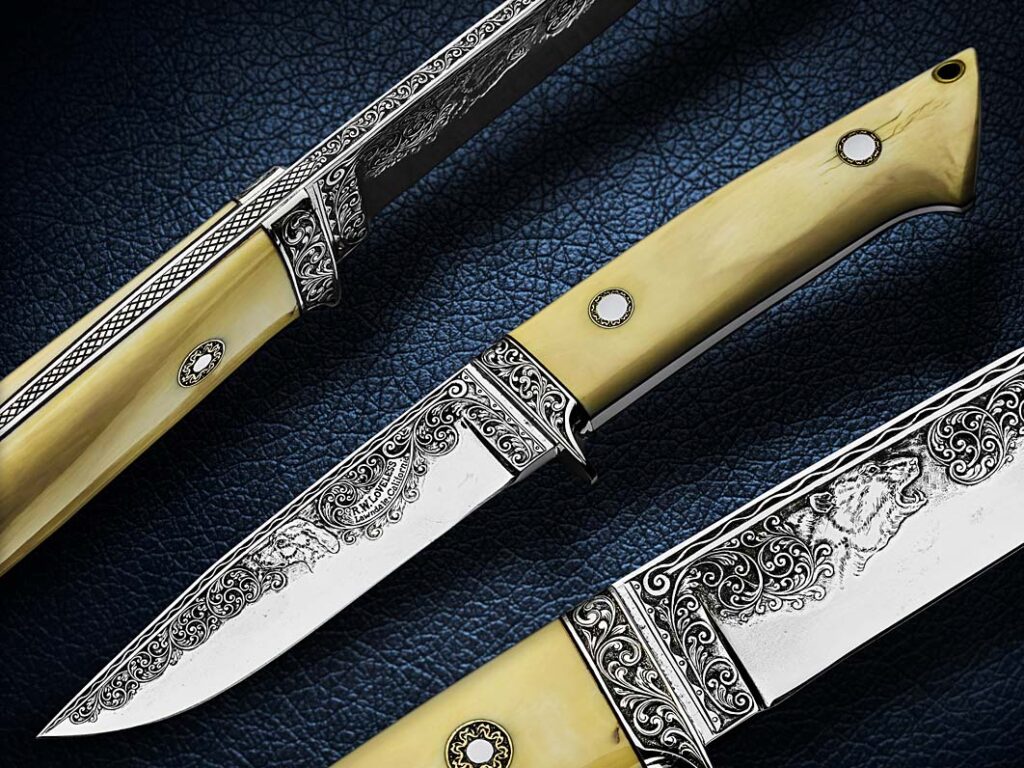
Bob Loveless made contributions to the knife industry on multiple levels. He was instrumental in the formation of The Knifemakers’ Guild and in establishing the custom knife market in concert with other great men like the incomparable Cutlery Hall-of-Famer A.G. Russell. Loveless reached across the globe and developed relationships in Japan that eventually brought ATS-34 stainless steel, a staple in blade construction, to other markets. He was a metallurgist who concocted his own steel composition and made Micarta® a handle material of choice. The curve and the sweep of the drop-point hunter and other Loveless creations touch the senses and influence generations of admirers even now.
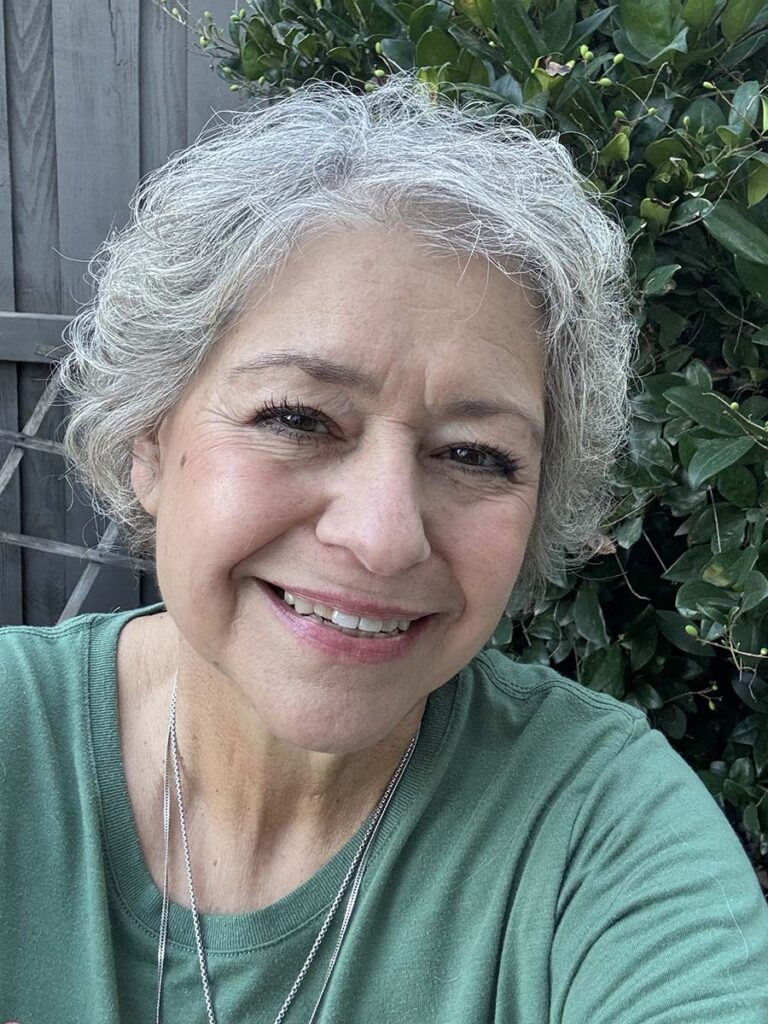
For Robin, more than half a century of a legend in the making is remembered in light and shadow, the image of her father at work tirelessly building and brainstorming and striving to make his way, and in turn taking care of those close to him. It was, at times, both turbulent and tender, but always something new.
“Daddy was super, super busy,” Robin recalled. “I never made a knife, just swept the shop floor. He would do things in batches and stages, and one of the most fascinating things I remember was when he would cut the leather and make the sheaths on a big stitching machine. He did everything with the knives, from drawing out the patterns to grinding the blades down and shaping them and putting the Micarta, stag or ivory handles on them. After he ground batches of blades, he would test them, pointing them down and dropping them onto the concrete floor of the shop. If the tip cracked, the whole batch of blades would be thrown away—but that never happened.”
Through the years, there were times when the family fractured, quite probably due at least in part to the stress and strain of a one-man enterprise that was on the rise, moving through uncharted territory and challenges. While something incredible was eventually gained, there was a cost to be counted. But such is true in life, true for everyone and in every relationship.
Lawndale & Riverside
For much of her young life in Lawndale, California, Robin lived in a small house with her mother and sister while her father lived in a studio apartment just down the road and worked in his basic shop.
“At the time I grew up with my dad, Allison and I were the oldest, and then Mary came along nine years later,” Robin commented. “Dad was getting to be known while the shop was in Lawndale, and when I was a senior in high school in 1973, the shop in Riverside, California, was not quite ready.
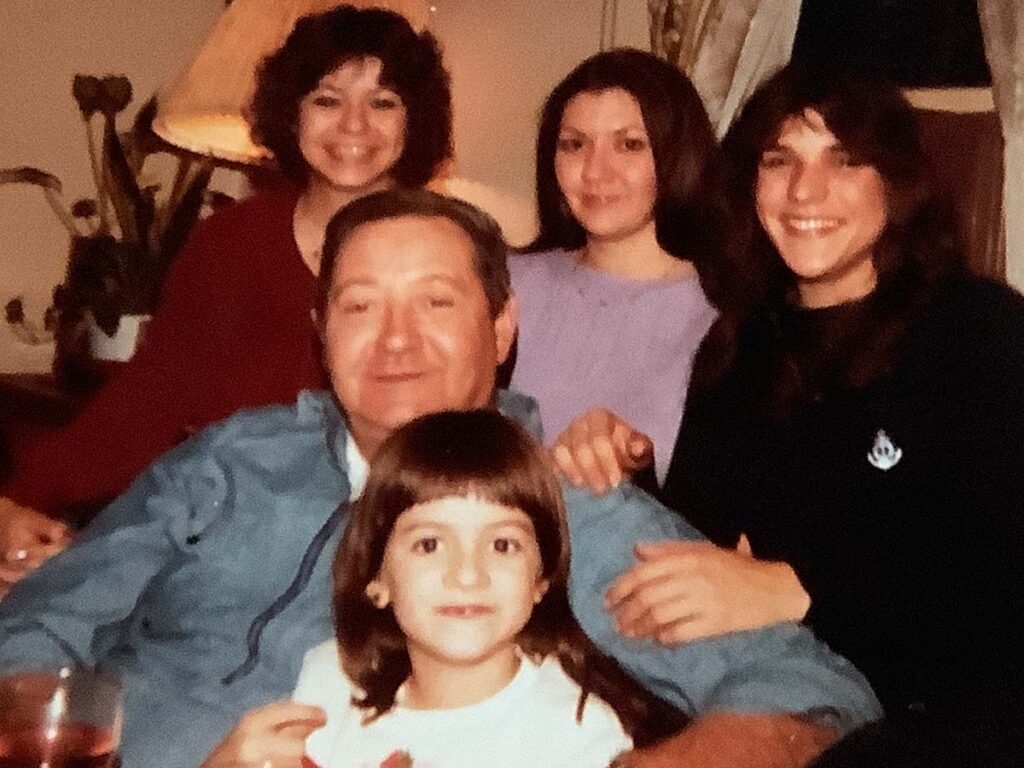
“Still, he was getting telephone calls all the time. We would answer them in the house when he was working, and finally he put a phone in the shop because we had been taking all the calls,” she laughed. “He hired me to be his little secretary, and I would send out the catalogs and address them and seal them and take messages. It was a little weekend job, nice and fun.”
The relocation to Riverside occurred about 1974, and Robin remembers the dramatic change from Lawndale in terms of shop sophistication. “I had moved away,” she said, “and when I came to the shop in Riverside, it was so much more advanced than the little Lawndale shop with so many machines and things to look at. I was fascinated by everything he did, and it was fun to sit in his office.”
Along For The Ride
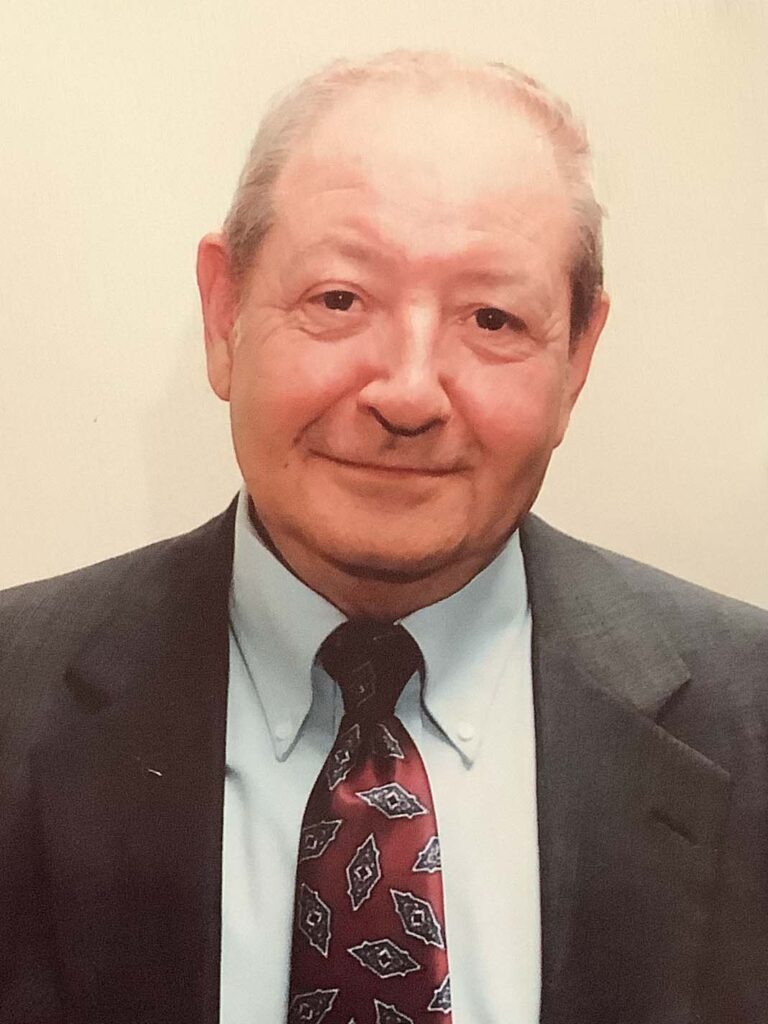
By that time, though, the Loveless mystique was already established. Bob was well on his way to custom knife stardom. And those around him? Well, they were along for the ride.
“People had started to come over and meet my dad,” Robin smiled. “There were so many people, different people, ordering knives. He would hang up the phone and say, ‘OK, John Wayne just ordered a knife.’”
Bob Loveless became a friend to the prominent, the eclectic and a diverse spectrum of admirers. Although they may have shared little else, they were each drawn, like moths to a flame, to the world and work of a master. Loveless met David Crosby, Stephen Stills and Graham Nash, stars of the pop music scene with their fame growing exponentially in the late 1960s. Crosby was a frequent visitor.
“When Dad first met them, the three were playing the circuit,” Robin remarked. “They were performing in bars and night clubs, and Dad would sit in with them on stage and play his harmonica. He loved to play the harmonica and had a lot of fun with them. Crosby would come to where Dad lived in the studio apartment about a quarter mile down the street from the house in Lawndale and just hang out. One time, he came to the door and said, ‘Is your dad here?’ and I yelled, ‘Dad, David Crosby is at the front door!’ They would just talk and enjoy themselves and do their thing.
“One time Crosby came into the kitchen and said, ‘Robin, can you make me a cup of coffee? You’re the only one who knows how I like it.’ This is 1973. These guys are really hot. And I’m a senior in high school!”
Vietnam
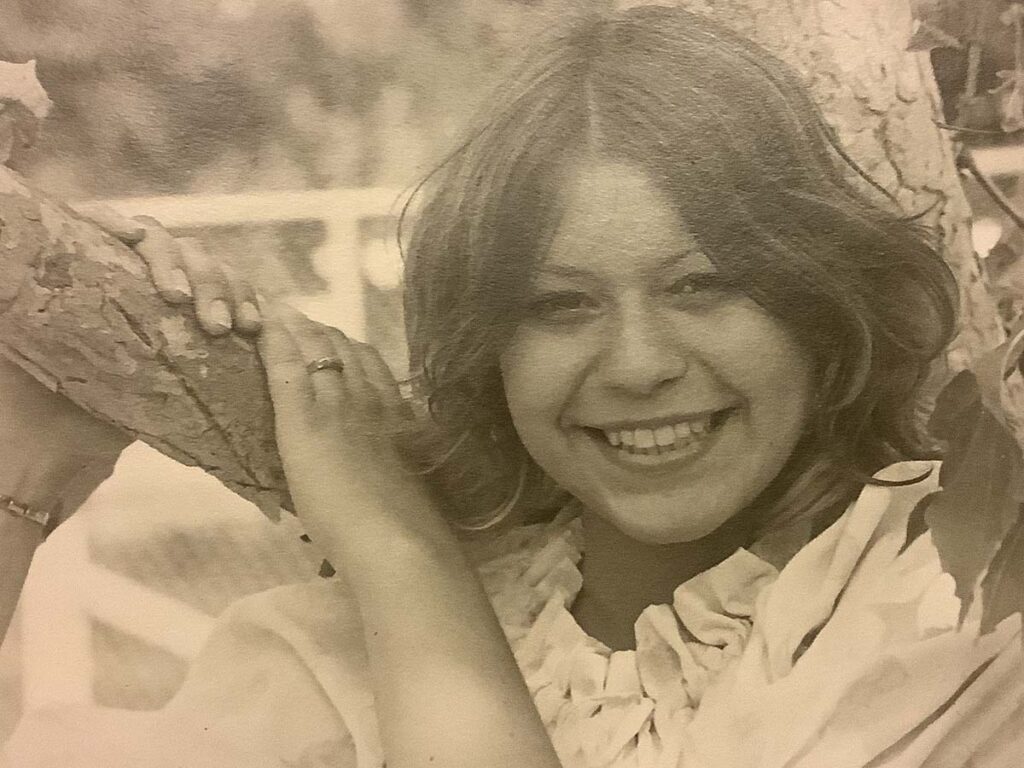
During the 1960s and ’70s, Bob made many knives for military personnel, but Robin says he was sensitive to the situation when it came to his children. “My war was Vietnam,” she reflected, “and Dad made a lot of combat knives for Marines and Special Operations people who went overseas. I never knew that until I was an adult, and I don’t think Dad wanted us to know that. The war was so horrific in my eyes, but I supported everyone who ever went there. Some of them were my schoolmates.
“Dad was not a part of the California culture of that time,” she continued, “because he was always making knives. He had a lot of them on back order, and he would tell me the wait time was five years or six years, and later it got up to 10 years. He didn’t ever really have time to leave the shop, and he never discussed political things unless I called and asked his opinion about something. I do know that he made fighting knives—and these were like ‘killer knives.’ They were unbelievable. Then, his mother and stepfather were murdered in Ohio in 1985. They were stabbed to death in a robbery while he was in Japan.
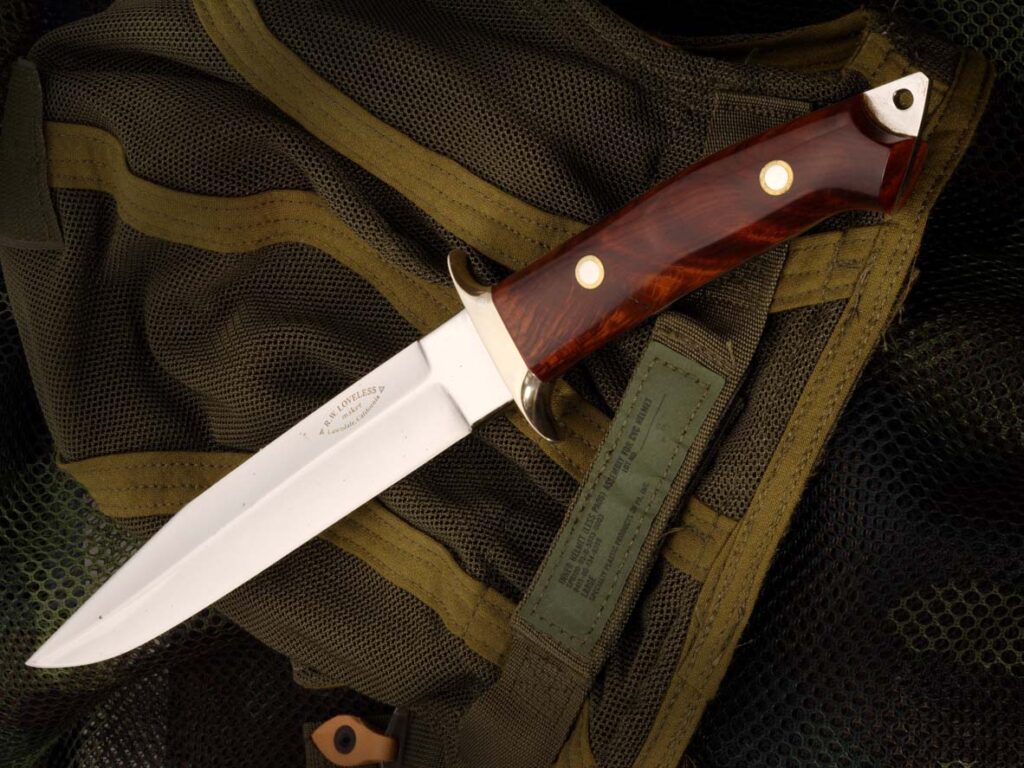
“The decision was made not to tell him about it until he came home. He had already had a heart attack. So, after he was given the terrible news, I believe he felt bad about making knives because sometimes knives took people’s lives. Afterward, he no longer made combat knives.”
The life and times of Bob Loveless were surreal, energized and unequalled in excitement. “I remember once when a gentleman from Japan visited us in California,” Robin added. “My dad was instrumental in helping the Japanese Guild get started, and they would send makers over to work with him. I had no idea who this gentleman was, and you’ve got to remember that the Lawndale shop was just a tiny square box, not fancy but where he had put everything he had into it. This Japanese gentleman bowed to me. I was 16 at the time—and honored that he would bow to me. I didn’t really understand, but Dad said, ‘That’s what they do. They respect us, and they copy us because they respect our work.’”
Bob’s Beehive
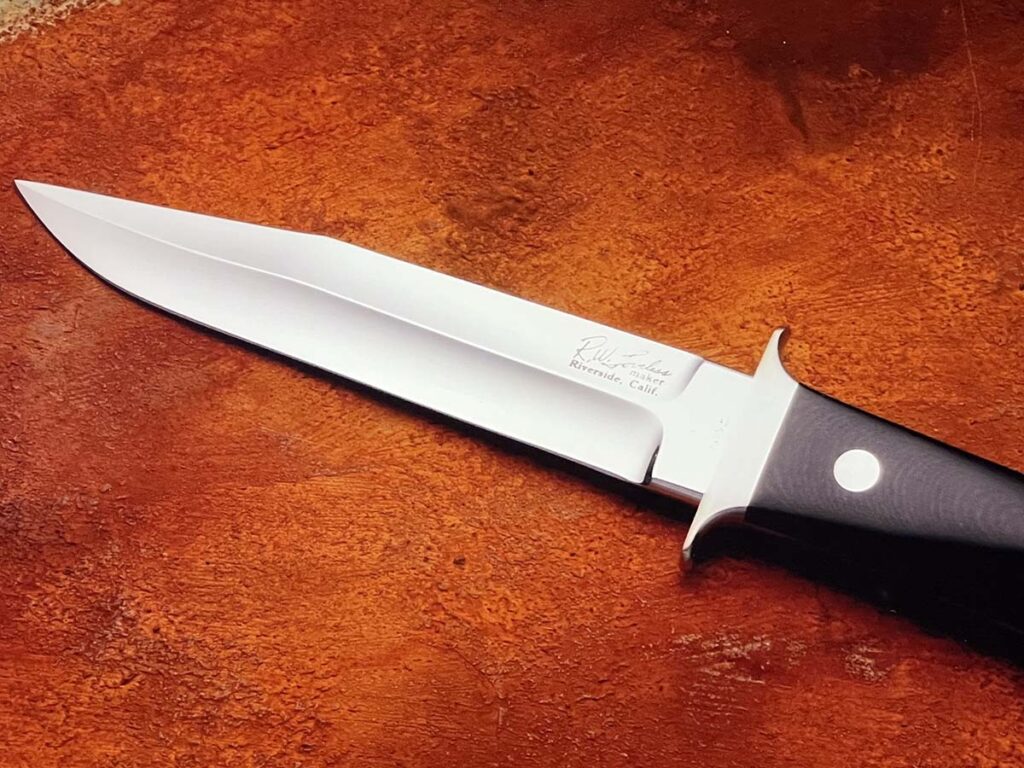
The Loveless shop, in Lawndale and then Riverside, was a beehive of activity. First, Bob was a solo act, and then great partnerships and friendships emerged. “In the morning, I would go to school, and he was busy all day,” Robin said. “Steve Johnson came in and was his partner. Steve was like an older brother to me. He was a very good boy, very shy and dedicated to learning the craft from my dad. He is maybe five years older than I am, and he grew into a wonderful man.
“Steve had a Camaro, and he would let me drive it,” she continued. “It had a manual shift, not an automatic. I went for the test to get my driver’s license in that car, and it didn’t go too well. The instructor said, ‘Are you all right? You turned too much!’ When we got back to the DMV, I told Steve I had flunked. But he still let me drive his car back home.”
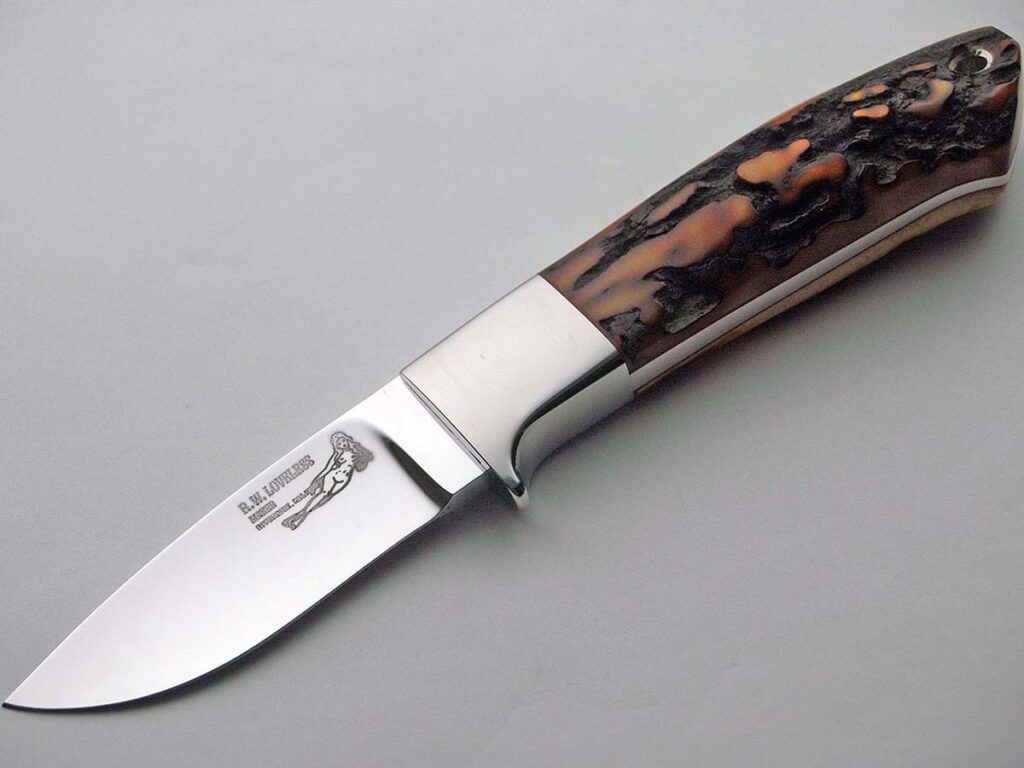
Bob also cultivated a relationship with his one-time landlord, Dr. Dixon. He rented a house from Dixon and subsequently bought it. He made knives that Dixon collected, even naming a fighter style after his friend. Bob’s buddy Ray Randall was a frequent visitor as well. Robin recalled, “Ray was a sales representative, and he would bring us girls all kinds of shampoos and cream rinses for our hair when he came out to visit Dad.”
Read More On Bob Loveless:
- Bob Loveless: The Icon’s Indelible Mark On The Knife Industry
- PHOTOS: 15 Greatest Bob Loveless Knives of All-Time
- The Legacy of Bob Loveless’s Dropped Hunter
- Merritt-Loveless Knives Do Indeed Hold Merit
 NEXT STEP: Download Your Free KNIFE GUIDE Issue of BLADE Magazine
BLADE’s annual Knife Guide Issue features the newest knives and sharpeners, plus knife and axe reviews, knife sheaths, kit knives and a Knife Industry Directory.Get your FREE digital PDF instant download of the annual Knife Guide. No, really! We will email it to you right now when you subscribe to the BLADE email newsletter.





