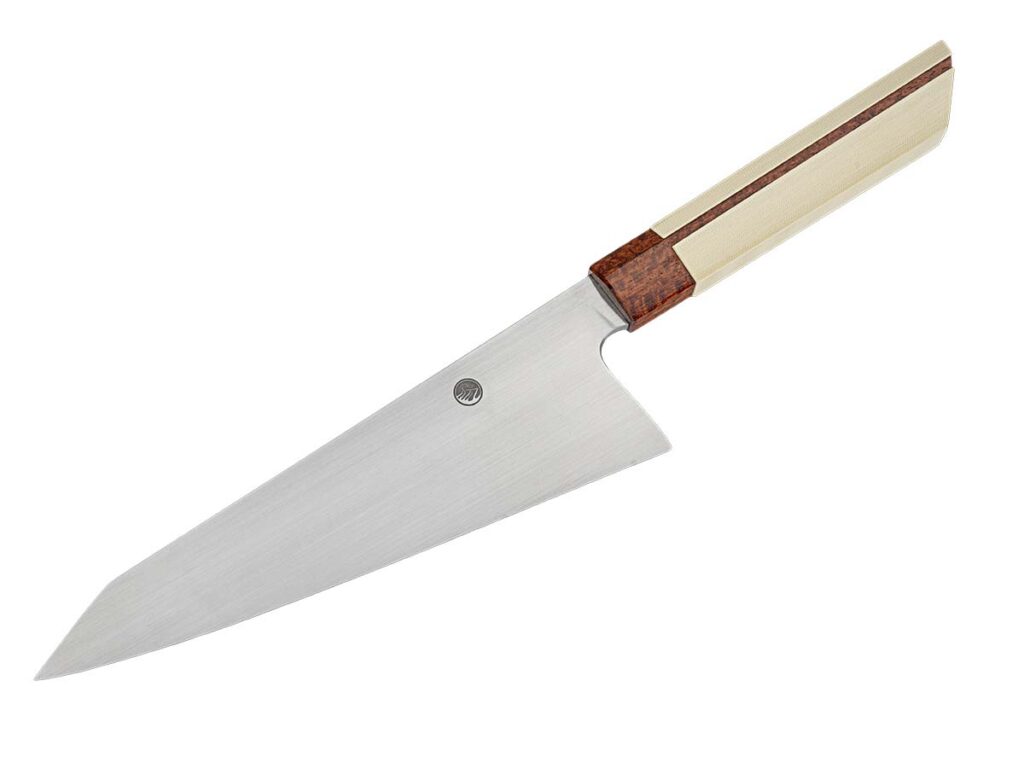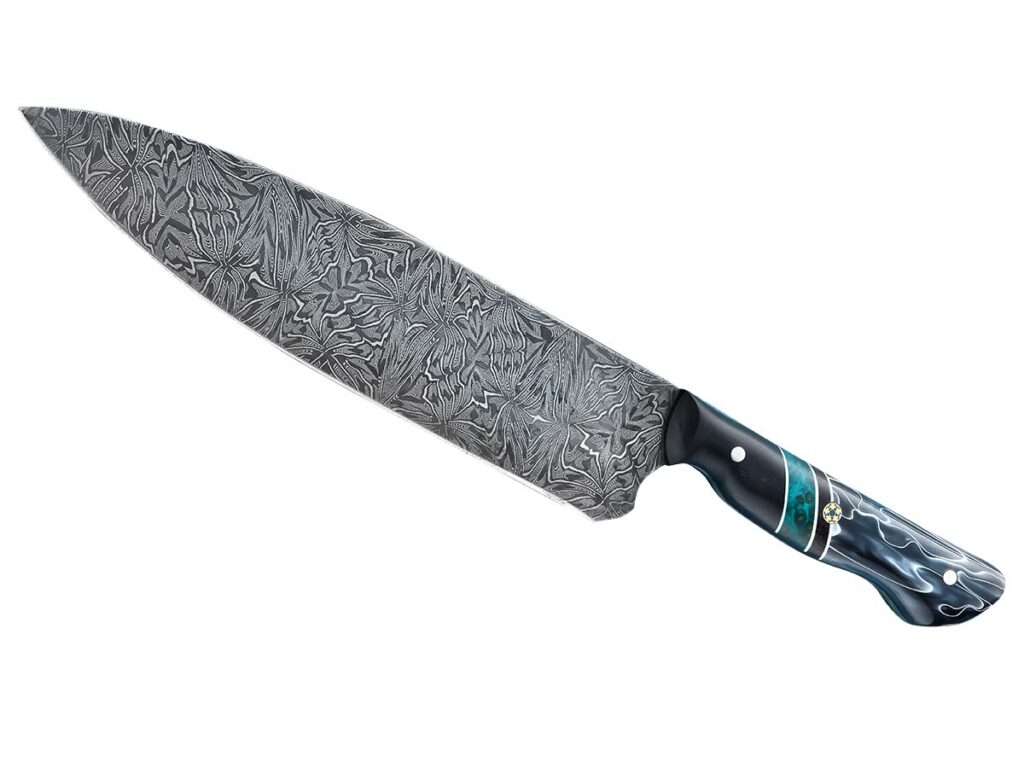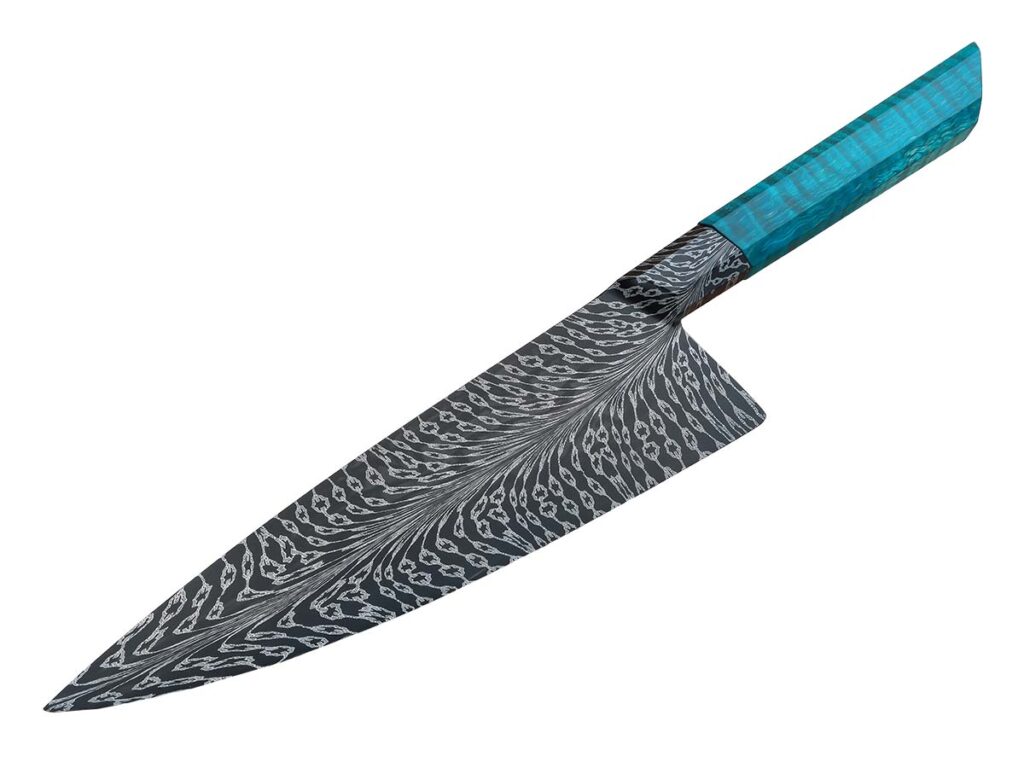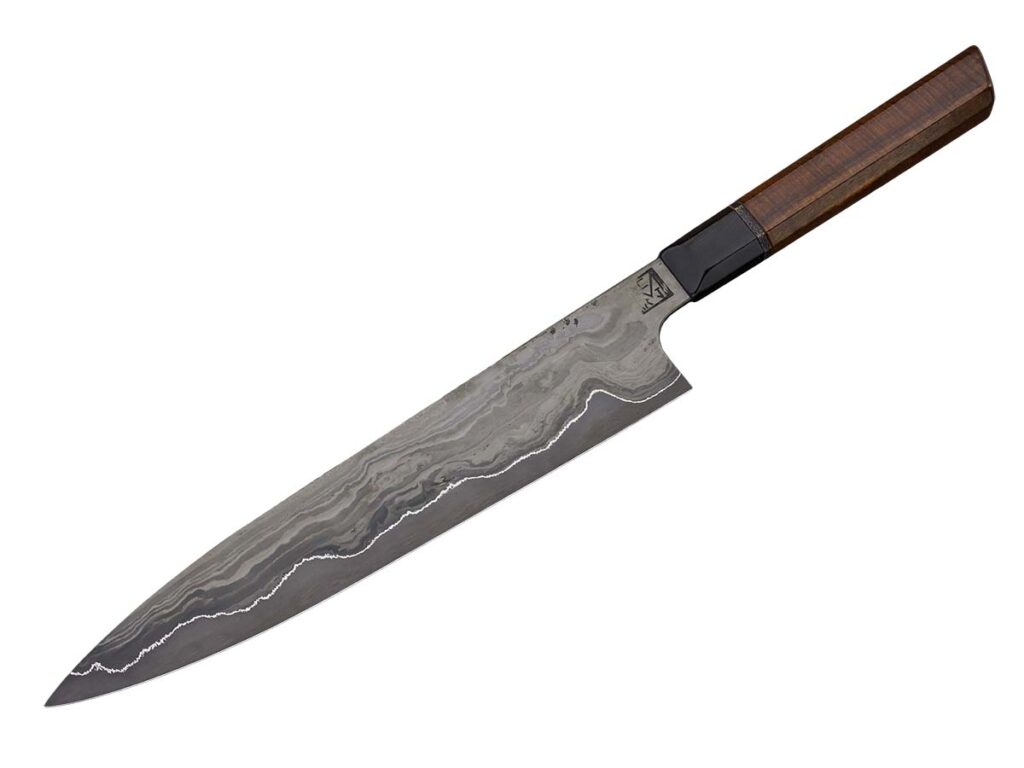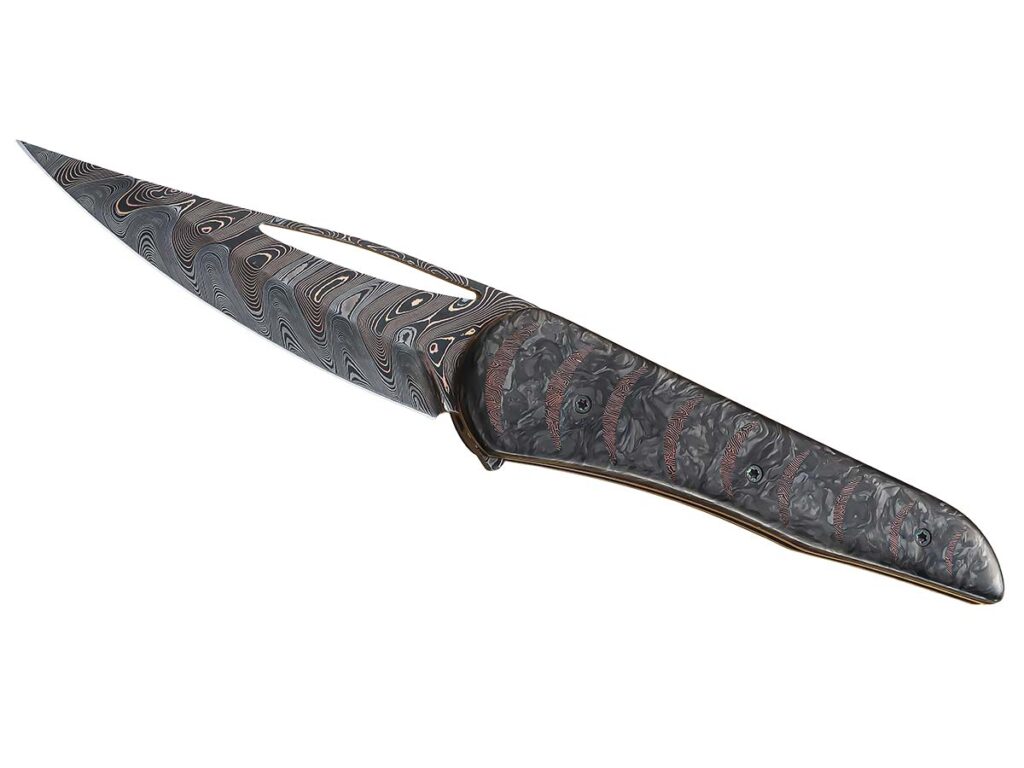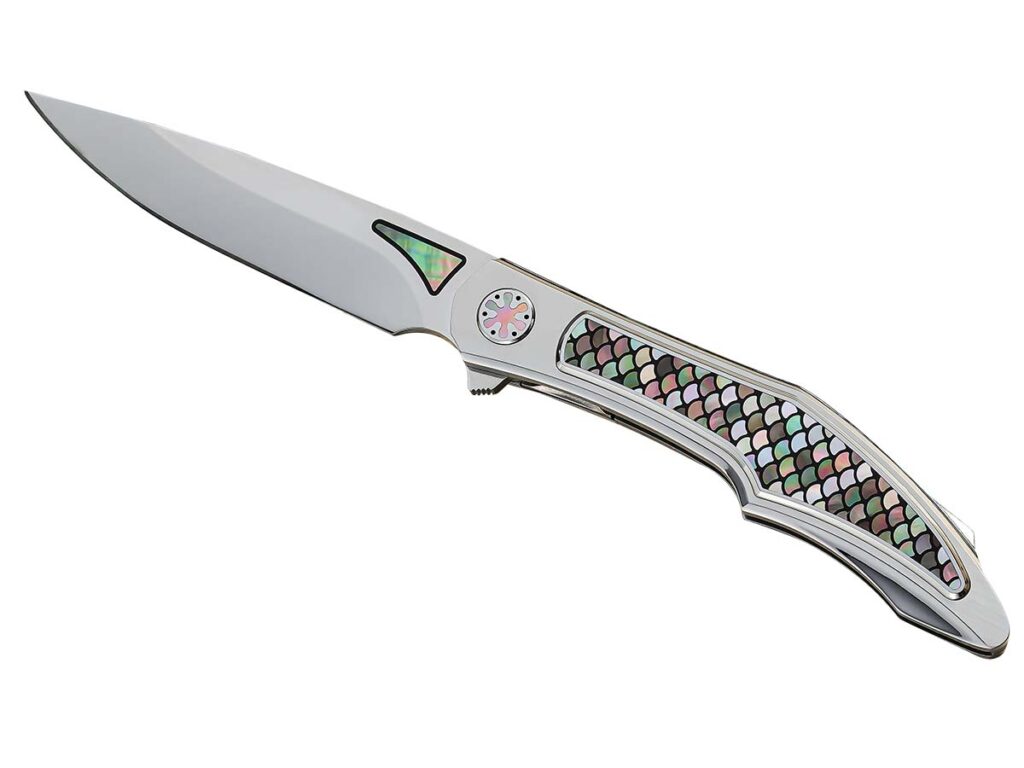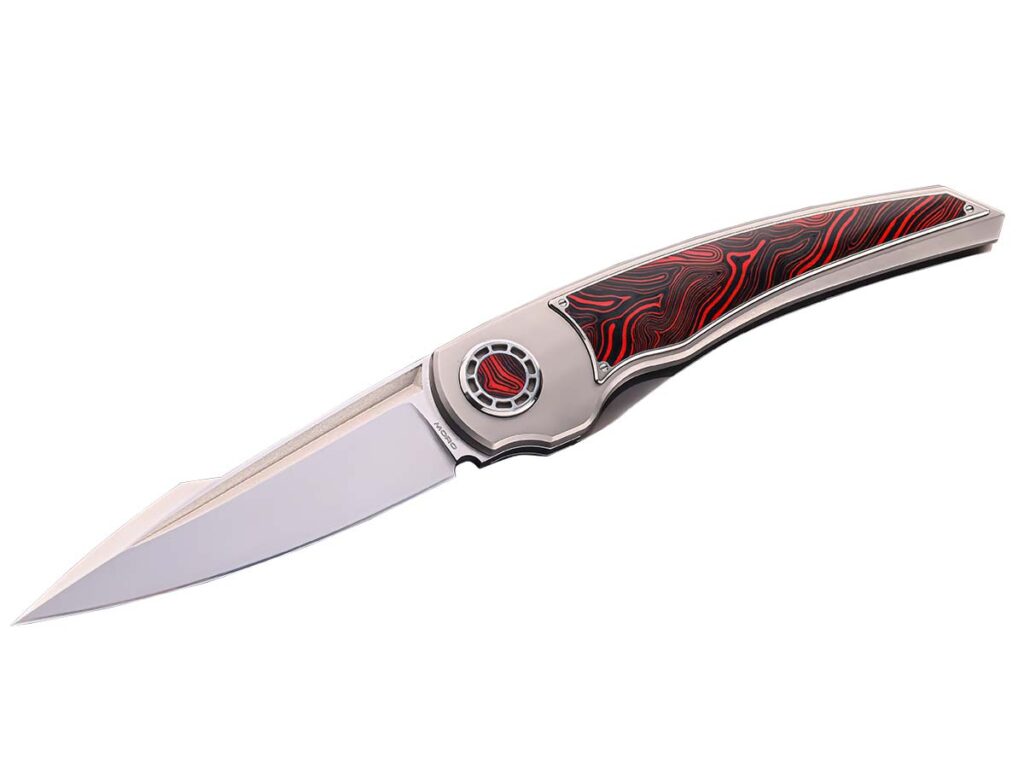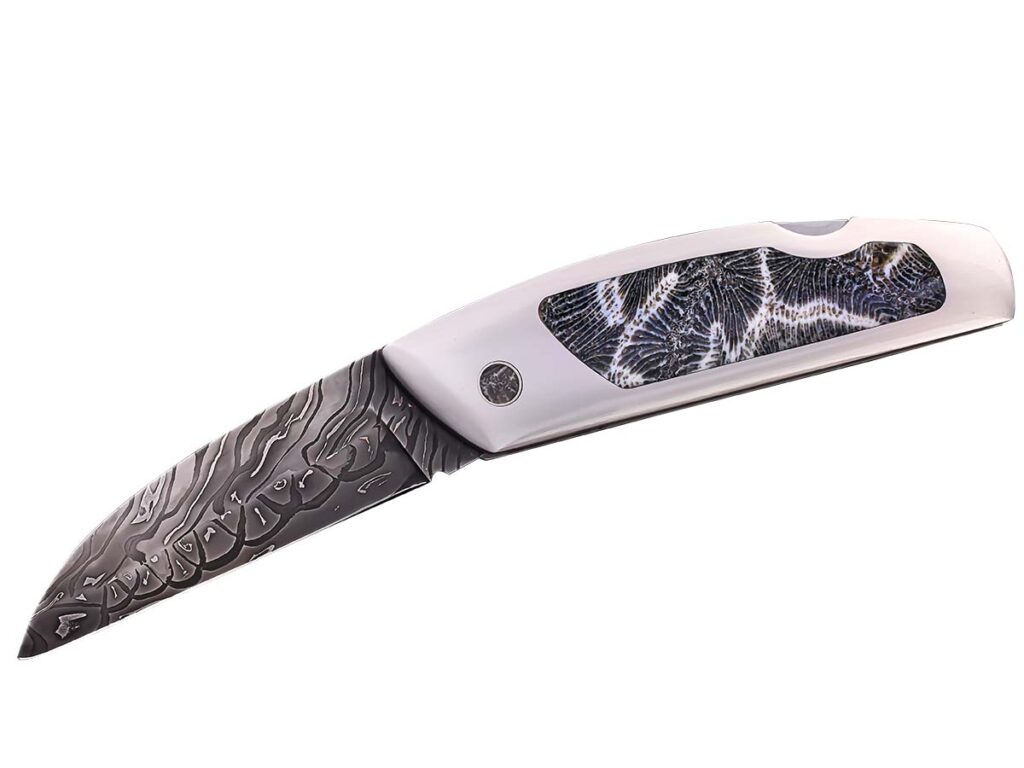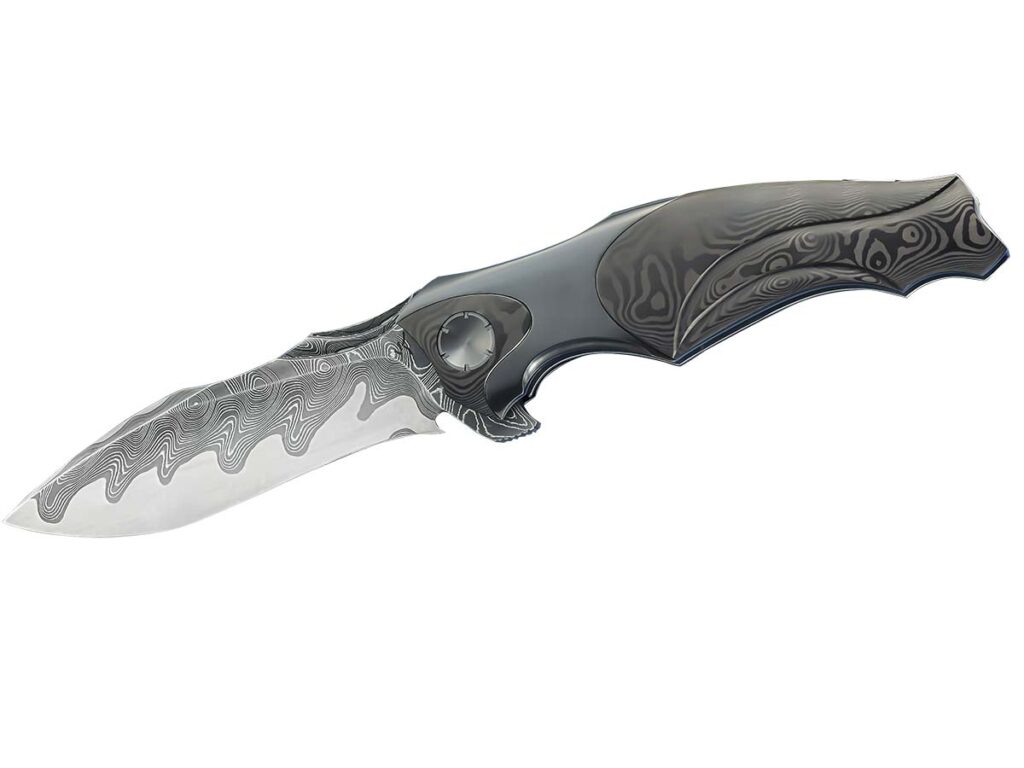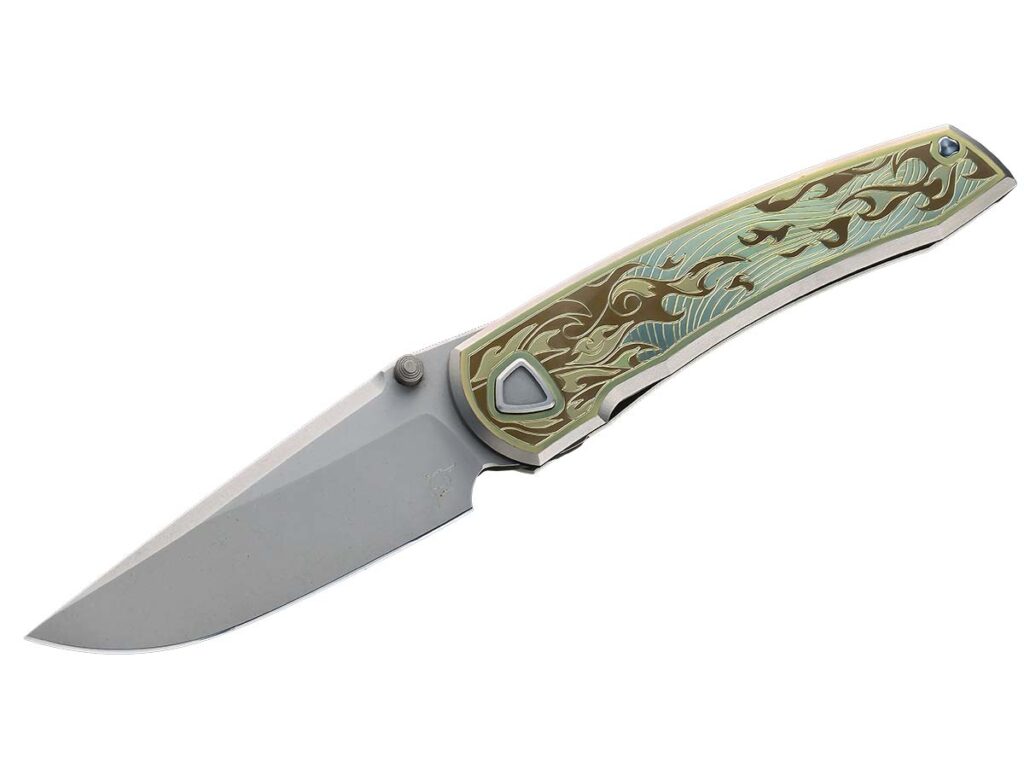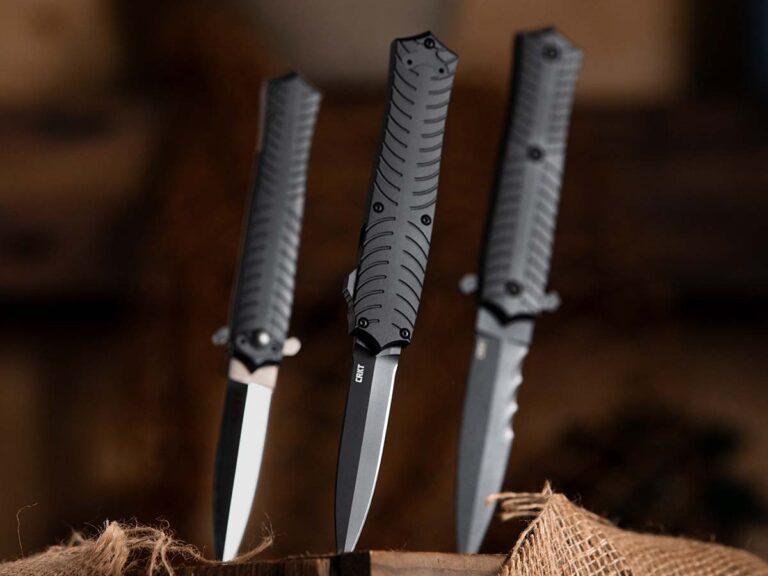
Built on collaboration, craftsmanship, and a no-compromise mindset, GiantMouse celebrates a decade of redefining what everyday carry can be.
GiantMouse Knives is hitting a major milestone in 2025—10 years of pushing the envelope in knife design, quality, and everyday adventure.
What started back in 2015 as a bold idea between a few passionate knife guys has grown into something much bigger. Over the past decade, GiantMouse has carved out a loyal following among collectors, adventurers, and EDC enthusiasts around the world—people who want tools that not only perform, but inspire.
From their iconic limited runs to reliable production models, GiantMouse has built its reputation on standout design, top-tier materials, and the kind of quality that makes a knife feel like it was made just for you.
“This anniversary is really about the people who’ve been with us since day one,” the company shared in a statement. “GiantMouse is for folks who demand quality, chase adventure, and believe their gear should tell a story. Ten years in, and we’re just getting warmed up.”
To celebrate, GiantMouse will be rolling out a year’s worth of anniversary content in 2025—including exclusive behind-the-scenes features, community shoutouts, and a look back at some of their most legendary designs. If you’ve ever carried a GiantMouse blade (or thought about it), this is a celebration you’ll want to be part of.
Learn how the new law, SB 108, updates knife regulations and what this means for knife owners.
Delaware became the 22nd state to repeal switchblade/automatic knife bans or restrictions with the signing July 30 of bipartisan SB 108 by Governor Matt Meyer.
According to the Knife Rights website, the bill not only removes restrictions on the sale or possession of automatics in Delaware, it also amends the “Deadly Weapons” exemption for “ordinary pocketknife” by deleting “folding” in order to cover all knife types. It also increases the legal blade length from 3 to 3.75 inches.
“SB 108 is a common-sense update, modernizing Delaware’s knife laws, so citizens gain the freedom to carry and use these tools responsibly without fear of legal penalty,” Meyer said.
In addition to Delaware, states repealing switchblade bans or restrictions include Alaska; Colorado; Hawaii; Illinois; Indiana; Kansas; Louisiana; Maine; Michigan; Missouri; Montana; Nevada; New Hampshire; Ohio; Oklahoma; Pennsylvania; Tennessee; Texas; Vermont; Virginia; and Wisconsin.
This leaves only three states where civilian possession of automatic knives remains banned: New Mexico, Minnesota and Washington. Knife Rights is challenging Minnesota’s ban in federal court. Washington is in the Ninth Circuit where KR’s federal lawsuit against California’s partial ban is proceeding on appeal. A win there would apply to Washington’s ban.
William “Bill” Adams was a revered knife entrepreneur, author and Cutlery Hall-of-Fame member. Learn about his immense impact on the knife community.
William Calhoun “Bill” Adams, knife entrepreneur, defender of all things knife, BLADE Magazine Cutlery Hall-of-Fame® member and invaluable friend of the knife community, passed away August 10. He was 87.
Known for his easy smile, snow white beard and amiable North Georgia drawl, Bill was liked and admired by many in the industry. He founded Atlanta Cutlery and, with Hank Reinhardt, co-founded Museum Replicas, both in Conyers, Georgia. Bill’s retail operations required him to travel the globe in search of the finest knives, swords and accouterments, including England, Ireland, Africa, India, parts of Central and South America, and all over the USA.
He served as president of the Antique Bowie Knife Association and helped found the Military Equipment and Weapons Collectors Association. He also helped found the Cutlery Collectors Legislative Committee, aka the CCLC, forerunner to today’s two leading pro-knife-legislation groups, Knife Rights and the American Knife & Tool Institute. In 1995, Bill was inducted into the Cutlery Hall of Fame.
He was a knowledgeable, gifted author, editing Sheffield Exhibition Knives and co-writing The Antique Bowie Knife Book, both of which are go-to guides for fans and aficionados of vintage Sheffield-made and antique bowies, respectively. He also was a dedicated knife collector, winning several awards for his wide-ranging collections at the BLADE Show. He retired to Roberta, Georgia, to live along the Flint River, where he enjoyed a quiet, peaceful and happy life.
He is survived by his sister-in-law Dee Anne Adams, his nephew David A. Adams and wife Cheryl, and dear friend and travel partner Elaine Barnes. The family wishes to express its thanks to Bill’s Roberta, Georgia, friends, especially Charles and Kate Rice, who cared for and treated him like family.
Remembering Others The Knife Industry Has Lost:
Betty Dowell, Driving Force Behind Knifemaker Ted Dowell, Passes
B. R. Hughes, Pioneering Writer And Bladesmithing Teacher, Passes Away
A bold new release from Benchmade, the Lowden blends premium materials, M390 steel, and fidget-worthy deployment in a sleek, spear-point EDC design.
Benchmade just shook things up with the release of the Lowden—and if you’re into flippers, this one’s going to catch your eye.
Known for their rock-solid AXIS lock and high-quality builds, Benchmade isn’t typically the first brand you think of when it comes to rear flippers. But the Lowden changes that.
This sleek little blade flips open like a dream. You’ve got the option of using the flipper tab or sticking with the tried-and-true AXIS lock for one-handed deployment, and both are smooth and snappy. It’s a fun, fidget-friendly knife that doesn’t compromise on function.
The Lowden sports a 2.79-inch spear-point blade made from M390 super steel—translation: this thing holds an edge like a champ, resists corrosion, and is tough enough for serious work.
The handles are lightweight anodized aluminum with a stainless-steel inset frame, giving it that slim, dagger-inspired profile without skimping on strength. Plus, Benchmade matched the color on the AXIS button and deep-carry pocket clip for a clean, cohesive look.
Sure, a spear-point blade might seem like an odd choice for EDC or outdoor use, but in practice, it works. It’s surprisingly versatile, with great piercing power and slicing ability. The ergonomics are solid too—with an ample handle fitting comfortably in a wide range of hand sizes and offers a confident grip.
Are there a couple of nitpicks? Sure.
There’s no lanyard hole, which could be a downside for folks who like a little extra security, and the flipper tab could use some jimping. But overall, the Lowden is a refined, premium knife that’s just plain enjoyable to carry and use—classic Benchmade quality with a fresh twist.
Spyderco unveils a limited-edition Para Military 2 with a cut-through Statue of Liberty blade to honor H.L. Dalis Inc.’s 100th anniversary. Just 1,200 knives available—collectors take note.
Spyderco has made its first “cut-through” blade design since its highly collectible Q, R and S series from roughly a quarter century ago to celebrate the 100th anniversary of H.L. Dalis Inc.
The cut-through graces the blade of a Para Military 2, including perforations both of and flanking an engraving of the Statue of Liberty. “As a New York company, we thought the Statue of Liberty cut through was appropriate,” stated Jon Blumenfeld, president of H.L. Dalis Inc., “as it is the most universal symbol of what the USA stands for.”
There will be 1,200 units in all, with delivery expected in the late third quarter of this year. As an added special feature, Spyderco has agreed to have its design team sign one box for every 50 units, and H.L. Dalis will include one signed boxed unit at standard volume cost with every 51 units—50 plus one signed boxed unit—ordered by its dealers.
Para Military 2 Specs Blade length: 3.45” Blade steel: SPY27 stainless Blade grind: Full flat Edge configuration: PlainEdge Lock: Compression Lock Hardware configuration: Stainless steel pocket clip, standoffs and liners Weight: 3.8 ozs. Closed length: 4.82” Knife to know: Made in a limited edition of 1200 MSRPs: $340
Test your knowledge of damascus steel with this 25-question quiz from BLADE Magazine. From ancient origins to modern master smiths, see how deep your damascus expertise runs.
Think you know your damascus steel? From ancient Persia to modern-day master smiths, the history of damascus is layered—just like the blades themselves. This quiz digs deep into the facts, myths, and makers behind one of the most iconic steels in knife history. Whether you’re a seasoned collector, a curious forger, or just a damascus fanboy, it’s time to put your knowledge to the test. Ready to slice through 25 questions on the steel for the ages? Let’s see what you’ve got.
Answers at the bottom of the page.
1) Canned steel/canister steel is a method for the making of: a) maidenhair damascus b) stainless damascus c) mosaic damascus
2) The first recorded use of canned steel was in the making of high carbon steel from: a) blister steel b) wrought iron c) shear steel
3) BLADE Magazine Cutlery Hall-of-Fame® member Steve Schwarzer made his first powder-metal mosaic damascus in 1990 with the help of: a) Cutlery Hall-of-Famer Alfred Pendray b) Joe Hytovick c) Daryl Meier
4) When Cutlery Hall-of-Famer Bill Moran introduced the modern American custom knife industry to damascus steel blades at the 1973 Knifemakers’ Guild Show, how many damascus knives did he display on his table?: a) seven b) 11 c) eight
Al “The Wizard of Wootz” Pendray (left) and knifemaker John Salley at an early ’90s Guild Show.
5) Another name for damascus steel is: a) Samarkind steel b) pattern-welded steel c) wood-grain steel
6) The art of forging damascus had developed into a highly developed industry in Damascus, Syria, by circa: a) 1000 A.D. b) 1200 A.D. c) 1400 A.D.
7) According to Bill Moran, the first pattern-welded or damascus blades were made by the Merovingian Franks and Vikings at least as early as the: a) 2nd century A.D. b) 4th century A.D. c) 8th century A.D
8) Damascus steel was named after Damascus, Syria, because: a) the steel was forged there b) the city was one of the most important centers of commerce for the steel c) the name sounded a lot more romantic than calling it pattern-welded steel
9) In areas of Asia, damascus steel was called: a) fulat b) bulat c) both a and b
Daryl Meier’s American Flag Knife featured images of 13 flags, each with 50 stars, running the length of the blade. Meier (right) presented the knife to President George H.W. Bush (left) in the White House Oval Office in 1991.
10) The Arab word damas means: a) sharp b) aqueous, water, flowing c) super steel.
11) What resident of Essen, Germany, forged blades of damascus prior to World War II?: a) Hans Gruber b) Erwin Mueller c) Fritz Schwigat
12) Also known as the master smith of the Third Reich, who made hunting knives and entire sets of cutlery with damascus blades for his friends and others—including members of the Nazi Party?: a) Max Schultz b) Paul Muller c) Herman Rommel
13) Toward the end of the 1960s, what German maker/steel researcher forged a number of bowie knives of damascus steel?: a) Manfred Sachse b) Erich Von Stupp c) Heinrich Boker.
14) ABS master smith/Cutlery Hall-of-Famer Wayne Goddard popularized blades of cable damascus in the mid-1980s. According to Wayne, up to that time knives of forge-welded wire cable had been made in Oregon for at least how long?: a) 40 years b) 60 years c) 80 years.
Steve Schwarzer’s pioneering mosaic damascus knife, “The Hunter’s Dream.”
15) According to On Damascus Steel by Dr. Leo S. Figiel, steel made by a crucible process—that is, wootz steel—was made as early as: a) 200 B.C. b) 100 B.C. c) 100 A.D
16) Also according to On Damascus Steel, the first damascus steel was made as early as: a) the second century B.C. b) the first century B.C. c) the first century A.D
17) Western Europeans experienced the effectiveness of damascus swords used by defenders of the Muslim faith during the Crusades of the 11th, 12th and 13th centuries. The Westerners referred to the long blade used by their opponents as the: a) Sword of Islam b) Sword of Death c) Sword of Destiny
18) Bill Moran once wrote the best and most beautiful damascus blades consisted of how many layers of steel?: a) 256 b) 512 c) 1,024
19) With whom did Cutlery Hall-of-Famer Jim Parker collaborate to produce a series of factory damascus knives in the mid-1980s?: a) Daryl Meier b) Don Fogg c) Fain Edwards.
Standing, from right: Don Fogg, Steve Schwarzer and Jim Batson during a class at a past Batson’s Bladesmithing Symposium.
20) One of the landmark damascus knives Bill Moran exhibited at the 1973 Knifemakers’ Guild Show was this European quillon dagger. Who bought it at that historic show?: a) Peter Semon b) Rita and Cutlery Hall-of-Famer Butch Winter c) Paul Lansingh.
21) In his groundbreaking The Hunter’s Dream mosaic knife, Steve Schwarzer adapted some of the techniques of what process to avoid the distortions seen in most mosaic patterns up to that point in time?: a) glass blowing b) Venetian glass working c) glass inversion
22) In the early ’90s, an ABS master smith forged a damascus pattern with images that looked like flames ascending from the edge toward the spine. Not surprisingly, he called it flame edge. His name: a) Robbin Hudson b) Larry Fuegen c) Don Fogg
23) In ancient Persia, the pattern called Kirk Narduban is the pattern known today as: a) random b) mosaic c) ladder
24) Al Dippold created a mosaic damascus method that included his surname appearing 11 times on each side of the blade. Al called the method: a) Accordion b) Jigsaw c) What’s My Name?
25) According to Daryl Meier, letters or words first started appearing on pattern welds between the: a) 5th and 8th centuries b) 11th and 13th centuries c) 15th and 16th centuries
Steve Schwarzer was among the first to outline canned steel in detail and did so most astutely in his story in the January 2003 BLADE®.
SOG and designer Kiku Matsuda launch the Hidaka XR folder and FX fixed blade—rugged, Japanese-inspired knives built for outdoor adventure.
SOG has never been afraid to push boundaries, and the brand’s latest collaboration with master Japanese designer Kiku Matsuda proves it once again. August 2025 marks the debut of two new additions to the Hidaka series—the Hidaka XR folding knife and the Hidaka FX fixed blade. Both builds reflect Matsuda’s trademark blend of Japanese tradition and Western practicality, creating tools that are as striking to look at as they are dependable in the field.
The Hidaka XR takes the foundation of the original folder and turns up the performance. This isn’t just a cosmetic refresh. SOG gave the XR a 4-inch modified tanto blade made from CPM 3V steel—steel that’s known for taking abuse and holding an edge long after lesser alloys give out. Designed with outdoor use in mind, the XR can chop, pry, and slice with equal confidence. The textured Micarta handle not only looks the part, it locks into the hand, even when wet, and the company’s XR lock system secures the blade under up to 1,500 pounds of force. In practice, it feels closer to a fixed blade than a folder, making it a smart option for anyone who needs a folding knife that can survive hard use.
SOG Hidaka XR
Then there’s the Hidaka FX, a fixed blade that ticks all the boxes for serious outdoorsmen. Its 4.8-inch CRYO 3V steel blade, satin-finished for clean cuts, is built for durability and edge retention. A linen Micarta handle ensures a secure grip, while resisting heat, moisture, and impact. Add in the streamlined Kydex sheath, and the FX becomes an easy-carry knife ready for camp chores, trail tasks, or emergency situations.
Together, the Hidaka XR and FX show where SOG is headed—knives that merge artistry, ruggedness, and advanced engineering. With Matsuda’s design touch and SOG’s proven reputation for innovation since 1986, these new Hidakas aren’t just fresh models. They’re proof the brand is still redefining what a modern survival and outdoor knife can be.