

Some knife warranty claims stretch the limits, while others are just plain bizarre.
It’s an honorable option, a sensible aspect of a purchase contract, but can be the source of confusion, head scratching and plain ridiculousness.
The warranty is the buyer’s insurance policy. It’s the seller’s willingness to stake a reputation for quality on the performance of the product—in this case, a knife—or at least that’s what it’s meant to be. However, there are times when real life strains what is actually believable. So, when we explore the nature of the warranty with some of the finest knife companies in the world, a few of their warranty claims simply flirt with the edge of reason.
Wacky warranty claims, contentions from supposedly “dissatisfied” customers, are out there. Frankly, when some of these are brought to light, they are simply unbelievable. Give a nod to customer creativity, but then get real and consider what happens to a solid performing knife that is not simply put to good use, hard work and tough labor. Beating a knife with a hammer, soaking the handle and blade in corrosive liquid for an extended period, or shooting the defenseless edged tool with a gun are all beyond the pale. Follow such escapades with a dose of sheer audacity and what you get are warranty claims that would make a rational individual shake his or her head.
“A customer put a MagnaCut blade in a glass of saltwater for seven hours and claimed the rusting and pitting should be covered by our warranty!” recalled Anne Reeve of Chris Reeve Knives. “Another requested we replace the packaging of the parts he ordered because they smelled too strongly of perfume or lotion. A customer sent a knife in for a re-blade, and the original blade had an arrow and a smiley face welded onto it.”
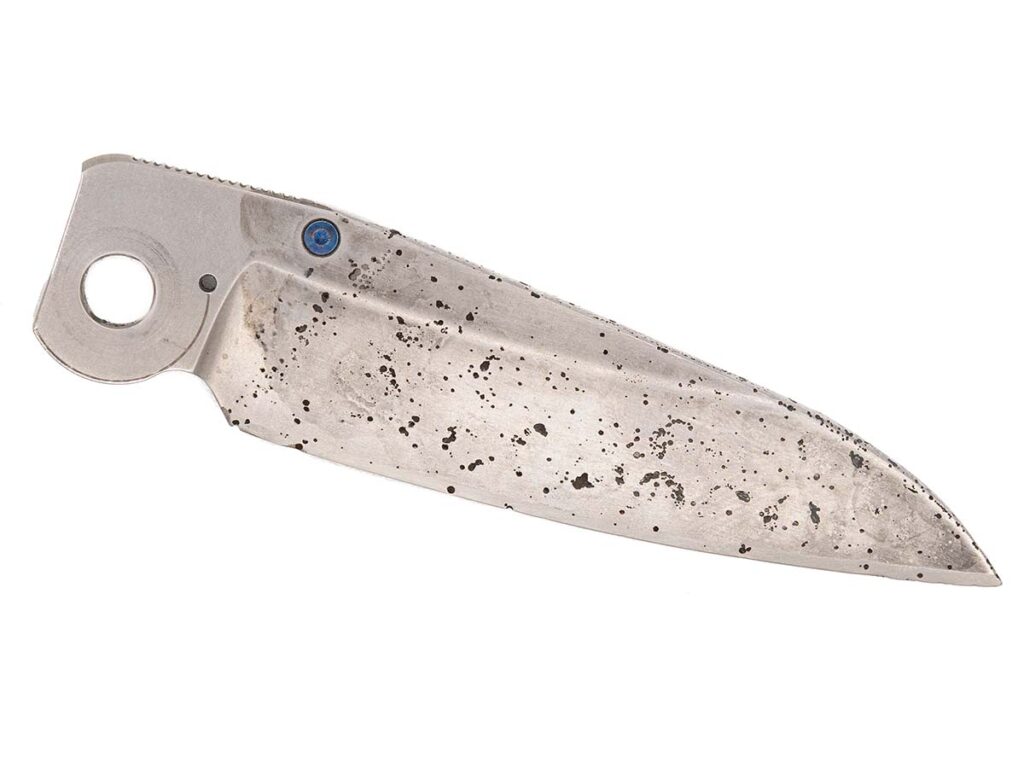
Really? Try a few more from Chris Reeve Knives. A customer complained that the phosphor bronze washers of his Sebenza had stains on them and simply would not accept that it was normal patina. He also complained that the knife was not sharp and he had to sharpen it himself. He ground half the blade away and then said he should get a completely new knife. A customer shot his knife with a 9mm pistol and then sent the company a photo of the broken knife while requesting a new one under the standard warranty.
At Chris Reeve Knives, reputation is everything, and the company stands by its knives. But let’s sanity check. Warranties are not “get out of jail free cards” for new knives.
“We try to keep consistency in our warranty, but we do sometimes vary on case-by-case situations,” Anne explained. “Over the years we have tightened things up a bit because often we felt we would give an inch and the customer would take a mile.”
Still, going out of their way to accommodate, the folks at Chris Reeve Knives have had some remarkable experiences.
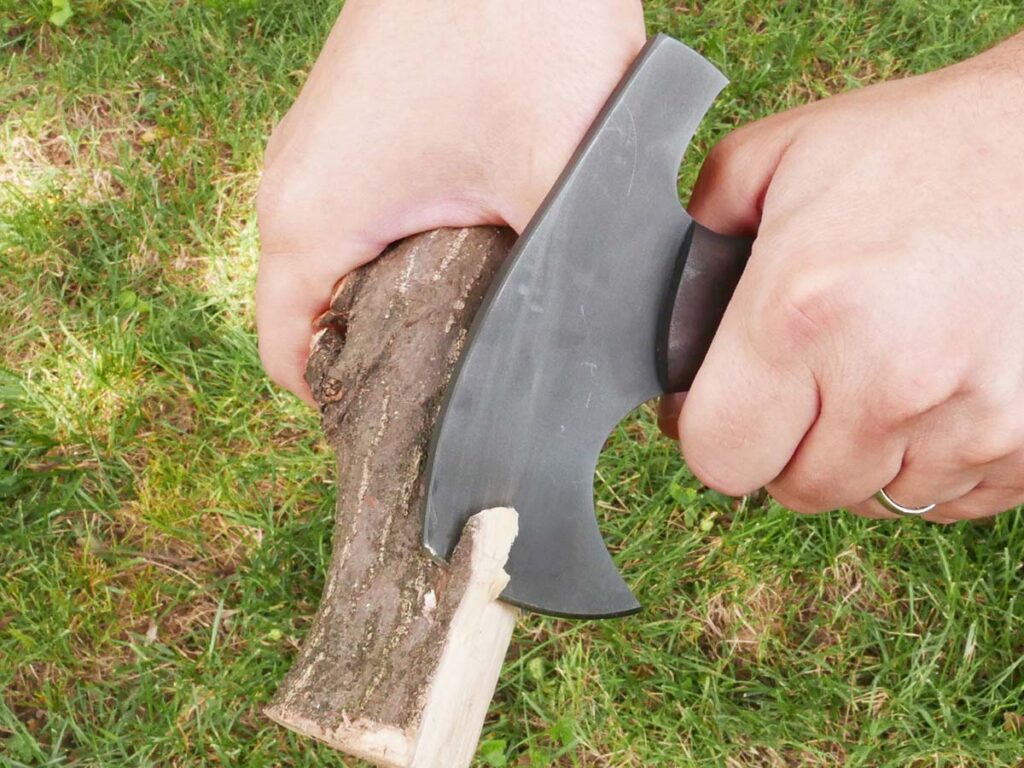
“Mostly the customers who push back are simply rude,” Anne related. “Some just hang up or threaten to sell their knife. A customer informed us once that they had cut very acidic fruit multiple times and refused to clean the knife afterwards. They were furious we would not warranty their now rusted blade. Another customer took his brand new Umnumzaan and stabbed in into a tree. He then pried it 90 degrees to ‘tip test’ it. The tip snapped, and he claimed we should warranty the blade because what he did should not be considered misuse or abuse.”
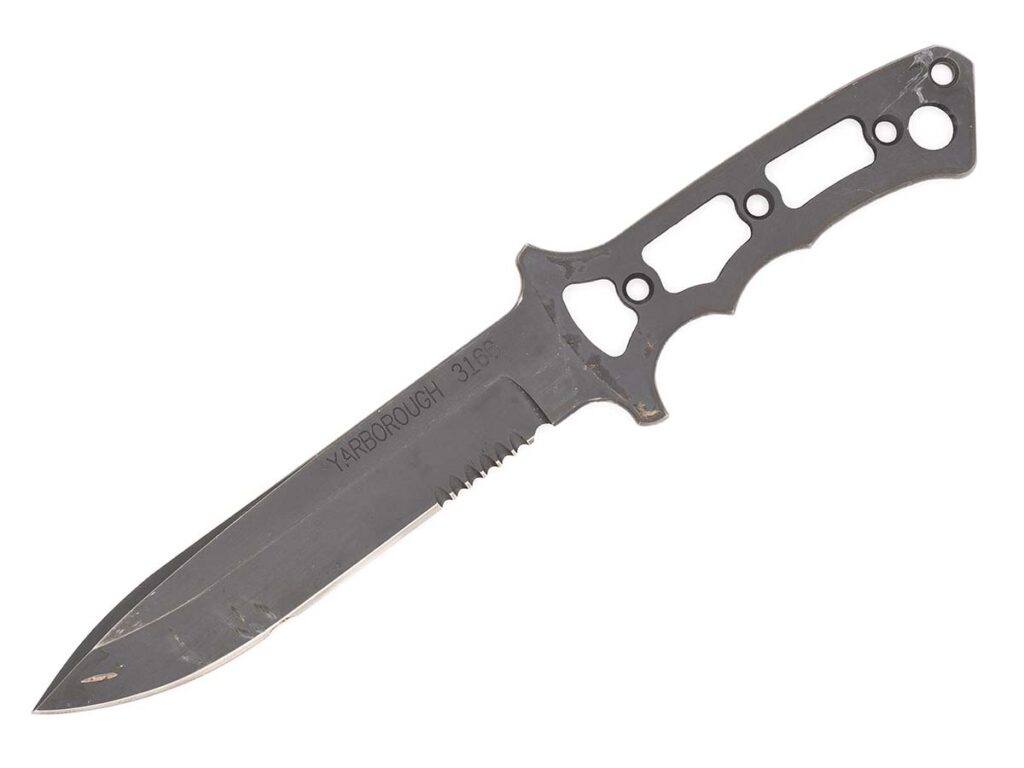
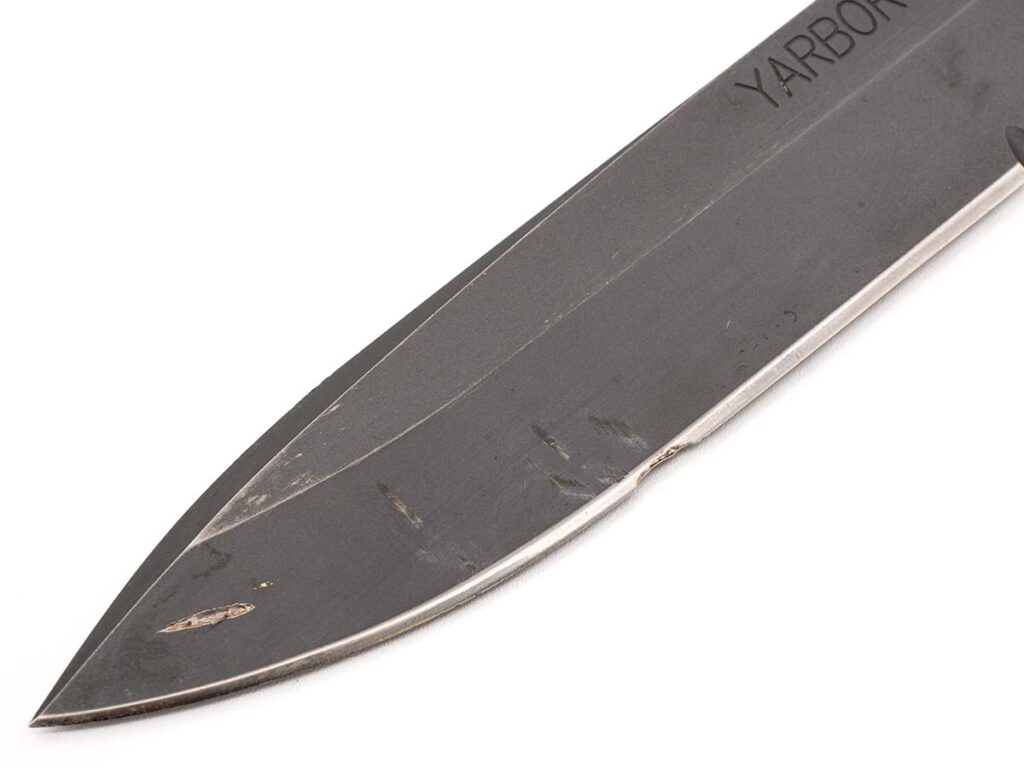
Among unusual requests that Chris Reeve Knives went beyond the call of duty, or warranty, to make right, Anne has great memories. When a customer sent a 5.5-inch Green Beret in for recoating and it was lost in return shipping, the company made a custom iteration of the discontinued 5.5-inch knife from a 7-inch Green Beret blade blank. A sheath was available from the company archives and both were sent to the customer. When Reeve knives were abused by U.S. Customs officials, the company removed the scratches caused by bouncing around loose in transit, making the owner happy even though there was no warranty obligation. After an Army Special Forces soldier used his Yarborough to cut a live electric cable during a mission, he sent in the damaged knife with $50 asking for repairs. The company sent the $50 back along with a new knife.
“That original knife lives in my safe deposit box now,” Anne smiled. “On a few occasions we have older knives returned for sharpening and we can tell that the knife has been lovingly sharpened so many times that the blade is worn out. We have replaced the blades. When we made the One Piece Range, the paperwork specifically said that it was not a throwing knife and breakage from throwing would not be covered by warranty. A couple of times we had knives returned that were broken in two. The dings made it quite obvious that the knife had been thrown. Back then, we would replace the knife and give the customer a verbal slap on the wrist.”
Though Reeve, like other companies, has found it necessary to scrutinize warranty requests more closely in recent years, the dedicated effort to make the customer happy remains strong. At Chris Reeve Knives, the warranty is, as Anne puts it, “phenomenal.”
Judgment Calls
When did the rules change? Where does the line between normal expectation and radical knife recklessness blur?
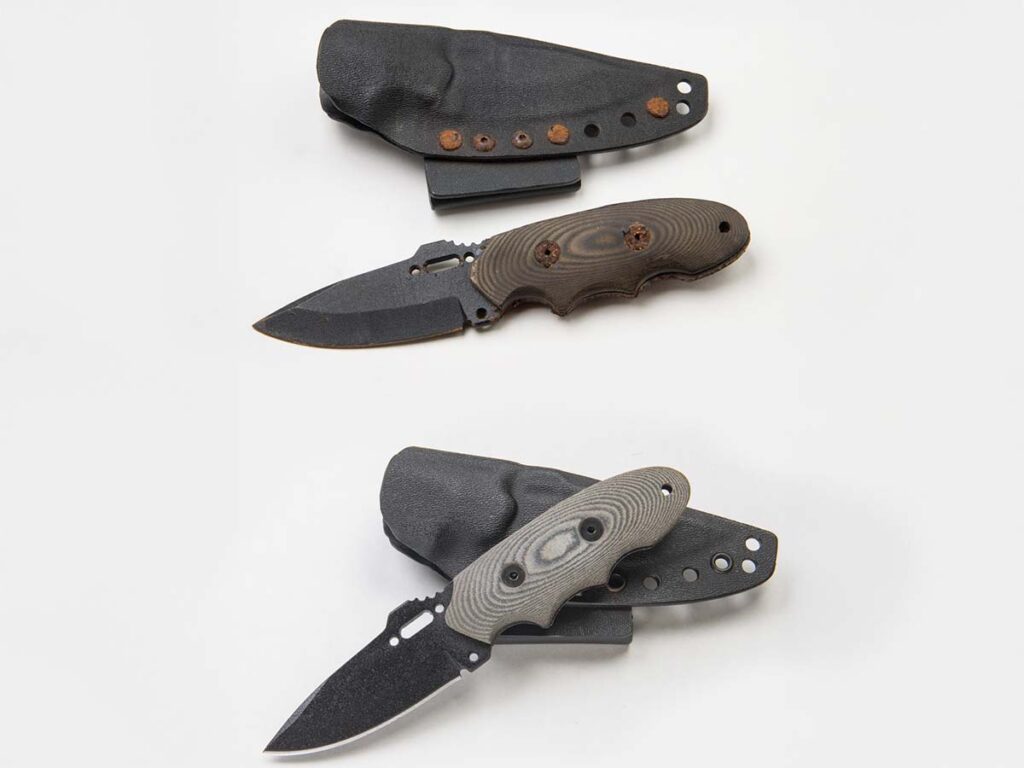
“We’ve had a few forgeries sent to us for repairs,” commented BLADE Magazine Cutlery Hall-of-Fame® member Daniel Winkler of Winkler Knives. “Reactions from customers can get hot when they learn they have been duped. Not many warranty requests are really ‘crazy’; normal sharpening or sometimes fixing a damaged tip. People also request a re-finish for worn blades. If a knife fails for any reason we will either fix it or replace it, and normal blade finish wear is not covered under warranty. Working knives should look used.”
Winkler is sensitive to certain situations and sees extraordinary conditions for what they are.
“On a few occasions we have sent replacement knives without receiving damaged ones back,” he remarked. “One was a military user that used his knife to destroy a communications location in a war zone. He fried the power supply, and it fused the knife in the connection. Another was a hiker who saved his dog in a rockslide. His knife fell to the bottom of a gorge, so we replaced it, too. A third was used in a home situation where a man used his Winkler knife to stab an intruder to save his family. His knife was held as evidence, so we sent him a new one.”
There lies the real judgment call in rendering the warranty verdict. Does the customer’s story pass the simple test of reasonableness? If so, most companies might feel a pang of compassion and try to resolve the request in the interest of good customer relations. Still, it’s a tough challenge sometimes. As much as a customer might feel slighted if a warranty request is dishonored, the maker might well feel used when the circumstances are not plausible or strain the normal standards that most people would accept.
“We go out of our way to promote positive customer relations,” Daniel added. “We have replaced or refunded knives and axes that we probably shouldn’t have due to how they were damaged in abuse, like prying or throwing. We will normally take the hit, but if it happens again we do not honor any warranty.”
Case-By-Case Decisions
At TOPS Knives, warranty requests are evaluated with the best outcome in mind. “Our philosophy on our warranty is that we have some things that will void a warranty or won’t be covered under warranty, but we still handle them all on a case-by-case basis,” remarked general manager Craig Powell. “The people that are honest and level with us are way more likely to get their issue handled under warranty—even if it shouldn’t be—than people that are rude or clearly lying to us.
“I always find it funny when someone says something happened to their knife and then the actual damage to the knife in no way matches their description,” Powell continued. “Like, maybe they think we don’t actually use or test our own gear and so we don’t know what would cause certain things to happen. But really, in the end very few people that contact us with an issue treat us poorly. So the vast majority get help under warranty.”
Powell remembers certain circumstances that were somewhat unusual prior to a warranty request.
“When I had only been working here for a year or two, I took a call from a guy that was concerned about an issue with his Silent Hero. I talked to him for probably 15 minutes trying to figure out what was wrong. He kept saying that the knife was getting deformed and all he was doing was [batonning the blade spine to make] firewood. It probably took me longer than it should have, but I finally thought to ask what he was using as a baton. Turns out he was using the hammer side of a hatchet as his baton. So, a thick piece of metal is what he was using rather than a stick. I chuckled to myself and then we talked through the process of having a hatchet in your hand and choosing to use a knife to process firewood rather than the hatchet. He said ‘Oh!’ Then he basically apologized and said he understood. We didn’t end up fixing that knife for him, but that was because he realized what he had done and probably kept it as a reminder or trophy.”
On another occasion, a tornado destroyed a home and carried away a safe full of knives, including TOPS models. Some two to three years later, the safe was found. The knives were intact and basically undamaged. When TOPS was contacted for help with slight rust on the blade and engraving, the company obliged at no cost. Hikers have been known to lose TOPS knives on the trail and then miraculously find them months later. When the owner of one of these calls for warranty assistance, the TOPS folks fix the knives up, cleaning and refurbishing before sending them back in the context of a lesson learned: hold onto your valuables while out in the woods, especially your knife.
Extreme Situations
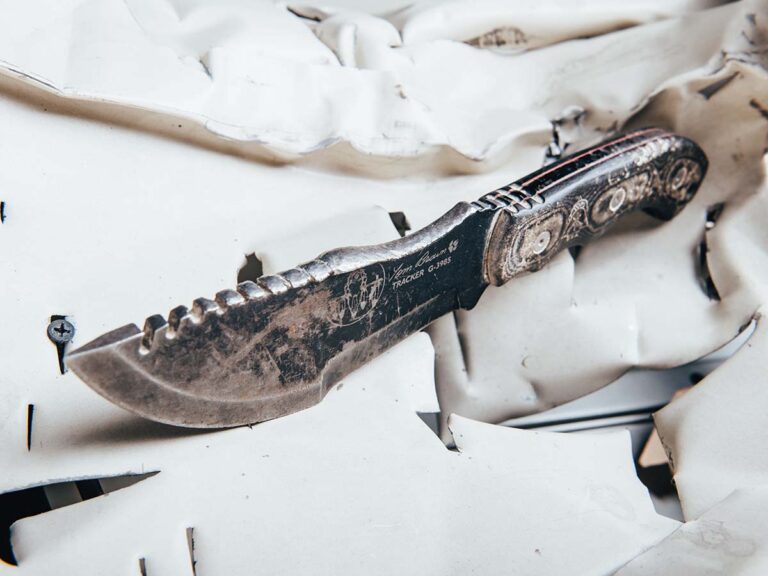
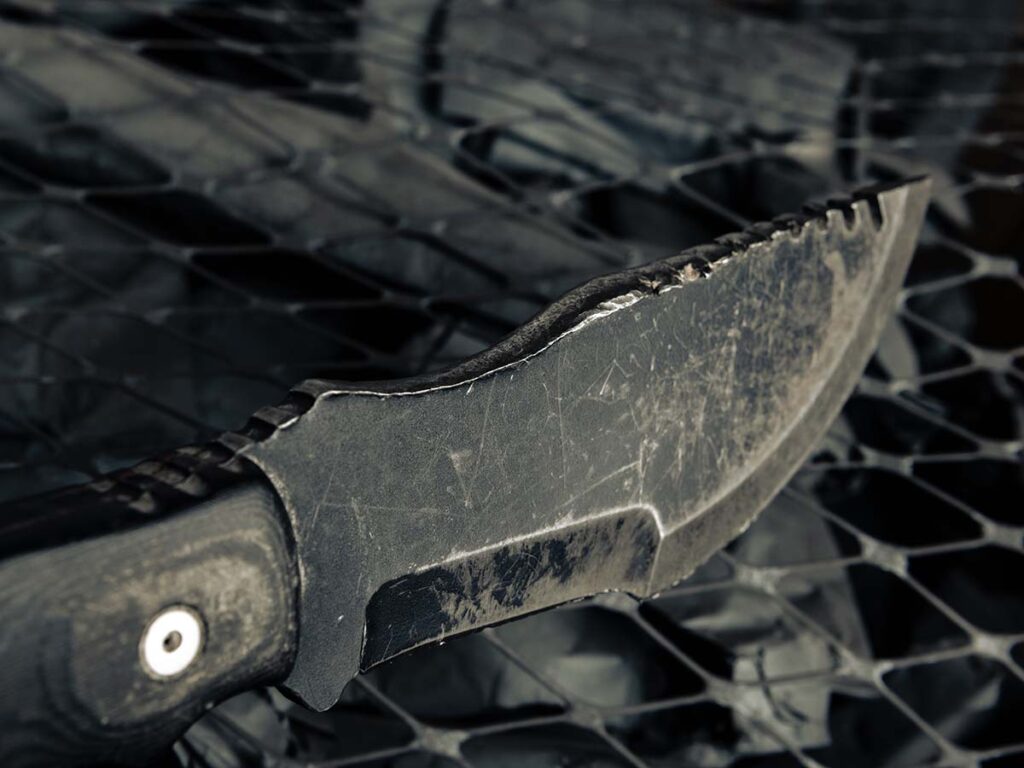
Military experiences have brought up several warranty requests, and these are sometimes caused by extreme situations. A Tom Brown Tracker was lost during the horrific explosion of an IED (improvised explosive device) in Iraq. The soldier involved was a chaplain, who returned some time later to the village where the explosion occurred. An old lady came forward with his knife after an interpreter and a $20 bill did some talking. The knife had been used in splitting wood.
“It was beat to hell,” Powell remembered. “The saw teeth had basically been mushroomed out of existence from this lady beating on it with a piece of metal. We swapped the soldier a new one and still have that knife [above] here today.”
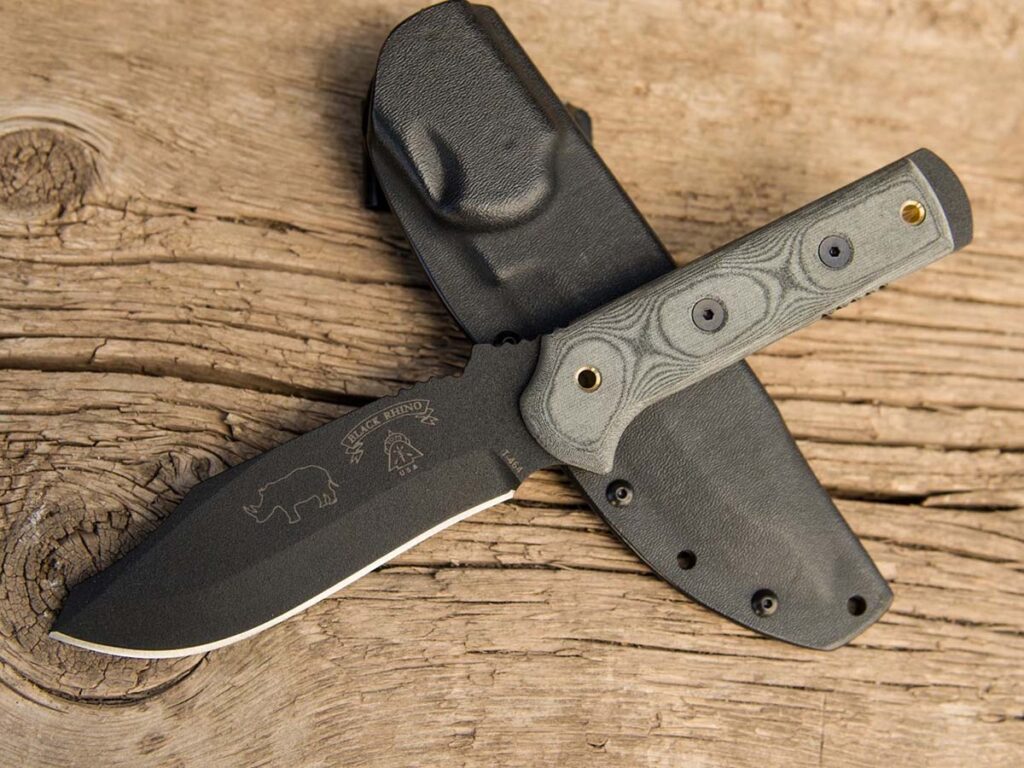
A Black Rhino was lost when a desert barracks burned to the ground. The owner recovered the knife. Its scales were completely gone and the knife could not be repaired. TOPS sent the destroyed piece back to the serviceman along with a brand-new Black Rhino.
“While our policy isn’t a no-fault policy, we still cover most issues,” Craig said. “We know what we’re making is quality, and we strive for that on every knife. So anything that a customer’s knife should be able to do but doesn’t is going to get covered.”
In the broadest sense, the warranty works both ways. It protects buyer and seller and invokes the sense of quality and pride of craftsmanship, with reasonable performance expectation and use. There are outliers, but for the most part both knifemaker and knife user work together with warranties to achieve positive resolutions.
More On Knife Business:
- How To: Custom Knife Sales And Marketing
- Knife Steel After Crucible Industries LLC
- Tariffs & Knife Prices In 2025
- Collaboration Knives: How Do They Come Together?
- How To: Marketing Knives On Social Media
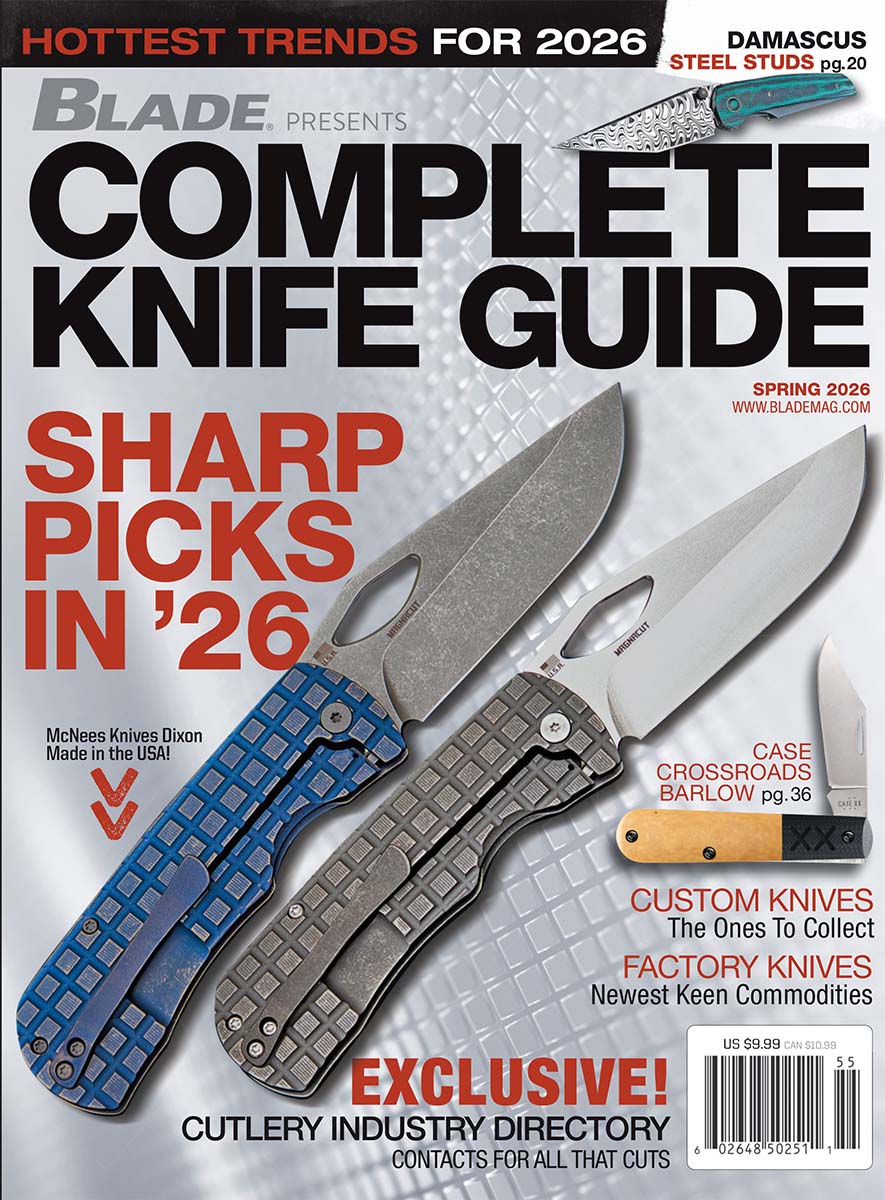 NEXT STEP: Download Your Free KNIFE GUIDE Issue of BLADE Magazine
BLADE’s annual Knife Guide Issue features the newest knives and sharpeners, plus knife and axe reviews, knife sheaths, kit knives and a Knife Industry Directory.Get your FREE digital PDF instant download of the annual Knife Guide. No, really! We will email it to you right now when you subscribe to the BLADE email newsletter.






this article made me laugh. i find it hard to believe that knife guys would try to screw a maker.