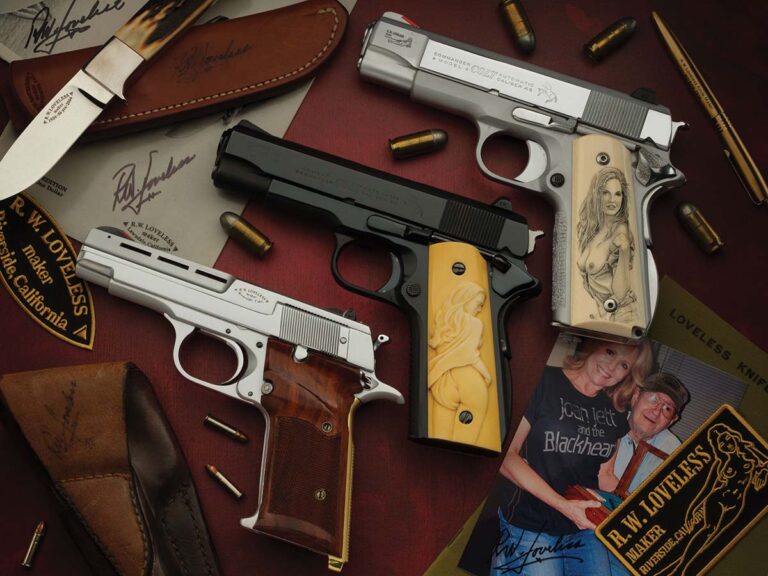
Three highly coveted firearms modified by the Cutlery Hall of Fame® legend—including his “de-fanged” Colt Commanders—head to Rock Island Auction.
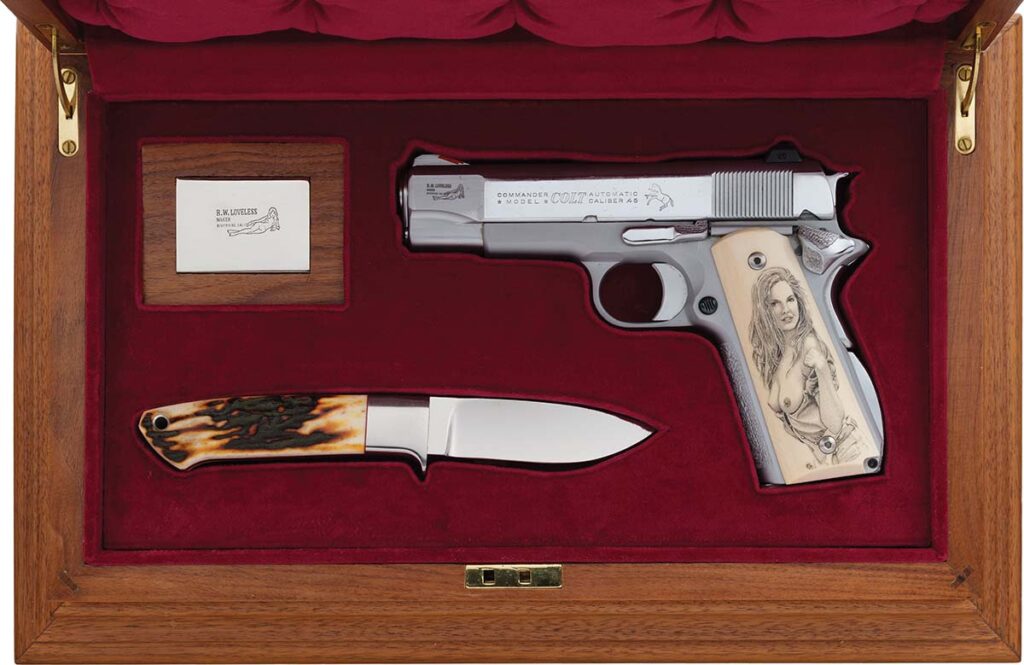
Bob Loveless Colt “Old Smoothie” Lightweight Commander semi-automatic pistol with scrimshawed ivory grips, drop-point Loveless Knife and sheath. Rock Island Auction image
While the late Bob Loveless secured his legacy as a titan of the cutlery world, the BLADE Magazine Cutlery Hall of Fame® member also brought his legendary eye for utility to the firearms world. His knives remain some of the most desirable, coveted custom creations on the planet, but a rare trio of his personal, customized handguns are now heading to the auction block at Rock Island Auction in the company’s June 27 American Sale (now live online). The selection highlights how the master craftsman applied his famous Bauhaus-inspired design ethos to custom gunsmithing.
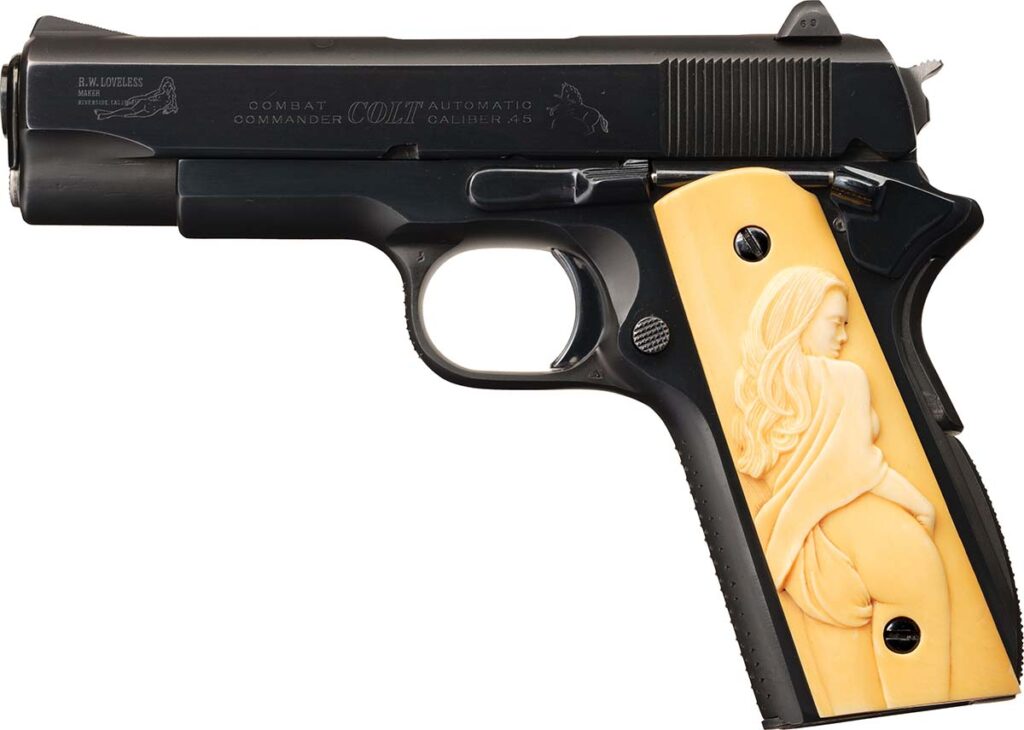
Bob Loveless Colt “Old Smoothie” Combat Commander semi-automatic pistol with relief carved ivory grips. Rock Island Auction image
The lineup features two Colt Commander pistols that Loveless thoroughly “de-fanged,” a signature modification process where he systematically bobbed the hammers, radiused the frames and smoothed away every sharp edge that could gouge a shooter’s hand. The first is a c. 1980 Lightweight Commander, featuring his electro-penciled initials, custom Browning cuts on the slide, and smooth ivory grips scrimshawed with nude artistry. This rare piece is housed in a custom hardwood case alongside a matching 2004 Loveless drop-point hunting knife. It is joined by a scarcer steel-framed Combat Commander variant, a platform Loveless rarely altered because he felt the extra weight defeated the purpose of a carry gun, making this particular build exceptionally rare.
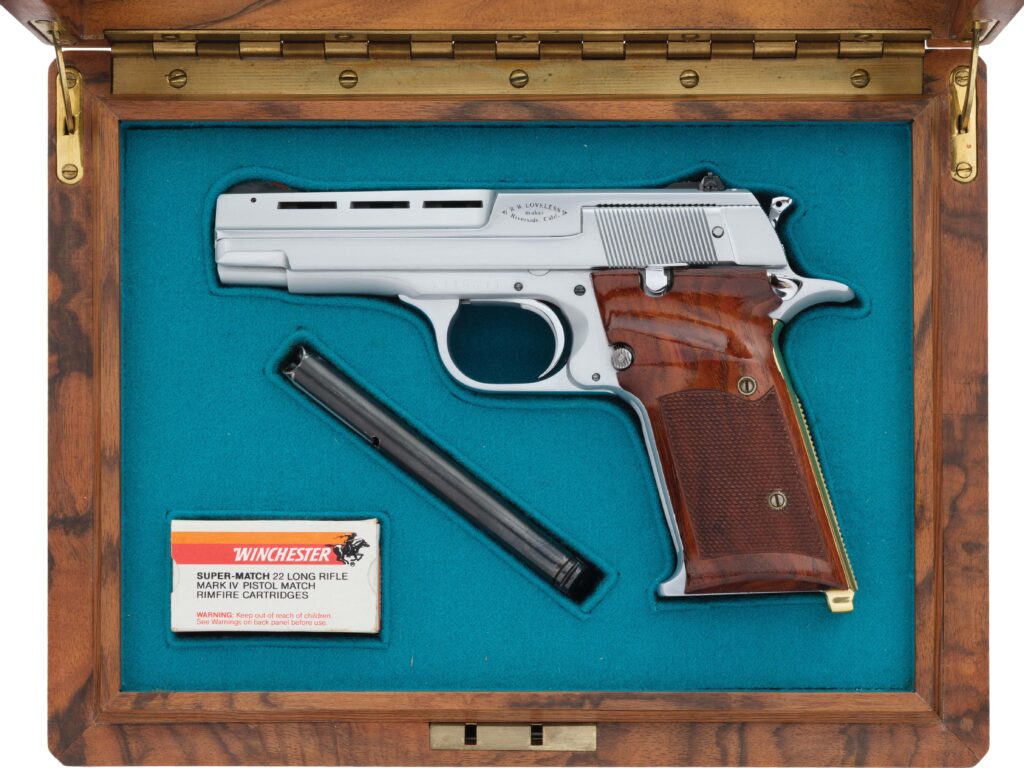
Bob Loveless Smith & Wesson Model 41 semi-automatic pistol with case and signed photographs. Rock Island Auction image
Rounding out the trio is an extensively reworked Smith & Wesson Model 41 target pistol, believed to be one of only 70 ever built by Loveless. This highly modified rimfire pistol features a shortened barrel with a custom vented rib, an exposed hammer conversion, a checked gold-washed backstrap with a lanyard loop, and his personal initials electro-penciled on the slide. Complete with signed photographs of Loveless, a custom leather holster and a glass-topped display case, the group offers collectors a rare look at how one of the greatest knifemakers of all time refined factory firearms into high art.
Read More On Bob Loveless:
Bob Loveless: The Icon’s Indelible Mark On The Knife Industry
Texas-based maker gives his take on the Randall Model 19.
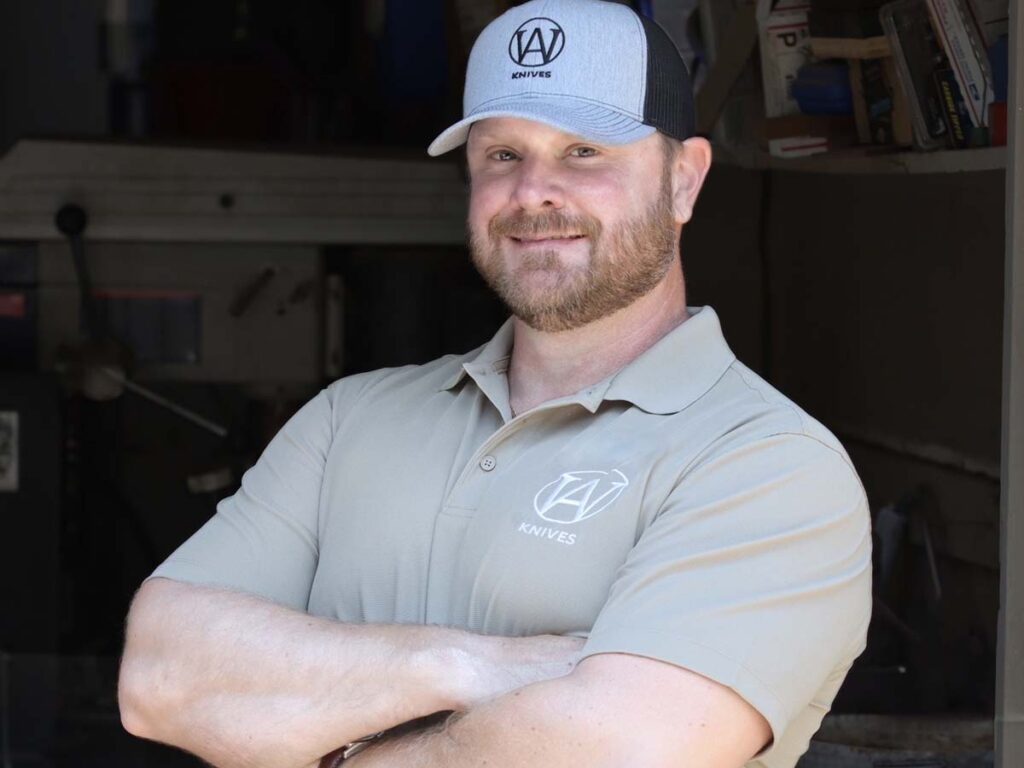
It’s safe to say Adam Williams has had a lifelong love affair with Randall Made Knives.
“I’ve been drawn to Randall Made Knives and their designs since my grandmother gave me a copy of the 1973 edition of The Gun Digest Book of Knives and saw my first image of a Randall knife. I was around 11 or 12,” he wrote.
Little did this matriarch know where her gift was going to lead her grandson. Eventually, the Texas-based maker said he worked for the legendary company when a chance trip to Randall’s headquarters in Orlando, Florida, for a stock sale developed into a whole lot more.
“While there, I asked if they ever hired. They told me they were actually hiring right now and would need me to start within two weeks,” Williams related. “I rode back to Tampa and asked my now wife if she’d be open to moving to Orlando, and without hesitation, she said, ‘Let’s do it.’ I showed up for my first day at Randall Made Knives expecting to sweep floors. Instead, they handed me a piece of steel stamped Randall Made, Orlando, Florida and told me to start grinding. I couldn’t believe it.”
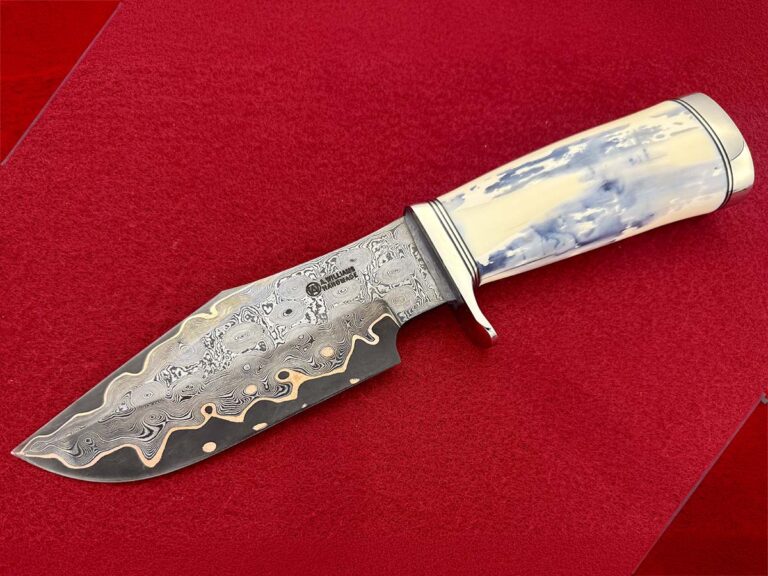
Given this history, it’s little surprise Williams finds Randall a wellspring of inspiration in his own creations. His 10.63-inch Silverado hunting knife is one such example. The blade style is modeled after the stout design of the Randall Model 19—also known as the Bushmaster.
Adam Williams
Williams gives the classic all-purpose design his own twist, forming the ample 6-inch blade from Baker Forge Raindrop copper go mai and outfitting it with an azure hunk of fossilized walrus ivory. He finishes it all off with a nickel silver guard and butt cap. Despite his familiarity with Randall’s design language, his Silverado presented challenges, particularly in venturing into new materials.
“This was my first time using Cu Mai, and thus my main challenge with this knife. It was also my first time using Gator Piss etch,” Williams said. “Jordan Berthelot of JB Blades provided plenty of tips regarding the etch. This coupled with multiple re-sanding, re-buffing and re-etching, I finally got the finish I was looking for on the blade.”
Rare materials, excellent execution and legendary inspiration—it’s likely Randall’s namesake, Bo, would have approved of Williams’ work.
Get a look at the new knives released at BLADE Show, the world’s largest knife show.
More than simply the foremost industry event and knife axis mundi, BLADE Show is also the preferred venue to launch knives. Makes sense, when for three days straight, Atlanta’s Cobb Convention Center sees a steady stream of thousands of knife fanatics. We’ll have more down the road, but here is some of what was dropped at the world’s largest knife show.
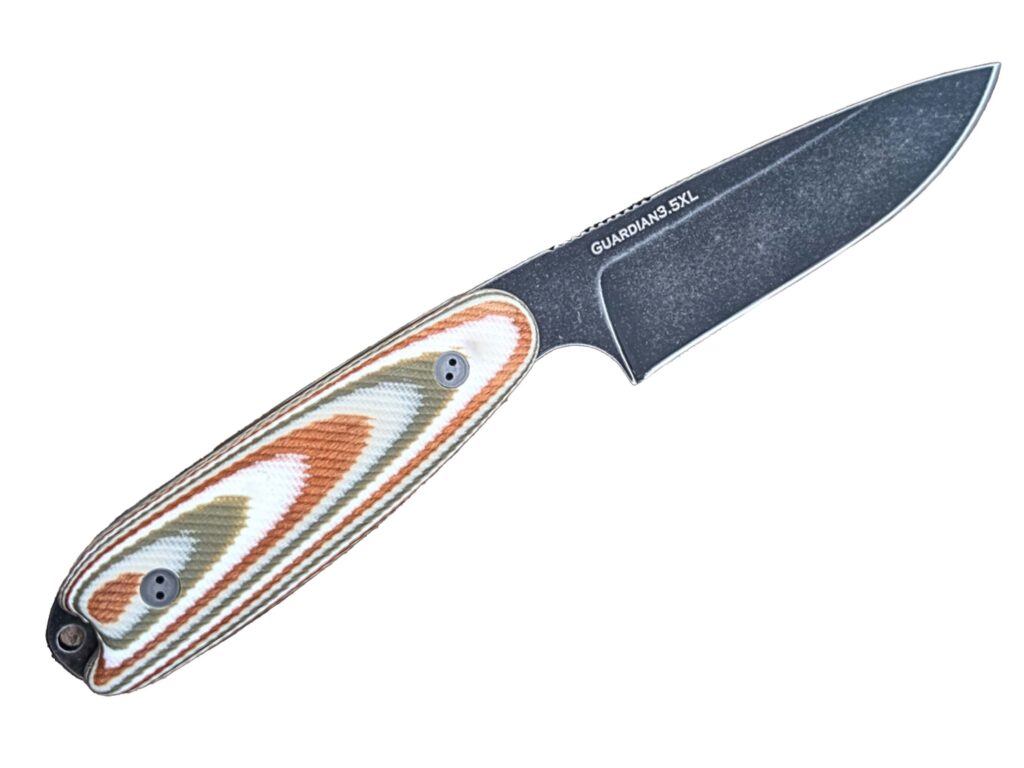
Bradford Knives Guardian 3.5XL
RARE BREED GUARDIAN—Bradford Knives’ fan asked for it and at BLADE Show they’ll get the shot to own the Guardian 3.5XL with a 4-inch MagnaCut blade. This limited run comes with a new sheath design, offering both vertical and horizontal carry options. Overall Length: 8.25 inches. Blade Profile: Sabre. Weight: 4.7 ounces. MSRP: TBD. Available: June
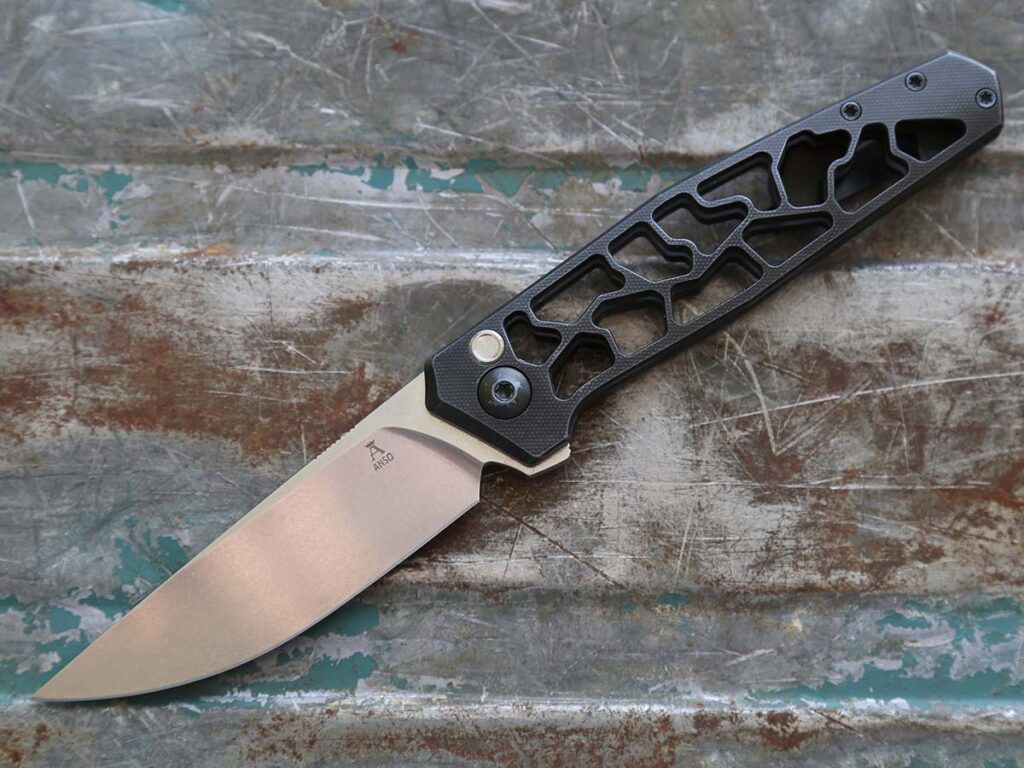
Ansø of Denmark Mudtrack Exoframe
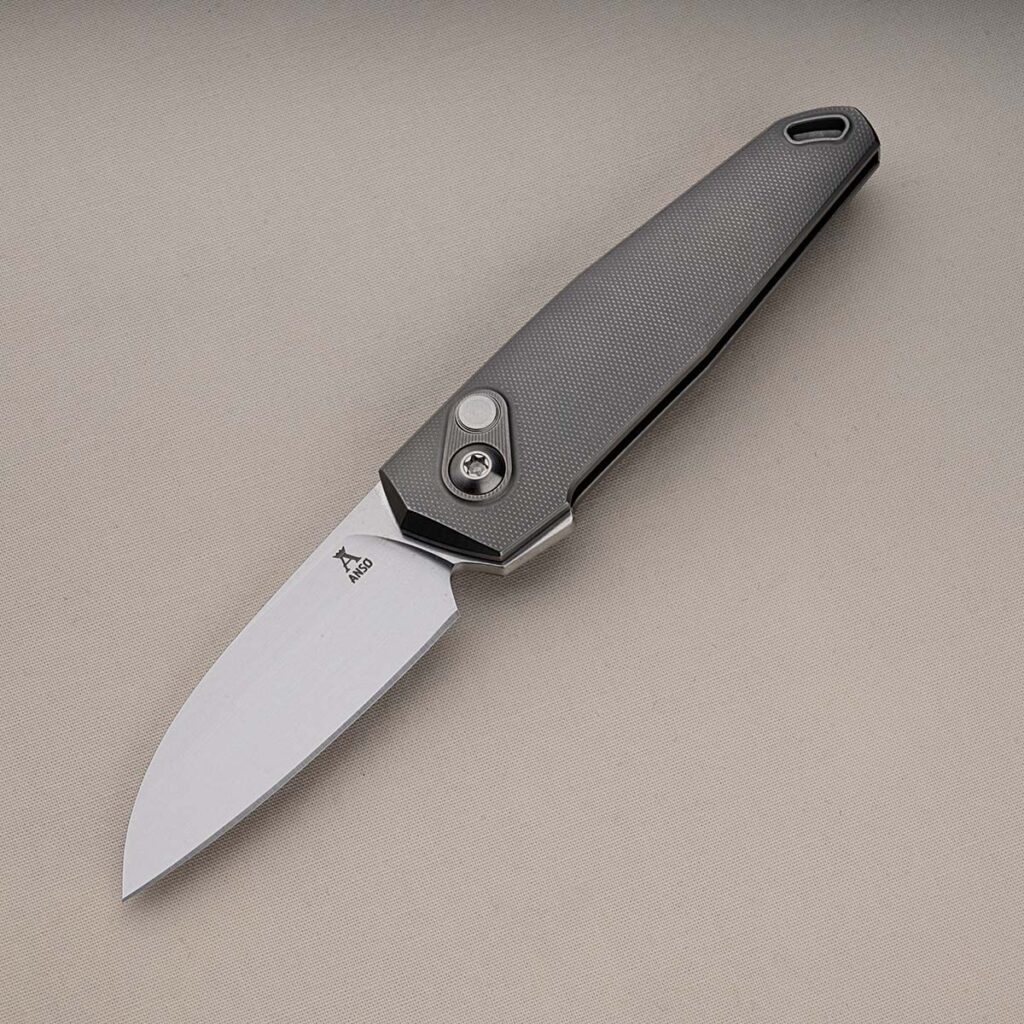
FRAME JOB—Stripped down in material, the Toko features Ansø of Denmark’s skeletonized black titanium Mudtrack Exoframe, stripping the flipper’s weight to a scant 2.86 ounces. Outfitted with a do-all drop-point blade of RWL34 steel, the build had versatile built in. Lock: Button. Blade Length: 3.35 inches. MSRP: $995. Available: June
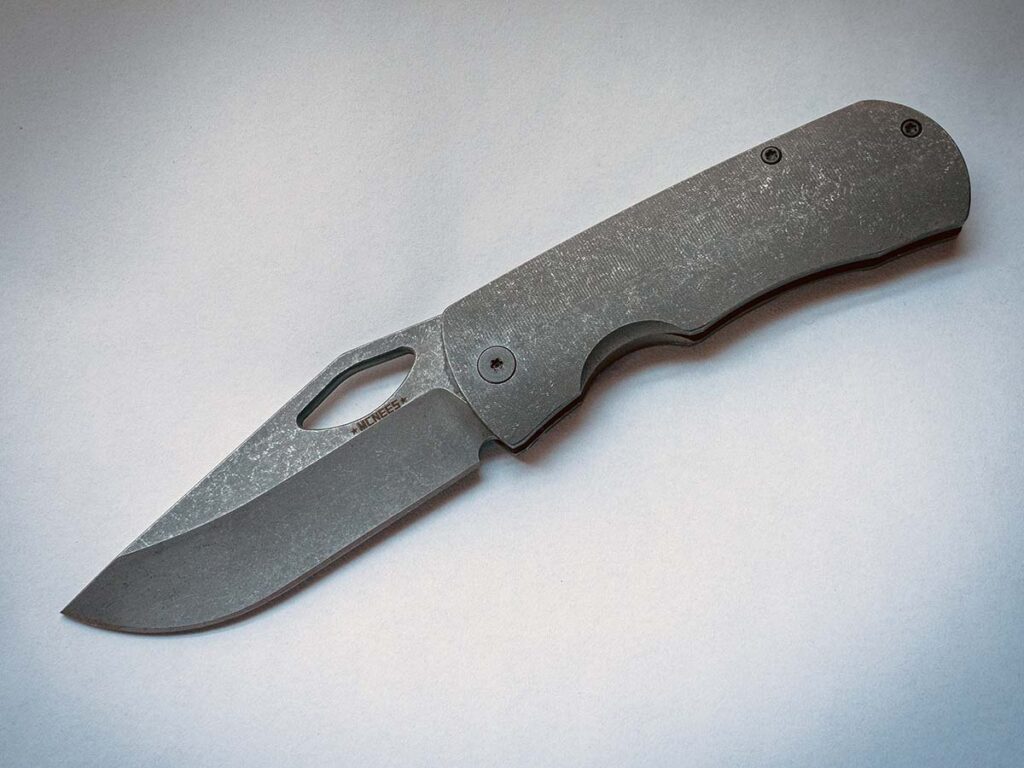
McNees Knives Mini Dixon
MIGHTY MITE—A scaled-down version of a McNees classic, the Mini Dixon boasts a compact 3.35-inch MagnaCut blade matted to a Grade 5 titanium handle. The modified clip point has a hollow grind and comes in a very svelte 4.5 ounces. Lock: Framelock. Overall Length: 7.75 inches. MSRP: $549. Available: June
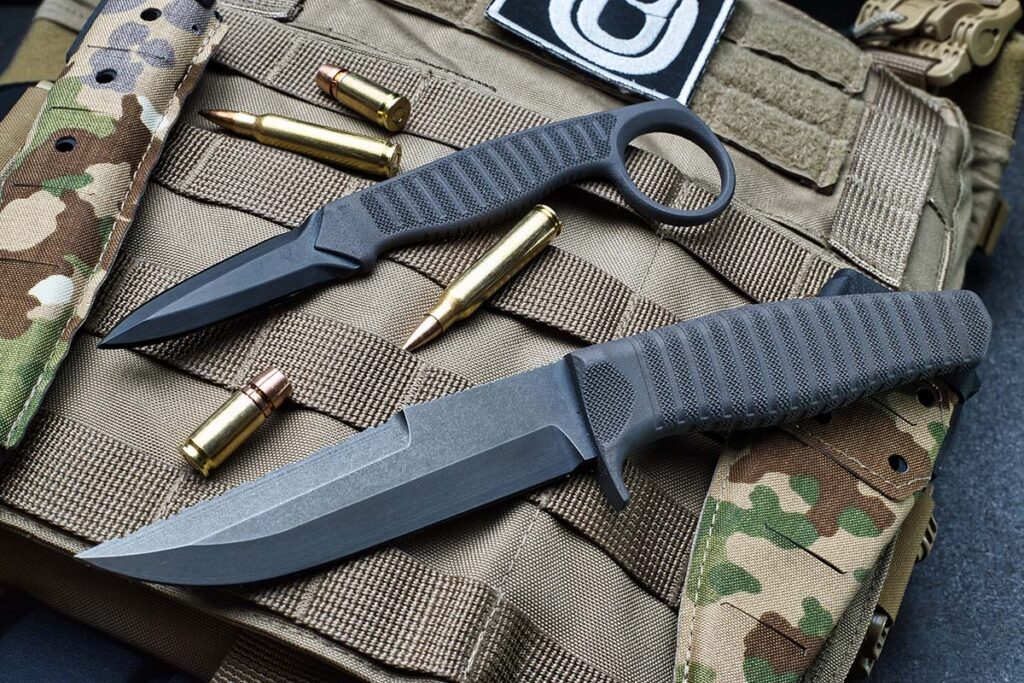
UG Tools EKM Fighting Knife Set
DOUBLE TROUBLE—The UG Tools EKM Fighting Knife Set was developed Special Mission Units and is already being supplied to a German Tier 1 unit. The set comes with a 2.4-inch blade dagger and 4.7-inch blade drop point, highly modular sheath, attachment system and full contact training knives. Blade Material: CPM MagnaCut. Weight: Dagger 1.6 ounces, Drop Point 4.6 ounces. Country of Origin: German. MSRP: ~$1,000 Available: Autumn 2026
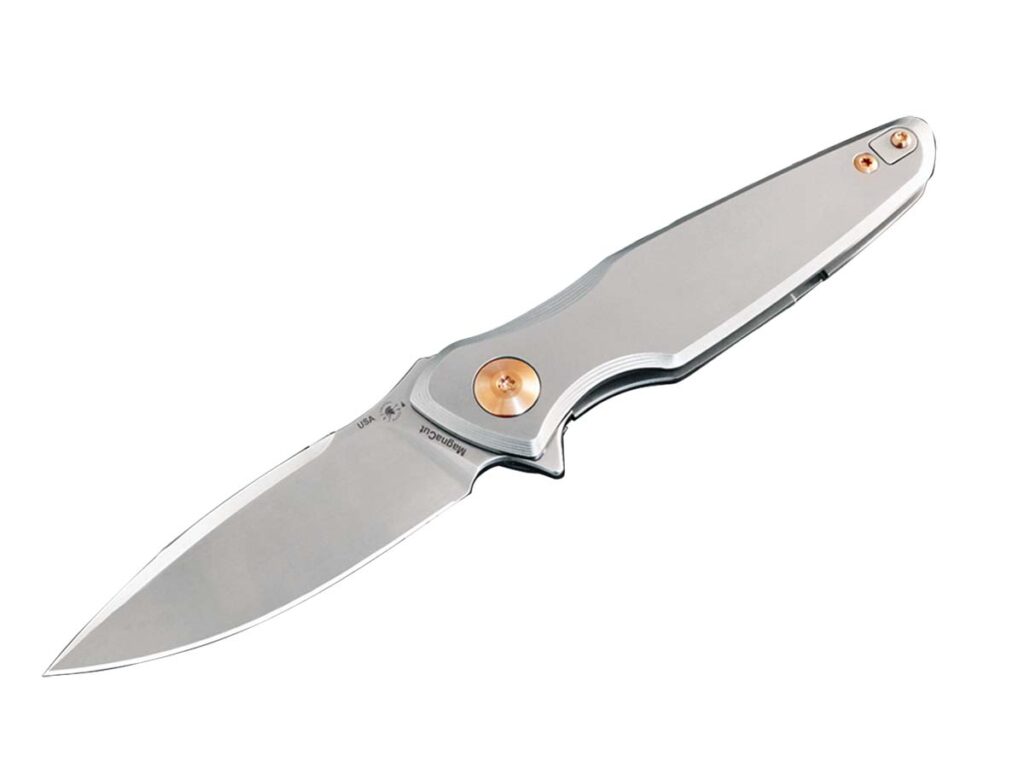
Spartan Blades Pandia
MOONLIT PRECISION—Named for the Greek goddess of the full moon, the Spartan Blades Pandia features a 3.25-inch CPM MagnaCut spear-point blade optimized via a proprietary double deep cryogenic treatment. The 8.25-inch Curtis Iovito design utilizes an IKBS bearing system for fluid flipper deployment. Handle Material: Titanium. Clip: Titanium. Weight: 4 ounces. Country of Origin: USA. MSRP: $495. Available: Now
Maserin Outback
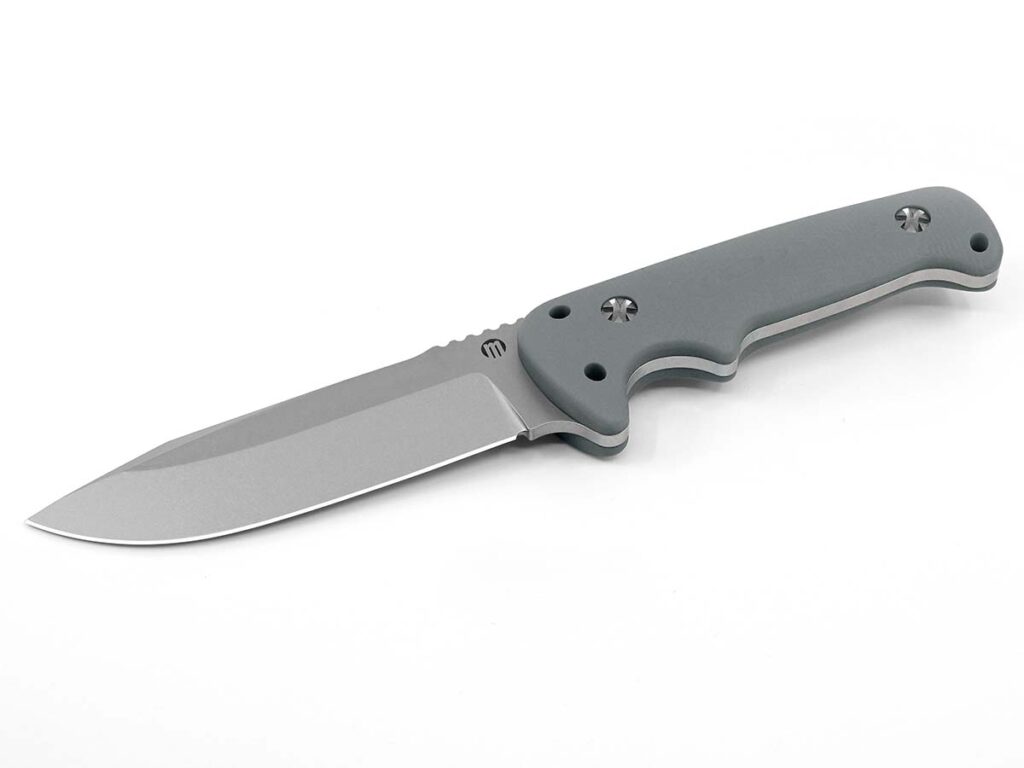
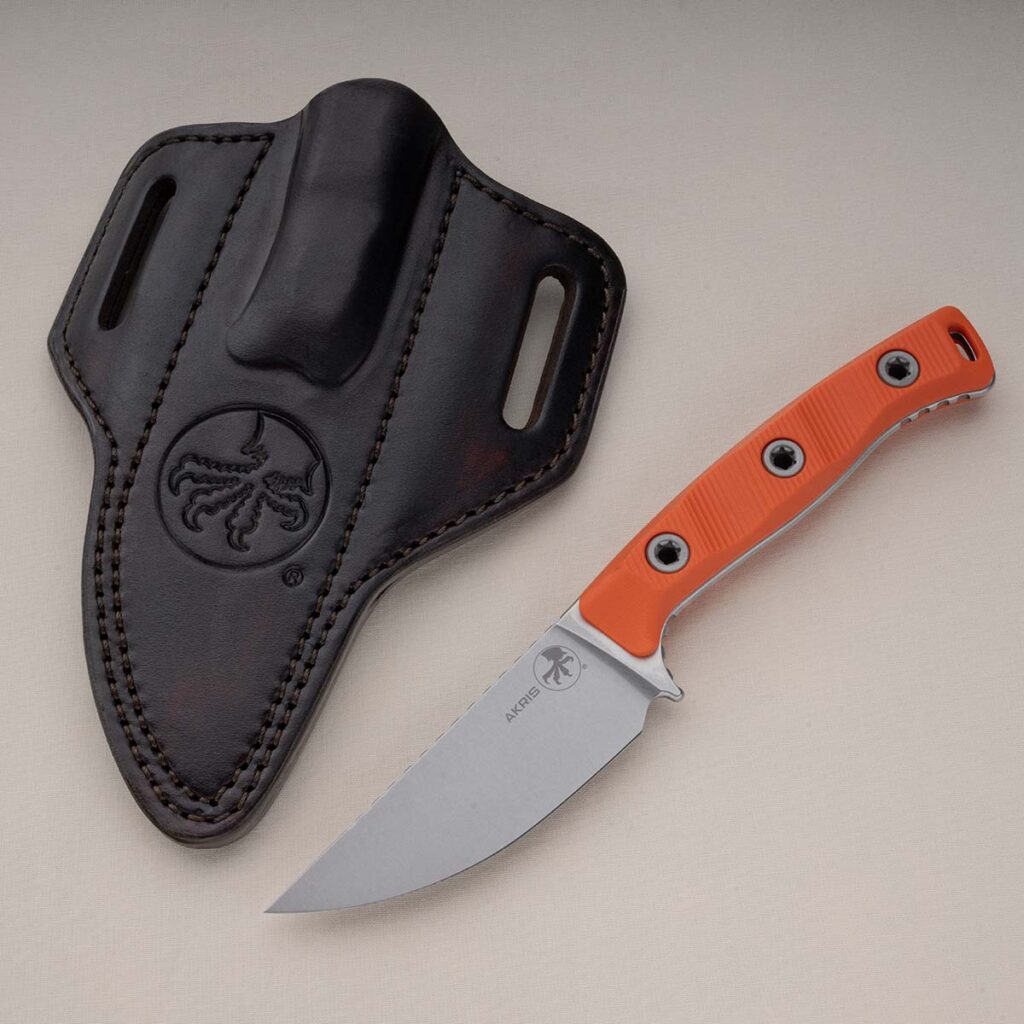
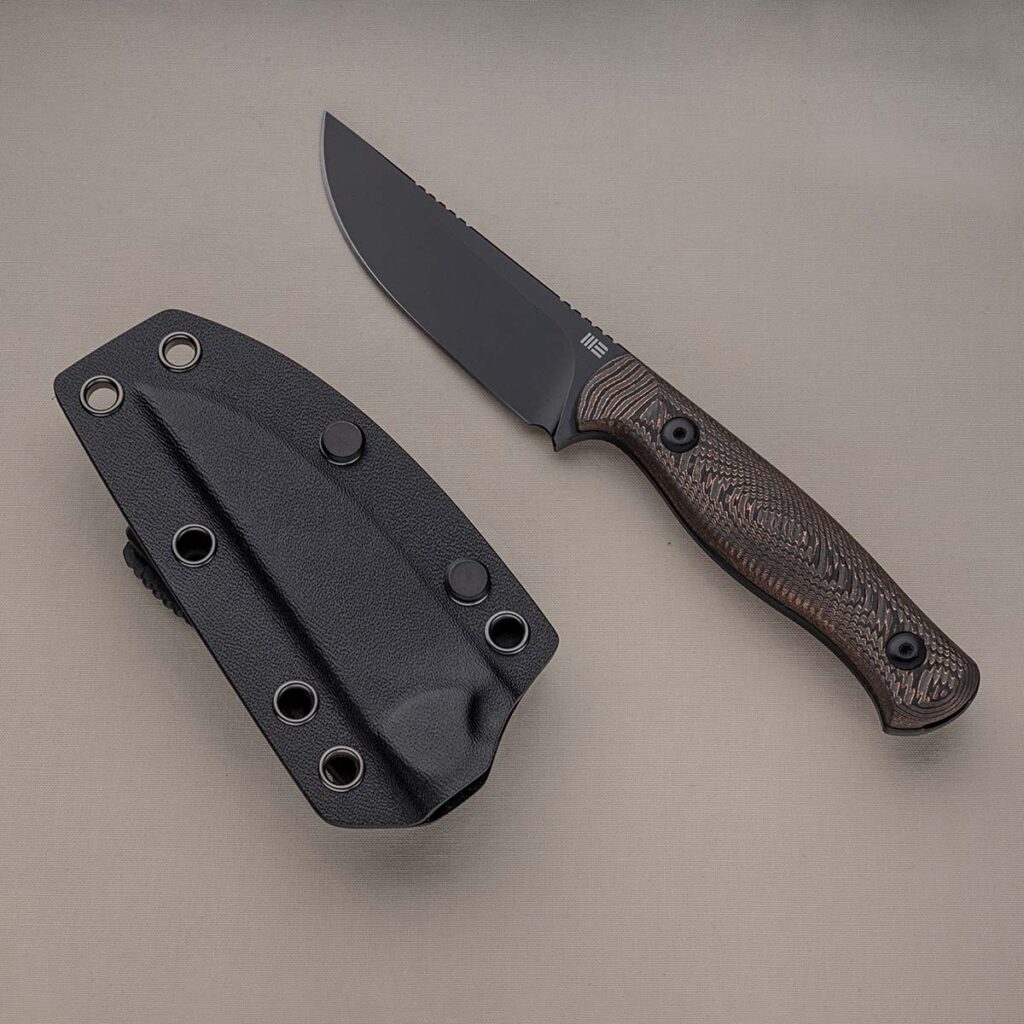
BUILT FOR THE BUSH—Featuring a Böhler N690 steel blade and paired with an ergonomic G10 handle, the Maserin Outback is available in three colours: black, gray, and orange. It comes with a black Italian cordura sheath, and a sharpener and a survival saw. Blade Length: 5.51 inches. Overall Length: 10.9 inches. Country of Origin: Italy. MSRP: $239. Available: Now
Scorpion 6 Jörmungandr
SHARP LEVIATHAN—Named for a sea serpent of Norse mythology, the Jörmungandr from Scorpion 6 is made completely without any CNC machining and features 5.3-inch a double hollow grind freehanded by Shane Magnussen. Blade Steel: CPM S90V. Overall Length: 8.82 inches. Clip: Titanium. Internals: Delrin Caged Ceramic Bearings. MSRP: Starts at $1,500. Available: Now
QSP Badger
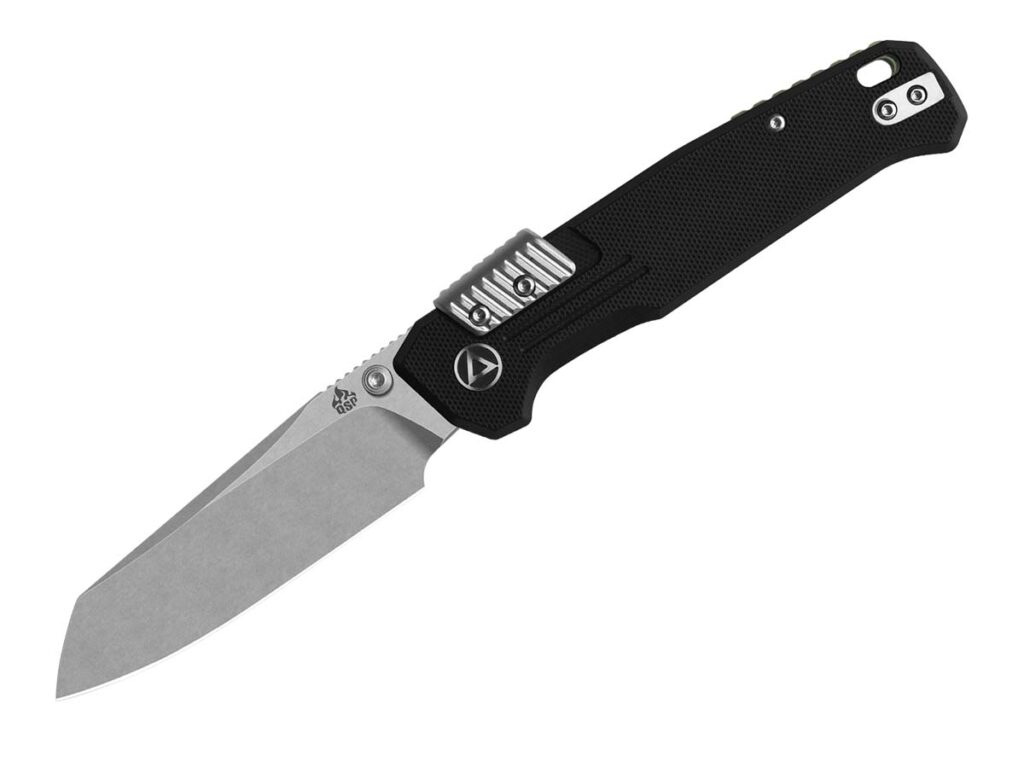
BRIDGING OVER—The QSP Badger gives a reason for righties and lefties to cheer with the company’s Bridgelock. Essentially a crossbar lock, it features a saddle that runs on the back of the handle for an oversized and ambidextrous release. Blade Pattern: Wharncliff. Blade Steel: Nitro V. Handle Material: G10. Blade Length: 3.35 inches. MSRP: TBD. Available: September
Opinel No. 8 Horizon
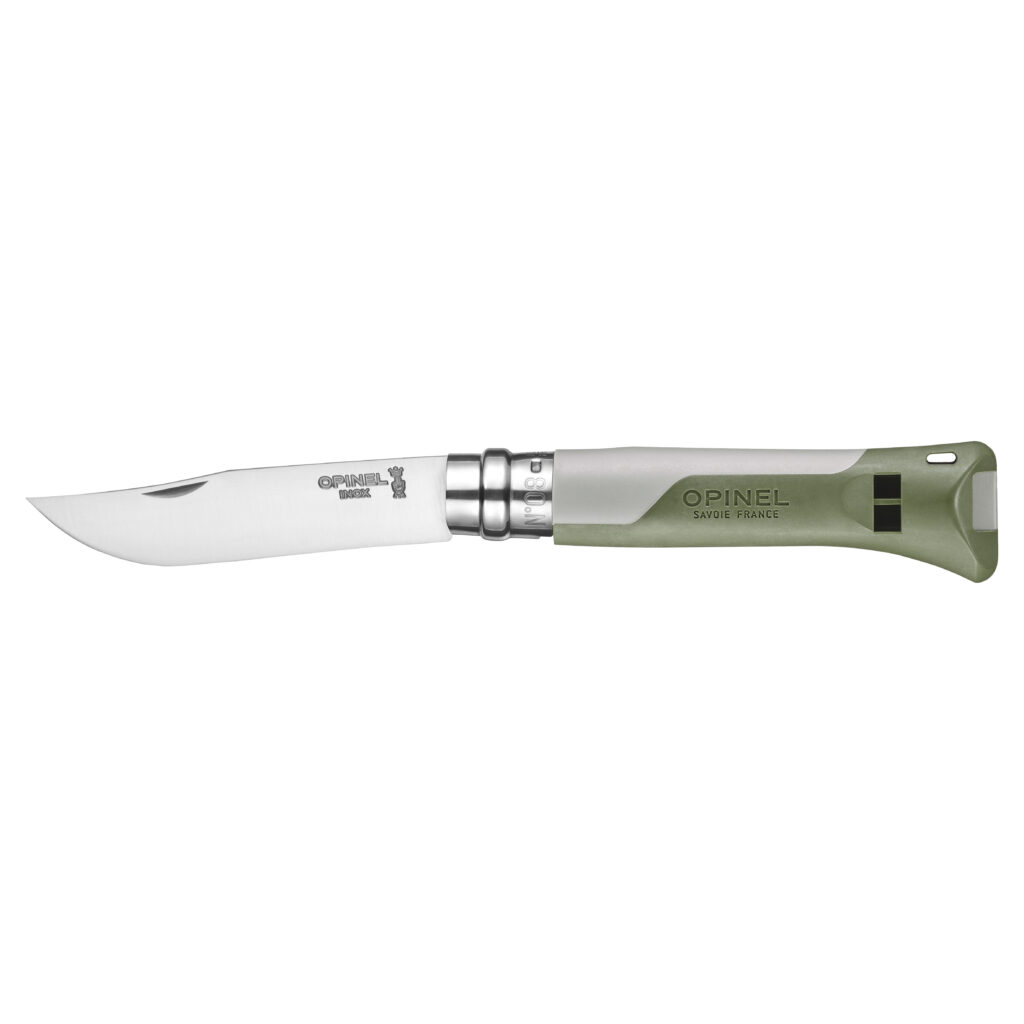
MODERNIZED CLASSIC—Designed to brave the outdoors, Opinel’s No. 8 Horizon features several element-resistant features, including a stainless steel Yatagan blade, fiberglass-reinforced polymer handle and a light 2.2-ounce weight. Blade Length: 3.15 inches. Lock: Friction, Virobloc Safety Ring. Grind: Convex. MSRP: $40. Available: June.
Buck Knives Heritage Slim Elite 110
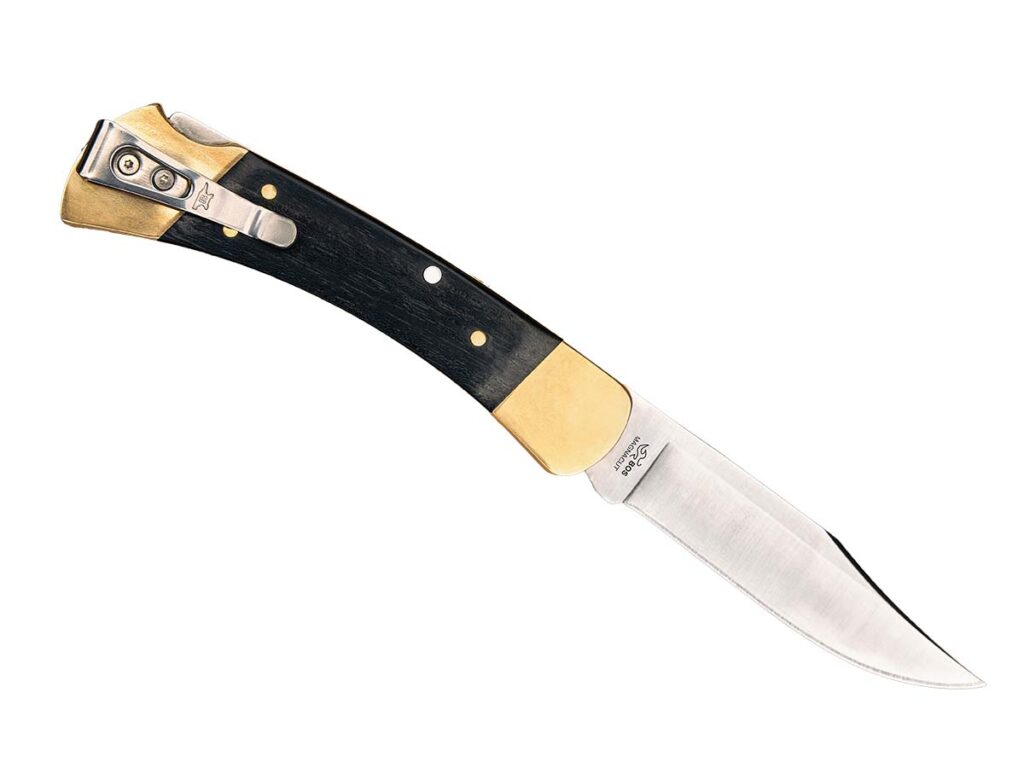
CLIPPING CALL—A refined evolution of Buck Knives’ classic 110 Folding Hunter, the Heritage Slim Elite is nearly .25-inch slimmer, 3-ounces lighter and featuring a deep carry pocket clip and BOS heat-treated MagnaCut steel blade. Blade Pattern: Clip Point. Blade Length: 3.75 inches. Scale: Ebony. MSRP: $250. Available: May
Crescent Edges Celestial Entity
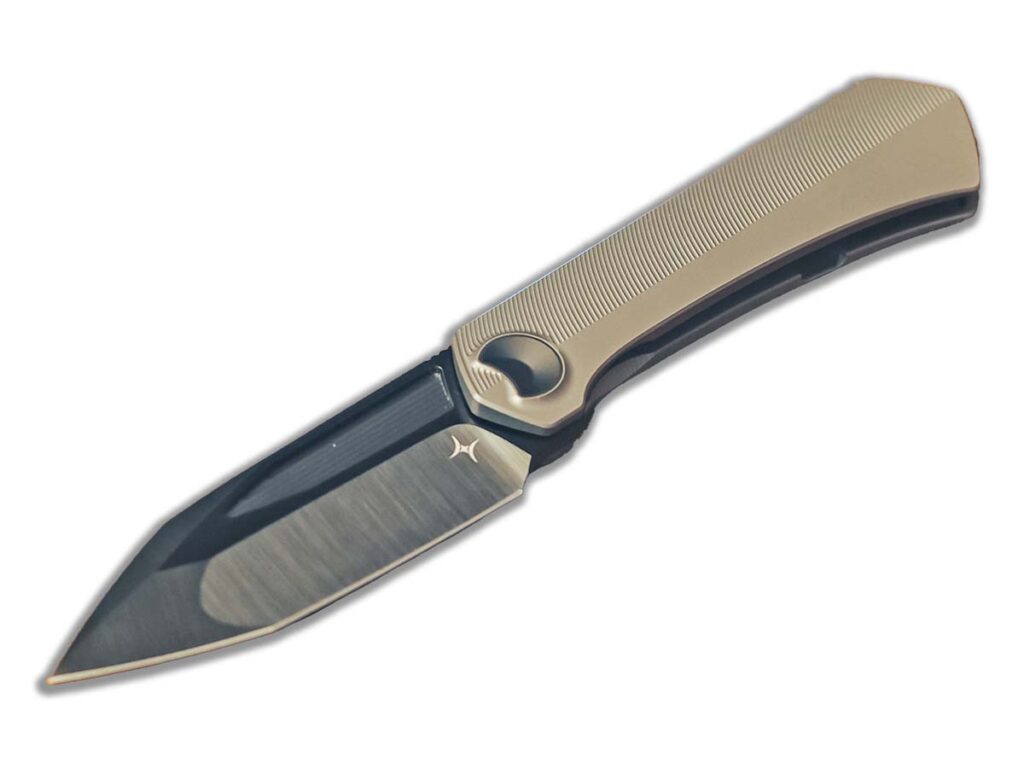
STAR STRUCK—A 3.5-inch tanto blade of MagnaCut steel, milled titanium scale, satin DLC blade finish and a solid frame lock, the Crescent Edges Celestial Entity is an otherworldly EDC option. Overall Length: 8.23 inches. Weight: 4.5 ounces. Country of Origin: China. MSRP: $375 Available: Now
CRKT Grvitic Flip
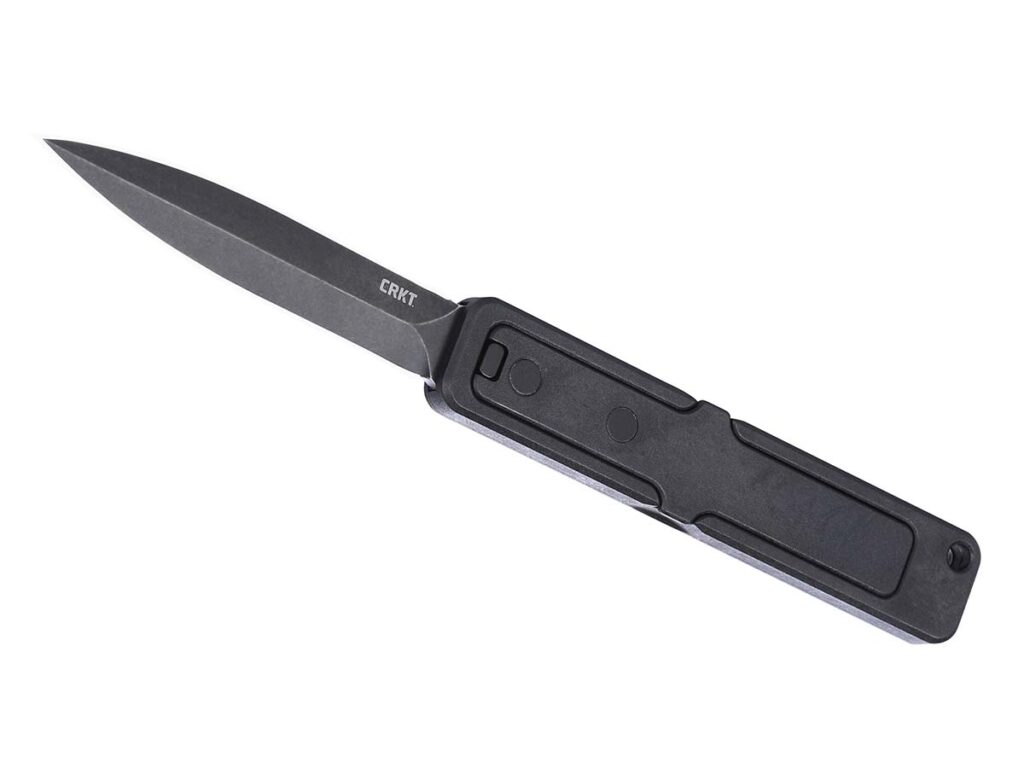
FIDGET FACTOR—Not your typical OTF, the CRKT Garvitic Flip utilizes a vintage-inspired flip-insert mechanism to deploy its 3.18-inch blade. Once out, tabs on the blade insert into recesses to keep the blade in place. Blade Steel: 5Cr13MoV. Blade Pattern: Spearpoint. Overall Length: 7.5 inches. MSRP: $50. Available: Now
Lionsteel Emmet
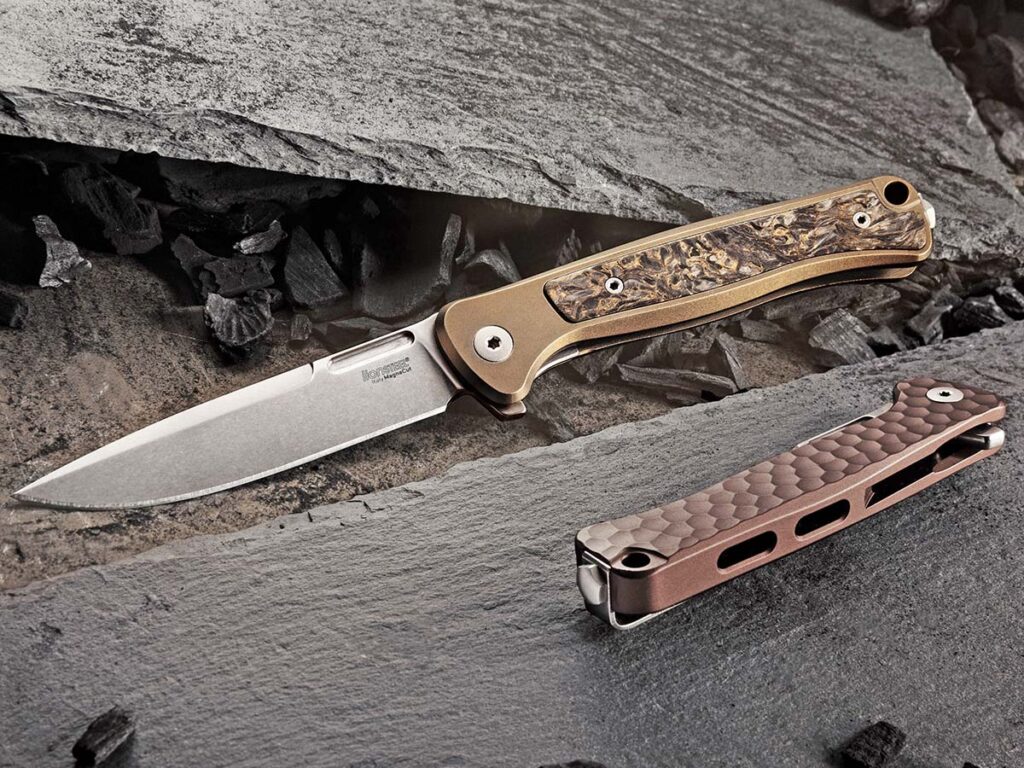
INTREPID INTEGRAL—Gentlemanly in appearance, the 2.83-inch LionSteel Emmet features a solid integral handle in either titanium or aluminum. The titanium model comes with carbon fiber inlayed scale, the aluminum with a hammertone texture. Blade Material: MagnaCut. Blade Pattern: Drop Point. Overall Length: 6.73 inches. Country of Origin: Italy. MSRP: Ti $225; Al: $130. Available: Now
NortoriousEDC Dirty Deed Pry Bar
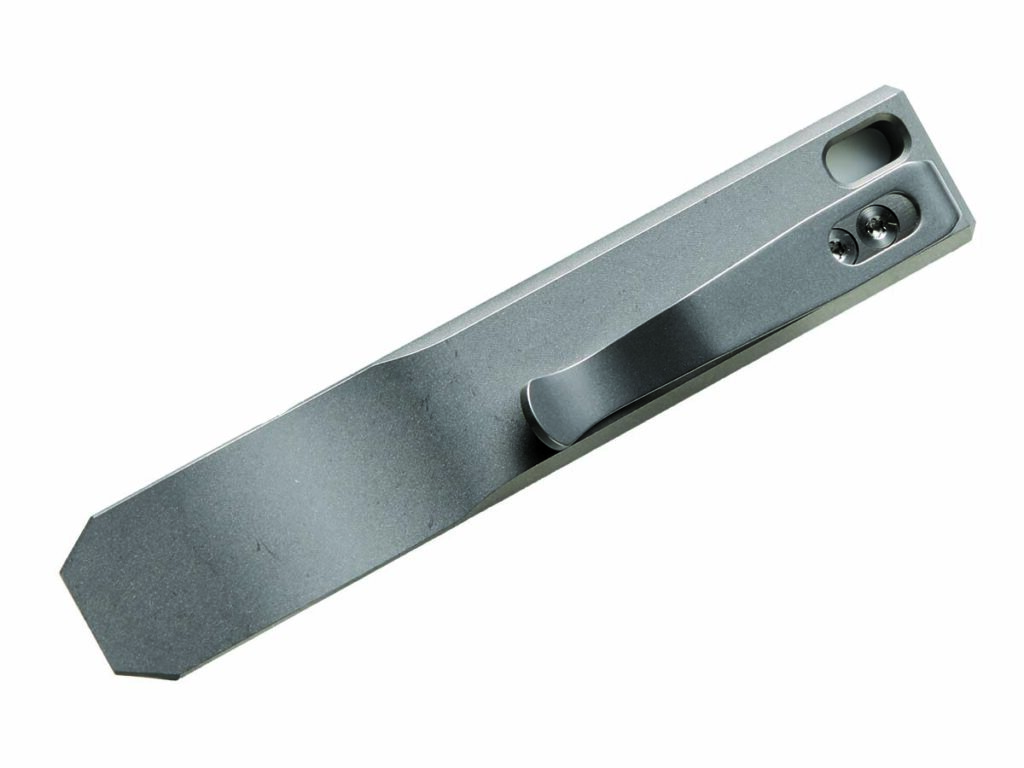
DOWN AND DIRTY—Constructed from Grade 5 titanium and a solid 3.5 inches in length, the NotoriousEDC Dirty Deed Pry Bar is ready every day for jimmying chores. The tool ships with a deep carry clip installed and includes an optional filler tab. Thickness: 3/16 inch. Width: 5/8 inch. Finish: Stonewashed. MSRP: $75. Available: Now
Vero Engineering Slip Joint
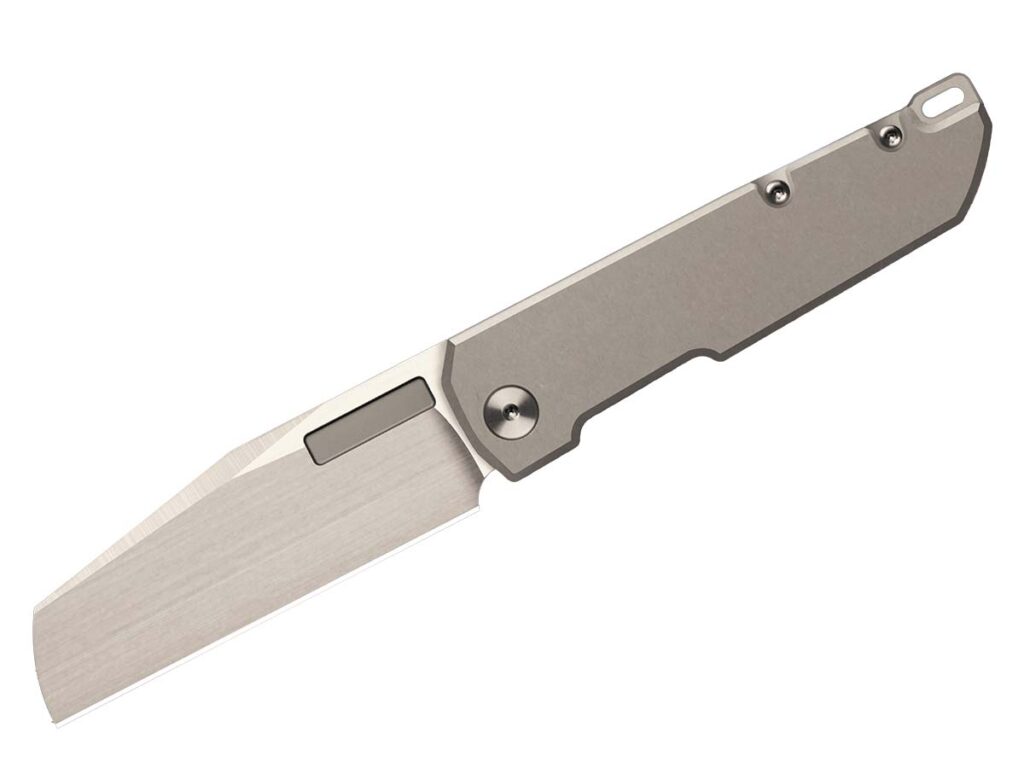
UNKNOWN SOLIDER—Vero Engineering’s new Wharncliffe is so recent that at writing it was yet have a name. What is known is that the slip joint will have a 2.75-inch MagnaMax blade, with the Vero trademark rectangular milling serving as the nail nick. Overall Length: 6 inches. Weight: 2.6 ounces. Handle Material: Titanium. Country of Origin: U.S.A. MSRP: $198. Available: June
GiantMouse ACE Pontius
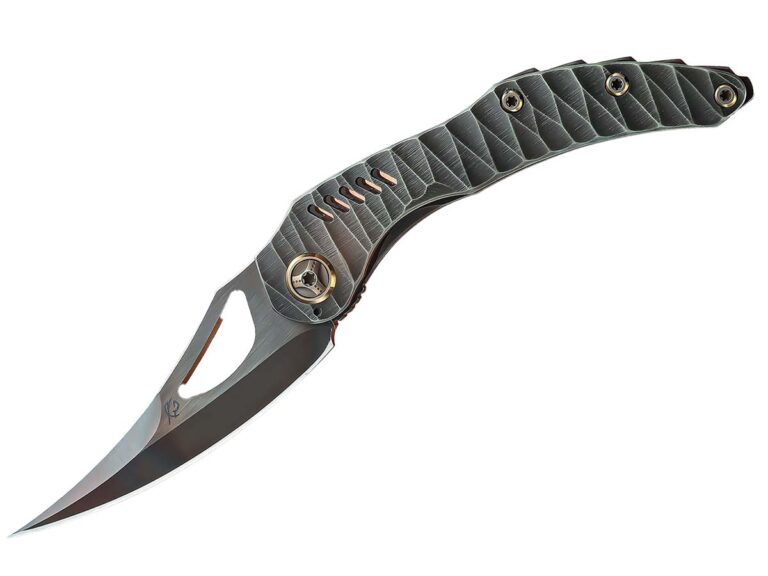
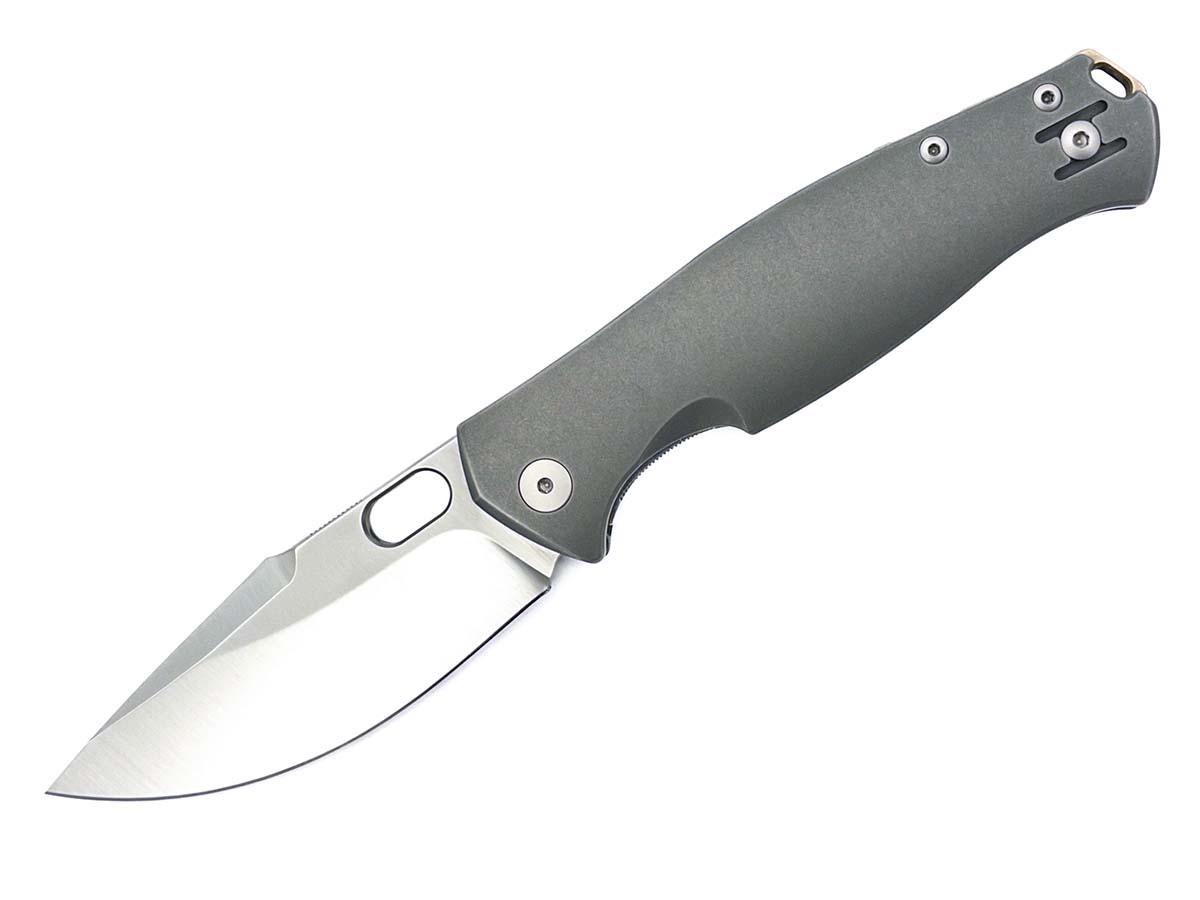
HARPOONS AWAY—Designed with input from Chris Pontius, the GiantMouse ACE Pontius features a 3.2-inch harpoon-inspired clip point blade and titanium scale. The linerlock will also be available in Green G10 or Black Canvas Micarta. Blade Steel: Elmax. Overall Length: 7.7 inches. Liners: Hardened 420 Stainless Steel. MSRP: $325. Available: June
Shirogorov F95 Ursus
BEAR OF THE NORTH—The Shirogorov F95 Ursus offers a rugged, work-oriented take on the refined F95 pattern, featuring a 3.74-inch Elmax stainless steel blade with a 5/6ths grind. This iteration utilizes a Multi-Row Bearing System (MRBS) for smooth deployment and a dependable liner lock. Scale: Micarta. Overall Length: 8.66 inches. Weight: 4.69 ounces. MSRP: $650–$700. Available: June
StraightLine EDC Bigger Digger
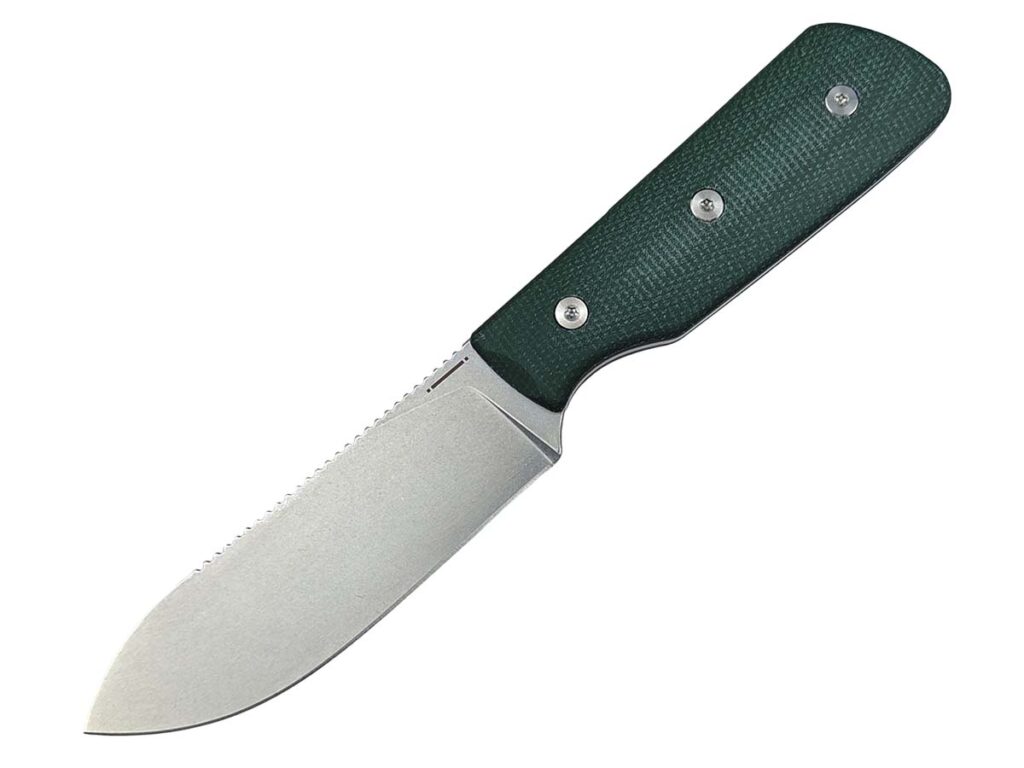
GOLDEN DIGGER—The StraightLine EDC Bigger Digger is a purpose-built fixed blade designed for daily carry, featuring a 3.74-inch drop-point blade of 14C28N stainless steel. Ensuring a secure grip in all conditions, the 7.52-inch profile is outfitted with green canvas Micarta scales and a flat grind for efficient slicing. Weight: 3.17 ounces. Grind: Flat. Sheath: Kydex. MSRP: $80. Available: June.
Rothman Knives Fabricator Series Gentlemen’s Trapper
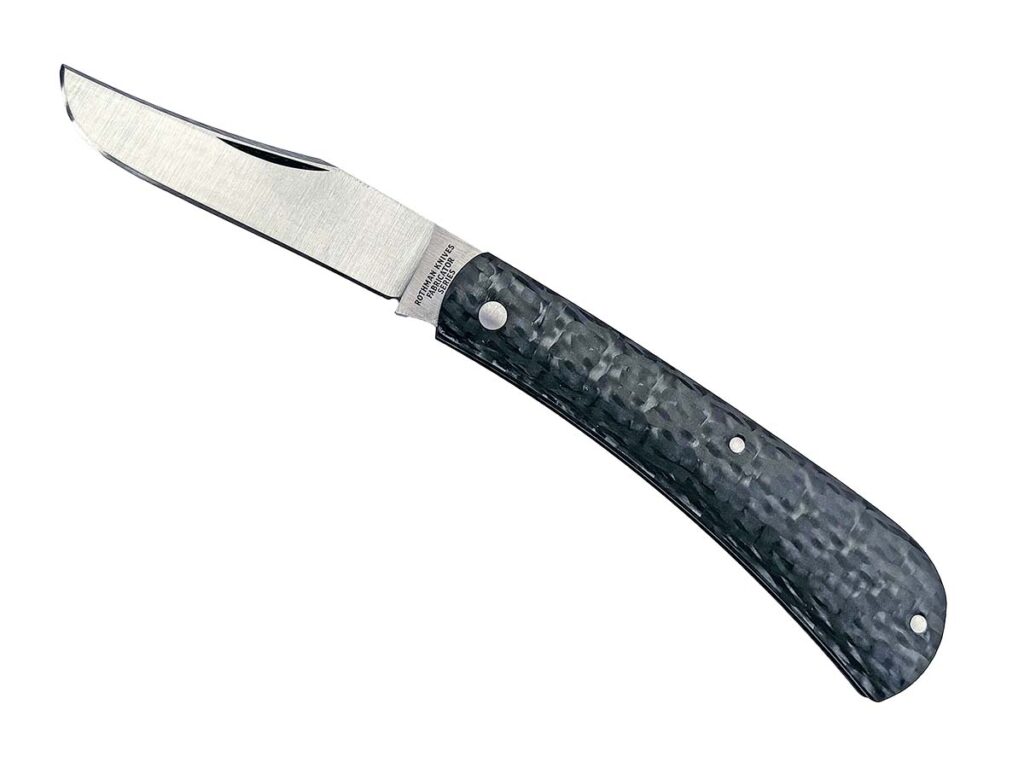
BLUE-COLLAR GENTLEMAN—The Rothman Knives Fabricator Series Gentlemen’s Trapper is a modern, lightweight take on the classic slip joint, weighing in at just 1.6 ounces. The 2 7/8-inch Nitro-V stainless steel blade features a deep 14-inch hollow grind for exceptional slicing geometry. Overall Length: 7 inches. Scale: Carbon Fiber. MSRP: $400. Available: June
Browning Stormy Pass Trapper
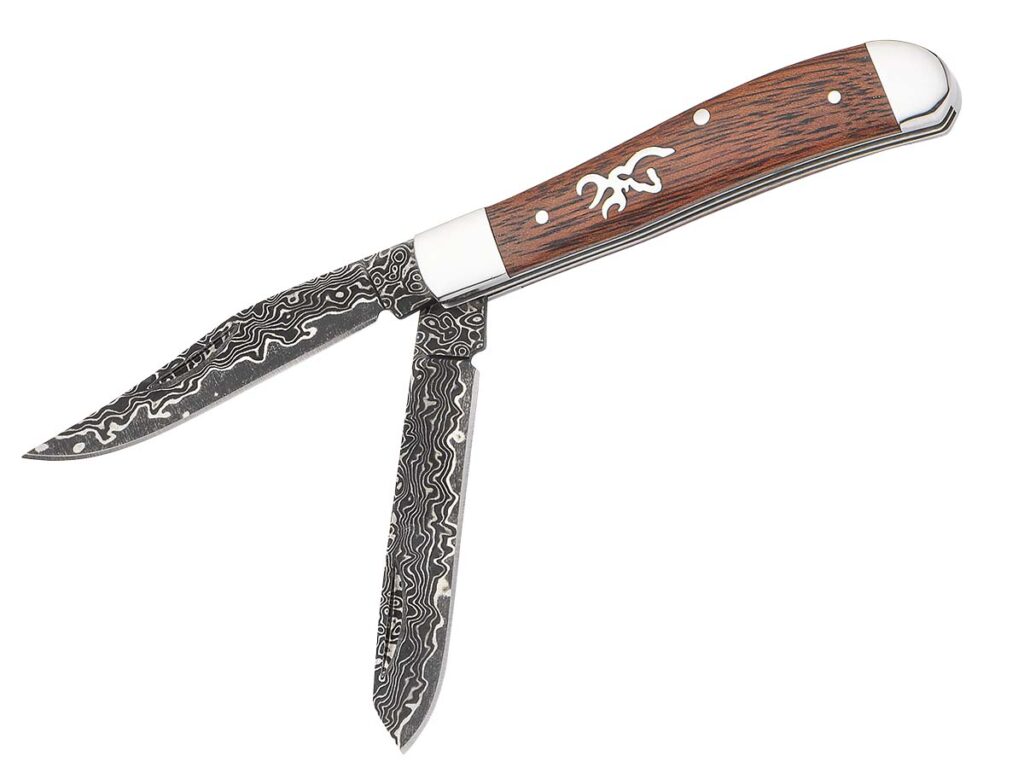
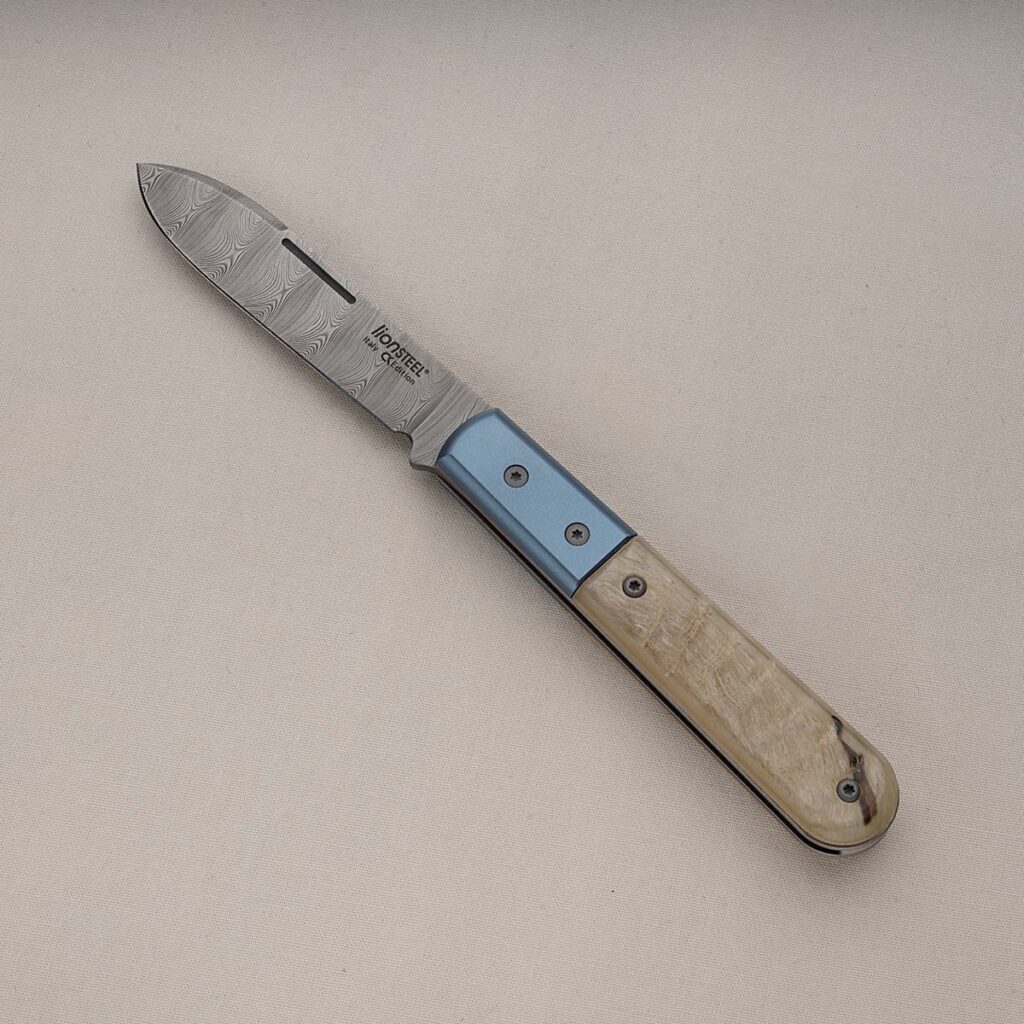
STORM A BREWIN’—The Browning Stormy Pass Trapper is a traditional slip joint built with an emphasis on longevity and classic aesthetics. It features a 3-inch damascus steel blade with a hollow grind, paired with stainless steel liners and wood scales. Overall Length: 6.25 inches. Weight: 2.4 ounces. Blade Pattern: Trapper. MSRP: $100. Available: September
Bestech IKA Dagger
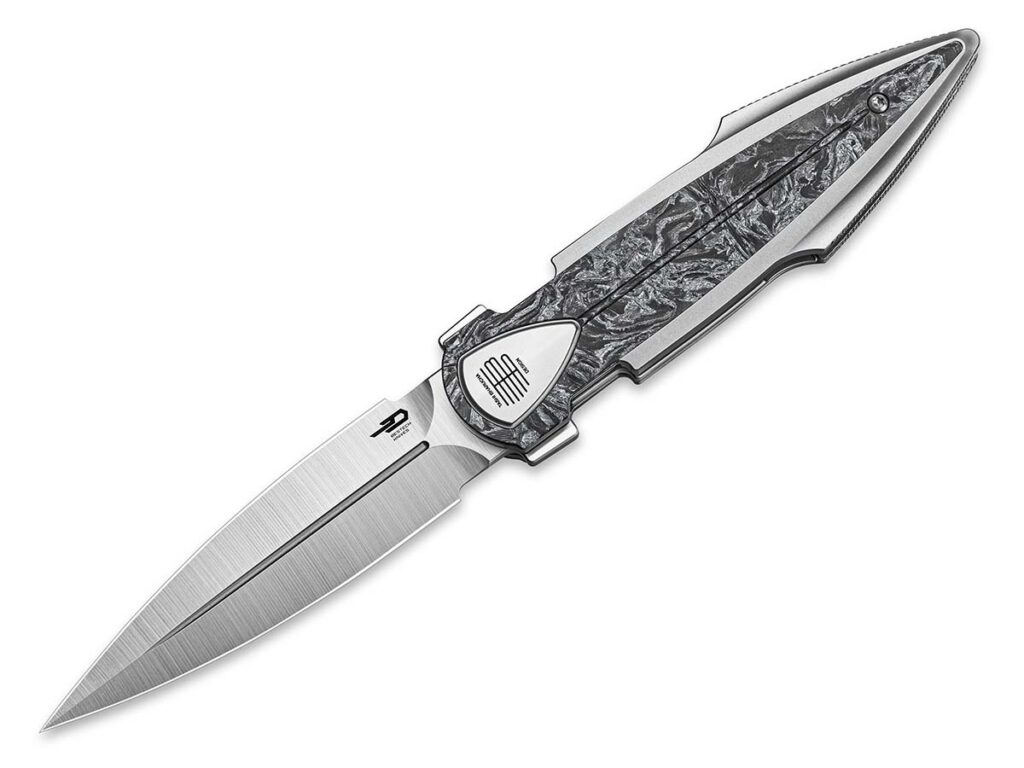
FRANKISH FLARE—Bestech’s IKA Dagger is the first integral handle design from French designer Tashi Bharucha. This folder features a 3.9-inch M390 stainless steel blade and ceramic ball bearings for fluid deployment. Overall Length: 8.85. Frame Material: Titanium. Blade Pattern: Dagger. Blade Thickness: 0.16 inch. Closed Length: 4.95 inches. MSRP: $580. Available: June
Jackass star and knife fanatic teams up with GiantMouse on tactical-style folder.
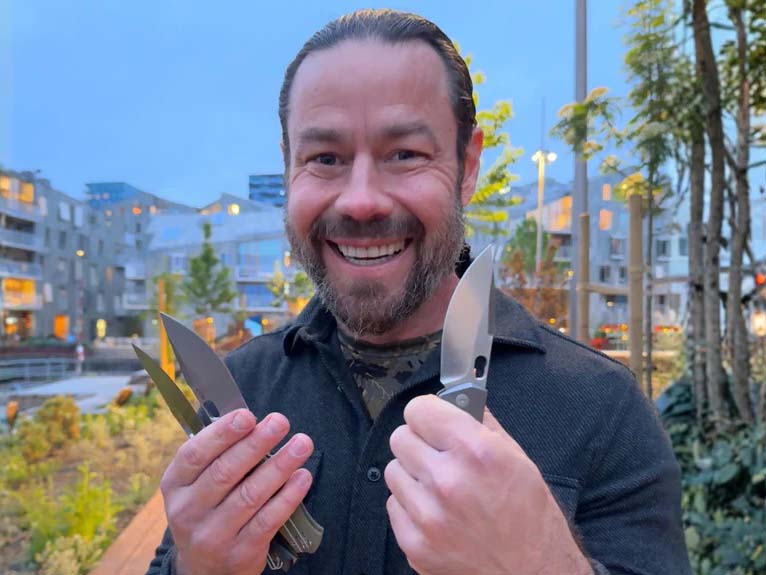
Chris Pontius is known for many things—his stunt work, crazy pranks, often appearing in little more than his underwear. With a collaboration with GiantMouse, it’s likely the former Jackass and Wildboyz star will be known for more. A life-long knife fanatic—he does a ton of knife content on his social media channels—Pontius teamed up with GiantMouse co-founder Jesper Voxnaes to create a fairly unique knife—the ACE Pontius. The project was two years in the making, as the Pontius and Voxnaes worked out the details of the knife. And the pair put some high design bars up for themselves.
In a blog post at GiantMouse, Pontius said rather than leaning into standard production aesthetics, he wanted a tool that mirrored the functional art of a musical instrument. He drew design cues from a vast array of historical and functional blade styles, weaving subtle elements of upswept hunters, classic skinners, Scandinavian puukkos, Nessmuks and harpoon-style blades into a single cohesive outline.
The result is a highly distinct silhouette that Voxnaes notes looks like something a futuristic space marine would carry into a culture that hasn’t happened yet. Built for everything from tactical applications to bushcraft, the blade features a strong piercing point matched with a generous, sweeping curved belly to maximize the usable cutting edge.
Mechanically, the folder is balanced for reliable utility, intentionally keeping the choil small to ensure the lines remain fluid when closed. The 3.2-inch Elmax steel blade is housed in an ergonomic 4.5-inch handle, making it highly pocketable for daily carry. It features a secure liner lock mechanism for solid lockup during heavy use, an ambidextrous reversible steel wire pocket clip and distinctive brass backspacers that add a splash of ornamentation to the build.
The knife is debuting in three specific material configurations to match different preferences. The premium titanium model (MSRP $335) pairs a sleek satin blade finish with full titanium handle scales, coming in at a solid 4.7 ounces. For those tracking a lighter pocket presence, the Green G10 version ($285) features OD green G10 scales, a rugged stonewash blade finish and weighs 4 ounces flat. Rounding out the trio is the Black Micarta model ($285), which matches a satin blade finish with black canvas Micarta scales for a classic tactile feel, tipping the scales at a nimble 3.7 ounces.
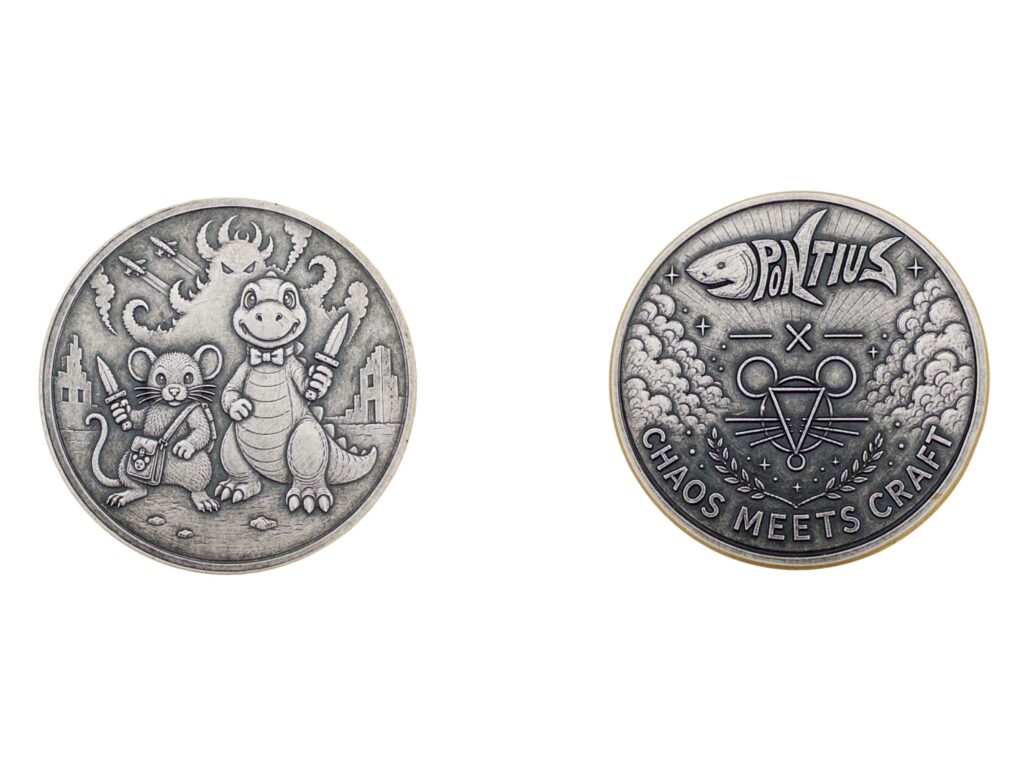
The ACE Pontius marks a significant operational shift for the company, launching exclusively through a Kickstarter campaign that coincided with the opening day of BLADE Show Atlanta. Fans who back the project early gain access to exclusive launch-day add-ons that ship alongside their orders later this year, plus a discount on final pricing. At time of writing, the campaign had 185 backers and had $57,729 of pledges.
The 2026 BLADE Magazine Knife of the Year® Awards proved tougher—and tighter—than ever.
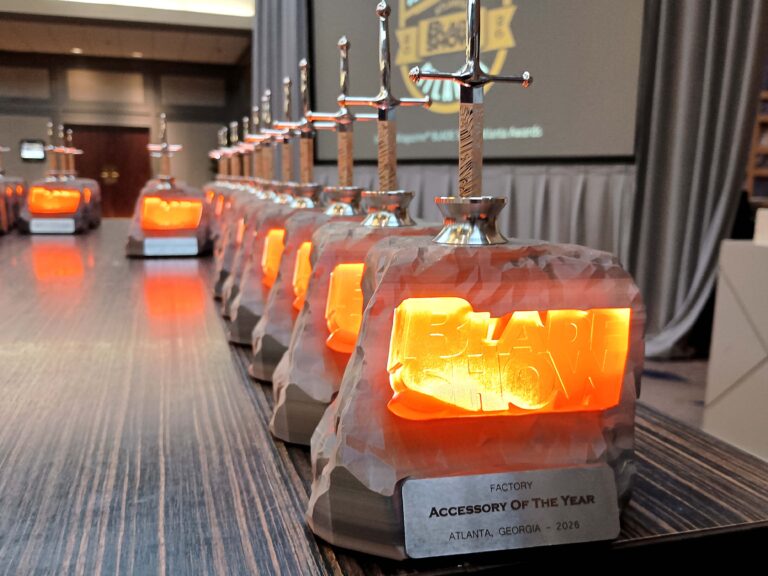
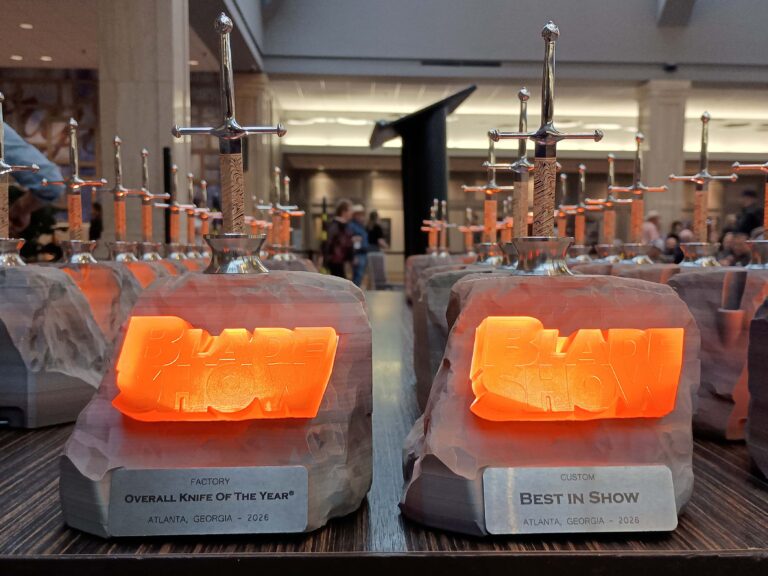
As the years go on the BLADE Magazine Knife Of The Year® Awards only get sharper. The 2026 chapter, held during the June 5-7 BLADE Show at the Cobb Convention Center, is a case in point. Hosting another massive field in the factory knife competition, the contest drew roughly the same number of entries as last year (350-400), with hundreds of blades vying for the title of “Best” in their respective categories. Add in the fact that production knives are reaching an unimaginable height in both design and manufacturing quality, and the event was as tight as ever. The winners were selected by a panel of four judges, experts drawn from different backgrounds in the knife industry. Below are their selections of knives that are more than worthy of being called Knife Of The Year®.
BLADE Magazine Overall Knife Of The Year® & PVK Best Automatic Of The Year
Craftsmanship Crowned: Winners of the 2026 Custom Knife Awards at BLADE Show.
The 2026 Custom Knife Of The Year® Awards once again took center stage at BLADE Show, held June 5–7 at the Cobb Convention Center in Atlanta. As always, the event drew some of the finest custom makers in the world, and this year’s field was especially fierce. Keeping pace with the massive momentum of last summer, the number of custom entries remained roughly the same as last year, ensuring a brutally competitive arena for the makers.
A panel of expert judges had the unenviable task of selecting standouts across a range of categories, recognizing the blades that best embodied design, innovation and craftsmanship. From elegant folders to bold fighters, here are this year’s winners—including the coveted Hugh Bartrug Best in Show.
The IPA will be available at “The Pit” during the show.
The ultimate combination of brews and blades is back. Gabe Fletcher’s officially sanctioned BLADE Show Beer will once again be flowing at the 2026 BLADE Show in Atlanta, ensuring attendees can toast to the world’s finest custom steel with a craft pour engineered specifically for the knife community.
Fletcher, the founder of the internationally acclaimed Anchorage Brewing Company and an ABS apprentice smith, has spent decades perfecting the art of fermentation. In recent years, he successfully merged his two passions by launching a series of high-profile knife and beer collaborations with master bladesmiths like Neil Kamimura, Mareko Maumasi and Salem Straub.
That cross-industry synergy naturally evolved into the official BLADE Show Beer. Specifically engineered for the marathon weekend at the Cobb Galleria, the custom brew is designed to be a highly crushable, smooth-drinking India Pale Ale. Sitting at an approachable 4.5 percent alcohol by volume, it delivers a crisp, floral profile that provides maximum flavor without weighing down your afternoon on the show floor.
In addition to running the internationally known Anchorage Brewing Company in Anchorage, Alaska, Gabe Fletcher is also an ABS apprentice smith.
For those heading to Atlanta, the custom IPA will be readily available at every bar across the exhibition floor. It will also be stocked heavily at the Renaissance Atlanta Waverly host hotel, making it the perfect refreshment for the legendary evening handle-swapping and storytelling sessions inside The Pit.
If you cannot make the trek to Georgia this year, you do not have to miss out on the celebration. Fletcher is partnering with craft beer delivery platform Tavour to ship a limited run of the official 2026 BLADE Show Beer directly to residences across 23 states. Whether you are buying custom steel in Atlanta or admiring your collection from home, grab a can and celebrate the intersection of top-tier brewing and elite bladesmithing.