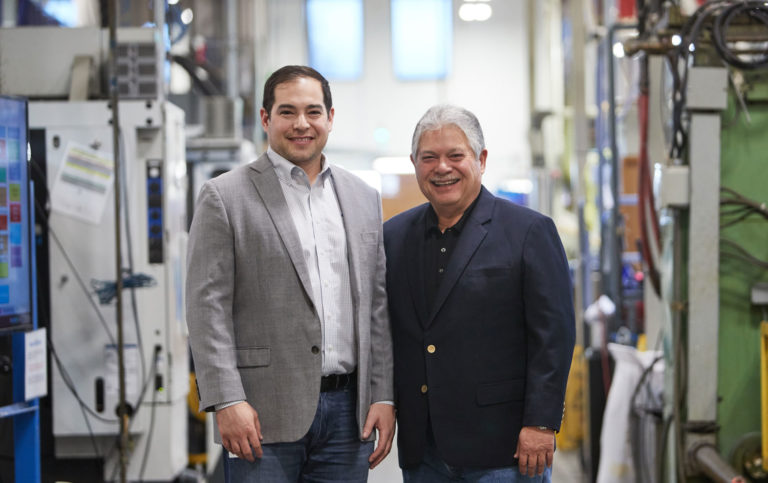
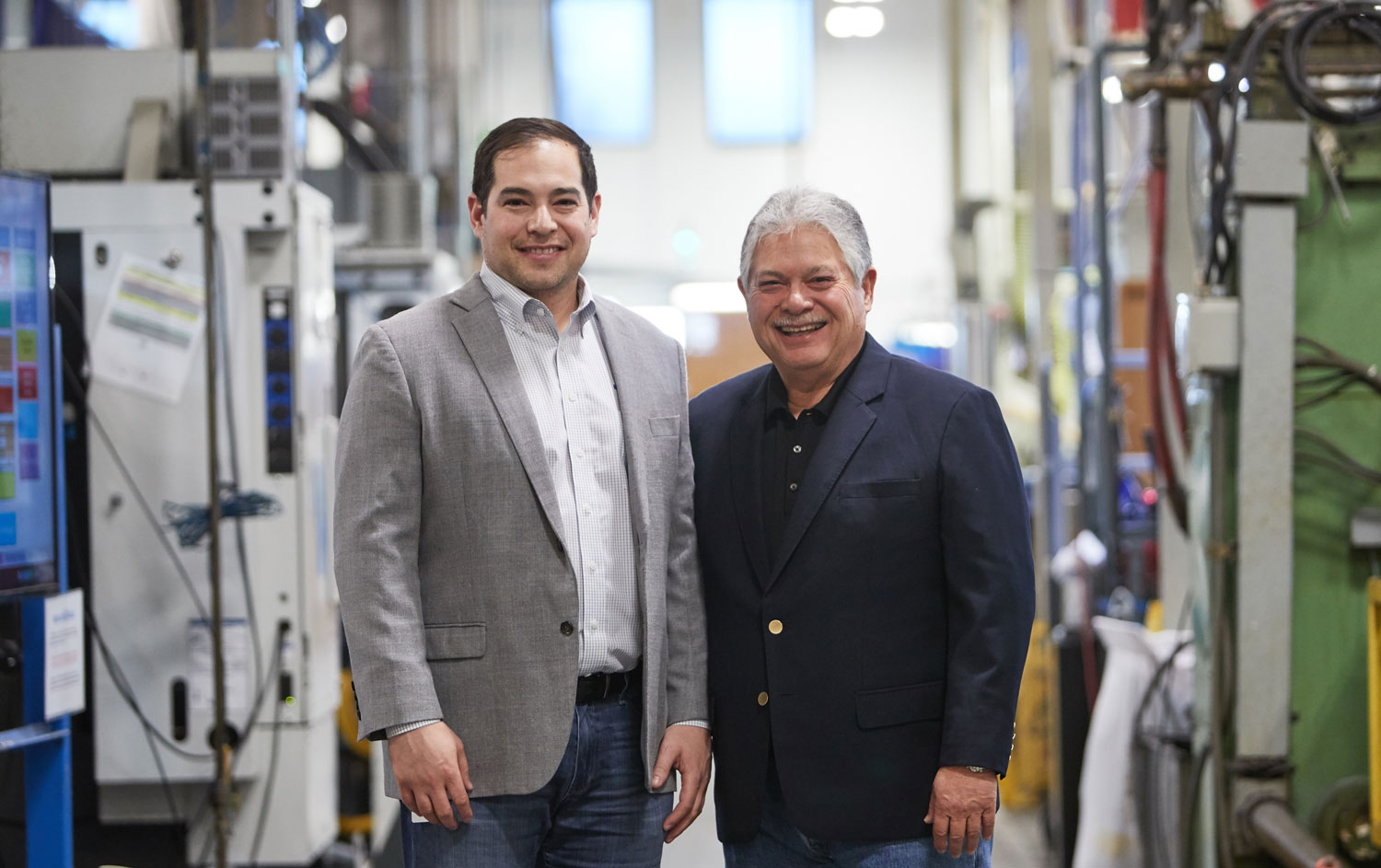
Jon deAsis is on left. Les de Asis is on right. (Benchmade photo)
Benchmade founder and BLADE Magazine Cutlery Hall of Fame® member, Les de Asis, is stepping down as head of day-to-day operations of the Oregon City-based knife company. His son, Jon, will step into that role, effective Nov. 5, 2018. It marks the first significant changing of the guard in the 31-year-old Benchmade, although Les will remain on in strategic positions as CEO and chairman.
The following release from Benchmade explains the transition in detail.
Knife-industry icon Les de Asis, founder of Benchmade, has announced he is handing responsibilities for daily operations and leadership to his son, Jon deAsis, who has been promoted to president of the family-owned business. Jon will oversee a team of nearly 400 employees in the Oregon City, OR, headquarters and manufacturing facility, which produces a range of premium knives for the hunting, tactical, enthusiast and outdoor recreation markets. Les de Asis will maintain his role as CEO and Chairman of the Board, guiding the company’s overall strategy and direction.
Jon de Asis at BLADE Show 2017, where his father, Les, was inducted into the Cutlery Hall of Fame. (Image via AKTI)
Jon deAsis grew up with the Benchmade brand, spending his life learning the family business and preparing himself through various roles within and outside of the company. Prior to taking on this new position, Jon spent three years as the vice president of operations at Benchmade, overseeing the brand’s production and rapid growth in Oregon City. During his tenure Benchmade continued to upgrade and strengthen its manufacturing and service capacity in order to provide the highest level of service to its customers.
“I am humbled and overjoyed to have Jon move into this role and feel that this is a great step forward for the organization,” said Les de Asis. “The company and family at Benchmade have been my life’s work since we opened our doors in 1987. Nothing means more to me than the passion, quality, commitment and energy each and every member of our team has dedicated to building the best knives in the world. I know that Jon is the right choice to help continue that drive well into the future and bring Benchmade to a new generation of customers.”
Benchmade has posted eight consecutive years of double-digit growth. The company operates out of a state-of-the-art facility with more than 144,000 square feet of manufacturing space producing products for professionals and enthusiasts alike. The company produces 60 product lines including popular items that have been on the market since the early 1990s.
“I couldn’t be more proud and excited to continue building on my father’s work. Benchmade is a shining example of how a U.S.-based manufacturing operation can continue to thrive by creating premium-quality, highly coveted products with a relentless focus on progress,” said Jon deAsis. “The talent we have assembled in Oregon City is second to none and I’m thrilled to be working with such a strong team in continuing to grow the business.”
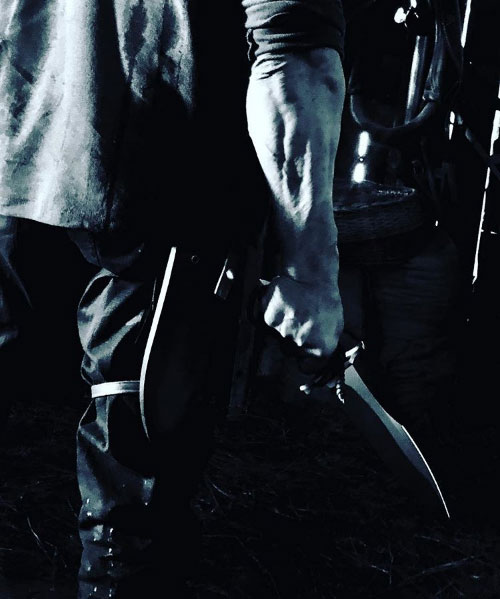
A post shared by Sly Stallone (@officialslystallone) on
The pair of knives the titular Rambo character, played by Sylvester Stallone, will use in the fifth Rambo movie is no longer a secret. Rambo will use the “Heartstopper,” made by Dietmar Pohl, of Pohl Force in Germany, as his “big one.” Pohl also made a “small knife” Rambo will use.
Pohl joins Jimmy Lile(FirstBlood, First Blood: Part 2) and Gil Hibben (Rambo III, Rambo) as the knifemakers selected to supply the movie franchise’s iconic knives.
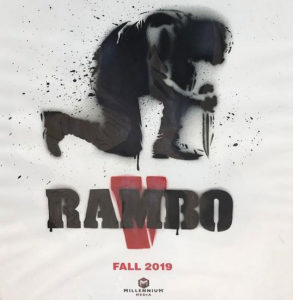
The fifth movie is set to release in fall 2019 as Rambo V: Last Blood, and will be set in Mexico. To date, the only image of the knife is what Stallone posted on his Instagram page. Filming began “a few weeks ago,” according to the Pohl Facebook page.
In a statement, translated from German, Pohl couldn’t say much more beyond being excited.
“RAMBO V – We’re very happy to be part of it! A very special project for Dietmar Pohl and the Pohl Force team.
“With the official posting from Sylvester Stallone on Instagram it became public that Dietmar Pohl (knife designer & CEO of Pohl Force Knives) designed the knives for the Rambo V movie.
“Now we’d like to confirm the cooperation. Because the film production started only a few weeks ago and the movie start is announced for autumn 2019 we ask you to understand that we cannot provide any further information and details on the knives at this time.”
This isn’t the first time Hollywood tapped Pohl’s knives. He provided blades for Hunter Killer, released Oct. 26, 2018 and starring Gerard Butler. Here’s Pohl on the set of that movie:
While the passing of BLADE Magazine Cutlery Hall Of Fame member A.G. Russell is unfortunate, the enormous footprint left behind by “Mr. Knife” is sure to keep knife enthusiasts at full attention for generations to come. Here are three A.G. Russell knives that will likely only become more popular.
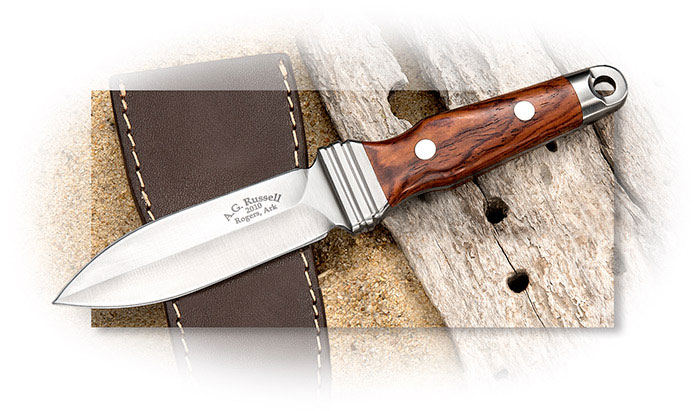
A.G. Russell Sting
A third generation Sting. (AG Russell photo)
It’s hard to overstate the significance of the Sting. It’s everything that a boot knife should be, from the dual hollow grinds to the handle swell. Previous iterations of boot knives more or less stuck to formulaic dagger designs. Russell defined the category by injecting better ergonomics, craftsmanship and a deceivingly simple presentation.
Even if they didn’t actually stick the Sting in their boots, knife enthusiasts ate this model up after the debut in 1975.
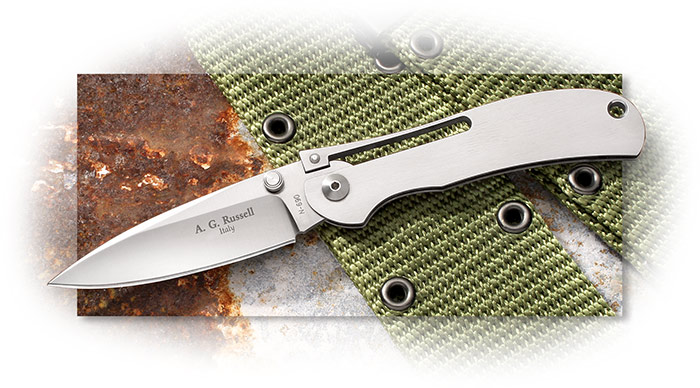
A.G. Russell One Hand Knife
A.G. Russell One Hand Opening Knife (A.G. Russell photo)
Second only to the Sting as far as sales figures go, the One Hand Opening Knife puts its lock front and center for all to see. Or, rather, front and forward. Russell re-introduced the knife in 2008, 20 years after it hit his shelves. The funky design makes it a favorite among collectors.
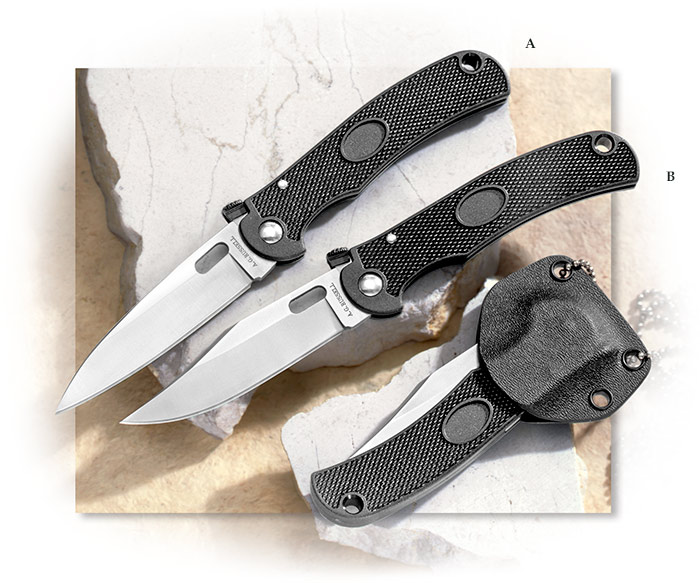
A.G. Russell FeatherLite K-93 One Hand Knife
(A.G. Russell photo)
A.G. Russell went with simplicity and an appealing price point when the FeatherLite debuted in 1993. It worked. The knife went on to sell more than 50,000 units. As Russell himself points out in the video, that doesn’t include the 11,000 units sent off to U.S. military members deployed to Iraq and Afghanistan in 2004. For enthusiasts, it’s the designer’s signature EDC knife.
Honorable Mention: Wharncliffe Lockback
As one of the last designs Russell released, the Wharncliffe Lockback stands out for its innovative approach to a time-tested favorite. Here’s a look at the knife as introduced by Phil Gibbs at BLADE Show 2018.
A.G. Russell, long-time knife entrepreneur, founder of A.G. Russell Knives, a founding member of The Knifemakers’ Guild, and a member of the BLADE Magazine Cutlery Hall Of Fame, passed away Oct. 12. During what was supposed to be a routine angiogram to check for blockage in a coronary artery, A.G.’s heart gave out. He was 85.
As recently as Wednesday, Oct. 10, A.G. spent a big part of most business days in the office working with Phil Gibbs on knife designs and talking to customers in the A.G. Russell Knives retail knife store in Rogers, Arkansas. Saturdays were especially important to A.G. He would spend most of the six hours that the store was open on that day, talking to customers. He especially enjoyed the children who visited the store.
“To say we are all in a state of shock is putting it mildly,” stated Mrs. Goldie Russell, A.G.’s wife, business partner of over 30 years and fellow BLADE Magazine Cutlery Hall Of Famer. “I do take great comfort in knowing from conversations we have had of late that he was simply tired and ready to be called Home, and that he is no longer experiencing pain and discomfort.”
Visitation will be on Sunday, October 21 from 3:00 – 5:00 p.m. at Westfield Chapel Funeral Home in Springdale. Funeral services will be held on Monday, October 22 at 2:00 p.m. at Lakeview Baptist Church on Hwy 265 between Lowell and Cave Springs.
In lieu of flowers, the family is requesting donations be made to military and veterans organizations that will be listed shortly here.
If it is your preference to send flowers, that may be arranged at the Heartfelt Sympathies Store online. Click here for more information.
That starts with the fact that BLADE Show West is an expansion of the annual BLADE Show in Atlanta, but most knife fans already knew that. Here’s a recap of show highlights that you might’ve missed if you weren’t one of the lucky dogs at the Portland show.
Over and over again, exhibitors commented how refreshing it was to see new knife fans. In turn, knife fans in the Portland area said they were excited to see the BLADE Show come to this side of the country, and to this part of the Pacific Northwest in particular.
That should come as no surprise, as the greater Portland area is positively primed for knife enthusiasts. There’s a good reason so many knife companies call the area home. Now, finally, there’s an event that brings everything together in one stellar package.
Attendance: Hot Runs On Customs, Factory Fun and One-on-One
BLADE Show West took place on a Friday, Saturday, Sunday circuit. Like many knife shows, each day brought different sorts of people to the event.
Friday was a hot one for custom knifemakers, with a line to get in out the door that cleared tables once the entrance unlocked. Custom ‘makers who sold out had two days to explore Portland, visit friends in the industry and, of course, log some backorders. That’s proof that the knife nuts will turn up when the floor plan looks as good as it did.
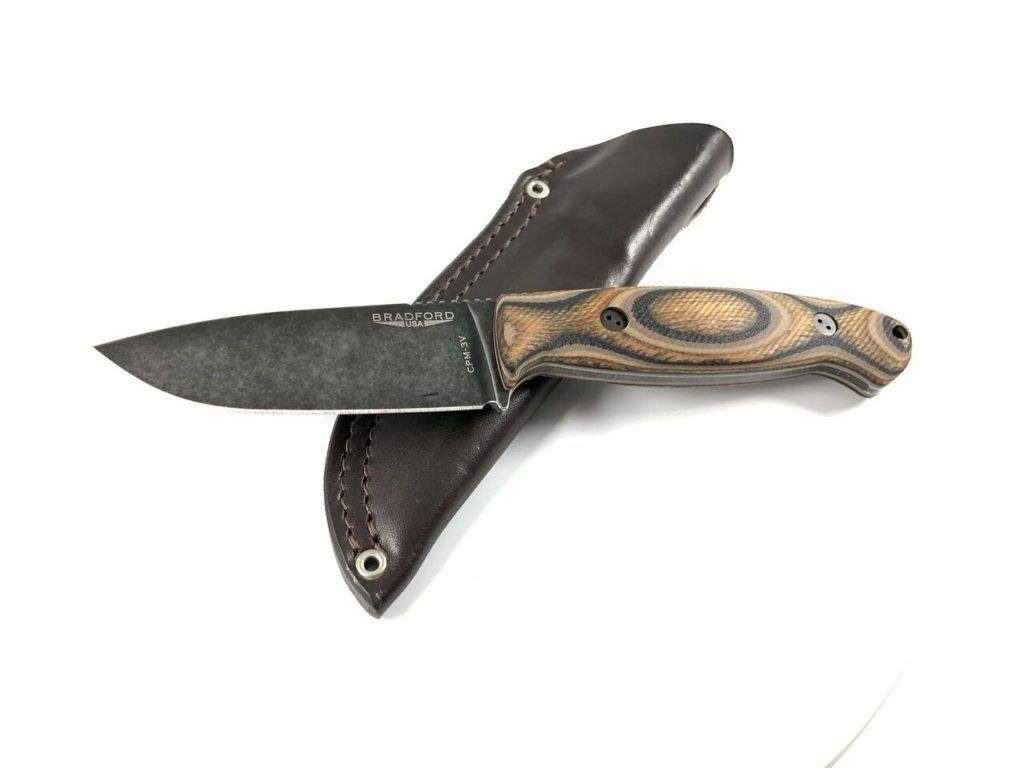
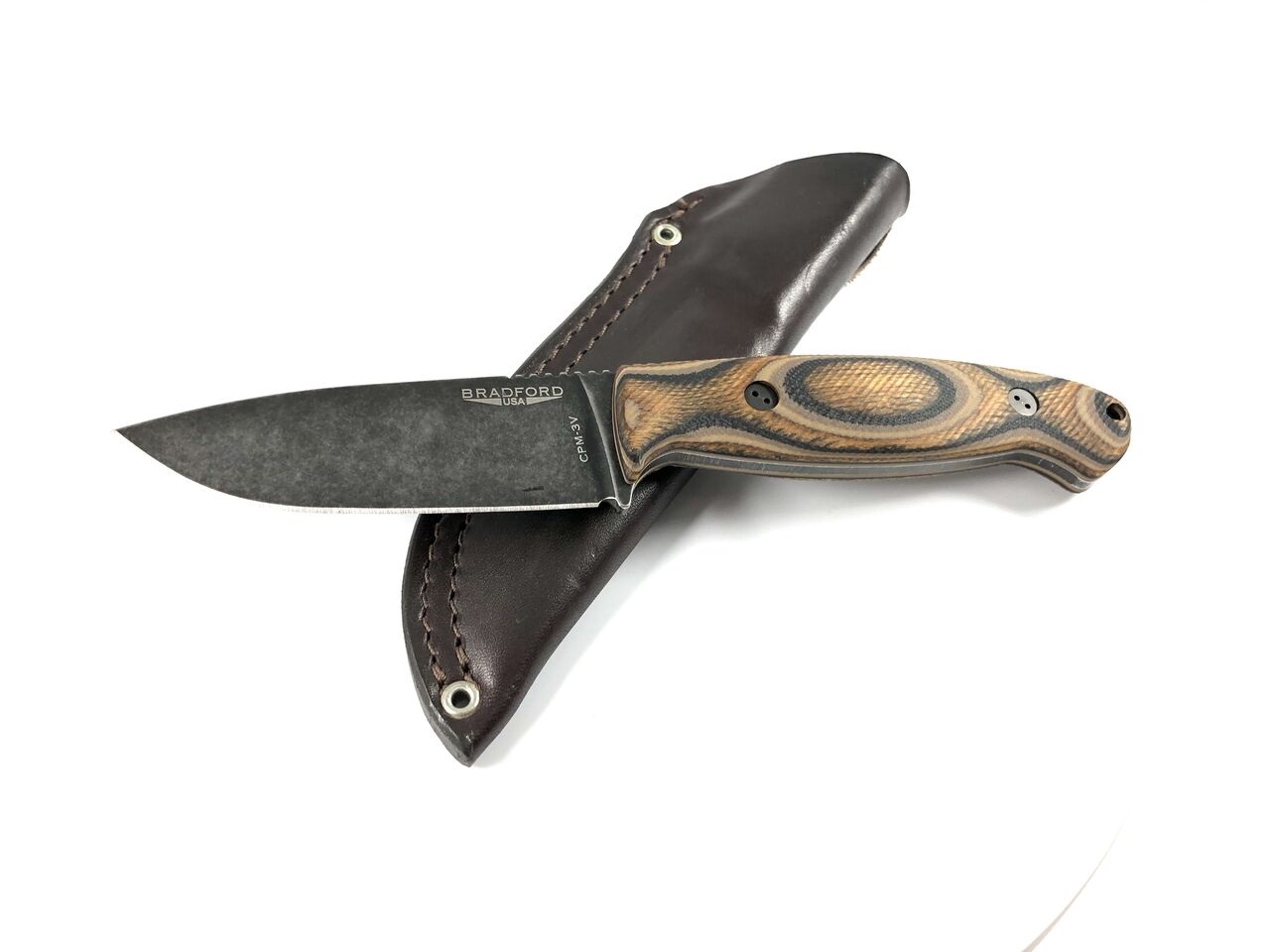
This Bradford 4.5 took home the Best Fixed Blade award for factory knives. Also making a strong showing was the Bradford 3.5.
Saturday veered toward the factory exhibitors, as is often the case with events that also bring in casual knife fans (call them “knife peanuts” instead of “knife nuts?”). Companies local to the area, such as CRKT, Benchmade and Kershaw/ZT, made a big impression.
But the local knife nuts weren’t content with sticking to local companies. They also veered off into new favorites like WE Knife, Hogue and TOPS, to name only a few.
The crowds tamed down Sunday, the last day of the event, as one might expect, but that didn’t put a dent in the experience. As one knifemaker told The Oregonian, he “met future customers.” And those future customers got to meet knifemakers.
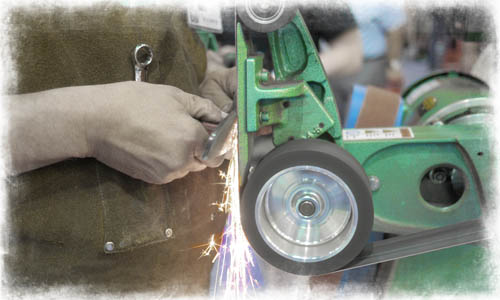
Besides, where else can your favorite knife company sharpen your favorite knife?
That’s what knife shows are all about. There isn’t anything wrong with logging onto Instagram or a retail website and placing an order for a knife. But can anything replace the in-person experience of talking with someone one-on-one? That’s always been important, and it will become even more important as various online platforms bend toward prohibiting knife content.
Simply put, nothing replaces a good, live knife show.
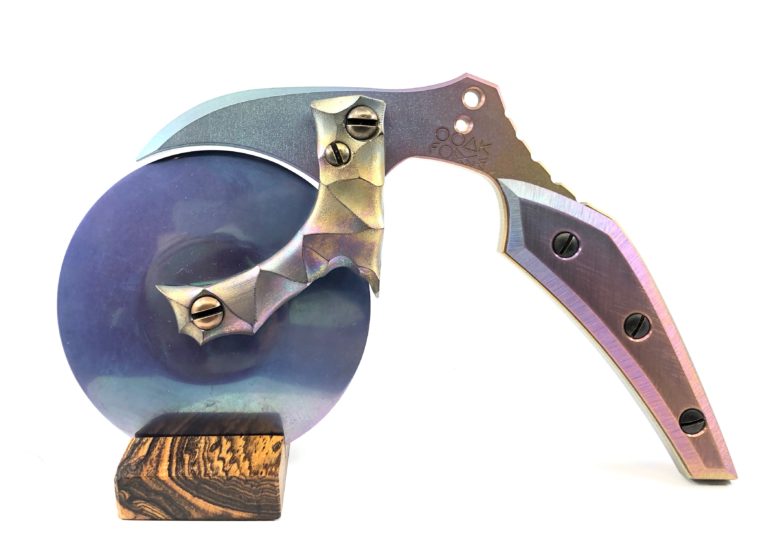
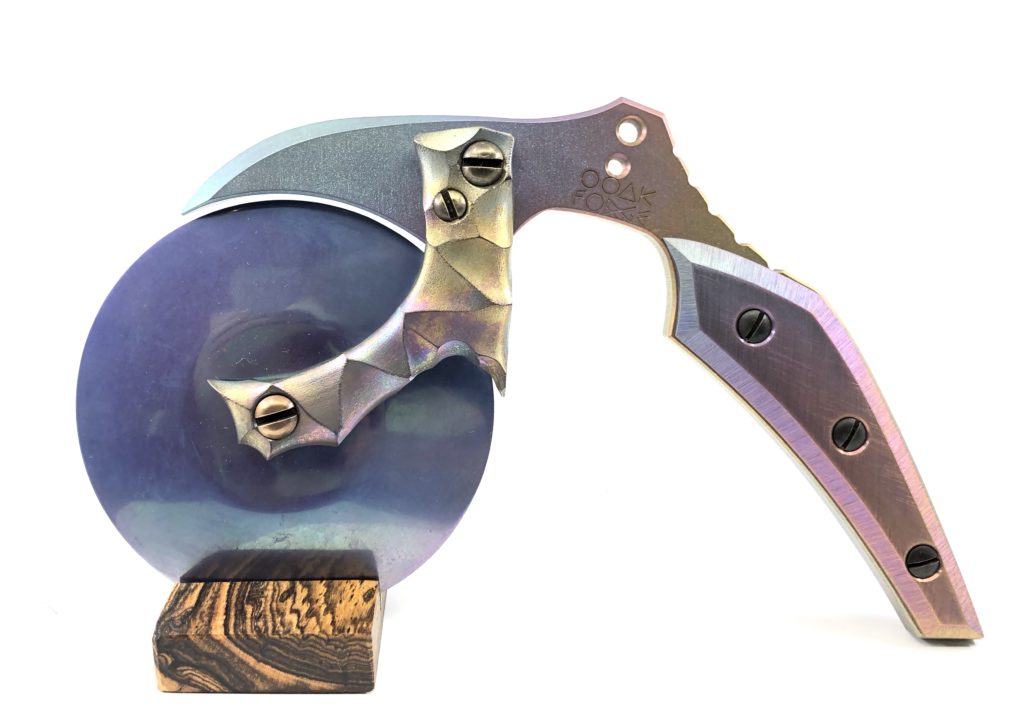
The “City of Roses” might be Portland’s official nickname, but many know that the unofficial slogan is “Keep Portland Weird.” What better way to tip the ol’ cap to a terrific host city than by featuring some “weird” knives?
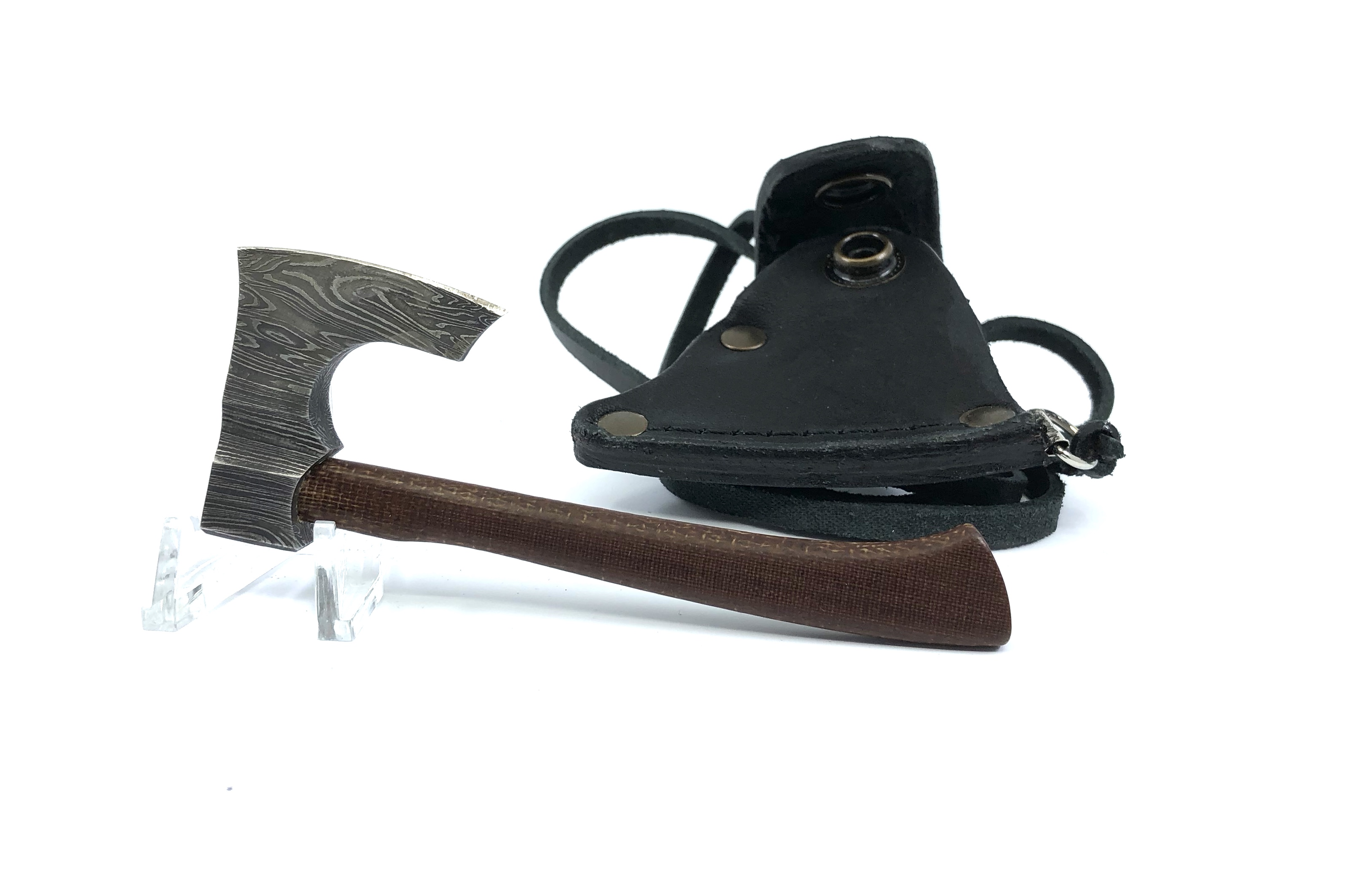
Yep. It’s a custom pizza cutter from Ooak Forge. It also got people talking, and that’s a good thing.
BLADE Show West in Portland might be a cousin of BLADE Show in Atlanta, but it holds its own. That goes for the show awards, too.
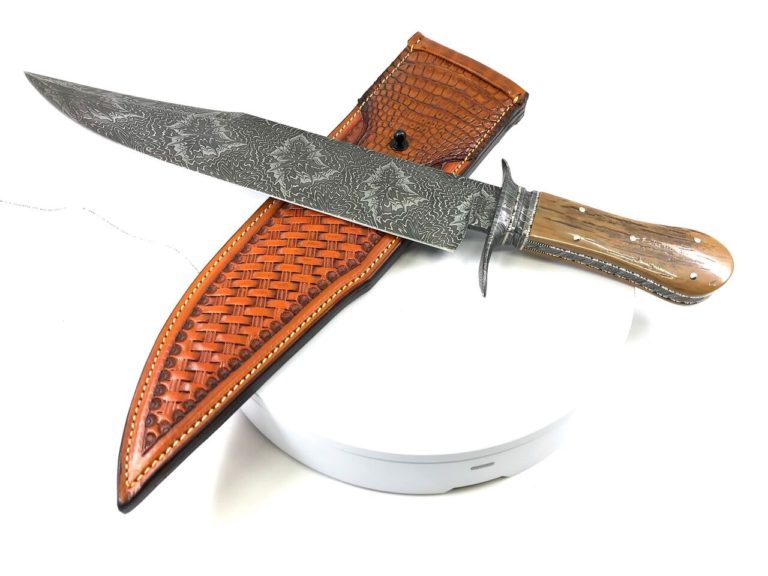
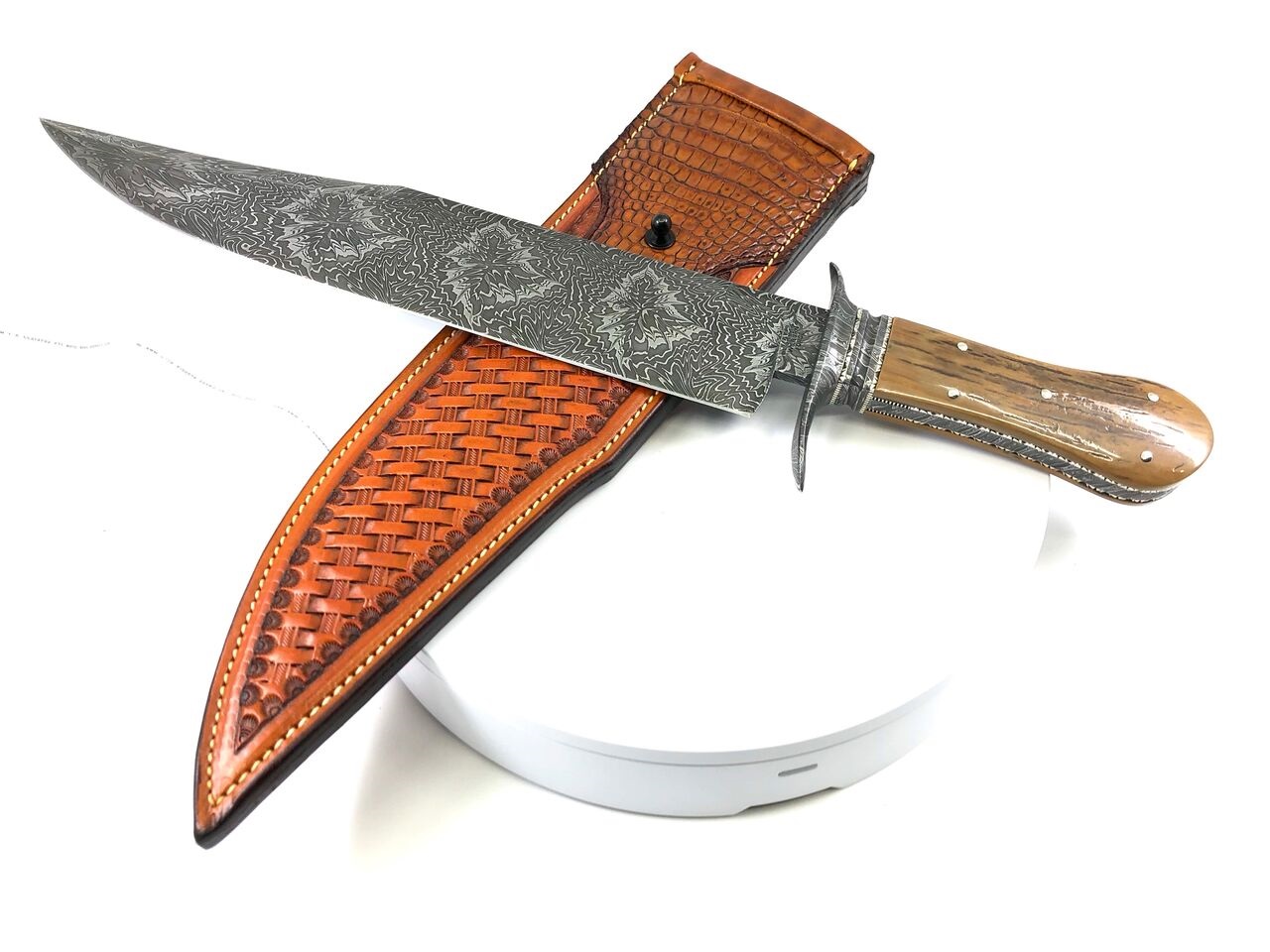
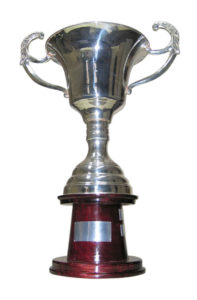
BLADE Show West bestowed awards for custom and factory achievement in folding, fixed blade, EDC, non-knife EDC and “weird” categories. That’s in addition to the “Best in Show.”
The full list of winners is here. Pay close attention to the EDC and non-knife EDC categories. As with “weird,” those categories were new and exclusive to the Portland knife show. The Pacific Northwest, already a hotspot for knife companies, is especially primed for carrying knives and tools on a daily basis.
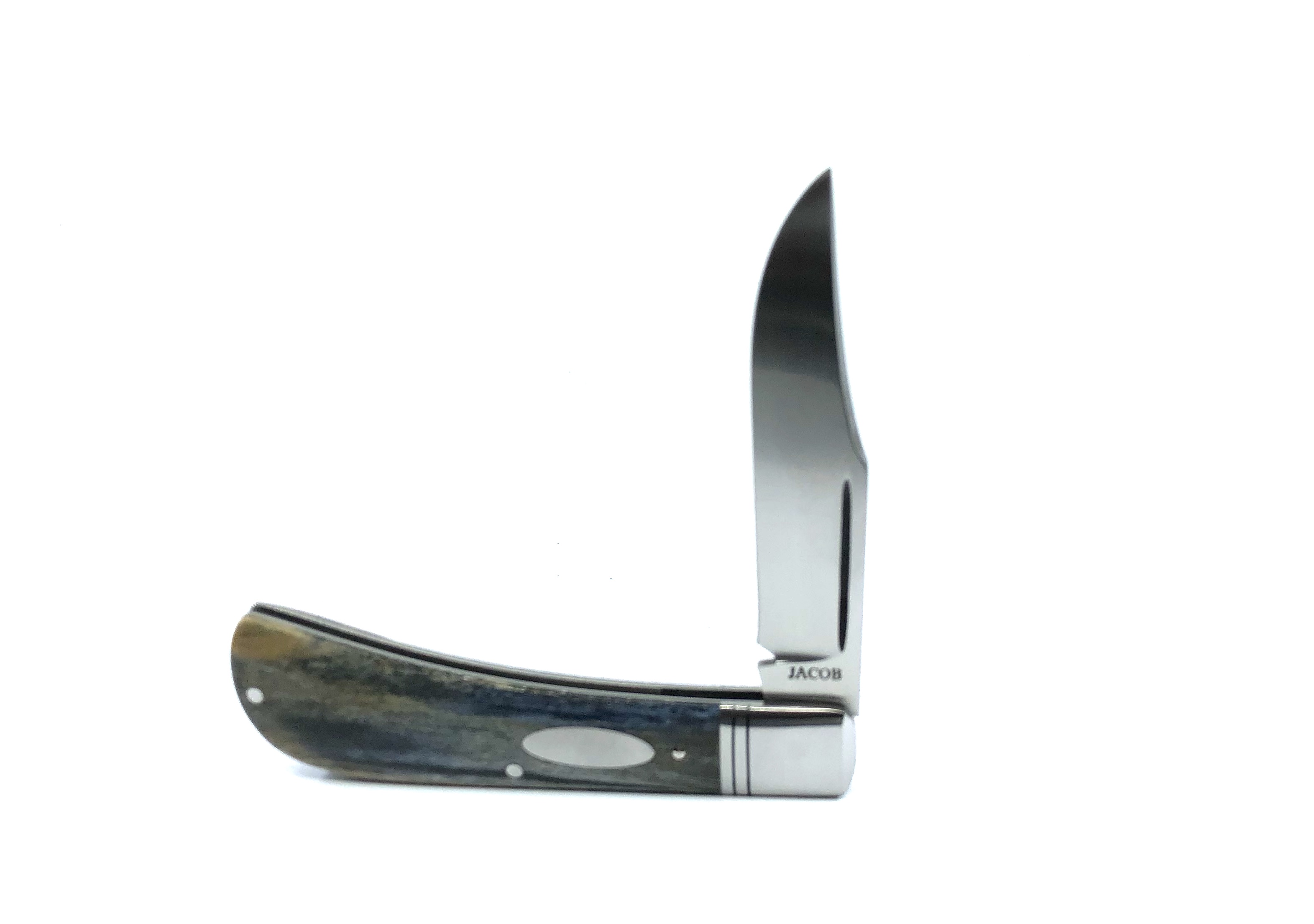
A post shared by Phil Jacob (@p.h.jacobcustomknives) on
Phil cleaned up the custom awards with Best Folding Knife and Best EDC Knife. He’s probably still grinning about the double dip.
That’s another unique part about knife shows. It’s a chance to recognize knifemakers who spend a lot of time laboring in creative isolation. Not only does BLADE Show West hand out the awards, the brains and hands behind the knives are present at the event. As a knife nut, BLADE Show West is a golden opportunity to hold the latest and greatest knives in your hands.
Not Just Knives
BLADE Show West also focused on gear, both harder use and EDC. That’s different from the BLADE Show in Atlanta. Here’s a little taste from InnerBark Outdoors.
Where’s “The Pit?”
“The Pit” at the Atlanta BLADE Show, as seen in 2011, prior to things getting “Pit”-y.
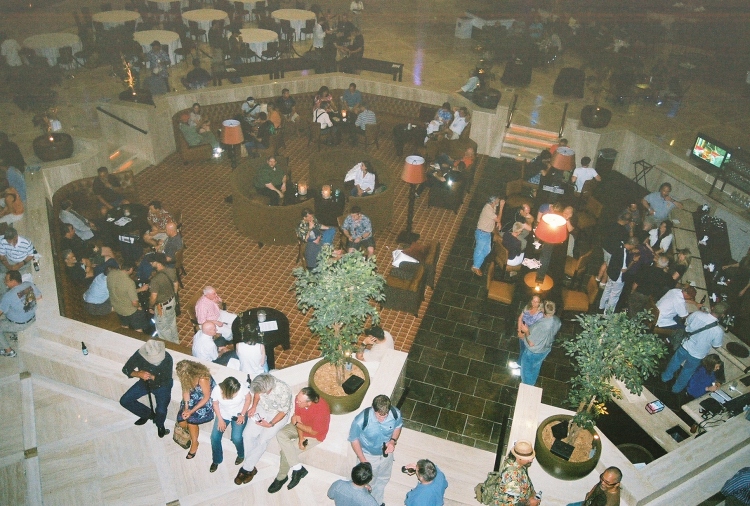
One thing the Portland BLADE Show West didn’t have was the famous “Pit” from the Atlanta BLADE Show, or a rough equivalent. That should be remedied next year in some fashion, but can the legendary “Pit” truly be copy/pasted? Time will tell, because if there’s one thing the knife crowd knows how to do, it’s…it’s…let’s just say…respectfully hosting discussions about contemporary issues in the knife industry over adult beverages until early morning at reasonable volume. Yeah. That.
BLADE Show West 2018, taking place Oct. 5 to 7 at the Oregon Convention Center in Portland, recognized achievement in knifemaking with custom and factory awards. Entrants all exhibited at BLADE Show West also. A secret panel of judges determined the winners based on a variety of factors.
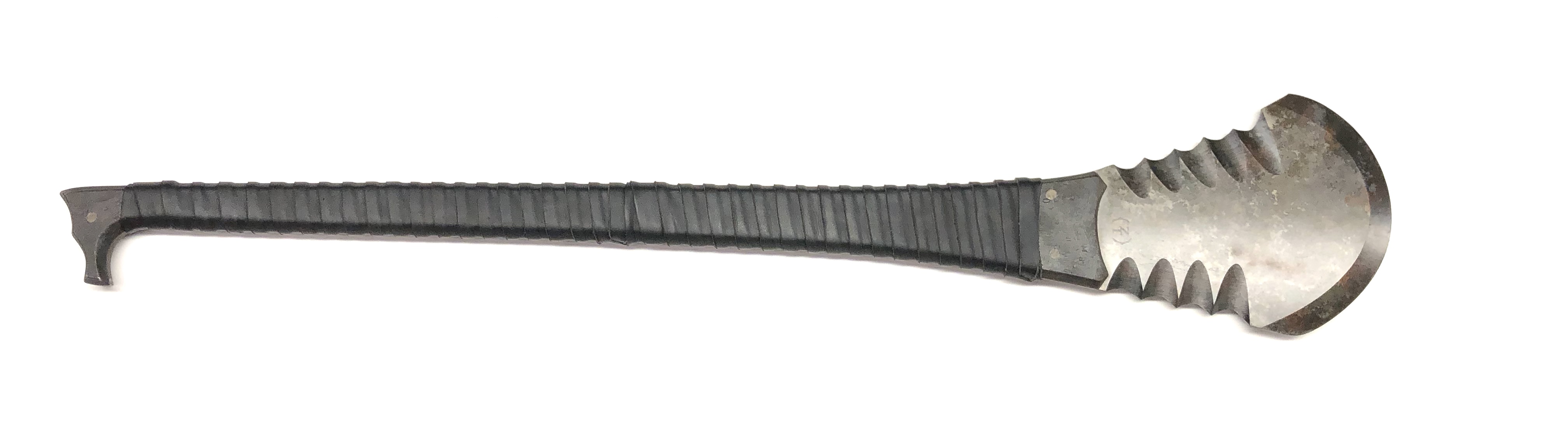
Below are photos of the winning entries. Congratulations!
Other than the name, what sets BLADE Show West apart from BLADE Show? They’re both dedicated to knifemaking, knife collecting and appreciating the rich tradition of knives, but there are a few things that set them apart.
And just so we’re clear:
BLADE Show: Takes place annually in early June in Atlanta
BLADE Show West: Takes place in Portland, Oregon, with the first installment happening Oct. 5-7
1) Location
With the BLADE Show firmly ensconced as the world’s largest and most important knife event—next year’s rendition will return to the Cobb Galleria in Atlanta June 7-9—show officials decided to offer a sister show in Portland, Oregon, to spread the sharp cheer to western BLADE Show fans who can’t make the trip southeast. It takes place at the Oregon Convention Center.
2) EDC Gear
In addition to knives, you’ll find loads of everyday carry gear to round out your daily ensemble. This includes anything and everything that’s handy and sized for pockets. Check out the full exhibitor list here to get a feel for what this means.
3) New Awards
BLADE Show West’s exhibitor awards will be a mix of the old and new. Custom and factory knives will each have the same categories: Best in Show, Best Fixed Blade, Best Folding Knife, Best EDC Knife and Best “Weird” Knife. Each also will have a Best Non-Knife EDC category for a tool or item that, as the name notes, is not a knife.
The Best in Show, Best Fixed Blade and Best Folding Knife are all self-explanatory. One proviso with the Best in Show is that, like at the BLADE Show, it is the category-winning knife judged best of all the category winning knives. The Best Non-Knife EDC will not be eligible for Best in Show. (Hey, after all, this is a knife show.)
The Best EDC Knife must be “a knife designed to be carried easily on an everyday basis for everyday cutting and other knife needs. It can be a fixed blade or folder, though if a fixed blade it must have a sheath or other carry system that makes it easy to carry on a daily basis.”
The Best Non-Knife EDC must be “a tool or item designed to be carried easily on an everyday basis for everyday needs.”
The Best “Weird” Knife will be a “knife that is best in keeping with Portland’s unofficial motto of ‘Keep Portland Weird.’ The motto is designed to promote ‘individuality, expressionism, local art’ and ‘atypical lifestyle choices and leisure activities.’ In other words, the sky’s the limit on this category. The weirder, the better.”
4) Laid-Back Programming
Unlike the BLADE Show and its BLADE University and demos, BLADE Show West will go for more of a laid-back approach to its seminars and demos, focusing more on quality than quality and quantity. All seminars and demos are free to BLADE Show West ticket holders.
With some of today’s top custom makers in attendance there will be a focus on knifemaking, including from the standpoint of the beginner and experienced knifemaker, as well as the buyer and collector of custom knives.
Two of the hottest genres in custom knives are slip joints and chef ’s knives, and BLADE Show West assembles some of the leading names in both categories for roundtable discussions.
Award-winning knifemaker Bill Ruple, along with some of his well-known pupils, will host a roundtable about the keys to the best custom slip joints, the importance of the mentor/mentee relationship and more.
Unlike Georgia, Oregon doesn’t have a sales tax. That means you can put what you save toward something else, like another knife, a cool EDC gadget, some fun after the show, or, heck, lunch.
7) Reduced Ticket Pricing for Tiny House Expo
The Tiny House Expo takes place Oct. 6-7 adjacent to BLADE Show West. Your BLADE Show West ticket will earn you reduced entry to that show (and vice versa).
More Information
Find more information about attending BLADE Show West here. Hope to see you there!