

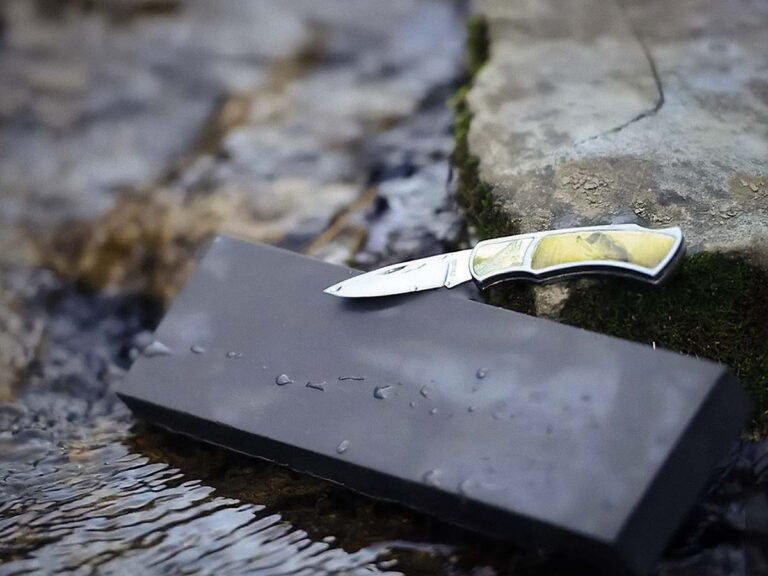
Novaculite still rocks knife sharpening!
Timeless and iconic, it remains practical and complementary to other options today.
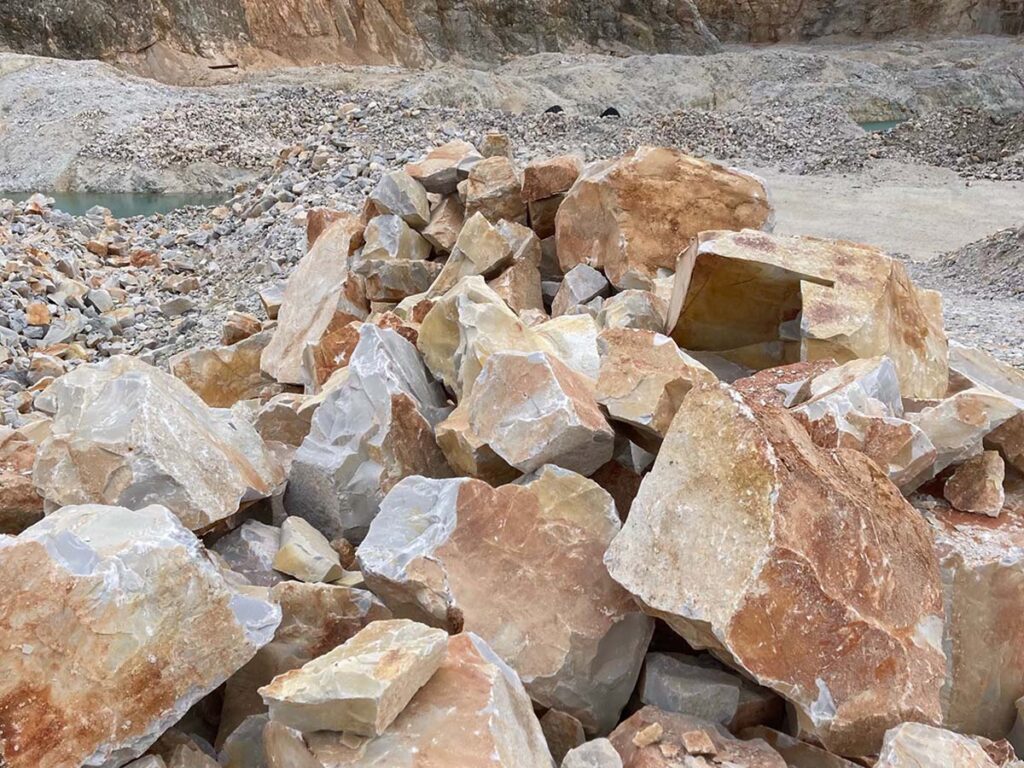
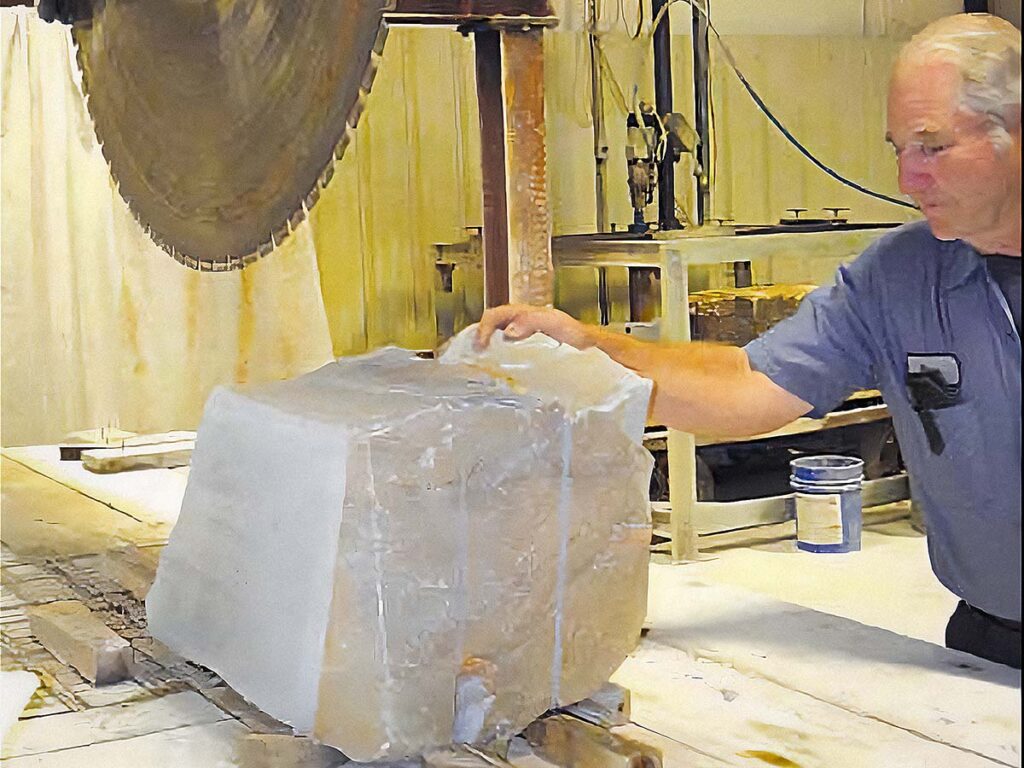
The novaculite sharpening stone is a wonder of nature. Almost pure microcrystalline quartz in content, this dense, fine-grained rock was formed from 318 to 416 million years ago during the Devonian and Mississippian periods in ancient seabeds and later pushed toward the surface with the peaks of the Ouachita Mountains of western and central Arkansas. Massive sedimentary layers ranging from 250 to 900 feet thick produced the stone, which takes its name from the Latin novacula, meaning “sharp knife” or “razor.”
From there, the stone was destined for a rendezvous with the knife blade, rendering a sharp edge that gets the job done and holding a place in working knife history dating back centuries.
Today, however, there is a bit of … well … friction as some may claim modern synthetic stones are eclipsing or at least competing with novaculite for some nebulous title of “best.” Synthetic stones often offer faster sharpening and convenience, while novaculite is valued for its refined finish and traditional appeal. Truth is that each has its place, and novaculite was and is a key participant in the knife-sharpening exercise.
“It gives a razor-sharp, polished edge with smooth feedback that many prefer over synthetics,” explained Chris Stillian, owner of Natural Whetstone, LLC. The company was founded by close friend David Davenport two decades ago, and when David passed away during the COVID-19 pandemic, Chris and his father, Shawn, kept the central Arkansas company going.
“The stones wear very slowly,” Chris continued. “Some last decades because they’re 99 percent plus pure quartz with no fillers. They’re natural, made in the USA and work great for chefs, woodworkers and knife users.”
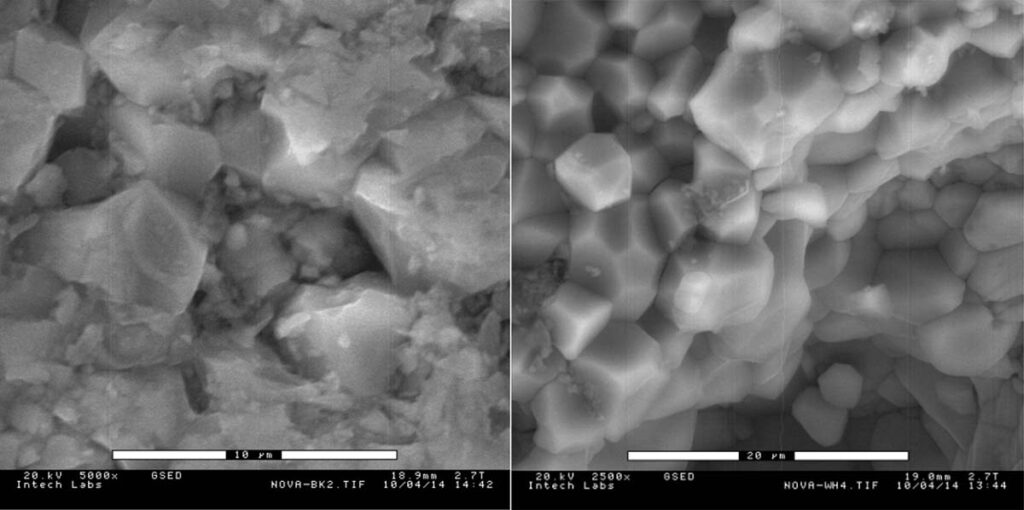
Danny Kirschman founded Dan’s Whetstone Company, Inc., in Pearcy, Arkansas, in 1976, and his son Steve is currently CEO of the family venture. His roots in novaculite are long and deep. “The erosion-resistant quartz formations of the Ouachitas produced the finest and rarest natural abrasive in the world,” he offered. “Danny Kirschman’s opinion and what we share with others is that the one thing that sets novaculite products apart from other sharpeners is their unique crystalline structure. The novaculite stones wear less aggressively than most manmade abrasives due to the natural bonding of the crystals.”
Best Steel For Novaculite
Both Stillian and Kirschman agree that the disadvantages of novaculite usage lie in cutting speed and other aspects. Chris commented, “It cuts slower than diamond or water stones, so it’s better for refining edges than heavy profiling. It needs oil instead of water, can glaze if not cleaned and doesn’t bite hard on modern super steels. Top grades cost more because the dense material is rare.”
Steve added, “The most common complaint is their low abrasion rate. Because the stones are exceptionally hard and dense, they remove material much more slowly than synthetic stones. They are best suited for maintaining an already sharp edge rather than ‘hogging off’ metal to repair chips or reprofile a blade. There is no truly coarse Arkansas stone. Even the soft Arkansas is relatively fine compared to a coarse synthetic stone. Novaculite is composed of quartz, which has a Mohs hardness of around 7. While this is harder than standard carbon steel, it is softer than the vanadium and chromium carbides found in modern, high-alloy super steels.”
Further, since Arkansas stone is a natural product, every stone is unique and may exhibit internal flaws, cracks or variable grit. Oil is required to keep metal particles, or swarf, from clogging the pores, which leads to a bit more cleanup. Lubrication keeps the stone from “loading” with metal, which can reduce its effectiveness.
Novaculite works best with simple carbon and low-alloy stainless steels like 1095, O-1, 440C and A2. Since such steels are commonly found on hunting, working, kitchen, bushcraft/survival and everyday slipjoint and fixed-blade knives, a broad area of application exists. High vanadium super steels such as S35VN, M390, CPM-3V and others—often seen in premium chefs’ knives and high-end custom knives—are best served with diamond stones, for example, because their carbides are harder than the quartz in novaculite.
Reviving Arkansas Rock
Even the casual observer can, therefore, discern the proper employment of the novaculite sharpening stone with the blade steel that will produce the best results. One giant of the knife industry recognized the value of the Arkansas stone years ago and built a catalog empire on its sturdy reputation.
The late BLADE Magazine Cutlery Hall of Fame® member A.G. Russell began selling Arkansas sharpening stones in the mid-1960s after moving his family back home to northwest Arkansas from Marin County, California. During the move, he discovered that his whetstones had gotten lost in transit.
“He tried to buy replacements in local hardware stores, but none stocked them,” remembered A.G.’s wife and fellow hall-of-famer Goldie Russell, who runs the company today. “Having lived in Hot Springs, Arkansas, for a while when he was a teenager, A.G. knew that the only deposit of novaculite was in that area. A.G. went to Hot Springs and found someone who was cutting stones. He purchased stones and began selling them to local hardware stores.”
From there, A.G. bought ads in magazines, particularly Guns & Ammo and The American Rifleman. Soon enough, he became a supplier to Brownells, a major gun retailer, capitalizing on the mutual affinity of gun enthusiasts for knives. Together with the magazine effort and his own sales acumen, Russell re-energized the popularity of the Arkansas stone.
“The frequency of A.G.’s ad in magazines and then the offering of these stones in the A.G. Russell Catalog of Knives was very important in making these stones readily available nationwide through the late 1960s and the 1970s,” observed Goldie. “There is still a large quantity of the small stones that he had cut during those years in our inventory. That is how he started what became A.G. Russell Knives.”
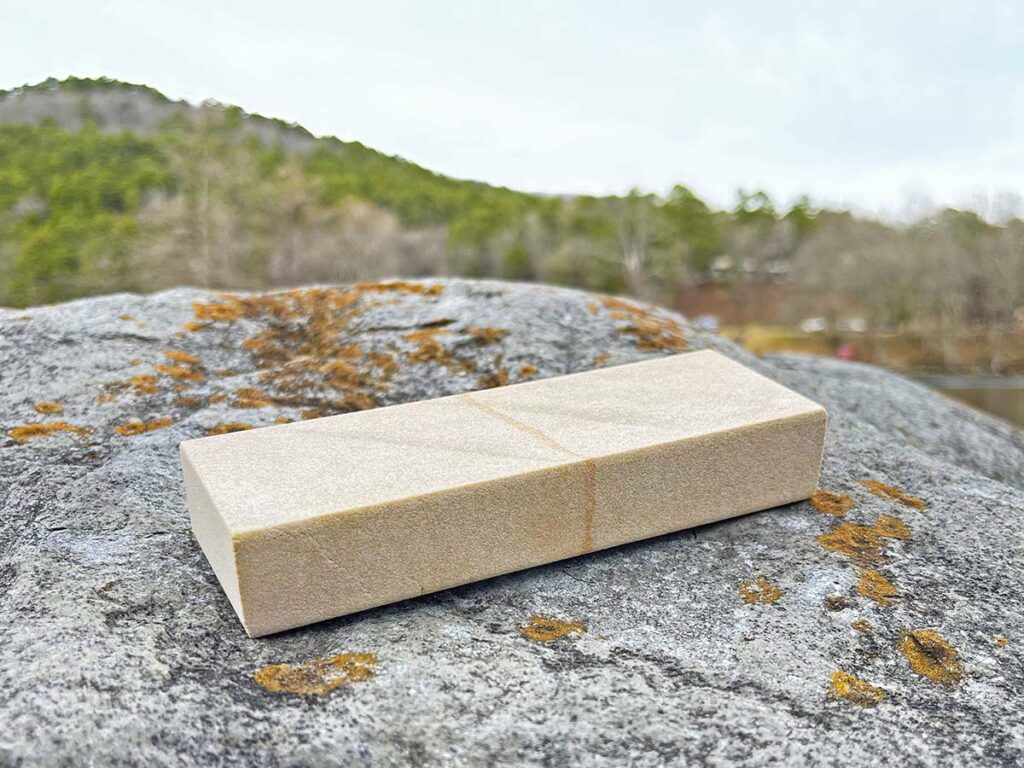
Novaculite stones, therefore, maintain their place in the practical and the historical aspects of the knife industry, and their relevance is not likely to fade. Those who are familiar with their capabilities remain loyal. They appreciate the investment of time and effort required to bring out that razor-sharp edge, and there is something timeless and reaffirming in the process.
Novaculite Grades
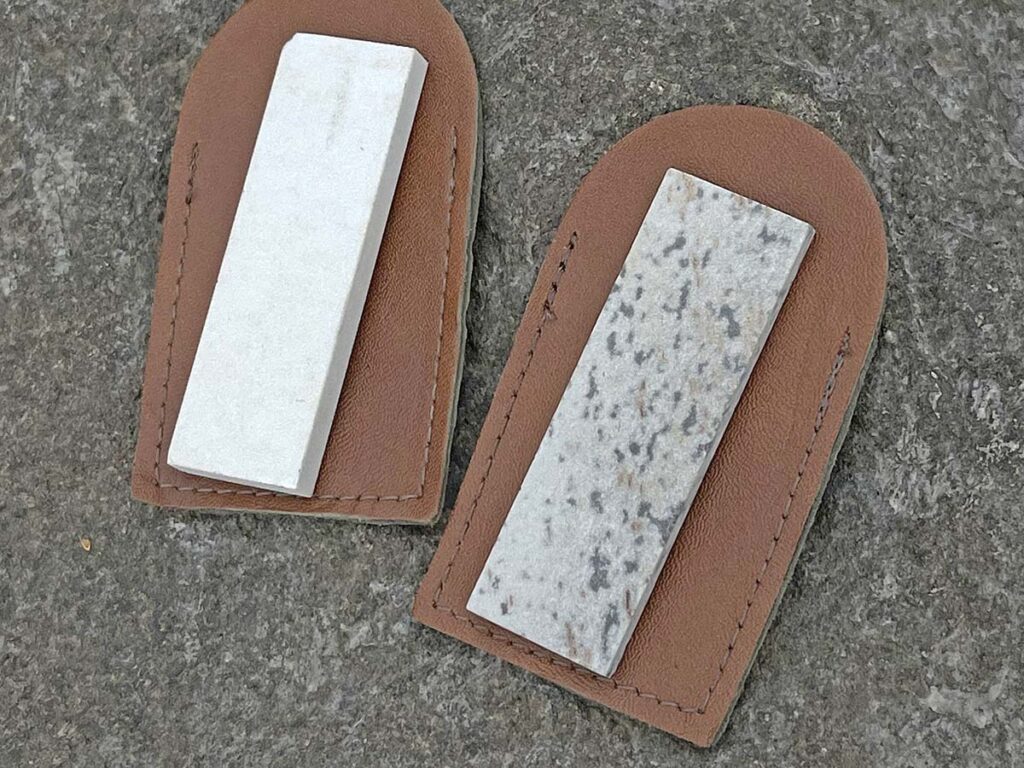
The stones themselves are available in four major grades. “Users should be aware that color is not the determining factor in grading novaculite,” explained Kirschman. “Some users have been defining whetstone grades by color, but the same colors may be seen in more than one grade. Color is caused by trace minerals that are dispersed through the rock during sedimentary formation more than 350 million years ago and subsequent geological activity.”
The major grades of novaculite include the following:
- Soft Arkansas: The most popular all-purpose stone often used by wood carvers, sportsmen, butchers, commercial knife sharpeners and even housewives who desire keen, polished edge in a minimum of time.
- Hard Arkansas: A fine grit stone good for everyday maintenance and popular among woodcrafters and the dental industry.
- Translucent and True Hard Arkansas: An extra fine stone with a glassy feel and used in industrial applications requiring an extremely fine polish. It appears in a variety of colors.
- Black Arkansas: Sometimes referred to as “surgical black” stone, the finest grade abrasive available today, delivering a mirror polish.
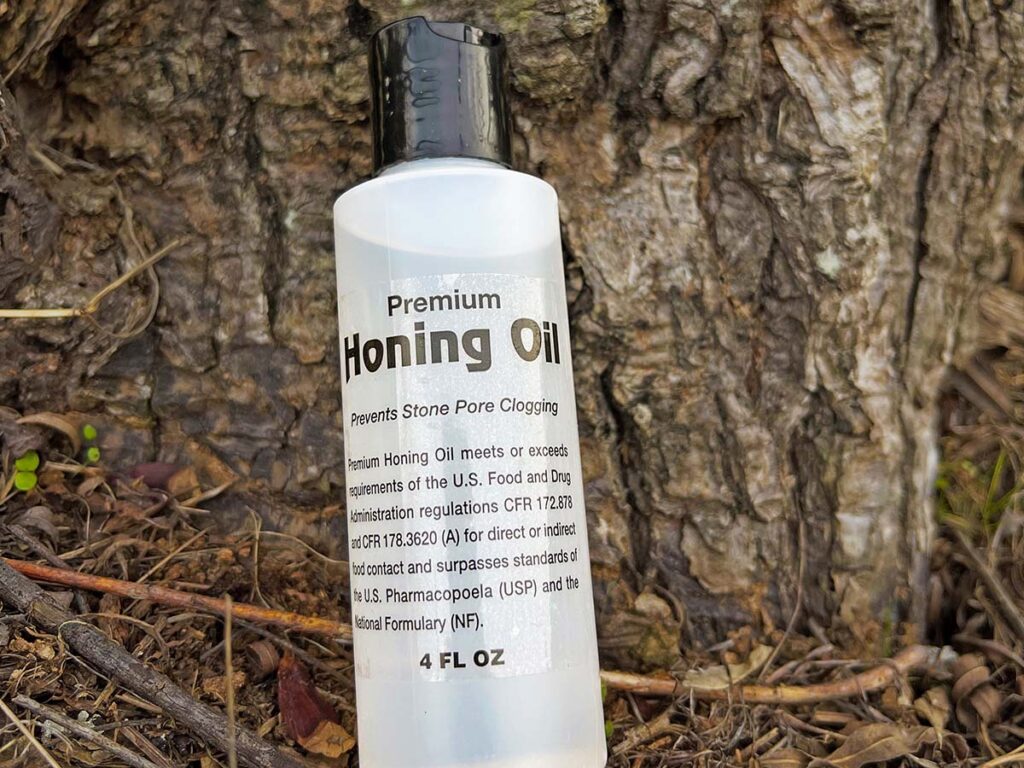
The proper method of sharpening with a novaculite stone involves preparation and practice. “It’s an oil stone, so put a few drops of honing oil on it,” advised Stillian. “Hold a consistent angle, 15 to 20 degrees for most knives, use light to moderate pressure, and take smooth strokes. Start on soft or hard if the edge is dull, and finish on black or translucent. Raise a burr, then lighten pressure. Clean with soap or solvent to avoid glazing. Strop afterward for extra keenness, if you like.”
Those About To Rock
According to Chris, consistent purchasers and users include enthusiasts, woodworkers and chefs who “keep buying them for the feel, longevity and heritage. Synthetics rule high-volume work, but real Arkansas novaculite—especially the rare translucent and black grades—still sell at a premium to people who want the genuine article.”
Steve sees emerging interest as well. “The rising D.I.Y. (do it yourself) sharpening culture is a major driver,” he commented, “with the hobbyist segment now accounting for nearly 35 percent of total whetstone sales worldwide. Online tutorials and a deeper appreciation for craftsmanship have fueled this demand. Sustainability is a driver, as well. Modern consumers increasingly view natural stones as a “green” alternative to synthetics.
“Niche premium positioning, even while high-end market saturation is slowing growth in North America to about 4 percent, means natural stones remain a staple for professional chefs who prefer them for maintaining blade integrity,” Steve concluded. “And technological integration means that manufacturers are now developing beginner-friendly kits and instructional digital content to tap into 62 percent of home users who are interested in traditional sharpening but lack confidence in the technique.”
The future presents an atmosphere of coexistence among the Novaculite and synthetic options. The global whetstone market topped $457 million in value in 2024 and is expected to reach $677 million within eight years. Natural stone demand should stay steady, supported by its faithful and traditional users while welcoming explorers to these Ouachita wonders.
More On Sharpening:
- Pros’ Secrets To Sharpening Knives
- Best Sharpening Stones To Keep Your Edge
- Stropping: What It Is And How It’s Accomplished
- How To Determine The Best Angle To Sharpen
 NEXT STEP: Download Your Free KNIFE GUIDE Issue of BLADE Magazine
BLADE’s annual Knife Guide Issue features the newest knives and sharpeners, plus knife and axe reviews, knife sheaths, kit knives and a Knife Industry Directory.Get your FREE digital PDF instant download of the annual Knife Guide. No, really! We will email it to you right now when you subscribe to the BLADE email newsletter.





