
Act NOW on Ivory Comment Extension

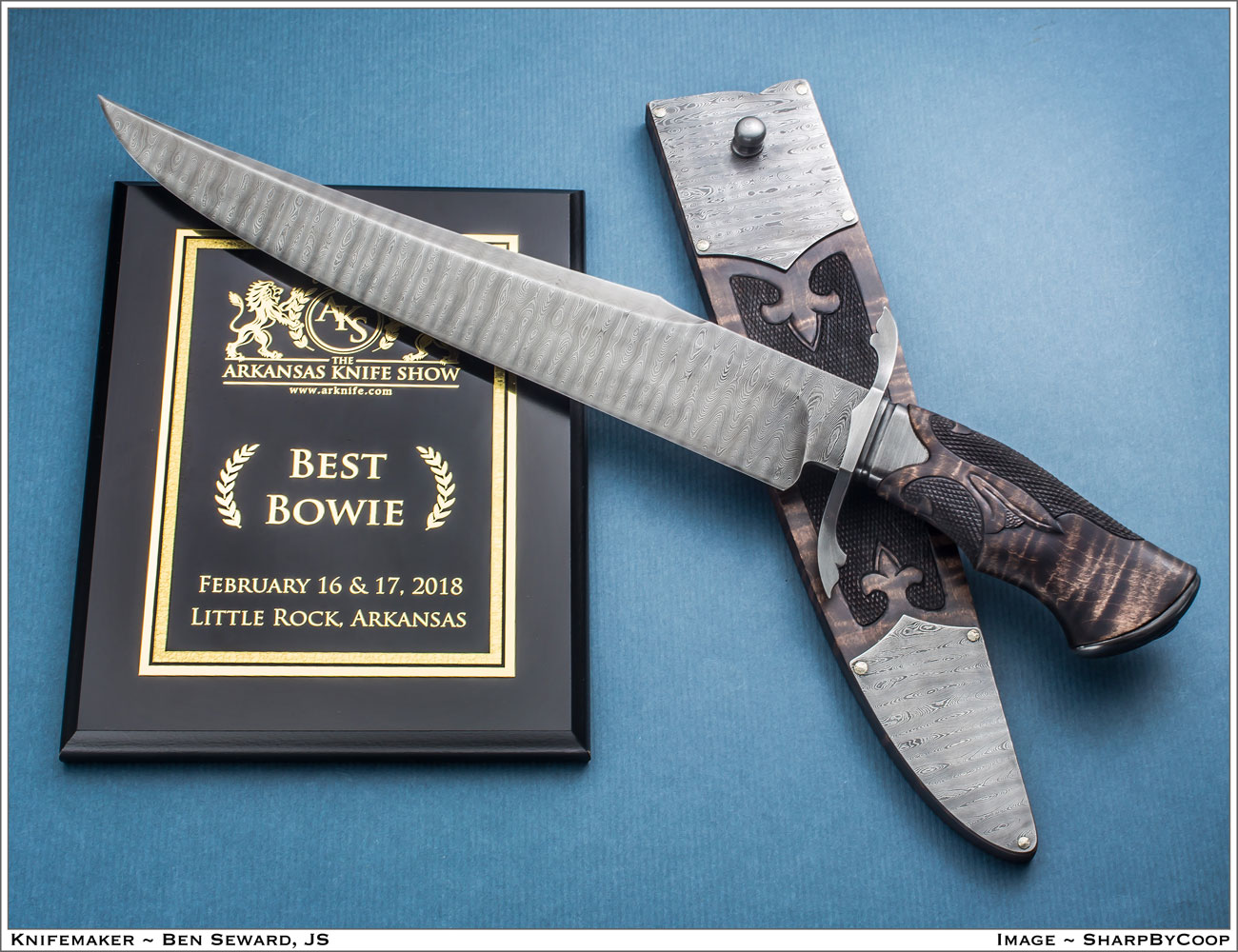
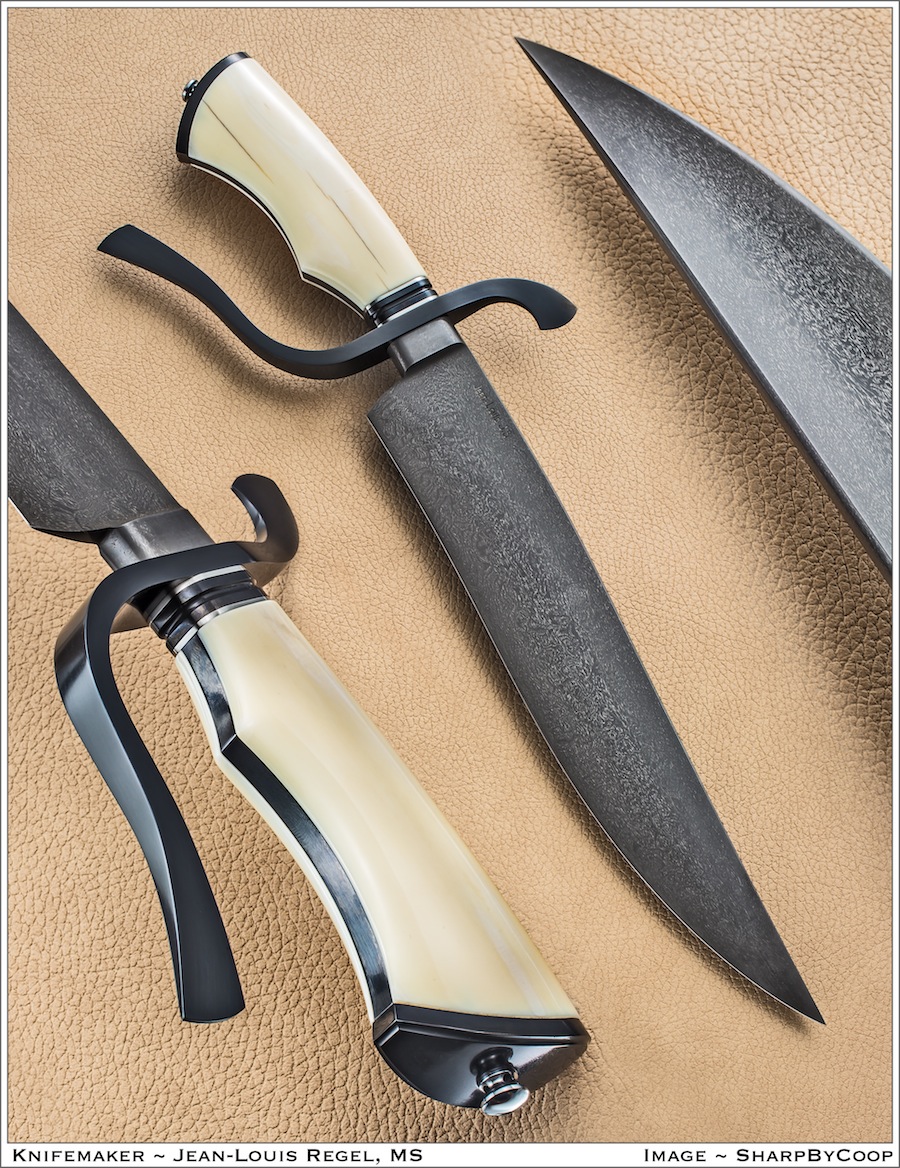
Request an extension on the comment period for the punitive proposed federal ivory regulations NOW! Jean Louis Regel uses ancient walrus ivory for the handle of his bowie. (SharpByCoop image)

To help save all ivory from proposed punitive federal regulations, request an extension for the comment period on the regulations from the U.S. Fish and Wildlife Service NOW!

Among other unreasonable stipulations, the regulations would require you to prove that the ivory on your knife or other item was imported prior to Jan. 18, 1990—a near impossibility for most people to prove about such items. The regulations also claim that the USA continues to play a role as a destination and transit country for illegally traded elephant ivory. However, as Sandra Brady of the Elephant Protection Association noted, the regulations offer no proof of this claim and no figures as to what percentage of illegal ivory is “laundered” here.

The proposed regulations were released on July 29, and concerned citizens were given only 60 days to contact the Fish and Wildlife Service (FWS) with any objections the citizens might have to the regulations. Since there are 27 pages of proposed regulations, regulations the government had over 13 months to research and write, it seems only fair that concerned citizens get more than 60 days to respond. In fact, the law provides for up to a 90-day comment period, which is especially appropriate for regulations that are so voluminous and affect so many Americans.

The Elephant Protection Association has composed a form letter for you to use to request the extension. The letter is located here. Keep your request short and simple. Amend the letter to fit your association/group but don’t try to make a substantive case of why the extension should be granted so much as simply let FWS know the extension must be granted. The more people, associations and groups that request the extension, the better. In this instance, it’s more a matter of the quantity of requests than the quality of them.

The Elephant Protection Association strongly advises that you send your letter via priority or overnight mail with a means of confirming receipt.

For more information visit elephantprotection.org.
 

ABS Master Smith Red St. Cyr Passes Away

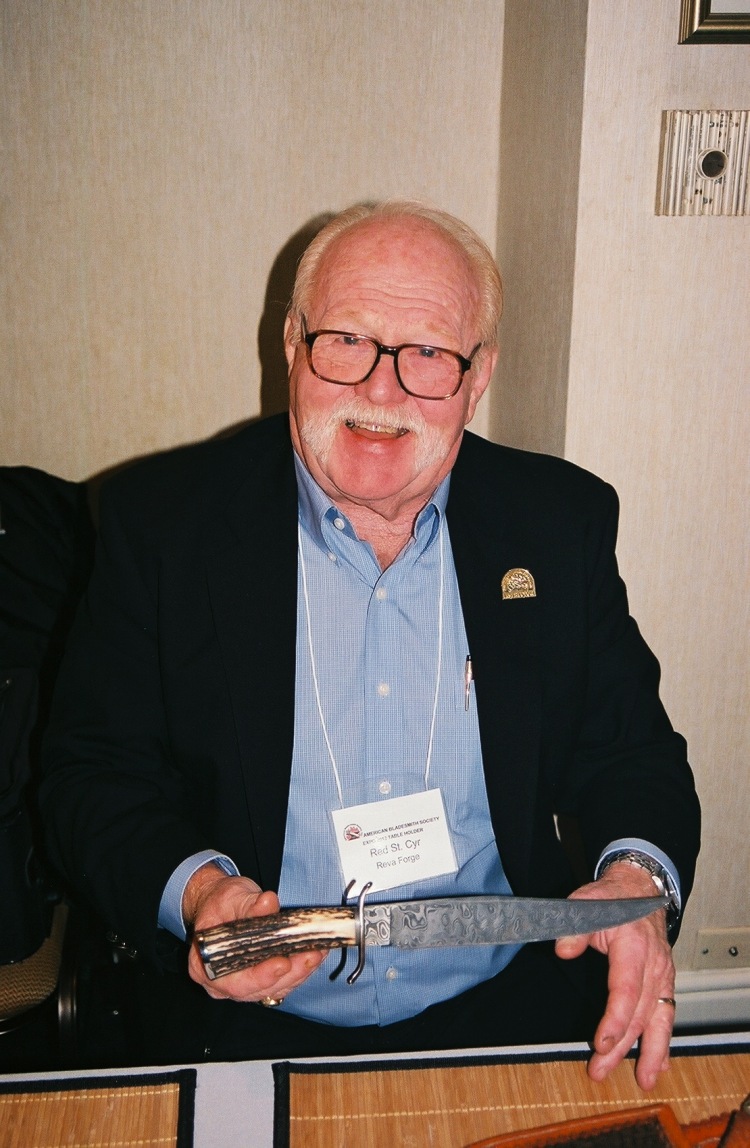
American Bladesmith Society master smith Red St. Cyr of Reva Forge in Wilmington, California, passed away yesterday after suffering a heart attack.

    Red, pictured above at the 2012 ABS San Antonio Show, was the founder of the American Bladesmith Society’s (ABS) West Coast Forging Clinic, a member of the Southern California Blades, ABS, Arizona KCA, and Oregon KCA, and president of the California Knifemakers Association.

    His specialty was fixed blades, forging his own damascus and mosaic patterns. In 1995 he became an ABS journeyman smith and earned his ABS master smith rating in 1998. He has received numerous awards for his knives, including the ABS Bill Moran Award.

    At the tender age of 13, Red began an apprenticeship with a farrier and fell in love with working with metal and horses. By the time he was 16, he was a full-fledged farrier. He eventually became a master farrier, designing, forging and custom fitting horseshoes throughout the United States and several foreign countries.

    When farmers baling hay began to use twine in place of baling wire, someone asked Red if he could make a knife from a horseshoeing rasp, and that started Red’s life-long love of bladesmithing. He made knives for over 35 years.

    Red was known for his readiness to share his knowledge and skills with others. He hosted the California Forging Clinic annually and also did forging demonstrations at the Knife Expo, the old BLADE Show West, BAKCA, and Reno ABS shows.

    Funeral arrangements are pending. More information will be forthcoming on the ABS Forum at http://www.americanbladesmith.com/ipboard/

BLADE Honored for Stance Against Counterfeit Knives

BLADE Show anti counterfeitFrom the American Knife & Tool Institute (AKTI)

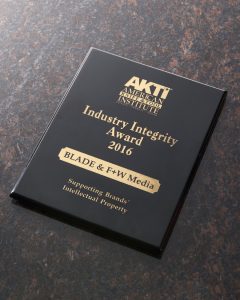
The American Knife & Tool Institute (AKTI) presented its inaugural Integrity Award to BLADE and F+W for contributions to work against counterfeit knives. The presentation took place at the recent BLADE Show awards reception in Atlanta.

The BLADE Show is world’s largest annual knife event; F+W is a media and e-commerce company headquartered in New York City.

Rod Bremer, chair of AKTI’s Anti-Counterfeiting Committee and CEO of CRKT, along with John Sullivan, AKTI Vice President and W.R. Case’s Vice President of Marketing, made the first presentation of the evening to BLADE editor Steve Shackleford.

“AKTI was proud to partner with BLADE to develop a policy to fight the growing number of counterfeit knives damaging our industry,” said Rod Bremer. “The BLADE Show will now be a safer place to display products and for our customers to buy branded knives and tools with confidence they are genuine.”

BLADE Magazine and F+W are most humbled for being recognized with the first AKTI Integrity Award. The fact that it salutes us for our integrity in fighting the worldwide problem of counterfeit knives and that it’s the inaugural presentation of the honor makes it doubly humbling. On behalf of both BLADE and F+W, I thank you,” said Steve Shackleford.

The BLADE Show policy on counterfeiting, trademark infringement and intellectual property can be seen on their website www.bladeshow.com and is incorporated into the rules for the 2017 show on June 2-4 at the Cobb Galleria Centre in Atlanta, Georgia.

The BLADE Show provides a forum for members of the knife community to gather and focus on knives. Designers, makers and manufacturers can showcase their efforts. Consumers, collectors and users can meet firsthand with those on the supply side and conduct hands-on comparison and evaluation of much of what comprises the knife. The protection of intellectual property, including trademarks and trade dress, is critical to preserving a dynamic and innovative knife industry. The BLADE Show is, accordingly, committed to an anti-piracy policy. Exhibitors who are found to be offering counterfeit or “pirated” knives may be subject to any or all of the following:

  1. Removal by law enforcement of items proven to be counterfeit or pirated.
  2. Legal action by the affected parties, including removal from the Show by law enforcement.
  3. Banned from exhibiting at future BLADE shows.

The BLADE Show will work with law enforcement, private anti-piracy consultants retained by various exhibitors and all involved to arrive at the most equitable solution to issues involving counterfeit and pirated knives. All exhibitors are encouraged to exercise care to avoid counterfeit and pirated knives. Know the source and integrity of the knives you display.

The effects of counterfeits are devastating. In addition to the loss of sales revenue, manufacturers and custom knifemakers incur other costs such as increased customer service issues, legal fees, monitoring counterfeiters, and erosion of their brands.

AKTI works to provide information to the knife community on how to protect their intellectual property, brand and how to fight against counterfeits on the market.

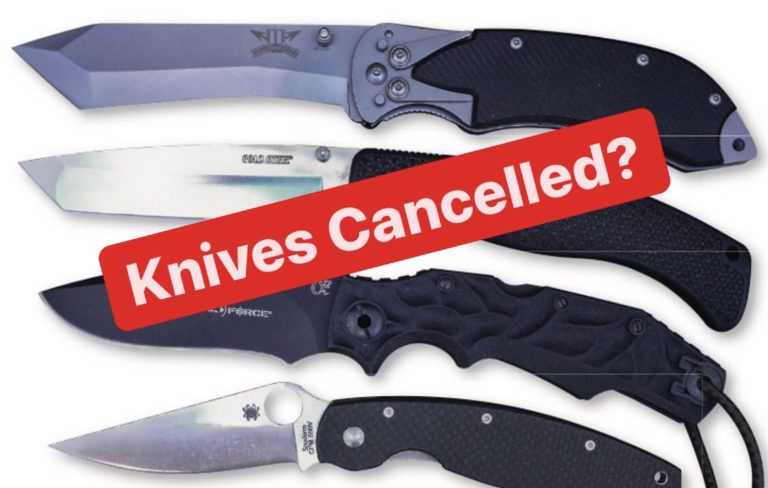
Pardon My Appendage: What about knives is susceptible to the “cancel culture?”

What about knives is susceptible to the cancel culture?

By Steve Shackleford

The so-called cancel culture that’s plagued our nation for some time now has somehow managed to overlook our beloved knife community—at least so far. Of course, this is not to say that the “woke mob” hasn’t attacked a number of personages revered not only worldwide but in the knife community as well, such as presidents George Washington and Abraham Lincoln, both of whom carried knives of various types, including some really cool pocketknives that have been featured in BLADE®.

In fact, some knifemakers, including Ernest Emerson through his Emerson Knives, Inc., and ABS master smith Jerry Fisk, have built and sold knives with handles made of wood taken from the trees on Washington’s Mount Vernon estate. Many other presidents have connections to knives as well, but, for now, their statues or monuments haven’t been toppled, spray-painted with graffiti, or otherwise vandalized by the wokesters—or at least not like Washington’s and Lincoln’s have.

All of which got me to thinking: If the woke mobsters were to come after the knife community, what might they single out? There are some words knife enthusiasts use that could be targeted. Stockman, for instance, would no doubt enrage those who might demand it be called stockperson instead. However, if you ask for a stockperson at a knife store, instead of a knife the attendant might bring out Hank, the 38-year-old shelf stocker from the storeroom.

Another pocketknife pattern name that might ruffle wokester tail feathers is boy’s knife. Somehow I don’t think changing the name to girl’s knife would placate the mob, either. The next-door neighbor, Mr. Wingtip, referred to me as a juvenile delinquent when I was a kid, but juvenile delinquent’s knife probably would send the culture cancelers into conniption-fit overdrive. I’ll just leave the “solution” to that one to woke R&D. As for Boy Scout and/or Girl Scout knives, I’m not even going there!

That brings us to the venerable gent’s knife, but BLADE has chronicled a trend that has been ongoing for quite a while now—women embracing gent’s knives for their own use. As a result, whenever we do stories on gent’s knives, we include them under a gent’s/lady’s knives umbrella. On the other hand, who am I kidding? I would likely get “bricked” by the woke mob for that one, too.

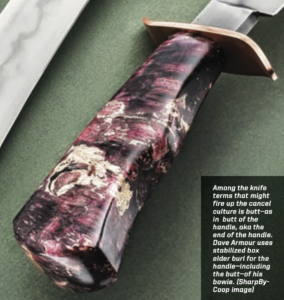
One knife term that might fire up the wokey-dokers is butt—as in  butt of the handle, aka the end of the handle. My wife Susan is always saying “pardon my appendage” when she bumps into me, so maybe we could change butt to appendage. On the other hand, we could just tell the cancelers to butt out, eh?

Slip joint is another knife term that might raise some woke-brows. Joint is also another name for prison—think “the joint”—and with so many wokester calls to abolish prisons, slip joint might have to be replaced with slip halfway house or some such. Speaking of which, the defund the police movement means all knives designed for law enforcement would probably come under attack from the mob and would require replacement with some other knife name—social worker knives, anyone?

On the other hand, I can think of at least one knife term that the woke troopers would probably embrace wholeheartedly—pig sticker.

With that, consider this installment of “Unsheathed” canceled!

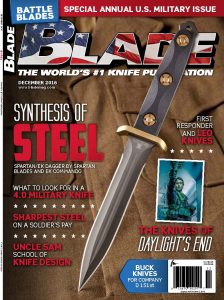
U.S. Military Issue of BLADE Out Now!

BLADE U.S. military issue.
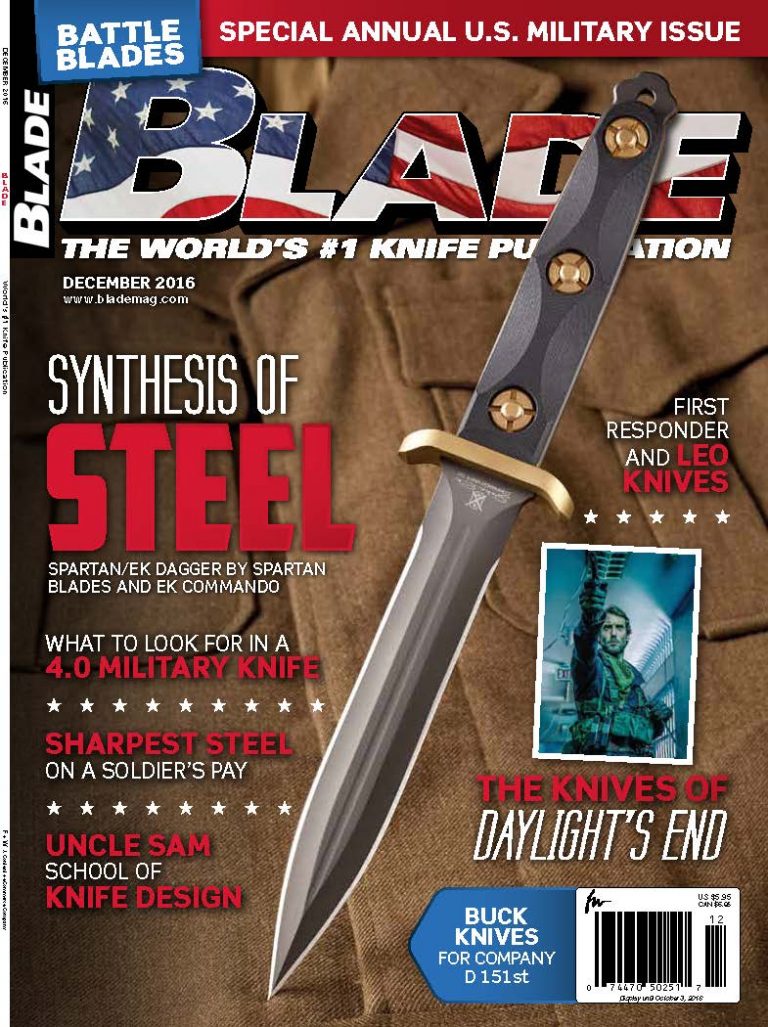
U.S. military issue of BLADE® is on newsstands now!

The annual U.S. military issue of BLADE® includes what to look for in a 4.0 military knife, special presentation Buck knives for a unique unit of National Guardsmen who fought during the Vietnam War, the knives from Johnny Strong’s latest movie and much moreand is on newsstands now!

What kind of knife do professional soldiers favor when they go on active duty? BLADE interviewed Special Ops veterans Jack Stottlemire, Kim Breed and Rob Cude, as well as veteran military knife designer William “Bill” Harsey Jr., for their recommendations. All give specifics and their reasons why in Mike Haskew’s informative story.

The stories of valor are many from the Vietnam War but the one about Company D 151st Infantry, the “Indiana Rangers,” is especially intriguing. They represent what is reportedly the only instance of a unit of National Guardsmen that stayed together from activation and served in combat in Vietnam throughout until being deactivated about one year later. Today many unit members are still living and belong to the Company D 151st Association. All of them were presented with engraved Buck 110 folders in recognition of their service and are saluted in the story, “A Lot of Brothers.”

Johnny Strong is the only actor we know of who also makes knives—knives that also appear with him in two of his films, including his latest, Daylight’s End, which premiered Aug. 26. Check out his movie knives—and a Bill Coye knife that also appears in the flick—Strong’s views on knifemaking and more in “The Knives of Daylight’s End.”

Also this issue:

•A test of four military-style knives in “Sharpest Steel on a Soldier’s Pay,” by Abe Elias;

•Some of the best in portable sharpeners for use in the field in Dexter Ewing’s “On-The-Spot Sharp”;

•Four of the latest military daggers and how they perform in “Daggerous!” by James Morgan Ayres;

And much more, all in the latest BLADE—on newsstands now!


Save

Save

Help BLADE Satisfy Your Knife Lust

BLADE reader survey
Complete the BLADE® reader survey and get a 25% off coupon to ShopBlade.com and possibly win one of 10 free one-year BLADE subscriptions.

The best way for BLADE® to fulfill the needs of its readers is to go right to the source—the readers themselves. If you read BLADE, you can help us satisfy your knife lust by taking our BLADE READER SURVEY.

Not only will you help us help you, but by completing the survey you will get a special 25-percent-off discount code that you can use at ShopBlade.com through Nov. 10, and an opportunity to enter our drawing to possibly win one of 10 one-year subscriptions to BLADE.

What kinds of knives do you like reading about? Tacticals, EDCs, bowies, folders, utility knives, factory or custom, contemporary or antique? Do you like to read knifemaker and/or knife company profiles or do you prefer stories on how to make knives, how to collect or how to use them? Or are your tastes geared more toward knife testing,  knife design or the materials to make knife blades, handles and more? Are you into sheaths, sharpeners and other knife accessories? Do you like to read about knife history, military knives, art knives, knife shows, knifemaking schools or something else? Tell us. We will take the results and modify our editorial content to meet your needs.

All successful magazines conduct reader surveys and study the results to see if what they are doing meets with reader needs and approval. If what they are doing is not meeting the readers’ needs, successful magazines see what it is the readers want through the survey results and amend their editorial approach to fill those wants. BLADE has been doing it this way for well over a quarter century and the approach must work because we remain the World’s No. 1 Knife Publication and have been No. 1 for over three decades.

Please take our survey and feel free to add your comments concerning where the magazine needs improvement, no matter what the area: story content, illustrations, writers, layout and more. And please pay particular attention to the questions concerning how much you participate in social media. Those questions are new to this survey and will be most helpful in determining how we address the worldwide social media phenomenon going forward.


Save

Save

Save

Save

Save

Ban On “Gravity Knives” Repealed In New York State

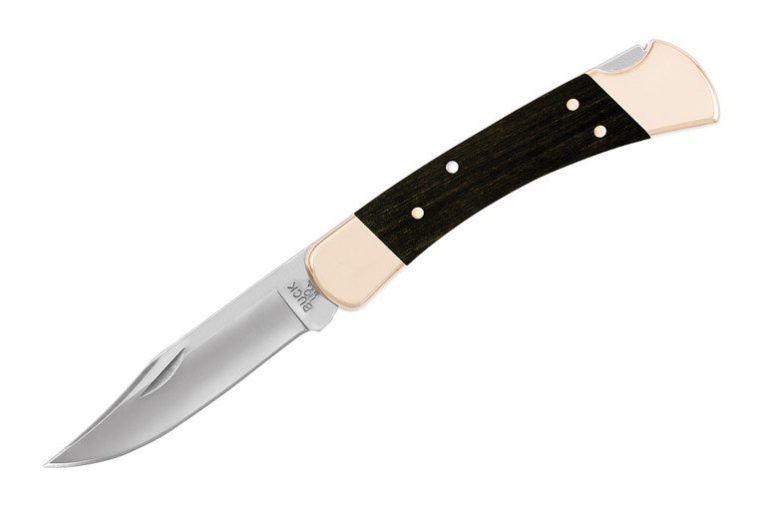
Buck 110 knife
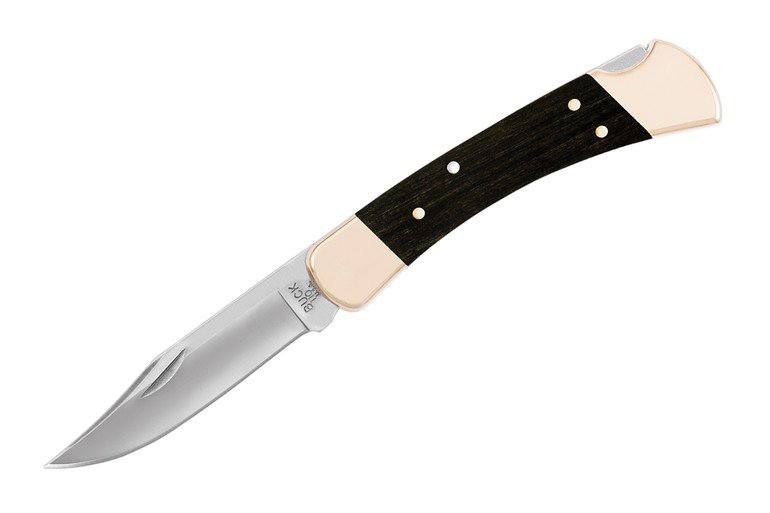
The Buck 110 pictured here, one of the most common folding knives in the United States, could’ve counted as an illegal “gravity knife” under a now-repealed New York law. If the blade could open with a flick, as determined by a law enforcement officer, the possessor of the knife could be arrested and charged with a felony.

New York’s 60-year restriction on “gravity knives” is no more. Gov. Andrew Cuomo signed the repeal on May 30, ending a ban criticized for disproportionately impacting people of color and soundly rejected in federal court.

A Racist, Vague Law With Permanent Consequences

In general terms, the now-defunct restriction defined a gravity knife as one with a locking blade able to open with the flick of a wrist. As many in the knife community know, the difference between a folding knife that can and can’t open with a flick is minute. A stiff folding knife on Monday may loosen up by Friday with regular use.

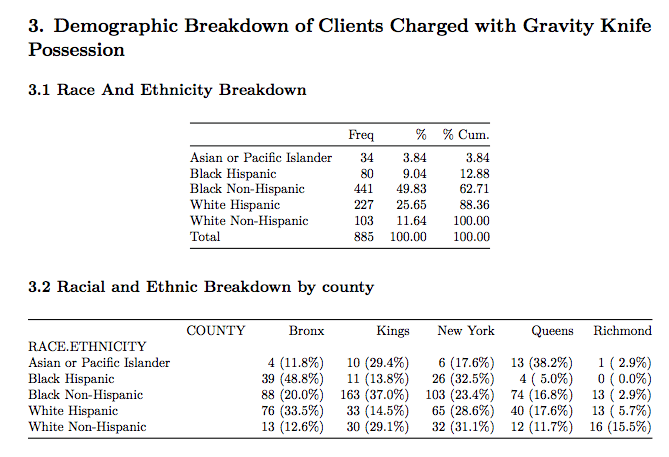
However, up until last week, that small difference came with big consequences, including felony charges or prison time for the 4,000 people arrested each year in New York state. Even if those people, overwhelmingly from minority backgrounds, committed no other crime, possession of a gravity knife alone was grounds for arrest. Due to the vague wording of the law, what constituted a gravity knife was left to the discretion of the arresting law enforcement officers.

Impact of New York knife ban
A report issued by the Legal Aid Society in 2018 details the lopsided demographics of those charged under the gravity knife ban. Click the image to download the full report (PDF).

This absurdity caught the attention of both conservative-minded knife organizations and progressive criminal justice reform advocates, forming what may seem to be an unlikely coalition. However, this intersection of blades and sociology presents itself time and time again with knife law reform issues across the country

As such, major media outlets featured faces familiar to the world of knives in news packages, such as Doug Ritter of Knife Rights.

Reactions

News of Gov. Cuomo’s signature, tempered by the fact that that same governor vetoed the repeal twice before, came as a welcome development to those in the knife community and beyond.

“After nine years fighting, it is a relief to close the book on this extraordinary abuse of authority by a corrupt system that has terrorized over 70,000 honest, law-abiding people, disproportionately minorities, for simply carrying a common tool used daily in their lives. I am thrilled that we and our partners across the political spectrum in this fight have finally prevailed, but it is a sad commentary on the state of politics and justice in New York State, New York City and at the Second Circuit that it took this long and that tens of thousands of innocent folks had to suffer so much for so long,” Ritter said in a Knife Rights article posted May 30.

“A sincere thanks to the New York Legal Aid Society, Rep. Dan Quart, and Senator Diane Savino for not giving up on solving the inconsistency and ambiguity that the NY gravity knife law created. We began working with attorneys at the NY Legal Aid Society on draft language back in 2010 – never imaging success would take so long,” a statement on the website of the American Knife & Tool Institute (AKTI) read.

“For far too long, the NYPD exploited the gravity-knife ban to drive up arrest numbers at the expense of our clients,” Tina Luong, an attorney representing the Legal Aid Society, was quoted as saying in The New York Times.

BLADE reached out for comment from a number of organizations, and had yet to receive responses as of this writing.

NYC Mayor Expresses Opposition

Despite the repeal, some officials remain determined to enforce the restriction through some other mutation. New York City Mayor Bill de Blasio’s office expressed its opposition to the repeal, vowing to find “an alternative” method of restricting gravity knives. 

Advertisement

Must Read Articles

Read this before you make a knife

Knifemaking 101 – Read This Before You Make a Knife

  by Wayne Goddard My experience has taught me that there's nothing like digging in and getting started. I've often said the hardest part of the...
how to forge damascus steel

How to Forge Damascus

Advertisement
Advertisement