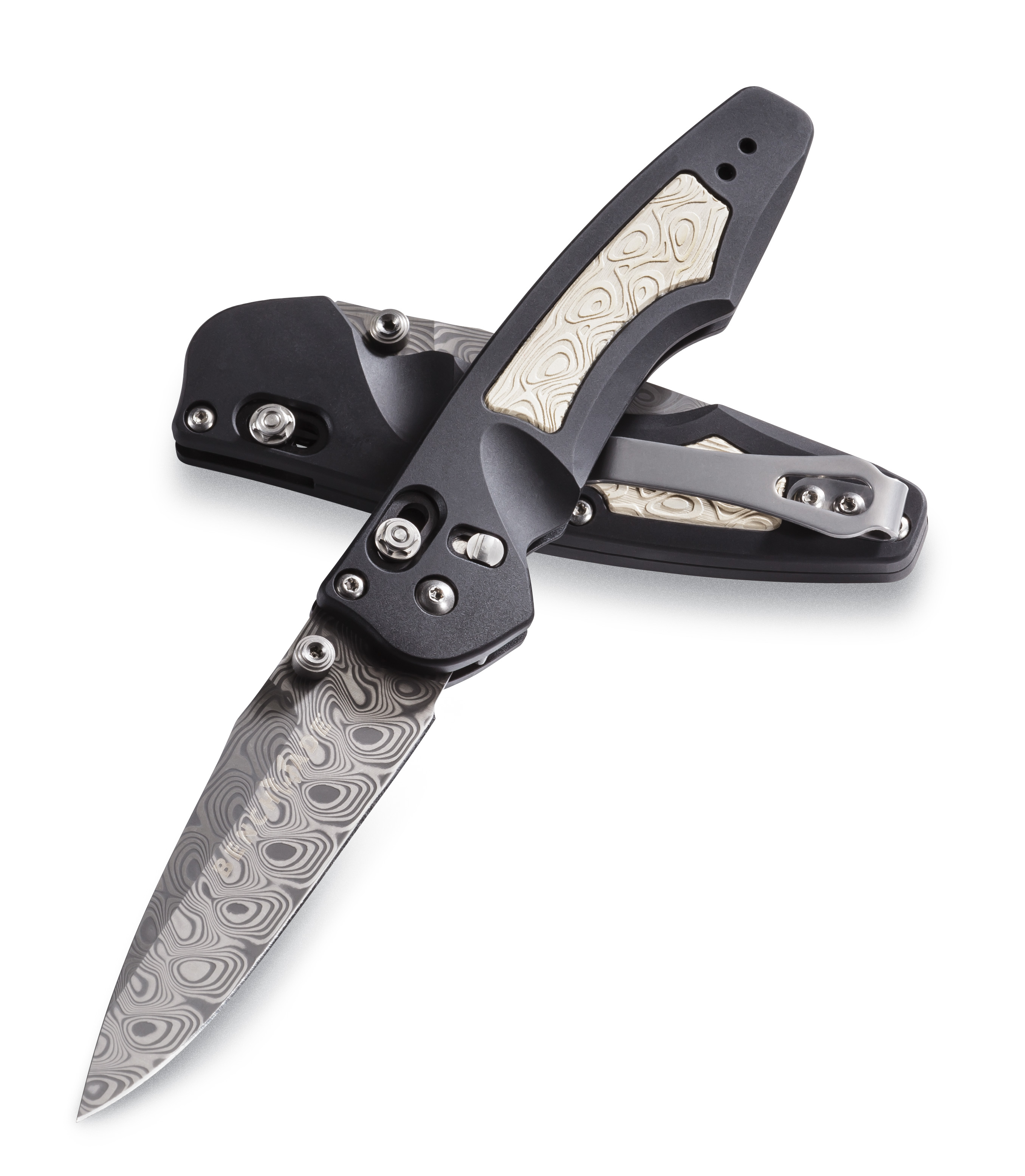
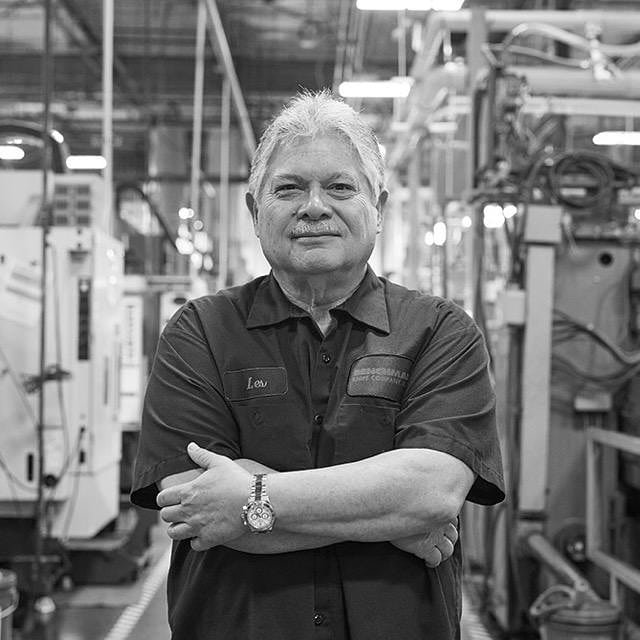
BLADE has learned the unfortunate news that Les de Asis, founder of Benchmade and a member of the BLADE Cutlery Hall of Fame, passed away on Friday, Feb. 21. The announcement came from official Benchmade social media channels.
It is with great sadness we share that Les de Asis passed away earlier today. No words can properly express the sadness of our loss. Benchmade has lost our founder, friend and visionary who built one of the greatest knife brands in the world. pic.twitter.com/dSU3VVYGBS
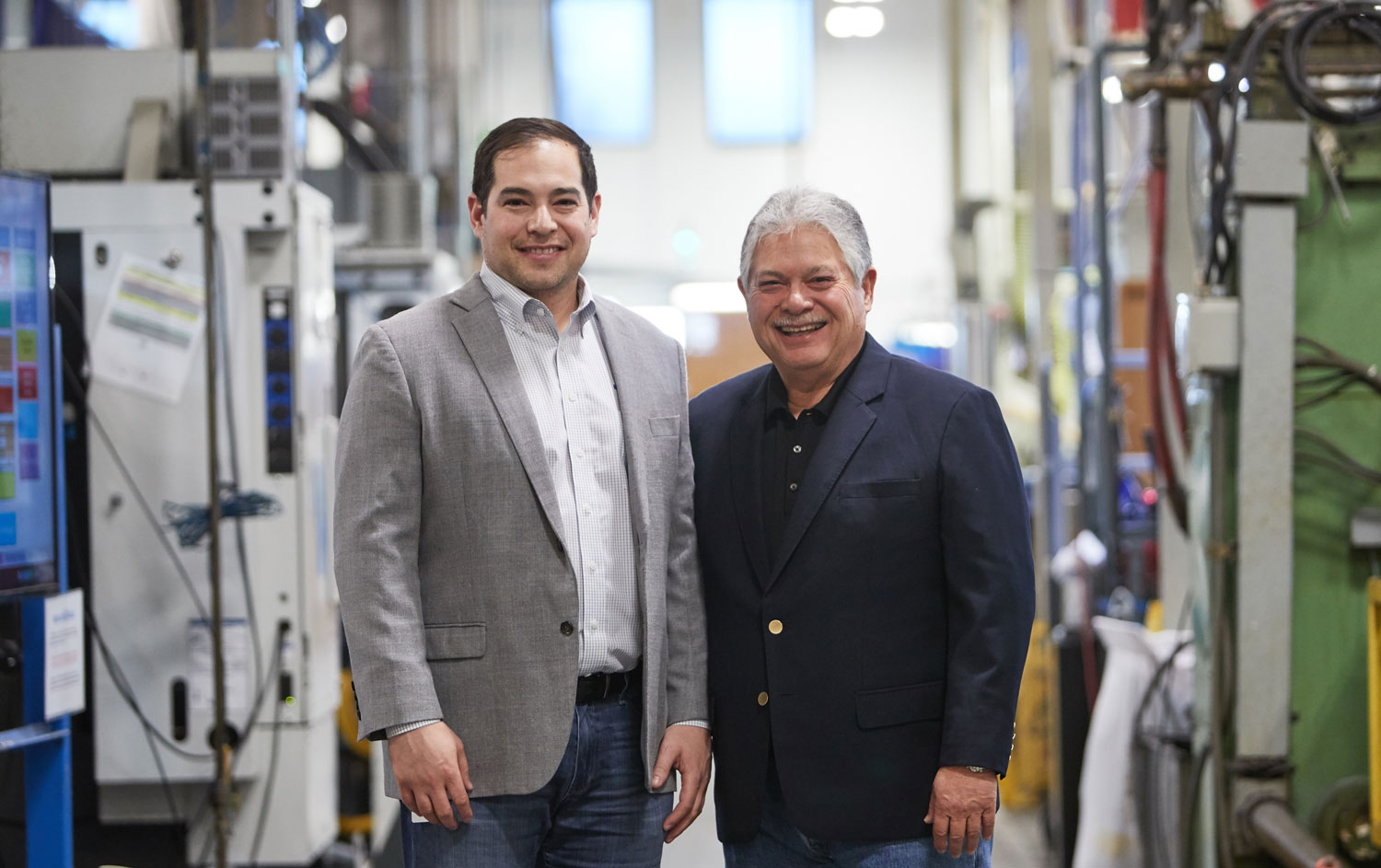
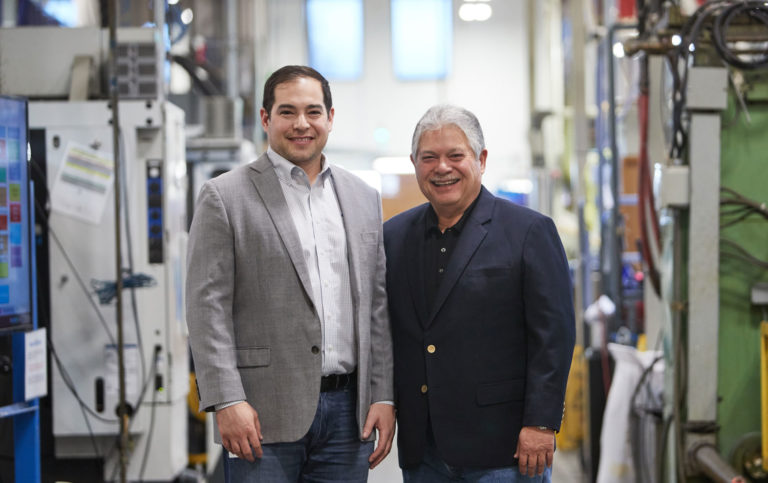
Les de Asis (right) with his son, Jon (left), at a Benchmade shop. (Benchmade photo)
In late 2018, Les turned the reins of Benchmade over to his son, Jon, as reported here. The company was a family affair from the very beginning. Les created Bali-Song®, Inc., in 1980, selling the now-iconic Model 68 butterfly knife. That evolved into Pacific Cutlery Corp. through 1987. Les started Benchmade a year later.
Under his guidance, Benchmade knives became some of the most ubiquitous in the world, supported by the popularity of the innovative AXIS® lock, Griptilian and much more.
Because of these achievements, Les was inducted into the BLADE Cutlery Hall of Fame in 2017. What follows is a portion of BLADE‘s write up from the event. Jon accepted the award on Les’s behalf.
Jon explained that his father visited his first custom gun and knife show in Glendale, California, in 1979 and met the craftsmen and marveled at the works they had made and offered for sale.
“I liked that they were independent and developed their skills by improving their products over time,” Jon related his father’s sentiments. “I also appreciated that they were independent and plied their skills in their home workshops.”
At the beginning of his career Les indicated he met pioneer knifemakers like Cutlery Hall-Of-Famer Bob Loveless, Barry Wood, Glen Hornby, Chuck Stapel and many more, talking knives and guns for hours at a time. Les visited their shops and learned how they worked, what their definition of quality was in regard to design, materials, fit and finish, walk and talk, and metallurgy.
“I have been constantly intrigued by all the personalities, processes, materials, artistry and innovation that are present in the custom knife world, and challenged in how to translate them into a unique, high-quality manufacturing environment able to serve an ever-growing customer base,” Jon shared his father’s words. “I confess, it wasn’t easy creating a world-class company, but the journey, one knife at a time, was worth the effort!”
BLADE extends its warmest wishes to Les’s family during this difficult time.
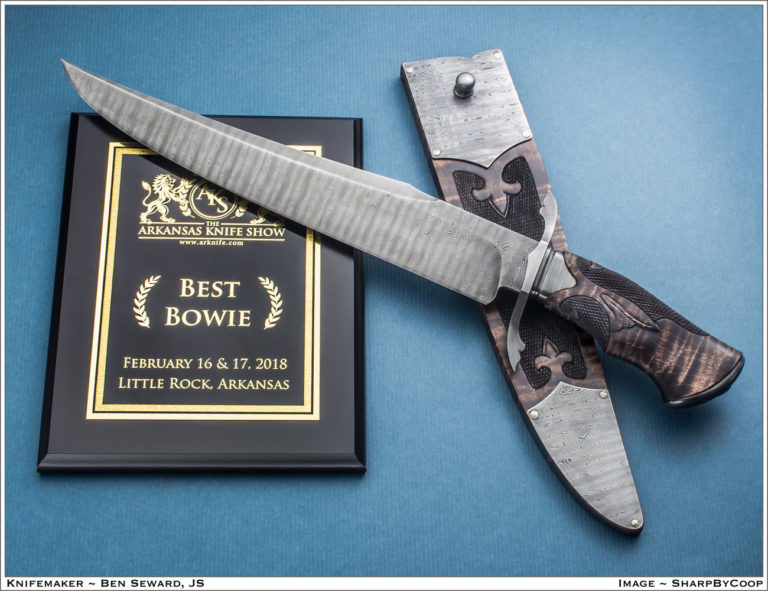
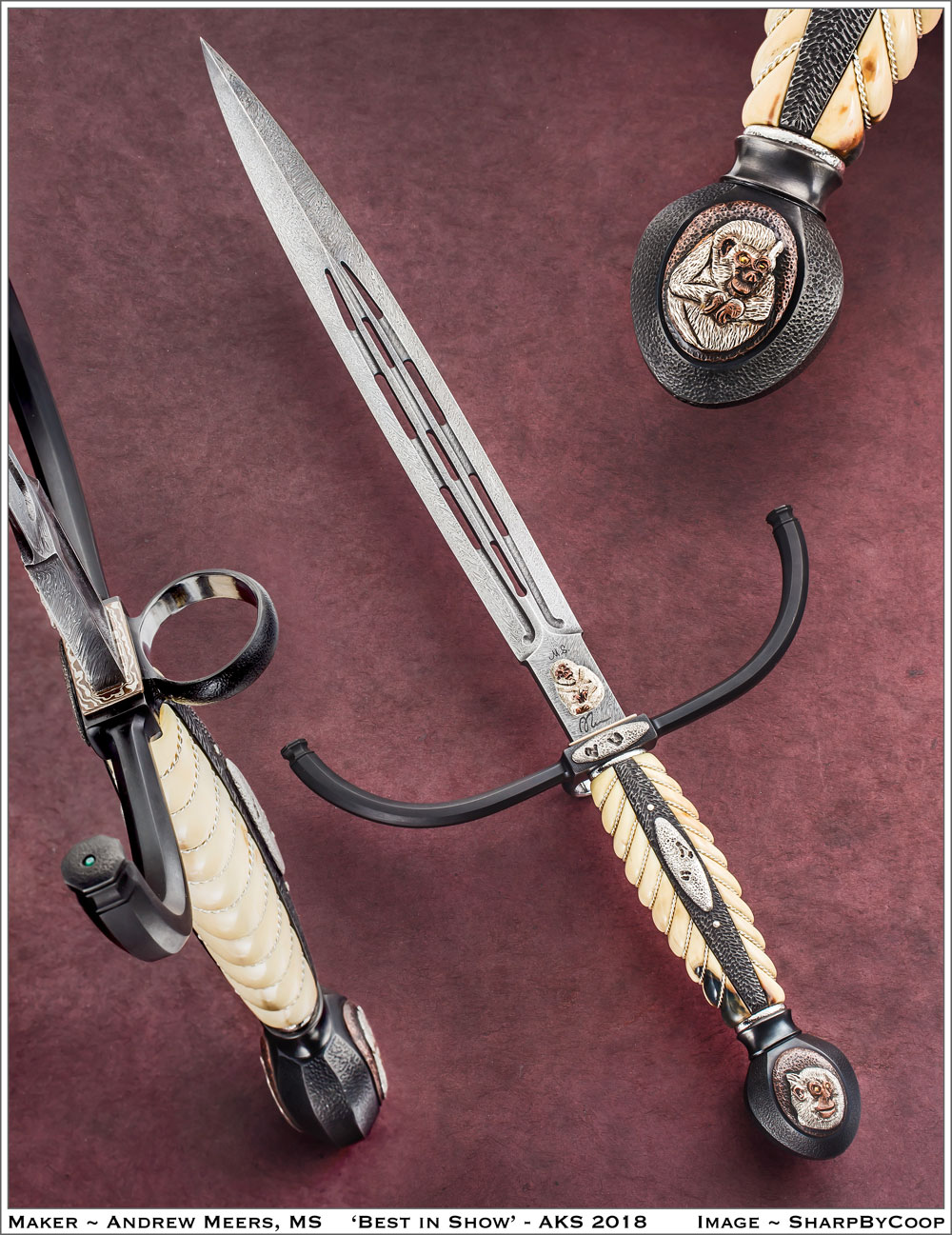
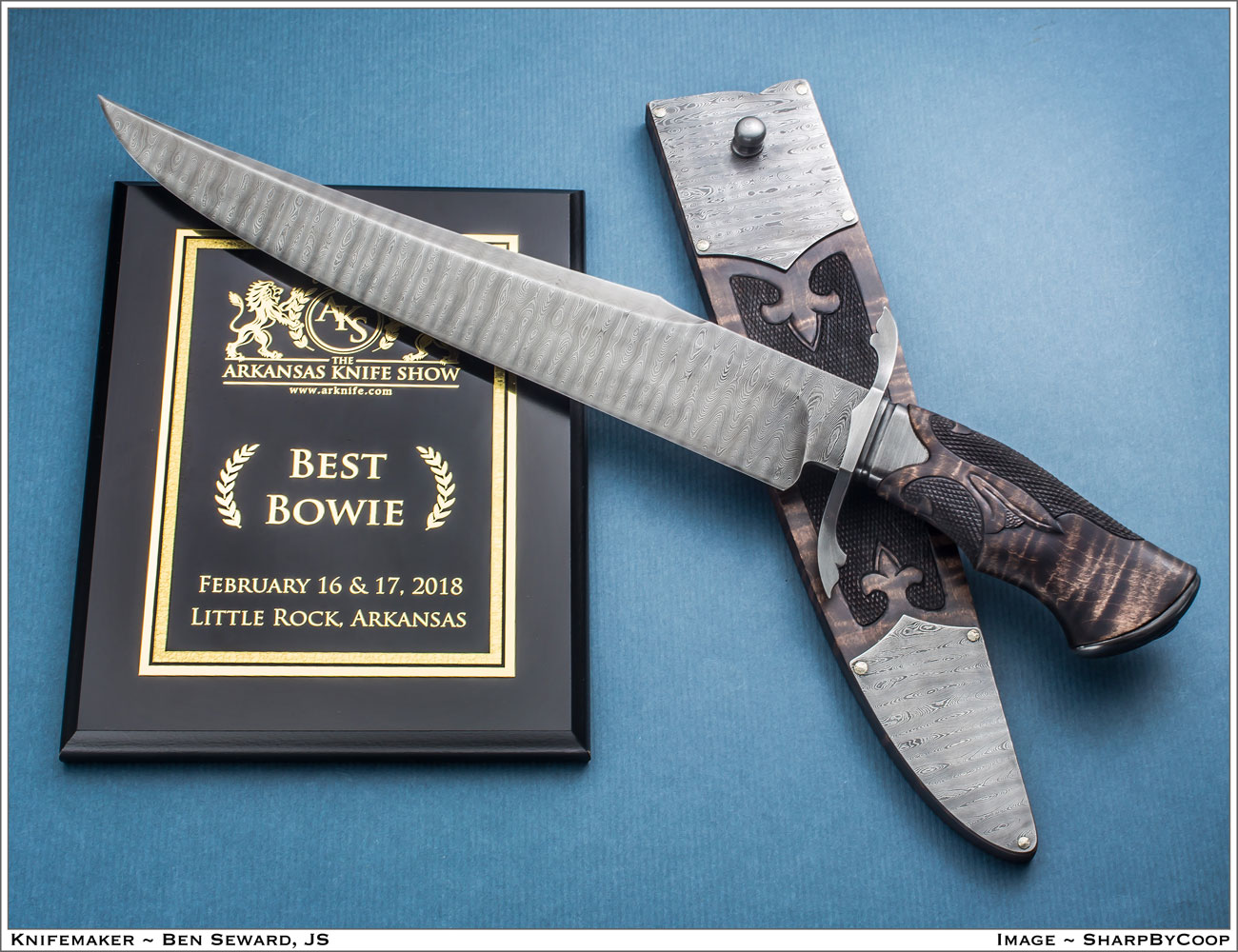
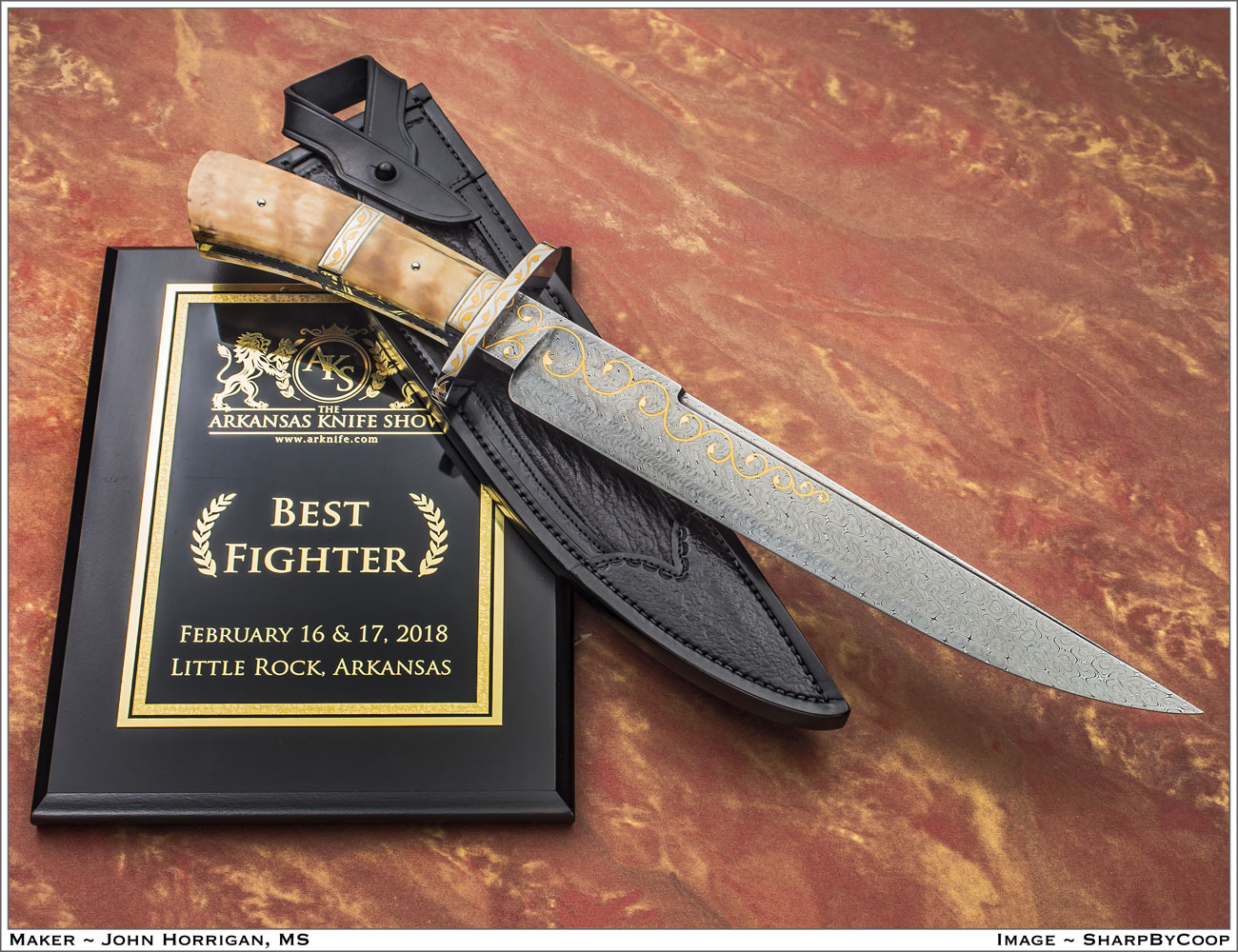
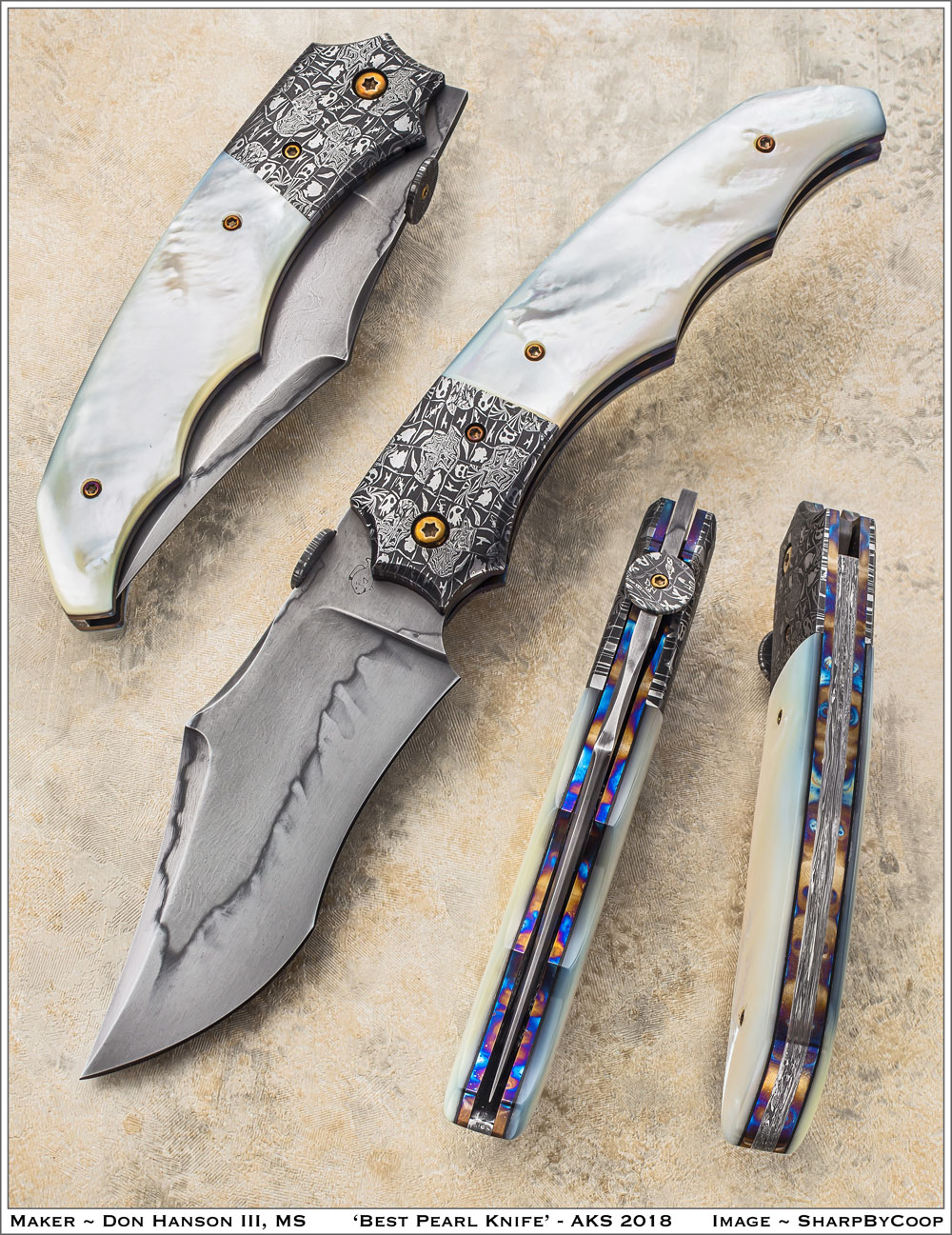
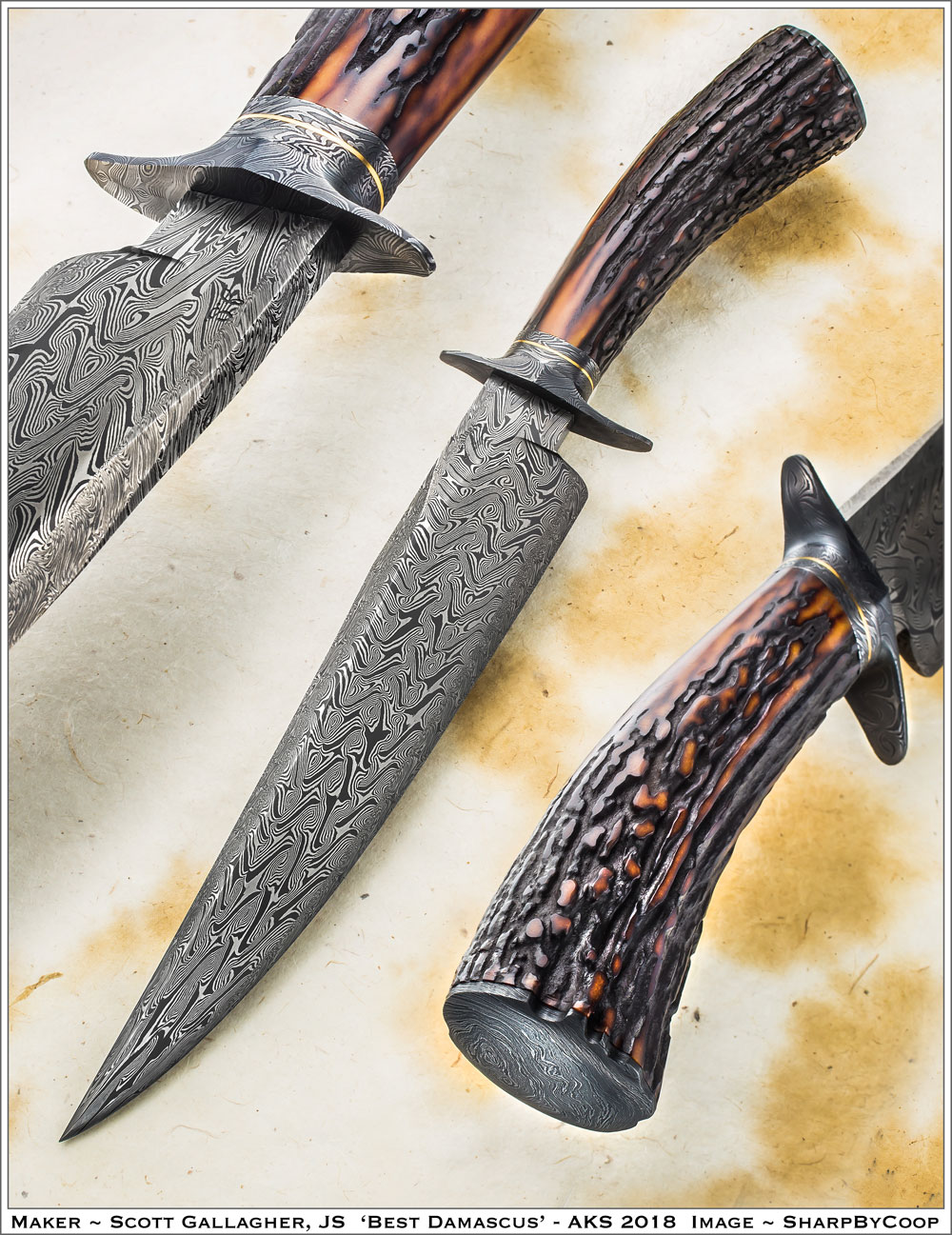
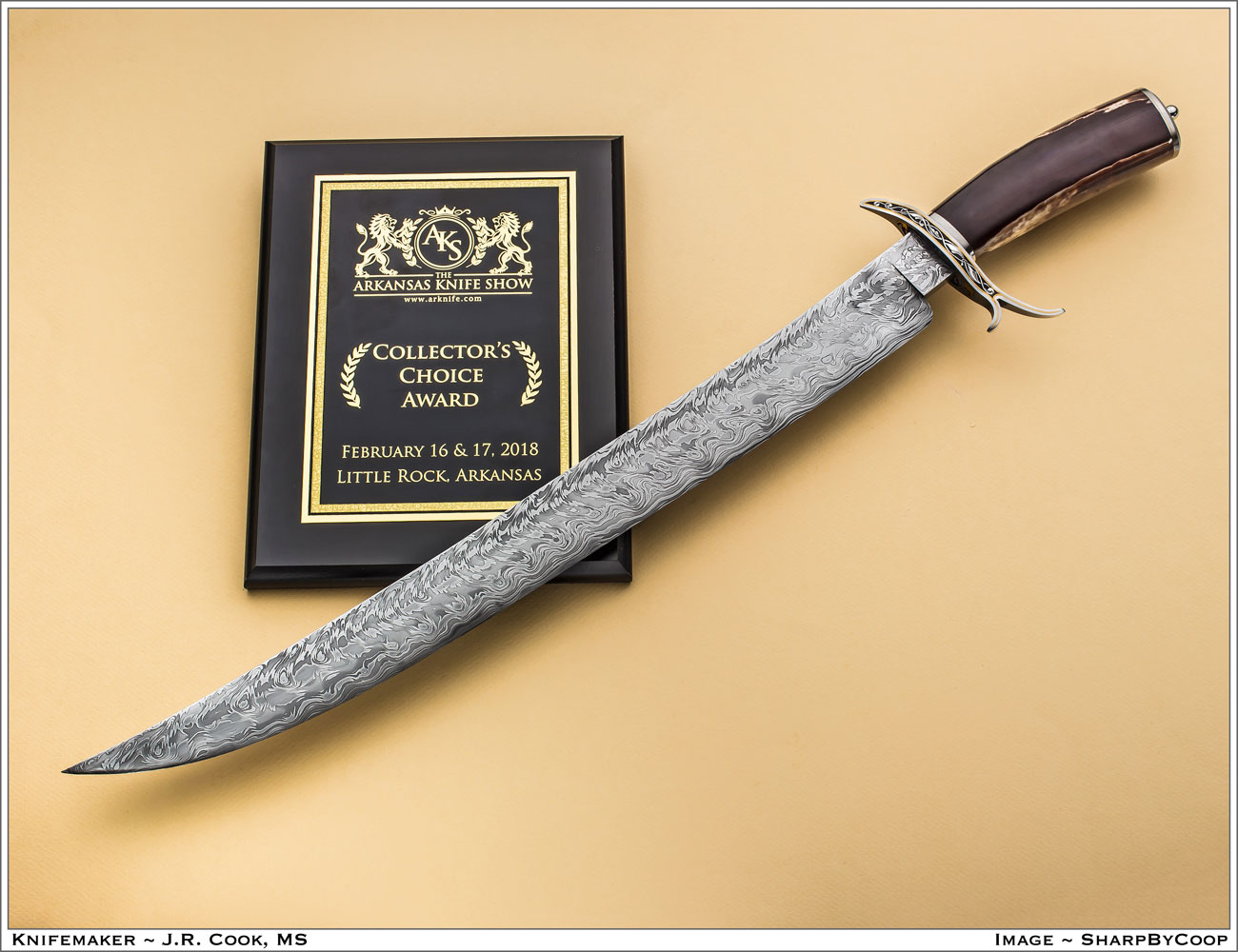
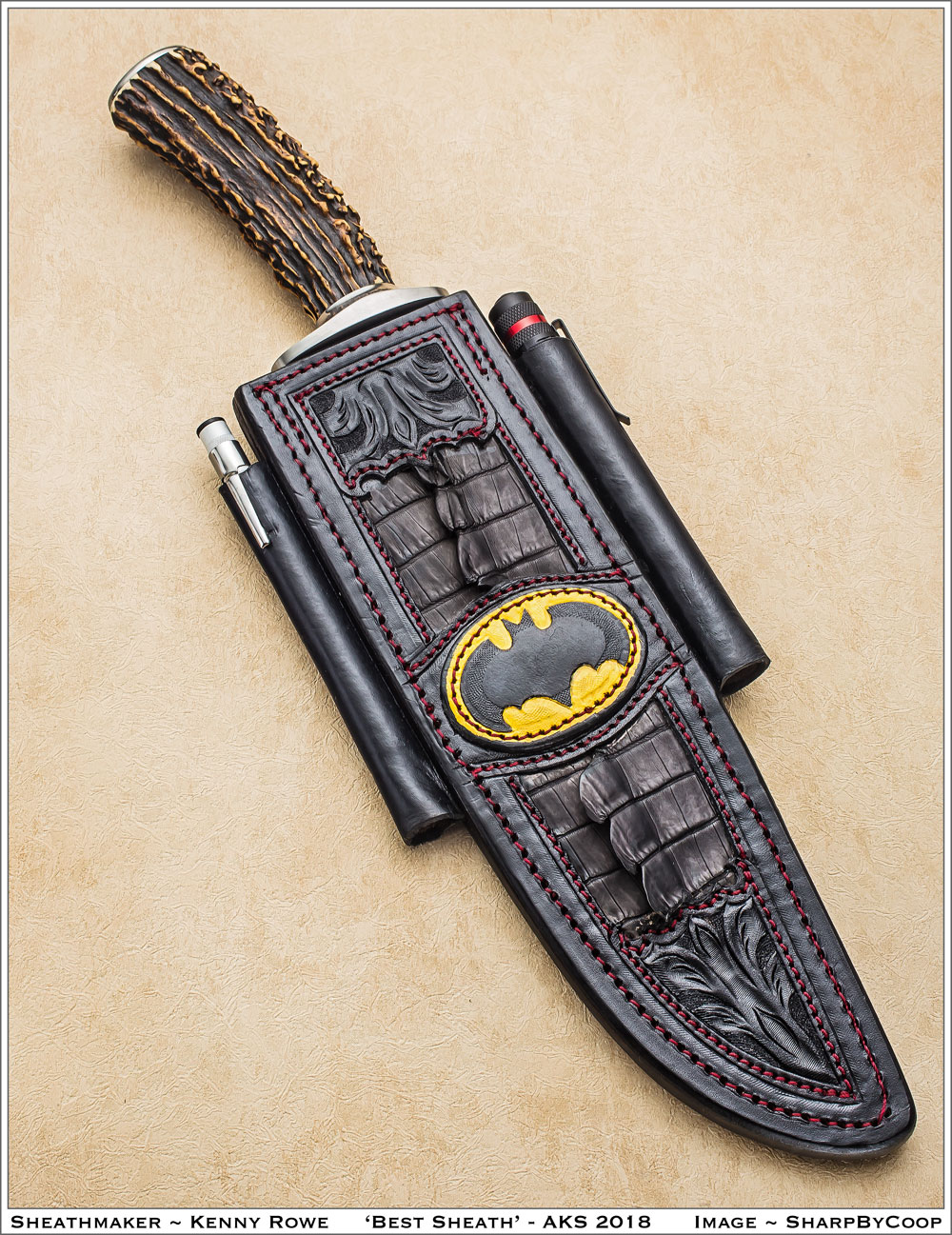
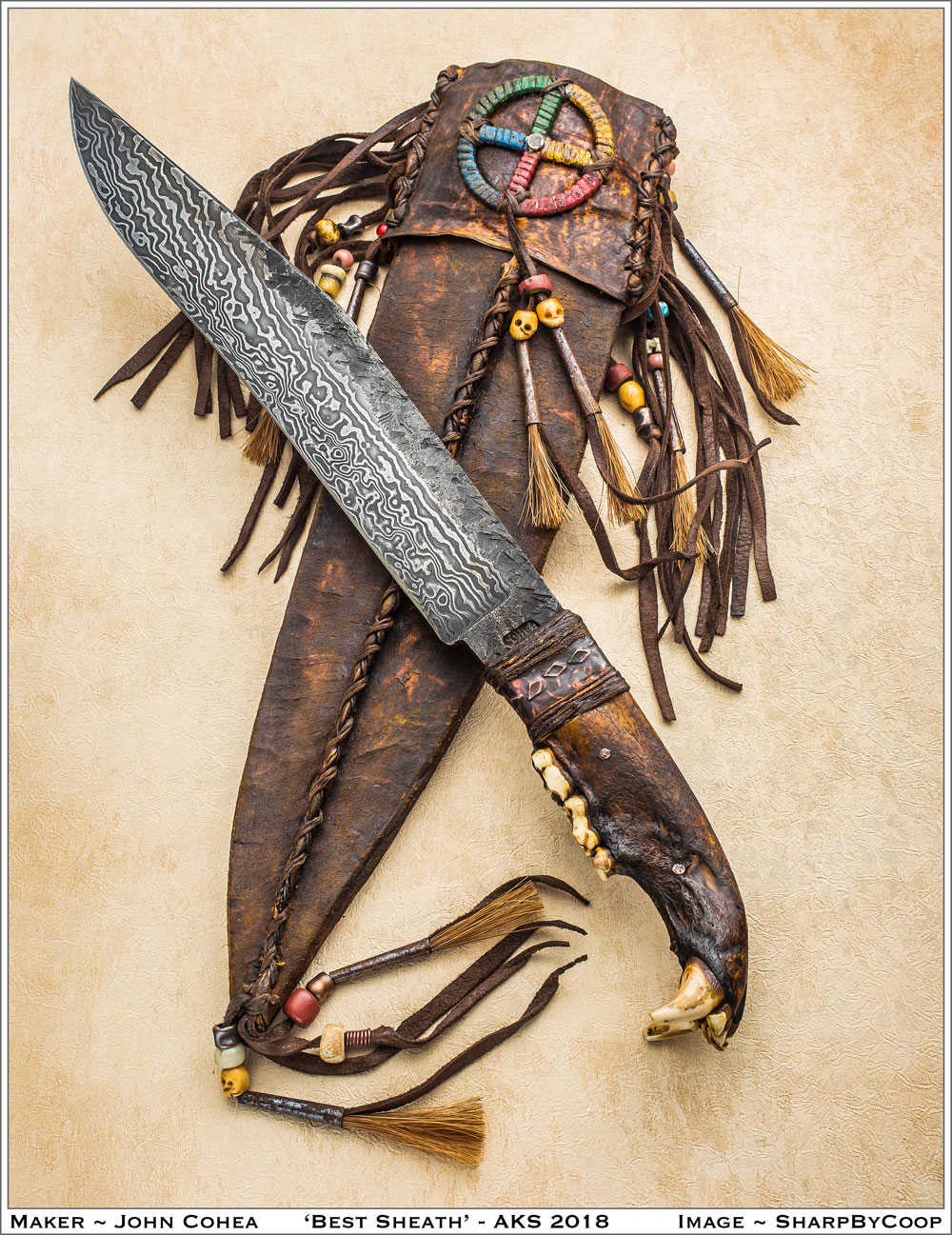
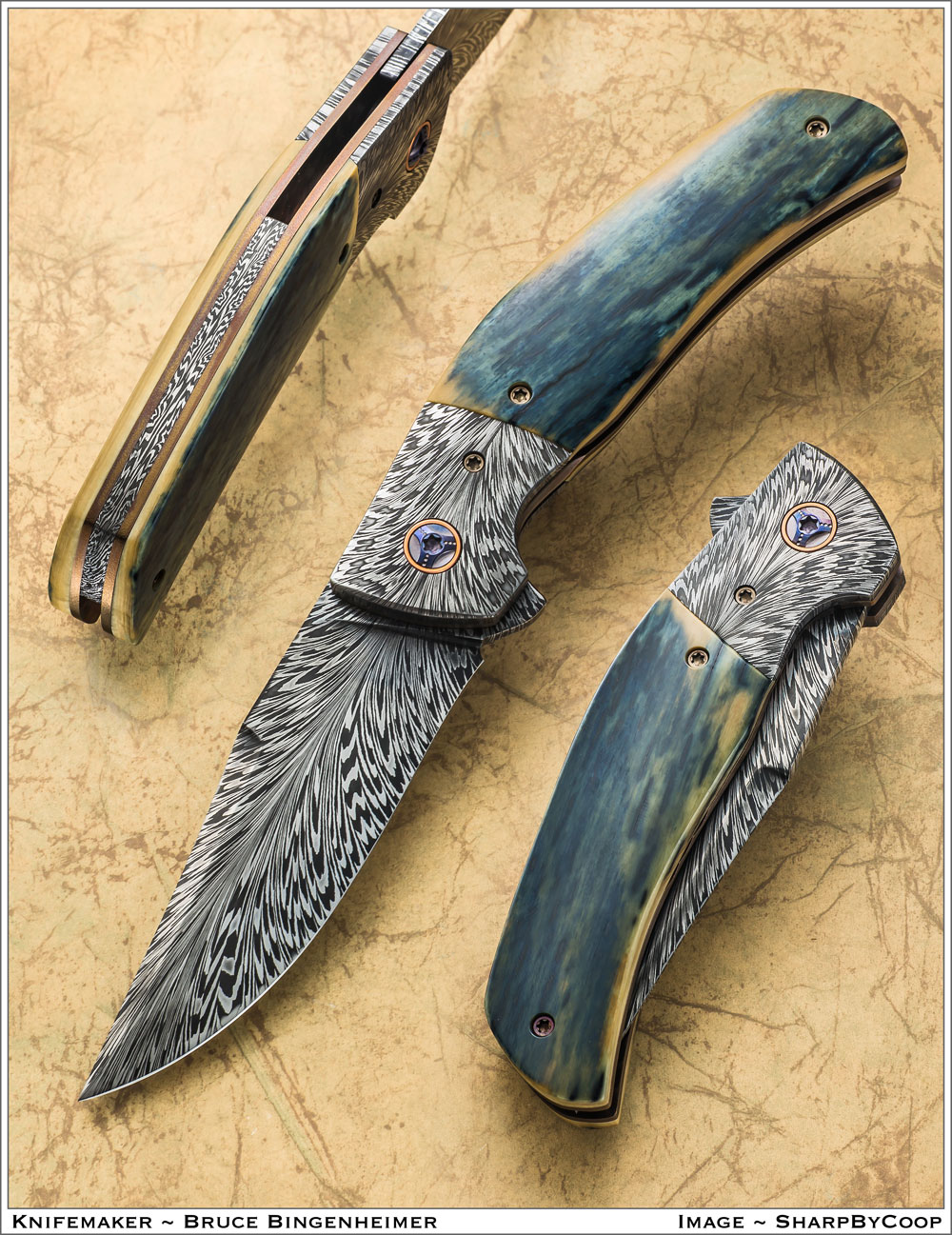
The Arkansas Knife Show took place Feb. 17, 2018, at the Statehouse Convention Center in Little Rock. The annual event, owned and operated by Logan Pearce of Pearce Knives, features awards for achievement in custom knifemaking and a cutting competition.
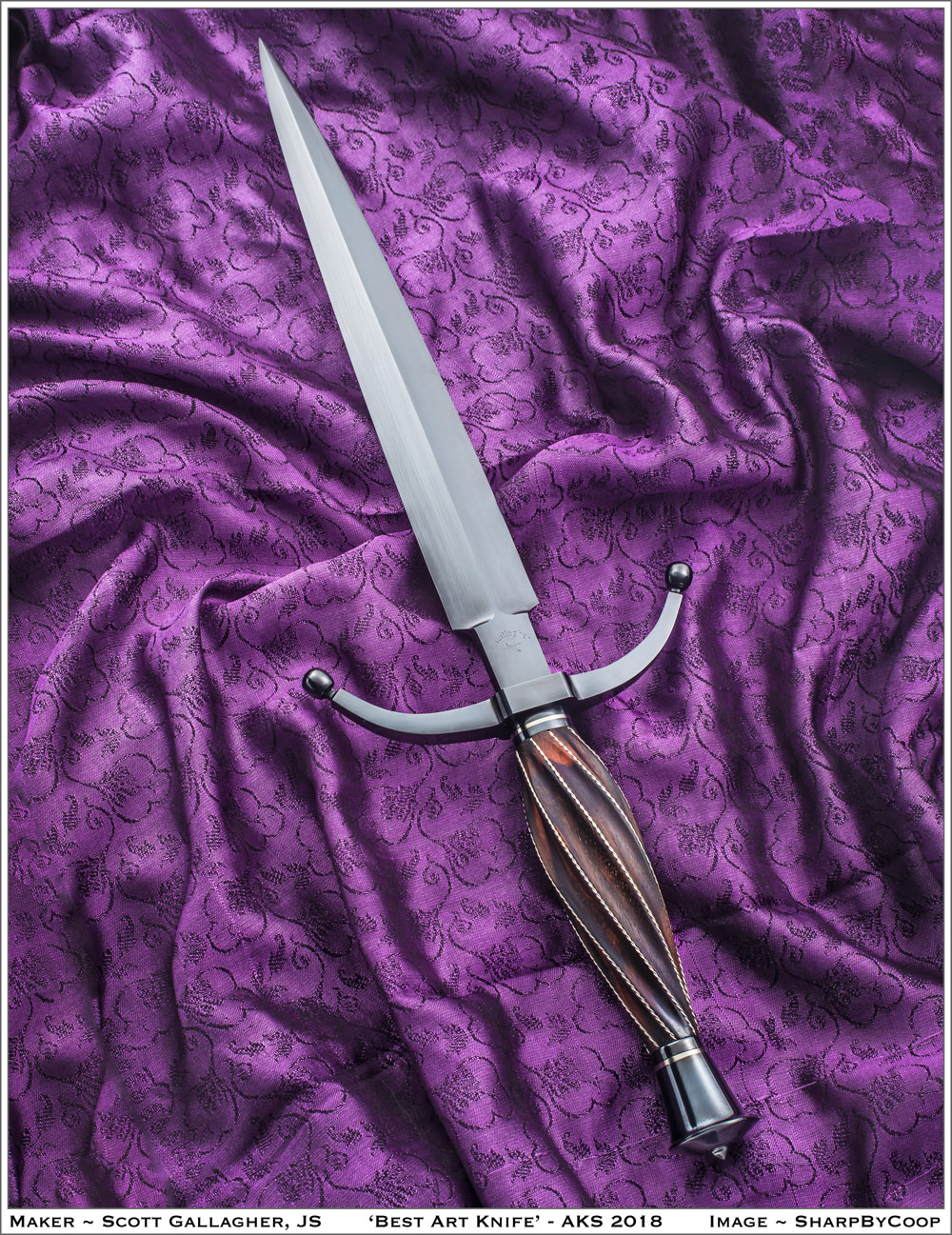
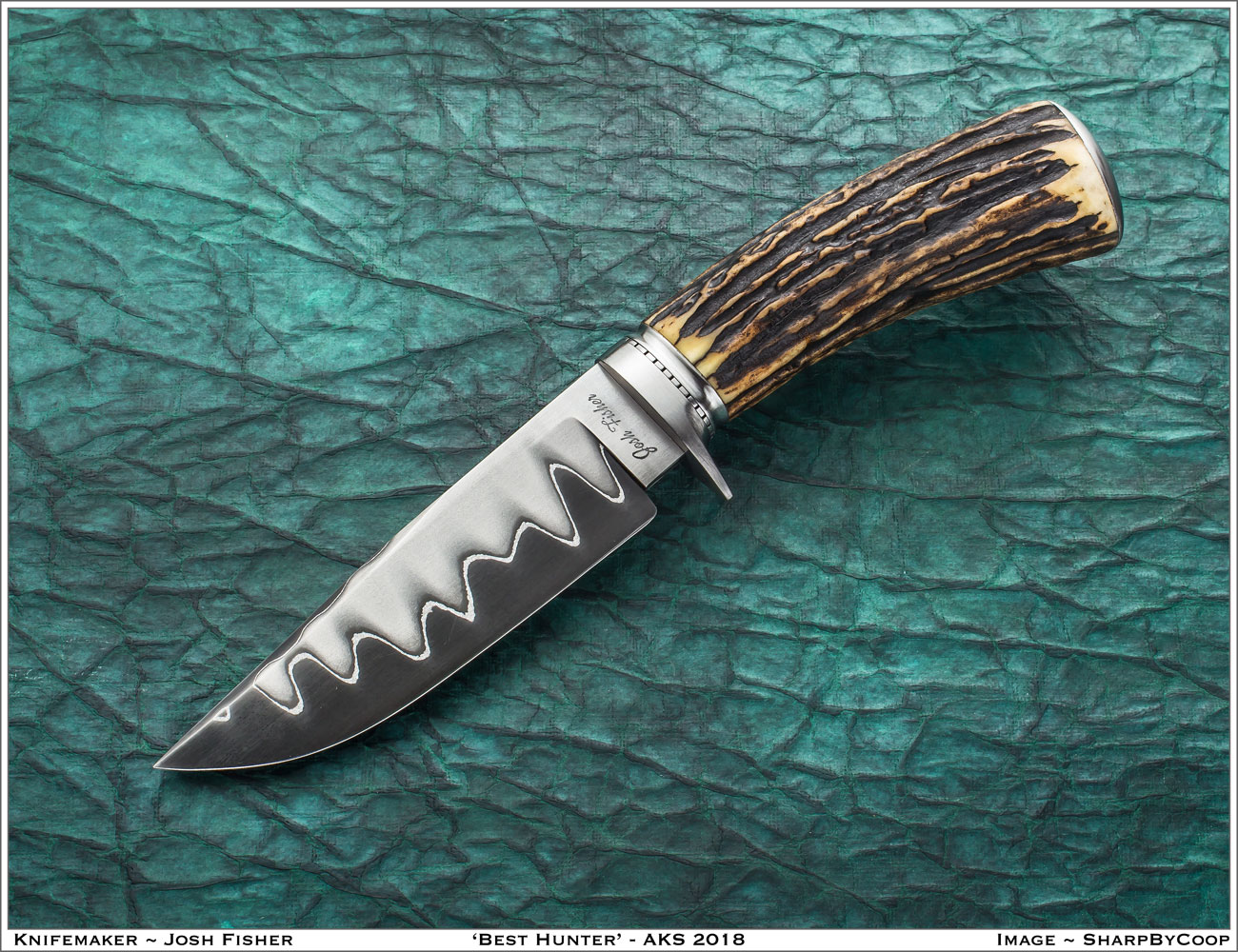
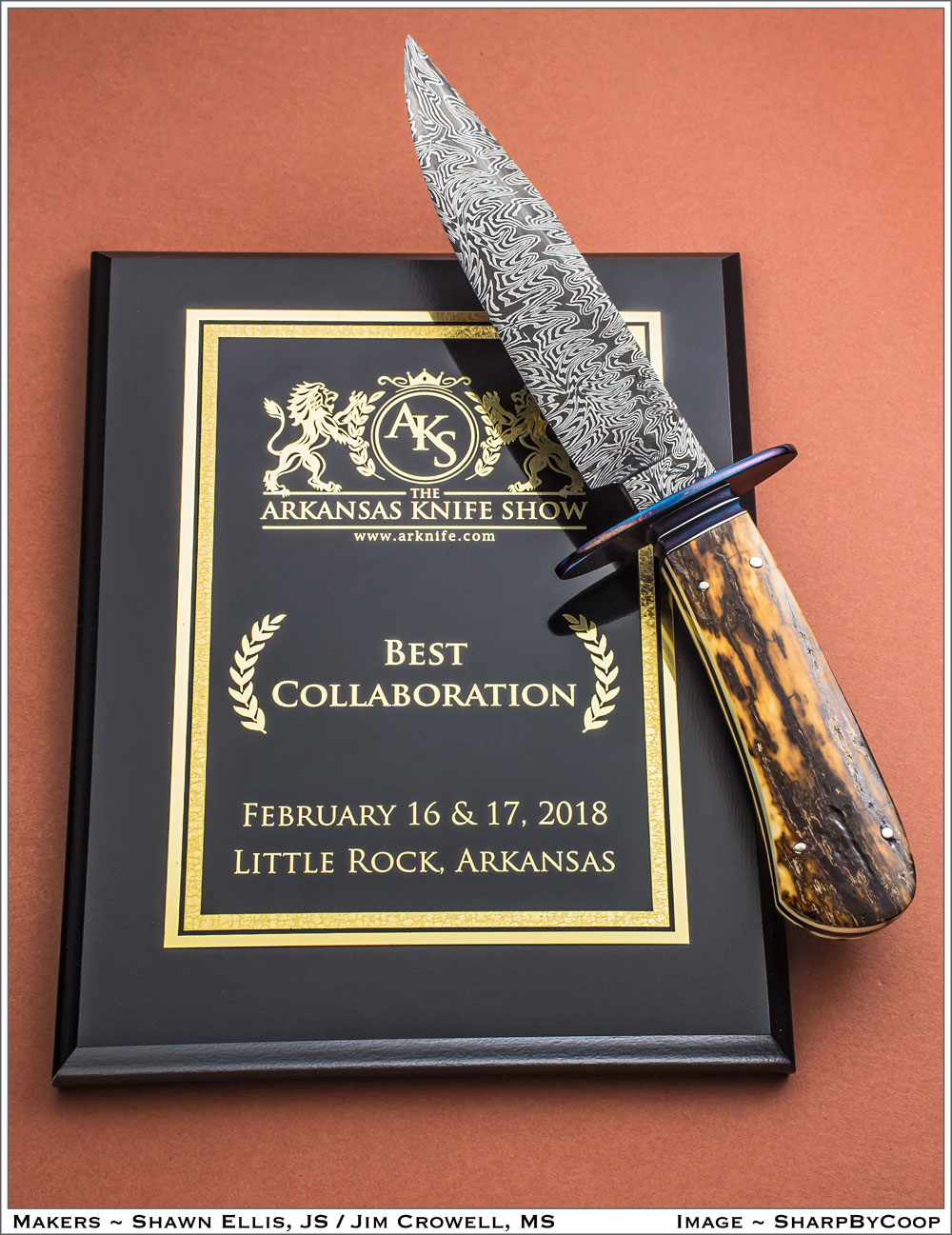
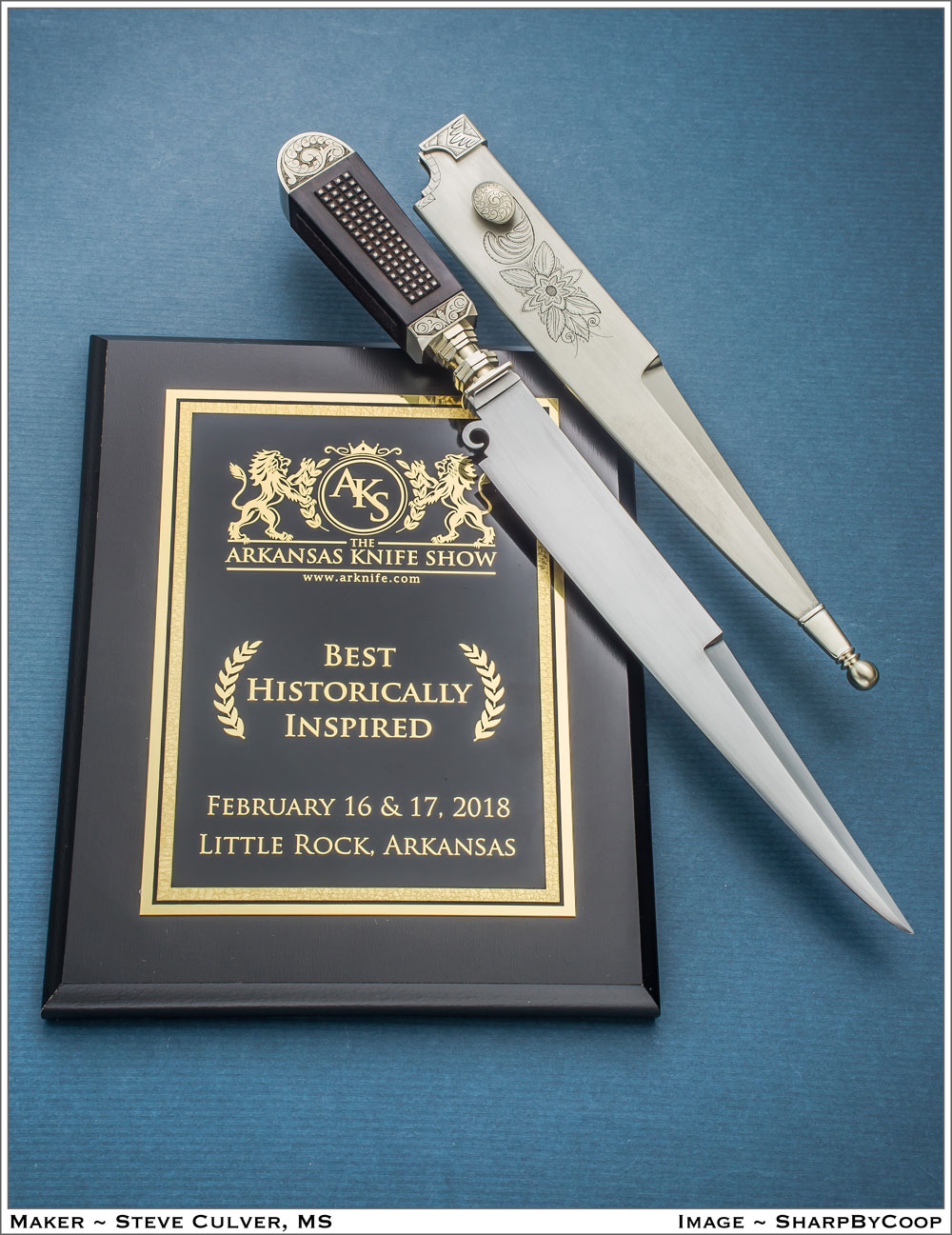
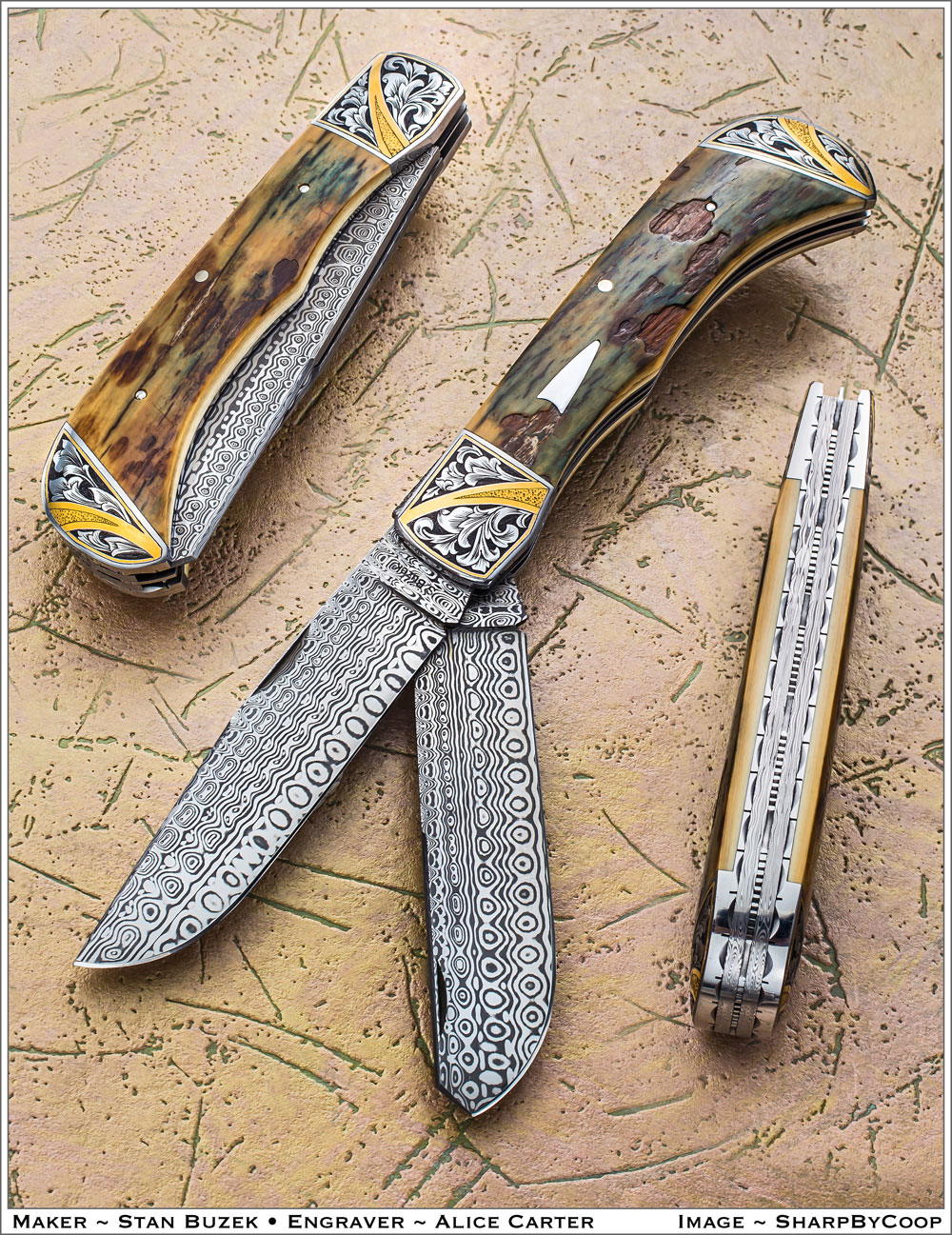
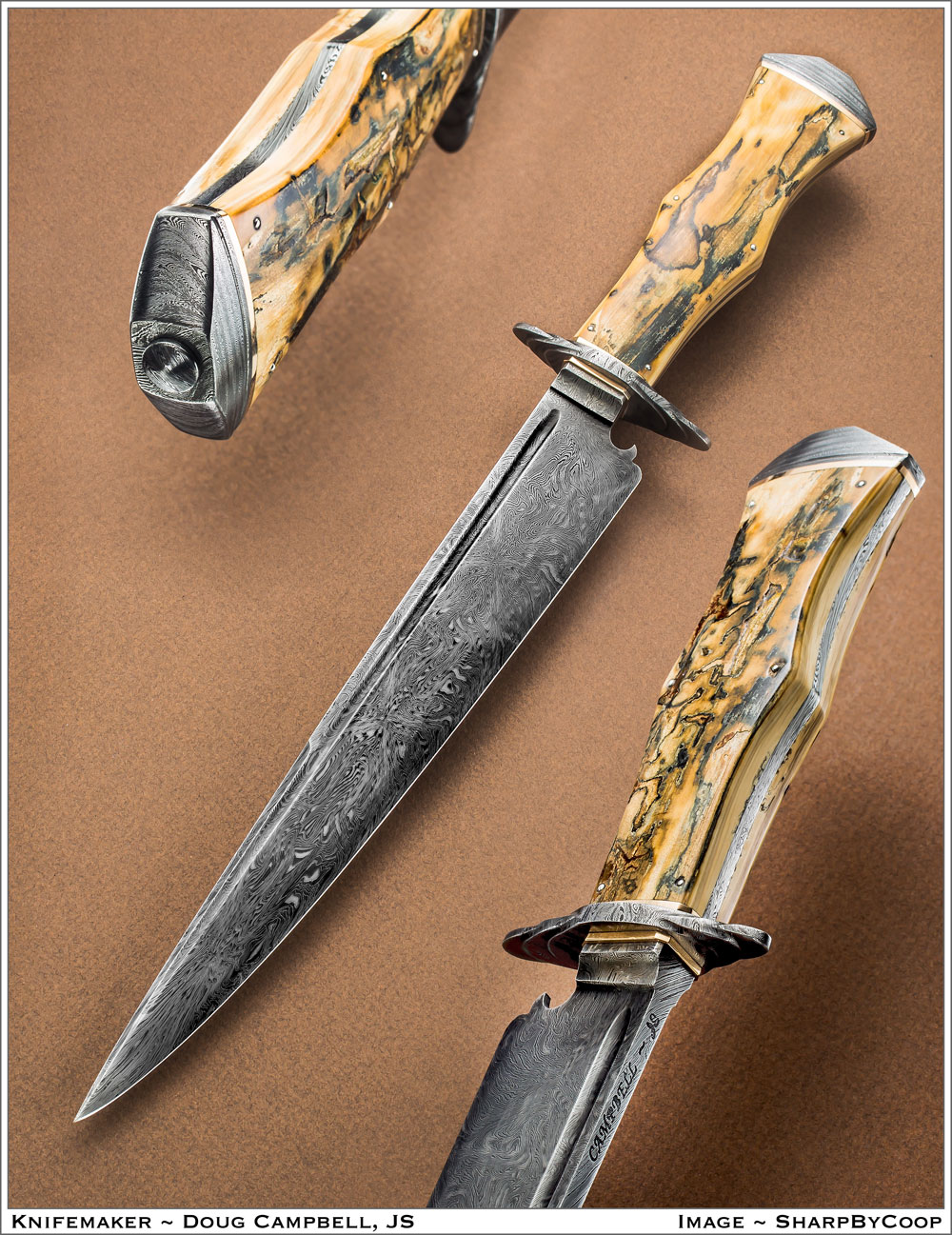
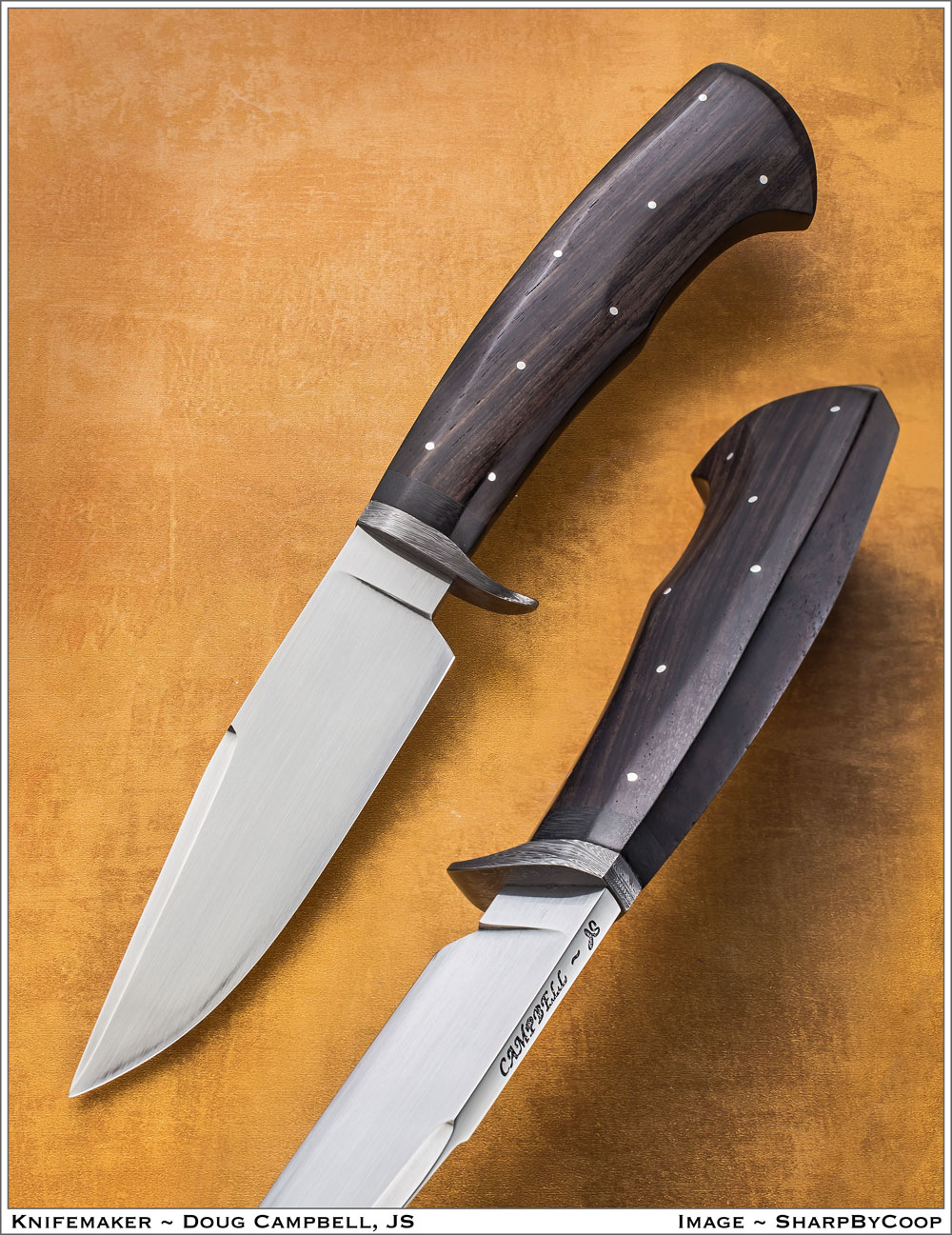
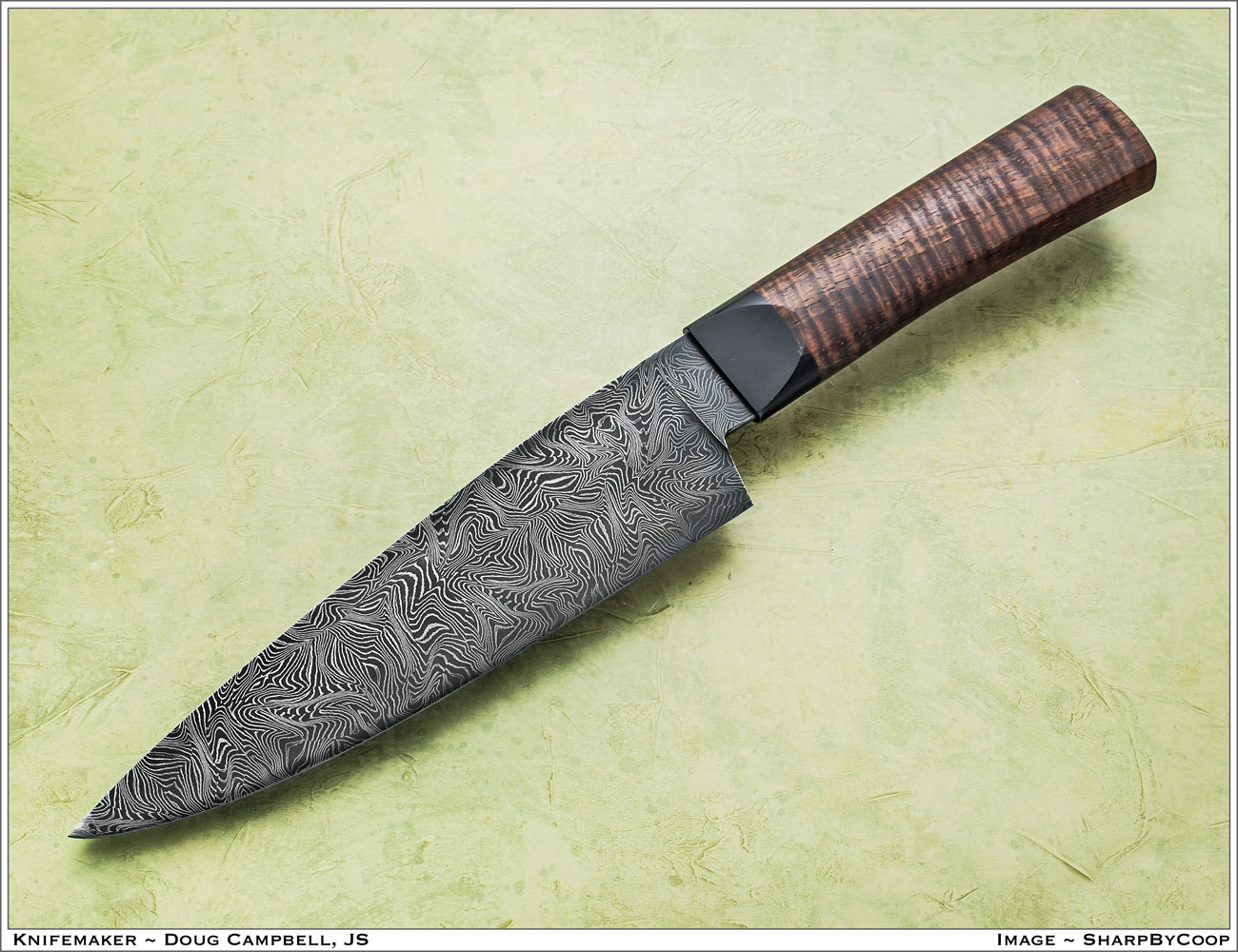
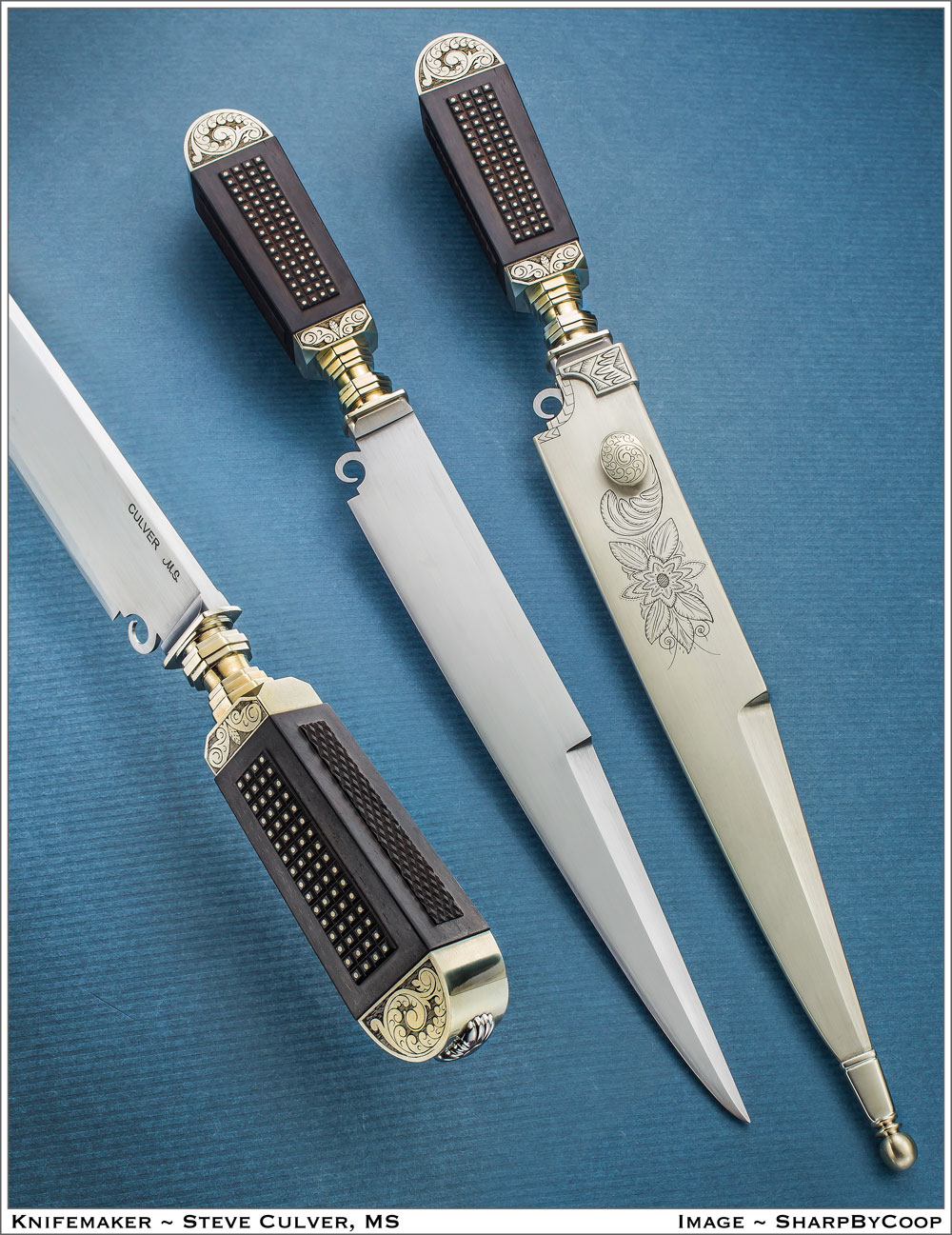
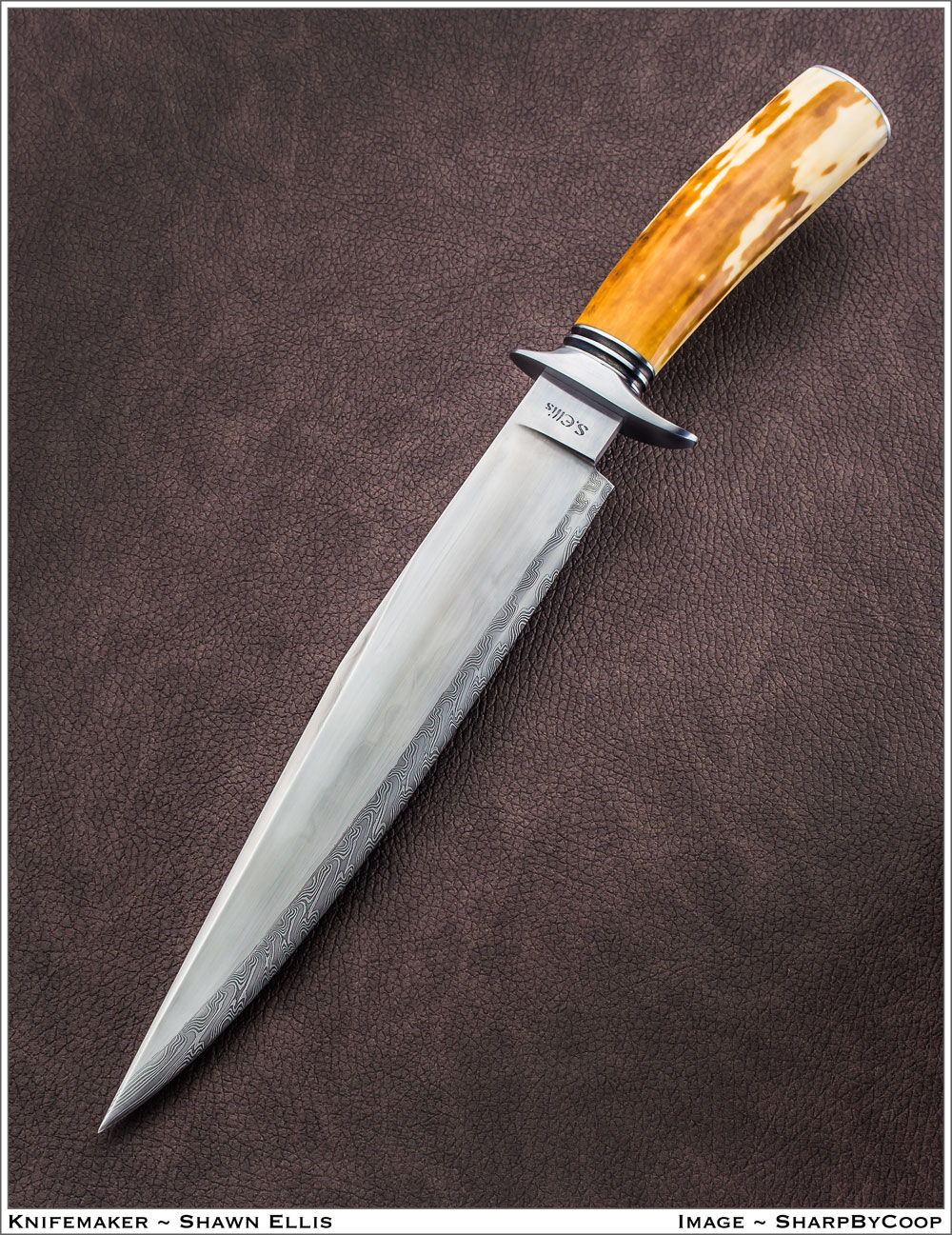
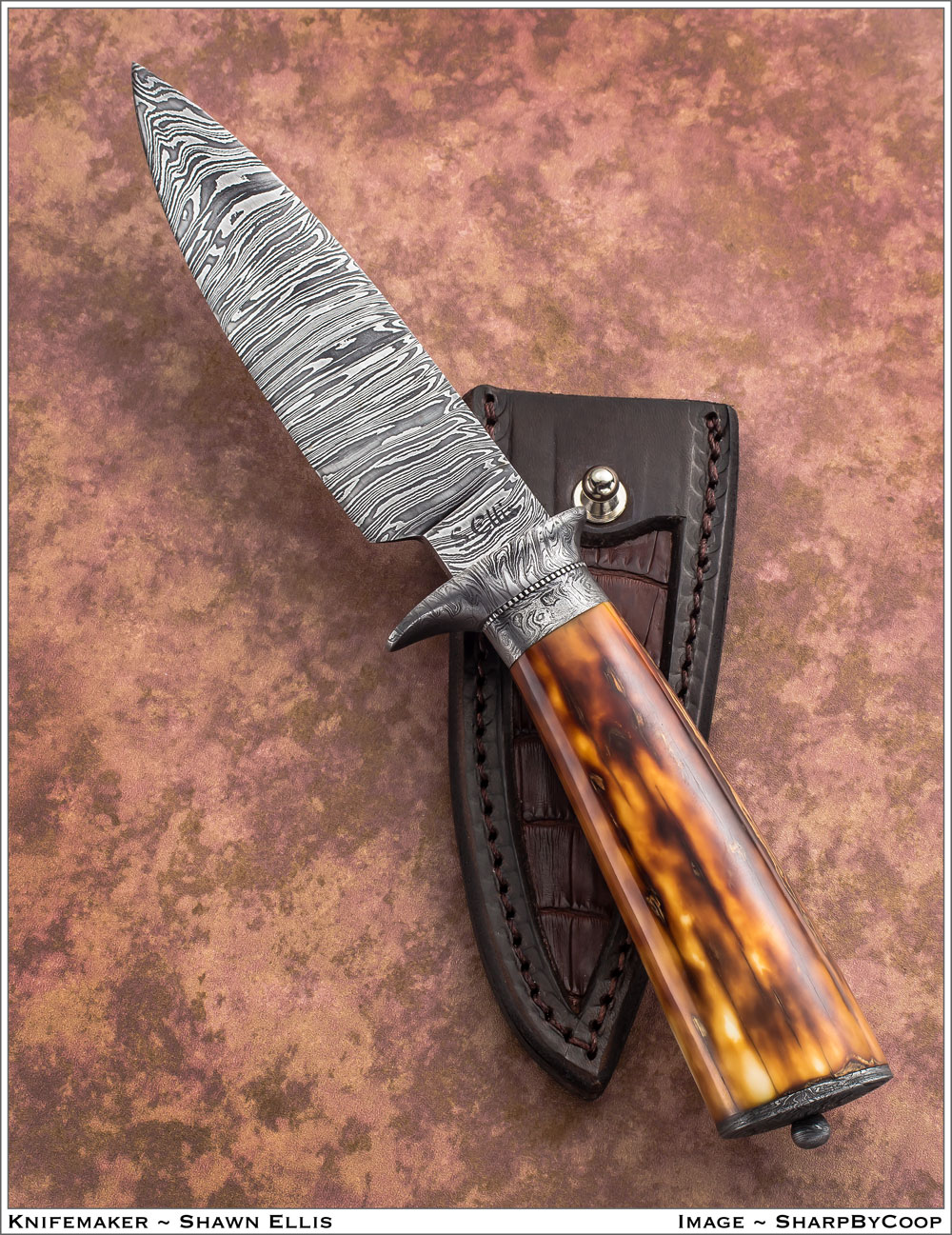
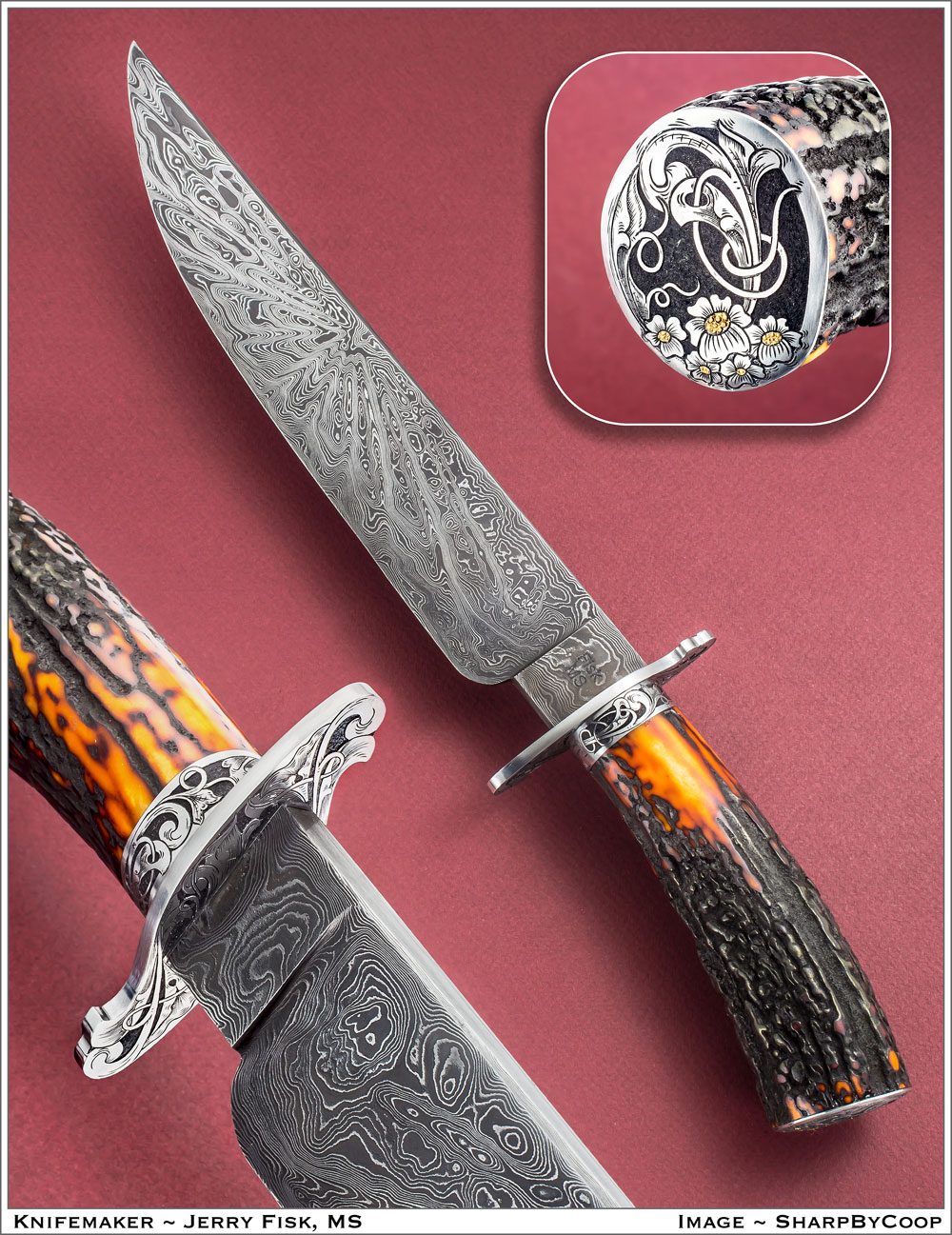
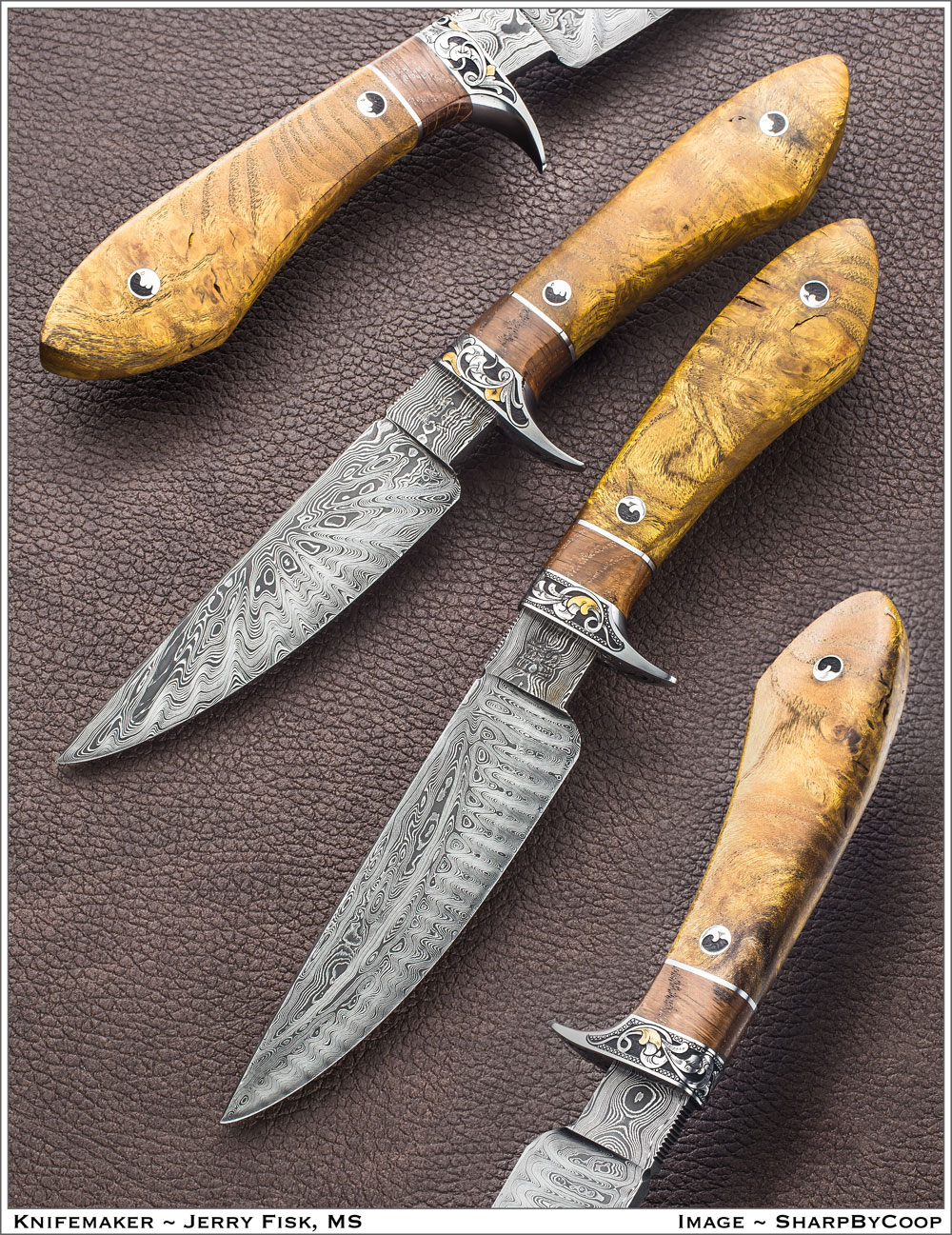
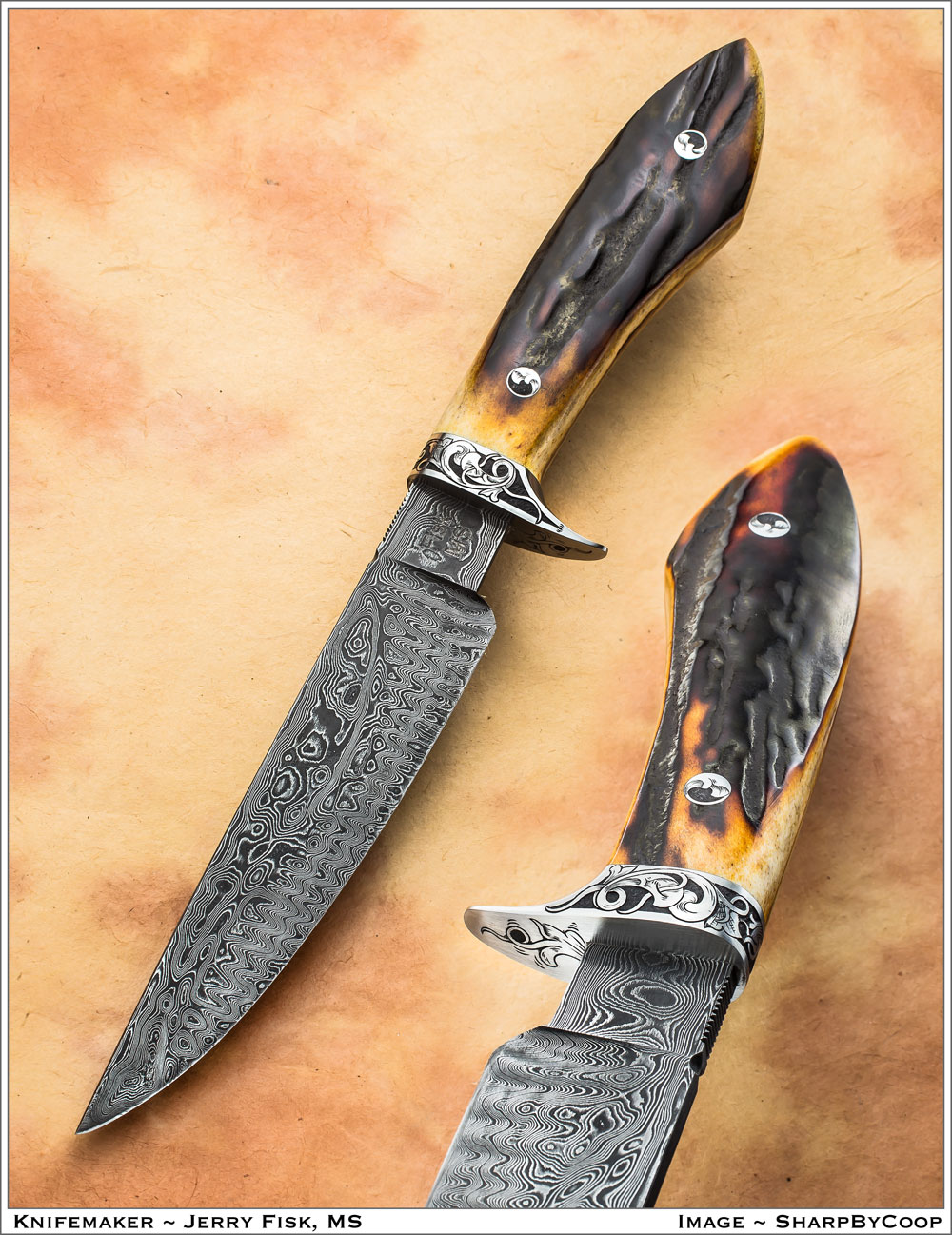
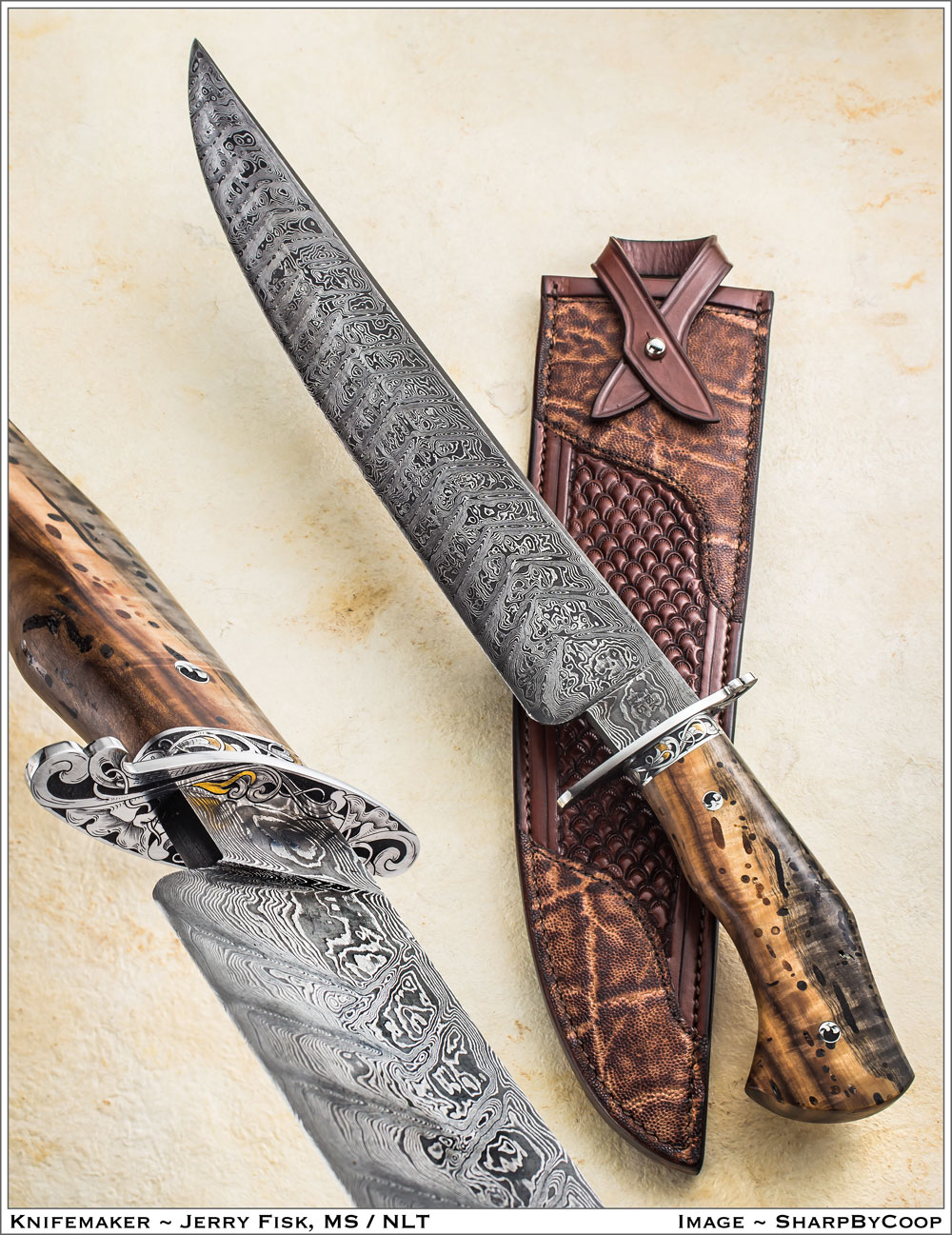
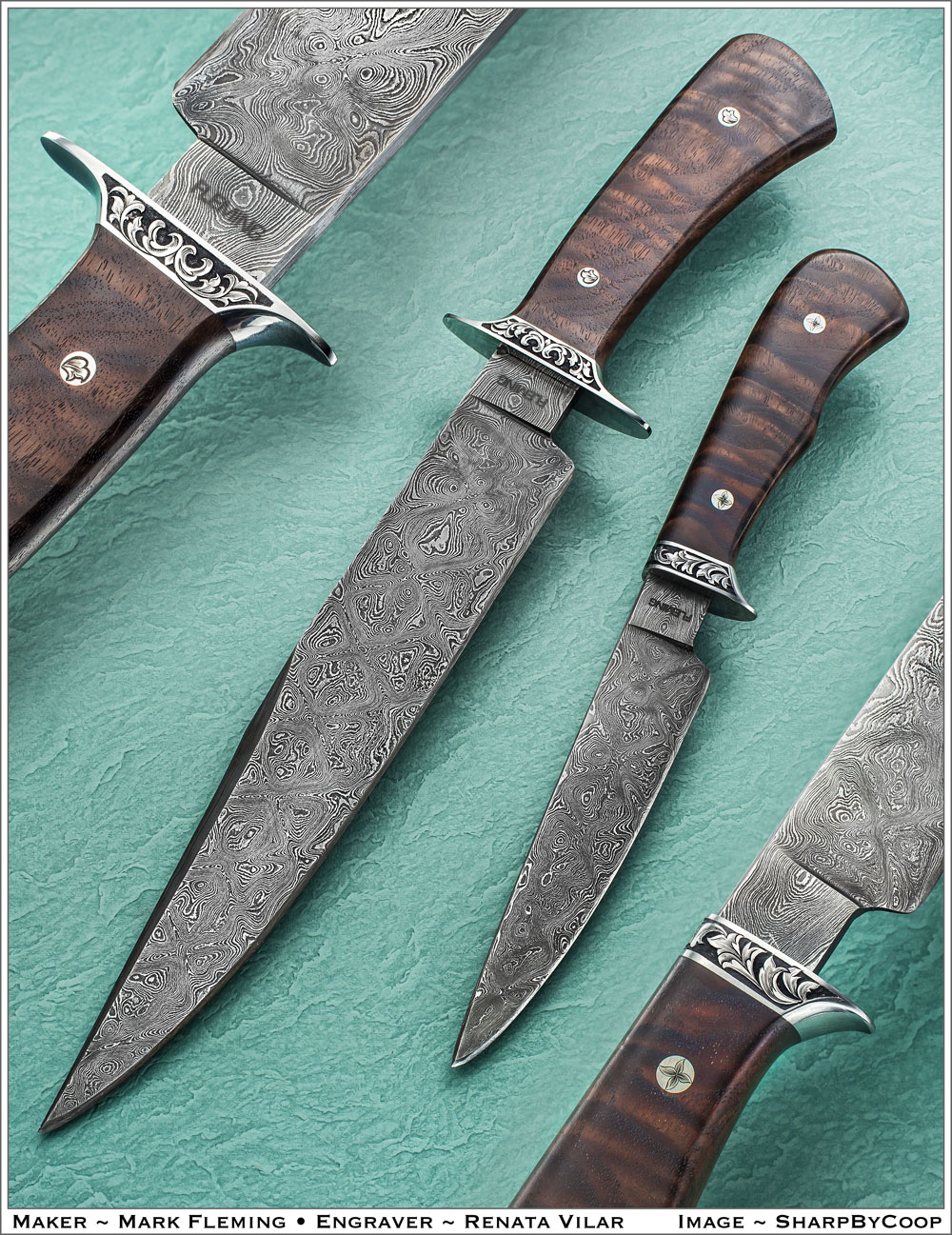
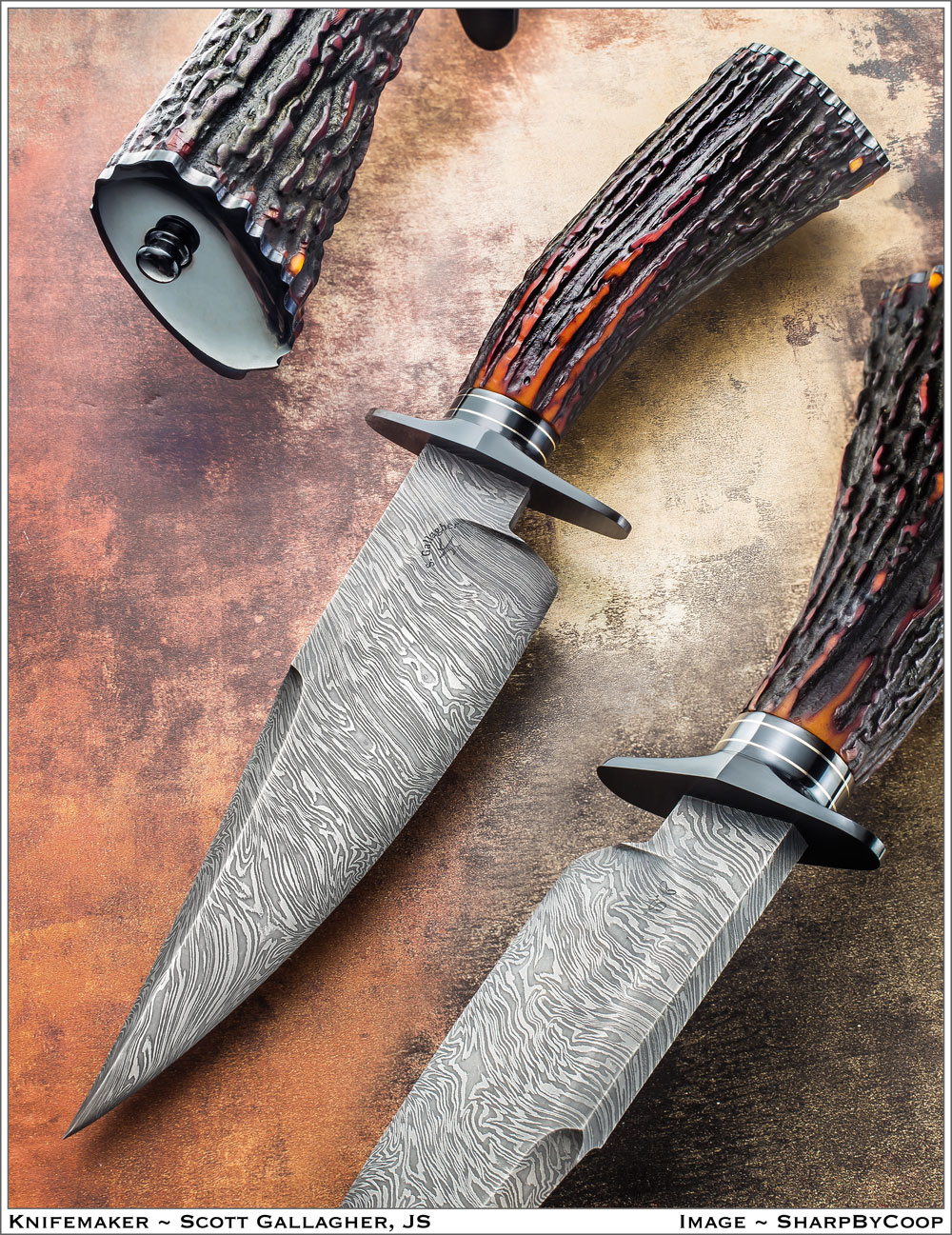
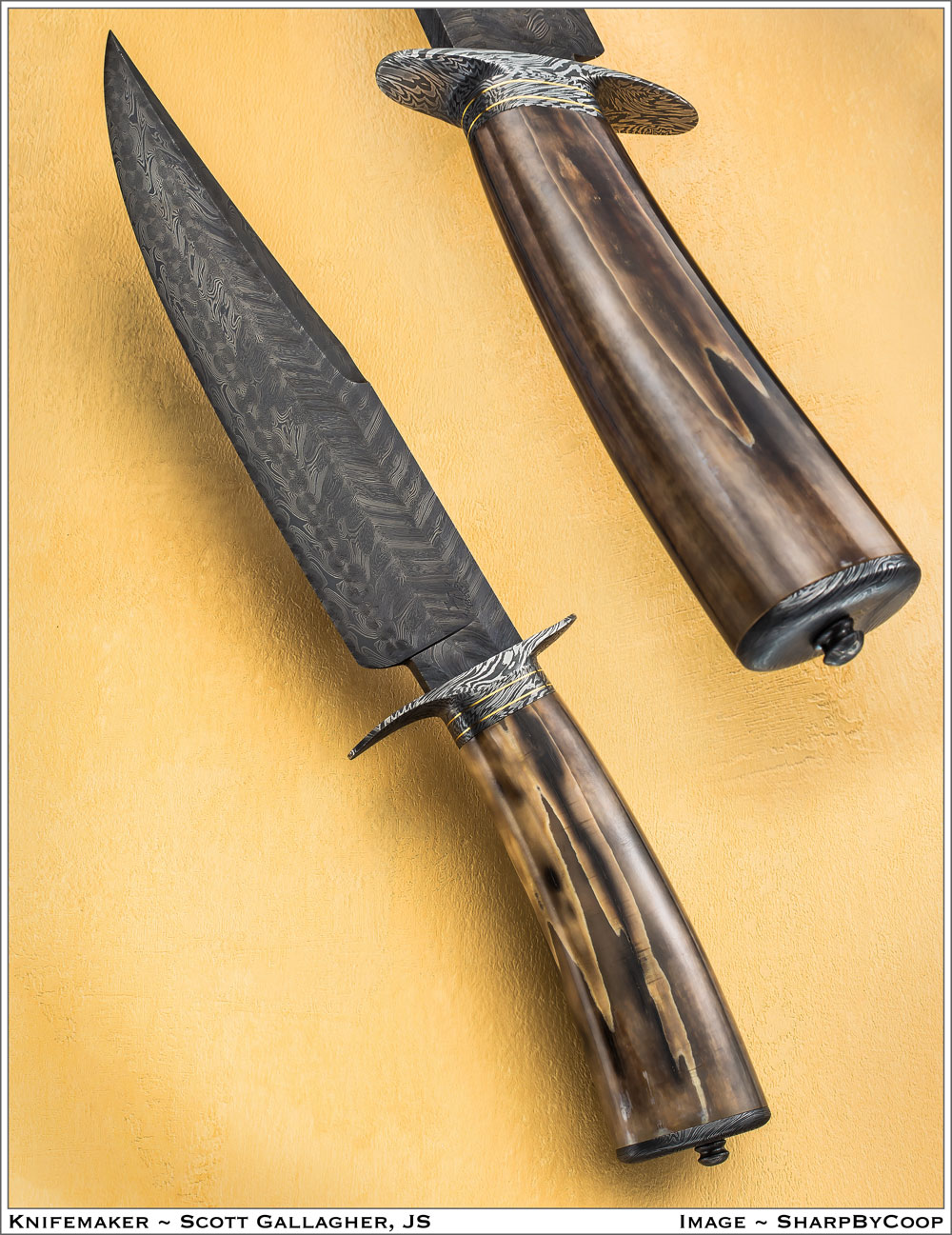
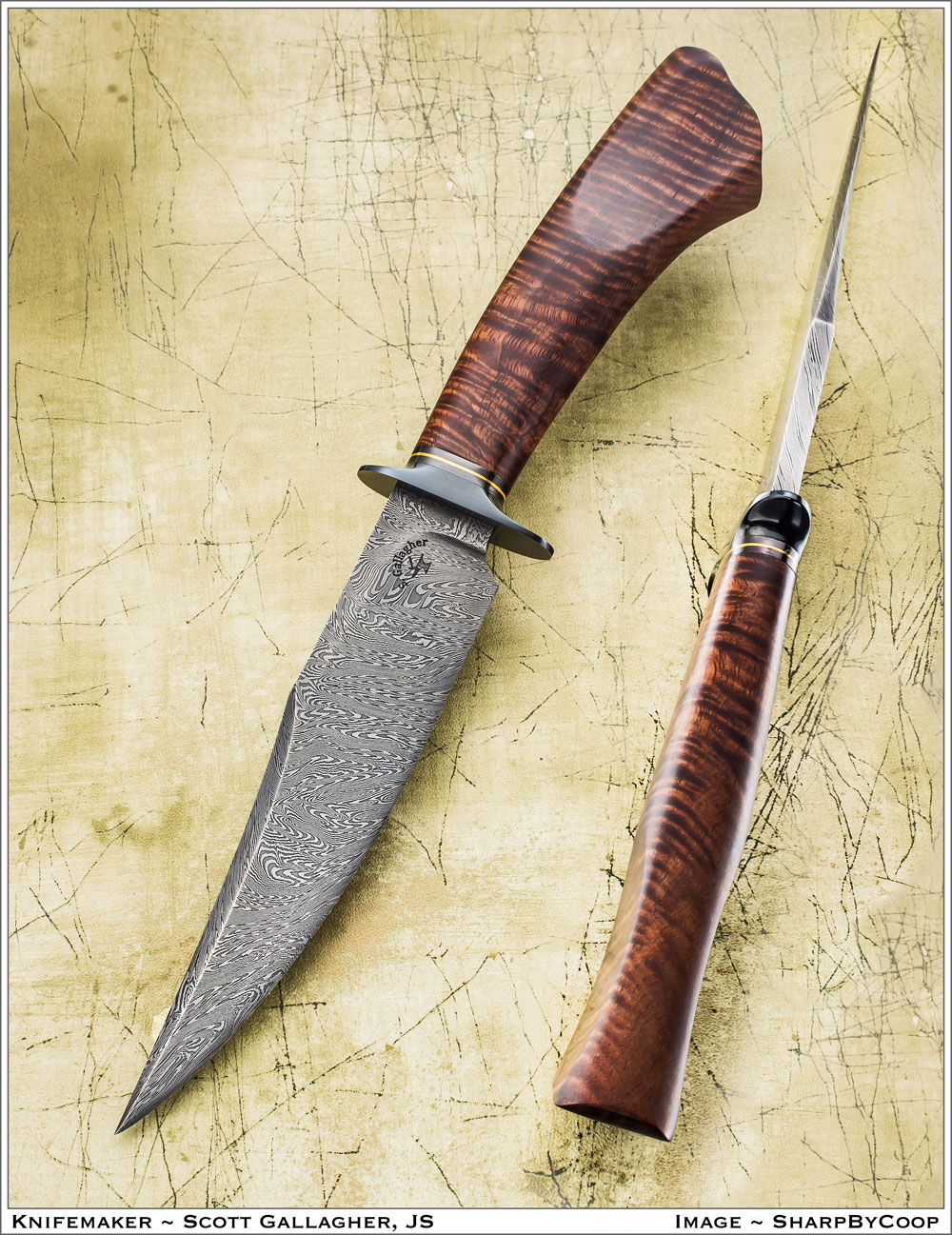
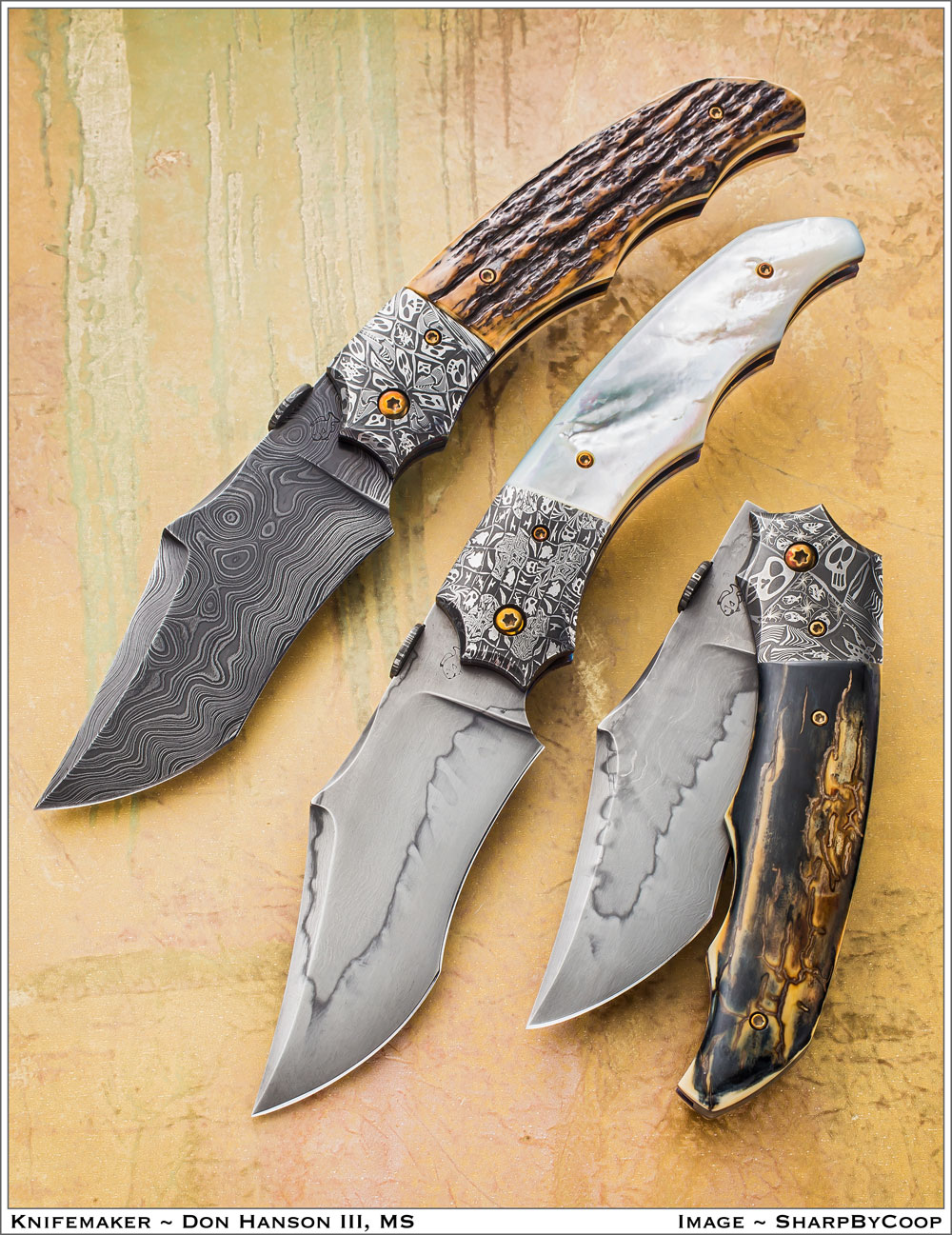
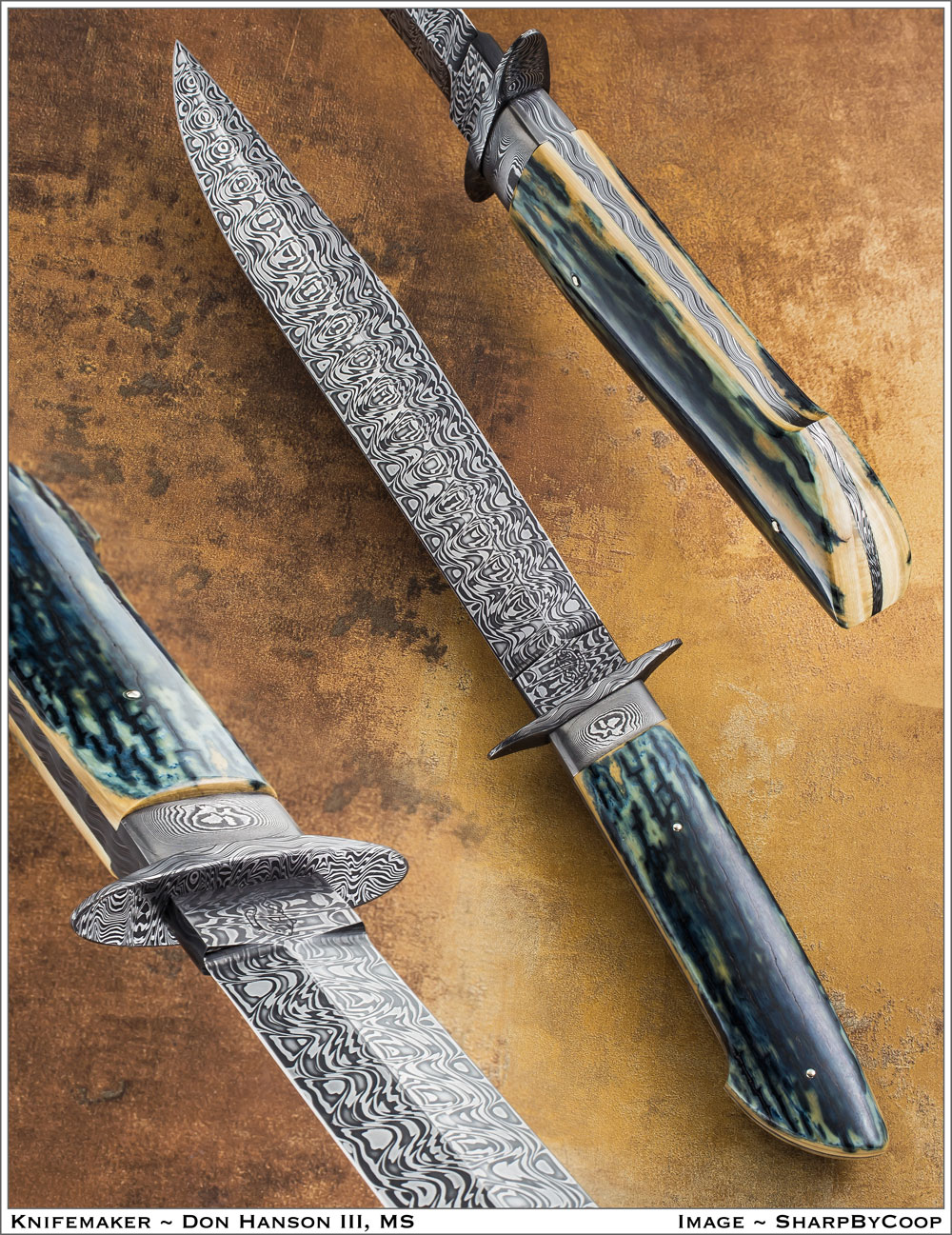
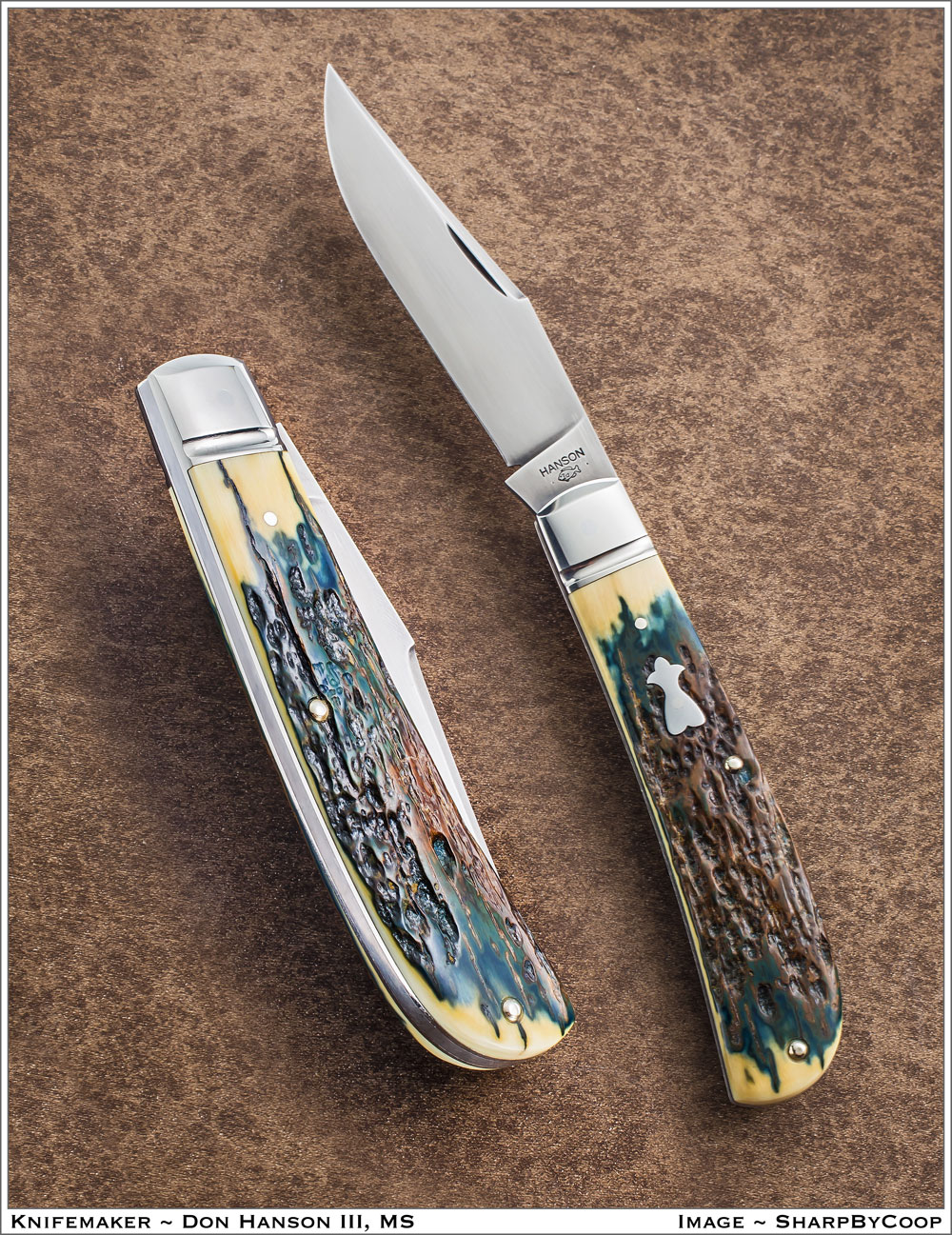
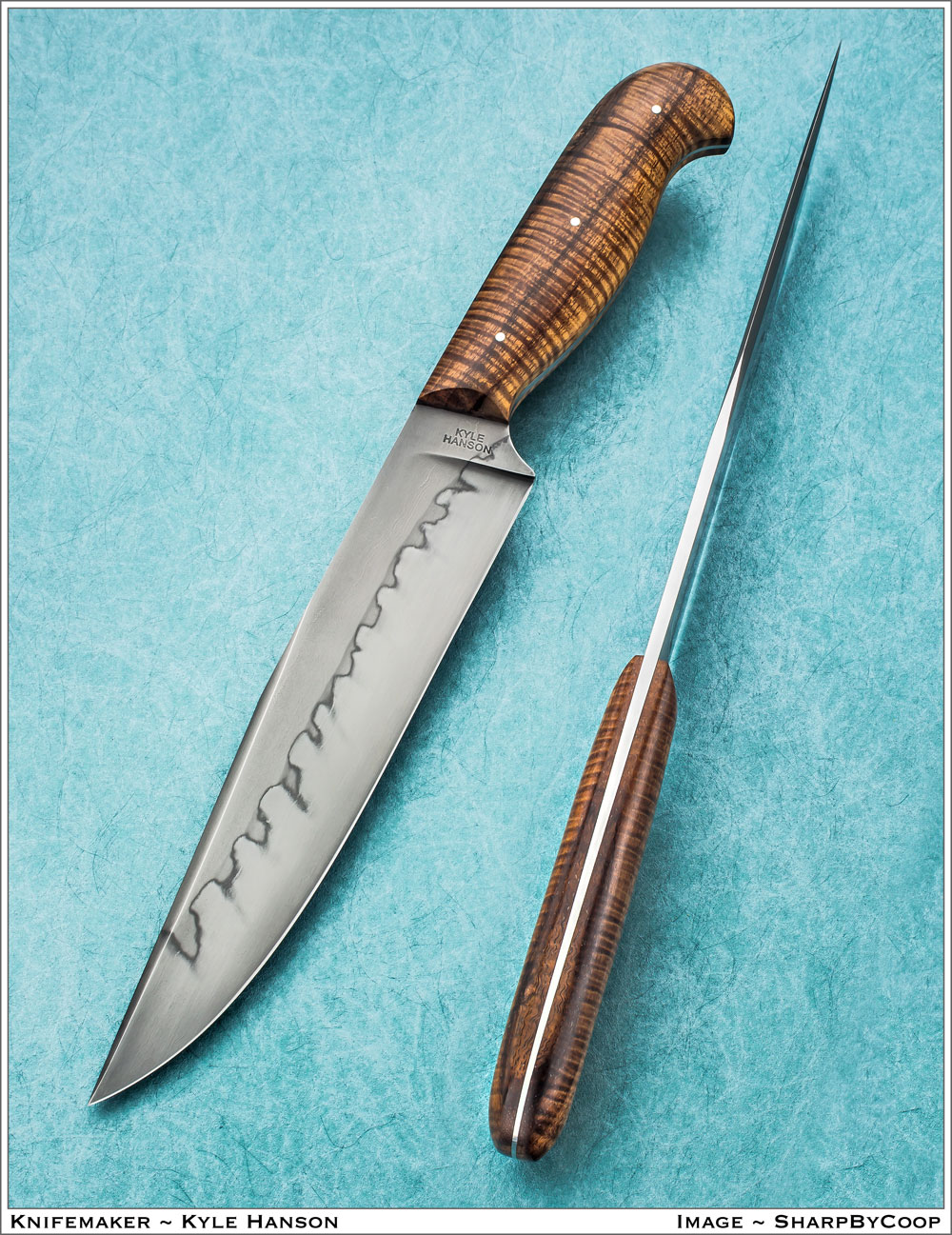
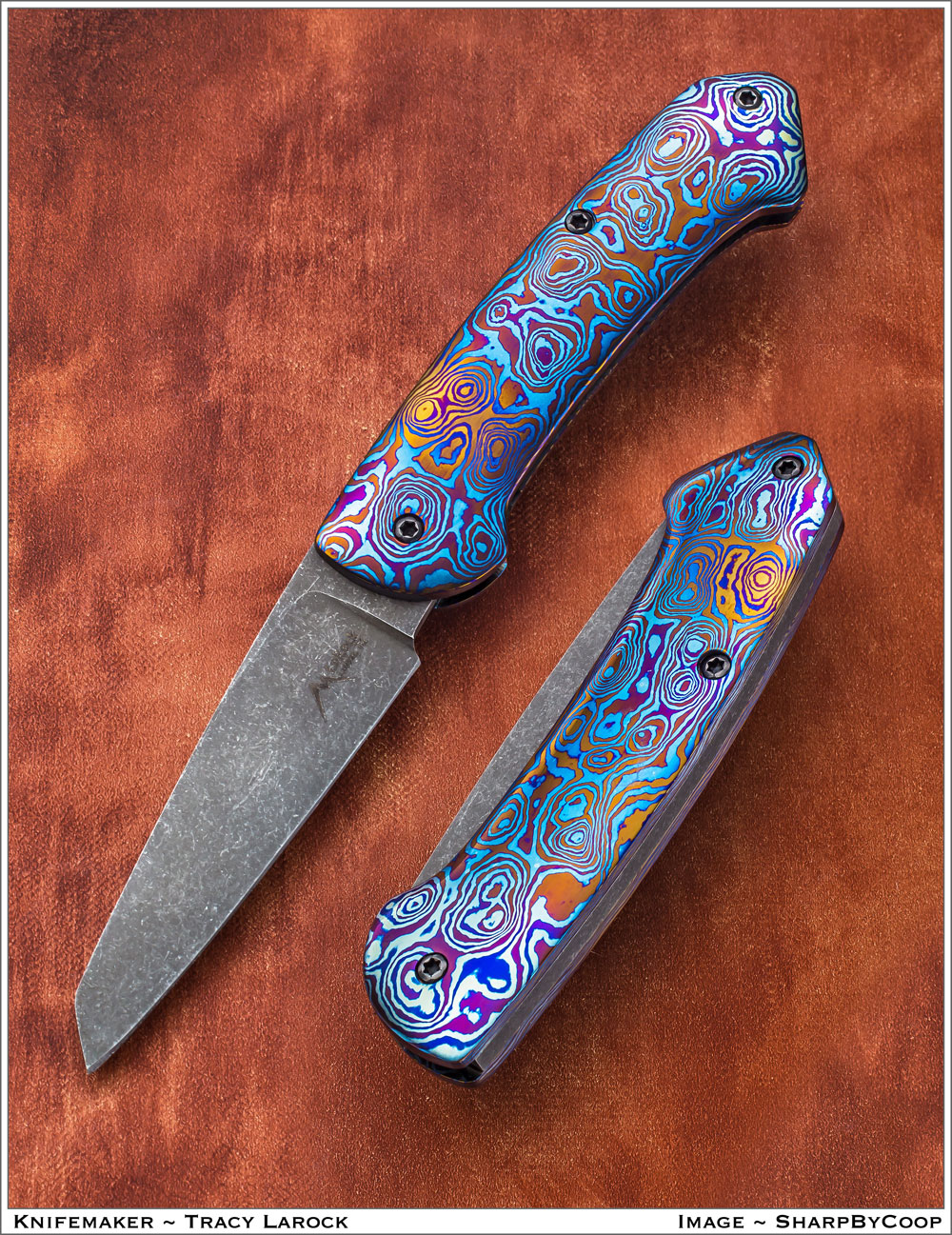
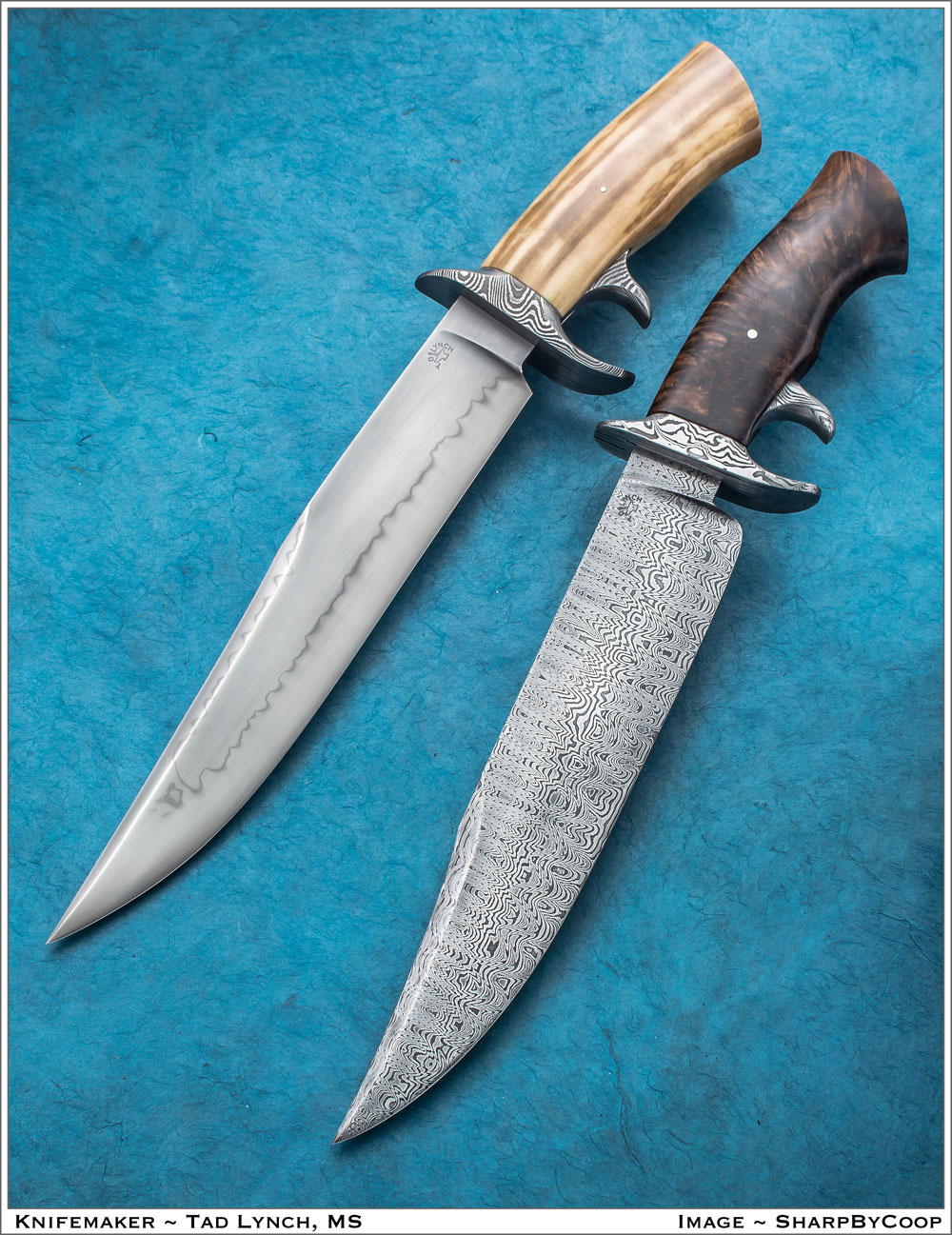
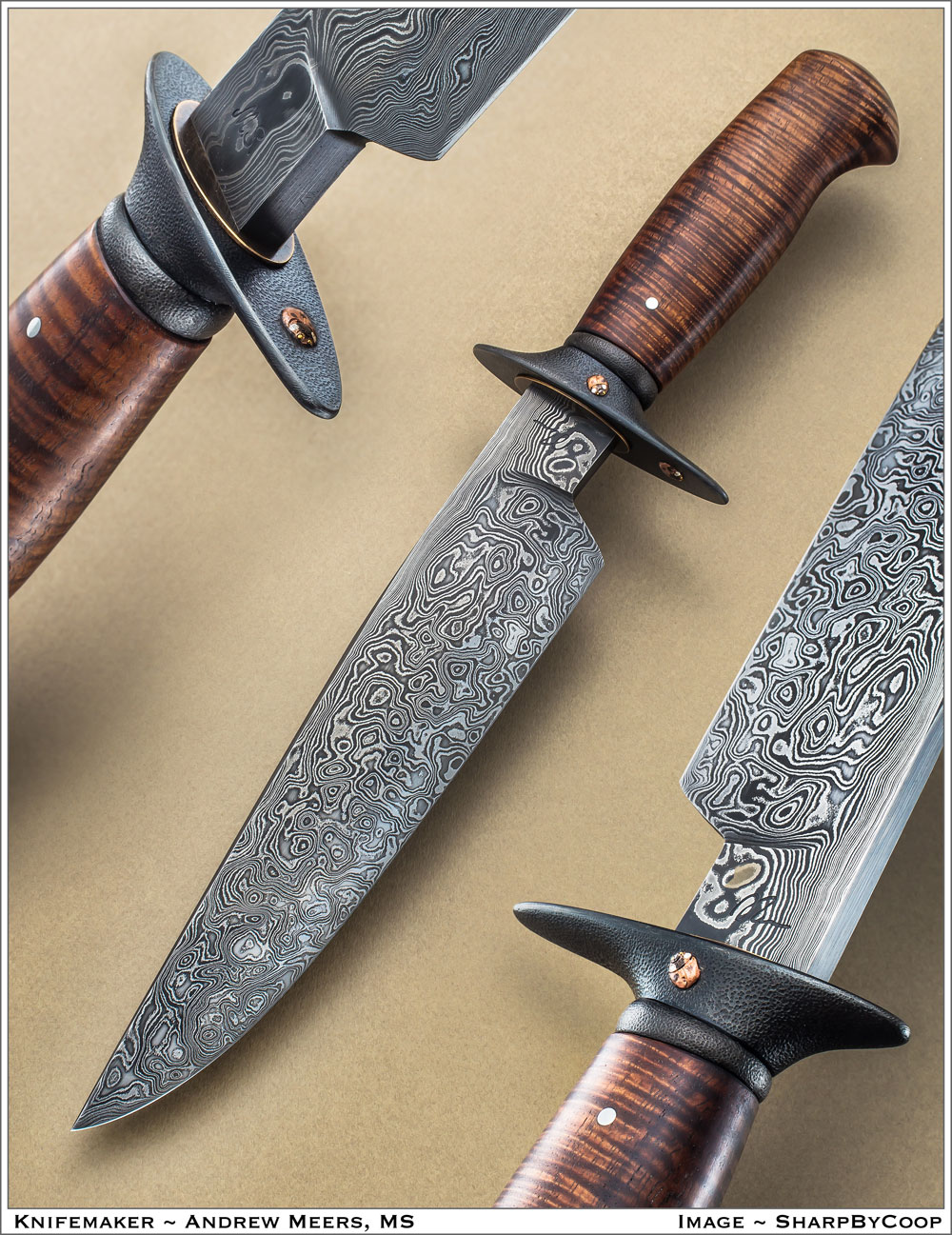
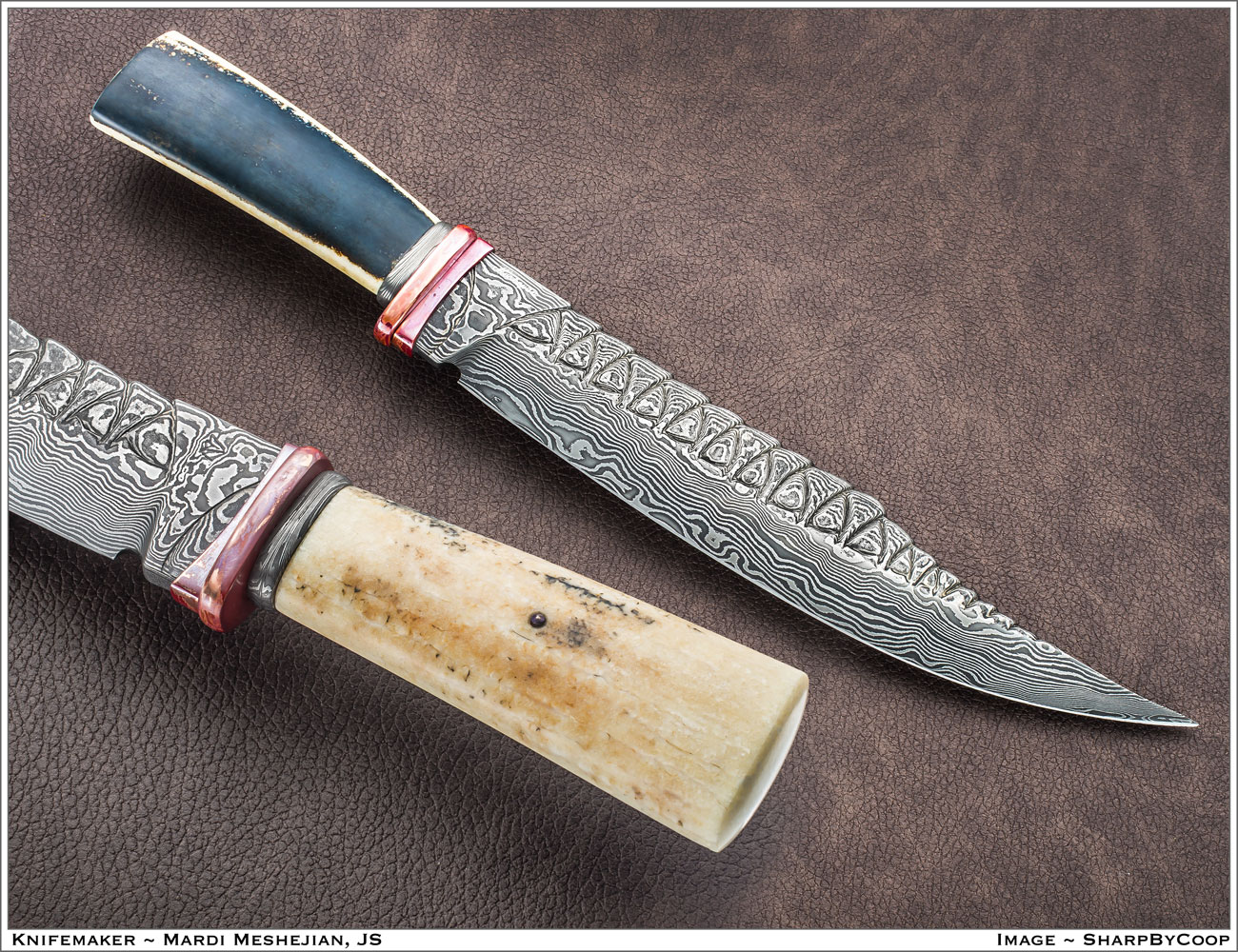
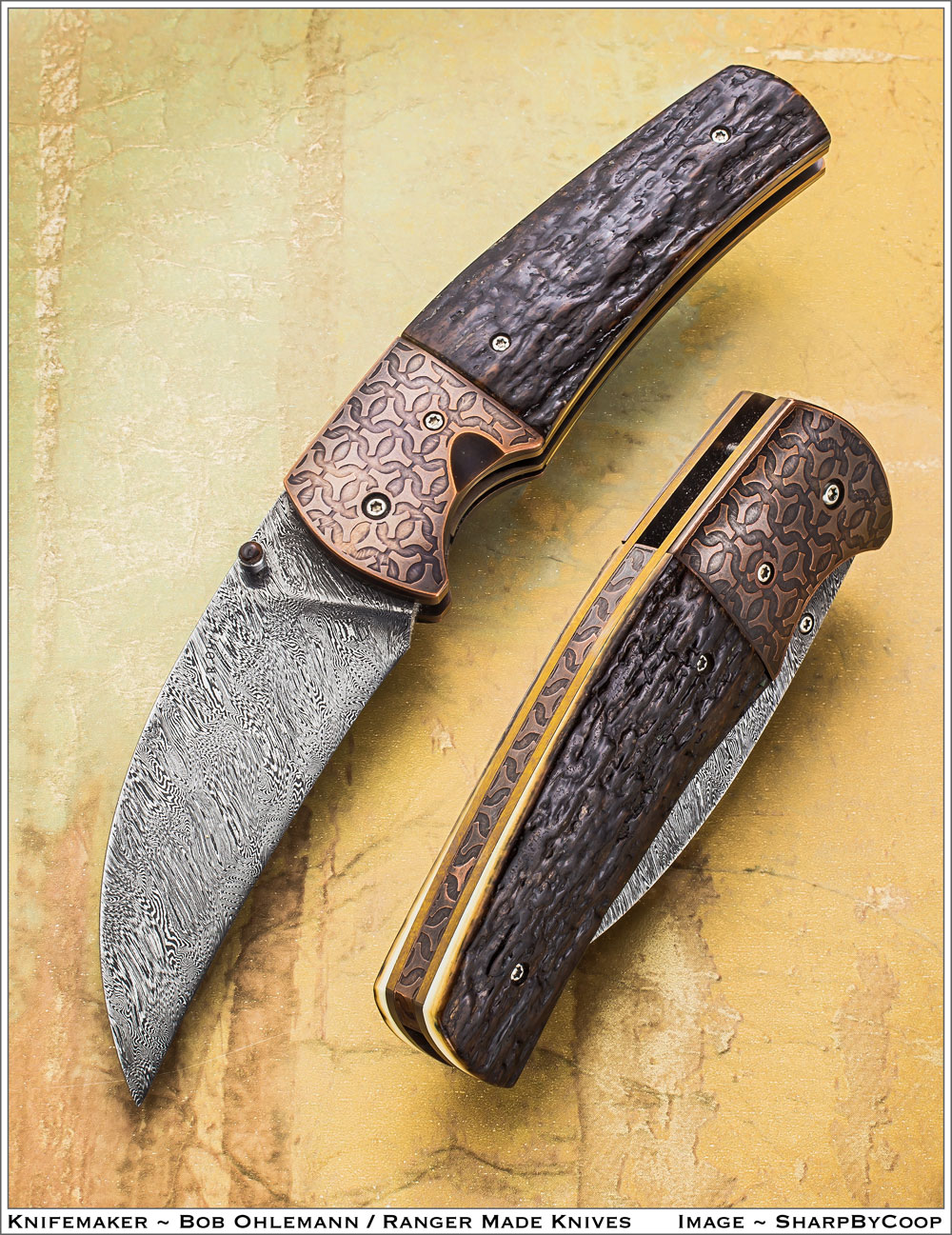
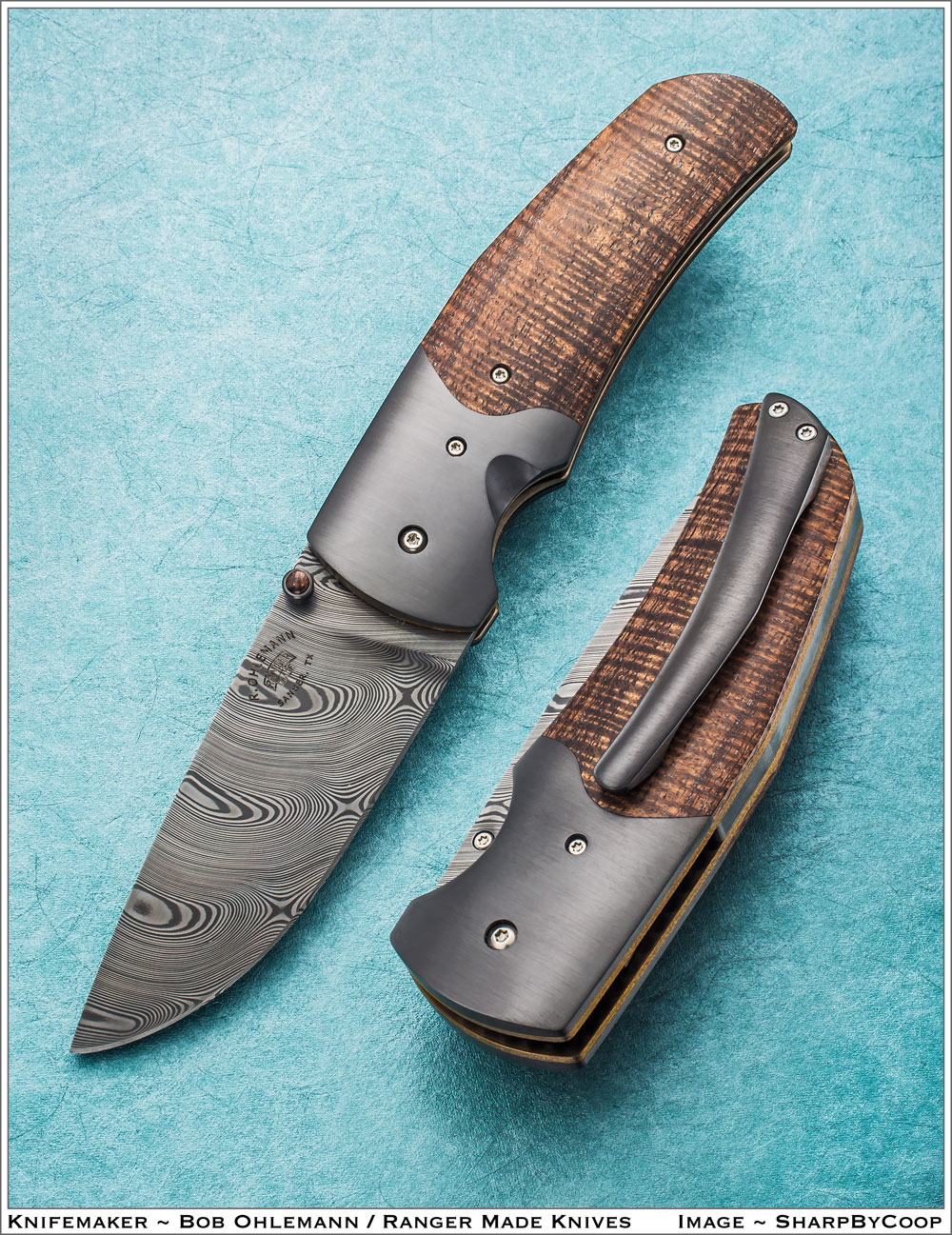
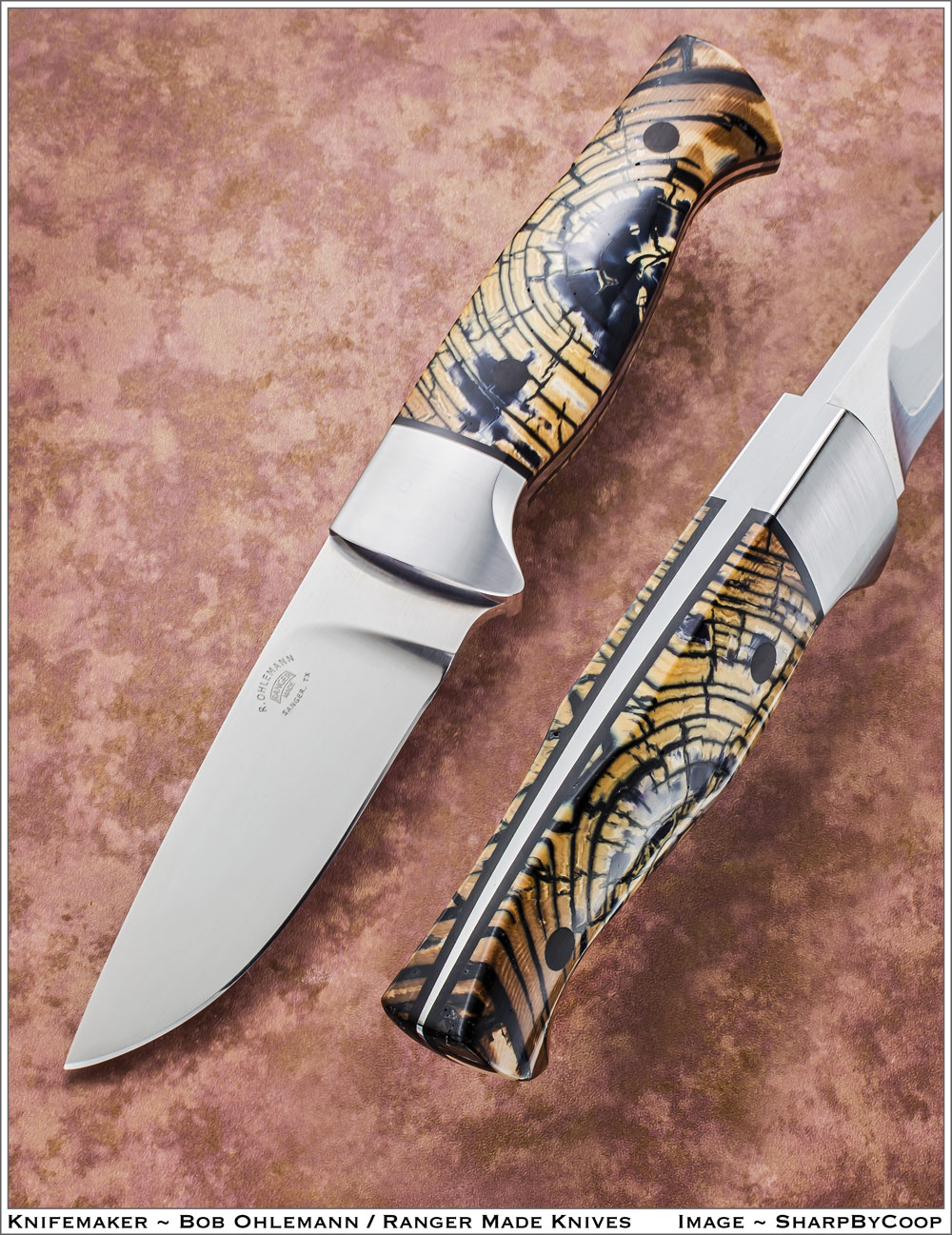
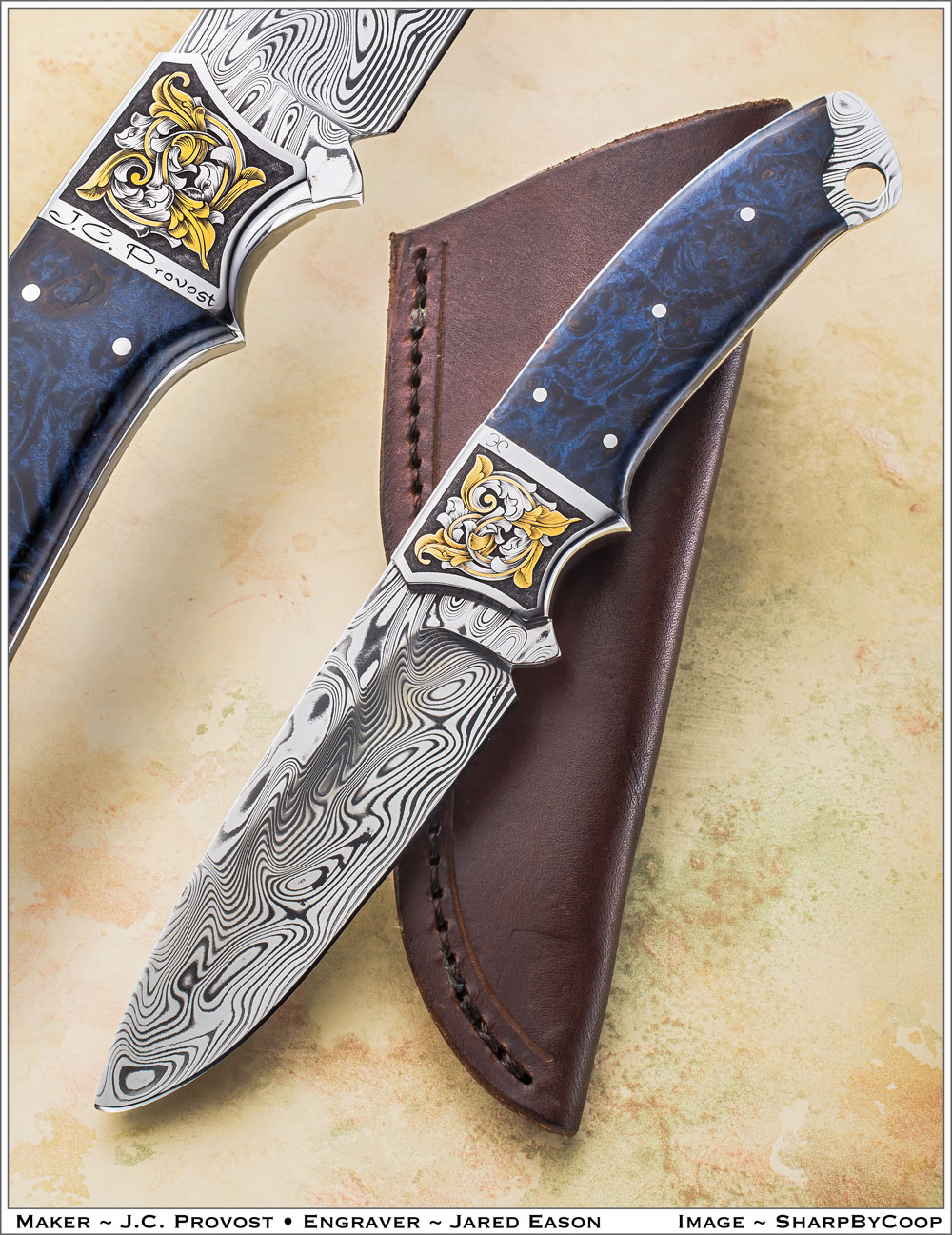
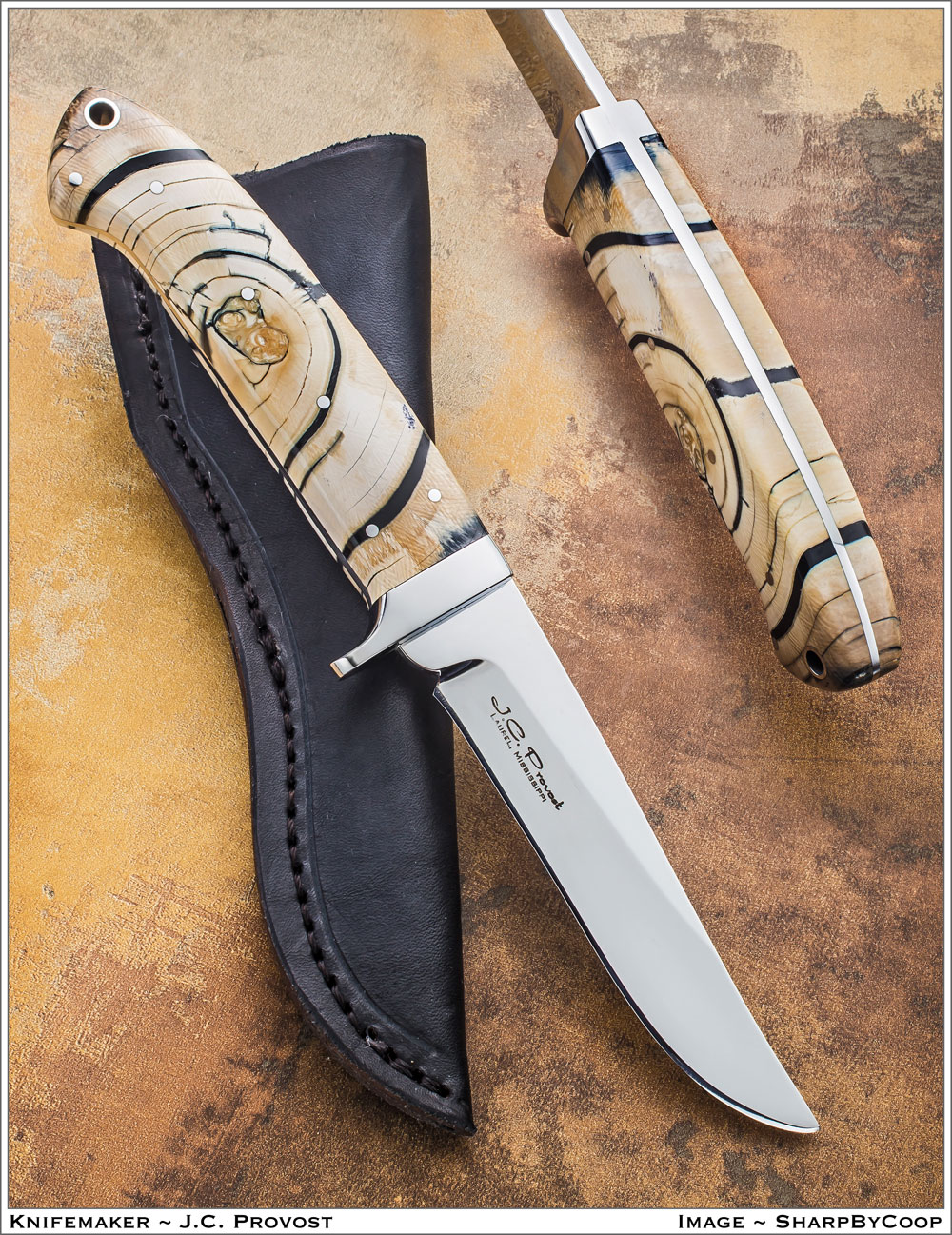
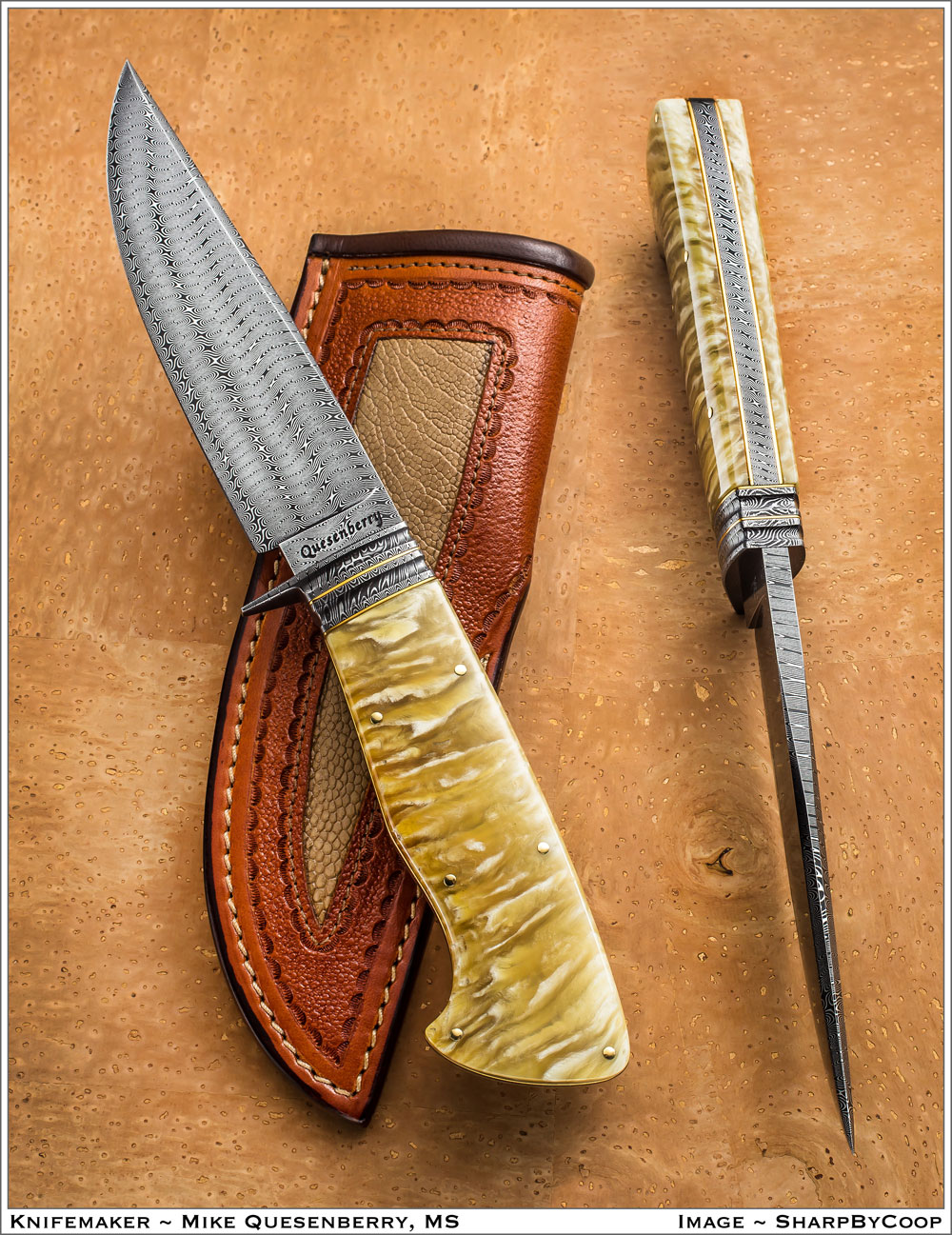
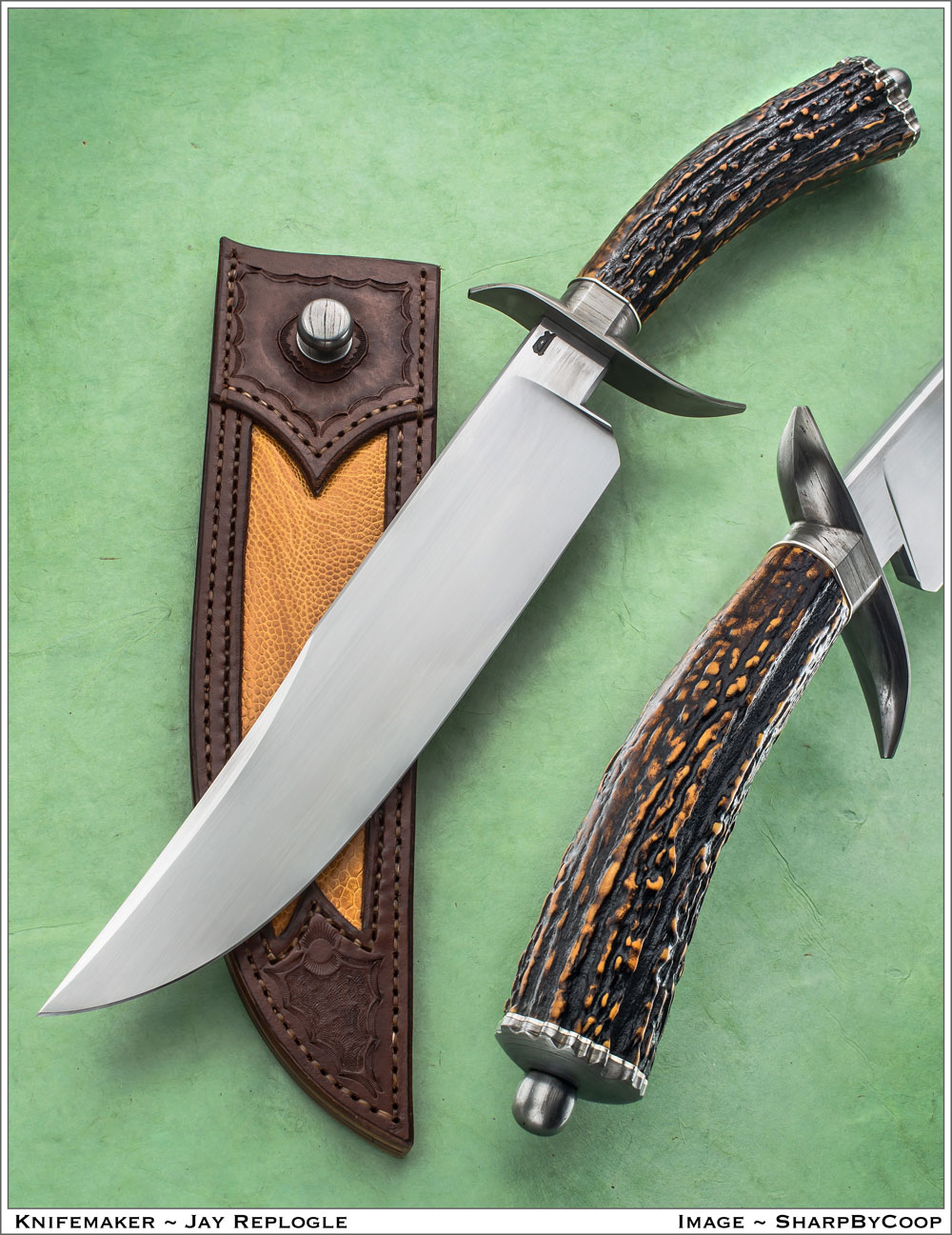
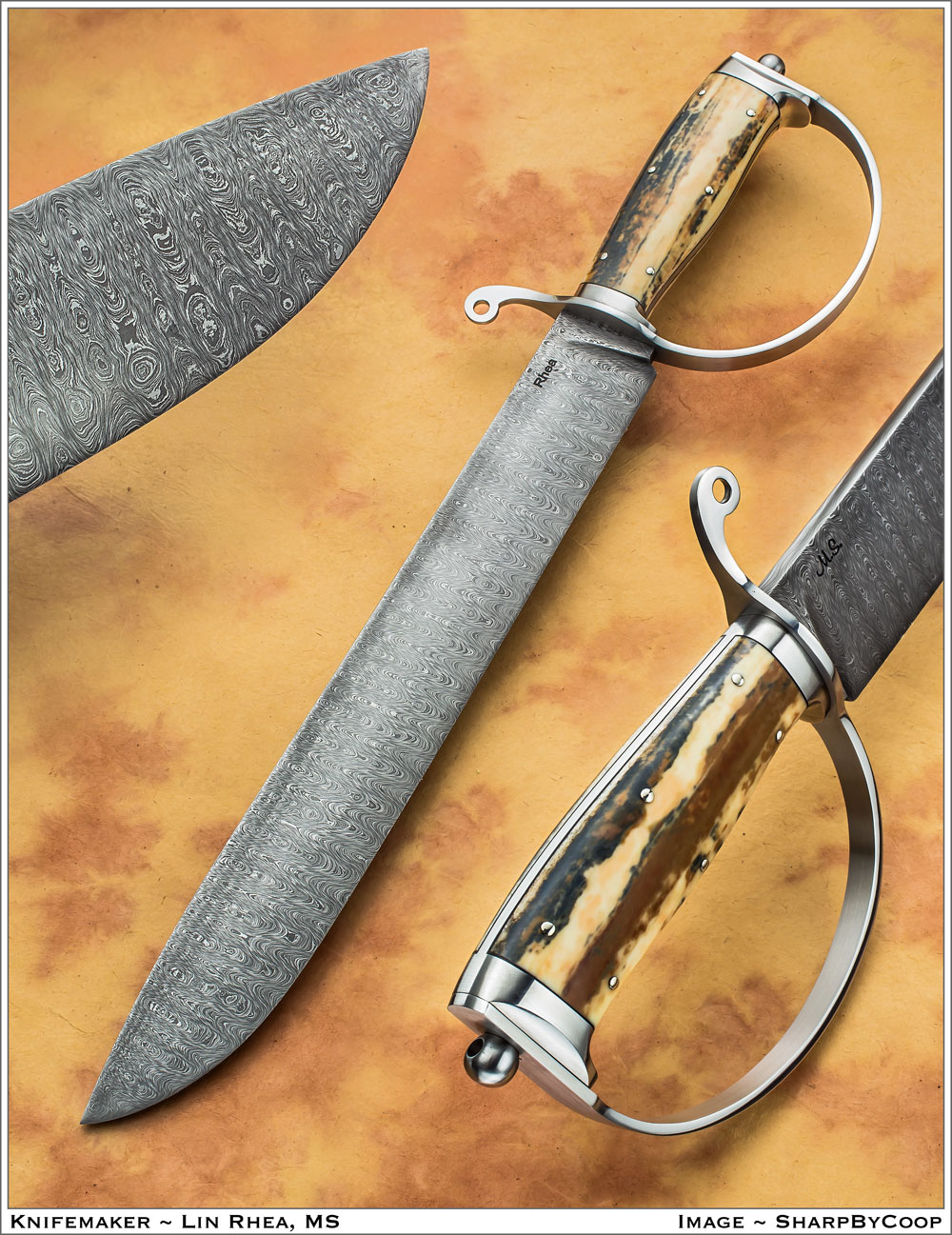
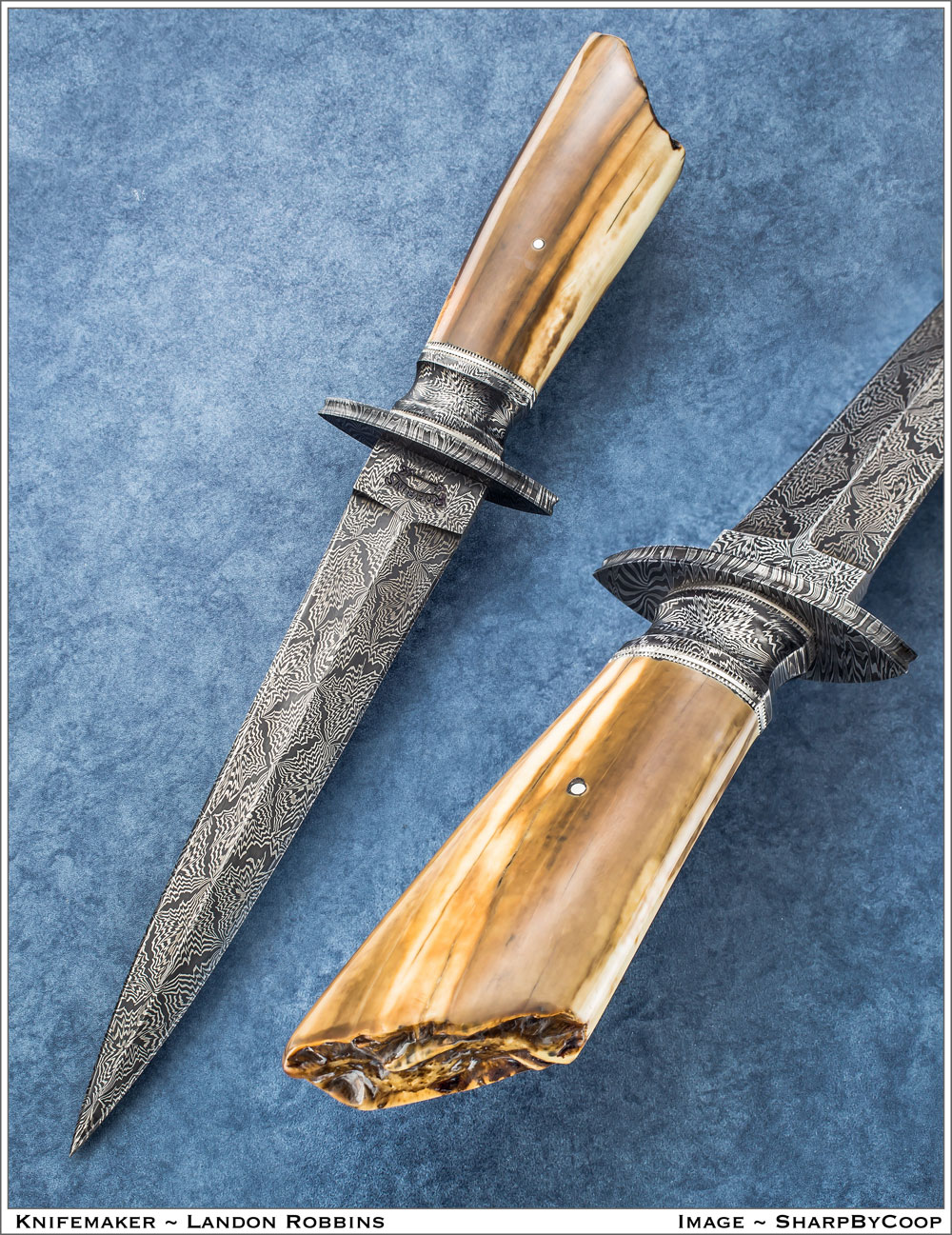
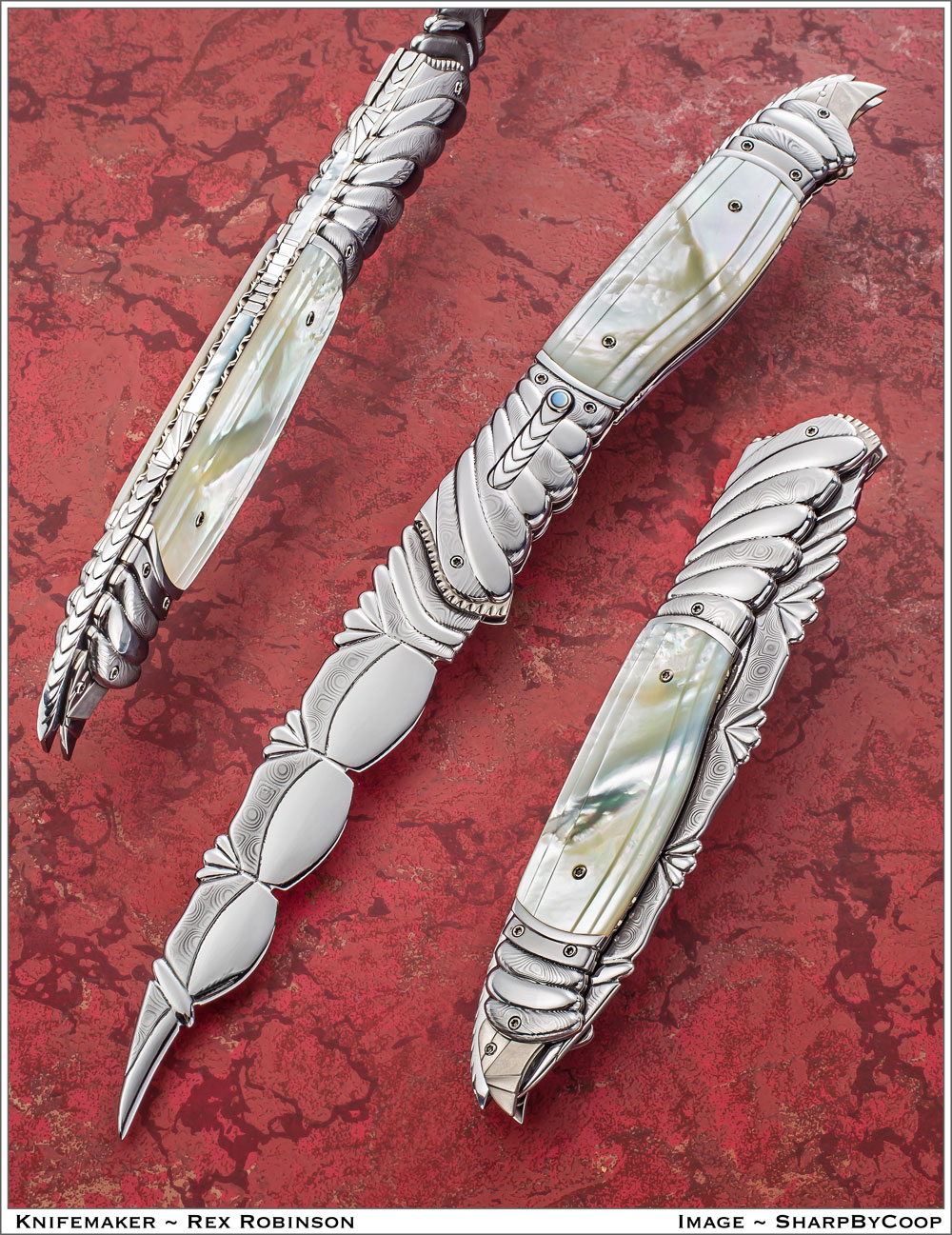
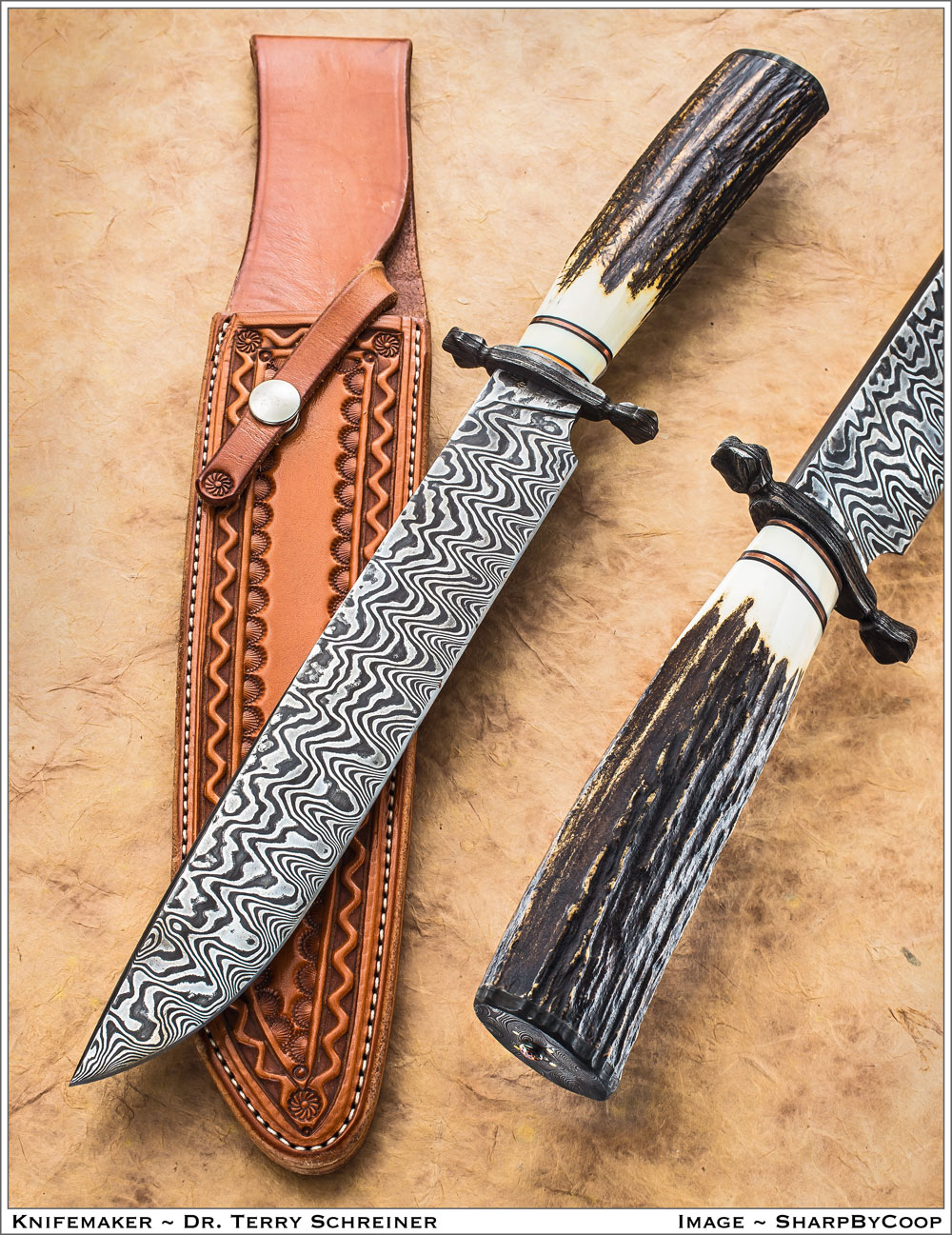
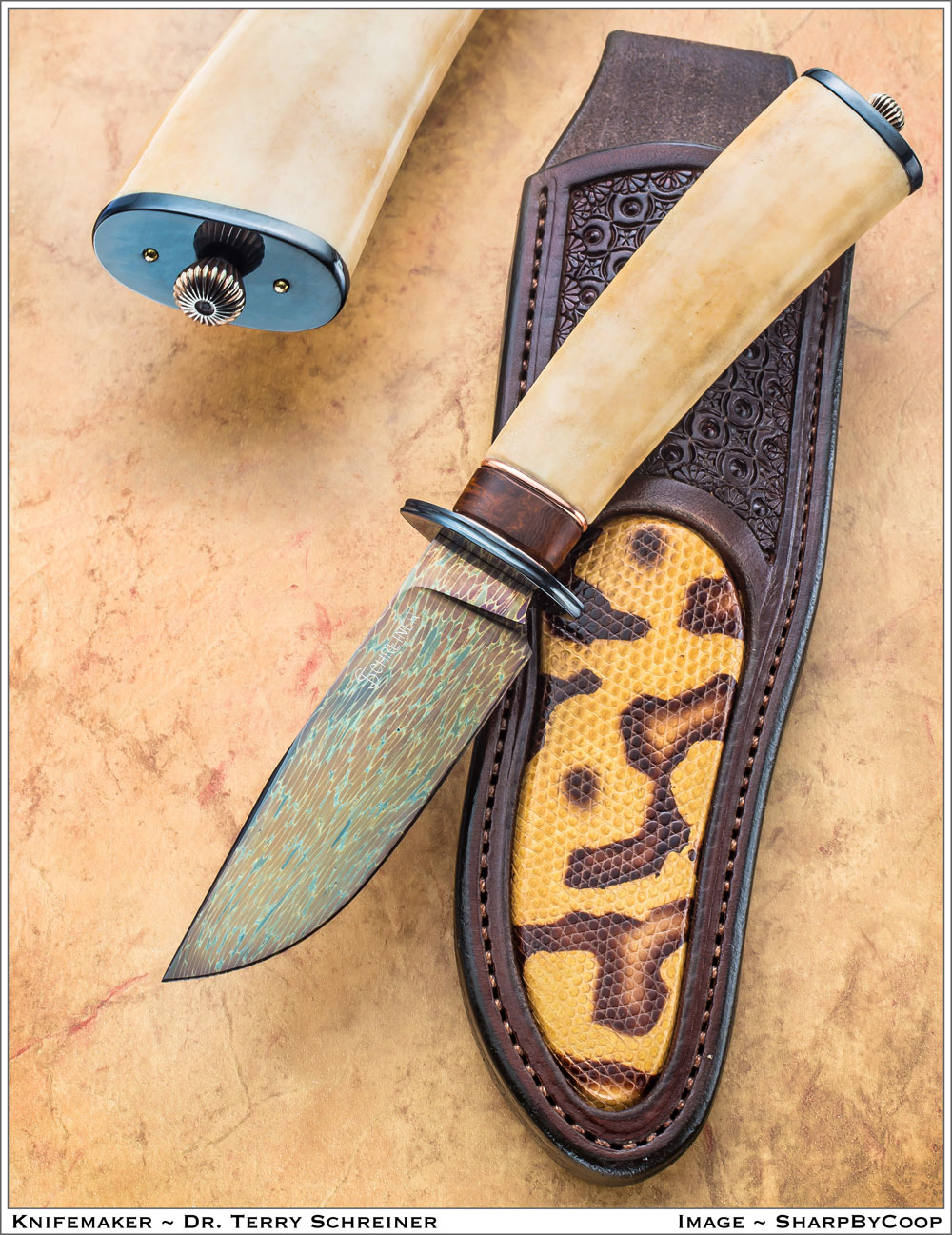
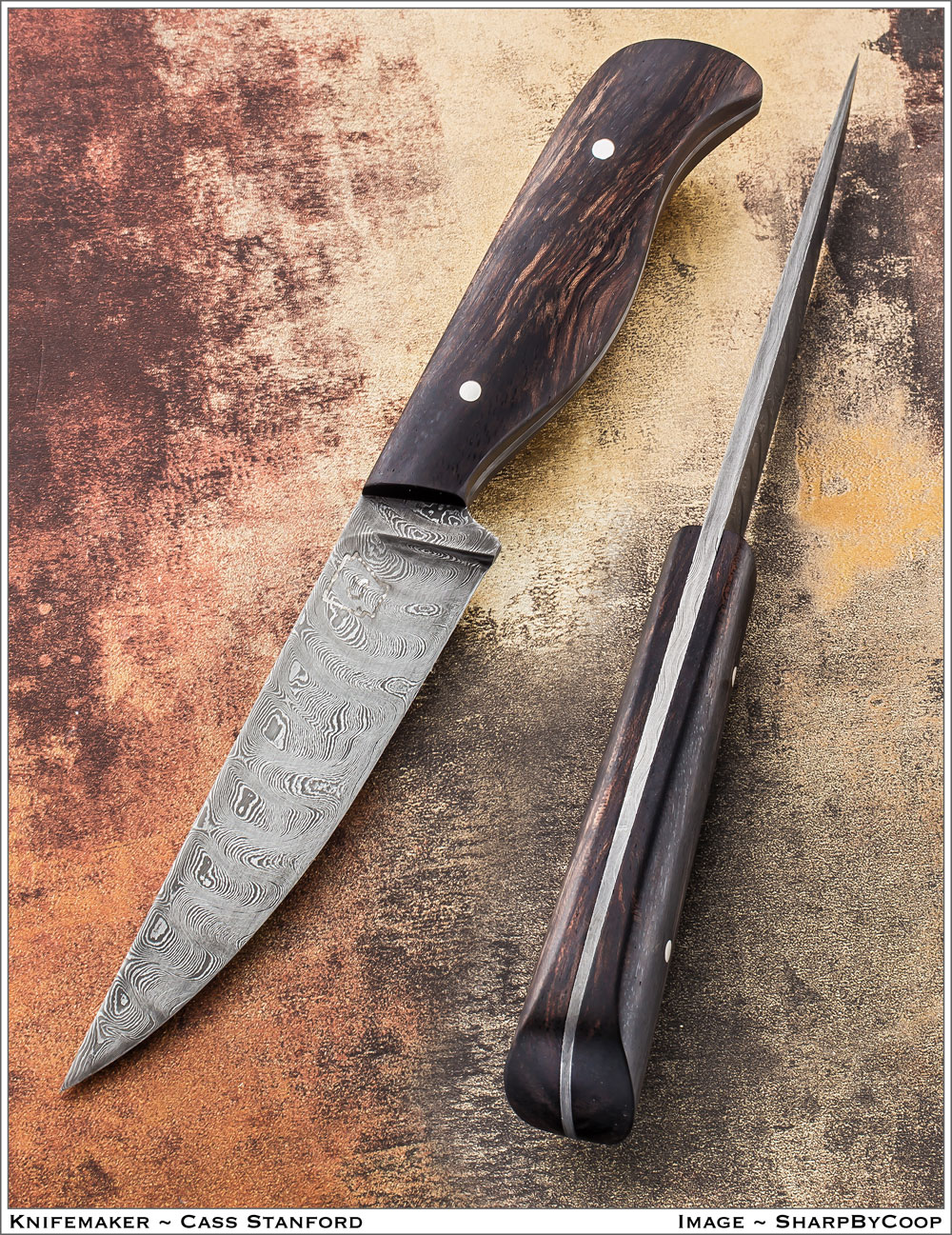
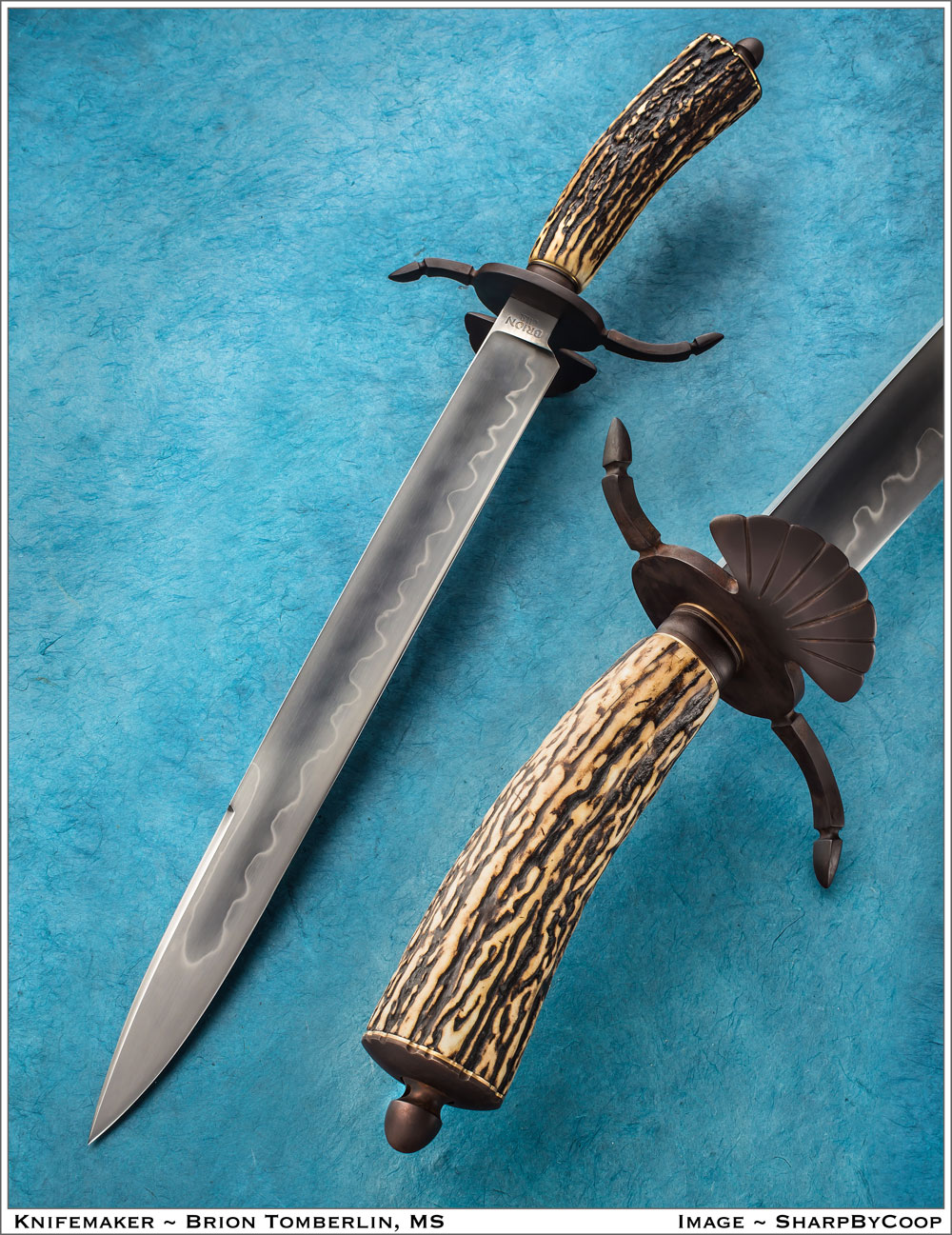
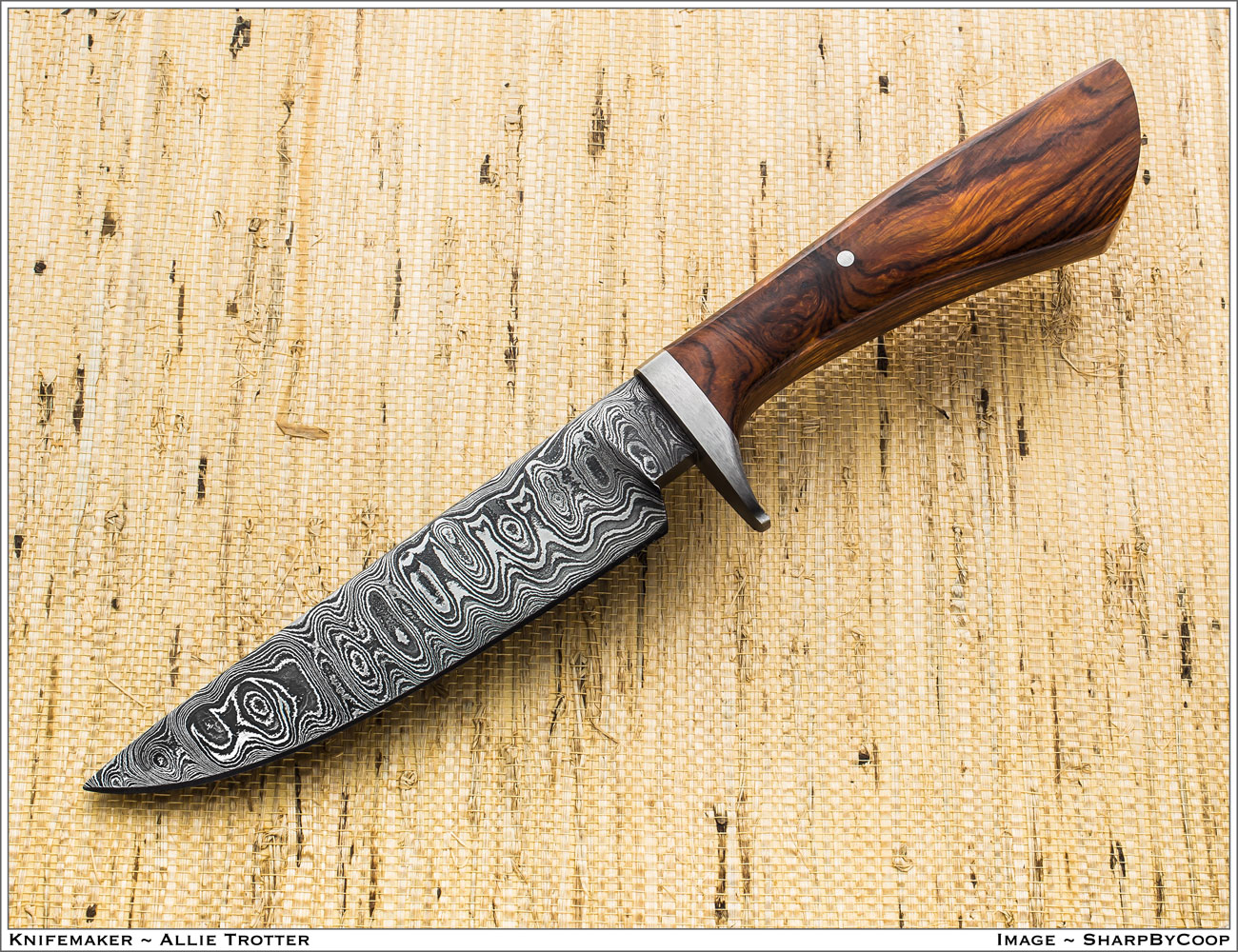
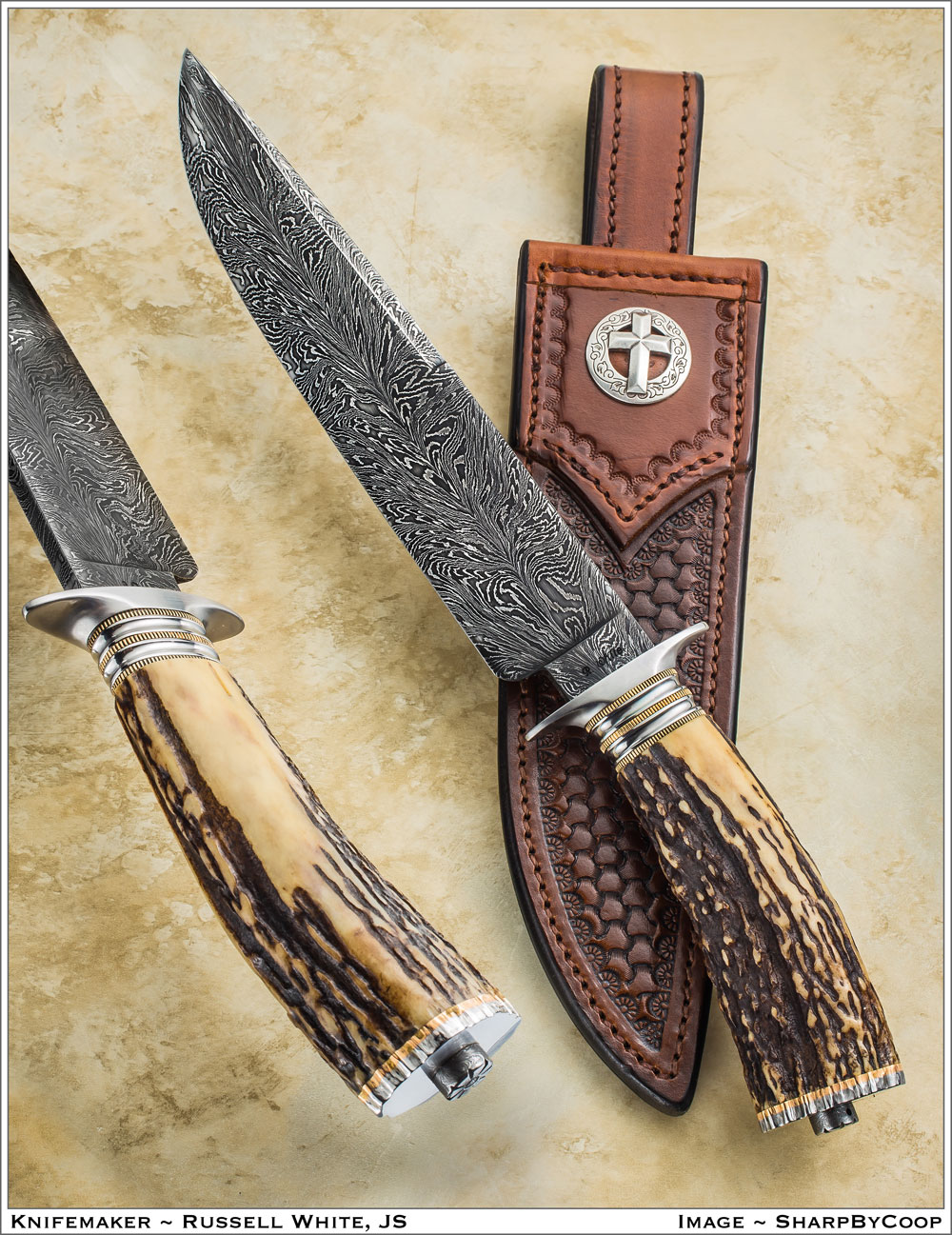
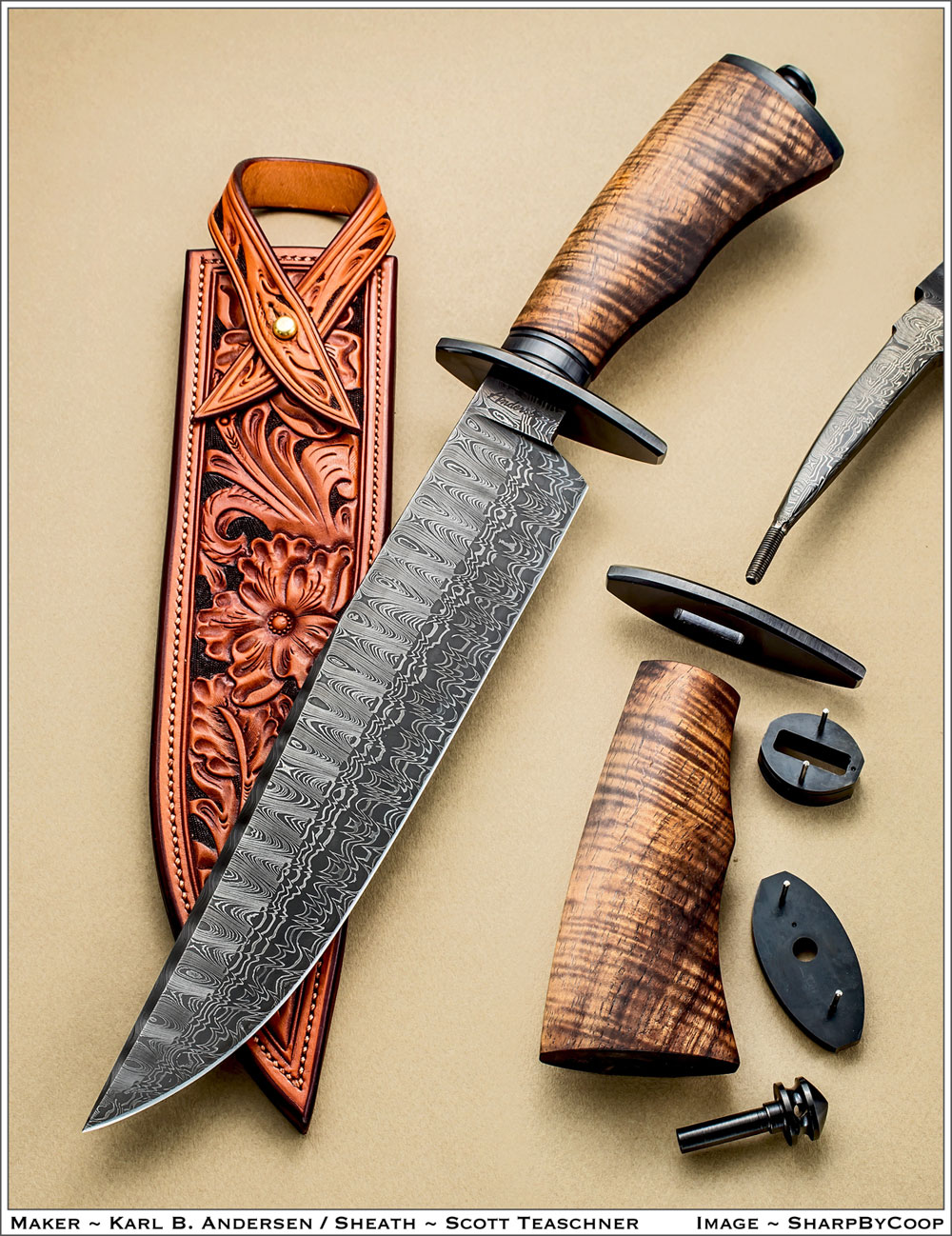
Here are 55 knives that made waves at the show, as photographed by SharpByCoop. Be sure to click on an image for a larger view.
Gravity knives are legal in New York due to New York Gov. Andrew Cuomo signing a bill in late May repealing the state’s gravity knife ban, but the win comes with several label warnings.
For instance, gravity knives—or any knife, for that matter—with blades 4 inches or longer remain illegal in New York City. Also, a recent state case has redefined switchblade to include assisted openers. Meanwhile, New York City Mayor Bill de Blasio, who strongly opposed the repeal of the gravity knife ban, reportedly said he would not stop the arrests and prosecutions of people who carry what are basically common folding knives.
Despite the ban’s repeal and the efforts of such common-sense knife organizations as Knife Rights and AKTI, the current New York state of mind remains as it has been for quite some time: one big anti-knife muddle.
After Nine Years, It’s Still Not Over
“After nine years of fighting, it is a relief to close the book on this extraordinary abuse of authority by a corrupt system that has terrorized over 70,000 honest, law-abiding people, disproportionately minorities, for simply carrying a common tool used daily in their lives,” Knife Rights Chairman Doug Ritter said.
As cited in Cuomo’s signing statement, it didn’t hurt that in another recent case a New York federal judge issued a very narrow ruling saying that NYC’s “wrist flick” test was unconstitutional, though in limited circumstances that did not substantially impact the ability of the city and DA to continue their arrests and prosecutions. Before the federal judge’s ruling, the wrist flick test had been used by the courts to determine whether a knife was a gravity knife.
If You Live In or Travel to New York…
Despite the repeal of the gravity knife ban, New York remains a minefield of knife restrictions. As a result, Knife Rights suggests that you never carry a knife in New York City with a blade 4 inches or longer, nor carry your knife clipped to your pocket.
If you plan to carry a pocket-clip folder there, Knife Rights suggests you remove the clip so you don’t inadvertently attach the knife to your pocket after use. Always ensure your knife is completely concealed at all times, including not “printing” on the outside of your clothing.
In addition, be extremely cautious about using a knife for any purpose in a public setting.
The Latest: “Undetectable Knives” Now Illegal In New York
As Knife Rights reported, Gov. Cuomo recently signed into law a ban on “undetectable knives.” What counts as “undetectable?”
From Knife Rights:
The definition of an “undetectable knife” is: “any knife or other instrument, which does not utilize materials that are detectable by a metal detector…that is capable of ready use as a stabbing or cutting weapon and was commercially manufactured to be used as a weapon” (emphasis ours).
This leaves plenty of room for the same kind of overreach that made the “gravity knife” ban such a disaster:
The new law is unlikely to accomplish anything worthwhile, but rather will give law enforcement and prosecutors another way to harass what will almost always be innocent victims of another poorly conceived and unnecessary knife ban.
Crain is listed as either weapons master, knife designer and/or manufacturer in such movies as Die Hard, Road House, Die Hard 2, Predator 2, Demolition Man and Executive Decision, among others. He also designed knives for all 22 episodes of the 1988-89 TV series, War of the Worlds.
Of Weatherford, Texas, Crain was one of a generation of knifemakers inspired by 1952’s movie about Jim Bowie and his knife, The Iron Mistress. Since Crain preferred making bowies, he said in a 1985 story in BLADE® Magazine that he assumed the movie influenced him as well. He sold his first knife in 1969 and a decade later became a full-time maker and joined The Knifemakers’ Guild. Initially he forged his blades but later adopted the stock-removal method of knifemaking.
He is survived by his wife, Jane Fritts Crain, sisters, a daughter, niece, great niece and numerous extended family and friends.
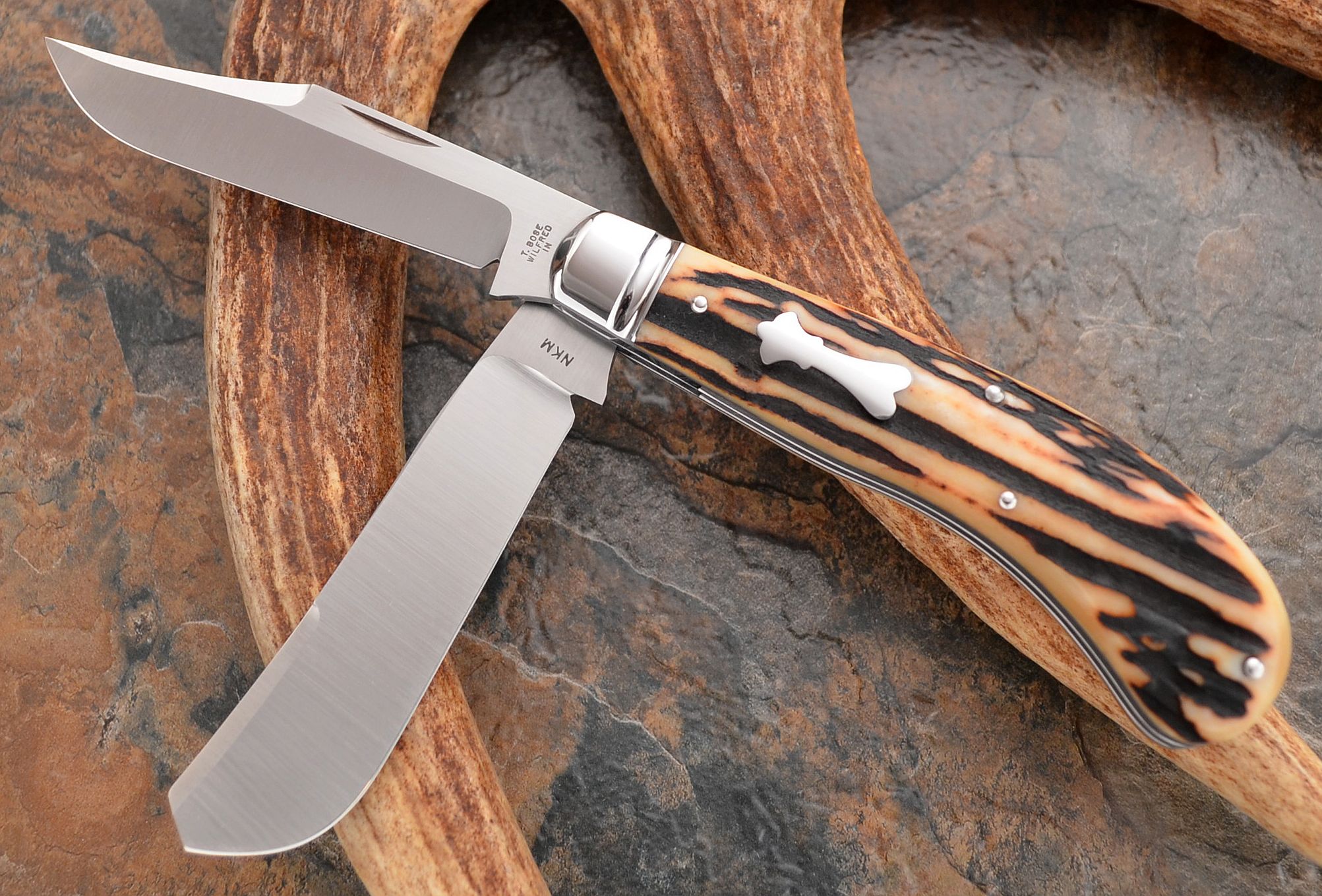
Tony Bose, the man perhaps most responsible for the rebirth of the slip joint/pocketknife genre in today’s knives, BLADE Magazine Cutlery Hall Of Fame® member, loving husband and father, and friends to scores in the knife industry, passed away Sunday, Nov. 22, 2020.
A Shock to the Knife Community
Reactions poured in from the knife community.
“Heartbreaking news!” knifemaker Bill Ruple noted on his Facebook page. “Tony was my hero in the knife community!! He broke ground for all of us in the slip joint community!!”
Added knifemaker Bobby Branton, “Through his knowledge and willingness to share with others, [Tony] has played a huge part in keeping the custom slip joint movement alive. His contributions and work with Case knives have made his designs affordable to collectors around the world.”
Chimed in knifemaker Luke Swenson, “We lost a fine knifemaker and a better person and friend.”
A Love Of Traditional Pocketknives
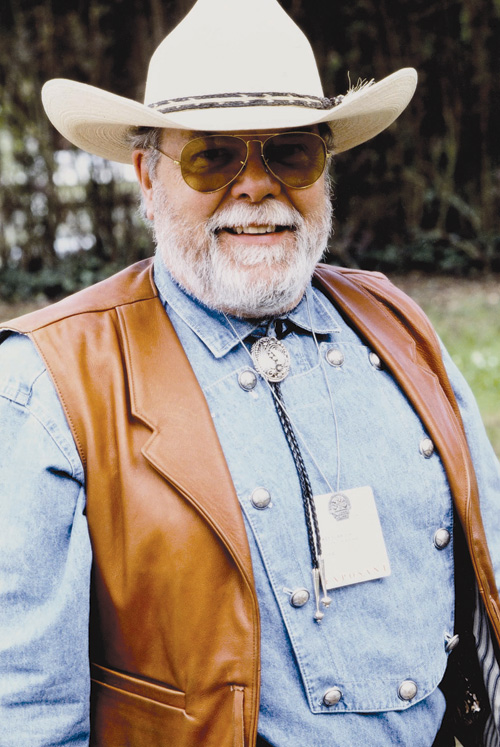
Tony Bose championed slipjoint knives and other traditional styles. (Kerry Hampton image)
Things didn’t come easy for Bose from the get go. Born in 1946, he lost his right eye at 6.
“Most of his life has been affected one way or another by that loss, but perhaps it was the defining moment in steering his career in the direction of self-employment and self-discovery,” Cutlery Hall-Of-Fame member Ken Onion said in his speech inducting Tony into the Cutlery Hall Of Fame in 2019. Tony’s father also was disabled, so Tony sought work to help his family make ends meet. His disability made finding employment difficult, especially at a time when employers were reluctant to hire the disabled.
One of the things that helped Bose persevere was his affection for slip joints.
“He’s had a deep love for traditional pocketknives for as long as he can remember. He always had one, mostly something worn out or someone gave him,” Onion observed.
In high school Bose made money sharpening knives until he saved up enough to buy a brand new Case knife. Eventually he started making fixed blades in his spare time.
“His focus was to acquire the necessary equipment to build folding knives, and that he did,” Onion continued.
In 1989, Bose became a full-time maker.
“His goal was to make traditional folding knives and improve upon them using the best materials he could find, and to perfect the craft,” Onion said.
Bose was self-taught and, due to the difficulty he encountered in finding information on making knives, he vowed to share his knowledge with other makers to keep the interest alive.
Gradually, Tony began to establish himself, making slip joints and selling them at local knife shows. He began winning honors for his knives at various events, including Best Folder awards at the 1994 East Coast Custom Knife Show and, in 1995, at the world’s largest and most important knife event: the BLADE Show in Atlanta.
Bose’s Career Takes Off
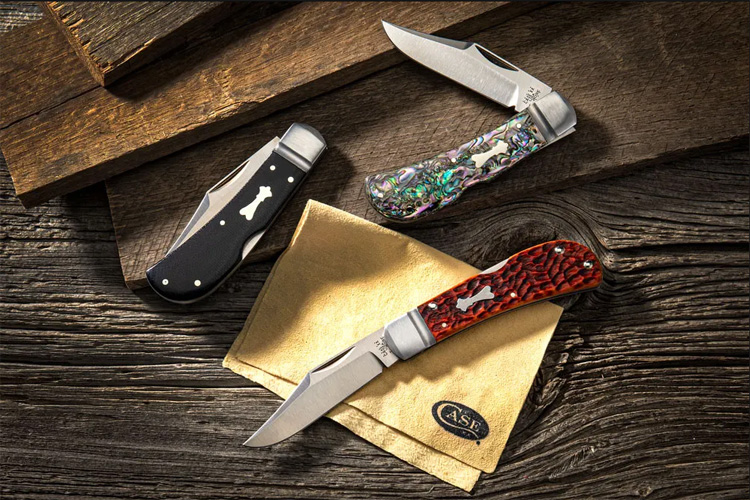
The Bose/Case collaboration will be remembered as one of the most successful in modern knives. (Case photo)
The turning point in Bose’s career came in 1999 when, at the request of Mark Zalesky, now editor of Knife Magazine, Ed Jessup of Case called to see if Bose would be interested in working with Case. Tony agreed and the Case/Bose collaborations went on to transform an industry.
Tony and Case did not limit their working agreement to knife collaborations only. Tony became a crowd favorite at Case consumer events and swap meets nationwide, conducting knifemaking seminars, meet and greets, and otherwise serving as an ambassador for all things Case.
It was a relationship beneficial to both parties and the entire industry in more ways than one. In the case of Case, not only did it swell company coffers, it also improved Case knives—no small feat for one of the world’s leading names in cutlery.
In the process of combining on some of the world’s best slip-joint collaborations, Tony and Case refocused attention on slip joints in general. Add the impeccable custom slip joints that Tony continued to make, and custom knife aficionados bought more of them. That influence included other custom makers as well, and more of them switched from making other knife genres to building slip joints.
A Legacy of Teaching and Inspiration
Almost as legendary as his knives is Tony’s legacy of teaching anyone who wanted to know how to make knives.
“Tony takes the time to be sure students understand what he’s trying to teach,” Onion said in 2019. “He’s improved the level of quality in a big way at Case and has taught them to do the impossible. He consistently strives for perfection. He’s very inspirational and has been a muse to the company. He’s respected and loved by everyone.”
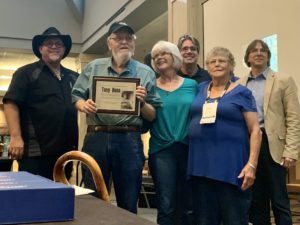
Tony Bose poses with his plaque during BLADE Show 2019 after being inducted into the BLADE Magazine Cutlery Hall of Fame alongside Hall of Fame Member Ken Onion (left) and family.
One of the most accomplished of all of Tony’s students is his son, Reese. The younger Bose has become so adept at making slip joints that he is considered among the world’s best.
Concluded Cutlery Hall-Of-Famer Dan Delavan, “Tony Bose is another maker who made what he liked, slip joints, when there was not much demand, and then the market took off. His work is still the best and the most sought after.”
This year’s two new inductees to the BLADE Magazine Cutlery Hall Of Fame® have a decidedly military connection: ABS master smith Joe Keeslar and knifemaker Jim Sornberger.
Both military veterans—Keeslar in the U.S. Marine Corps and Sornberger in the U.S. Army—were selected in a vote of the sitting members of the Cutlery Hall Of Fame after an extensive nomination and final ballot process.
The two new members are scheduled to be inducted at BLADE Show 2020, Aug. 7-9, at the Cobb Galleria Centre in Atlanta.
In order to qualify for the Cutlery Hall Of Fame, the inductee must have…
demonstrated extraordinary service to the knife industry;
displayed honesty, character and integrity;
advanced the industry by the creativity and originality of their works or contributions;
as ambassadors or outstanding contributors furthered the positive impact of the knife industry on the world at large; and
in summary, demonstrated a worthiness to be a member of such a prestigious group.
The number of votes each new inductee elicited from the sitting Hall-Of-Fame voters would seem to indicate they qualify on all fronts.
Joe Keeslar
Joe Keeslar
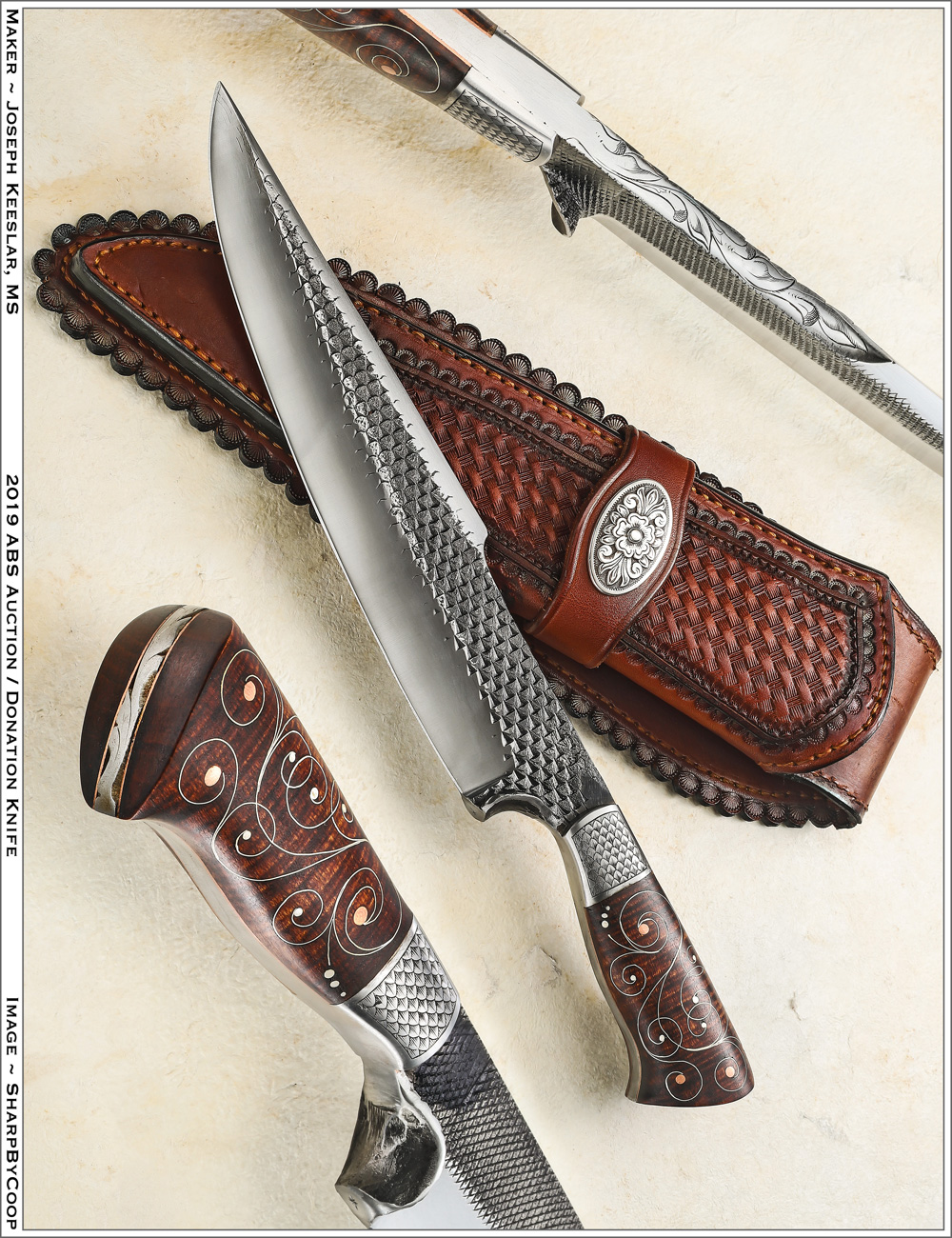
A resident of Almo, Kentucky, Joe has had an extensive, storied career in the American Bladesmith Society, earning his ABS master smith stamp in 1989. Known for his forged fixed blades, many in the brut de forge style, he also is noted for his beautiful handles with silver wire inlay and matching leather sheaths, the latter often adorned with conchos and other rich embellishments.
Joe joined the ABS board of directors in 1991, served as ABS president from 2003-07, and completed his second term as president in 2015. He has had a dramatic influence on bladesmithing in Europe, where he was chiefly responsible for the first modern hammer-in held in France. He is also a frequent demonstrator at the Thiers Knife Show, one of Europe’s largest knife shows, in Thiers, the knifemaking capital of France. He is the only American knifemaker to receive an honorary membership in the Confrerie du Couteau de Thiers, a French knifemaking organization.
Joe Keeslar (inset) is known for his gorgeous brut de forge fixed blades in silver wire inlay and sheaths to match. (SharpByCoop knife image)
As one nominator wrote, Joe is “the most effective maker in the USA to extend forged-blade activity in Europe,” and is the most active in spreading the ABS’s “high level of information.” He has taught knifemaking at the William F. Moran School Of Bladesmithing and at Haywood College, at hammer-ins in Alabama, Arkansas, North Carolina and Ohio, and at the first four renditions of BLADE University at the BLADE Show. He is author of the books Handles and Guards and Forging and Finishing the Brut de Forge Knife. He also is primarily responsible for the rapidly expanding ABS youth program, which holds an annual hammer-in at Smoky Mountain Knife Works.
According to another nominator, Joe “embodies the calm and consistent leadership, knifemaking skills, education and friendship that is so valuable to the entire world of knives.” According to another, “Joe has done more for the ABS than any person besides the late, great W.F. ‘Bill’ Moran.” Lastly, Keeslar was awarded the first annual Aldo and Edda Lorenzi Award at the 2015 BLADE Show for his many contributions as a mentor to bladesmiths worldwide.
Jim Sornberger
Jim Sornberger
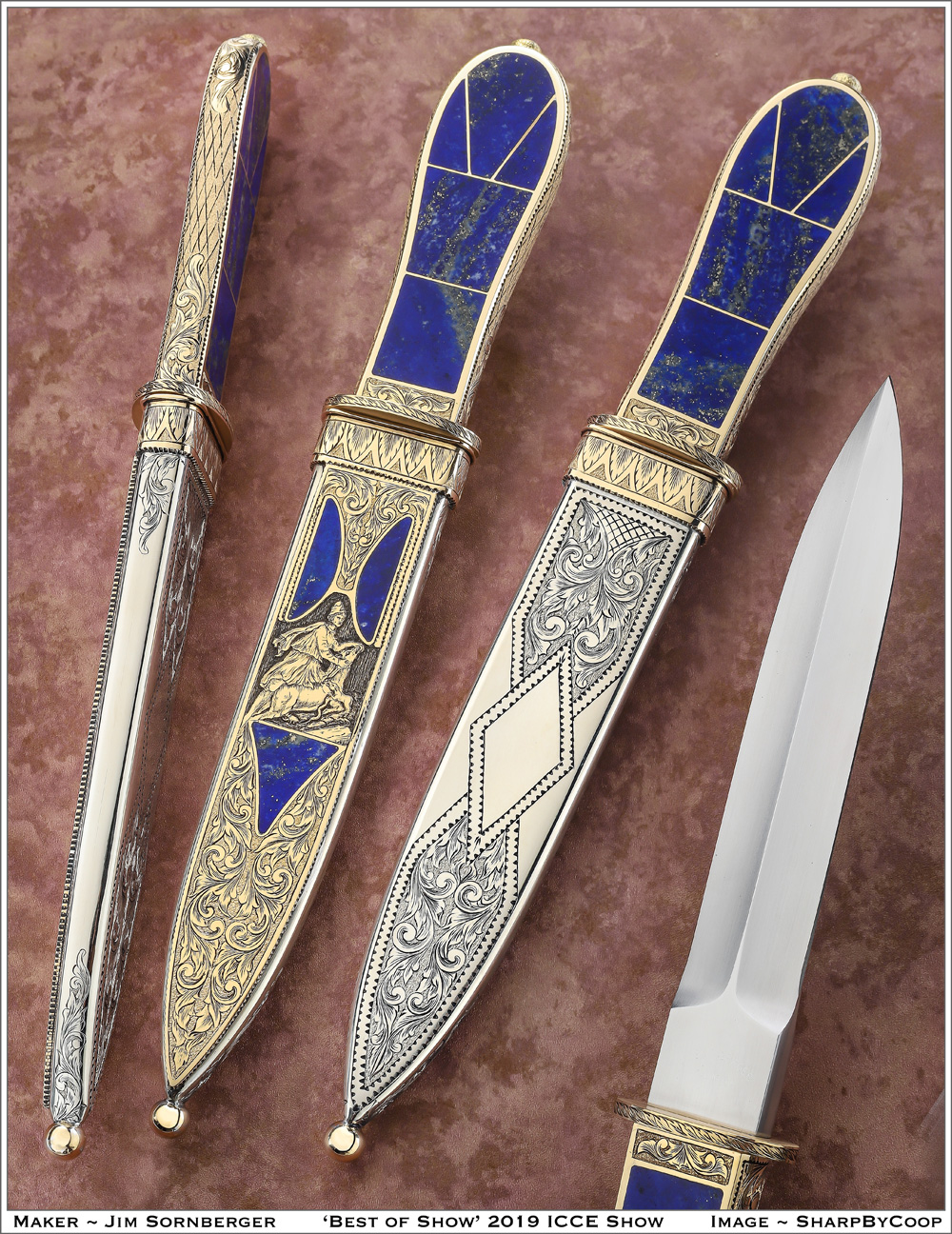
Calling Volcano, California, home, Jim is a veteran stock removal knifemaker known for his award-winning fixed blades and folders, among the former especially his ornate California-style dress bowies in exotic handle materials such as lapis lazuli and gold quartz.
According to a nominator, when Jim started building knives in 1970, there were only a handful of makers in northern California. As more people became interested in knives and Jim’s “knife family” grew, they experienced difficulty buying knifemaking supplies because no one on the West Coast sold them.
As a result, along with Bill Holt, Jim started H&S Supply in 1981. Cutlery Hall-Of-Famer Bob Loveless and Jim made sure H&S had the right-size steel for knifemaking, and when 154CM stainless steel became “unclean,” they helped bring in ATS-34 stainless so many West Coast makers would have it available. Jim and Bill helped support many of the makers who could barely make ends meet by selling them the steel on credit. In fact, Jim still has a bar of 154CM that Loveless gave him many years ago.
Jim Sornberger specializes in 19th-century-style dress bowies such as this San Francisco knife that won Best In Show at the 2019 ICCE. (SharpByCoop knife image)
Circa 1980, along with a few others, Jim sponsored and organized the Bay Area Knife Collectors Association (BAKCA) Show, which went on to become the most successful club show on the West Coast. Jim would generously give up his table space to help makers get started, including his good friend and outstanding knifemaker in his own right, Stan Fujisaka.
In later years, Jim helped bring interest to the California-style dress bowie in gold work and engraving. He shared most everything he learned with other makers, helping many to learn the craft. He writes articles for KNIFE Magazine and has written for BLADE®, and also helped write BAKCA’s by-laws. For a number of years he served on The Knifemakers’ Guild board of directors, including as vice president.
Jon deAsis is on left. Les de Asis is on right. (Benchmade photo)
Benchmade founder and BLADE Magazine Cutlery Hall of Fame® member, Les de Asis, is stepping down as head of day-to-day operations of the Oregon City-based knife company. His son, Jon, will step into that role, effective Nov. 5, 2018. It marks the first significant changing of the guard in the 31-year-old Benchmade, although Les will remain on in strategic positions as CEO and chairman.
The following release from Benchmade explains the transition in detail.
Knife-industry icon Les de Asis, founder of Benchmade, has announced he is handing responsibilities for daily operations and leadership to his son, Jon deAsis, who has been promoted to president of the family-owned business. Jon will oversee a team of nearly 400 employees in the Oregon City, OR, headquarters and manufacturing facility, which produces a range of premium knives for the hunting, tactical, enthusiast and outdoor recreation markets. Les de Asis will maintain his role as CEO and Chairman of the Board, guiding the company’s overall strategy and direction.
Jon de Asis at BLADE Show 2017, where his father, Les, was inducted into the Cutlery Hall of Fame. (Image via AKTI)
Jon deAsis grew up with the Benchmade brand, spending his life learning the family business and preparing himself through various roles within and outside of the company. Prior to taking on this new position, Jon spent three years as the vice president of operations at Benchmade, overseeing the brand’s production and rapid growth in Oregon City. During his tenure Benchmade continued to upgrade and strengthen its manufacturing and service capacity in order to provide the highest level of service to its customers.
“I am humbled and overjoyed to have Jon move into this role and feel that this is a great step forward for the organization,” said Les de Asis. “The company and family at Benchmade have been my life’s work since we opened our doors in 1987. Nothing means more to me than the passion, quality, commitment and energy each and every member of our team has dedicated to building the best knives in the world. I know that Jon is the right choice to help continue that drive well into the future and bring Benchmade to a new generation of customers.”
Benchmade has posted eight consecutive years of double-digit growth. The company operates out of a state-of-the-art facility with more than 144,000 square feet of manufacturing space producing products for professionals and enthusiasts alike. The company produces 60 product lines including popular items that have been on the market since the early 1990s.
“I couldn’t be more proud and excited to continue building on my father’s work. Benchmade is a shining example of how a U.S.-based manufacturing operation can continue to thrive by creating premium-quality, highly coveted products with a relentless focus on progress,” said Jon deAsis. “The talent we have assembled in Oregon City is second to none and I’m thrilled to be working with such a strong team in continuing to grow the business.”