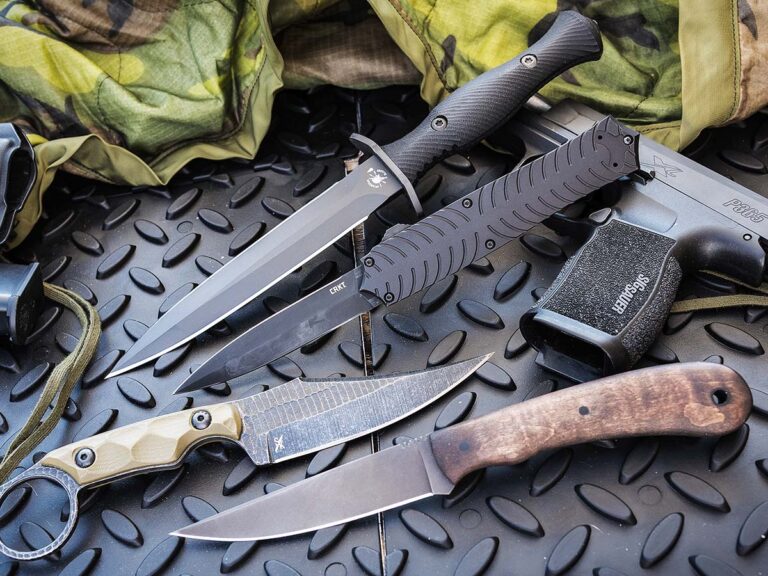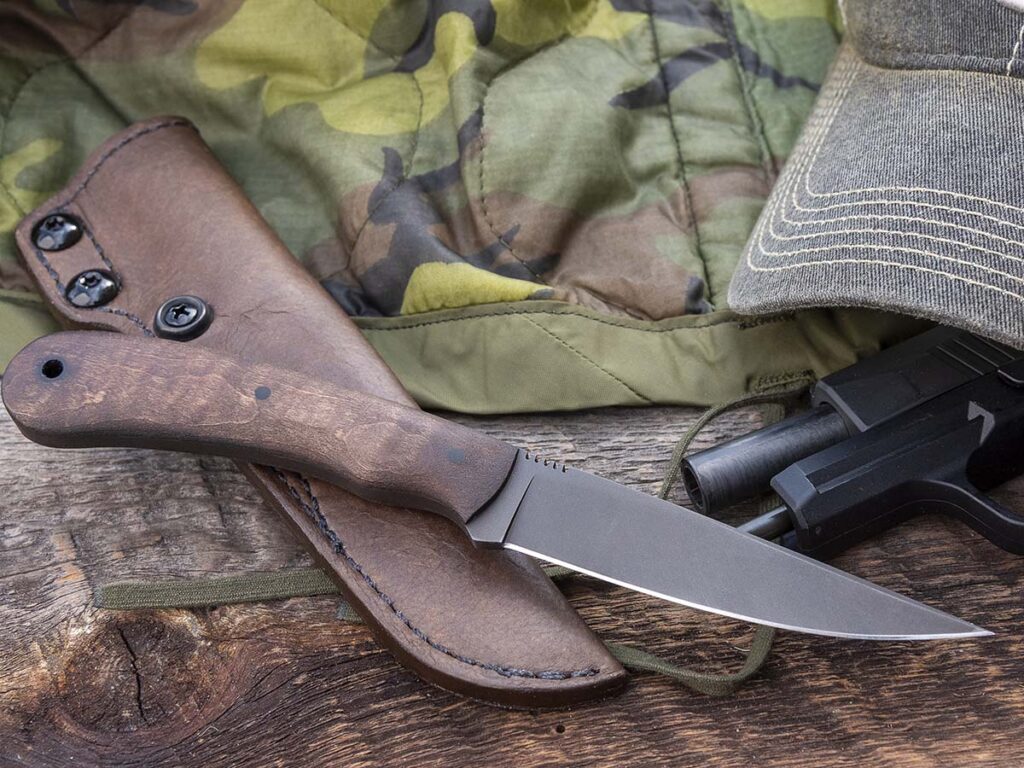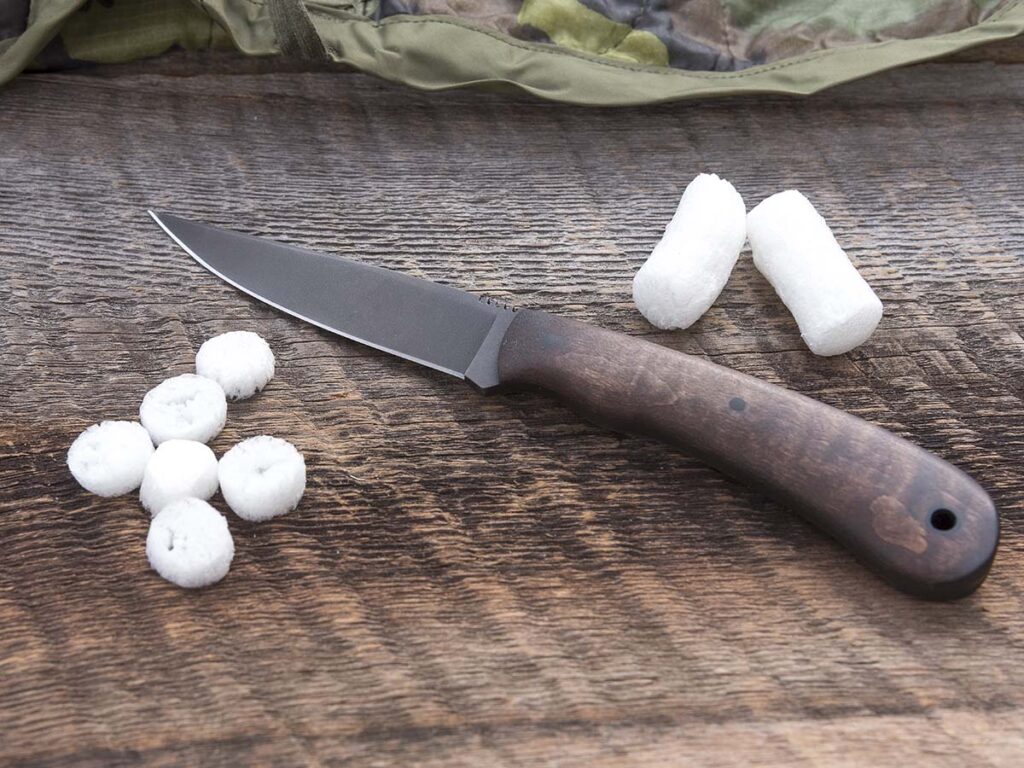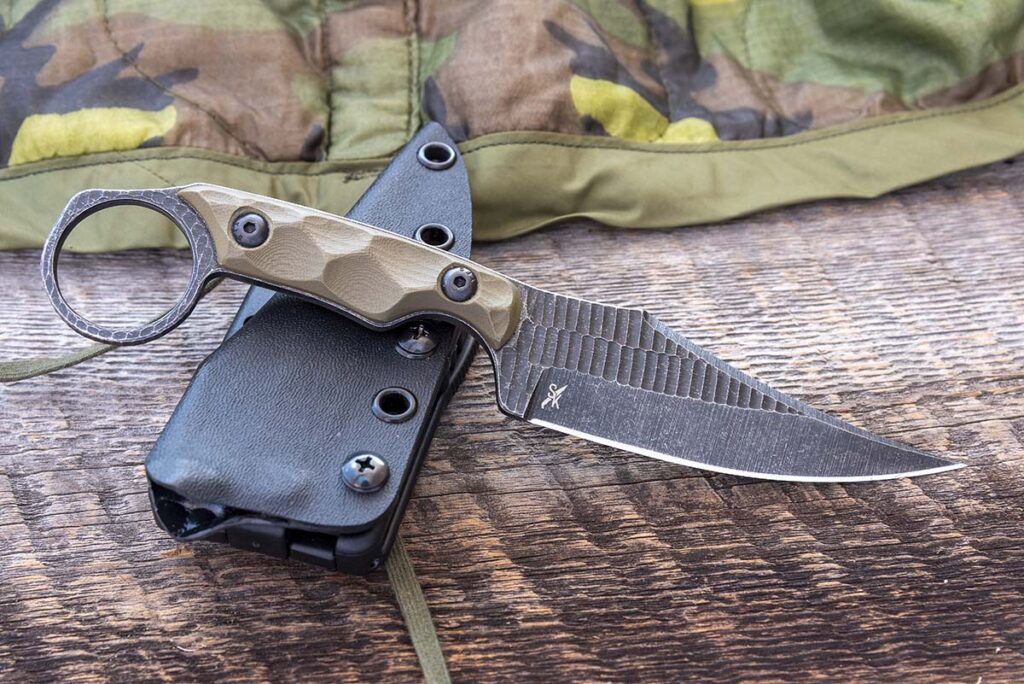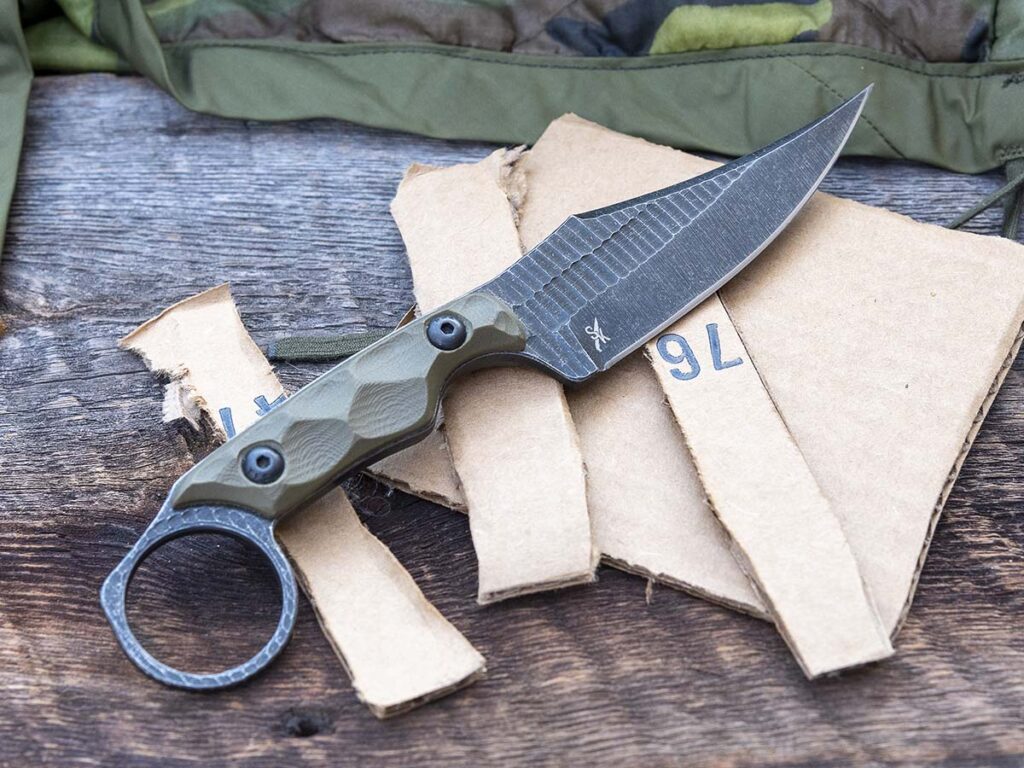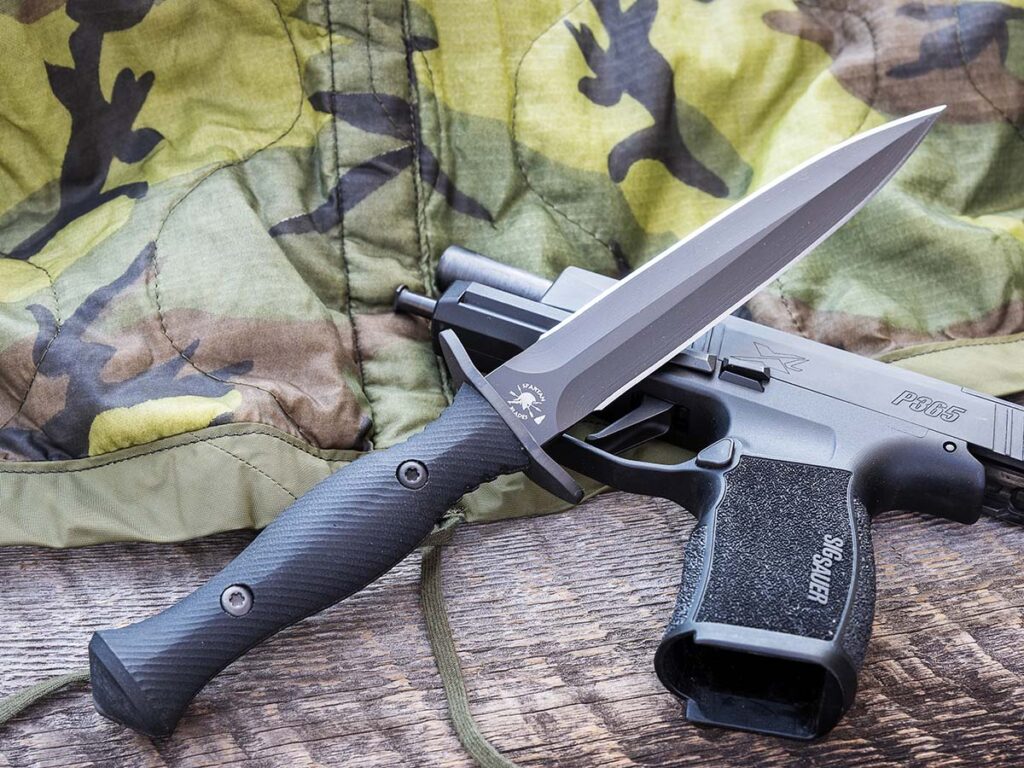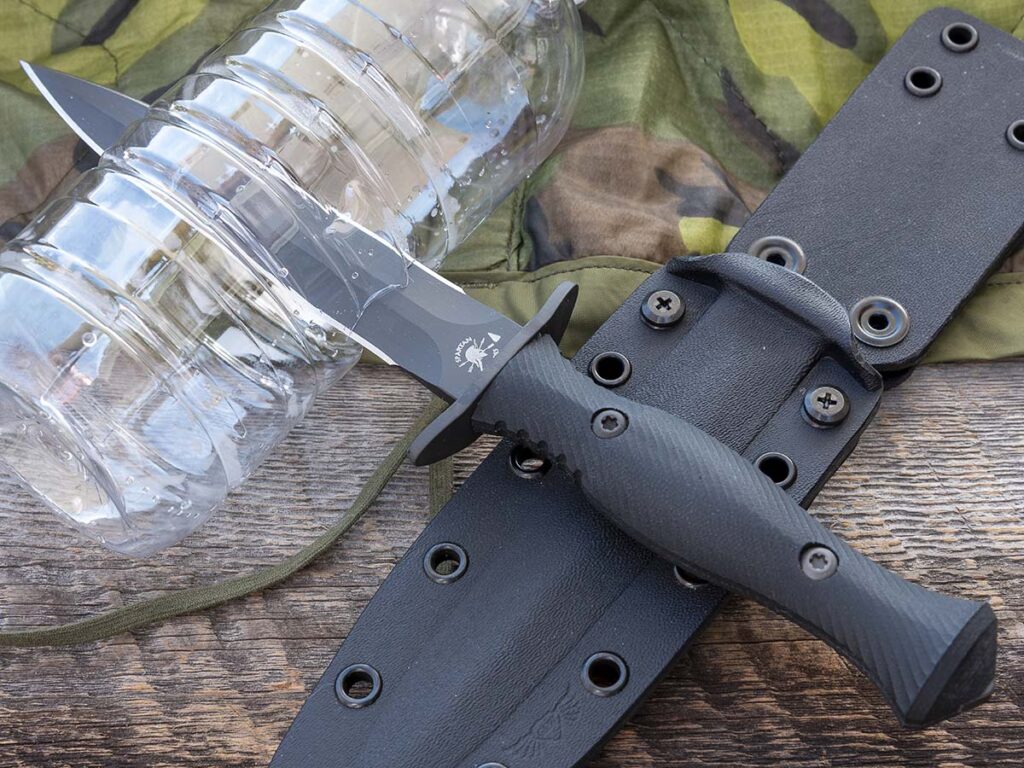
Summer brings a focused shift toward portability and pocket-ready performance, highlighting a diverse lineup of high-tech folders and streamlined carry options. This month’s selection focuses on the incredible versatility of the modern knives, showcasing the work of veteran masters with decades of experience alongside award-winning new makers. Whether you are looking for an ultra-premium custom bowie to round out a collection or a hard-use automatic for daily carry, our July 2026 roundup proves that the industry’s drive for innovation remains as sharp as ever.
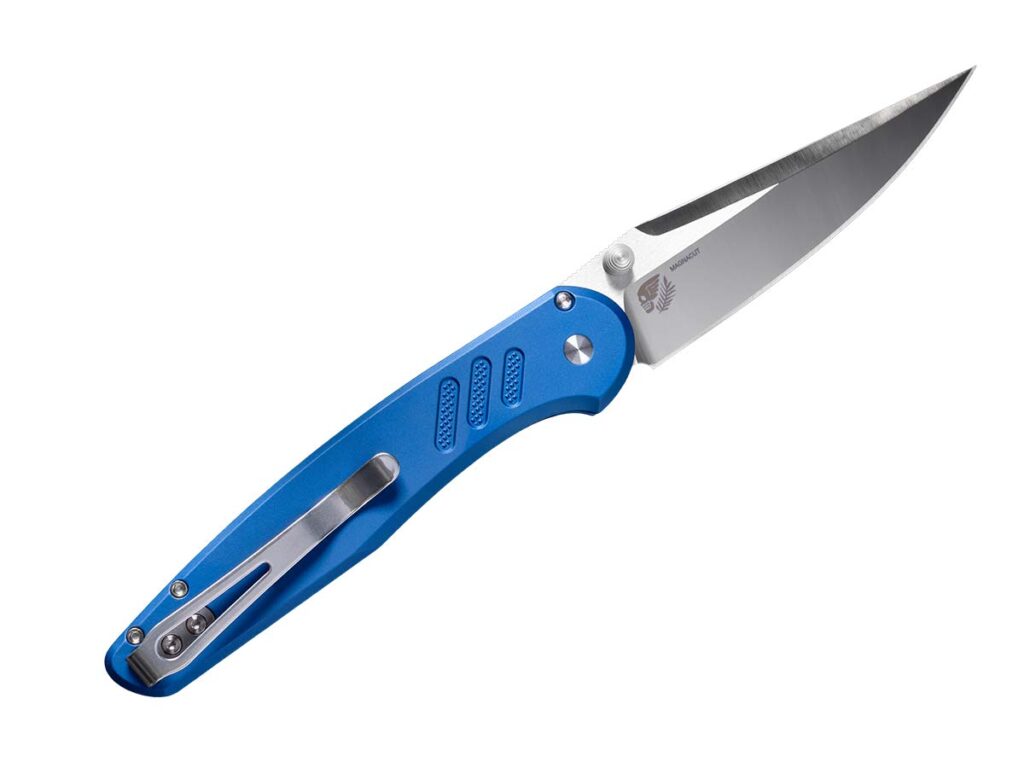
Pro-Tech Knives Avalon
Lock: Button Lock Deployment: Thumb Studs Blade Length: 4.25” Blade Material: MagnaCut Blade Pattern: Drop Point Scales: 6061 Aluminum Overall Length: 9.25” Weight: 3.69 oz. MSRP: $310 Country Of Origin: U.S.A. protechknives.com
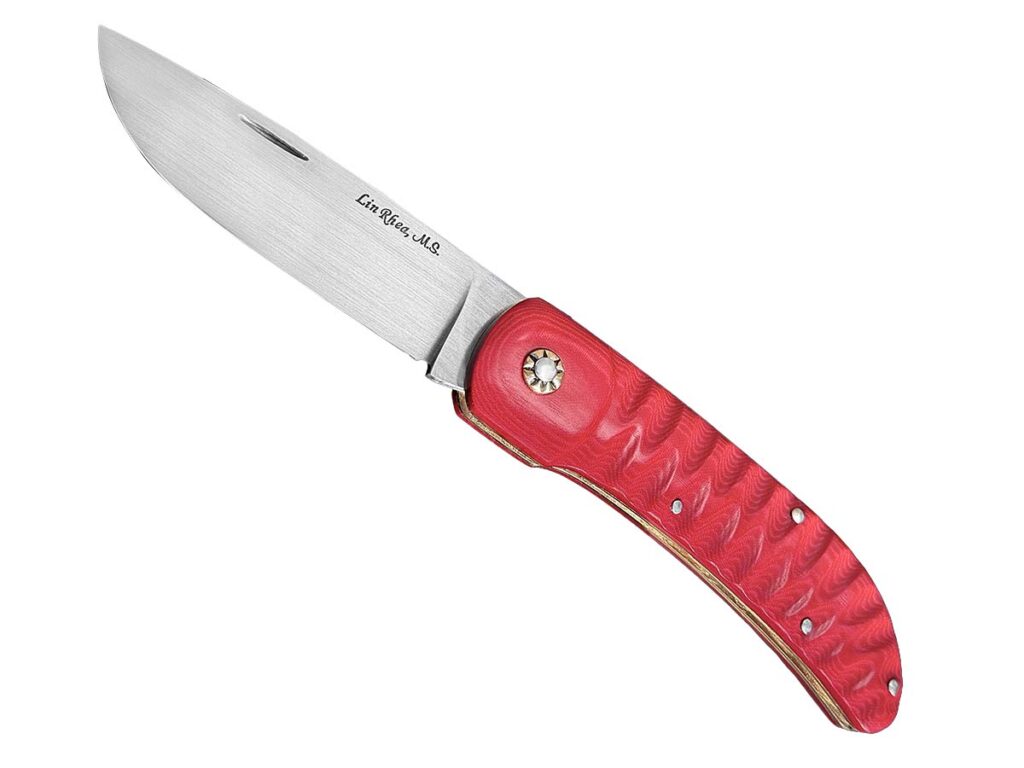
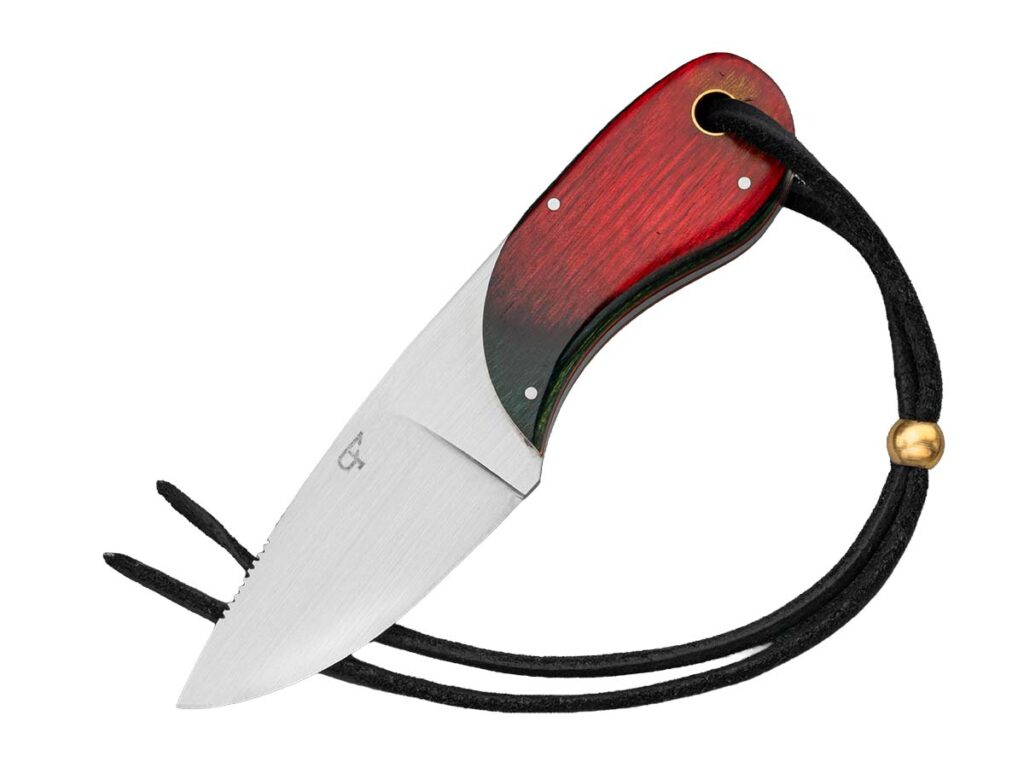
Lin Rhea Slip Joint Folder
Jocelyn Frasier image
Blade Length: 4” Blade Material: 80CrV2 Blade Pattern: Drop Point Scales: Micarta Overall Length: 9” Knife To Know: Includes sheath made by Kay Rhea Maker’s Price: $1,300 Country Of Origin: U.S.A. Maker’s price for a similar knife: $1,300
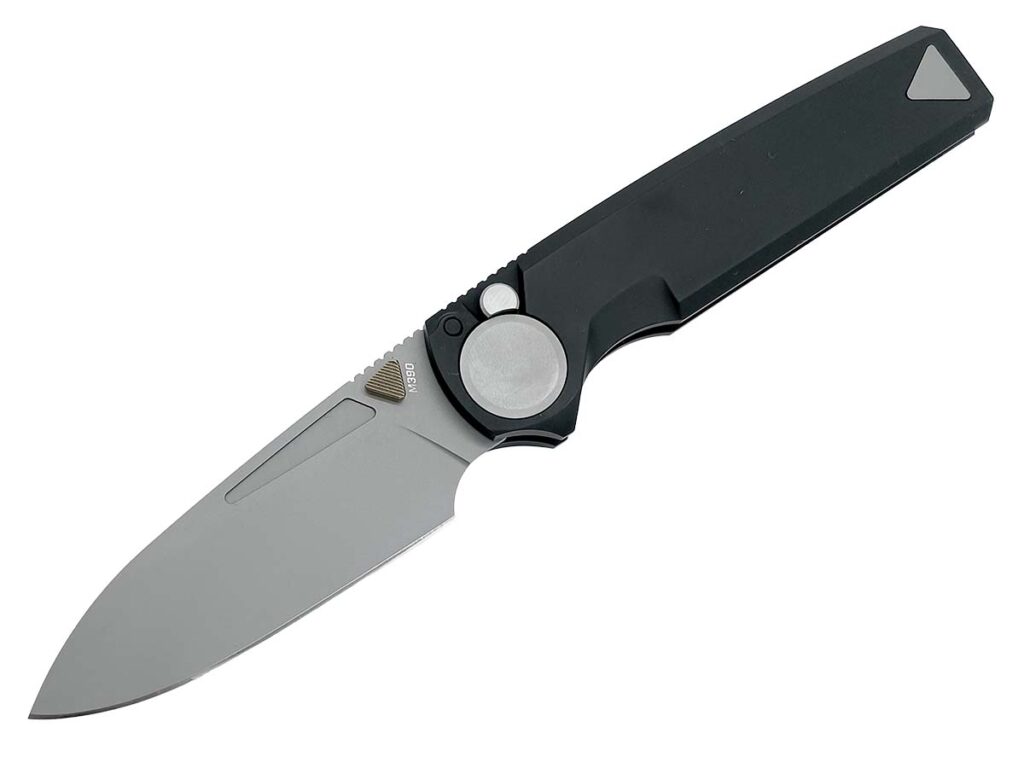
Work Sharp RMX Thumbstud
Blade Length: 3.2” Lock: Button Lock Blade Material: M390 Blade Pattern: Drop Point Handle: Magnesium Overall Length: 7.5” Weight: 2.6 oz. Knife To Know: Handle is integral, reversable clip MSRP: $140 Country Of Origin: Assembled in U.S.A. from foreign components worksharptools.com
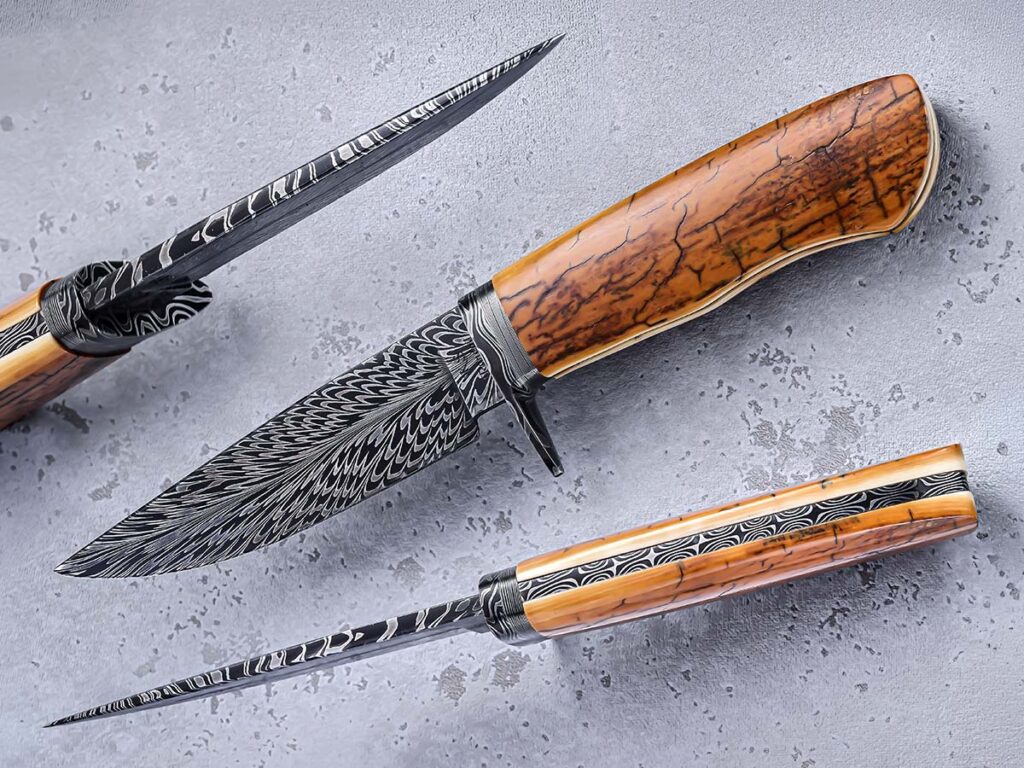
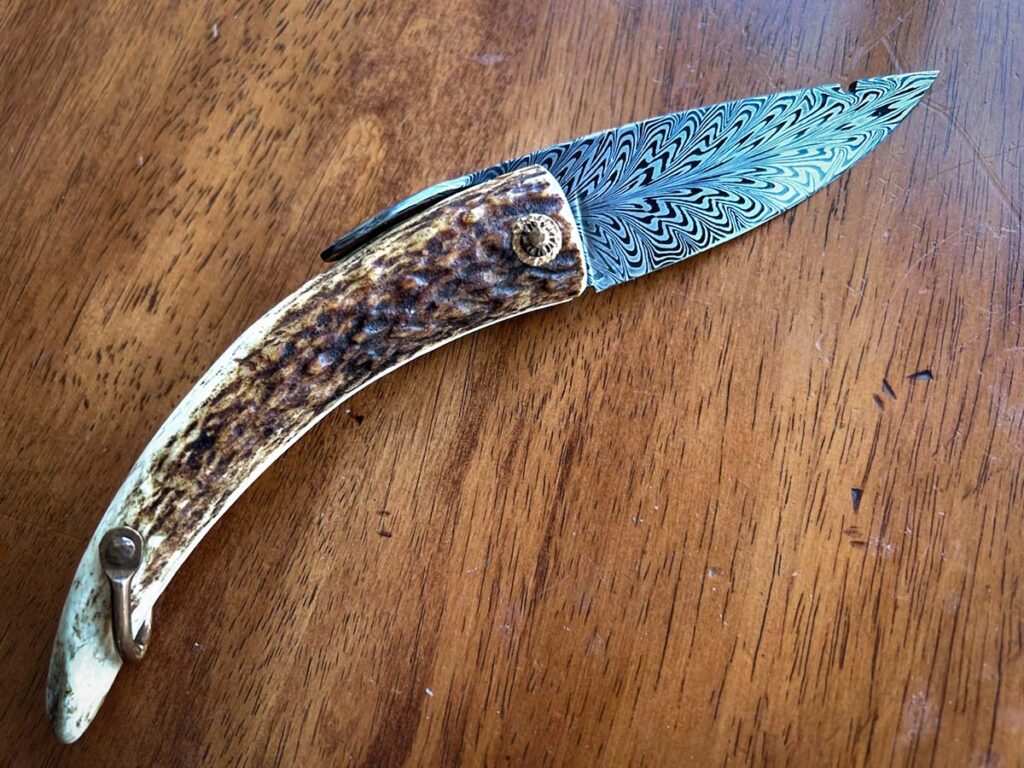
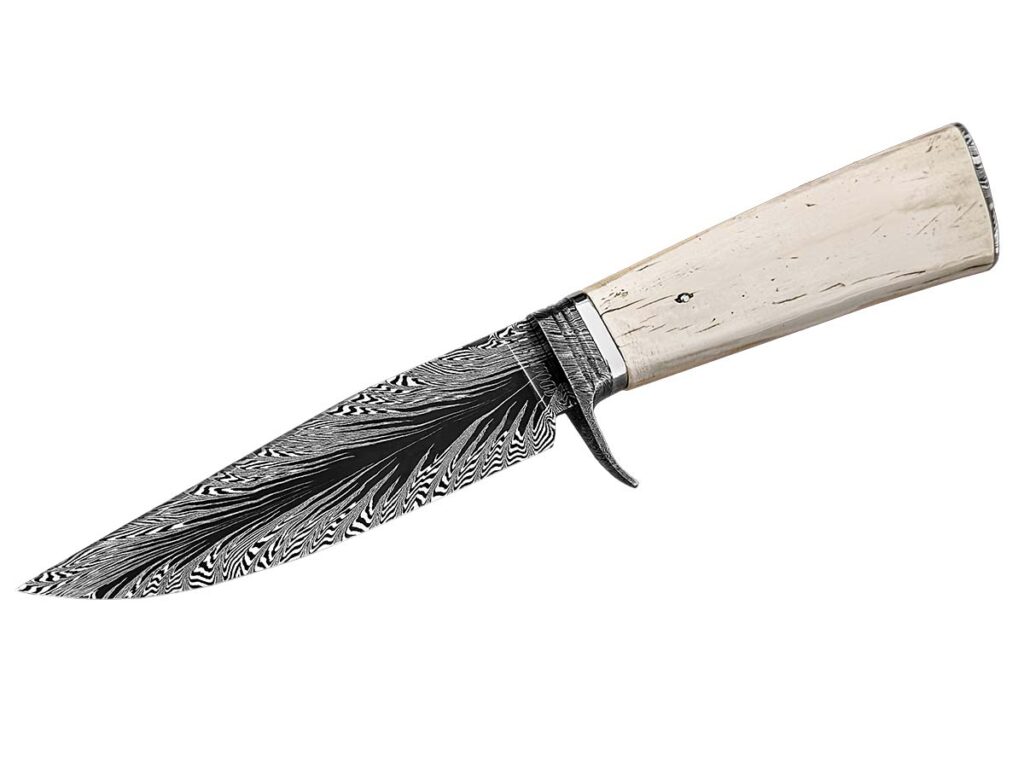
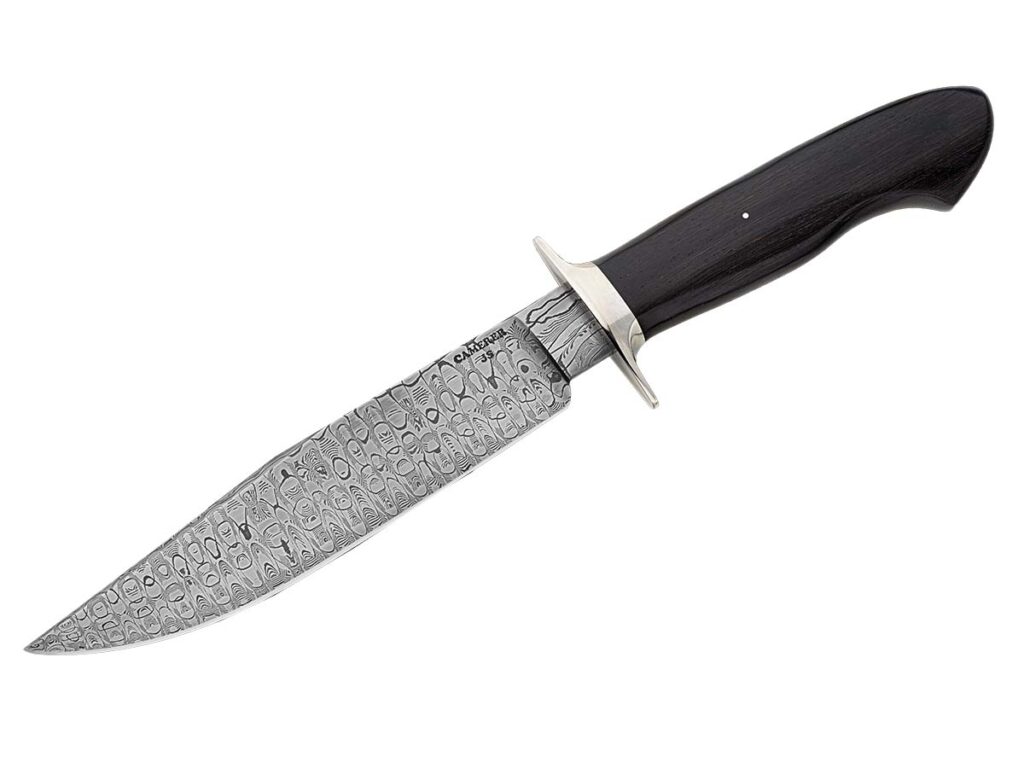
Cody Adolphson Vest Bowie
Jocelyn Frasier image
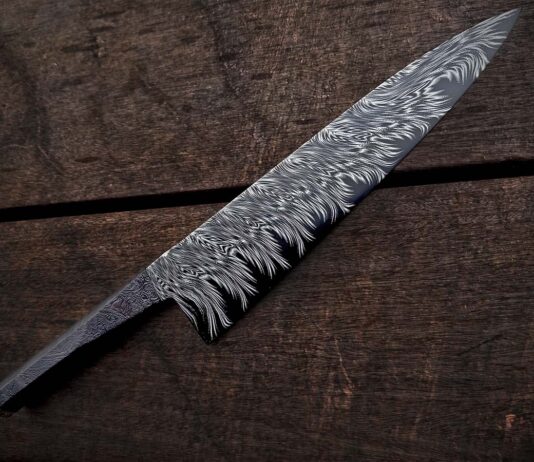
Knife Type: Vest Bowie Blade Material: 1084/15N20 Damascus Pattern: Dark Core Feathered Damascus Blade Pattern: Drop Point Blade Grind: Flat Handle Material: Ancient Walrus Ivory, Nickel Silber Accents, Damascus Pommel Guard: Twist Damascus Overall Length: 10” Maker’s Price For A Similar Knife: $1,400 Country Of Origin: U.S.A.
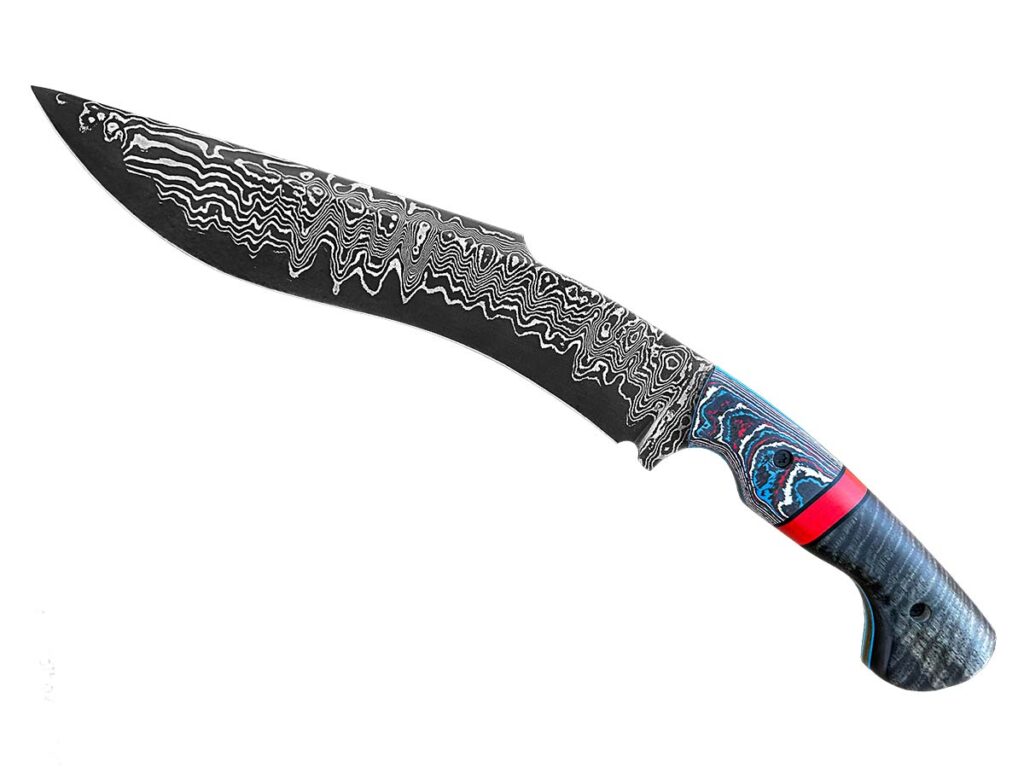
Justin Burton Kukri
Jocelyn Frasier image
Blade Length: 10.5” Blade Material: 80CrV2/15N20 Blade Pattern: Twisted Damascus San Mai Blade Grind: Flat Handle: Black dyed curly mango with red G-10 spacers Guard: Nebular Fat Carbon Knife To Know: Custom bead made with Elforyn Supertusk and Damasteel Maker’s Price For A Similar Knife: $1,500 Country Of Origin: U.S.A.
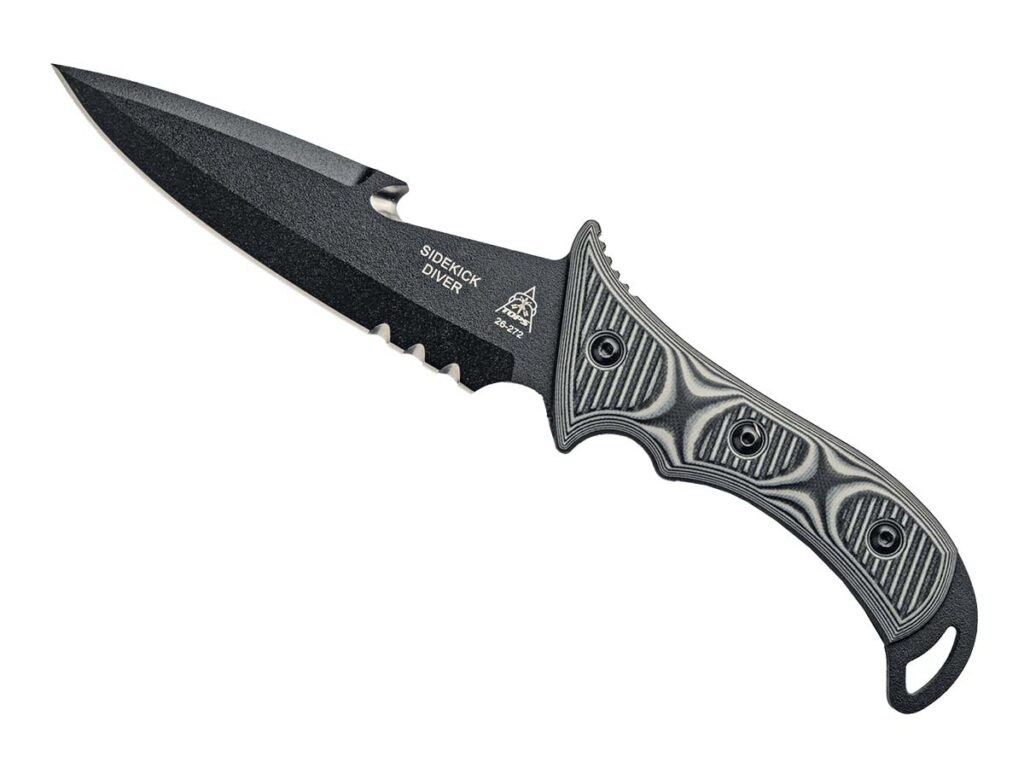
TOPS Knives Sidekick Diver
Designer: Ana Espinoza Blade Length: 5.75” Blade Material: N690 Blade Pattern: Spear Blade Finish: Black Traction Coating Scales: G10 Overall Length: 11.25” Weight: 12.8 oz. Sheath: Black Kydex Knife To Know: Integral line cutter on the spine. Also available with a double edge. MSRP: $395 Country Of Origin: U.S.A. topsknives.com
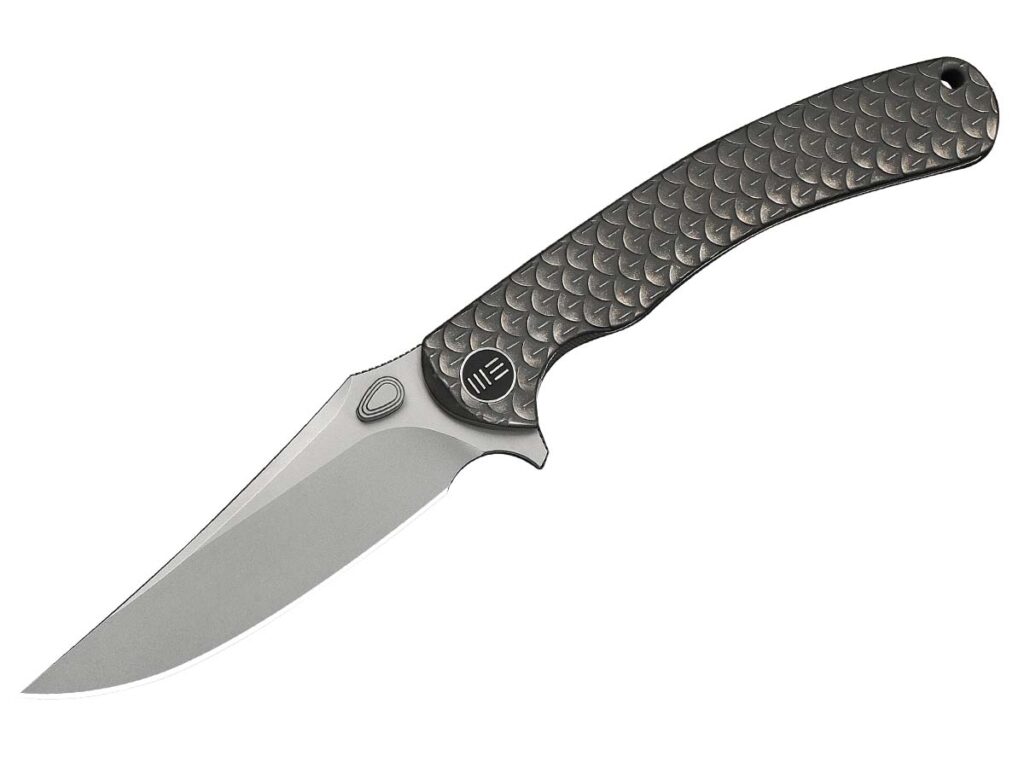
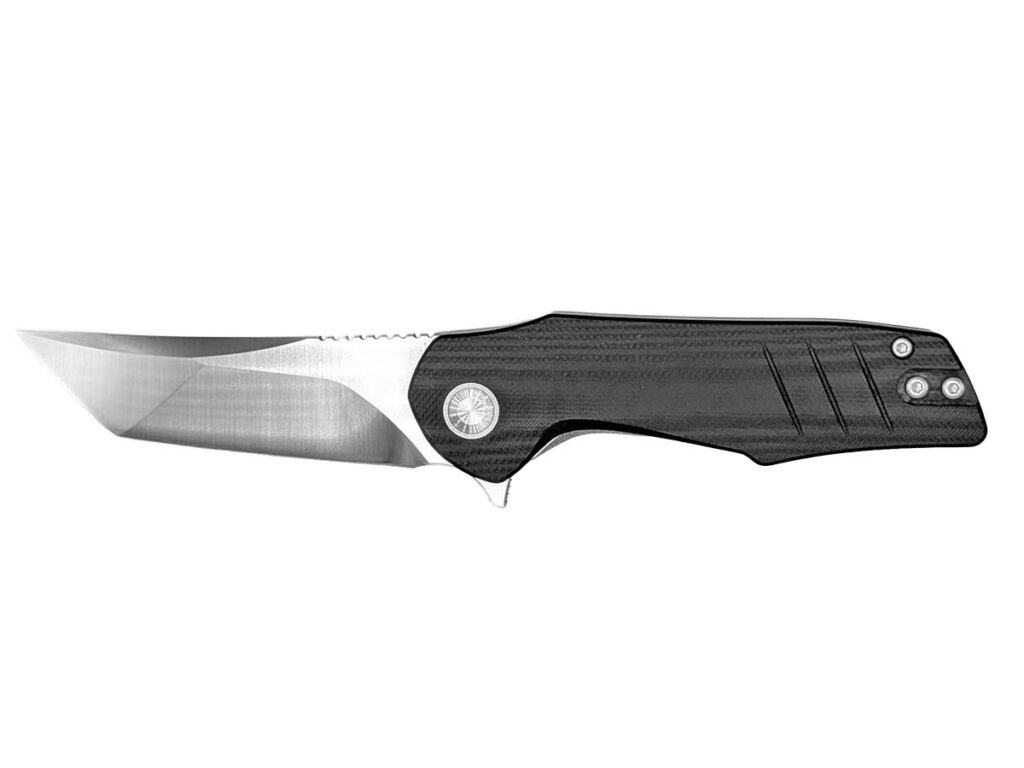
WE Knife Dracarys
Lock: Frame Lock Blade Length: 3.58” Blade Material: Böhler M390 Blade Pattern: Clip Point Blade Grind: Flat Handle Material: 6AL4V Titanium Overall Length: 8.13” Closed Length: 4.55” Weight: 3.66 oz. Knife To Know: Limited to 199 pieces, 6AL4V titanium pocketclip, caged ceramic ball MSRP: $370 Country Of Origin: China weknife.com
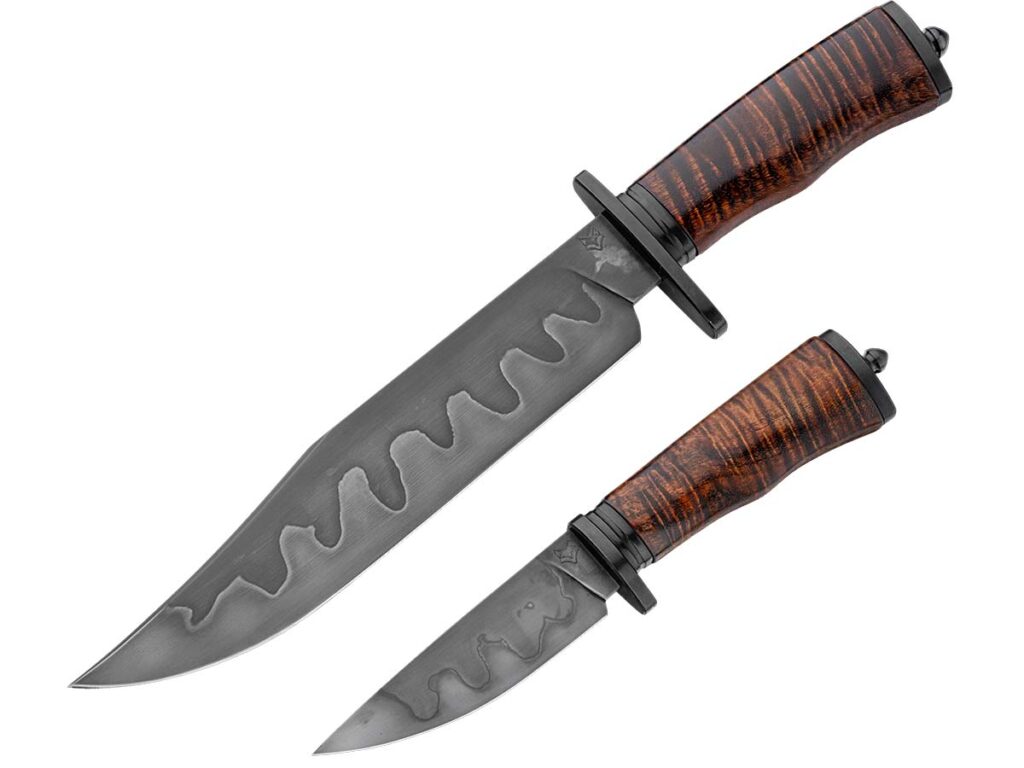
Chad Fox Bowie
Jocelyn Frasier image
Blade Length: 9.25” Blade Material: W2 Blade Pattern: Clip Point Handle: Koa Overall Length: 14.5” Knife To Know: Salt blackened mild steel Maker’s Price For A Similar Knife: $950 Country Of Origin: U.S.A.
Colten Tippetts Neck Knife
Jocelyn Frasier image
Name: Dinker Blade Length: 2” Blade Material: Ladder Damascus Blade Pattern: Drop Point Handle: Desert Ironwood Overall Length: 3.5” Knife To Know: Also made in 01 Tool Steel with Dymondwood handles. Maker’s Price: $150 Country Of Origin: U.S.A.
Craig Camerer Slim Pickers Fighter
Jocelyn Frasier image
Knife Type: Fighter Blade Length: 7” Blade Material: 1080/15N20 Blade Pattern: Dancing Martian Damascus Blade Grind: Flat Handle: African Blackwood Guard: Nickel Silver Overall Length: 12.5” Maker’s Price For A Similar Knife: $750 Country Of Origin: U.S.A.
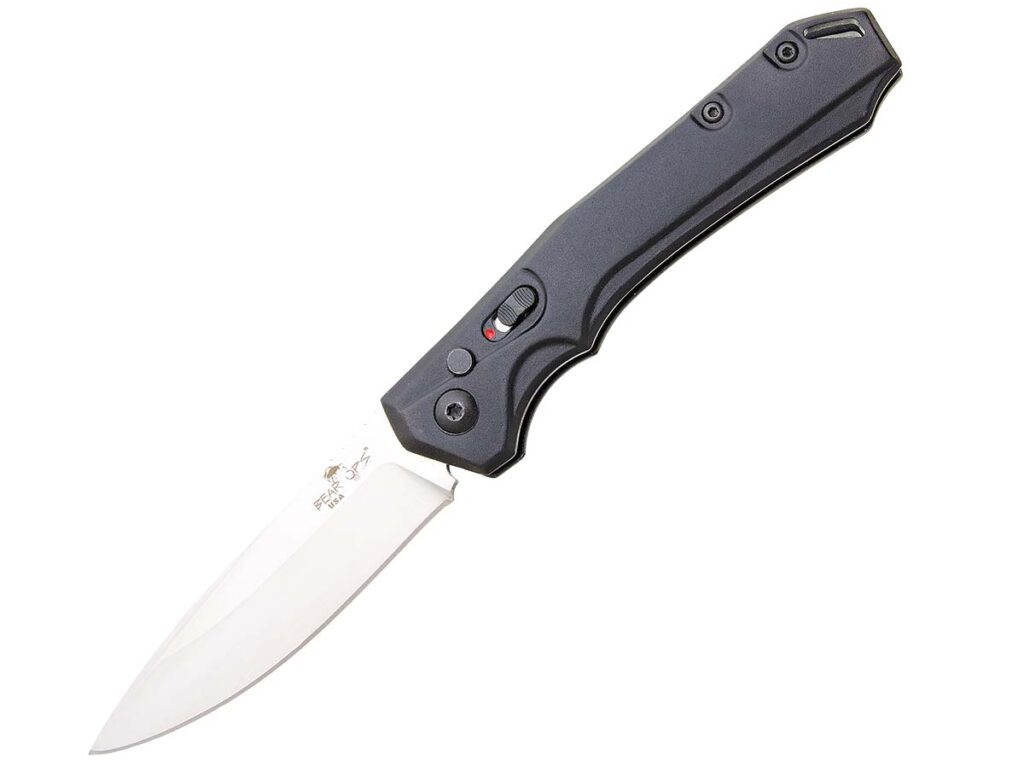
Bear & Son Cutlery Auto Bold Action XIV
Blade Length: 4.5” Blade Material: S35VN Blade Pattern: Drop Point Blade Grind: Hollow Handle: Aluminum Overall Length: 8.75 Weight: 1.5 oz. Knife To Know: OTS Automatic, tip-up carry. MSRP: $230 Country Of Origin: U.S.A. bearandsoncutlery.com
An American-made tactical EDC folder featuring a Sandvik 14C28N blade and lightweight aluminum handle.
Bear OPS, the tactical division of Alabama-based Bear & Son Cutlery, is expanding its everyday carry lineup with the release of the Nekema II. Manufactured entirely at the company’s facility in Jacksonville, Alabama, this new folder is designed as a streamlined, budget-conscious option for tactical use, concealed carry, and general daily wear.
At the center of the design is a 3.5-inch modified drop-point blade made from Sandvik 14C28N stainless steel. This Swedish steel has become a staple for modern EDC knives due to its balanced performance, offering high corrosion resistance, user-friendly sharpening, and respectable edge retention. For users seeking extra protection and a non-reflective finish, Bear OPS is offering the blade with a black DLC (Diamond-Like Carbon) coating.
To keep the knife pocket-friendly, the Nekema II utilizes a lightweight aluminum handle, keeping the overall weight to a nimble 3.5 ounces. For deployment and lockup, the folder is equipped with dual thumb studs, ball-bearing washers for a smooth pivot action, and a secure slide-lock mechanism. A reversible pocket clip and Torx screw construction finish off the assembly.
The Nekema II is available in either Black & Copper or Gray & Blue colorways, with retail pricing set between $92.49 and $97.49 depending on the specific finish. For more details, visit local retailers or head over to the Bear & Son Cutlery website.
We slash away with three machete options to see which is ready to tame your greenery.
Spring uncovers what winter buries. Duff piles up, vines tighten their grip and brush crowds every trail and fence line. A machete cuts through that mess with reach and rhythm. The long blade sweeps low to clear ground clutter, snaps vines before they climb and trims brush without constant repositioning. One tool handles duff, extra brush and creeping vines in a continuous flow, so a hillside that looked wild at breakfast starts to open by lunch.

A good machete carries authority without dead weight. Thin stock bites deep and releases clean, so each swing clears more space with less effort. The long edge opens lanes. The spine knocks dead twigs free. The tip digs, pries and handles rough chores that punish smaller blades. In much of the world, a machete counts as the only daily tool. That heritage still matters in 2026, whether you reclaim a backyard slope or beat a trail back into shape. These three long blades are our picks to tame your wild hills, homestead and camp.
Getting The Swing Of The Machete
Brush changes the fight, so your swing must change with it. Light grass needs quick wrist cuts that keep your pace steady. Thin vines demand snap cuts that break tension before the blade binds. Thick brush calls for short power strokes that drive the edge through stubborn growth. Deadfall needs controlled chops that protect the edge from hidden knots. Each swing builds from stance, grip and rhythm, not brute force. When you match technique to terrain, the machete feels faster and safer. The right swing turns rough ground into clean, workable space without burning your energy.


Condor Roarlock
Chopping Japanese barberry, an invasive vine with painful thorns, is a necessary and annoying chore—the Condor Roarlock hacked it!
Condor’s Roarlock brings Southeast Asian machete influence into a compact, modern clearing tool. The 14.24‑inch blade has a 20.33‑inch overall length and a 0.12-inch thickness of 1075 high-carbon steel. This design keeps the weight at about 21.5 ounces. The etched damascus‑style finish gives the blade a wild, worked look, while the convex grind drives deep into vines, saplings and stubborn brush without sticking. A high‑impact polypropylene handle locks into the hand and shrugs off weather, sweat and abuse. A full‑tang build runs through the handle, so the Roarlock feels solid when you lean into heavy swings.
The ballistic nylon sheath carries light, rides tough and lets the machete move from truck to trail without fuss. Designed by Joe Flowers for 2026, the Roarlock feels like a fast, compact power tool built for real brush, not just catalog photos.
Beating Barberry Back
The Roarlock has the Godzilla silhouette, with usable features for digging and root-cutting.
I’m a fan of any long blade that has more bend than a straight blade, especially when it has some drop to it. Like a Filipino bolo and kukri, whenever the blade precedes the chopping hand, that’s a good thing. Max impact and leverage are far superior to using an all-straight design. The Roarlock has this!
Chopping the most annoying and painful vines in my forest was a must-do chore. Japanese barberry is an invasive plant with small thorns that are sure to get my knuckles and fingers when removed. They stab directly through hiking pants and most layers of clothing. A machete works best at beating them back, but it’s hard to get to the base without suffering a few thorns. The longer reach of the 14.24‑inch blade on the Roarlock helps. Especially when using a helper stick to push back the thorny shrub of mayhem.
Soon enough, I had a pile of various vines, including blackberry, dry grasses, small creeper vines and the dreaded barberry. Also, soon enough, I hit a rock or two and mashed the tool’s tip. So what? It’s 1075 carbon steel and would be easy to get back in order. However, it’ll happen again, but this is a tool meant for work!
ESEE Expat El Deguello
Expat El Deguello, influenced by years of travel and Randall’s Adventure & Training, features a 12.75-inch 1075 carbon steel blade.
The ESEE Expat El Deguello grew out of years of Expat travel and hanging out with Randall’s Adventure & Training. This was in places where a machete counted as daily life support, not a luxury. The blade is about 12.75 inches of 1075 carbon steel with a dark stonewashed finish, set in an overall length of around 18.75 to 19 inches. The blade’s shape has a parang-ish style, giving the machete a strong, weight‑forward feel without turning it into a boat anchor. A flat grind keeps the edge lively and easy to touch up with a pocket stone in the field. Black linen Micarta scales wrap the full tang and give a secure, textured grip that stays honest in sweat, rain and humidity. A brass‑lined lanyard hole anchors a safety cord for steep slopes or riverbanks.
The tan canvas sheath rides light on the belt and matches the tool’s no‑nonsense attitude. Built in El Salvador as part of the Expat line, the El Deguello blends South American machete DNA with ESEE’s survival mindset. Making it a dependable long‑blade for trail clearing, camp work and hard bushcraft.
Seasonal Slashing
I got my hands on the El Deguello Expat machete in winter. I wasn’t sure how it would do in a snowy environment. However, we needed to travel through uneven terrain with gear weight, so light was right. No axe or thick splitting tool accompanied we three adventurers on this trip. In fact, we had two Expat machetes in camp as my buddy brought his Expat Darien machete.
The El Deguello started earning its keep from the start. Due to many branches and small trees succumbing to the weight of the snow, the El Deguello shone. I cleared woody and leafy debris to make the path easier for campers arriving later in the day. By the time I got to camp, I was already a believer of the utility the El Deguello packs. Chopping frozen wood from previous campfires and new dead branches were on the docket. This was predominantly a hardwood forest, so the El Deguello had to be hatchet-ready. And it was!
TOPS Knives Sneak Reaper
The TOPS Knives Sneak Reaper features an 18.5-inch length and a fast-moving 12-inch blade, designed for tight brush.
The TOPS Knives Sneak Reaper draws on Ed Calderon’s counter‑custody background, shaping a fast, purposeful blade built for tight spaces. It has a lean profile that favors quick cuts through vines and brush. The long edge rewards snap cuts, while the balanced weight keeps the machete quick instead of front‑heavy. The handle geometry follows Calderon’s no‑wasted‑motion mindset and gives a locked grip during hard clearing strokes and tight work around obstacles.
The Sneak Reaper has an overall length of 18.5 inches and a 12-inch blade that moves fast through tight brush. The black powder coating protects the blade and supports Calderon’s stripped‑down, purpose‑driven style. The saber grind gives the edge a strong bite, enabling it to handle vines and stubborn growth without slowing your rhythm. The 0.125‑inch thickness keeps the blade lively and responsive during long clearing sessions.
The sheath system supports fast deployment and secure carry, echoing the tool’s defensive roots and utility. Final production specs have not yet been added to TOPS’ catalog pages.
In The Thickets
The TOPS Sneak Reaper has a 5-inch tan Micarta handle that offers a confident, secure grip with great traction.
Once I got this cutting machine in the woods, it called to more substantial branches and green wood. It wasn’t the weight as much as the thickness and feel. The sweet spot was several inches from the tip, making it feel like a shorter machete. This aspect got me thinking of what a great camp machete it would make. However, the pronounced upsweep had its benefits while standing or bending slightly. The front curve can easily nip nasty, thorny vines and thin, new growth without needing to get low. It reminded me of a smaller panga-style machete.
Turning the blade over revealed a sharp tip that could drag and pull the brush back after chopping it. This tip was also excellent at impaling scrap wood and relocating it. I love a tool that helps out.
The 5‑inch handle uses contoured tan Micarta that locks into the hand with confident traction. The 15‑ounce blade weight creates a sharp balance between speed and authority during heavy swings. In a standing position, slashing out front, the curve helped continually slice through materials with authority. I can’t wait to use this one on meat and coconuts.
Final Cut
Three styles of machete sheaths for each trail tamer From left, the Sneak Reaper, El Deguello and Roarlock.
The Roarlock was the clear pick for me while beating back the new brush of spring. Had this been a machete camp challenge, the TOPS Sneak Reaper and Expat El Deguello would shine. Maybe that’s better left for another article!
Small-in-stature clip points that punch above their weight.
There’s a reason Buck Knives chose a clip-point blade for their iconic, mega-selling Model 110 as the blade style for their folding knife. The profile has a history of being a hard-working blade. The clip point’s most distinguishing characteristic is a noticeable change in the downward angle of the blade in its spine, which makes for a sharper angle of the blade toward the tip. This change can be subtle to severe, but it always results in a thinner blade height. In essence, the break in the blade angle “clips” it to a thinner, sleeker, more pointed shape. In this BLADE® feature, we’ll look at four modern and totable clip points and their attributes to see how they fit your needs.
Civivi Slippy Sendy
The Civivi Slippy Sendy weighs a paltry 1.90 ounces, making it an ideal light pocket carry or unobtrusive desk companion. If you don’t need a rough-and-tumble brawling knife, this is a good, lightweight option.
The Civivi Slippy Sendy is the only gentleman’s folder of our test group, and it carries the banner well. Having no pocket clip, it is made for pure loose pocket carry, and at just 1.90 ounces, its weight is no issue. The Micarta handle is a simple slab-style with an overall length of 3.7 inches with a flat, rounded-cornered top that ends in a 1-inch, semi-circular base. The backside scale has a 1/2-inch cut-out that allows the user to access the blade’s rectangular nail nick to engage the blade.
The 2.8-inch blade has its clip breaking 0.80 inch from the tip, while the cutting edge is 0.60 wide, flat-ground and is rounded toward the tip. The blade is Nitro V stainless, a very respectable proprietary knife steel from New Jersey Steel Baron that allows the Civivi Slippy Sendy to punch above its class.
The author kept the Civivi Slippy Sendy on his office desk for a few days and tested it cutting various and sundry “desk stuff.” The 2.8-inch Nitro V stainless blade was plenty sharp and did a good job of cutting crisp, sharp lines on this card stock.
This is an all-round lightweight pocketknife that is very good for light duty around the home, office or on the go. It is not a tactical knife because it doesn’t lock up or have a fighting blade style of thick blade steel. That said, the Civivi Slippy Sendy is handy for tackling mail duty, light meal prep and other unexacting duties encountered daily. I tested it on heavy card stock, packaging twine and thick packing tapes of all types and found the upgraded steel and comfortable ergonomics both handy for all-around use daily.
Cold Steel Engage 2.5
The Cold Steel Engage’s 2.5 sports a 4116 stainless steel made by Böhler of Germany. Of all the knives tested, this is the one that most resembled a modern-day tactical knife.
The Cold Steel Engage 2.5 may be small, but it’s a lot of knife in a 6-inch package. The blade width is just shy of 1-inch wide (0.90-inch), and it looks like a scaled-down tactical, which, in fact, it is. This knife is a shrunken version of the Engage 3.5 and is part of a whole series of varied models in the same platform. The Engage 2.5 is named for its blade length, leaving 3.5 inches for the handle.
The 2.5-inch clip-point blade is 4116 stainless steel made by Böhler of Germany, which opens via ambidextrous thumb studs on either side of the blade. The handle features Cold Steel’s patented Atlas slide lock located on the upper spine. An ambidextrous 1.5-inch pocket clip is located on the rear base.
Even though its steel didn’t sport an upscale moniker, the Cold Steel Engage 2.5 did a yeoman’s job of cutting sharp, crisp lengths of this tough leather.
I tested the Cold Steel Engage 2.5 on some thick, cured boot leather. Taking off lengths of the tough material in strips using a metal ruler as a guide, the blade of the knife never wavered or tried to change angles as lesser steels are prone to do. The curved front tip of the blade dug in at an angle and stayed on course with each slice and despite the blade not being a glitzy name brand, the 4116 stainless did its job well and the Engage 2.5 proved its worth.
Demko Knives Nano Shark
Demko Knives’ Nano Shark is a lot of knife packed into a short, 5.8-inch package. The Nano Shark’s 2.25-inch blade sports a large blade for its size.
The Demko Knives Nano Shark is a pint-sized EDC designed for serious slicing. The very slightly curved blade has always been a workhorse, but during the modern tactical knife era, many edged weapons specialists embraced the blade for its ability to grab and not let go until it had done serious damage.
The Nano Shark has a 2.25-inch blade that breaks to its clip 1 inch into its traverse forward, then breaks downward again where it meets the blade’s flat-ground edge. The upper rear portion of the blade features a healthy, rounded cutout for opening the blade once the user has released it via a pull-down thumb lock. The Nano Shark’s 3.5-inch GRN handle is ample enough to house the entire blade with only the thumb cutout protruding. A reversible 1.75-inch pocket clip completes the package.
The Nano Shark may be a short knife, but it acts like a behemoth thanks to its tall profile and blade thickness. The blade is similar to a short bowie, which makes it a serious small work knife. I tested it as such on a stubborn 3/8-inch synthetic rope. I started by just taking off short lengths on a flat surface before tying a large knot into both ends and free-handing the excess off each knot. I ended up with two tidy knots at each end. When in doubt, practice first!
Big Idea Design TI Lookout
The only fixed-blade in the group, the 6.2-inch Big Idea Design TI Lookout sports a full tang underneath its scales.
The 6.2-inch Big Idea Design TI Lookout is a simple fixed-blade knife with very few parts to break so it is better for stronger tasks. The Ti Lookout is basically one large piece of premium CMP MagnaCut stainless steel from tip to base with two lightweight, diagonally textured Grade 5 Titanium handle scales for gripping. Aside from the few pieces of hardware holding the handle together and forming its lanyard fitting at the base, that’s basically the sum of parts.
With so few parts to break, the fixed-blade can handle larger, tougher tasks. The downside is the user doesn’t have the compact convenience of a folding knife, but sometimes it is necessary to get the job done. The Lookout comes with a small 4.5-inch black Kydex sheath with a steel hanger fitted to the rear for added strength.
The Ti Lookout fixed-blade offers the safety of having no moving parts to break under extreme pressure whereas the folding knife can be vulnerable at its blade pivot. When in doubt, call on a fixed blade for the tough chores.
I gave the little fixed Ti Lookout a run for its money on a length of dried redwood 2-by-4. Holding the plank vertically, I dug the blade in at an angle, taking off shavings and holding in consecutively longer and deeper lengths. The Big Idea Design fixed-blade bit in and did its job until its size was simply outweighed by the larger length of wood, but not before the small fixer had proven its worth. I never felt during the process that the Ti Lookout was going to fold or break. That’s why you use a fixed-blade for the tough jobs.
Elite Line debuts with premium CPM S35VN steel, aluminum scales and an innovative top-liner lock mechanism.
Civivi has always aimed at more budget-conscious knife enthusiasts, arming them with stout yet affordable blades. The company, however, recently announced a new tack with the introduction of its Civivi Elite Line of knives.
Inaugurated with the Brova model, the line of knives offers a higher grade of materials and is meant to fill the gap between Civivi and its top-tier sister brand We. For some perspective, a good section of Civivi’s catalog falls below the $100 mark, while most of We’s are premium $200-plus models. Elite fills the hole in the middle and, as Civivi’s release puts it, is designed for its customers “ready to take the next step.”
Civivi doesn’t spell out its overall ethos for the entire line, but the Brova insinuates some of the notes Elite knives aim to hit. One of the more notable material upgrades is the knife’s blade steel—CPM S35VN. The brand has used the top-line Crucible Industries steel previously, but generally in premium editions of established models. Civivi’s go-to blade steels are typically 14C28N, Nitro-V and D2.
Furthermore, the vanguard knife of the Civivi Elite line features an entirely new lock for the brand—a top-liner lock. Operated via a button near the spine of the handle, the mechanism should prove convenient. Smartly, Civivi recessed the button to ensure the blade isn’t inadvertently retracted when in use.
The Brova cuts a bellicose profile, with a subtle 3.41-inch clip-point blade coming down to a fine point. It certainly should have decent penetration potential with this design, but with a respectable amount of belly on its edge and a good length of straightaway before the handle, it should prove adept at slicing or with push cuts.
The handle is well contoured, featuring a notch for locking the knife in with the index finger and thumb. It’s dressed in smooth aluminum scales with the choice of three colors that house stainless-steel liners. The hardware and clip are also stainless steel, and the action is run on caged ceramic ball bearings.
As for Brova’s price, all three colorways come in at $145. The EDC looks like a solid start for the Civivi Elite Line; it will be interesting to see what comes next.
Tips and tricks to get the most out of attending a knife show.
Magazines, websites, and social media only give you a two-dimensional look at a knife. Nothing replaces the experience of handling a knife in person. While the internet is convenient, it cannot match the visceral sensation of holding a knife at a show.
There are many knife shows across America. Some are big, like the BLADE Show, while others are smaller, regional events. All shows have one thing in common: custom knives. Makers offer blades in many styles, materials and price ranges. No matter the show’s size, you can gain an advantage—and get the knife or knives you want—by research.
Today, even smaller shows have websites or social media pages listing exhibitors. The exhibitor list will help you identify who will be at the show. Before every show I attend or consider attending, I go through this list, looking for both familiar makers and those of whom I am unfamiliar. In particular, I look for makers from outside the U.S. From this, I create my own list.
For unfamiliar makers, I visit their websites or social media pages to explore their knives. This research allows me to refine my list and home in on those I’m truly interested in. Once my list is complete, I prioritize the makers whose knives I want to see and handle.
The ladder damascus on Steve Randall’s 8” bladed fighter hits the right balance between understated and complexity. (Alison Randall image)
The floor map is another invaluable tool for show planning. As its name implies, it is a map showing the location of each maker’s table or booth. The combination of the exhibitor list and the floorplan provides me with the first advantage of my show game plan—time management. The other aspect it helps with is money management; researching gives me an idea of how much a specific maker’s knives will cost. I adjust my priorities accordingly.
Bargain Hunting
Knowing who’s at a show out of the way, the next step is to use the various social media platforms again to discover what the makers are bringing to the show. Many show off the knives they are planning on displaying and selling well before the actual event. This helps me identify style, materials and prices of which I’m interested. Often, this information also further helps prioritize my list.
Note, due to constraints imposed by some social media platforms, pricing is not always included in knife descriptions on these platforms. There’s an easy way around this, given that there is nothing wrong with sending the maker a message asking for the price. Realize, for many makers, pricing the knife can be as challenging as making the knife. But knowing the price allows you to compare other makers’ prices for similar work.
Becoming familiar with pricing across the spectrum of a particular knife sector—say, bowies, EDC or hunting knives—ultimately helps you get the best knife for your money. And the best value often is a new maker discovered during list research. I make it one of my goals to find a new maker whose work I am unfamiliar with at every show I attend. While I am not successful every time, many of the makers I work with today I found exactly through this method.
Personal Logistics
An homage to a classic design from BLADE Magazine Cutlery Hall Of Fame® member Bob Loveless. The author contends this is one of those knives you can only appreciate its lightness and quickness when it’s in your hand. (Karis Fisher image)
Research shouldn’t solely focus on the who and what at a show’s tables and booths. There is also a bevy of other factors to consider beforehand to make a show more pleasant.
It might sound obvious, but know where the show is located. Some smaller shows I have attended have been off the beaten path and difficult to find. I personally get frustrated having to hunt around for a venue, only to end up there after it’s already open.
Identifying the show hours is also crucial, as is understanding how most events organize their hours of operation. Most shows open earlier on the first day than on the second or third day. The inverse is generally true for closing—the last day usually ends earlier, especially for three-day shows.
It’s a good idea to also consider the restaurants you’ll eat at and the hotels you’ll stay in. The larger the show, the more crowded the restaurants and hotels. This is especially true with a large group; heading to a show with friends, plan on reservations for both room and board.
Don’t assume parking is right outside of the show’s location. That’s a recipe for trouble. Do your research and see if there is plenty of parking, where it’s located and, at some venues, how much it costs.
The final consideration is actually getting into the show—your tickets. If the show offers advance tickets, I recommend you purchase them before you arrive. You don’t want to be standing in line when the doors open.
Show Etiquette
Beautifully spartan, Mike Malosh executes an extremely clean hunter that’s built for dead-serious work. (Robertson’s Custom Cutlery image)
It should come as no surprise that those attending a show are focused on the knives they came there to see. But don’t let your focus make you into a poor or even rude show attendee. Here are some recommendations to keep in mind while at the maker’s tables.
When in doubt, ask for permission to handle a knife. Makers want you to; they just want you to do so respectfully.
If you have children with you, watch their little hands. They want to grab the knives just like everyone else.
Replace the knife where you found it. Set the knife down and don’t just drop it on the table.
For those knife fighters out there, limit your moves at the table. Those knives are sharp!
Don’t put your drinks, backpacks, bags, etc., on the maker’s table. Accidents happen, and no one wants a knife scratched or damaged.
Wait for your turn. At a crowded table, more than one person has been cut trying to grab a knife.
Jason Clack has a lot going on with his liner lock, from it’s 3.5-inch damasteel blade to black Timascus bolster and mammoth ivory scale. (Jocelyn Frasier image)
Take your non-knife-related conversation away from the front of the table. Don’t block the table from potential customers.
Everyone loves a deal, but no one wants to be insulted by a lowball price. Makers may adjust their price, but ultimately, that is their decision. That said, cash can tip the negotiation in your favor.
Ask as many questions as you like. Education directly from the maker is part of your admission price.
Here’s The Deal
Like the makers, dealers range from brand new to very experienced. Also, like makers, many have specialties. Unlike makers, they deal in the aftermarket. The prices they ask for knives, and are willing to pay for knives, are based on current market prices. Like many collectibles, those prices fluctuate based on several factors.
A stunner from GTC Enigma, the titanium-handled spring-loaded tab opener is lightning fast. Even at first blush, this pocket gem looks like it’s built for speed. (GTC Knives image)
Additionally, keep in mind that when trying to sell knives to a dealer, you walked up to their table. The price they offer you may not be what you were hoping for. There is no reason to swear at them, call them names or accuse them of low-balling you. I have turned down thousands of knives because I didn’t think I could resell them. It was as simple as that.
Plan For Success
Even with a three-day show like the BLADE Show, time quickly slips away. Having a plan to get into the event and to the makers, in turn, the knives you’re interested in ensures you’ll have a good experience. In essence, it comes down to time and money—be sure to get the most out of each!
Maker: Bob Earhart Model: Frame Handle Fighter Blade Length: 7.5” Overall Length: 12.3” Blade Steel: 5-bar Turkish twist damascus Guard Material: Blued 1018 Steel Handle Material: Mammoth ivory Leather Sheath: Custom-made by the maker Comments: The knife has excellent balance and handle ergonomics. The frame handle is forged to shape, revealing the pattern. Bob is an ABS master smith. His BLADE Show Table Number is 19S. Price: $1,700 Email Address:[email protected]
Maker: Steve Randall Model: Damascus Fighter Blade Length: 8” Overall Length: 13” Blade Steel: Ladder pattern Damascus Guard Material: Browned carbon steel Handle Material: Desert Ironwood Leather Sheath: Custom-made by the maker. Comments: Contoured guard and handle create a knife with excellent balance and comfort in the hand. Precise ladder pattern damascus, competent work from an ABS master smith. BLADE Show Table Number is 3R. Price: $1,800 Email Address:[email protected]
Maker: Steve Gatlin Model: Loveless Style Chute Knife Blade Length: 4.5″ Overall Length: 9.25″ Blade Steel: CPM 154 Guard Material: Stainless steel Handle Material: Exhibition-grade Desert Ironwood Leather Sheath: Custom-made by the maker Comments: Steve’s exceptional version of the classic Loveless Chute. Light and quick in the hand. BLADE Show Table Number is 7E. Price: $1,400 Email Address:[email protected]
Maker: Mike Malosh Model: Bear Hunter II Blade Length: 4.5” Overall Length: 9 1/8” Blade Steel: W-2 Guard Material: Stainless steel Handle Material: Leather Leather Sheath: Custom-made by the maker Comments: Excellent balance and handle ergonomics. Classic look. It is built for serious work. BLADE Show Table Number 6O. Price: $425 Email Address:[email protected]
Maker: Jason Clark Model: 77 Liner Lock Blade Length: 3.5” Overall Length: 8.12 Closed Length: 4.5” Blade Steel: Damasteel Bolster Material: Black Timascus Handle Material: Mammoth Ivory Opener: Flipper Lock: Liner Clip: Black Timascus tip up Comments: Sleek and smooth. Great lock up! BLADE Show Table Number is 12E. Price: $1,550 Email Address:[email protected]
Maker: GTC Knives Model: Enigma Blade Length: 4″ Overall Length: 9 Closed Length: 4.5″ Blade Steel: Stainless steel Damascus Handle Material: Titanium Opener: SLT (spring-loaded tab) Lock: Inset liner Clip: Titanium tip up Comments: Slick and smooth. Next-level construction and precision. This knife features screwless and toolless construction. WOW. Blade Show Table Number 19A. Price: $3,500 Email Address:[email protected]
Get a look at the new knives released at BLADE Show, the world’s largest knife show.
More than simply the foremost industry event and knife axis mundi, BLADE Show is also the preferred venue to launch knives. Makes sense, when for three days straight, Atlanta’s Cobb Convention Center sees a steady stream of thousands of knife fanatics. We’ll have more down the road, but here is some of what was dropped at the world’s largest knife show.
Bradford Knives Guardian 3.5XL
RARE BREED GUARDIAN—Bradford Knives’ fan asked for it and at BLADE Show they’ll get the shot to own the Guardian 3.5XL with a 4-inch MagnaCut blade. This limited run comes with a new sheath design, offering both vertical and horizontal carry options. Overall Length: 8.25 inches. Blade Profile: Sabre. Weight: 4.7 ounces. MSRP: TBD. Available: June
Ansø of Denmark Mudtrack Exoframe
FRAME JOB—Stripped down in material, the Toko features Ansø of Denmark’s skeletonized black titanium Mudtrack Exoframe, stripping the flipper’s weight to a scant 2.86 ounces. Outfitted with a do-all drop-point blade of RWL34 steel, the build had versatile built in. Lock: Button. Blade Length: 3.35 inches. MSRP: $995. Available: June
McNees Knives Mini Dixon
MIGHTY MITE—A scaled-down version of a McNees classic, the Mini Dixon boasts a compact 3.35-inch MagnaCut blade matted to a Grade 5 titanium handle. The modified clip point has a hollow grind and comes in a very svelte 4.5 ounces. Lock: Framelock. Overall Length: 7.75 inches. MSRP: $549. Available: June
UG Tools EKM Fighting Knife Set
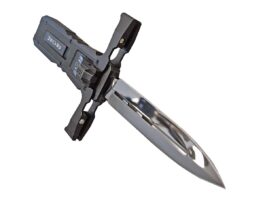
DOUBLE TROUBLE—The UG Tools EKM Fighting Knife Set was developed Special Mission Units and is already being supplied to a German Tier 1 unit. The set comes with a 2.4-inch blade dagger and 4.7-inch blade drop point, highly modular sheath, attachment system and full contact training knives. Blade Material: CPM MagnaCut. Weight: Dagger 1.6 ounces, Drop Point 4.6 ounces. Country of Origin: German. MSRP: ~$1,000 Available: Autumn 2026
Spartan Blades Pandia
MOONLIT PRECISION—Named for the Greek goddess of the full moon, the Spartan Blades Pandia features a 3.25-inch CPM MagnaCut spear-point blade optimized via a proprietary double deep cryogenic treatment. The 8.25-inch Curtis Iovito design utilizes an IKBS bearing system for fluid flipper deployment. Handle Material: Titanium. Clip: Titanium. Weight: 4 ounces. Country of Origin: USA. MSRP: $495. Available: Now
Maserin Outback
BUILT FOR THE BUSH—Featuring a Böhler N690 steel blade and paired with an ergonomic G10 handle, the Maserin Outback is available in three colours: black, gray, and orange. It comes with a black Italian cordura sheath, and a sharpener and a survival saw. Blade Length: 5.51 inches. Overall Length: 10.9 inches. Country of Origin: Italy. MSRP: $239. Available: Now
Scorpion 6 Jörmungandr
SHARP LEVIATHAN—Named for a sea serpent of Norse mythology, the Jörmungandr from Scorpion 6 is made completely without any CNC machining and features 5.3-inch a double hollow grind freehanded by Shane Magnussen. Blade Steel: CPM S90V. Overall Length: 8.82 inches. Clip: Titanium. Internals: Delrin Caged Ceramic Bearings. MSRP: Starts at $1,500. Available: Now
QSP Badger
BRIDGING OVER—The QSP Badger gives a reason for righties and lefties to cheer with the company’s Bridgelock. Essentially a crossbar lock, it features a saddle that runs on the back of the handle for an oversized and ambidextrous release. Blade Pattern: Wharncliff. Blade Steel: Nitro V. Handle Material: G10. Blade Length: 3.35 inches. MSRP: TBD. Available: September
Opinel No. 8 Horizon
MODERNIZED CLASSIC—Designed to brave the outdoors, Opinel’s No. 8 Horizon features several element-resistant features, including a stainless steel Yatagan blade, fiberglass-reinforced polymer handle and a light 2.2-ounce weight. Blade Length: 3.15 inches. Lock: Friction, Virobloc Safety Ring. Grind: Convex. MSRP: $40. Available: June.
Buck Knives Heritage Slim Elite 110
CLIPPING CALL—A refined evolution of Buck Knives’ classic 110 Folding Hunter, the Heritage Slim Elite is nearly .25-inch slimmer, 3-ounces lighter and featuring a deep carry pocket clip and BOS heat-treated MagnaCut steel blade. Blade Pattern: Clip Point. Blade Length: 3.75 inches. Scale: Ebony. MSRP: $250. Available: May
Crescent Edges Celestial Entity
STAR STRUCK—A 3.5-inch tanto blade of MagnaCut steel, milled titanium scale, satin DLC blade finish and a solid frame lock, the Crescent Edges Celestial Entity is an otherworldly EDC option. Overall Length: 8.23 inches. Weight: 4.5 ounces. Country of Origin: China. MSRP: $375 Available: Now
CRKT Grvitic Flip
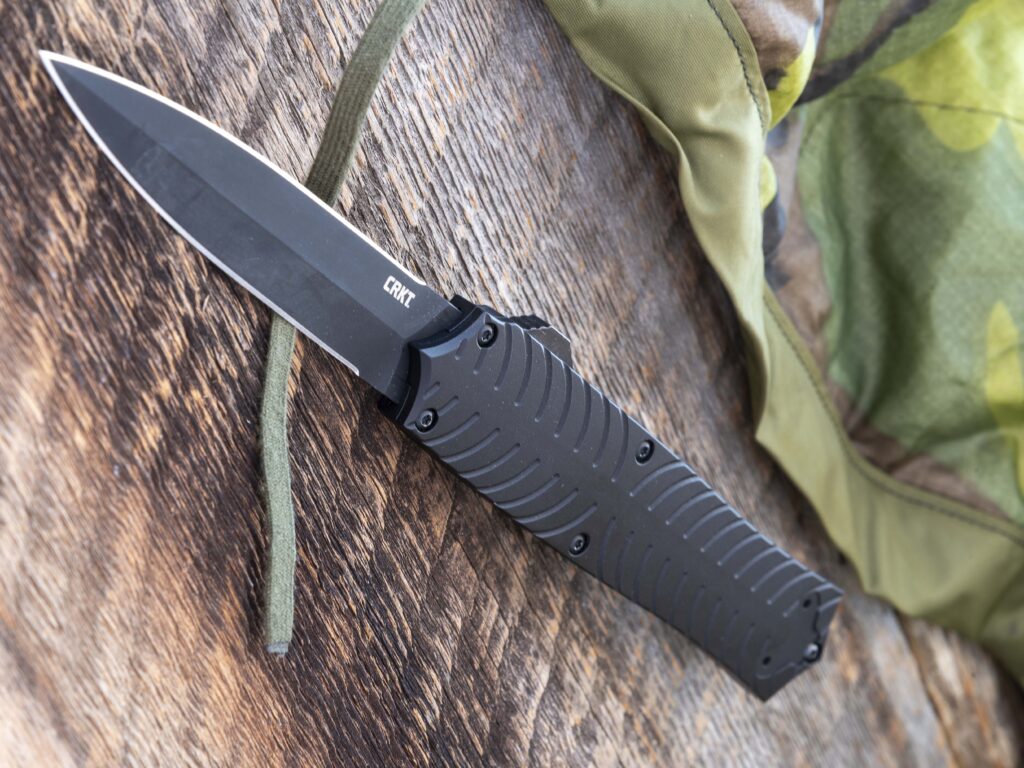
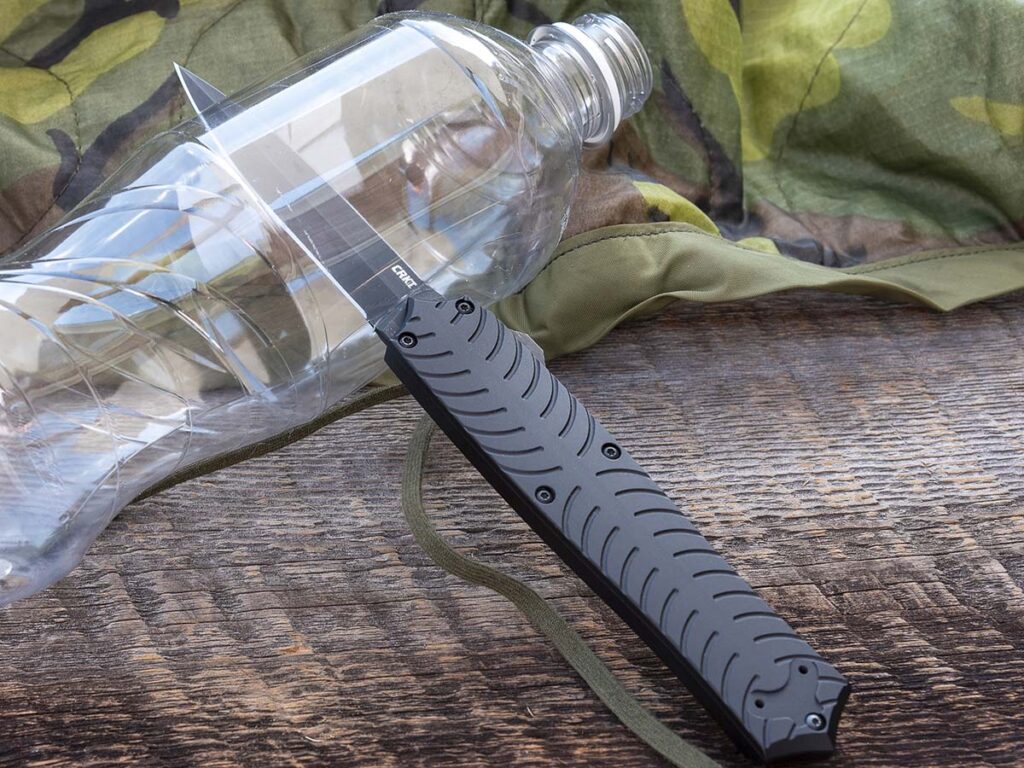
FIDGET FACTOR—Not your typical OTF, the CRKT Garvitic Flip utilizes a vintage-inspired flip-insert mechanism to deploy its 3.18-inch blade. Once out, tabs on the blade insert into recesses to keep the blade in place. Blade Steel: 5Cr13MoV. Blade Pattern: Spearpoint. Overall Length: 7.5 inches. MSRP: $50. Available: Now
Lionsteel Emmet
INTREPID INTEGRAL—Gentlemanly in appearance, the 2.83-inch LionSteel Emmet features a solid integral handle in either titanium or aluminum. The titanium model comes with carbon fiber inlayed scale, the aluminum with a hammertone texture. Blade Material: MagnaCut. Blade Pattern: Drop Point. Overall Length: 6.73 inches. Country of Origin: Italy. MSRP: Ti $225; Al: $130. Available: Now
NortoriousEDC Dirty Deed Pry Bar
DOWN AND DIRTY—Constructed from Grade 5 titanium and a solid 3.5 inches in length, the NotoriousEDC Dirty Deed Pry Bar is ready every day for jimmying chores. The tool ships with a deep carry clip installed and includes an optional filler tab. Thickness: 3/16 inch. Width: 5/8 inch. Finish: Stonewashed. MSRP: $75. Available: Now
Vero Engineering Slip Joint
UNKNOWN SOLIDER—Vero Engineering’s new Wharncliffe is so recent that at writing it was yet have a name. What is known is that the slip joint will have a 2.75-inch MagnaMax blade, with the Vero trademark rectangular milling serving as the nail nick. Overall Length: 6 inches. Weight: 2.6 ounces. Handle Material: Titanium. Country of Origin: U.S.A. MSRP: $198. Available: June
GiantMouse ACE Pontius
HARPOONS AWAY—Designed with input from Chris Pontius, the GiantMouse ACE Pontius features a 3.2-inch harpoon-inspired clip point blade and titanium scale. The linerlock will also be available in Green G10 or Black Canvas Micarta. Blade Steel: Elmax. Overall Length: 7.7 inches. Liners: Hardened 420 Stainless Steel. MSRP: $325. Available: June
Shirogorov F95 Ursus
BEAR OF THE NORTH—The Shirogorov F95 Ursus offers a rugged, work-oriented take on the refined F95 pattern, featuring a 3.74-inch Elmax stainless steel blade with a 5/6ths grind. This iteration utilizes a Multi-Row Bearing System (MRBS) for smooth deployment and a dependable liner lock. Scale: Micarta. Overall Length: 8.66 inches. Weight: 4.69 ounces. MSRP: $650–$700. Available: June
StraightLine EDC Bigger Digger
GOLDEN DIGGER—The StraightLine EDC Bigger Digger is a purpose-built fixed blade designed for daily carry, featuring a 3.74-inch drop-point blade of 14C28N stainless steel. Ensuring a secure grip in all conditions, the 7.52-inch profile is outfitted with green canvas Micarta scales and a flat grind for efficient slicing. Weight: 3.17 ounces. Grind: Flat. Sheath: Kydex. MSRP: $80. Available: June.
Rothman Knives Fabricator Series Gentlemen’s Trapper
BLUE-COLLAR GENTLEMAN—The Rothman Knives Fabricator Series Gentlemen’s Trapper is a modern, lightweight take on the classic slip joint, weighing in at just 1.6 ounces. The 2 7/8-inch Nitro-V stainless steel blade features a deep 14-inch hollow grind for exceptional slicing geometry. Overall Length: 7 inches. Scale: Carbon Fiber. MSRP: $400. Available: June
Browning Stormy Pass Trapper
STORM A BREWIN’—The Browning Stormy Pass Trapper is a traditional slip joint built with an emphasis on longevity and classic aesthetics. It features a 3-inch damascus steel blade with a hollow grind, paired with stainless steel liners and wood scales. Overall Length: 6.25 inches. Weight: 2.4 ounces. Blade Pattern: Trapper. MSRP: $100. Available: September
Bestech IKA Dagger
FRANKISH FLARE—Bestech’s IKA Dagger is the first integral handle design from French designer Tashi Bharucha. This folder features a 3.9-inch M390 stainless steel blade and ceramic ball bearings for fluid deployment. Overall Length: 8.85. Frame Material: Titanium. Blade Pattern: Dagger. Blade Thickness: 0.16 inch. Closed Length: 4.95 inches. MSRP: $580. Available: June