Home Blog Page 107

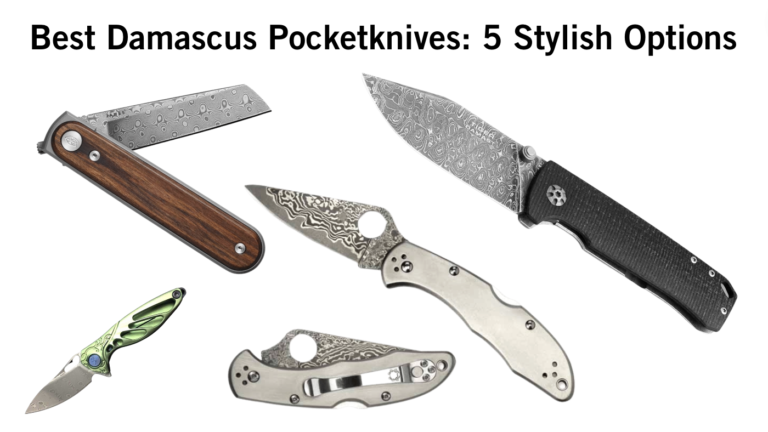
Best Damascus Pocketknives: 5 Stylish Factory Options

Damascus Pocketknives That Wow From Around The World.

Yes, some steels are of higher quality than others, but nothing is as eye-catching as a well-made damascus knife. And now, thanks to contemporary forging techniques, there are just as many high-quality damascus pocketknives as there are kitchen knives, daggers, and swords.

What Is Damascus Steel

Also called pattern-welded steel, damascus steel is made from forging multiple types of steel together. This can create different kinds of patterns in the finished product once the construction is complete.

Traditionally, damascus steel was created to imbue a sword with a desired blend of toughness and hardness. While cutlery is still forged this way for that purpose, today many damascus blades are made for the cosmetic look that comes from the acid etching or polishing done when the blade is complete.

You’ll see many damascus knives today constructed from the core of one type of steel and multiple layers of different steels on either side of it.

While the actual origin of the term “damascus steel” is unknown, many have connected it to the Syrian capital of Damascus and swords made or sold in the city in ancient times. Another theory is that the term is derived from the Arabic word “damas” which means watered, which describes the wave-like pattern that many blades can have. 

Best Damascus Pocketknives

Boker Tiger-Damast

You know what you’re getting when you purchase a knife from Boker. Its legendary maker for a reason, and the Tiger lives up to its lofty standard. An elite collector’s knife, the Tiger is made from German tank parts from a tank destroyed in a battle in Latvia in 1944. 

The non-stainless blade is made in the intrepid pattern by maker Chad Nichols. The handle scales are a burlap micarta design to echo the look of German armored vehicles of the era. This is the dream of any knife lover interested in military history.

MSRP: $719

Spyderco Delica 4

A damascus version of one of Spyderco’s most famous blades, the Delica 4 is a beauty. The damascus blade/titanium handle combo gives the piece a futuristic look and feel.

The blade itself is made from a VG-10 stainless core with 15 layers of forged-welded damascus on either side. The machined titanium handle gives the whole piece a ridiculous amount of strength and durability. Spyderco is a beloved brand for a reason, and this version of the Delica 4 keeps the good times rolling.

MSRP: $304.50

The James Brand Duval

The Duval is the first front-flipped knife from The James Brand, an Oregon-based company founded in 2012. The frame lock makes for easy opening and sturdy use of the Damasteel Rose DS93X blade.

The material is made of 100 total layers of a pair of different types of steel. It becomes stainless once heat treated and has excellent corrosion resistance and edge retention.

This modified sheepsfoot blade is married to a handle made from Rosewood, and the whole thing weighs just 2 ounces. The hardware is all stainless and the ball bearings are ceramic. This piece is built to last and last a long time.

For a company’s first foray into front-flipping knives, James Brand has knocked it out of the park.

MSRP: $399

Kansept Knives Convict

This knife from Kansept Knives, a Chinese maker, stands out in numerous ways. For starters, it features a sheepsfoot blade, a less common blade types. Designed by Chris Conaway and Sheepdog Knives, the Convict is a light, nimble knife that can easily handle the job of an EDC.

The titanium handle is as light and strong as you would expect, and the stonewashed finish lets the damascus pattern shine through. While it may not be sexy, the ceramic ball bearings not only let the knife flip open smoothly and will never rust so it’ll open smoothly for decades.

MSRP: $203

Rike Knife Humminging Mini Flipper

The smallest knife on our list is from Rike, but it packs a wallop of a punch. 

The Hummingbird Mini is just 3.75 inches in total length and has a 1.5-inch blade. The Damasteel drop point flips open easily, and the titanium handle helps keep the whole construction to just .6 ounces.

This is an excellent keychain or neck knife. It even comes with a Kydex sheath designed to be worn on a lanyard for this purpose. Sure, it’s the smallest and least-expensive knife on our list, but it does everything you would want from an EDC. The fact that it won’t break the bank is another feather in the cap for this knife from the Chinese maker.

MSRP: $129.95

Read More

How To Close A Pocketknife

0

There Is No One Way To Close A Pocketknife.

Folders. OTF knives. Switchblades. Fixed Blades. There are so many different types of pocketknives. Each of them opens and closes differently so knowing how to close a pocketknife is important aspect to consider before buying one. 

While it might be basic, we take a look at how to close the most common types of pocketknives on the market today. No matter the blade, it’s important to know how to close them safely, so you keep all your digits.

Frame Lock

A frame lock works by using the pressure of the frame itself to hold the blade in place once it’s open. To close it, you’ll need to gently push that part of the frame outward and away from the bottom of the blade. This will free the steel and allow you to fold it back into the housing.

Liner Lock

The liner lock is one of the most common types of locking mechanisms. While simple and straightforward, doing it too quickly can put your fingers in danger so be careful. As you’ll see in the video below, taking your time makes this one of the easiest things you can do. 

You free the blade by pushing the liner out of the way, but it’s imperative that you move slowly when you start to push the blade down. Too much weight and it’s going right into your thumb.

Slip Joint

The slip joint has no internal locking mechanism. You just open and close the blade by pulling or pushing the blade. Famous slip joint knives include the Swiss Army knife and the Opinel #8. Since there is no locking mechanism, you push the blade down into the handle to close it. 

Some knives, like the #8, have a lock to hold the blade in place while it is open or closed, but it isn’t used during the process of opening or closing the blade.

Lockback Knife

Lockback knives have a small notch toward the back of the spine of the knife. Pressing down on it will release the blade from the locked position. From there, it’s similar to a slip joint in that you’ll need to guide the steel back into the closed position.

Other Types Of Knives

The world of knives stretches far beyond folders. These knives are all closed differently.

Fixed-Blade

It’s not a closing, per se, but many fixed-blade knives come with a sheath or a sheath can be purchased for them. It’s important to keep these blades sheathed for both your safety and the safety and longevity of the knife itself.

Automatic Knives

Automatic knives, or switchblades, are spring-loaded and open via a push button. To close an out the side opener, it operates similarly to a liner lock. You push the tab on the bolster to one side to take the blade out of tension and then fold it back into the housing.

Butterfly Knife/Balisong

The most dramatic knife of them all, closing a butterfly knife is a form of theater. There are many tricks you can do with a balisong but the first two to learn are how to safely open and close it. The flowing movements of the handle and blade are always an entertaining sight, but be careful and remember to never catch it if it falls.

Read More

AKTI Free To Carry Online Auction

The American Knife and Tool Institute (AKTI) is running an auction to raise awareness of their fight to remove legislation banning the carry of certain knives as well as clarifying knife laws around the country.

The auction will run from August 19-21 and is being sponsored by some of the biggest names in American knives. The sponsors include such brands as Buck, Benchmade, Cobratec, CRKT, and more.

You can learn more about the auction here as well as other ways you can support the Institute’s work.

First Look: Gerber Fuse

0

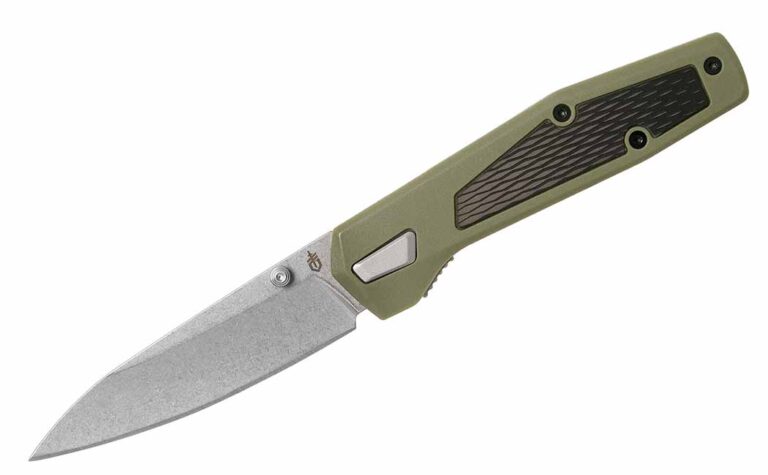
The Newest Budget EDC From Gerber Gear Is Light And Flexible. The Fuse Would Be An Excellent Knife to Handle Day-To-Day Life.

Gerber Gear’s newest EDC succeeds thanks to its construction. The Fuse has a 7Cr blade connected to a glass-filled nylon handle that makes for a strong, rigid knife. The blade is electroformed stainless, and there are additional stainless liners for even more strength. The liner lock helps keep everything secure and safe while cutting.

The Fuse is the type of knife that is perfect for someone with a new interest in knives or is looking for an EDC that won’t break the bank. There’s a lot to like here. The piece weighs only 2.83 ounces and you can choose between black and flat sage for the handle color.

Is this a revolutionary knife? No. Has Gerber a model that is an entry point for new knife owners? Absolutely.

MSRP: $40

Editor’s Note: This article was written by Mike Ableson.

Read More

Best Japanese Pocketknives: 5 Excellent Examples

There Is A Robust Market Of Japanese Pocketknife Makers. These Blades Stand Out As Some Of The Best.

Japanese knifemakers are among some of the best on the planet. With traditions dating back to the days of the samurai, makers in Japan have long known what it takes to make high-quality blades.

As the tastes of blade lovers have changed throughout the years, so too have the pieces made in Japan. Today, with pocketknives being one of the dominant styles, makers are creating EDC knives that wow. 

What Sets Japanese Pocketknives Apart From Western Blades?

There is a traditional style of Japanese pocketknife that many modern models are still based on. The higonokami was first developed in the city of Miki in Hyogo prefecture in 1896. These knives operate as friction folders with no lock that open by the friction of the swivel or by using the thumb lever, known as the chikiri.

The blades of the knives set themselves apart from many Western-style knives due to their flat grind without a secondary bevel. 

The name higonokami was trademarked by a guild in Miki so now only one maker, Nagao KameKoma, can officially use the name when marketing their knives. But many makers throughout the country still make knives in the style but simply call them “higo” knives or “made in the higonokami style.”

Best Five Japanese Pocketknives

As you’ll see, not all Japanese pocketknives are higonokami. But many high-quality blades are as they blend traditional design with modern construction.

KATSU Damascus Steel Higonokami Japanese Razor Knife

KATSU Damascus Steel Higonokami Japanese Razor Knife

First up is this knife from Katsu. A contemporary take on the higonokami, the Razor Knife is a beautiful piece that shows why the higonokami style endures and the skill of the makers at Katsu. 

The three-inch damascus reverse tanto blade is married to a damascus bolster and snakewood handle. The chikiri is damascus as well. Fully closed, the knife is 7.5 inches long and weighs just under four ounces. It’s a lovely piece to look at and use.

MSRP: $73.99

Moki Kronos Lockback

Moki Kronos Lockback

This folder from Moki looks like it wouldn’t be out of place in the catalog of many American companies and is an excellent representation of how the Japanese pocketknife market has evolved over the years.

The Kronos has a handle made of amber stag horn and a polished satin VG-10 blade. The drop point features a flat grind and is 2.75 inches in length. The knife opens with a nail nick and comes with an included leather-lined sheath. The Kronos has an august, regal look to it.

Moki has been making knives for over a century in Seki, the epicenter of Japanese knifemaking. The Kronos blends the old with the new in an elegant yet rugged construction.

MSRP: $189.95

Mcusta Tsuchi Large Pocket Knife

Mcusta Tsuchi Large Pocket Knife

A stunning, modern knife, Mcusta’s large pocket knife is an eye-catcher. The hammered-patterned steel gives the handle a wonderful textured feel and the damascus stainless blade looks as good as it cuts.

Made with a VG-10 core, the drop point blade is laser cut so there are no mistakes in construction. Each Mcusta knife is assembled and finished by hand which means you’re getting what you pay for with this blade in the best possible way.

The pivot pin washer system allows the blade to move like a hot knife through butter, which this knife could cut through with ease even when ice cold. When it comes to factory Japanese pocketknives on the, please forgive the pun, cutting edge of style and tech, this piece from Mcusta is high on that list.

MSRP: $176.40

Albatross EDC Mini

Albatross EDC Mini

Sometimes you want a small knife that packs a big punch. Look no further than the mini from Albatross. This 2-inch damascus blade is composed of 71 layers of steel around a VG10 core and hardened to a 58-60 HRC. The ergonomic ebony handle sits well in the hand and allows for easy, flowing movement with the blade.

Great for camping and the home, the Mini has a lanyard for easy carry and arrives in a lovely box, making it great to give as a gift. Yes, it’s a small blade, but when you’re camping you’ll probably be cutting mainly in tight quarters, making this knife the perfect choice for the job.

Oh, and it’s under $50, and you can never go wrong with a good knife at that price.

MSRP: $45.50

Nagao-Kanekoma MN-20B Original Higonokami

Nagao-Kanekoma MN-20B Original Higonokami

Our list concludes with an official higonokami from Nagao-Kanekoma. This small knife is incredibly strong. The Aogami damascus is hardened to a 60-61 HRC which gives the blade a rugged, durable edge that can handle far tougher use than you might expect from a knife weighing just under 2.5 ounces. The blade is connected to a sleek black-coated brass handle. 

This feels like a time machine to some of the first Japanese pocketknives. You can see the craftsmanship in every inch of the knife and can feel the maker’s skill when you hold it. It’s smack in the middle of our list in terms of price so you won’t have to break the bank to have a piece of living history.

MSRP: $134

Read More

First Look: Benchmade BK-1 Claymore

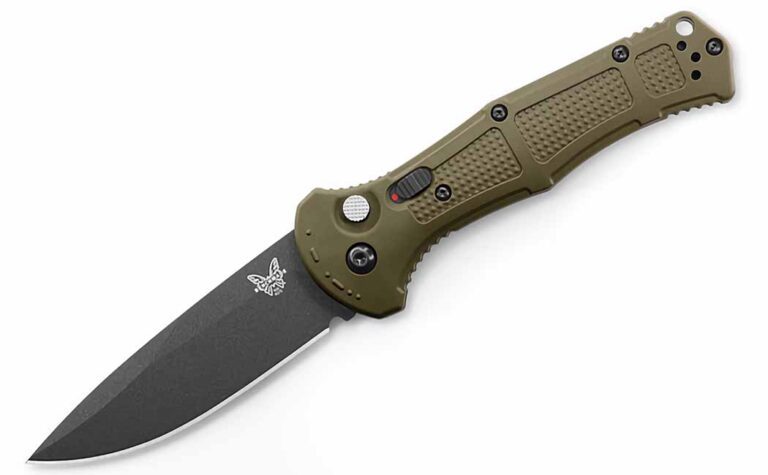
After The Massive Success Of The Original Claymore, Benchmade Has Released The BK-1 Claymore. This Knife Has A Plain Edge, Is Crazy Tough, And Opens With Authority

The original Claymore from Benchmade was a rousing success, and the new BK-1 Claymore looks to follow in its footsteps. The BK-1 features the same resilient CPM-D2 blade 60-62 HRC, only this time the blade is fully ground to a plain edge instead of a partially serrated one. The 3.6-inch blade has a cobalt black finish.

The BK-1 is just as nimble as it is tough thanks to weighing only 3.5 ounces. The molded Grivory handle provides excellent grip, and the push-button auto fires it open with confidence. This is the type of construction we’ve come to expect from Benchmade, and in the BK-1 they’ve made an exciting, worthy successor to the original Claymore.

MSRP: $230

Editor’s Note: This article was written by Mike Ableson.

Read More

First Look: GiantMouse Ace Nibbler

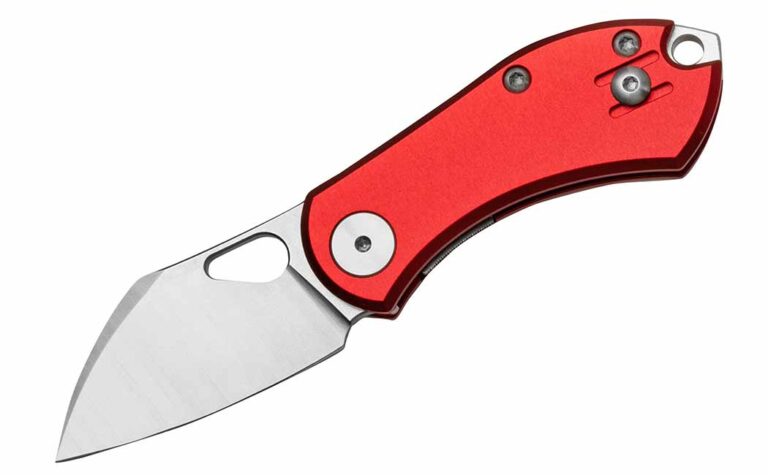
The New Ace Nibbler From GiantMouse Comes In Five Different Colors. This Nimble Little Folder Is Perfect For A Keychain.

The newest folder from GiantMouse is a treat. The Ace Nibbler, named for the old Tom and Jerry character Nibbles, is a small, versatile piece that is excellent as an EDC and easily fits on a lanyard, in your pocket, or on a keychain. Best of all, rather than a single version, there are numerous ways you can personalize the knife.

It starts with the handle. There are three aluminum varieties (blue, green, or red), a green canvas micarta, and a titanium version. Each style of handle is married to a different type of steel.

The aluminum knives have a satin-finished N690 blade while the green canvas micarta is married to a stonewashed 20CV blade. The titanium construction is completed by a satin-finished 20CV steel.

All versions of the Ace Nibbler come in at 2.5 ounces or less. The features continue with a liner lock on all models as well as a reversible wire clip. The wide nail nick makes it easy to open. 

The price does differ based on handle type with the aluminum varieties being the least expensive and the titanium version being the most expensive. No matter what type you purchase, this diminutive knife is more than worth it and can be a loyal EDC for years to come.

MSRP: $95-185

Editor’s Note: This article was written by Mike Ableson.

Read More

Advertisement

Must Read Articles

Read this before you make a knife

Knifemaking 101 – Read This Before You Make a Knife

  by Wayne Goddard My experience has taught me that there's nothing like digging in and getting started. I've often said the hardest part of the...
how to forge damascus steel

How to Forge Damascus

Advertisement
Advertisement