The BLADE Blogs

The blogs of the BLADE editors, Steve Shackleford and Erin Healy.

1.4 Million Watch Forged In Fire

Forged In Fire on The History Channel.
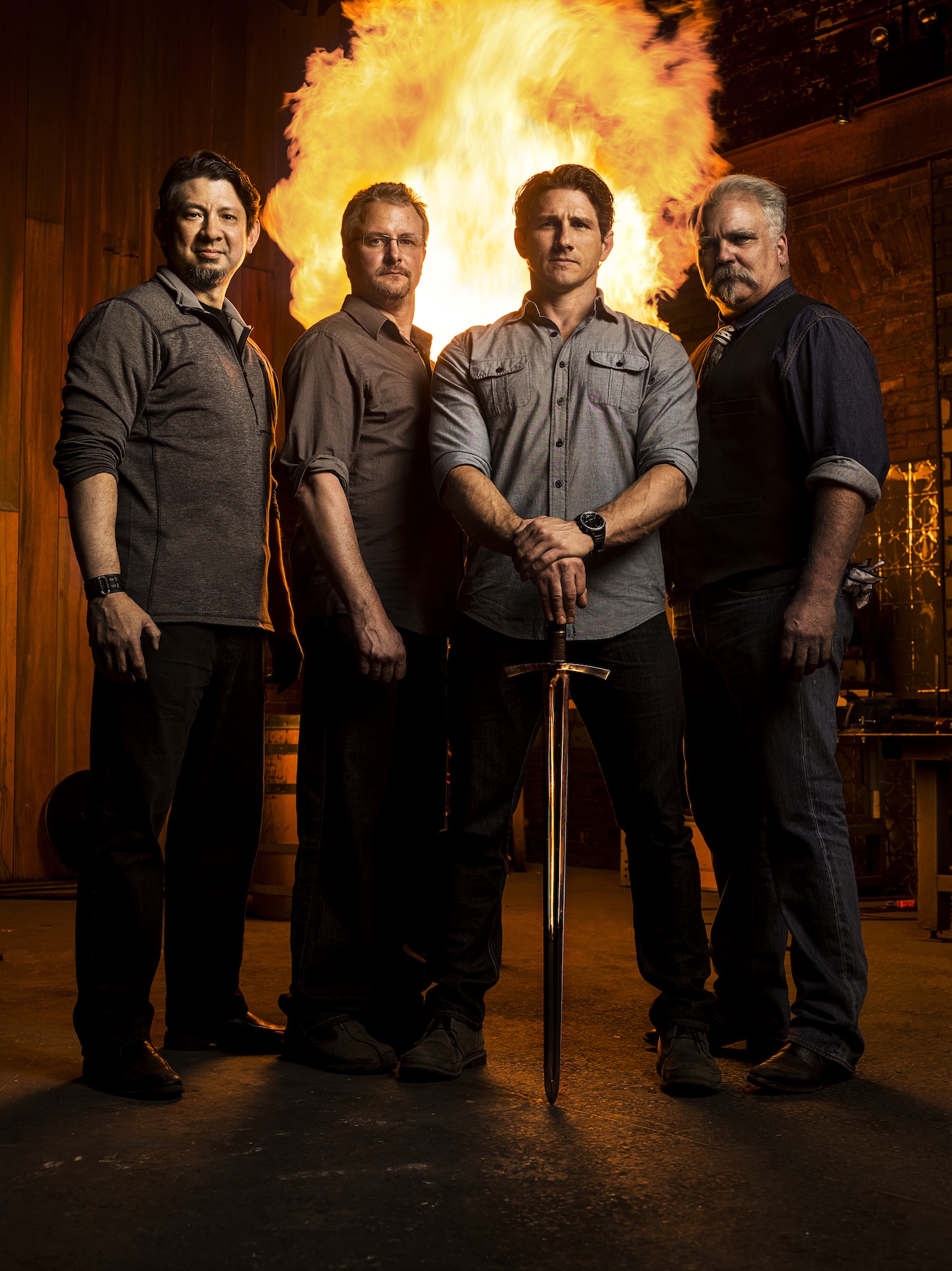
From left, Forged In Fire’s Doug Marcaida, ABS master smith J. Neilson, host Wil Willis and Dave Baker.

Forged In Fire, a new reality TV show pitting bladesmiths against each other in an attempt to see who can make the best knife, is attracting more viewers—1.4 million—than any knife-related media entry in history, and those numbers are climbing.

After five weeks on The History Channel, FIF has gained double-digit growth across all key demographics compared to its premiere episode. According to a History Channel news release, ratings are up a whopping 74 percent in the 25-54 age group, 73 percent in the 18 to 49 age range and 32 percent in all viewers. That’s 595,000 viewers aged 25-54 and 552,000 aged 18 to 49. In all, FIF is attracting 1.4 million viewers, an unprecedented number for a knife-related media endeavor of any kind.

In last night’s fifth installment in the series, bladesmith Guy Harris won the $10,000 cash prize offered to the winner in each episode. He won for making what was judged the best version of an Elizabethan rapier.

Hosted by Wil Willis, the show originates from a building that has been transformed into a giant forge of sorts containing a number of individual forges, grinders, power hammers, drill presses, hand tools, knifemaking materials and more. In each episode, four different bladesmiths compete against each other in a preliminary round in which they build a rough knife from materials and to specs provided by Willis and the three judges: ABS master smith J. Neilson, ancient weapons authority David Baker and martial artist/weapons authority Doug Marcaida. The four smiths are whittled down to three after the rough knife segment and to two after the finished-knife segment. The two finalists are assigned a special knife, sword, axe or other edged tool that they have five days to complete at their home forge. They then return and the judges put the resulting pieces through the cutting paces and decide which one wins the $10,000 prize.

Watch a Preview:

Waki Talk: What’s Hot in Wakizashis

The wakizashi may be the most sensible and useful Japanese sword. Between a katana and tanto in length, the “waki” is long enough for any number of heavy-duty jobs but also short enough to use in confined spaces. And, for those into collecting/displaying Japanese swords, the waki offers all the traditional accouterments of high-end pieces, too.

    “The CAS Hanwei Tactical Wakizashi crosses over to the machete market to a large extent but still has the mystique of the traditional wakizashi, which a lot of people know about, so it’s a pretty good combination of a machete and an old-time weapon,” CAS Hanwei’s Barry Ross noted. “A lot of our customers use it as a brush-cutting sword. Those hiking in the backwoods carry one for cutting brush for paths and to make shelter, and [some other of our customers] use it as a defensive weapon.”

    With a manufacturer’s suggested retail price of $209, it is a lot less expensive than traditional wakis that have more expensive fittings and cost much more to build, Ross added. Sporting a checkered Kraton handle for a sure grip in slippery conditions, the CAS Tactical Wakizashi has a 20-inch blade of 5160 carbon steel plasma coated for corrosion resistance.

    For the plasma coat, CAS Hanwei has a process that applies a thin layer of nickel to the blade. It is a very tough coating that forms a physical bond with the steel, one Ross said will not wear off. “5160 will rust easily if left to its own devices and since these things will see a lot of work, we needed to do something for that”—thus the plasma coat, he reasoned. The weatherproofed, glass-filled-resin scabbard is equipped with a drain hole so it will not hold water.


THE G2 TEST

ABS master smith Wally Hayes offers tactical, traditional and high-end wakis. “I make tactical wakis for Larry Brahms of Bladeart.com,” Hayes said. “Brent Beshara tested one at the [Usual Suspect Network] G2 Show. We had to make something that was the biggest bang for the buck, something to take into battle and not cost an arm and a leg, so we came up with the tactical waki.” It has a 14-inch blade of 1084 carbon steel and an 8-inch handle with a Turk’s head knot and a ray-skin nylon wrap resin coated to waterproof it. Hayes indicated he has since switched to W2 tool steel for the blade because W2 produces “cooler temper lines and stays straight in the heat treat.” His list price: $1,200. He also offers the double-edge/double-temper-line Hayabusa that he lists for $1,800. It has a 15-inch blade and an 8-inch handle of black ray skin and purple silk.

    While Hayes said his waki production is about half tactical/half traditional, which breaks things up and makes them more fun for him, he indicated he is learning more toward the more expensive models to “push his limits.”

    “As I move up the food chain, so does the demand for my higher-end stuff, more engraving and gold,” etc., he said. “I’m attracting higher-end collectors” from such places as Cypress, Germany, China and Australia, to name a few. “And Axl [Axl Rose of Guns ‘n Roses fame] loves my stuff—traditional and tactical,” he added. “He’s got my wakis hanging in his kitchen.”

    An example of Wally’s higher-end waki would include one with 1600 layers of three different carbon steels—1050, W2 and 15N20. “I put in some of Alfred Pendray‘s carburized electrolytic iron; that way I can get the brightness and tool up to between a thousand and 1600 layers,” Wally noted. All the handles are traditional. He carves and engraves them and embellishes them in gold and silver, depending on the price, which starts at $3,500.


BACKYARD CUTTERS

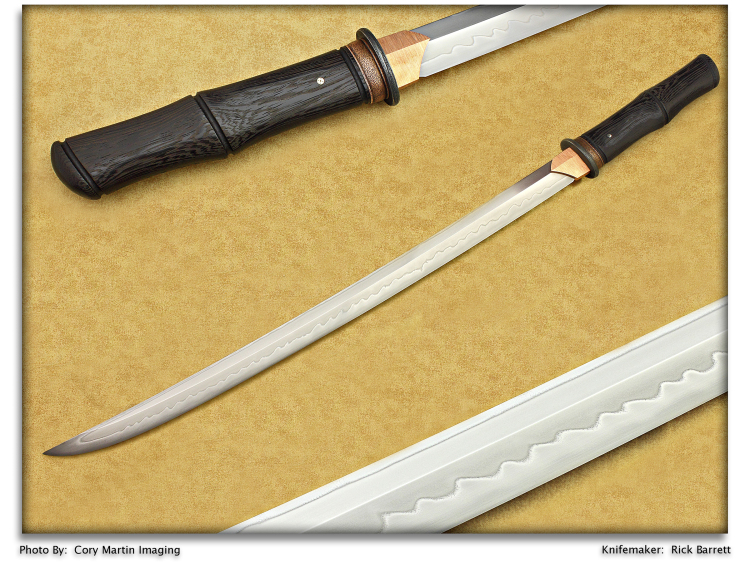
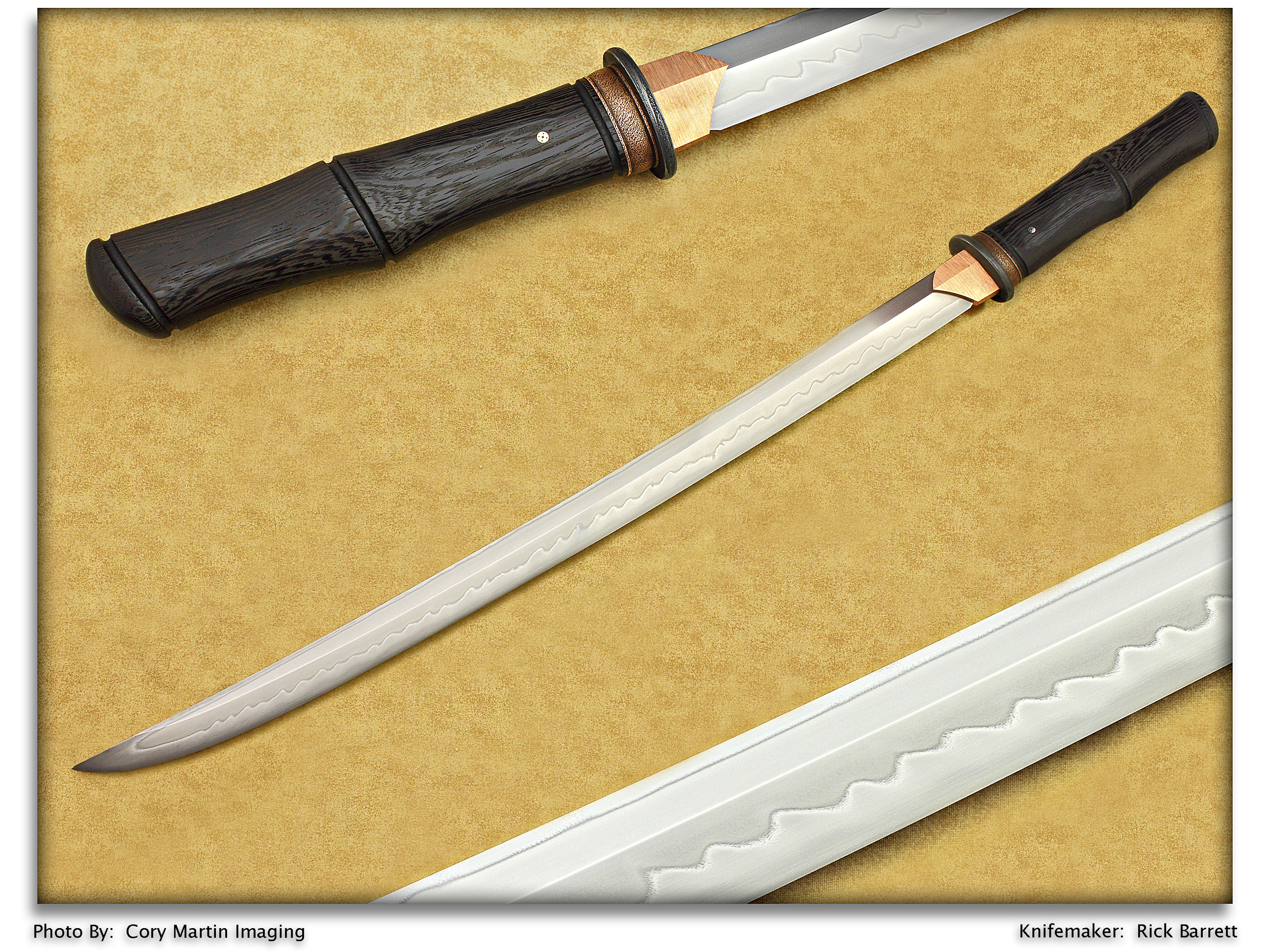
Rick Barrett, who also goes by the Japanese name of Toshi Hisa, said he prefers to make his wakis with semi-traditional-type blades. “I like the longer or oh wakizashi in the 23-to-25-inch blade range, so it’s almost a short katana,” he said. “It makes a great tactical blade; it’s not so long you can’t use it in confined spaces.” Rick uses 1075, W1 and W2, modern carbon steels heat treated traditionally for a hamon.

    He indicated many of his customers include martial artists and “backyard cutters,” the latter whom cut rolled-up straw mats and bamboo in their backyards. “In my opinion, cutting things is similar to shooting firearms. You go out and practice to improve your technique; it is a bit of a hobby in itself,” he opined. “It’s like people who don’t shoot; they don’t know the pleasure people get hitting a target. Those who don’t cut don’t get it either, but [those who do] get a thrill from cutting targets.” Rick said he also has military customers who order anything from a long tanto to a short waki for use in Afghanistan as a backpack piece, as well as collectors who “just put the swords on the mantle.”

    Rick sells most of his wakis—and swords in general—without handles. “I usually do the blade alone and let the customer decide if he wants the rest done traditionally or contemporary. That’s the way the Japanese makers do swords [without handles]. A lot of Westerners look at it as not finished, whereas the Japanese look at it as finished; the rest is ancillary. I get questions all the time: ‘When are you going to finish it?’ For years I would finish it and people would say they wanted something different. You can’t just change it easily. It requires redoing a lot of things. I spend $200 on getting the handle wrapped and if I have to rewrap, I will have to undo the handle, which costs $200, and rewrap, which is another $200.”

    When he offers a waki with traditional mounts, he hands it over to a traditional mounter. “[Traditional mounters provide] a more accurate wrap than I could ever get,” he observed. “[Traditional mounting] takes years in itself to perfect. I don’t want to offer something sub-par for a sole-authorship piece. It is far better to have a tighter handle wrap, diamonds lined up perfectly, and so on. The contemporary handles I do all myself.”


3V WAKIS

Dan Keffeler makes tough, functional user wakis. He said he was invited to a dojo in 2004 and watched a participant’s sword bend during a cut. “He wound up taking it to a polisher to straighten the blade and the bill was $900,” Dan recalled. “I was working with CPM 3V and wondered why can’t I make a [sword] blade out of 3V? It has a lot of impact and chip resistance and though it’s not as tough as S7 it’s still tough, so I started making Japanese swords from 3V, testing, dialing in heat treat for a balance of all the properties we’re looking for, one that would not take a set [bend] and would chop through a 4×4.”

    Since then Dan said 3V has developed a durable reputation for both knives and swords, including his wakis. “I am one of the first if not the first to use 3V for swords, and I hope my work with it over the last eight years has helped contribute to that,” he noted. “I think 3V has the best combination of toughness and edge retention for a sword blade of any steel I’ve tested. I compete in BladeSports International cutting competitions and hold the world record [1.21 seconds] for the fastest 2×4 cut, so I have spent a lot of time on what makes things cut.

    “With a sword, toughness is primary; with a knife, edge retention is primary. For swords, I have not seen another steel that can put those two attributes together like 3V can. When heat treated properly, it’s semi-stainless like D2. You have to care for it but not like for steels like O1. 3V is abrasive resistant so it doesn’t scratch up like other sword steels. It’s harder to sharpen and grind but because it’s so tough and chip resistant, I can grind it to a thinner edge, and a thinner edge is easier to sharpen.”

    For handles for his user pieces he uses a material called Tero-Tuf. “Brian Wagner and Jeff Crownover turned me onto it,” he said. “It’s synthetic like Micarta® or G-10 but is tougher than both. It’s laminated and has a resin like canvas Micarta to make it stronger.

    “I was testing different glues on G-10, Micarta and Tero-Tuf and trying to break the glue and hitting the handle with a hammer. The G-10 would break and crumble in chunks. The Micarta took more hits but would shatter. The Tero-Tuf would throw the hammer back at me. It’s hard to get it to fracture.

    “I sent a knife [with a Tero-Tuf handle] into Knifetest.com and [the tester] hit the handle with a sledgehammer 50 times and couldn’t break the scales. It’s really a high-impact material. Another benefit is it has a really good grip when wet.”


EQUAL PARTS HOT & COOL

Useful, traditional, contemporary and collectible, today’s wakizashis have everything going for them that enthusiasts look for in a Japanese sword. If buying such a sword is on your list, consider the wakizashi, especially one of those described herein. Equal parts hot and cool, wakis are hard to beat.—by Steve Shackleford

How Long The Waki Blade?


How long is the blade of a wakizashi? According to Rick Barrett, since the waki is more of a short carry sword, the blade normally is in the 14-to-22-inch range. As for the oh wakizashi—translated as long wakizashi—he said the range is 23 to 25 inches.

    Barry Ross put the waki blade-length range at 18 to 21 inches. Dan Keffeler said waki blades generally span from 16 to 24 inches. His assessment gibes with the description by the late Bob Engnath in his “Basic Blade Shapes of Ancient Japan.” After 25 inches, Keffeler noted, the blade falls into the short katana range, with the standard katana blade at least 27 to 28 inches long.

    According to information supplied by swordsmith David Goldberg, a wakizashi is “a medium-sized blade over one shaku but less than two shaku in length.” Wikipedia indicates the Japanese shaku has been defined to equal 11.93 inches. Two shaku equal 23.86 inches.—by Steve Shackleford


For more on the latest knives, knife legislation, knifemaking instruction, knife trends, knifemakers, what knives to buy and where and much more, subscribe to BLADE® Magazine, the World’s No. 1 Knife Publication. Click on http://www.shopblade.com/blade-magazine-one-year-subscription-us/?r+ssfb072512 for more information.


Which Overall Knife-Of-The-Year Is Your Favorite?

Every year at the BLADE Show in Atlanta knife companies that have booths at the show vie for the coveted–and they really are–Knife-Of-The-Year® Awards. There are a dozen awards in different categories (i.e. Imported Knife-Of-The-Year, Best Buy Of The Year, etc.), the top honor being the Overall Knife-Of-The-Year.

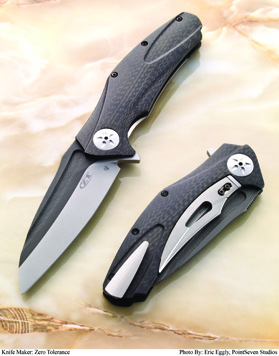
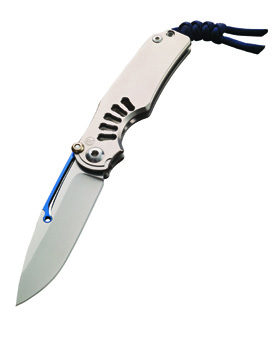
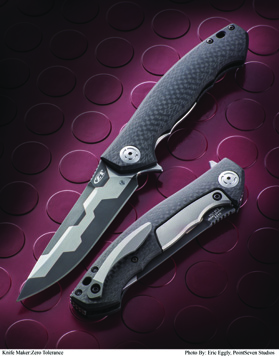
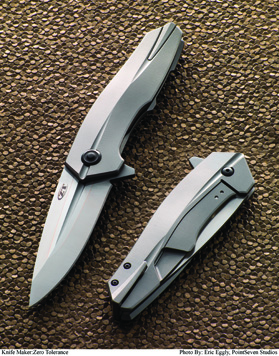
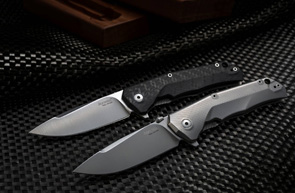
Some fabulous knives have won the Overall Knife-Of-The-Year Award since 2010, with Zero Tolerance/Kai USA having a run of three winners between 2011 and 2013. The winners since 2010, in order by year starting in 2010 (and shown in order below), are: the Chris Reeve Knives TI-LOCK, Zero Tolerance 0777, Zero Tolerance 0888, Zero Tolerance 0454, CRKT Hi Jinx, and this year, the Lion Steel T.R.E. (Three Rapid Exchange).

So, looking at the knives below–shown in order as listed above–which is your favorite Overall Knife-Of-The-Year since 2010 and why? It’s hard to choose, isn’t it?!
Eric Eggly-Owner/PhotographerZT 0777


ZT 0454


ZT 0888CRKT Hi Jinxlion steel T.R.E.

High-Performance Knives For Under $50?!

Leave it to BLADE® Magazine and BLADE field editor Dave Rhea to find quality, yes, quality, production knives for under $50 each.                        (shown below is the 5.11 Tactical DTP)

DTP-51115-Knife-2

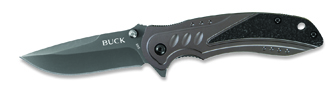
As Dave Rhea asks, “How does a knife company create a reliable, quality knife at low cost? According to Stephanie Young, Buck Knives marketing and communications manager, the key is to focus on robust, simple construction and tough materials. With the Buck Trigger folder as an example, she said there are several things for knife enthusiasts to consider—including Buck’s “Forever Warranty.”

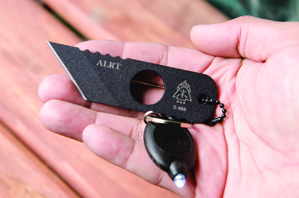
“Forever is a long time and our knives need to last a long time,” she relayed. “EDC knives are truly carried every day and used more often than a task-specific knife.”alrt 01-6

The Trigger features a drop-point blade because it functions well in a variety of situations, she said. The Trigger gets its name from the choil that transitions into a flipper “trigger.”

(at right is the TOPS Knives ALRT)

“Robust, simple construction with tough materials need not be expensive,” Young explained. She added … Click here to subscribe and find fascinating articles like this at your doorstep monthly, or pick up the February 2016 issue of BLADE on newsstands today.

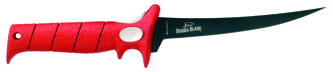
(Shown here are the BuckTrigger (top) and Bubba Blade 7-Inch Tapered Blade Flex Fillet Knife)865 Triggerbubba blade

Factory Friday: Contingency By Winkler Knives II

Winkler II Knives' Contingency offers a variety of handle options.
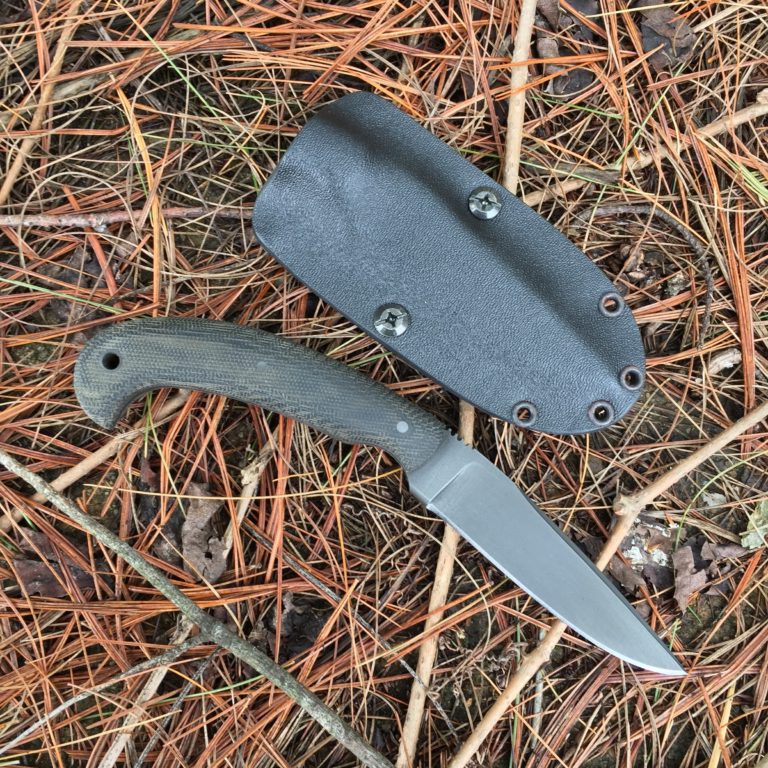
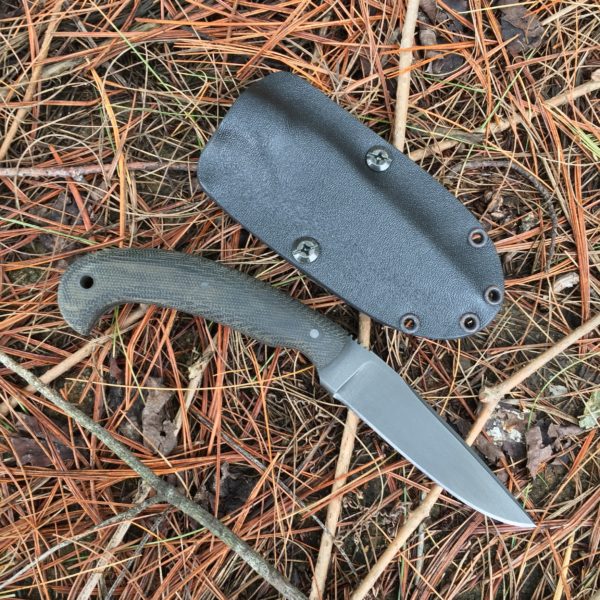
Contingency by Winkler II Knives is well designed for concealed carry. The sheath system offers a variety of carry options and the curved handle easily accommodates positive or 90-degree reverse grip. Contacts for Winkler II Knives are listed at the bottom of this article.

Contingency by Winkler Knives II is a concealable personal protection knife with a sheath system that allows for inside- or outside-the-waistband carry. (You’ll want to order a left-hand-draw sheath for right-hand IWB draw.) The 3 1/2-inch blade on Contingency is made of 80CrV2 steel and has thumb-grip gimping. The knife has a tapered, skeletonized tang and measures 7.625 inches overall.

The curved-handle design is well-suited for easy draw and positive grip or 90-degree reverse-grip positioning. It comes in your choice of walnut, maple or Black, Tan or Green Micarta. Rubber is available but is not recommended for concealed carry. The MSRP is $300. You can also order yours with sculpting, $15; sculpted WASP (air injection), $30; or sculpted multi-camo, $30.

Daniel Winkler’s Early Frontiersman Style

Daniel Winkler, along with wife and leather craftswoman, Karen Shook, started Winkler II Knives in 2016. Daniel’s ever-present love of early American history intensified when he started using black-powder weaponry to extend his hunting season. He added to his 18-century woodsman outfit by making powder horns and other accessories, and in 1975 he made his first knife. He was a member of The American Mountain Men and other historically strict reenactment groups, and began selling knives at gatherings, called rendezvous. The money he made allowed him to upgrade his car-wheel forge to a hand-cranked model. By 1988 he was making knives full time.

Daniel Winkler, Kevin Holland and W.R. Case & Sons Cutlery Co. have collaborated on Skinner, which Holland, a Navy Seal designed.
Daniel Winkler, co-owner of Winkler Knives II with his wife, Karen Shook, is based in Blowing Rock, North Carolina.

When he’d been at it for nearly two decades, he spent a few years entering cutting competitions. He says those experiences taught him more than he had learned in all the other years combined. Not only did he improve his knife-handling skills, he came to understand what made a knife perform in a wide variety of tests. Cutting competitions are timed events that involve a number of stations at which the maker and his knife must cut, say, a hanging rope, an upright straw, a row of water bottles, a cardboard tube, a pool noodle and then chop through a piece of lumber. The blade either cuts or it doesn’t.

Now he establishes the use of the knife before anything else, because no single knife can do all things well. He is honest about how knifemaking is always changing, sometimes advancing, sometimes failing.

In 1992 Daniel had the opportunity to make the knives and tomahawks used in the movie “The Last of the Mohicans.” His pieces also made appearances in 2012’s “Zero Dark Thirty.” It was his work on “Mohicans,” however, that would send him on the path to making knives and combat axes for today’s Special Operations personnel, while continuing to serve the hunter-outdoorsman community.

Contact Daniel Winkler, Winkler Knives II, P.O. Box 2166, Blowing Rock, NC 28605; 828-295-9156; [email protected]; www.winklerknives.com and on Facebook at Winkler Knives.

A Digital Subscription To BLADE Is The Answer

Save $4 off the print price of a annual subscription to BLADE Magazine with a digital subscription.
You can read your digital issues of BLADE Magazine anywhere you have your phone, tablet or computer, and there’s no need to find storage for all your old issues.

Save $4 off the print price of a annual subscription to BLADE Magazine with a digital subscription. If piling up issues of magazine seems like a waste for you… If you feel like you don’t have time to read a magazine… If you like the stories we offer in BLADE, but want a more economical option, then a digital subscription is the answer. An annual digital subscription to BLADE is $17.98.


Emerson Knives Opens New Factory by Mike Searson


The following was excerpted from examiner.com, and written by Mike Searson, Knife and Sword Examiner:
Emerson Knives held the grand opening of its new factory in Harbor City, California this past weekend, with more factory space, an in-house CQB-training area, visitor lobby and other amenities.
 
There were several charity raffles, door prizes, contests, a raffle to “Build your own knife,” a custom knife lottery, and a demonstration by martial arts aficionado and Emerson instructor, Richard Bustillo, with a number of his students from the IMB Academy. Additionally, tattoo artist Vance Foster was on hand to provide body art for any willing subjects.
 
Ernest Emerson set up a “virtual museum” with the timeline of Emerson Knives featuring photos and some rare and unique pieces from the vault. Emerson made his first knife, a butterfly knife, in 1979, while working as a machinist for an aerospace company in southern California because he could not afford to buy one for his martial arts class. He had been studying under Dan Inosanto and Richard Bustillo (both protégés of the late Bruce Lee) at the time, and soon received requests from other students to make knives for them. Emerson made these early knives in exchange for the cost of materials. 
 
He branched out into more conventional designs of the time, fixed blade knives and lockback folders, but soon was intrigued by the LinerLock® design developed by Michael Walker. With Walker’s permission, he incorporated the lock into his own designs and used high-end materials such as mother-of-pearl, titanium and paua shell in his knives. Falling back on his martial arts background, he stripped these designs down to their essence and made a series of tactical knives. These knives featured bead-blasted titanium hardware and black-canvas-Micarta® scales.
 
In the 1980s he was contacted by a group of “underwater welders” to build a “hard use folding knife as strong as a fixed blade that could perform in extreme environments.” The “welders” turned out to be members of SEAL Team Six, for whom Emerson designed a knife from the ground up. The knife incorporated a unique chisel-ground blade, sharpened on only one side to eliminate parasitic drag and was named the CQC-6.  
 
After profiles in knife magazines and being mentioned in the novels written by Richard Marcinko, the founder of SEAL Team Six, the CQC-6 took the knife community by storm in the 1990’s. Military and firearm aficionados purchased the knife as did legions of knife collectors. Emerson designed a slightly different version for Benchmade Knives in 1994, the CQC-7.
 
In 1997, Emerson launched his company as a full-time endeavor to produce knives on a larger scale for both his military and police contracts, and to supply the quickly growing collector base. 
 
More than just a Knifemaker, Emerson is an accomplished martial artist. This new facility not only has more factory and warehouse space, but has a dedicated training area for Emerson’s CQB classes.
 
The highlight of the grand opening was the fabled “Emerson Lottery.” When the demand became overwhelming, Emerson stopped taking custom orders in 2000 and the only way to get a custom knife from him was at a show. To make it fair to the numerous collectors, dealers, and purveyors, this is done via lottery. Names are written on slips of paper and placed in a box. Whoever’s name is drawn gets a chance to buy a knife at the “table price.” Often the ratio of knives to consumers is more than 10-to-1, and with good reason. A custom knife may cost $650 at a show, but on the aftermarket can go for more than three times that amount.
 
As is always the case with Emerson Knives, the donations for the raffles were generous. According to Mary Emerson, over $3,000 had been raised to benefit the Injured Marine Semper Fi Fund, The Naval Special Warior Foundation and St. Jude’s Children’s Hospital.
 
For more information on Emerson Knives, consult the company’s website: http://www.emersonknives.com.
 

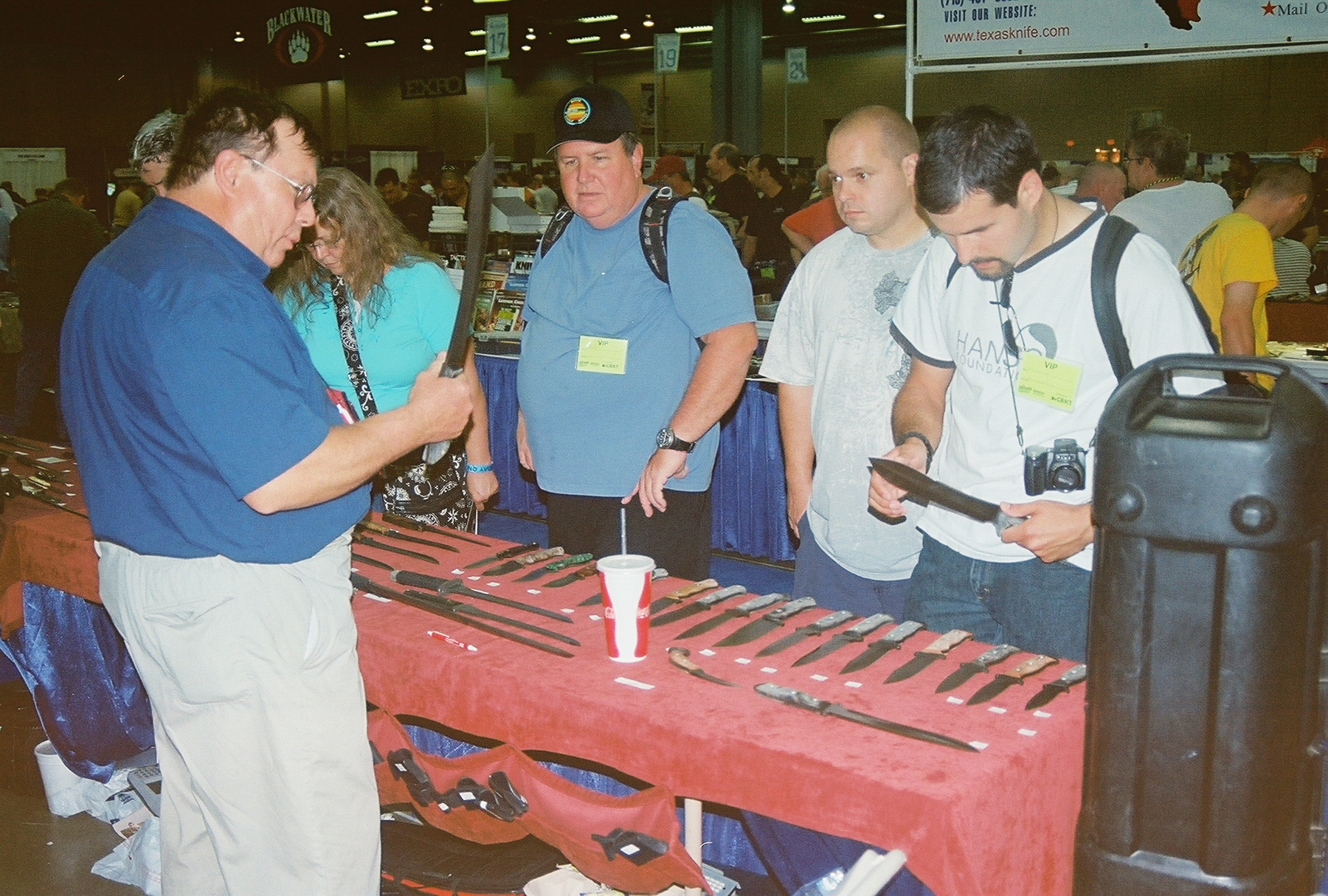
10 Tips for Proper Knife Show Etiquette

Ask Permission

Always ask an exhibitor’s permission before picking up a knife from his table. Nothing’s worse than some ya-hoo barging up, grabbing a knife and launching into a spiel on how much he knows about knives. Treat the exhibitor like you would any decent human being and ask permission to pick up the knife first.

Considerations for Folders

If it’s a folding knife, after asking the exhibitor if you can pick it up, if it’s closed and you want to open it, ask if you can do so (though most every folder maker will expect you to open it, check the action, etc). And if it’s a multi-blade, NEVER open more than one blade at a time. It puts too much pressure on the backsprings and can cause undue wear and tear. If you’ve bought the knife, then open all the blades you want (though it will still cause undue wear on the backsprings). And if you open the blade(s), close it/them before handing the knife back to the maker.

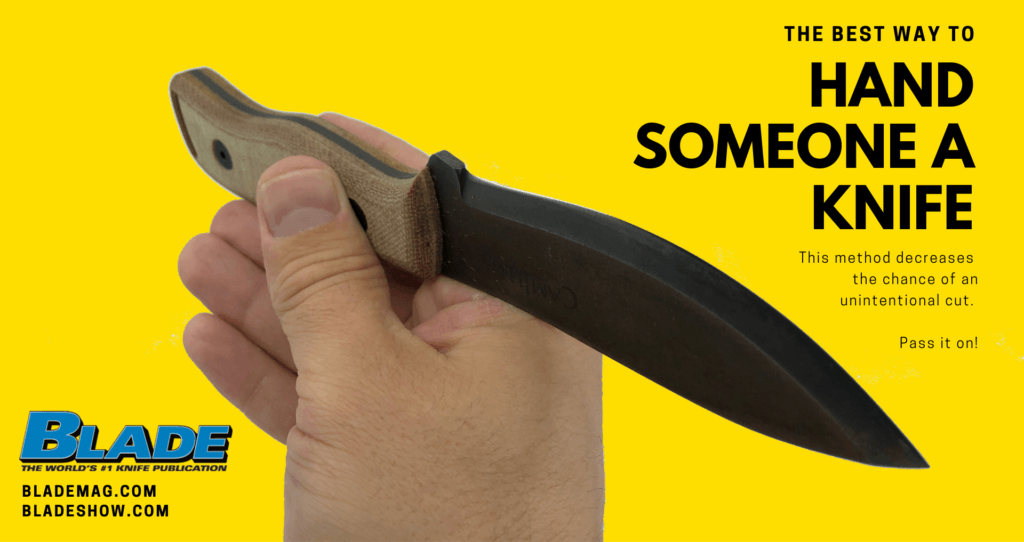
Hand Someone a Knife Safely

how to give someone a knife

Mind Your Edges & Tips

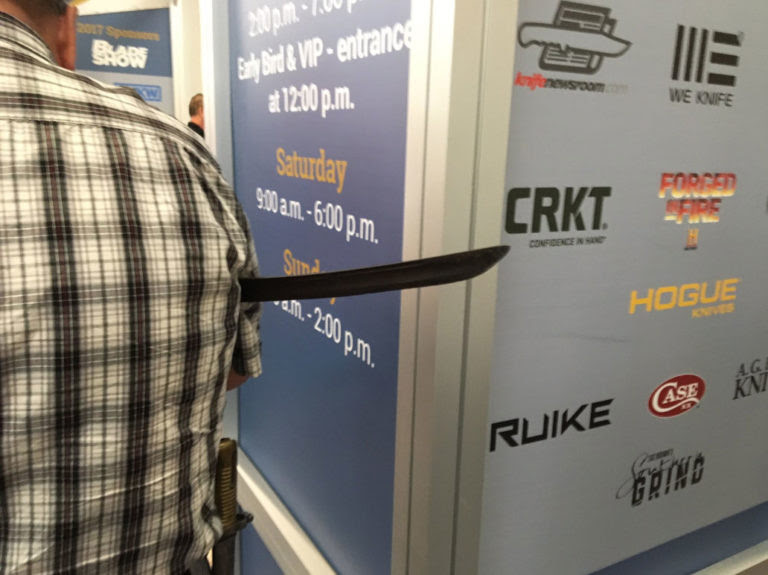
Your blades are your responsibility! Mind those edges and tips. Nothing is ruder than gouging someone on your 6 because you’re strolling around with a sword under your armpit like some 18th-century field marshal.

Say It, Don’t Spray It

Be careful when you are examining an exhibitor’s knife not to spray spittle on the knife. Some people tend to “spray it instead of say it,” and spittle, if not wiped off, can cause “spit pits,” or tiny rust spots.

Wait Your Turn

Never interrupt an ongoing conversation at an exhibitor’s table. The exhibitor might be in the process of selling a knife and if you barge in and start blabbing away, it may chase the buying customer off. Besides that, it’s rude.

Make Way for Business

If you’re talking to an exhibitor and have no intention of buying a knife and see someone next to you who obviously is intent on buying a knife from the exhibitor, politely bow out and give way to the potential buyer.

Leave “I’ll Be Back” to Arnold

Before leaving his/her table, unless you are really going to do it, never tell the exhibitor, “I’ll be back.” Don’t be labeled an “I’ll Be Backer”! 😉

Haggling

Don’t haggle over price with custom knifemakers. They know how much time, effort and materials they put into a knife. If you don’t like the price, move on.

Getting in Close

Using a loupe to examine an antique knife is one thing but don’t use one to examine the custom maker’s knife at the maker’s table. It’s just not very good form. Now, if it’s a custom knife sold by a purveyor, that’s different. After all, if you have a question about the knife’s authenticity, it is possible that the purveyor made a mistake in buying the knife. We all err at times, right?

These are a few of the rules of knife show etiquette. There are others. Practice proper knife show etiquette and your entire show experience will benefit as a result.

Advertisement

Must Read Articles

Read this before you make a knife

Knifemaking 101 – Read This Before You Make a Knife

  by Wayne Goddard My experience has taught me that there's nothing like digging in and getting started. I've often said the hardest part of the...
how to forge damascus steel

How to Forge Damascus

Advertisement
Advertisement