
Knife Drop: Real Avid RAV Series

The gun maintenance equipment company tackles knives.

Any of you who tinker around with guns should be familiar with the name Real Avid. The company offers up some fairly innovative gun maintenance gear at a pretty decent price. But now the Minnesota concern is dipping its toe into the knife world with the release of what it calls its RAV series.

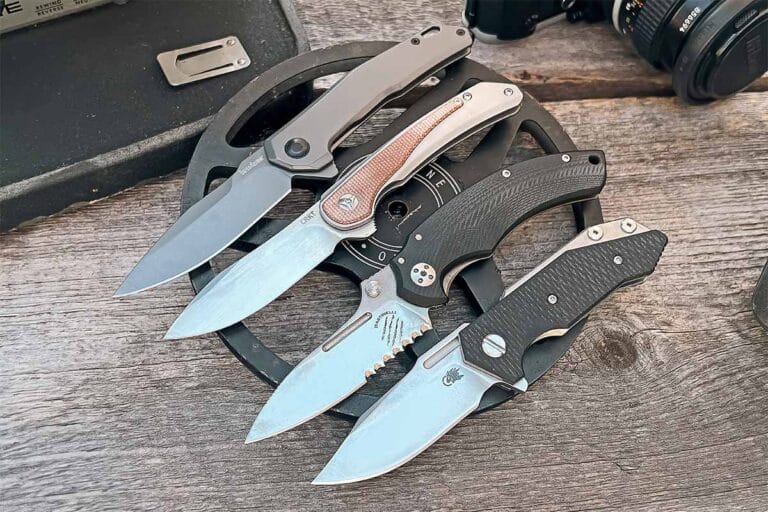
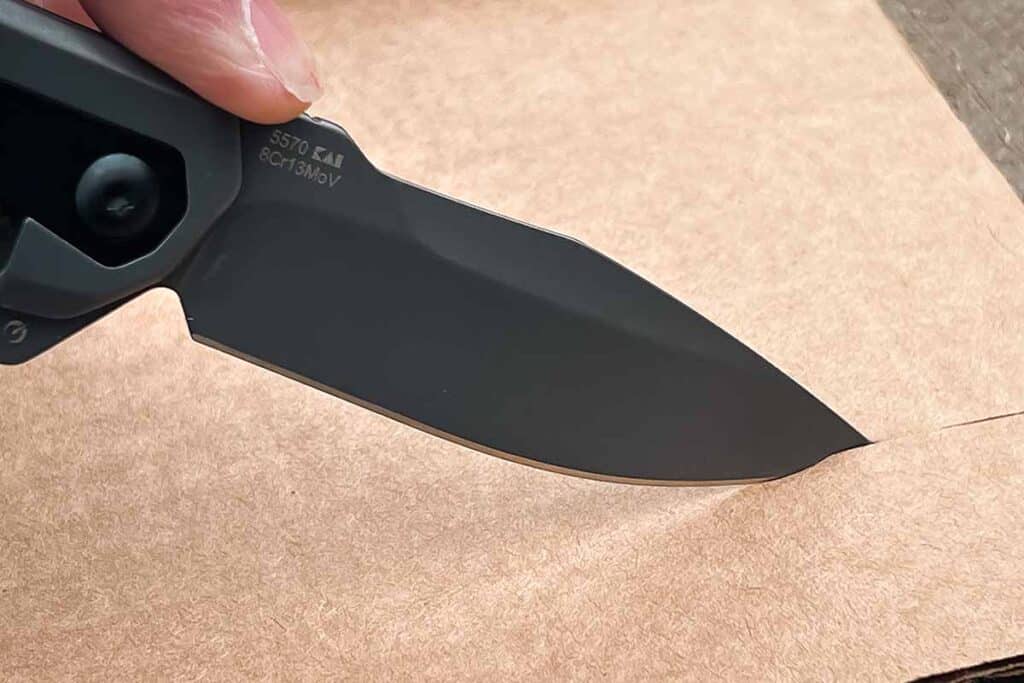
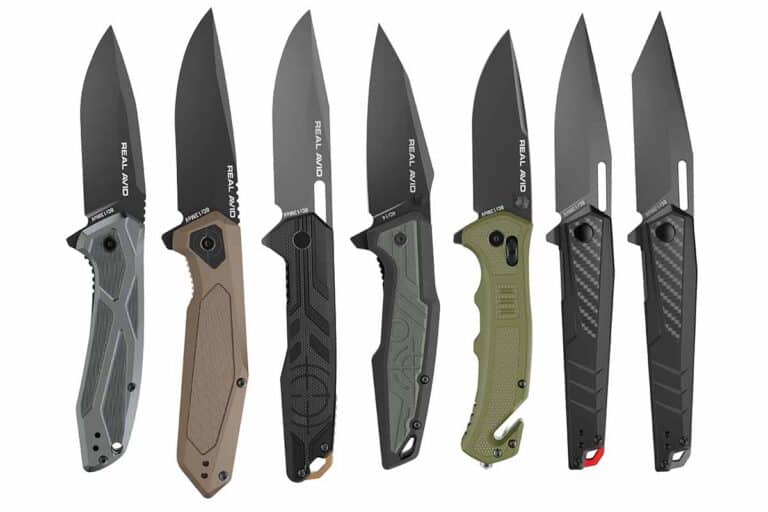
In all, the line folders comprise seven knives—all of them well falling into the budget end of the market. The offerings range from $29.99 to $49.99, making them ready for rough use and if need be worry-free replacement if your chores prove too taxing. Nearly across the board Real Avid 8Cr13MoV for the blade steel, except for the RAV-1—the most budget-conscious model—which has a 4cr14 blade. Overall, the steels sharpen well, but you’ll likely have to hone their edges plenty as retention in these stainless steels is marginal.

Real Avid RAV 7
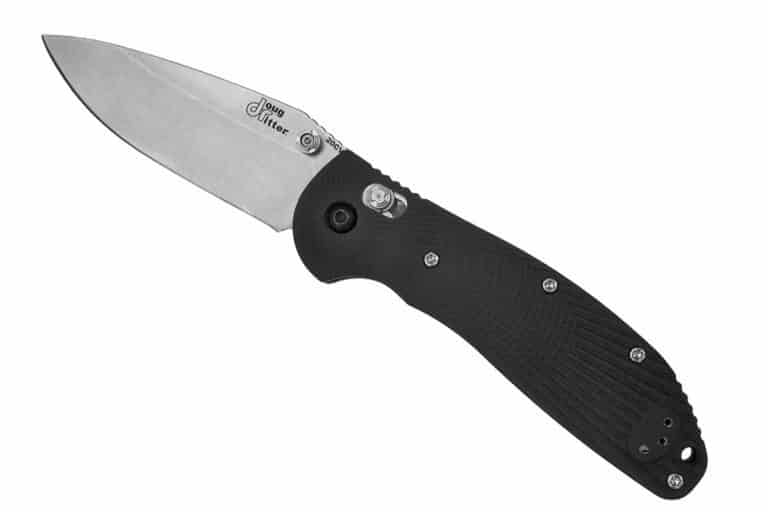
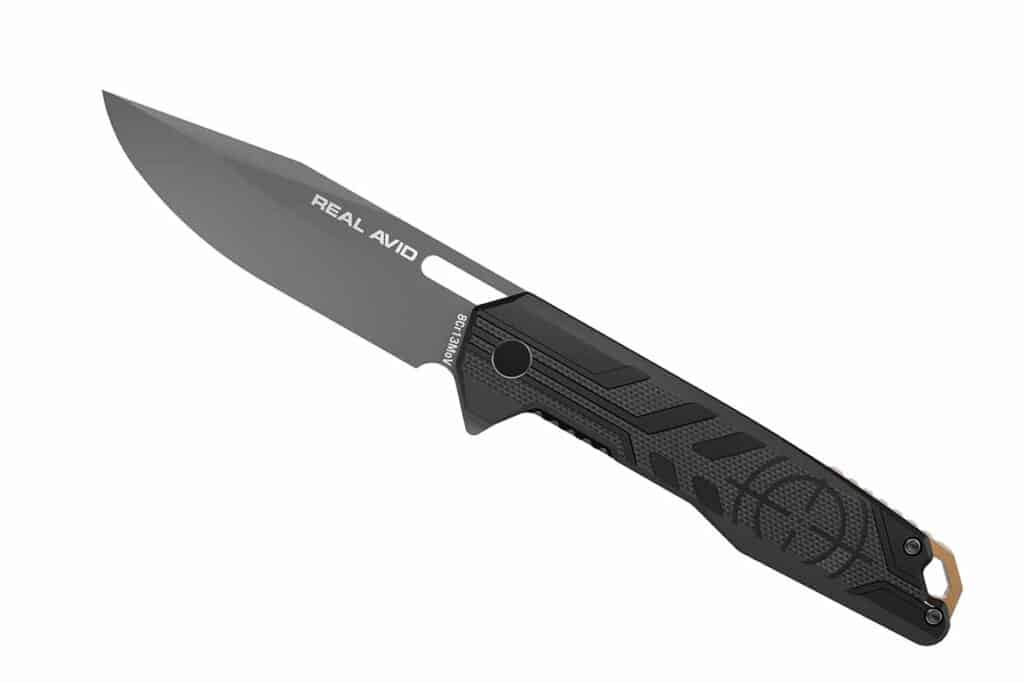
Real Avid RAV 7 with the bullseye pattern in it’s G-10 handle.

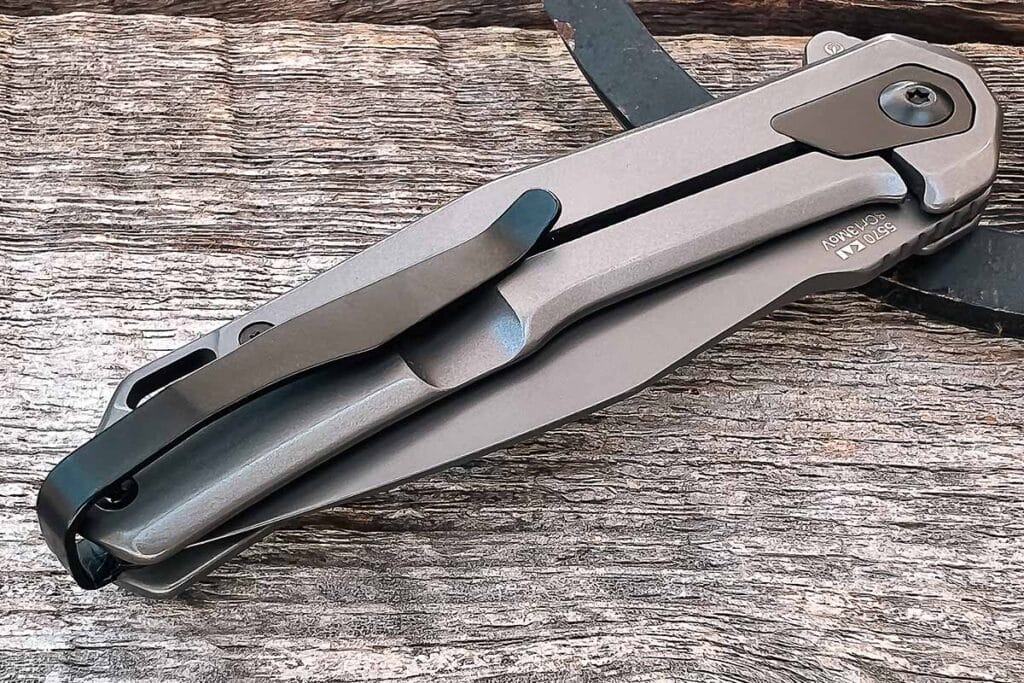
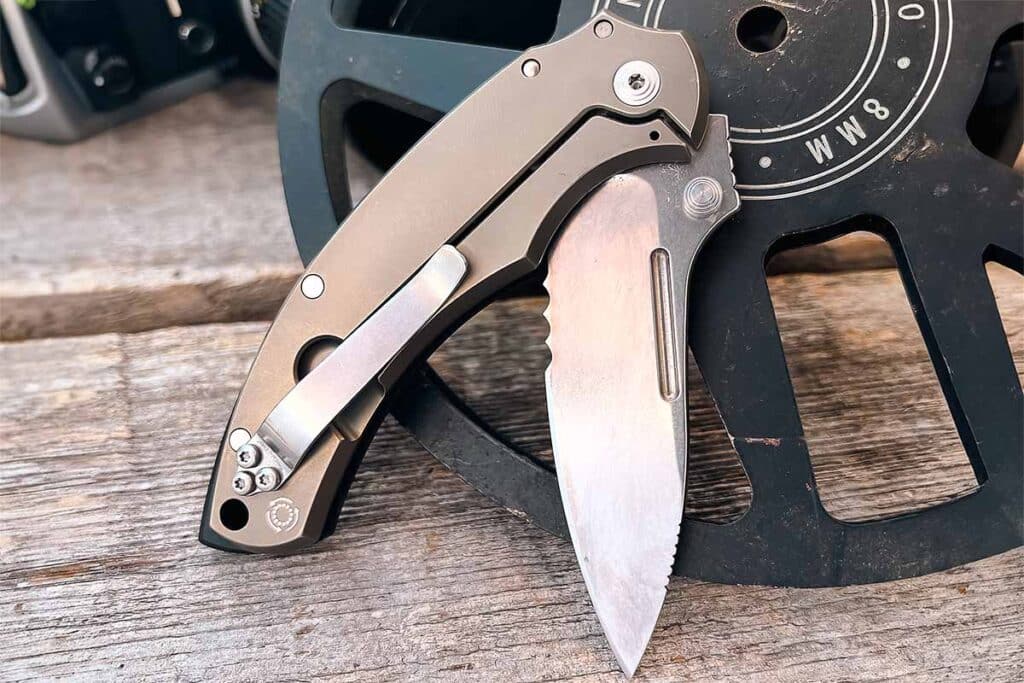
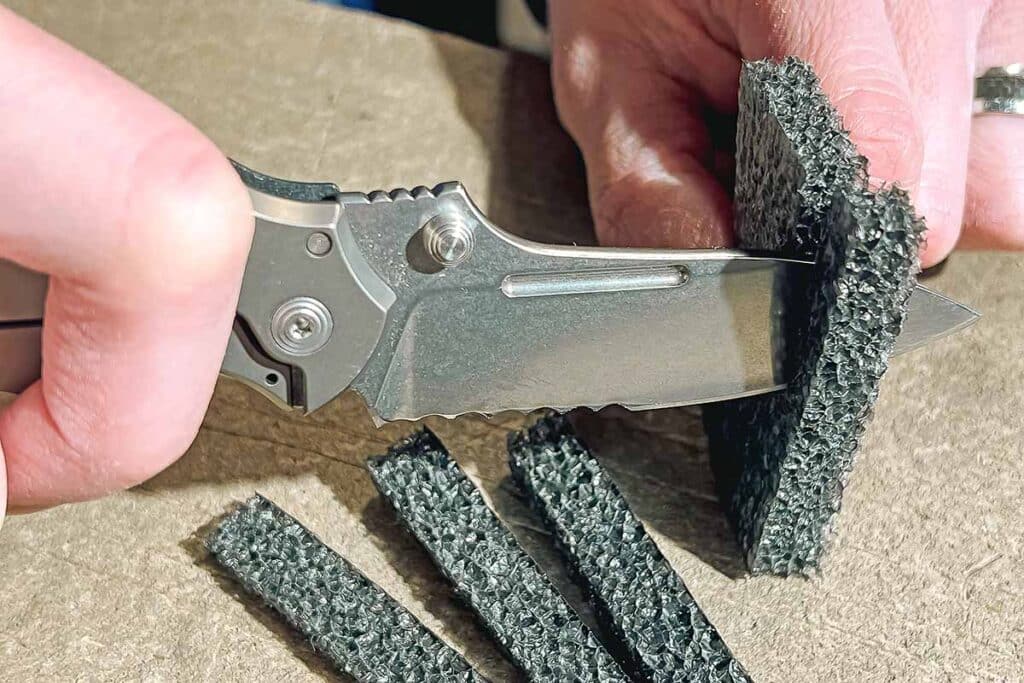
Almost every one of the RAVs has a drop or clip point of some style, except the 6, which stands as the lone tanto in the bunch. As for the handles, nylon, aluminum and stainless steel are pretty much the order of the day. However, the tonier RAV-7 does boast a G-10 handle with some nice texturing and a bullseye pattern in the middle. All of them are flippers, though a few models have been outfitted with thumbholes to offer multiple deployment options.

For the most part, these knives fit into Real Avid’s MO as a gun accessories company. Certainly, the blades aren’t going to knock the socks off your blade-aficionado friends. But for something to carry in a range bag, pry out stuck cartridges, unseal a can of ammo, or any other such thing, they’re right in line.

Check Out More Knife Drops:

What Makes A Great Pocketknife? The Pros Weigh In

0

Some lean traditional, others modern and others “whatever’s in my pocket is fine”.

There are times when a pocketknife is essential and times when it’s not pragmatic. Though I’m guessing most BLADE readers wouldn’t be the ones who’d cause a problem, have you ever had a knife confiscated by the Transportation Security Administration? Sure, it’s in the name of world peace or whatever, but if you find yourself frequently in airports the best pocketknife might be the one you leave at home.

I’m fixing to admit a heresy: As a knife writer and knifemaker with a work-from-home day job, I don’t often carry a pocketknife. I have a small imported Benchmade on my work desk, and some of my “knife collection” is in my office, but that’s all. In my house I’ve got knives everywhere I go—kitchen, bedroom, office, outdoor shop, all over the place. I rarely carry one yet rarely go without. I also fly occasionally, so even my keychain knife has become out-of-pocket.

Let’s drill down through all the “it depends” and get to the final question: What’s the perfect pocketknife? Of course, there’s no definitive answer but there are some perspectives.

Jordan Wagner of DLT Trading

Les George VECM
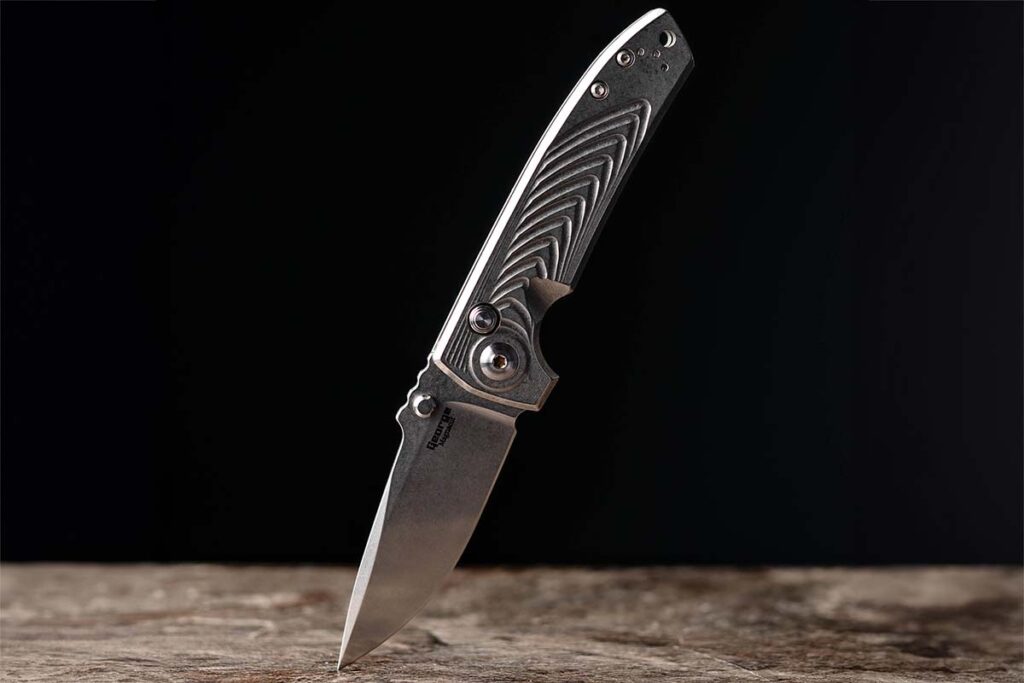
The Les George VECM is clean and ergonomic and checks the boxes for a high-end modern pocketknife: premium CPM MagnaCut stainless blade steel, titanium framelock and easy opening.

When it comes to the modern high-end folder, Jordan Wagner of DLT Trading said, “My favorite would be the Les George VECP. What sets it apart for me is Les’s tremendous attention to detail in both design and execution. His designs are clean and simple without being pedestrian, and they perform phenomenally in use. The VECP handle has fantastic ergonomics and is comfortable in multiple hand positions, while still feeling safe and locked in during use. The blade shape is functional and handsome, and his grinds tend to be extremely slicey. The VECP really hits all the buttons I look for in an EDC knife.”

Ben Petersen of Knafs

CIVIVI Sendy
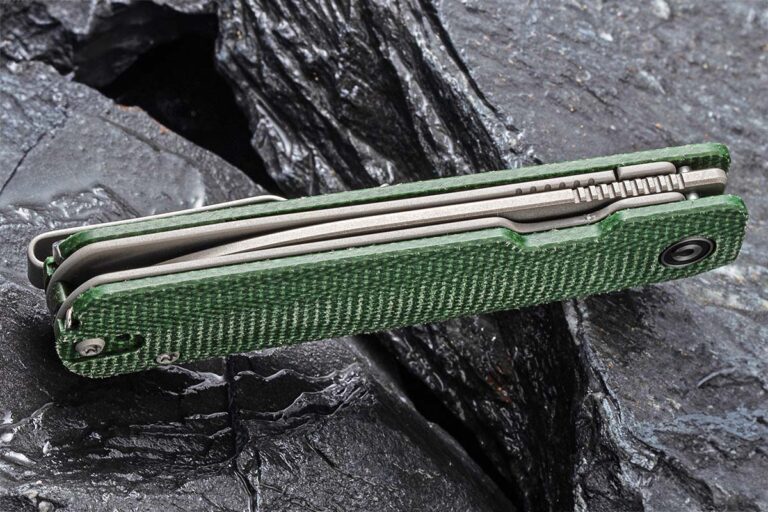
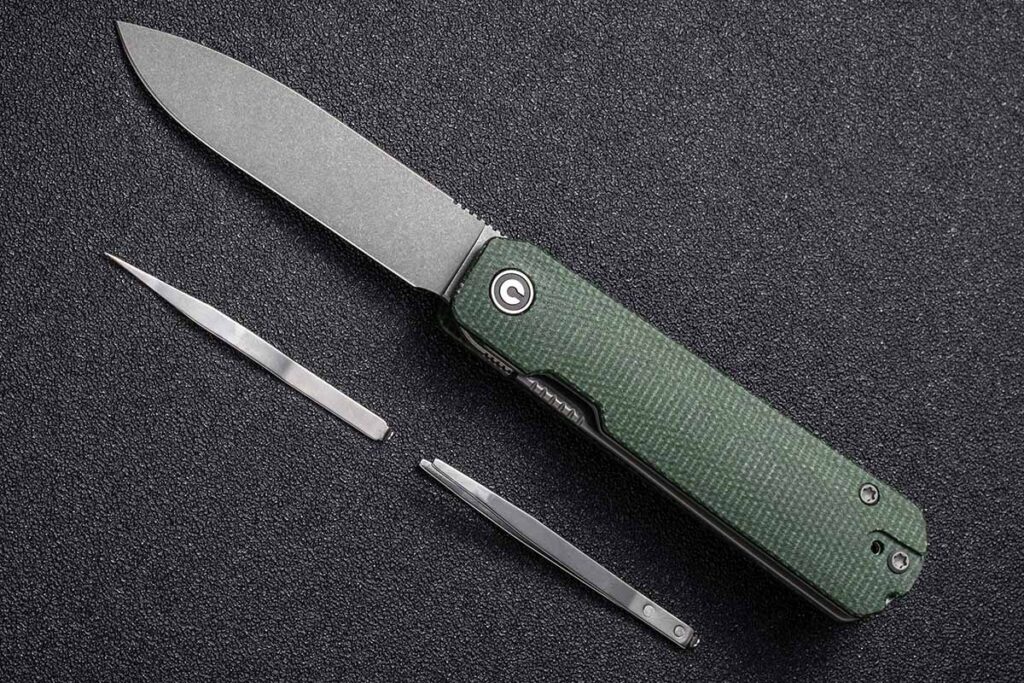
According to the author, the CIVIVI Sendy designed by Ben Peterson combines some of the best elements of traditional and modern design, including a barlow-shaped frame, choice of a clip-point (shown here) or spey pattern blade, Nitro-V stainless blade steel, a Micarta® handle, flipper tab, linerlock and the author’s favorite: a tweezers and toothpick that slides under the scales a la a Swiss Army knife.

In addition to being co-founder of Knafs, Ben Petersen also designs knives. His latest entry is a model produced under the CIVIVI brand called the Sendy. In an innovative genius kind of way, Ben combines some of the best elements of traditional and modern design. The knife comes in Nitro-V, a stainless steel that threads the fine line between ease of sharpening and edge holding. It compares favorably to the traditional carbon steel knives of old yet sharpens much easier than the newer powder-metallurgy super steels. 

The Sendy’s overall profile resembles a traditional barlow, with straight lines and a butt end wider than the tip. The blade comes in both spey and clip-point patterns. Also thrown in are more contemporary features such as a front flipper tab, linerlock, ceramic bearings, and a deep-carry, reversible pocket clip. However, what really sends this one over the top for me is the inclusion of tweezers and a toothpick that slide under the scales in the traditional Swiss Army knife configuration. Ben successfully combined modern and traditional elements into a very versatile, user-friendly pocketknife.

Goldie Russell Of A.G. Russell

Skinny Brute from A.G. Russell Knives
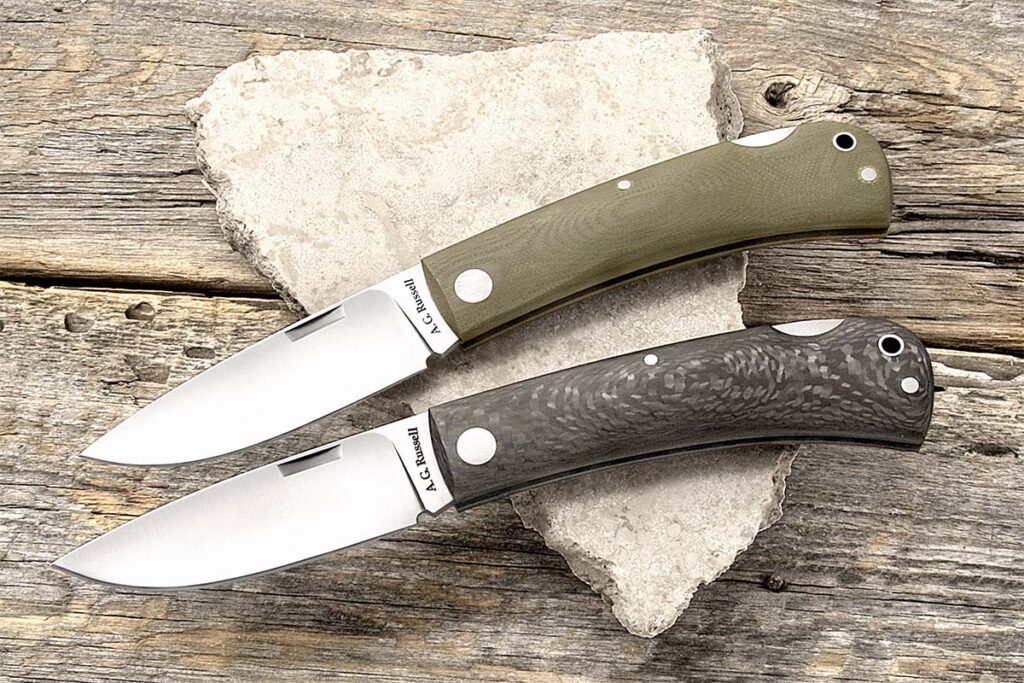
A pocketknife that appeals to the author is the Skinny Brute from A.G. Russell Knives, a traditional lockback in CPM S35VN stainless blade steel. There’s a choice of carbon fiber (2.6 ounces and $135 MSRP) or green G-10 (2.9 ounces and $99 MSRP) for the “skinny”—a half-inch thick at the swell—handle. Blade and closed lengths: 3.25 and 4 1/8 inches. Country of origin: China.

I reached out to BLADE Magazine Cutlery Hall-Of-Fame® member Goldie Russell, who with her late husband, Cutlery Hall-of-Famer A.G. Russell, basically invented mail-order knife catalogs. Over the years the A.G. Russell Knives brand has marketed a huge variety of pocketknives and fixed blades, domestic and imported. The current catalog includes some interesting designs that blend modern and traditional sensibilities. One that appeals to me is the Skinny Brute, a traditional lockback in modern materials.
“A.G. designed the Brute in the 1970s,” Goldie began. “He and handmade knifemaker W.C. ‘Bill’ Davis perfected A.G.’s idea that by using Micarta® a folder could be made without metal liners. The result of that collaboration was the A.G. Russell Brute. At some point in the late 1970s, A.G. stopped offering them. In the early 1990s, we began to work with Bill again and for a number of years they were again made by hand in the U.S.A. For over five decades our customers have loved the profile, the deep nail mark for one-handed opening, the weight and the rest of the features of the design. Now, after many years, it is back, with a handle that is just a little thinner.”

Joe Culpepper of Culpepper & Co.

Case/Tony Bose collaboration
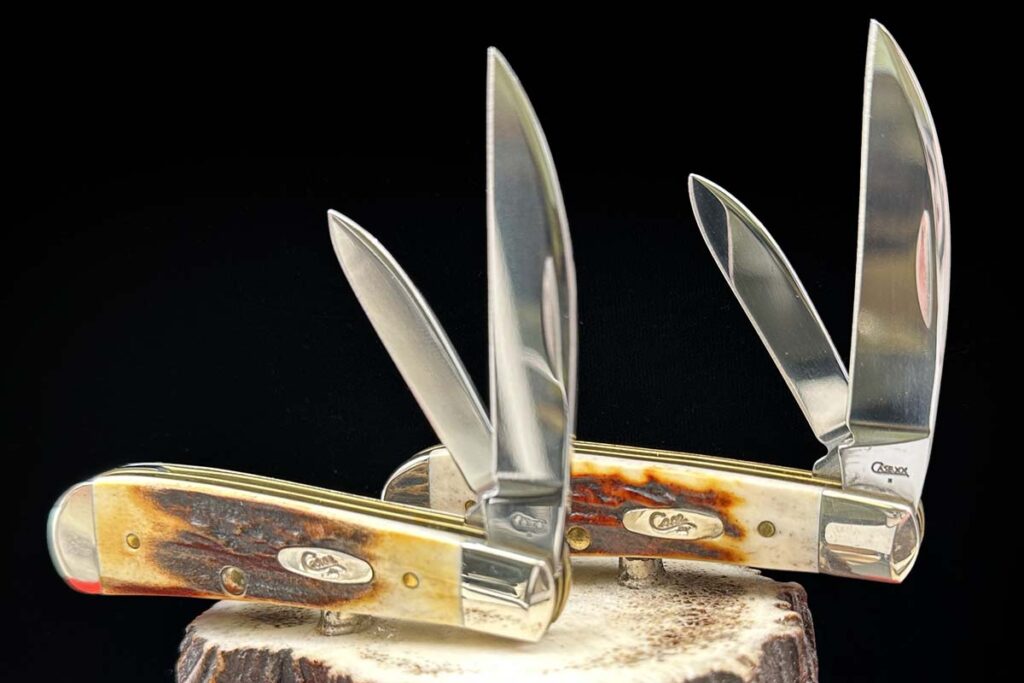
Joe Culpepper of Culpepper & Co. and Old School Knife Works is a fan of the Case/BLADE Magazine Cutlery Hall-of-Fame® member Tony Bose collaboration swayback jack, as well as other swayback patterns, in either single- or double-blade configurations. (Old School Knife Works image)

When it comes to the traditional pocketknife, Joe Culpepper of Culpepper & Co. handle material supplies and Old School Knife Works is a fan of the Case/Cutlery Hall-of-Famer Tony Bose collaboration swayback jack, as well as other swayback patterns, in either single- or double-blade configurations. “I think the design is simple, clean and elegant, and,” Joe stressed, “jigged bone is a must!”

What’s In Your Pocket?

Even among industry insiders, not everyone has the same preferences or shares the same opinions on what makes a perfect pocketknife. Some lean more traditional, others more modern and others more “whatever’s in my pocket is fine.”
No matter your preference, buy all the knives you can afford and carry them as often as you can. After all, you never know—the “perfect” pocketknife may just be the one you have on you when you need it most.
More On Pocketknives:

Folding Knives: New Sleek, Lanky And Able Options

Sleek new factory folders fuel consumer demand.

There’s a lanky breed of factory folder fueling consumer demand, and several notable entries in the genre are turning heads. Accomplished designers have teamed with knife companies to meld form and function with select materials to accomplish a sleek, majestic look exhibiting comfortable carry and easy deployment.

CRKT Stylus

CRKT Stylus
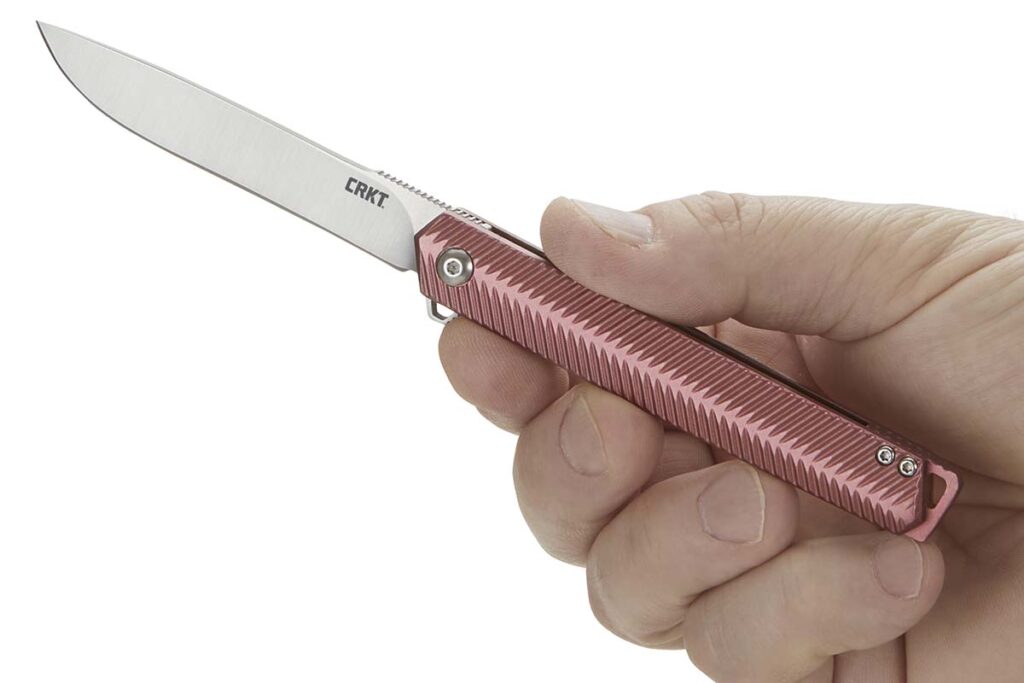
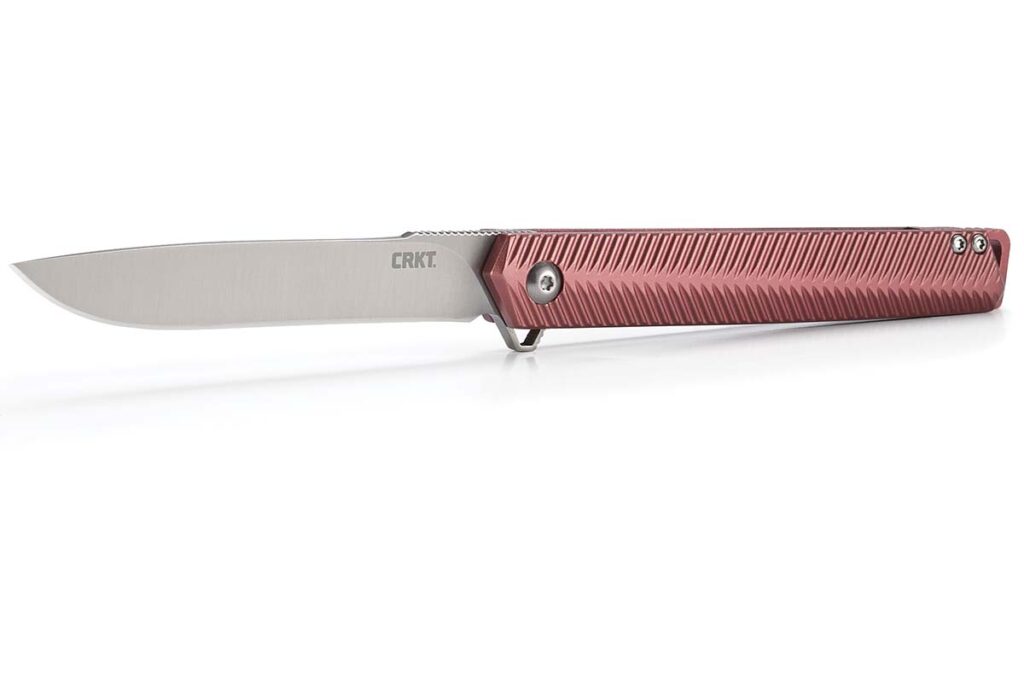
The lightweight aluminum handle of the CRKT Stylus features a ridge line that brings a dimension of safety, preventing the knife from twisting in your hand. The 3.18-inch blade is 12C27 stainless steel. Country of origin: USA. MSRP: $75.

The high-powered combination of BLADE Magazine Cutlery Hall-Of-Fame® member Ken Onion and Columbia River Knife & Tool has resulted in the Stylus, tailor made for a man or woman on the move who appreciates quality attributes in an EDC knife with great aesthetics.

“The Stylus is made to tackle just about any EDC task you can throw at it,” related Doug Flagg, CRKT vice president of marketing and innovation. “Boxes and letters are, of course, no match, but the blade has some paring knife characteristics so that it excels at peeling and even piercing tasks as well.”

Flagg has carried a Stylus for months and attests to its ability to make short work of straps, clam packaging and even a steak. “We went lean with the Stylus to balance form and function, really,” he added. “It’s lightweight, so it’s easy to carry, but it also has a certain panache that makes a statement any time you pull it out of your pocket.”

The lightweight handle combines strength with minimal weight. Texture adds purchase and control with a ridge line that brings a dimension of safety, preventing the knife from twisting in your hand. Fine 12C27 stainless blade steel and assisted opening with the Ikoma Korth Bearing System (IKBS) add to user enjoyment.

CRKT Stylus features an assisted opening blade
Designed by BLADE Magazine Cutlery Hall-Of-Fame® member Ken Onion, the CRKT Stylus features an assisted opening blade and a linerlock, and opens and closes via the Ikoma Korth Bearing System (IKBS). Pocket clip: stainless steel. Closed length: 4.15 inches.

According to Flagg, Onion wanted to create a simple, streamlined pocketknife that could act as sort of an office EDC to be carried in a shirt pocket, fifth pocket or standard pants pocket. “Across the knife world, Ken noticed a movement toward cleaner, leaner, more simplified designs that were a different approach compared to his typically large and more flowing knives,” Flagg concluded. “With the Stylus he was really trying to emulate that and have some fun with something new and unique.”

Coast Products Founder Series

Coast LX500
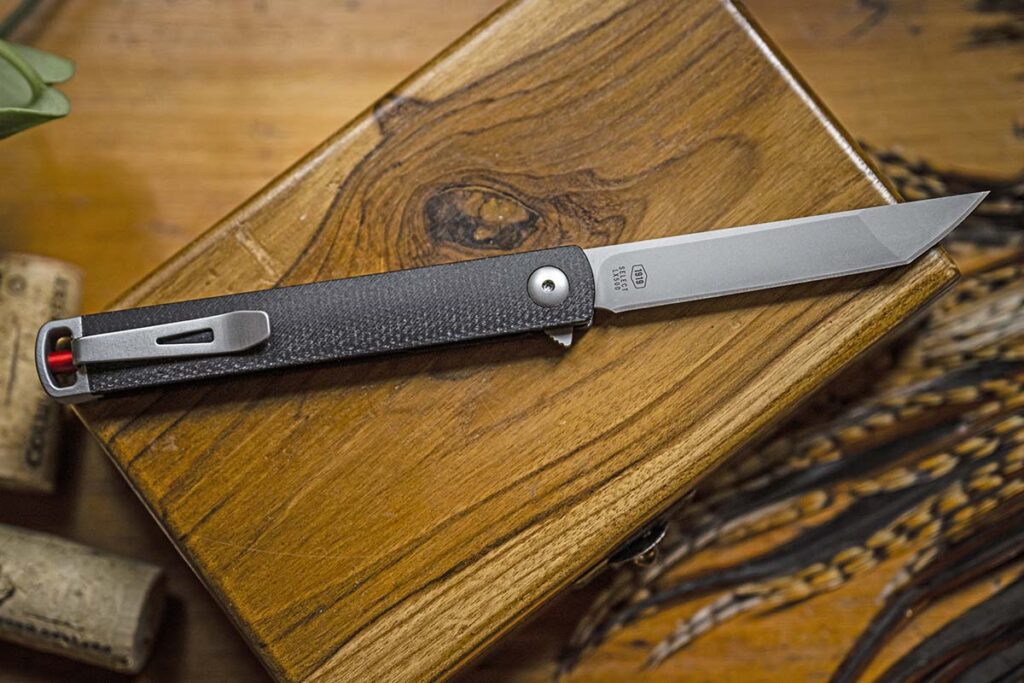
The LX500 in the Coast Founder’s Series is a design by Todd Ernst and David Goldman. The 2.85-inch tanto blade is flat-ground 9Cr18MoV stainless steel and the handle comes in a choice of black (shown here) or green canvas Micarta®, aluminum and titanium. The deep-carry, rollover-style pocket clip is reversible.

The Founder’s Series from Coast Products is a design collaboration between Todd Ernst and David Goldman, and it hit the mark with the intent to produce an elegant executive knife. “Based on feedback from customers and when looking at our offering, we wanted to design something that would not necessarily look like a knife when in a shirt or pocket,” explained Doug Hutchens, Coast sales operations manager.

“A knife designed to flip open must have a combination of correct geometry, minimal weight in the blade, and ball bearings at the pivot to create minimal friction to facilitate easy flipping,” Hutchens noted. “The tanto blade style is also popular and provides good looks. Then, without sacrificing strength in the frame, we designed the Micarta®, aluminum and titanium handle choices to keep weight at a minimum.”

The variety of handle materials makes buyers checking out the Founder’s Series feel like kids in a candy store. Hutchens noted that each material is attractive, strong and designed to give the customer variety in aesthetics. “That’s so they can choose the style that they like best,” he said. “Another customization was the pin color in the end of the knife handle, which was designed to be visible when carried in a pocket. At purchase, we provide two pin color options for the customer to further choose their own styling. The red pin is a nod to the red Coast ring trademark, which you’ll find on most every Coast product.”

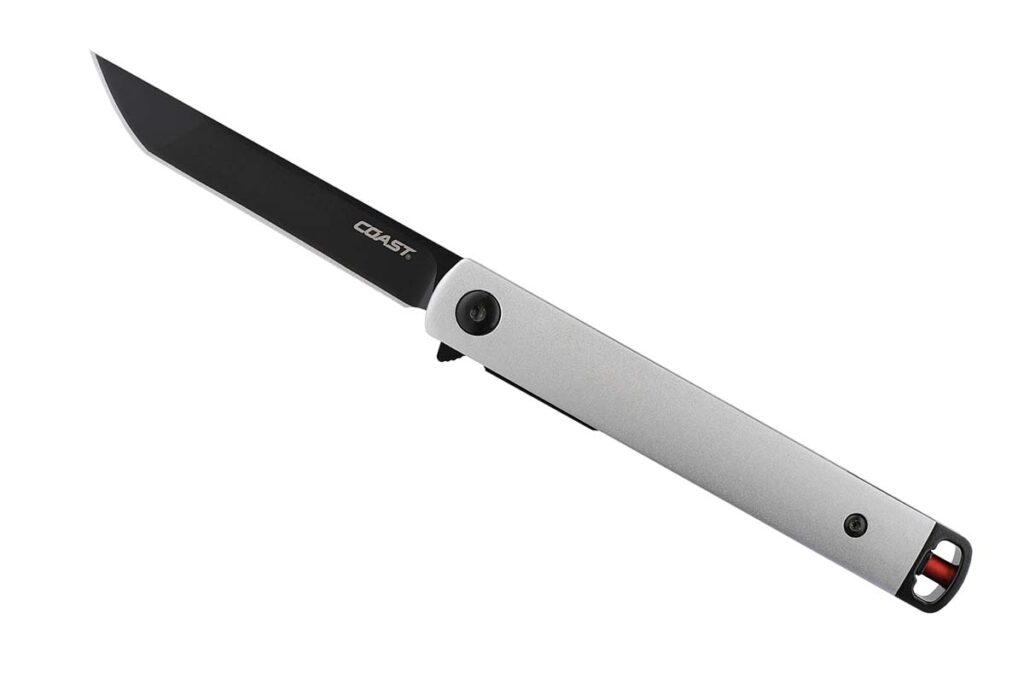
Coast Founder’s Series LX502
The LX502 iteration in the Coast Founder’s Series sports a blackened blade that secures via a linerlock and a stonewashed titanium handle. The red pin in the handle butt is a nod to the red Coast ring trademark found on most every company product. Closed length: 4.25 inches. Country of origin: China. MSRP: $49.99.

Thin but mighty, the Founder’s Series is up to the rigor of daily use. Hutchens commented, “All knife design is a compromise with purpose. The length of the handle allows the butt of the knife to be captured by the user’s palm easily and quickly. Because of this there is no need for large finger grooves or guard projections. Lock it into your palm and it is very secure in your hand.”
Spyderco Ikuchi

Spyderco Ikuchi
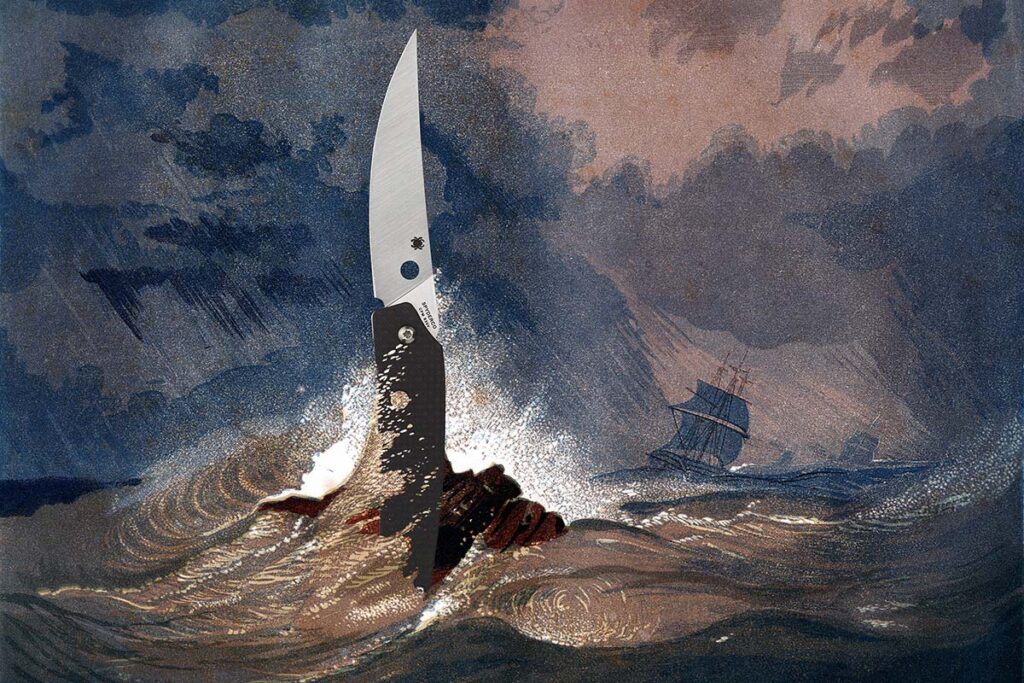
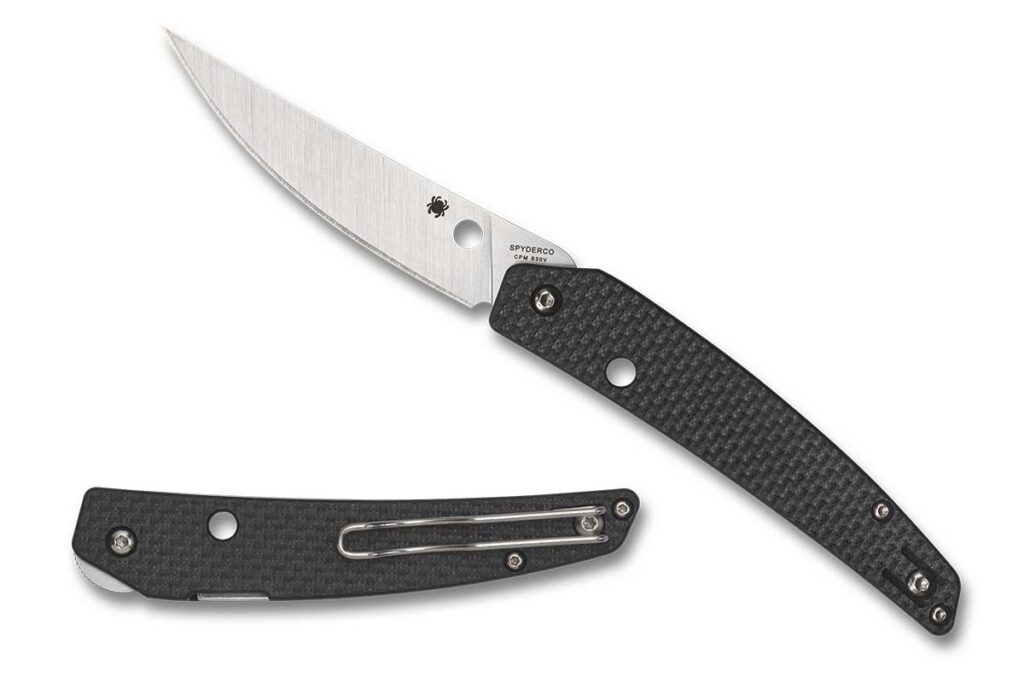
The Ikuchi is a mythical Japanese sea monster, and the Spyderco knife of the same name and its flat-ground blade of CPM S30V stainless steel is built to weather whatever your everyday cutting needs may be. Blade and closed lengths: 3.26 and 4.35 inches.

Paul Alexander and the Spyderco design team have created a long, lean gem in the Ikuchi, distinctive with its scalpel-like blade boasting the company’s trademark hole. Alexander looked at a number of traditional knife patterns while scheming the Ikuchi, including the Texas toothpick and French laguiole.

“The Ikuchi design came from two distinct drivers,” Paul remarked. “First, I wanted to explore some designs based on more traditional patterns, but evolving and modernizing. Second, I wanted to create a piece with decidedly different blade geometry than the other collaboration pieces I’ve done with Spyderco. On the latter front, I was looking to design a pocketknife with a much narrower/shorter blade and width/height.
“I decided to take the narrow blade concept to the extreme, working to conceal the entire blade width within the handle scales when closed. The idea was that a knife this size would inherently take up a minimal amount of pocket space, strongly feature the handle shape, and create designs unique among Spyderco offerings.”

The thin nature of the Ikuchi handle makes the knife responsive in your hand while maximizing a user-friendly experience. Alexander explained, “The thin handle, without any features to lock any fingers into a set location, makes the knife more grip agnostic and easily repositionable in the hand. But thin handles can cause some difficulty for folks that may have limited hand dexterity, or lost some of it.

Spyderco Ikuchi profile
In addition to its Japanese name, the Spyderco Ikuchi combines elements of the Texas toothpick and French laguiole for a truly international design. Handle: carbon fiber/G-10 laminate. Lock: Compression. Country of origin: Taiwan. MSRP: $244.

Both are true of the Ikuchi, but seeing as it’s meant for EDC and light-duty tasks, I don’t find myself overly concerned when using the knife appropriately and responsibly. The handle material was Spyderco’s call but I admit I’m a sucker for carbon fiber scales, and the textured, peel-ply carbon fiber [Spyderco uses] is a great blend of aesthetics and grip without adding much mass.”

Spartan Blades Spartan-Nemec

Spartan-Nemec carbon fiber
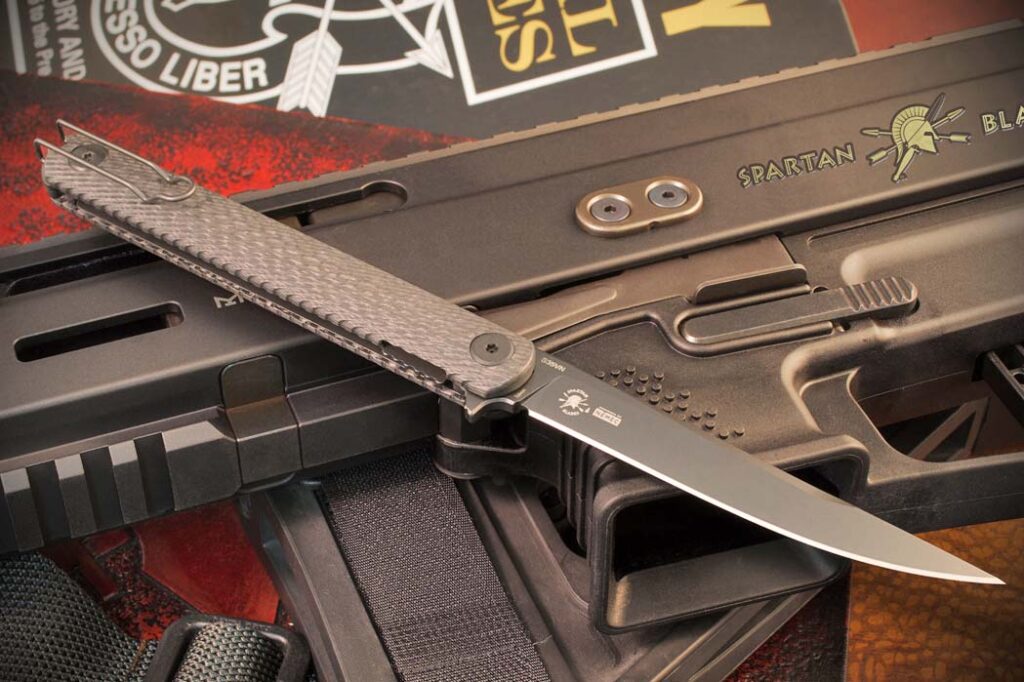
Also available in sculpted carbon fiber and a blackened blade, the Spartan-Nemec has a stainless steel pocket clip that’s deep carry and ambidextrous. Lock: linerlock. Closed length: 4.5 inches.

Czech designer Ondrej Nemec joined Spartan Blades to produce the Spartan-Nemec folder, intended to be practical and versatile in the EDC role, a tool for any common job. Compact and easy to carry in a pocket, the Spartan-Nemec is a snap to deploy and makes light work of cutting boxes, envelopes or tape.

Nemec grew up in his father’s workshop, and Ondrej’s steady commitment to quality knives led to the founding of his Acta Non Verba knife company over 10 years ago. “The knives he designed in the past are similar to the quality and size of Spartan models, making him a good fit for Spartan while bringing a new flair to what we do,” related Curtis Iovito, company president.

Looking good always helps says Iovito of the smart, lean lines of the Spartan-Nemec. He adds that the knife incorporates features such as a secure locking mechanism, comfortable grip, and ambidextrous design for easy use by both southpaws and right-handers. “The biggest advantage of the design is that it stays out of your way when in the pocket,” Curtis smiled.

User ergonomics guided the Nemec design, making it ideal for quick and precise handling. The length of the handle contributes to stability and ease of control. In combination, the design elements produce an efficient everyday tool that can act as a backup in special circumstances, too.

“Although made with everyday tasks in mind, the knife boasts sufficient length to serve as a viable defensive tool in emergency situations,” Iovito indicated. “This contributed to our decision to incorporate a flipper mechanism facilitated by caged bearings and a strategically positioned flipper tab, ensuring readiness for such scenarios.”

Iovito also notes that the Spartan-Nemec’s inspiration was a “larger counterpart,” the KA-BAR Ek Models 4 and 5. “Originating from KA-BAR, this larger knife has been scaled down to create our folding version tailored for everyday carry,” he said. “While the concept of a penknife is not groundbreaking, we are confident that our rendition stands out as a well-crafted and reliable tool.”

Check Out More Knife Drops:

Pocketful Of Miracles: New Pocketknife Drops

Hip pocket feel empty? We got the cure for that…

The pocketknife was once a rare term, most likely because back in the pioneering day fixed blades of all types ruled the roost. With few bears to skin nowadays and more wire to strip and boxes to dismember, a pocketknife practically means knife to a wide swath of people. This ubiquitous class of knives helps make our daily world go round—be they tactical do-alls or slip-joint stunners. And we have gathered a load of new ones—factory and custom—hitting the market.

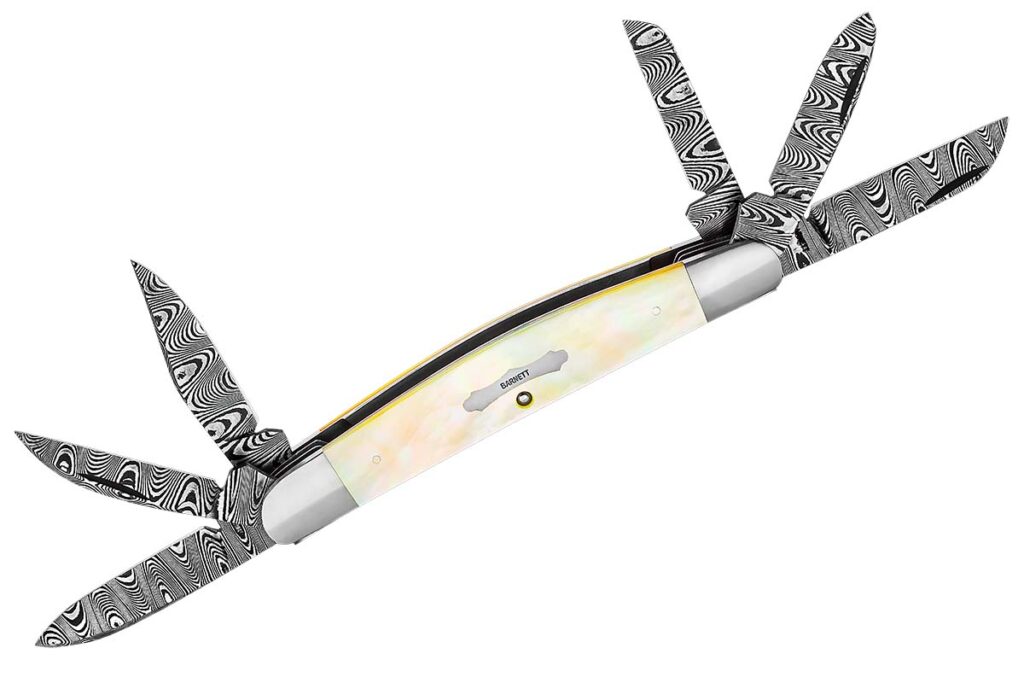
Barnett Custom Knives 6-Blade Congress

Barnett Custom Knives 6-Blade Congress

Knife pattern: 6-blade congress
Master blade length: 17/8”
Blade steel: Ladder-pattern damascus
Blade grinds: Flat
Scales: Gold-lip mother-of-pearl
Handle frame: .030” 410 stainless steel
Bolsters: 416 stainless
Closed length: 3.5”
Knife to know: Bruce Barnett is an ABS journeyman smith
Maker’s price for a similar knife: $2,750
Maker: Barnett Custom Knives (Rod Hoare image)


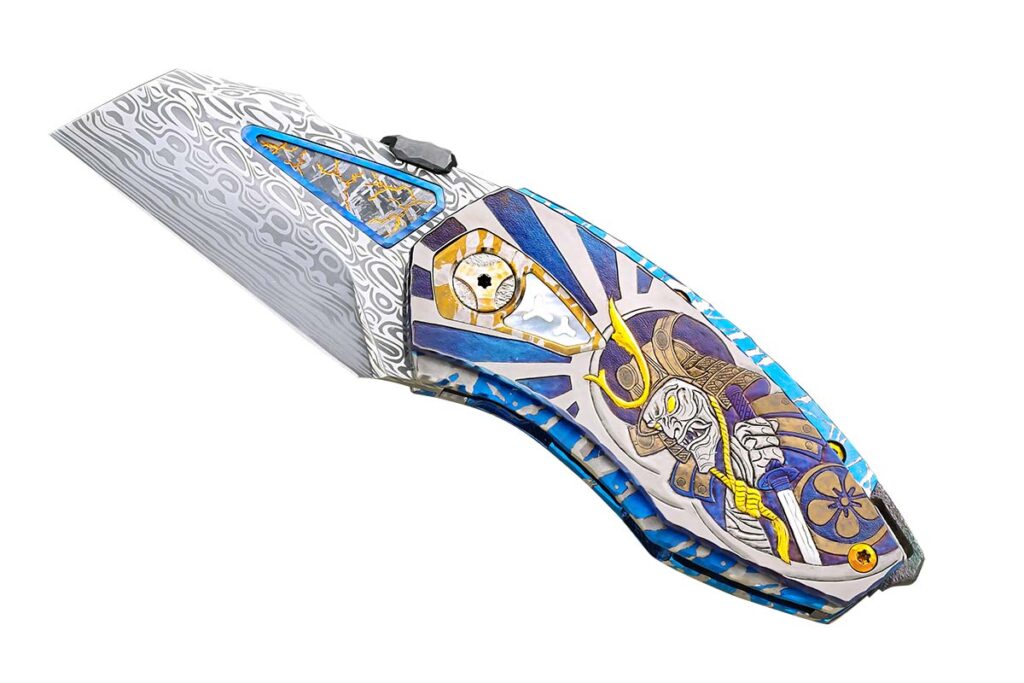
Manuele Messori Little Blue

Manuele Messori Little Blue

Knife name: Little Blue
Blade length: 3.5”
Blade material: Björkmans Twist damascus forged by Damasteel w/Fat Carbon White Storm inlay
Pivot: Ceramic bearings
Scales: Titanium GR5 w/Fat Carbon White Storm, zirconium and mother-of-pearl inlays
Backspacer: Zirconium
Hardware: Titanium screws
Closed length: 4”
Maker: Manuele Messori (SharpByCoop image)


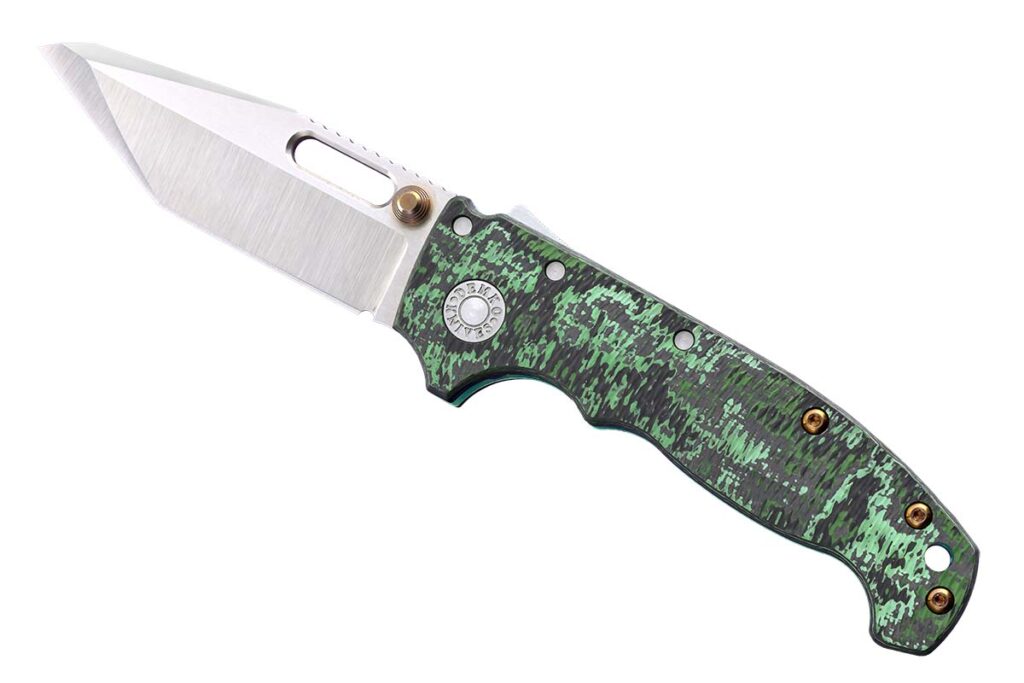
Andrew Demko Full-custom AD-20 Stinger Tanto

Andrew Demko Full-custom AD-20 Stinger Tanto

Knife name: Full-custom AD-20 Stinger Tanto
Blade length: 3.5”
Blade steel: CPM MagnaCut stainless
Blade grind: Compound
Scales: Fat Carbon
Liner material: Titanium
Lock: Shark Lock
Closed length: 5”
Maker’s price for a similar knife: $2,000 (standard U.S.-made AD-20 starts at $450)
Maker: Andrew Demko (SharpByCoop image)


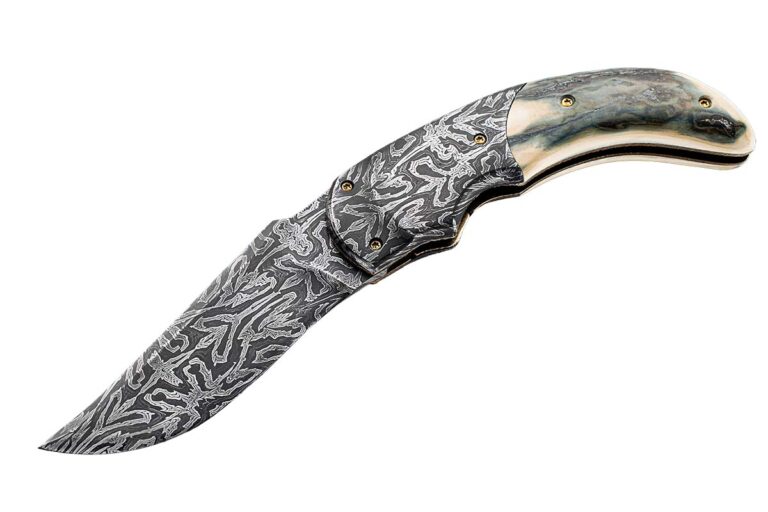
Bob Hook Linerlock Folder

Bob Hook Linerlock Folder

Knife type: Linerlock folder
Blade length: 3.75”
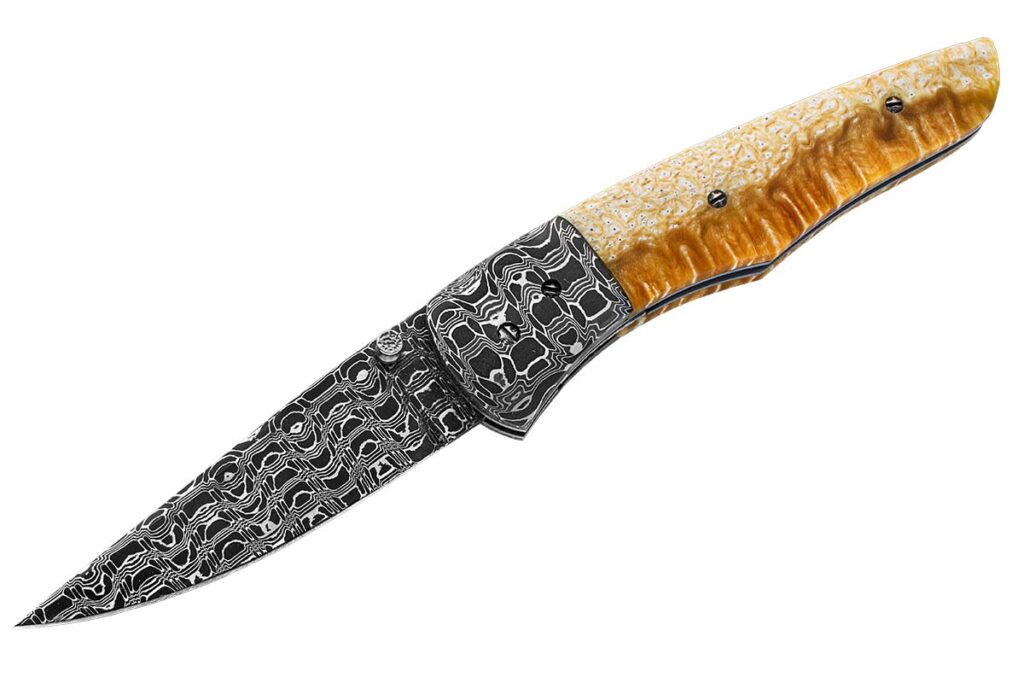
Blade steel: Reptilian damascus by Vegas Forge
Blade grind: Flat
Scales: Caramelized musk ox
Bolster: Same material as blade
Closed length: 3 5/8”
Knife to know: Handle has detailed screws and liners; maker’s name in the interior; stud opener; the maker is an ABS journeyman smith
Maker’s price for a similar knife: $1,200
Maker: Bob Hook (Jocelyn Frasier image)


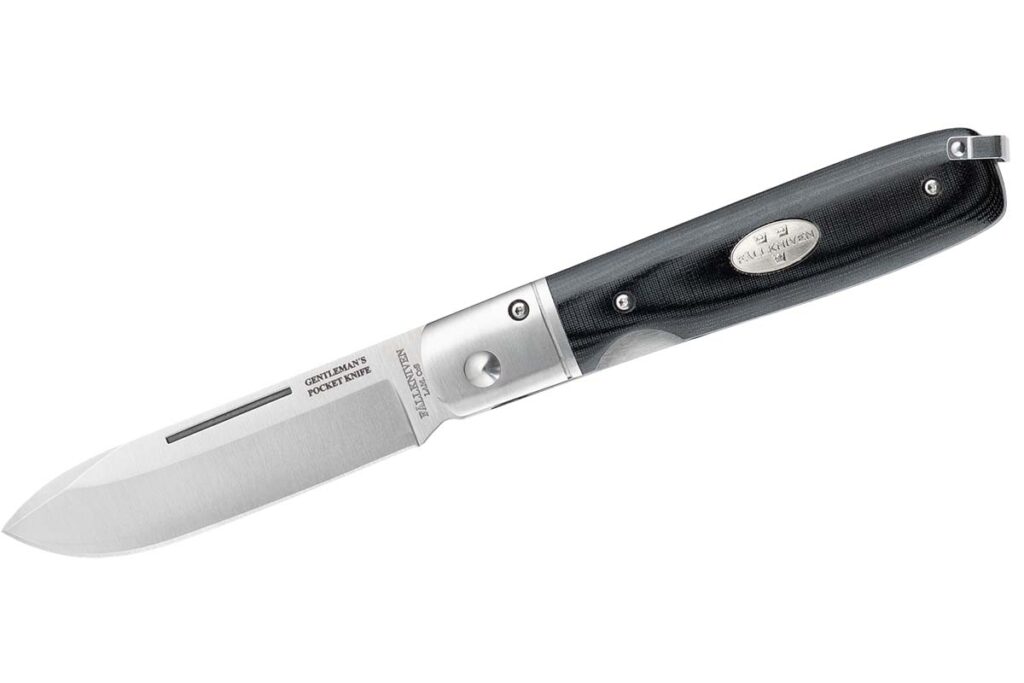
Fallkniven GPbm

Fallkniven GPbm

Knife model: GPbm
Blade length: 3.07”
Blade material: Laminated CoS (cobalt steel) stainless
Rockwell hardness: 60 HRC
Blade grind: Flat
Blade @ thickest: .11”
Lock: Linerlock
Weight: 3.3 ozs.
Closed length: 3.94”
Carry: Suede pouch
Knife to know: GPbm stands for Gentleman’s Pocketknife Black Micarta
Country of origin: Japan
MSRP: $327.95 at press-time exchange rate
Company: Fallkniven


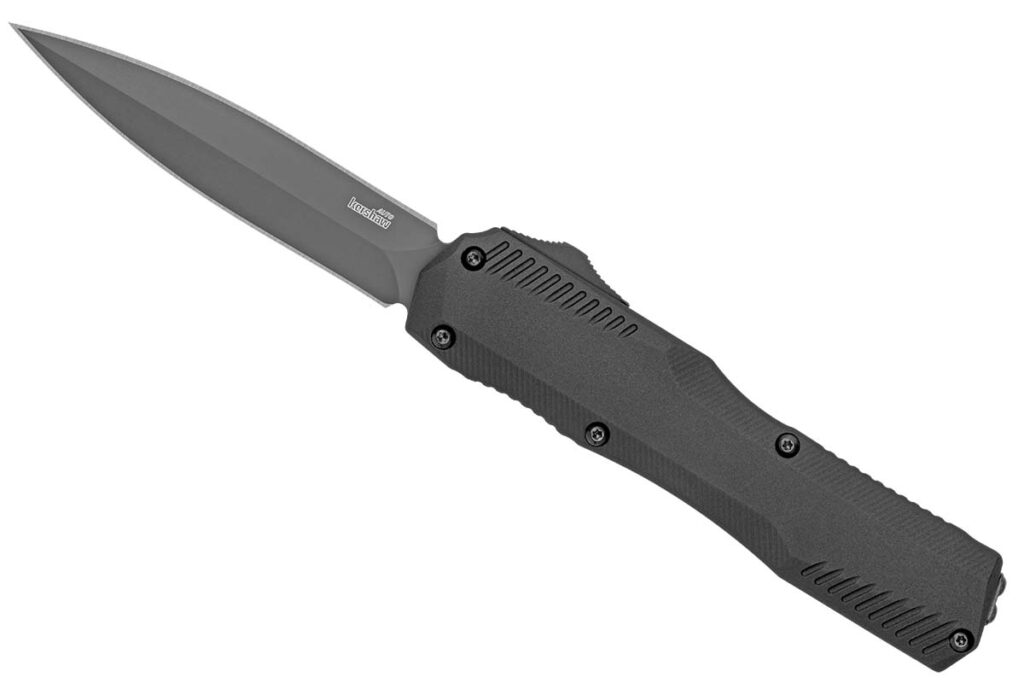
Kershaw Livewire

Kershaw Livewire

Knife name: Livewire – Double Edge
Designers: Kershaw Originals and Matt Diskin
Knife type: Out-the-front automatic
Blade length: 3.45”
Blade steel: CPM MagnaCut stainless
Rockwell hardness: 60-63 HRC
Blade @ thickest: .125”
Handle material: Textured 6061-T6 aluminum
Pocket clip: Deep carry, right/left, blade tip down w/black Cerakote® finish
Hardware: Black-oxide steel screws
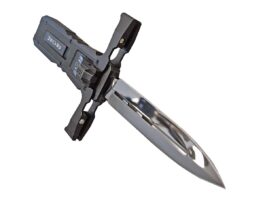
Knife to know: Double-action (opens and retracts automatically w/sliding button)
Weight: 3.1 ozs.
Closed length: 4.8”
Country of origin: USA
MSRP: $400
Company: Kershaw


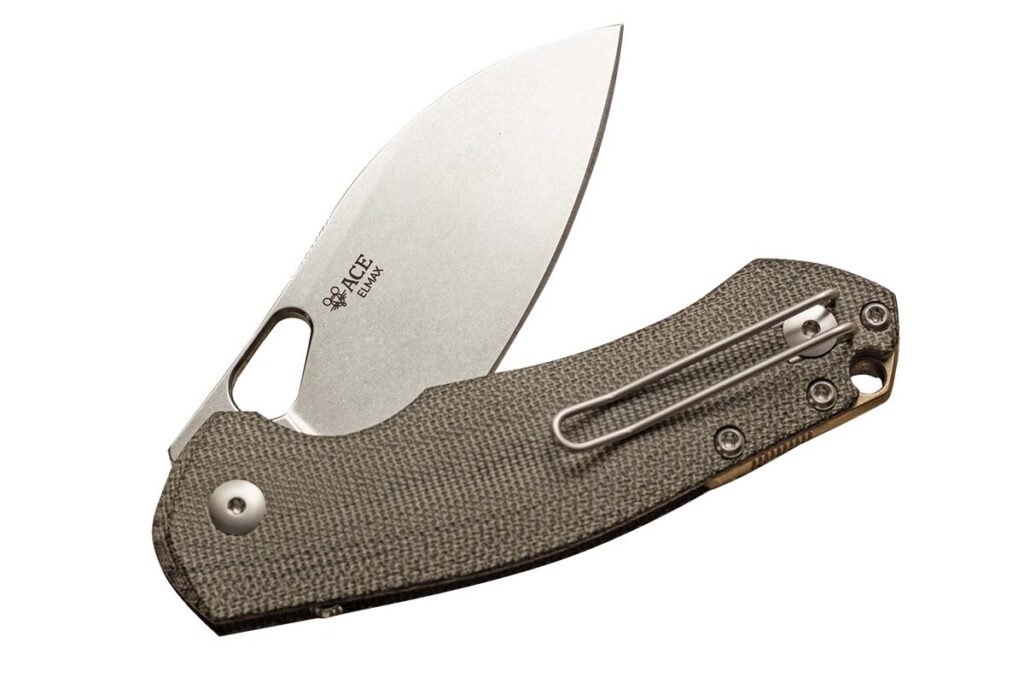
GiantMouse ACE Biblio XL

GiantMouse ACE Biblio XL

Knife name: ACE Biblio XL – Green Canvas
Blade length: 3.2”
Blade steel: Elmax stainless
Blade @ thickest: .138”
Blade finish: Stonewashed
Scales: Green canvas Micarta®
Lock: Linerlock
Pocket clip: Wire, reversible
Backspacers: Brass
Weight: 3.915 ozs.
Closed length: 4.375”
Country of origin: Italy
MSRP: $225
Company: GiantMouse


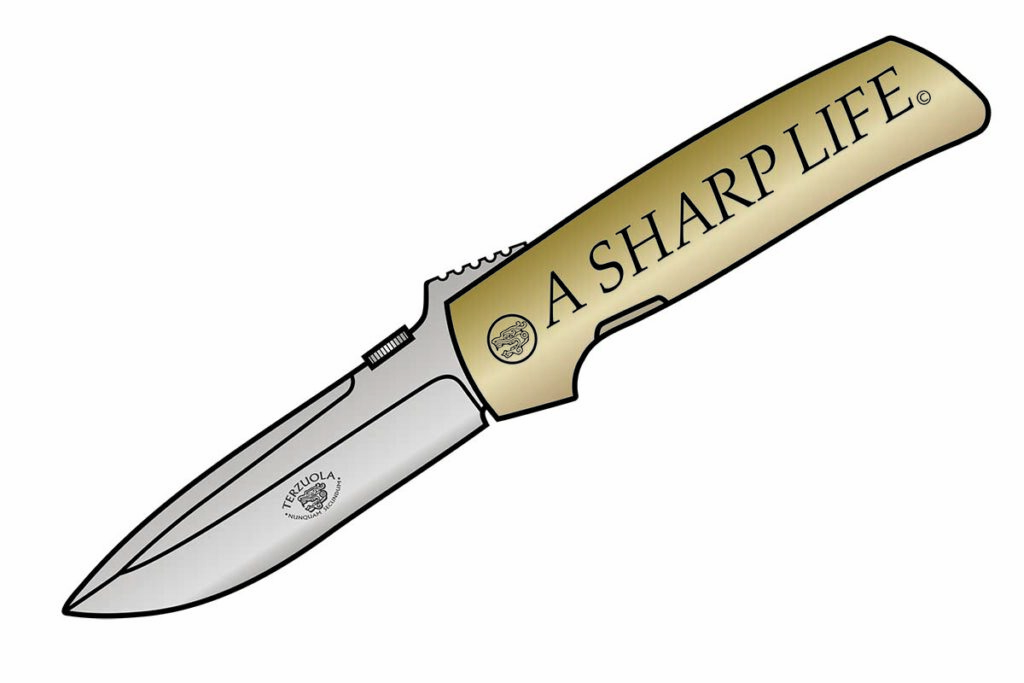
A Sharp Life with Bob Terzuola

Knife Life

Video series: A Sharp Life with Bob Terzuola
What’s included: 11 episodes start to finish of building one of BLADE Magazine Cutlery Hall-Of-Fame® member Bob Terzuola’s groundbreaking ATCF tactical folders, and also on knifemaking in general.
Knife to know: Buy the entire series alone or bundle it with Bob’s monthly subscription service, Shoptalk, the latter which includes weekly Q&A Zoom calls with Bob and two “deep dive” educational videos per month, “Terzuola Swag” and more.


Halfbreed Blades MILSPEC MILF-02PS

Halfbreed Blades MILSPEC MILF-02PS

Knife name: MILSPEC MILF-02PS
Knife type: Flipper folder
Blade length: 3.54”
Blade steel: CPM S30V stainless
Rockwell hardness: 59-60 HRC
Blade grind: Hollow
Blade @ thickest: .19”
Blade style: Harpoon drop point
Finish: PVD coated throughout
Washers: Phosphor bronze
Handle frame, liner & spacers: 420J2 stainless
Scales: G-10
Pocket clip: Ambidextrous, blade tip up or down
Lock: Framelock
Weight: 7.34 ozs.
Closed length: 4.84”
Country of origin: Comprises Australian and Taiwanese manufacture
MSRP: $185 at press-time exchange rate
Company: Halfbreed Blades


Barking Gecko Forge Eureka Jack

Barking Gecko Forge Eureka Jack

Knife pattern: Eureka jack
Blade lengths: 2.44” (main) and 1.57” (pen)
Blade steel: CPM 154 stainless
Blade grinds: Hollow
Scales: Giraffe bone
Bolster: Fluted 416 stainless steel
Sharp stuff: Domed pins, fileworked liners and center spacer, jeweled liners and stainless steel shield; long-pull nail nick on main blade
Closed length: 3.54”
Maker’s price for a similar knife: $795 at press-time rate of exchange
Maker: Barking Gecko Forge (Rod Hoare image)


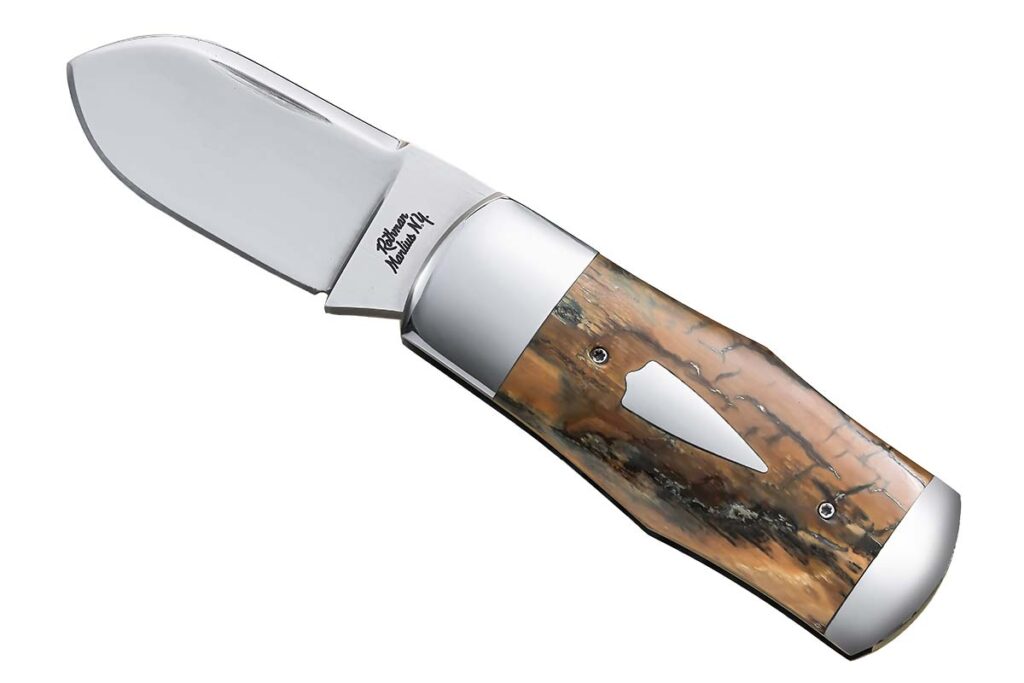
Rothman Knives Elephant Toenail

Rothman Knives Elephant Toenail

Knife pattern: Elephant toenail
Blade length: 2”
Blade steel: CPM 154 stainless
Blade grind: 14” hollow
Handle frame: 416 stainless in an integral construction
Scales: Mammoth ivory
Knife to know: Fileworked liners; the elephant toenail is also known as a sunfish; the maker is a probationary member of The Knifemakers’ Guild
Closed length: 3.5”
Maker’s price for a similar knife: $1,200
Maker: Rothman Knives (SharpByCoop image)


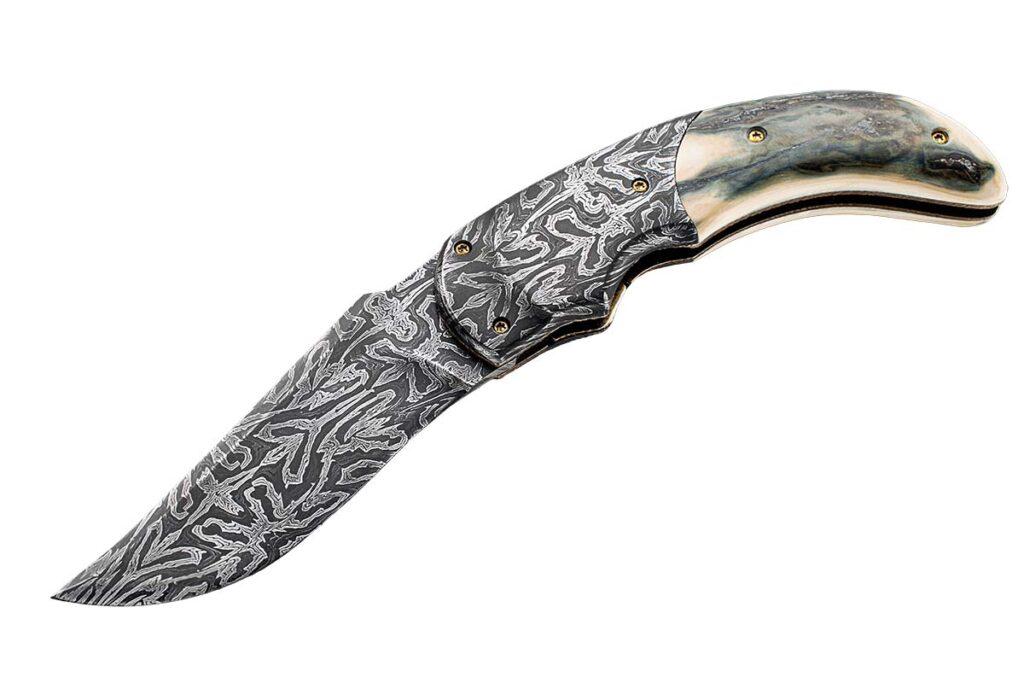
Shane Taylor Linerlock Folder

Shane Taylor Linerlock Folder

Knife type: Linerlock folder
Blade length: 3”
Blade steel: Dragon damascus
Blade grind: Flat w/convex edge
Bolster: Same as blade
Scales: Mammoth ivory
Lock type: Linerlock
Backbar: Engraved
Closed length: 3.75”
Maker’s price for a similar knife: $2,800
Knife to know: The maker is an ABS master smith
Maker: Shane Taylor, Miles City, Montana, [email protected], taylorknives.com (Jocelyn Frasier image)


Check Out More Knife Drops:

Keychain Knives: Unlocking The Secrets To The Convenience Blade

Handy keychain knives are pocket pards ready to sever and serve.

As competitive as today’s cutlery market is, it behooves a factory knife company to fill as many categories as it can—including the keychain knife. In fact, keychain knives offer a number of the same utilitarian functions as many contemporary tacticals and EDCs. Whether you need a small knife to handle daily chores or a back-up to your back-up in an emergency, a keychain knife can answer the call.

Keychain Knives
The test bunch, from left with manufacturer’s suggested retail prices in parentheses: Schrade Roadie ($25.99), Smith & Wesson Stonewash ($17.99), Bear & Son 3-inch Keychain Knife ($22.99) and Gerber Keynote ($27). All are made in China.

Bear & Son 3-inch Keychain Knife

Bear & Son 3-inch Keychain Knife
The Bear & Son’s 2-inch drop-point blade of 440 stainless steel in a brushed finish took off slices of 1-inch-diameter smoked sausage with no problem. Note the cap lifter on the rear of the handle spine. Weight: 2.3 ounces. Closed length: 2.8 inches.

The Bear & Son 3-inch Keychain Knife is a study in curves and its all-silver frame and blade add a classy touch. The blade sports a brushed finish and rolls out via a nail nick. Key hauling is handled by a 1-inch flat split ring on the base, very adequate unless you carry a large number of keys. In that case you can always add a larger split ring. A cap lifter is on the lower backside of the handle.

I sliced 1-inch-diameter smoked sausage and the blade performed admirably—not that you’d typically grab your keychain knife to perform such a task but it’s there if you need it. The cap lifter is handy. There is no pocket clip but the Bear & Son is not overburdening for loose pocket carry. This is a stout keychain knife well worth the money.

Schrade Roadie

Schrade Roadie
The Schrade Roadie is a little bulldog. The 1.5-inch blade of black-oxide-coated AUS-10 stainless steel bit through round after round of rappelling rope like a walk in the park. It’s a no-frills cutter meant for cutting. Weight: 2 ounces. Closed length: 3 inches.

The Schrade Roadie is a little bulldog of a keychain knife that doesn’t pretend to be anything else—it’s strictly a knife. In fact, it looks like a squeezed tactical folder. The blade opens via a flipper tab. The handle is black G-10 over black-coated stainless liners, with the rear liner serving as an unusual exposed locking leaf. Keys carry via a 4-inch black ball chain that dangles approximately 2 inches off a hole in the base.

I tested the blade on 3/8-inch synthetic rappelling rope to see how the reverse tanto pattern—a cousin to a modified wharncliffe—performed. It had no problem taking 3/8-to-1/2-inch slices in a single pass. The grip is excellent, aided even more by gimping on the upper rear handle close to the blade spine. This is a heck of a small knife and I only had one beef with it—the ball-chain key dangler. With the weight of keys tugging on the chain both sloshing around inside the pocket and while in use, you are asking for it to break. By the nature of ball-chain construction there are simply too many points along the way it can fail. I’ve got a remedy for that I’ll discuss later.

Smith & Wesson Stonewash Keychain

Smith & Wesson keychain knife
The Smith & Wesson’s 2.1-inch drop-point blade of ti-nitride-coated 8Cr13MoV stainless steel sliced its way through 1/8-inch harness leather, something the author indicated the other knives would have more trouble doing. Weight: 2 ounces. Closed length: 3.2 inches.

The Smith & Wesson Stonewash Keychain is the largest of the test bunch and it, too, resembles a scaled-down tactical folder. There’s a cap-lifter cut-out on the back frame slab. Keys mount at the base using a 3-inch ball-chain loop. This is the first of two review knives with a convenient pocket clip. The keys must be removed before using it because the clip is mounted for tip-up carry only, and if you use the keys they will hang out the top of your pocket. If this is acceptable to you, go for it.

I tested the blade on 2-inch-wide harness leather. Looping the leather strip over I did pull-throughs and found the little cutter more than up to the task. The framelock knife is built like a tank with the exception of a ball-chain key carrier which, as stated, I believe will give you issues down the road. That said, if you’re comfortable with it, go for it. I like this otherwise sturdy knife and it’s worth every penny of the price tag.

Gerber Key Note

Key Note cutting leather
The Key Note’s satin-finished 5Cr stainless blade is too short for slicing but the tip scores quite well.

The Gerber Key Note wins the Keychain Outside The Box Award for its sheer imaginative design. With a stubby tanto blade, this offering radically differs from the pack. Both praised and panned on YouTube, the Key Note’s stubby .8-inch double-ground blade is certainly different. The frame has black-anodized aluminum rails with black stainless steel liners, the front which houses a linerlock. A flipper on the back side of the tang gets the blade rolling but only deploys it halfway, after which you pinch it for full deployment. You can also use the nail nick. Two nice touches are a wide tip-down pocket clip and a healthy 1.25-inch-diameter split ring for holding keys.

The blade is limited by its small size but I found it useful in scoring mode taking off strips of suede leather, and it is a heck of a box cutter. It will also push-cut paracord on a flat surface. The beefy tip-down pocket clip can be used with keys attached. The amply sized split ring is the best of the test knives, providing plenty of room for key-a-holics.

Is the Gerber Key Note different? Yes, but it may do just what you need a keychain knife to do.

Keychain Knife Carry Options

keychain knife carriers
Modifying a keychain knife to suit your preferred carry can be done any number of ways. Examples include, from left: lanyard mini-carabiner for neck carry, a belt clip with split ring, the Roadie with ball chain removed, ready to modify, and a quick-release carrier that allows you to easily separate the knife from the keys.

There are other ways to carry these diminutive cutters than in or on the pocket. Accessories and findings (jewelry making parts) can be had by a various number of sources such as hobby stores, online at eBay and Etsy, or by doing an internet jewelry search such as Rio Grande Jewelry Making Supplies. Neck lanyards, belt clips, split rings large and small, breakaway connectors, small carabiners, and more are all available to modify your keychain carry to suit you. Any one of our candidates may suit your tastes as is, but if you want to mod it to suit your needs, there are plenty of options!

Check Out More Buyer’s Guides:

What Makes The Perfect Pocketknife?

0

Decades ago in America the pocketknife was universal, with such patterns as the barlow, stockman, trapper and folding hunter well represented in the pockets of our fathers, grandfathers and great-grandfathers. But what about today, when the most likely pocketknife task is opening an Amazon box or trimming a string off a shirt? To find out not only what folks are carrying but why, BLADE® asked several industry insiders, “What makes the perfect pocketknife?”

Pocket Knife Funtionality

Let’s begin our hunt with a look at the past. Many BLADE readers know Joe Culpepper for his and wife Kristi’s knife handle material business, Culpepper & Co. For many years the Culpeppers have provided the knife industry with quality jigged bone, Sambar stag and other exotic materials. Joe is also a student of the slip-joint/traditional pocketknife in all its variations, and sells vintage knives under the business name of Old School Knife Works.

Pocketknife fish
A Case knife in damascus is in the traditional fish knife pattern, an early folding fillet knife. (Old School Knife Works image)

“A good pocketknife first and foremost should perform and function reliably in the way it was designed,” he began. “Whether we’re talking about an electrician’s knife, fish knife, melon tester or trapper, the most important thing is that it does its job.”

Pocketknife melon tester
The melon tester pattern, here in an advertising knife configuration, almost always has a long, thin single blade. (Old School Knife Works image)

It has been a while since I used a knife to test a melon and Joe, too, was quick to acknowledge that many of the knife tasks of yesteryear have fallen by the wayside. “Frankly,” he admitted, “many of our pocketknives are simply just really nice box cutters.”

Pocket Knife Blade Size

Sticking with the nice box cutter theme, Knafs co-founder Ben Petersen added that he likes knives suited to the “dad life”—cutting apples cleanly without splitting them, opening boxes and whittling the occasional stick. “I’m not out to stab people,” he grinned. “For me, I think a 2.9-inch blade is perfect. Being under 3 inches keeps you safe from most restrictive knife laws, and it also is the perfect length for the finger test.” Ben went on to explain. “Most of the time when I cut, I put my index finger along the spine of the blade,” he noted. “I want the point of the blade right in the middle of my fingertip where it won’t cut me, but also gives me very precise control.”

Pocketknife medford
Medford Knife & Tool offers a range of titanium framelock folders, including the Praetorian T in CPM S35VN stainless blade steel. Weight: 9.3 ounces. Closed length: 4.9 inches. MSRPs start at $785.

Ben had a fun take on the perfect knife. “You know,” he reflected, “to a 12-year-old a gas station knife* is perfect. The perfect knife is totally different to everyone.” I smiled, remembering how much joy my 14-year-old son got from a rusty Bass Pro Shops framelock, missing a screw, that we found in a pasture on a dove hunt.  

Types Of Pocketknives

Most of us BLADE readers probably already have a good idea of what we like in a pocketknife. We know if we like small ones or bigger ones for everyday carry. We know the steel types we like, and whether we prefer a single or multi-blade. Joe offered some generalizations that match my experience.

Tradional

Hobo
Another older Case edition, the hobo knife features a blade and fork in a handy pocket-sized folding knife. (Old School Knife Works image)

“As we get more into knives we tend to evolve into one of two categories, and they’re often correlated with age,” he reasoned. “The older generation tends to go for the more traditional slip joints with natural materials and carbon steel like their dad or grandad carried.” 

Joe considers some “classic” patterns and brands among his favorites, particularly the knives manufactured pre-1970 by the old American firms that mostly have gone out of business. “When you hold an old Schrade, Empire, Robeson or even a vintage Case you get a certain sense of nostalgia,” he noted.

Modern

Pocketknife hinderer
Jordan Wagner said the market is strong for high-quality USA-made titanium framelocks. Among those fitting the niche is the XM-18 3.5 flipper folder from Rick Hinderer Knives. Closed length: 4.75 inches.

As for the other category, Joe finds that younger folks tend to lean toward modern conveniences like pocket clips, modern steels and the more tactical types of knives like Benchmades. Being just a bit on the older side myself, as well as a bit of a traditionalist, I reached out to Jordan Wagner at DLT Trading for some thoughts about what makes a “perfect pocketknife” from a modern point of view. 

From an online merchant’s perspective, he said the market is very strong for quality USA-made framelocks. Titanium framelocks from makers like Rick Hinderer Knives, Chris Reeve Knives, Medford Knife & Tool and custom knifemaker Les George in the $400-to-600 price range continue to be popular. 

Knives in the modern category tend to have a few common characteristics. They feature premium blade steels. They all have some kind of one-hand-opening device such as a thumb stud, blade hole, flipper tab, etc. In general, these are mid-tech production or small batch customs made in shops as often as in factories. The next level below the mid-techs are the larger-batch manufactured knives by companies like Zero Tolerance, Spyderco and Benchmade. They’re often high quality, built in factories to tight tolerances and most often made in the USA.

Often within these and other brands are quality, lower-price-point knives made overseas as well, such as the production Demko AD 20.5 made in Taiwan. There are also quality knives made by China-based companies like Reate, WE and its sister brand CIVIVI and others.  

Case remains the leader in the current production of traditional patterns. But is it because there’s a demand by knife users for a two-blade trapper? Maybe, maybe not. The folks at Case know and understand that there are two big segments of customers that they serve—users and collectors—and they make patterns to please both groups.

The Perfect Pocketknife?

I think about “perfect” in terms of pragmatism. When was the last time the average knife user needed a hobo knife with a fork? Have you ever seen a titanium framelock melon tester? Culpepper has his finger on the vintage-slip-joint market, and his take is that the rise of social media has opened up huge new audiences to the vintage knives.

“The unique patterns always have a market and a strong following,” he said. “For the unique vintage knives there’s good demand, whether they’re made in the USA or even England or Germany.”

More On Pocketknives:

Neo-Slippies: Not Your Granddad’s Slip Joint Knives

Tradition meshes with modern in today’s new-age factory slip joint knives.

Like all tools, slip-joint pocketknives have seen their own evolutionary journey. In the olden days there were quality tools and then there were ones produced to be a bit more affordable, yet they still had their utility. These days many people buy knives for their utility, and I would say a number buy them for what I call the “Gucci factor.” As times change what’s considered attractive changes too, and, of course, makers leave their marks with their own innovations.

This time we’re not only going to test the latest in factory slip joints but also examine how companies and designers are innovating the age-old design to ensure it’s useful enough for the user and pretty enough for the collector. I took them all for a spin by shoehorning them into my everyday carry (EDC) rotation. The results are revealing.

CRKT Forebear

Forebarer's nail nick
CRKT Forebear

A couple of things update the CRKT Forebear. The first is the modified wharncliffe blades of 12C27 stainless steel. They’re not too big of a departure from the traditional style but still enough to make you notice. They are streamlined with an aggressive tip. Second is the use of a streaked-red-and-black G-10 handle. Unlike using texture to add dimension like, say, in a jigged material such as bone, the handle has two contrasting colors instead.

The knife is in a two-blade configuration—small and large wharncliffes—designed by custom maker Darriel Caston. The blades remind me of those on German chip-carving knives. Such blades are excellent for detail work and chores at which utility-style blades excel. They are flat ground and have long nail nicks that follow the spine.

I must say I was disappointed with the out-of-the-box finished edges on the blades. They were very uneven. One side had a larger micro bevel than the other. Machines do the great majority of the work creating the parts of a factory knife. In the end, though, the final edge is most often applied by hand. Before getting full use out of the knife I had to even out the bevels.

CRKT Forebarer slip joint
A handle closeup gives you a good idea of the depth the two-colored G-10 scales bring to the Forebear. At 3.43 inches closed, it’s a nice size for the watch pocket on your jeans.

Again, fit and finish was a bit of a disappointment, especially coming from CRKT. I have come to expect great value from the finishes on the company’s knives. Both scales exhibited shaping flaws and were left unpolished in spots, leaving an uneven appearance.

I actually like the design. It has great potential for everyday use with the two wharncliffes. It needs some work as mentioned on the edges. With a user knife it’s easier to overlook some fit-and-finish errors. After all, knives become better looking with familiarity as enthusiasts grow attached to their EDCs. As for the edge, it’s very fixable but it should come ready to use out of the box.

Boker Plus Koteyka

Boker Koteyka
The file-style work on the spine of the Koteyka breaks up the profile and gives the blade some character.

The Boker Plus Koteyka is a stylized clip-point-blade folder. The handle is jigged black G-10. The blade is flat-ground D2 tool steel and opens via a nail nick. Closed length: 3.5 inches. I really like that Boker Plus sends the Koteyka in a box wrapped in wax paper like the old-time knives. On the back of the blade is some machining that resembles filework.

Out of the box it cut very well after I stropped it to bring it to the crazy sharp level. The finish on the G-10 has machining marks for a rustic look. One day I will end up hitting it on a buffing wheel. With a high luster polish I think it would be killer. Granted, the MSRP is only $69, so I’m just expressing my own thoughts on its presentation. Texture wise it can be a little rough on your hand, so that is another reason why I will buff it. The blade action and spring tension are good. It is a great little pocketknife update. I look forward to using it further.

Lionsteel Bestman

Lionsteel Bestman slip joint
Lionsteel Bestman

In the Bestman, Lionsteel offers a pocketknife with all the traditional elements, though it’s the presentation and materials that give it the updated look. The folder has three choices of blade configuration: clip and spear points and a combination two-blade set up of clip point and wharncliffe. I received the clip point for the test. Blade steel: M390 stainless. Closed length: 3.75 inches.

The Bestman features two sets of bolsters with a decorative groove. Handle materials come in an array of natural or synthetic materials, from olive wood to carbon fiber. I chose the canvas Micarta® for the rugged look. Lionsteel kept the design blocky while smoothing over the edges to avoid hot spots. None of the metal on the knife is polished. It has a satin finish, as did some of the older high-end brands in which one side of the blade would be polished and the other side hand rubbed. In place of pins are Torx fasteners. Even the execution of the grind on the clip point departs from the traditional by keeping all the lines crisp.

The blade opens via a nail nick. The blade action is smooth yet has a definite half stop. The spring tension is dead on. I must say I am impressed and like it. It came right out of the box ready for work. The materials and design will last a lifetime of chores.

Heretic Jinn

Heretic JInn
Heretic JInn

At first, adding the Jinn by Heretic Knives to the review was iffy at best for me. I saw it on the company’s website and I somewhat reluctantly included it. To me, a pocketknife design from Heretic is akin to having a thrasher band perform Simon & Garfunkel. Nothing personal, I just thought Heretic couldn’t pull it off. In the end, though, I am the fool standing there clapping after the rest of the audience has stopped.

The sheepsfoot blade of CPM MagnaCut stainless with a combination serrated/plain edge has great application for EDC use. It can cut everything from soup to nuts. For style Heretic includes a false grind. The knife opens via a long nail nick at the blade’s back half. If I had one criticism it would be the position of the nail nick. There would be a greater advantage in opening the blade if the nick were farther away from the pivot point. Just pinching the blade closer to the tip allows for a smoother pull-on opening.

Heretic Jinn clip
The Jinn is the only slip joint reviewed with a pocket clip.

A half stop enhances user safety and the knife is finished off in carbon fiber scales with a trim, low-profile pocket clip. The clip is my next issue. It is too tight to easily clip onto floppy and thick pocket rims. The design is such that you really don’t want to bend the clip, either.

All else considered, the Jinn really surprised me. It is a great worker. Overall, its looks fit right in with any modern one-hand-opening pocketknife. Closed length: 3.8 inches.

A CERTAIN ROMANCE
Slip joints have a certain romance to them. On a base level the designs have tons of utility, and updating their appearances helps keep consumers interested. Of course, there will always be the ongoing love affair with the traditional designs. Many wouldn’t have it any other way.

More On Pocketknives:

Advertisement

Must Read Articles

Read this before you make a knife

Knifemaking 101 – Read This Before You Make a Knife

  by Wayne Goddard My experience has taught me that there's nothing like digging in and getting started. I've often said the hardest part of the...
how to forge damascus steel

How to Forge Damascus

Advertisement
Advertisement