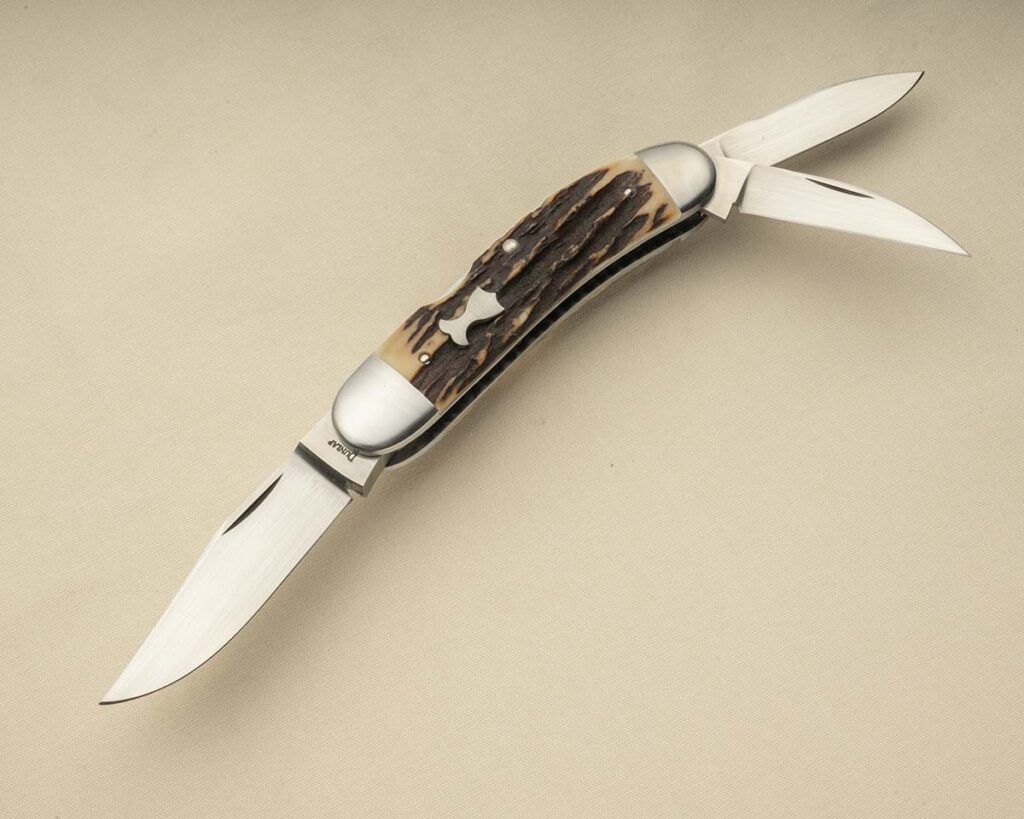
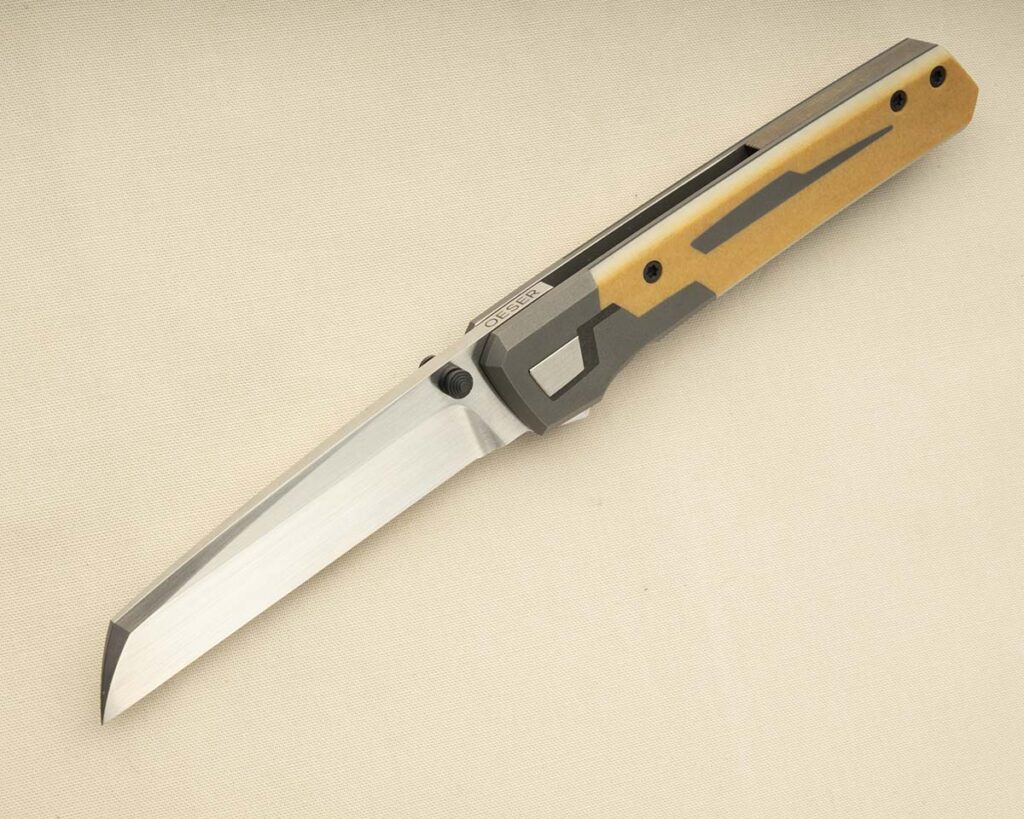
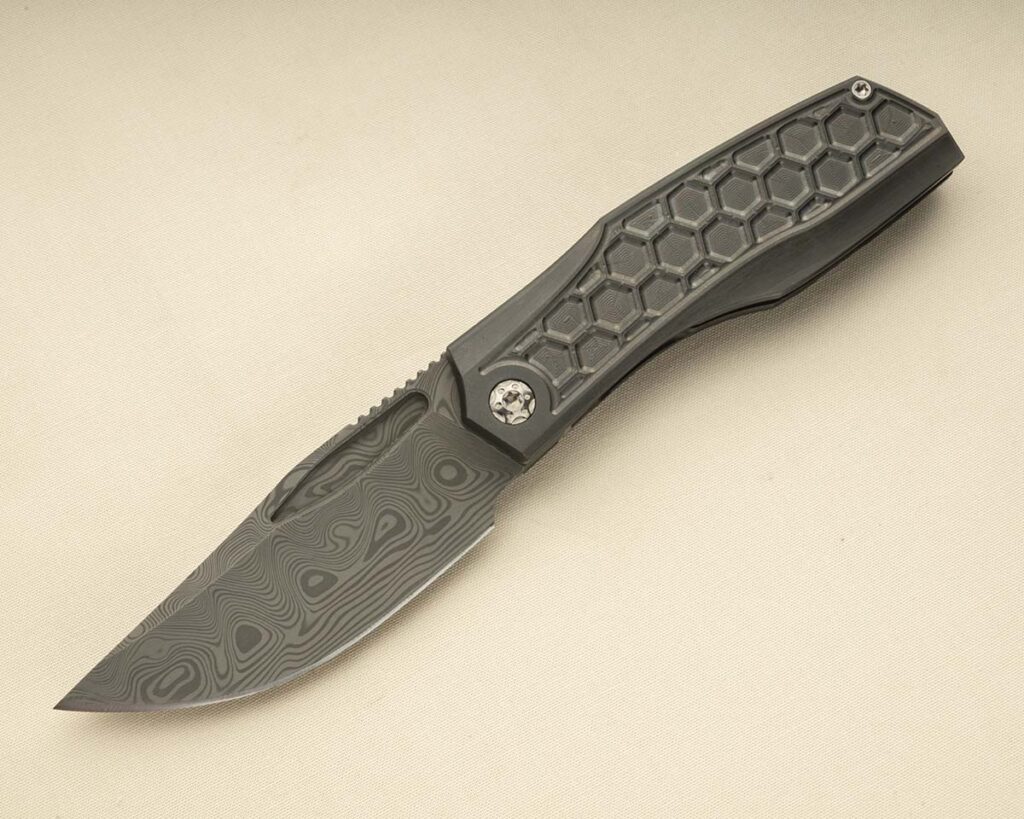
See Who Took Top Honors In Salt Lake City For The 2024 BLADE Show West Custom Knife Awards.
The 2024 BLADE Show West, held October 4-5, once again brought the knife community together at the Salt Palace Convention Center in Salt Lake City. Now in its third year in Utah, the show attracted custom makers, manufacturers, and collectors from across the U.S. and beyond.
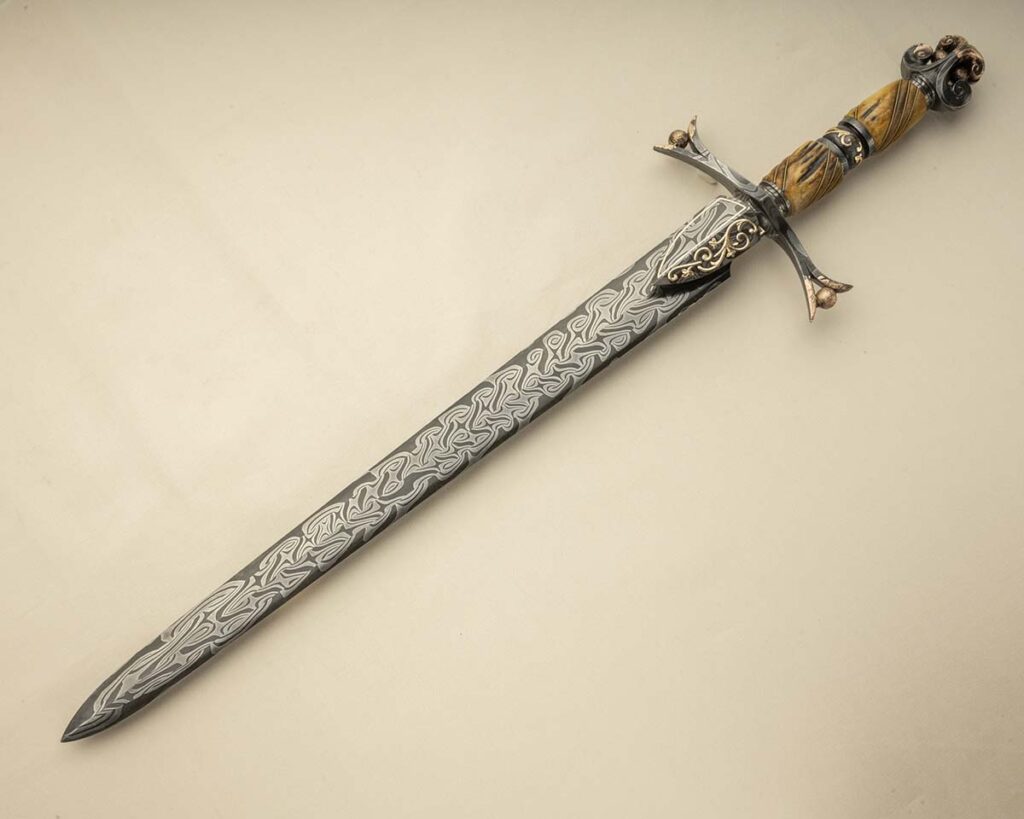
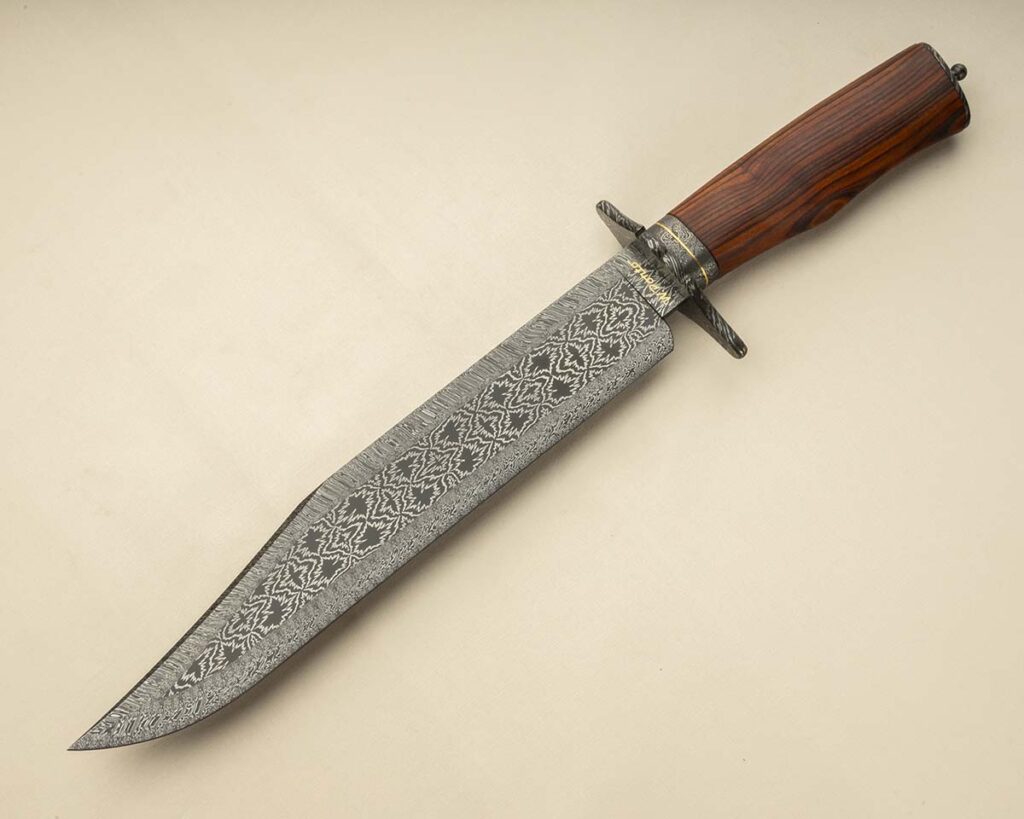
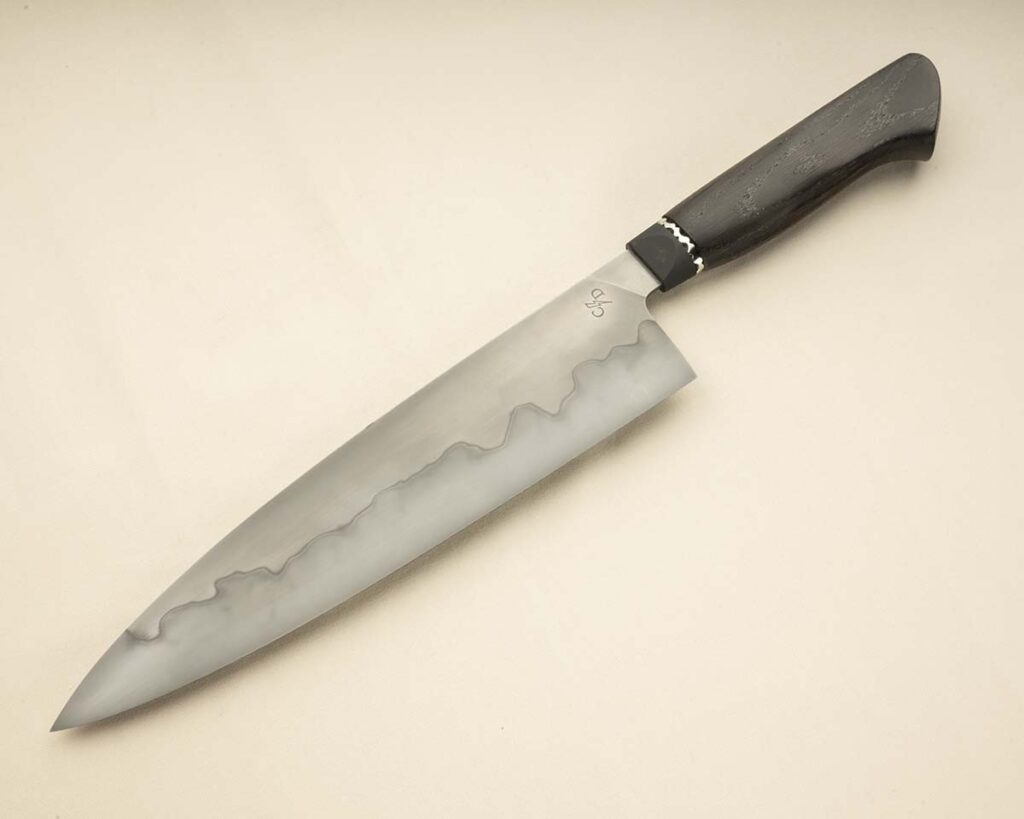
One of the highlights was the Custom Knife Awards, where makers competed in nine categories. A panel of anonymous industry experts carefully judged each entry, evaluating factors like design, creativity, materials, utility, and craftsmanship. The competition was fierce, showcasing a wide range of impressive talent and innovation.
Best Fixed Blade And Best In Show: Pearce Richardson
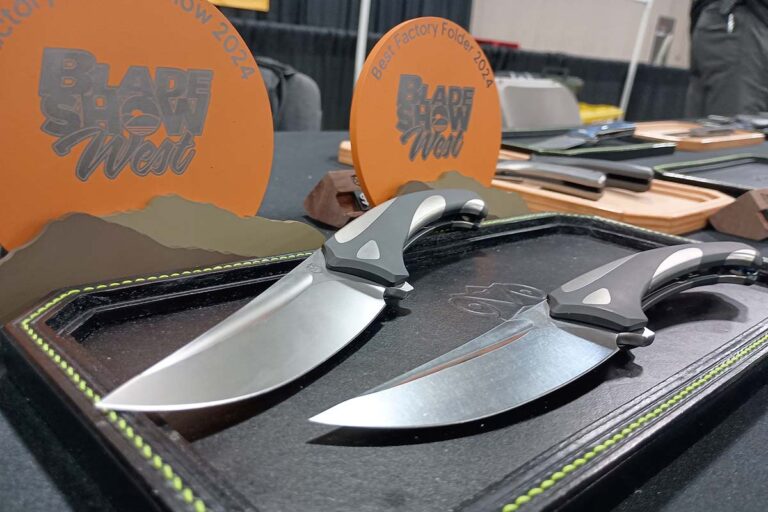
See Who Took Top Honors In Salt Lake City For The 2024 BLADE Show West Factory Knife Awards.
Over its short history in Salt Lake City, the BLADE Show West Factory knives competition has become very heated. Likely none have been as hot as the 2024 field.
Held during the Oct. 4-5 show at the Salt Palace Convention Center, the event drew its largest field of entrants yet, with companies worldwide bringing their best for the coveted hardware. The undisclosed panel of judges more than had their work cut out for them in choosing the top knives out of five categories.
As a side note, the folder section—which also produced the Best In Show knife—was particularly tense. The judges started in this category and spent the better part of 30 minutes deciding the winner.
Check out what these industry experts picked as the best of the best in the last BLADE Show of the year.
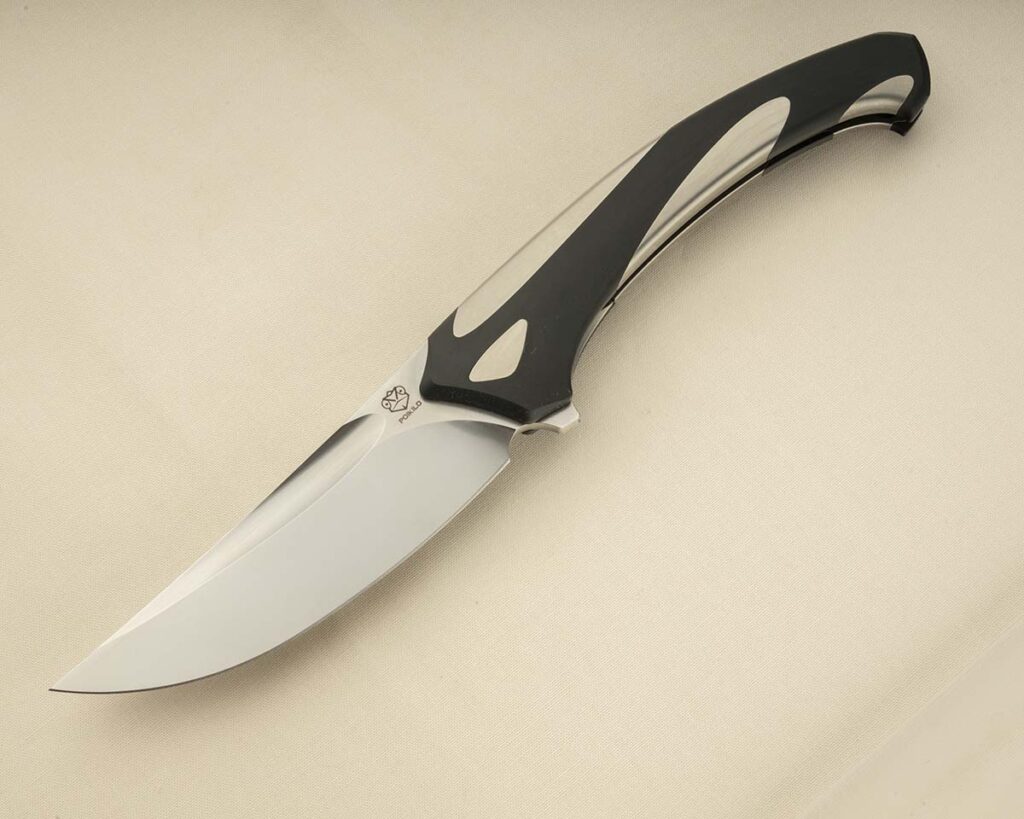
Best Folder And Best In Show: Poikilo Orca
JFRASIER PHOTOGRAPHY
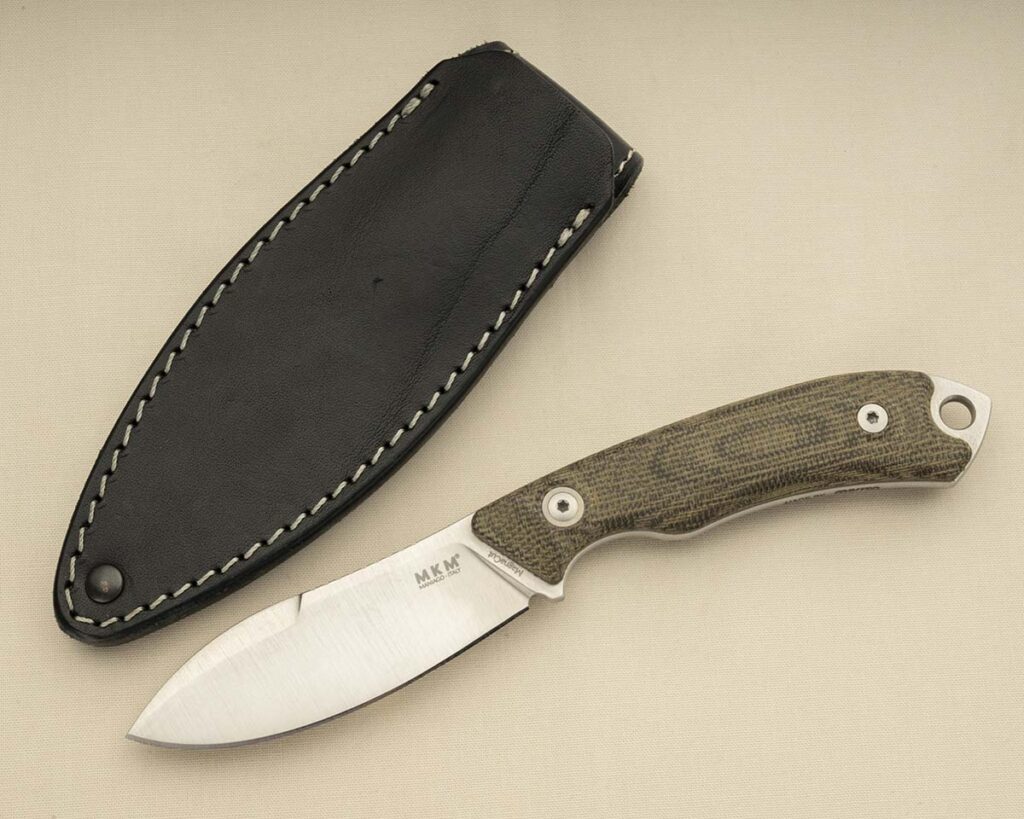
Best Fixed Blade Knife: MKM Pocket Tango
Photo: J. Frasier Photography
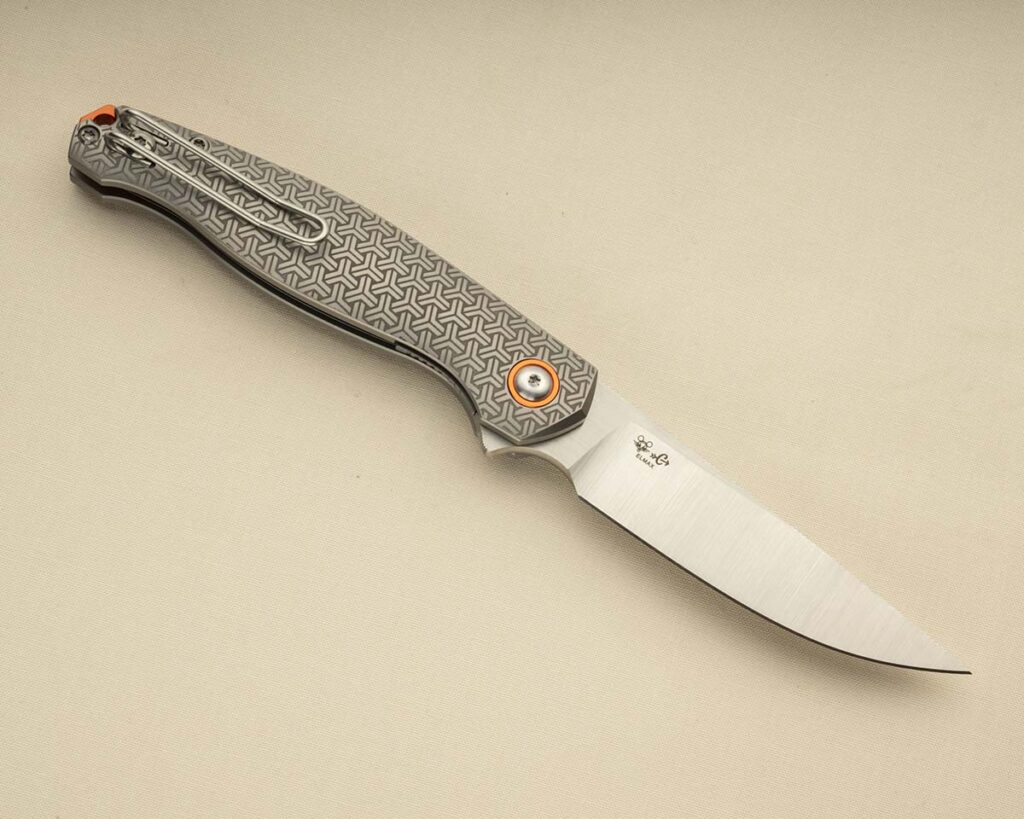
Best EDC Knife: GiantMouse Sonoma V2 Titanium
Photo: J. Frasier Photography
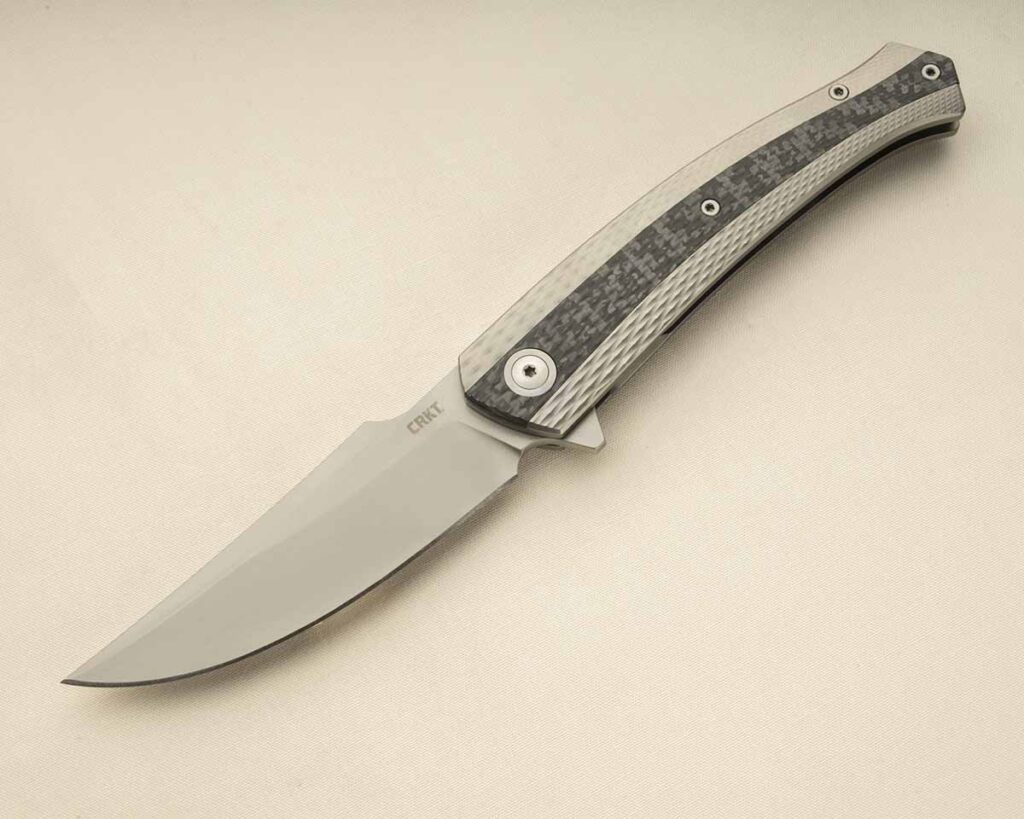
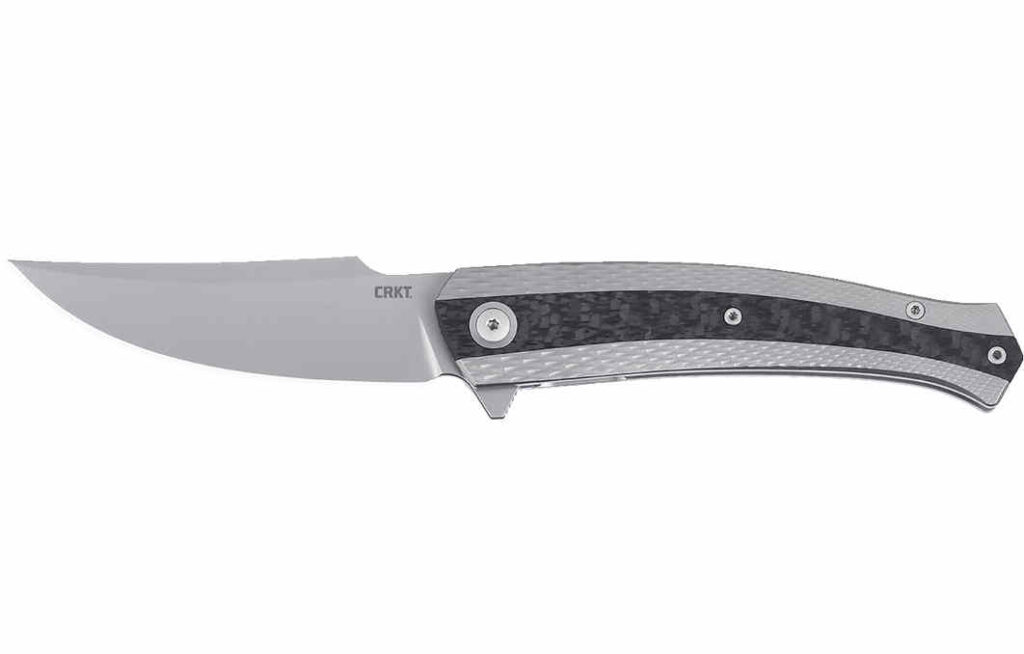
Best Imported Knife: CRKT Persain
Photo: J. Frasier Photography
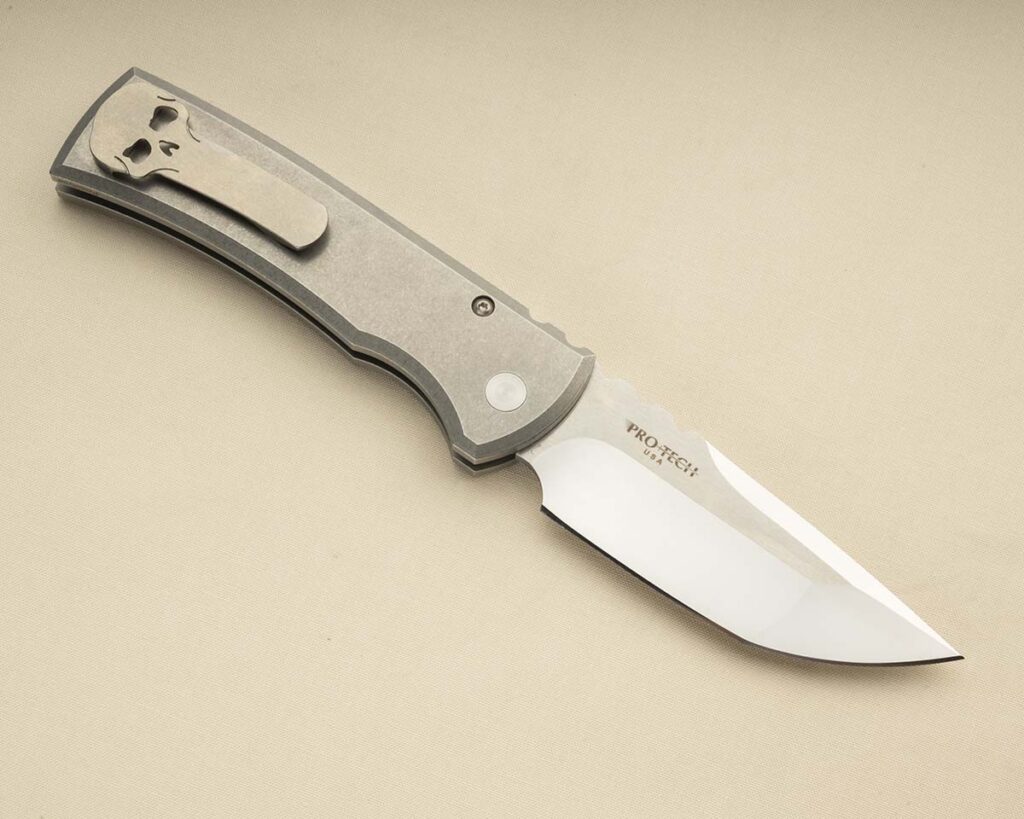
Best American-Made Knife: ProTech Redencion Prototype Chaves Auto
BLADE Show West hasn’t only grown to become one of the largest knife shows in the West, it’s also become a prime venue for late-season knife drops. With a bevy of new designs, CRKT has a bevy of new blades it plans to unveil to the public in Salt Lake City.
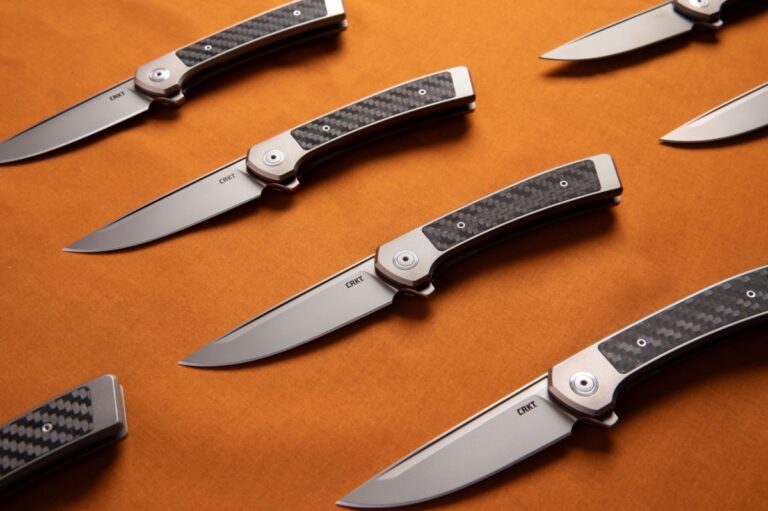
In all, the Oregon-based company will release five knives at the Salt Palace Convention Center, fittingly coming from a premiere Western knifemaker. Richard Roger’s prime gig New Mexico cattleman, but over the years has become a well-known custom maker whose designs perfectly combine clean lines, practicality, as well as eye-catching use of materials. The folder specialist’s knives are meant for use, but dang, if they aren’t pretty enough to show off.
Here’s a gander of what Rogers and CRKT have cooked up for BLADE Show West.
CRKT Q
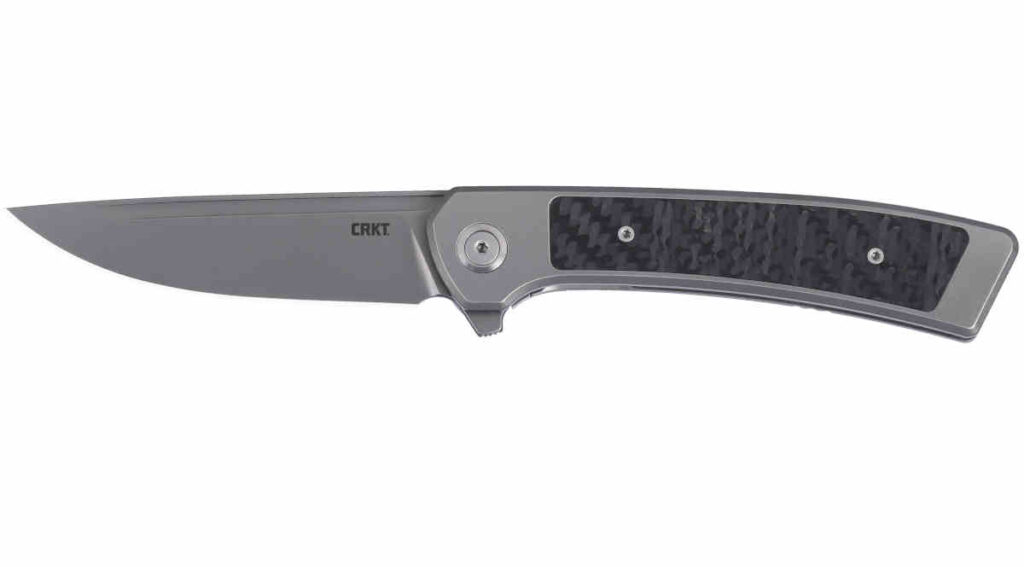
The limited-edition Q—based on Roger’s custom knife of the same name—has everything you want in a small-batch knife—chief among them, top-notch materials. The frame lock marries a titanium handle with carbon fiber inlay with a 3.31-inch MagnaCut steel blade. The lines on the drop-point knife are positively dialed in, with the point of the blade directly aligning with the pocket clip when deployed. The blade is put into action via a kicker. Topping off the Q is a floating backspacer that adds a splash of detail and hints at the knife’s premium nature, but otherwise, the Q remains perfectly understated. MSRP: $225.
CRKT Q Compact
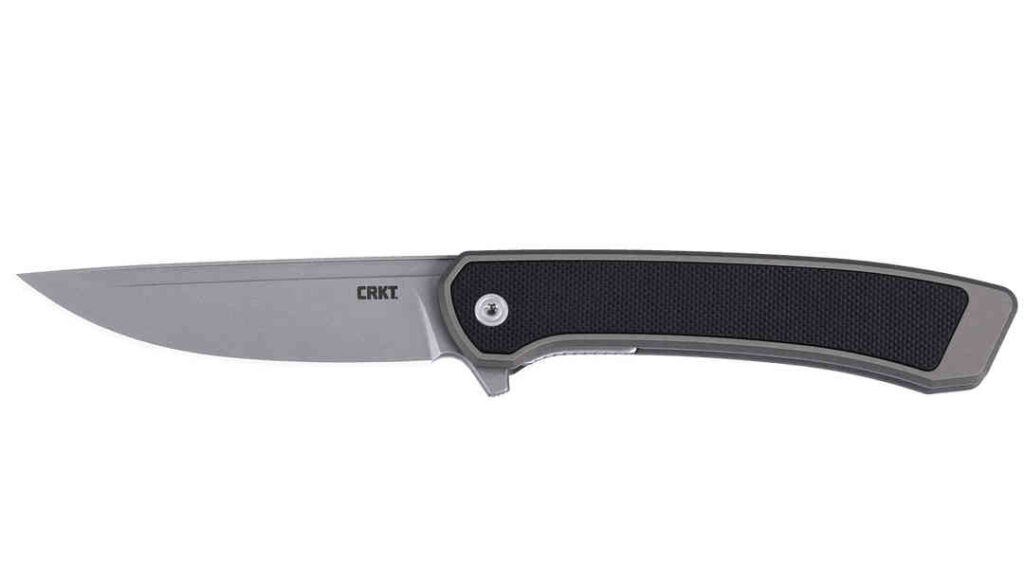
Dang near identical to the Q, the compact model is simply scaled down for easier EDC carry. At 4 inches closed and only 2 ounces in weight, it fits the bill as an easy-to-tote option. The materials are different from the full-sized model, with an S35VN blade and a lightweight aluminum handle with G10 inlay. As well as, the small fry is also a liner lock. MSRP: $195.
CRKT Persian
Building on a fan-favorite Rogers classic, the upgraded Persian takes all the great features of the original and cranks them up a notch. The blade’s new “harpoon Persian” shape is eye-catching, and it’s crafted from tough MagnaCut steel, known for its superior strength, wear resistance, and corrosion protection. The titanium handle is lightweight, with a cool milled pattern inspired by Richard’s custom design. Made in Italy by Lionsteel Knives, this limited-edition folding knife is a must-have for collectors. MSRP: $275.
CRKT Pup
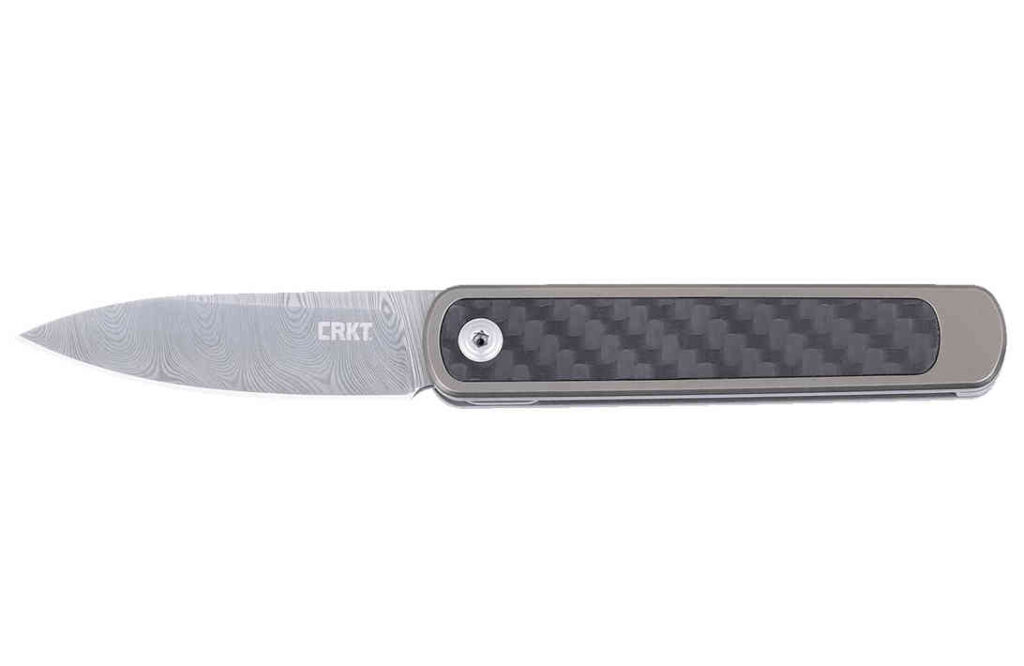
After the success of his CEO folding knife, Richard Rogers is back with the Pup, a compact everyday carry with smooth, rounded edges that slip easily into a pocket or purse. Built for modern life, it’s unobtrusive but ready to perform. The Pup comes in two models: a flipper with IKBS™ bearings, an AUS 10 steel blade, and a glass-reinforced nylon handle, or an Italian-made slip joint with a Super Dense Twist™ Damasteel® blade and a titanium handle with carbon fiber inlay for strength and style. MSRP: $70 and $275 respectively.
The Buckhorn collaboration is about as good as it gets without going custom.
Ketuo Knives partnered with renowned custom knifemaker and designer Ken Onion, to come out with a collaboration knife unlike any other collaboration Onion has previously done.
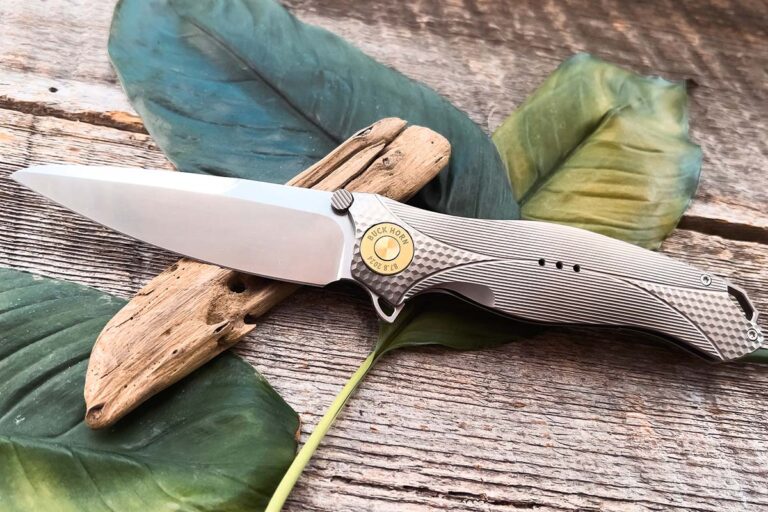
Dubbed the Buckhorn and marketed under the Karbon Knives banner, the knife debuted at the 2024 BLADE Show in Atlanta in June, and it won the 2024 Knife Collaboration of the Year in the Knife of the Year award. And it takes partnership knives to the next level offering a bevy of top-shelf features at a price that doesn’t blow your budget.
Honestly, it’s shocking!
BUCKHORN Blade
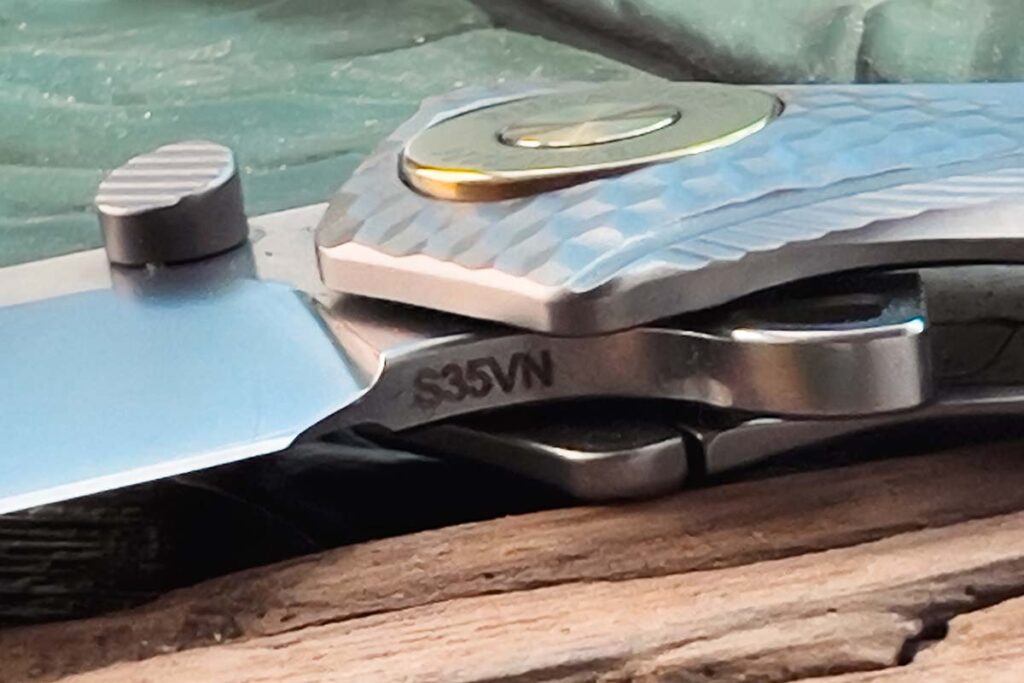
Known to hold up against heavy usage, the blade’s S35VN steel blade is a solid choice.
Onion has outfitted the Buckhorn with a modified 3.8-inch drop-point blade constructed from S35VN stainless steel. The material is a tried-and-true high-performance blade steel that holds an edge well and be fairly easy to sharpen when the need arises. To this is applied a high, flat grind that progressively thins down, giving the folder an elegant cross-section capable of cleaving through even tough materials. Topping it off, the blade is given a nice ceramic blast finish which is subdued but also has a nice sheen to it that is rather classy and dressy. Action
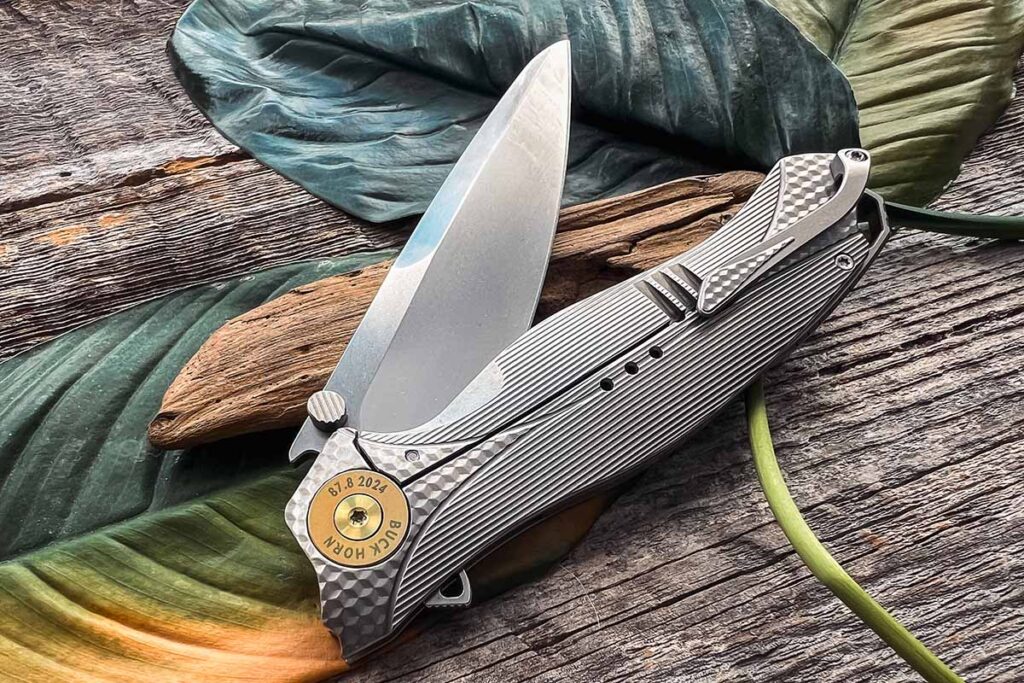
Onion opted for dual thumbstuds on the Buckhorn, making the folder friendly to both lefties and righties. Additionally, a flipper tab is included, for effortless blade deployment with the flick of your index finger.
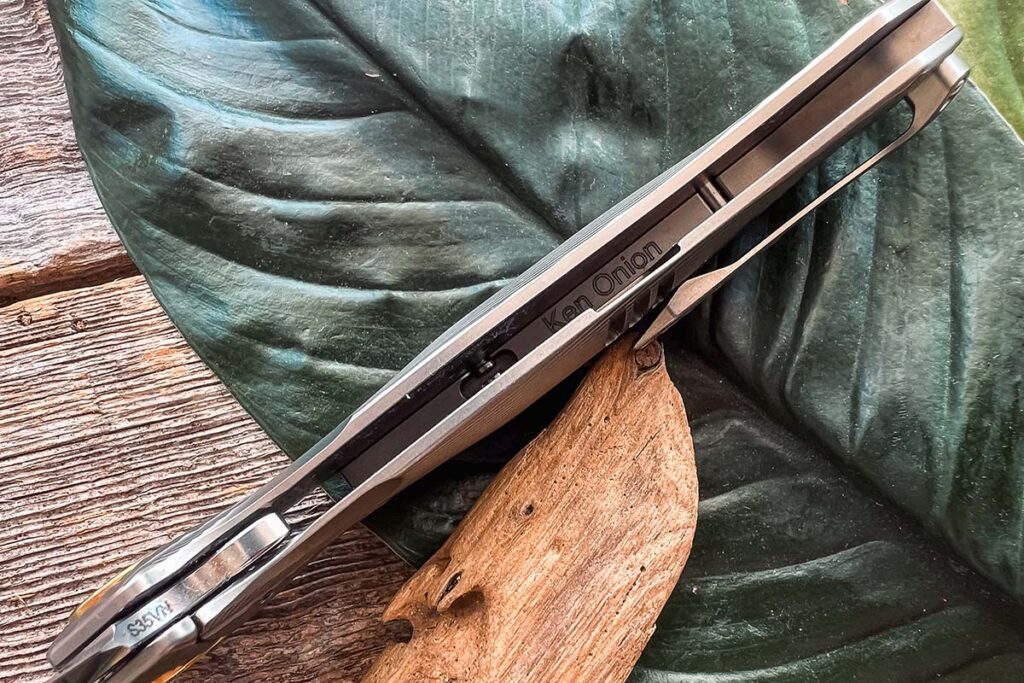
A hidden gem, Ken Onion is hidden away on the backside of the spacer.
The blade rides on a pair of caged ceramic bearings in the pivot for the ultimate smoothness in opening and closing. The flipper action is very dialed in as well. Place your index finger on the flipper and press on it for a second and you’ll feel it load up then the detent lets the blade go, and it rotates to the fully open and locked position effortlessly.
Buckhorn Handle
Very nicely textured and featuring a palm swell, the Buckhorn fits the hand just right.
The handle of the Buckhorn is really, where all the magic is.
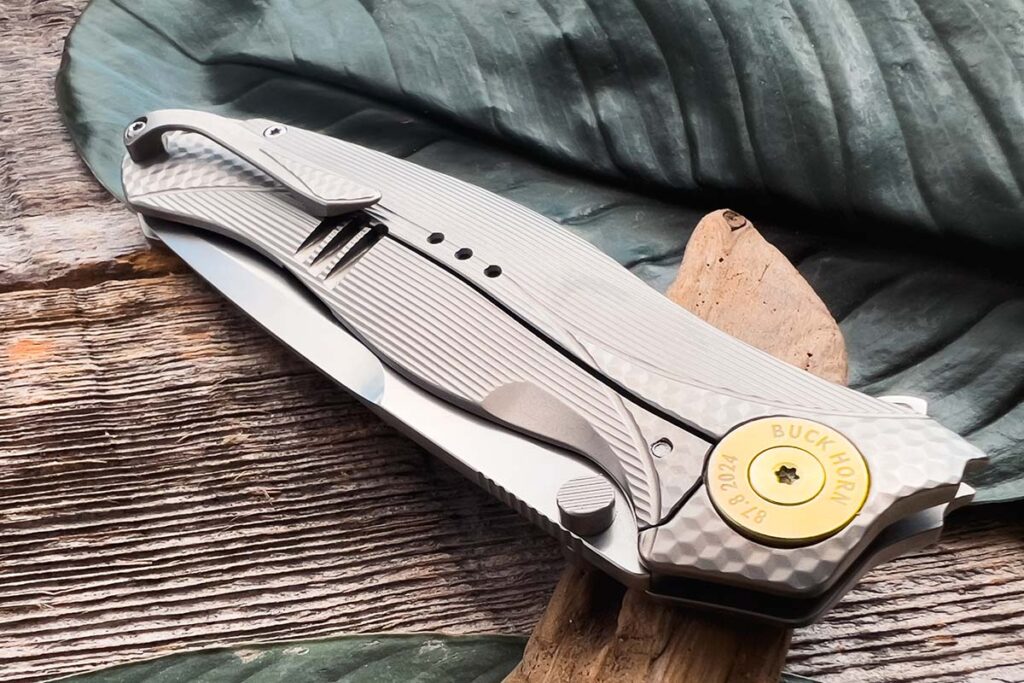
Perhaps the most unique design trait of the handle is the palm swell machined into the middle of the handle. This is employed to help seat the knife firmly in your hand and make it easier to grip. Continuing on, there’s the eye-catching 3D checkerboard micro-milling pattern at both ends of the handle, on both sides. Even the stylish minimalist titanium pocket clip sports the same 3D micro-milling pattern on the back, providing visual continuity to the clip side of the handle.
Speaking of the pocket clip, it is held onto the handle with one Torx screw. The handle end of the clip sits in a matching cavity to prevent it from rotating, thus remain secure with one fastening point.
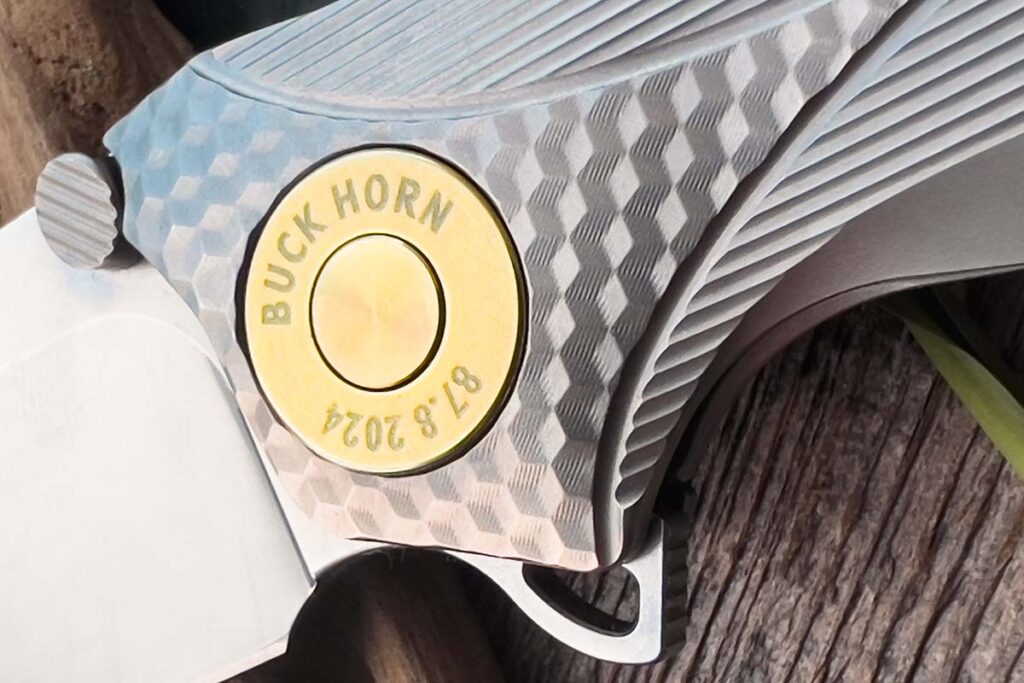
The pivot screw is brass colored, as is the pivot ring. Eye-catching, the tandem give the illusion of the end of a shotgun shell, which is a unique aesthetic to the Buckhorn. The brass color pops against the bead-blasted handle. The matching titanium handle spacer covers about ¾ of the handle length, and at the end of the handle, the spacer forms an integral lanyard loop.
An absouletely stunning design point, the pivot screw looks like a shotshell head. Interestingly, the other side where the torx head is looks like a fired shell with a firing pin impression.
The framelock lockup engages the lower third of the width of the tang, so an easy lockup. It engages solidly without any movement in any direction. With a firm push of your thumb, the lock disengages allowing the blade to rotate closed.
I don’t believe you’re going to have any concerns over the lock holding or failing on this one. Ketuo did this one right!
Buckhorn Tested
Outfitted with thumbstuds and a kicker, the knife is quick into action.
In action, the Buckhorn is a very efficient cutting tool. It deploys easily and with the flat ground blade, it slices easily and effortlessly. The front section of the blade has the wedge and is the thinnest portion, sailing through various materials with ease. I like how the entire cutting edge has a graceful curve to it. Not only visually appealing, this feature allows you to make use of the entire length of the cutting edge.
S35VN is a top-performing steel and is an excellent choice for the Buckhorn. This steel will go the distance and withstand heavy usage. Also, dig the fact the ambidextrous thumb studs are positioned as far back on the blade as possible, this gets them out of the way to eliminate hanging up on material being cut. A smart move!
Then handle spacer is also titanium and forms an intergral lanyard loop at the aft of the knife.
With the handle’s ergonomic features, I felt in control of the knife at all times and found no hot spots to speak of. It just fits the hand so perfectly. This is a testament to Ken Onion’s design prowess and intimate understanding of handle design.
Final Cut
This knife is about as close as anyone will get to owning a full-blow custom knife from the man himself. At MSRP $275 and made in China, the Buckhorn is an excellent deal for what you get in return. It’s an exciting-looking design from one of the best in the game, using high-end materials with 3D machined titanium and S35VN, and a sturdy framelock. Well worth the price of admission.
Pros
Stunning overall design
Excellent materials
Crisp action
Priced right
Cons
Nice enough you may not want to carry it.
Buckhorn Specs Blade Material: S35VN Blade Angle: >60° Full Length: 8.78″ Handle Length: 4.84″ Blade Length: 3.85″ Type: Folding Blade Knife Handle Material: 6AL-4V Finishing: Bead blast & Anodizing Weight: 4.44 oz Color: Silver w/ Gold Ano Accents Designer: Ken Onion Brand: Karbon Knives Manufacturer: Ketuo Knife
Hughes’ unbound energy touched outdoor writing, knifemaking, sports and higher education.
Billy Ray “B. R.” Hughes, one of four founders of the American Bladesmith Society, pioneering knife and also a gun and outdoor writer, bladesmithing teacher, member of the BLADE Magazine Cutlery and ABS halls of fame and dear friend of the knife community, passed away September 17. He was 92.
B. R. began his writing career in 1951 as a reporter for the El Dorado Daily News in El Dorado, Arkansas, and later wrote for the Arkansas Gazette and Monroe Morning World. He attended Henderson State University in Arkadelphia, Arkansas, where his flair for writing blossomed. He was editor of the college newspaper, assistant editor of the school yearbook and was active in school drama productions. He lettered in baseball and went on to play professionally for a short time in the minor leagues, topping out in the Class “C” league. He graduated from Henderson State in 1954 with majors in history and literature and a minor in speech and drama.
He began his teaching career in Huttig, Arkansas, where he met and later married Carolyn, current editor of The ABS Journal. Over the next decade, B. R. taught and coached at several Arkansas high schools. He covered the undefeated/untied University of Arkansas football team when the Razorbacks were recognized by several organizations as the 1964 NCAA national champions, a team coached by Frank Broyles and that included future Dallas Cowboys head coach Jimmy Johnson and Dallas Cowboys owner Jerry Jones. In 1965, B. R. joined the Texarkana College staff as director of public relations.
In 1961, he began his outdoor writing career with material published in Guns, Gun World, The American Rifleman and other magazines. His first knife-related stories were printed in Gunsport in 1966 and later in Gun World. His first knife book, American Handmade Knives of Today, was published in 1972. Along with Jack Lewis, B. R. co-authored The Gun Digest Book of Knives in 1973. It was the first knife publication of its kind in book form and foreshadowed the KNIVES annual introduced by Cutlery Hall-of-Famer Ken Warner in 1981, the latter of which continues to this day under the Caribou Media umbrella.
Other of B. R.’s books include the iconic Master of the Forge on the life and knives of his good friend, Cutlery Hall-of-Famer Bill Moran; Modern Handmade Knives; The Gun Digest Book of Folding Knives (co-authored again with Lewis); and others. In all, B. R. authored over 500 magazine articles on knives, including many in BLADE®, Knife World/KNIFE and others, in the process serving as a BLADE field editor for many years.
In 1976, along with Moran, Don Hastings and Bill Bagwell, B. R. was one of the four founding members of the ABS. Since 1984 he had served as the society’s secretary. Among his knife honors are the Knifemakers’ Guild Nate Posner Award and the Don Hastings Award, the latter the top honor of the ABS.
B. R. retired from Texarkana College in 1995 after having served over 25 years as dean of students. During that time he also served as commissioner of the Northeast Texas Junior College Baseball Conference, president of the Texas Junior College Dean’s Association, on the National Health Council, and on the Advisory Council of the American Red Cross.
For at least the past decade the B. R. Hughes Award named in his honor has been presented to the best knife of a successful applicant for ABS master smith at the BLADE Show. B. R. and Carolyn attended ABS hammer-ins for decades right up to the last year or two, helping coordinate the events and covering them over that time. B. R. also taught assorted subjects at the hammer-ins, at BLADE University and the Bill Moran School of Bladesmithing, first in Washington, Arkansas, and later when the school moved to the campus of Texarkana College in 2019. He also served as a judge for the testing of applicants for bladesmith ratings at the hammer-ins, the BLADE Show and elsewhere. B. R. and Carolyn’s children include Barry and Lee Ann, and two grandchildren, Cody and Cale.
Cooking a great filet mignon, ribeye or any good cut of meat is an art, so shouldn’t eating it be the same? Most of you have had a good cut of meat fall victim to a dull knife, sliding around on the plate like an ice skater on a rink, scattering peas and mashed potatoes to the wind. As blade-loving folk you know the benefits of a good cutter, so in BLADE®’s special kitchen knife issue let’s consider some of the more refined offerings in steak knives.
Best Steak Knives Specs Comparison
Knife
Blade Length (inches)
Blade Steel
Blade Pattern
Handle Material
Weight (ounces)
Overall Length
Carry
Country Of Origin
MSRP
Bradford Orwell Steak Knife
4.2
AEB-L Stainless
Clip Point
Tan Micarta®
3
8.5
Kydex Sleeve
USA
$128 ($168 with sheath)
Emerson Folding Steak Knife
3.9
154CM Stainless
Clip point
Tan/black layered Richlite
4.56
5
Blade-tip-up pocket clip
USA
$335
Sharps Bros. Meanstreak Grill & Steak Knife
5
S35VN Stainless
Clip point
Titanium
6
9.25
Black thermoplastic blade cover
USA
$110
Bradford USA Orwell Steak Knife
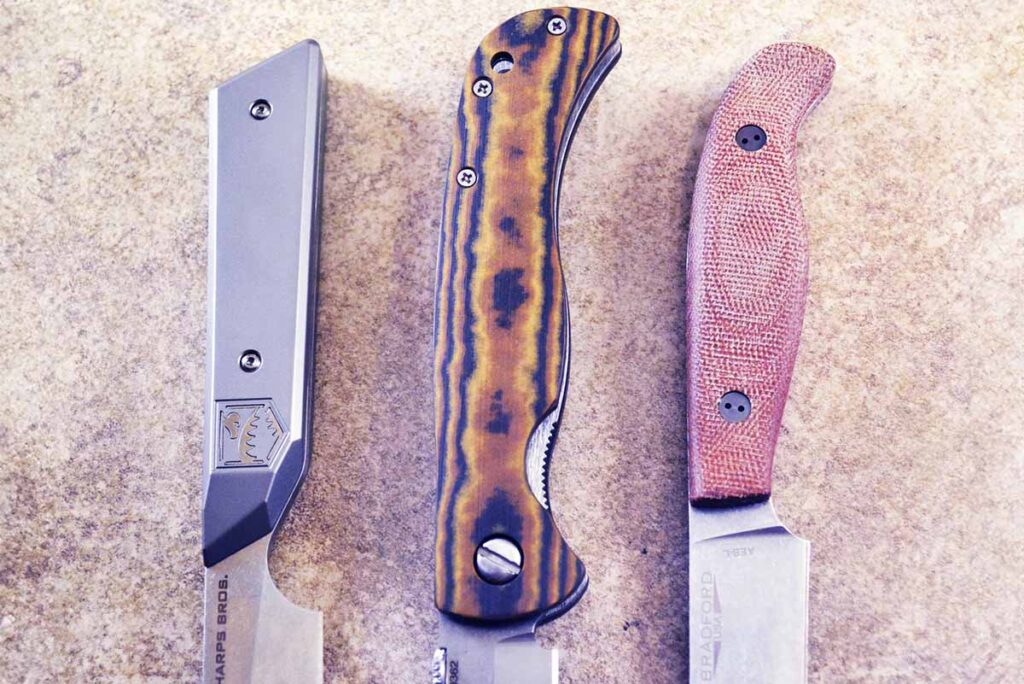
The author stated the Bradford USA Orwell handles and cuts like a steak knife should, adding “The level of construction and finish is very high throughout, and the Uddeholm AEB-L stainless steel blade is many cuts above that of the average steak knife.” Note the Micarta® handle with a nice palm swell for an enhanced grip and handling.
The Orwell Steak Knife from Bradford USA may look like a Webster Dictionary depiction of what a carnivore cutter should be, but there’s more than meets the eye in this upscale slicer.
The Orwell is a spinoff of the company’s Gatsby design with more handle options geared toward the tactical user and outdoorsman. The full, flat-ground, gently clipped blade has a stonewashed finish (a high polish is also optional). Handle scales on the test sample are tan Micarta®—black, camo and OD green are also available. The test Orwell was delivered with an optional black Kydex sheath.
Of the three review knives, the Orwell more closely resembles what most consider the norm among steak knives in size and configuration. Where it differs from the norm is in sheer quality of both materials and fit and finish.
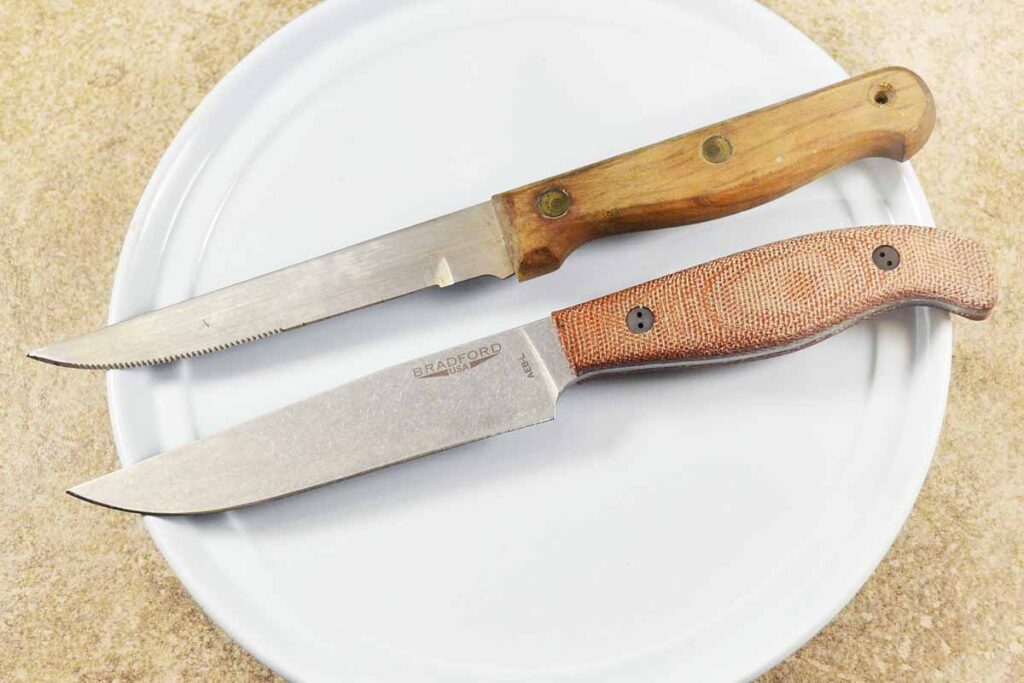
For your inspection: an inexpensive, run-of-the-mill steak knife and the Bradford. Note the pleasing line and flow of the Bradford compared to lack of same in the other knife. If you’re going to spend good money on an expensive cut of meat, why not spend money on a knife you’ll enjoy eating it with?
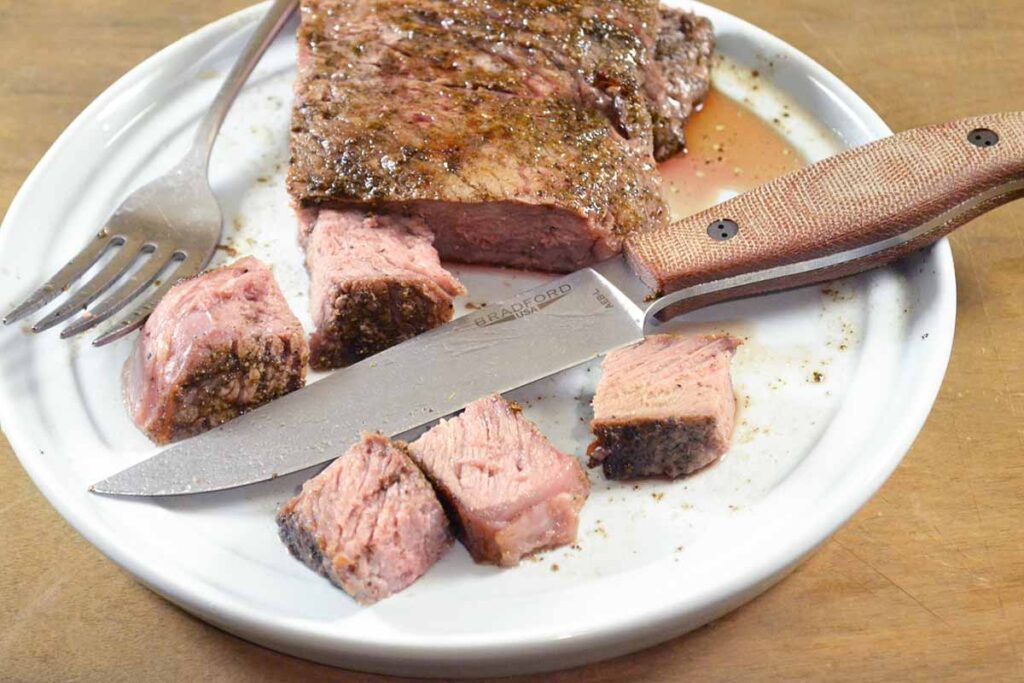
I cooked up a black Angus ribeye steak for the occasion and took the Orwell to task. The AEB-L stainless steel blade glided through the steak effortlessly, you might say, “Like an Uddeholm steel should.” This was also aided by the fact that Orwell was the thinnest test blade.
Bradford did a superb job on the handle scales with just the right amount of palm swell for gripping, along with a high degree of finishing for overall comfort. I really had no “druthers” with the Orwell at all, and the Kydex sheath is worth the price of admission both as a protective cover in the drawer or for field use.
Orwell Steak Knife Specs Blade length: 4.2” Blade steel: AEB-L stainless Blade pattern: Clip point Handle material: Tan Micarta® Weight: 3 ozs. Overall length: 8.5” Carry: Kydex sleeve, easily converted to belt Country of origin: USA MSRP: $128 ($168 w/sheath)
Orwell Deals
Arizona Custom Knives
$95
Bradford USA
$129
Ernest Emerson Folding Steak Knife
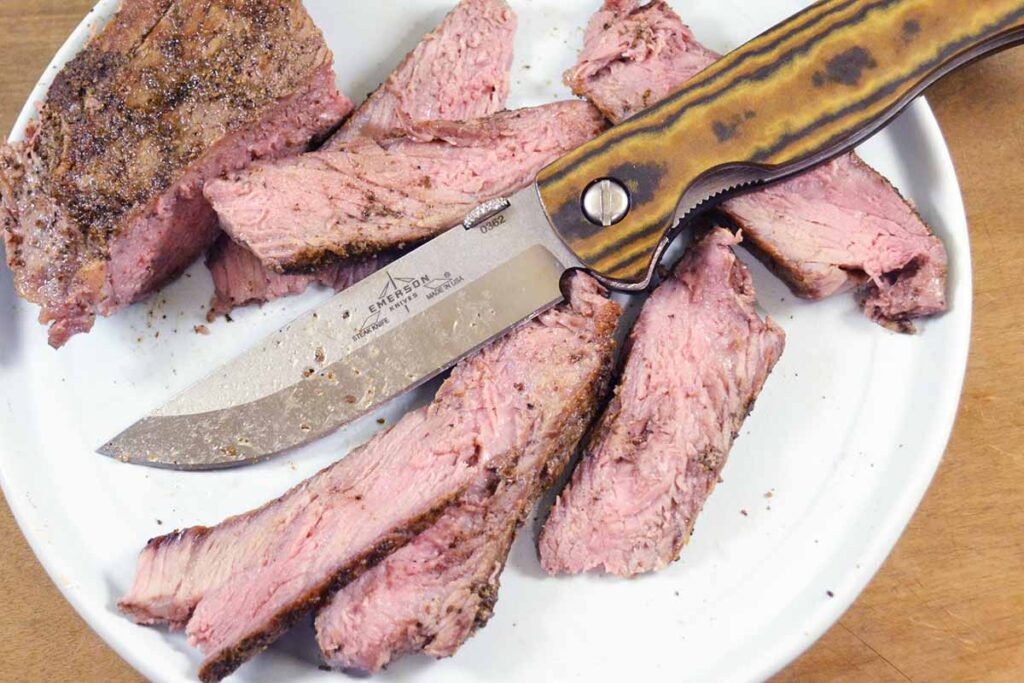
The author used the Emerson Knives Folding Steak Knife to cut strips of steak for fajitas. The knife is not as svelte as its two test counterparts but if you eat out frequently the portability is well worth the price of admission.
Leave it to Ernest Emerson to produce a steak knife folder. That’s his job, that’s what he does!
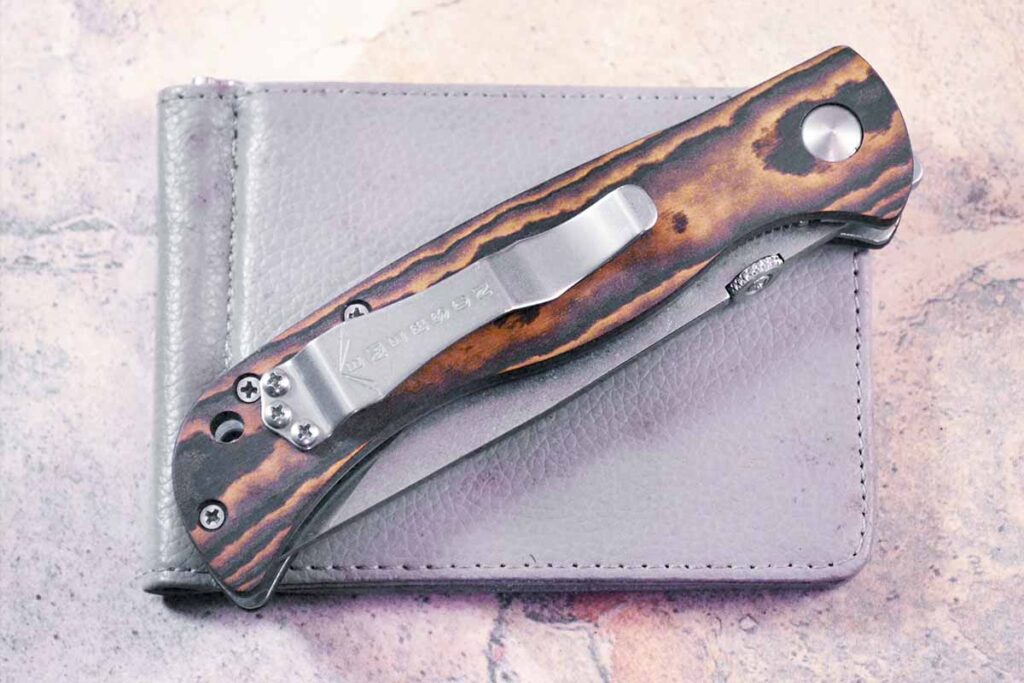
The blade of the Emerson Folding Steak Knife boasts an almost imperceptible clip point with a flat grind and rolls out via an ambidextrous thumb disc. The blade secures via a linerlock inside the open titanium frame. The brown layered handle slabs give the knife a rustic look, though you can go with black G-10 if you’ve got a tactical slant. An ample 2.3-inch pocket clip occupies the frame’s back side.
I devoted a portion of the ribeye to taking off approximately 1/8-inch slices for steak fajitas with the Emerson. The 154CM stainless steel blade did an admirable job of slicing, though it is slightly clumsier due to the bulk of the handle compared to, well, a fixed-blade steak knife. That’s the price you pay for portability.
If you eat out a lot and are out and about doing so, the Emerson may just be your best friend. You’ll never have to experience Sliding Steak Syndrome at a restaurant again!
Despite its size, the handle is comfortable and the Richlite scales are attractive. When you’re finished dining simply wipe the knife down with your cotton restaurant napkin, park the folder in your pocket, and go your merry way.
Folding Steak Knife Specs Blade length: 3.9” Blade steel: 154CM stainless Blade pattern: Clip point Handle material: Tan/black layered Richlite Carry: Blade-tip-up pocket clip Weight: 4.56 ozs. Closed length: 5” Country of origin: USA MSRP: $334.82
Folding Steak Knife Deals
Emerson Knives
$335
BladeHQ
$325
Sharps Bros. Meanstreak Grill & Steak Knife
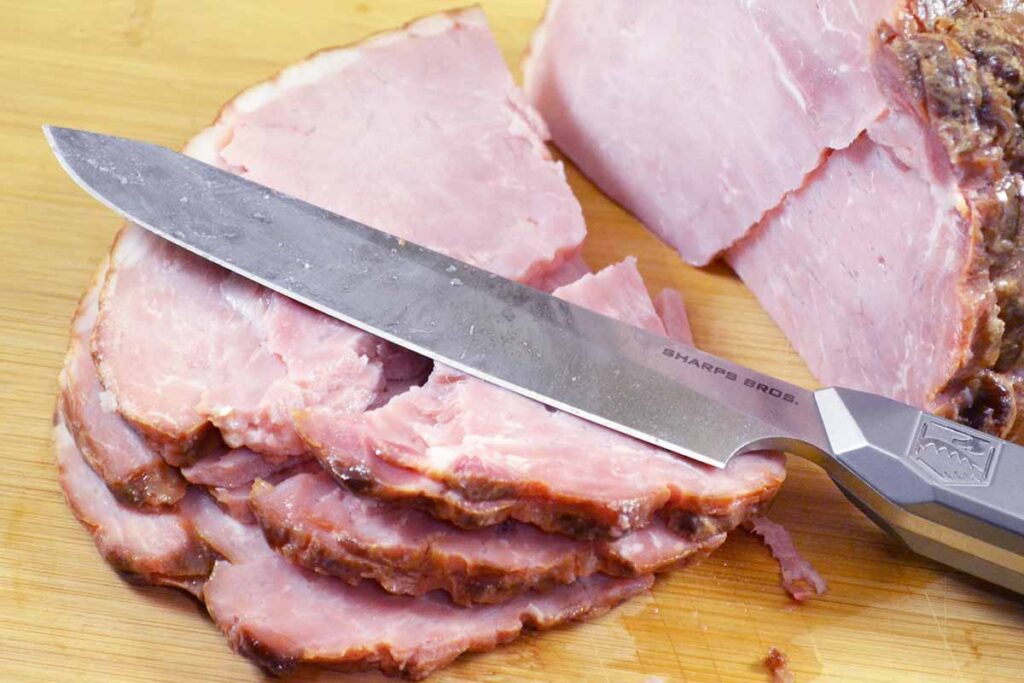
The Sharps Bros. Meanstreak Grill & Steak Knife’s longer 5-inch blade offers utility outside the dinner plate. The author indicated the knife sliced ham like it was a stick of butter. The CPM S35VN stainless steel blade performed “like a house afire” on ribeye steak as well.
The Sharps Bros. Meanstreak Grill & Steak knife is futuristic in style and loaded with upscale features. For starters, the full-tang steak knife boasts a clip-point blade of CPM S35VN stainless steel with a long, angled, flat grind that looks ready to launch.
With its longer blade the Meanstreak is meant not just for cutting meat but handling other chores such as flipping steak. I tested the blade on a hefty pound-and-a-half, 5-inch-across chunk of ham and it whipped through it like it was an afterthought—and the ribeye experienced the same results.
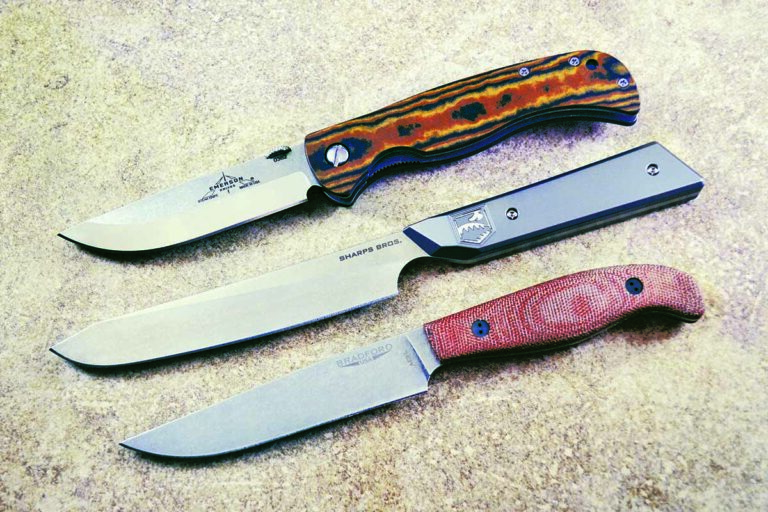
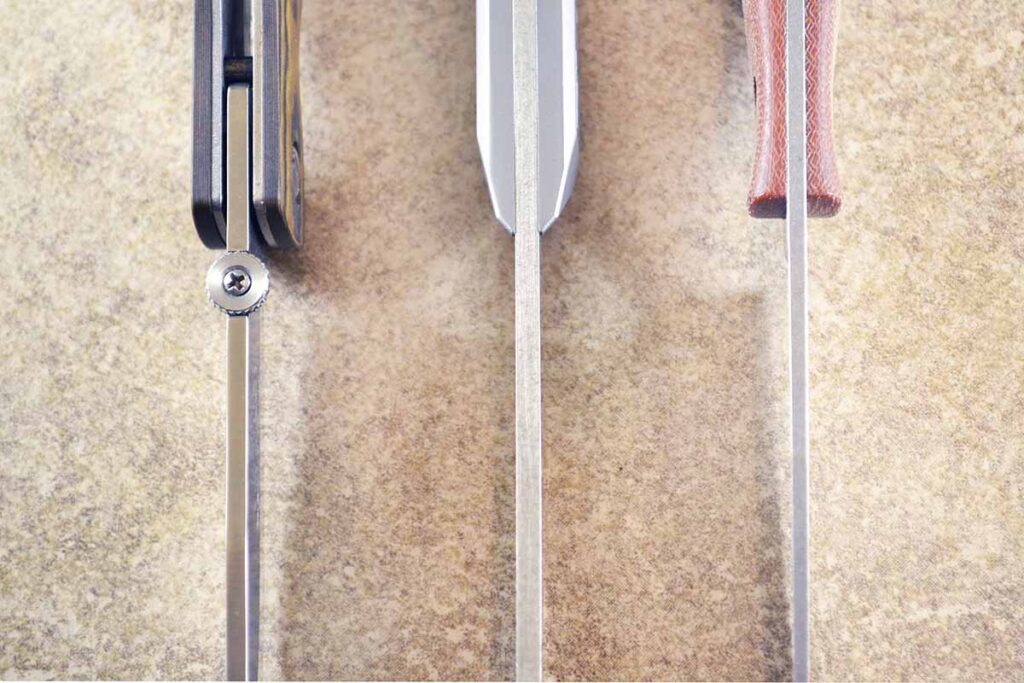
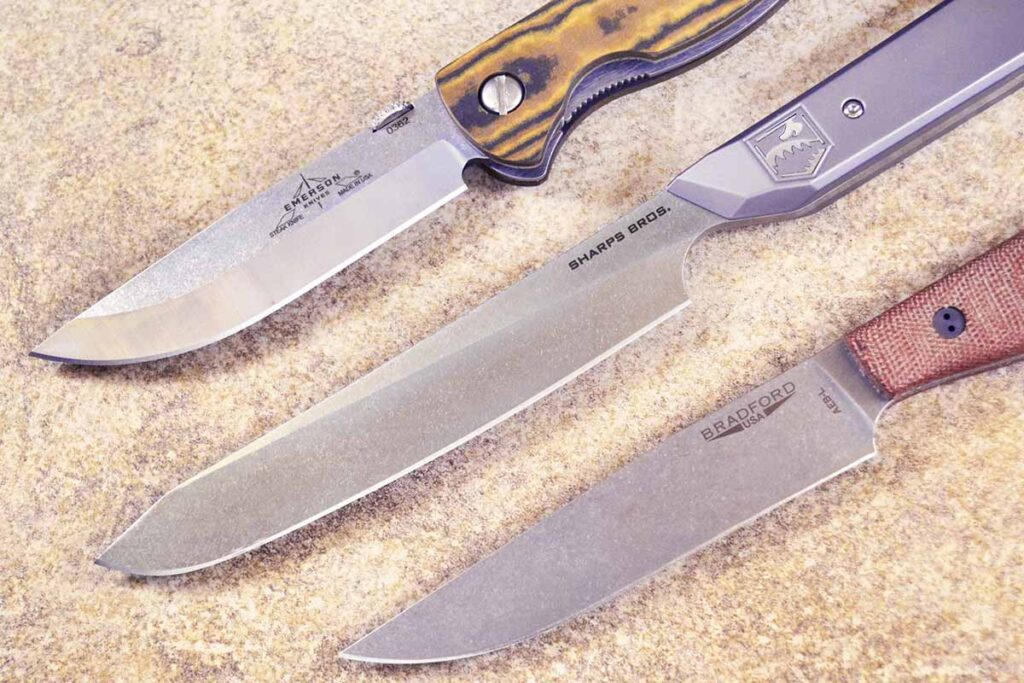
Blade thickness varies on the review group, from thickest on the larger Sharps Bros. (middle) to the thinnest on the Bradford (right). After testing all three steak knives, the author opined that the blade thickness was not much of a factor since all three knives had much better than average blade steel, properly heat treated and professionally edged.
The longest of the blades reviewed, the Meanstreak proved the superior cutter of the pack. Realistically, the extra half inch of blade length isn’t necessary, and some may think it’s too much knife, so it’s a trade-off.
Personally, I didn’t find it burdensome.
The titanium handle is not as comfortable as Micarta grips and the Meanstreak is twice the weight of the Bradford, but it’s easier to clean. These are all preferences you need to weigh when choosing your ideal steak knife.
Meanstreak Grill & Steak Knife Specs Blade length: 5” Blade steel: S35VN stainless Blade pattern: Clip point Handle material: Titanium Weight: 6 ozs. Overall length: 9.25” Carry: Black thermoplastic blade cover Country of origin: USA MSRP: $109.95
Meanstreak Grill & Steak Knife
Sharps Bros.
$106
Final Cut
Sharps Bros. opts for an angular titanium handle that matches its futuristic styling. The Emerson is the rare folding steaker replete with linerlock and pocket clip for easy toting. Bradford carries on a more traditional approach with all the traits of a refined custom.
If you’ve been using standard house fare, the three test steak knives should be a vast improvement. All three blade steels are heat-treated and honed to a high degree by professionals who know their steels and how to get the most from them. The biggest difference between the three knives is how you plan to use them.
The Bradford excels where run-of-the-mill steak knives fail. Bradford USA has used Uddeholm AEB-L stainless steel with success for over 10 years, and like every Bradford knife I’ve tested, the fit and finish is superb. This steak knife will spoil you.
The Emerson offers you the portability a fixed blade doesn’t, and that’s important to those who eat out a lot, both at restaurants or in the wild. The company also offers a fixed-blade version of the same knife.
All three test knives go with variations on the flat grind. Emerson uses a “V” flat grind halfway up the blade with a stonewashed flat area. Sharps Bros cements the futuristic styling with a flat grind that takes off like a rocket from choil to tip, and Bradford returns to earth with a full flat grind from spine to edge.
With its longer blade, the Sharp Bros. expands its usefulness beyond the dinner table in areas like meal prep and grilling. The Crucible blade steel is the most advanced blade option I tested, not to mention the titanium scales. If you prefer a knife that goes beyond the dinner plate, the Meanstreak will go there.
Three very different knives, three very different options—choose your slice!
See how an over-the-counter Henckels survives the Breed test.
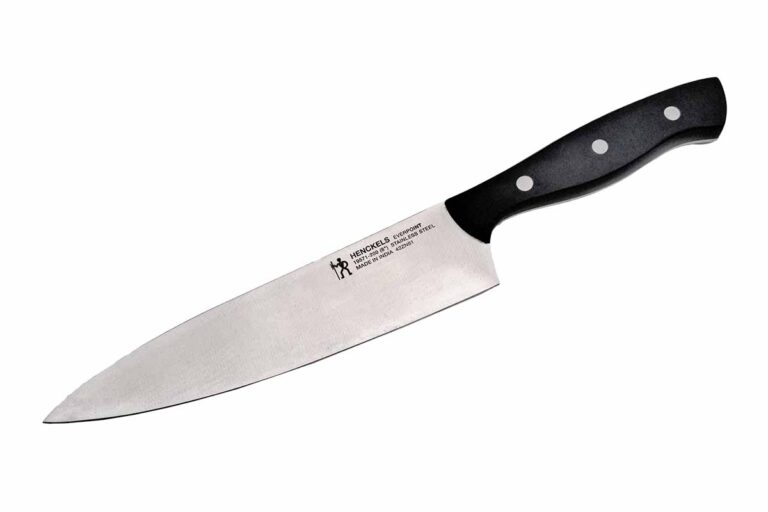
This time I decided to hit the local retail store trail for a knife just about anyone can buy anytime. Nothing tweaked my fancy till I hit a major chain store. There I found an inexpensive Henckels Everpoint 8-inch chef’s knife. Well, let’s just say I’m impressed with the quality of the Henckels. Read on and see why.
Henckels Everpoint Sharpness Test
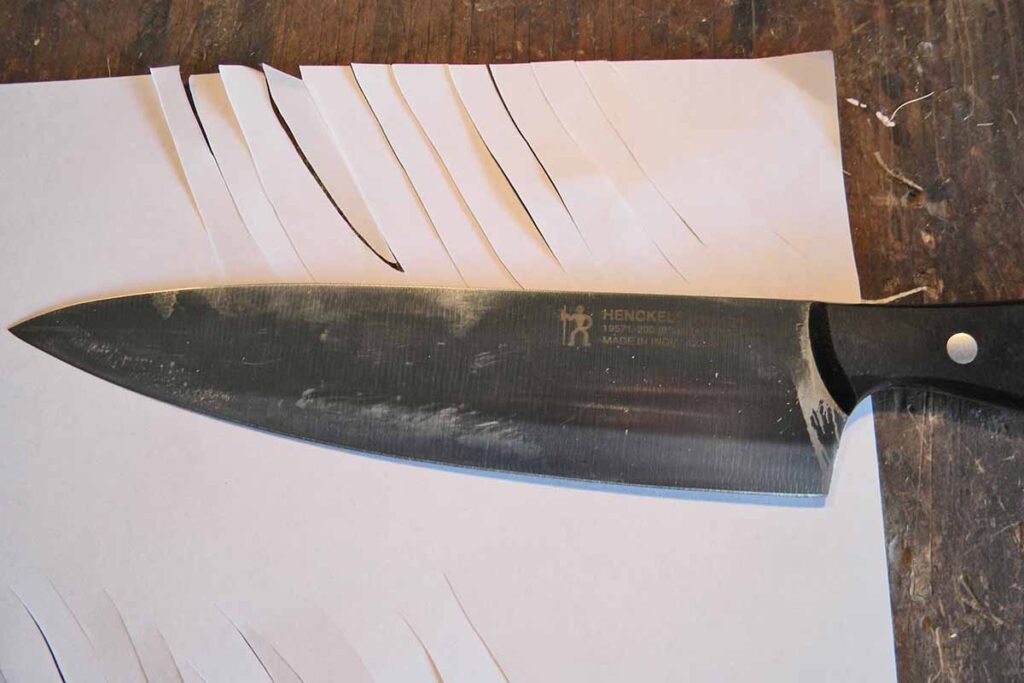
The knife had to slice paper once more to see if the horn whacks did any harm the author could not feel. It was still slicing and dicing like in the beginning.
First was the 20-pound-bond-copy-paper slice. The knife was very sharp and aggressive slicing the paper. I had to take care not to skin parts of my finger off. As fast as I could move, I could slice the paper. The knife was off to a great start.
Henckels Everpoint Food Prep
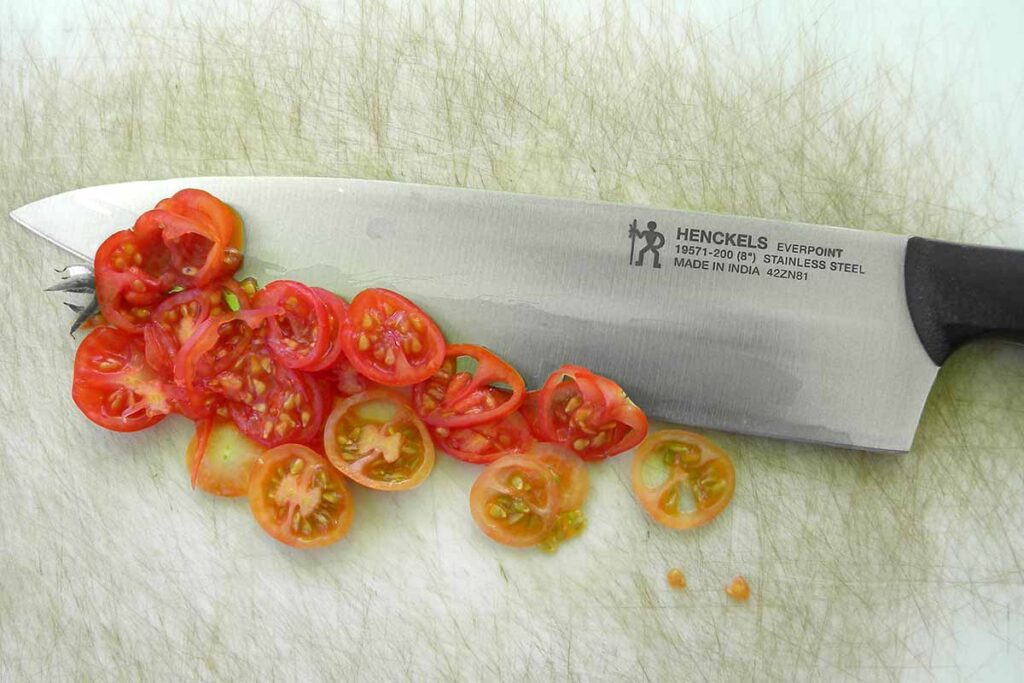
The knife sliced the tomatoes fast without mushing them and produced very thin slices.
Now to use the Everpoint for its intended purpose: food preparation. I picked some cherry tomatoes and the last yellow squash from the garden. The knife sliced the tomatoes fast without mushing them. I could get very thin slices. The same went for the yellow squash. The knife was light in hand and well balanced.
Henckels Everpoint Medium Duty Tests
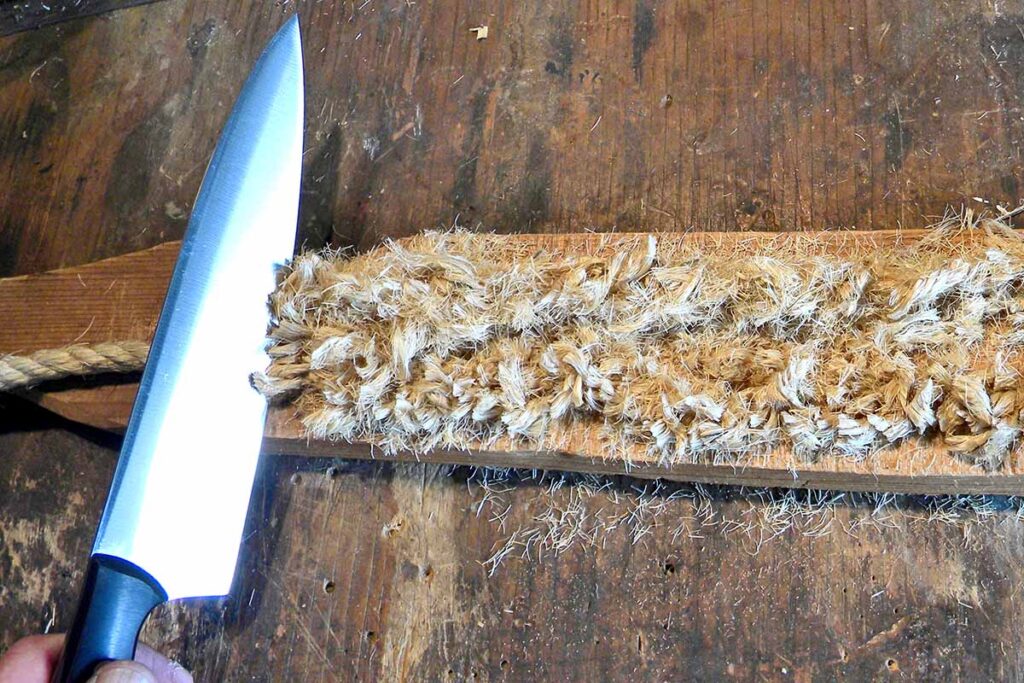
The Henckels surprised the author by making 200 crunching cuts in the sisal rope, and the knife was ready for more.
The rest of the test was to see how far the knife would go before the edge failed. Getting my technique down with some single-walled cardboard, the chef’s knife sailed through it aggressively with no problems. Very nice!
Next was some whittling on pine. The Henckels gave me some very smooth curlicues. I was surprised at how controllable the knife was, from very fine shavings to deep bites with heavy pieces. It’s a lot different whittling with an 8-inch chef’s knife but it came through with flying colors.
Skiving 8-ounce leather was next. The knife crunched aggressively with every cut, rendering very thin slices and one close call on my finger. The leather was no challenge at all. It was still fun to do quickly and I didn’t need to apply much pressure.
Henckels Everpoint Heavy Duty Tests
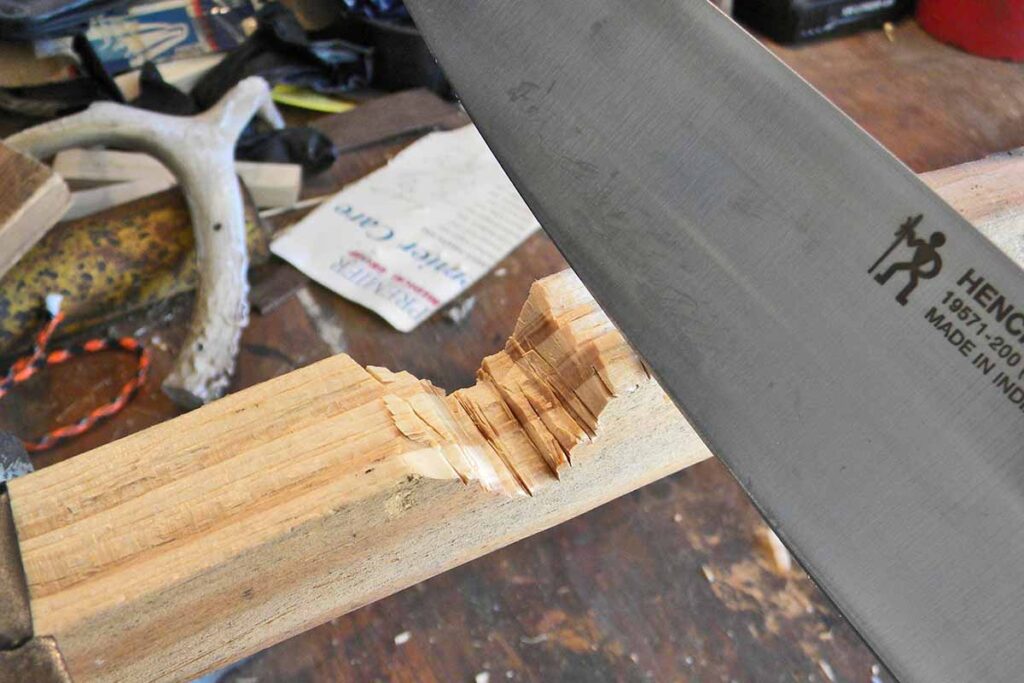
The Everpoint chopped the 2×4 very well. The balanced blade and comfortable handle made it a pleasure to use. The author whacked the wood “pretty hard” but could see or feel no damage to the edge.
It was time to move into the big leagues by chopping into part of a 2×4. The Everpoint chopped very well. The balanced blade and comfortable handle made it a pleasure. I was whacking pretty hard into the wood but I could see or feel no damage to the edge.
All knives have to cut sisal rope. No exceptions. The Henckels surprised me by going for 200 crunching cuts and was ready for more. The plastic scales were extremely comfortable. The knife floated in my hand on every cut. Heat treatment grade: excellent.
I returned to the paper slice to see if the edge had slowed down any. Nope, it sliced just as fast as before. This chef’s knife cuts!
All right, with such a thin blade I figured an antler chop should knock the edge down a bit. Dang, it proved me wrong. Thirty hard whacks into the whitetail horn and there was no edge damage whatsoever. I’m impressed. The knife had to slice paper once more to see if the horn did some harm I could not feel. It was still slicing and dicing like in the beginning. Outstanding!
Final Cut
This chef’s knife really impressed me—low price with top end performance.
Everpoint 8” Specs Blade Length: 8” Blade Steel: Stainless Blade Grind: Flat Blade @Thickest: .09” Blade Width: 1.75” Blade Finish: Satin Handle: Black plastic Rivets: Stainless Construction: Full tang Weight: 7 ozs. Overall Length: 13.25” Country of Origin: India MSRP: $14.88