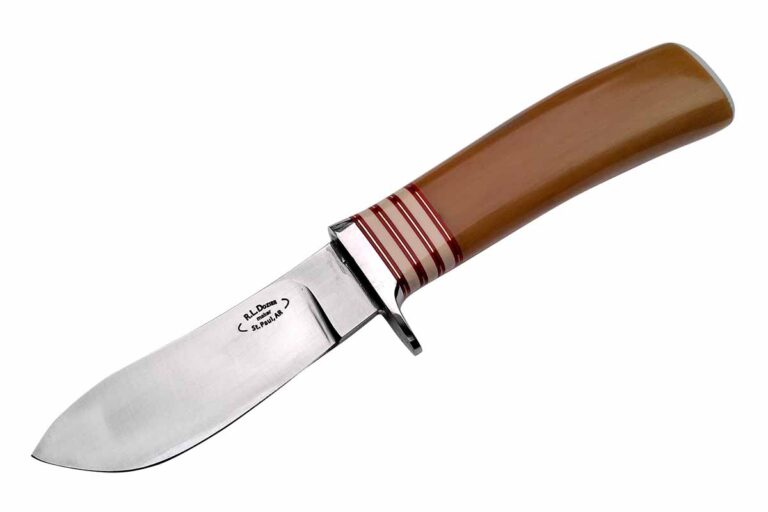
Once in a blue moon I get lucky. This time I get to cut with a knife by Bob Dozier, winner of the BLADE Magazine 2023 Industry Achievement Award and one of the legends of the custom knife industry.
I’ve known Bob since my first BLADE Show in 1992. He’s made his mark in the knife world time and time again, always willing to help a new knifemaker out with great advice. D2 is Bob’s favorite steel, so to test one of his knives made from a different steel type makes my day. I know of the extensive testing that Bob does on the steels he uses, so I was excited to see how well his humpback skinner in CTS 40CP performs.
Dozier Skinner Light Cutting Tests
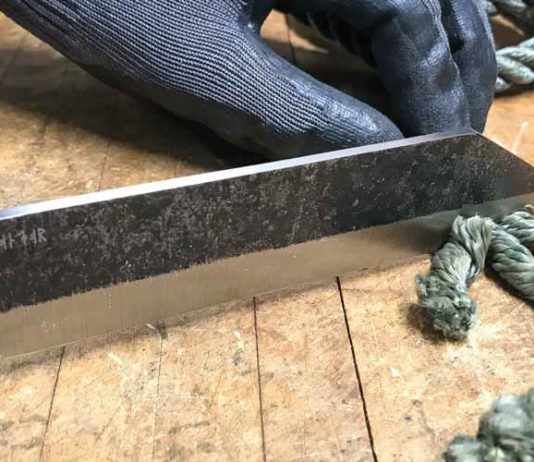
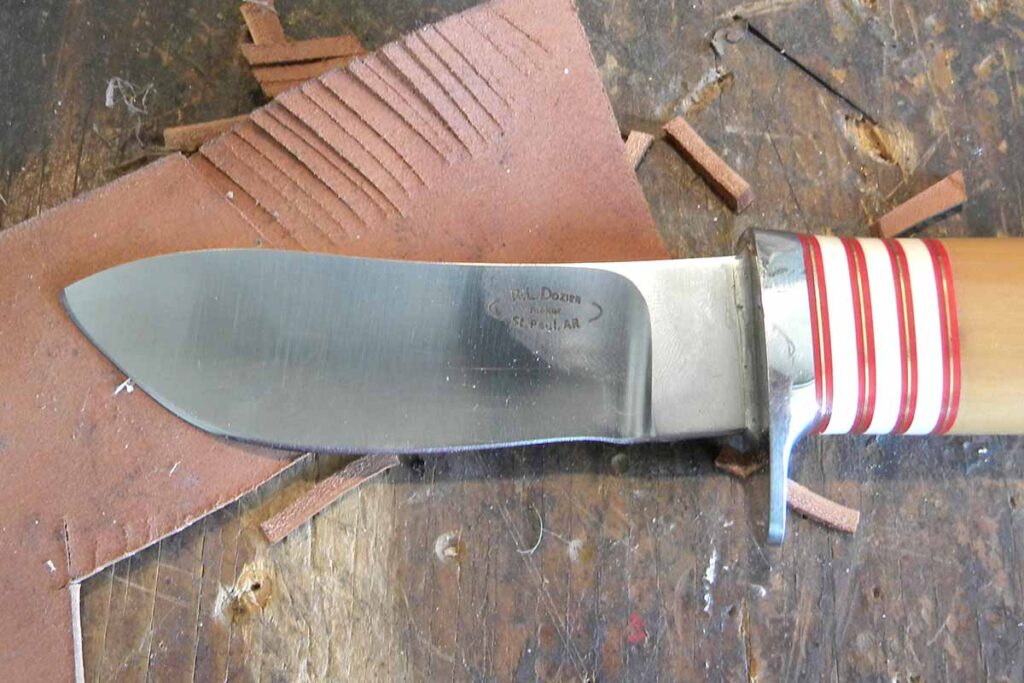
The knife zipped through the wide leather quite forcefully.
I checked the edge first with a slice of 20-pound bond paper. The “humpy” sailed through the slicing very fast with push cuts. The handle is extremely comfortable and makes controlling each slice easy. The knife is handle-heavy, so I felt no resistance on each slice.
On deck: double-walled cardboard. The CTS 40CP was very aggressive in cutting the material. You could hear the zipping sound on each cut. I really like the overall grip shape for cutting control; it provides good, positive handling.
To check the knife for what I call the “crunch effect,” leather skiving was next. The humpy was very aggressive slicing leather, crunching loudly on every cut. The high hollow grind made for easy thickness control on each slice. Just for kicks I grabbed some wider leather to cut. The knife zipped through the leather quite forcefully. I barely managed to keep my fingers out of the way of the sharp edge.
Dozier Skinner Heavy Cutting Tests
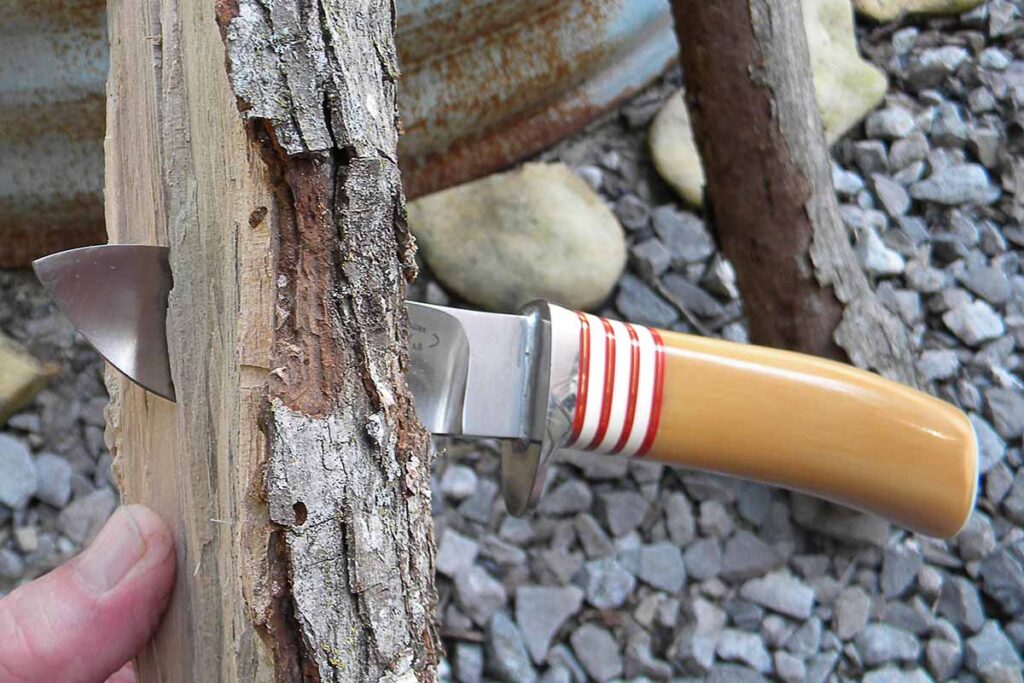
During the baton through firewood, the handle absorbed the shock and didn’t transfer it to the author’s hand. The humpback design provided a high spot to baton the blade. There was no damage to the handle or the edge.
It was time to whittle a firestick. The high hollow grind made controlling the depth of each cut simple. The blade produced good curlicues, both fine and thick. Again, the comfortable handle provided positive blade control.
I just had to smack the humpy through firewood. The handle absorbed the shock and didn’t transfer it to my hand. The humpback design worked out as it provided a high spot to baton as the blade bit into the wood. There was no damage to the handle or the edge.
It was time for my favorite all-around test medium: sisal rope. The humpy smoked through 200 crunching cuts before my hand started to tire. I experienced no hot spots from the handle. It was very comfortable. The blade just kept on crunching. Very nicely done, Dozier Knives!
Normally when I have a knife that cuts like a razor blade, the steel can be brittle along the fine edge. Thirty edge whacks on a whitetail deer horn would let me know if the heat treatment was on point. There was no damage whatsoever. I even returned to slicing 20-pound bond paper to see if the edge would hang up. Nope, nothing but smooth slices.
Overall Take On The Skinner
This is a very nice knife in form and function. It has an extremely comfortable handle design with a stainless blade that keeps on cutting. Excellent job, Dozier Knives. I might make the blade a tad thicker to even out the balance of the humpy.
Dozier Classic Nessmuk/ Dozier Knives Specs Blade Length: 37/8” Blade Steel: CTS 40CP stainless Blade Grind: Full hollow Blade Style: Modified humpback skinner Blade Thickness: .156” @ thickest Blade Finish: Satin Guard: Stainless steel Handle: Butterscotch Micarta® w/ivory Micarta®, brass, red and melamine spacers Overall Length: 8.5” Sheath: Custom-fit and molded-leather Snap-Lock belt/pouch model all handsewn by Bob Dozier; features custom-molded Kydex liner inside Maker’s Price: $725
The pocketknife was once a rare term, most likely because back in the pioneering day fixed blades of all types ruled the roost. With few bears to skin nowadays and more wire to strip and boxes to dismember, a pocketknife practically means knife to a wide swath of people. This ubiquitous class of knives helps make our daily world go round—be they tactical do-alls or slip-joint stunners. And we have gathered a load of new ones—factory and custom—hitting the market.
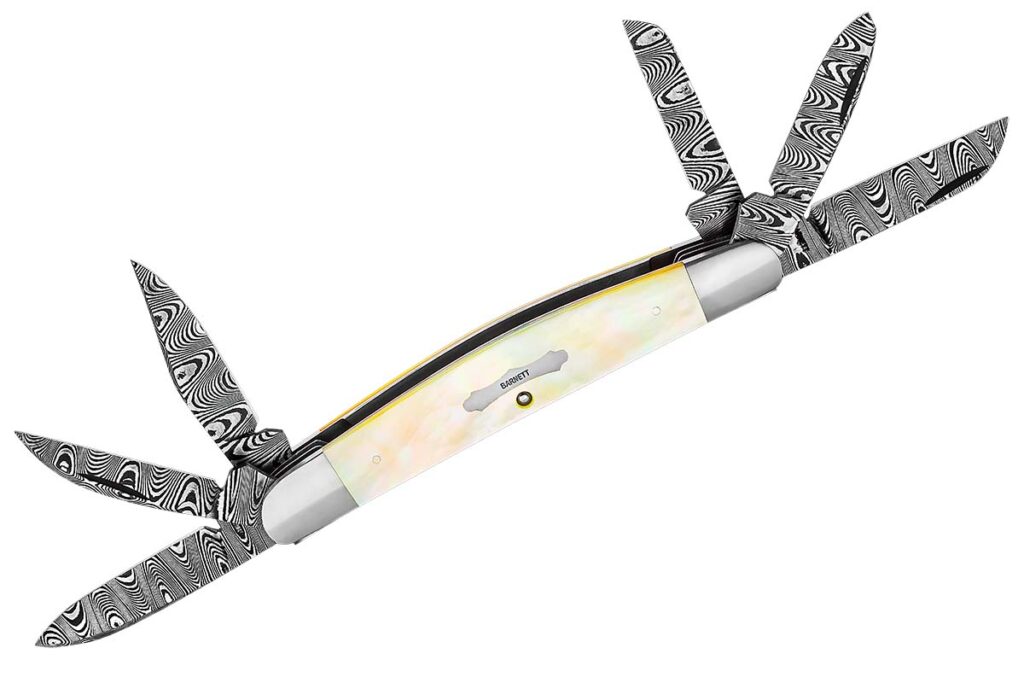
Barnett Custom Knives 6-Blade Congress
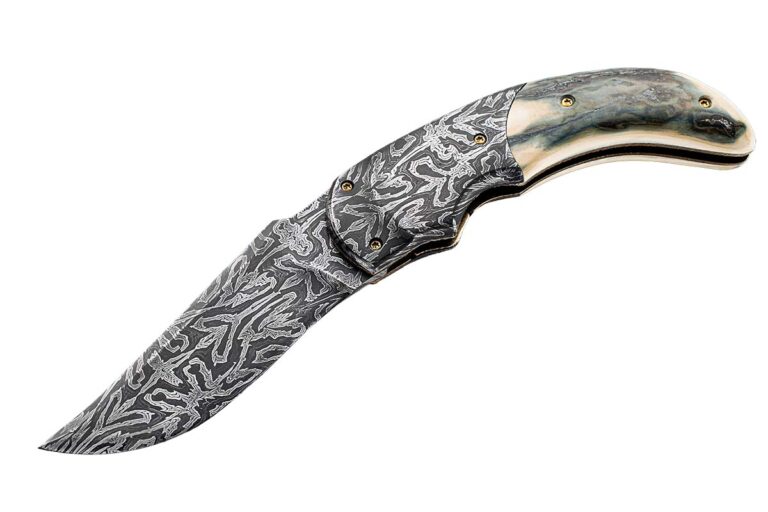
Knife pattern: 6-blade congress Master blade length: 17/8” Blade steel: Ladder-pattern damascus Blade grinds: Flat Scales: Gold-lip mother-of-pearl Handle frame: .030” 410 stainless steel Bolsters: 416 stainless Closed length: 3.5” Knife to know: Bruce Barnett is an ABS journeyman smith Maker’s price for a similar knife: $2,750 Maker: Barnett Custom Knives (Rod Hoare image)
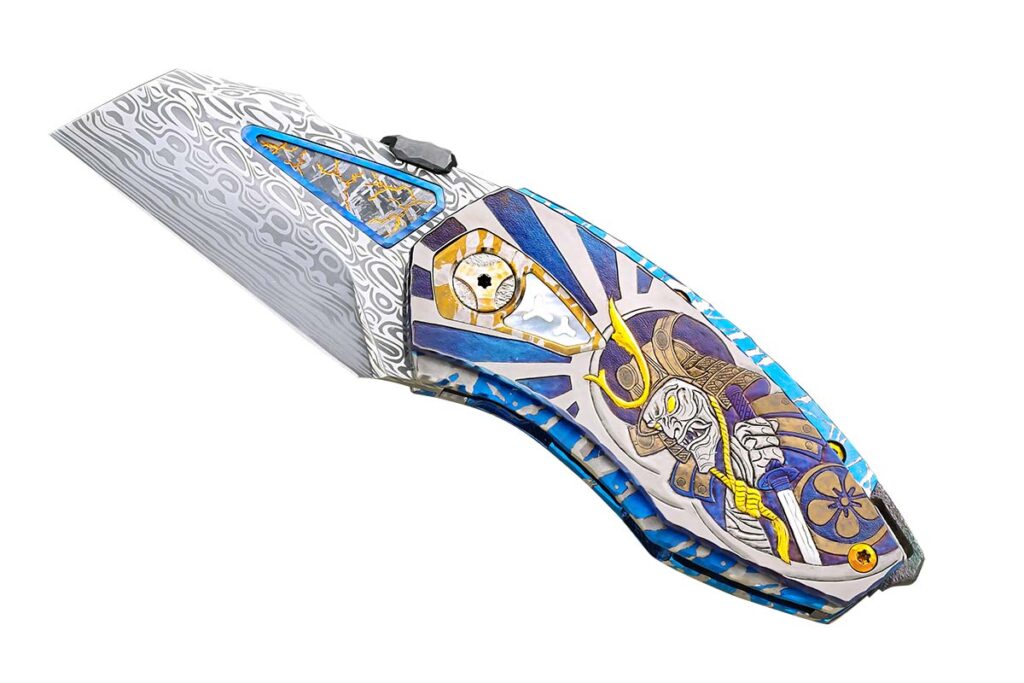
Manuele Messori Little Blue
Knife name: Little Blue Blade length: 3.5” Blade material: Björkmans Twist damascus forged by Damasteel w/Fat Carbon White Storm inlay Pivot: Ceramic bearings Scales: Titanium GR5 w/Fat Carbon White Storm, zirconium and mother-of-pearl inlays Backspacer: Zirconium Hardware: Titanium screws Closed length: 4” Maker:Manuele Messori (SharpByCoop image)
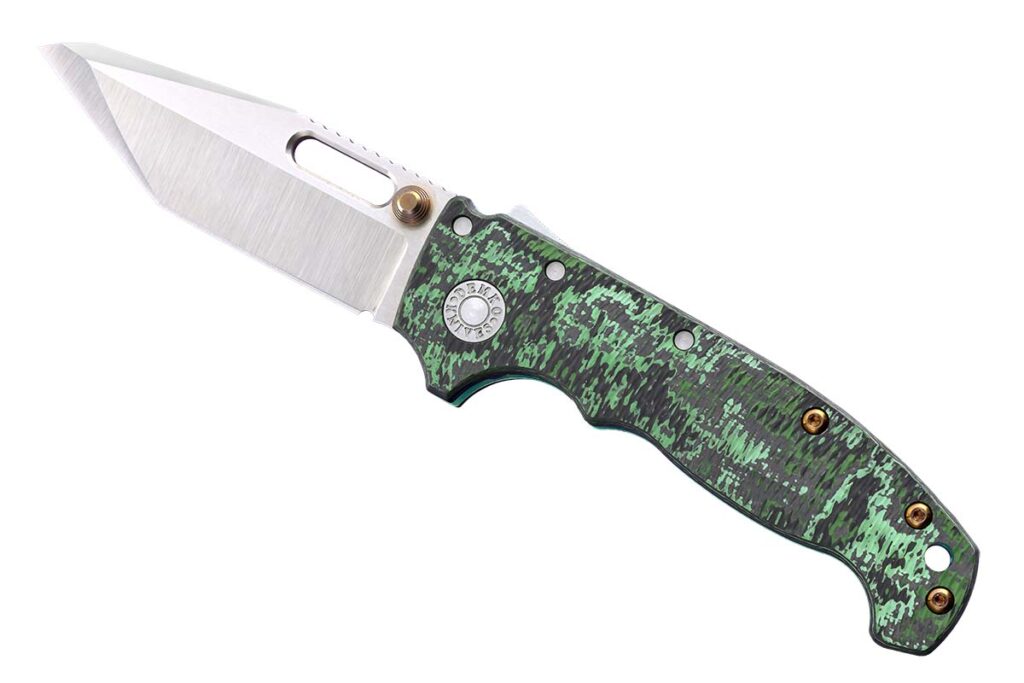
Andrew Demko Full-custom AD-20 Stinger Tanto
Knife name: Full-custom AD-20 Stinger Tanto Blade length: 3.5” Blade steel: CPM MagnaCut stainless Blade grind: Compound Scales: Fat Carbon Liner material: Titanium Lock: Shark Lock Closed length: 5” Maker’s price for a similar knife: $2,000 (standard U.S.-made AD-20 starts at $450) Maker:Andrew Demko (SharpByCoop image)
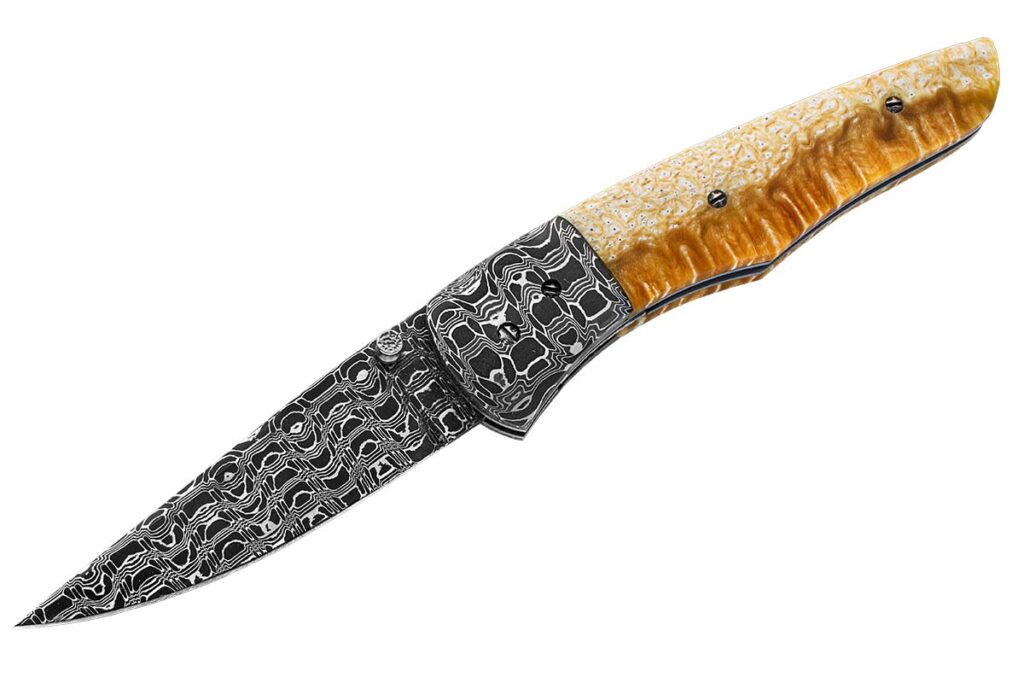
Bob Hook Linerlock Folder
Knife type: Linerlock folder Blade length: 3.75” Blade steel: Reptilian damascus by Vegas Forge Blade grind: Flat Scales: Caramelized musk ox Bolster: Same material as blade Closed length: 3 5/8” Knife to know: Handle has detailed screws and liners; maker’s name in the interior; stud opener; the maker is an ABS journeyman smith Maker’s price for a similar knife: $1,200 Maker: Bob Hook (Jocelyn Frasier image)
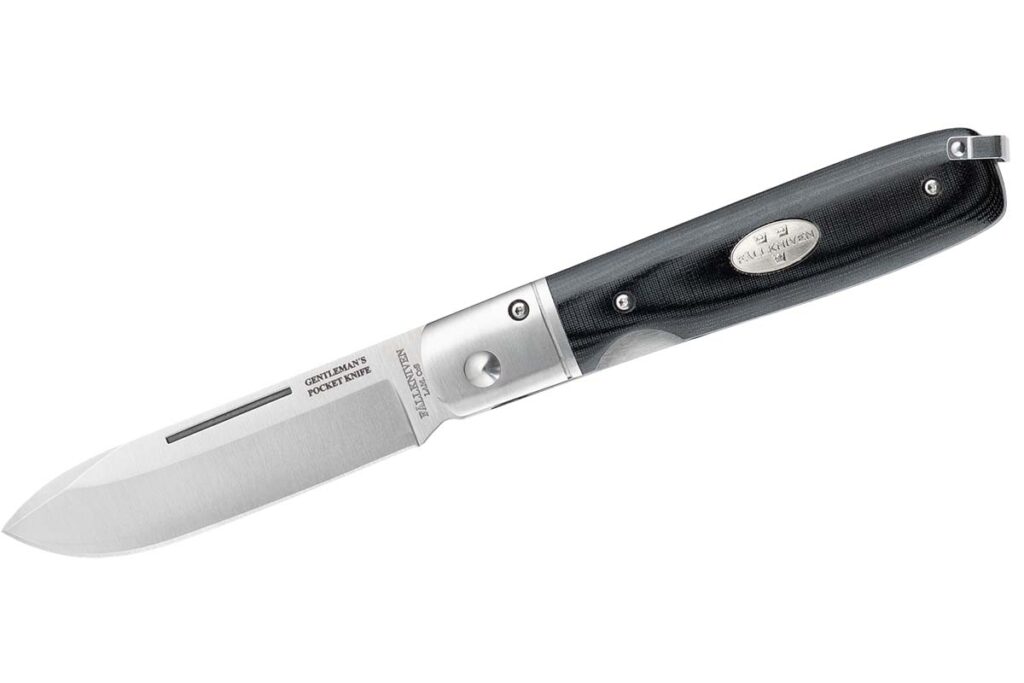
Fallkniven GPbm
Knife model: GPbm Blade length: 3.07” Blade material: Laminated CoS (cobalt steel) stainless Rockwell hardness: 60 HRC Blade grind: Flat Blade @ thickest: .11” Lock: Linerlock Weight: 3.3 ozs. Closed length: 3.94” Carry: Suede pouch Knife to know: GPbm stands for Gentleman’s Pocketknife Black Micarta Country of origin: Japan MSRP: $327.95 at press-time exchange rate Company:Fallkniven
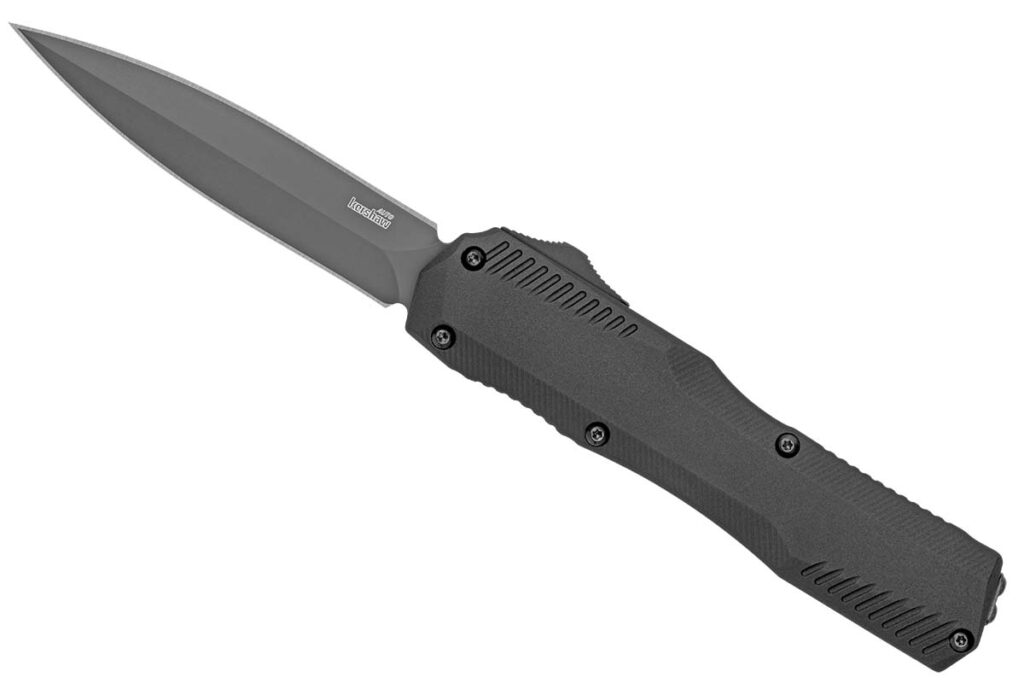
Kershaw Livewire
Knife name: Livewire – Double Edge Designers: Kershaw Originals and Matt Diskin Knife type: Out-the-front automatic Blade length: 3.45” Blade steel: CPM MagnaCut stainless Rockwell hardness: 60-63 HRC Blade @ thickest: .125” Handle material: Textured 6061-T6 aluminum Pocket clip: Deep carry, right/left, blade tip down w/black Cerakote® finish Hardware: Black-oxide steel screws Knife to know: Double-action (opens and retracts automatically w/sliding button) Weight: 3.1 ozs. Closed length: 4.8” Country of origin: USA MSRP: $400 Company:Kershaw
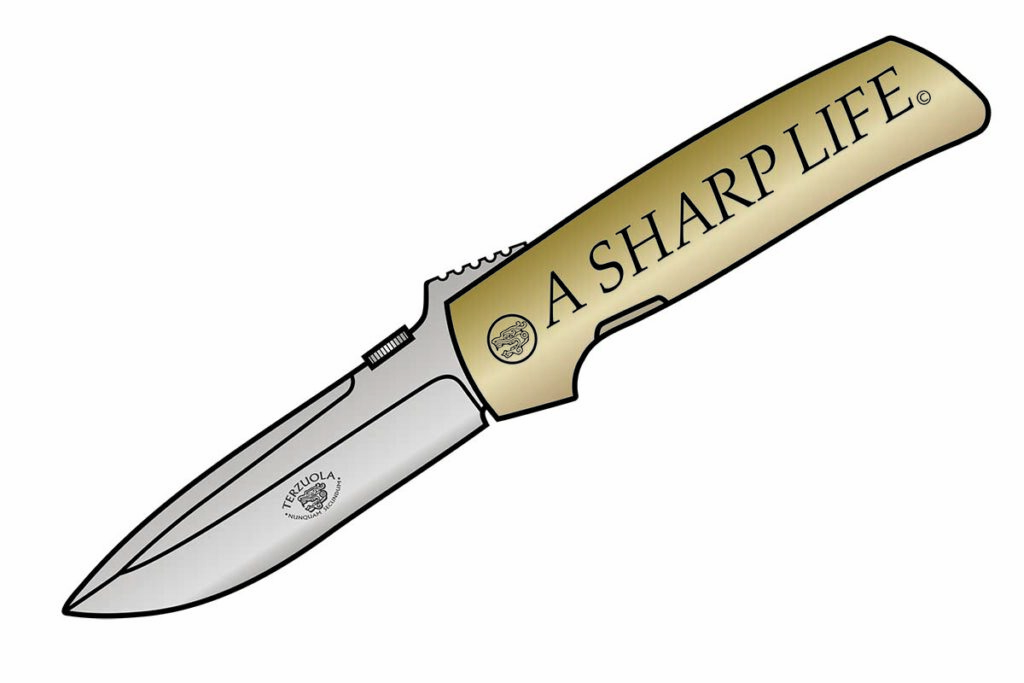
Video series: A Sharp Life with Bob Terzuola What’s included: 11 episodes start to finish of building one of BLADE Magazine Cutlery Hall-Of-Fame® member Bob Terzuola’s groundbreaking ATCF tactical folders, and also on knifemaking in general. Knife to know: Buy the entire series alone or bundle it with Bob’s monthly subscription service, Shoptalk, the latter which includes weekly Q&A Zoom calls with Bob and two “deep dive” educational videos per month, “Terzuola Swag” and more.
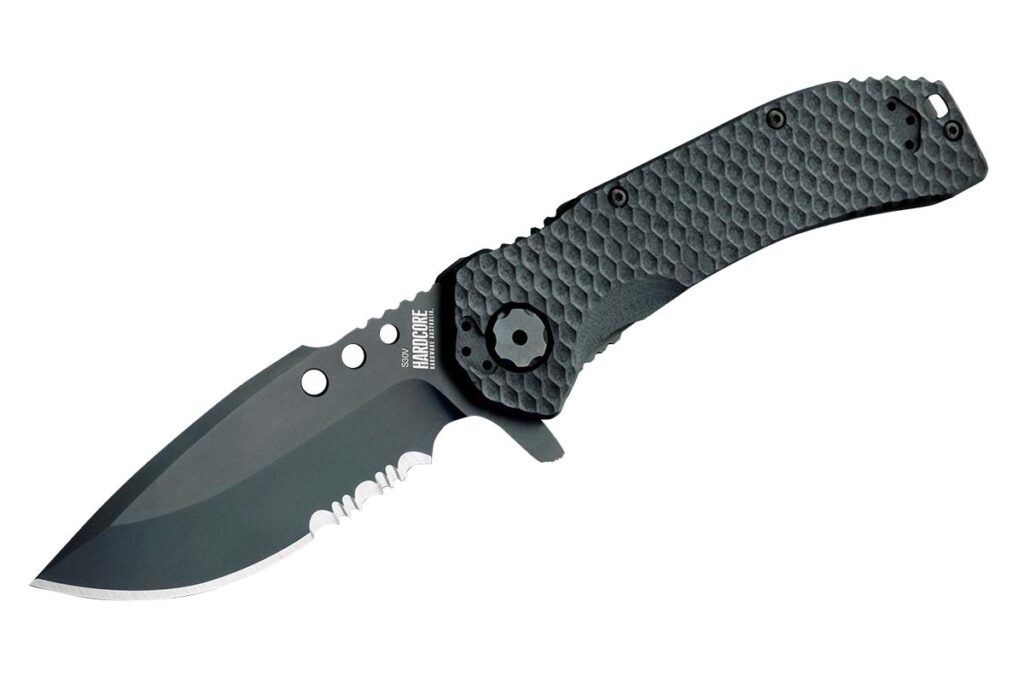
Halfbreed Blades MILSPEC MILF-02PS
Knife name: MILSPEC MILF-02PS Knife type: Flipper folder Blade length: 3.54” Blade steel: CPM S30V stainless Rockwell hardness: 59-60 HRC Blade grind: Hollow Blade @ thickest: .19” Blade style: Harpoon drop point Finish: PVD coated throughout Washers: Phosphor bronze Handle frame, liner & spacers: 420J2 stainless Scales: G-10 Pocket clip: Ambidextrous, blade tip up or down Lock: Framelock Weight: 7.34 ozs. Closed length: 4.84” Country of origin: Comprises Australian and Taiwanese manufacture MSRP: $185 at press-time exchange rate Company:Halfbreed Blades
Barking Gecko Forge Eureka Jack
Knife pattern: Eureka jack Blade lengths: 2.44” (main) and 1.57” (pen) Blade steel: CPM 154 stainless Blade grinds: Hollow Scales: Giraffe bone Bolster: Fluted 416 stainless steel Sharp stuff: Domed pins, fileworked liners and center spacer, jeweled liners and stainless steel shield; long-pull nail nick on main blade Closed length: 3.54” Maker’s price for a similar knife: $795 at press-time rate of exchange Maker:Barking Gecko Forge (Rod Hoare image)
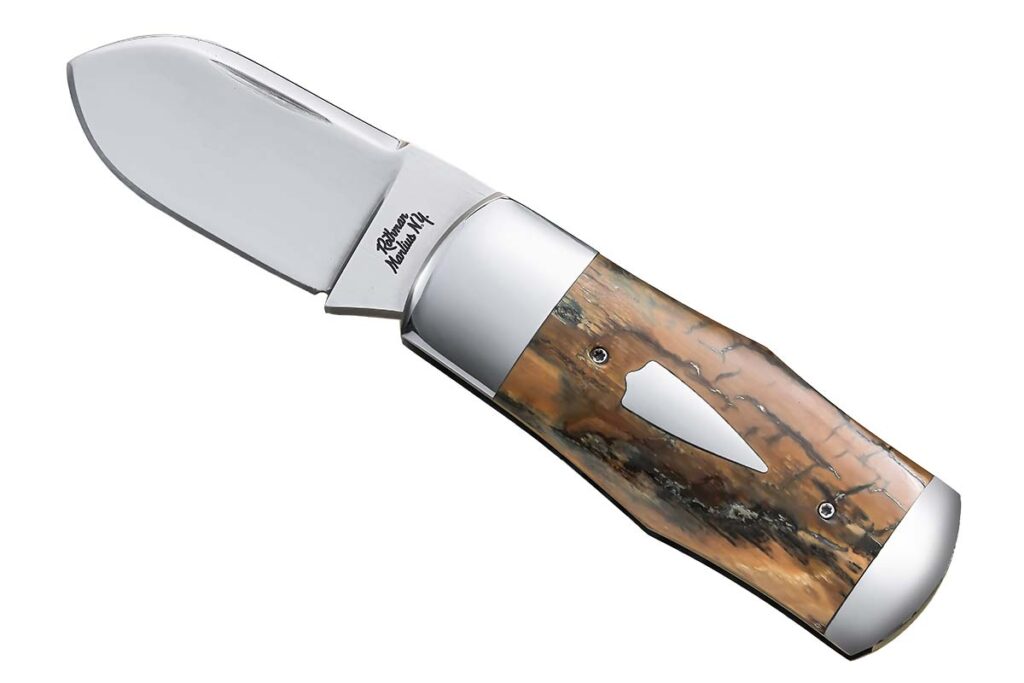
Rothman Knives Elephant Toenail
Knife pattern: Elephant toenail Blade length: 2” Blade steel: CPM 154 stainless Blade grind: 14” hollow Handle frame: 416 stainless in an integral construction Scales: Mammoth ivory Knife to know: Fileworked liners; the elephant toenail is also known as a sunfish; the maker is a probationary member of The Knifemakers’ Guild Closed length: 3.5” Maker’s price for a similar knife: $1,200 Maker: Rothman Knives (SharpByCoop image)
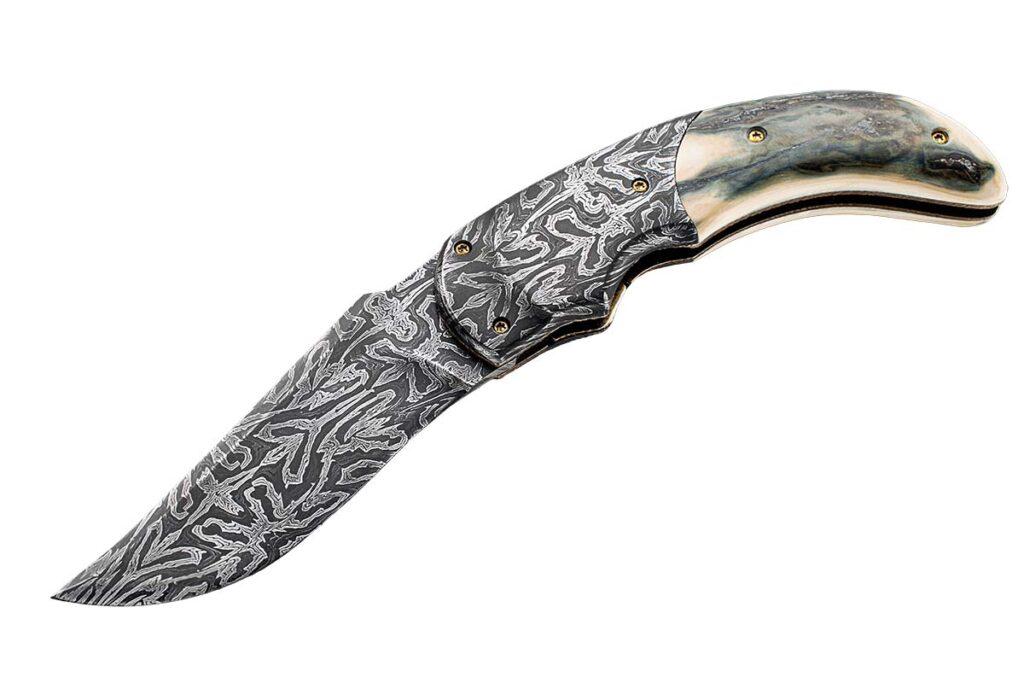
Shane Taylor Linerlock Folder
Knife type: Linerlock folder Blade length: 3” Blade steel: Dragon damascus Blade grind: Flat w/convex edge Bolster: Same as blade Scales: Mammoth ivory Lock type: Linerlock Backbar: Engraved Closed length: 3.75” Maker’s price for a similar knife: $2,800 Knife to know: The maker is an ABS master smith Maker: Shane Taylor, Miles City, Montana, [email protected], taylorknives.com (Jocelyn Frasier image)
School yourself on which edge is best for you and your knife.
Coffee or tea? Pizza or hamburger? Ice cream or cake? Truck or car? Having choices in life is a good thing. You base the choices on such criteria as what you’re in the mood for to eat, how much you can afford for a nice vehicle and more. Likewise, you have tons of choices in knives, including plain, serrated or partially serrated/combo edges.
Most choose plain edges because plain edges provide the most versatile cutting format, regardless of task. They’re also the easiest to sharpen. Some have rougher slicing tasks to do, like cutting rope, cardboard, or webbing or plastic straps. If you undertake such tasks more frequently, a knife with a serrated edge will power through tough and fibrous materials with ease.
Knowing the intended use for your knife will help you select the proper edge format, so let’s explore the possibilities for plain, serrated and partially serrated edges. Showing typical uses for all three should help you decide which edge format is for you.
CRKT Bugsy
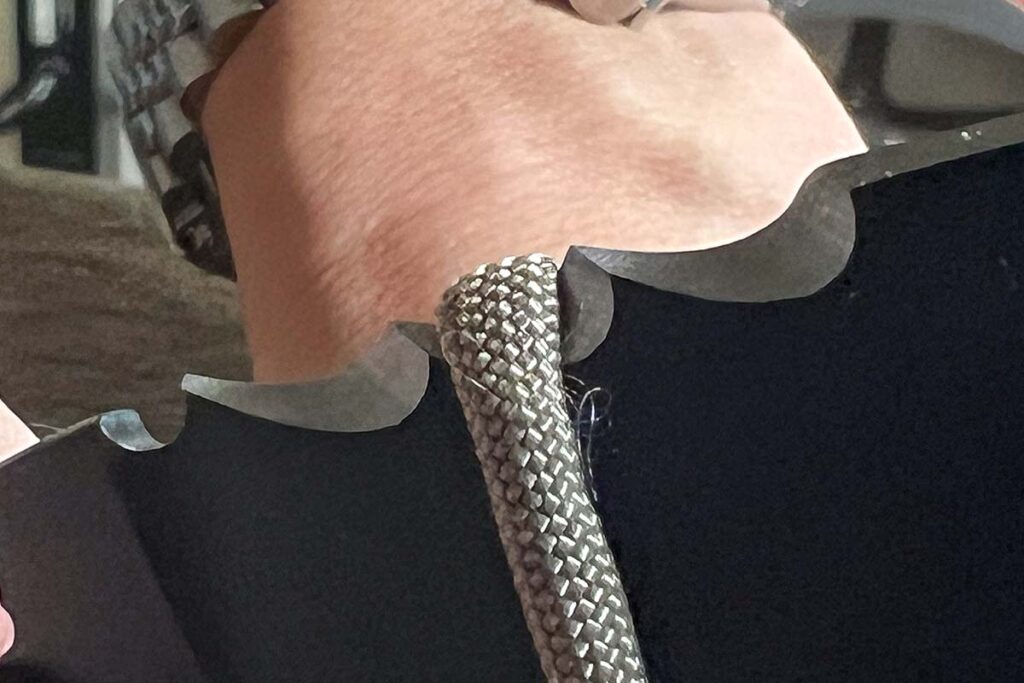
Rest whatever you’re cutting inside one of the Bugsy’s Veff serrated teeth and it will help hold the material as well as cut it.
Kaila Cumings, the three-time contestant on Discovery Channel’s Naked and Afraid reality TV show, designed the CRKT Bugsy. Kaila grew up hunting, fishing and camping with her father, thus starting her lifelong interest in survival skills and tools, including knives. She designed the Bugsy as a compact fixed blade with high utility characteristics and superior ergonomics.
The 3.7-inch blade enables the knife to execute a variety of tasks related to camping/survival. The modified clip point shape with a defined tip is ideal for scoring, and the gentle sweep of the main bevel gives plenty of belly to facilitate slicing chores such as food prep. The 1095-blade steel provides good edge holding and ease of resharpening in the field. As a result, it is a favorite carbon steel of knife users. The handle’s finger grooves help lock in your grip, and their rounded edges melt into your hand.
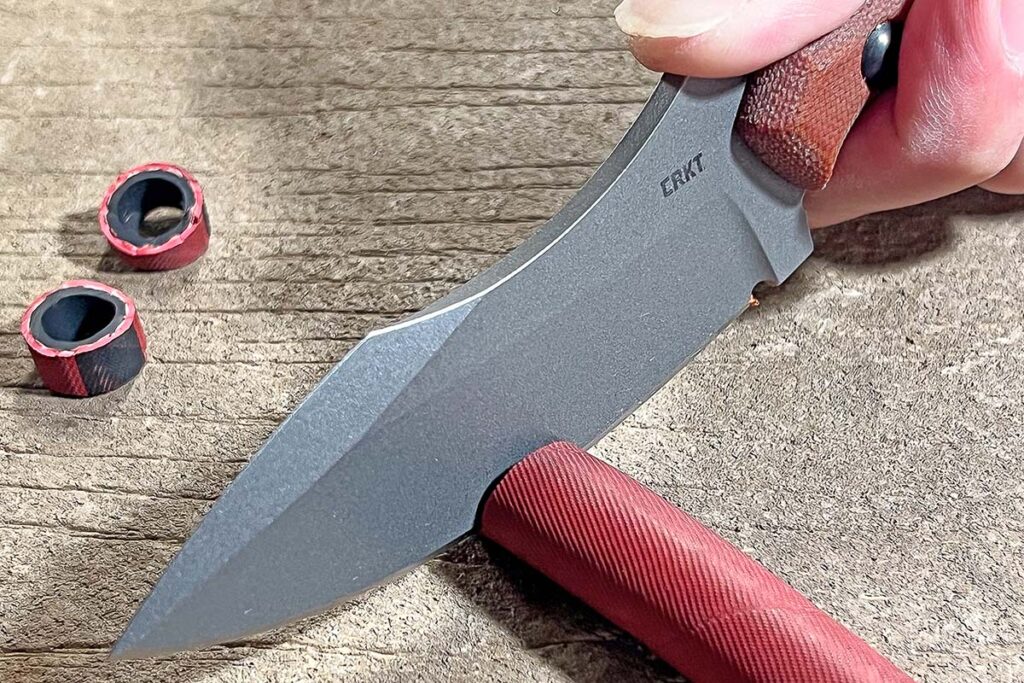
The plain edge Bugsy works well with utility chores such as cutting rubber hose. The curve of the edge makes for great slicing action.
There are two versions of the Bugsy: a plain edge blade in a gray Cerakote® finish, a tan Micarta® handle and a leather belt sheath, and a partly serrated blade in a black Cerakote finish, a black G-10 handle and a molded Kydex sheath. The former is outdoor/hunting themed, the latter tactical—same design, two different personalities.
Performance-wise, the Bugsy is an ideal fixed-blade companion in either flavor. It’s just shy of 7.5 inches overall, making it very comfortable for everyday carry. It’s compact enough to carry well yet there is enough blade length to handle most cutting jobs. Both versions have an MSRP of $170 and are made in the USA for CRKT by TOPS Knives.
Spyderco Paramilitary 2
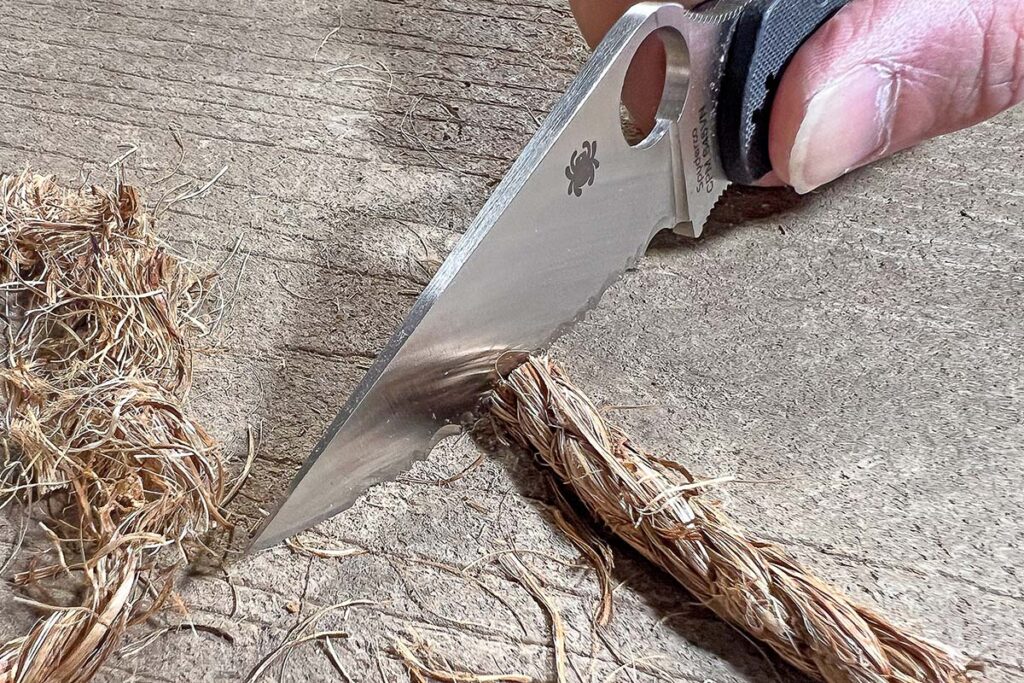
This is where the fully serrated Spyderco Para2 shines. Manila rope is tough to cut and the Para2 handles it without any effort exerted. “If you cut rope regularly,” the author noted, “fully serrated is the way to go.”
The Paramilitary 2, aka Para2, is one of Spyderco’s hottest-selling folders. Taking what works for the company’s full-size Military model and making it a bit more compact and pocketable, the Para2’s design and performance lineage is undeniable. It has a full-flat-ground blade that makes the Military a lean, mean cutting machine.
There’s also the ultra-strong Compression Lock that secures the blade open, yet is easy to manipulate and close one-handed. The ergonomically shaped G-10 handle sports a nice peel-ply texture that aids in grip retention. The Para2 is built for serious EDC use. The 3.4-inch clip point blade is CPM S45VN high-performance stainless steel for enhanced edge holding.
The reasons for the Para2’s superior cutting performance are both the full flat grind and the distal taper from tang to blade tip. The resulting progressively thinning down of the blade allows it to sail effortlessly through whatever you’re cutting. The thumb rest and finger choil boast deep traction notches for a nonslip grip, allowing a choke-up grip when more control or pressure is required.
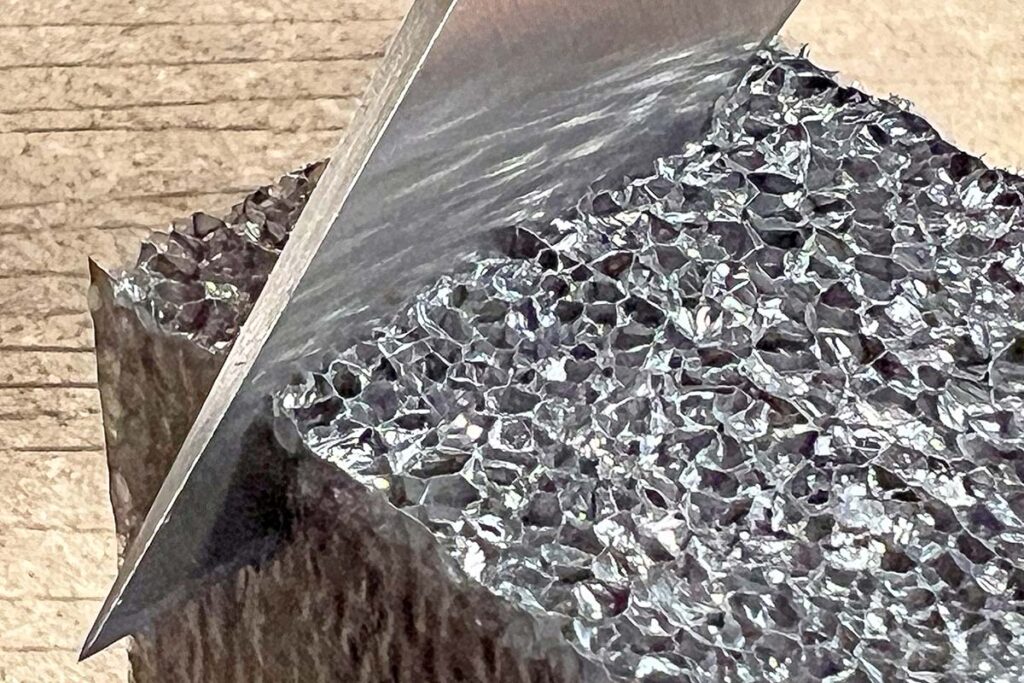
The full-flat-ground blade of the plain edge Para2 has a slight distal taper from tang to tip, which makes it bite hard and sink into the cutting media. It goes through foam block like a laser.
The edges of the G-10 are chamfered to prevent hot spots. An hourglass-shaped steel pocket clip mounts in one of four ways conducive for lefties and righties, as well as blade tip up or tip down. The Para2 carries well in whatever mode you select, making it a popular choice among Spyderco enthusiasts as well as those who fancy a well-made working folder.
Spyderco long has been known for its handle shapes, blending ergonomics with smart, practical design, resulting in a knife comfortable to use for extended periods. The Para2 handle has an integral guard just behind the finger choil. There’s also a generous swell in the grip area to accommodate your fingers comfortably. The butt swells just enough to prevent your hand from sliding rearward.
With the Para2 you have a choice of a plain or fully serrated edge. Spyderco has long been known for its fully serrated blades, with its serration pattern regarded by many as the best in the industry. The tooth pattern cuts aggressively while still having a smooth action. MSRP for the plain or serrated Para 2 is $265. Country of origin: USA.
Plain Vs Serrated Knives
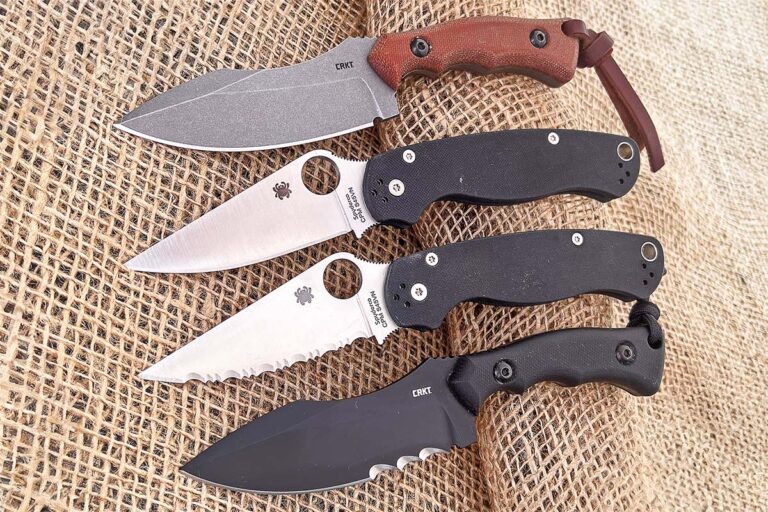
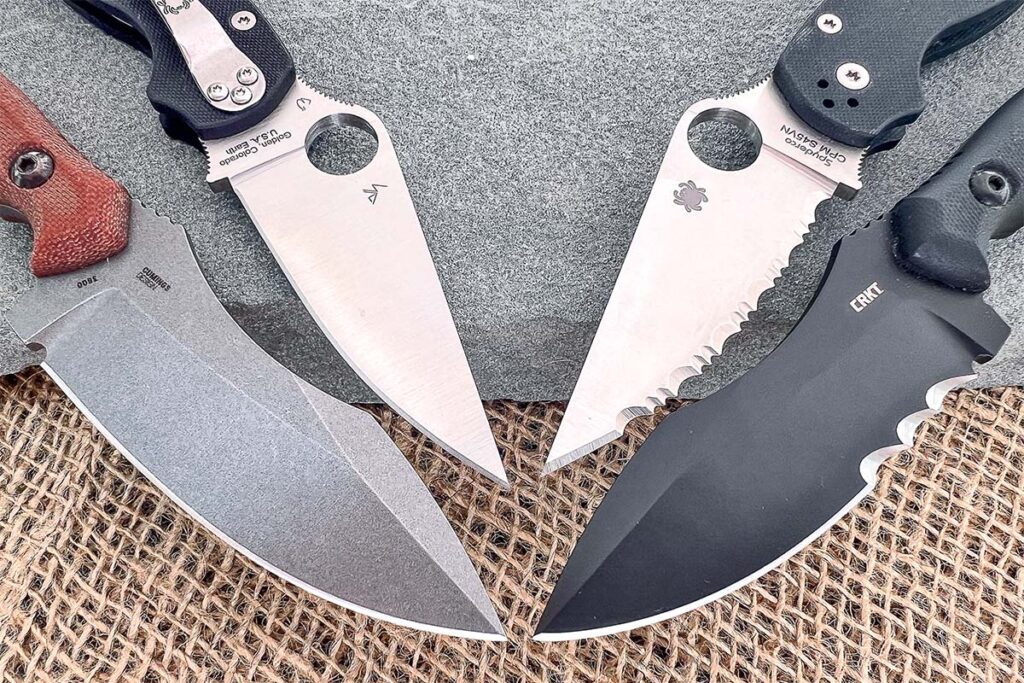
Plain and serrated or partly serrated edge versions of the same knife model, clockwise from bottom left: CRKT Bugsy plain, Spyderco Para2 plain, Para 2 fully serrated and Bugsy partially serrated.
Choose your edge format carefully to best suit most of your cutting needs. Most opt for a plain edge for the previously mentioned reasons. A plain edge does well in a variety of settings, from opening packages to stripping wire, doing light-duty scraping tasks, and even food prep. Ninety percent of cutting tasks are suited to plain edges while roughly 10 percent or so require more muscle.
Plain edge blades are easy to sharpen as well—just be sure to select your sharpener carefully based on steel type. Harder, more-wear-resistant steels like the CPM varieties require diamond sharpeners due to how aggressively diamond abrasives cut. Steels not as hard as the CPM varieties can be addressed with diamonds too, but other types of sharpeners like ceramic are very effective as well. A properly sharpened plain edge blade is all you need for most cutting jobs, big and small.
Remember that if you can reprofile the edge angle, you can decrease it by one or two degrees to get a sharper edge. For instance, most factory edge angles are 22 degrees, average. If you cut the angle back by just two degrees, you will be surprised at how much sharper the edge will be and therefore have more bite.
You need a sharpener specifically designed to address serrations. One is the Spyderco Sharpmaker 204. Set the 204 up to where the “points” of its triangular-shaped hones contact the serrated cutting edge. The points get inside each tooth as well as sharpen the tips of the serrations. There are others out there that address serrations but the best I have found is the 204. Some say serrations are difficult to sharpen but they aren’t if you use the correct sharpener.
Again, choose your edge format carefully to match the intended uses for your knife. You don’t want to cut open boxes or prep food with a serrated blade. You can do such tasks with a serrated blade if it’s the only blade you have, but, if given a choice, such tasks are better suited for a plain edge due to the smoothness of how it cuts.
Plain Vs Serrated Knife Analysis
The plain-edge versions of the Bugsy and Para2 work exceptionally well. The Bugsy’s blade belly makes slicing effortless and has plenty of bite. The Para2’s full flat grind with distal taper allows the blade to effortlessly cleave through tough materials. The excellent edge geometry enables the blade to bite in deep. In fact, the Para2’s blade makes cutting tasks easy and fun to complete, taking the work out of work.
The serrated versions of each knife have their own pluses and minuses. With the partially serrated Bugsy, the Veff serrations are ground at an angle, cutting most effectively on the pull rather than the push cut. The large scalloped teeth also help in cutting paracord, string for weed trimmers, twine, threads and zip tie ends. Just rest whatever you are cutting inside one of the teeth and that will help to hold the material as well as cut it.
The serrations perform great but I felt that they were ineffective for some cutting work due to their limited length. You must saw back and forth with the blade to make effective use of the serrations, and sometimes that is just not feasible. A fully serrated blade would be nicer to allow for more edge real estate to apply the serrations and make full use of them. However, for what the Veff serrations are, they work well and are aggressive. I would not rely on them a whole lot but, as they say, they’re better than nothing.
There is a reason why Spyderco makes some of the best fully serrated blades on the market. The Para2 fully serrated version is a solid, proven performer. It’s pretty much an ultra-compact folding buzzsaw in your pocket. The two-step serration pattern typical of Spyderco is aggressive in bite and smooth in action. You need not even apply an excessive amount of pressure to make the cut as the serrations enable the blade to power itself through.
Cutting manila rope is something that is tough on edges. The edge must be very sharp to do it. When I cut rope with the fully serrated Para2, I could immediately feel the edge bite in deep and effectively power its way through. Same for cardboard. The action is a bit rough but still, it gets the job done quickly.
The fully serrated Para2 also does a surprisingly good job cutting vegetables. You would think a plain edge blade would excel with the task and while you’re certainly not wrong in your thinking, you’ll be pleasantly surprised that a fully serrated blade can handle more delicate cutting tasks well, in addition to the tougher ones that require more horsepower.
Bradford Guardian 3.2 in MagnaCut is a rope-eating animal.
EDC fixed blades are very popular, small enough to avoid unwanted attention yet able to do most jobs. They often range from 2-to-4-inch blade lengths and 3-to-4-inch handles. Usually carried in a cross draw or pocket sheath, in a pinch they can be used for self-protection (if you have training).
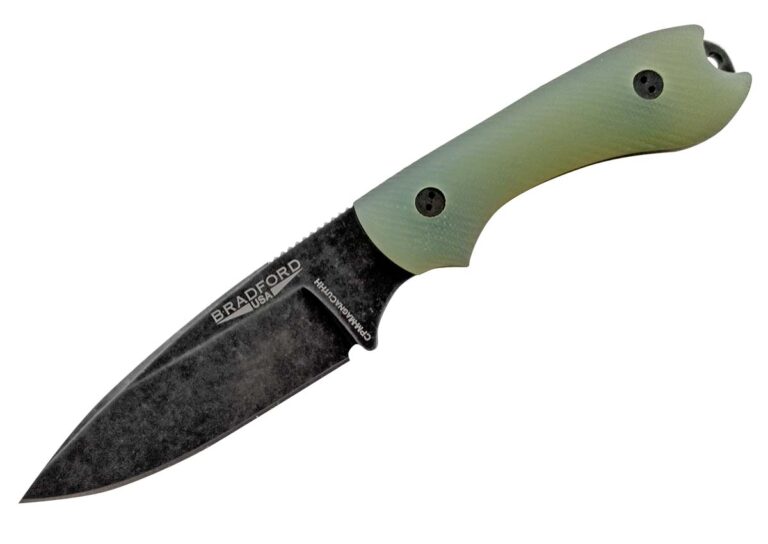
In general, it is a very useful tool that is always on you. I carry one constantly. The Guardian 3.2 in CPM MagnaCut stainless blade steel from Bradford USA definitely fits the bill. As to how well it works, let’s see if it holds up to everyday carry uses.
Guardian Light-Duty Cutting
I started with a 20-pound bond paper slice to check the fresh edge. The Guardian 3.2 was scary sharp. I nicked my fingernail three times by being slow. The blade made smooth, forceful slices with very little pressure. I did all push cuts with nary a snag or rolling of the paper.
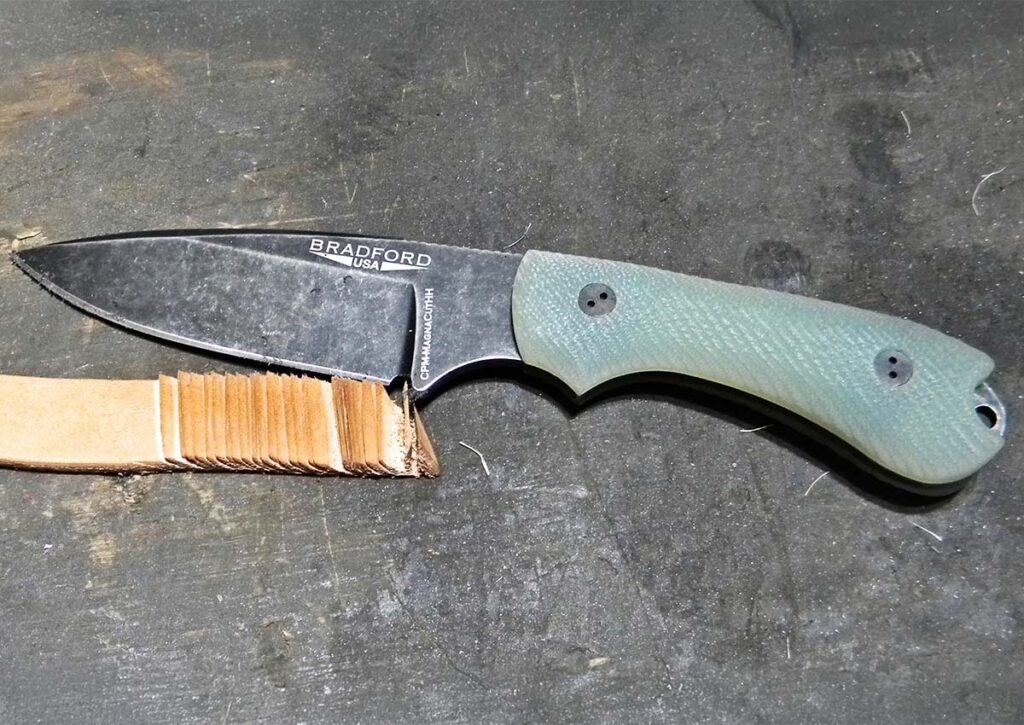
Very aggressive slicing into the 8-ounce leather resulted in nice crunching noises.
Single-walled cardboard was next on the menu. The results weren’t much different from the bond paper, though there was a slight drag when the thicker part of the blade encountered the cardboard. That didn’t stop the Guardian 3.2 from doing its job. It sliced the cardboard as fast as I could move my fingers out of the way.
Guardian Medium-Duty Cutting
It was time to skive 8-ounce leather. Very aggressive slicing into the leather resulted in nice crunching noises. The handle provided positive control of blade depth and angle during the skiving. I even did some end-grain slicing to keep the crunching going. This is a very sharp knife indeed.
The pouch sheath of 6-to-7-ounce leather holds the knife securely. (BLADE® staff image)
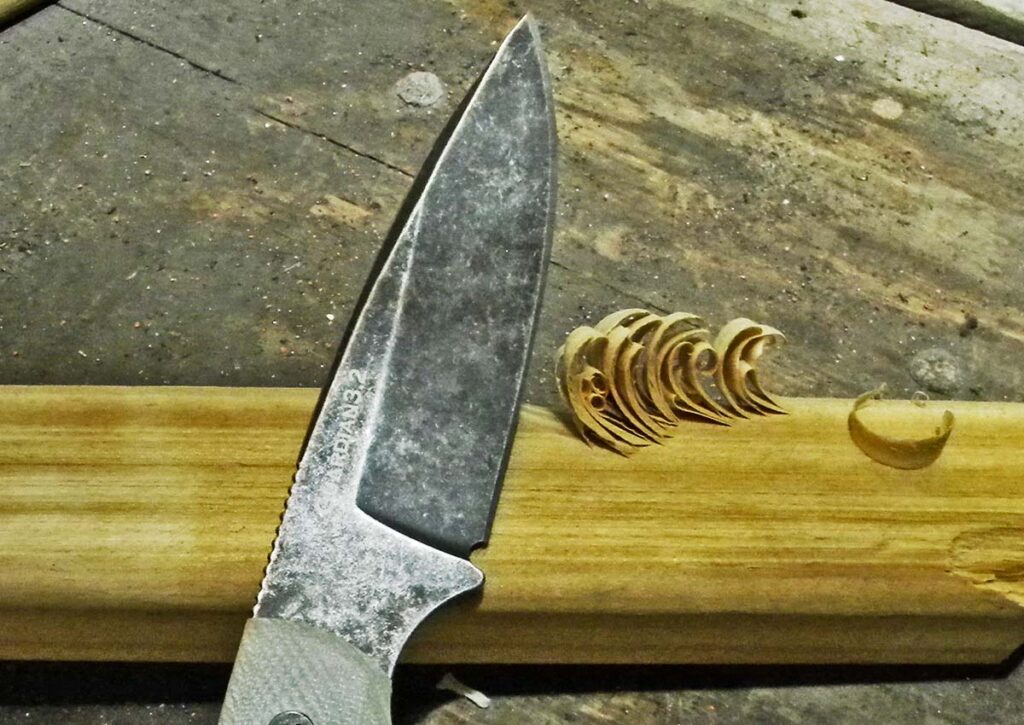
Springtime means camping so I needed to whittle lots of fire sticks. Using leftover pine, I whittled a bunch of excellent curlicues. The Guardian cut very smoothly. The thumb notches on the spine aided in control of cutting depth. Deep cuts or fine cuts, it can do both.
I used the Guardian to baton cut and it split the pine nicely, providing a nice pile of kindling. The handle felt comfortable. There was just one small point by the lanyard hole that was sharp when I rotated my grip. The knife does excellent wood work.
Guardian Heavy-Duty Cutting
As expected, after 30 hard whacks, the MagnaCut blade had a couple of very small nicks along the edge. It would be no big deal to work out the nicks with a very fine diamond hone.
Using leftover pine, the author whittled a bunch of excellent curlicues. The Guardian cut quite smoothly.
To show that the small nicks are not that big of a deal, I went back to the 20-pound bond paper slice. There was only one snag when I tried to start a cut on the edge nick. Otherwise, the edge sailed through the paper without tearing. I was impressed the edge didn’t have more issues.
Final Cut
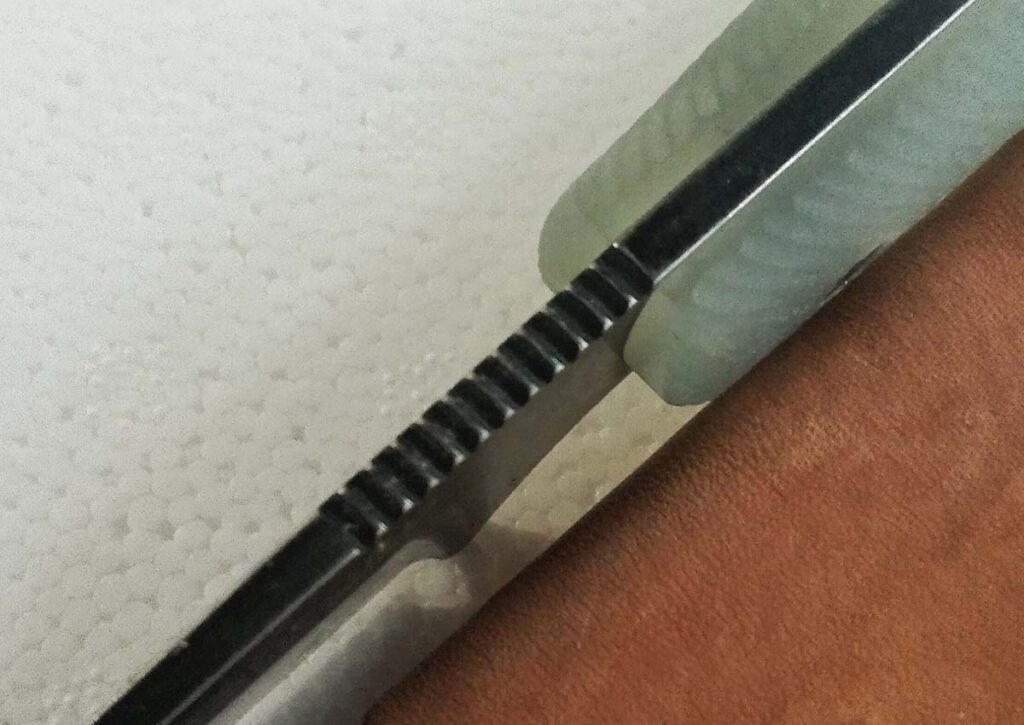
The thumb notches on the spine aided in control of cutting depth. (BLADE® staff image)
Some softening at the back of the handle is in order. This knife is designed for slicing every day. The Guardian 3.2 is an impressive fixed-blade EDC.
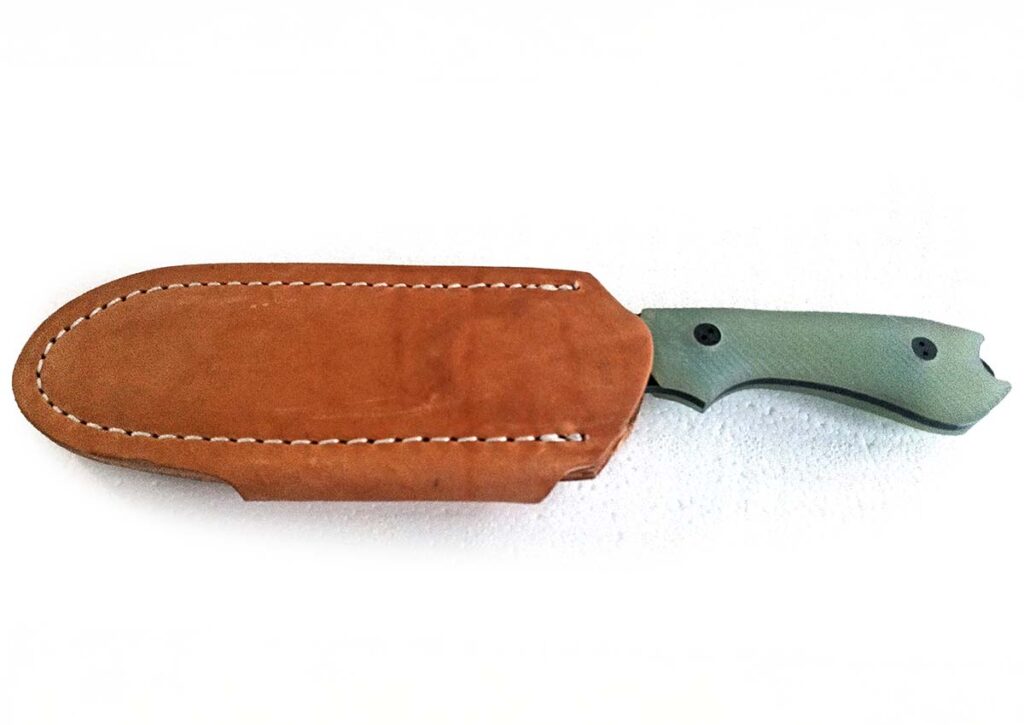
Guardian 3.2 Specs Company: Bradford USA Blade length: 3 1/8” Blade steel: CPM MagnaCut stainless Rockwell hardness: 63-64 HRC Blade finish: Stonewashed black Blade grind: Saber Blade pattern: Drop point Scales: Jade-green G-10 Construction: Full tang Weight: 4.5 ozs. Overall length: 7 1/8” Sheath: Pouch type in 6-to-7-oz. leather Country of origin: USA MSRP: $229
Find the perfect hunting knife with our guide to the best skinners on the market. We review top models from respected makers.
A skinner is a knife purpose-built for the delicate but necessary job of skinning game animals. Its singular mission: separate hide from muscle without causing a mess that makes a taxidermist weep.
Skinning knives serve specific purposes. Primarily, they glide beneath the hide with minimal resistance. This feature allows for a smoother cutting experience, making it easier to separate the skin from the meat.
Skinners also aim to minimize accidental punctures to the underlying meat or organs. This is crucial for preserving the quality of the meat and ensuring that it remains uncontaminated during the skinning process. Finally, skinners offer the control necessary for making fine cuts around joints, facial features and paws. This level of precision is essential for skilled processing, allowing for clean and efficient work.
Good Skinners and Bad
A good skinner slices smoothly without requiring brute force, retaining the cutting edge throughout the job. It cleans easily, especially around the scales, and feels intuitive in your hand, almost as if the knife knows your intentions before you do. Moreover, it keeps the hide intact, avoiding headaches caused by unwanted holes.
A bad skinner features an overly aggressive tip that punctures organs at the slightest touch, slippery scales that become a liability when blood is involved, and poor edge retention that necessitates awkward sharpening breaks. It may possess a clunky balance that makes it feel more like a garden tool than a precision instrument and hard-to-clean crevices that turn into breeding grounds for bacteria.
In short, an effective skinner collaborates with, rather than works against, you; it’s about finesse, not sheer strength, resembling a scalpel instead of a medieval cleaver.
Classic Design Skinners
Classic skinners are all about specific design features as opposed to gimmicks. They typically have a blade with a wide belly and sweeping curve for long, confident strokes that excel at slicing through hide. Most use a drop point or semi-rounded tip to prevent accidental stabbing when dealing with gut sacks.
A flat or convex grind offers a good balance between sharpness and strength, while hollow grinds, though sometimes sharper, can be fragile. Blade lengths usually range from 3 to 4 inches for maneuverability in tight areas like hooves or facial contours. Ergonomics is also crucial, with grippy materials like Micarta® or textured rubber preferred to prevent slippage.
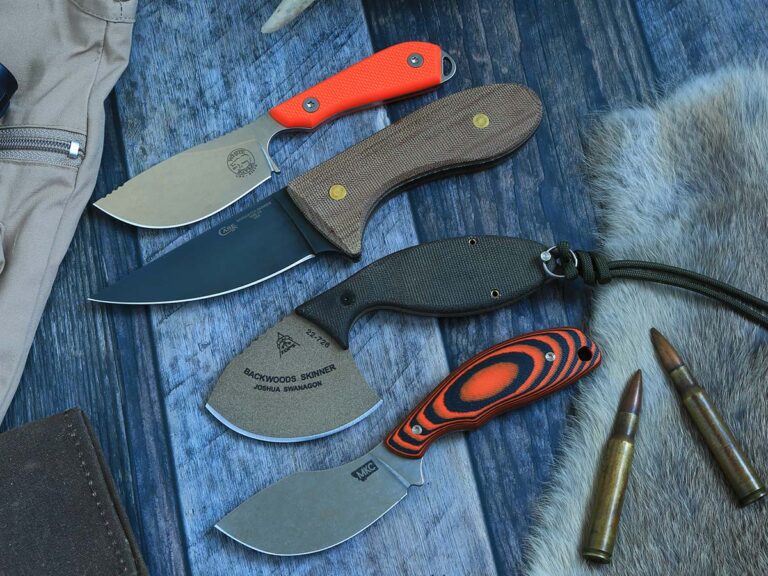
Montana Knife Co. Packout Skinner
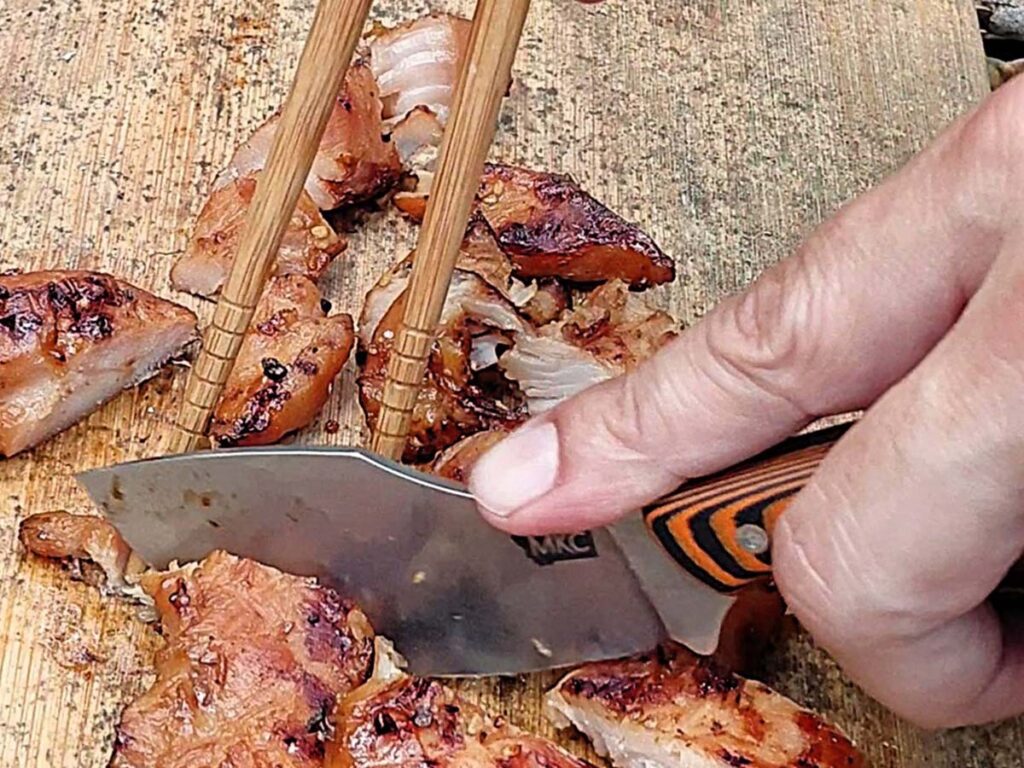
The author indicated the Packout Skinner would make Nessmuk proud. With a MagnaCut stainless steel blade and textured G-10 handle, it sliced through Teriyaki chicken like a champ.
The Montana Knife Co. (MKC) Packout Skinner is a compact powerhouse built for precision in the field. It packs a generous belly into a tight footprint—ideal for long, clean skinning strokes. The blade offers top-tier edge retention, corrosion resistance and toughness that thrives in backcountry conditions. Full-tang construction is paired with a milled handle shaped for a secure, glove-friendly grip that stays comfortable through extended use. The ergonomic palm swell and thoughtful finger ramp give you control whether you’re slicing hide or fleshing out detail work.
A custom-molded sheath complements the package, providing secure retention and versatile carry options: horizontal, vertical or pack-mounted. This knife doesn’t just show up, it works hard—just like the hunters it is built for.
A simple knife test I use is rustic meat cooking and slicing. In my eyes, and according to George Washington Sears, aka Nessmuk, an outdoor knife should be able to skin, butcher and slice. The Packout Skinner would make him proud. It does it all. I had a small summer barbecue with Teriyaki chicken and the skinner sliced it like a champ.
The sheath came in scout carry mode, so that’s how I used it. It carried comfortably. However, bending forward processing meat and camp must-haves made me remove it for a few minutes. On the plus side, it was easy to remove and attach without having to take it off my belt.
W.R. Case & Sons Laramy Miller Sasquatch Skinner
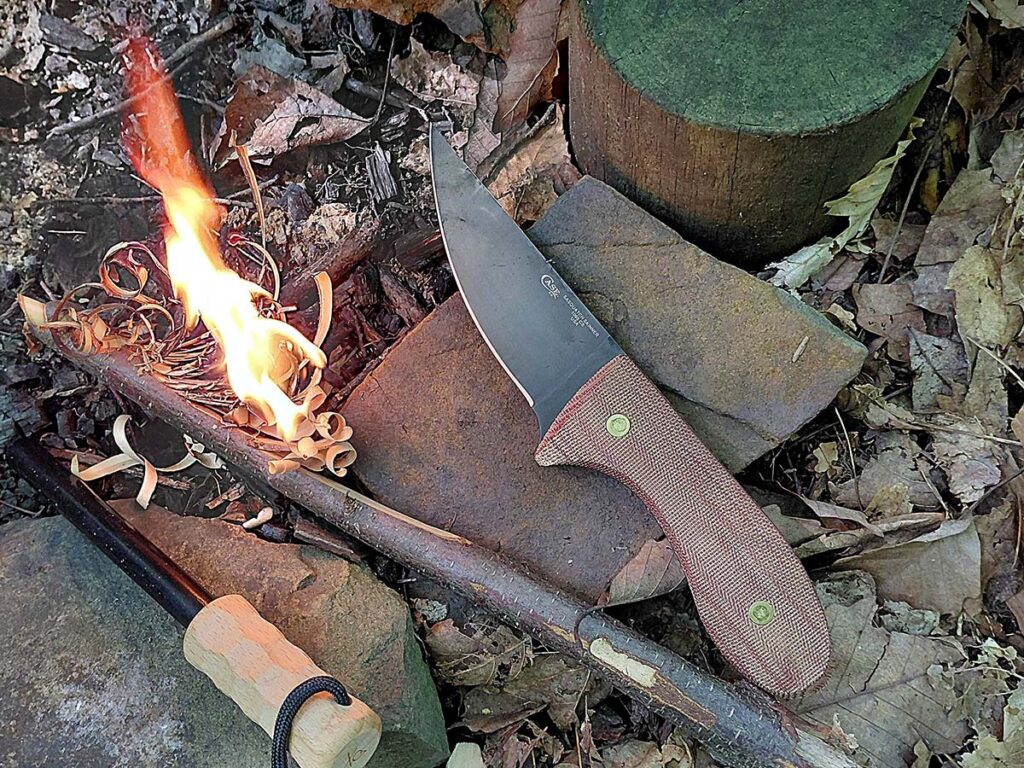
The Sasquatch easily feathered wood that took a spark from a stout ferro rod. The edge was sharp and the spine has a good 90-degree angle for fire starting.
The W.R. Case & Sons Laramy Miller Sasquatch Skinner is a rugged fixed blade fashioned for serious field work. It strikes a balance between reach and control, perfect for skinning game or tackling camp chores. The blade has excellent edge retention and a stealthy, corrosion-resistant surface.
The smooth handle offers a secure, scratch-resistant grip with a soft feel that stays comfortable through prolonged use. The full-tang construction adds durability, while the ergonomic shape keeps your hand locked in when things get messy.
A fitted sheath completes the package, offering classic protection and easy belt carry. This knife is built to perform and last.
The rugged Sasquatch Skinner feels like a survival knife meant for hard use and skinning. The first thing I did was make a fire. I feathered a dry birch stick and was impressed with the skinner’s edge geometry. I made curls that were thin enough to take a spark via my Uberleben ferro rod and the blade spine. I didn’t read any info on the spine having a 90-degree angle. However, it’s a hidden gem! The second half of the spine—middle to tip—is where it’s sharp.
I employed the Sasquatch to split poplar and maple via a baton with no worries. I found the handle a bit thin for gripping during specific crafts. Maybe that’s why it’s a skinner, not a survival knife.
The edge was sharp and stayed that way. I like the absence of gimping as I don’t use it. However, most knife folks would disagree, especially with a skinner. The knife seemed like a ramped-up skinner, slightly on the heavy side, but then think of survivalist/mountain man Laramy Miller—they don’t call him Sasquatch for nothing!
The sheath carries traditionally on the belt at a medium height. It’s not too much of a rib jabber, nor does it carry too low.
White River Knife & Tool Model 1 Skinner
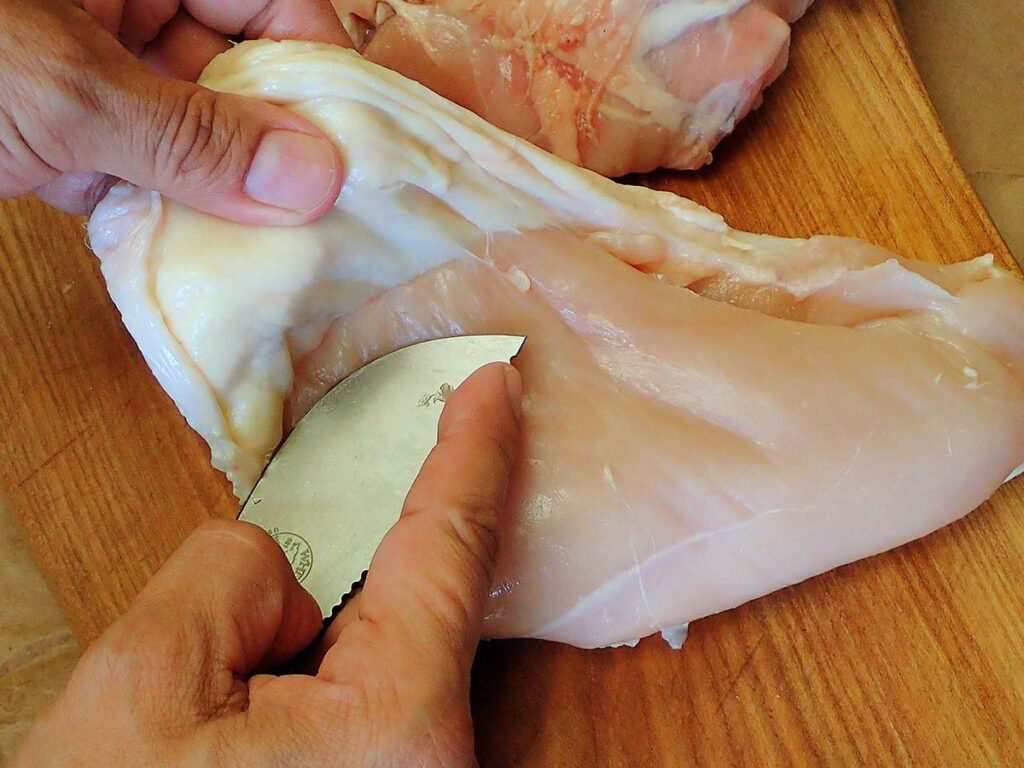
The grip on the Model 1 was secure and the spine’s forward gimping proved useful. After an hour of skinning and deboning, the author had no complaints. The thin grind made cutting effortless and the taper is outstanding.
The White River Knife & Tool Model 1 Skinner is a target-constructed field knife that blends compact control with premium materials perfectly sized for precision work without sacrificing reach. The blade has excellent edge retention and corrosion resistance for repeated use in harsh conditions. The textured handle provides a secure, ergonomic grip—wet or gloved—while the large choil and gimping enhance control during delicate skinning tasks. A custom-molded sheath ensures safe carry and quick access, whether belt-mounted or pack-ready. Lightweight and razor sharp, the Model 1 is a reliable companion for hunters who demand performance without bulk.
While there wasn’t a running wild game season in my area of the Northeast when I wrote these words, I stuck with simplicity. One bird always in season is chicken. I buy skin-on, bone-in and prefer to do the preparation. The Model 1 makes for an excellent, nimble butcher knife. I used the little gem to debone split-chicken breasts and skinned them with ease. The grip was never in question and the forward spine gimping proved helpful. I used it for about one hour, skinning and deboning with no complaints. The thin grind glided through the meat with ease and the taper is excellent.
TOPS Knives Backwoods Skinner
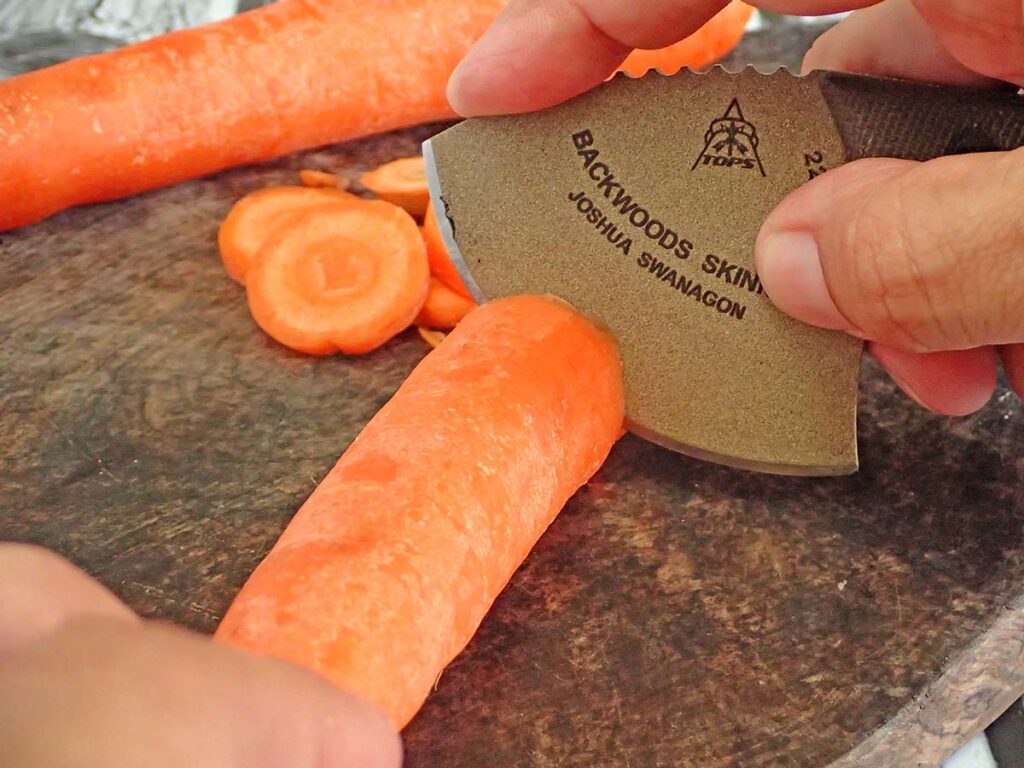
In ulu mode with the Backwoods Skinner, the author sliced raw carrots effortlessly. The edge geometry works for food and game prepping.
Pros
Versatile and Multi-Purpose
Unique and Secure Gut Hook
Excellent Ergonomics
Cons
Gut Hook Deployment
Backwoods Skinner Specs Designer: Joshua Swanagon Blade Length: 3” Blade @Thickest: .16” Blade Material: 1095 carbon steel Blade Finish: Coyote tan coating Scales: Green canvas Micarta® Weight: 5.4 ozs. Overall Length: 6.75” Sheath: Black leather Country of Origin: U.S.A. MSRP: $270
The TOPS Knives Backwoods Skinner is a compact ulu-inspired knife built for precision and endurance. The deep-bellied blade is perfect for slicing through hide and tackling bushcraft tasks without flinching.
The gut hook nestled in the handle is excellent for hunting season. I used it as a cord cutter. The sharp hook is a standard fixture for search-and-rescue personnel to slice cord and rope and to free people from entanglements. Remove the grenade pin and carefully take out the gut hook. Reverse the hook and install it in the proper hole for security. Make sure to put the sheath on to prevent cuts. My gut hook took some working in with another object until it fit. I suggest using leather gloves to avoid cuts from the hook.
The handle features an ovulated grip and deep choil, offering fatigue-free control and a confident hold even in messy conditions. Hidden in the pommel is a clever gut hook, deployable when needed and safely tucked away when not. A sheath combining classic style with belt-loop-carry convenience augment the package. Designed by survival authority Joshua Swanagon, the knife is ready for big game, small game and everything in between.
I remember a video with designer Joshua Swanagon talking about the ulu-shaped blade. I saw the ulu pattern immediately when I first saw the knife. Luckily for me, carrots were in season. I used the Backwoods Skinner as I would an ulu, slicing and dicing. Carrots are more difficult to cut due to their hardness. A dull or too thickly beveled blade will wedge and split the vegetable. However, there was none of that. I used my forefinger on the drop portion of the blade tip as intended for controlled slices. I also used it like a regular kitchen knife, choking up in a chef’s pinch grip. Both worked perfectly fine and were comfortable.
Check Out More Outdoor Knives:
BEST TOMAHAWKS: OUR TOP HAWKS FOR BACKWOODS TO BATTLEFIELDS
We gather up a bevvy of top stateside-manufactured automatic knives, certain to give you an edge on fast deployment.
Automatics long have been a popular knife category for the tactical/serve-and-save professions, as well as the military. In recent years, they have shifted from tactical only to include EDC, too. Autos continue to be like other tactical and EDC lines in that they also leverage the advantage of hi-tech materials for blades and handles, thus creating stronger and harder-working knives that anyone can use.
Bear Ops KATAKT
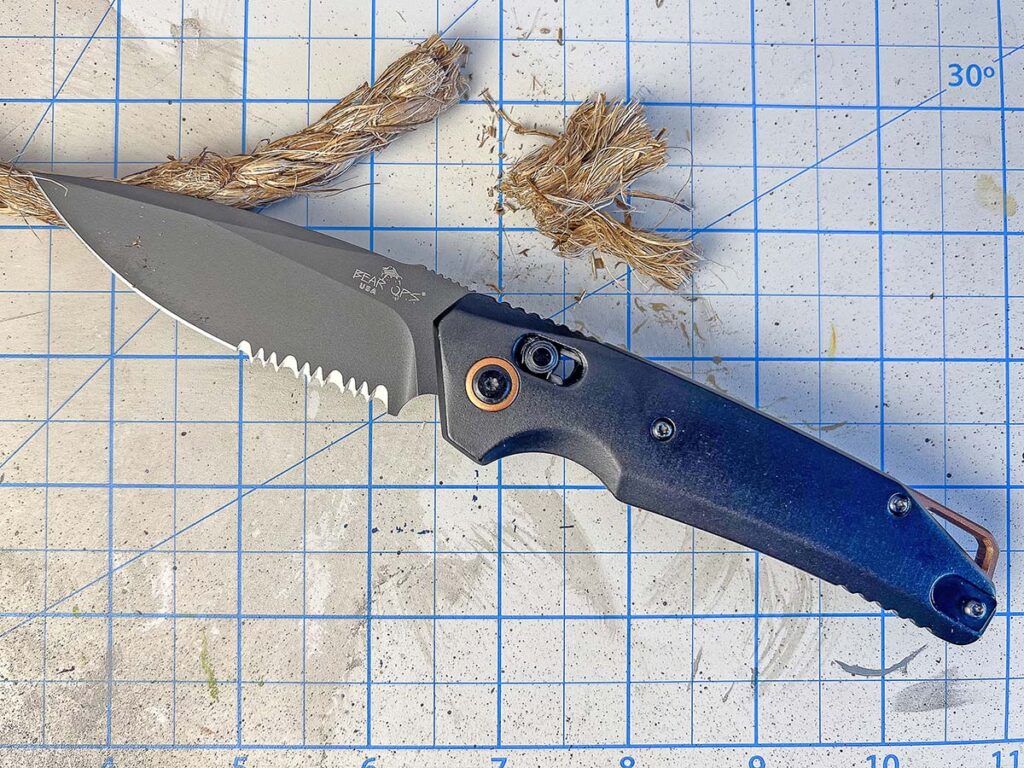
The part serrated blade of the Bear Ops KATAKT II offers cutting versatility and the option to use the serrations for parting tougher materials like cardboard or rope.
The tactical division of Bear & Son Cutlery, Bear Ops, offers the KATAKT series of tactical/EDC knives with the latest in blade and handle materials. At 4.5 inches closed, the KATAKT II sports a 3.25-inch blade of Bohler M390 high-performance blade steel. M390 provides the ultimate in edge-holding power, is designed to go the distance and eliminates frequent sharpening. Simply put, it is one of the best high-performance blade steels going.
The drop point blade shape is very utility-friendly and able to handle multiple cutting tasks, large and small. It comes in both plain and partly serrated edge formats. The review sample has the latter, giving the best of both worlds in one blade, including the ability to tackle tough cutting jobs—though with the serrations, rope especially. The belly provides an ample amount of plain edge for finer cutting. A swedge gives an edgy look that isn’t threatening at all. A notched thumb rest enables thumb placement where downward pressure can be applied to power the blade through tougher cutting tasks. The black blade coat is low-glare.
Anodized black, the aluminum handle incorporates multiple features for a comfortable, safe using experience. A large finger recess at the pivot helps secure your grip on the handle and index it as well. The chamfer along the grip side bevels the handle material back some so you can wrap your fingers around it easily without hotspots forming.
The version of the crossbar lock Bear Ops calls the Slide Lock serves as both the blade lock and firing mechanism of the KATAKT II. To fire the blade, pull back on either side of the lockbar. As the author opined, this truly is an ambidextrous automatic.
A deep carry, fold-over steel pocket clip carries the closed knife blade tip up and is reversible to accommodate southpaws—simply back out two T6 Torx screws and reposition the clip on the other side. A filler tab covers the machined recess for the clip, providing a more streamlined overall appearance. The copper-colored pivot rings and backspacer inject a subtle contrast of color on the otherwise all-black knife.
The blade is secured using the Slide Lock mechanism, Bear’s version of the crosslock. It’s ambidextrous, easy and safe, removing the fingers from the radial path of the closing blade to eliminate accidental nicks. The lock is very strong and can withstand a high degree of abuse. To unlock the knife, pull one of the exposed lockbar ends back to move the lockbar away, allowing the blade to rotate closed.
With most autos, blade deployment is initiated by simply pressing a button. From the closed position, the KATAKT II uses the Slide Lock as both the blade lock and release. To open the knife, pull back on the exposed lockbar with your thumb until the blade fires.
Medford Knife & Tool’s Smooth Criminal
Thanks to its ergonomic handle and drop point blade, the Medford Smooth Criminal is a compact auto very easy to carry and use. Tasks like wire stripping that require extra control are a snap.
At just 4 inches closed, Medford Knife & Tool’s Smooth Criminal is a compact powerhouse auto. Don’t expect anything less than a heavy-duty folder with this one. An anodized aluminum handle, CPM S35VN stainless blade and a titanium pocket clip round out the overall package that’s easy to carry yet works as hard as the day is long.
The drop point blade is a good general-use one that offers a belly for slicing tasks and a decent point for puncturing and scoring. The 3-inch blade is an ideal length for EDC purposes—short enough to carry comfortably and not get in the way but long enough to tackle most reasonable cutting tasks. The polished finish looks great and helps keep the blade cleaner and rust-free by not allowing much to stick to it, nor liquids to bead on it. S35VN has proven itself time and again as one of the ultimate steels for high-end knives. It’s a bit tougher than S30V though not nearly as hard to resharpen. It is a top user and will go the distance for edge holding. All my experiences with this blade steel have been nothing but very positive.
The ergonomic grip is a lightweight yet tough aluminum alloy available in a range of hard anodized colors, though you cannot go wrong with standard black anodizing, which looks striking with the tumbled (stonewashed) blade. The black and silver look is just timeless; it’s used a lot with motorcycles and vehicles for a reason.
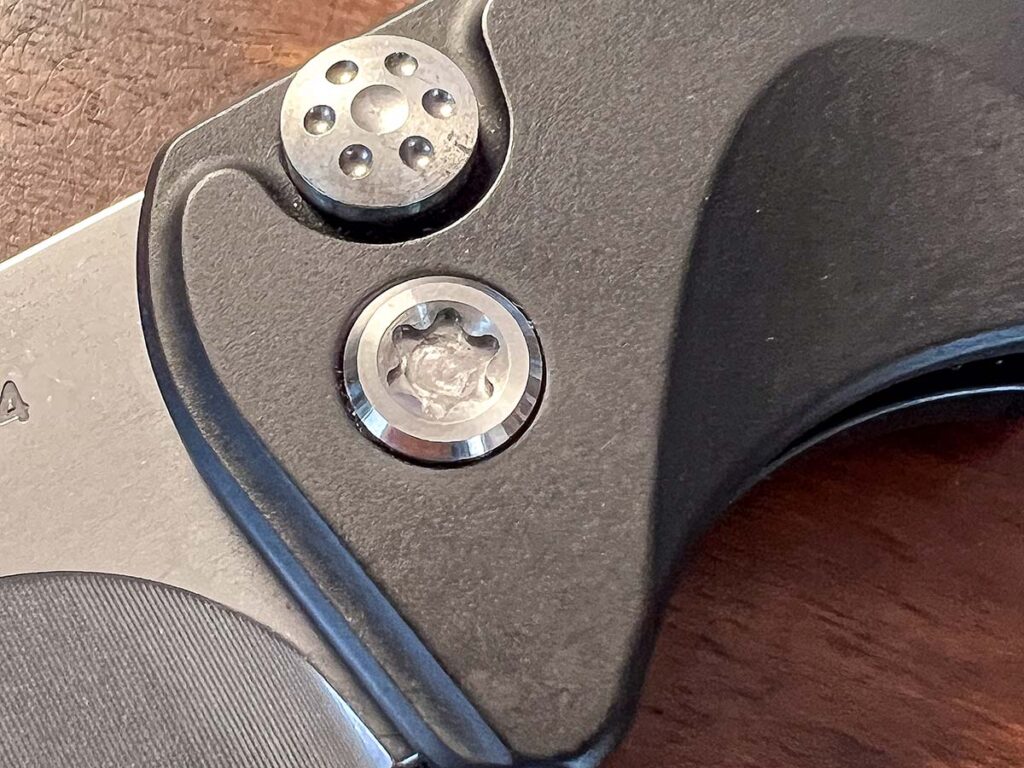
The lock release/firing button of the Medford Knife & Tool Smooth Criminal is domed and sports holes reminiscent of a car hubcap. It’s a nice styling addition to an area most manufacturers ignore.
The handle sports a few features that enhance user comfort and safety, such as the finger recess to help index your grip. Stepped chamfering provides a comfortable place for your fingers to wrap around. A utilitarian lanyard hold is incorporated into the handle spacer. A titanium pocket clip carries the knife tip up.
The blade is actuated by a typical push button, tapered/plug locking system, which secures it in both the closed and open positions. The button sports decorative holes that resemble a car hubcap, a nice visual touch and a great alternative to a plain button.
Action-wise, the Smooth Criminal is also a smooth operator. The blade rides on a pair of caged bearings that promote silky smooth rotation. You can feel that when you fire the blade and it rotates out with precision and locks securely. Performance-wise, the knife is perfect for folks who need a good, solid, tough working folder without the bulk and length of a larger model. As a result, the Smooth Criminal rides comfortably in a pocket. The entire knife gets in and out of tasks easily. MSRP: $375.
Heretic Knives Wraith
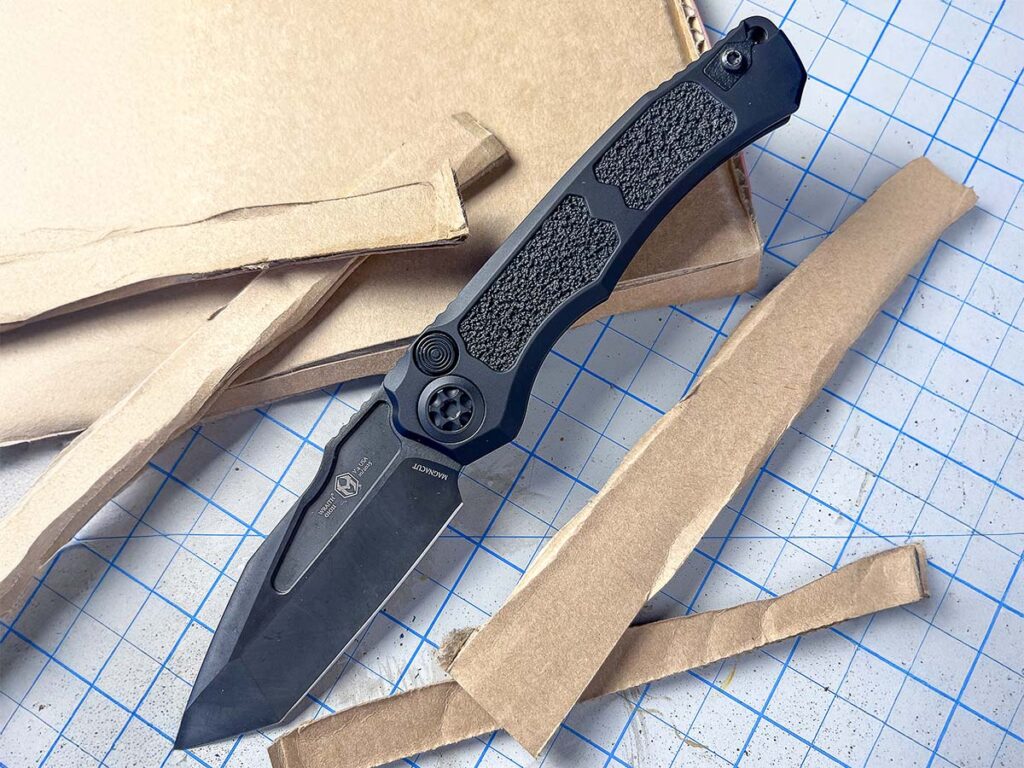
The V.4 features improvements to the blade and handle that make the knife sleeker and better ergonomically than previous Wraiths. It’s an efficient cutting tool for tactical or general use.
The Wraith is the flagship side-opening automatic from Heretic Knives. It’s a large tactical folder with a bold design and advanced ergonomics. In 2025, Heretic unveiled the Wraith V.4, a highly updated version of its signature folder that incorporates quite a few changes that could result in this model being the cornerstone of the company’s tactical knife line.
The blade is available in a choice of bowie or tanto shapes, the latter reviewed here. Steel has been upgraded to CPM MagnaCut stainless to offer the best in edge holding and corrosion resistance. The blade has a recessed cavity machined into the flats, done purely for aesthetics. The tanto shape is ideal for maximum penetration as the tip shears simultaneously as it pierces. It’s an optical illusion, but the blade seems too tall for the handle. However, when you close it, the blade nestles inside the handle just so. As an added touch, the thumb rest portion of the spine sports notches for sure grip traction.
The handle is hard-anodized T6 6061 aluminum alloy. It’s also thinner than the previous Wraith version and thus carries better in the pocket. The handle edges are chamfered nicely to allow the knife to sit in your grip with high comfort. Two inlays per side of rubber tape enhance purchase. The firing/lock button is round as opposed to rectangular as with the older Wraith model.
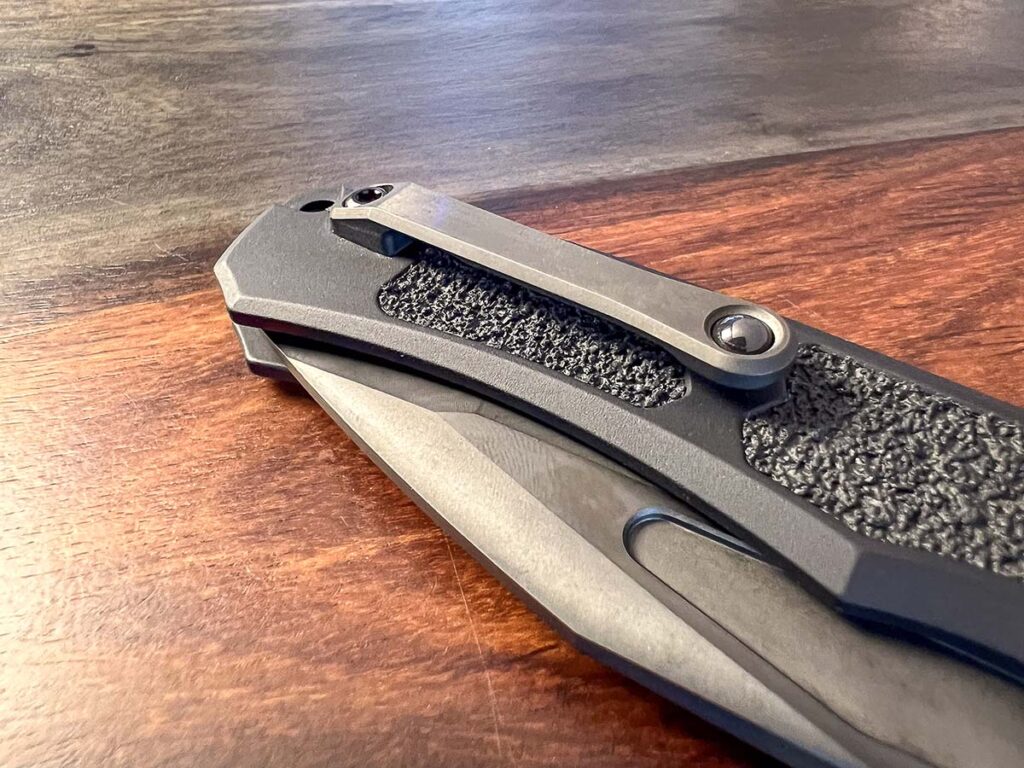
The Heretic Wraith V.4 comes standard with a steel pocket clip that works very well. For $49 extra, you can upgrade to a milled titanium clip with a carbide ball.
A steel pocket clip carries the knife tip up and is reversible for ambidextrous use. A milled titanium clip with a silicon carbide ball is $49 extra. It looks very upscale and is great at keeping the closed knife in your pocket. The carbide ball provides the right amount of tension and slides nicely when removing the knife from or returning it to your pocket.
While the V.4 is sleeker and more refined than previous Wraiths, it still packs a punch as a large, using folder. The tanto’s straight edge is a great slicer and cuts through most anything you need to with no struggle. The 3.7-inch blade affords enough real estate to facilitate this. The angled tip is great for more precise cuts as well as light-duty scraping.
The handle is quite comfortable with no hotspots and provides excellent blade control at all times. The rubber grip tape inlays are inset enough to be out of the way, so as to not affect removing or inserting the knife into a pocket. The knife sits low in the pocket but with some handle sticking out for purchase. The V.4 is extremely well-made and looks spectacular with the all-black finish. Very stealthy! MSRP: $300.
Chavez Knives/Pro-Tech Redencion
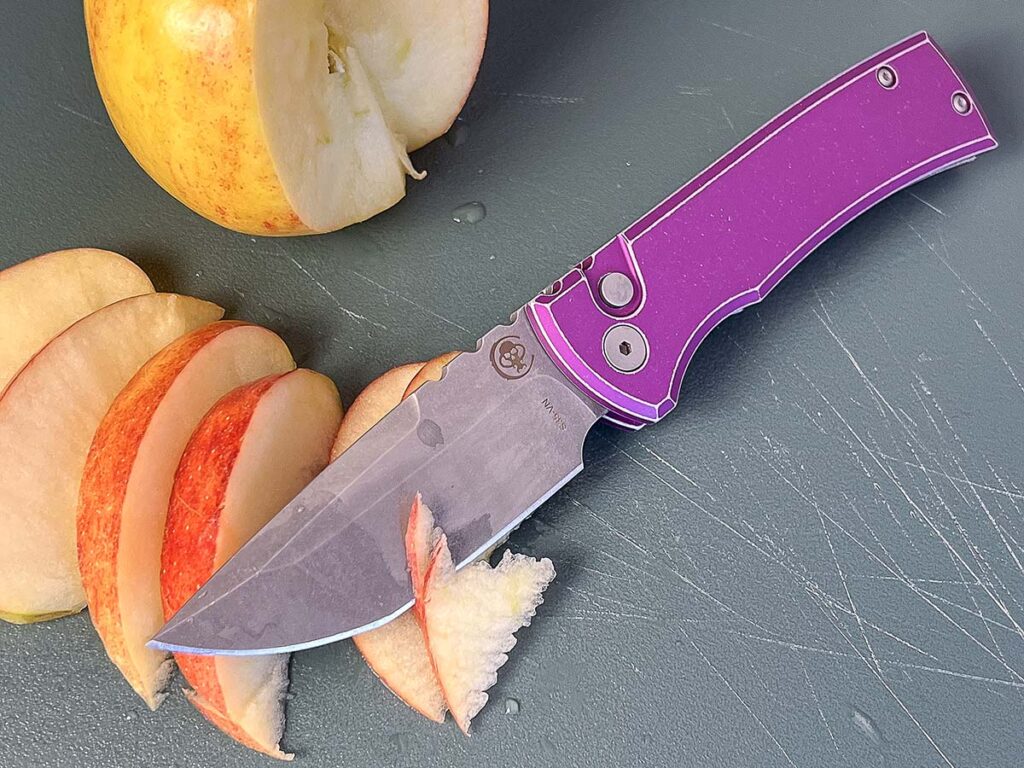
According to the author, the modified tanto blade of the Pro-Tech/Chaves Knives Redencion 229 has a top that isn’t styled like typical tantos. The secondary edge has a bit of belly that makes it a more efficient cutter by accentuating penetration power.
The Redencion 229 auto is a collaboration between Pro-Tech and Ramon Chavez of Chaves Knives. Based on the Chaves Knives Redencion folder, the 229 brings an exciting automatic to the market that incorporates Pro-Tech’s manufacturing excellence and strong spring action with Chaves’ bold styling highlights.
The 3.3-inch modified tanto blade is S35VN. A swedge enhances penetration power, along with multiple large traction notches on the spine to provide a comfortable place to rest the thumb when placing downward pressure to the blade. Available in stonewash or DLC finishes, the blade is stout as it is sharp. The test sample is a dark stonewash, which contrasts nicely with the handle anodized a beautiful battle-worn purple.
The grip is T6 6061 aluminum alloy available in multiple anodized colors. It is treated to appear as though the knife has seen considerable pocket time and use by wearing away the anodizing at the very edges. It looks worn-in even when brand new! While the design itself is rather boxy, the chamfered handle edges make the knife comfortable to hold—no hotspots in-hand, no nothing.
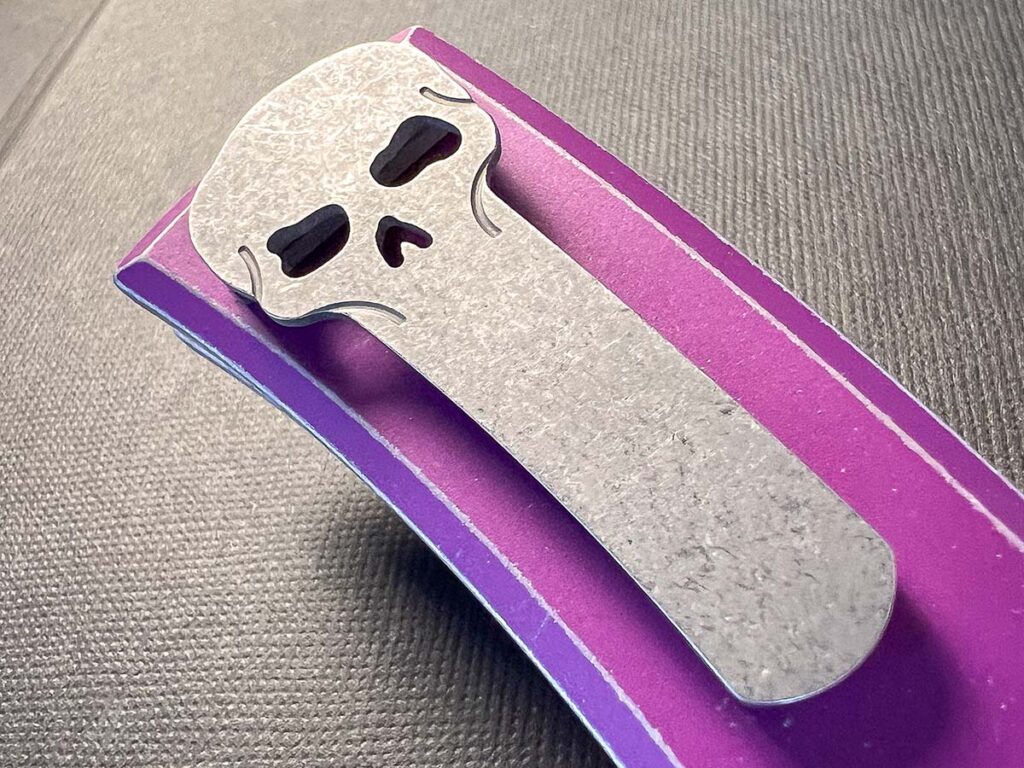
Function and durability are built into the skull pocket clip of the Pro-Tech/Chaves Knives 229. The skull is a trademark of the Chaves Knives brand, and the design and titanium material beef up the clip, making it more difficult to spring out of shape if it accidentally catches on something.
The auto carries tip up via a distinctive Chaves pocket clip design in the shape of a skull. All Chaves folders have the clip design, sort of a trademark of the brand. While the skull clip may be too much for some, it is more than just for appearance. Its width means more of the tough titanium material is used, which prevents it from being bent out in case you snag it on something. Also, screws attach the clip to the handle from the inside. This means no visible clip screws. Very trick! Few folder clips on the market attach in such a way. On the downside, the clip isn’t reversible and thus not southpaw-friendly.
At 4.5 inches closed, the Redencion 229 makes a great working folder. Out of the box, it’s sharp and ready to cut. Hit the button and the blade rockets out with authority, as all Pro-Tech autos do. The straight-line primary edge tackles general tasks nicely, and the secondary edge at top is great for scoring work or cuts requiring extra control. The secondary edge has a bit of a belly, something most tantos are without. This helps accentuate penetration power. S35VN steel holds an edge really well, so you need not resharpen frequently. The knife cuts with abandon and is easy to carry. What’s not to like? MSRP: $300 and up, depending on options.
An American-made tactical EDC folder featuring a Sandvik 14C28N blade and lightweight aluminum handle.
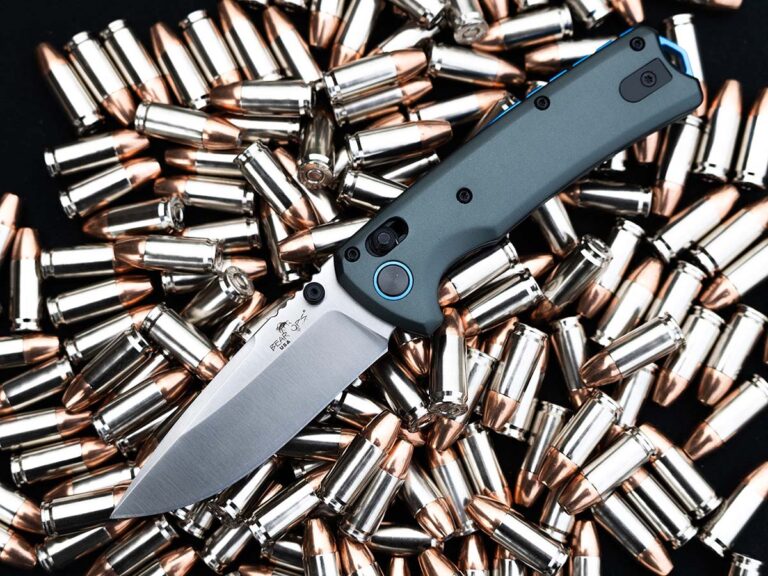
Bear OPS, the tactical division of Alabama-based Bear & Son Cutlery, is expanding its everyday carry lineup with the release of the Nekema II. Manufactured entirely at the company’s facility in Jacksonville, Alabama, this new folder is designed as a streamlined, budget-conscious option for tactical use, concealed carry, and general daily wear.
At the center of the design is a 3.5-inch modified drop-point blade made from Sandvik 14C28N stainless steel. This Swedish steel has become a staple for modern EDC knives due to its balanced performance, offering high corrosion resistance, user-friendly sharpening, and respectable edge retention. For users seeking extra protection and a non-reflective finish, Bear OPS is offering the blade with a black DLC (Diamond-Like Carbon) coating.
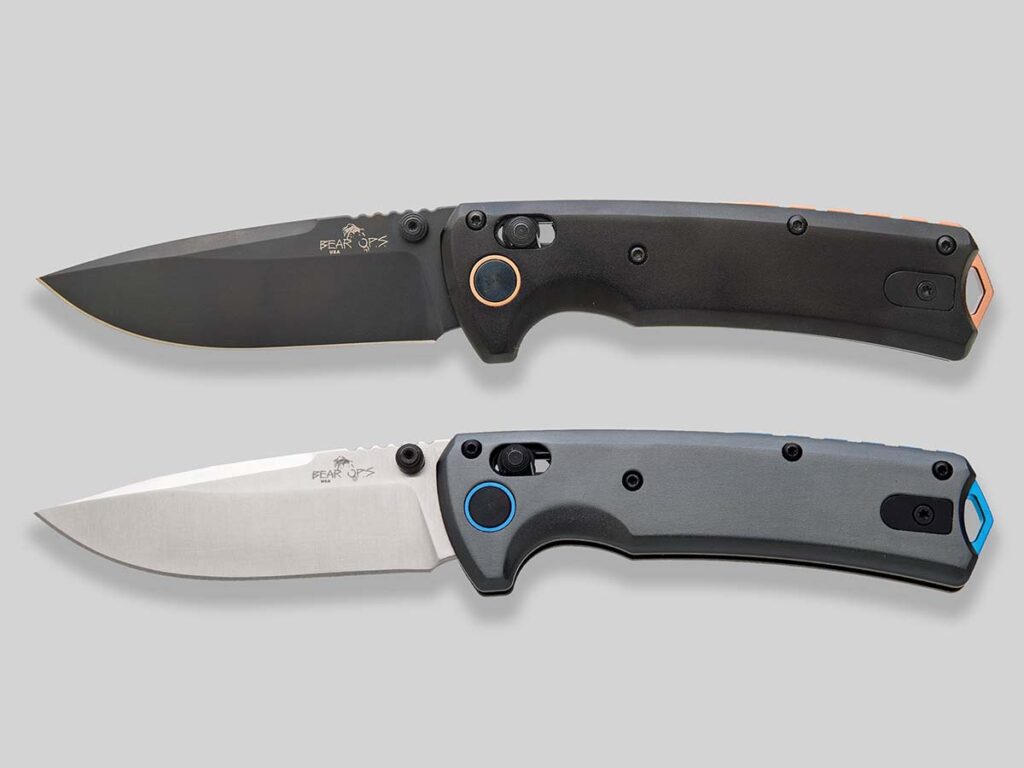
To keep the knife pocket-friendly, the Nekema II utilizes a lightweight aluminum handle, keeping the overall weight to a nimble 3.5 ounces. For deployment and lockup, the folder is equipped with dual thumb studs, ball-bearing washers for a smooth pivot action, and a secure slide-lock mechanism. A reversible pocket clip and Torx screw construction finish off the assembly.
The Nekema II is available in either Black & Copper or Gray & Blue colorways, with retail pricing set between $92.49 and $97.49 depending on the specific finish. For more details, visit local retailers or head over to the Bear & Son Cutlery website.