
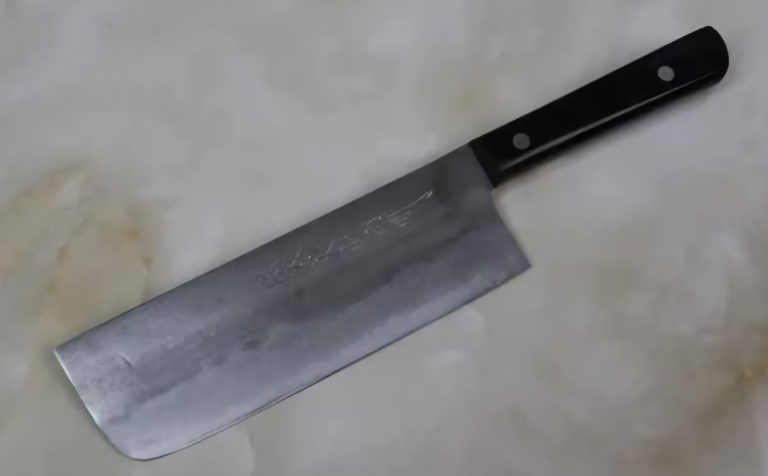
Best Nakiri Knife: What To Know About This Japanese Kitchen Classic

Have vegetables that need knocked down to size? Get chopping with the Nakiri.

The Japanese people have historically produced excellent knives specialized for dedicated tasks. The culture of the region did not put a heavy emphasis on speed and slop, but rather precision and the utmost perfection of a given craft. Following this ethos came a specialized knife dedicated to culinary artistry.

The Nakiri (also Nakiri Bōchō) was developed specially for cutting vegetable and not much of anything else. The blades on these knives are thin, sharp and, surprisingly, not as ancient as we understand many Japanese blades.

In this article, we’ll explore the history of this dedicated tool, its modern uses and look as some of the best nakiri available. So, chop, chop… let’s get cooking.

History Of The Nakiri

Many blade styles we associate with Feudal Japan came into use after Western contact was established. The Nakiri was one such product and it came at a time of significant modernization in the country.

Traditional feudal culture in Japan would come to an end over the course of the 1800s, culminating in a tremendous shift from a medieval society to a completely industrialized nation. These culinary tools became a feature of Japanese blade makers, and eventually, they arrived at a point of heavy specialization.

The Nakiri is a vegetable knife, plain and simple, in fact, the name translates to ‘knife for cutting greens’. It was made over time to excel at this one task. As a result, it isn’t ideal for much else.
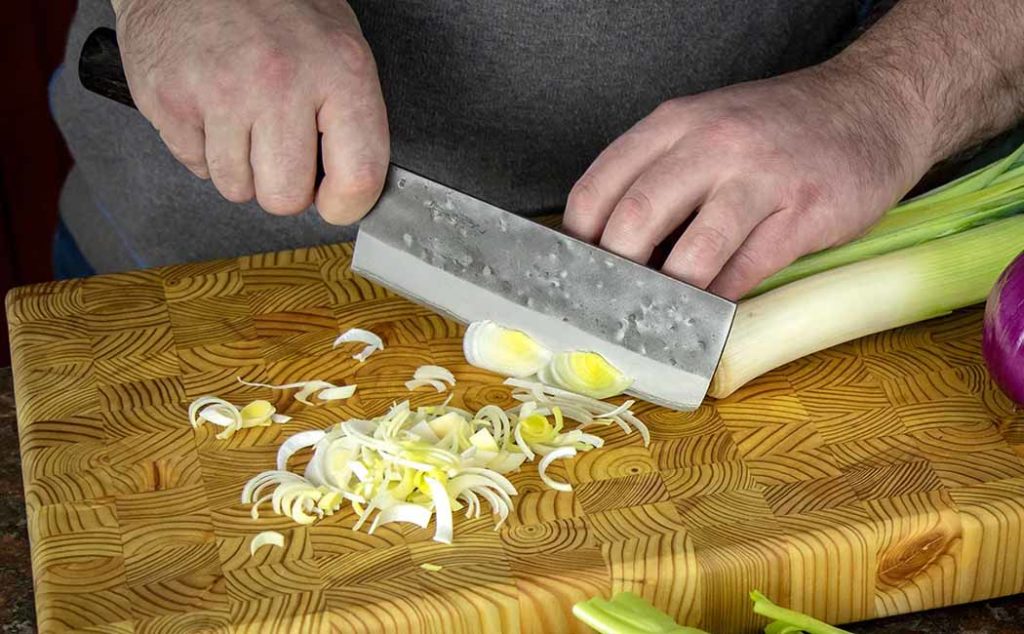
Despite its round, tipless shape it is not a cleaver. The blades on these knives are very thin, sometimes to the point of being fragile. They should not be used against bone or even used on meat for the most part. The entire concept is that the Nakiri makes clean cuts in veggies, as opposed to the more coarse, crushing cuts found on chef knives.

Nakiri Vs Western Chef’s Knife

Looking at the Nakiri next to common Western chef knives isn’t exactly a fair comparison. The chef knife is meant as a multipurpose blade that cuts virtually anything in a kitchen without missing a beat.

Most Western chef knives are derived from our own historical camp knives, seax blades, and Central European ‘messer’ knives. These are structurally far more robust and usually taper down to a fine tip with a thicker spine at the handle. Not so with the Nakiri.

Its shape is slim and has a straight edge, meaning in one motion it can be made flat against the cutting board. The height of the blade from the spine to the edge is also greater, enabling the hand to come to rest above the cutting surface. Contrast this to the Western chef knife, which works in a back-and-forth rocking motion. The Western chef knife is in theory not as efficient for motion, but how much this matters is subjective to the user.

The Nakiri Edge
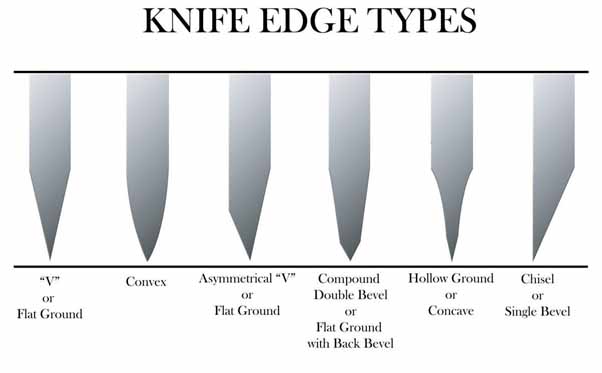
While the knife is commonly available on the commercial market with a standard, double-beveled edge, many traditional Nakiri boast a chisel-beveled. In short, as previously mentioned, one side of the blade is completely flat. Depending on if you are right- or left-handed determines which side your blade is beveled. Advanced users can take advantage of this feature for enhanced cosmetic presentation of food, such as spiral peeling, ornamental julienned strips, and more.

Advantages Of The Nakiri

Honestly, one-on-one against a standard chef knife in your own kitchen you may not notice the difference at of an Nakiri. The exception being, in the overall style of your food presentation. Furthermore, if cooking is part of your livelihood, you will like the shape, style, and ease of use of the Nakiri. It is a tool that can be used to step up the cosmetic end of delicacies

In short, if you spend time with this knife style in a professional setting, where aesthetics are equal to edibility, you might find the Nakiri an excellent companion. Home chef’s, on the other hand, might discover there cuisine doesn’t gain much with one at hand.

Disadvantages Of The Nakiri

The elephant in the room, you need more knives to accomplish a given task if you use a Nakiri for its intended role. This doesn’t jib with many pro or amateur chefs in the west.

Most Western cooks appreciate the flexibility and ease of the Western-style chef’s knife, a dedicated vegetable chopper seems redundant. In turn, it’s a great leap to investing in a specialized tool such as a Nakiri.

Best Nakiri Options At Every Price Point

Toshu Hammer Finished
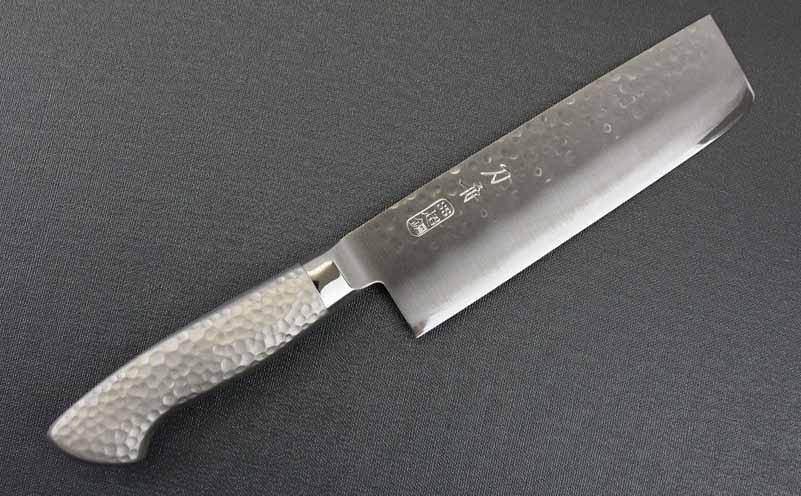
Toshu Hammer Forged

Made in Japan, the Toshu knife is made to work without compromise. The knife is not traditionally constructed, rather it is made of all stainless steel and is dishwasher safe. This is an important consideration for the home chef short on time. The knife features the beveled “Edo-Togi” grind, meaning that it isn’t double-beveled like most Western knives. It is very easy to keep clean, and sharp choice for everyday vegetable chopping vegetables duty.

MSRP: $213

Hinokuni Shirogami #1 Tall
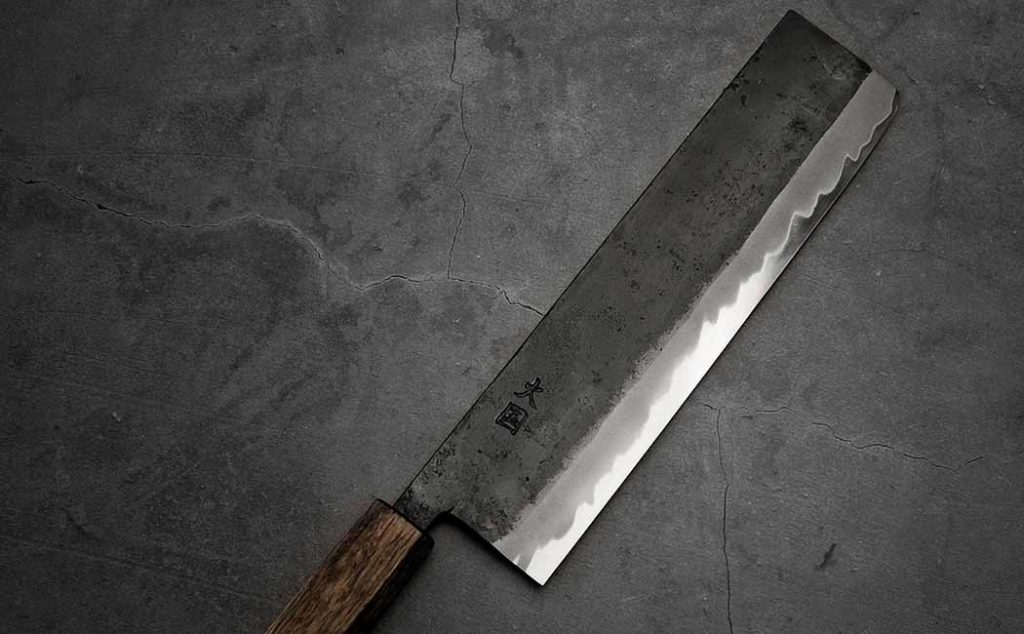
Hinokuni Shirogami #1 Tall

A custom Nakiri from a smaller maker, the Tall Nakiri might be the perfect large-format vegetable knife. If you are making salads, working on squash or melons, or trying to dice up a large quantity of veggies, this knife will knock them down to size. The knife is a labor of love, the maker of this brand is a young blacksmith that is well-versed in traditional methods. Interestingly, the knife is made of an uncommon (in America) type of carbon steel, Shirogami #1. This is a blade steel favored by the best Japanese smiths. However, neglected it can easily corrode. Like many traditional items, regular care is necessary to maintained it, but do so and the blade should last a lifetime.

MSRP: $180

Shun Cutlery Classic
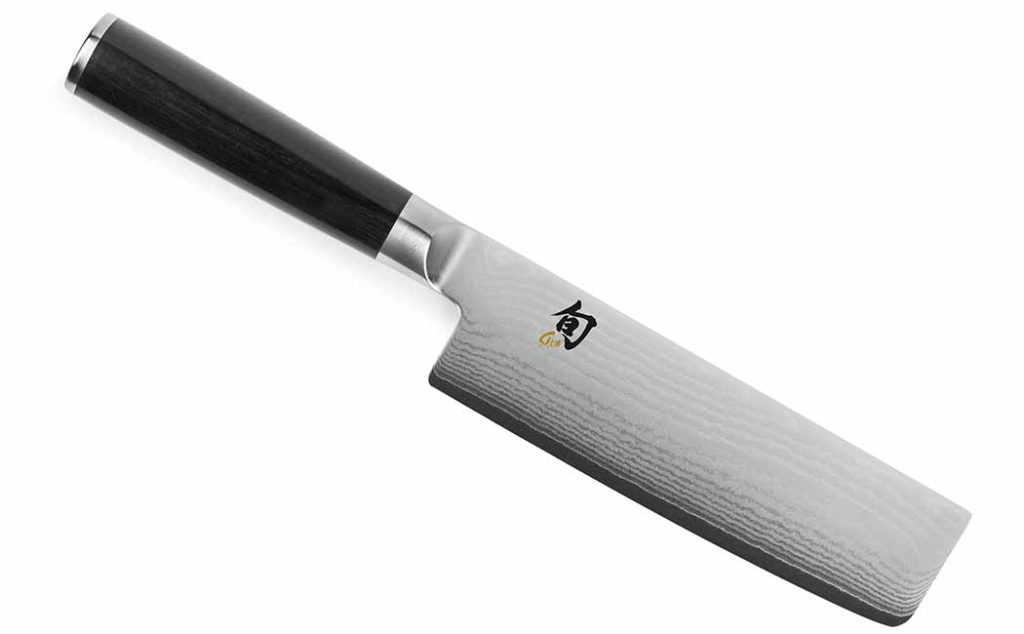
Shun Cutlery Classic

This Japanese knife is popular, well-constructed, and made in… China? No surprise, the broad Western market sees just about everything made in China these days. While not exactly up to the quality or authenticity of a true Japanese Nakiri, Shun Cutlery does a great job with this knife for the price. Chef among these assets includs using a novel layering method. The blade itself is not entirely Damascus, rather it is a stainless core sandwiched in layer of Damascus. It is a great starting point for getting into Nakiri but is priced in such a way that it may be your only one for years.

MSRP: $170

Kai Seki Magoroku Watakake
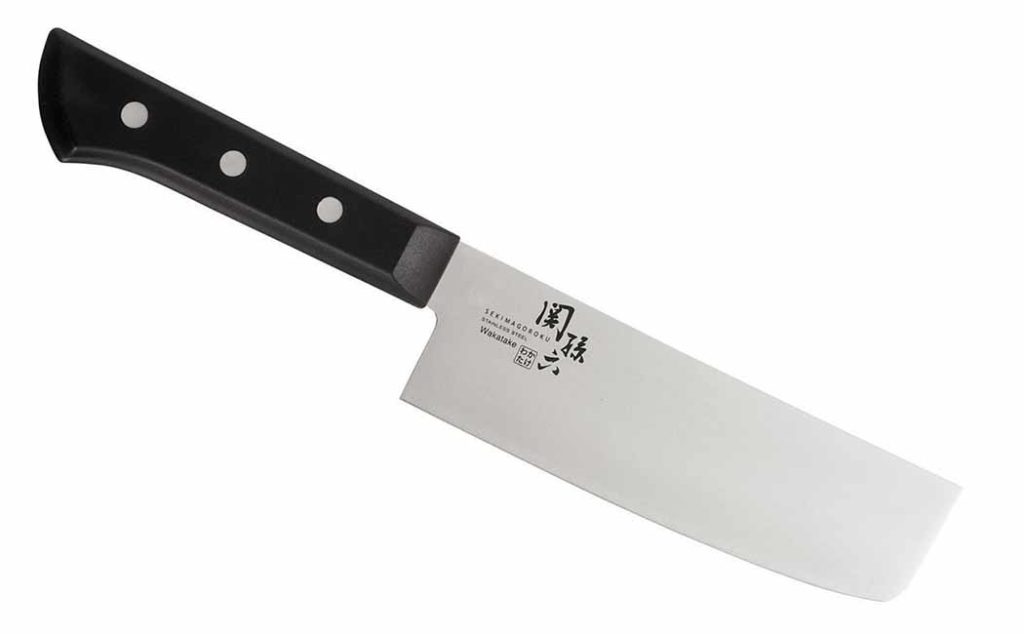
Kai Seki Magoroku Watakake

This Kai knife is a genuine Japanese-made Nakiri, fully sized in every way but price. Retailing at under $20, this is a great knife to add to your drawer if you want the function of a Nakiri but don’t do enough dedicated veggie chopping to warrant a several hundred-dollar in expense. Many people are just casual cooks and can certainly appreciate the utility a Nakiri brings, though just not enough to make a hobby of fleshing out an entire Japanese kitchen set. This knife is not of the same quality as the others on this list in terms of the overall construction but is certainly capable of most uses. Considering chopping veggies are the end use, you should do just fine, except perhaps in some of the most advanced techniques that require the features of a custom knife.

MSRP: $20

Shun Cutlery Dual Core
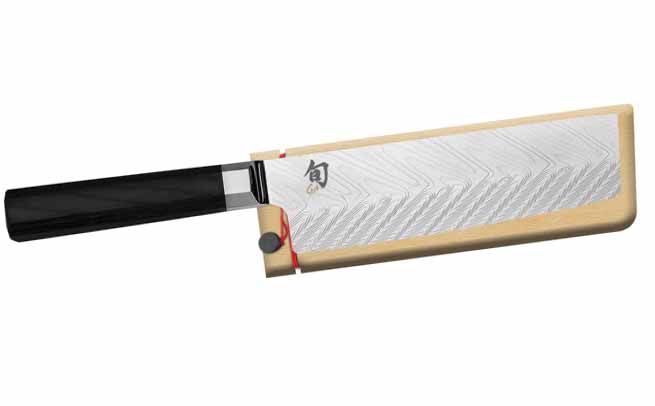
Shun Cutlery Dual Core

Another great product from Shun, the Dual Core Nakiri is a dull Damascus blade of 72 layers of VG10 and VG2 steels. As far as production Nakiri knives go, this is probably as good as it gets before you start to look at custom options. The knife here is priced higher, more than double that of the other Shun listing in this article. The manufacturing process results in a blade holds its edge longer and remain in service for extended periods of time, especially in a high-production restaurant setting. As a production knife, this product is great for showy use in a hibachi, but also easily replaced should it become damaged. The styling on this knife isn’t quite traditional Japanese, though patrons and guests will likely not notice that minor detail.

MSRP: $330

Masamoto FH Japanese
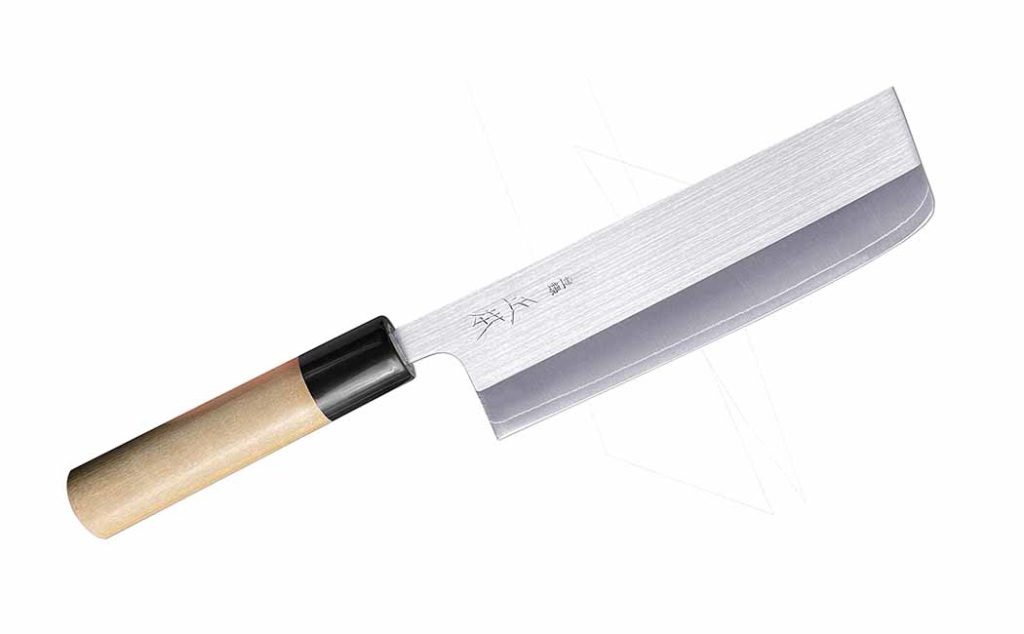
Masamoto FH Japanese

Masamoto’s product is a reasonably priced, high-performance traditional Nakiri made in Japan. This knife is just about as good as it gets from the standpoint of function and traditional appearance. Made of modern steel and reasonably corrosion-resistant, it’s a forgiving knife. But you still need to care for it after every use. The handle is made in traditional style out of buffalo horn and magnolia wood, both of which add to its already incredible appearance. It is not the most costly Nakiri here by far, though when combined with the extra maintenance needed to keep it ship-shape, isn’t for someone who will just throw it in the dishwasher.

MSRP: $229

Yoshihiro Hayate
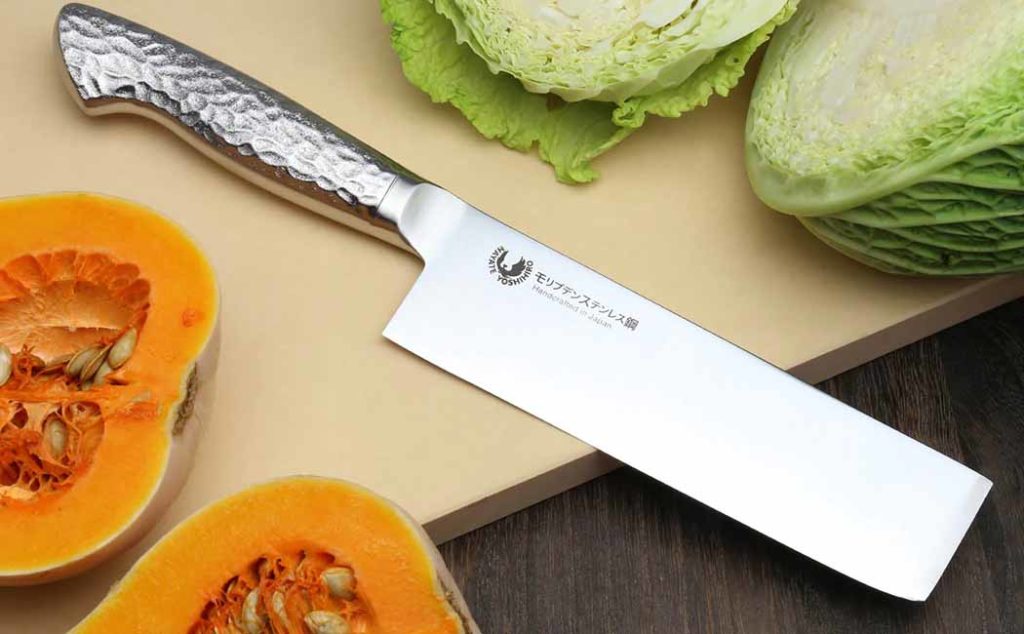
Yoshihiro Hayate

Last on this list is certainly not the least. The Yoshihiro Hayate is a handcrafted, high-end Nakiri that is for use by the most discerning culinary aficionado. The knife is made of extremely hard and difficult-to-work with ZDP-189 steel. Not only is it beautiful, but the knife is also NSF-approved for use in commercial kitchens, making it one of the most expensive single-use products in a restaurant. However, thanks to its superior steel and impressive edge retention, the knife will ultimately save the chef effort on high-volume cutting and other laborious tasks. This Nakiri is made with excellent materials in the handle as well, including premium ebony with a sterling silver ring. Completing this knife is a lacquered cover for storage. Of note, this knife is double-beveled, making it great for use with both hands as opposed to specializing to left or right. If you decided to spend the money on something like this, you will never need to seek out a replacement. Short of a completely custom knife made to your hand and style of cutting, this is as good as it gets.
MSRP: $700

More Kitchen Knives:

Antique Switchblades: World War II And Beyond

Harking back to American military glory and post-war prosperity, antique switchblades from the 1940s and 1950 have enduring appeal.

From its first patent in 1884, the switchblade was an important addition to most early U.S. cutlery companies.

According to Mark Erickson, author of Antique American Switchblades, between 35-to-40 companies made and/or sold switchblades, including almost all of whose names long-time collectors recognize: Aerial, Camillus, Case, Challenge, Colonial, George Schrade, KA-BAR, L.L. Bean, Novel Shapleigh Hardware, Queen, Remington, Schrade Cutlery Co., Utica, Wade and Butcher, and Shapleigh Hardware, to list a few.

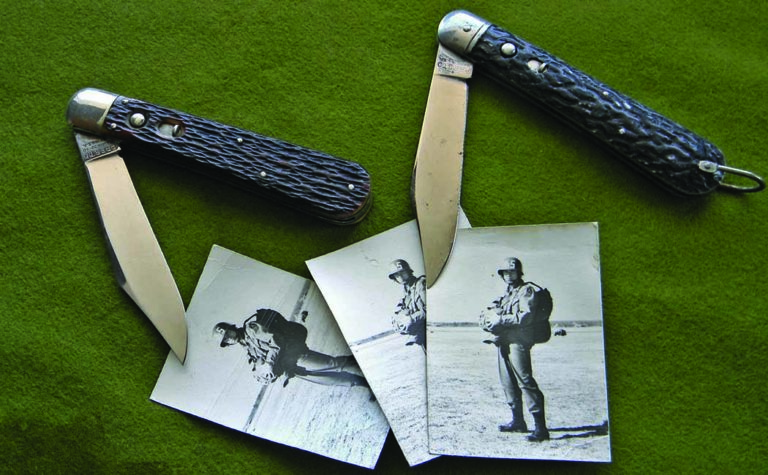
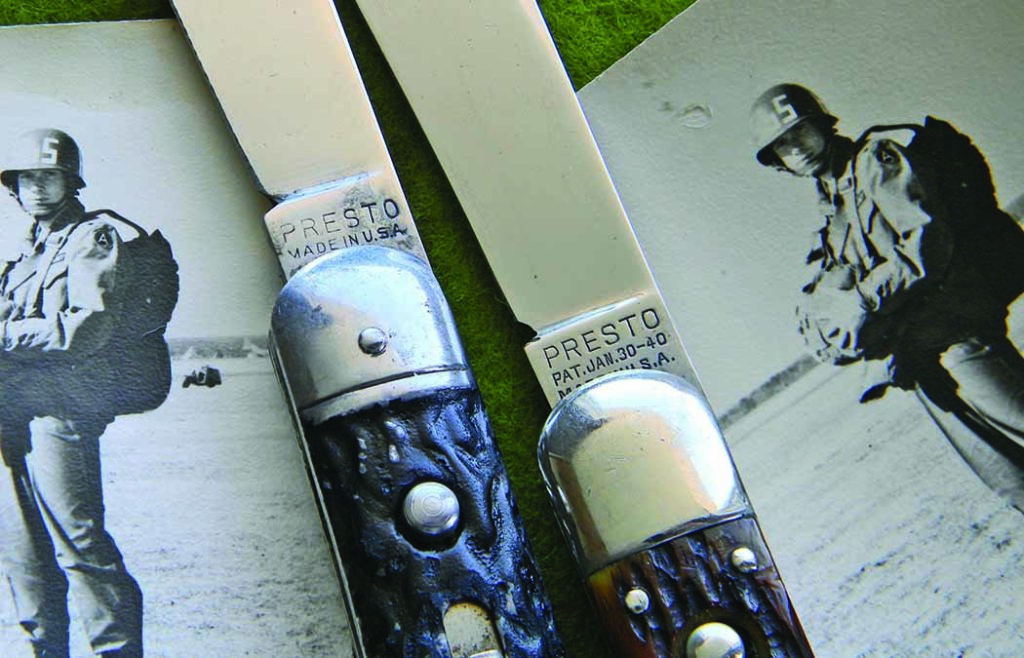
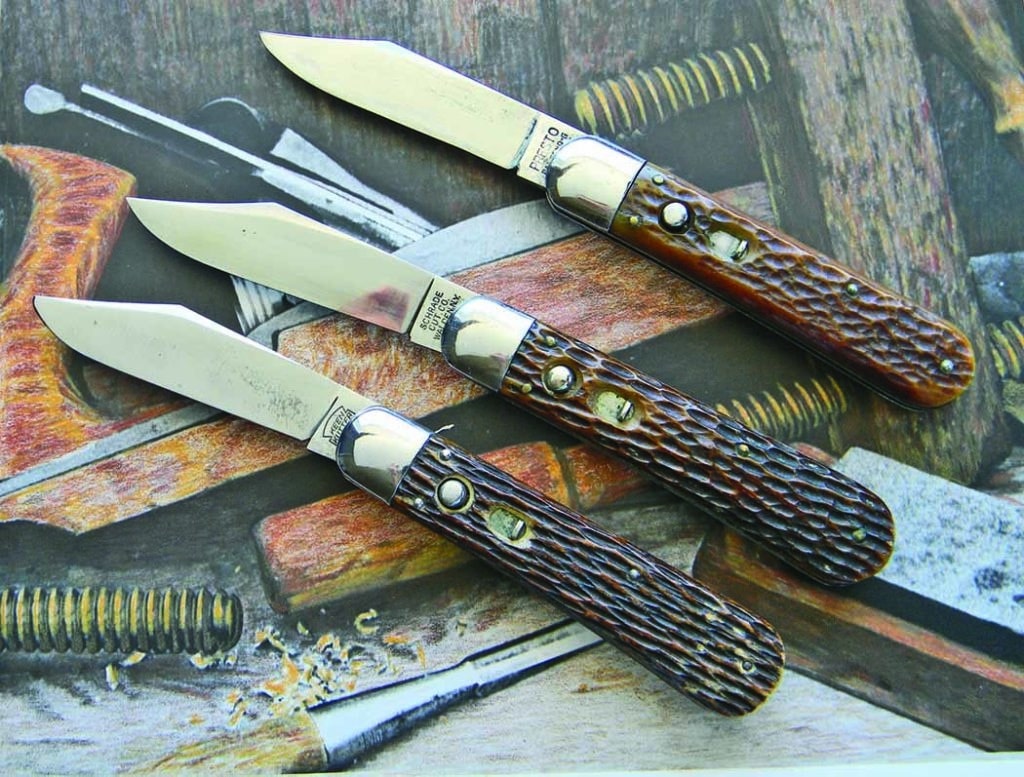
 These two switchblades with the Presto stamping by George Schrade Knife Co., are among those that played an important part in the success of American paratroopers during World War II. On the facing page, the one at left has “jigged iron” scales and the one at right has jigged bone.
These two switchblades with the Presto stamping by George Schrade Knife Co., are among those that played an important part in the success of American paratroopers during World War II.

Because of the collectibility of the named companies and the significant variety of styles, sizes and handle materials associated with them, switchblades have become a serious endeavor for many collectors of antique knives.

Invention Of The Switchblade

As a serious cutlery collector, my downfall has been fingernails that bend backward with even the smoothest opening blades. The switchblade innovators had fingernails in mind when they produced a knife that could be opened without using a nail. In fact, some of the best switchblades are found in women’s old sewing baskets.

In fact, early switchblade ads tout the folder’s ability to be used by people with weak fingernails. “These knives will be a wonder for those who have difficulty opening a traditional knife” stated one such ad.

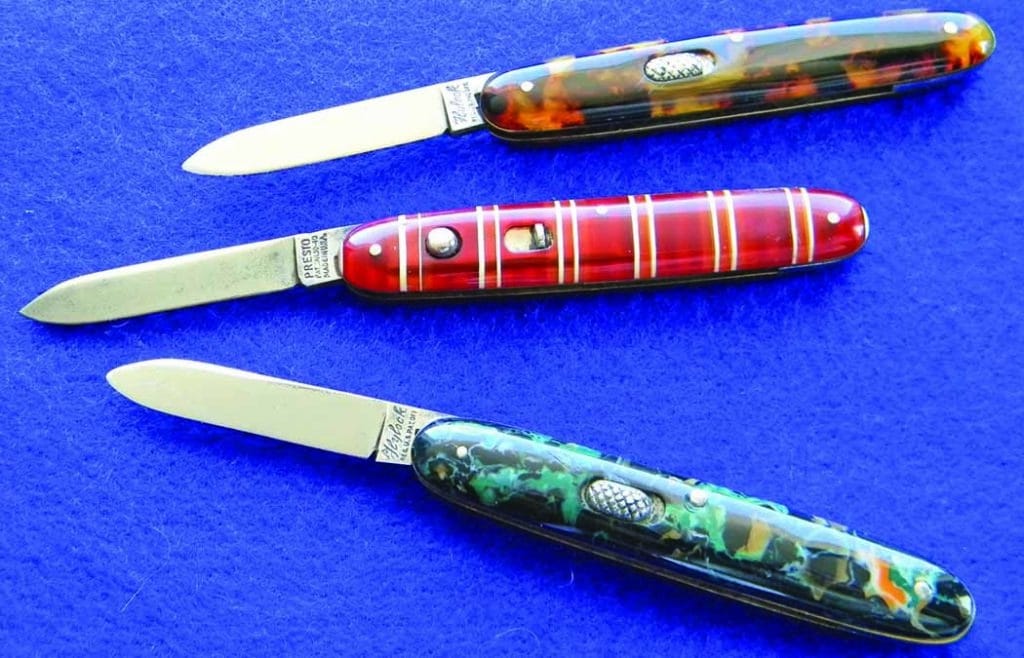
Celluloid was a very popular handle material on antique switchblades. Celluloid types, from top: a George Schrade in imitation tortoise, another George Schrade model in candy stripe, and one from Flylock Knife Co., in blue, pink and black swirl.

For many other occupations, the switchblade and its ability to be opened with one hand has proven immensely important. Mechanics, fishermen, ranchers, soldiers, veterinarians and even Boy Scouts were frequent users of the pocketknives. With a wiggling fish in one hand, it is easy to see how a switchblade could be a valuable asset to most fishermen when cutting a line.

Moreover, most switchblades have a lock/safety that keeps the blade from opening accidentally and the open blade from closing on the hand. An early Flylock Knife Co. ad touted, “The ideal knife for all outdoors and sports use. One hand only required to open or close, leaving the other hand free to grip a rod or gun.”

World War II Switchblades

World War II brought with it the necessity of supporting soldiers who parachuted behind enemy lines. Switchblades procured for the U.S. military were designed to cut the parachute suspension lines that became entangled during landing. The knives were carried in what has been described as “neck pockets’ in jump uniforms.

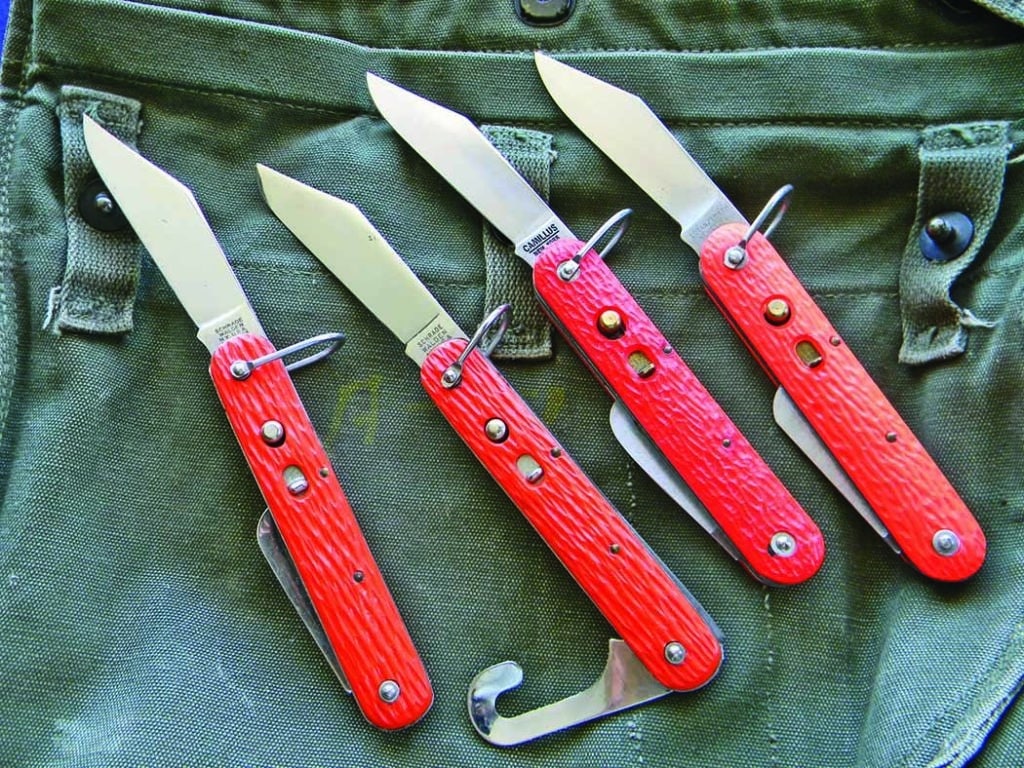
Military switchblades designated “MC1” included models in orange handles for heightened visibility. They were made by Schrade until 1960, when Camillus took over the contract. The knives have a master blade opened by a push button and a manual shroud cutter.

There are continuing discussions about the knives specifically made for and used by the U.S. military during the war. The discussions center around whether switchblades issued to troops all had jigged bone handles or jigged metal sides. Another discussion is whether all switchblades used by paratroopers had a bail—known in the military as a “lanyard staple”—or whether knives without bails also were used.

Units that used the knives included paratroopers in the 82nd Airborne and 101st Airborne Divisions, which included the 505th, 507th and 508th parachute infantry regiments. The 505th Infantry Regiment website shows switchblades made by Schrade Cutlery Co. stamped “Presto” with jigged bone handles and metal handles made to look like jigged bone painted black. Knives both with and without bails are included in the photographs. Switchblades made for World War II paratroopers also include those stamped Schrade-Walden and Schrade Cut. Co.

The book, 4 Stars of Valor: The History of the 505th Parachute Infantry, describes the equipment carried by paratroopers. In addition to main and reserve chutes, full uniform and helmet, the paratroopers carried over 70 pounds of equipment, including an M-1 carbine with ammo, Mae West life jacket, switchblade, water-filled canteen, trench knife, fragmentation and smoke grenades, mess kits, three days of K rations, escape map and compass, gas masks, toiletry items, 30 feet of rope, blanket, half a shelter and first-aid kit.

Post-War Military Switchblades

After World War II, several companies made switchblades for military personnel. According to one website, the first such knife was produced for the armed forces by Schrade Cutlery Co., designated as MC-1, an airman’s paratrooper knife, in 1957. Sometimes the knives are referred to as aircrew survival knives.

Three jigged bone switchblades, from top: Schrade Cutlery Co., George Schrade Knife Co. and one of the rarest of antique models, one stamped “Keen Kutter,” a trademark of Shapleigh Hardware. Schrade made the knife.

The first contract was awarded to Schrade Cutlery followed by a second contract to Camillus, and a third to Logan-Smyth. The orange-handle switchblades had two blades: one a master spear pattern opened by depressing the button, and a second blade shaped like a hook to cut parachute suspension lines. In my estimation, the hooked blade is not sharp enough to easily cut parachute lines and must be resharpened.

Civilian Switchblades

The early 1950s brought a renewed interest in cheap, colorful switchblades, with thousands of knives made by Imperial in its Jack-O-Matic Texas toothpick model, and Colonial, which used the Shur-Sharp stamp on its colorful models. The fishtail jackknives and the Texas toothpick styles were by far the favorite examples produced by the two companies.

The George Schrade Knife Co. continued to produce popular switchblades with celluloid handles stamped Presto. The knives were made with a single blade, double blades (the latter with a push button for each blade) and even a letter opener with a push button in one end.

Celluloid Handles On Antique Switchblades: Why?

The handle material for most of the inexpensive switchblades was celluloid. Thin sheets of the versatile plastic-like substance were molded around the knife’s metal sides. The most popular celluloid style was candy stripe. The knives also can be found in a wide variety of swirled celluloid handles in a myriad of different color combos, some with such recognizable celluloids as cracked ice and imitation tortoise.

Because the knives were inexpensively priced, they were extremely popular with boys in the 1950s. Because of the knives’ widespread use, some advertisers saw an opportunity to emboss various ads on them, giving them away as a novel company promotion gimmick.

Allure Of Antique Switchblades

Because of their connection with the heroic actions of airborne troops during World War II, antique switchblades have continued to be a popular cutlery collecting niche. Moreover, since almost three dozen companies, each producing a vast array of sizes and handle materials, made the knives, the collecting field is wide open.

Even in the 1950s cheap construction, made more evident by the continuous opening and closing of the blades, the knives remain popular collectibles. No doubt one reason for the popularity is that antique switchblades remind many of the Golden Age of the 1950s and ’60s when kids played outside all day, shot their BB guns, and hit the corner gas station for a cold soda and a candy bar.

Ah, those were the days!

More On Switchblades:

YouTube Censorship: Losing The Battle For 1A & 2A

0

Editor’s Note: While this article pertains to the deletion of gun channels on YouTube — including our sister publication Recoil’s channel — we believe it is an interest and pertinent to the knife community. While it hasn’t happened yet, it is perceivable knife content may one day end up under social media’s microscope. Thus, we wish to keep our readership fully informed on the present-day digital landscape.

YouTube Bans Channels Days Before SHOT Show 2023

YouTube has everything from cat videos to documentaries about war to child predators, all six clicks away.

While even mainstream “family-friendly” content creators have complaints about YouTube, there is one form of YouTuber the platform loves to hate – GunTubers.

Recently, YouTube made another push to de-platform and demonize GunTubers. 

Starting just days before SHOT 2023 with the deletion of Ammoland.com’s YouTube page, the site either suspended or issued strikes against channels like Rodger Barrera, 1911 Syndicate, and Lucky Gunner.

Spurring the writing of this article was the deletion of Kit Badger’s channel. Little did we know only a few days later, RECOILTv’s YouTube channel would also be summarily nuked.

Why is this happening, and what can we do about it? The answer isn’t very encouraging, but cold truths rarely are.

Why Does YouTube Hate Your Second Amendment?

Based on what we know – I don’t think YouTube actually hates the Second Amendment as a construct. 

From multiple conversations with multiple content creators on YouTube, they’ve spoken with many people that worked at YouTube who were pro-gun. The problem is, that’s not enough.

YouTube is here to make money. It isn’t here to make the world a better place or to uphold morals and values. The company is in it for the almighty dollar. 

Those dollars come from advertisers. While there are some firearm-friendly brands advertising with YouTube, the super majority of the site’s money comes from mega-corporations like Disney and Amazon, household goods manufacturers like Procter & Gamble, and electronics brands like Samsung. The names of those who advertise on YouTube are nearly endless, but you get the idea. 

YouTube made over $28 billion in 2021. 

Of that, GunTubers are a very small drop in the bucket. The exact totals are unknown, but it’s easy to conjecture firearms content is nowhere in the top ten on YouTube.

2017: YouTube’s Worst Nightmare

Since most major brands prefer to avoid controversy or even the appearance of being on the wrong side of issues, it’s easy to understand why most only want to advertise products on channels and videos no one objects to. 

But in 2017, YouTube screwed up. Truthfully, YouTube had been doing this for a long time – but people noticed in 2017. Due to a series of news articles showing YouTube ads playing alongside extremist videos — the kind with people’s heads being cut off — advertisers made it clear to YouTube that the money could stop.

Huge brands like Walmart and Verizon pulled ad dollars completely. In the month of April 2017, YouTube lost 5% of its top advertisers.

This happened again in 2019 when reports came out of YouTube’s grossly ineffective methods of dealing with child exploitation videos. Again, huge brands like Disney, Nestle, and others pulled ad money until YouTube fixed the problem or the public turned its attention to something else.

Firearm Hysteria

This is a supposition, I believe it’s reasonable to conclude YouTube hates gun channels because it is scared of firearms being the next big thing to lose money over.

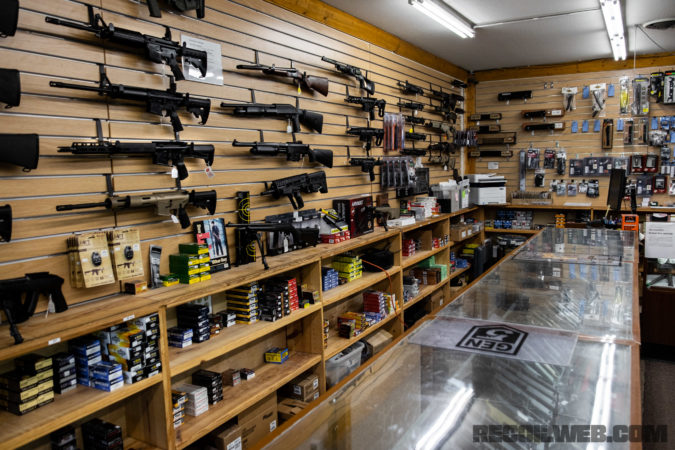
dk mags gun store rifle wall

With the mass media’s fetish for murder porn on the nightly news, guns are (as always) an easy target for (real or imagined) ire.

Even as large as the American firearm industry is, all of its marketing money combined isn’t enough for YouTube to sacrifice its Apple/Disney/Hulu cash.

The Omnipotent Algorithm

While firearms are clearly not on its list of favorite things as a corporation, even vanilla channels have a rough time of actually communicating with anyone at YouTube who can make a difference. 

Because of the staggering amount of content posted on the platform, the vast majority of moderation is automated. 

Every minute, over 500 hours of content are uploaded to YouTube. More than 30,000 hours of video are added per hour. While YouTube employs thousands of moderators, this is far, far short of the tens of thousands of human moderators required to view all the content.

Instead, YouTube uses powerful AI and machine learning algorithms to comb through videos automatically. Everything from the words spoken to the images shown is scanned and processed by the algorithm.

This algorithm — more accurately many sets of different algorithms — work together to control everything from what you see in your recommended feed to what videos are allowed to make money.

As much as everyone hates this system, there isn’t a practical alternative. Not without YouTube spending an astronomical amount of money to fund human moderation teams. Not exactly something the company is likely to do if it wants to keep profit margins high. 

YouTube Guidelines

One of the major problems all YouTubers have is the site’s guidelines don’t matter. While YouTube maintains two sets of rules, one set that covers everything on the platform and another set specifically for videos that are monetized, the rules often are simply ignored. 

When a channel gets a warning or a strike, the channel has the option to appeal it. This is, in theory, sent to a human moderator who looks at the issue and rules on it. The problem is these human moderators are unreliable in their judgment. 

Videos that clearly do not violate the rules are still removed or demonetized. Channels can try to delete the video, reupload it, wait for the automated demonetization, and appeal to a different moderator for a different ruling — but this also runs the risk of multiple strikes for one video.

Some rules are so broadly written they become nonsensical. For example, 1911 Syndicate received a warning for swapping a charging handle on camera and a strike for unthreading a suppressor from a rifle.

Other channels, like Kit Badger, don’t even know exactly why its channel was deleted.

Instead, all that is offered is the name of the video supposedly violating the rules and a copy of the entire YouTube Firearms Policy. Too many of these strikes and the channel as a whole is simply deleted.

Even when YouTube deletes an entire channel, it barely tells you why except there were “too many violations.”

Goal Posts Moving Faster Than Light Speed

Another huge obstacle YouTubers face is old videos.

As YouTube has updated and changed its policy over the years, these new rules apply to old videos as well.

Videos that have been up for 5, 7, or 10 years are subject to YouTube rulings overnight. One recent change was creators could not show 30-round magazines. This resulted in multiple channels I spoke with having to spend hours, even days, going through old videos to self-censor them before YouTube found them.

Instead of warnings or a grace period, these old videos can cause a channel’s deletion overnight.

As of this writing, this is what we believe happened to the RECOILTV YouTube channel. Videos that were years old featuring suppressors triggered strikes against the channel, followed by the entire channel being deleted.

Mo Money, Mo Problems

Something a few channels have found is YouTube cares much more about channels that are monetized than channels that are not. But this isn’t the good kind of caring like a mother’s hug. This is more like attracting the Eye of Sauron.

InRangeTV has been proactively demonetized for years, and Karl — the channel’s main host and creator — feels this helped keep the wolves at bay. Without ad revenue or sponsorships, InRange instead relies on the viewers to join and donate through other platforms like Patreon or Utreon.

However, even this has not kept the channel from receiving a warning in the past. 

InRange’s great crime? A video about the Ghost Gunner machine that even didn’t show the machine. Instead, Karl overlaid videos of cats playing with yarn to self-censor the version of the video uploaded to YouTube.

Other channels, like 1911 Syndicate, are demonetized but do not rely on the YouTube for revenue to stay afloat. For the concern, its channel is a marketing tool for its real estate business

We monetized our channel around 40,000 subscribers, and were demonetized about 2 months later.  Since then our channel has been demonetized, which probably helped us not get strikes

1911 Syndicate

This has (probably) helped keep it off YouTube’s naughty list, but as its recent warning and strike shows, being demonetized does not make it immune.

Best YouTube Alternatives

The main problem with other video platforms — YouTube’s competitors — is the lack of viewers. None of the channels I’ve spoken with actually like YouTube, but it’s the place where you can find the most viewers.

If you want to be the change you want to see in the world, the first step is to stop watching YouTube. 

These are some of the best platforms to make this move. 

Recoil.TV

Call it a shameless plug if you want, but Recoil.TV offers a video platform free of YouTube crapola. An aggressively pro-2A and 1A video platform, Recoil.TV is a great way to find and watch your favorite creators. It also acts as a backup in case YouTube persecutes your favorite channel. For example, you can still find Kit Badger on Recoil.TV.

You can also find original content from RECOIL Magazine and our sister publications like OffGrid, Gun Digest, Blade, and Carnivore. 

Utreon

The preferred site, according to several channels I know, Utreon is a mix of Patreon and YouTube. A video platform for people to watch their favorite channels, but also the ability to donate money directly to the channel.

Run by a founder and owner who believes in 2A and giving the people what they want, Utreon offers a lot of options and a lot of flexibility to channels while also using a fee structure that results in more of your donations going to the channel instead of the platform.

InRangeTV is a fan stating it’s their preferred alternative to YouTube:

From my content creator perspective, the best alternative to YouTube at this point is Utreon. They are a good mix of Patreon and YouTube combined, providing a lot of the benefits of both – it’s not a paywall, but does allow for direct viewer support and a lot of Patreon perks integrated into the platform. The owner has proven to be reliable, respectful and capable. I believe their heart is in the right place, but it is ultimately still a centralized solution.

Karl Kasarda, InRangeTV

BitChute

In the media, BitChute has a bad reputation, some of that is well earned. With a strong belief in freedom of expression, there comes the unavoidable reality of some real nut cases abusing the system to spread hate speech, crazy off-their-meds conspiracy theories, and lots of lies.

That said, BitChute offers a decentralized method of sharing and watching videos. Using a webtorrent for distribution means BitChute is extremely difficult to take down, reduces overhead costs, and gives a platform to those who would otherwise be left off major platforms like YouTube.

Viewers be warned: BitChute is definitely not a site I would let my children have free access. Scrolling through the most popular videos makes me want to take a shower and watch something wholesome, like cat videos… on YouTube.

Rumble

Another platform that is home to anyone with a video camera, Rumble hosts everything from wholesome content like America’s Funniest Home Videos to the likes of Alex Jones and Andrew Tate. 

Rumble also provides a clear and simple method for channels to monetize content, very similar to how YouTube AdSense works. 

While again falling victim to the reality that not everything on the internet is good content, Rumble does draw a line at pornography, harassment, racism, antisemitism, copyright infringement, and illegal content. 

I would still caution viewers to exercise their best judgment when browsing Rumble.

Loose Rounds

The writing is on the wall and has been for years. Sooner or later, YouTube will probably ban firearms from its platform. If it doesn’t, it will at least make it so hard and unprofitable for gun channels to stay on the platform that, by choice or force, all of them leave.

While there is probably very little that can be done to prevent this, there are at least some alternatives, as I mentioned. 

Until then, if you can and when you can, consider supporting your favorite channels directly via Patreon, Utreon, and other platforms.

Choosing The Best Throwing Knife Buyer’s Guide

Want to know what steel to fling and what at? We break down how to choose the best throwing knife and targets for high-flying fun.

Simply put, a throwing knife is an object that is either a true knife (capable of cutting and other work) or a pointed/tipped/edged object that is solely designed to be thrown with no other intended capability.

Any knife in theory can be thrown, however, most all knives are not intended to be thrown. There are several reasons for this, among them the fact that knives are edged tools and are reliant on their edge profile, blade shape, and handle style to be functional in their intended role. For instance, a chef’s knife isn’t designed to be batoned through wood. A knife it is, but it is not *that* type of knife.

Likewise with throwers—a throwing knife is purpose-made for the role and is usually stripped down to a point where it is not functional in most other roles.

Selecting A Throwing Knife

In selecting a throwing knife, you need to first look at what you want to throw it at and what type of throwing interests you.

Steel

The first criterion here is important because you want to choose steel of a high enough grade that throwing it doesn’t damage it. Knives break all the time and even the strongest edge can chip or even snap if it hits a hard surface with sufficient speed and force.

If you are a recreational thrower who likes to have some fun at your weekend cookout, you really can’t go wrong across the board. Lower-cost knives in sets mean you can get more of your friends involved and the good times can be made that much better. These knives are usually made of lower-quality steel, and it is not uncommon to see broken tips. These knives are usually inexpensive and are only made to maintain a tip, not an edge.

The medium-skill thrower is probably going to graduate to some better steels and more common profiles. It is in this category you start seeing true blade steels like 1055 and 1095 come up as opposed to just generic ‘stainless steel’. The knives at this stage are still affordable but are typically sold as individual pieces, meaning building a set gets pricey. At this level, you start to see real effort put into blade profiles and balance points, as well as an emphasis on the ability to throw repeatably.

Advanced throwing knives start to get expensive, sometimes into the hundreds of dollars—some even custom-made. These are the knives you see the most serious competition throwers using. The average recreational thrower would benefit from them, but unless you’re throwing every day the expense is not going to aid you. That said, an expert’s knives are going to be balanced perfectly as well as featured tailored grip style, tip and body to provide the most consistent performance. These are also nearly identical in weight and in the distribution of that weight along the blade and handle.

Designs

Some knives are tip-heavy, others handle-heavy. Others are slotted or have holes drilled to allow the addition of weight where necessary. The weight distribution of a knife largely depends on how you grip it—a topic too large to cover here. The abridged version is balance points vary depending on your throwing method, and as you learn you may gravitate to one or another depending on what works best. Typically, it is advisable to start with a perfectly balanced knife and then, once you have that skill, learn what style your body and throwing performs best.

Throwing Styles

Throwing styles vary depending on what you are trying to do and what style of knife you’re throwing. There are many methods to do this, not just the classic ‘hold by the tip and hope for the best’. There are two main types of throwing, rotational and non-rotational, and certain types of knives are balanced better for each.

Rotational throwing is where you throw the knife, and it rotates in the air before contacting the target. You’ll need to know or be able to estimate the number of rotations needed to arrive at the target with the tip. This is harder, but the more common type you see practiced in backyards everywhere.

The next is non-rotational, where the knife is launched straight on without spinning. This is usually for shorter ranges inside 15 feet.

Throwing Knife Targets

Throwing knife targets are wide-ranging. There are dedicated throwing targets that exist, but you should know examples made of foam or modern composite usually do not hold up for the long run.

Archery targets are commonly misused as knife targets, which is fine if you like wasting your money. Archery targets made of rubber foam are meant to stop target point arrows, in a sense, it catches them by means of friction. A knife can cut through these layers and ruin them and increase the danger of a rebound back at the thrower.

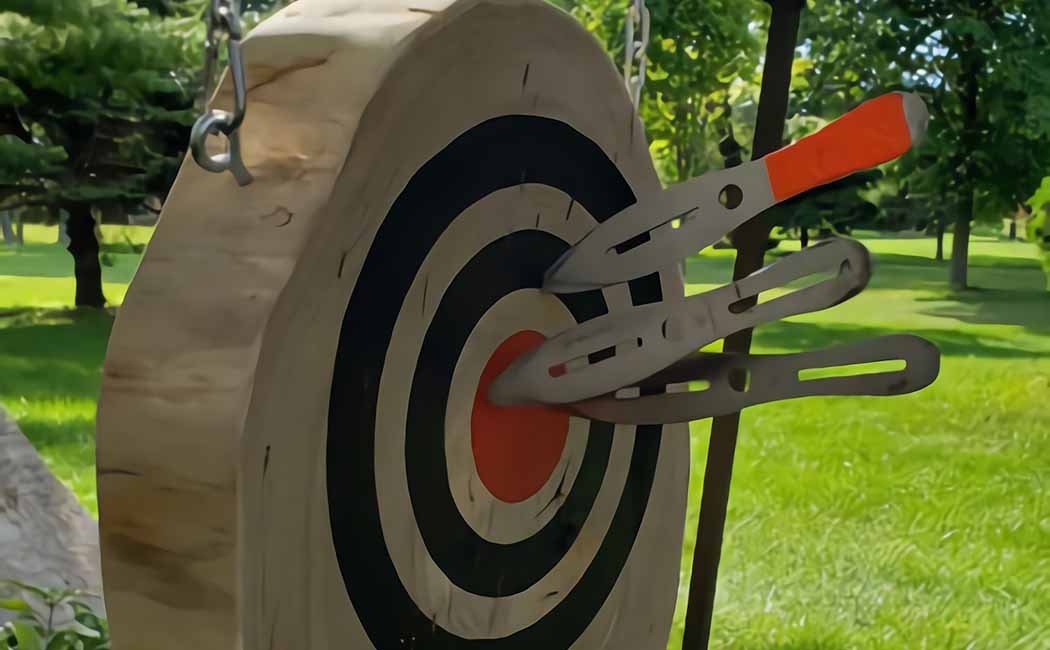
The best material for throwing knives is wood, especially slices of a tree trunk. It is not good to throw at living trees, as while the knives themselves won’t kill the tree, they can allow insects in which will destroy it.

Log slices have been used as throwing targets for time immemorial and there is hardly a substitute. They last for years, can be painted over again and again, and are cheap to replace. Most people make a stand to mount them on that can be folded up and moved.

If you are handy and like woodworking, you can make a wood block target using 4×4 posts cut into sections and glued together with the grain facing the thrower. This simulates a log slice but is more uniform in shape. The author has made this type of target and found it cosmetically nice, but not more functional than a log slice.

why Throw Knives?

To ask this question you need to understand that there is a very serious and well-researched answer… because it’s a hell of a good time!

Knife throwing has very little to do with self-defense these days, and while not out of the realm of possibility, it is just not a highly relevant skill. Today it is now common to find establishments called ‘axe bars’, where throwing blades and tossing back a few cold ones are the name of the game.

There are pro-level competitions out there, just like there are in any game or sport. There is some money in it if you’re good enough, but most people just like to do this because it is a good way to spend time together and win bragging rights.

Some Of The Best Throwing Knife Options

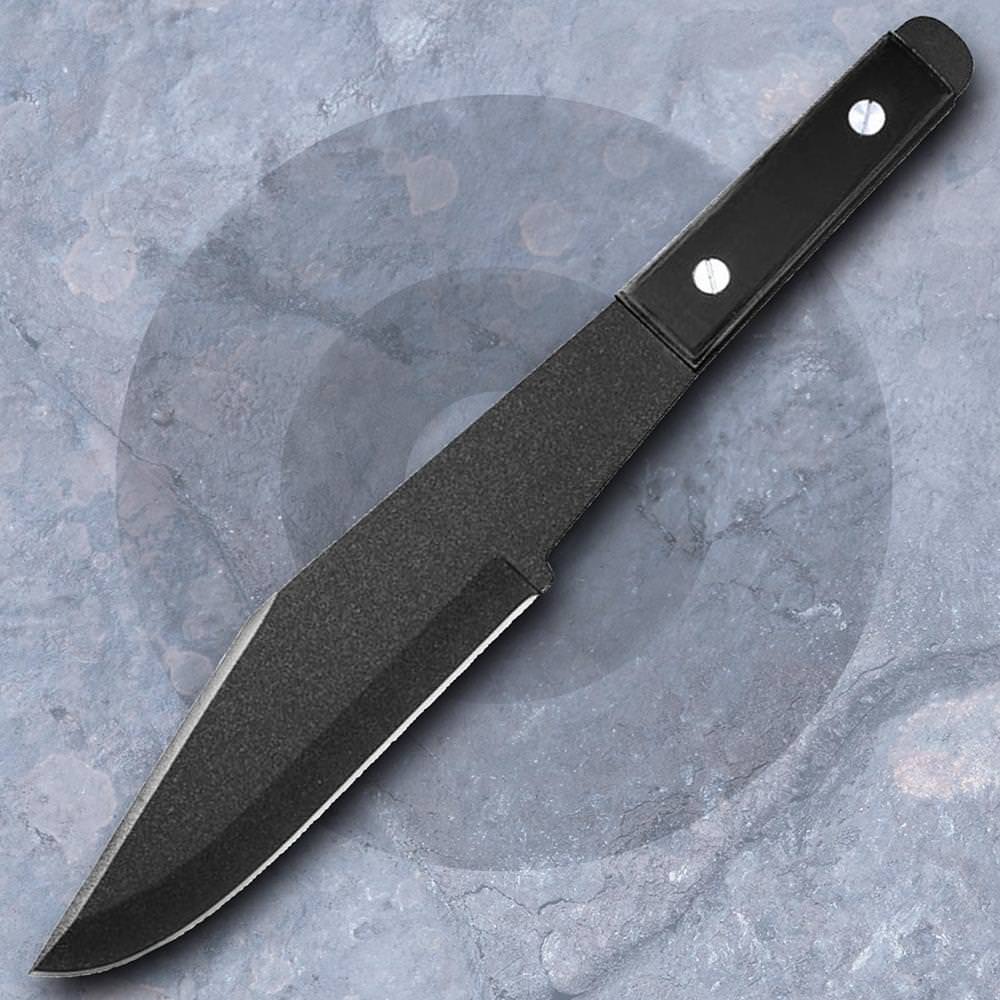
Cold Steel Perfect Balance Thrower

Cold Steel Perfect Balance Thrower

Resembling the company’s tough, powerful bowie knives, the Cold Steel Perfect Balance Thrower is every bit as rugged as its fellow products. But it is designed for the purpose of throwing, not necessarily day-to-day tasks. Though it is one of the few on this list with handle scales, it isn’t held up by this feature at all. This knife was designed to offer repeatable accuracy thanks to its well-managed profile, tip shape, and handle layout. A large thrower at 13.5-inches long and almost 1 pound in weight, it has no problem carrying enough energy to punch in and stick. The knife is not sold as a set, the price is for one without any carrying system.

MSRP: $38

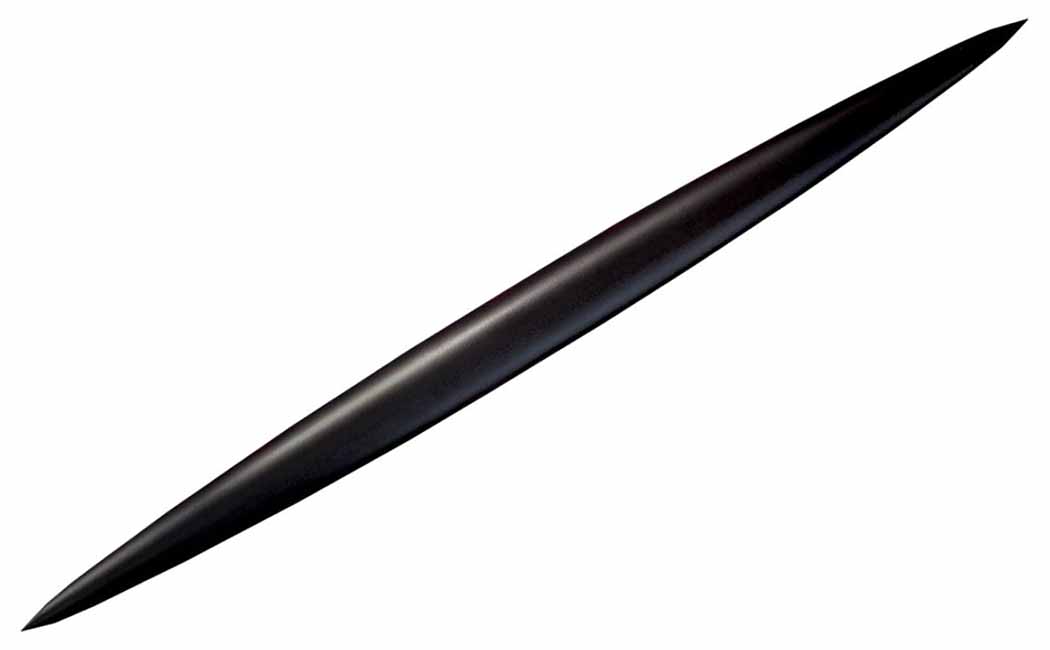
Cold Steel Torpedo

Cold Steel Torpedo

Probably the most unique thrower on this list, Cold Steel’s Torpedo is deceptively simple, yet extremely effective. The Torpedo isn’t necessarily a knife. However, most throwing knives aren’t knives in the true sense either. They are in the same shape as a knife but aren’t meant for cutting or really anything else other than throwing.

The Torpedo is a 15-inch long, 1-inch thick, 32-ounce piece of steel sharpened into conical points at each end. It carries a tremendous amount of mass and is large enough it can be used for self-defense and even some types of hunting at close distances on small game. This thrower is a design that exceeds its simplicity and crosses into the practical for ownership.

Survival schools teach throwing for hunting, and many native and indigenous cultures have used similar methods for millennia. The fact that a direct hit from this massive steel cylinder results in a huge, deep wound is enough to convince even the most dedicated primitive survivalist of its utility.

MSRP: $38 each

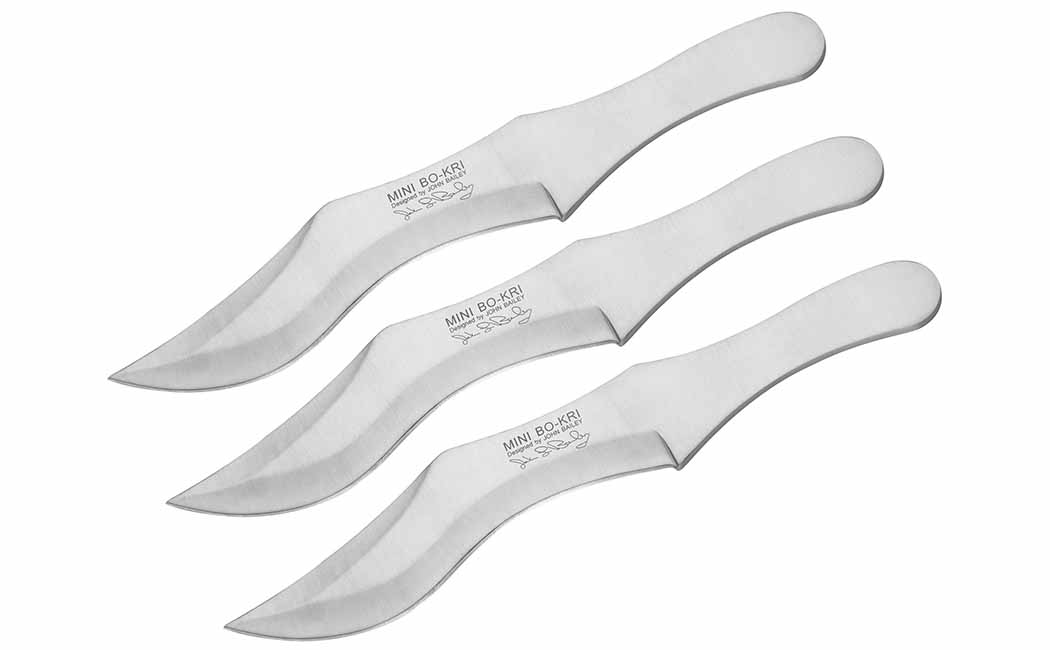
Boker Magnum Mini Bo-Kri

Boker Magnum Mini Bo-Kri

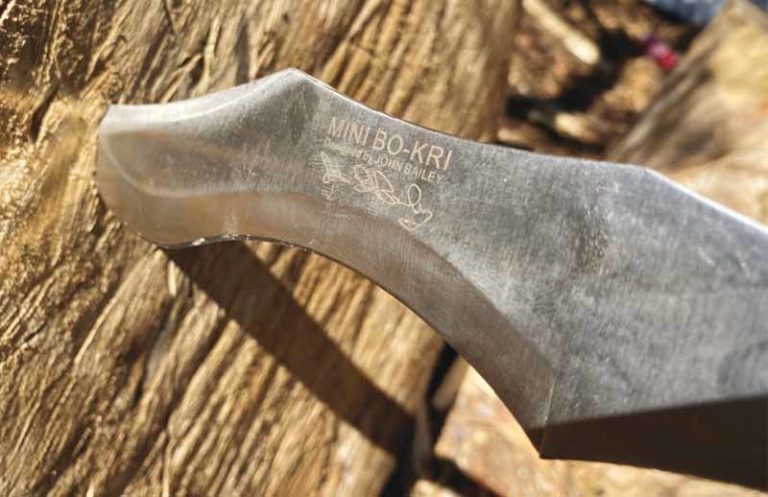
Boker makes excellent knives and is known the world over for their quality. The Mini Bo-Kri is an example of this, as not only a well-balanced thrower, but unique in appearance and functionality. The knife comes with a dedicated leather sheath, which is an interesting addition considering most knives of this type aren’t carried in anything, but nylon covers. The shape is a hybrid profile featuring a Bowie tip profile and a Kukri blade curvature. This shape brings the tip to the centerline and allows for very accurate throwing using a few different styles.

MSRP: $43 each

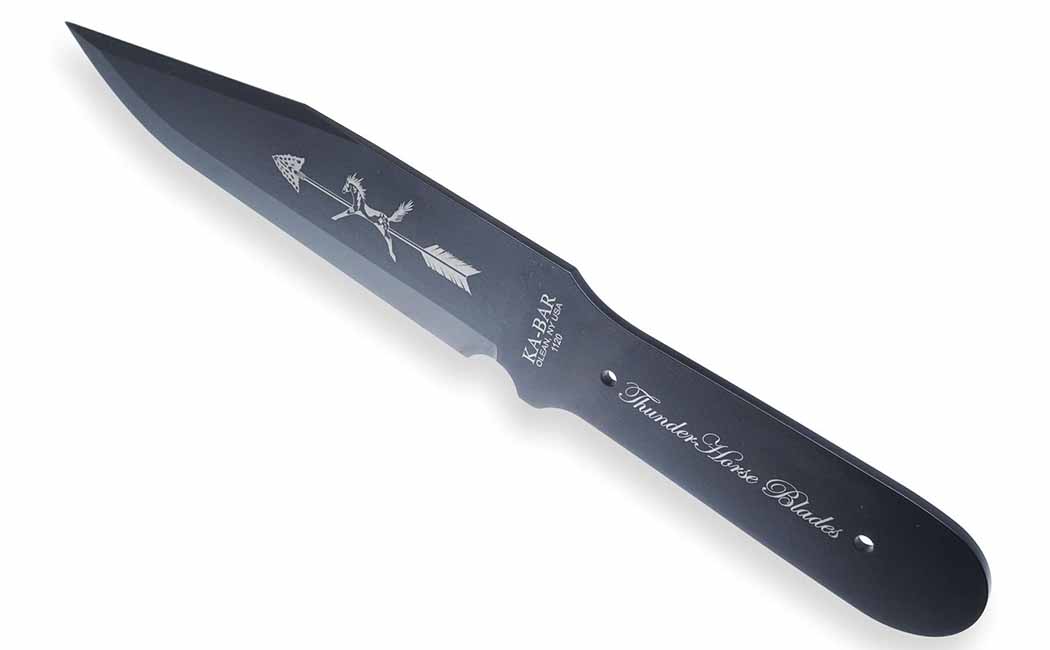
Ka-Bar Thunderhorse Thrower

Ka-Bar Thunderhorse Thrower

The only dedicated throwing knife to carry the Ka-Bar name, the ThunderHorse is a big knife at 15.6 inches in overall length and is made in the USA out of 1095 stainless steel. There are some important things to take note of when looking to purchase this knife.

The first is that it is relatively expensive for what it is, however, it is one of the better-rated throwers out there. It is very well-balanced and has a rugged surface finish. It is made of heavy-duty steel that can sharpened to hold an edge. Of note is that the handle has pinholes, so if you need to change the point of balance you can add weights or scales.

The ThunderHorse does not come with either a sheath or as part of a set, the price is per each. If you want the best in American quality from a well-known name, you should seriously consider looking at buying a few of these to complete a competition set for your next backyard BBQ or serious game at a local match.

MSRP: $70

Thrower Supply Traditional Mountain Man Knife

Thrower Supply Traditional Mountain Man Knife

Any time you gather a bunch of guys together in the middle of nowhere with guns, knives, axes, and a plentiful supply of liquor you inevitably end up with a competition. Marksmanship has been the hallmark of these frontier gatherings, often called Rendezvous, for the past couple of centuries. This is not where knife throwing started, but it could be argued that it became a true sport.

The Traditional Mountain Man thrower considers not just how the original throwing knives looked, but also design features that are very close to what was used in history. The first camp throwers were just that, hunting and skinning knives that were thrown for accuracy. Over time, people inevitably realized that handles were easy to break, so stripped-down elements were added, and blades became heavier and stouter.

In historical fashion, the Mountain Man thrower has leather handle scales held in place with copper rivets. This is easily replaced in camp with basic tools if need be. The knife we see here comes with a matching, historical-themed sheath. It is sold per each, which is a bonus if you want to show off wearing your set at your buddy’s house. Nothing says you like throwing knives like three of these bad boys on your belt in matching scabbards.

MSRP: $47 each

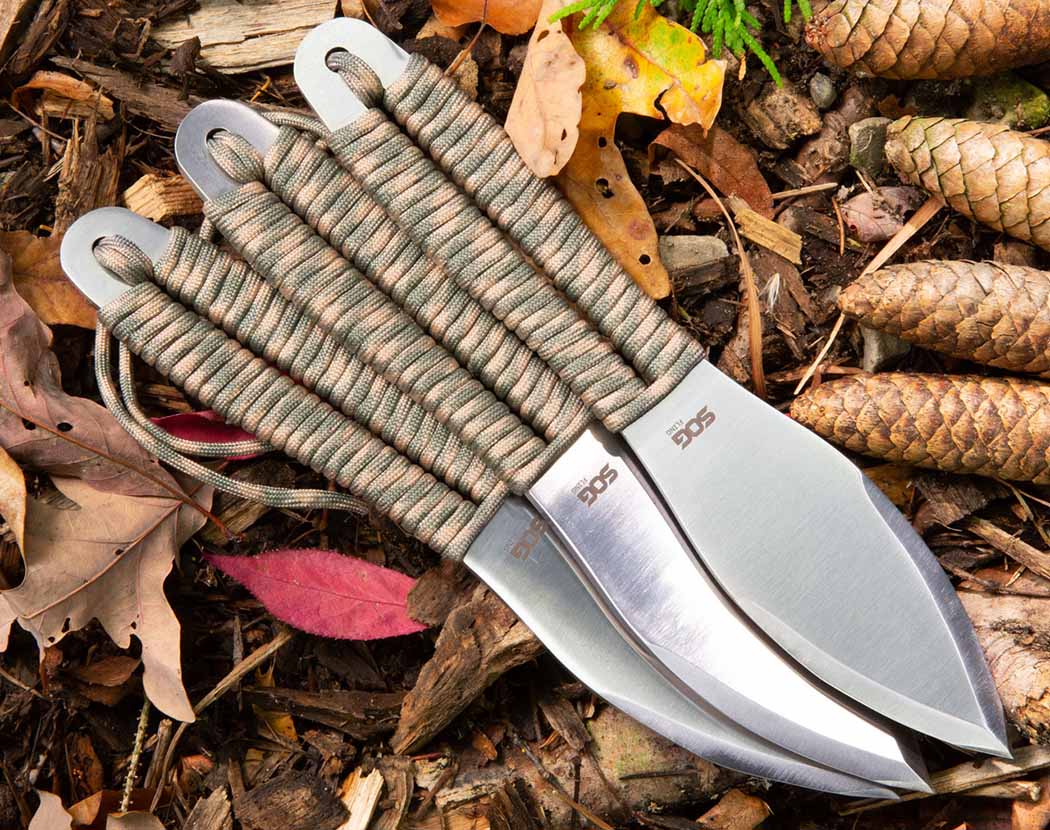
SOG Fling Set

SOG Fling Set

SOG is well-known for making affordable and rugged tools to cover all uses. The Fling knives are meant for the recreation end of the spectrum, and they sure are fun!

The knives come as a set of three, which is what you need for low-cost backyard fun. The blades are spade-shaped, making them strong and stout, ideal for common backyard targets that are less than professional in construction.

It should be noted that these knives are not what you’d call a ‘professional’ set. They come wrapped in 21 feet of paracord each—not something that cuts air easily and facilitates superior balance. However, these are fun knives and enjoy a far greater range of ownership than higher-end throwers.

For a person interested in getting into throwing or if you just want a fun day in the yard, these are an excellent choice at a very modest price.

MSRP: $47 set of three

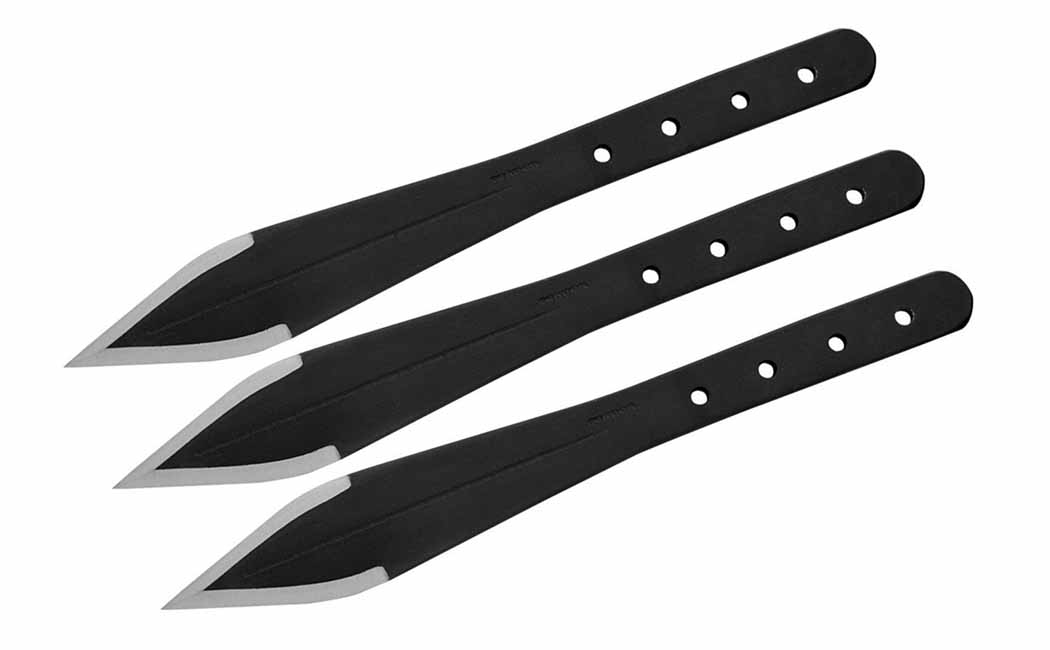
Condor Dismissal Set

Condor Dismissal Set

Condor makes a huge range of affordable weapons and tools for just about any use. Despite being an El Salvadorian company, it makes functional versions of just about any historical sword, including Japanese style, huge German Messers, right on down to survival knives and recreational items like the Dismissal set.

These knives are highly refined for the price and have a set of features that make them suitable for backyard use as well as for serious competition. The knives have four holes in the handle area, allowing the user to add weights or scales should they wish to adjust balance. The tip profile of this knife is aggressively pointed and can punch into most regular materials but is also obtuse enough to not to get damaged in the process.

If you are just entering the knife-throwing sports, this set is inexpensive enough to get you started but also feature-rich enough to let you hone your skills and truly improve.

MSRP: $102

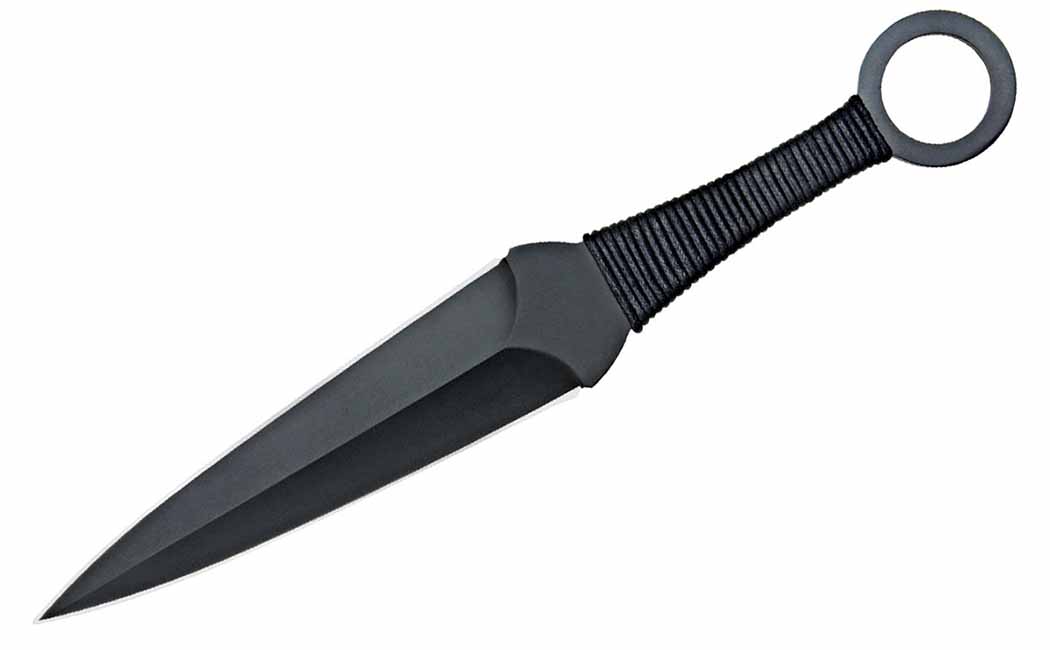
United Cutlery Expendables Kunai Set

United Cutlery Expendables Kunai Set

The Expendables movie series has been out for a while now, and it is always fun to watch. Many of the actors have a history with the knife industry, arguably none more iconic than Sylvester Stallone, who also happens to be the chief character in the series. While better known for Rambo and that character’s famous knives, Stallone’s crew in the films uses a wide range of knives and this set of throwers are replicas of the screen.

Anytime you get movie prop replicas you are reminded that most prop designers have no idea how they work, but this is not the case. These throwers are functional and feature unique ring pommels that can function in the same way as a karambit in the hand. This adds security for stabbing or slashing and also making it harder to get out of the hand in a fight. A word of caution, as much fun as these would be to spin on your finger, be aware that they are sharp enough to do some damage! The knives come as a set of three in a sheath.

MSPR: $55 set of three

Check out More of Our Buyer’s Guides

Best Benchmade Knife: What Are The Company’s Classics

An iconic knifemaker, Benchmade had earned the respect of discerning knife aficionados. Here are some of the best of what it has to offer.

The Benchmade company as we know it today began in 1980 as Bali-Song, Inc., later Pacific Cutlery Corp. Before its knives got popular on the national scene, the company went through a couple of initial changes in how they produced knives and where, ultimately settling on the ‘Benchmade’ name in 1987.

The hallmark of Benchmade knives has always been extreme quality. When the company began, they were making knives one at a time. While that is not always the case today, the same spirit of persistence and dedication to the end-user remains. Benchmade has made a name for itself across the board with hunters, military, and law enforcement.

Why Benchmade Gets Props

There is an obvious and easy way to explain why Benchmade dominates the production knife market. Their stuff just works. If you buy a Benchmade, it will not necessarily be the cheapest knife on the shelf, but for damn sure, it will do exactly what it was designed to do. Unfortunately, this isn’t the case with a wide swath of the knife industry, where quantity over quality reigns supreme.

The overall quality of Benchmade knives is something that the consumer should be aware of when purchasing blades. In the author’s experience, Benchmade knives have typically outperformed, or at least equally matched any competing model, regardless of price. That is not something that can be said for most other knife companies.

What Benchmade knives offer is something akin to an investment, a lifetime of use should you take care of it.

Great Benchmade Knives

There is no disparity in quality in the Benchmade lineup. But, for this article, the author selected 10 models that best represent what is good about Benchmade, ranging from specialized hunting knives to out-the-front pocketknives. Not all of Benchmade’s lineup is being produced today, and some of the most well-respected versions have been retired, though their descendants are equally as good if not better.

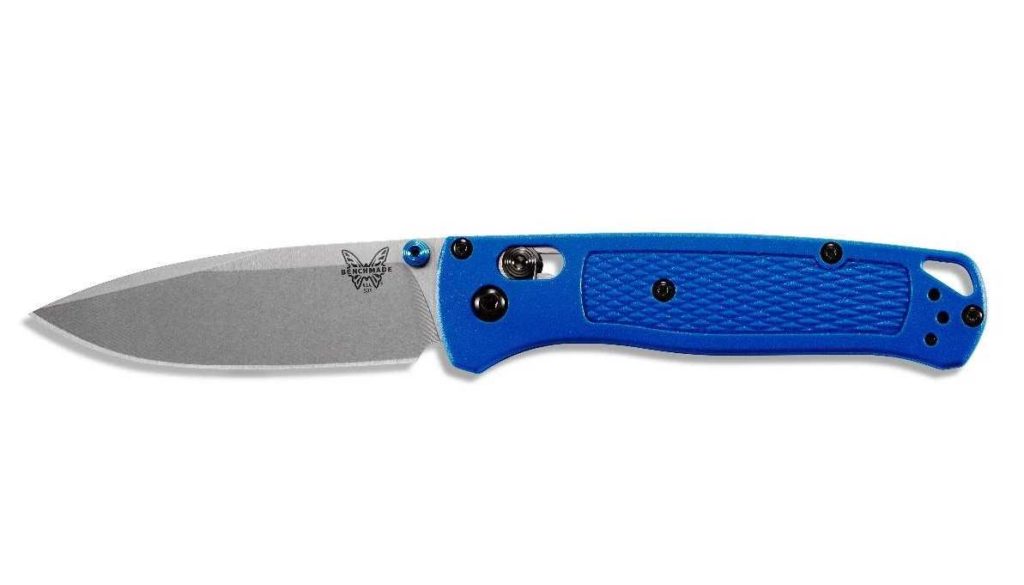
535 Bugout

If there had to be a standard issue pocketknife for across-the-board use today, you would be hard-pressed to argue against the Bugout. It is not the most expensive knife in the lineup, but it is well over the cost of today’s average pocketknife. The Bugout is a well-respected, reliable design, that is both lightweight and has a very reliable, folding and locking mechanism. Designed to stand out, it is available in bright colors, in this case blue. The knife features a blade designed for optimal use in regular situations. It is not exactly an outdoor knife, although it would be at home for small games and fishing.

MSRP: $180

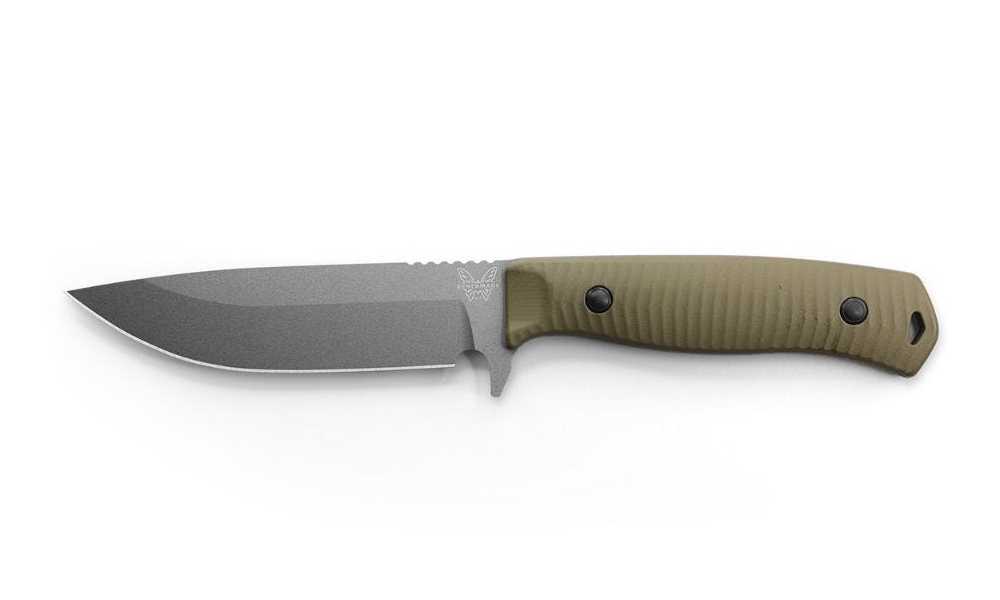
539GY Anonimus

An interesting knife with an interesting name. This one is a hybrid field knife and every day carry fixed blade. The author received an early example of this knife from Benchmade and it has held up extremely well throughout use. The knife is low profile and has a relatively thin spine, making it unsuitable for some of the heavier camp chores and tasks. What it is great for is skinning deer size animals and smaller. To top it off, it has a wide degree of self-defense function. The knife has a notable choil to protect the finger—it makes for ample protection while thrusting hard or holding the knife tip down. Overall, this is a knife that meets a lot of needs and checks a lot of boxes while not being particularly flamboyant.

MSRP: $310

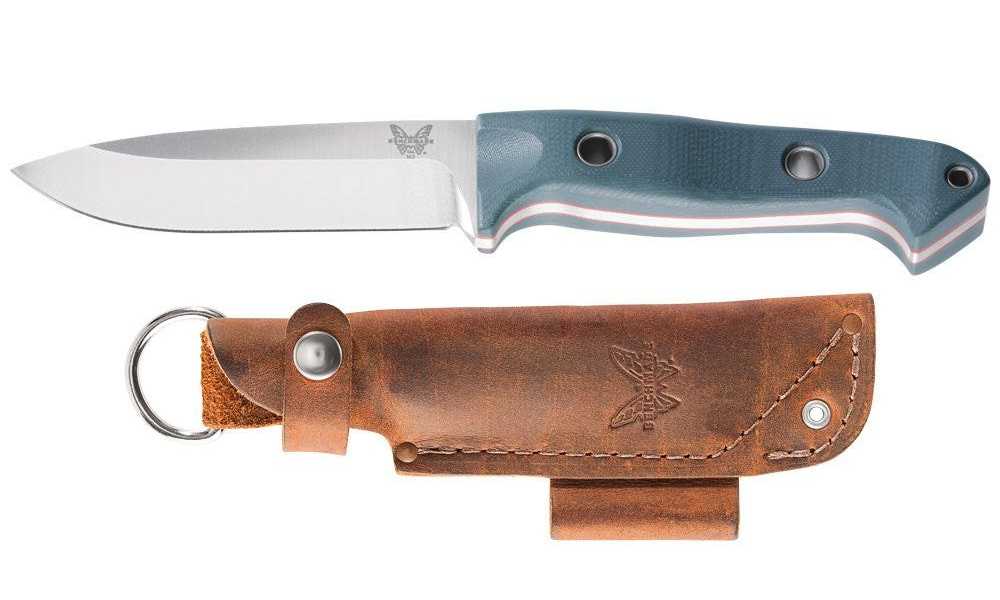
162 Bushcrafter

Out of all the knives on this list, the Bushcrafter is the model that the author has the most extensive experience. The author received this knife for an article in the print edition of Blade Magazine, where he put it through quite a bit of use. The knife has been a constant companion for outdoor chores and is an incredible product. A great deal of the author’s experience comes from fire making and working with bushcrafting materials, and while this knife certainly meets that task with flying colors, some criticisms can be had given the amount of time the author has spent with it.

The first of these is that this is a relatively small chore knife. The blade is not long enough for heavy work and wood splitting. It is a knife that is usable at the end stage after most of the splitting has been done, meaning you will need to carry additional tools. If you were trying to get a fire started with this knife it is great for striking a rod, which is sadly not included in the price. Many competing designs that have performed equally well if not better have come with striker rods in the same MSRP range. Why Benchmade included the loop but no striker is a mystery.

The handle ergonomics are a little bit more angular than is needed, competing knives that have smoother and more contoured handles are better for extended periods of work and generate fewer hot spots. For the casual camper, this is an exceptional knife. The author tends to fall into the category of outdoorsman that believes you need a 6-inch or 7-inch blade to get stuff done. Smaller blades are the favorite of many people, the author finds them to be fatiguing to use and many times difficult to dislodge from pieces of wood or harder to use when skinning large game on the ground. That said, this is a fantastic knife, the author wishes that Benchmade will come out with a slightly larger version with a thicker spine.

MSRP: $300

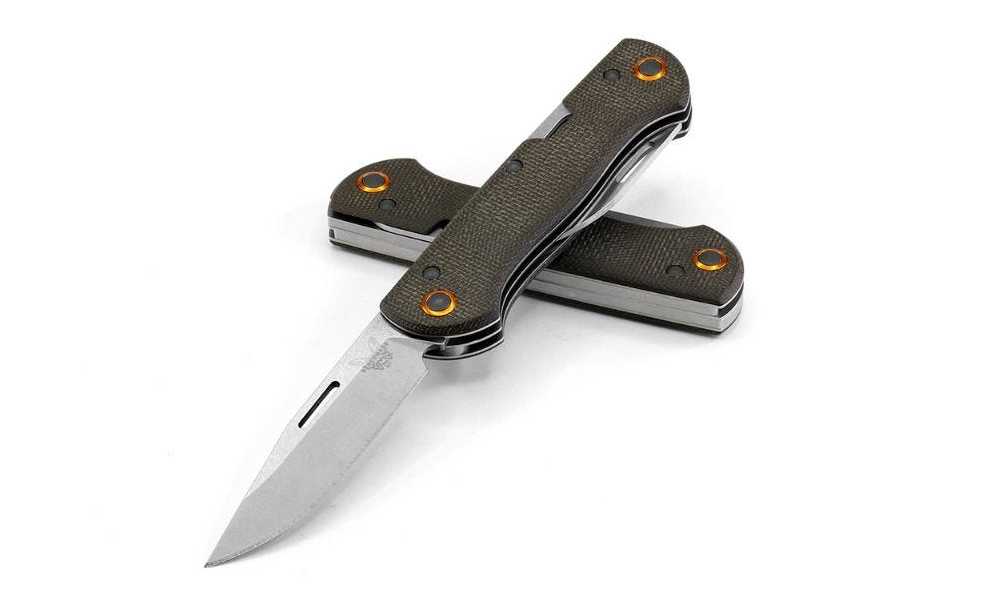
317-1 Weekender

If you are casually out and about with your friends on your party barge, this knife is an exceptional comrade. It is something of a modern pen knife in that it features two blades as well as a bottle opener. It is an excellent knife for daily use and covers just about all regular cutting chores you may encounter in your day-to-day existence, barring of course any heavy-duty uses. The knife is beautifully finished and has excellent accent work, it is surely something you will want to show to your friends.

MSRP: $275

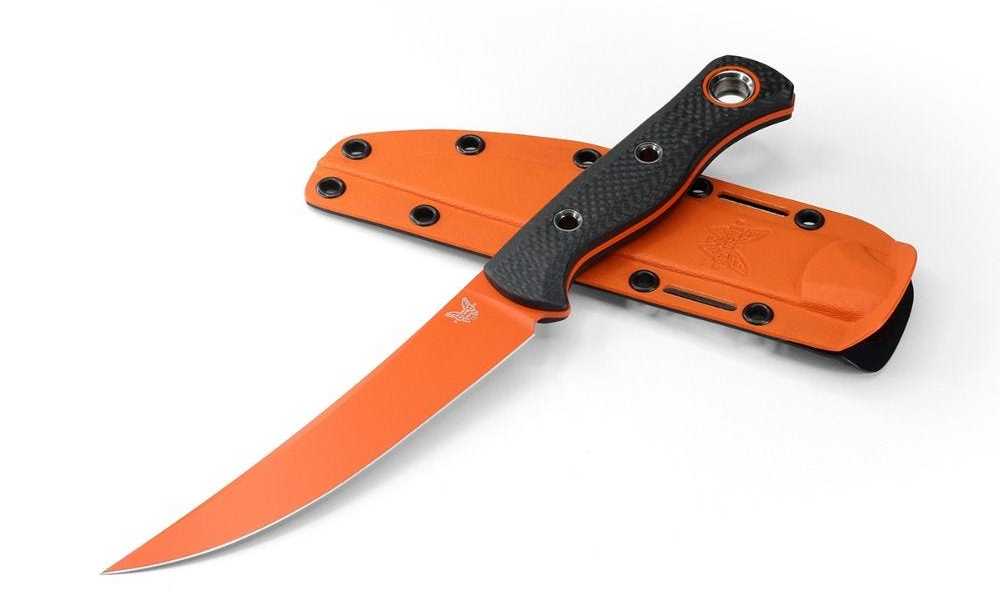
15000OR-2 Meatcrafter

This is another knife that the author reviewed for the print edition of Blade Magazine. The author received one of the first initial prototypes for testing. The Meatcrafter knife is an excellent tool, something of a hybrid between a fillet knife, a kitchen knife, and a hunting knife. It is relatively thin in the spine and cannot be used for tasks such as splitting wood, or really anything above cutting soft material.

Benchmade has a series of these knives now, available in a variety of colors and blade finishes. The knife is very well adapted to its specific role. The author butchered a deer with the prototype, and it proved to be an exceptionally sharp cutting tool, so much so that it simply glided through the meat with almost no effort. Because of its thin blade and very fine tip, it can be used for boning out meat at just about any angle. The blade is flexible enough that it can be used to get into some nooks and crannies that thicker and stiffer blades would have a hard time with. The knife does have limitations, though, and one should take care to not drop it on its tip or put it through use that results in extreme bending or pressure on the tip, an example of this would be cutting into the ball joint on the pelvis of a large game animal. There is arguably no finer game knife on the market today than this one. It is quite expensive, but it is something that will last you a lifetime with care.

MSRP: $450

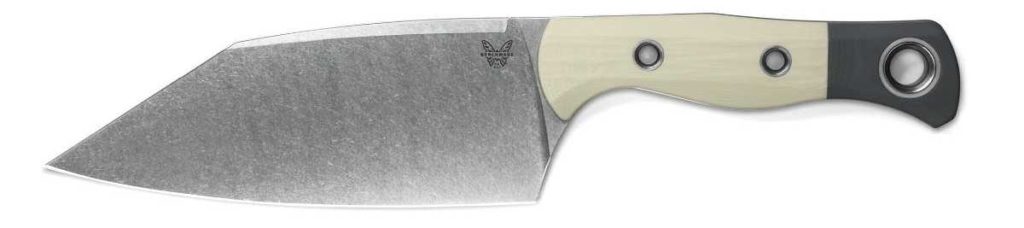
Station Knife

The Station Kinfe is available as a custom order option from Benchmade. The website has a configuration selector where you can pick out every detail of this knife. It is an all-purpose kitchen tool, able to do just about anything that you could imagine a knife could do, from slicing to dicing to breaking down meat and vegetables, as well as carving and serving. If you are a professional in the food service industry, this knife is something of the Holy Grail. Because of its unique shape, it can be used for a variety of cooking styles, not just traditional American cooking, but also different Asian, South American, and European styles. The use of the knife in these culinary arts tends to vary, and you’ll be prepared for all of them with the station knife.

MSRP: Starting at $280

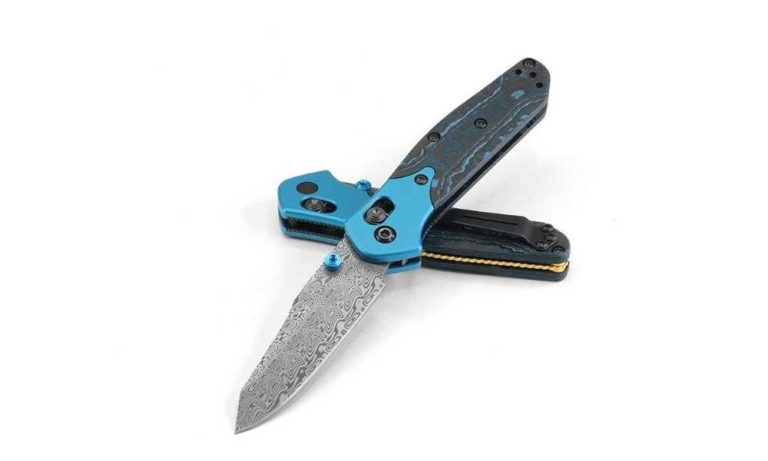
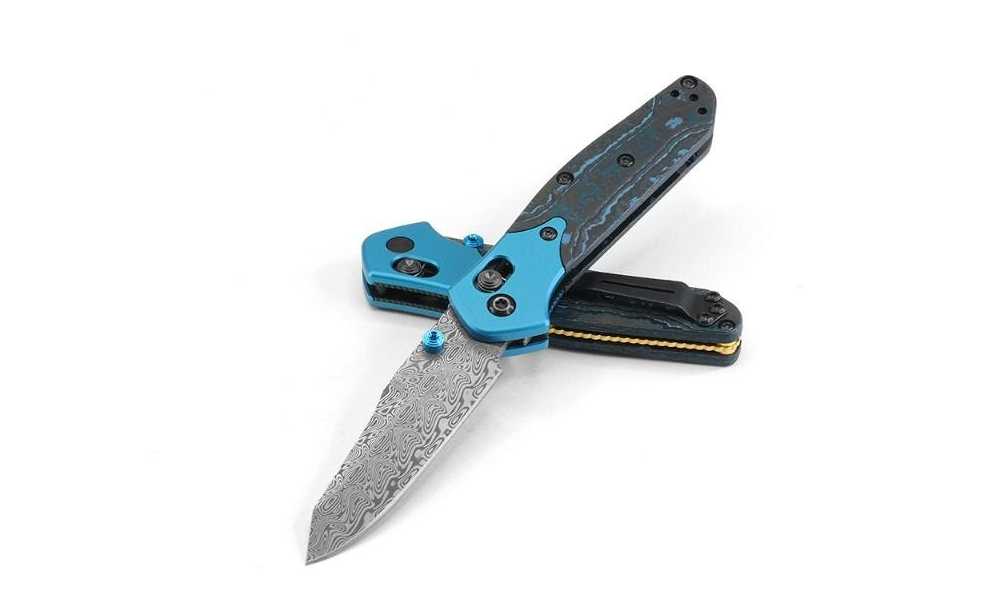
945-221 Mini Osbourne

If you are looking for a pocketknife that truly sets you apart as a gentleman, the mini Osborne is one that you will certainly want to take a look at. The author has carried a version of this knife for a couple of years, it is not a heavy-duty, knife whatsoever, the blade is relatively thin, and the frame is lightly constructed. However, it is excellent at his job, which is a dedicated pocket knife. There are several variations of this knife available from Benchmade, it is a very popular design thanks to its lightweight and ease of use. The version shown here is at the top end of their design range, made of incredible materials, which will surely catch the eye.

MSRP: $700

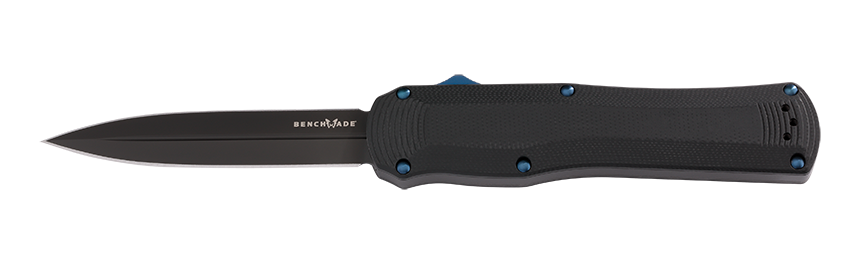
34000BK-1 Autocrat

This is arguably the king of out-the-front knives. Bench made has truly made a name for itself in this category of knives, while it is quite expensive, it has probably the most reliable mechanism of any OTF knife currently on the market and is constructed with durability in mind. The handle is, not gimmicky, rather, it is simple in overall appearance. Critics of the knife would like to see more embellishment, but the author is just the opposite, OTF knives are not an inherently strong or reliable design. In general, simplicity is king, and reliability stands above that.

MSRP: $500

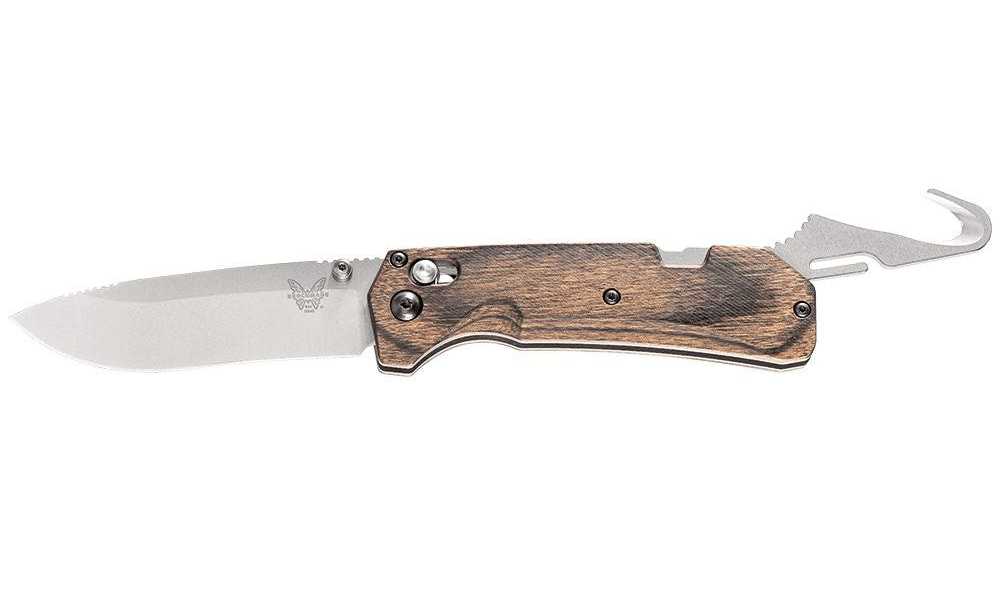
15060-2 Grizzly Creek

The Grizzly Creek is an excellent, professional-level field knife that can fit just about anywhere. It is not a camp knife in the sense that it can be used for a large amount of splitting or heavy chores, however, it is excellent for breaking down game, regardless of size. Because it is a folder, the blade is not especially long, making it not as good for big game. For all general hunting, it will work, though, you may have some struggles with large deer and above. The knife features a folding gut hook that can also be used to cut fishing line and a variety of other outdoor tasks. The price is right for a working knife; it is not the most embellished or interesting-looking product from Benchmade, but it will certainly do well given its features and intended use.

MSRP: $250

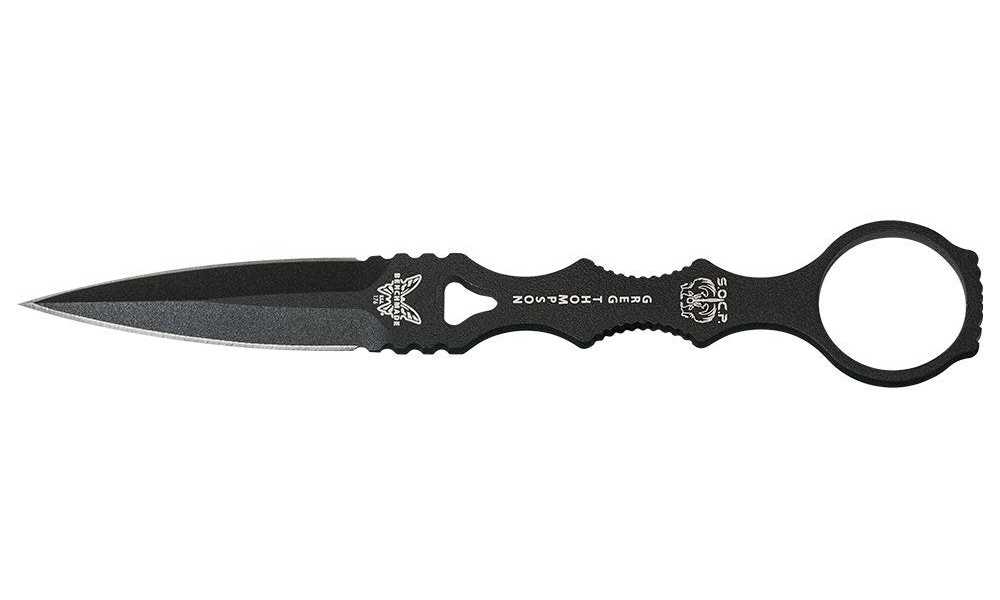
176BK SOCP

The last knife on our list is the discrete SOCP. This is a little dagger with a ring pommel designed to be used as a last-ditch item integrated into your gear. The knife can be used on just about any finger depending on what you’re trying to manipulate. At $130. It may seem a little bit overpriced for a small dagger, but it is a well-made tool that can get you out of some very sticky situations. It is worth noting, that not every municipality allows the carrying of a fixed-blade dagger, you’ll have to check your local laws if you plan to carry this knife.

MSRP: $230

Check out More of Our Buyer’s Guides

Bachtel’s Bowie With A Pedigreed Background

A study of Michael Price’s work, Nick Bachtel’s reproduction gentleman bowie has the looks to wow.

Bladesmith Nick Bachtel has parlayed his fascination with the knives of 19th-century great Michael Price into a faithful reproduction of a Price-style gentleman’s bowie.

Nick studied every Price knife and other like ones of the genre he could find online and elsewhere to help arrive at the way the 19th-century cutler constructed the gentleman’s bowie. However, it was when he saw a picture of a Price knife in BLADE Magazine Cutlery Hall-Of-Fame® member Bernard Levine’s book, Knifemakers Of Old San Francisco, that “a light went off.”

Nick noticed that the handle had three pins so the knife had to have a full tang, not a hidden tang as he had previously thought, so he forged the knife, heat treated it, fit up the guard and forged the tang wider.

“I call it a captured-guard full tang,” the 24-year-old said of the method that apparently originated among bladesmiths in Ireland, Price’s native country. “It’s such a weird, unique, almost comical way of making a knife—and difficult to do as well,” Nick observed, “but boy, did Price make it!”

Nick Bachtel calls the construction he used to make his reproduction of a Michael Price Gentleman’s Bowie “captured-guard full tang.” For the style to work, it must be forged, Nick stressed. He said another way to do it would be in a frame handle construction and a tapered tang, though a Price aficionado would be able to tell the difference. (SharpByCoop knife images)
Nick Bachtel (inset) calls the construction he used to make his reproduction of a Michael Price Gentleman’s Bowie “captured-guard full tang.” For the style to work, it must be forged, Nick stressed. He said another way to do it would be in a frame handle construction and a tapered tang, though a Price aficionado would be able to tell the difference. (SharpByCoop knife images)

The icing on the cake for Nick was ABS journeyman smith Jordan LaMothe’s story, “How to Make the Price Guard” in the December 2019 BLADE®. As Nick noted, “The Price style is the pinnacle of the traditional forged blade.” What better style is there for a young, up-and-coming bladesmith to explore?

For more information contact N.M. Bachtel Forging Co., attn: Bachtelforgingcompany.com.

Gentleman Bowie Spec Check
Knife name: Michael Price
Style: Gentleman’s Bowie
Maker: Nick Bachtel
Blade length: 5 7/8 inch
Blade material: 52100 carbon steel
Handle: Elk antler and nickel silver
Overall length: 10¾ inch
Sheath: Traditional center-seam vegetable-tanned cowhide w/frog stud
Maker’s List Price For A Similar Knife: $1,100(includes sheath)

More Knife Collecting And Custom Knives

D’souza Cerberus Review: Strong Showing Budget Blade

A budget option, the D’souza Cerberus punches above its price point.

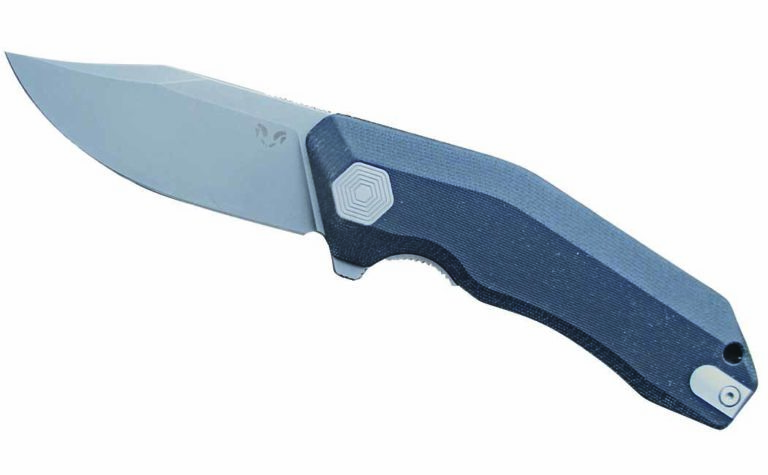
Adrian D’souza’s Damned Designs folders are very sturdy and exhibit smooth action. D2 tool steel for the blade and a G-10 handle highlight his Cerberus model. Adrian paid a lot of attention to the handle to make it feel very comfortable during use.

As for how well it performs, well, let’s see.

D’souza’s Damned Deigns Cerberus Initial Test

The Cerberus cruised through the initial test of slicing 20-pound bond paper. It was very aggressive slicing and I had to move my fingers out of the way quickly to keep from nipping them. I used the weight of the knife only for the pull stroke. Cutting the paper was kind of addictive—I just kept rotating it looking for a clean edge to slice.

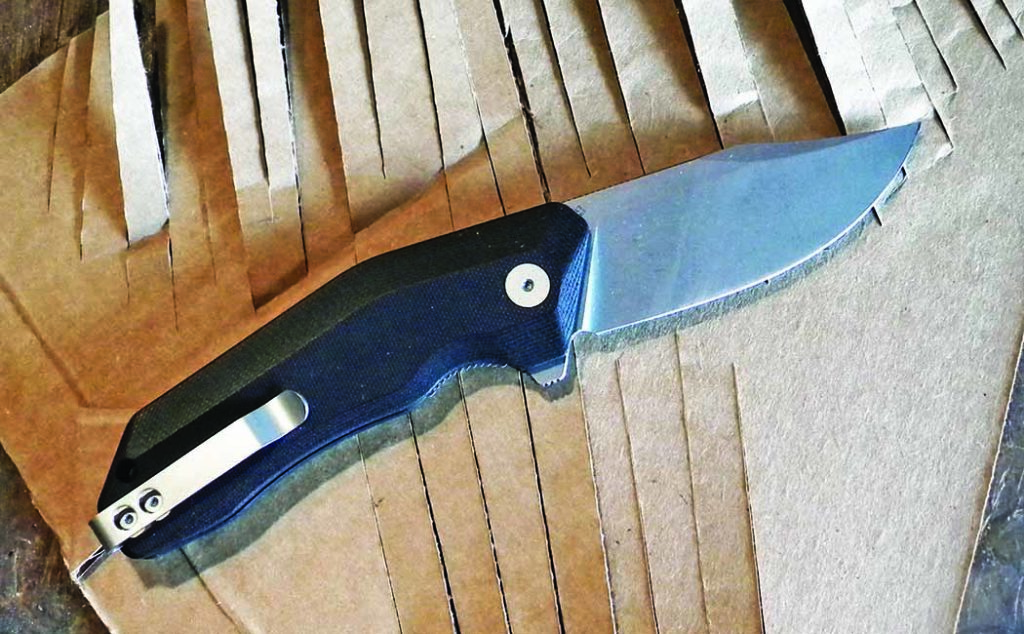
The Cerberus was very aggressive slicing cardboard.

Moving on to a piece of single-walled cardboard, the Cerberus didn’t slow down a bit—zip, zip, zip on every slice. Again, the hardest part was moving my fingers out of the way fast enough for the next cut. The Cerberus was very aggressive slicing cardboard. The handle was extremely comfy and caused nary a hotspot.

Cerberus Heavy Use Tests

Splitting Wood

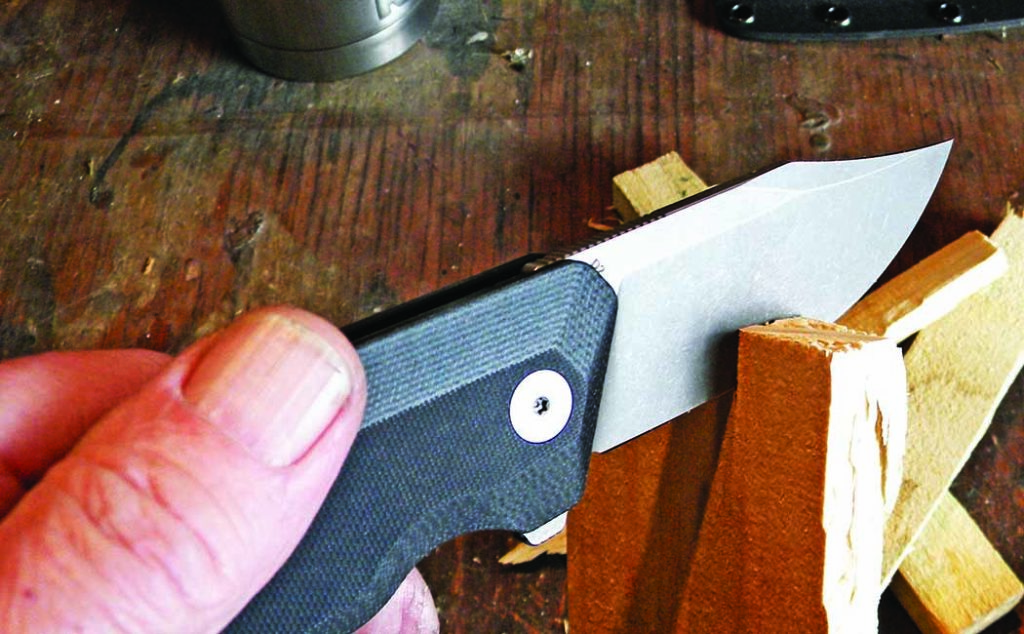
I had some leftover fencing slats that work great for kindling. The Cerberus penetrated half to three-quarters of an inch on every chop. With a quick twist of my wrist, the half-inch wood split. The lock stayed 100 percent engaged throughout chopping. The softened handle edges kept my hand comfortable during the hacking as well.

Batoning

To add more pressure to the lock, the author batonned the blade into the kindling eight times. It split the half-inch wood very fast, with the author using only a light tap from the dead-blow hammer. No loosening of the lockup occurred.

To add more pressure to the lock, I batonned the blade eight more times. It split the half-inch wood very fast, using only a light tap from the dead-blow hammer. No loosening of the lockup occurred. Grade: very stout design in the lock department with excellent workmanship.

Whittling Firesticks

I whittled firesticks from some of the split pieces. The Cerberus provided excellent control on the depth of cut. It powered through thicker pieces as well as thin, making some great curly-cues. There were still no hotspots and the edge was hair-popping sharp.

Skiving And Slicing Leather

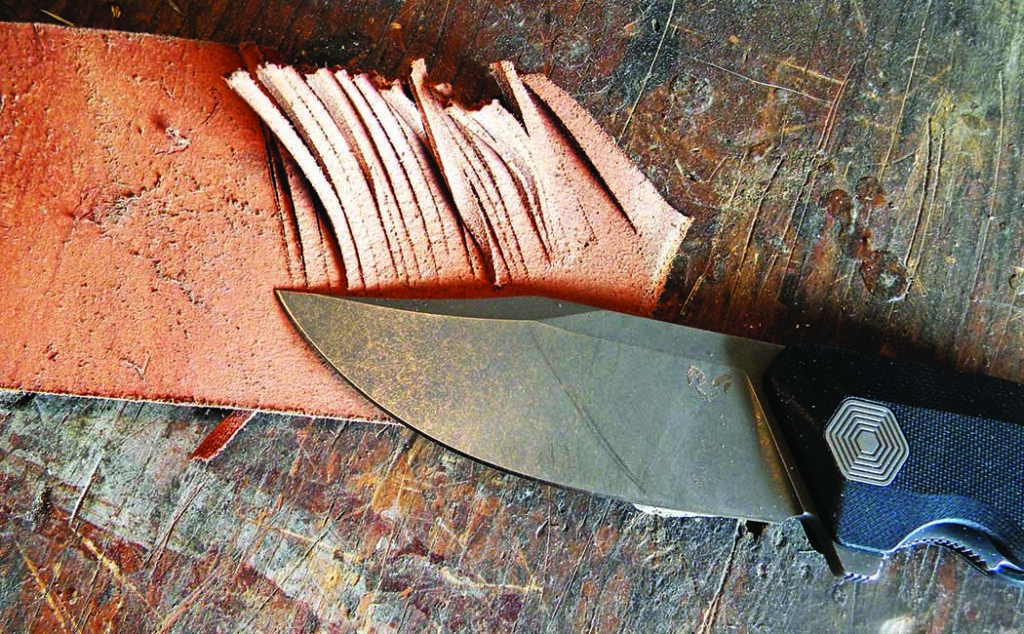
When the author started cutting the full thickness of the leather, the crunching sound became quite audible. The handle shape aided in controlling skiving and slicing depth.

Moving on to some 8-ounce leather for slicing and skiving, I skived a corner very quickly. I could hear the crunching cuts. It worked quite well, yielding very thin slices of leather. When I started cutting the material full thickness, the crunching sound became quite audible. The handle shape aided in controlling skiving and slicing depth. This puppy is really comfortable to use.

Sisal Rope

I looked for half-inch sisal rope for the final test medium and realized I had only a foot length of it left. Well, it was better than nothing! The challenge was to make short but full rope cuts. Any dullness on the edge would be very easy to detect, as a dull edge would just slide out and over the sisal. After 20 crunching cuts, I had two nicks in my thumbnail. It was time to don Kevlar® gloves. In record Spec Sheet time the Cerberus crunched out 141 cuts in the rope, and I still had my fingertips to boot—an excellent outcome! The blade was not even close to slowing down. (I apologize for the shortage of rope. I have more on order.)

Overall Evaluation Of The Cerberus

The action is smooth and the blade locks up nice and tight.

The Cerberus is an excellent folder. The D2 blade has outstanding heat treatment, the handle is very comfortable and lockup is 100 percent secure. I would use it as my EDC.

Potential Changes

I really couldn’t find anything to change. I would recommend that Damned Designs continues to not get too sharp on the handle edges and keep them soft like they are.

Damned Designs warrants its knives to be free of defects. No knife abuse is allowed! For more information contact Adrian D’souza at www.damneddesigns.com, [email protected], and Instagram @damneddesigns.

Cerberus Specs
Company: Damned Designs
Knife Type: Flipper folder
Blade Length: 3.5 inch
Blade Material: D2 tool steel
Blade Thickness At The Thickest: 1/8 inch
Blade Finish: Stonewashed
Handle: G-10
Pocket Clip: Blade tip up
Lock: Linerlock
Liners: Titanium
Weight: 6 ounces
Closed Length: 4.5 inch
MSRP: $49

Check out More of Our Buyer’s Guides

Advertisement

Must Read Articles

Read this before you make a knife

Knifemaking 101 – Read This Before You Make a Knife

  by Wayne Goddard My experience has taught me that there's nothing like digging in and getting started. I've often said the hardest part of the...
how to forge damascus steel

How to Forge Damascus

Advertisement
Advertisement