
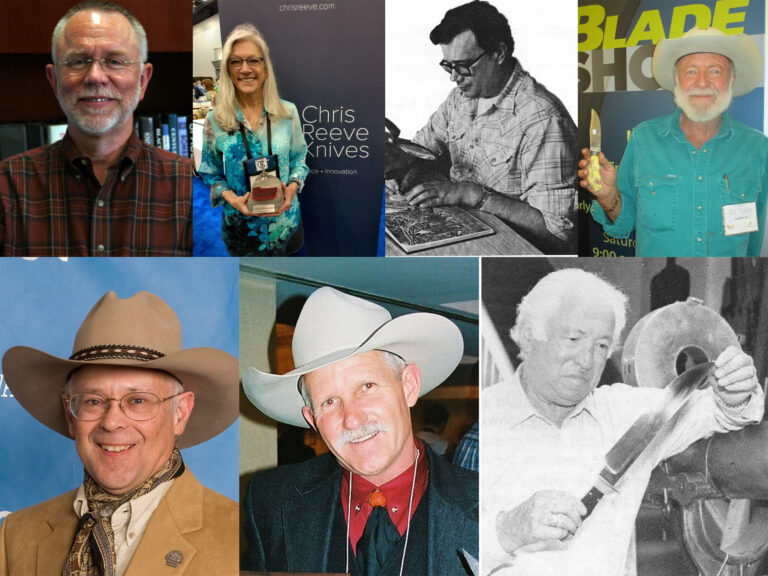
7 Join BLADE Magazine Cutlery Hall of Fame®

New inductees span the world of custom and factory knives.

A notable assortment of those who for many years enhanced or continue to enhance the overall improvement of the knife industry highlights the 2026 class of inductees into the BLADE Magazine Cutlery Hall of Fame®.

The new honorees include three living and four deceased members. Among the former are CRKT co-founder Rod Bremer and Anne Reeve, owner/president of Chris Reeve Knives, on the factory side, and American Bladesmith Society master smith Larry Fuegen from the custom realm.

The posthumous inductees are bladesmith/writer Ed Fowler, custom knife purveyor Nate Posner, knifemaker/knifemaking supplier Bob Engnath and ABS master smith Tim Hancock.

All will be formally inducted in a special ceremony during the BLADE Magazine Cutlery Hall-of-Fame Breakfast the Saturday morning of the BLADE Show, June 6, in the Renaissance Waverly, the host hotel adjoining the Cobb Convention Center in Atlanta. For ticket information email [email protected].

Rod Bremer

Rod Bremer

Along with partner Paul Gillespie, Rod Bremer started Columbia River Knife & Tool (CRKT) in 1994. The concept was to bring world-class-quality knives to the U.S. market in the designs of custom knifemakers—as of today, CRKT has used the designs of over 50 such makers—and innovation at a price that virtually all consumers can afford.

According to a nominator, Rod’s integrity qualifies him for the Hall of Fame, a good example being that “CRKT pays the makers/designers royalties for as long as the knife sells. To this day, Rod is still paying royalties to the estates of Ed Halligan, Jon Graham, Cutlery Hall-of-Famer Kit Carson and several others.” Added the nominator, “CRKT started the Forged by War program to help veterans and their charities. So far the program has donated over $500,000 to the charities of the veteran’s choice.”

Under Rod’s leadership, CRKT has won a number of BLADE Magazine Knife-of-The-Year® Awards. In the process, he helped enhance Southeast Asia knife manufacturing by teaching and demanding that the Taiwanese factories produce the highest-quality knives possible.
He has bolstered pro-knife initiatives through his work as an American Knife & Tool (AKTI) Board of Regents member, working on issues that benefit the knife industry. His resume includes: 1) Election to the AKTI Board of Regents (2009); 2) Playing an active role in the monumental defeat of U.S. Customs’ attempt to classify all one-hand knives as switchblades (2009); 3) Recipient of Knife Rights’ inaugural Freedom’s Guardian Award for his role in upholding knife rights industry wide (2011); 4) Elected AKTI vice president (2011); 5) Organized and hosted AKTI anti-counterfeiting round table and presented related seminars for BLADE University at BLADE Show 2013; and 6) Elected (2014) AKTI president, a position he held through 2016.

Anne Reeve
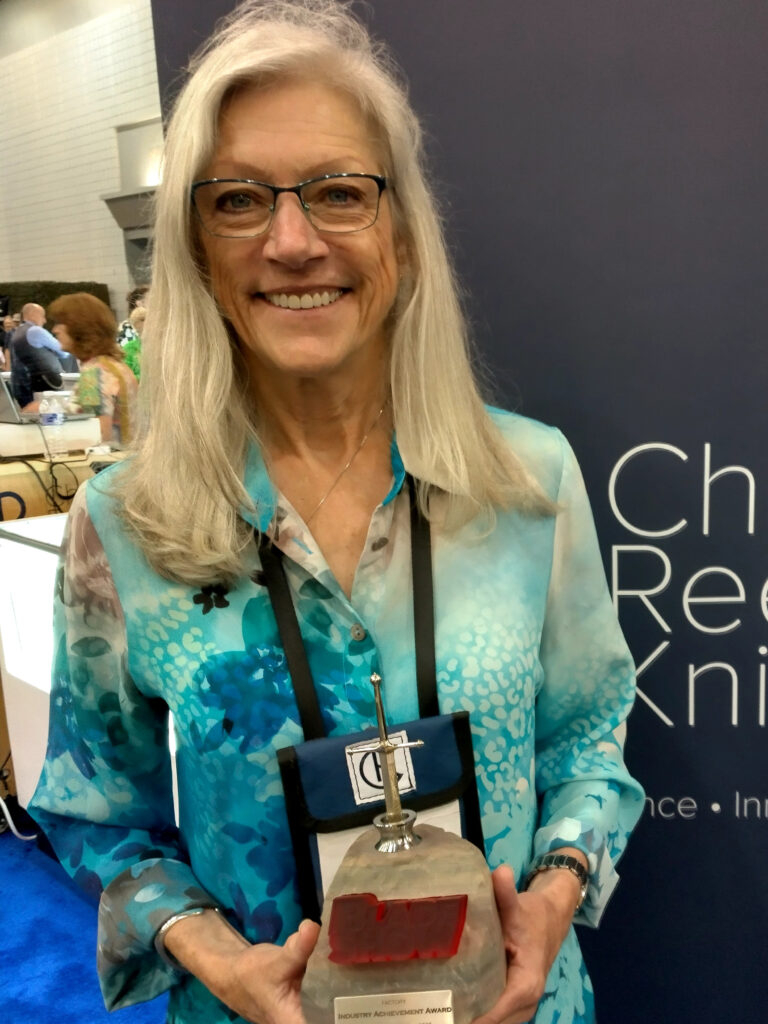
Anne Reeve

According to a nominator, in 1986 Anne Reeve joined the then-fledgling Chris Reeve Knives and quickly became an integral part of the company. Her partner, both in life and business, Cutlery Hall-Of-Famer Chris Reeve, was the craftsman, and a great one at that. While Chris’s forte was knife design, Anne’s strengths were administration and bookkeeping. Anne spent many of the following years lending a hand where she could, helping to build a company known for quality and excellence.

For most of the early years, Chris Reeve Knives was just Anne and Chris plus a handful of employees, which meant Anne wore many hats. As the company grew, Anne stepped more into working behind the scenes in administration and customer service. Her years of answering the phone and meeting customers, partnered with her determination to ‘do the right thing,’ laid the groundwork for the knife manufacturer’s international reputation for excellence. Today, the company has around 150 dealers worldwide.

On the knife legislation front, Anne showed support for both the American Knife & Tool Institute and Knife Rights with encouragement, donations of knives and cash, and attending and sponsoring related functions. She has been treasurer of the Idaho Knife Association since 2018 and is an active member of the organizing committee for the IKA’s annual show.

After a nearly 30-year partnership, Chris retired, and Anne took a massive leap of faith and bought Chris’s share of the company. With the help of their son, Tim, and a team of young, talented and enthusiastic leaders, Anne has trailblazed Chris Reeve Knives into new territory. As the nominator concluded, “Investment in equipment and employees has resulted in revenue more than doubling under her leadership, the quantity of knives produced each month continues to increase, the quality of those knives is better than ever, and demand continues to significantly outpace production. Her determination to keep the integrity of Chris Reeve Knives, coupled with the highest quality products and customer service, has set a standard in the knife industry.” Helping cap it off, Anne won the BLADE Magazine 2025 Industry Achievement Award for her many contributions to the craft and cutlery community.

Bob Engnath
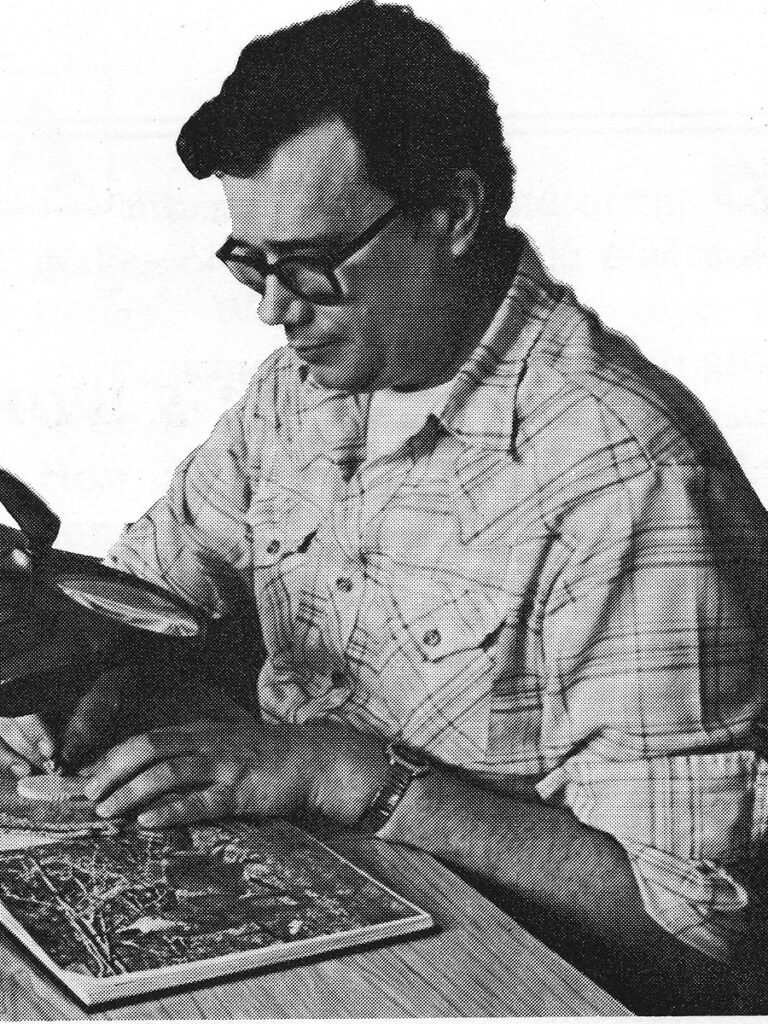
Bob Engnath

Bob Engnath built his first knife in 1972 and went full-time in ’79, making kit blades, tantos, swords and assorted knives in carbon steel. His base of operations was Blades ‘N’ Stuff, a retail shop he ran in Glendale, California, that offered tools, supplies and materials for knifemakers, bladesmiths and swordsmiths.

He produced several editions of a comprehensive publication he also called Blades ‘n’ Stuff, a 70-or-so-page 8-by-11-inch “Catalog and Instruction Manual featuring Handcrafted Blades by Bob Engnath and Knifemakers’ Supplies.” Sold for $5, it contained copious amounts of knowledge and instruction for anyone who wanted to make a knife or sword, including line art of his many patterns, knifemaking how-to’s with diagrams, tips and do’s and don’ts, and tons of sage advice on various steels, heat treating, knifemaking machines and materials, finishing, how to forge damascus, shop safety and other invaluable information. In addition to his catalogs, Bob also wrote the books The Scrimshaw Connection and The Second Scrimshaw Connection.

Engnath was a dedicated blade grinder and considered by many the best grinder of the time, providing blanks his customers could finish on their own. He gave many makers their start and dispensed an untold amount of knifemaking knowledge to anyone interested enough to listen, usually free of charge. According to one source, “Bob was a mentor to countless new makers through his knife kits, leaving a lasting legacy in the knife community.”

Summed up another source, Bob “was an excellent role model for any man in the knife business. He never said a bad word about anyone, took the knife business where it had not been before, his ethics were outstanding, his word was ironclad. I’d rather have had a handshake with Bob Engnath than a lawyered-up contract with any other knife name you care to mention. He was a hero and an example to a lot of people.”

Ed Fowler
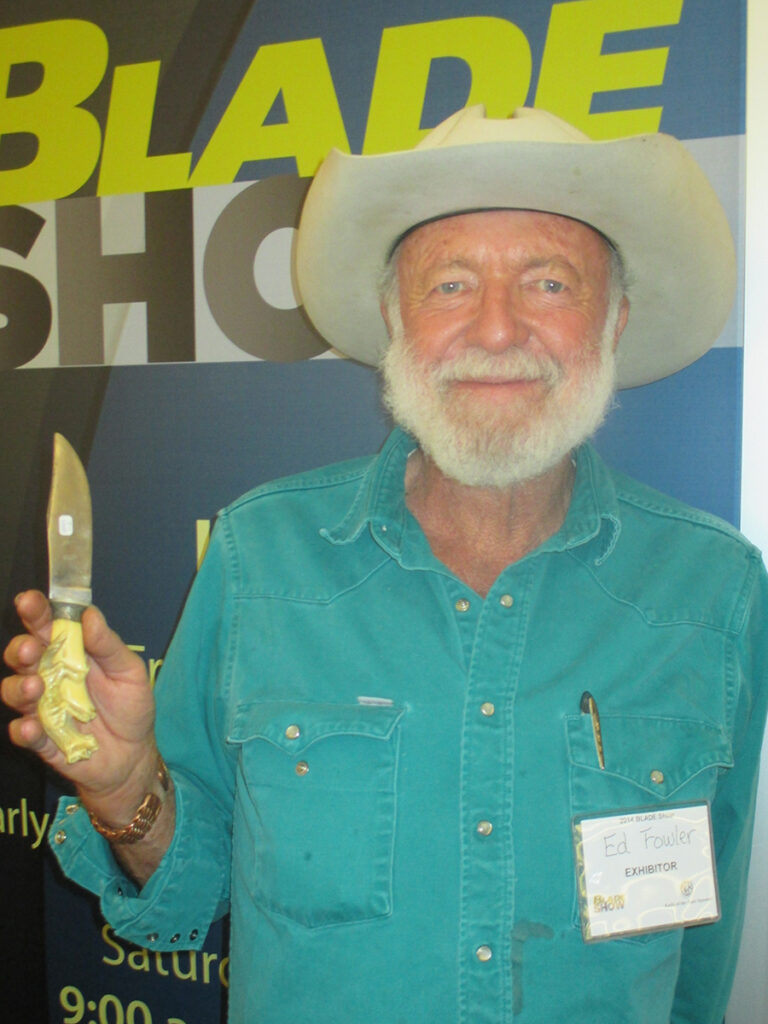
Ed Fowler

Selling his first knife in 1962, Ed Fowler epitomized “the philosophy of the cutlery fabricator,” noted one nominator. Though not the first to use 52100 carbon steel for knife blades, Ed helped popularize it as it became a go-to material among today’s bladesmiths. He long performed and encouraged the multiple quenching of blades during heat treatment.

He wrote the monthly column “Knife Talk” for BLADE® for well over a quarter century. In BLADE’s reader surveys, along with Cutlery Hall-of-Famer Wayne Goddard, Ed completed the top one-two team of most popular BLADE writers year-in and year-out. Ed compiled his “Knife Talk” columns into two books: Knife Talk I: The Art & Science of Knife Making and Knife Talk II: The High Performance Blade. He conducted demos for many years on a variety of subjects at the BLADE Show, plus a class at BLADE University.

Formerly an ABS master smith, he went on to create the High Endurance Performance Knife Association, an organization dedicated to a greater understanding of the knives its members make, the steels they use, the process necessary for the knives to reach their maximum performance potential, and to share this understanding with any and all who seek it. He taught knifemaking to many, including more than a few who have gone on to become ABS journeyman and master smiths, including Audra Draper, Wade Colter, Shane Taylor, Bill Burke and Cutlery Hall-of-Famer Rick Dunkerley among the latter.

Wrote one nominator, Ed was “very passionate about what a knife should do. He indulged anyone who wanted to share time or debate ‘the concept of cut,’ as he called it.” Ed would pit his high-performance 52100 knives against all comers in what he called “real world tests,” cutting and doing things with the knives many consider abusive, until the knives failed. Ed continued using this testing regimen, observing that though you may never have to use a knife in such a manner, “What if you had to and the only tool you had at your disposal was your knife? Wouldn’t you take comfort in knowing that if ever push came to shove, you had a knife you could stake your life on?”

Larry Fuegen

Larry Fuegen

Larry Fuegen started forging knives in 1975. According to a sitting Hall of Famer, from that time on all of Larry’s knives were sole authorship. He became a full-time knifemaker in 1987 and earned his American Bladesmith Society master smith rating in 1989.

“Since I’ve known Larry he has been a unique person who made unique knives,” the Hall of Famer wrote. “He started making friction folders after meeting Cutlery Hall-of-Famer Jim Schmidt at an ABS hammer-in. Years later Larry took those folders to a whole new level. For years he did gargoyle-type carvings on them and later started doing other renditions, like his folder featuring the Spanish explorer Hernan Cortes wearing a gold helmet and Larry’s carved face of his idea of what Cortes looked like. Besides these great folders he made many ornate bowies, daggers and hunters that had carving, texturing and engraving done in a way to set his work apart from anyone else.

“For me what stood out most were his push daggers. I believe if you Googled push daggers a picture of Larry Fuegen would come up. He not only crafted knives, he also did his own leatherwork, which was top quality. He also made some of the best bits and spurs anywhere. In addition to his quality work he designed and built the tools he needed to produce his knives, leatherwork, and bits and spurs.”

He was voted into the Art Knife Invitational in 1999 and every year thereafter until 2022. Circa 2008 another of his ornately done friction folders, entitled Alaric, King of the Visigoths, went on permanent display at the Smithsonian American Art Museum’s Luce Foundation. He has been featured in many magazine articles and books, among the latter including Greatest Living Knifemakers by Cutlery Hall-of-Famer Steve Shackleford.

Larry passed his knowledge on, teaching at numerous hammer-ins and seminars around the country. He is very knowledgeable and is willing to share with anyone. He is the personification of the traits required for induction into the Cutlery Hall of Fame.

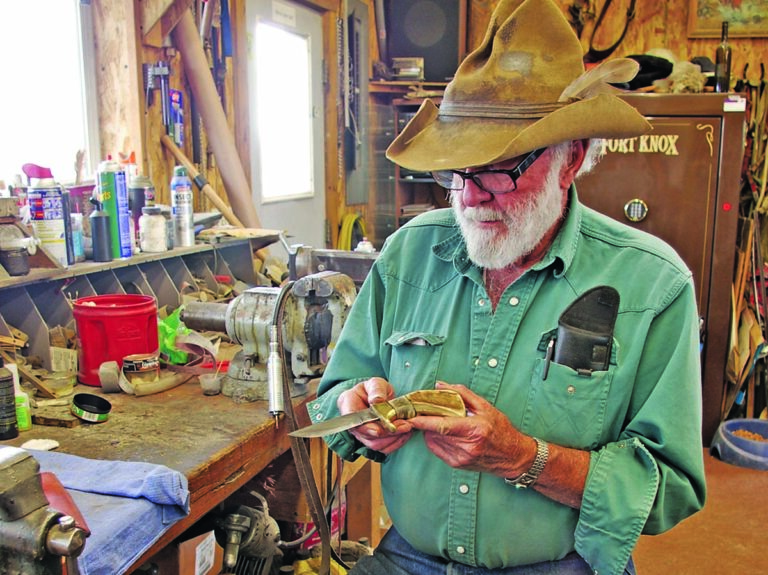
Tim Hancock

Tim Hancock

Teaching others how to make “the total knife” played a huge role in defining Tim Hancock. “He taught and demonstrated at many hammer-ins in the areas of embellishment, design, blade forging, grinding, heat treating and sheath making,” ABS master smith Larry Fuegen observed. “He wanted to share his methods and thoughts with others. He also gave private lessons in his shop to many aspiring makers. The influence of his recognizable style can be seen in the work of many makers. Just as [Cutlery Hall-of-Famers] Bill Moran and Bob Loveless influenced many with their designs, so did Tim with his work.”

Added knifemaker Michael Vagnino, “I suppose the most important thing I learned from Tim was integrity. The knife you make is in fact a part of you. How it turns out is more about how honest you were when making it. When Tim told me that, it really made me pause. From that moment on, I viewed making knives in a new light.”

Tim earned his ABS master smith rating in 1993 and won an impressive number of honors for his knives, including the 2010 W.F. Moran Award. He was known for his award-winning period bowies, including though not limited to dog-bone bowies. Dr. David Darom dedicated an entire hardback book, Tim Hancock: The Western Bladesmith, to highlighting Tim’s knives and knifemaking career, even his penchant for forging silver-mounted bits and spurs and other Western gear. From 2001-2015 Tim was a member of the Art Knife Invitational, an organization of the world’s 25 greatest knifemakers spearheaded by Cutlery Hall-of-Famer Phil Lobred.

Nate Posner
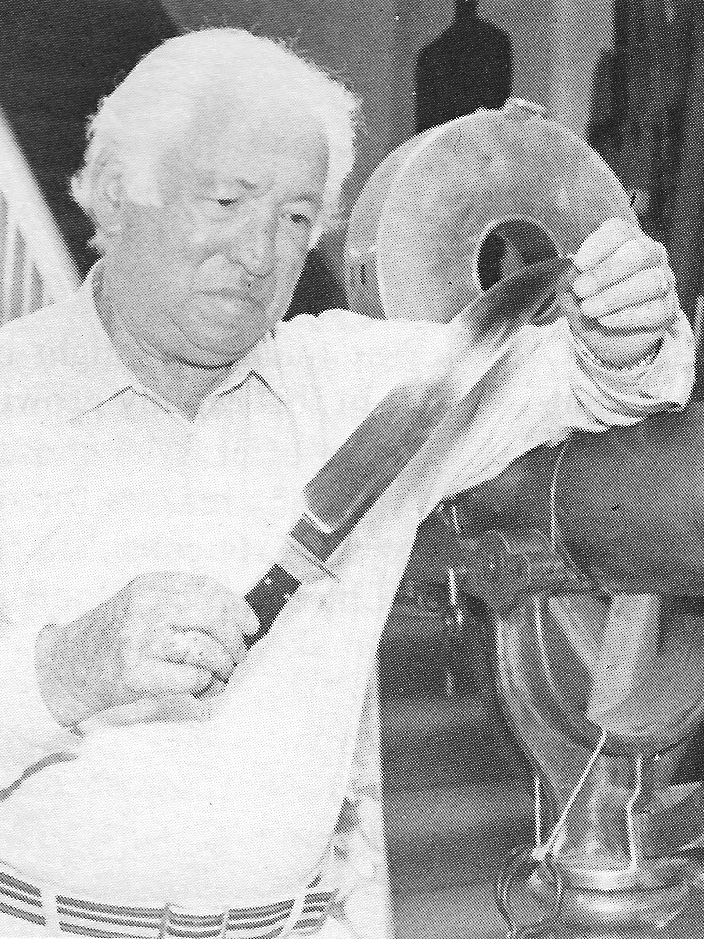
Nate Posner

Nate Posner started the San Francisco Gun Exchange in 1948 and built it into what he called the “Firearms Center of the West.” It had most everything firearm related but it was his displays of custom and factory knives that pertain here.

Along with Cutlery Hall-of-Famers A.G. Russell and Dan Delavan and also Bob Gaddis and Dave Harvey of Nordic Knives, Posner was among the first custom knife purveyors. He was known for telling his customers that to get the best price, instead of buying custom knives from middlemen such as him they should buy directly from the maker. Of course, if the customers wanted the handmade knife in question immediately, they often had to buy it from one of the few purveyors such as Nate to avoid spending what might be years on a waiting list. However, it was being up front that put Nate in good stead not only with his knife customers but the Guild, too—for both buying/selling the makers’ knives and treating what often were the makers’ customers/prospective customers in a professional manner.

At one time he had over 350 custom knives on display, with at least that many others in stock. Circa 1975 he ordered knives from dozens of makers, most active or past Guild members. Eventually he culled his list to about 25 or 30, including one of his favorites, D. E. Henry. Others included Tommy Lee, Jess Horn, Herman Schneider, Corbet Sigman, the-then-team of Scott Sawby and Steve Mullin, and future Cutlery Hall-of-Famers Frank Centofante, Jimmy Lile, Bob Loveless, George Herron, Bo Randall and more.

Thanks to the high store profile he gave custom knives and their makers to knife and gun buyers alike, Nate was one of the most important custom knife promoters of his or any era. As a result, the honor the Guild gives annually to an individual who provides “Outstanding Service in the Promotion of Handcrafted Cutlery” is called the Nate Posner Award.

See More Award Winners:

Ed’s Quest For Excalibur

0

Remembering Ed Fowler’s 80 Years of Knifemaking.

Editor’s Note: Chris Amos is a kifemaker, writer and close compatriot with the late Ed Fowler. He perhaps knew the knifemaker better than anyone in his golden years and has an interesting perspective in the life of the memorable craftsman.

On January 17, 2026, Ed Fowler left the world of mortal men to take his place with the legends of bladesmithing. The High Endurance Performance Knife master smith’s passion for true working men’s knives of history was insatiable. It was the one true love of his life, second only to a good Labrador.

The flyer for his school when I met him 30 years ago, and to this very day, still reads, “Ed Fowler, Author, Cowboy, Friend to All.” This is how Ed approached the world of knives. If we are being honest, it wasn’t necessarily everyone’s experience with him; but it was his intention. No matter what your personal Ed Fowler experience was, I think we can all agree his love of lady knife, his undeniable passion for performance and total commitment to his craft were both impressive and contagious.

A portrait of Ed by his good friend and knife collector Joe Campiese. The knifemaker built a dedicated following among many collectors.

The quest for his own personal Excalibur—the High Endurance Performance Knife—was a lifelong adventure that led him to cross paths with many on a similar journey. That’s how I came to know him so many years ago. I didn’t see his vision at first; I only knew knives as things, not an ideal. But he saw lady knife as so much more.

From his first meeting with ABS founder Bill Moran and BLADE® Magazine legend Wayne Goddard—who would become his lifelong friend and co-conspirator—his path to a 52100 ball bearing steel obsession was sealed. He and Wayne collaborated on the first 52100 knife, and the rest is history. Another longtime friend and BLADE writer, the legendary smith Joe Sizlaski, led him down the road to true skill with a hammer. They collaborated for decades through countless letters and phone calls. Most are still in the filing cabinet waiting to become a book. Over the years in his column Knife Talk, BLADE readers across the world waited patiently for the next nugget of wisdom or anecdote from these great representatives of the world of knives.


As fate would have it, he soon crossed paths with some men who would bring his dreams to life.

Testing His Metal

When Ed first shared his ideas with the conventional world of knives, they met with less than thunderous applause. This changed when metallurgist Rex Walther stumbled on one of Ed’s articles about his multiple-quench method. Intrigued, he contacted Ed, asked a few questions, proposed a few experiments and offered true scientific analysis. As Ed said of this collaboration, “We went from 0 to 100 overnight.” Rex’s feedback became the foundation for all of Ed’s advancements and achievements to come.

At the time, the industry considered a steel grain size as fine as 10* to be possible. Ed reported achieving 15 and finer through his methods, the limit of measurement possible with Rex’s equipment. Later, Kevin Grey, a student at the South Dakota School of Mines, would again not only test Ed’s methods but also write his graduate paper on them, getting them both invited to speak at the Artist-Blacksmith’s Association of North America conference in South Dakota.

One of his happiest moments in recent years was finding out, to his surprise, that he was mentioned in Dr. Larrin Thomas’ book The Story of Knife Steel: Innovators Behind Modern Damascus and Super Steels. Another was his amazement at receiving the 2022 BLADE Magazine Publisher’s Award at BLADE Show.

Ed’s Classroom

I met Ed in the mid 1990s at a knife show in California. I took his class on his ranch near Riverton, Wyoming, around 2007. After that, I traveled several times a year to help him teach, only missing three since that first one. About 15 years ago, I moved to the ranch to apprentice full-time, and the rest is history.

I hope to be here teaching and sharing his legacy and dream of 52100 steel and Excalibur for another 15 years.

Of the countless students who came to learn Ed’s mysterious ways with metal, a few stand out in my mind. The first is a very early student, Jeff Davidson. Jeff is currently an ABS journeyman smith and a passionate forging instructor.

The second is a knife collector and great future maker, whom we will just call “Stan.” He made his way to Wyoming from Taiwan after years of reading Ed’s articles. He is a great ambassador for Ed’s vision of the HEPK around the world.

Ringing The Anvil

I have written many articles for BLADE over the years. As I sit here in Ed’s silent shop, with his last good dog and write the final Knife Talk article from his computer, it’s important you know this isn’t the end.

Ed made his first knife, a small wooden knife, at about six years old. He still had that knife. His last completed knife, a light camp in what has become his iconic and signature style, was finished this fall at the age of 86. He didn’t even bother to take a picture of it, just sent it on its way to have its own adventures, never thinking it would be his last. As Willie Nelson said, “The road goes on forever, and the party never ends …”  I think that’s the way he saw it.

For the moment, out of respect and because it could use a little rest, his hammer sits in silence. But soon enough, his forge will be lit again, his anvil will ring and the knife talk will go on. Ed would have wanted it this way—as it should be.

*ASTM grain size quantifies the average grain size of metallic materials using a number, where higher values indicate finer, smaller grains.

Remembering Others The Knife Industry Has Lost:

Bark River Knives Shuts Down Amid Steel Controversy

Bark River Knives owner Mike Stewart took to Facebook to admit to closure and the use of Chinese steel in Made-in-U.S.A. labeled knives.

Bark River Knives of Escanaba, Mich., has officially ceased operations following a public admission by owner Mike Stewart that the company utilized Chinese steel in blades marketed as American-made CPM 154. The announcement, made via Facebook on March 23, confirmed that the long-standing fixed-blade manufacturer concluded all business as of March 20.

In his statement, Stewart took full responsibility for the deceptive labeling, characterizing the use of imported steel as a measure intended to keep the company afloat. Stewart argued the alternative steel met his internal testing for toughness and stain resistance, with edge retention nearly matching that of Crucible Industries’ CPM 154. He further claimed that because the knife blanks underwent more than five distinct operations in the Michigan shop—including grinding, reshaping and etching—they technically met his interpretation of “Made in the U.S.A.” criteria.

It should be noted, the Federal Trade Commission (FTC) standards mandate a product must consist of “all or virtually all” domestic components to carry the label. Stewart admitted the steel was definitely mis-marked on the following models:

  • Camp Bolo
  • Fox River Trailing Point
  • Highwayman 4
  • Mini-Manitou
  • Gladstone Hunter
  • Bitterroot Caper
  • Select recent Club Knives

The closure follows a period of increasing pressure from collectors and dealers, alongside significant financial litigation, Outdoorlife.com reported. Stewart noted in his post that the shutdown was “long overdue” and should have occurred two years prior.

Stewart announced that his son, Jim Stewart, will open a new, 100 percent independent knife company. Notably, Jim Stewart has agreed to take over the warranties that would have normally been serviced by Bark River. Mike Stewart clarified that he will have no hand in the new entity and intends to exit the industry entirely after 50 years. Mike Stewart emphasized that his dealers, his wife Lesley and Jim Stewart were entirely blameless in the decision to substitute the blade steel.

More On Knife Steel:

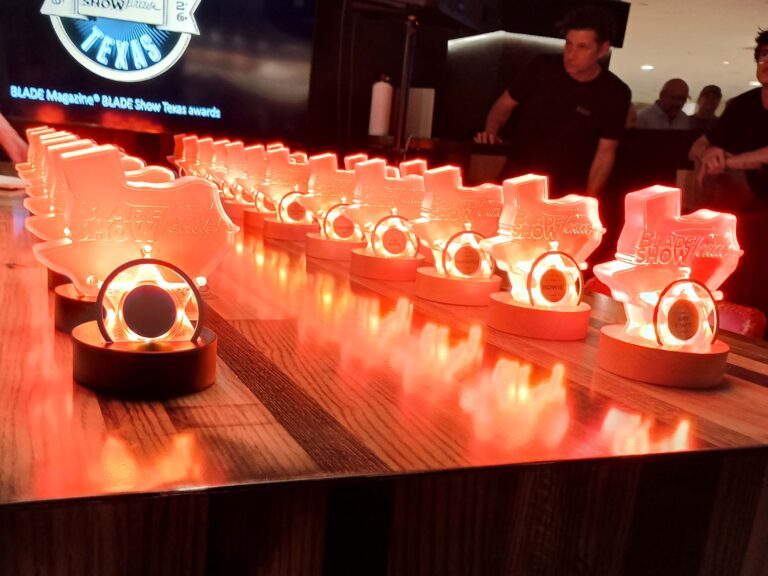
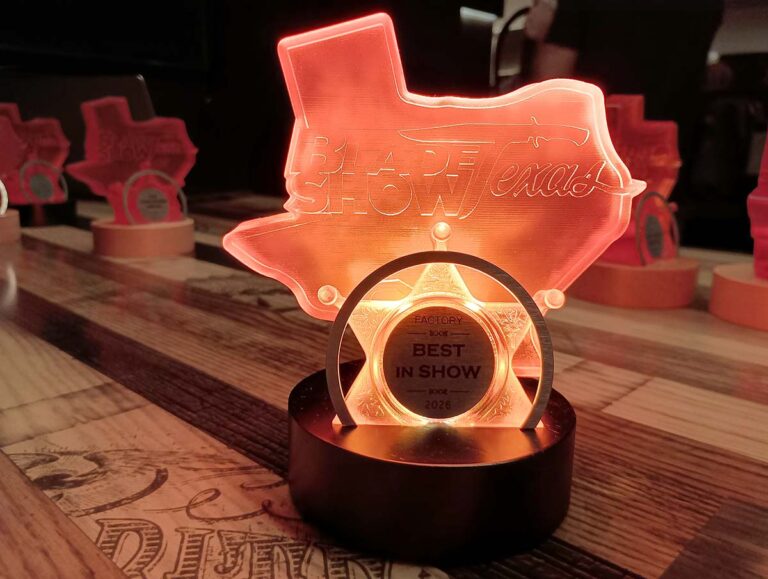
2026 BLADE Show Texas Custom Knife Award Winners

See who took home the hardware from the BLADE Show Texas Custom Knife competition.

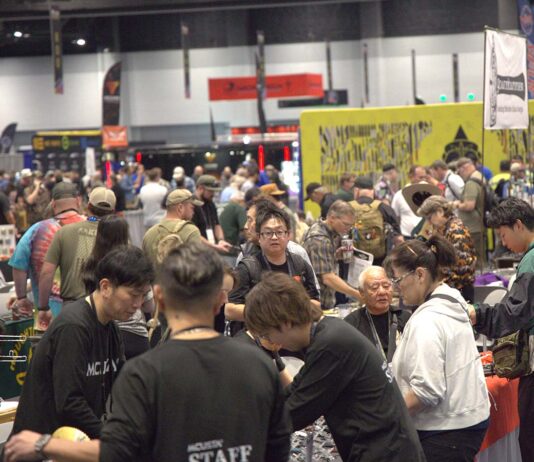
With deep roots in fine custom knifemaking, BLADE Show Texas consistently attracts the top names in the industry, making its Custom Knife Awards a true showdown of elite craftsmanship. The 2025 competition, held March 20-21 at the Fort Worth Convention Center, was no exception.

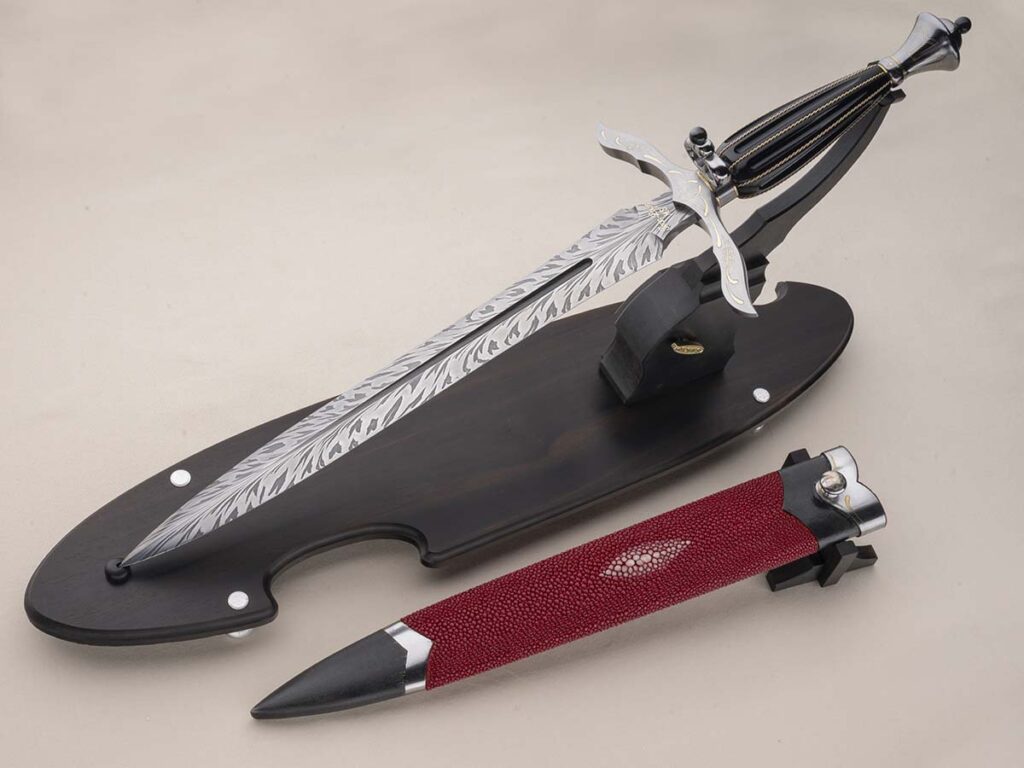
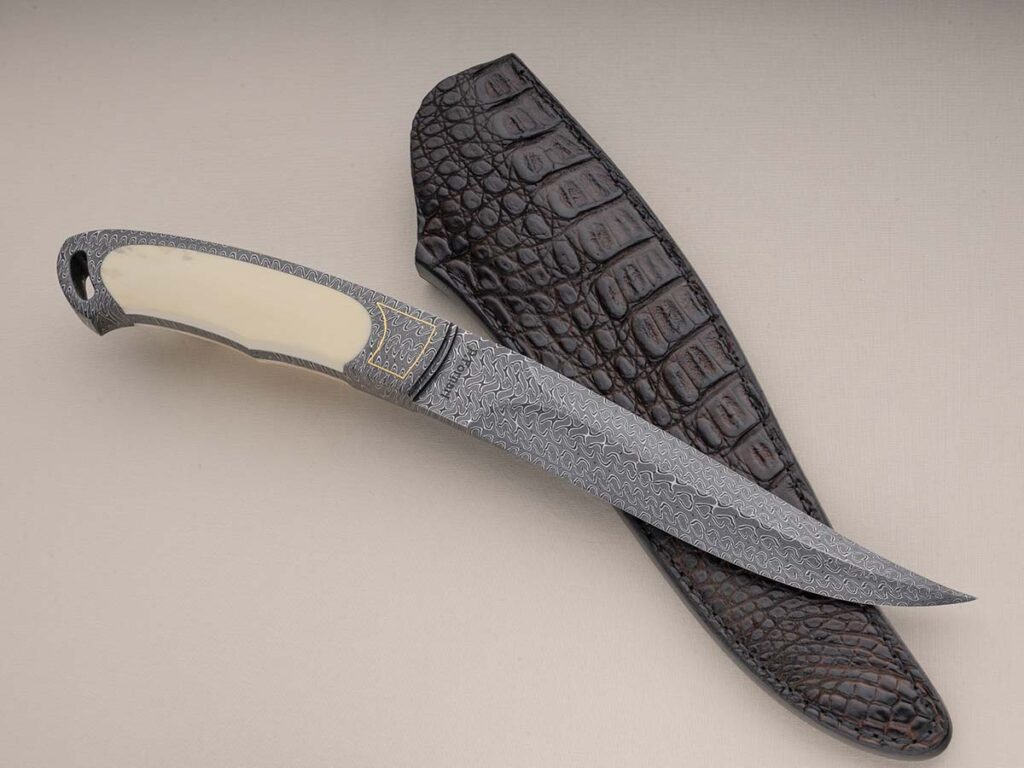
The judging hall overflowed with exceptional entries in 13 categories, pushing the three-judge panel to their limits. After intense deliberation, the judges selected the finest blades of the year—including Best of Show and Best Art Knife, awarded to Jean-Louis Regel for his stunning dagger.


Best Art Knife & Best In Show: Jean-Louis Regel

Best Art Knife & Best In Show: Jean-Louis Regel
Jocelyn Frasier image

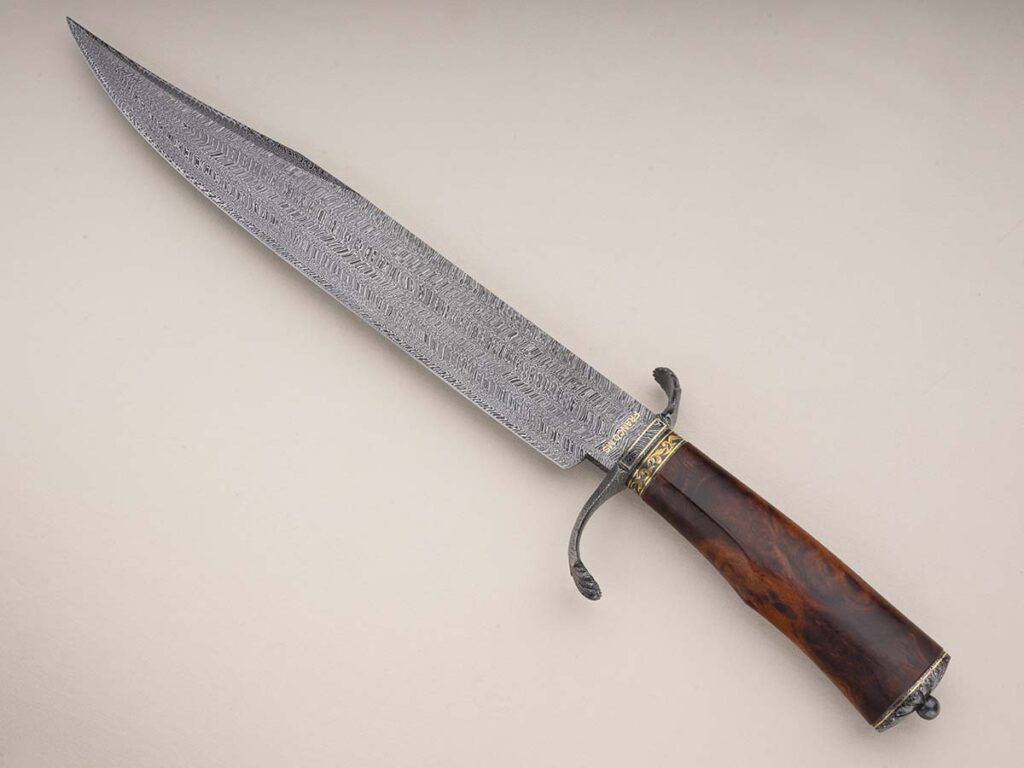
Best Bowie: Franco

Best Bowie: Franco
Jocelyn Frasier image

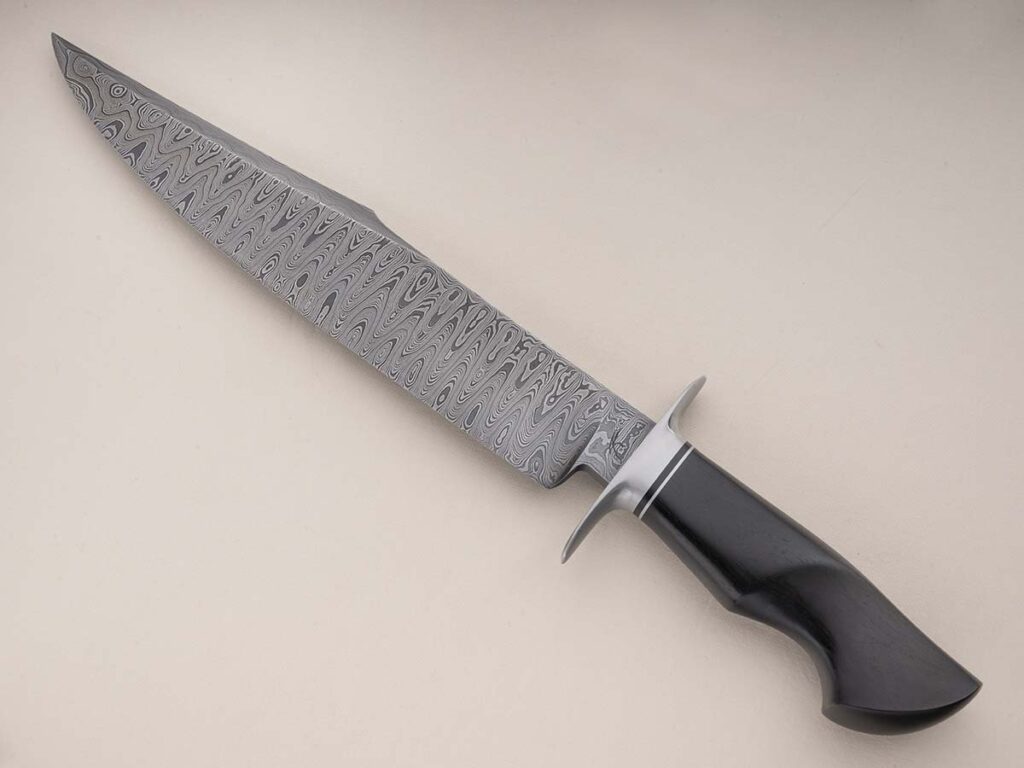
Best Damascus: Pedro Fornari

Best Damascus: Pedro Fornari
Jocelyn Frasier image

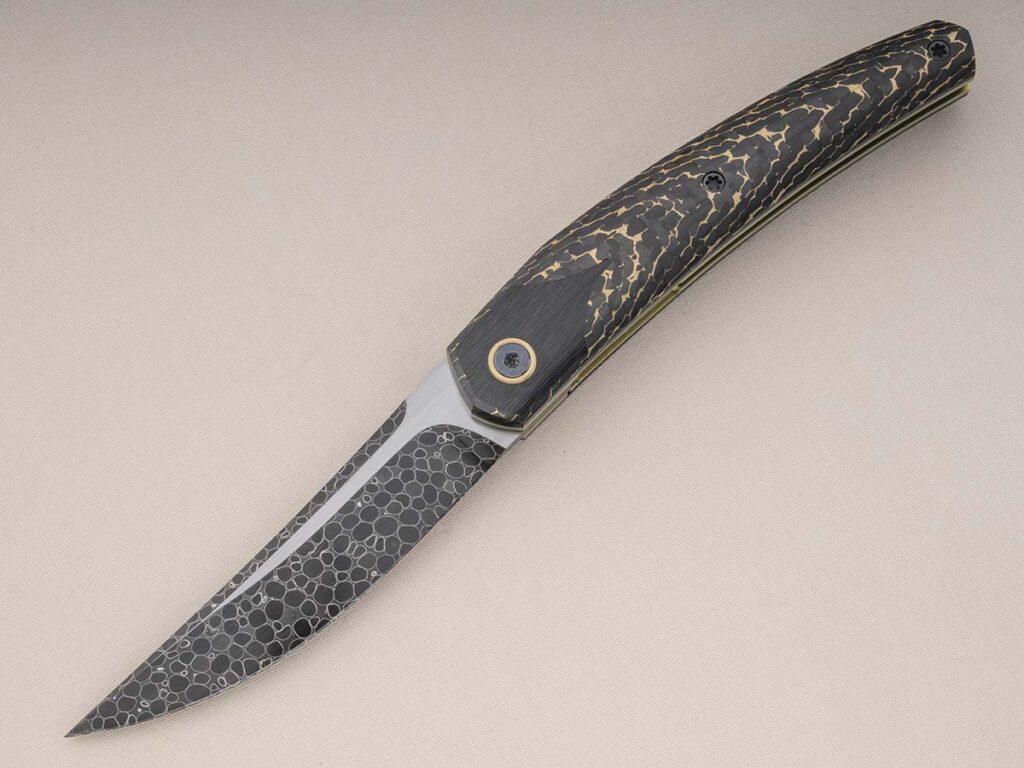
Best EDC: Emmanuel Le Brun

Best EDC: Emmanuel Le Brun
Jocelyn Frasier image

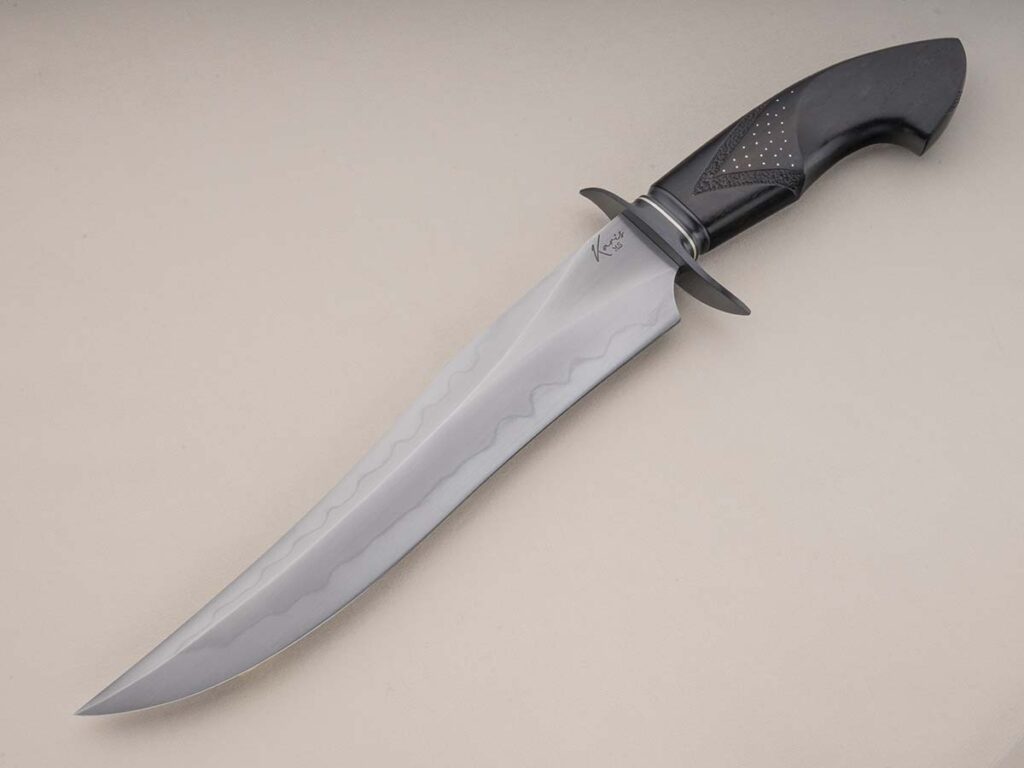
Best Fighter Contender: Karis Fisher

Best Fighter Contender: Karis Fisher
Jocelyn Frasier image

Best Fighter: Jason Knight

Best Fighter: Jason Knight
Jocelyn Frasier image

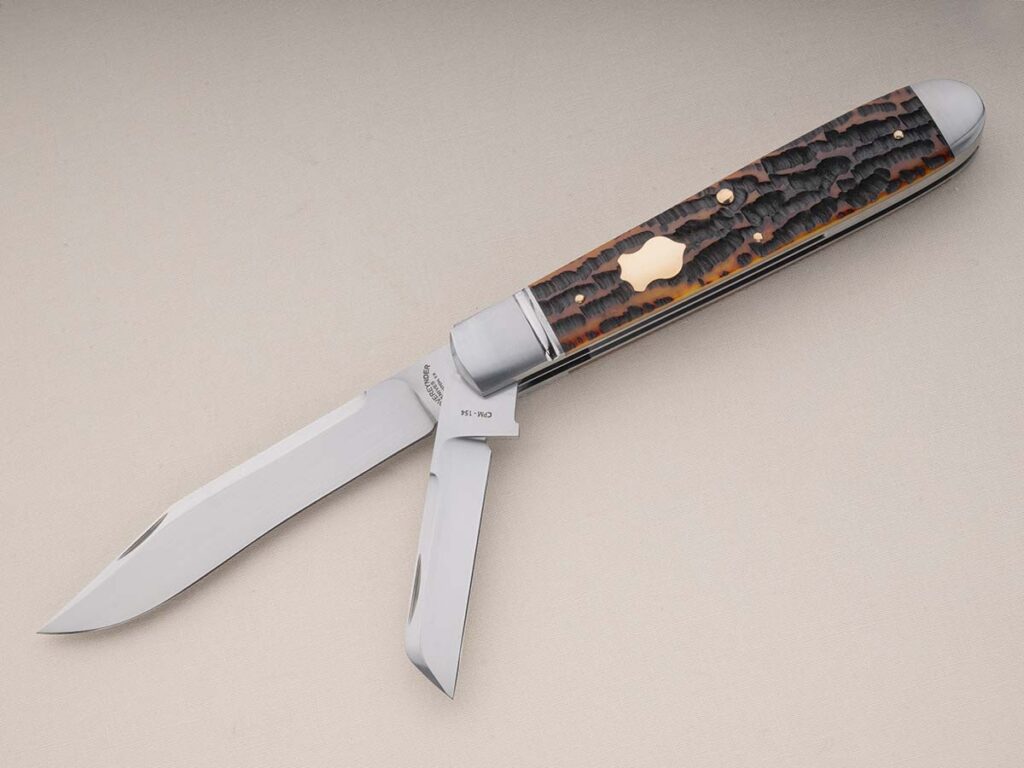
Best Folding Knife: T.R. Overeynder

Best Folding Knife: T.R. Overeynder
Jocelyn Frasier image

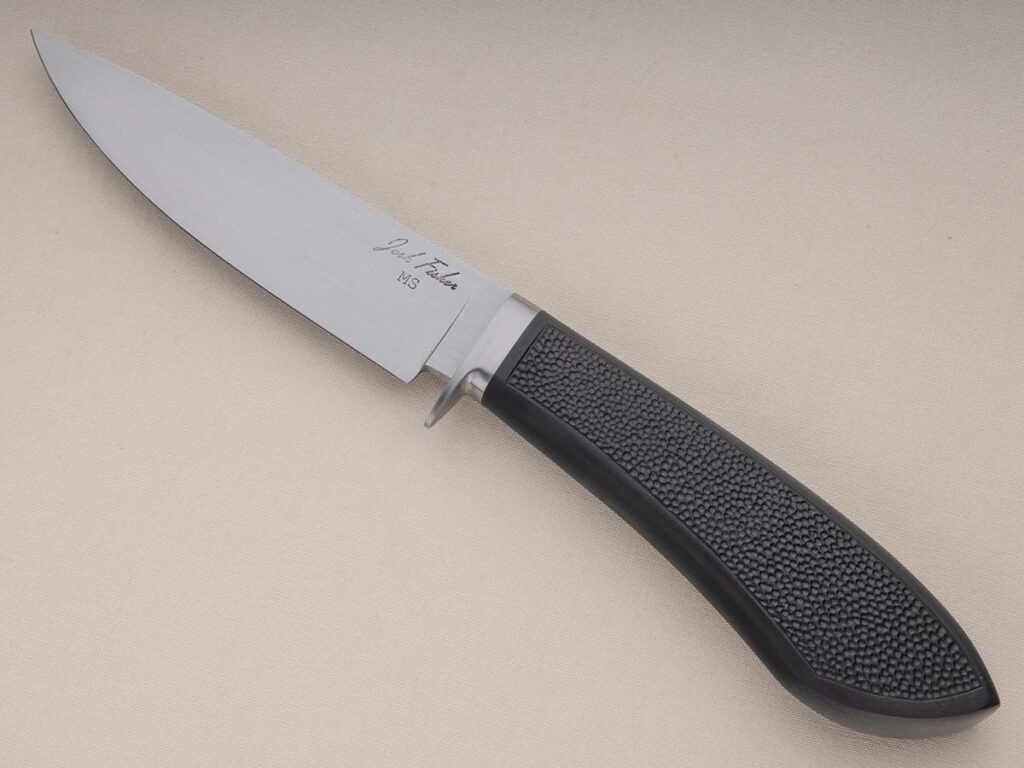
Best Hunting Knife Contender: Josh Fisher

Best Hunting Knife Contender: Josh Fisher
Jocelyn Frasier image

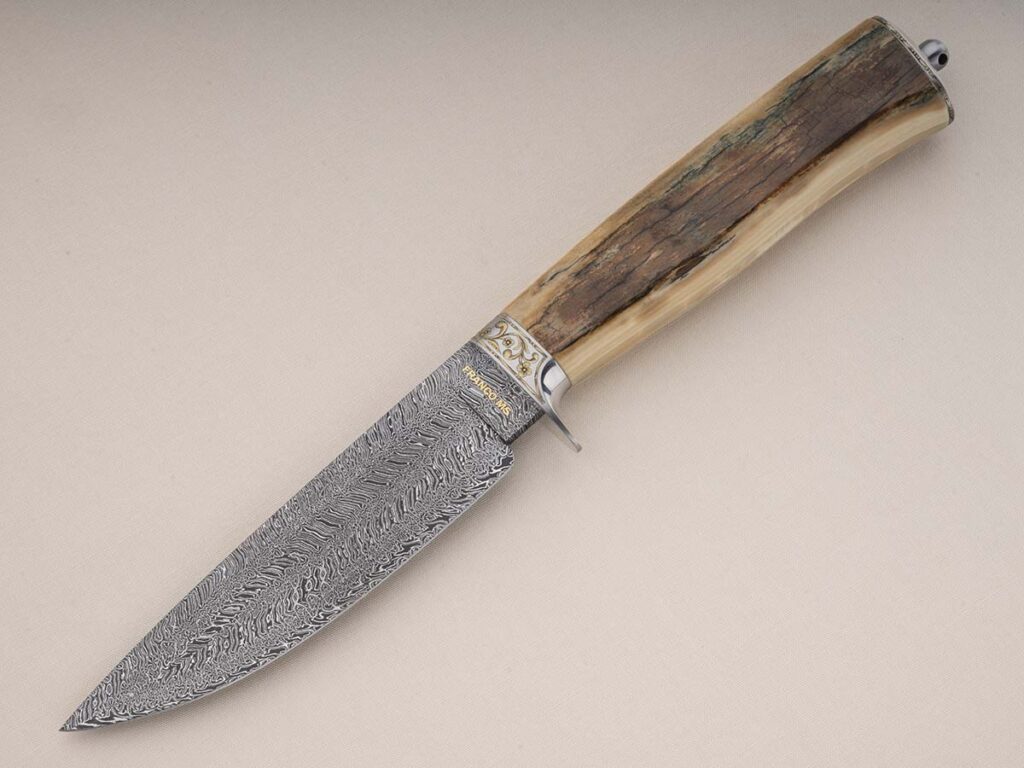
Best Hunting Knife: Franco

Best Hunting Knife: Franco
Jocelyn Frasier image

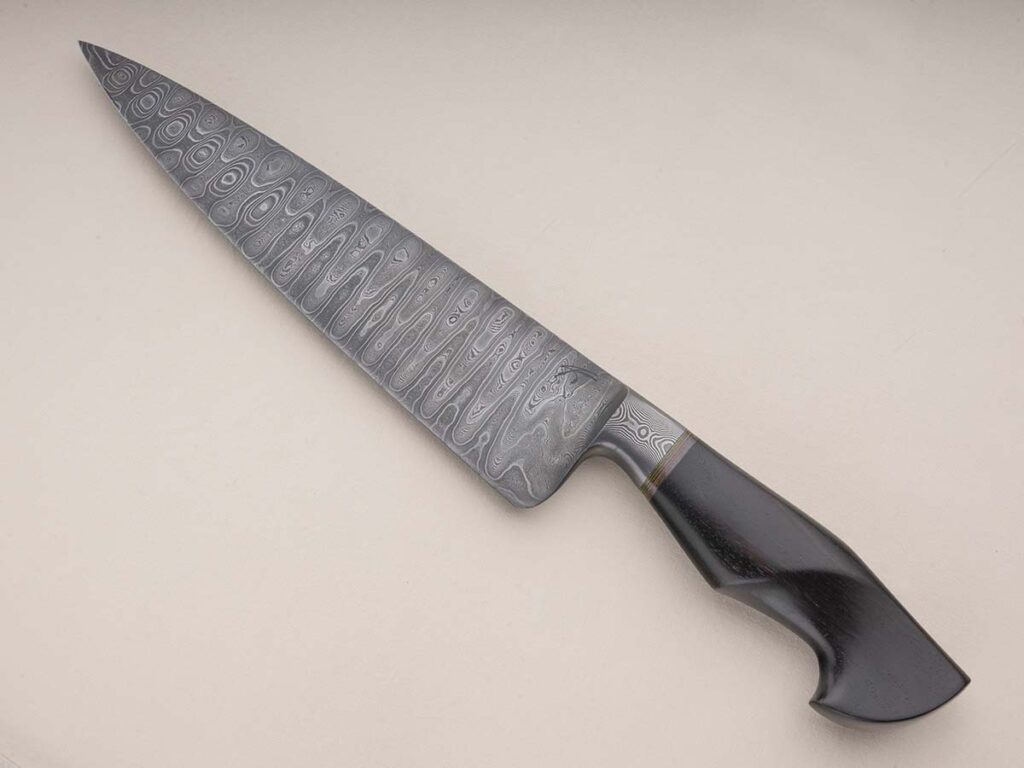
Best Kitchen Knife: Jason Knight

Best Kitchen Knife: Jason Knight
Jocelyn Frasier image

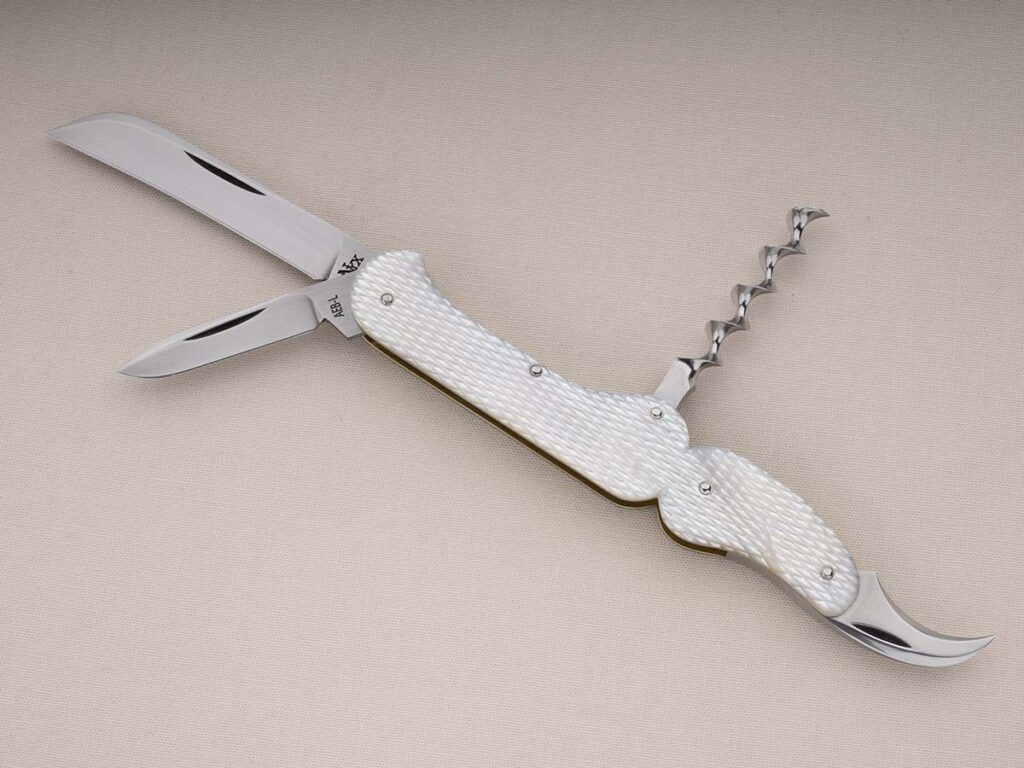
Best Multi-Blade Slip Joint: Evan Nicolaides

Best Multi-Blade Slip Joint: Evan Nicolaides
Jocelyn Frasier image

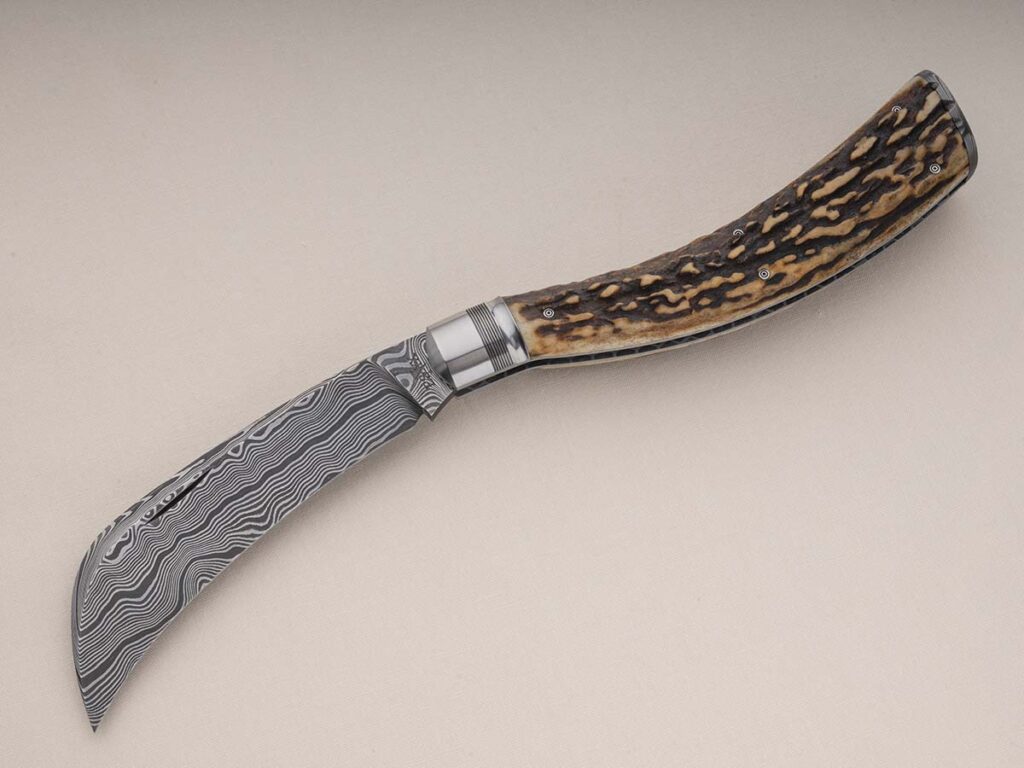
Best Single-Blade Slip Joint: Evan Nicolaides

Best Single-Blade Slip Joint: Evan Nicolaides
Jocelyn Frasier image

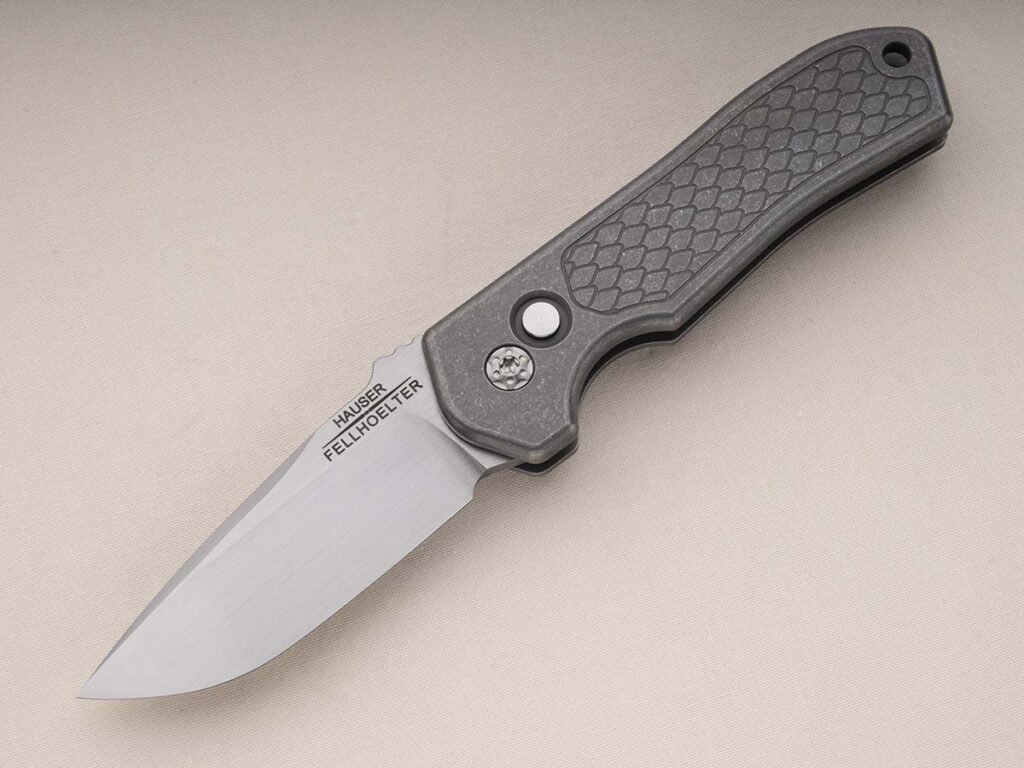
Best M.A.C.K.: Fellhoelter Toolwerks

Best M.A.C.K.: Fellhoelter Toolwerks
Jocelyn Frasier image

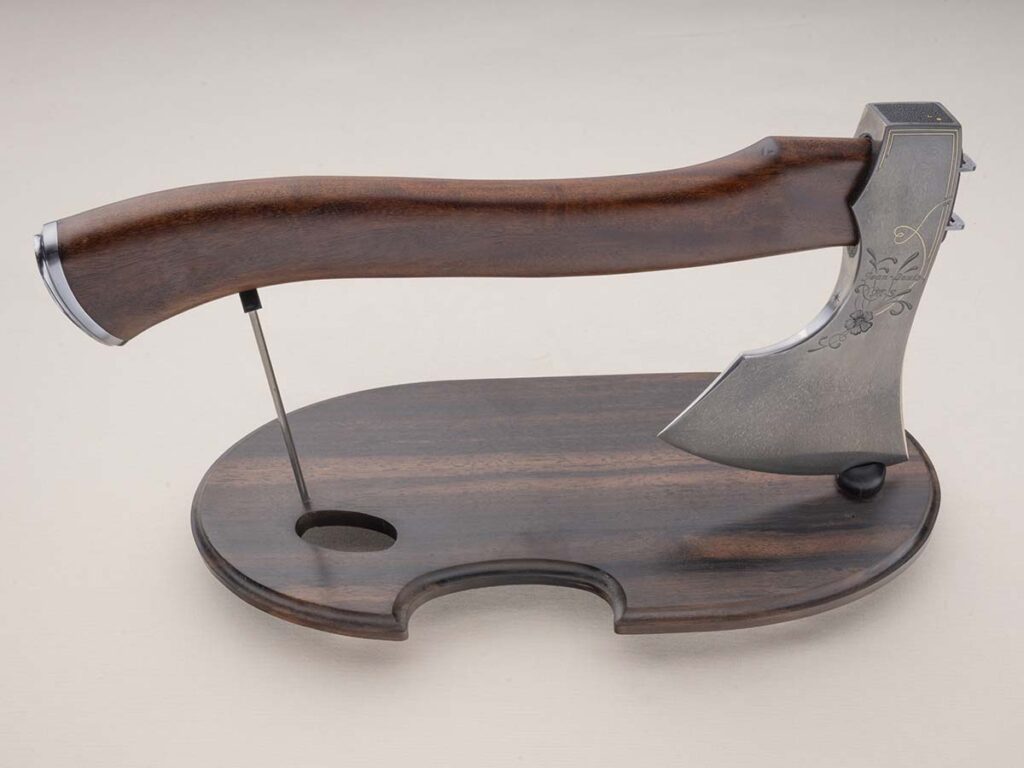
Best Of The Rest: Jean-Louis Regel

Best Of The Rest: Jean-Louis Regel
Jocelyn Frasier image

See More Award Winners:

2026 BLADE Show Texas Factory Knife Award Winners

See which factory knives took home the coveted hardware from the BLADE Show Texas Factory Knife Awards.

The BLADE Show Texas, held March 20-21 at the Fort Worth Convention Center, saw an intense factory knife competition. With an excellent turnout of competitors and a high-level of execution on the knives, it was most definitely a showcase of the top-tier production knives at the show.

With such an impressive lineup, the three-judge panel faced a tough challenge in determining which blade best represented each of the seven categories. In short, competition was hot. With the dust settled, here are the winners who claimed top honors, including Best in Show.


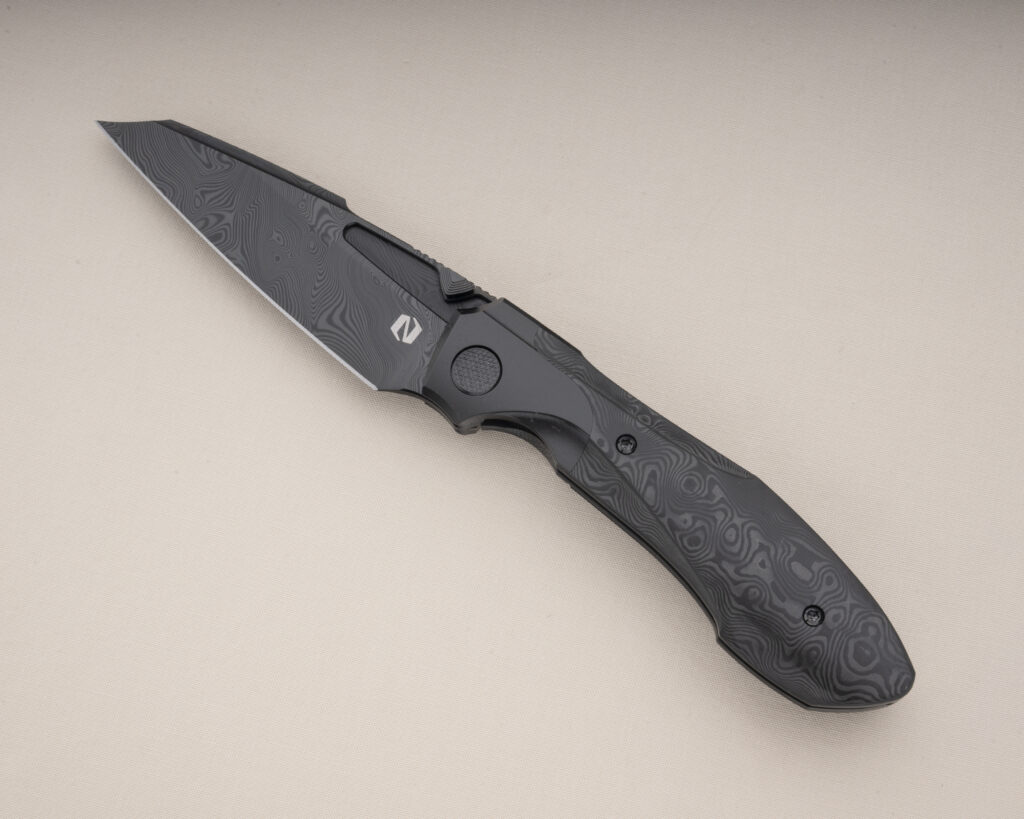
Best Folder And Best Of Show: Null Knives Voodoo

Null Knives VooDoo
Jocelyn Frasier image
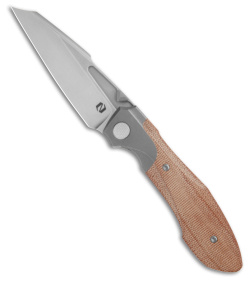
Null Knives Voodoo Lock Knife Natural Micarta

Null Knives Voodoo Lock Knife Natural Micarta

$350.00
Prices accurate at time of publishing. Affiliate disclosure.

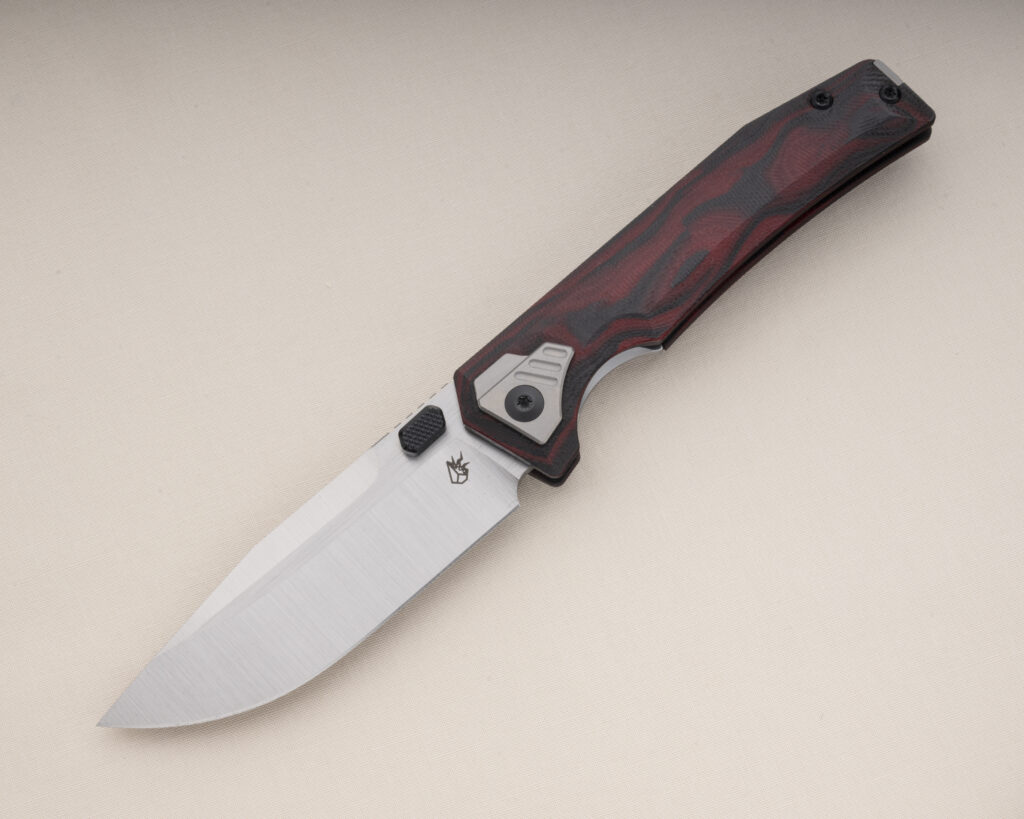
Best EDC: Arcane Design Automation

Arcane Design Automation
Jocelyn Frasier image

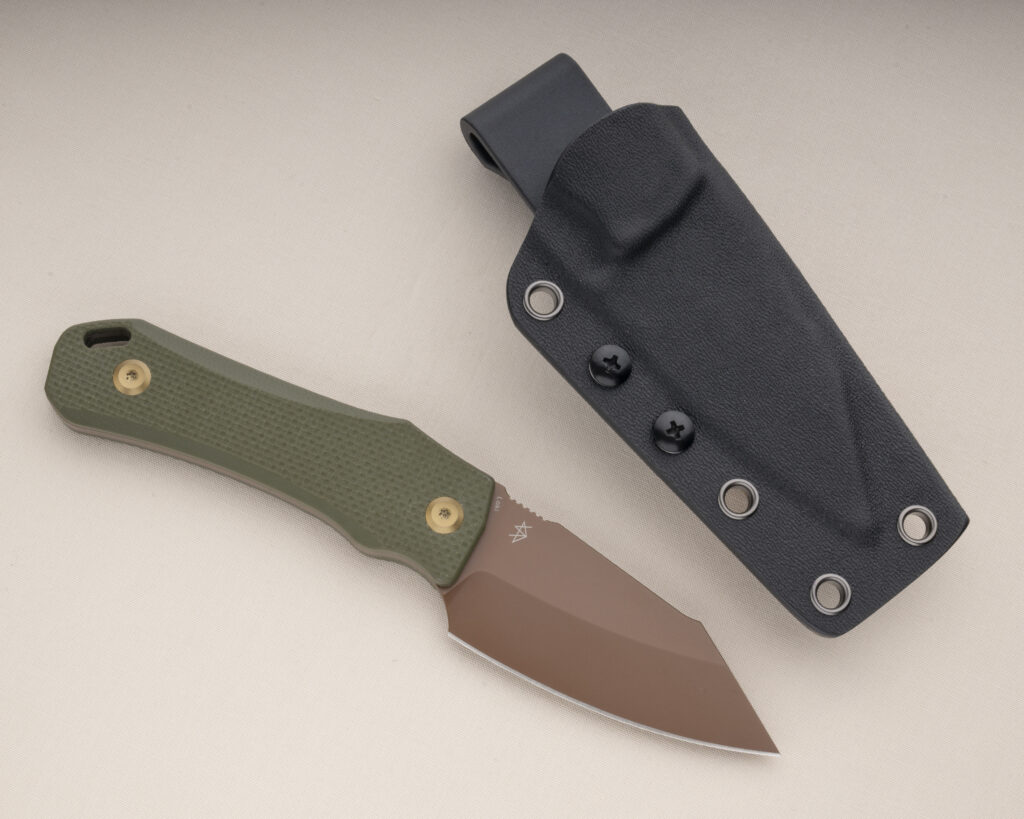
Best Fixed Blade: Tenable Knives Loki

Best Fixed Blade: Tenable Knives Loki
Jocelyn Frasier image
Tenable Knives Tenable Loki Fixed Blade Knife Olive G-10

Tenable Knives Tenable Loki Fixed Blade Knife Olive G-10

$49.89
Prices accurate at time of publishing. Affiliate disclosure.

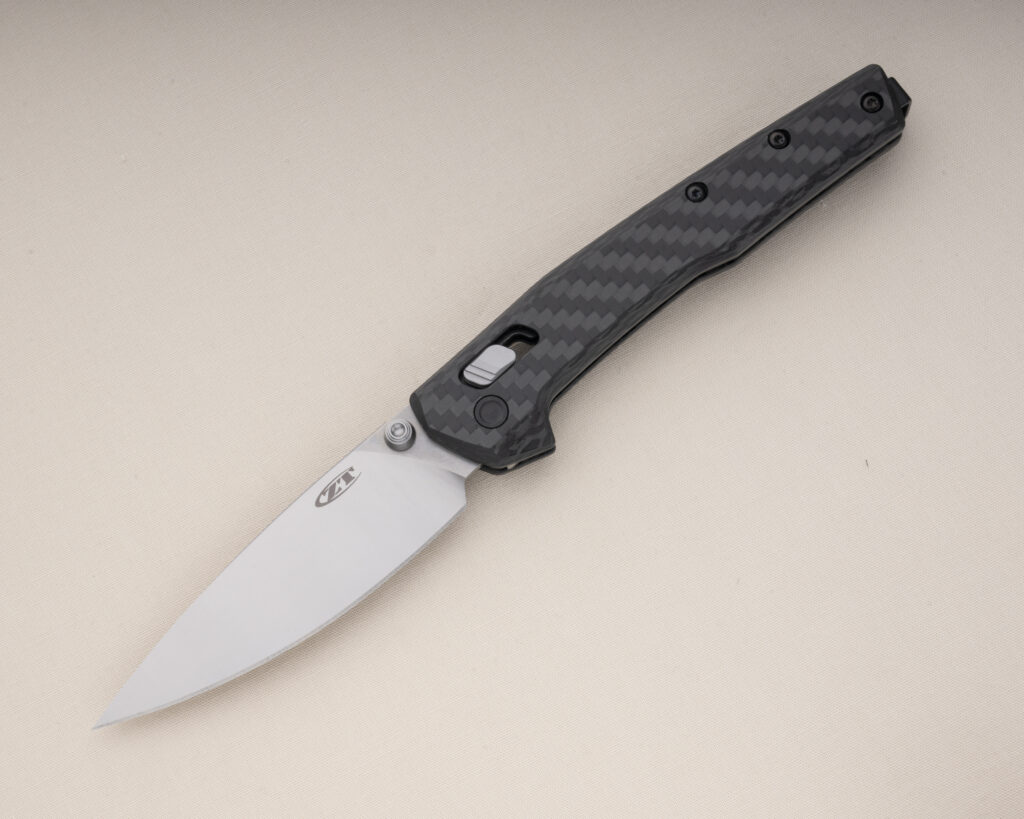
Best American-Made Knife: Zero Tolerance 0117

Best American-Made Knife: Zero Tolerance 0117
Jocelyn Frasier image
Zero Tolerance 0117 Pocket Knife Drop Point CPM MagnaCut Satin Blade Carbon

Zero Tolerance 0117 Pocket Knife Drop Point CPM MagnaCut Satin Blade Carbon

$240.00
Prices accurate at time of publishing. Affiliate disclosure.

Best Imported Knife: Null Knives Vandal

Best Imported Knife: Null Knives Vandal
Jocelyn Frasier image

Best of the Rest: Tactile Turn Anso

Best of the Rest: Tactile Turn Anso
Jocelyn Frasier image

See More Award Winners:

MagnaMax and Pop’s ProCut: The Next Super Steels?

Specially engineered for knife blades, the two alloys are at the cutting edge of metallurgy.

Editor’s note: The genius behind MagnaCut—arguably today’s most popular blade steel for both custom and factory knives—the author has helped create two new blade materials that he fully expects to meet with wide-ranging acceptance as well. Following is his story on his latest voyage into his favorite subject.

I pitched the idea of MagnaCut steel to Crucible Steel and Niagara Specialty Metals in 2019. I said I had an idea for a steel that would match the best of the non-stainless powder-metallurgy steels in terms of wear resistance and toughness. This would be a big deal because there has been a longstanding gulf between the performance of carbon steels and stainless steels. My team and I successfully turned the idea into MagnaCut, released in 2021, which had a microstructure like a non-stainless steel while being stainless—offering the best properties of both.

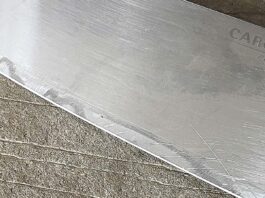
I intentionally sought balanced properties with MagnaCut so it was both tough and wear-resistant, similar to non-stainless grades such as CPM 4V, CPM CruWear and Vanadis 4 Extra. Knife enthusiasts, especially those into folders, often seek higher-wear-resistance steels for maximum edge retention. Instead, I tried to push for a more balanced set of properties so knife buyers could see the benefits of having high toughness in addition to good wear resistance. This can allow knives to be made with thinner edges for better cutting ability, because toughness helps thinner edges resist chipping. In my edge retention tests with the CATRA (Cutlery Allied Trades Research Association) edge testing machine, thinner edges with smaller angles lead to larger differences in edge retention than the steel choice, or even the heat treatment! It seems many knife buyers have seen the light as MagnaCut has gained quite a bit of popularity since its release.

MagnaMax Steel

Nonetheless, I also knew knife enthusiasts would ask for something more wear-resistant. The folder crowd is not as worried about toughness and are seemingly always asking for greater wear resistance and edge retention. However, when the wear resistance gets too high, the steel becomes “unbalanced,” and the toughness becomes a significant issue. I see images of broken folders semi-regularly from the most extreme wear-resistance grades.

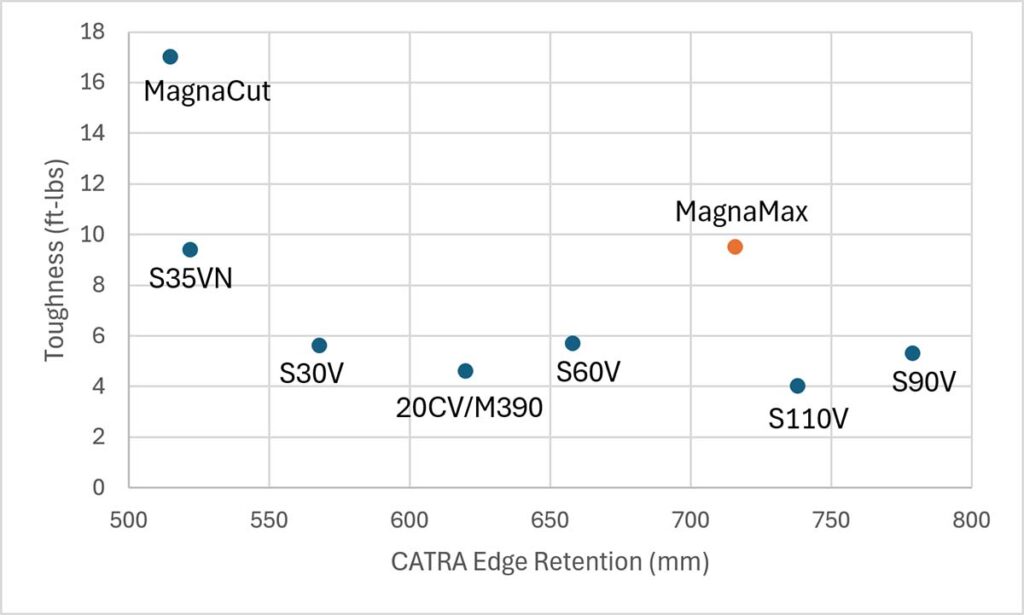
MagnaMax shares the same high corrosion resistance and good hardness potential as MagnaCut, but has higher wear resistance at the cost of some toughness. Because MagnaMax shares a similar microstructure to non-stainless steels, its toughness level for that high wear resistance is excellent.

The “sweet spot” for higher-wear-resistance products seems to be in the family of non-stainless alloys such as CPM 10V, Vanadis 8 and K390. In particular, K390 has been building in popularity through Spyderco knives in recent years for its excellent combination of properties. I had actually proposed to Crucible and Niagara way back in 2019 that, after we were successful with MagnaCut, I had another idea I was calling stainless 10V at the time.

This led to a new product called MagnaMax, a higher-wear-resistance steel in the same family as MagnaCut. It shares the same high corrosion resistance and good hardness potential as MagnaCut, but has higher wear resistance at the cost of some toughness. Because it shares a similar microstructure to non-stainless steels, its toughness level for that high wear resistance is excellent.

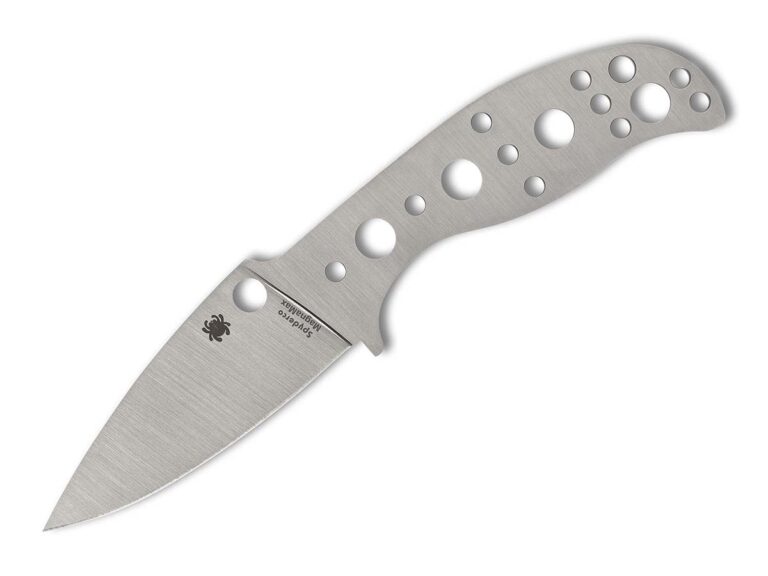
Two of the highest-toughness stainless powder-metallurgy steels before MagnaCut were CPM S35VN and CPM 154. MagnaMax matches the toughness of those grades while being much more wear-resistant. In recent years, one of the more popular folding knife steels has been M390, and MagnaMax has over twice the toughness and substantially higher slicing edge retention. Spyderco used the second prototype heat of MagnaMax in a series of its Mule series knives intended for enthusiasts to try out different steels. A Spyderco Forum member known as vivi said he cut 325 gallons worth of cardboard strips with one of these knives. He reported, “Even without adding the numbers up, I can say this steel has the best edge retention of any steel I’ve tried.”

The author (left) and his father, BLADE Magazine Cutlery Hall-of-Fame® member Devin “Hoss” Thomas.

The development of MagnaMax was not without its issues, however. The first two test heats of the steel were made by Crucible, a longstanding U.S.-based steel company that unfortunately went out of business in 2025. Crucible is the company behind many of the industry’s leading knife steels like 154CM, S30V, S35VN and 3V. Crucible is the company that invented powder metallurgy itself, a significant innovation providing the excellent properties of all the “CPM” (Crucible Particle Metallurgy) grades. Crucible went under basically right while it was making the second test heat of MagnaMax. A couple of slabs were even recovered from a pile of scrap after the company was dismantled so my team could test it. We made the first test heat of MagnaMax back in March 2023, and we are just now approaching the product’s wide release.

Niagara Specialty Metals (NSM), the company that hot rolls, anneals and distributes the majority of the leading steel grades, has played a key role in keeping these steels alive. Crucible relied on NSM for hot rolling the high-end, complex grades, as it is the only facility in the United States capable of processing them.

Niagara had already assumed an active role in the knife industry many years before, taking over the distribution of blade steels over a decade ago after Crucible’s first bankruptcy in 2009. It pushed for new grades like CPM S45VN, and without NSM, I’m not sure MagnaCut would ever have been made. Niagara is working with other suppliers of powder-metallurgy steel, including Carpenter and Erasteel, to ensure these grades remain available. My team has been working closely with these partners on the development of MagnaMax, but that also means we almost had to start over after Crucible’s unfortunate demise. The good news is I have been testing MagnaMax made by Erasteel, and the properties look excellent, at least as good as the Crucible-made material. And it’s actually looking a little better.

Pop’s ProCut Steel

Perhaps sometimes I get carried away working on new knife steels that push the boundaries for wear resistance. Some knifemakers are looking for simpler grades that are easy to forge, grind and finish.

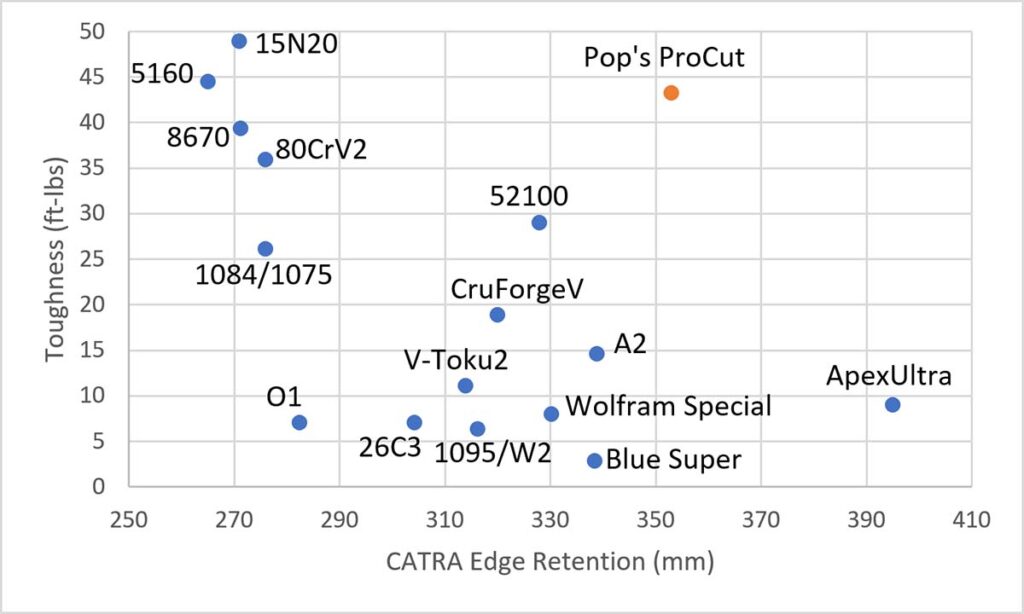
Pop’s ProCut’s toughness matched that of steels like 8670 and 5160, known for their excellent toughness. The edge retention was better than the majority of forgeable grades outside of ApexUltra, a high-performance forging grade.

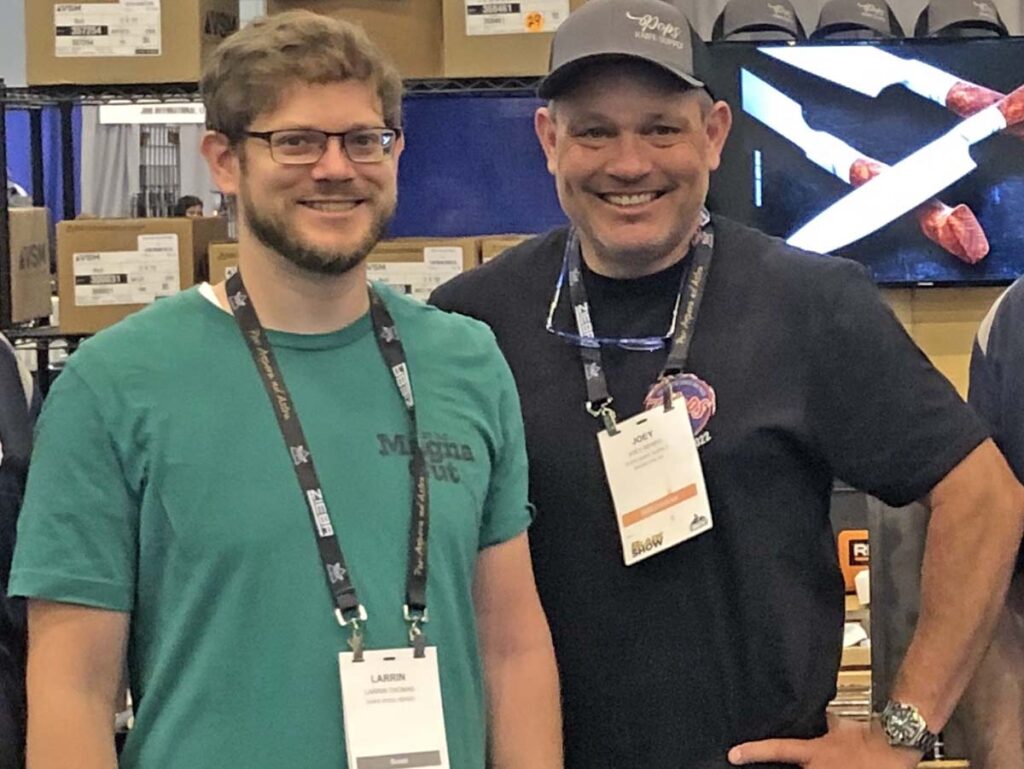
Joey Berry of Pop’s Knife Supply contacted me in March 2024 asking for an improved version of Pop’s most popular grade, 80CrV2, which is known for being very easy to work, high in toughness and low in cost. I told Joey I would need to think about it because I had no idea off the top of my head what version of 80CrV2 would fill the niche of bladesmiths who want something inexpensive and easy to work. However, I have always enjoyed working with Pop’s Knife Supply, so I gave some serious thought to what kind of steel would be ideal for Joey’s request.

Pop’s is growing rapidly and has been a big supporter of mine, selling copies of my books—Knife Engineering and The Story of Knife Steel. It has been expanding its steel offerings and its steel education base to better serve customers, and I knew a steel along these lines would be a good fit for it. One of the trade-offs with knife steel design is when you add some elements like vanadium in significant amounts, things like forgeability and finishability go down. How could I make something new and exciting without pushing so much it becomes difficult for knifemakers to work with?

I thought about how high-nickel steels like 15N20, L6 and 8670 are known for their excellent toughness—at the top of my charts—but also have very limited wear resistance. I also knew some relatively rare steels like Blue #1, V-Toku2 and Wolfram Special have small additions of tungsten and vanadium for wear resistance. In grades with higher amounts of those elements, I start to see complaints from makers about the difficulty of working with them, though they seem to be at a place where they hit the right balance before forging and hand sanding become issues. These tungsten-vanadium steels are relatively challenging to find, often expensive when you do, and their toughness is much lower than the high nickel grades. As a result, the idea was to combine the high nickel approach for toughness with the controlled additions of tungsten and vanadium for wear resistance.

The author (left) and Joey Berry of Pop’s Knife Supply.

Another major factor for this development was the ease of heat treating. Often, steels like 1084 are recommended to novice makers for heat treating in a forge because it is dead simple to harden—just heat it to nonmagnetic and dunk it in oil. However, these grades are also very easy to overheat; they come out hard, but the toughness is greatly reduced. Only a few seconds in a forge past nonmagnetic can lead to a reduction in toughness.

On the flip side are grades like 80CrV2 that have chromium and vanadium additions to limit grain growth, so overheating isn’t as much of an issue. But the chromium also means you must heat past nonmagnetic and hold it there to ensure the carbides dissolve. The chromium slows everything down. However, I thought if we kept the chromium content very low the new steel could still be quenched from nonmagnetic and achieve full hardness, while the tungsten and vanadium additions would create tiny carbides that “pin” the grain boundaries so overheating and grain growth are not issues. This would make the easiest-to-heat-treat knife steel ever. Just heat it past nonmagnetic and quench it, and you will get high hardness and toughness every time.

My team and I got a steel company to agree to try the composition I proposed and waited (im)patiently for the steel to arrive. This was a major investment for Pop’s Knife Supply, and there was no guarantee the new steel would work just because it sounded good on paper. Fortunately, however, when we tested the steel, its toughness matched steels like 8670 and 5160, known for their excellent toughness. The edge retention was better than the majority of forgeable grades outside of ApexUltra, a high-performance forging grade I developed with makers Marco Guldimann and Tobias Hangler. And in testing the heat-treating range, we found it could be quenched anywhere from 1400°F up to 1750°F—over 300°F! This met our target of making a steel that is easy to heat treat.

Reports from makers have been very positive for Pop’s ProCut. They have praised the ease of working as well as the tested performance. Dawson Knives related: “We found it to be an excellent steel that 1) Offers a razor-sharp edge on par or better than other modern steels; 2) Holds that edge cut after cut; 3) Displays excellent lateral strength (it flexed close to 20 degrees in either direction and returned to true); and 4) Extreme impact resistance (edge resisted chipping, cracking or rolling when driven into a piece of steel Unistrut with a sledge hammer). We are able to get our edge hardness to Rockwell C of 62-63 and still retain superb flexibility.”

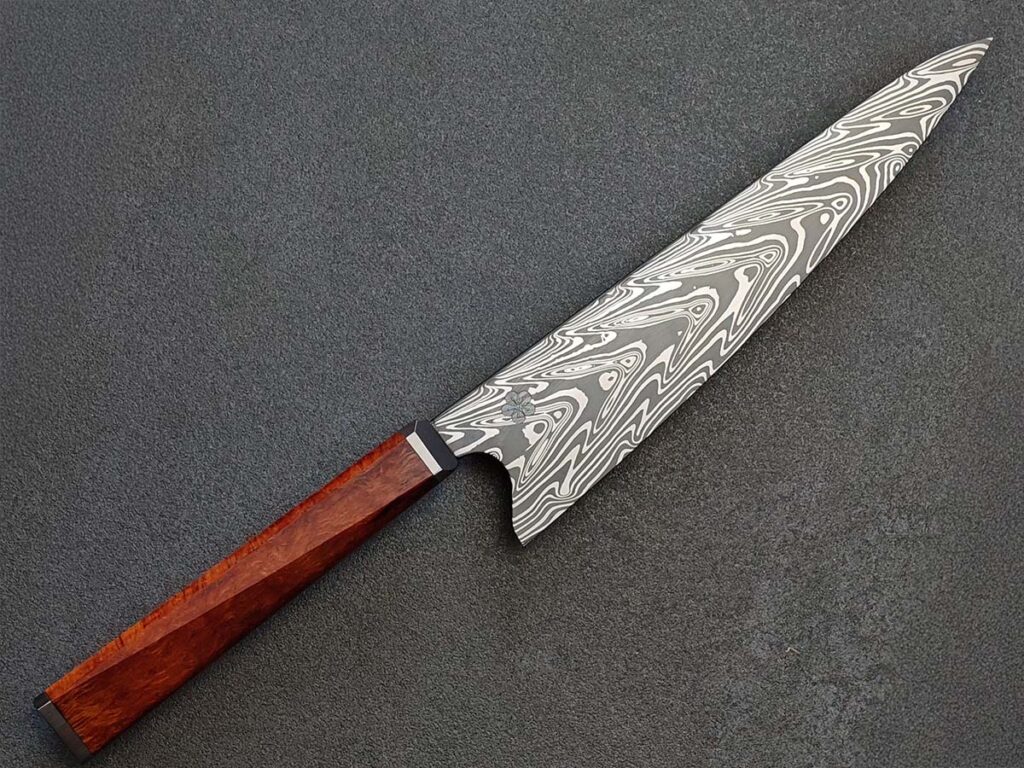
Kurt Glatt forged Pop’s ProCut and ApexUltra steels for the damascus blade of his chef’s knife.

Another exciting aspect of ProCut is the high nickel content (2 percent like 15N20) allows it to be used in pattern-welded damascus as a “bright” layer. This gives a new, higher-edge retention steel for use in damascus. As noted, previous high nickel grades have very low wear resistance. It can even be used in combination with other high-wear-resistance grades to make superior edge-retention damascus. I have seen a couple of knives using both ProCut and ApexUltra for some excellent-looking and performing damascus.

More To Come?

I’m constantly working on new ideas, though it’s hard to predict which projects will pan out or when they’ll be released. It’s been incredibly rewarding to see the steels I’ve developed used by top knifemakers and major knife companies, and to hear from end users who genuinely love them. When my dad, BLADE Magazine Cutlery Hall-of-Fame® member Devin “Hoss” Thomas, took me to my first knife show as a teenager, I never would have thought I would be working on such cool stuff.

More On Knife Steel:

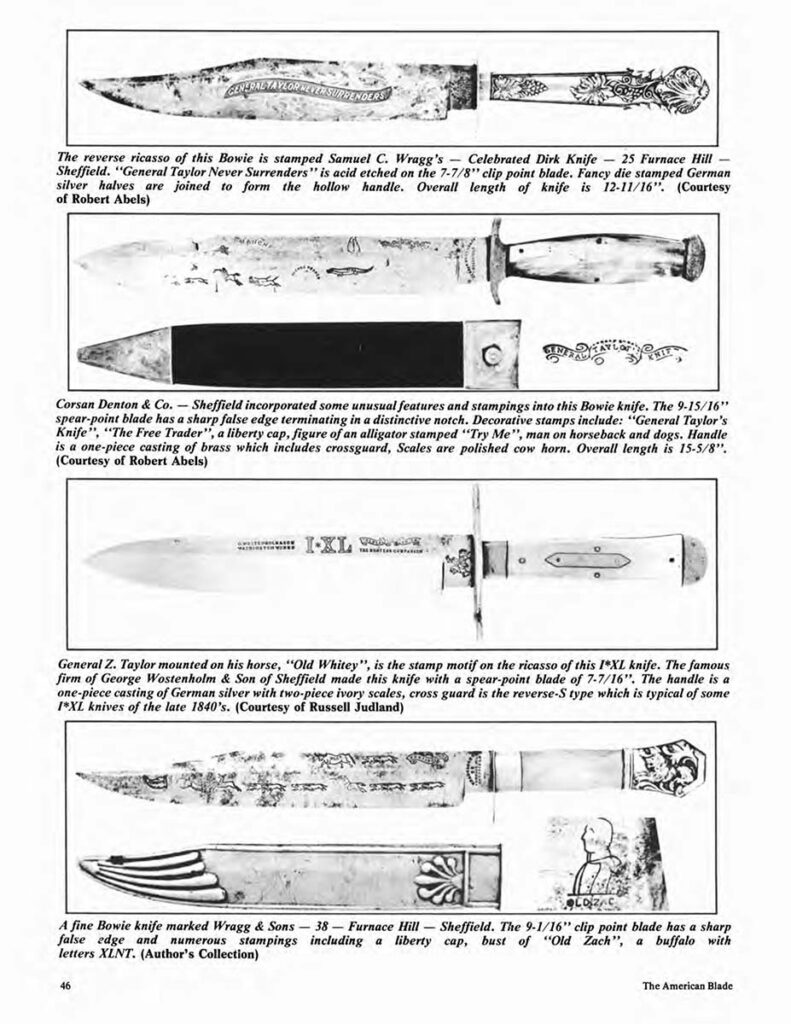
50 Years Ago In BLADE: Taylor, Bowie & Sheffield Knifemakers

The 12th president was and is a hot knife commodity.

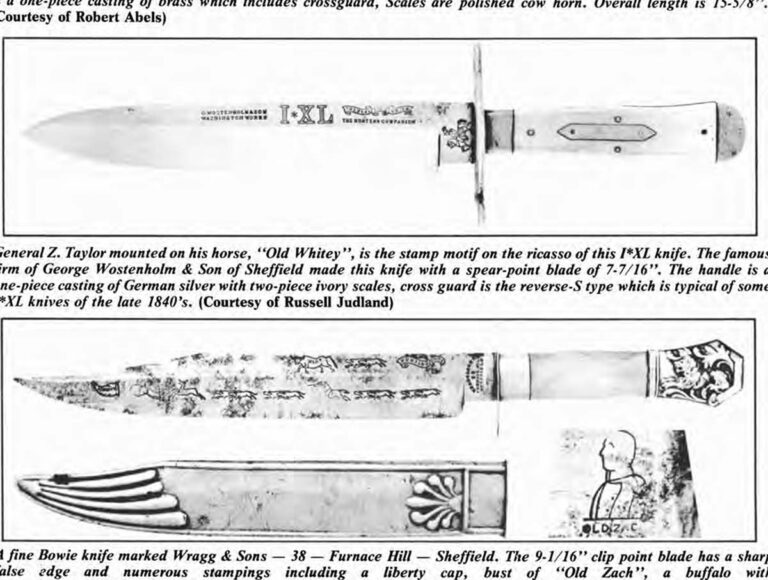
Some examples from the article of “Old Zach” bowies that included the American general and president’s name, slogans or likeness. The lower bowies have his visage, the second from bottom a stamp motif on the ricasso of Taylor on horseback, the bottom a bust of the celebrated general.

Ever in tune with what’s popular at the moment, knifemakers have never been afraid to cash in on a hot trend. William R. Williamson documented one of the more peculiar vogues of the middle 19th century when Zachary Taylor and bowie knives were all the rage.

Fresh off his triumphs in the Mexican-American War, Taylor was the 1850’s version of a rock star—Americans just couldn’t get enough of him. And while not known to carry a bowie nor affiliate with the hero of the Alamo—Jim Bowie—the general and president’s likeness began to pop up on the most American of knives.

Funny thing is, as William’s points out in his article “Old Zach and the Bowie Knife,” from the March-April issue of The American Blade®, it wasn’t the Yanks cashing in. Instead, England Sheffield’s makers had the pulse of the USA and stamped Taylor’s visages on blades and bolsters.

Unfortunately, Old Rough and Ready’s short-lived presidency didn’t inspire the same outpouring of effigies. But modern collectors did and do find these unusual and patriotic blades desirable, as Williamson points out in his article.

More Knife History:

Advertisement

Must Read Articles

Read this before you make a knife

Knifemaking 101 – Read This Before You Make a Knife

  by Wayne Goddard My experience has taught me that there's nothing like digging in and getting started. I've often said the hardest part of the...
how to forge damascus steel

How to Forge Damascus

Advertisement
Advertisement