From historic clashes to modern conflict, these fierce custom blades prove there is still a profound amount of art in the tools of war.
Since the dawn of man, the edge of the blade has been used to hash out disputes between everything from clans and tribes all the way to nations. While not the main battle implement in today’s conflict, the martial nature of the knife remains. This particular collection of fierce customs demonstrates there is a heap of art in war.
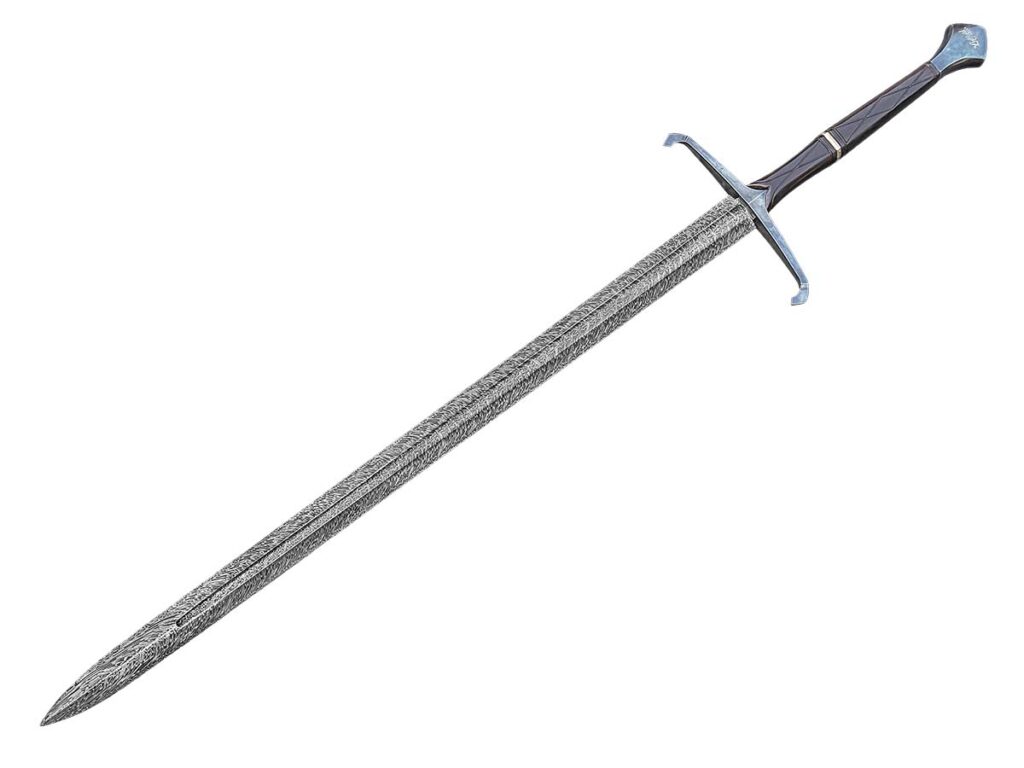
Caleb Ledford Long Sword
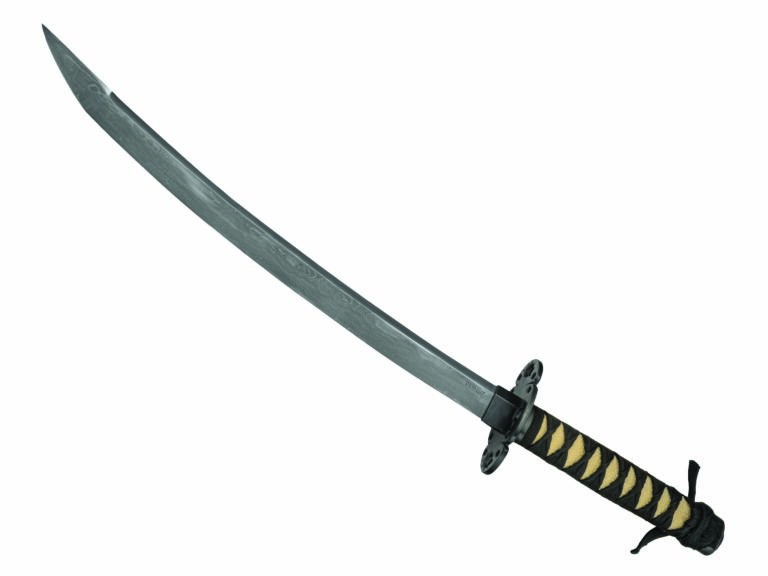
An electric 1084/15N20/mild steel Turkish-twist damascus defines the 31-inch blade of Caleb Ledford’s long sword. Lightening the sizable slicer’s load is a tapered fuller running on its midline. The handle is a pitch-black ebony, and the guard and pommel are cold-blued mild steel.
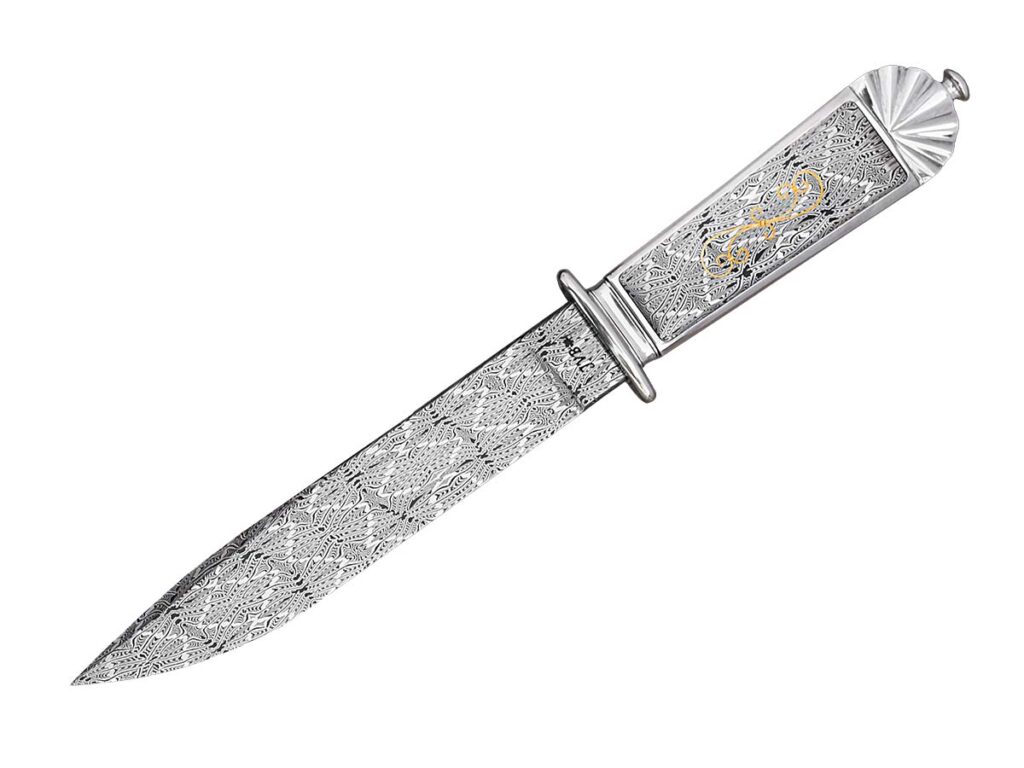
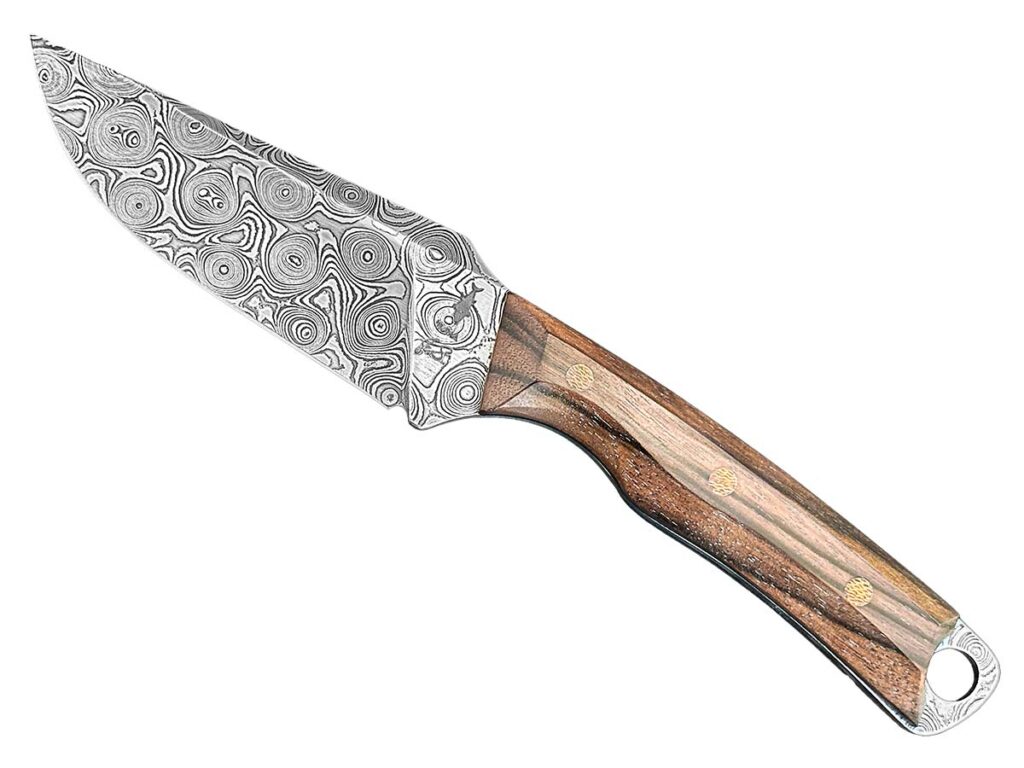
Jacco Van de Bruinhorst San Francisco Bowie
With matching blade and inserts, Jacco Van de Bruinhorst’s take on the San Francisco bowie is an elegant Barbary Coast brawler. The Canadian maker used ProCut/1084 to create what he calls a “snakeskin pattern.” If you study closely, the inserts harken back to the gold rush days with 24k gold inlay.
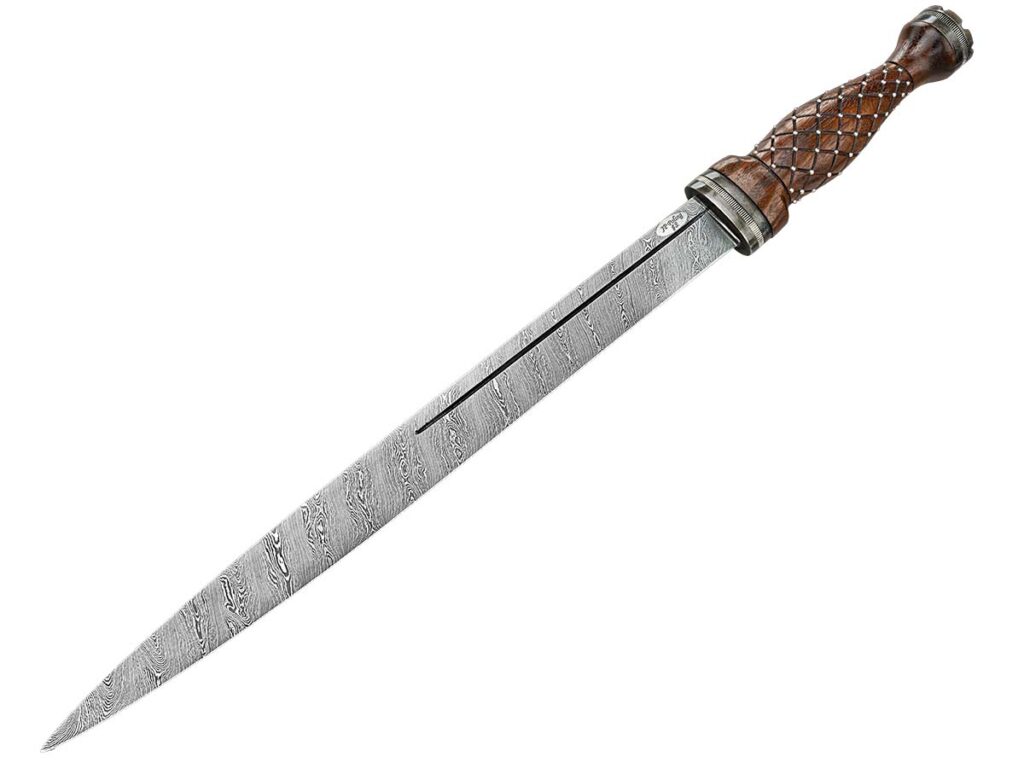
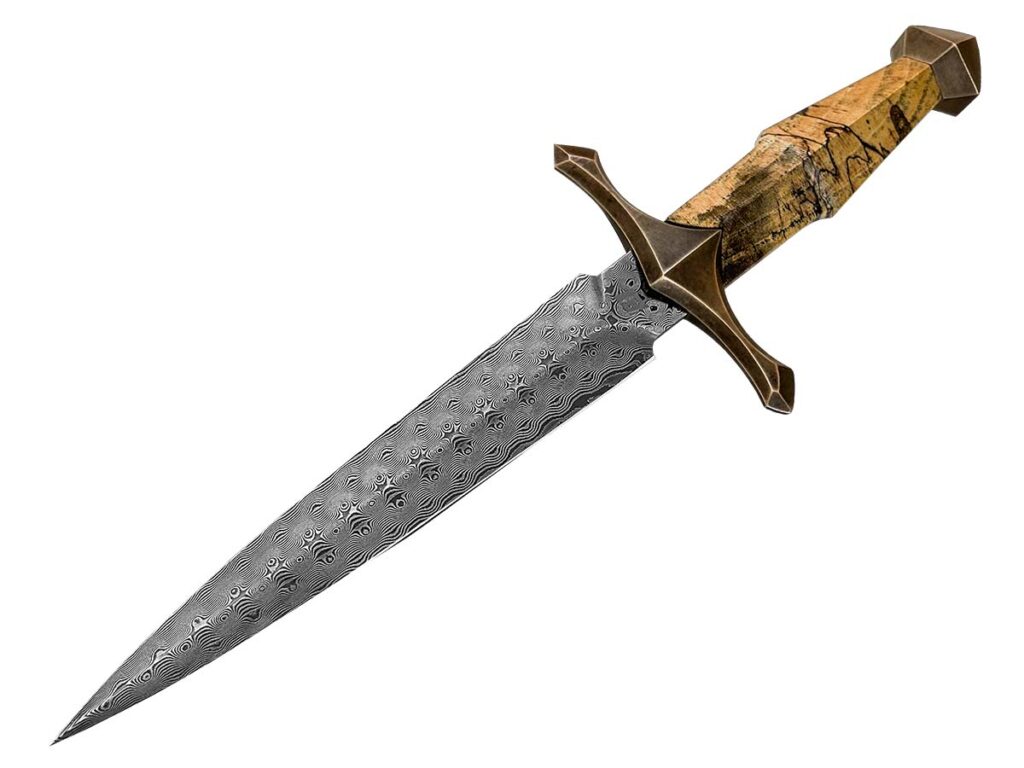
Jim Poling Dirk
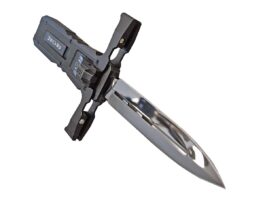
Commissioned by a descendant of King James IV of Scotland, journeyman smith Jim Poling’s walnut-handled dirk appears freshly plucked from the highlands. The dagger boasts a 13-inch 1084/15N20 twist damascus blade, antiqued mild steel fittings and coin-edged nickel spacers.
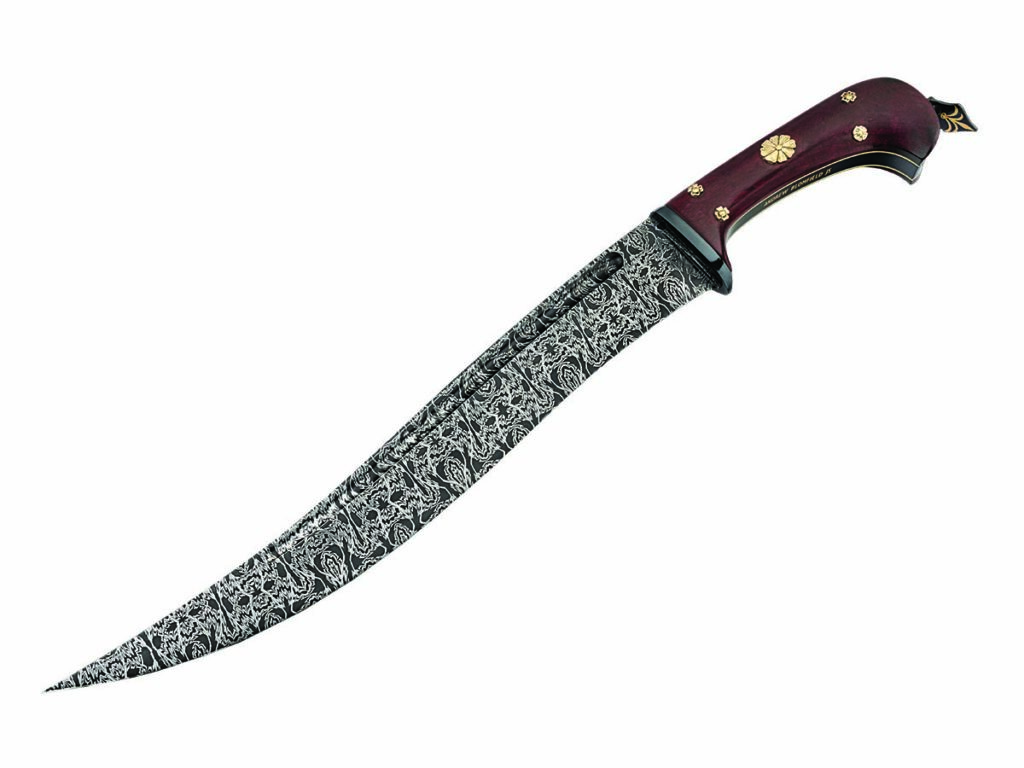
Andrew Blomfield Pesh Kabz
Master smith Andrew Blomfield has taken more than one stab at the pesh kabz in his career, and lands the blow with this 11.5-inch bladed example. The eye-catching mosaic blade is contrasted by the very conservative tones of the purple gidgee handle and blackened steel bolster. A traditional flourish, brass blossoms are on the handle’s pins.
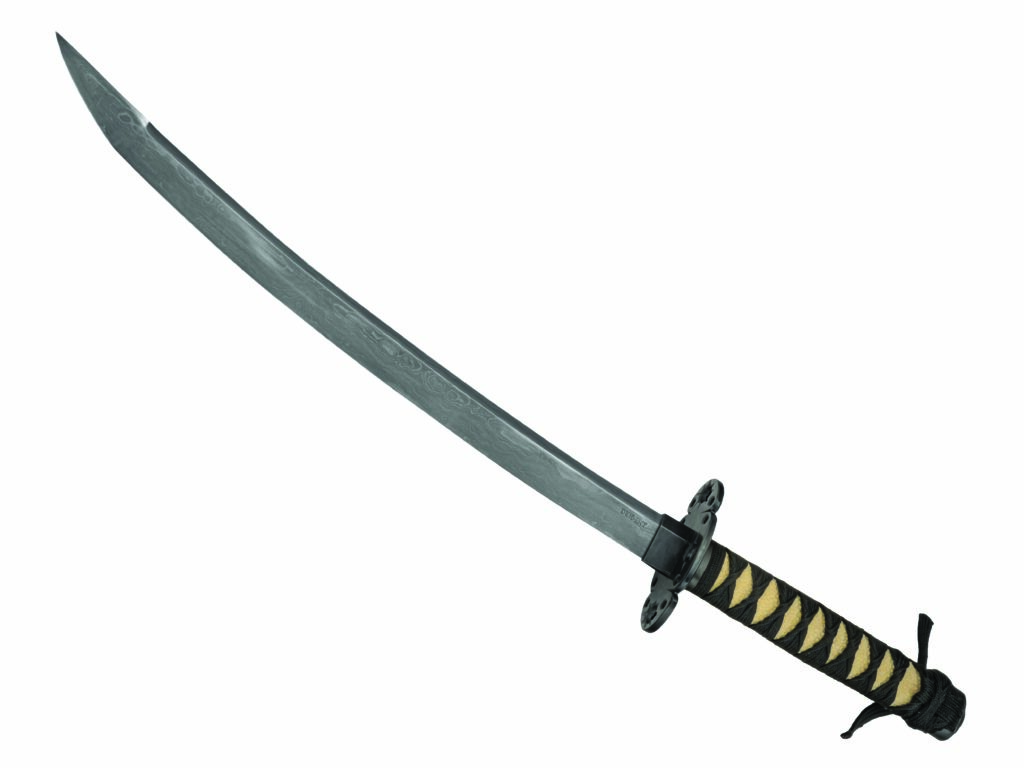
Michael Deibert Wakizashi
Alabama-based journeyman smith Michael Deibert brings traditional Japanese styling to life with this striking Wakizashi. The 18-inch blade features 1,100 layers of 1080/15N20 steel, paired with a wrought iron bolster. A classic stingray and an Ito-wrap handle complete the 28-inch overall build.
Nate “Tuna” Grant Pocket Fixed Blade
Nate “Tuna” Grant Pocket Fixed Blade
Journeyman smith Nate “Tuna” Grant delivers a compact powerhouse with the Defender. This 7.375-inch overall fixed blade features a 4-inch flat-ground blade forged from 1084/15N20 steel in a striking diamond drop pattern. The build is finished with rich Mun ebony scales.
Emmett Eitreim Dagger
Emmett Eitreim presents a refined 12-inch overall dagger featuring a 7-inch flat-ground blade. The steel is a striking rose pattern forged from 15N20/1084, complemented by a 954 aluminum bronze guard and pommel. A stabilized spalted maple handle completes this elegant, high-contrast build.
Check Out More Cool Customs:
Cool Custom: Tony Lewis’ Tribute Knife To Steve Dunn
Cool Customs: Rocco Nawrocki’s Knife For Sergeant Bunker
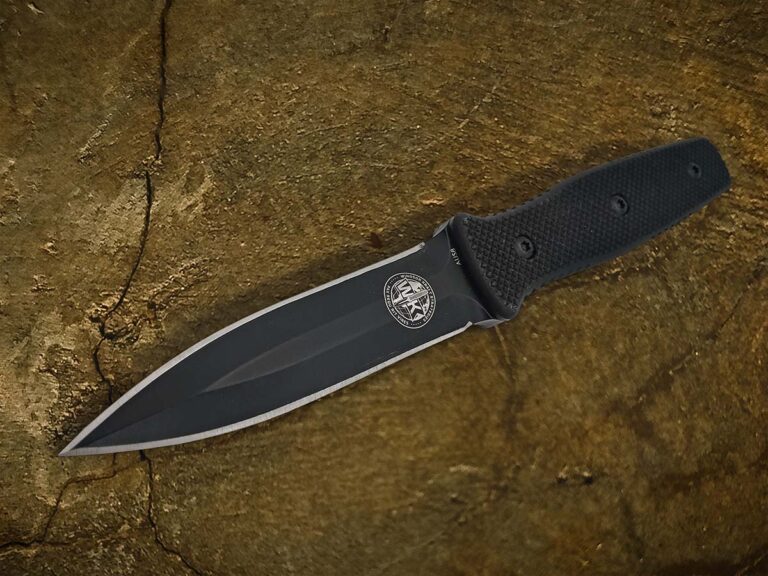
Daring little dagger takes a stab as a defensive secondary.
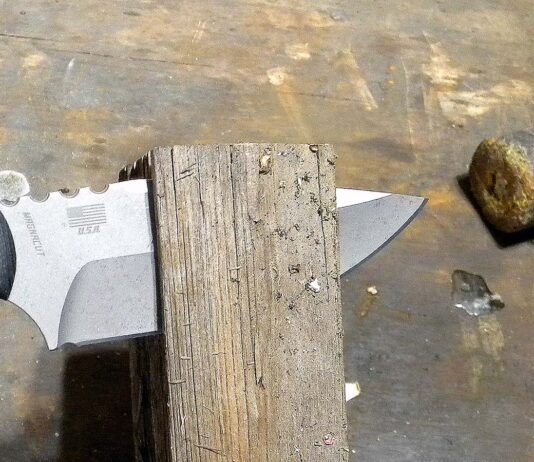
This was a challenging review. Not so much because of the knife, but the usual tests I do. I’ve focused mainly on the cutting ability of knives and a lot of what passes through my hands falls on the larger side. The Contingency Dagger from Colonel Blades is a small knife. On top of that, daggers are made for, err … penetration—I’ll leave it at that.
From my knowledge, the dagger would be excellent for a backup, self-defense blade. It’s light, concealable and with sturdy AUS-8 steel can and will penetrate. Right off, I like the overall feel of the knife, designed by veteran and author* Tom Marshal, and find the handle very well thought out. It comes with a Kydex sheath, fully adjustable for great security. But the way it shipped, it already had excellent positive lockup.
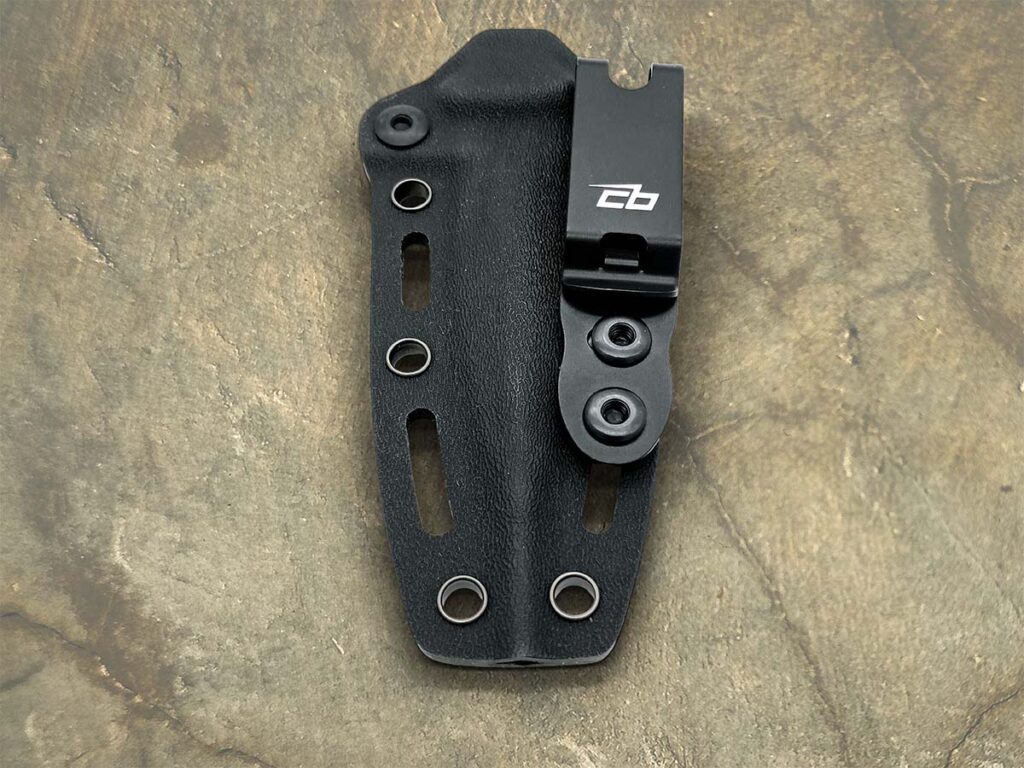
The Contingency comes with a Kydex sheath with a clip that make inside and outside the waistband carry simple and convenient.
All that said, no matter what a knife has to cut. I recommend that everyone test their knives to see how well they perform. It’s like going to a gun range with a new pistol—know its capabilities, both good and bad. I don’t like surprises and do not think you do either. Let’s find out the Contingency Daggers’ cut-abilities.
Light-Duty Cutting Tests
My regular bond paper was soggy after a rainstorm, so I used graph paper. It has the same thickness as 20-pound bonded, so it offers a comparable initial edge test. At first, the dagger ripped the paper, given that I approached the slices at too shallow an angle. Once I corrected for the knife’s steep grind angle, it cleanly shared the paper. The factory edge seemed like a 220-grit, sharp but not fine.
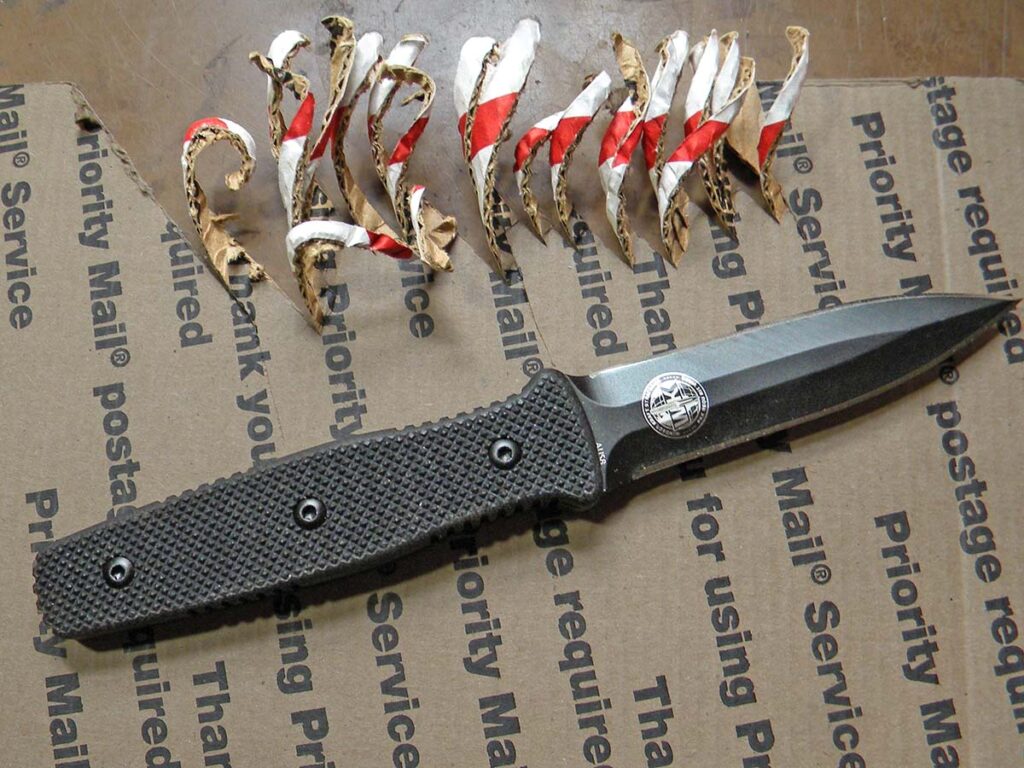
Next on the roster came thin cardboard, single-walled. The dagger quickly sliced through the material without any problems. The cut ends had a full curl to them because of the grind, which was expected. The diamond-shaped texture on the handle proved its worth here, giving the dagger a positive feel and great control.
The dagger quickly sliced through cardboard without any problems. The cut ends had a full curl to them because of the grind, which the author expected.
I grabbed some 8-ounce leather for skiving and the Contingency’s blade made nice crunching sounds as it parted the hide. It was easy to control the thickness of each cut as the AUS-8 blade steel found the medium it liked. While I had the leather out, I did some straight slicing. WOW! Here, the dagger cut aggressively. Again, the handle texturing made control easy.
Heavy-Duty Cutting Tests
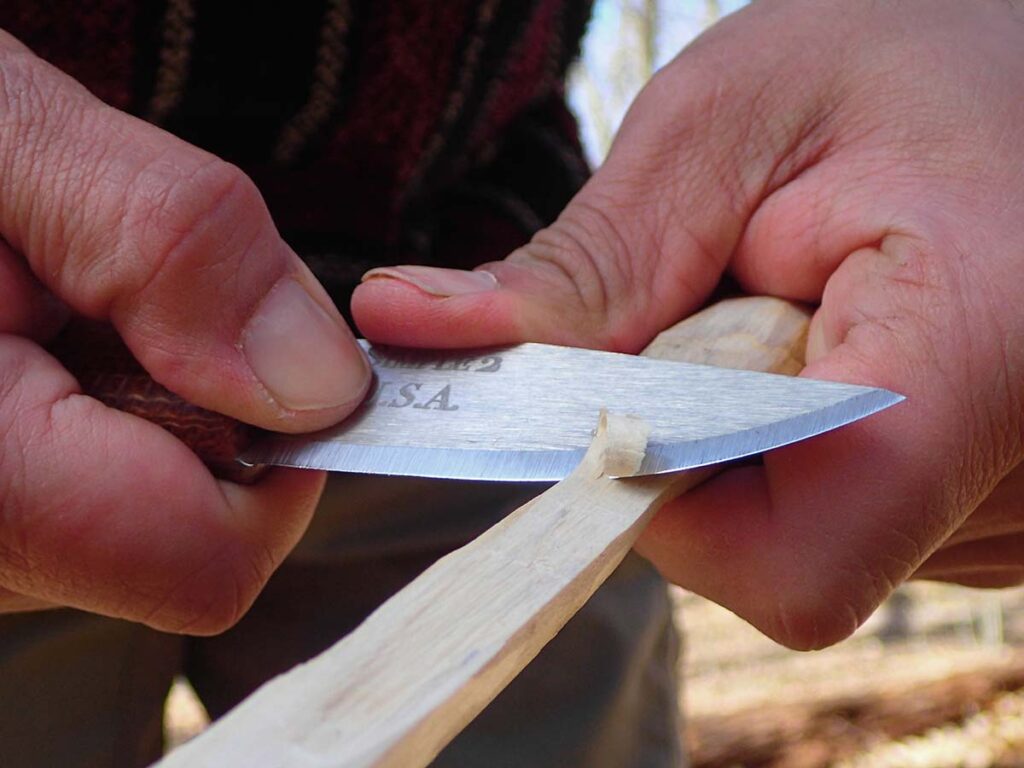
I couldn’t resist doing a little whittling with the dagger. It made coarse curly cues after I adjusted the cut angle more steeply. After settling into a rhythm, the dagger comfortably shaved through. Using it in this fashion reminded me of a survival school trick for making the base wood for a hand or bow drill. A dagger excels at making these fast. I carried a small dagger for survival, they are excellent in the role, if you know how to utilize them correctly.
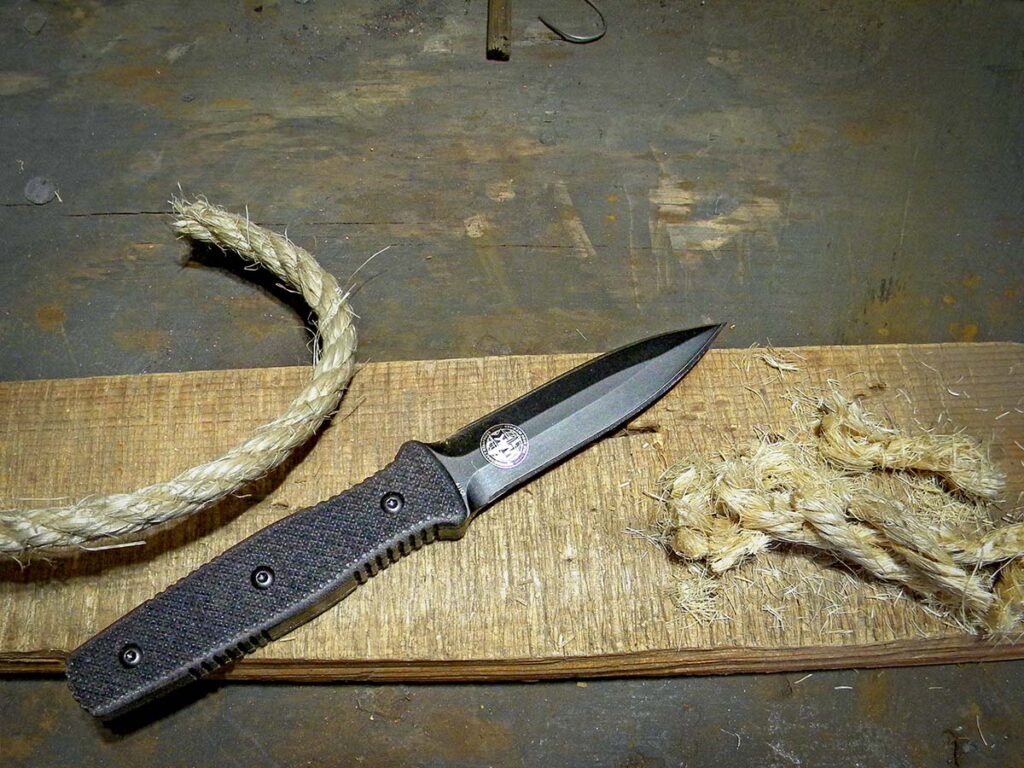
Not exactly designed for making push cuts, the Contingency nevertheless made mincemeat of ½-inch sisal rope.
I knew I would be taking a chance with 1/2-inch sisal rope, but I had to give it a shot. A lot of pressure is required to get a full cut on the material, and it made the edge prove its retention. The dagger gave a nice sounding crunch with 20 cuts. I switched to 1/4-inch braided cord, where it made 50 cuts in all. Not bad for this small dagger.
Overall Take
As a backup blade, the Contingency Dagger is phenomenal. I really enjoyed the handle’s texturing while cutting. The blade is wide enough to bring down the grind angle for a better cutting edge, or it could be hollow ground.
Texas-based maker gives his take on the Randall Model 19.
It’s safe to say Adam Williams has had a lifelong love affair with Randall Made Knives.
“I’ve been drawn to Randall Made Knives and their designs since my grandmother gave me a copy of the 1973 edition of The Gun Digest Book of Knives and saw my first image of a Randall knife. I was around 11 or 12,” he wrote.
Little did this matriarch know where her gift was going to lead her grandson. Eventually, the Texas-based maker said he worked for the legendary company when a chance trip to Randall’s headquarters in Orlando, Florida, for a stock sale developed into a whole lot more.
“While there, I asked if they ever hired. They told me they were actually hiring right now and would need me to start within two weeks,” Williams related. “I rode back to Tampa and asked my now wife if she’d be open to moving to Orlando, and without hesitation, she said, ‘Let’s do it.’ I showed up for my first day at Randall Made Knives expecting to sweep floors. Instead, they handed me a piece of steel stamped Randall Made, Orlando, Florida and told me to start grinding. I couldn’t believe it.”
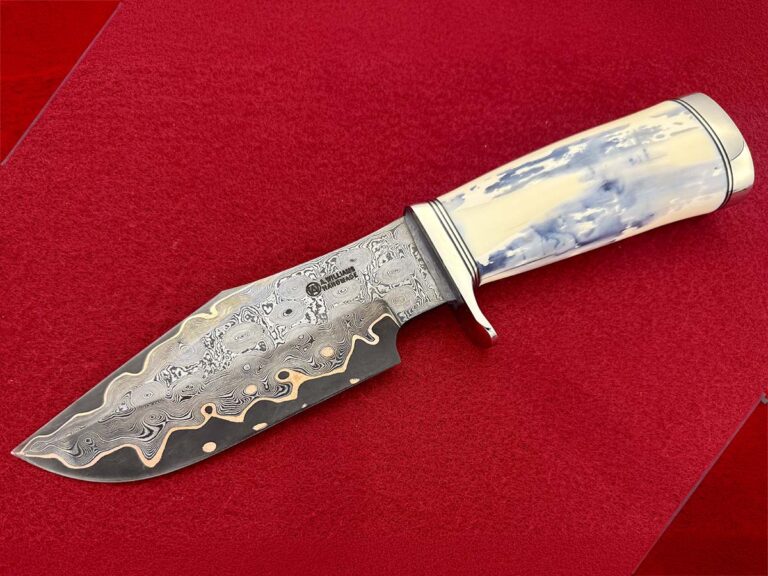
Given this history, it’s little surprise Williams finds Randall a wellspring of inspiration in his own creations. His 10.63-inch Silverado hunting knife is one such example. The blade style is modeled after the stout design of the Randall Model 19—also known as the Bushmaster.
Adam Williams
Williams gives the classic all-purpose design his own twist, forming the ample 6-inch blade from Baker Forge Raindrop copper go mai and outfitting it with an azure hunk of fossilized walrus ivory. He finishes it all off with a nickel silver guard and butt cap. Despite his familiarity with Randall’s design language, his Silverado presented challenges, particularly in venturing into new materials.
“This was my first time using Cu Mai, and thus my main challenge with this knife. It was also my first time using Gator Piss etch,” Williams said. “Jordan Berthelot of JB Blades provided plenty of tips regarding the etch. This coupled with multiple re-sanding, re-buffing and re-etching, I finally got the finish I was looking for on the blade.”
Rare materials, excellent execution and legendary inspiration—it’s likely Randall’s namesake, Bo, would have approved of Williams’ work.
Get a look at the new knives released at BLADE Show, the world’s largest knife show.
More than simply the foremost industry event and knife axis mundi, BLADE Show is also the preferred venue to launch knives. Makes sense, when for three days straight, Atlanta’s Cobb Convention Center sees a steady stream of thousands of knife fanatics. We’ll have more down the road, but here is some of what was dropped at the world’s largest knife show.
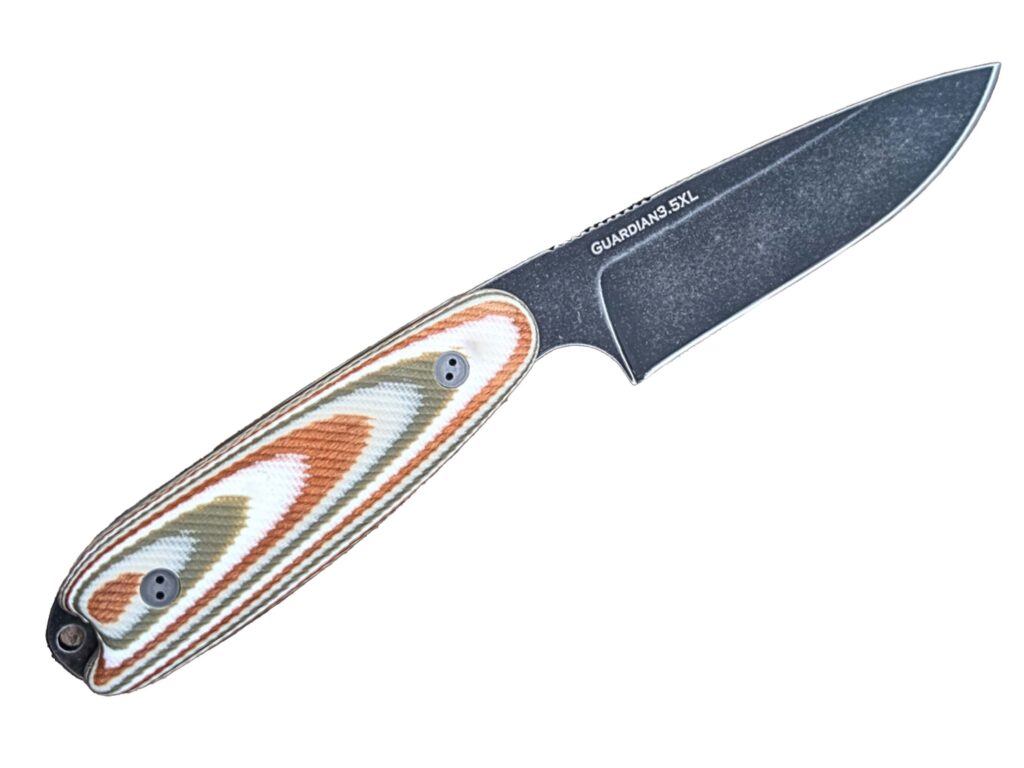
Bradford Knives Guardian 3.5XL
RARE BREED GUARDIAN—Bradford Knives’ fan asked for it and at BLADE Show they’ll get the shot to own the Guardian 3.5XL with a 4-inch MagnaCut blade. This limited run comes with a new sheath design, offering both vertical and horizontal carry options. Overall Length: 8.25 inches. Blade Profile: Sabre. Weight: 4.7 ounces. MSRP: TBD. Available: June
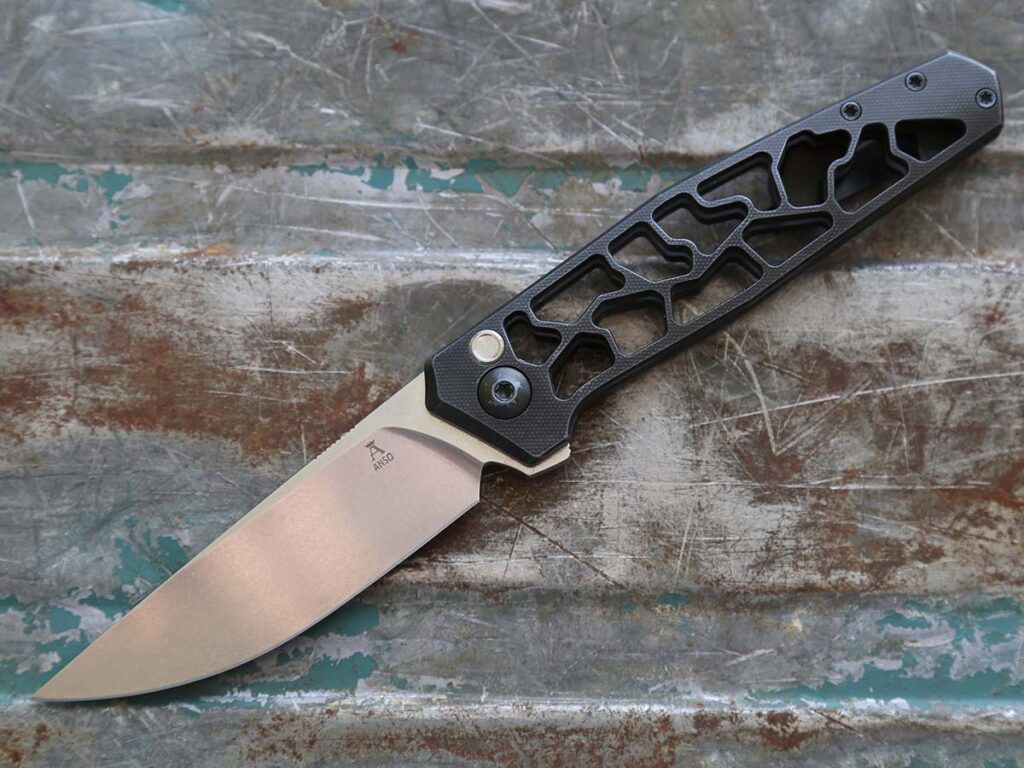
Ansø of Denmark Mudtrack Exoframe
FRAME JOB—Stripped down in material, the Toko features Ansø of Denmark’s skeletonized black titanium Mudtrack Exoframe, stripping the flipper’s weight to a scant 2.86 ounces. Outfitted with a do-all drop-point blade of RWL34 steel, the build had versatile built in. Lock: Button. Blade Length: 3.35 inches. MSRP: $995. Available: June
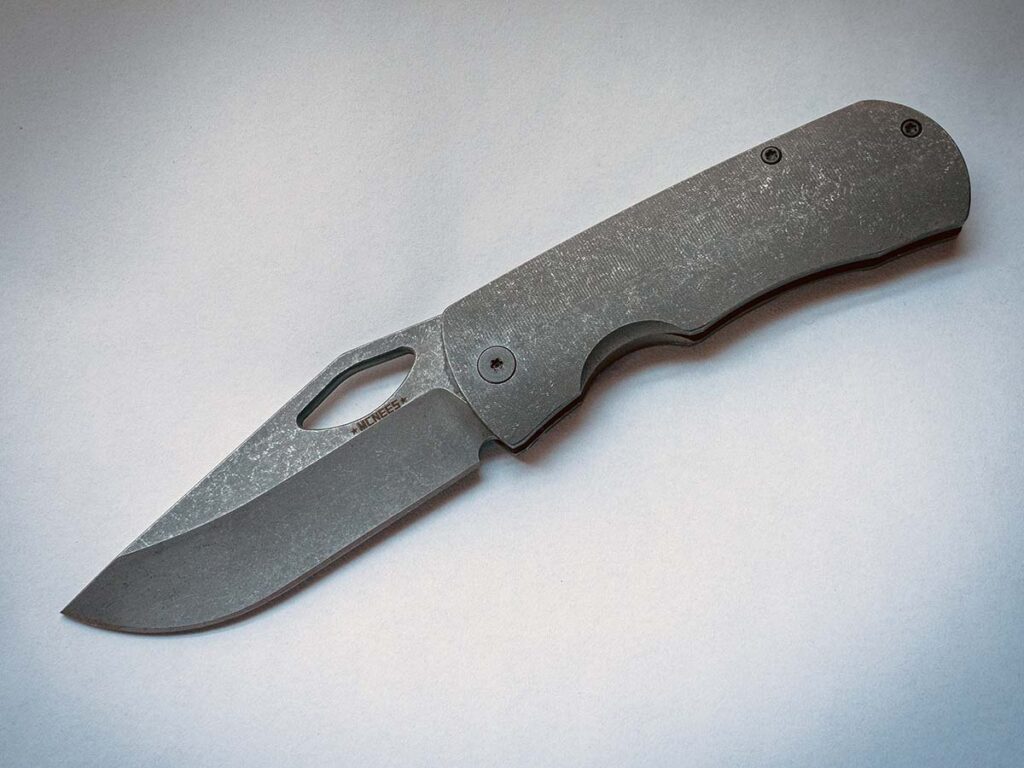
McNees Knives Mini Dixon
MIGHTY MITE—A scaled-down version of a McNees classic, the Mini Dixon boasts a compact 3.35-inch MagnaCut blade matted to a Grade 5 titanium handle. The modified clip point has a hollow grind and comes in a very svelte 4.5 ounces. Lock: Framelock. Overall Length: 7.75 inches. MSRP: $549. Available: June
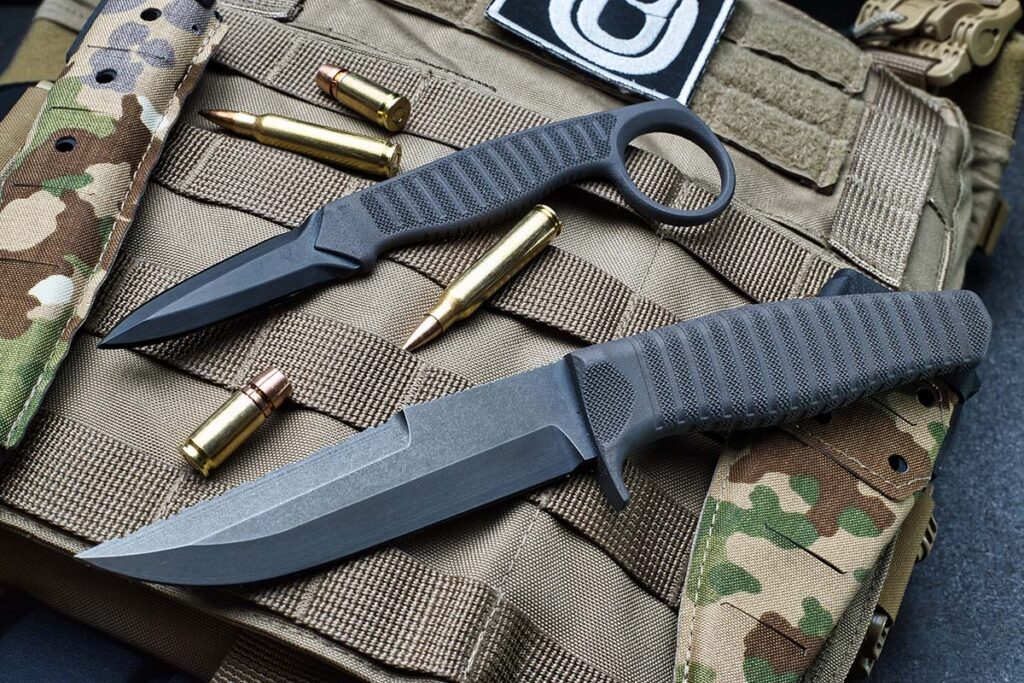
UG Tools EKM Fighting Knife Set
DOUBLE TROUBLE—The UG Tools EKM Fighting Knife Set was developed Special Mission Units and is already being supplied to a German Tier 1 unit. The set comes with a 2.4-inch blade dagger and 4.7-inch blade drop point, highly modular sheath, attachment system and full contact training knives. Blade Material: CPM MagnaCut. Weight: Dagger 1.6 ounces, Drop Point 4.6 ounces. Country of Origin: German. MSRP: ~$1,000 Available: Autumn 2026
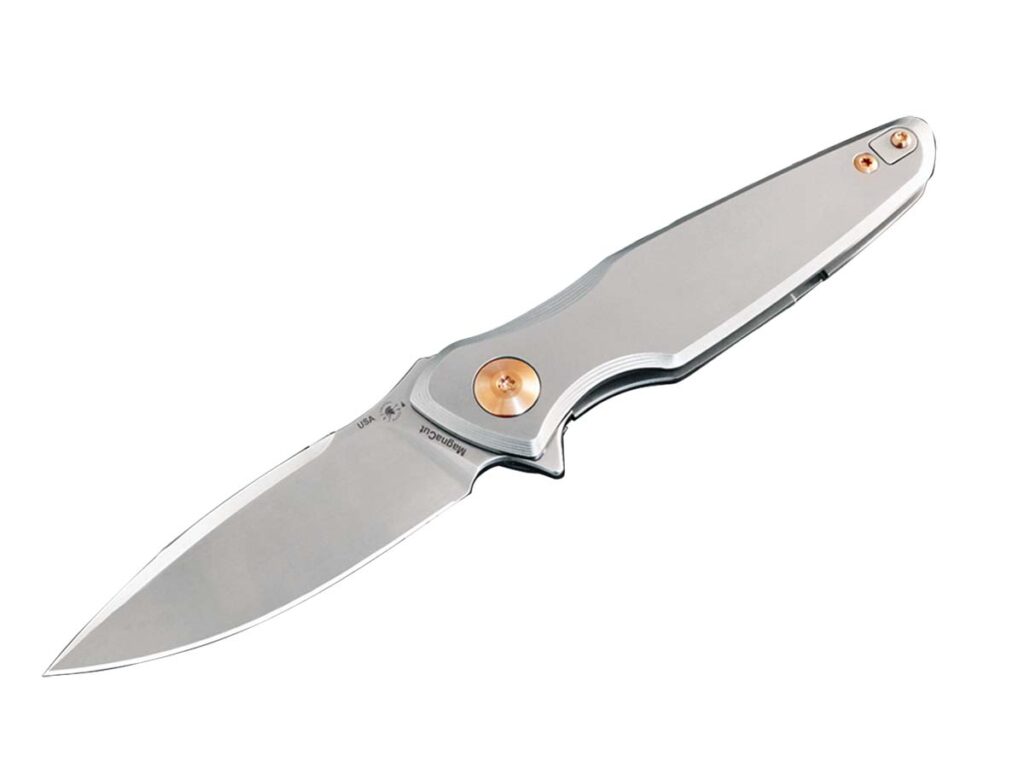
Spartan Blades Pandia
MOONLIT PRECISION—Named for the Greek goddess of the full moon, the Spartan Blades Pandia features a 3.25-inch CPM MagnaCut spear-point blade optimized via a proprietary double deep cryogenic treatment. The 8.25-inch Curtis Iovito design utilizes an IKBS bearing system for fluid flipper deployment. Handle Material: Titanium. Clip: Titanium. Weight: 4 ounces. Country of Origin: USA. MSRP: $495. Available: Now
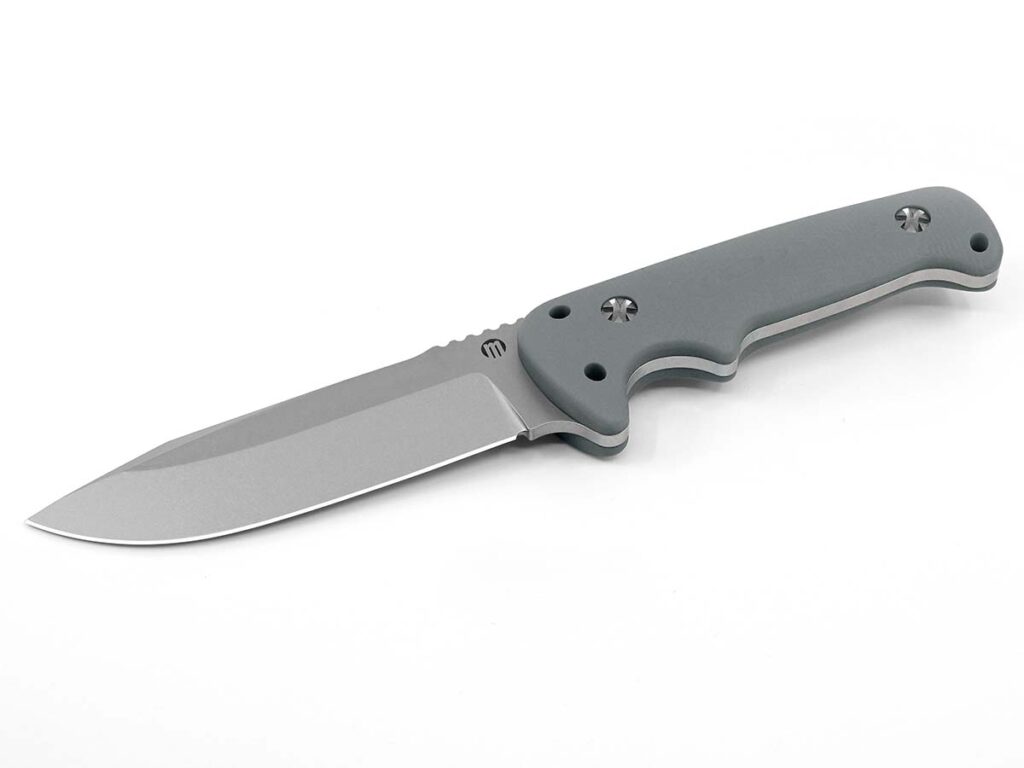
Maserin Outback
BUILT FOR THE BUSH—Featuring a Böhler N690 steel blade and paired with an ergonomic G10 handle, the Maserin Outback is available in three colours: black, gray, and orange. It comes with a black Italian cordura sheath, and a sharpener and a survival saw. Blade Length: 5.51 inches. Overall Length: 10.9 inches. Country of Origin: Italy. MSRP: $239. Available: Now
Scorpion 6 Jörmungandr
SHARP LEVIATHAN—Named for a sea serpent of Norse mythology, the Jörmungandr from Scorpion 6 is made completely without any CNC machining and features 5.3-inch a double hollow grind freehanded by Shane Magnussen. Blade Steel: CPM S90V. Overall Length: 8.82 inches. Clip: Titanium. Internals: Delrin Caged Ceramic Bearings. MSRP: Starts at $1,500. Available: Now
QSP Badger
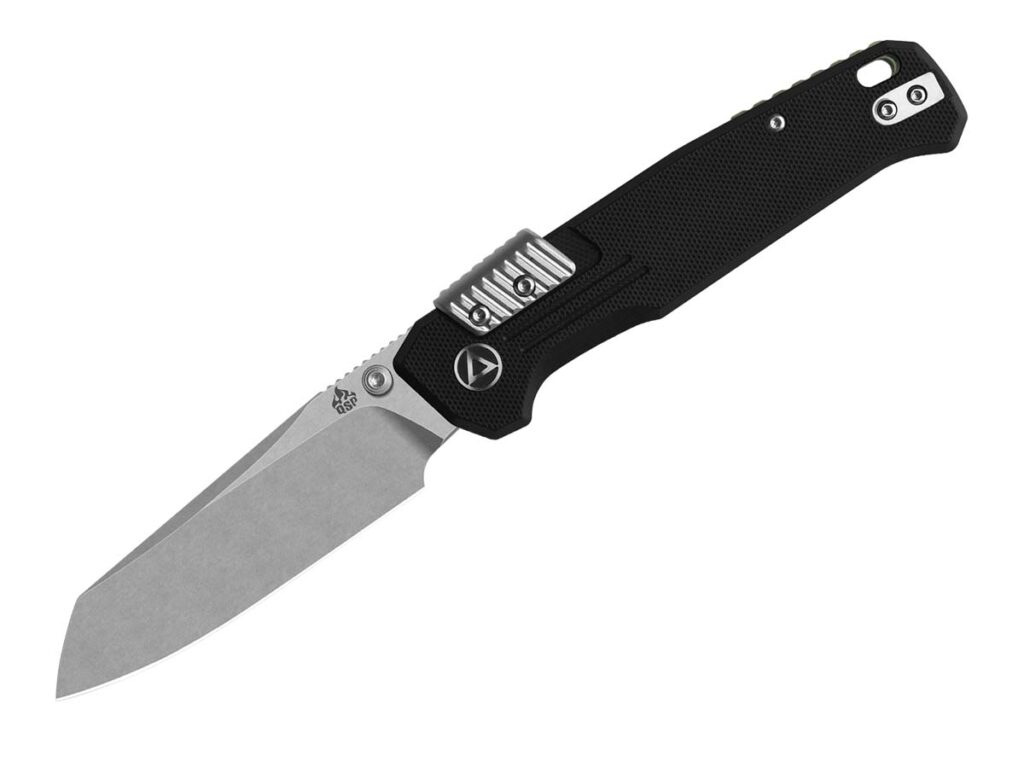
BRIDGING OVER—The QSP Badger gives a reason for righties and lefties to cheer with the company’s Bridgelock. Essentially a crossbar lock, it features a saddle that runs on the back of the handle for an oversized and ambidextrous release. Blade Pattern: Wharncliff. Blade Steel: Nitro V. Handle Material: G10. Blade Length: 3.35 inches. MSRP: TBD. Available: September
Opinel No. 8 Horizon
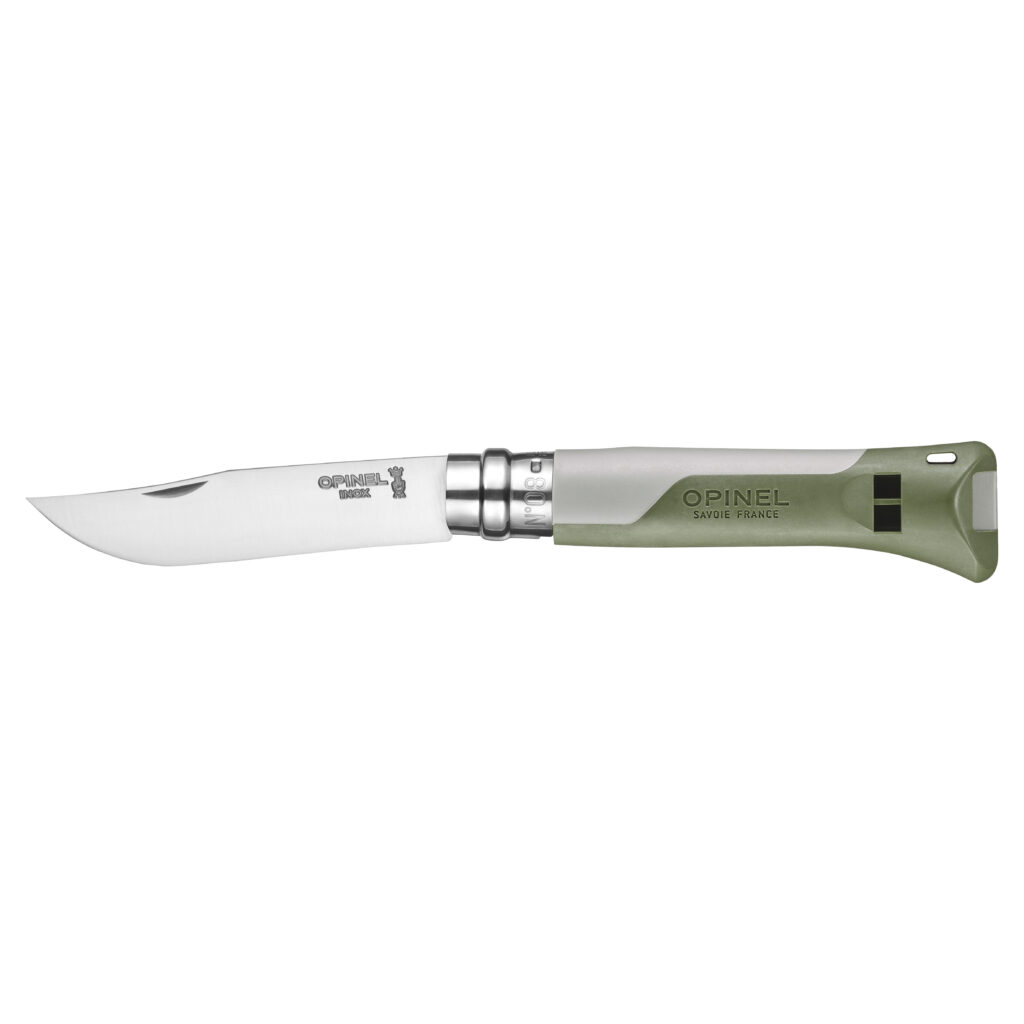
MODERNIZED CLASSIC—Designed to brave the outdoors, Opinel’s No. 8 Horizon features several element-resistant features, including a stainless steel Yatagan blade, fiberglass-reinforced polymer handle and a light 2.2-ounce weight. Blade Length: 3.15 inches. Lock: Friction, Virobloc Safety Ring. Grind: Convex. MSRP: $40. Available: June.
Buck Knives Heritage Slim Elite 110
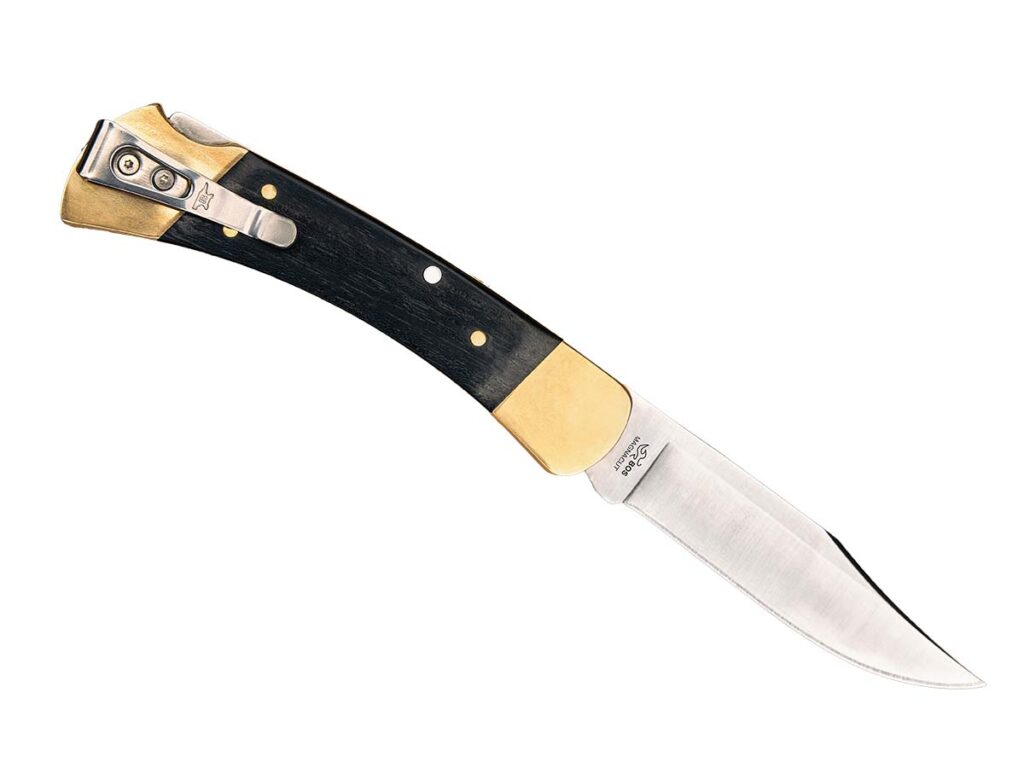
CLIPPING CALL—A refined evolution of Buck Knives’ classic 110 Folding Hunter, the Heritage Slim Elite is nearly .25-inch slimmer, 3-ounces lighter and featuring a deep carry pocket clip and BOS heat-treated MagnaCut steel blade. Blade Pattern: Clip Point. Blade Length: 3.75 inches. Scale: Ebony. MSRP: $250. Available: May
Crescent Edges Celestial Entity
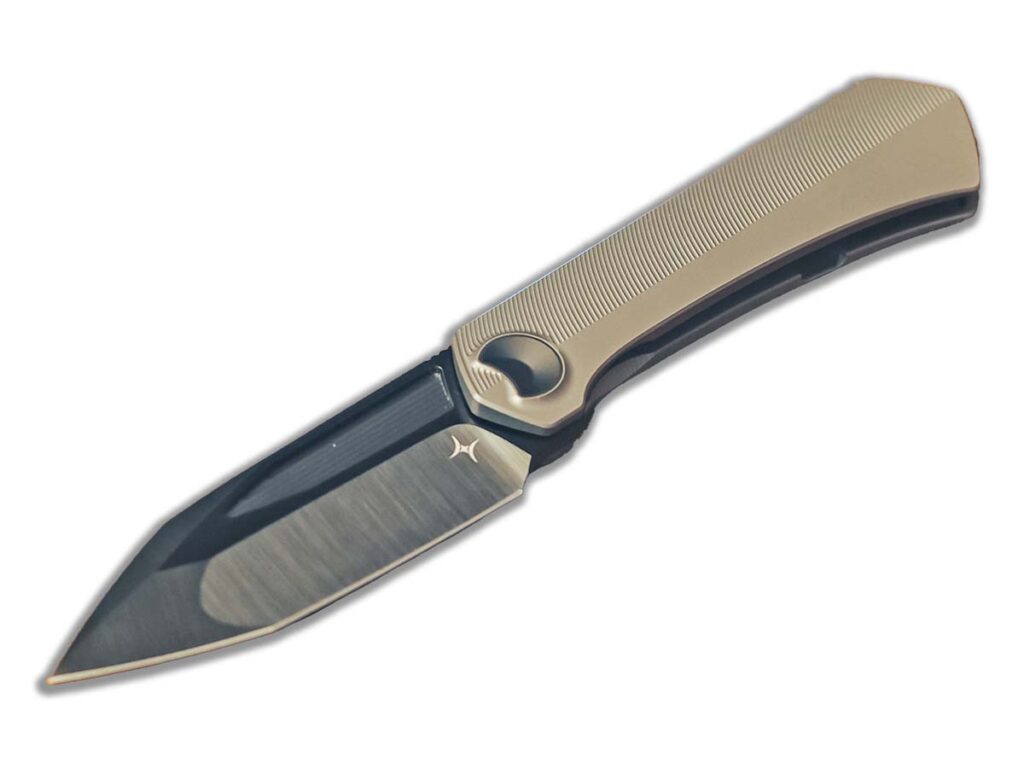
STAR STRUCK—A 3.5-inch tanto blade of MagnaCut steel, milled titanium scale, satin DLC blade finish and a solid frame lock, the Crescent Edges Celestial Entity is an otherworldly EDC option. Overall Length: 8.23 inches. Weight: 4.5 ounces. Country of Origin: China. MSRP: $375 Available: Now
CRKT Grvitic Flip
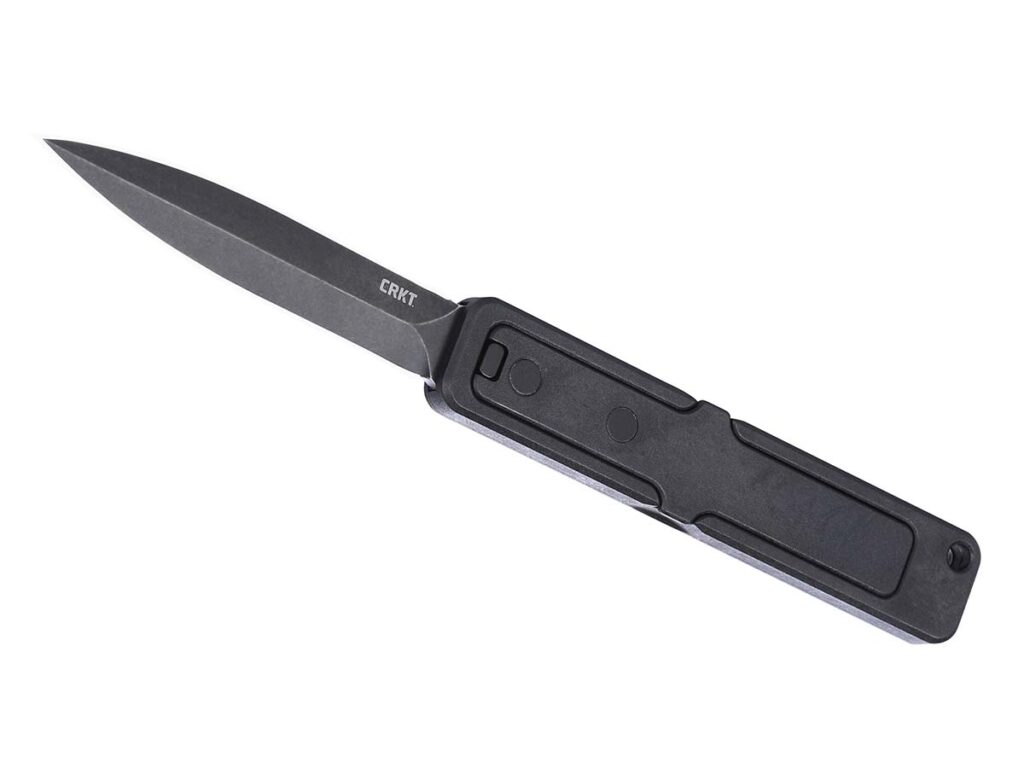
FIDGET FACTOR—Not your typical OTF, the CRKT Garvitic Flip utilizes a vintage-inspired flip-insert mechanism to deploy its 3.18-inch blade. Once out, tabs on the blade insert into recesses to keep the blade in place. Blade Steel: 5Cr13MoV. Blade Pattern: Spearpoint. Overall Length: 7.5 inches. MSRP: $50. Available: Now
Lionsteel Emmet
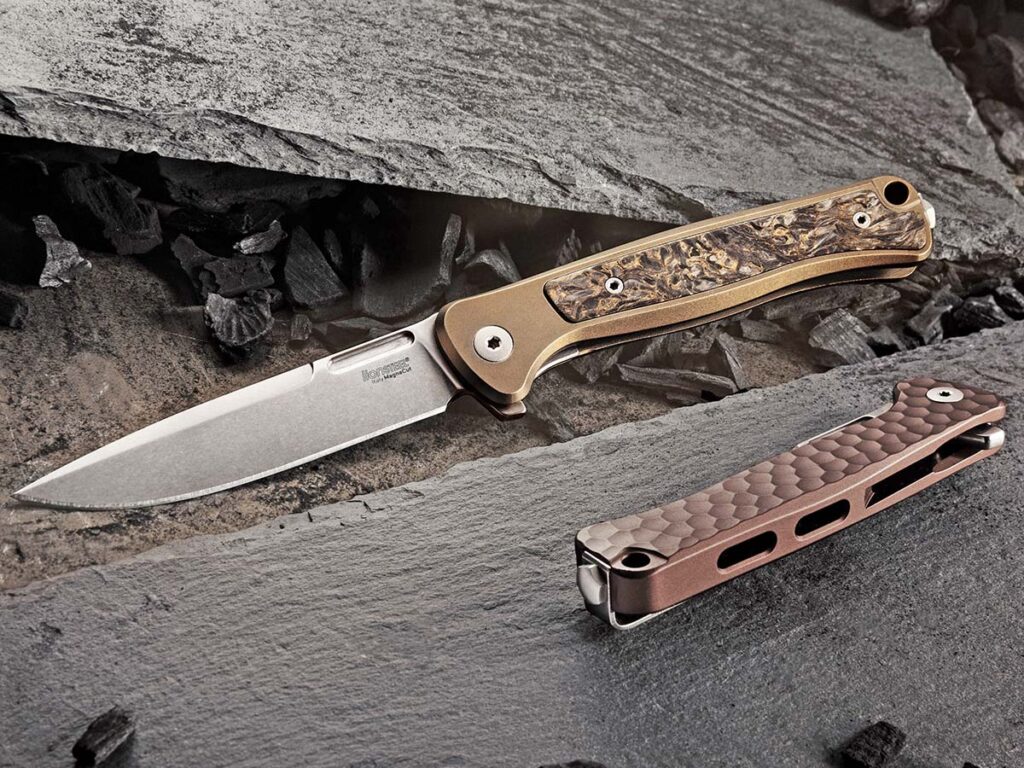
INTREPID INTEGRAL—Gentlemanly in appearance, the 2.83-inch LionSteel Emmet features a solid integral handle in either titanium or aluminum. The titanium model comes with carbon fiber inlayed scale, the aluminum with a hammertone texture. Blade Material: MagnaCut. Blade Pattern: Drop Point. Overall Length: 6.73 inches. Country of Origin: Italy. MSRP: Ti $225; Al: $130. Available: Now
NortoriousEDC Dirty Deed Pry Bar
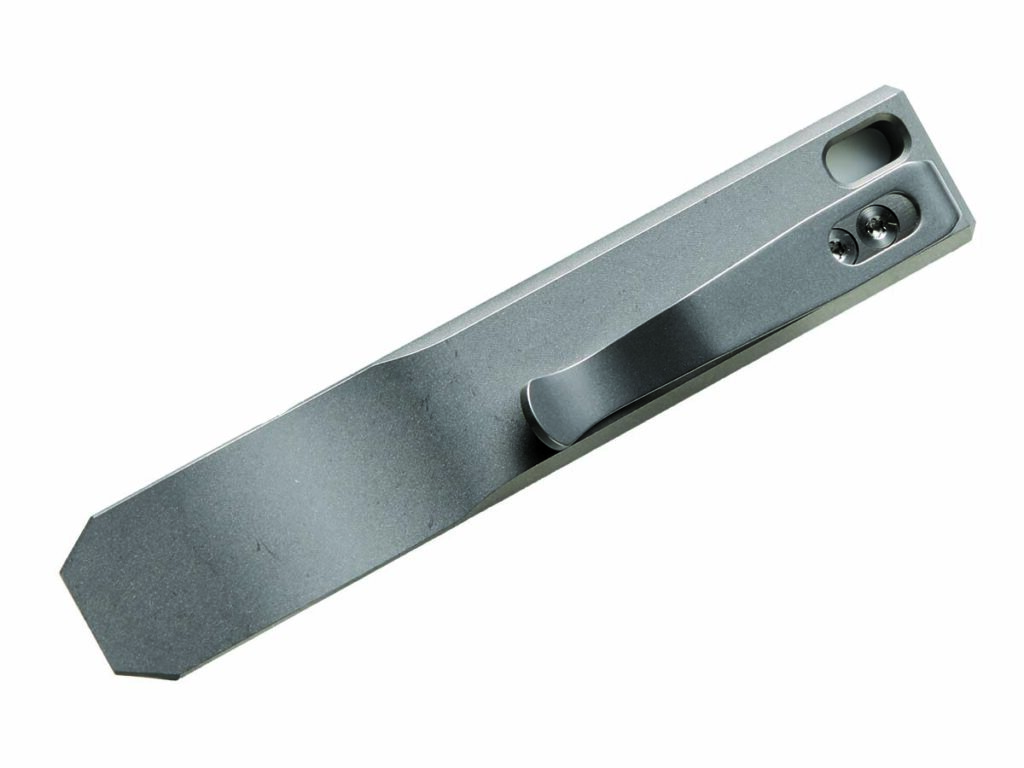
DOWN AND DIRTY—Constructed from Grade 5 titanium and a solid 3.5 inches in length, the NotoriousEDC Dirty Deed Pry Bar is ready every day for jimmying chores. The tool ships with a deep carry clip installed and includes an optional filler tab. Thickness: 3/16 inch. Width: 5/8 inch. Finish: Stonewashed. MSRP: $75. Available: Now
Vero Engineering Slip Joint
UNKNOWN SOLIDER—Vero Engineering’s new Wharncliffe is so recent that at writing it was yet have a name. What is known is that the slip joint will have a 2.75-inch MagnaMax blade, with the Vero trademark rectangular milling serving as the nail nick. Overall Length: 6 inches. Weight: 2.6 ounces. Handle Material: Titanium. Country of Origin: U.S.A. MSRP: $198. Available: June
GiantMouse ACE Pontius
HARPOONS AWAY—Designed with input from Chris Pontius, the GiantMouse ACE Pontius features a 3.2-inch harpoon-inspired clip point blade and titanium scale. The linerlock will also be available in Green G10 or Black Canvas Micarta. Blade Steel: Elmax. Overall Length: 7.7 inches. Liners: Hardened 420 Stainless Steel. MSRP: $325. Available: June
Shirogorov F95 Ursus
BEAR OF THE NORTH—The Shirogorov F95 Ursus offers a rugged, work-oriented take on the refined F95 pattern, featuring a 3.74-inch Elmax stainless steel blade with a 5/6ths grind. This iteration utilizes a Multi-Row Bearing System (MRBS) for smooth deployment and a dependable liner lock. Scale: Micarta. Overall Length: 8.66 inches. Weight: 4.69 ounces. MSRP: $650–$700. Available: June
StraightLine EDC Bigger Digger
GOLDEN DIGGER—The StraightLine EDC Bigger Digger is a purpose-built fixed blade designed for daily carry, featuring a 3.74-inch drop-point blade of 14C28N stainless steel. Ensuring a secure grip in all conditions, the 7.52-inch profile is outfitted with green canvas Micarta scales and a flat grind for efficient slicing. Weight: 3.17 ounces. Grind: Flat. Sheath: Kydex. MSRP: $80. Available: June.
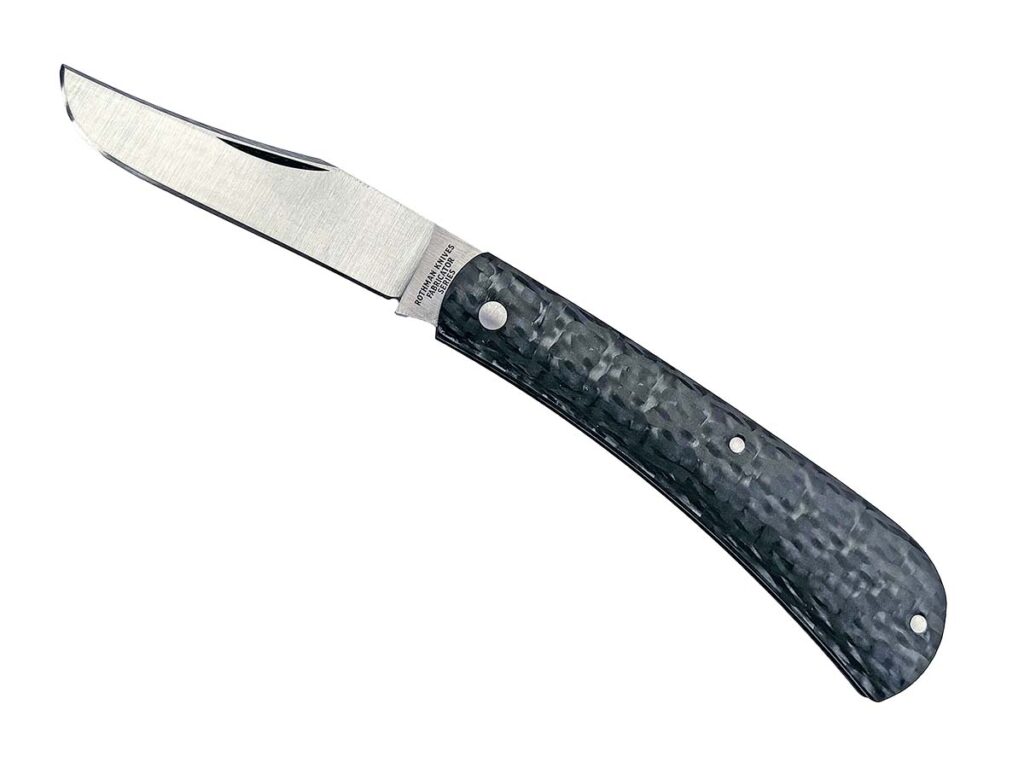
Rothman Knives Fabricator Series Gentlemen’s Trapper
BLUE-COLLAR GENTLEMAN—The Rothman Knives Fabricator Series Gentlemen’s Trapper is a modern, lightweight take on the classic slip joint, weighing in at just 1.6 ounces. The 2 7/8-inch Nitro-V stainless steel blade features a deep 14-inch hollow grind for exceptional slicing geometry. Overall Length: 7 inches. Scale: Carbon Fiber. MSRP: $400. Available: June
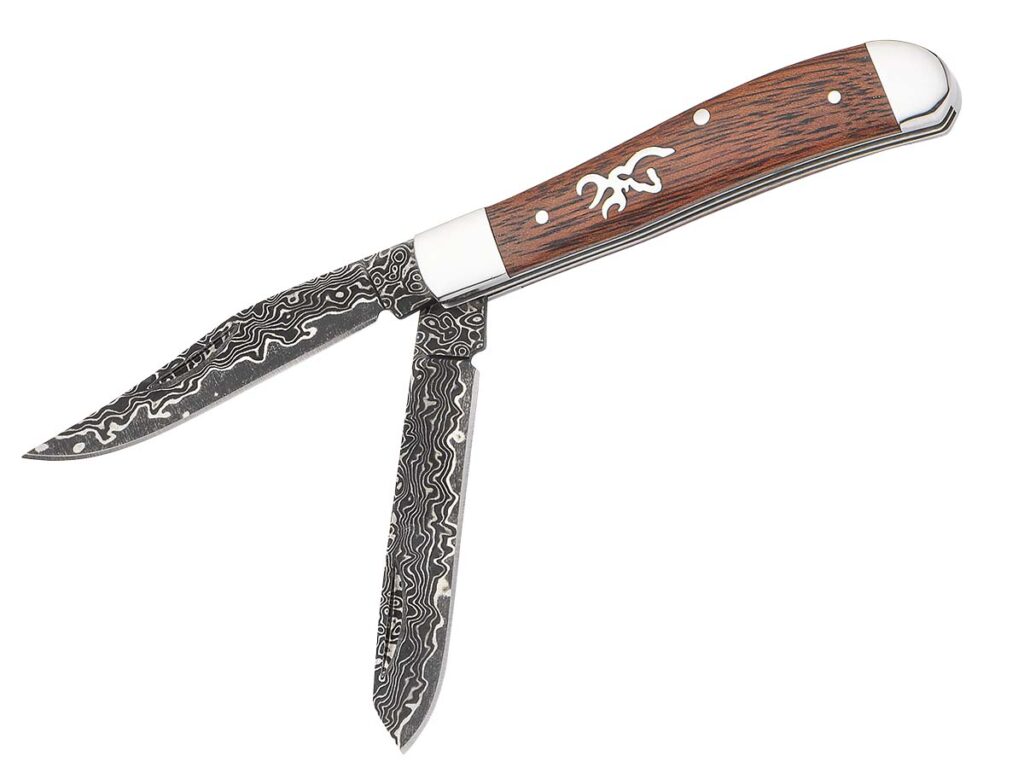
Browning Stormy Pass Trapper
STORM A BREWIN’—The Browning Stormy Pass Trapper is a traditional slip joint built with an emphasis on longevity and classic aesthetics. It features a 3-inch damascus steel blade with a hollow grind, paired with stainless steel liners and wood scales. Overall Length: 6.25 inches. Weight: 2.4 ounces. Blade Pattern: Trapper. MSRP: $100. Available: September
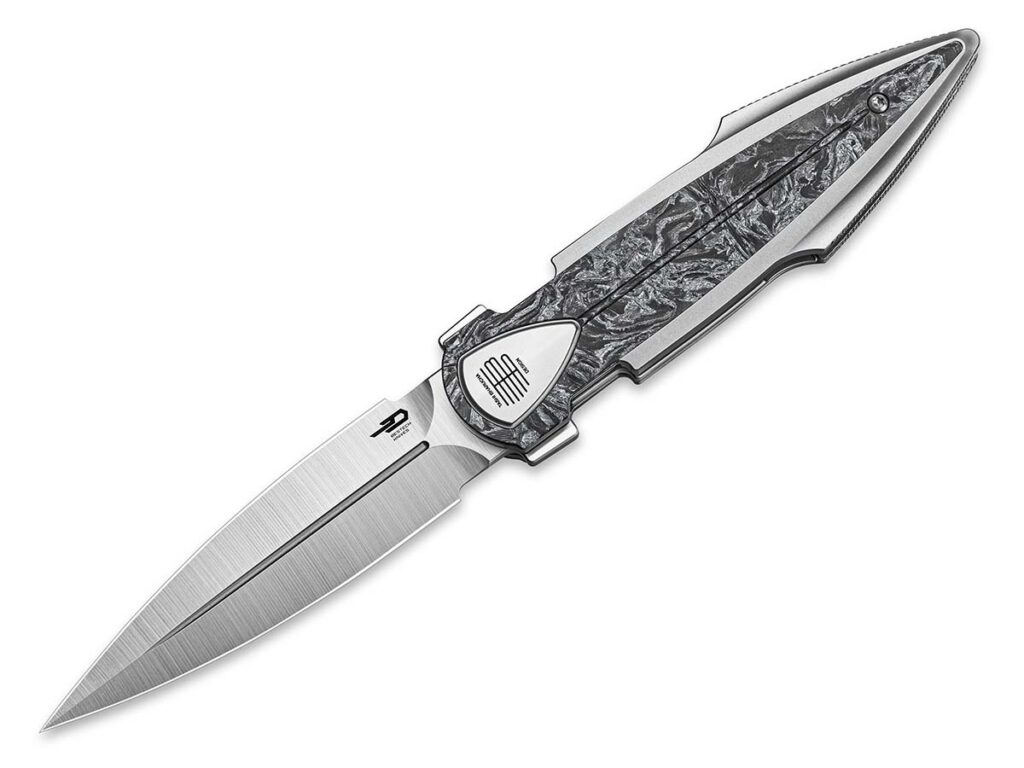
Bestech IKA Dagger
FRANKISH FLARE—Bestech’s IKA Dagger is the first integral handle design from French designer Tashi Bharucha. This folder features a 3.9-inch M390 stainless steel blade and ceramic ball bearings for fluid deployment. Overall Length: 8.85. Frame Material: Titanium. Blade Pattern: Dagger. Blade Thickness: 0.16 inch. Closed Length: 4.95 inches. MSRP: $580. Available: June
Get an edge on your cutting needs with the latest production knives.
The 2026 production knives are defined by an impressive range of styles and sizes, spanning from 1.5-inch neck knives to massive 12-inch folders. This year’s buyer’s guide highlights a sophisticated move toward premium materials, with CPM MagnaCut and M390 appearing across diverse price points, alongside traditional touches like India Stag Bone and Damascus. From task-specific hunter sets and tactical folders to “fidget-friendly” button locks and US-made fixed blades, these releases represent the cutting edge of modern manufacturing and designer collaboration.
GiantMouse The Redington
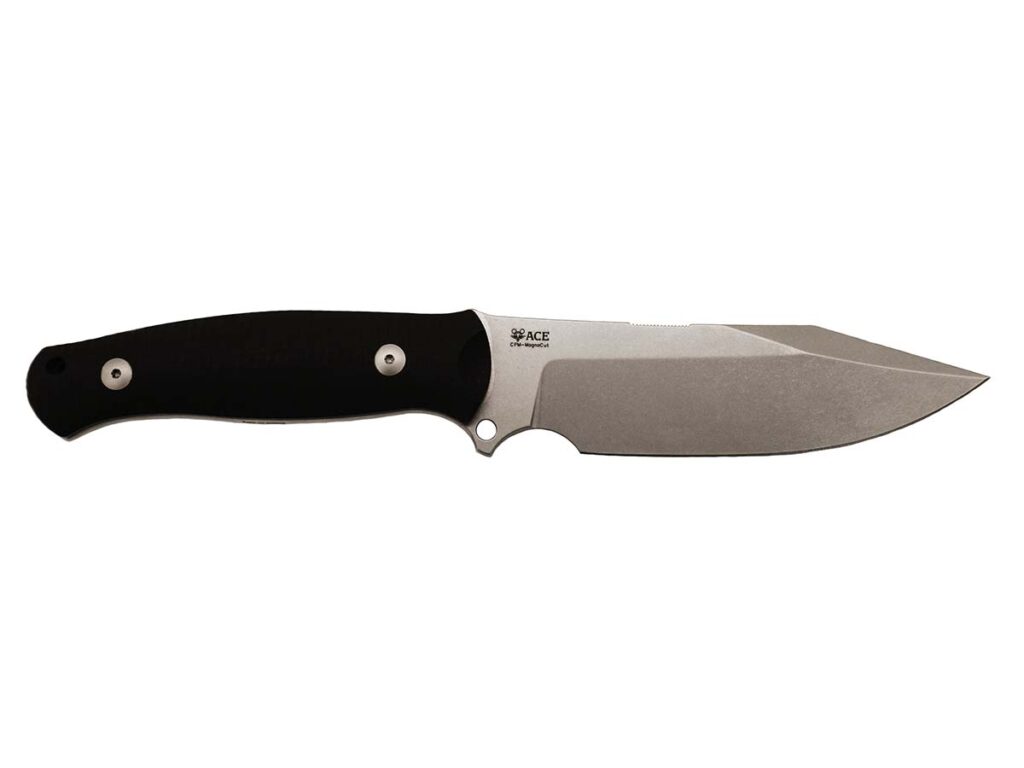
Knife Type: Fixed Blade Blade Length: 5.1″ Overall Length: 9.7″ Blade Grind: Stonewash Scale: Double Black Canvas Micarta Blade Material: CPM MagnaCut Sheath: Black Kydex Date Available: Now Inside Edge: Designed with input from the instructors at SERE East. Limited-Run of CPM MagnaCut. MSRP: $425
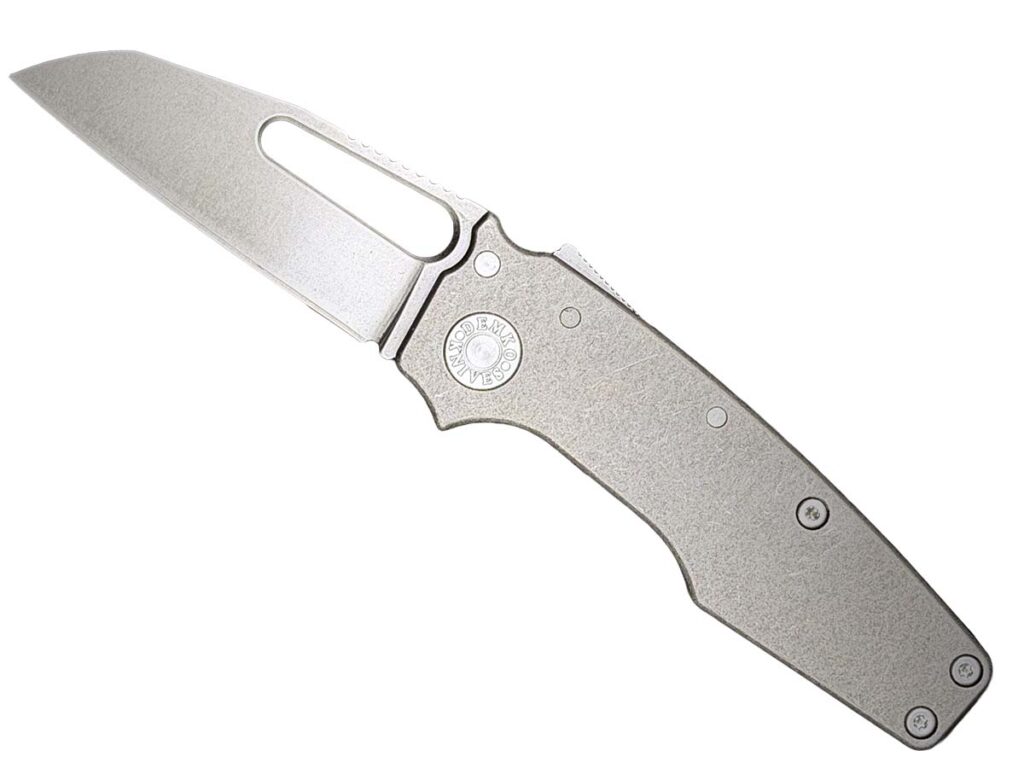
Demko Knives AD22
Knife Type: Folding Blade Length: 3.0″ Blade Shape: Shark Foot Overall Length: 7.5″ Weight: 5.4 oz. Scale: Titanium (Smooth or Milled) Blade Material: CPM MagnaCut Date Available: Currently and throughout 2026 Inside Edge: Made in the USA at Demkp headquarters in New Castle, PA. Also available with G10 scale in multiple colors. MSRP: $700
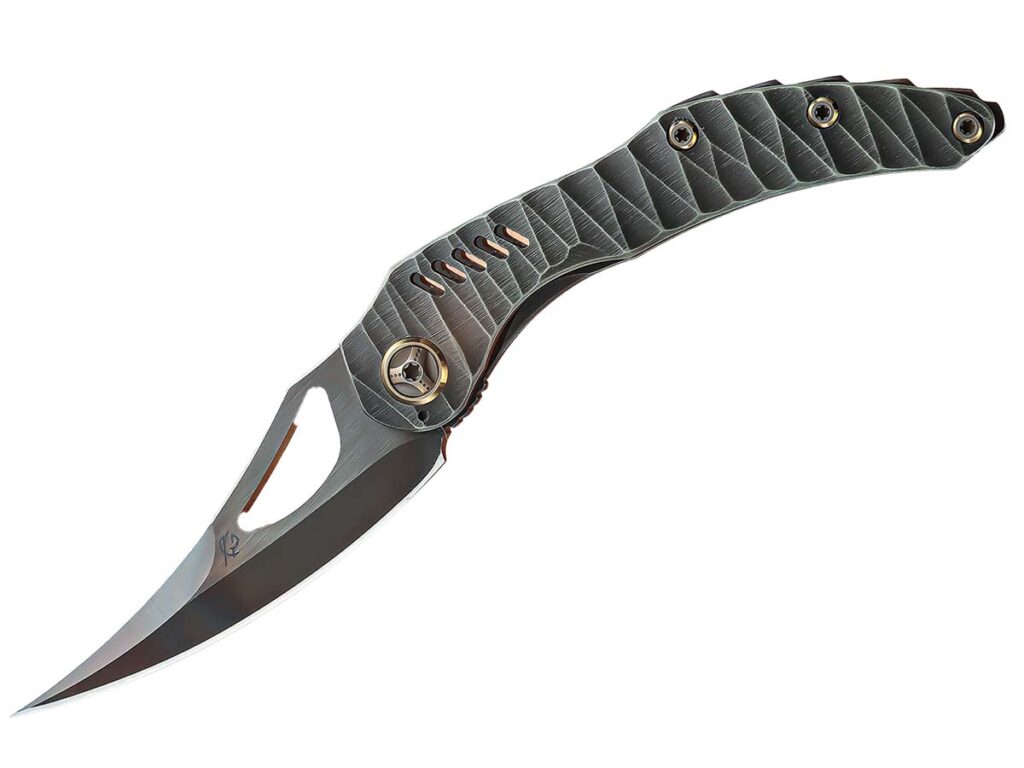
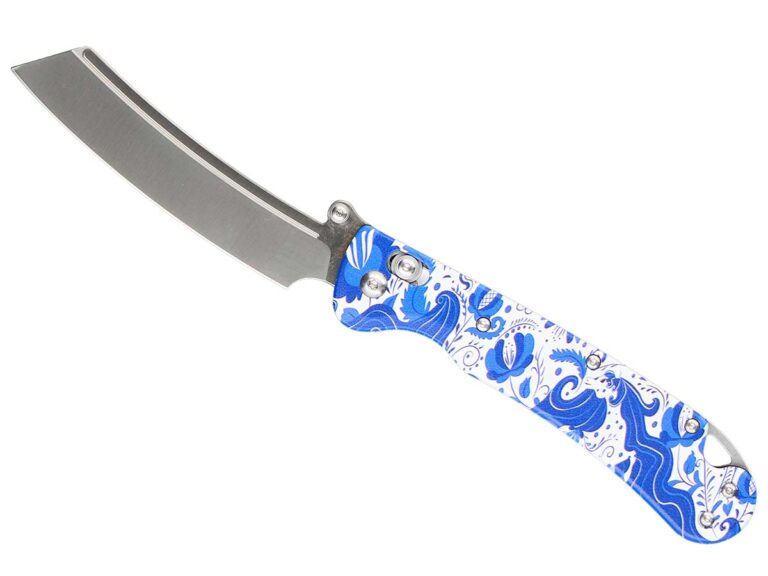
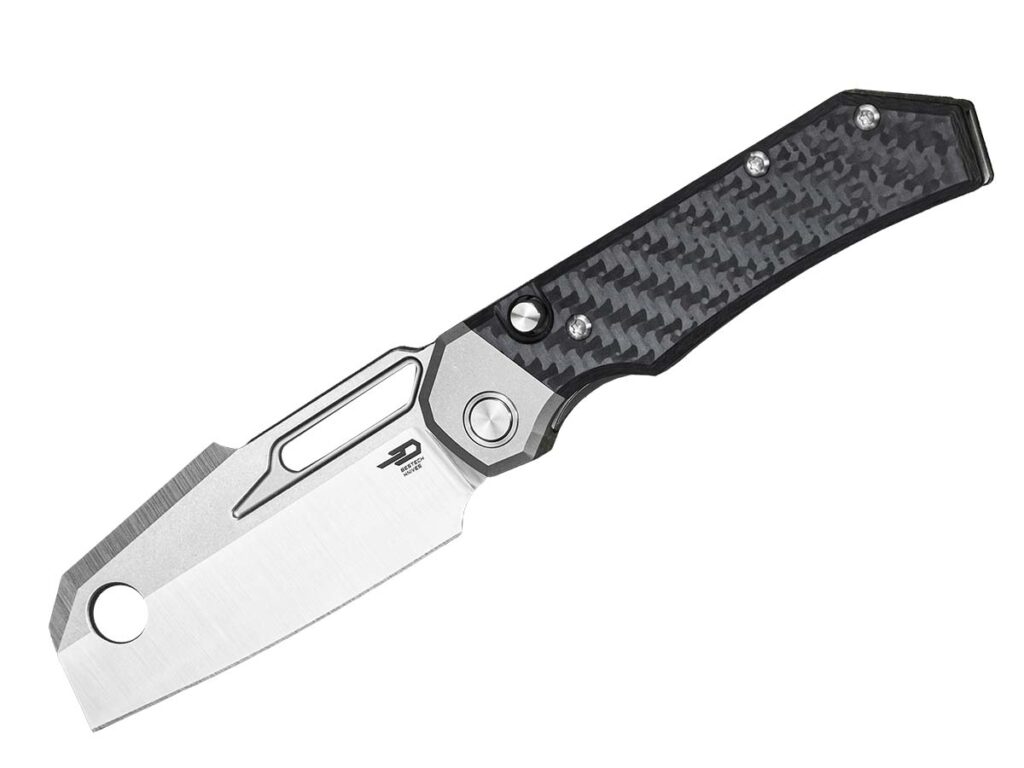
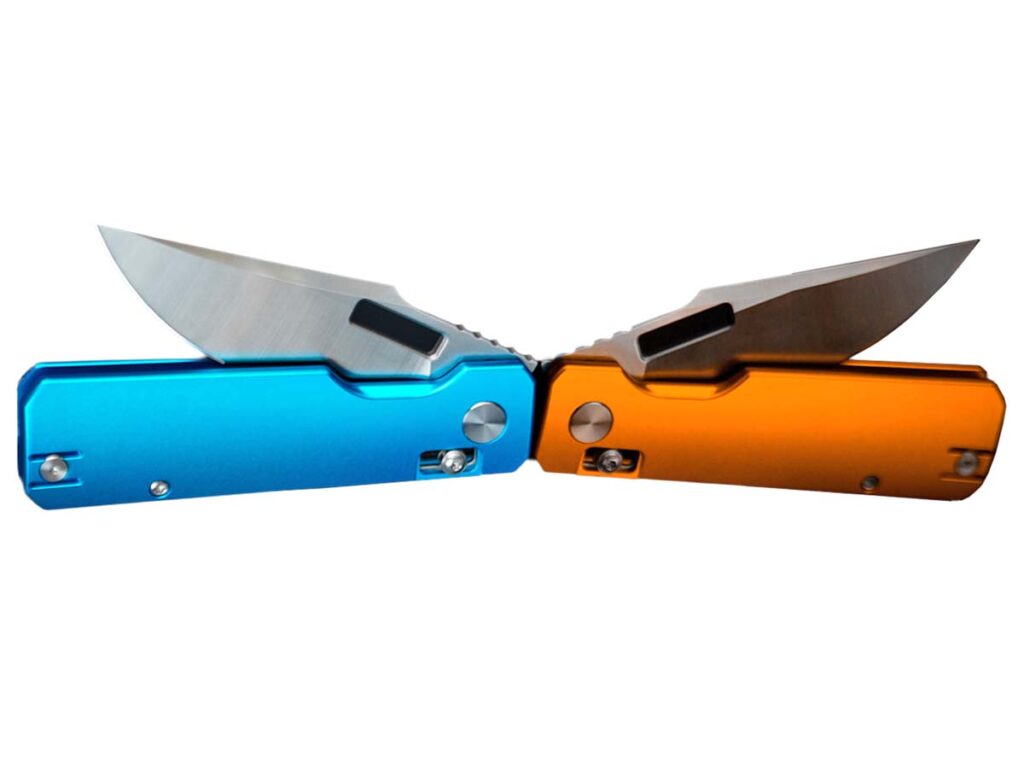
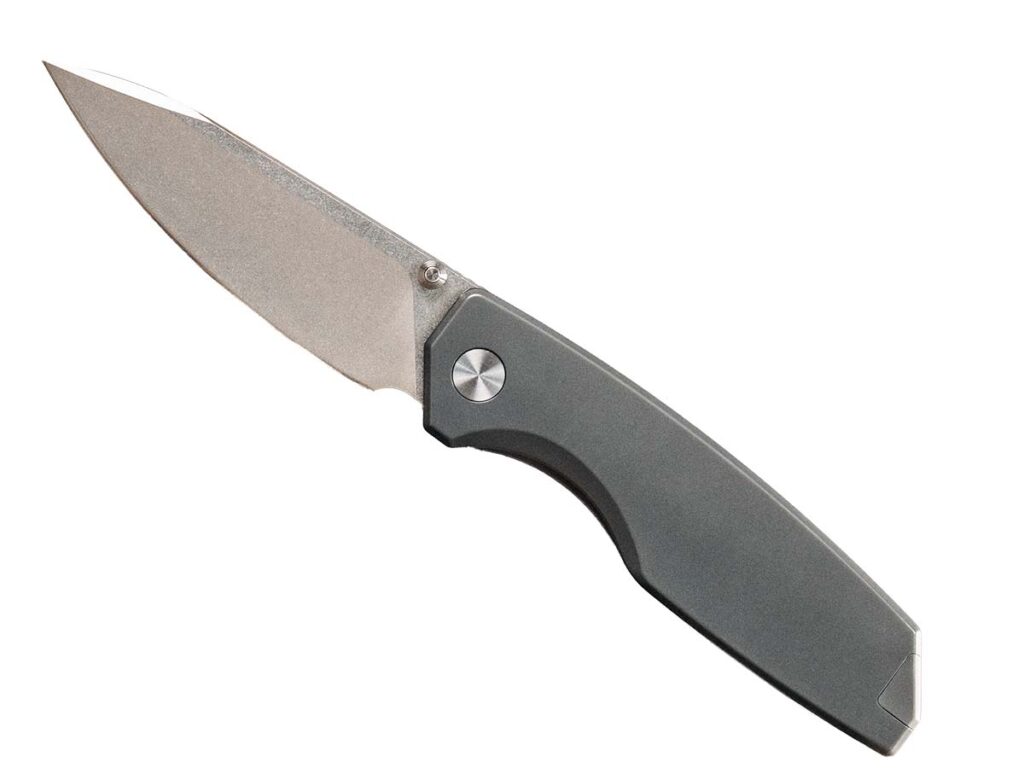
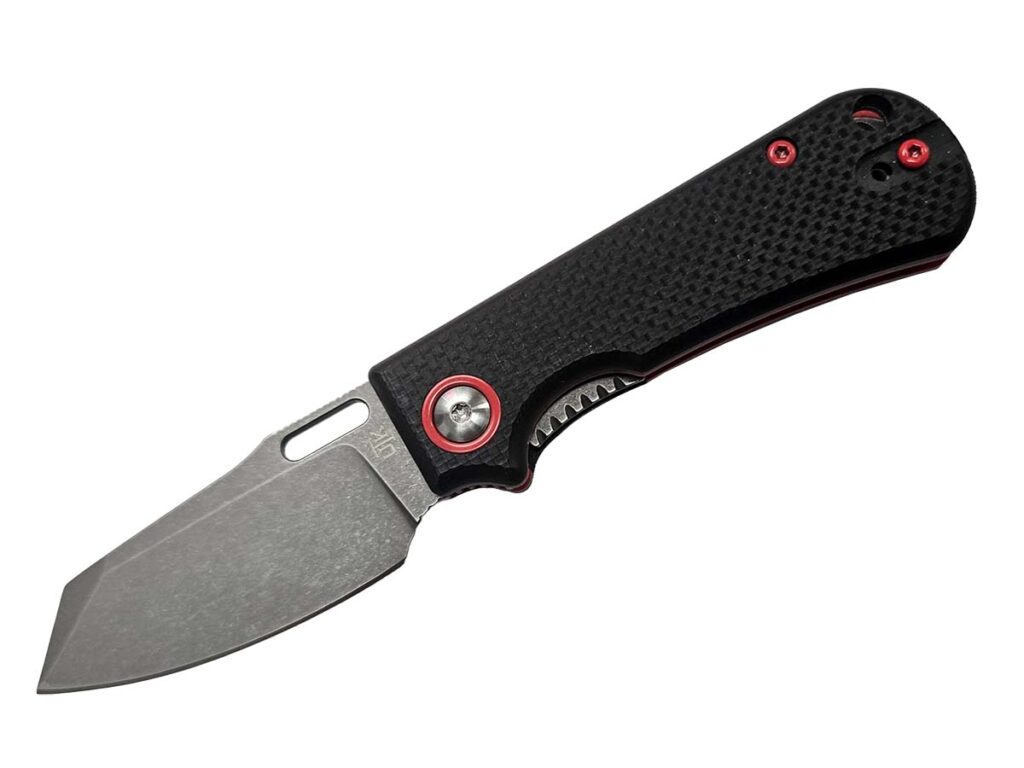
Pattern: Cleaver Designer: Fabian Hobbelen Lock Type: Button‑Operated Frame Lock Blade Length: 3.09” Overall Length: 7.04” Blade Grind: Hollow Scale: Titanium Blade Material: M390 Date Available: August Inside Edge: Designed by Fabian Hobbelen, the Nyrrdreki hides a small surprise in its blade. The hole allows the knife to be flipped open with the pinky finger, turning a traditional opening feature into a playful and highly addictive fidget action. MSRP: Approx. $350
Dagger Trading Begemot
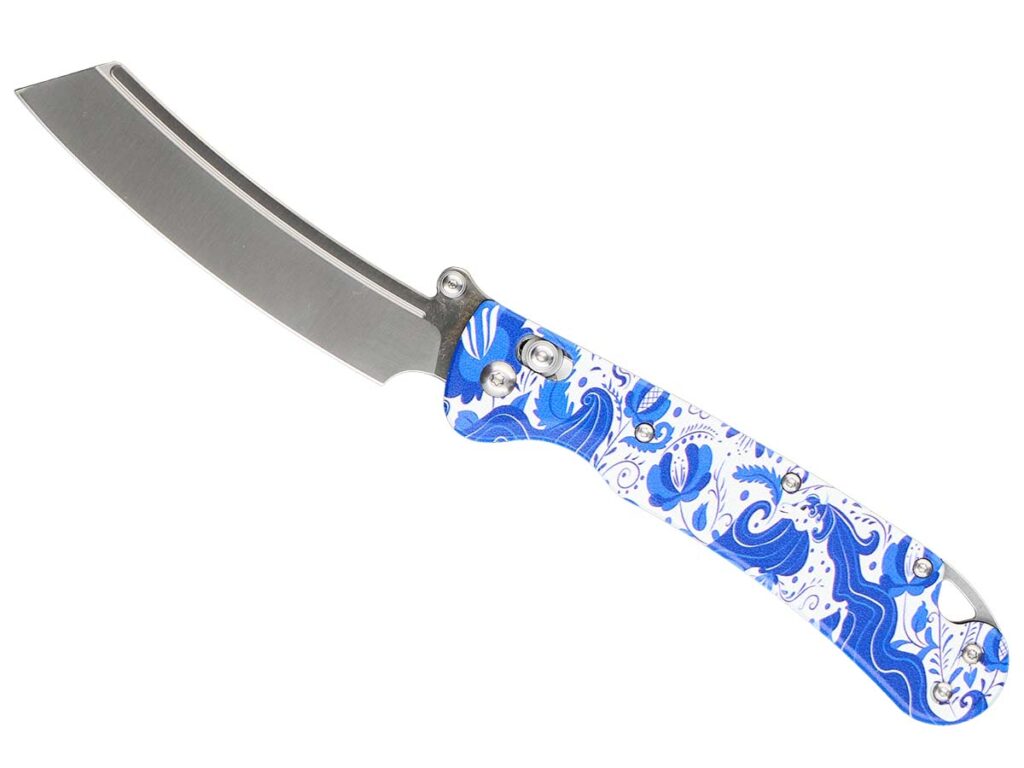
Pattern: Modified Cleaver Knife Type: Folding Blade Length: 3.88″ Overall Length: 8.625″ Liners: Steel Blade Grind: Flat Scale: G10 with 3D print Blade Material: VG10 Date Available: Now MSRP: $71
Vero Engineering Aura
Knife Type: Folding Blade Length: 3.3” Overall Length: 7.7” Liners: Steel Blade Finish: Machine Belt Satin/Stonewash Scale: Aluminum Blade Material: 14C28N Date Available: Summer 2026 Inside Edge: The Aura has a reversible wire pocket clip. MSRP: Approx. $100
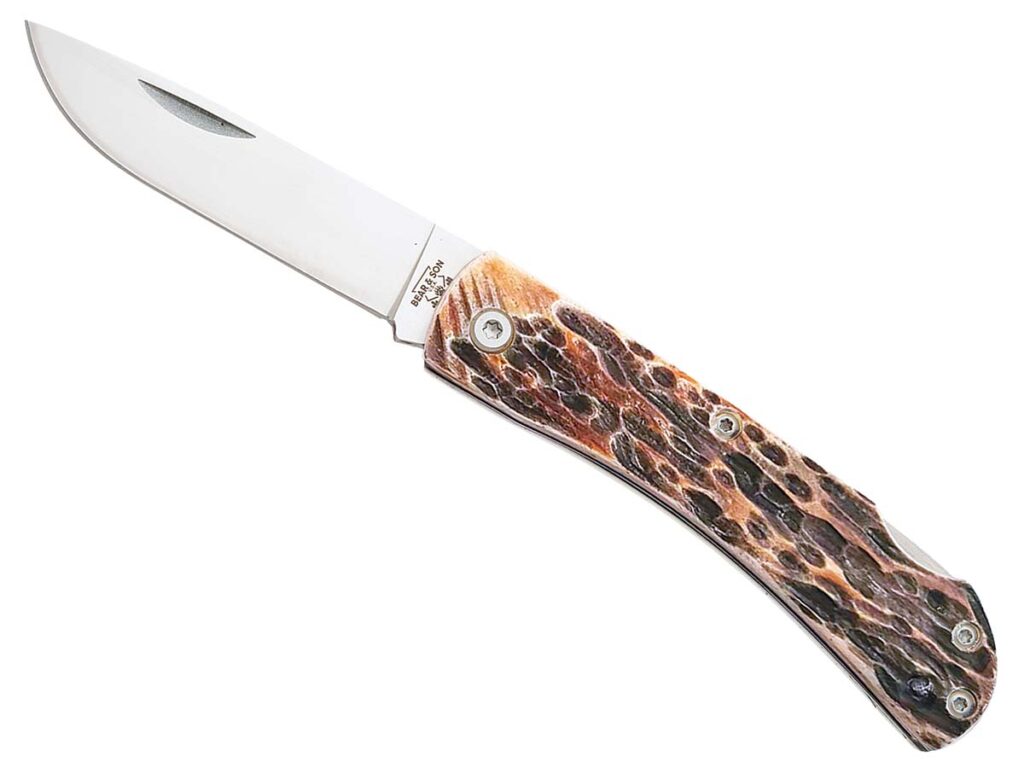
Bear & Son Cutlery Locking Farmhand w/clip
Pattern: Drop Point Knife Type: Pocketknife Blade Length: 2.75” Overall Length: 6.375” Closed Length: 3.625” Locking Mechanism: Lockback Handle: Genuine India Stag Bone Blade Material: High Carbon Stainless Steel Date Available: Now Inside Edge: Made in Alabama MSRP: $56
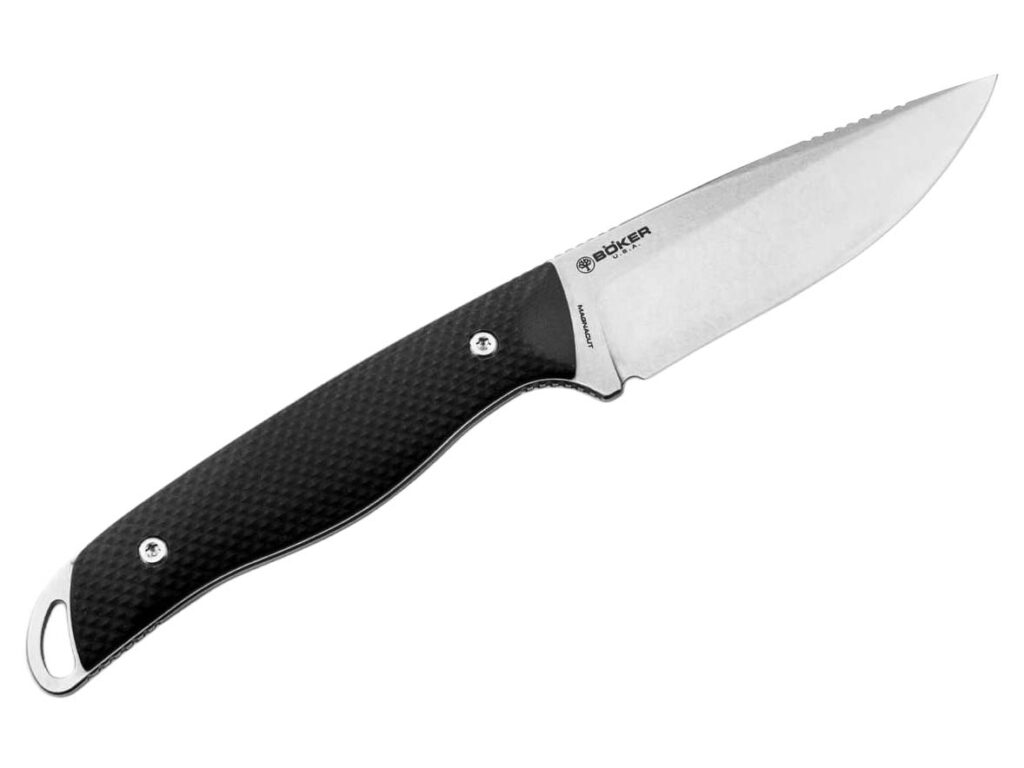
Knife Type: Fixed Blade Blade Length: 3.6″ Overall Length: 7.48″ Pattern: Drop Point Scale: Textured Black G10 Blade Material: 154CM Sheath: Black Custom-Fitted Kydex Date Available: Now Inside Edge: Handcrafted by Boker USA in Denver, Colorado. Perfect for bushcraft, hunting, survival, trekking, camping & EDC. Also available in a high-visibility orange G10, MagnaCut version. MSRP: $200
Maserin 917 Woodsman
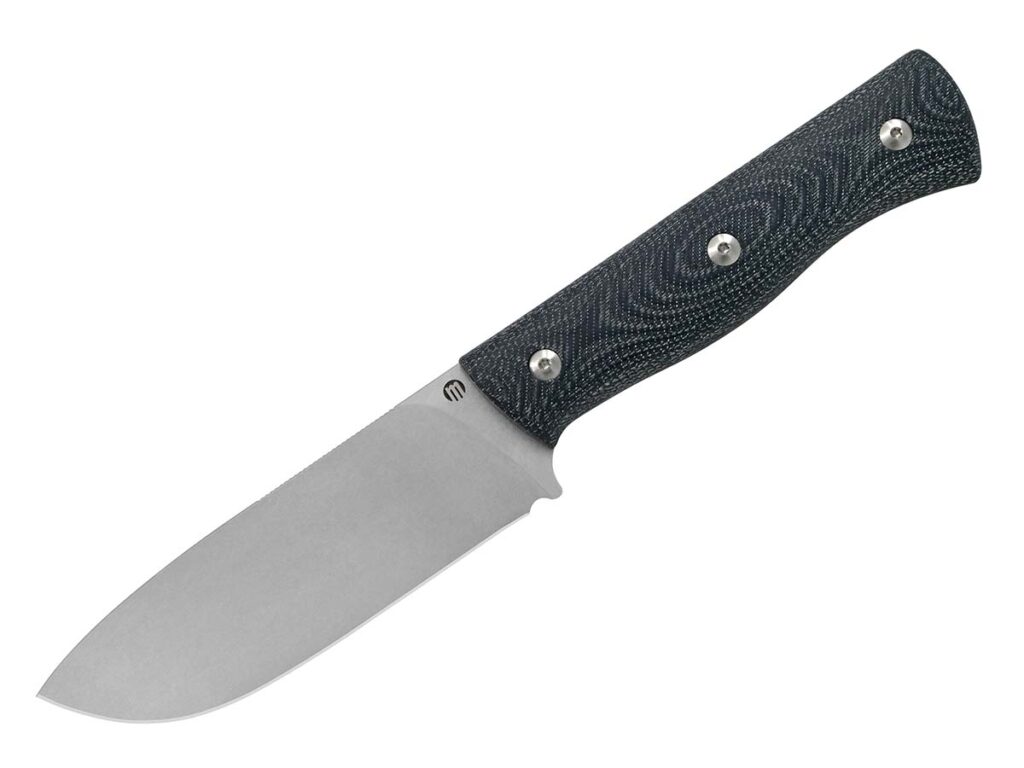
Pattern: Bushcraft Knife Type: Fixed Blade Blade Length: 4.01” Overall Length: 9.21” Weight: 6.35 oz. Blade Grind: Flat Scale: Brown Paper Stone Micarta (Also Available In Green Jute Micarta and Black Denim Jeans Micarta) Blade Material: Nitro X7 Blade Finish: Stone Washed Sheath: Black Italian leather sheath with removable dual belt loop position and hook. Date Available: Now MSRP: $ 215
CRKT Orochi
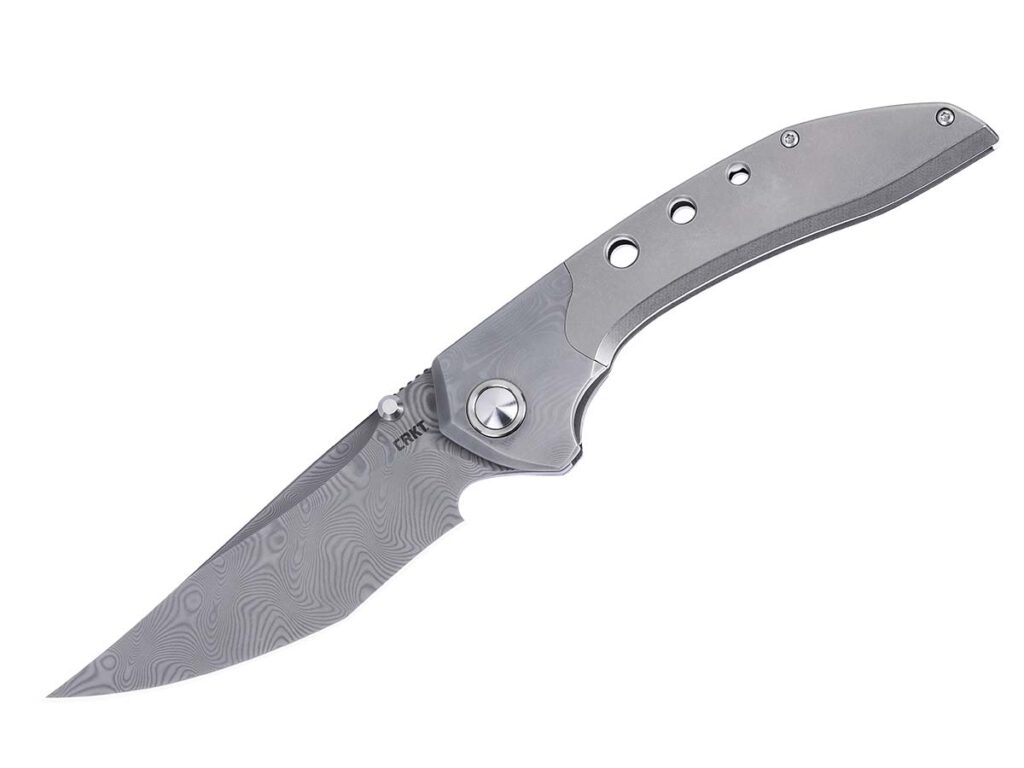
Knife Type: Folding Knife Lock Type: Frame Lock Blade: Clip Point Blade Length: 3.55″ Overall Length: 8.16″ Liners: Titanium Blade Grind: Flat Scale: Titanium With Damascus Bolster Blade Material: Damascus Date Available: Now Inside Edge: Named after the legendary Japanese serpent and its presence in anime, the Orochi features flowing lines, including a clip point, recurve blade, for balance and precise handling. The knife can be deployed either with discreet flipper tab, mirroring the custom knife its inspired by, or by its dual thumbstuds. MSRP: $200
Big Idea Design Ti Manu
Designer: Ken Onion Jr. Overall Length: 7.5” Blade Length: 3.25” Blade Steel: S90V Blade Shape: Modified Drop Point Handles: Grade 5 Titanium Opening: Dual Thumbstuds Date Available: August Inside Edge: All Big Idea Design knives only have 2 screws, The pivot and a screw in the back for the reversible pocket clips. The Ti Manu also was designed to work with both Phosphor bronze washers and bearings. Both options will be included so people can swap them out at will. The lock face is an integrated ceramic ball bearings in lieu of an insert, so it has a super smooth travel and lockup. MSRP: $250
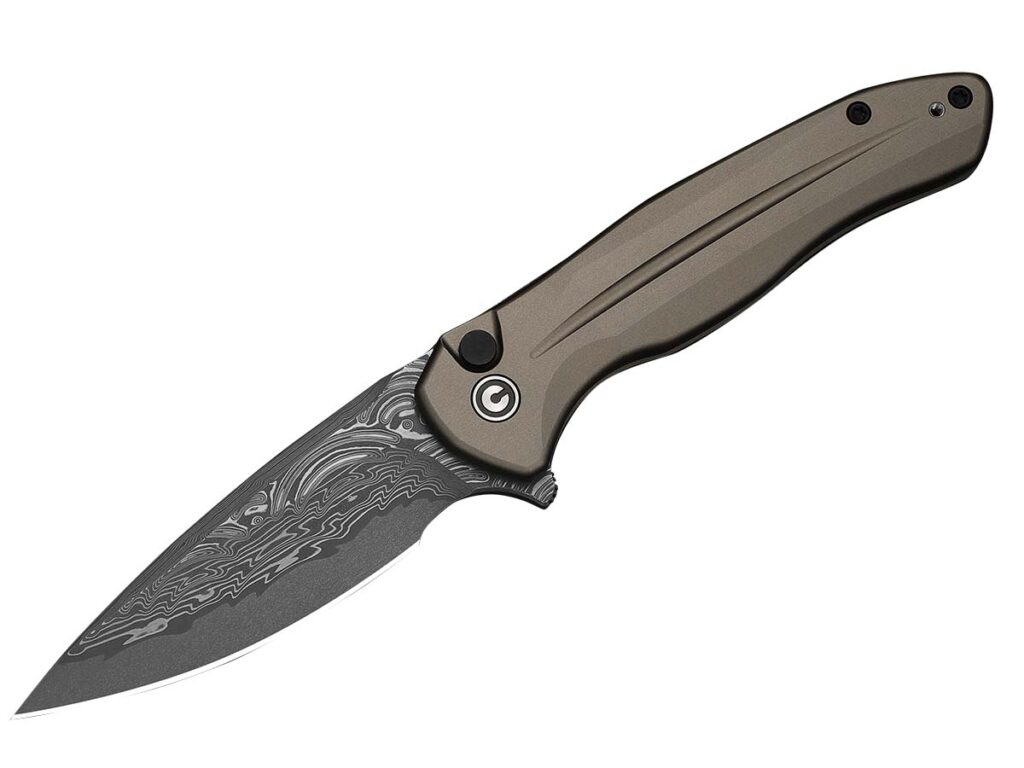
Civivi Knives Kitefin
Knife Type: Folding Lock Type: Button Lock Blade Length: 3.22″ Overall Length: 7.52″ Blade Grind: Hollow Scale: Aluminum Blade Material: Damascus (14C28N option also available) Date Available: Now MSRP: $110
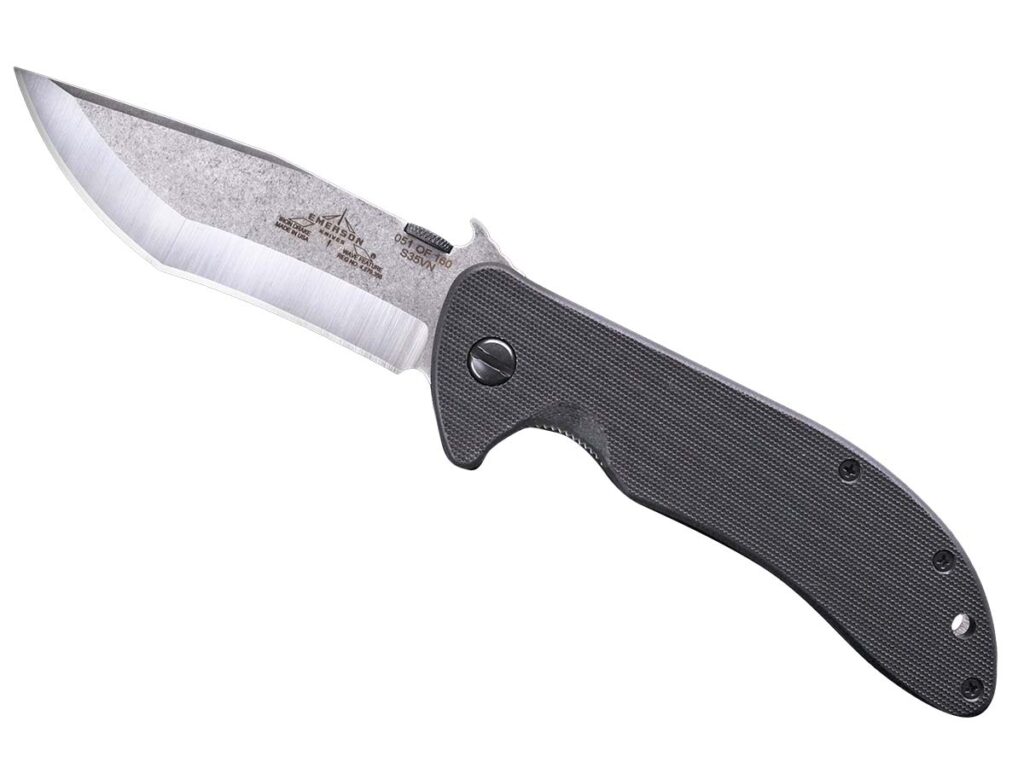
Halfbreed Blades MILF-05
Action: Flipper Folder Carry: Pocket Clip Designer: Jonathan Loftes Lock Type: Frame Lock Blade Steel: CPM S35VN Blade Grind: V Blade Edge: Plain Edge & Partially Serrated options Blade & Handle Finish: PVD Coated Blade Style: Spear Point Blade Length: 3.54″ Handle Material: 420J2 Stainless Steel frame, liner, spacers; G10 scale Washers: Phosphor Bronze Overall Length Open: 8.26″ Date Available: Now Inside Edge: The MILF-05 comes pre-set with a firm action; this can be adjusted for speed via the Torx head pivot point. MSRP: $240
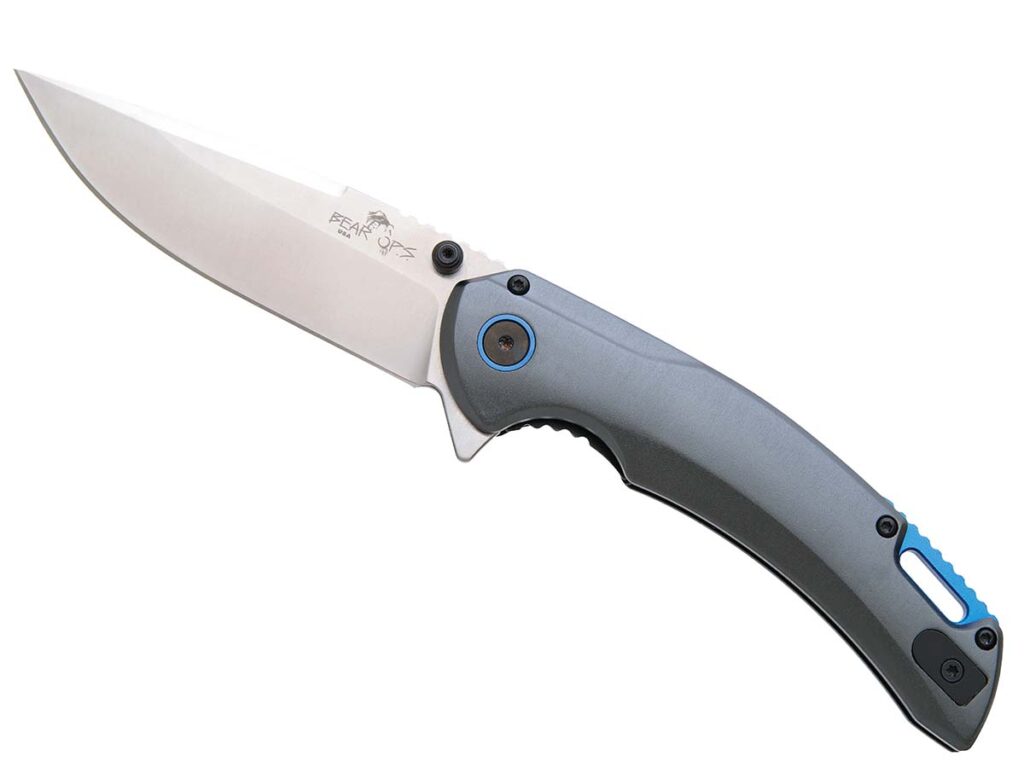
Bear OPS Load Out
Pattern: Drop Point Knife Type: Folder Blade Length: 3.5” Overall Length: 8” Closed Length: 4.5” Lock Type: Liner Lock Handle: Aluminum Blade Material: 14C28N Sandvik Date Available: Now Inside Edge: Made in Alabama with assisted opening, reversible pocket clip and ball bearing washers. MSRP: $110
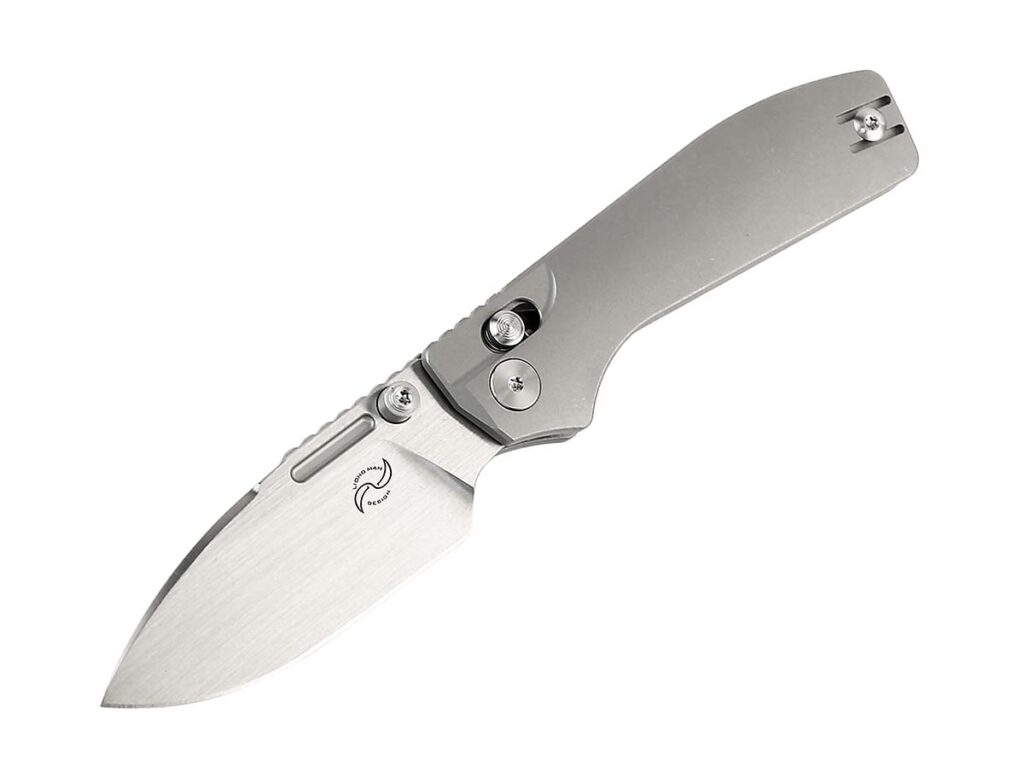
Liong Mah Design SFD-Small Field Duty
Pattern: Drop Point Knife Type: Folder Blade Length: 3” (2.6” cutting edge) Overall Length: 6.75” Liners: Steel Blade Grind: Flat Scale: Titanium Blade Material: CPM MagnaCut Date Available: August Inside Edge: Hand rubbed satin finish on the blade. MSRP: $278
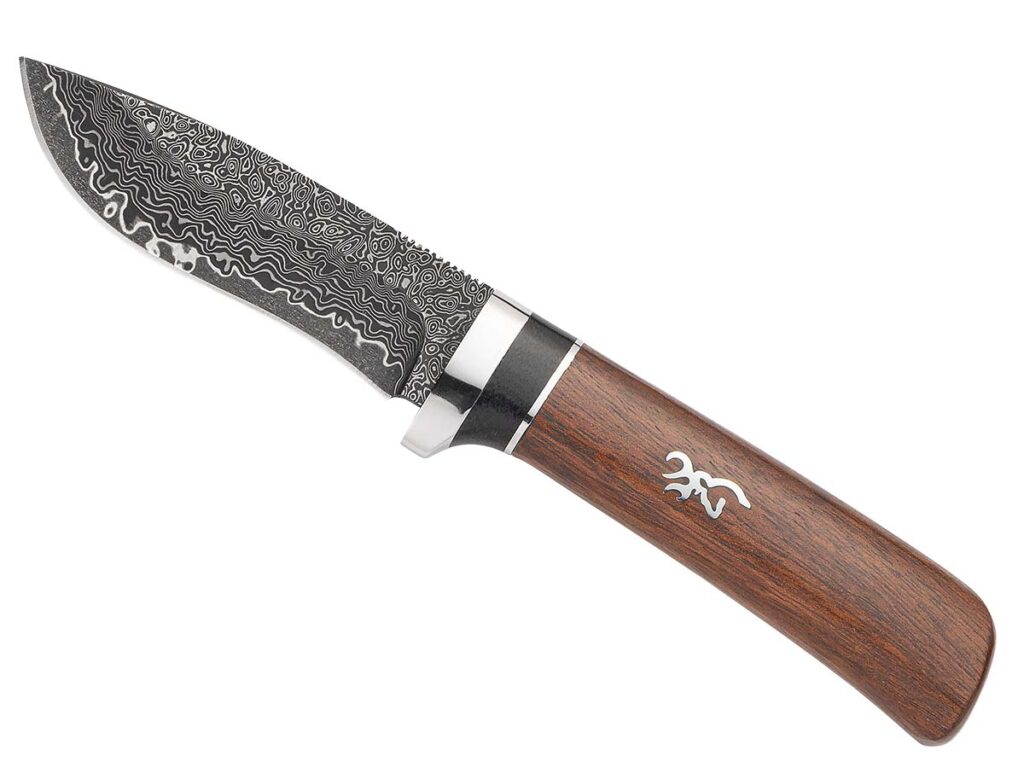
Browning Knives Stormy Pass Fixed Small
Pattern: Drop Point Knife Type: Fixed Blade Blade Length: 3.5” Overall Length: 7.75” Blade Grind: Hollow Scale: Hidden Tang Wood Blade Material: Damascus Sheath: Leather Date Available: Now Knife To Know: Stainless Guard with black Micarta spacer. MSRP: $140
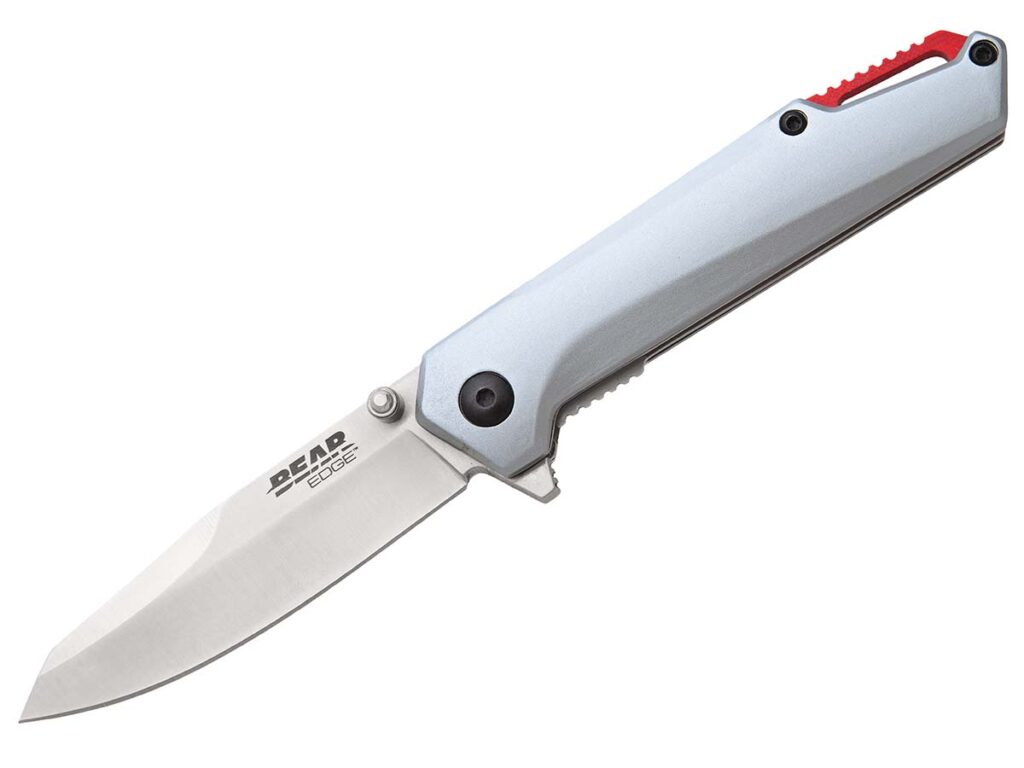
Bear Edge Light Grey Aluminum Folder
Pattern: Drop Point Knife Type: Folder Blade Length: 3” Overall Length: 7” Lock Type: Liner Lock Handle: Aluminum Blade Material: 440 Stainless Steel Weight: 3.2 oz. Date Available: Now MSRP: $43
Straightline EDC Ally
Knife Type: Fixed Blade Blade Length: 2.68” Overall Length: 5.98” Blade Grind: Flat Scale: 3D Milled Bronze Anodized Gr. 5 Titanium Blade Material: M390 Blade Finish: Black PVD + Stonewash Sheath: Black Leather Sheath With Magnets Inside Edge: Igor Bortolussi, founder of the company, named the knife after his daughter Allegra and its design is based on a drawing she made when she was 4 years old. She’s 9 now. Date Available: Now MSRP: $249
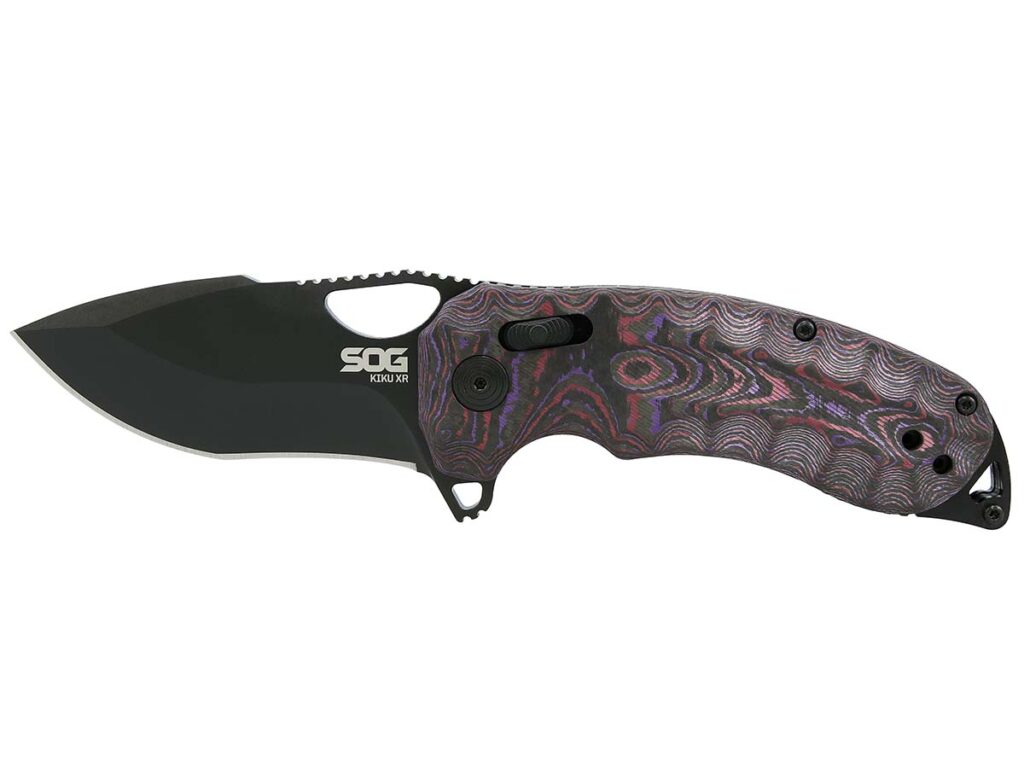
SOG Specialty Knife & Tool Kiku XR
Pattern: Tanto Knife Type: Folder Blade Length: 3.03” Closed Length: 4.30” Lock Type: XR Lock Handle: Fatcarbon Carbon Fiber Blade Material: CTS XHP Date Available: Now Inside Edge: Reversible low-carry belt clip with XR Lock, thumb hole, kick opening mechanism. MSRP: $400
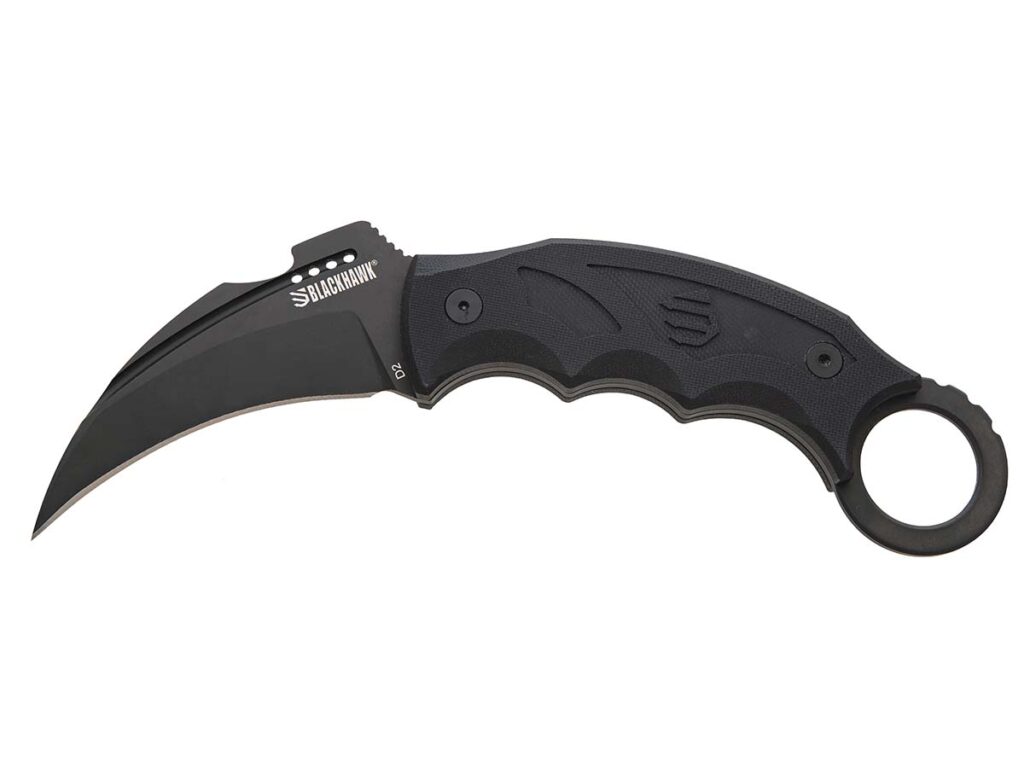
BLACKHAWK Garra Fixed Karambit
Pattern: Karambit Knife Type: Fixed-Blade Blade Length: 3.25” Overall Length: 8” Handle: Black Zytel Blade Material: D2 Tool Sheath: Kydex Date Available: Now Inside Edge: Comes with conceal carry holster, removable Kydex sheath. MSRP: $160
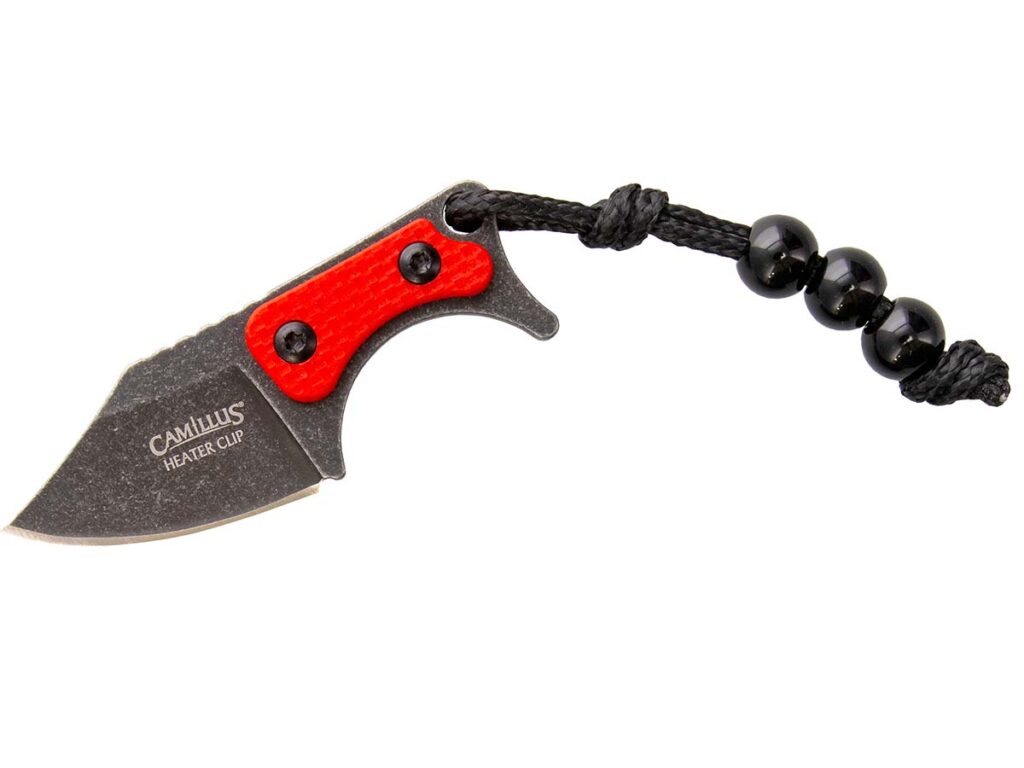
Camillus Knives Heater Mini
Pattern: Drop Point Knife Type: Neck Knife Blade Length: 1.5” Overall Length: 3” Blade Grind: Plain Handle: G10 Blade Material: 3CR13 Sheath: Kydex Date Available: Now MSRP: $19
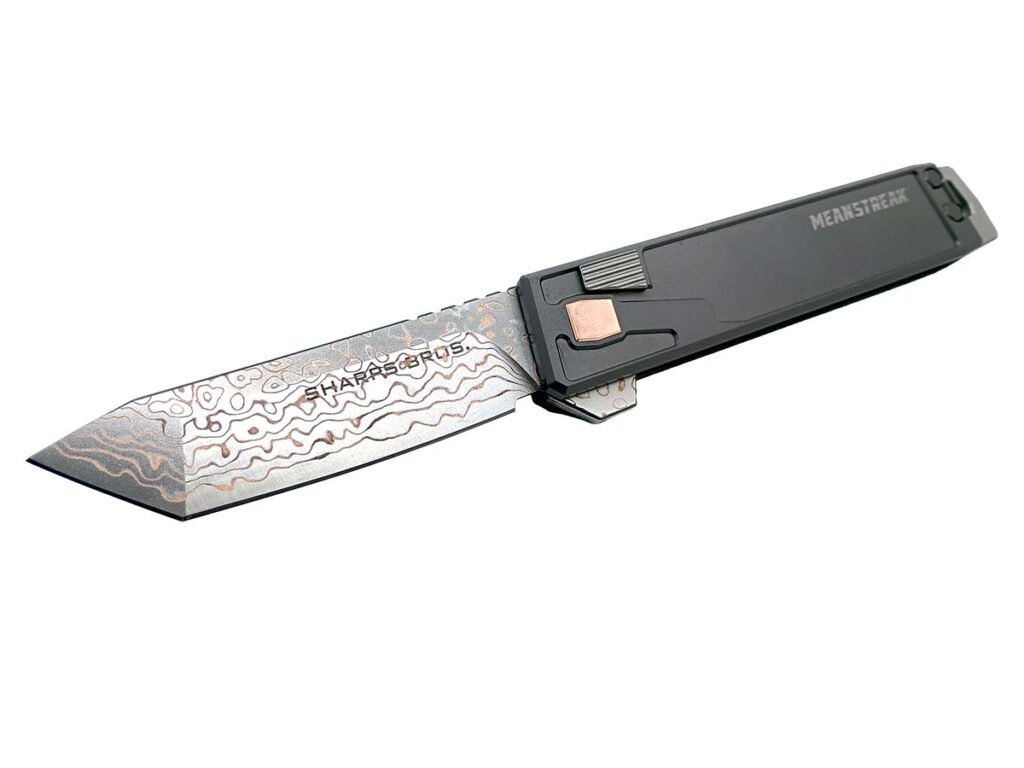
Pattern: American Tanto Lock Type: Button Lock Blade Length: 3.25″ Overall Length: 7.75″ Liners: Brass Bearing With Ceramic Ball Blade Grind: Flat Scale: Titanium Scales & Clip Blade Material: VG10/Copper Damascus, With Copper Pivot Date Available: Now MSRP: $170
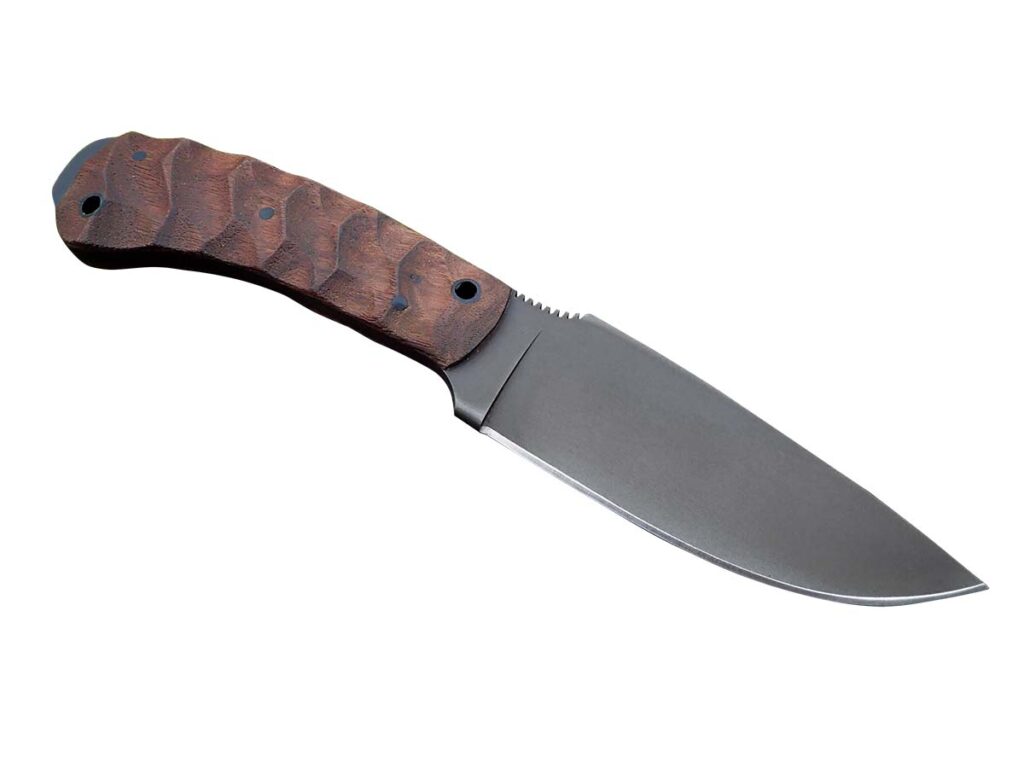
Winkler Knives Drop Point Hunter
Pattern: Drop Point Knife Type: Fixed Blade Blade Length: 4” Overall Length: 8.625” Blade Grind: Flat Scale: Walnut Blade Material: 80CrV2 Sheath: Lined Boltaron with leather cover Date Available: Limited Availability at BLADE Texas 2026 and BLADE Show Atlanta 2026. Publicly Available June. Inside Edge: This knife was designed by combining popular features from several models to create an all-in-one blade tough enough for the hardest tasks yet aesthetically appealing enough for everyday enjoyment. MSRP: $375
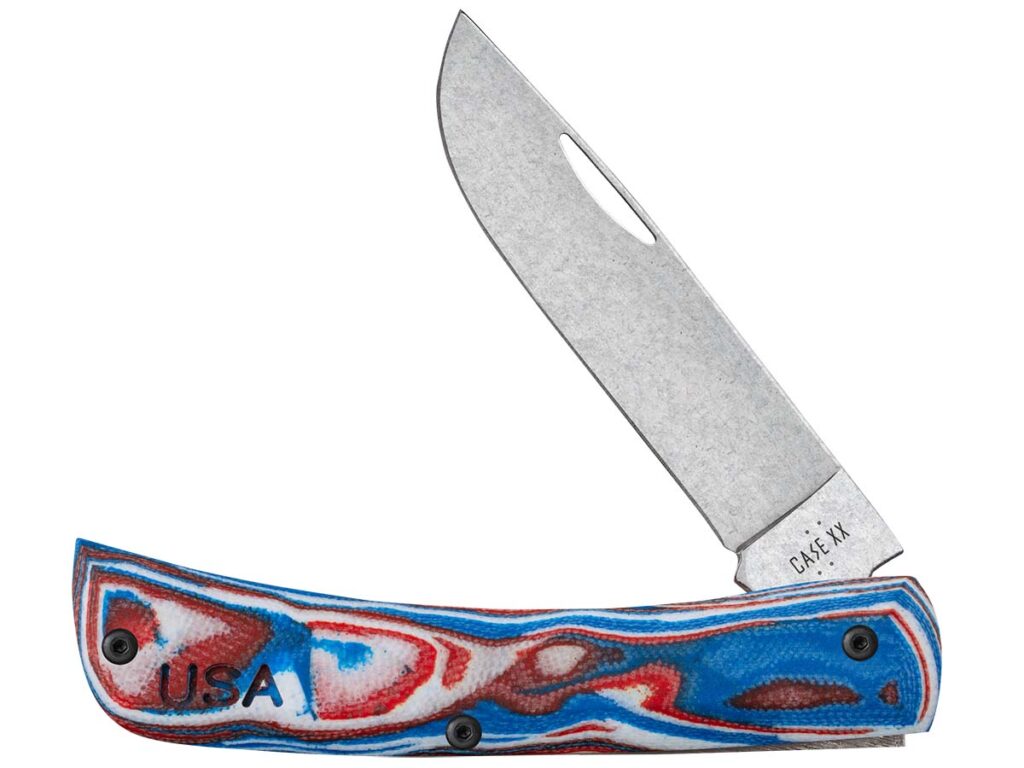
Case Knives XR Sod Buster Jr.
Knife Type: Slip-Joint Folder Blade Length: 2.8” Overall Length: 3.625” Weight: 2.1 oz. Blade Grind: Flat Blade Finish: Stonewash Satin Scale: Red, White & Blue Burl G-10 Blade Material: S35VN (Stainless) Inside Edge: This knife will be made in limited quantities. “USA” is lasered into the G-10 on one end. Date Available: Now MSRP: $125
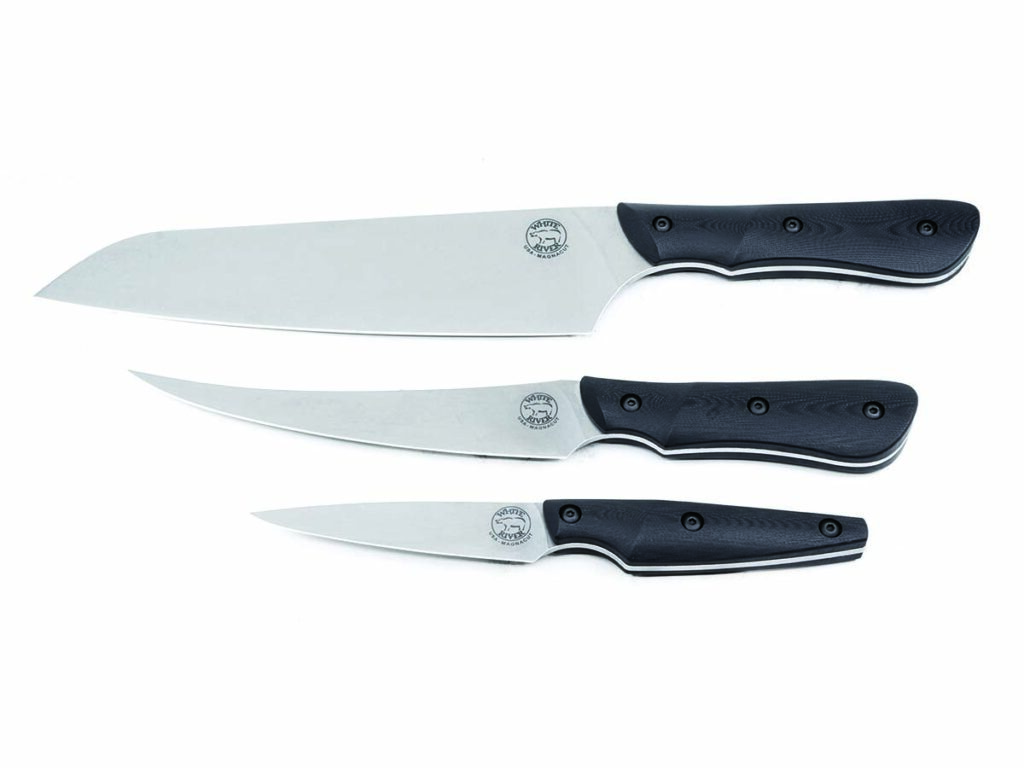
White River Knives S&S 3 Knife Chef Set
Pattern: Chef Set Knife Type: Chef, Boning, Paring set Designer: Smith & Sons Blade Length: 7.5″, 5.8″, 3.4″ Overall Length: 12.5″, 9.9″, 7.25″ Blade Grind: Flat Scale: G10 (Richlite) Blade Material: CMP MagnaCut Available: Now Inside Edge: Designed by Smith & Sons and crafted in the U.S.A. by White River Knives, this premium kitchen set includes three essential blades: a 7.5″ Chef Knife, a 5.8″ Boning Knife, and a 3.4″ Paring Knife. Together, they cover nearly every task in the kitchen—from precision prep work to heavier slicing and trimming. Each knife is built from ultra‑durable, highly corrosion‑resistant MagnaCut steel, heat-treated to a remarkable 63–64 HRC for exceptional edge retention and long‑lasting performance. MSRP: $600
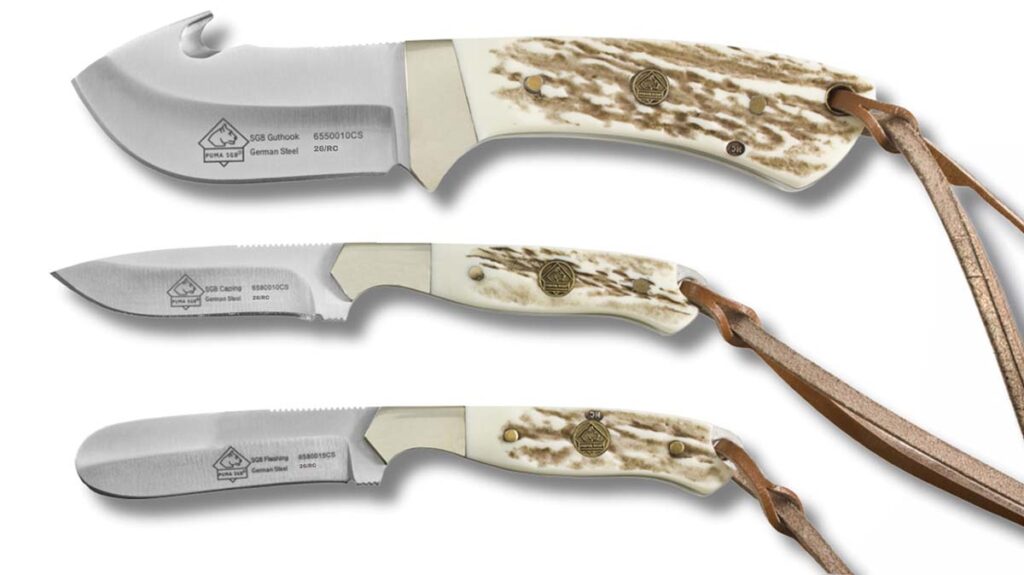
Puma Knife Trophy Car Set
Blade Length: 2.8″ (Gut Hook), 2.5” (Caping, Fleshing) Blade Grind: Hollow Ground, Satin Finished Scale: POM Commando Stag (Synthetic Material) Blade Material: 1.4116 German Cutlery Sheath: Rugged Leather Sheath (Holds All Three Knives) Date Available: Now Inside Edge: Purpose-built trophy care kit for hunters—includes a gut hook skinner, caping knife, and fleshing knife with a premium leather sheath to keep the full set organized. Designed to handle skinning, caping, and hide prep cleanly whether you’re in camp or at home, and ideal for getting a trophy ready for the taxidermist. MSRP: $175
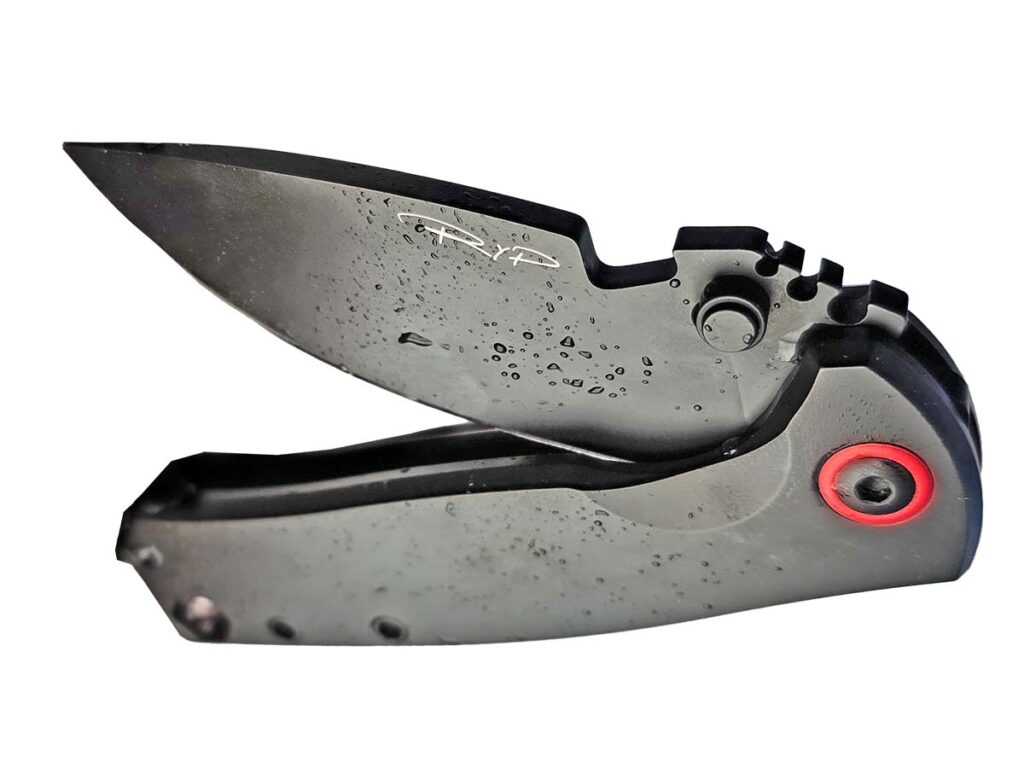
DPx HEST F Urban Ti Redeye
Knife Type: Folding Blade Length: 2.9” Overall Length: 6.7” Blade Grind: High Saber Scale: Titanium Blade Material: M390 Date Available: Now Inside Edge: Flipper with red aluminum pivot ring and red backspacer. MSRP: $425
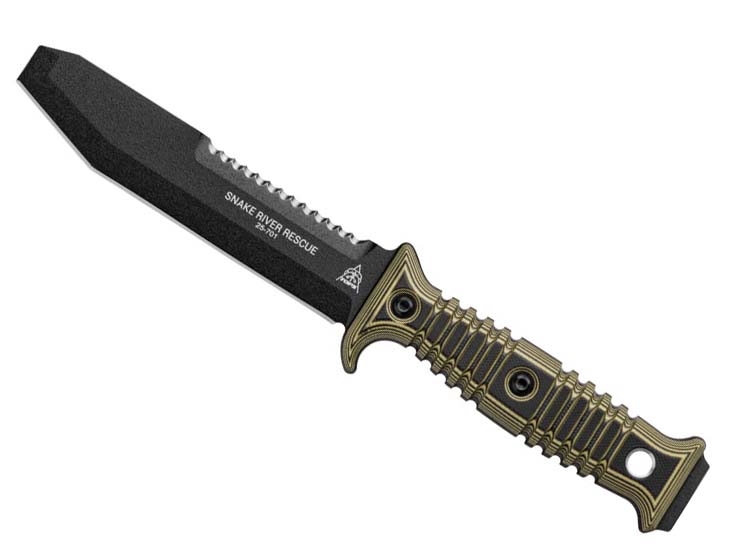
TOPS Offers Surface-Level Performance, Subsurface Strength In Pair Of Water-Focused Blades.
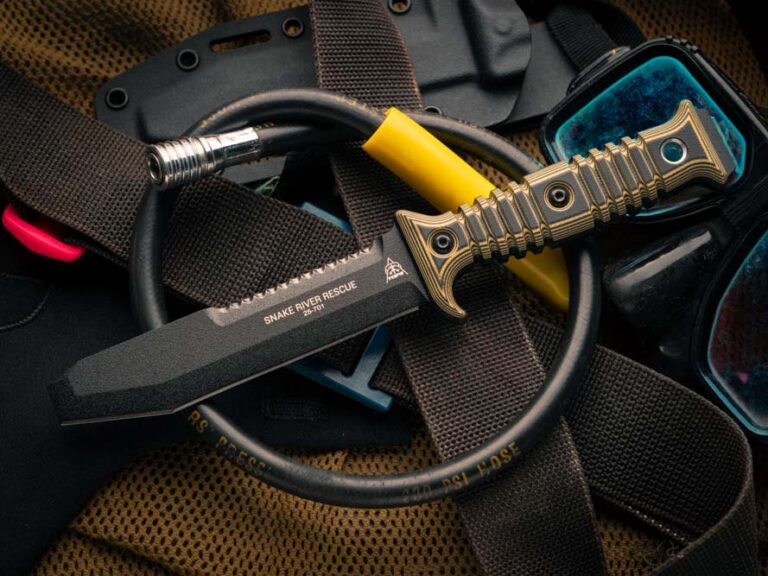
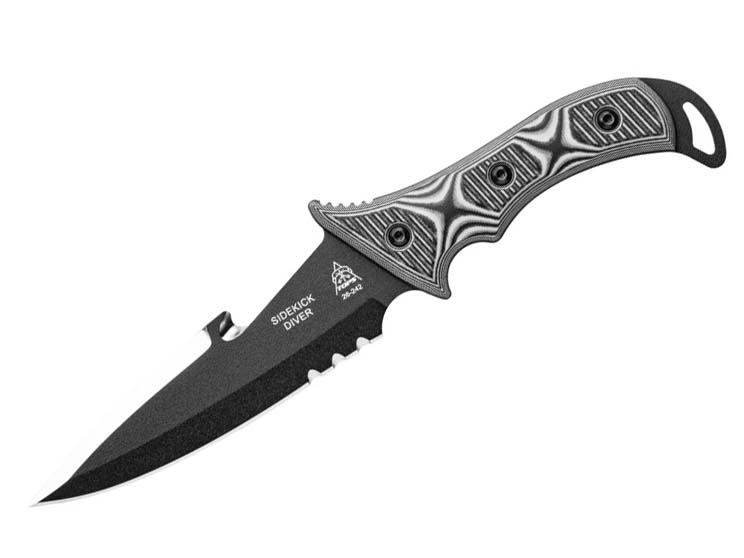
For years, the dive knife market has been saturated with “emergency only” gear—tools often made from low-grade stainless steel that prioritize corrosion resistance at the total expense of edge retention. TOPS Knives is challenging that status quo with a dual-release born from their annual Employee Design Challenge. The Sidekick Diver and the Snake River Rescue represent a shift in philosophy: these are high-performance cutting tools first, engineered to survive the brine while maintaining the surgical bite expected of a professional blade.
Both models utilize N690 stainless steel, a cobalt-enriched alloy known for its ability to hold a fine edge and resist the aggressive nature of saltwater. To ensure these blades could handle real-world neglect, TOPS subjected prototypes to high-salinity brine soaks, allowing them to air-dry without rinsing—a “torture test” designed to mimic the exact conditions where most dive gear fails.
The Sidekick Diver, designed by Ana Espinoza, is a formidable 11.25-inch tool tailored for the spearfisherman. With a 5.75-inch blade featuring a fine tip and an integrated spine-mounted line cutter, it is built for the precision tasks of dispatching fish and clearing entangled lines. The contoured gray and black G10 handles are sized for a locked-in grip, whether you are bare-handed or wearing thick neoprene gloves.
In contrast, the Snake River Rescue, designed by Jon Garcia, serves the needs of SCUBA and rescue professionals. It features a blunt safety tip to prevent accidental punctures in high-stress, low-visibility underwater environments. The high-visibility yellow and black G10 scales ensure the tool is easy to locate if dropped, while an extended metal pommel serves as a functional tank tapper for signaling and monitoring air supply. Its dual-edge geometry, featuring a 2.5-inch fully serrated section on the spine, is specifically tuned for sawing through heavy rope and netting.
Both knives are finished in a Black Traction Coating for added protection and ship with a secure Kydex sheath. By moving away from the “disposable” mindset of traditional dive gear, TOPS has delivered a pair of aquatic workhorses built to be used, sharpened, and relied upon long after the first dive.
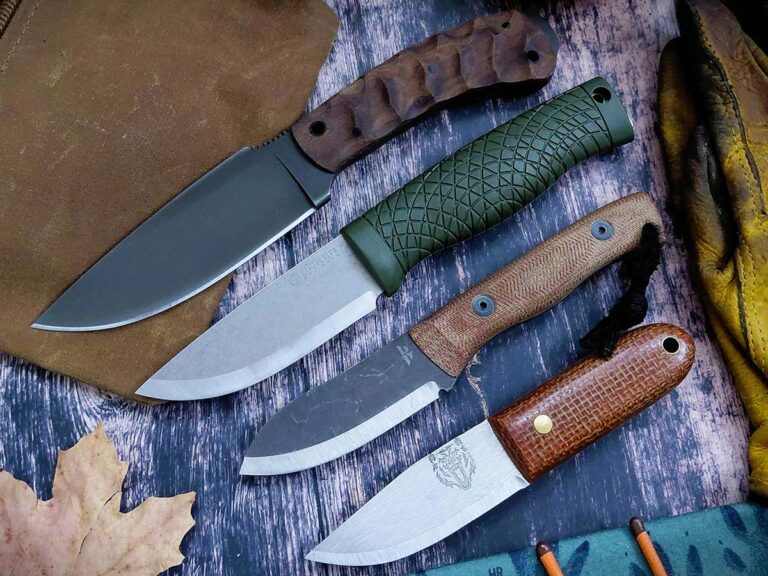
A bushcraft knife is more than a cutting tool—it’s a partner in the woods. Unlike kitchen cutlery or tactical blades, bushcraft knives balance durability with precision. They carve, split and shape wood, strike sparks and handle camp chores with ease. Key traits of a good bushcraft knife include a full tang for strength, a comfortable handle for extended use and a grind suited to carving and slicing. Blade steel must retain an edge while resisting chipping and the sheath should securely hold the knife in rugged conditions. In short, bushcraft knives are built for living outdoors, not just surviving it.
Survival Knives vs. Bushcraft Knives
Survival knives feature a robust design for emergencies, allowing users to chop, pry and withstand heavy abuse. They may feature serrations, hollow handles or multi-purpose functions aimed at crisis situations. Bushcraft knives, by contrast, emphasize control and precision. They carve wood, prepare food and perform camp tasks with efficiency. Where survival knives lean on brute strength, bushcraft knives rely on finesse. The distinction lies in intent: survival knives help you endure unexpected hardship, while bushcraft knives help you thrive in the wilderness through daily, deliberate use.
Böker Bronco Mini
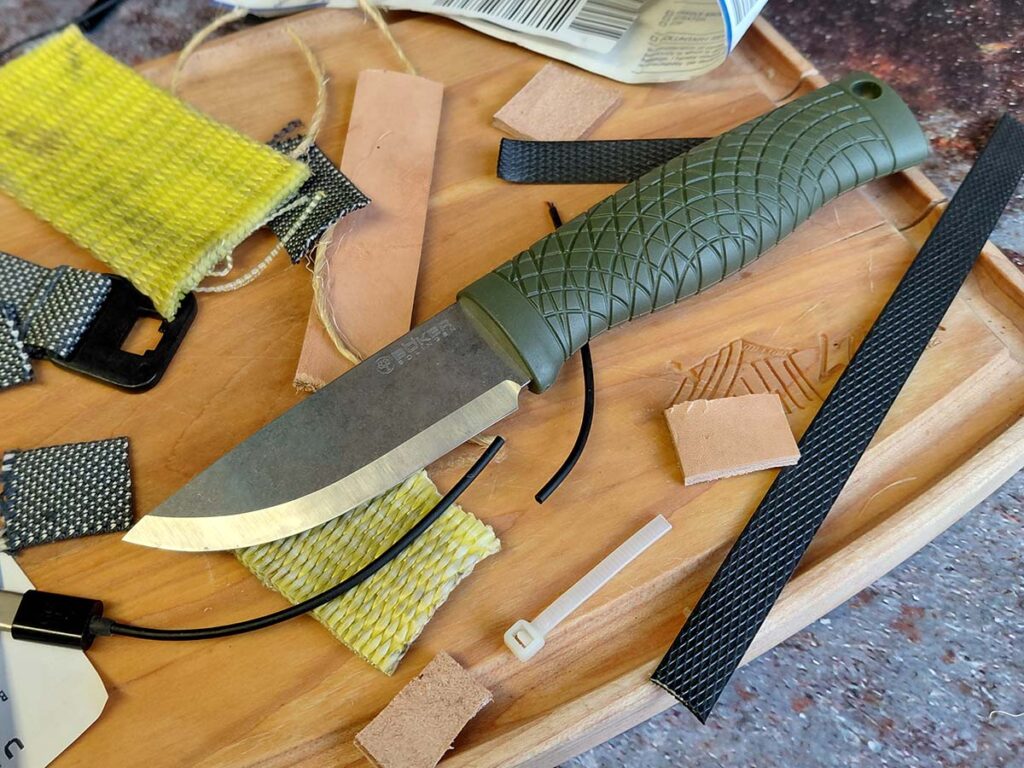
In the utility realm, the Böker Bronco Mini sliced all types of materials with Scandi precision.
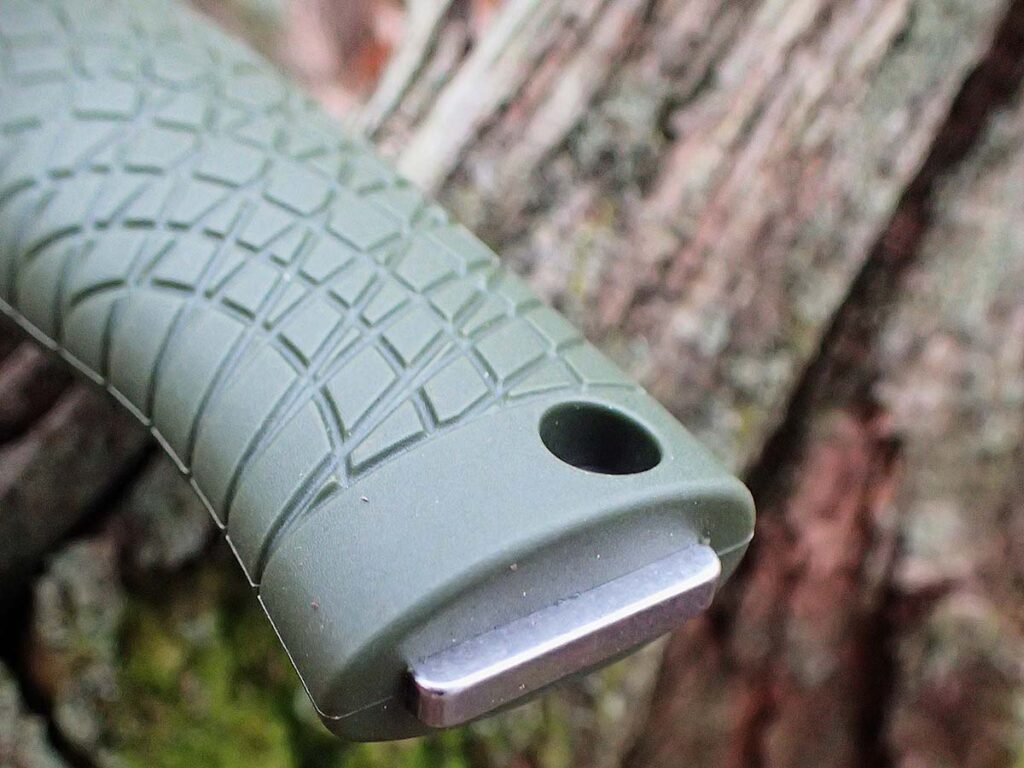
The Böker Bronco Mini Fixed Blade measures 8.23 inches overall with a 3.375-inch CPM 3V blade in a drop point profile. Finished in satin and stonewash, the blade combines toughness with clean cutting ability. A Scandi grind makes it ideal for carving wood and bushcraft tasks, giving precise control in camp chores. To ensure stability, the tang is continuous and extends slightly beyond the handle end, allowing it to withstand strong impacts, such as striking a log. Additionally, a brief segment at the back of the blade features sharp 90-degree edges on both sides. The exposed tang can be used to generate sparks with an optional fire starter. The green TPE handle is textured for grip and measures 4.625 inches, providing comfort and security during extended use. At 4.8 ounces, it balances portability with durability.
A Kydex sheath provides ambidextrous carry and locks the knife securely with a solid click. Compact yet rugged, Böker built the Bronco Mini to baton kindling, process game, and thrive as a daily outdoor companion.
Unbroken Bronco
The exposed pommel/ferro rod striker is an outstanding feature of the Böker Bronco Mini for added utility.
Although the Böker Bronco Mini did all the bushcraft chores as well as any, it really shone in a utility role. I created a solid, realistic gauntlet of slicing tasks for the Böker Bronco Mini. I started with cutting heavy-duty scrap leather on a cutting board, holding it in one hand while slicing with the other. Next, I did the same with high-strength tow strapping. This task was difficult and would dull most new blade edges. This then set the stage for the lighter jobs. Old phone cord and zip ties fell victim to the Scandi blade, as did the jute twine. I cut up a lot of strong plastic package strapping, as we were close to the box-breaking-down season. Still, no issues.
With the amount of traveling I do, my life is full of luggage tags and boarding passes. If the edge wouldn’t slice these, I’d know the more robust materials dimmed it down. The Böker Bronco Mini passed the utility test like a champ. These were very realistic everyday chores that extend past the duration of this review.
Knives By Nuge Cub‑Muk
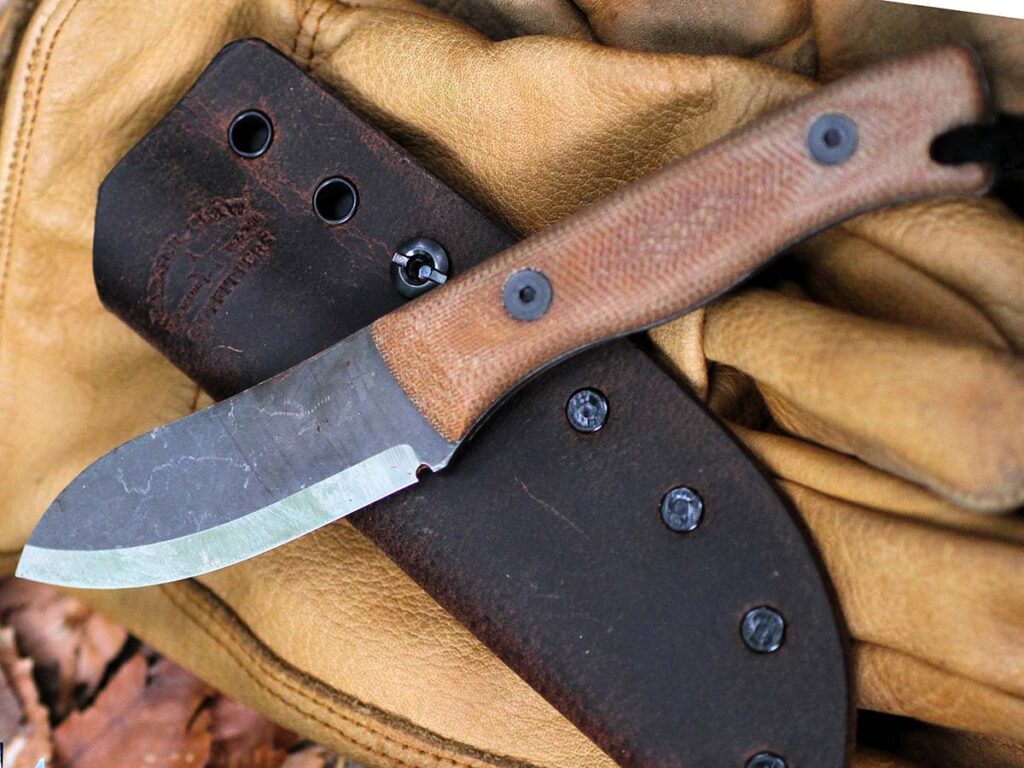
The Cub-Muk is a newish installment of the Knives By Nuge Cub series. The author used it as his companion blade in the Adirondacks with Nuge.
Inspired by the classic Nessmuk pattern, the Cub-Muk offers a compact yet full-featured design. Measuring 7 inches overall and featuring a 2.75-inch blade, with AEB-L stainless steel and a blackened, tumbled finish for durability. The Scandi grind, also available in Saber, excels at carving wood and shaping camp tools. Canvas Micarta scales provide a secure, weather-resistant grip, while the leather sheath adds traditional appeal and reliable retention. With its stout blade and full-sized handle, the Cub-Muk delivers agility and precision, making it a favorite for fine bushcraft work where control and efficiency matter most.
Floatplane-Camp Test
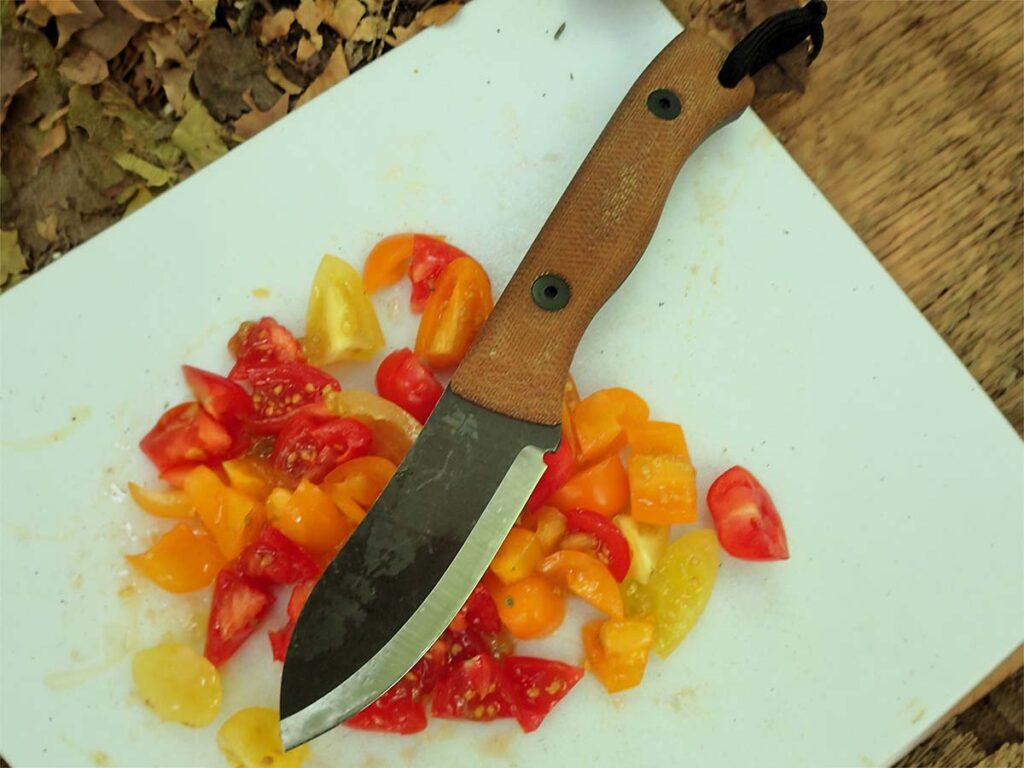
In the Adirondacks, the author prepared food for the camp using the KBK Cub-Muk. Proving the Scandi blade can slice tomatoes and process food.
During my time in camp, the Knives By Nuge Cub‑Muk proved itself as a true workhorse. I carried it five days straight in the Adirondacks, relying on it for every small task that came up. Food prep, cordage cutting, and campcrafts were routine. The AEB‑L steel held a keen edge, and the hump‑backed spine added utility, scraping fish clean and even scooping meals when needed. Safely, of course.
Projects around camp highlighted the Nessmuk’s strengths. I carved pot hangers, stakes, and tool handles from both green and seasoned wood. Instead of chasing perfect points for stakes, I favored wedge ends that drove easily into the soil. Light taps with a stick set stop cuts for notches, giving me clean results without heavy batoning. The Scandi grind excelled at feather sticks, producing fine curls that caught quickly. Paired with a ferro rod, the squared spine showered sparks, igniting tinder in seconds.
The Cub‑Muk blends Nessmuk’s classic lines with modern materials, creating a compact knife that sees constant use. Its sharp edge, comfortable handle, and versatile design made it indispensable. From carving camp gear to starting fires, it delivered precision and reliability, proving that small knives often carry the biggest load in the woods.
Winkler Woodsman
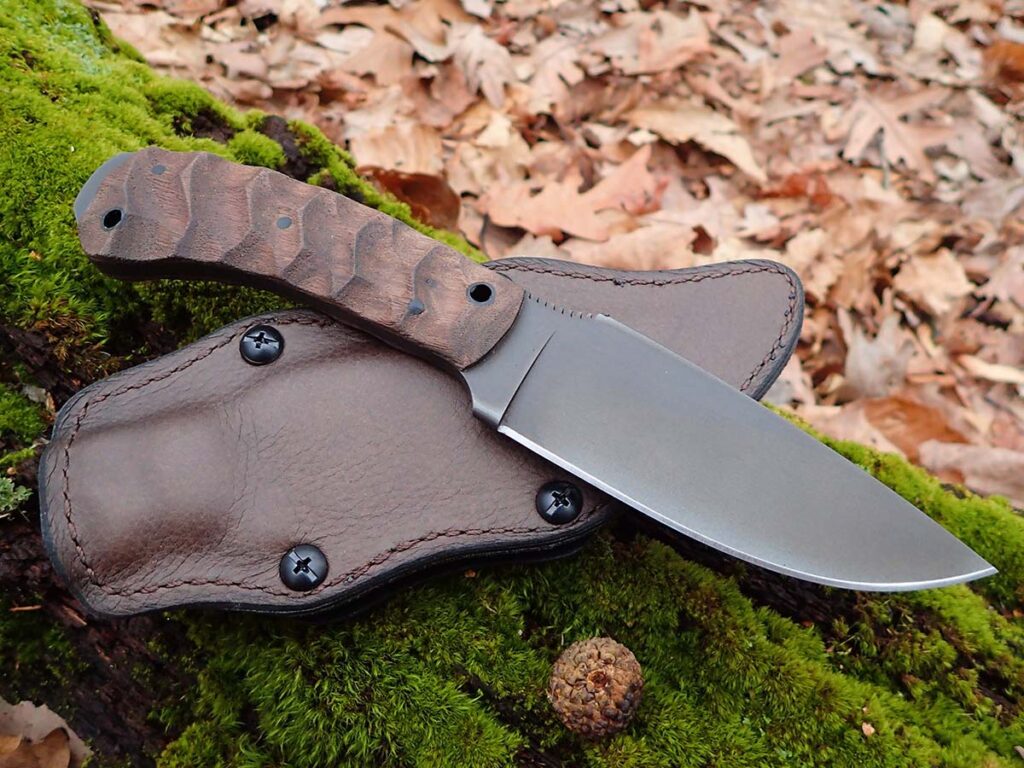
The Winkler Woodsman has an 8.75-inch overall length with a 4.25-inch blade forged from 80CrV2 steel and finished in Caswell black oxide.
The Winkler Woodsman measures 8.75 inches overall with a 4.25-inch blade forged from 80CrV2 steel and finished in Caswell black oxide for corrosion resistance. Its flat grind and drop-point profile provide versatility for carving, slicing and light chopping. The sculpted maple or canvas laminate handle offers a secure grip, while the skeletonized tang reduces weight without sacrificing strength.
A lined Boltaron sheath with a leather overlay and a spring-steel belt clip ensures reliable carry. Built for balance and control, the Woodsman blends rugged durability with refined handling, making it a standout choice for serious bushcraft tasks.
Table To Woods
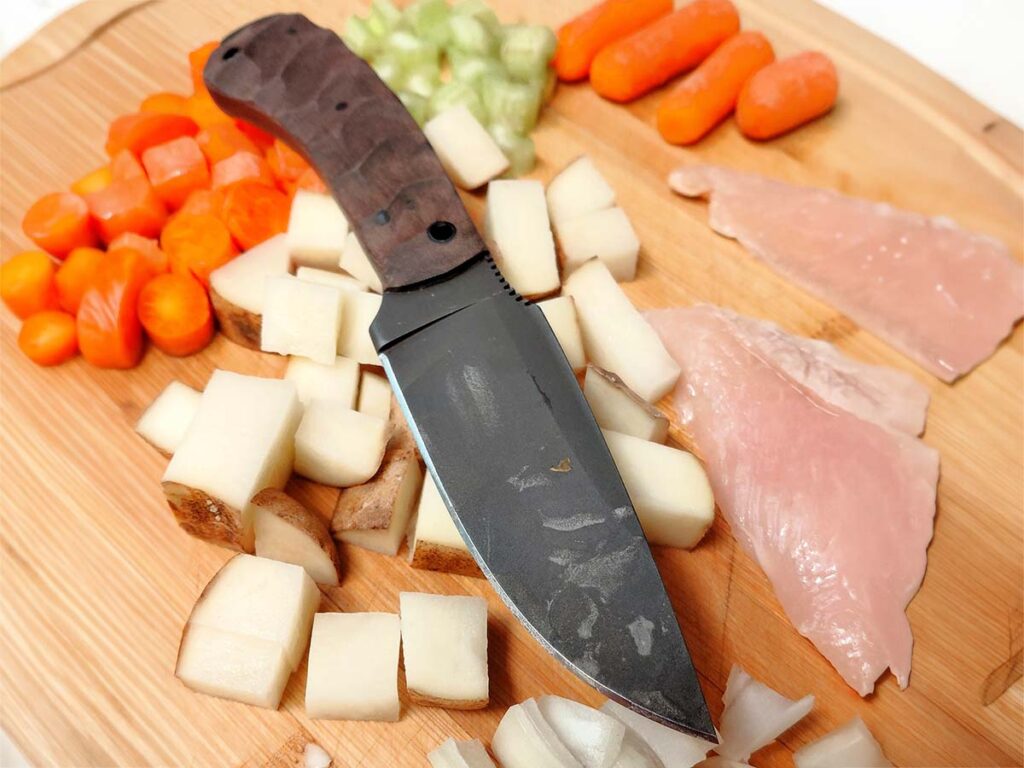
A bushcraft stew wizard, the Winkler Woodsman performed well on a rustic chicken stew.
It was a cold-weather stew week when I got the Winkler Woodsman, so I put it to work right away in the kitchen. Carrots are always a more challenging task for a bushcraft knife. Typically, bushcraft knives’ thickness and Scandi grind messily wedge and split root veggies. Luckily, the Winkler Woodsman has a high saber grind, which some would call flat. It easily cut the stubborn carrots using a longer stroke. Celery and onions were just as simple with the longish bush blade, thanks to its sharpness out of the box and its grind. I used a chef’s grip (pinch grip) with comfort. The potatoes were russet, which aren’t too hard and cook rather quickly. Still, they can be difficult like carrots. No worries with the Winkler Woodsman, however.
Lastly, there was a delicate chicken breast, which I butterflied and boiled for easier, faster cooking. The blade shape was perfect for this task. I don’t think any other blade for this review could have done the same stellar job for a winter chicken stew as the Winkler Woodsman.
Bear Forest Simple 2
The author uses the Bear Forest Knives Simple 2 in a chest-lever grip for making camp tools.
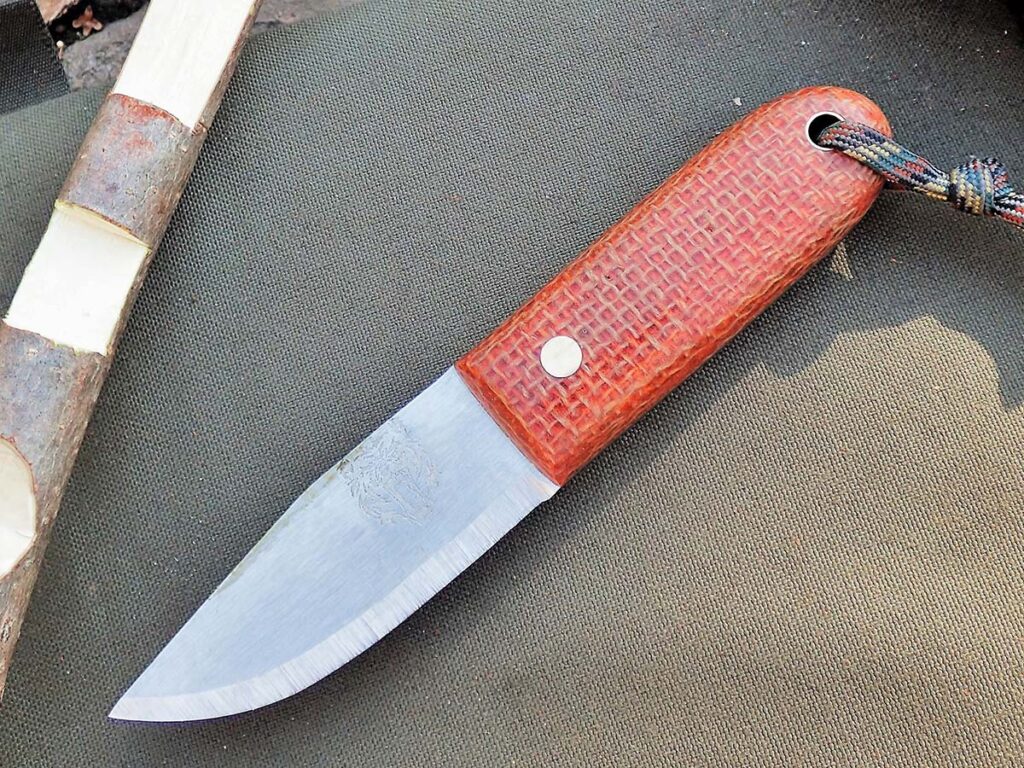
Sized down from the original Simple series (4-inch blade), the Bear Forest Simple 2 measures about 6 inches overall. It features a 3.5-inch AEB-L stainless steel blade. Its zero Scandi grind bites cleanly into wood, excelling at carving and slicing tasks. Butterscotch and Mocha paper Micarta with red burlap “bearcarta” scales give the handle a warm, secure feel.
The ambidextrous JRE leather sheath (black) allows for belt or neck carry. Lightweight yet tough, the Simple 2 blends corrosion resistance with practical design. It’s streamlined for everyday bushcraft chores, offering a reliable companion for carving, camp setup and field use without excess bulk.
Simply Qualified
The author made a try stick with the Bear Forest knife, quickly and efficiently.
I gave each knife a project suited to its strengths. For the Bear Forest Knives Simple 2, I chose the classic try stick—a green branch about arm’s length and thumb to broomstick thick. It’s a perfect way to practice knife control and notch work. Over several months, I used the Simple 2 for fire prep, food tasks, and camp projects, including tarp stakes and a bowsaw, but the try stick demonstrated its precision. I carved 11 practical notches, from root strippers and V-notches to square reductions, latch notches, and lashing crosscuts. In the middle, I shaped double flats and pierced a square hole with the pointed tip, cradling the handle in my palm for control. I added a saddle notch, a round reduction, a pot hook and a rounded end for digging sticks or stakes.
The thin edge bit deeply, shaving clean curls for tinder. The belly of the blade handled reductions, while the sharp spine proved useful for peeling bark. The oval handle stayed comfortable, with a rounded butt that anchored the grip. Compact yet capable, the Simple 2 excelled at fine carving and practical camp work, proving itself a reliable bushcraft companion.
Bushcraft Breakdown
You can’t go wrong with any of the bushcraft blades here. They have their strengths without many drawbacks!