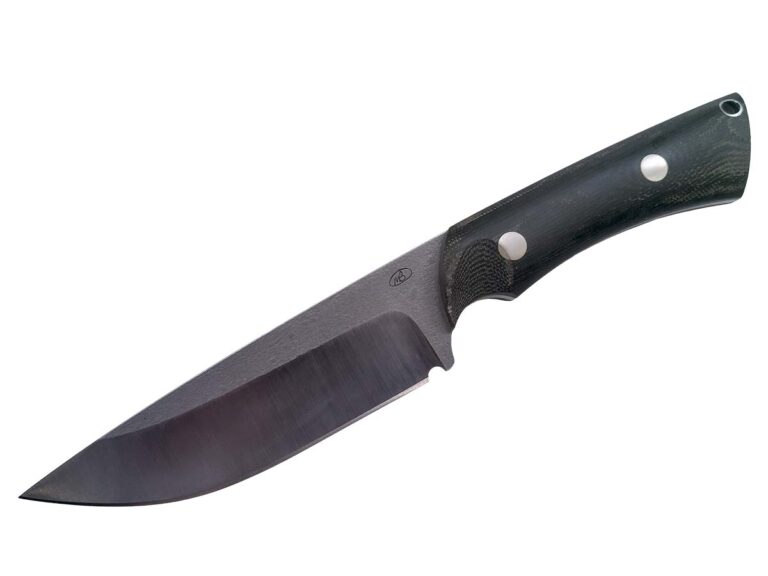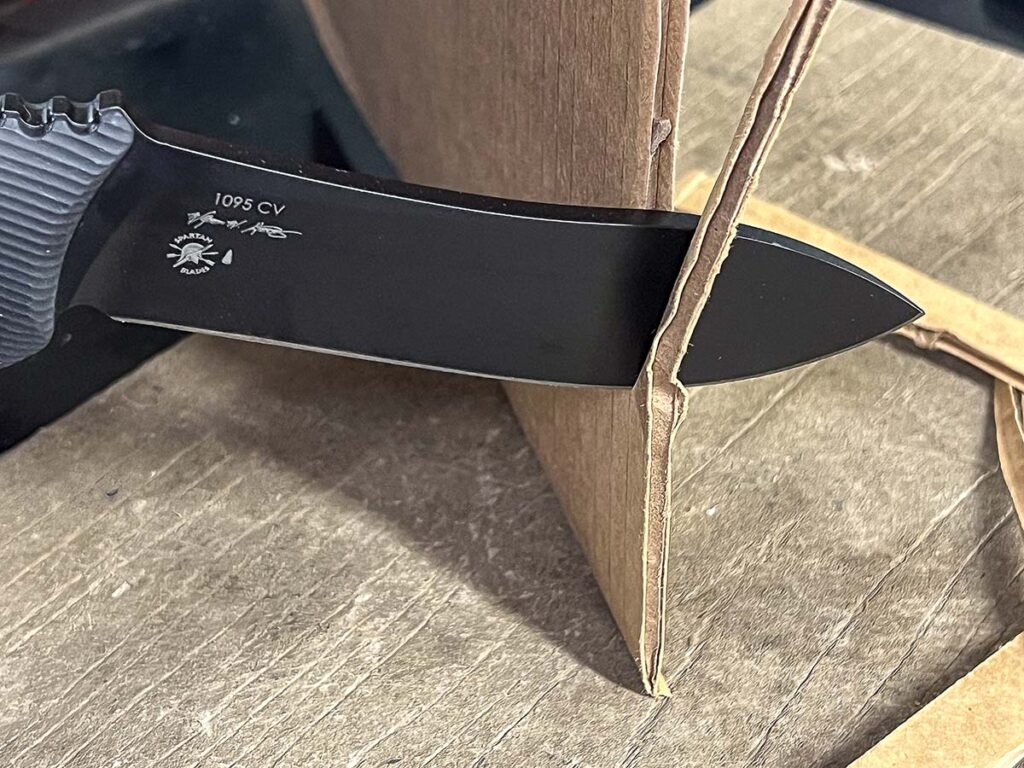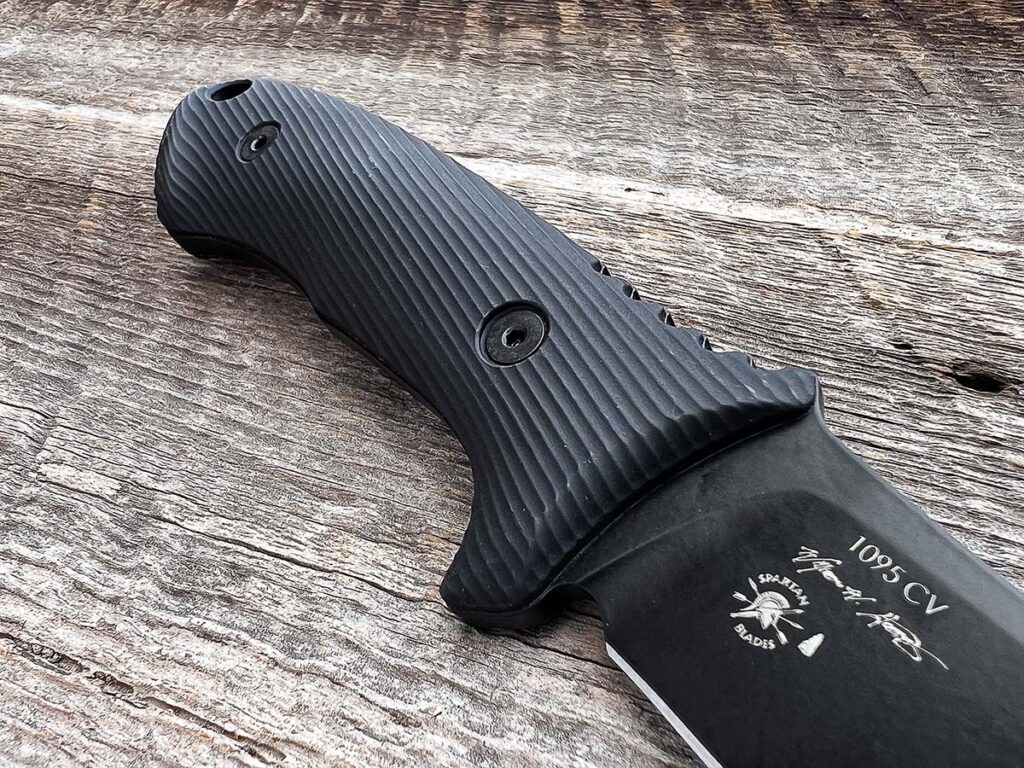

First Look: SOG Hidaka XR and FX Folding Knives

SOG and designer Kiku Matsuda launch the Hidaka XR folder and FX fixed blade—rugged, Japanese-inspired knives built for outdoor adventure.

SOG has never been afraid to push boundaries, and the brand’s latest collaboration with master Japanese designer Kiku Matsuda proves it once again. August 2025 marks the debut of two new additions to the Hidaka series—the Hidaka XR folding knife and the Hidaka FX fixed blade. Both builds reflect Matsuda’s trademark blend of Japanese tradition and Western practicality, creating tools that are as striking to look at as they are dependable in the field.

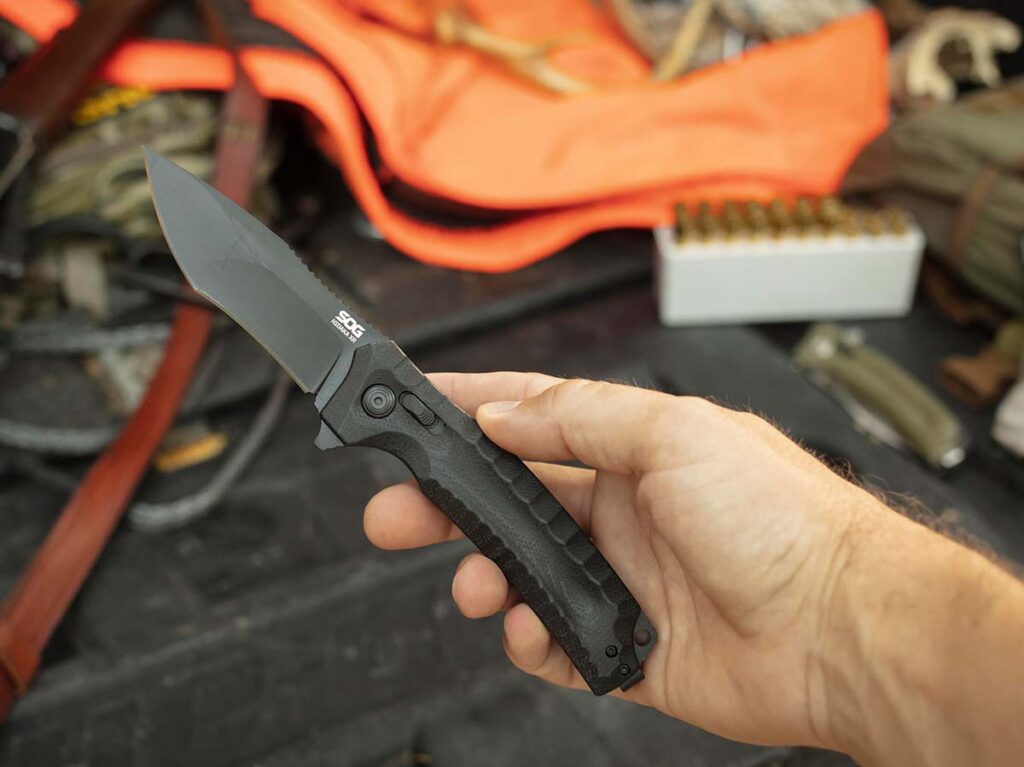
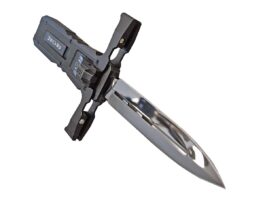
The Hidaka XR takes the foundation of the original folder and turns up the performance. This isn’t just a cosmetic refresh. SOG gave the XR a 4-inch modified tanto blade made from CPM 3V steel—steel that’s known for taking abuse and holding an edge long after lesser alloys give out. Designed with outdoor use in mind, the XR can chop, pry, and slice with equal confidence. The textured Micarta handle not only looks the part, it locks into the hand, even when wet, and the company’s XR lock system secures the blade under up to 1,500 pounds of force. In practice, it feels closer to a fixed blade than a folder, making it a smart option for anyone who needs a folding knife that can survive hard use.

SOG Hidaka XR
SOG Hidaka XR

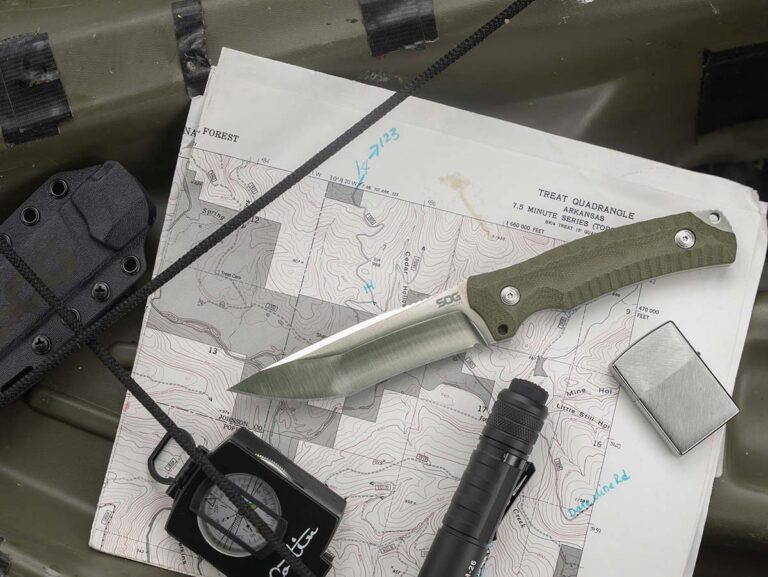
Then there’s the Hidaka FX, a fixed blade that ticks all the boxes for serious outdoorsmen. Its 4.8-inch CRYO 3V steel blade, satin-finished for clean cuts, is built for durability and edge retention. A linen Micarta handle ensures a secure grip, while resisting heat, moisture, and impact. Add in the streamlined Kydex sheath, and the FX becomes an easy-carry knife ready for camp chores, trail tasks, or emergency situations.

Together, the Hidaka XR and FX show where SOG is headed—knives that merge artistry, ruggedness, and advanced engineering. With Matsuda’s design touch and SOG’s proven reputation for innovation since 1986, these new Hidakas aren’t just fresh models. They’re proof the brand is still redefining what a modern survival and outdoor knife can be.

More Knife Reviews:

First Look: Bear & Son’s White Smooth Bone Professional Fillet Knife

Bear & Son Cutlery’s new White Smooth Bone Professional Fillet Knife delivers precision, durability and American craftsmanship for serious anglers.

Summer fishing season just got a serious upgrade. Bear & Son Cutlery has introduced the new 11 7/8-inch White Smooth Bone Professional Fillet Knife, a purpose-built tool for anglers who demand precision from dock to dinner table.

Crafted in Alabama by a company known for keeping every step of production in-house, the WSB66 combines classic styling with modern steel performance. Bear & Son Cutlery’s fully self-contained factory handles everything—from blanking dies and heat treating to grinding, assembly, and hand-finishing—ensuring consistent quality and genuine American craftsmanship in every knife.

At the core of the Professional Fillet Knife is a 7-inch Sandvik 14C28N stainless steel blade, engineered for razor-sharp cuts, long-lasting edge retention and resistance to corrosion, even in saltwater environments. Whether trimming trout in the mountains or breaking down snapper on the coast, the blade delivers clean, efficient slices with ease.

Weighing just 4.9 ounces, the knife offers balance and control that make quick work of everything from panfish to redfish. Its White Smooth Bone handle provides a secure, comfortable grip while adding a touch of traditional character. A protective plastic blade guard ensures safe transport and storage, whether stowed in a tackle box or kitchen drawer.

True to Bear & Son’s mission of building affordable, American-made knives, the Professional Fillet Knife is designed for anglers of all levels—weekend fishermen, seasoned guides and anyone who values a dependable blade at camp or on the water.

White Smooth Bone Professional Fillet Knife Specs
Blade Material: Sandvik 14C28N Stainless Steel
Handle Material: White Smooth Bone
Overall Length: 11 7/8″
Blade Length: 7″
Features: Protective Plastic Blade Guard
Weight: 4.9 oz.
Origin: Jacksonville, Alabama
MSRP: $140

More Knife Reviews:

Blades and Bands: Ready To Cut Through Outdoor Chores

Blades and Bands Kukri is a forward-cutting knife design.

In the search for knives to test for “Spec Sheet,” I get referrals. Tracy Price is one. He’s a fairly new knifemaker but does quality work. The Kukri is a knife he made for himself to push his skills, something most makers do.

It’s always good to learn a different way to do things or a new shape. The more skills, the wider variety of knives the maker can build. No matter how pretty they look, form and function must be there. Let’s see how the Kukri functions.

Blades and Bands Kukri Specs

Maker: Tracy Price, Blades and Bands LLC
Blade length: 9”
Blade material: 5160 carbon steel
Blade grind: Flat
Blade @widest: 1 7/8”
Blade finish: Stonewashed
Handle: Stabilized maple burl w/TruStone™ inlay
Extras: Thong hole; spine of “flintknapped” steel
Weight: 20.1 ozs.
Overall length: 13 3/16”
Sheath: Kydex available
MSRP: $299.99

Pros

  • Exceptional Chopping and Whacking Power
  • Excellent Edge Retention
  • Durable Construction

Cons

  • Weight Can Be a Factor in Control

Kukri Light-Duty Cutting

The cardboard slices curled from the edge geometry but resulted in no slowing down of the edge.

For a quick edge check, I use the paper slice. The knife cut smoothly and fast. The blade shape pulled the edge through the paper. I had to control the knife’s forward weight, but after a few slices, it was no issue. It’s a sharp blade for sure.

I cut up an old postage box and used a side of it for a single-walled cardboard cut. The knife sliced aggressively and was easy to control. The slices curled from the edge geometry but resulted in no slowing down of the edge.

Kukri Medium-Duty Cutting

The Kukri smoked the leather cut.

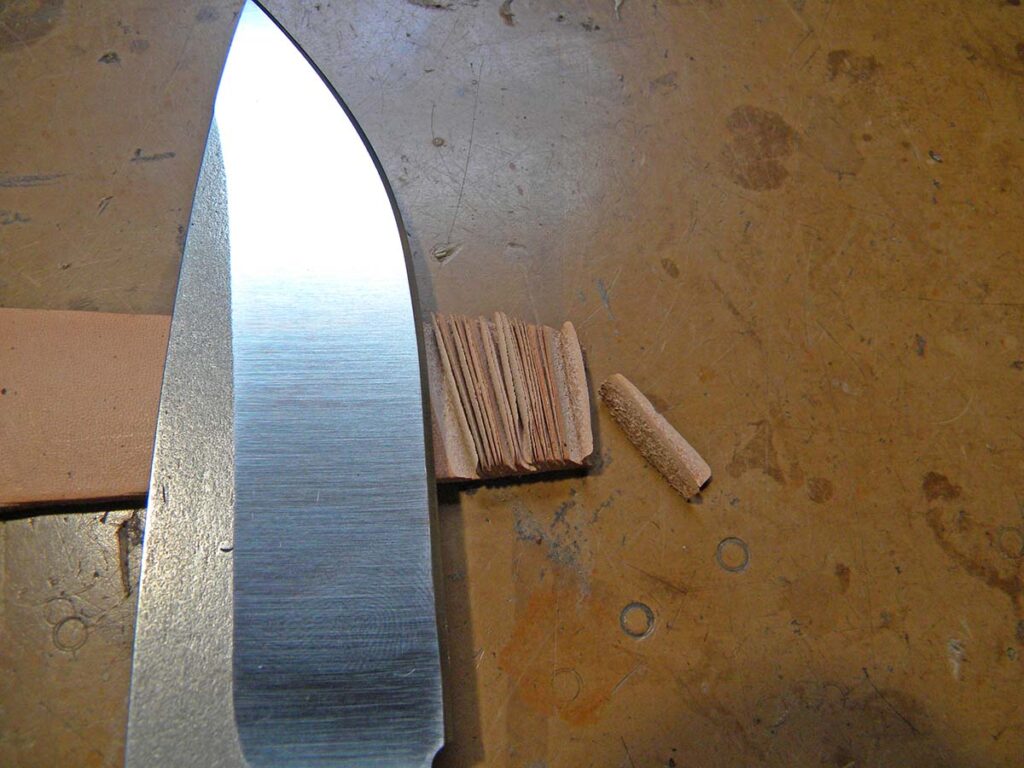
Next up: 8-ounce leather for skiving. I shaved a thin slice of leather to remove the squared-off cut during sheath construction to get the leather to flow together. It was fairly easy to skive the leather; I just had to be careful of the excess part of the blade I was not using. In other words, I was both skiving leather and shaving wood off my workbench at the same time.

Cutting leather was one push and the edge hit bottom. The Kukri smoked the leather cut. I moved up and down the blade and couldn’t find a dull spot. The blade belly was the smoothest. Again, I forgot to check the clearance on the first cut and carved into my benchtop. I’m blaming it on the heat.

It was time to whittle some fire sticks. I easily controlled the depth of the curlicues by choking up on the handle. The knife curlicued the cedar very quickly. Yes, the Kukri can be used for finer chores, too.

Kukri Heavy-Duty Cutting

The author easily controlled the depth of the curlicues by choking up on the handle.

Chopping was next on the test menu. Finally, I got to use the Kukri and put some whacking into it. Using some red cedar firewood as a base, I started chopping kindling. One whack and I was halfway through the piece. The forward balance worked perfectly for splitting—and man, does it whack! The choil does have a sharp spot but that was easily fixed.

I went back to slicing the original piece of paper to check for dulling and/or chips. The Kukri sliced the now-damp paper very well (97° F and 90 percent humidity make paper kind of soggy). It was simply too hot to stay in the shop—test over!

Final Cut

The Kukri is an excellent field/camp knife. It’s made to chop and whack in the outdoors. However, I soften the edge of the steel at the choil.

More Knife Reviews:

New Knives June 2025

Summer Steel: June’s Hottest Custom and Production Knives You Need to Know.

From mosaic fighters to modern flippers, this month’s standout blades bring a mix of artistic craftsmanship and everyday utility. Whether you’re in the market for a hand-forged Damascus showpiece or a no-nonsense EDC, June’s lineup has something sharp for every collector and user. Here’s a closer look at what’s turning heads in the knife world this month.


Miguel Navarro Fixed Blade

Miguel Navarro Fixed Blade

Blade length: 4.25”
Blade material: Diamond Damascus by Baker Forge & Tool
Blade grind: Hollow
Scales: Fat Carbon Gold Snake w/black and red G-10 liners
Weight: 7.4 ozs.
Overall length: 9”
Maker’s price for a similar knife (includes custom sheath): $550-$600
Maker: Miguel Navarro (SharpByCoop image)


Dale Holt Mosaic Fighter

Dale Holt Mosaic Fighter

Blade length: 10”
Blade materials: 1084 carbon and 15N20 nickel alloy steels
Blade grind: Flat
Blade pattern: Clip-point recurve
Handle material: Spalted sassafrass
Spacers: Textured brass and nickel silver
Guard: Blued mild steel
Knife to know: Design features include an S-guard and dropped handle; Dale Holt is an ABS journeyman smith
Overall length: 15”
Maker’s price for a similar model: Contact maker for details
Maker: Dale Holt (Jocelyn Frasier image)


Kelly Frasier Paring Knife

Kelly Frasier Paring Knife

Kelly Frasier Paring Knife
Blade length: 3.5”
Blade material: 26C3 carbon steel
Blade grind: Flat
Blade finish: Mustard patina
Scales: G-10 w/red liners
Overall length: 7.5”
Maker’s price for a similar model: Contact maker for details
Maker: Kelly Frasier (Jocelyn Frasier image)


Sam Renwick Farmer’s Lockback

Sam Renwick Farmer’s Lockback

Knife type: Folder
Blade length: 2.78”
Blade steel: Nitro-V stainless
Blade grind: Flat
Blade @thickest: .98”
Scales: Spalted maple
Frame & bolsters: 416 stainless
Knife to know: The bolsters are dovetailed
Weight: 5.3 ozs.
Closed length: 3.38”
Maker’s price for a similar knife: $291 at press-time rate of exchange
Maker: Sam Renwick (Rod Hoare image)


Bjorn Jacobsen Ghost Recon Chef

Bjorn Jacobsen Ghost Recon Chef

Blade length: 7.87”
Blade material: 1084 (the black core) laminated w/stainless steel etched
Blade grind: Flat w/forged texture on top half
Blade @thickest: .118”
Blade @widest: 1.97”
Handle: Curly birch dyed w/black leather dye and sanded w/600 grit paper, then sanded mostly off again at 1500 grit, blue leather dyed and sanded w/1500 grit yet again; finished w/Uncle Bjorn’s Handle Finish
Fittings: Stainless
Weight: 6 ozs.
Overall length: 12.6”
Knife to know: Blade etched in ferric chloride to make the carbon migration “pop,” then left in instant coffee overnight to make the 1084 core black
Maker’s price for a similar knife: $320 at press-time exchange rate
Maker: Bjorn Jacobsen (Rod Hoare image)


Rob Wayman Knives Feather Damascus Fighter

Rob Wayman Knives Feather Damascus Fighter

Blade length: 8”
Blade material: Feather damascus of 1084 carbon and 15N20 nickel-alloy steels
Blade grind: Full flat
Handle materials: Stabilized bog oak, black G-10 and stainless steel spacers, dyed/stabilized fossilized brain coral, and stabilized curly narra
Guard & pommel: Feather damascus
Overall length: 13.75”
Sheath: By Rob Wayman; belt model of vegetable-tanned leather w/stingray inlay
Maker’s price for a similar knife and sheath: $2,400
Maker’s remark: “I’m all about sole authorship, so I make all my own steel and keep everything in house.”
Maker: Rob Wayman Knives (SharpByCoop image)


Shining Blades: From the Aldo and Edda Lorenzi Collection

Shining Blades: From the Aldo and Edda Lorenzi Collection

Authors: Aldo and Edda Lorenzi
Format: Hardcover, 9 x 9.75 inches
Pages: 344, including 280 in color
Publication date: May 27, 2025
Publisher: Silvana Editoriale
Content: BLADE Magazine Cutlery Hall-of-Fame® members, the authors operated the G. Lorenzi retail knife shop in Milan, Italy, from 1959 to 2014. To stock their store and to add to their collection, they traveled far and wide in search of all manner of knives, scissors, razors, corkscrews and other edged tools. They acquired over 2,000 pieces from the Etruscan period to the present, many incredible specimens of which are illustrated in their book—including those by some of the most famous custom knifemakers of all time—along with the stories of how the Lorenzis obtained the pieces, met the makers and much more. A must read for true knife and edged tool aficionados, both present and future alike.
List price: $50
Order: artbooks.com


Bear & Son Cutlery Lawman

Bear & Son Cutlery Lawman

Bear & Son Cutlery Lawman
Knife type: EDC folder
Blade length: 3.25”
Blade material: D2 tool steel
Rockwell hardness: 59-61 HRC
Blade grind: Taper
Blade finish: Polished
Blade opener: Thumb stud
Pivot: Ball-bearing washers
Scales: White smooth bone
Bolsters: Carbon fiber
Lock: Slidelock
Pocket clip: Blade tip up
Weight: 3.5 ozs.
Closed length: 4 3/8”
City & state of origin: Jacksonville, Alabama
MSRP: $119.99
Company: Bear & Son Cutlery


APOC Wallace Bowie

APOC Wallace Bowie

Designer: Mike Wallace
Blade length: 9 5/8”
Blade material: D2 tool steel
Blade thickness @guard & tip: .256” & .039”
Blade finish: Titanium coat
Slabs: G-10
Knife to know: Handle screws accept a size T9 Torx or star bit; any other bit used may strip the screws
Weight: 1 lb., 5 ozs.
Overall length: 15 1/8”
Sheath: Kydex, vertical or horizontal carry, MOLLE compatible
Country of origin: China
MSRP: $117
Company: APOC


CIVIVI Clingman

CIVIVI Clingman

Designer: Taylor Martin
Knife type: Flipper folder
Blade length: 2.99”
Blade steel: Nitro-V stainless
Rockwell hardness: 58-60 HRC
Blade grind: Hollow
Blade @thickest: .12”
Blade finish: Black stonewashed
Pivot: Caged ceramic ball bearings
Lock: Linerlock
Scales: Black G-10
Handle @thickest: .47”
Liners: Stainless steel
Pocket clip: 6Al4V titanium; ambidextrous, tip up
Weight: 2.8 ozs.
Country of origin: China
MSRP: $71.70
Company: CIVIVI


Boker Plus LRF G10

Boker Plus LRF G10

Knife type: Flipper folder
Designer: Japanese knifemaker Kansei Matsuno
Blade length: 3.07”
Blade steel: VG-10 stainless
Blade @thickest: .075”
Pivot: Ball bearings
Scales: G-10
Lock: Linerlock
Weight: 1.94 ozs.
Closed length: 4”
Continent of origin: Asia
MSRP: $108.69 at press-time exchange rate
Company: Boker Plus


Jack Wolf Knives The Benny Fat Carbon Arctic Storm

Jack Wolf Knives The Benny Fat Carbon Arctic Storm

Knife type: Slipjoint
Pattern: Lanny’s Clip
Blade length: 3.25”
Blade steel: CPM S90V stainless
Rockwell hardness: 60-61 HRC
Blade grind: Hollow
Blade finish: Belt satin
Blade @thickest: .12”
Lock: Framelock/bolster lock
Pivot: Ceramic bearings
Scales: Fat Carbon Arctic Storm
Bolsters: 6Al/4V dark-blasted titanium
Pocket clip: Titanium anodized a light blue
Knife to know: A pocket-clip recess plug provides clipless carry option
Weight: 3.5 ozs.
Country of origin: China
MSRP: $279.99
Company: Jack Wolf Knives


Check Out Other Months:

Lovely Lilliputians: Small Custom Fixed Blades For Any Occasion

No need to go big to make a large impact, as these small fixed blades more than prove.

Few knives capture the spirit of cut as well as small fixed blades. The ideal size for makers of all skill levels to recreate, they never cease to amaze in their various blade and handle shapes, materials and other differences in design features so slight as to be almost imperceptible to all but the most discerning eye.


Neal Green and Christopher Adelhardt: Kwaiken

Neal Green and Christopher Adelhardt: Kwaiken

The Kwaiken by Neal Green and Christopher Adelhardt comes in a 3.5-inch blade of CPM 154 stainless, and an ironwood handle with G-10 liners and a brown tsukamaki (handle wrap). Overall length: 7.25 inches. It comes with a leather sheath (not shown) by Adelhardt. (Jocelyn Frasier image)


Peter Cocks: Hunter

Peter Cocks: Hunter

Australian Knifemakers Guild member Peter Cocks won Best Hunter at the 2025 Perth Knife Show for Slug Life in a 3.55-inch blade of a flat-ground mosaic damascus of 1084 carbon and 15N20 nickel alloy steels. Scales: ringed gidgee. (Rod Hoare image)


Tracy Jones: Cowgirl

Tracy Jones: Cowgirl

Cowgirl by Tracy Jones earned the maker the Best General Member award at the 2025 Texas Select Custom Cutlery Event. The 4-inch blade is flat-ground damascus and the scales are by Sara. Overall length: 8 inches. (SharpByCoop image)


Daniel M. Gutierrez: Utility Fixed Blade

Daniel M. Gutierrez: Utility Fixed Blade

A 3-inch blade of a damascus of 1084 carbon and 15N20 nickel alloy steels and copper shim forged by Baker Forge & Tool, and a handle of ironwood burl help complete a utility fixed blade by Daniel M. Gutierrez. Blade grind: flat. Overall length: 7 inches. (SharpByCoop image)


Chad Jones: Panther Fixed Blade

Chad Jones: Panther Fixed Blade

Chad Jones captured the title of Best Ranger Member at the 2025 Texas Select Custom Cutlery Event for his Panther fixed blade. The 3.25-inch blade is feather damascus and the scales are zebra carbon fiber and curly koa. Overall length: 7.25 inches. (SharpByCoop image)


Jason Howell: EDC Fixed Blade

Jason Howell: EDC Fixed Blade

Jason Howell won the award for Troop 36 Scout Favorite at the 2025 Texas Select Custom Cutlery Event for his EDC fixed blade. The 3.75-inch spey blade is flat-ground 52100 carbon steel and the scales are French walnut. Overall length: 8.75 inches. The pouch sheath (not shown) is by Richard Epting. (SharpByCoop image)


Dr. Terry Schreiner: Brown Trout Bird & Trout Knife

Dr. Terry Schreiner: Brown Trout Bird & Trout Knife

The brown trout/bird & trout knife by Dr. Terry Schreiner has a 4 1/16-inch blade of flat-ground CPM 154 stainless. The scales are a brown trout acrylic and the bolster is O1 tool steel. Overall length: 8 7/8 inches. (SharpByCoop image)


More On Knife Collecting:

KSW Custom Knives Bushcrafter Review: Upcycled Edge

The author baptizes the Bushcrafter BLADE® style.

The Bushcrafter by Kris Waddington of KSW Custom Knives is a great example of what bladesmiths can do with recycled carbon steel. Got a worn-out file? No problem. They can convert it into another useful tool—a knife.

With a hot-enough fire, a smith can manipulate the steel into a wide variety of shapes and sizes. High carbon steels are made into cutting instruments, mild steels into ornamental fittings. It’s a great skill to possess and practice. Kris has the skill.

At the end of testing, the author returned to slicing the copy paper to check for edge snags or chips. The Bushcrafter sliced for the win. There was no edge damage. Heat treatment: spot on.

Enough talk about the cool stuff he can make. Let’s get into how well he performed the conversion.

Light-Duty Cutting

I always slice 20-pound bond copy paper at the start to see how fine the knife’s edge is. The Bushcrafter did not disappoint. The upcycled Nicholson file slid through the paper with ease. It made clean, crisp slices again and again. The knife is very sharp indeed.

The Bushcrafter cruised through the 8-ounce leather very quickly with straight cuts.

From there it was on to severing single-walled cardboard. The Bushcrafter sliced through the medium quickly and aggressively. I could hear every slice. It was easy to control the spacing of the cuts with the larger handle.

Cutting 8-ounce leather to represent the skin of a harvested big game animal was next. The Bushcrafter crunched through it very quickly with straight cuts. Skiving the material was even louder as the knife aggressively sliced it into thin layers. The leather was no challenge whatsoever.

Heavy-Duty Cutting

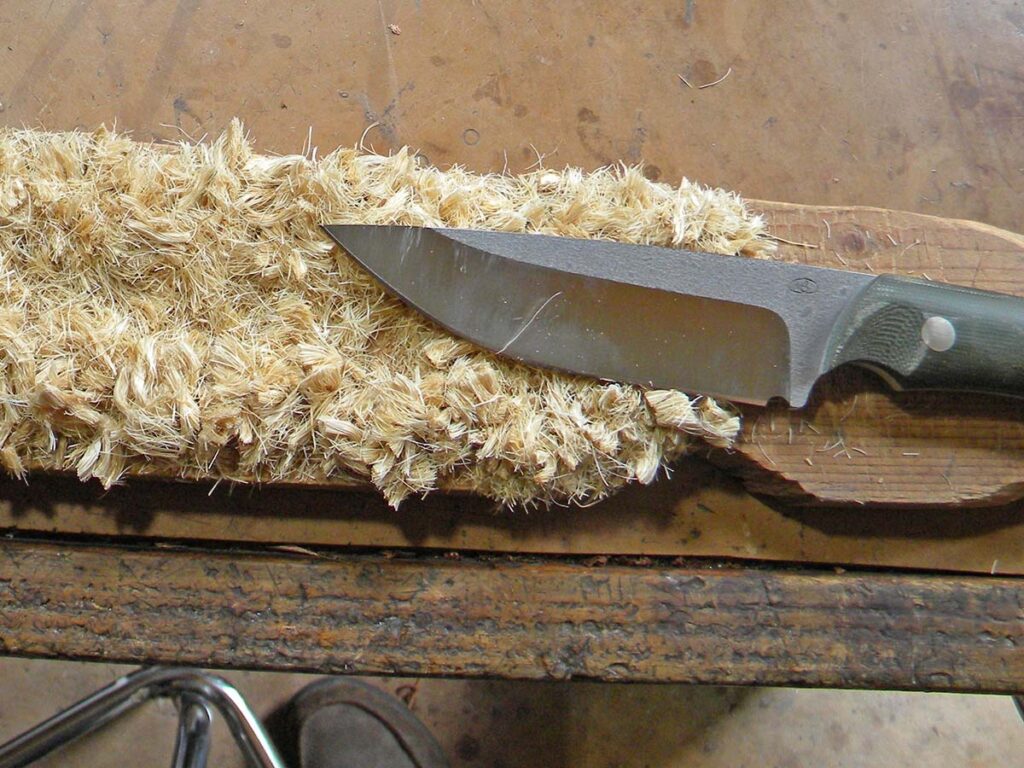
Cutting sisal rope always tells if the edge will hold up. The Bushcrafter crunched through 200 cuts very quickly and wanted more. There was a small hot spot where the handle meets the blade. A quick hit with 220-grit sandpaper removed the spot. The blade held an edge while slicing and cutting. It was time for a tougher medium.

The Bushcrafter turned out some excellent red-cedar curlicues ready for the fire.

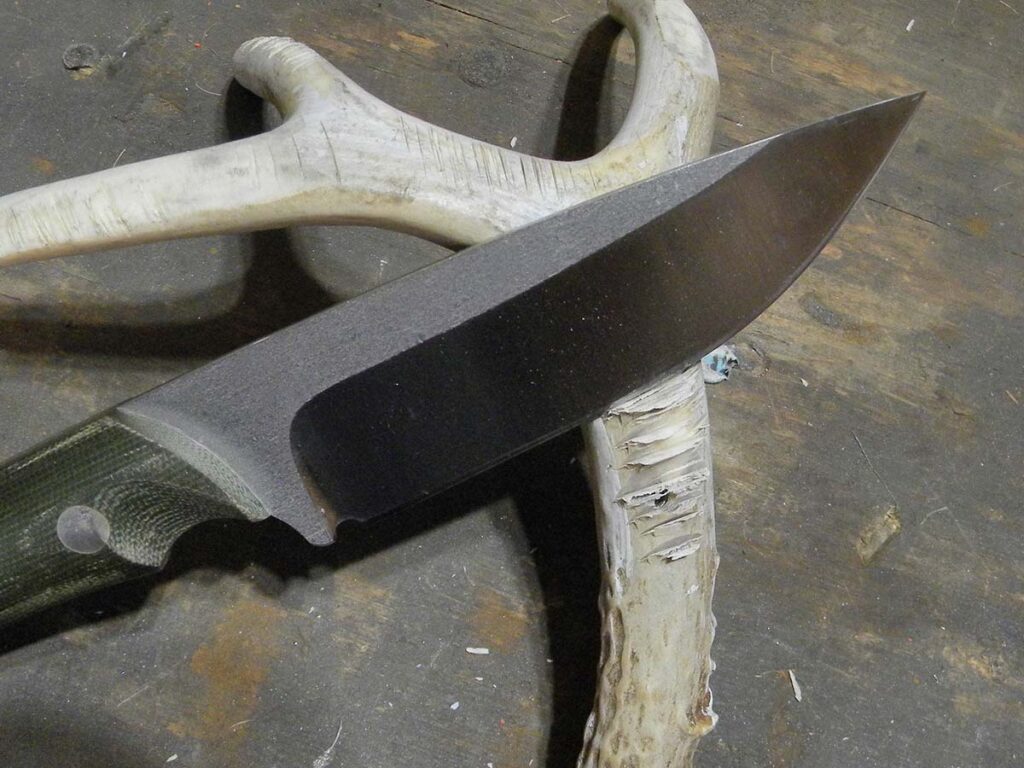
For bushcrafting, I chopped a slab of red cedar. The blade buried deeper than expected and cracked the slab. It was comfortable using the knife.

I worked the cedar to make a fire stick. The Bushcrafter turned out some excellent curlicues ready for the fire. Batonning was next in line. The knife averaged 3 1/2 baton hits to split the slab into small kindling. That was some short slab work! To raise the bar, Kris added a ferrocerium rod with a matching handle. The result is a complete outdoor package.

A leather sheath and a ferrocerium rod with a matching handle complete the outdoor package.

I returned to slicing the copy paper to test for edge snags or chips. The Bushcrafter sliced for the win. There was no edge damage. Heat treatment is spot on. Great
job, Kris.

Final Cut

I would prefer more of a finger notch and maybe some thumb notches for added control. The Bushcrafter lives up to its name. Made to perform in the woods, it is the total package for your backpack outing.

Bushcrafter Specs
Maker: Kris Waddington
Blade length: 5.25”
Blade steel: A forged Nicholson file
Blade grind: Flat
Scales: Ironwood w/black liner
Hardware: Brass
Overall length: 11”
Extras: Ferrocerium rod w/ironwood handle
Sheath: Leather by @wesleys_american_made_leather
Maker’s price: $325.98 at press-time exchange rate

More Knife Reviews:

Combat Legacy: Modern Military Knives [Field-Tested]

Contemporary armed forces styles are chips off the old block.

While U.S. troops have long had a choice of carrying alternative knives as opposed to military issued ones, nothing prepared them for the explosion of choices that came with the modern tactical boom of the early-to-mid 1990s.

While the newly minted cutters were mostly of the folding knife variety, fixed blades also benefitted from the vast improvements in tactical designs and materials that shook the cutlery industry. That boom continues almost 35 years later as the tactical segment and its many spinoffs are still the largest chunk of the sporting knife market.

Many military knives have been issued over the years as the various branches, both main and special, selected their own. Large fixed blades and bayonets were common and outsourced to manufacturers along the way. Even though they may differ in size and modifications, the four review knives all have roots in military history.

SOG BAR15T Tanto Bayonet

Two SOG bayonet offerings: the BAR15T Tanto and BAR15C Clip Point. The test tanto has a more than serviceable 5 inches of cutting edge.

Pros

  • Powerful Chopper
  • Strong Tip Design
  • Ergonomic Handle

Cons

  • Heavy And Bulky
  • Not Ideal For Finesse Tasks

BAR15T Tanto Bayonet Specs
Blade Length: 7.1”
Blade Steel: AUS-8 stainless
Handle Length: 5.1”
Handle Material: Black G-10
Overall Length: 12.2”
Sheath: Black Kydex
Country of origin: China
MSRP: $79.95

The SOG BAR15T is a big boy. True to modern tanto form, the blade is clipped from the frontal blade grind to the upper tip. The black-traction-coated blade’s main edge is flat ground and 5.2 inches long, with a quarter-inch grind to enhance penetration along the spine. The 4.8-inch handle includes a straight guard and pommel with hardware for mounting as a bayonet, with a hidden-tang main grip of black G-10 done up in a series of curved grooves on its top surface and angled pyramids along the sides. The BAR15T checks in at 19.2 ounces and is delivered with a MOLLE adaptable drop sheath, which includes black nylon and leather belt fittings.

CAS Iberia/APOC Smatchet

With its wicked 9.7-inch blade, the CAS Iberia/APOC Wallace Smatchet is loaded for bear. British and American forces used the original version of the knife to maximum effect during World War II.

Pros

  • Exceptional Chopping Power
  • Comfortable Handle
  • Battle-Ready Design

Cons

  • Overkill For Light Tasks
  • Difficult To Carry

Smatchet Specs
Blade Length: 9.7”
Blade Material: D2 tool steel
Blade Finish: Titanium coated
Handle Length: 6”
Handle Material: Black G-10
Overall Length: 15.5”
Sheath: Black Kydex belt mount
Country of origin: China
MSRP: $175

Designed by Mike Wallace, the CAS Iberia/APOC Smatchet is by far the largest, and most ususual, of the review bunch. The smatchet is not new and is best known for seeing action in World War II as a close combat fixed blade for British and American special forces. The Wallace Smatchet’s abbreviated, double-ground blade has a matte titanium coating. An ample finger-grooved handle can easily accommodate large and/or gloved mitts and is flared at the base for excellent purchase. Weight is a hefty 1 pound, 10 ounces. The knife is delivered with a MOLLE compatible drop sheath with steel and black nylon fittings.

The KA-BAR Dust II

The KA-BAR Dust II tackled synthetic rappelling rope and stiff waxed cotton lariat rope. The full-ground D2 tool steel blade was no worse for wear and ready for more.

Pros

  • Compact And Lightweight
  • Good Edge Retention
  • Versatile Utility

Cons

  • Light-Duty Only
  • Basic Construction

Dust II Specs
Blade Length: 5.2”
Blade Material: D2 tool steel
Handle Length: 4.79”
Handle Material: Green glass-filled nylon
Overall Length: 9.58”
Sheath: Black, molded hard plastic
Country of origin: Taiwan
MSRP: $138.49

The KA-BAR Dust II, a down-sized version of its larger brother the Dust I, is better configured for light utility. It has a very staid, flat-ground, gently clipped, black-coated blade. The hidden-tang handle hasn’t a sumptous curve to its name and is arrow straight with wraparound grooving on three quarters of its surface. The handle has a hint of a guard top and bottom, the epitomy of understated good taste. It comes with a black, MOLLE-adaptable, hard-plastic belt sheath.

Montana Knife Co. Model V24

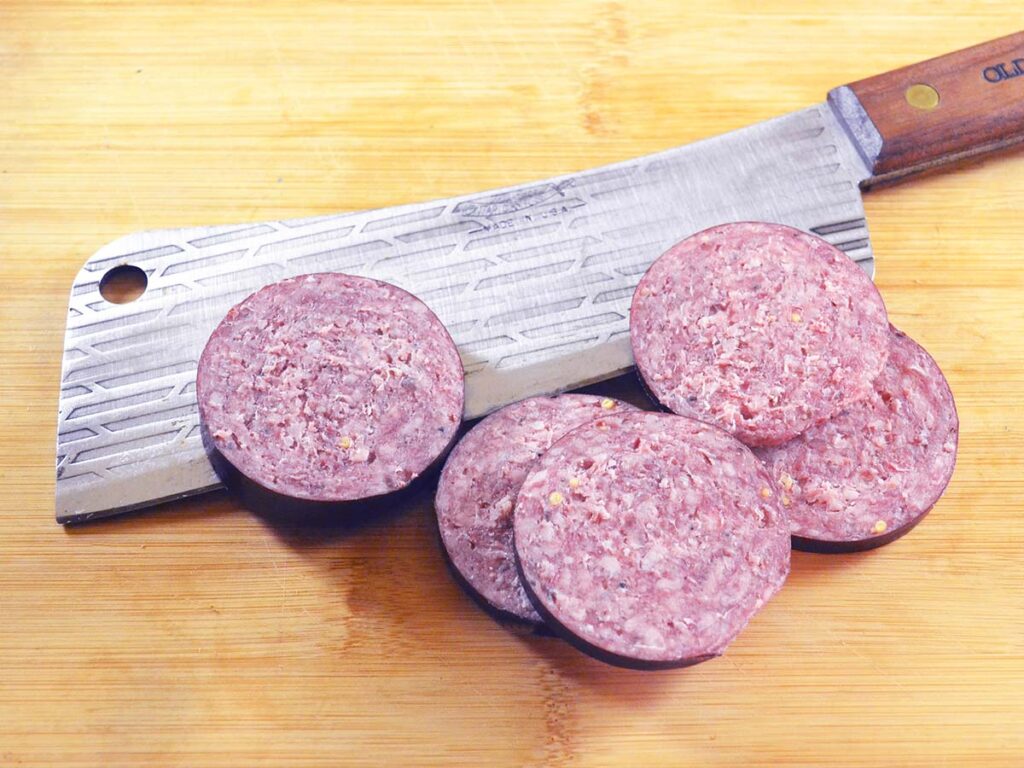
The Montana Knife Co. V24 stiletto turned out to be a little carnivore during testing. After doing stab tests on a chub of summer sausage proved a walk in the park, the author turned the slim 4-inch CPM MagnaCut blade to taking off slices of the meat. Note the clean edge work on the sausage casings.

Pros

  • Exceptional Penetration
  • Smooth Slicing
  • Near-Custom Quality

Cons

  • Purpose-Built Design
  • Less Robust For Batoning Or Chopping

V24 Specs
Blade Length: 4.25”
Blade Steel: CPM MagnaCut stainless
Blade Finish: Black Cerakote®
Handle Length: 5”
Handle Material: OD green G-10
Overall Length: 9.25”
Sheath: Black Kydex w/UltiClip
Country of origin: USA
MSRP: $475

Complete with thumbprint ricasso, the Montana Knife Co. Model V24 is a tribute to the V-42 stiletto used during World War II by the First Special Service Force, father of today’s U.S. Special Forces. This exqusite send-up was designed by MKC President/CEO Josh Smith, who, when he was all of 11 years old, began studying bladesmithing under ABS master smith Rick Dunkerley. The dagger-style blade is double ground and the hourglass handle boasts horizontal machined striations and guard art. The steel is gimped along the sides of the guard and curved base. The knife weighs 4.47 ounces and carries in a black belt sheath with an UltiClip 3.3 mounted on the front.

Testing Modern Military Knives

The review knives are very diverse and the two largest, the Smatchet and BAR15T, are definitely in the same playing field. I took their blades to task with a large, mature cantaloupe. The heavy Smatchet—all 26 ounces—had no probem hacking and slicing, and the fat handle made it easy to guide the big blade with no twisting or wobbling. On the battlefield this would be a formidable knife—as if its appearance alone weren’t enough to send the enemy heading for the hills.

The BAR15T is a load at just over a foot long with well over a pound of heft, and while not an easy tote it overshadows the EDC factor with sheer power. The beauty of the knife lies in its almost half-foot-long cutting edge and all that weight behind it. Tantos as a rule give up cutting edge to accommodate the wicked, pointy tip, and the shorter the blade the less edge there is for work.

It’s a black synthetic sheath party with the review knives. All are Kydex except the hard molded plastic of the KA-BAR.

I tested the knife by cleaving the cantaloupe in large chunks and taking off 1-inch strips in push cuts, pull cuts and vertical slices. The blade length proved a real benefit when making cuts evenly and the weight added to making strokes effortless, not to mention plenty of handle for gripping and guiding the knife. If you want a tad smoother cutting edge, I suggest checking out the SOG BAR15C Clip Point without the tanto’s notched tip.

The KA-BAR Dust II is sized for light duty around the camp or trail where a large fixed blade would tend to drag you down. Not to demean it, but this would be an ideal first fixed blade for a youngster to learn the ropes with—it’s a serious knife without being too bulky and is comfortable in the hand.

The BAR15T is well suited for heavier chores as well as lighter cantaloupe assignments. The ample handle helps as well.

I used it to cut two types of rope that can be tougher on a blade than standard fare—3/8-inch synthetic rappelling rope and 1/4-inch stiff, twisted and waxed lariat cable—both of which can dull an edge pronto. I started with the rappelling rope, quickly taking off approximate inch lengths and then switching to the tough lariat cable. After slicing a couple of feet of each rope, the cuts were clean and the blade steel was ready for more.

The MKC V24 is about as tactical as a knife gets and about as close to being a custom as a factory model can be. In fact, I’ve owned customs that weren’t as well made. I started by stabbing the blade into a fat, 2-inch chub of summer sausage to check for penetration. The exercise was way too easy. Since stilettos primarily do two things—stab and slice—I did a slicing exercise on the sausage. Taking off roughly quarter-inch slices, the blade performed effortlessly, needing only a modicum of pressure to cleave off several clean lengths. The handle offered plenty of length and a level of comfort even a surgeon would love.

Read More:

Advertisement

Must Read Articles

Read this before you make a knife

Knifemaking 101 – Read This Before You Make a Knife

  by Wayne Goddard My experience has taught me that there's nothing like digging in and getting started. I've often said the hardest part of the...
how to forge damascus steel

How to Forge Damascus

Advertisement
Advertisement