Knife collecting is an extremely rewarding experience for knife enthusiasts. There truly is a knife for everyone. Many increase or hold their value throughout the years, making collecting knives something to pass on to the next generation of knife collectors.
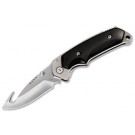
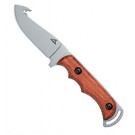
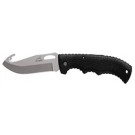
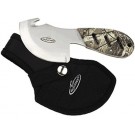
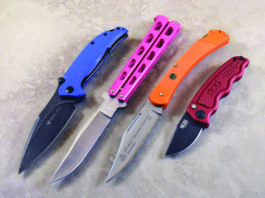
Get your meat hooks on four great gut hooks while they’re hot at ShopBlade.com.Four classic examples of the genre include two folders and two fixed blades.
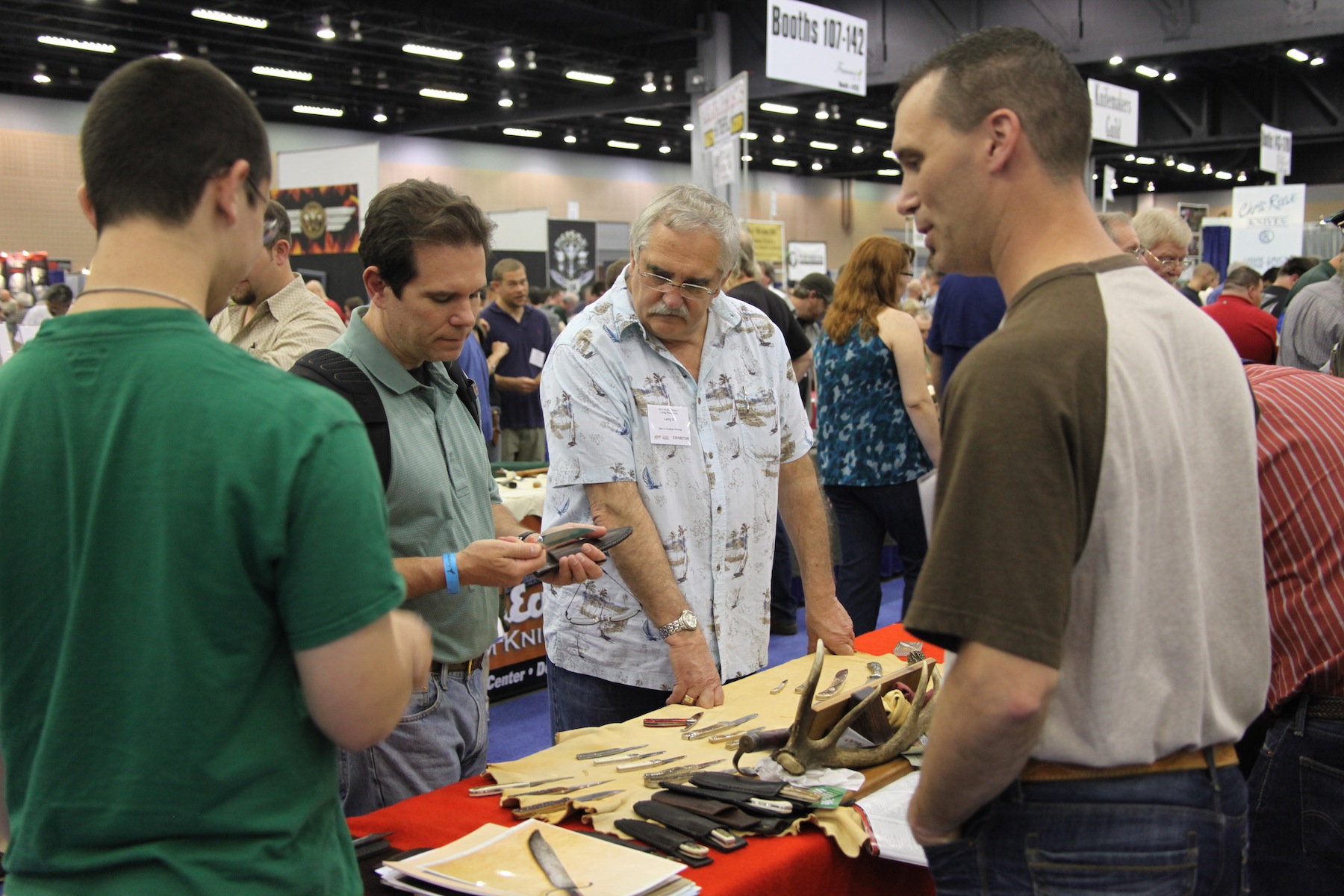
DO attend as many knife shows as possible—such as here at the BLADE Show (www.bladeshow.com)—to handle knives and meet the makers.
The do’s and don’ts of knives are many. Knowing them will make your knife experience much more rewarding and satisfying. Here are but a few:
DO use a sharpener to touch up the edge of your knife after each use or at the end of each day of use.
DON’T use your knife as a pry bar (unless it has a pry tip and is designed for such use).
DO rinse off and dry your non-stainless carbon steel knife after each extended use or at the end of day of each use (it’s probably not a bad idea to do the same no matter what the blade material is).
DON’T store your knife in a leather sheath for extended periods.
DO cut away from other people/your body when cutting rope, cardboard boxes open, etc.
DON’T show off flipping your folding knife open and closed at knife shows in crowds of people or around any area crowded with people, for that matter.
DO ask a maker’s permission to pick up a knife from his table at a knife show.
DON’T open more than one blade at a time on a multi-blade folder (it puts unnecessary pressure on the backsprings; besides, it’s a good way to get accidentally cut).
DO carry a knife whenever possible where it is legal to do so (and when the knife meets local legal requirements).
DON’T pull out a loupe/magnifying glass to closely inspect a new custom or handmade knife at a knife show (it’s just not considered good form; besides, unless you’re legally blind, if you can’t see what’s right or wrong with a knife with the naked eye, then it’s not worth worrying about).
DO attend as many knife shows as you can and view knives up close and personal and meet the makers who build them.
DON’T interrupt a conversation between a maker and someone he or she is talking to at his or her table at a knife show. It’s rude.
DO read as much as you can about knives, their history and their makers.
DON’T take everything you read about knives as gospel. Always look for at least one additional opinion on the subject.
One final DO is to check out these knife dealsBLADE‘s lined up for you at ShopBlade.com.
They complement one another in an easy, seamless union—blade and handle. One without the other means the knife is incomplete, or it isn’t a knife at all.
Along with the search for proper blade steel, appropriate handle material is the second critical element in the presentation, form, and function of the knife itself. Natural and synthetic handles play their roles. They bring utility and aesthetics to the package, and the maker’s choice sets the tone. Availability, cost, and maker’s preference fit into the equation when choosing the right handle material. And then, of course, the intended knife use weighs heavily.
In the end, it’s the eye of the artist that drives the visual element, and the job to be done by the user that directs his or her choice. The handle makes the knife complete.
At Masecraft Supply Company, co-owner Chris Hartman sees the supplier’s role as the facilitator. Never interfering with the artist’s concept, he views Masecraft as a provider of the palette. “We don’t advise what to use,” he reasons. “We are not big fans of, ‘You know what you should do …’ or telling a customer what to use, but more in supplying a wide variety of options to choose from. We are always willing to answer questions about our materials a customer may have, but it’s just not a good idea to advise what is right for them. That’s the maker’s choice.”
Knife Handle Material Trends
With that said, where is the market headed today? What does the landscape look like in terms of availability, trends, and timing?
“The majority seem to be sticking with composite laminates like G-10, canvas and linen Micarta, and Richlite,” Hartman says. “Natural materials like bone and horn seem to be in a continuing decline. Exotic woods still do well, but availability and pricing have become issues over the last two years.”
John Cammenga, vice president of operations at White River Knife & Tool, Inc., deals primarily in synthetic knife handle materials. He indicates that knifemakers who build hard-use models often lean toward durable synthetic handles and that the laminate trend holds up there as well, particularly with material available in a variety of colors.
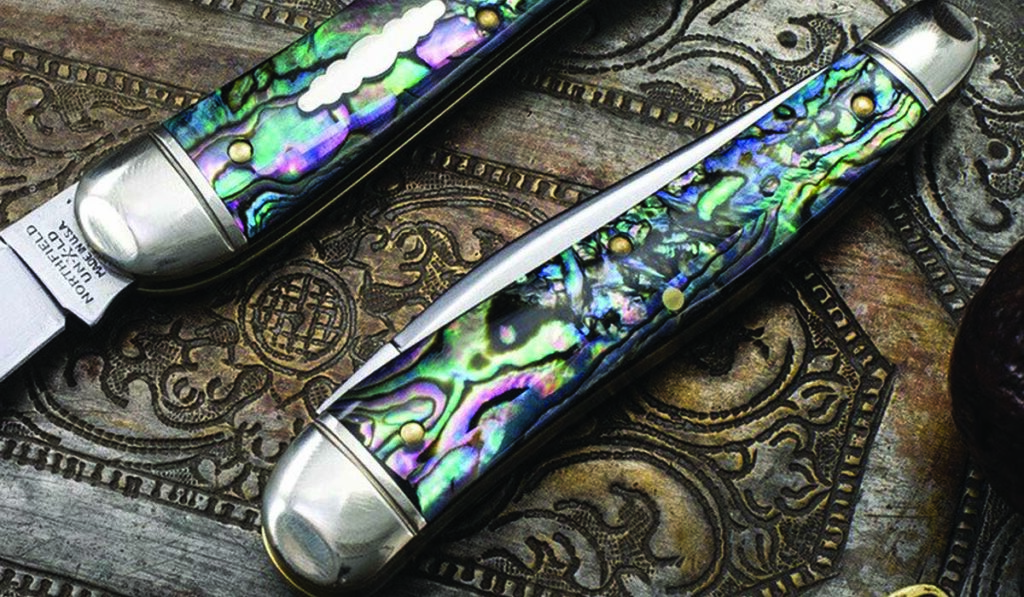
This Northfield UN-X-LD knife from Great Eastern Cutlery (GEC), which registered the trademark and uses it on premium GEC pocketknives, features ALVS (acrylic laminated veneer shell) handle scales from Masecraft Supply Company. The dazzling shell veneer consists of real shell and high-impact acrylic laminated together within the sheet.
“The majority of our handle materials are synthetic,” Cammenga says, “and this is primarily due to stability and longevity. But many look great as well. Multi-color layers of fabric bonded with phenolic or polyester resin can have the look of wood, yet last much longer. Additionally, many of these are tackier when wet, giving the user additional hand purchase in tough weather or when processing game. Carbon fiber and G-10 are available in an ever-expanding array of colors and patterns and almost bulletproof when it comes to wear and tear.”
Choosing Knife Handle Material
The choice of materials, Cammenga explains, comes directly down to the proposed use of the knife. For hunting, fishing, camping or bushcraft, White River almost always recommends synthetic handle material. However, John still gives a nod to personal preference. Some users simply must have a natural handle, and the aesthetic factor comes into play there.
“It’s hard to beat the beauty of a highly figured burl!” he comments. “Some, such as desert ironwood burl, are not only beautiful but also extremely tough.”
Tom Krein is an experienced custom knifemaker who worked for the great Bob Dozier and ran the custom shop for A.G. Russell Knives before embarking on his own venture during 30 years in the business. Making small utility and hunting knives primarily, he agrees that handle material choice relates to a few simple concepts.
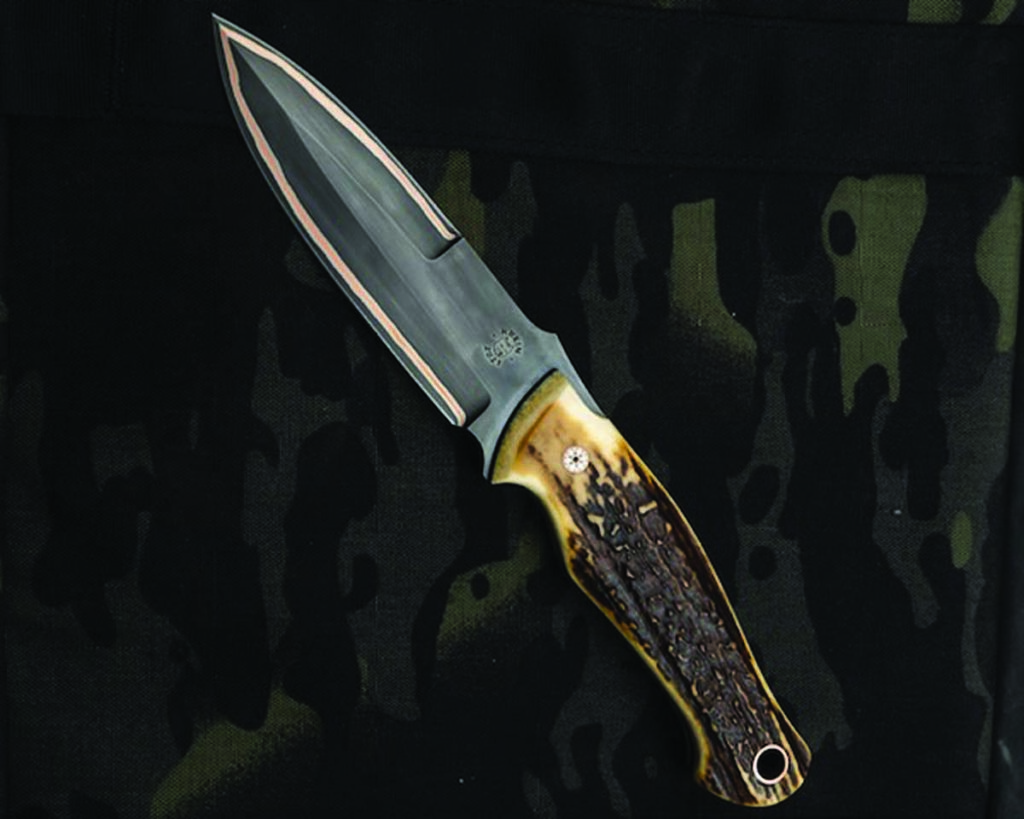
Tom Krein’s “Mako” model features a Dion Damascus san mai steel blade with a copper-color stag handle.
“It comes down to the customer’s needs, willingness to care for the knife, aesthetics, and budget,” Krein relates. “Natural materials should hold up nicely with proper care assuming everything goes according to plan. Sometimes stuff happens—a knife falls into a sink of water, or it starts to rain while hunting, or your knife gets lost in the yard for a week. Synthetics hold up better when stuff goes south. For customers, I recommend getting what you like and learning how to take care of it. For knifemakers, I suggest picking the mind of another maker who uses the material you want so you can learn how to use it. Overall, we are a helpful bunch of people.”
Traditional handle materials and their innovative, eye-popping counterparts coexist at Santa Fe Stoneworks, a provider of materials to the art knife market since 1978. Santa Fe not only affixes those materials to its own knives, but also provides the service for Spyderco and Kershaw while doing private label work as well.
President Bill Wirtel leads the family business, and the company’s roster of natural handle materials includes the best of the best. “We work with factory knives and apply gemstones, exotic woods, shells like gold- and black-lip pearl, and fossils such as woolly mammoth tooth, tusk, bone, and petrified dinosaur bone,” he remarks.
As for Santa Fe’s synthetics, Fordite, a car paint overspray, Surfite surfboard overspray, and a cholla cactus-like material that is made in the shop have found favor with makers and buyers alike.
Material Mash Up
“We are looking for design and color, so we mix natural with manmade stone and epoxies,” Wirtel explains. “Our fossils are all stabilized so they work great for a handle material. We see hybrid materials gaining popularity as they provide the best of both natural and composite materials. Fordite and Surfite have been selling well. Our synthetic cholla cactus line that we make here, stabilizing it with different colored epoxies, is becoming a big seller as well. We also have mammoth tusk fusion. This is stabilized fragments of mammoth ivory that are fused together under immense pressure. The result is a beautiful and hard composite that is densely packed with mammoth ivory.”
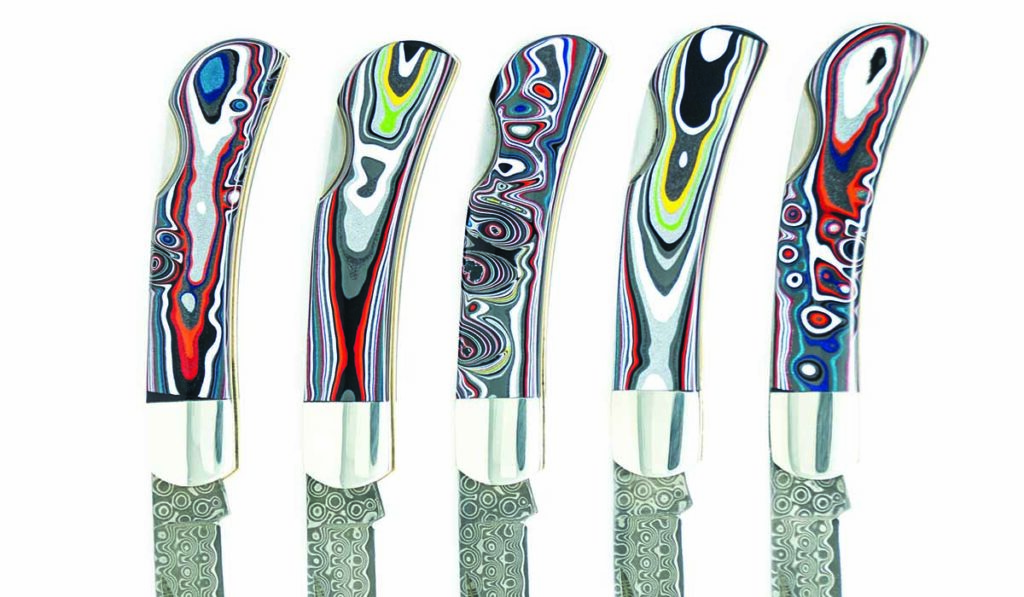
Fordite car paint handle material adds a fun flair to this series of Santa Fe Stoneworks 3-inch lock-back folders with damascus blades.
Fordite is an interesting option that comes from a surprising source. Also known as Detroit agate or motor agate, the material consists of pre-1985 automobile paint that hardened sufficiently to be cut and polished. It formed from enamel paint slag, which built up over the years in layers on the tracks and skids where cars were hand spray-painted. The buildup hardened in ovens intended to cure the paint on car bodies. After so much of that buildup, the brightly colored and layered paint had to be removed. Its allure caught on with some autoworkers who brought pieces home with them. From there, the beautiful Fordite material, which can be cut and polished into a spectacular look, found its way onto knife handles.
The Masecraft perspective is somewhat dictated by availability. “Sambar stag is not coming back,” Hartman stresses. “It has been banned by India for export since sometime around 2005, I believe, so that’s almost 20 years now, and I see no chance of this ever-changing. What’s still available out there now is it. Game over!”
“Black-lip, gold, and white mother-of-pearl all are still available,” he adds, “just not in larger size pieces as they were 20-50 years ago. They are overharvested and not as healthy as before. Demand for shell is down overall. It is not very tactical, and we seem to be in a tactical and bushcraft market for the last two decades. Shell tended to be more of a gentleman’s pocketknife material, so it’s not exactly the big trend right now.”
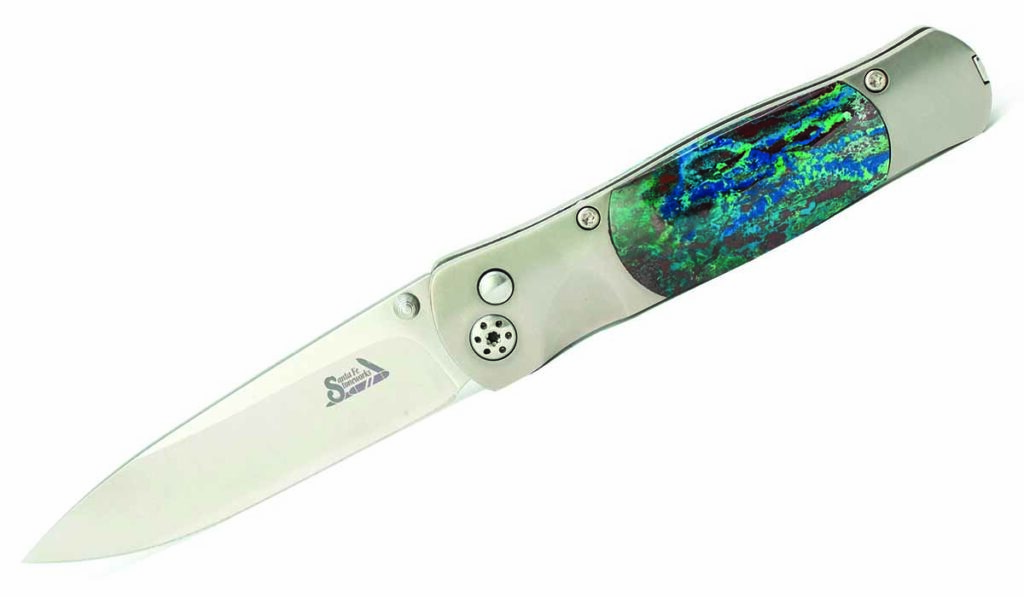
This Santa Fe Stoneworks El Rey model is handled in a spectacular turquoise/abalone/bronze hybrid gemstone and includes a mother-of-pearl button inlay.
“Many of the companies that used a lot of shell on knives are gone or simply don’t have the people who know how to work with it anymore,” Hartman adds. “Shell is still one of the most beautiful materials ever, so much so that it seems to be the hardest to reproduce in any type of synthetic alternative that even comes close to its natural beauty. We can come close, but there is still nothing like the real thing.”
Krein sees a swing toward synthetics and higher-end natural materials as well. “Right now, there is a huge push to find and use vintage Micartas,” he relates. “I’ve also seen G-10 usage go up a ton over the years. G-10 holds up to use extremely well, is relatively inexpensive, and machines and grinds easily. I’ve also noticed quite a few new businesses that specialize in exotic stabilized woods. Stag has always been a desired and quality knifemaking material, and with exceptional stag being much harder to find, it is even more desirable, particularly when done [harvested and finished] properly.”
Watching the high-end polymer Ultem begin to trend as a new synthetic handle material has been interesting for Krein, and his affinity for giraffe bone has not waned. It’s something he calls the “latest real pickup in natural materials.”
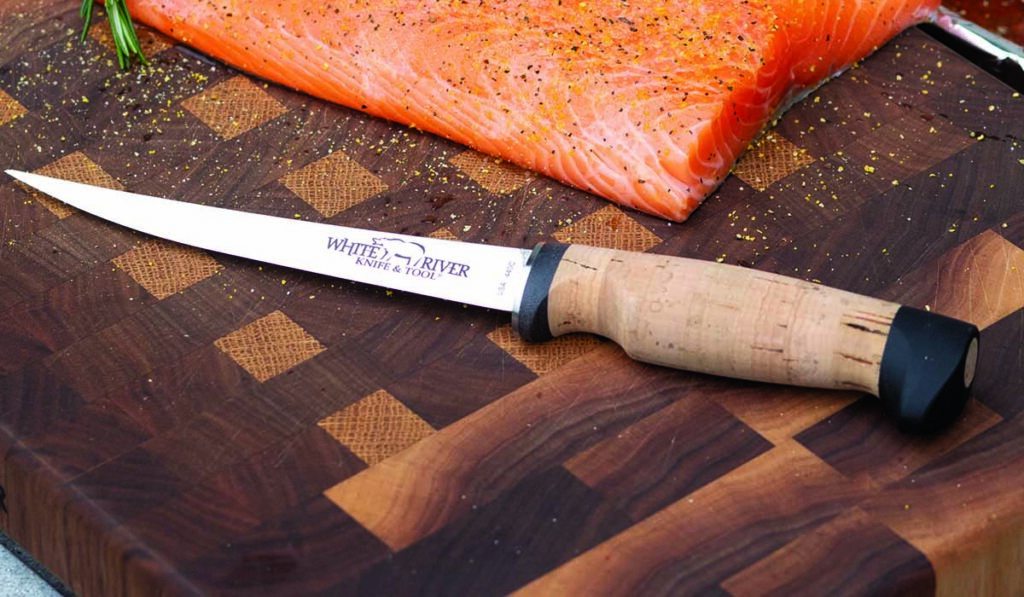
White River Knife & Tool purchases synthetic material made in the USA, so supply chain issues have not been a problem. The one material the company imports, cork, has increased in price, but its supply has been uninterrupted. White River’s Traditional Fillet knife incorporates a handle of imported cork for easy cleanup and a tight grip in slippery conditions.
“I often see new makers using very exotic materials,” Krein concludes. “These materials are costly and often not used anywhere close to their potential. I recommend that new makers learn to use simpler materials like Micarta to their full potential. This leaves funds available for other materials and equipment while allowing a new maker to develop their skills. Just because a knife has expensive materials doesn’t make it better or more interesting to me. It’s developing the skills to make simple materials look elegant that I appreciate.”
Those Hybrid Moments
Hybrid handle material is on the rise, and Cammenga is pleased with the growing popularity of marbled synthetics. “Right now, there is strong demand,” he notes. “This is true in both cloth/resin laminates and carbon-fiber/resin laminates. For those who want natural wood, bone or antler, acrylic ‘stabilized’ scales have been popular for quite some time. They provide the user with a natural material, which has been made tougher by introducing acrylic resin into the fibers. Currently the marbled look is in with almost all materials, but we have made several knife models using G-10 and rubber combinations, as well as others from polyester cloth and resins.”
Masecraft is keeping a close eye on the development of new materials, but the course is charted by ingenuity rather than discovery. “As far as new natural materials, that’s going to be extremely rare,” Hartman observes. “The earth is not really producing anything new, so unless we have not discovered it yet, the odds are low. More likely, some natural materials will disappear and become endangered, banned, or extinct. Human history tells us the availability of natural material will decrease while prices increase. You will see more hybrids of natural and synthetic combinations, and all kinds of new synthetics will continue to be introduced.”
Knifemaker Tom Krein says there’s a huge push to find and use vintage Micarta, such as on the handle of his pocket bowie model.
Supply often dictates how well demand is satisfied, and the inherent scarcity of some handle materials has been exacerbated by supply chain concerns in areas. Even as the COVID-19 pandemic has eased, the resilience of the supply chain remains an open question. Some suppliers and makers have faced shortages of stock items, while others have adapted, moved on to other, more readily available options, or simply been patient.
“I have been sourcing materials for over 44 years, and most of our suppliers know us and what we want,” Wirtel relates. “Obviously, we’ve had supply chain issues, but we have been able to work around them. We make our product to order, so we range in delivery time from a few weeks to a few months.”
Krein is positive regarding availability, saying, “There have been slight wait times for some synthetics, particularly Micarta, during the pandemic, but it seems like everything is back on track here. There has and will continue to be more demand for quality stag than availability. I’ve seen a bit less of quality exotic stabilized woods like exhibition-grade ironwood and Koa.”
While the supply chain phenomenon has been universal, Hartman is pragmatic. Going with the flow makes the Masecraft operation run as smoothly as possible. “There are supply chain issues with everything globally,” he observes. “I can’t think of anything on the planet that hasn’t been affected in some way, shape or form and that doesn’t have a price increase or isn’t in short supply, and it’s all things, countries, and markets.”
Dozier Knives produced this fixed blade with a Richlite handle from Masecraft Supply Company composed of approximately 65% Forest Stewardship Council (FSC)®-certified recycled paper and 35% phenolic resin.
“If you don’t have the chip, you can’t produce the car,” Hartman says. “If you don’t have OD Green dye, you can’t make OD Green G-10. If one key part is missing due to supply chain issues, the product simply cannot be made, and that is affecting all things.”
Staying domestic has been a problem solver for White River Knife & Tool, according to Cammenga. “Because White River purchases synthetic material made within the U.S., our supply chain has not been a problem. The one material we do import, cork, has increased in price, but our supply has been uninterrupted.”
Considering the handle-blade combination that makes the knife come together for the spectrum of customers and users, today’s material options appear more diverse than ever. Although some shortages in natural materials may never be plentiful again, fusions of natural and synthetic options open the door to creativity. And the imagination is always fertile ground for innovation.
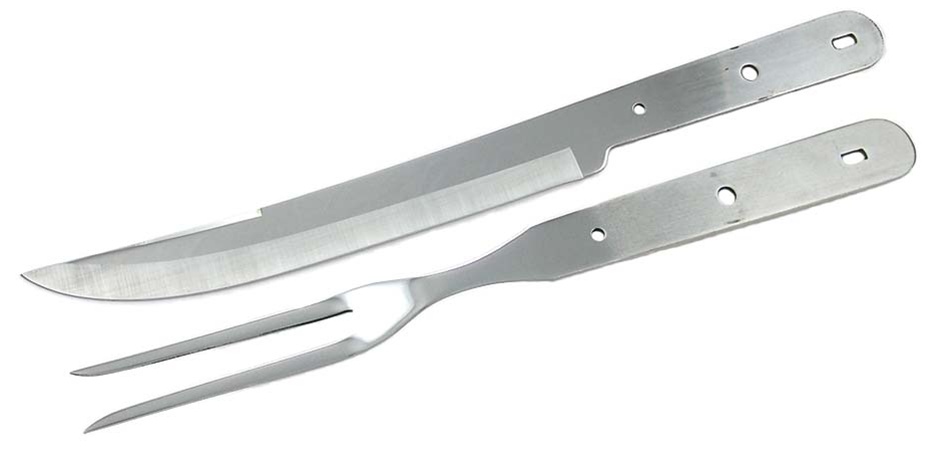
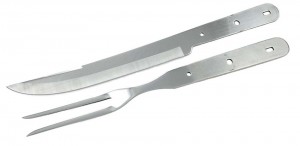
Our knife gift idea of the month: Assemble a turkey carving set for that special someone with a kit from Jantz Supply. (Jantz photo)
Our knife gift idea of the month is just in time for Thanksgiving and Christmas. Have you ever thought about assembling a knife from one of the many kits available on today’s market and offering it to someone special in your life? There are any number of kits, some below $50, that offer all the materials you need to assemble a knife.
With Thanksgiving just around the bend, why not assemble a Jantz (www.knifemaking.com) carving set to carve the turkey? The Jantz SS807 set features a carving knife and carving fork. The kit contains blade and fork blanks, rosewood Dymondwood handle materials, 5/16-inch brass cutlery rivets and assembly instructions. MSRP: $23.95. Or, you can go whole hog and assemble an entire Early American cutlery set that includes cook’s, carver, boner, paring and four steak blades, rivets and walnut Dymondwood handle material, all for only $64.95.
At www.knifekits.com there is a selection of kits that includes assisted openers, damascus folders, hunters, bowies, balisongs and tactical knives featuring all the parts you need for assembly via common tools found around most households.
Jantz also offers a range of kits that include mini and standard-size folders. The handles are profiled, drilled and countersunk for proper fit and come in a selection of materials. Looking for fixed-blade kits? Jantz has them in its Outdoorsman Series, which includes non-glare bead-blasted blade blanks. The kits are perfect for the beginner, can be completed in a few hours and the results look and perform great for hunting and camping. Blade shapes include skinners and there’s even a hatchet. The kits range from $24.95 to $29.95 and the completed sheaths range from $12.95 to $14.50.
For the latest knives, knife news, tips, trends and more, stay sharp at www.blademag.com.
Halloween knives conjure visions of human steak and Bela Lugosi, high tops and Frankenstein, and decapitations and zombies. Warming to the genre yet?
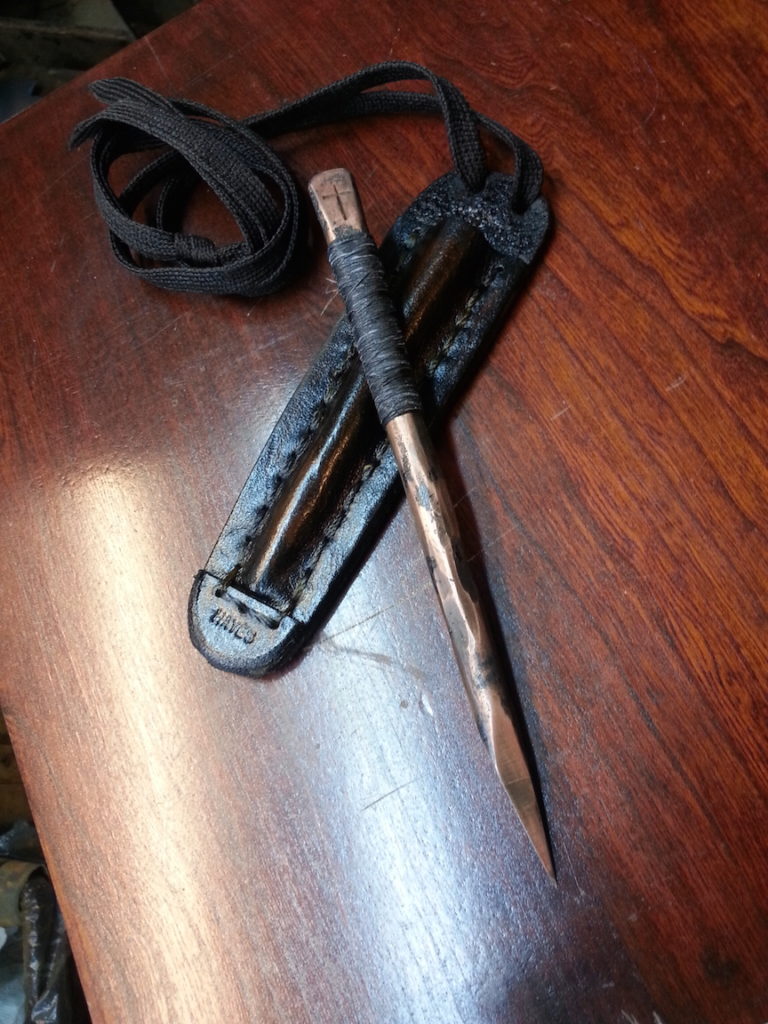
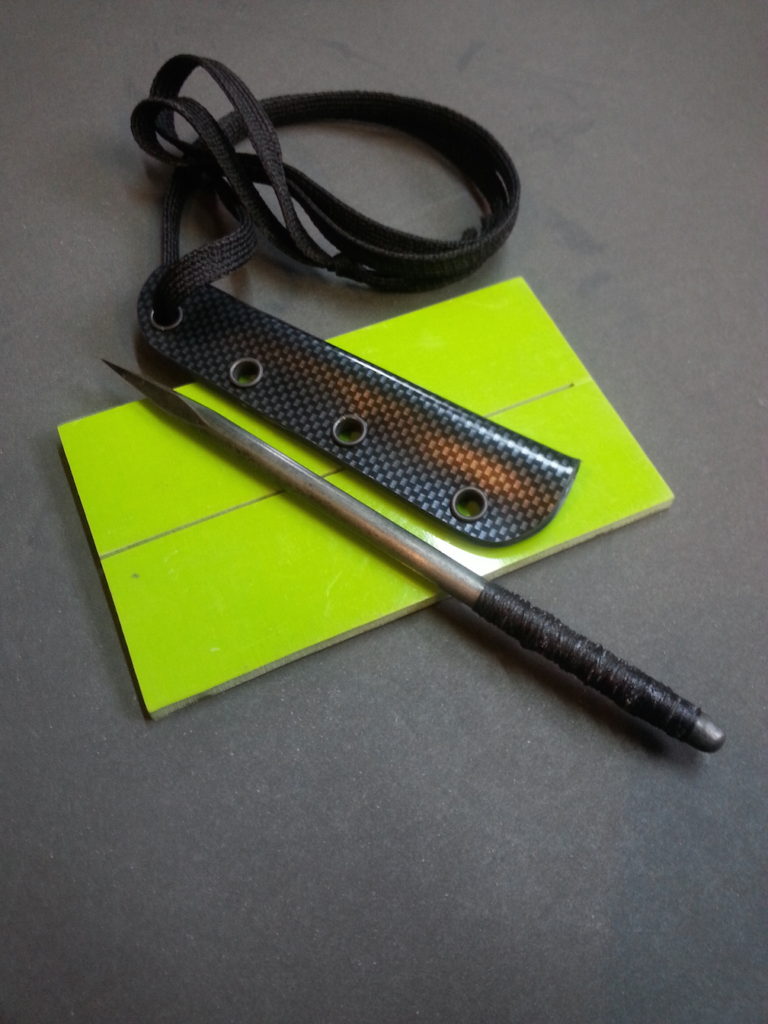
ABS master smith Wally Hayes makes a couple of Halloween knives that fit the mold like a stake in Frank Langella’s heart: the Vampire Stake and the Zombie Spike. Formed like, well, a stake to drive into the chest of one of the spooky set’s most famous blood-sucking ghouls, the Vampire Stake has a distinctive cross forged into the handle butt to intimidate the worst of the slimy night crawlers, antique coloration and a leather sheath. The Zombie Spike, on the other hand, is 6 inches long and fashioned from O1 tool steel ground and heat treated for high performance. Hayes says it’s popular among his law enforcement customers, though he didn’t mention if it was the officers in the CSI: Walking Dead unit or not. It comes with a Kydex sheath.
Creatures of the night cringe at the sight of the Vampire Stake by Wally Hayes.
Wally Hayes‘ Zombie Spike will keep the Walking Dead on their toes.
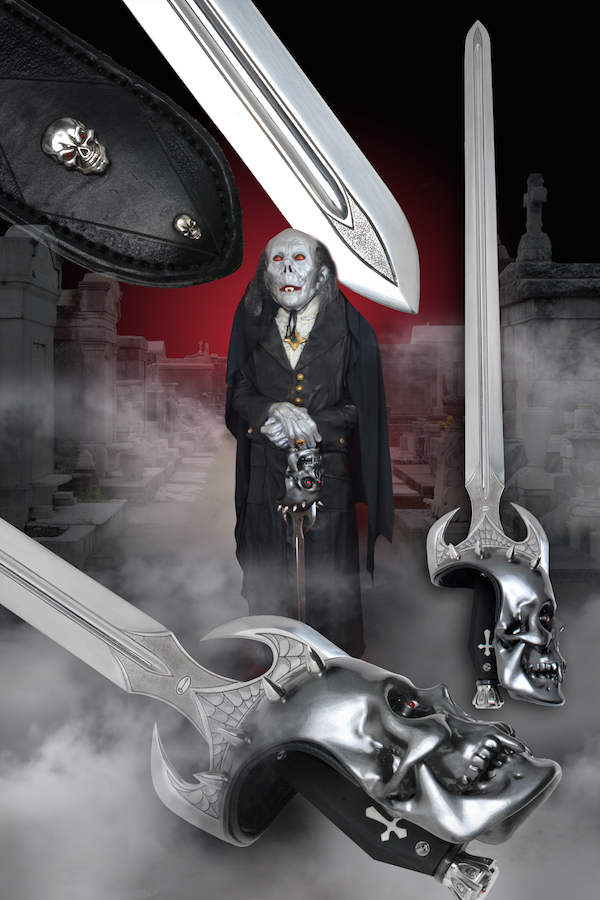
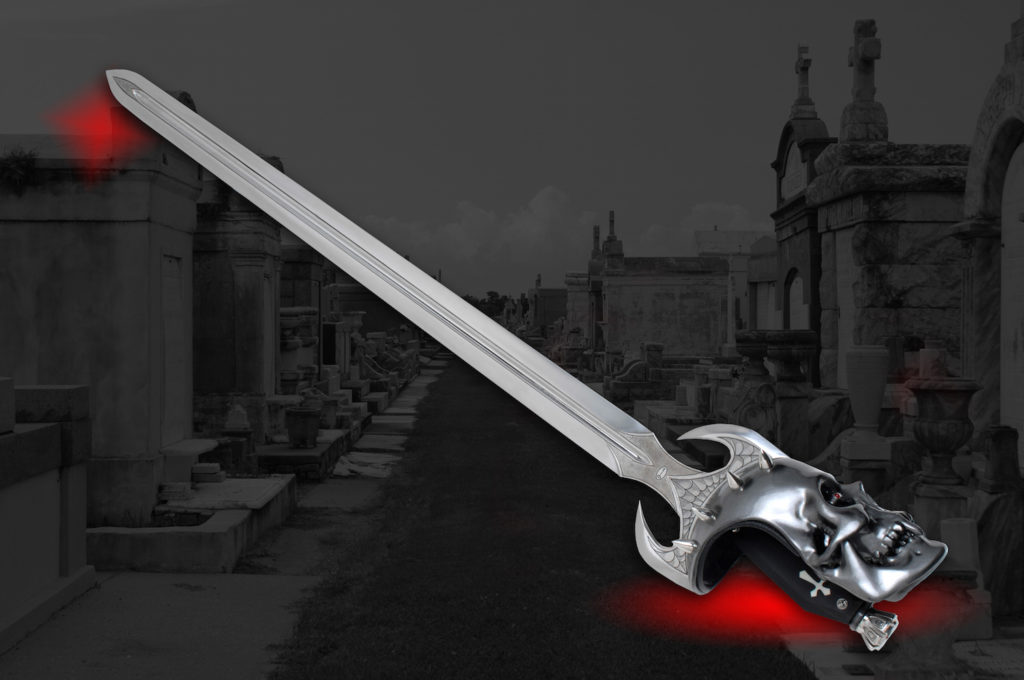
Dan Keyes‘ “The Count” features a coffin handle with inlaid ivory crosses, a fullered, 30-inch blade of double-drawn 440C stainless steel and LED bulbs that light The Count’s red eyes. The skull is powder-coated “anthracite gray” with highlighted airbrushing. Weight: Just short of five pounds. Overall length: 38.5 inches.
The Count by Dan Keyes is just what Dr. Death ordered.
The red eyes of The Count’s skull light up with the flip of a switch in the handle next to the black-leather-lined skull.
The Count boasts a 30-inch blade, weighs just short of 5 pounds and is 38.5 inches long overall.
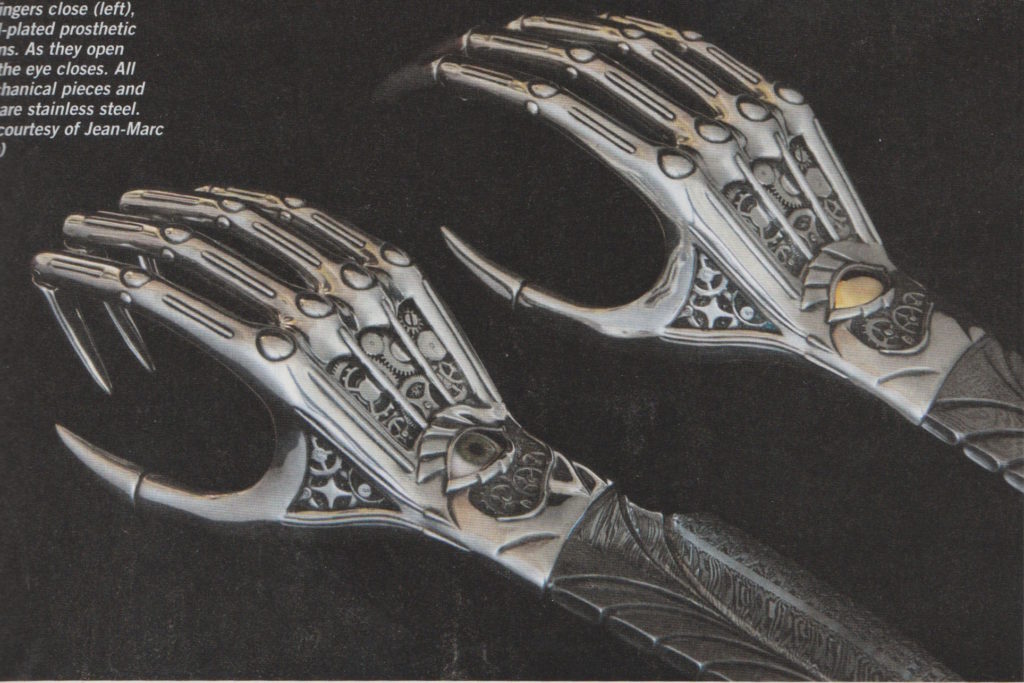
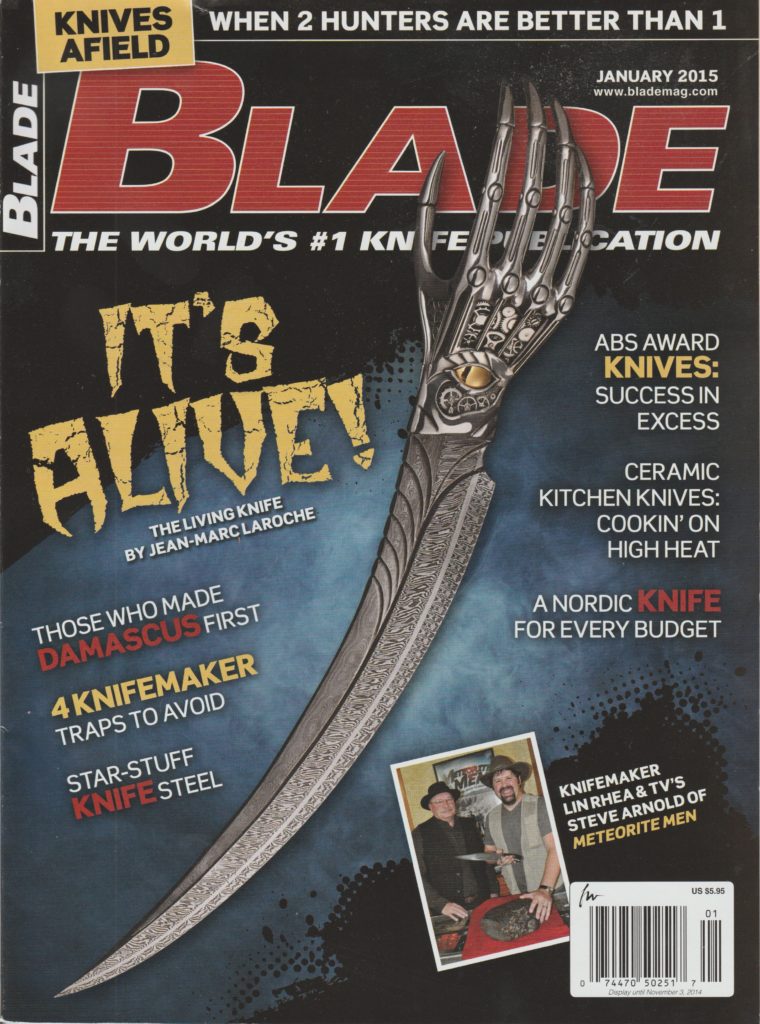
The creation of French knifemaker/artist Jean-Marc Laroche, The Living Knife has a “hand” for a handle with “fingers” that close, an “eye” and an overall lifelike appearance that will literally, er, grab you. As you grab the handle, the “fingers” actually grab back so that it’s hard to tell who’s holding whom. And, as the fingers grab your hand, the “eye” opens. The hand also is embellished with gears in the Steampunk style. The blade is a composite of 15N20, 15LM and UHB11 high-alloy nickel and carbon steels in explosion, twist and random patterns forged by Swedish maker Roger Bergh. Overall length: 25 inches.
When you grab the “fingers” of the “hands” of Jean-Marc Laroche‘s The Living Knife, they literally grab you back!
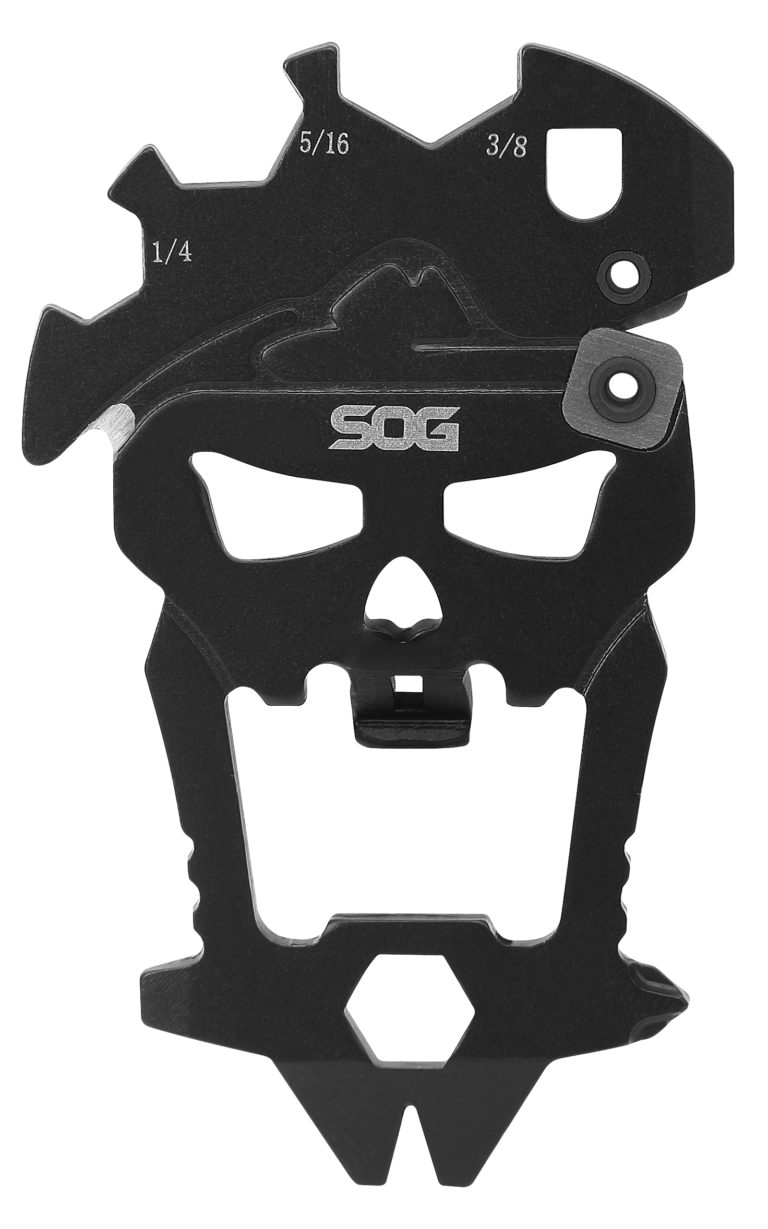
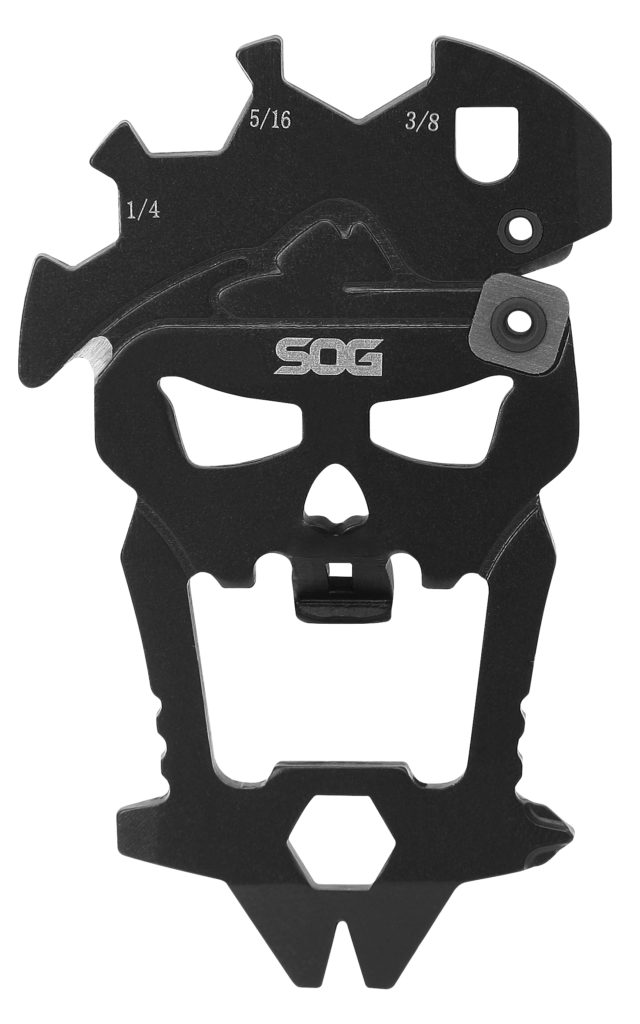
The MacV Tool from SOG Specialty Knives & Tools is shaped like a skull and is 12 tools in one, including 1/4-, 5/16 and 3/8-inch wrenches, blade sharpener, strap/cord cutter, small and large flathead screwdrivers and more. Designed to resemble the original skull from the MACV-SOG group of Vietnam War fame the company is named after, it measures 2.5 by 1.5 inches and weighs .6 ounce.
Shaped to resemble the skull logo of the original MACV-SOG group of Vietnam War fame, the MacV Tool from SOG Specialty Knives & Tools is 12 tools in one.
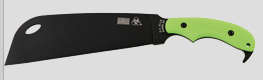
A toxic green handle and big, bad modified-cleaver blade in a black finish complete the KA-BAR Zomstro Chopper.
As you might imagine, knives with a zombie theme are undead and well, including the Reaver Cleaver from Zombie Tools and the Zomstro Chopper from KA-BAR. Based on the Chinese war sword, the Reaver Cleaver features an 18-inch blade of 5160 carbon steel, weighs 3 pounds, 10 ounces, and is 31 inches overall. The Zomstro Chopper, meanwhile, features a big, bad modified cleaver blade in a black finish and KA-BAR’s toxic green Zombie handle.
If The Count and the rest of our Halloween knives don’t keep you down for the count, you might be among the living dead. If so, stay clammy and watch out for sunrise!



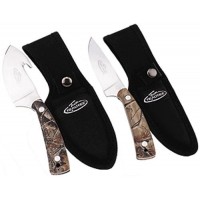 Tackle any number of hunting knife chores with the Kutmaster Team Realtree Field Dress/Caping Combo .