The great ancient knife designs aren’t history as they top-notch reproductions prove.
The ancient history of knife design is long, storied and colorful. From Bronze Age daggers to 19th-century dress bowies alone, vintage configurations capture the imagination like a gladiator’s net from the early days of the Roman Coliseum. Tour the classics with these remarkable reproductions.
Colton Arias Scylla
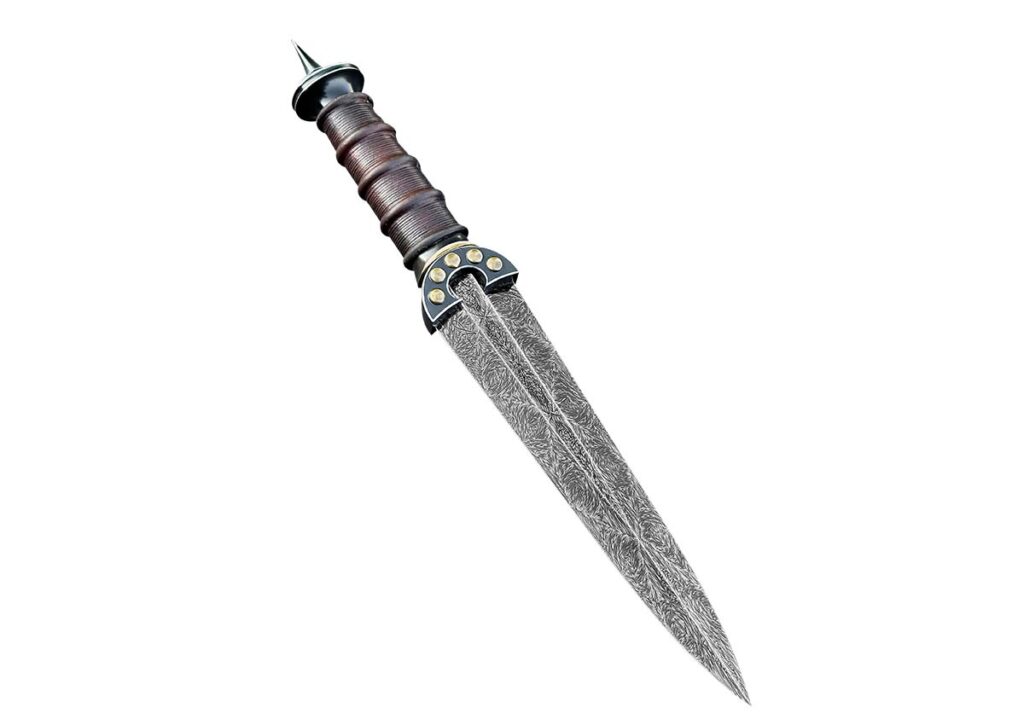
Named after an Etruscan-era mythological monster, Scylla is a repro of an Etruscan Bronze Age dagger by Colton Arias. The 7-inch blade with tapering fuller is a triple feather mosaic damascus of 1084 carbon and 15N20 nickel alloy steels. The spiked-pommel handle is a goat leather wrap and the bolster is mild steel with brass accents. Overall length: 12 inches. (Jocelyn Frasier image)
Dane Standen Cinquedea
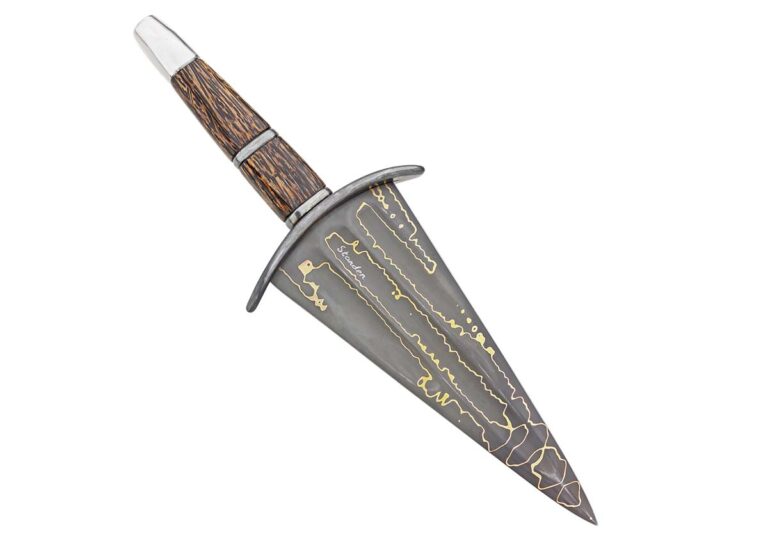
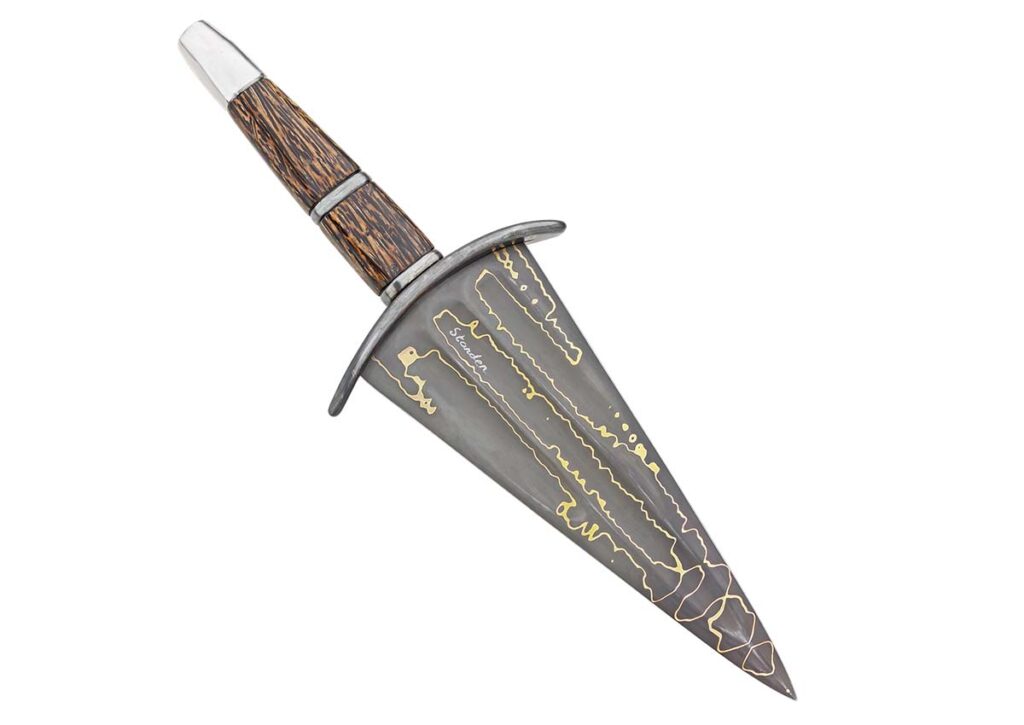
Dane Standen outfits his modified cinquedea with a three-fullered blade in multiple welds of 1084, cu-mai, 1084, cu-mai and 1084 carbon steels. Blade length: 8.27 inches. The handle of a takedown construction is stabilized black palm and the fittings are mild steel, copper and nickel damascus. Overall length of the centuries-old Italian design: 14 inches. (Rod Hoare image)
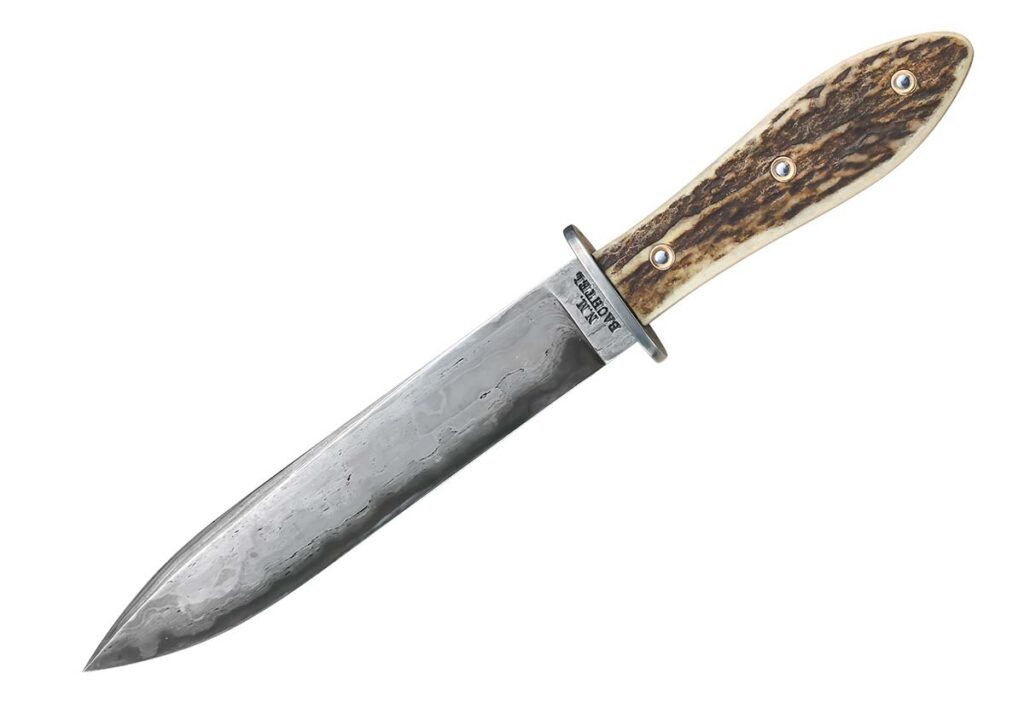
Nick Bachtel Dress Bowie
A 7-inch blade of wrought-iron in a san-mai construction and a handle of elk antler and curly ash highlight a repro of a 19th-century dress bowie by Nick Bachtel. Overall length: 12 inches. The guard is steel and bronze and the knife comes with a traditional bronze sheath (not shown). (SharpByCoop image)
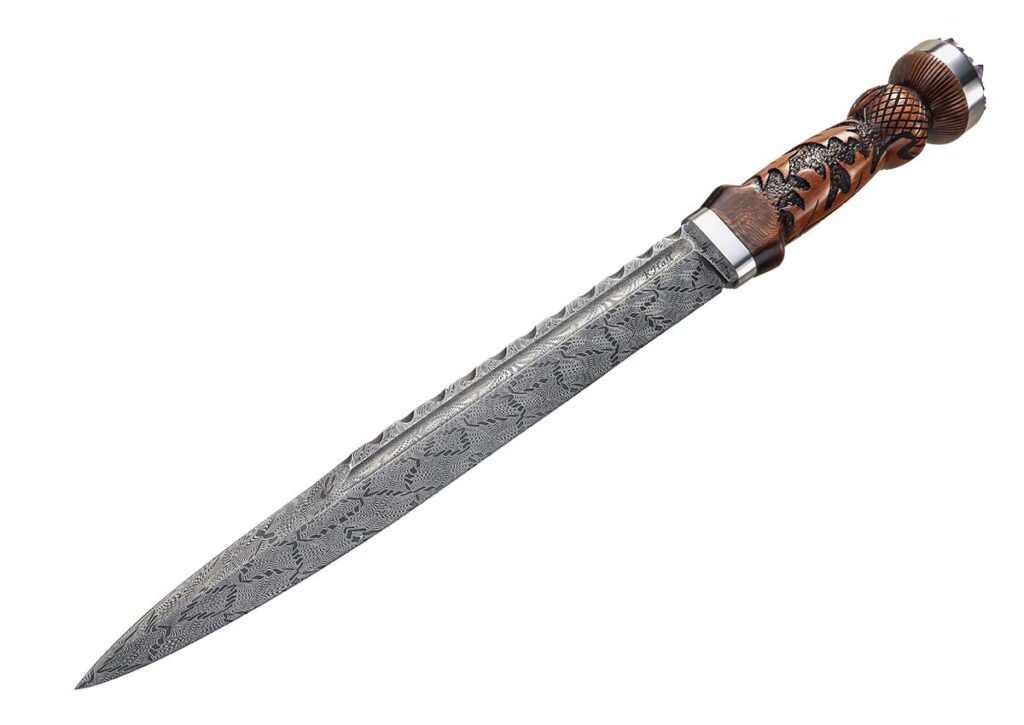
Ken Hall Scottish Dirk
A 12-inch fullered/fileworked blade of an absorbing mosaic damascus and a handle of stained stabilized cherry carved to symbolize a thistle distinguish a stunning Scottish dirk by ABS journeyman smith Ken Hall. Pommel stone: amethyst crystals. Overall length: 17.5 inches. Sheath (not shown): tooled leather. (SharpByCoop image)
Matthew Berry Edinburgh Skean
The Edinburgh Skean by Matthew Berry is a reproduction of a knife by the same name from 1677. The originals were combat knives of Ireland. The blade is 1075 carbon steel and the intricately carved handle is boxwood. Blade and overall lengths: 15.25 and 19 inches. The form-fitting sheath (not shown) is highly detailed leather with a wrap strap. (SharpByCoop image)
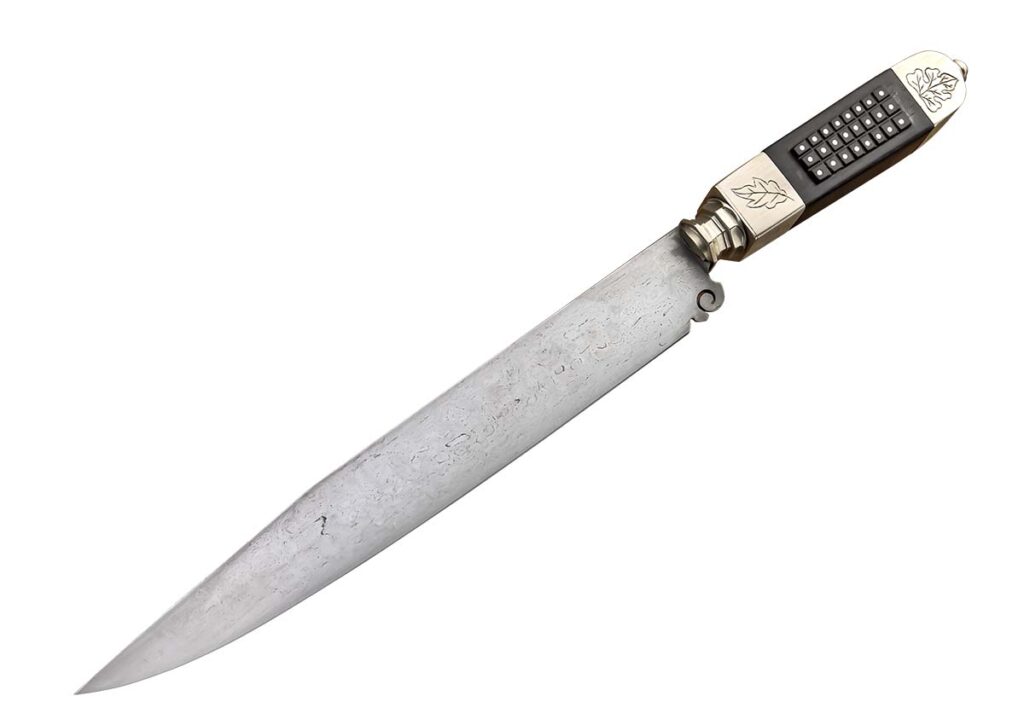
J.J. Simon Samuel Bell Dirk
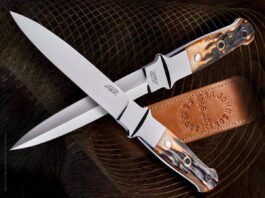
ABS journeyman smith J.J. Simon forged the 12-inch flat-ground blade with Spanish notch for his repro of a 19th-century Samuel Bell dirk from bloomery steel. The handle is blackwood with silver pins and the fittings are nickel silver. Overall length: 17 inches. (SharpByCoop image)
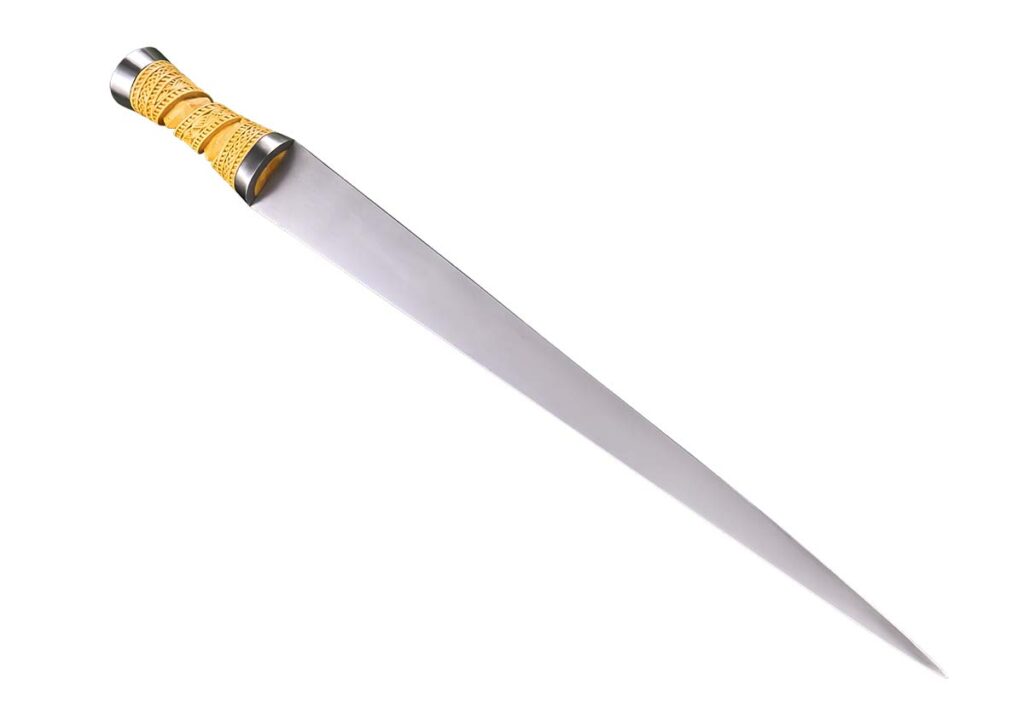
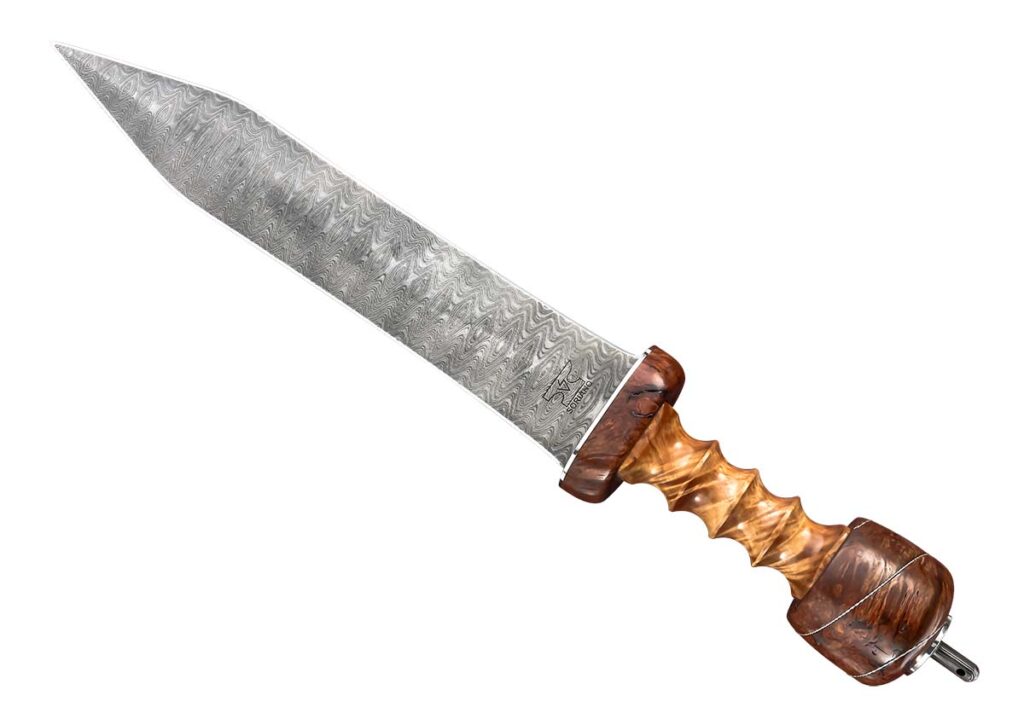
Vincent Soriano Mainz-Pattern Gladius
ABS apprentice smith Vincent Soriano goes full Roman with his Mainz-pattern gladius. Called the Proeliator, it boasts a 14-inch damascus blade of 1075 carbon and 15N20 nickel alloy steels and pure nickel. The handle is curly maple and the guard and pommel are eucalyptus. Overall length: 22.5 inches. Sheath (not shown): leather. (SharpByCoop image)
See which factory knives took home the coveted hardware from the BLADE Show Texas Factory Knife Awards.
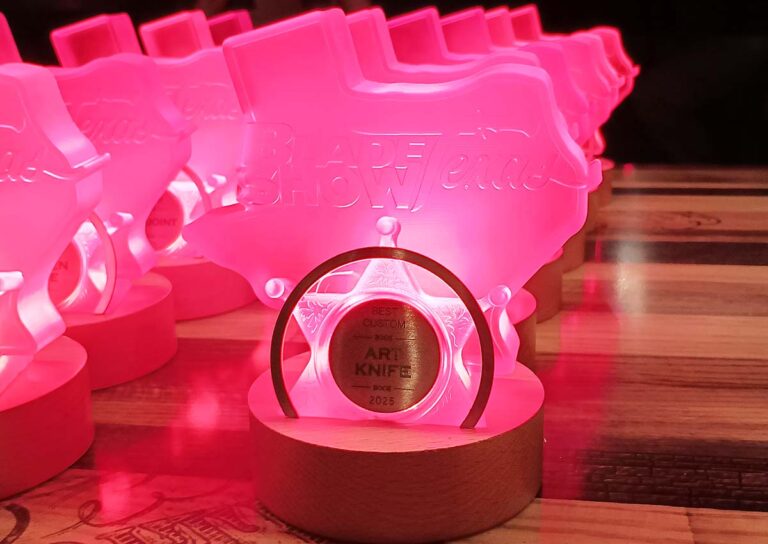
The BLADE Show Texas, held March 7-8 at the Fort Worth Convention Center, saw an intense factory knife competition. With an excellent turnout of competitors and a high-level of execution on the knives, it was most definitely a showcase of the top-tier production knives at the show.
With such an impressive lineup, the three-judge panel faced a tough challenge in determining which blade best represented each of the seven categories. In short, competition was hot. With the dust settled, here are the winners who claimed top honors, including Best in Show.
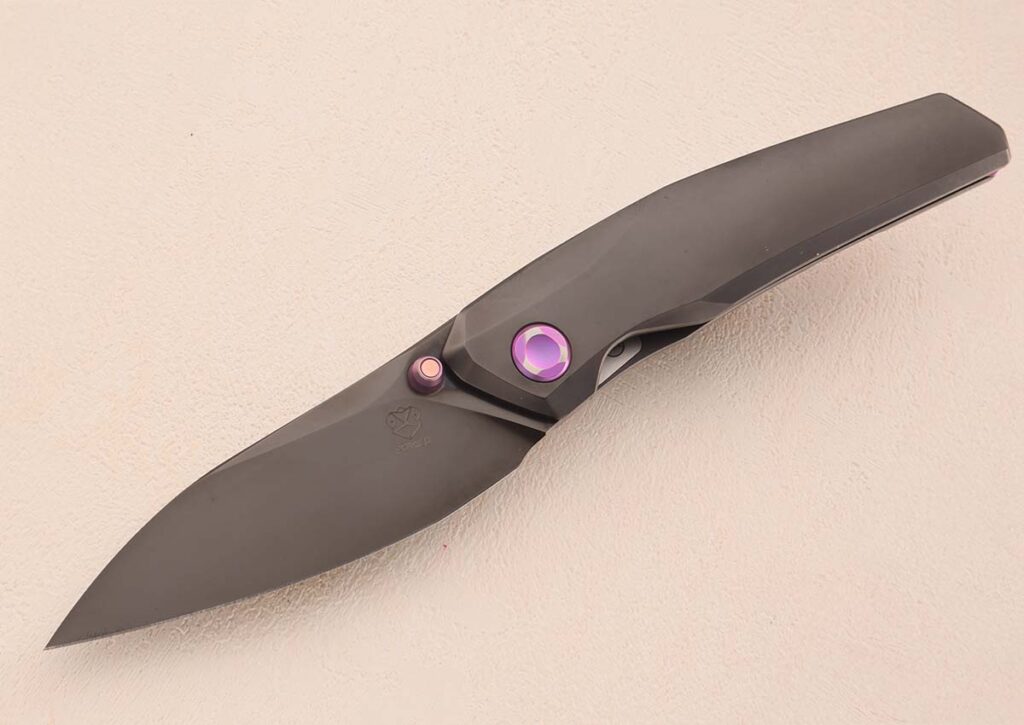
Best In Show & Best Imported Knife: Poikilo VK Zen
What The Judges Had To Say: “It’s a well thought out knife in both design and function.”
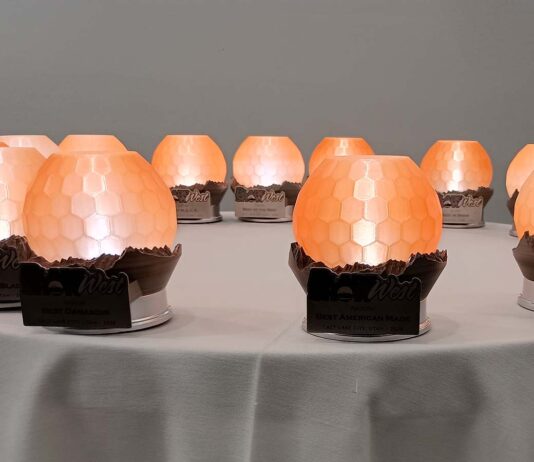
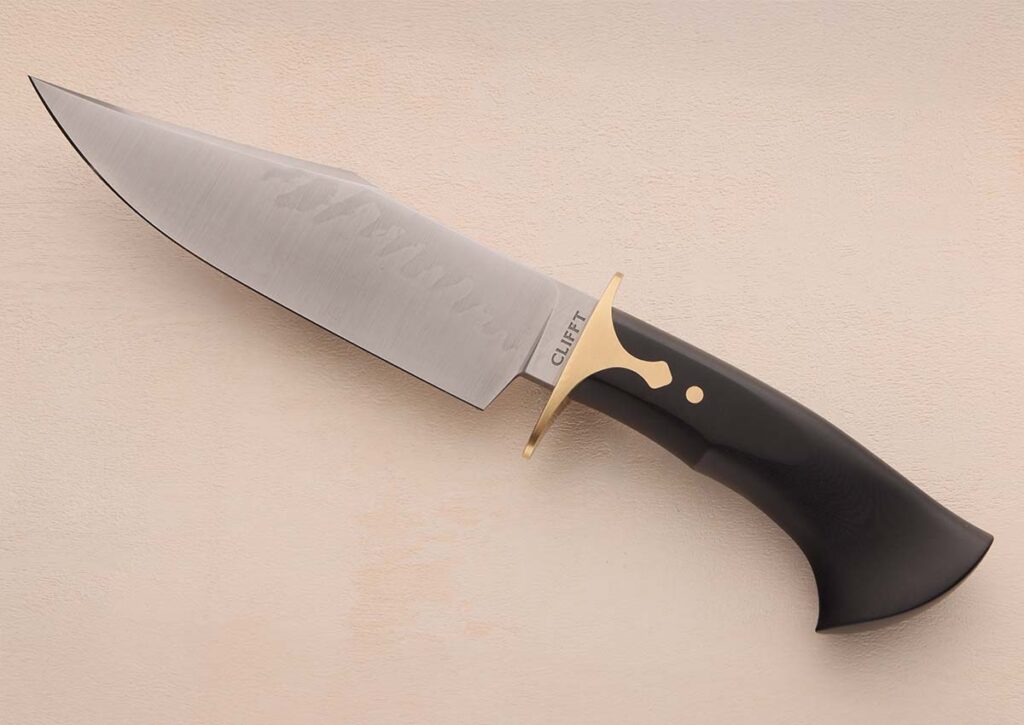
Best American Made Knife: Dauntless Manufacturing Clifft
What The Judges Had To Say: “The details and craftsmanship in [the Clifft], you don’t expect to see that in a factory knife.”
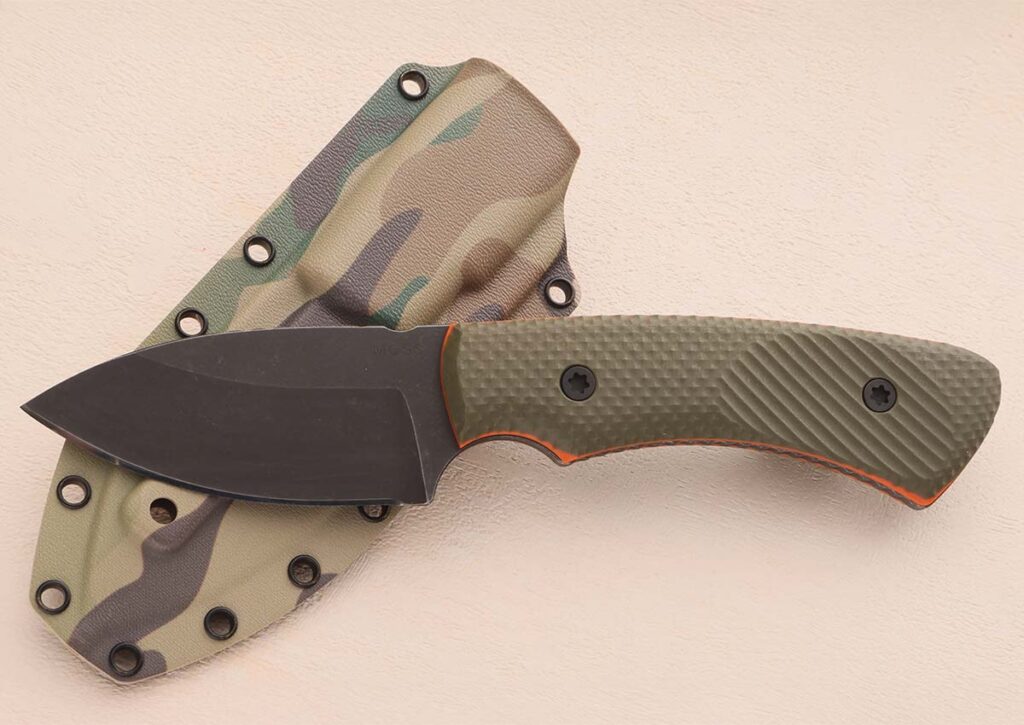
Best EDC Knife: Dauntless Manufacturing Moss
What The Judges Had To Say: “It’s the entire package. The company has an attention to detail and the knife has one of the best sheathes [we’ve] seen.”
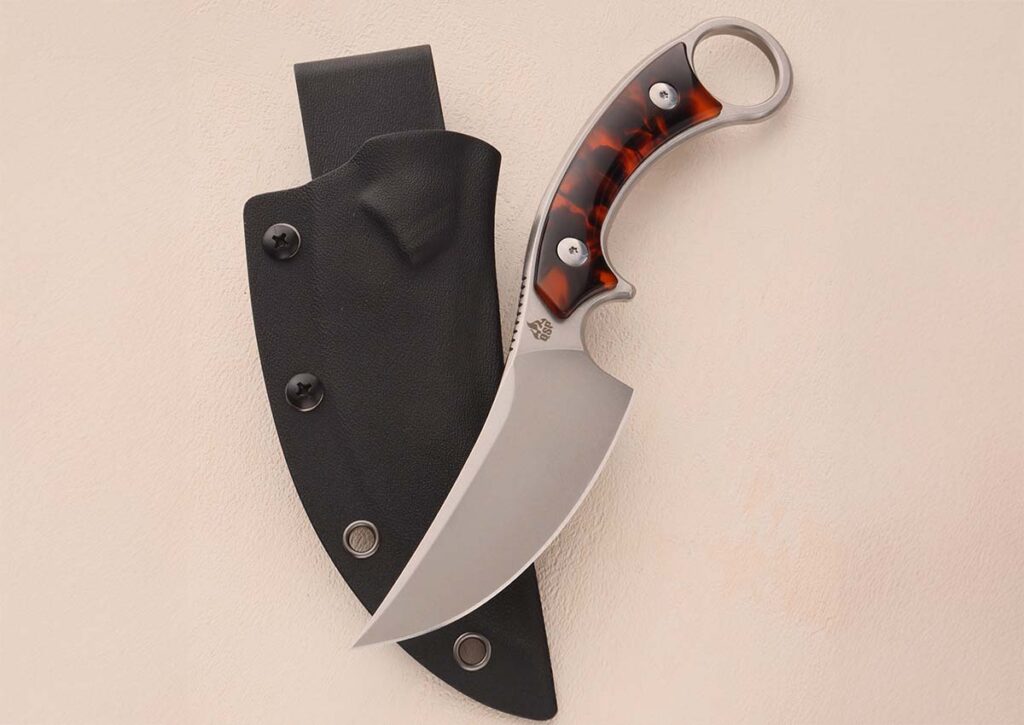
Best Fixed Blade: QSP Viper
What The Judges Had To Say: “It comes with an excellent and functional sheath. It’s ergonomics and carriablity come together to create a complete package.”
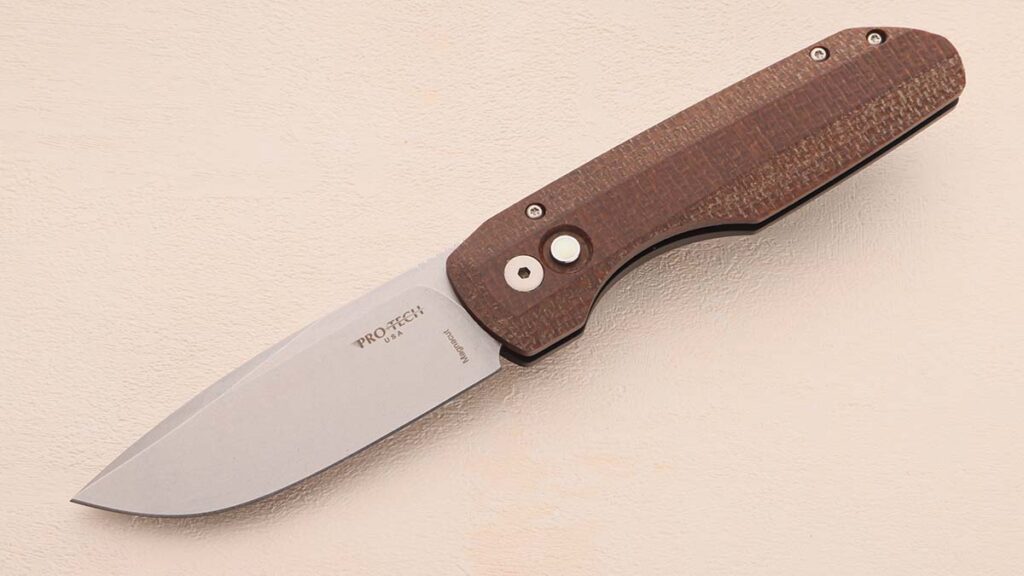
Best Folder Knife: Pro-Tech/Vero Engineering Synapse Auto
What The Judges Had To Say: It won, “Because it’s badass!”
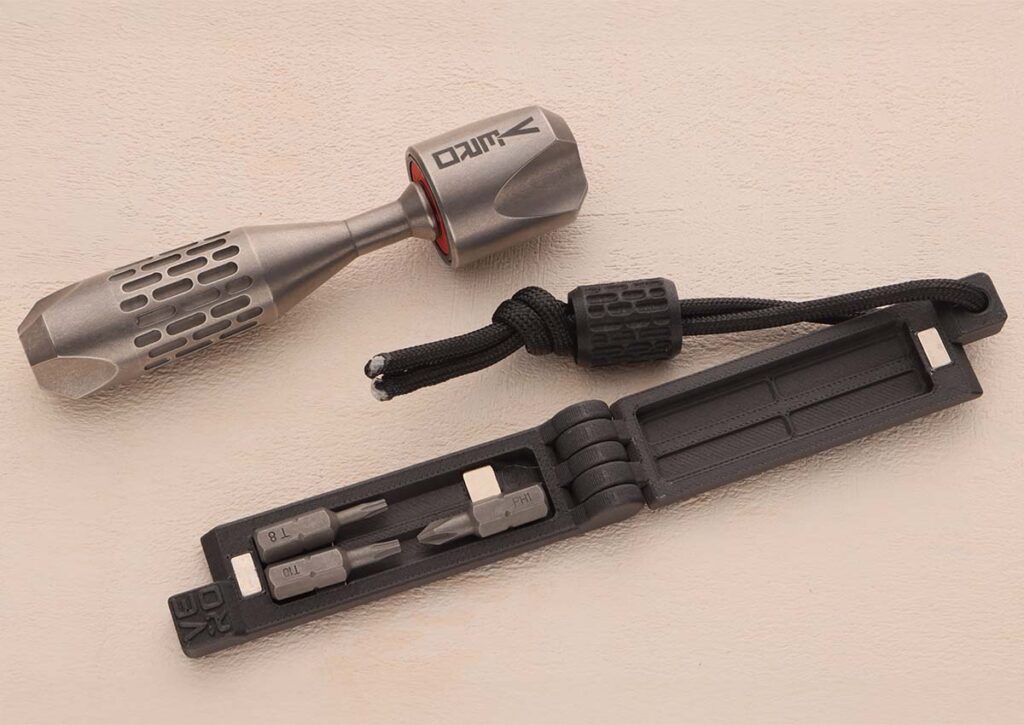
Best Of The Rest: Vero Engineering Vortex TI Maintenance Kit
What The Judges Had To Say: “Far too many bit drivers have thin handles. This one is made to fit the hand and torque down on.”
They’re role is more than making a knife look groovy.
At first, it’s an item of curiosity. The fuller, the symmetrical groove that runs along the partial or full length of a knife or sword blade, might function simply as an aesthetic touch. It could have some utilitarian purpose. Or maybe it’s a bit of both.
Makers of knives and swords have included the fuller with their work for centuries, and today it remains a focal point in the process. Its presence is often prominent but its purpose is at best somewhat obscure. Why, then, is it common among the work of accomplished makers?
“The primary purpose of the fuller is to lighten a blade without compromising strength,” explained award-winning custom knifemaker and swordsmith Vince Evans. “Many cultures incorporate a decorative aspect into the fullers on their blades. Italians are well known for segmented fullers. You also see segmented fullers on Chinese swords, as well as some German hunting swords.”
Evans took home the custom awards of Best of Show for his Italian Cinquedea and Best Sword for his Italian Schiavona—the former at last year’s Solvang Custom Knife Show and the latter at BLADE Show 2024. He also won Best Sword for his Roman spatha and Best Fixed Blade for another of his cinquedeas at BLADE Show 2022. All four feature multiple fullers. Vince sees the fuller as operational on more than one level, from practical to pretty.
Thomas Taylor’s kukri sports a 12-inch fullered blade of W2 tool steel with a compound bevel grind and heart-shaped Spanish notch. Handle: buckeye burl. Overall length: 17 inches. The sheath is cowhide and water buffalo. Taylor’s price for a similar knife and sheath: $550. (SharpByCoop knife image)
“Even in the Bronze Age you see multiple fullers,” Evans continued. “Sometimes they are very narrow. Multiple fullers can give more rigidity to a blade but with reduced weight, and a wide blade lends itself to multiple fullers. Typically, fullers are on both sides of the blade, although not always. There are examples of 2nd-century Germanic swords that have fullers on only one side or have different numbers of fullers on each side. Their purpose may be partially aesthetic.”
Evans uses a fullering tool to press the groove into the hot steel when working with a larger blade. On smaller blades he usually grinds the fullers into the steel after the blade has been shaped and beveled. Other techniques involve the use of round or flat tools to scrape the groove in, depending on the blade style.
Much of Vince’s work is an homage to history, and the fuller finds its place there for sure.
“Since my work is primarily historical in nature, I use fullers where they were seen on originals,” he remarked. “A fuller may be used on any blade that you want to lighten without losing strength.”
Varied Methods Of Creating Fullers
Seth Lopez outfitted each side of the 9.38-inch recurve blade of his BLADE Show 2024 Best Fighter winner with a stylized fuller. The blade is a damascus of 1080 carbon and 15N20 nickel alloy steels and the grind is a combo convex/hollow clip. The handle is African blackwood with 416 stainless steel domed pins. Overall length: 14.5 inches. (SharpByCoop knife image)
Seth Lopez is an accomplished master of the fuller and took home the custom award for Best Fighter at BLADE Show 2024. His take on the fuller lies in function, helping the blade to perform as optimally as possible.
“In a sword, the fuller will provide rigidity through surface area while also taking out a lot of weight,” he remarked. “In smaller knives, I like the way they look, and they help take out some weight. Fullers can be on one or both sides of the blade. Many single fuller blades are ground only on one side, so the fuller on the opposing flat side relieves that area. Many culinary knives and sushi knives are made this way.”
According to Lopez, fullers can be achieved via several methods. Traditionally forged blades may have them scraped in, while they can be milled, ground or filed in as well. Seth’s method is dictated by the size and shape of the blade he intends to create. The application from a practical standpoint is seen easily in the sword or chef’s knife, while in smaller knives he says fullers add “some completeness and flow to the overall design.”
When custom maker Thomas Taylor includes a fuller, his methods are varied.
The 3.4-inch fullered blade of Eyal Landesman’s folding dagger is RWL-34 stainless steel with a hand-rubbed finish. The handle is zirconium with mosaic paua shell inlay. Closed length: 4.75 inches. (SharpByCoop image)
“There are dies available for a press, and a fuller can be pressed in or hammered in,” he related. “Most bladesmiths will grind the fuller in before grinding the bevels in. After the initial grinds are done, fullers and bevels, then the heat treating and tempering are done. Then the long, tedious process of hand sanding begins.”
Taylor agrees that strength and weight reduction are primary purposes for the fuller.
“I think when you get to smaller blades under five inches, that it’s really for looks at that point. Yes, it does take some weight off, but it’s very little and any added strength is not noticeable in use. However, a tapered fuller can really dress up a knife, and the shape of the blade can be very pleasing to the eye. I believe that fullers should be on both sides of the blade and of the same depth and length. This, in turn, gives an even balance and slice. In my opinion, if a knife has a fuller on one side of the blade it would cause more drag on one side versus the other and would cause an arc in the slice.”
When knifemaker Eyal Landesman uses the fuller, it expands the aesthetic appeal of his blades.
Robert Wayman goes the cleaver fuller route on the damascus go-mai/damascus nickel core/damascus clad blade of his Kitchen Chopper. The handle is crosscut carbon fiber, G-10, stainless steel, malachite, ancient brain coral and amboyna burl. Overall length: 14 inches. His price for a similar model: $1,850. (SharpByCoop image)
“My work is mainly making folding art knives,” he commented, “so my experience with fullers is always on the small scale. I mainly use them for aesthetic reasons as I love to mix traditional classic design with a modern touch.
“The fuller on a pocketknife has both utilitarian and aesthetic purposes,” Eyal continued. “From the practical standpoint, the fuller can help with weight reduction as it removes material from the blade without compromising strength. This can be a plus for making lighter-weight everyday-carry pocketknives and even enhances the knife’s rigidity under stress, like an I-beam. Aesthetically, my main reason for using them is that they add a distinct, sleek look to the blade, as well as for the historical appeal that I draw inspiration from.”
Landesman says that the single fuller is rather uncommon in blade construction, and when it is used the reasons are generally aesthetic or to facilitate a specialized design. Fullers on both sides help with balance, structural integrity, symmetry and reliable performance.
“Fullers are most appropriate for swords and larger knives, such as daggers where weight reduction and structural integrity are important to performance by making them easier to handle and therefore more maneuverable,” Eyal added. “While they can add aesthetic value, the functional benefits are mainly seen in blades used in combat or heavy-duty use. Fullers are less essential for smaller, precision-focused knives such as scalpels.”
There’s no machine work—including the tapered blade fuller—just all hand filing and sanding on the Hauteclere by Wolfgang Loerchner. Blade length and steel: 13 inches and 440C stainless. The handle is 440C, carved gold, black-lip mother-of-pearl and Bertie Rietveld damascus. Overall length: 19 inches. (SharpByCoop image)
His fuller process is straight forward.
“After I cut the blade profile, I then harden it,” he explained. “Once it has been through heat treatment, I then hard mill the fuller into the blade before grinding it.”
Blood Groove, I-Beam
Accompanying the positive elements of the fuller are a couple of interesting observations related to its function. The I-beam phenomenon as noted by Landesman is described by some as providing additional strength or rigidity, and by others as allowing flexibility while lightening the overall weight of the knife or sword. Its principle has long been utilized for steel beams in the construction industry.
“The I-beam effect does lighten the blade and can help in flexibility, but I don’t know that it will make the blade stronger,” Evans observed.
Ryan Breuer abbreviates the fuller on the clip-point/false-edged blade of 80CrV2 carbon steel for his recurve fighter. Guard and ferrule: blued damascus. Handle: ironwood. (SharpByCoop image)
Added Landesman, “I agree that the main job of the fuller is to lighten the blade and increase its strength through the ‘I-beam’ principle used in construction. However, its main job is to look good.”
Blood groove is often associated with the fuller, and while there is plenty of speculation as to the origin of the term, practical evaluation doesn’t lend itself to validating that purpose.
“I think the term came with the use of the fuller in bayonets,” Evans said. “I don’t believe this is an accurate name for the fuller or its purpose.”
Lopez commented, “With many aspects of weapon history there is a lot of speculation on why certain features existed on different blades. Many of these speculations are made up, and it’s my understanding that there is no ‘blood groove’ function to a fuller on any blade.”
Billy Salyers covered almost the complete blade length with the fuller of his Best Sword winner from the 2024 Texas Select Custom Cutlery Event. The blade is a Rohans Mane damascus of 1095 carbon and 15N20 nickel alloy steels and the handle is African blackwood. Overall length: 35 inches. Billy’s price for a similar sword and scabbard: $7,500. (SharpByCoop image)
Perhaps in the hunting application there is some remnant of actual usefulness in the role.
“Some call the fuller a ‘blood groove,’” Taylor said, “thinking that it gives the blood a way out of the entry point of the carcass and makes it easier to remove the blade. This may help in these areas some but it is not the intended reason for the fuller.”
The consensus is summed up well by Landesman, who related, “The ‘blood groove’ term stems from the theory that it was designed to allow blood to flow out of a wound, supposedly preventing a vacuum from forming and thus making it easier to withdraw the blade in battle. In my opinion this is probably not an accurate representation of the fuller’s purpose, which has much more to do with its utilitarian and structural benefits, unconnected to blood or wound dynamics.”
There it is. Practical, pretty and adding a touch of class, the fuller brings along a bit of historical conjecture, completing a package that delights in many ways.
Check out a few of the new blades that caught our eye in Las Vegas.
It was a busy week at the Sands Expo Center in Las Vegas for the outdoor and shooting extravaganza known as the SHOT Show. Of course, there were plenty of factory makers in attendance with plenty of new releases for the coming year.
Sadly, we were unable to make every cutler in the house for the big dance but we did stop by a good number and caught a glimpse of some of the new blades for 2025.
Kronos Knives Gung Ho! Line By Ken Onion
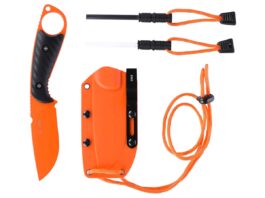
Kronos is a new kid on the block, one-year-old as of SHOT Show 2025. The upstart knifemaker had a heck of an anniversary surprise at the home of its launch. The South Carolina-based company unveiled four Ken Onion-designed Gung Ho! line of fixed blades. The four knives that make up the line are all outdoor/tactically angled with 1095 steel blades and G10 handles. The models include the Stiffneck (MSRP $220), Maxhunter ($228), Elitesurvival ($256), and Truedefender ($228, pictured above). Kronos will have them for sale at the end of February.
Case Sculped Ridgeback
Case gives a modern and rugged look to its Ridgeback Hunter line with the introduction of the Sculpted Ridgeback. The fixed blade still has the sexy sweeping stainless steel blade true to the line but is dressed out in a durable and attractive new handle. In this case, canvass Micarta with G10 liners. The texturing is aggressive, making a workhorse that’s not afraid of bad weather but just as attractive as its rosewood predecessor which it is pictured with above. Case has a $128 MSRP on the knife.
Vero Engineering/Pro-Tech Custom Synapse
The Custom Synapse Auto is a pretty sweet meeting between two of the knife industry’s heavy hitters. Given the fanbase of both companies, expect these to fly off the shelves with the $525-$700 price points. Jeez, who doesn’t want an auto Synapse? Especially one done up with Pro-Tech’s typical flare—pearl inlay button, an action that snaps like a wet gym towel, etc. Mouths will have to water for a while, the auto Synapse doesn’t go public for another six months or so.
CRKT Provoke X Axe
An axe in your pocket? You bet—thanks to the mad geniuses at CRKT. Unveiled at the show, the Provoke X Axe is the latest in the forward-thinking Provoke line. Designed by Joe Caswell, the axe’s head and spike fold flush against the handle, deploying with a flick of the wrist. Built from D2 steel, it’s too light for felling trees but perfect for its tactical role—and it looks like it means business. With an MSRP of $350, the Provoke X Axe is set to drop to the public later this year.
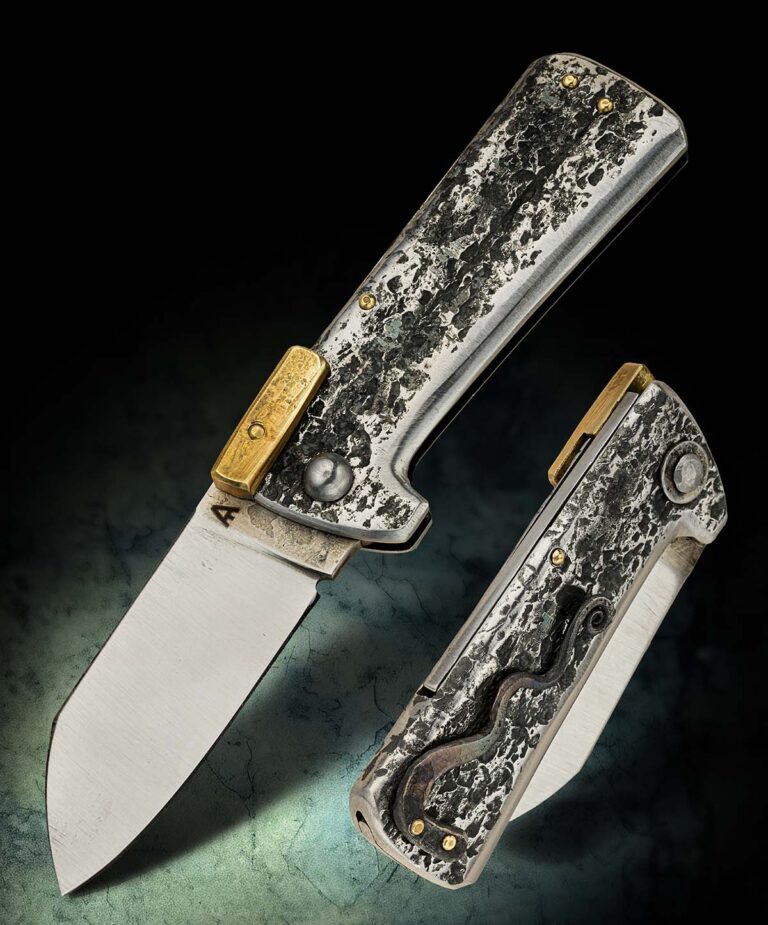
With a hybrid lock system and a unique aesthetic, Aaron’s Blacksmith Automatic Folder cuts a distinctive profile.
Matt Aaron got the idea for his Blacksmith’s Automatic Folder when he took a friction folder class taught by ABS master smith Nick Rossi.
Matt’s original intent was how to get a more complicated knife with a similar number of parts as a friction folder. He mulled it over with Rossi and others for two or three years and, inspired by Nick and his taco-style friction folder construction approach, arrived at the Blacksmith’s Auto.
The lock is a hybridization of a lockback auto mixed with a little bit of bolster release auto and some of Matt’s own design. The brass lever operates the opening, closing and locking mechanism. The knob at the pivot is not a push button but simply the pivot.
Matt Aaron
Matt forged, folded and cut the lock spring and launch spring out of the initial single, eighth-inch flat piece of mild steel that served as the base for the Rossi taco construction style. The latest batch Aaron’s doing is commercially pure titanium.
Blacksmith’s Automatic Folder Specs Maker: Matt Aaron Blade length: 3” Blade material: 52100 carbon steel Handle: Forged mild steel w/brass lever Pocket clip: Tapered scroll in a blacksmithing ironwork style Closed length: 4” Maker’s price for a similar knife: $500
The collaborations of Gil Hibben and Paul Ehlers speak volumes without using words.
When the great design prowess of Paul Ehlers and the incomparable shop skills of BLADE Magazine Cutlery Hall-of-Fame® member Gil Hibben merged some 40 years ago, they produced a synergy seldom seen, elevating the knife industry to a new plane of creativity in the realm of the fantasy piece.
Following a trail blazed early by the likes of W.W. “Bud” Cronk, the pair brought vision and glimpses of other worlds from the realm of theory and the ephemeral to tangible, captivating and thoroughly gripping. During a custom knifemaking career that has spanned nearly seven decades, Hibben has been recognized as the author of extraordinary work, designing the first Browning hunting knives in 1968, earning a rightful place in the Cutlery Hall of Fame, and creating legendary knives for famed actor Sylvester Stallone in the Rambo film franchise, as well as the American Kenpo Knife for Gil’s martial arts sensei, Ed Parker.
Paul’s drawing of it and Gil wearing the gauntleted piece at an early ’90s Knifemakers’ Guild Show in Orlando. (Drawing courtesy of Paul Ehlers)
Ehlers is well known for his work in film, writing, voice, design and illustration. He was hired to produce a poster illustration for the 1981 cult classic film Madman and found himself cast as the title character, delivering an amazing performance. Versatility has been his hallmark through the years, expressing his artistic talent through a variety of media. His interests are literally boundless and his talents have been displayed across a broad spectrum of the arts.
It was Ehlers’ wide range of interests that led to a fortuitous conversation and brought about the most renowned collaboration in fantasy knife history—and one of the greatest industry wide in custom knives. “It arose from creativity on both parts,” attested Linda Hibben, Gil’s wife and a key individual through the years of the joint effort. “It was intended to create things that were never seen before in the knife industry, taking up the challenge to be true artists.”
Linda Hibben said Alien was the biggest Gil Hibben-Paul Ehlers showstopper and it’s easy to see why. (Image of Alien by Mike Carter)
Paul remembered, “Gil Hibben’s knives were featured in every martial arts magazine that I read. I was familiar with the Parker knife and wanted badly to buy one of Gil’s knives. So, by the mid-1980s I had saved enough money and placed an order with him.” Hibben produced a custom survival bowie with a 10-inch blade, characteristic sawteeth reminiscent of his Rambo knives, and a handle in the style of the Parker knife. Pleased with the finished product, Paul told Gil that he was a designer and illustrator with a particular love for fantasy characters. He commented that he had always wanted to see his characters with stylized knives and swords to complement their presentation.
Gil responded enthusiastically to Paul’s offer of sending an illustration for his review. “Love to see one!” was the reply. Game on.
Ehlers calls the initial brush with collaboration a “chance meeting of kindred souls.” The illustration led Gil to the shop with the goal of producing a knife named the Shark. A short time later, the designer asked about the maker’s progress. Hibben’s response was electrifying: “I already made it and sold it!”
Paul Ehlers conceived the Dragonfly, drew it on paper and mailed it to Gil Hibben, who took care of the rest. They exhibited the knife at the 1983 Knifemakers’ Guild Show, where it sold for $3,000—an unheard-of price in those days. (Eric Eggly/PointSeven image)
In a short time, the creative tandem gained momentum. Interestingly, their success may be linked to the fact that Paul does not make knives. “I admire, collect, use and draw them,” he commented. “But Gil Hibben makes knives.” By the time Gil and Paul brought their Dragonfly creation to the 1983 Knifemakers’ Guild Show, there was excitement but also some trepidation. “We were concerned about how to price it, whether it would sell and how it might be received,” Paul recalled. “Gil suggested that we put a price of $3,000 on it, and such a premium was almost unheard of in those days. But it sold!”
Ehlers had conceived the Dragonfly, drawn it on paper, rolled it up, and placed it in a mailing tube addressed to Hibben. When it reached him, Gil pursued the project with gusto even though the effort in itself was unprecedented. “Nothing like this had ever been made,” Paul advised. “But that didn’t stop him. He huffed and he puffed, he ground and he buffed and emerged from his shop holding the new Dragonfly.”
Unseen Realms
Gil Hibben made the Elf Dirk in 1984. The image for it sprang from Paul Ehlers’ fascination with gnomes, elves, giants and other mythical creatures. A spider dangles from its web, carefully crafted in a crevice of the handle. (Eric Eggly/PointSeven image)
Through the years the Hibben-Ehlers team flourished, one teammate with ideas and the other with the astonishing ability to grind steel and finish creations that brought visions of light, darkness, other worlds, and realms unseen as the tangible, real and dazzling works that are known the world over. Paul’s imagination effectively pushed Gil to new heights of creativity. The designer’s mind had remained fortuitously free to imagine the fantastic and the elements of the outer limits of innovation
“My mind was left open to create,” Paul explained. “If I knew then what I know now it is possible my concepts may have been restricted by the ‘impossible’ factor. I know now what other makers mean when they ask Gil, ‘How the hell did you make that?’”
Naja was completed in 1993. Norman Leigh’s sculpted bronze cast of a cobra rises above the grip, gazing with inset cat’s eye jewels for eyes and baring fangs. Paul Ehlers stated he considers Naja perhaps the finest art knife he and Gil Hibben have ever brought to life. (Eric Eggly/PointSeven image)
Hibben, on the other hand, has stood up to the challenge and then some, delivering time after time. As the collaboration aged like fine wine to more than 30 years, it had produced more than 40 pieces—knives that came to life, from the mist of imagination to the gleam of steel, sculpture and artistry. According to Linda, Gil once said, “I loved the challenges and making these pieces, each and every one of them. They made my creativity and skills set on fire! Paul’s dreams are my nightmares!”
Looking back, a turning point for the Hibben-Ehlers collaboration occurred in the 1990s when a representative of the Sultan of Brunei contacted Paul with the shocking pronouncement that his employer wished to purchase many knives produced by the pair, with the added kicker that “money is no object.” It was a compliment of the highest order and led to some remarkable achievements.
If it doesn’t have the signatures of both collaborators, it’s not a Hibben-Ehlers knife. Here’s how their signatures appear on Naja.
Throughout the collaborative years, Linda has been a tremendous contributor to the success of the enterprise. Gil is approaching his 90th birthday and suffered a stroke in the spring of 2016. However, he has been resilient and remains in touch with the custom knife community while Linda assists with his communications. Gil has stayed active in the shop and keeps up to date on the happenings in the knife community. “He still goes to his shop and even oversees knifemaking classes to this day,” Linda noted. “The only lingering effect from the stroke is he has trouble with words and numbers once in a while. He has no major lingering side effects other than that.” Ehlers, meanwhile, is quite busy with numerous endeavors, his creative energy as effervescent as ever.
St. George’s Axe is 22 inches long and features lost wax carvings by Richard Englers.
Linda captured the spirit of the great team’s aspirations, commenting, “They wanted knives to be taken to another level of art and imagination—to create and make sharpened shapes in steel that had not been done or seen before, and show that thinking ‘outside the box’ and making those creations into tangible works of edged art took a tremendous amount of skill. Just look at some of the grind lines Gil was able to accomplish.”
Showstoppers
Through the lens of knifemaking history and the gleaming facet of fantasy, those who see and admire the vision of Gil and Paul will continue to gaze with wide-eyed wonder at their works, including some of the most famous. The Alien, for example, was created in 1986 from a single piece of 440C stainless steel. “It burst from my mind in 1986,” Paul recalled. “There are a myriad of extra blades, spikes and projections Gil calls ‘long horns,’ plus hooks and a leather arm gauntlet.”
Gil Hibben and Paul Ehlers Exhibit their collaboration at the 1986 New York Custom Knife Show. (St. George’s Axe image by Eric Eggly/PointSeven; image of Hibben and Ehlers courtesy of Linda Hibben)
Linda noted, “The Alien was our biggest showstopper. This one got more attention at knife shows than any other. We allowed people to reach their arm into it and ‘wear’ the Alien, and in every instance the person’s entire demeanor changed. It was like they became powerful, and the smiles on their faces when posing for photos was and is priceless. Gil made a total of five of these Aliens, each one a bit different. Number five rests in our private collection, and to this day when people come over and actually hold or ‘wear’ it, the magic is still there. They become a ‘Master of the Universe’ for those few minutes.”
An early classic, the Elf Dirk was produced in 1984, and the image sprang from Ehlers’ fascination with gnomes, elves, giants and other mythical creatures. Hibben wrought its sleek lines in 440C with a reconstituted coral handle, 14-karat gold and garnets. A spider dangles from its web, carefully crafted in a crevice of the handle. Naja, completed in 1993, remains a favorite. The undulations of the cobra are almost physically felt as Norman Leigh’s sculpted bronze cast of the serpent rises above the grip, gazing with inset cat’s eye jewels for eyes and baring fangs. Gil’s expertise is on full display in this tour de force, and Paul considers Naja perhaps the finest art knife the two have ever brought to life.
Artists, innovators, visionaries and friends, Gil and Paul have created a body of work that speaks volumes without words, just towering interpretation and storytelling in thought and grind, idea and finish. Those who contemplate their many completed projects are often left speechless as well, awed by the intricacy, the timeless, tantalizing and touching renderings of their complementary experience.
On election eve, BLADE Show West fetes its cutlery constituents.
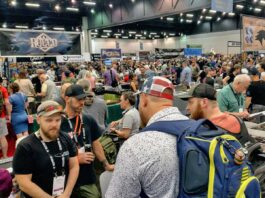
With a presidential election looming and parts of the USA still in a state of shock after the natural disasters of Hurricanes Helene and Milton, it was a BLADE Show West unlike any other. However, knife people are a hearty lot and many turned out to enjoy the knives and cutlery camaraderie this past October at the Salt Palace Convention Center in Salt Lake City, Utah.
“The environment was good as usual, with lots of excitement,” wrote Jonathan McNees of McNees Knives.
Bladesmith Will Stelter displays his two-handed sword with a wildly undulating blade of mosaic damascus, and Francesca Ritchie holds the scabbard she made of deer hide overlaid with rayskin and hand-dyed American alligator. Francesca carved and underlaid the inside of the scabbard to form fit the curvature of the blade, the imprint of the latter you can see on the outside of the scabbard.
Eddie Johnson of CobraTec echoed Jonathan’s assessment. “As always, the environment was enthusiastic and filled with excitement to see and hold new merchandise,” he commented. “There is nothing like holding that knife you have seen pictures and videos of.”
There were custom and factory knife awards galore, the show’s popular “Let The Pros Critique Your Knife” seminar, the West Coast Flipping Championships conducted by Squid Industries, and much more.
As for those all-important knife and knife accessory sales, it was like most shows: some exhibitors did well, some didn’t and some did OK.
Families were a big part of the show.
“It was a great show,” Pro-Tech headman Dave Wattenberg exclaimed. “We did sell most everything that we brought, strong sales to both retail customers and dealers who attended. It’s very important to have both and this show did work well for retail and dealer dynamics.”
The Pro-Tech models that sold well were a mix.
“New models always do well—the Chaves collaboration did very well,” Dave noted. “Some oldie but goodie models—Godfathers, etc.—also did very well. Our TR-3 Integrity manual folder was a hot ticket for sure.
“We built an amazing group of show specials; they also did very well. It’s important to make some special pieces for the show, not just offer the same thing customers can buy anytime.”
Bladesmith Seth Lopez examines a show patron’s knife while custom knifemaker Shane Magnussen (left) and (from right) maker Jared Oeser and bladesmith Will Stelter look on in the popular show seminar, “Let The Pros Critique Your Knife.”
John Cammenga of another factory cutlery company, White River Knife & Tool, also was pleased with sales.
“We had a very good show,” he remarked. “We had great sales and a dealer took everything we didn’t sell. It’s nice to go home sold out!”
Ernest Emerson of Emerson Knives, Inc., was another who said it was a great show.
“We sold out, with the first day rivaling the BLADE Show in Atlanta,” he opined. Jonathan McNees said his company had a “really good show. We didn’t quite sell out but we brought a lot of knives, so I didn’t expect to. Our folders sold best, but again, that’s to be expected with our customer base.”
While CobraTec sold well, sales were off about 30 percent from their show average over the previous two years.
Gavin Hawk (center, behind the table) makes another sale at the Hawk Knife Designs booth.
“Everyone was concerned over the current economy and its uncertainty with the election approaching,” Eddie Johnson wrote. Nonetheless, he said several CobraTec knives were “good movers, from the Enforcer OTF to the Raptor to the OTF Utility Knife to our Koonsman fixed blade.”
Custom maker Tobin Hill agreed with Johnson’s economy/election observation.
“Talking with other exhibitors, the general consensus was tighter pocketbooks due to economy worries and pre-election jitters,” he wrote. Tobin brought eight knives and sold three—two of his Hill Locks with the rear bolster release and a lockback whittler.
Who Attended BLADE Show West
Like show sales, attendees ran the gamut, from young and old, novice to sophisticated buyers and more.
The top three finishers in the West Coast Flipping Championships celebrate, front row from left: Madi “oximityy” Thomas (3rd), Banks “banksqro” Tracy (1st), and Max “balisongnerd” Wenham (2nd).
“The crowd seemed like a bigger percentage of experienced buyers versus the BLADE Show in Atlanta and BLADE Show Texas,” McNees observed. “We really enjoyed the local crowd. They were extremely friendly and receptive. We got lots of appreciation for coming out.”
The fact that it was the third straight year at the Salt Palace Convention Center seemed to help, too.
“It was good to see repeat customers, so I’m glad we’ve been at the same venue for a few years,” Cammenga wrote.
“There was a nice mix in demographics,” Johnson pointed out. “As always, it is great to see the entire family out enjoying the show. I had several sales to the younger generation with the supervision and guidance of their parents.”
Banks “banksqro” Tracy shows his championship form.
“There was a very healthy mix of already established Pro-Tech enthusiasts as well as first time buyers,” Pro-Tech’s Wattenberg wrote. “It did feel like a smaller crowd than last year, but we did have customers to work with the entire time, so no complaints. I especially love the family atmosphere; there were so many nice people.”
“The crowd seemed an even mix of young and old, several families with kids,” Hill reported. “There were not many ‘sophisticated’ buyers or dealers.”
According to one industry professional, the fewer buyers and dealers than usual from the Eastern USA may have been due to the poor economy and also the aforementioned Hurricanes Helene and Milton that hit shortly before the show.
BLADE Show West Exhibitors
Shows are about contacts, not only among show attendees and exhibitors but among the exhibitors themselves, including factory knife companies and custom makers to broach possible collaborations and other knife deals.
Fixed blades and choppers were among the knives of the day.
“We made good contacts with other makers, including some prominent ones we had not previously met,” McNees wrote. “The size of the show was good for that.” Added Johnson, “The BLADE Show always gives us an opportunity to meet various designers and talk about collaborations.” Wattenberg agreed. “We had a few excellent conversations with makers,” he noted.
West Coast Flipping Championship
The 5th Annual West Coast Flipping Championships conducted by Squid Industries was another rousing packed-house event, with Squid providing cash prizes of $1,000 for first place, $500 for second and $250 for third.
Banks Tracy, aka banksqro, took home the title using a Squid Silver Krake Raken Tanto V3 balisong. Runnerup was Max Wenham, aka balisongnerd, who also used a Squid Silver Krake Raken Tanto V3 balisong. Madi Thomas, aka oximityy, took third with her Squid DT Red Krake Raken Tanto V3 balisong. The top three finishers also won prizes from the events’ gold sponsors.
Two Cutlery Hall of Famers enjoy each other’s company: BLADE® editor Steve Shackleford (left) and heat-treating legend Paul Bos (right).
BLADE SHOW WEST ’25
If you were there, you know; if you weren’t, you need to be. Make it so and plan now to attend next year’s BLADE Show West, Oct. 10-11, once again at the Salt Palace Convention Center in Salt Lake City.