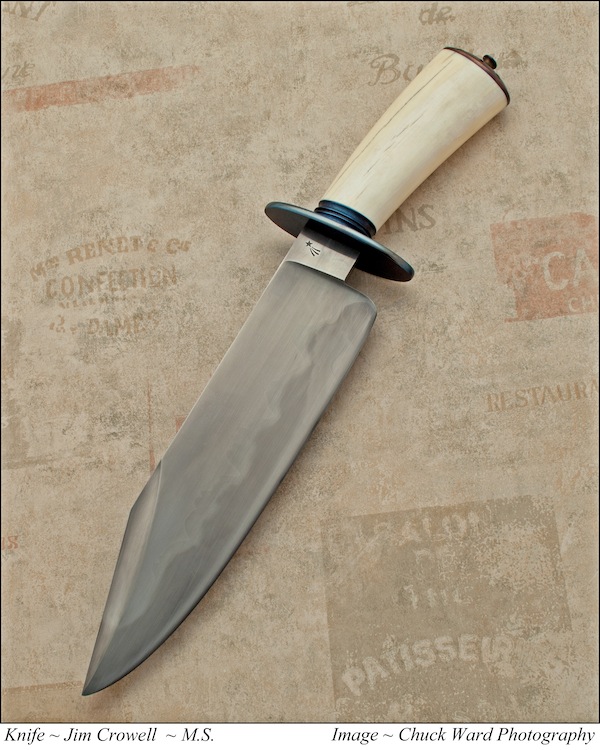
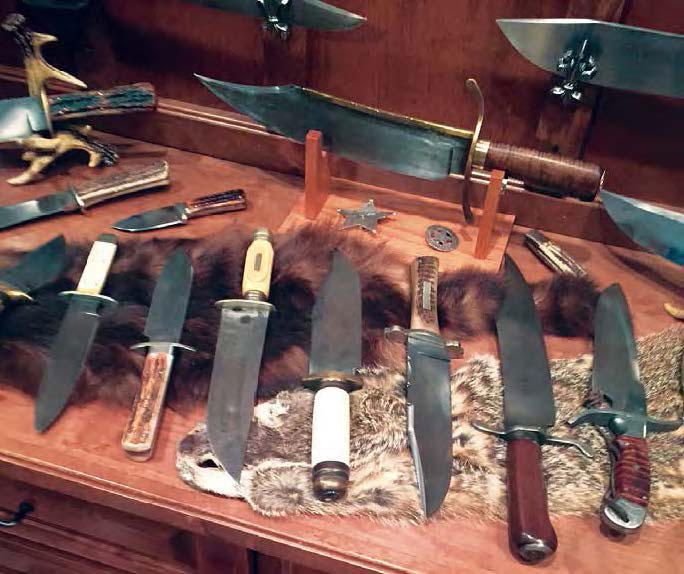
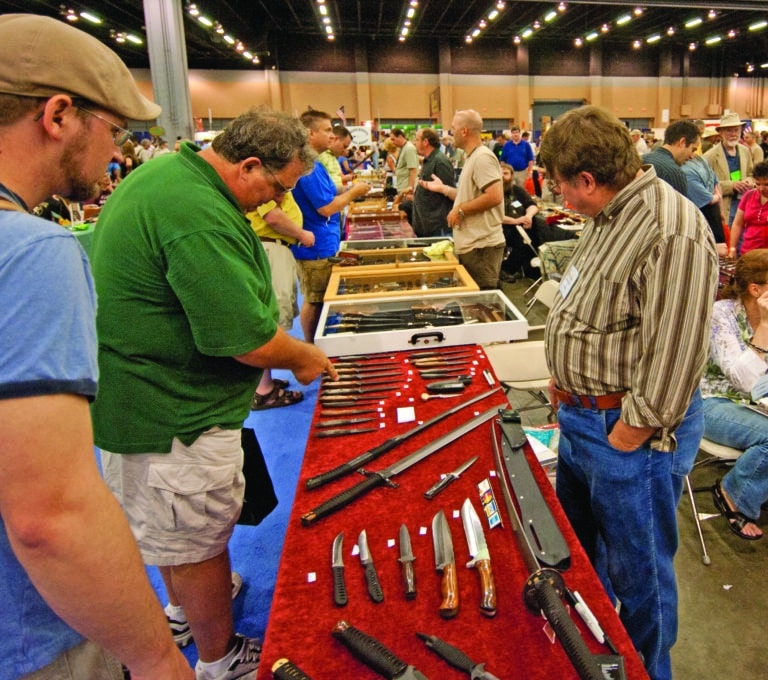
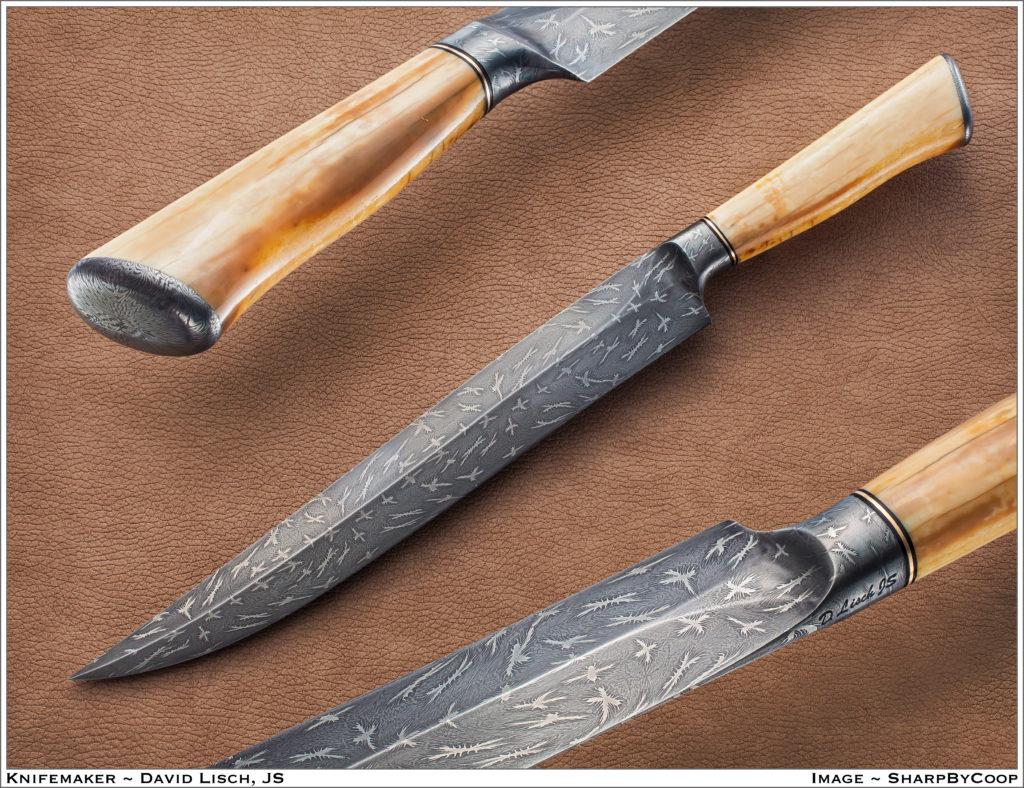
Knife collecting is an extremely rewarding experience for knife enthusiasts. There truly is a knife for everyone. Many increase or hold their value throughout the years, making collecting knives something to pass on to the next generation of knife collectors.
Bids for the Emerson CQC-7 tactical knife carried by “Mark Owen,” a SEAL given the order to kill or capture Osama bin Laden, will be accepted through 8 p.m. EST today, according to Ernest Emerson.
Ernie Emerson’s CQC-7 used in the Osama bin Laden is on auction through May 15.
Owen is the pseudonym of the author of the book on the Bin Laden raid, “No Easy Day: The Firsthand Account of the Mission that Killed Osama bin Laden.”
Emerson is one of the leading names in tactical and hard use knives, both custom and factory. He is also known for his system of self-defense and knife combatives training, instructing military, law enforcement, civilian and other agencies worldwide.
He said he gave the knife to Owen in person. “I’ve known him a long time,” Emerson noted. “I gave it to him in 2005. It’s the real knife, the real deal and the real guy.”
Emerson added that he will supply letters of provenance indicating the tactical knife is what Owen says it is.
As these words were written, the latest bid was $15,400.
Emerson will have a booth at the BLADE Show (www.bladeshow.com) May 31-June 2 at the Cobb Galleria Centre in Atlanta, Georgia. He will conduct a special seminar, “Train Like A Madman,” conduct a lottery for his knives, and display a number of his new, never-before-seen custom knives—at least 12 prototypes—at the show. He also will appear on Armed Citizen Radio this Sunday discussing knives and, among others, mentioning the BLADE Show. Visit Emerson’s booth for more information on the time and location of his knife lottery.
To place your bid, visit http://www.24fundraiser.com/site/stores/5/events/5/items/114.
The proposed change to the federal ivory laws proposed 13 months ago is finally out, and the news is as bad as expected. In essence, the change is designed to stop all trade in elephant ivory in the USA, no matter how old the ivory is.
According to the Elephant Protection Association, winner of the BLADE Magazine 2015 Publisher’s Award for its efforts to protect the legal ivory of all Americans, the new regulation is based on three false premises. Those are:
•Elephant poaching in Africa is escalating. This is false. CITES data indicate poaching numbers have fallen since 2011 due to enhanced enforcement of existing law;
•Large amounts of illegal ivory are being imported into the USA and this is driving the elephant poaching problems in Africa. Again, false. The truth is that both CITES and U.S. data indicate illicit ivory imports to the USA are insignificant;
•Since the law punishes Americans and their ivory, the Chinese consumers who are causing the poaching problems will abandon their cultural need for ivory. This is patently absurd. Chinese demand for illicit ivory is independent from U.S. trade in domestic legal ivory.
According to Sandra Brady of the Elephant Protection Association, one thing to remember is that for you to qualify for the small amount of elephant ivory that will be allowed under the new regs, you have to meet ALL the requirements and be able to PROVE it. She added that the association would be sending out letter suggestions to concerned citizens on how to defeat the new regs. The letters should go to Fish and Wildlife Service, your congress people and senators.
For more information on how you can fight this oppressive federal elephant ivory grab, visit elephantprotection.org.
We give you the tips to avoid mistakes when buying a custom knives.
Of course, every rule or principle has its exceptions and counter-principles. You do get what you pay for, but only when you have an honest and informed assessment. Is that micarta real Westinghouse Micarta? Is the fit and finish and reputation of the maker in line with the price? Did the maker grind the knife themselves, or is this a production knife?
You’ll have to do some homework if you want to get “good deals.” One of the oldest tricks in the book is for the seller to exaggerate demand and conceal supply. “This is the last one, and they’ve been buying them fast all day!” may be true or may be a dishonest sales pitch.
The warning is “buyer beware” more often than “seller beware” after all. Many a “bad deal” comes not from mutual disagreement, but from one side taking advantage or being dishonest.
Economic generalities aside, let’s look specifically at the knife market.
Lesson 1: Don’t Buy The Hype
Some people want the latest and greatest thing. They get great enjoyment out of buying what is the ultimate “grail” knife of a given season, often hyped up on social media, on online forums, by word of mouth, in magazines and at events. For these buyers, the thrill is in the hunt and in the showing of the trophy.
If you want to be that kind of buyer, buy what you want and enjoy the heck out of it! Keep in mind that demand will be lower for last year’s hot thing, and so will the resale price. I won’t go so far as to say don’t buy the hot knife. Many of us spend money on experiences (what do you gain long term from a concert or a trip to the movies?) or on depreciating possessions like cars or boats. In some ways, if you enjoy it, it doesn’t matter if you lose some money on a knife or it’s not a good “investment.”
Many of us “regular” folks have to be a little more careful with our funds. If you chase what’s hot, you’ll end up buying at times of peak demand, which means you’ll pay a higher price. By the time you get tired of that knife or want to sell, everyone else just might be tired of it as well, as the knife world will have moved on to the next hot thing. If you’re one of the folks for whom a sour ending ruins the whole experience, don’t buy hot. If you have an eye toward appreciation of values and want to “make money” on your knife collecting hobby, don’t buy hot.
For some people, the thrill is in finding the next hot one, before it gets hot. Wouldn’t we all have loved to have purchased a bunch of Microsoft stock in 1993? If we were better at predicting the future, we’d make better knife picks for our collection, just like we’d make better choices in our stock portfolio. Still, if you “hit” one once in a while—buy the maker’s work right before he hits the big time and make lots of money—it can be quite a thrill and keep you buying knives on a regular basis.
Another point of caution when it comes to hype has to do with the “flash in the pan” types who grow smoking hot quickly, beyond their market position or ability to produce. It has happened in the knife world before and will happen again. Someone may be better at marketing than knifemaking, or better at Instagram videos than filling knife orders. If the hype of a particular maker turns you off or looks suspicious, trust your gut and hold off on purchasing. Sometimes makers flame out as spectacularly as they rose to fame.
Lesson 2: Don’t Overspend At The Beginning
“Walk before you run” is good advice. Knife collecting is about finding joy in knives, and at the beginning, small mistakes hurt less. If you start with $500 and buy five quality production knives at $100 each, you may enjoy them a long time. If you start with the same $500 and buy a custom at a show from an overhyped maker who quickly fades away, you may sour to collecting altogether. When you gamble more, the losses cost more.
The opposite is somewhat true as well, however. If you spend your $500 on 50 $10 gas station knives, you’ll have a great big pile of crappy knives when you’re done. The trick is finding a good balance between price and quality. Finding that balance takes time to learn.
As you learn more about the market segment you’re interested in, don’t be afraid to invest more as you grow. You may reach a point where you don’t want the Chinese ones, but rather the American ones. Or maybe you don’t want production, you want midtech. Or maybe you won’t want the midtech one with the maker’s name on it, you may want the custom one made by the maker himself.
Hopefully, your budget will grow to accommodate your growing expertise and preferences.
Lesson 3: It’s Not Just The Knife You’re Buying
When you invest in Amazon stock, you are making a rich man richer. You’re buying a piece of paper or an electronic data point that says you “own” a tiny piece of the company, and you expect a mathematically increasing return for your investment.
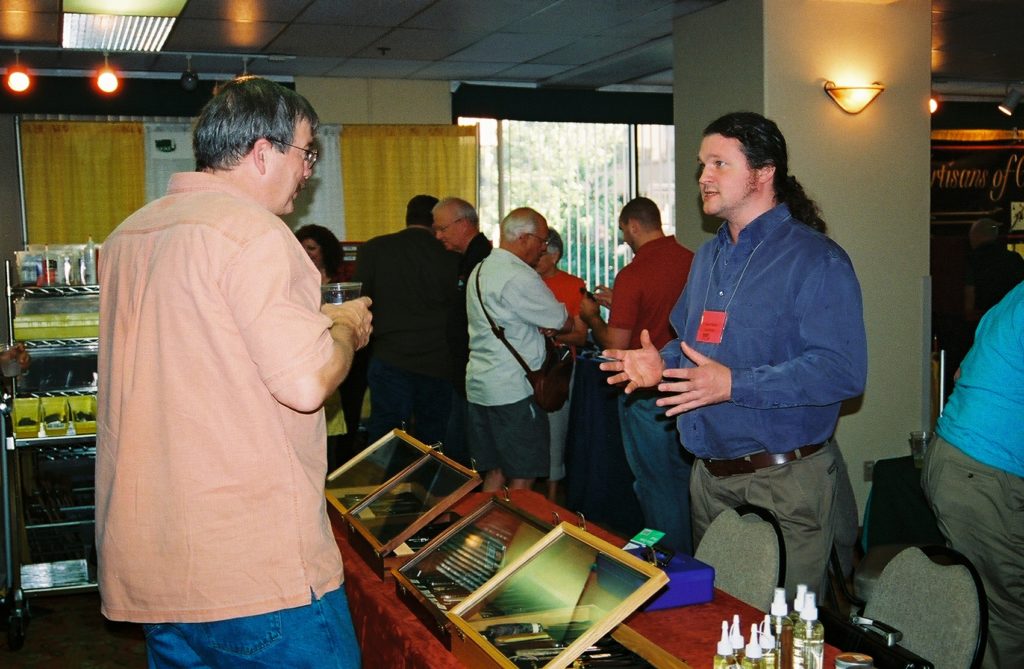
When you buy a knife, odds are good your money won’t go to that knifemaker’s yacht payment or summer home fund. When you buy a knife from an individual knifemaker, you’re more likely sending his kids to daycare or piano lessons, paying for his electricity and buying his wife new shoes. If you buy at a knife show, you probably bought the maker’s dinner. When you invest in a knife, you support a specific person, not “the man behind the curtain.”
Even if you find joy by investing in a person by buying their product, you still owe it to yourself to invest wisely. Of course, you should buy a knife you like, that you find useful or that may make you a decent return on your money. At the same time, you should be looking for people to help, individual makers whose lives you will improve by your relationship and the purchases you make over time. You may be making friends, not just money, which can add another degree of magnitude to your enjoyment of knife collecting.
Lesson 4: Buy What You Know
The more you know, the fewer expensive mistakes you’re likely to make and the more deals you’re likely to find. The less you know, the more likely it is that you’ll get a bad deal, purchase a knife you’ll be dissatisfied with or a knife you later regret. The more you know, the better. This seems to be a universal principle of life and economics, and it applies to knives as well.
First off, buy knives from brands or people you know have a good market position. Many times, a well-known brand is successful for good reasons. A classic brand like Case or Spyderco may be a great place to start, or a well-known Knifemakers’ Guild member or somebody from the “Slipjoint Cartel.” When you have the chance to know the maker or seller personally, that knowledge makes your purchases more likely to bring you joy or a good return on your investment.
Second, buy knives from reputable dealers or purveyors. While you may get a “great deal” from a pawn shop or somebody’s cousin who is a knife collector, there is some measure of protection in buying from well-known retailers such as Blade HQ, AG Russell, Arizona Custom Knives and others. Until you become familiar enough with the market to know exactly what you’re looking at, it’s wise to stick with the major dealers.
As another example, consider buying from the folks who advertise in the knife magazines, such as BLADE. If their business is legitimate enough to afford the expense of advertising in print, they’re more likely to be honest and stick around.
Third, buy the knives you’re familiar with. You may get joy out of buying a knife the first time you’ve ever seen or heard of it. On the other hand, you’re even likelier to enjoy a knife that you know in your heart is a great one, because you’ve studied it, chased it, pursued it, and finally purchased after careful consideration. Sometimes the journey is as fun as the destination, and the pursuit of the grail is worth as much as the grail itself.
You may get in a rut and feel like you’re buying the same knife over and over. That’s no good either. Balance your knowledge with both width and depth. You may dive deep into one model, one maker or one brand, or you may spread your collection broadly by buying one knife from as many different people and places as possible. Either way, you’ll get familiar with the knives that you like, and you’ll end up going as deep or as broad in your collection as you like.
“I donated a set of throwing knives to Ken Onion to keep them busy between hunts,” Branton stated. “Ken said that they threw them 15 hours a day for three days. He sent a picture of S.E. Cupp throwing and he has video, too. He said she caught on quick and turned out to be a good thrower. I’m proud everyone enjoyed my knives.”
Thanks to Onion, Branton and others, the wounded vets had a great time, and Cupp was exposed to the world of custom knives—good news on all fronts.
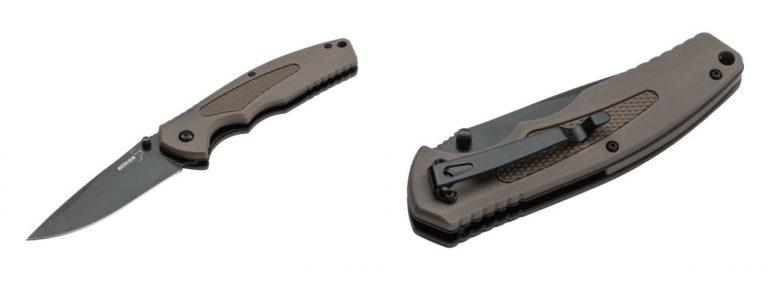
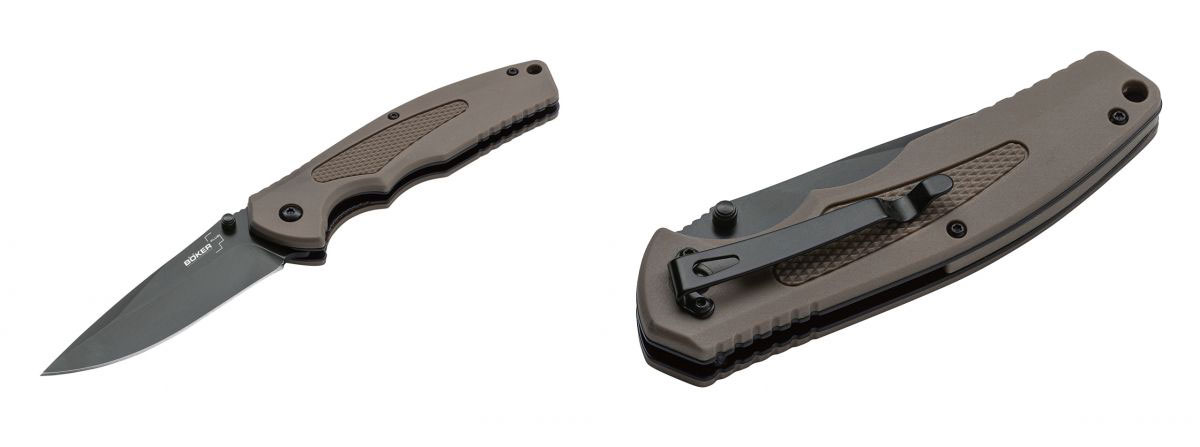
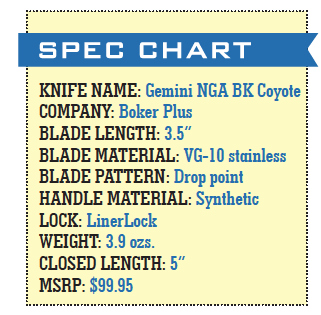
The Boker Plus Gemini NGA Coyote offers extra heft as an EDC knife. (Boker image)
Tough Like a Gorilla
The Boker Plus Gemini NGA Coyote carries tip down, which I prefer because it places your thumb on the blade opener without requiring a shift of grip. The clip was strong and secure, even in athletic pants, and positioned just enough of the handle to protrude above the belt line to allow a secure grip with no fumbling or shifting required. The handle has a slightly tacky feel with checkering on the sides of the scales.
The assisted opener flings the blade strongly from the handle with a slight touch on the opening stud. Make sure you have a firm grasp on this one before pushing the stud. The linerlock was solid.
The knife balances perfectly right at the index finger, which makes it seem light in hand and makes for ease of use.
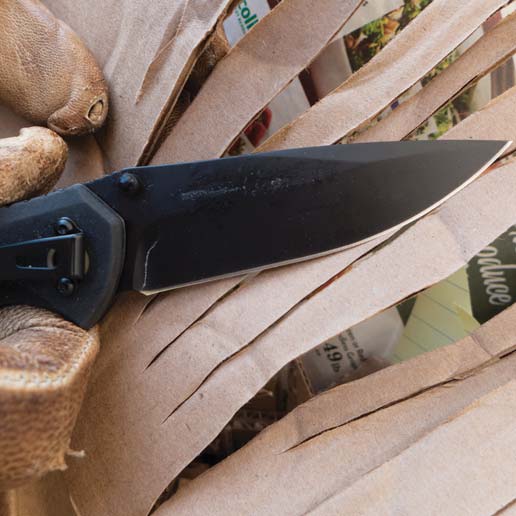
If you like your EDC knives to pack bite, the Boker Plus Gemini NGA Coyote is a great choice. (Mary Lou Ayres photo)
The Verdict
The Gemini is a well-made knife and the one I would choose if I had to cut up a garage full of cardboard.
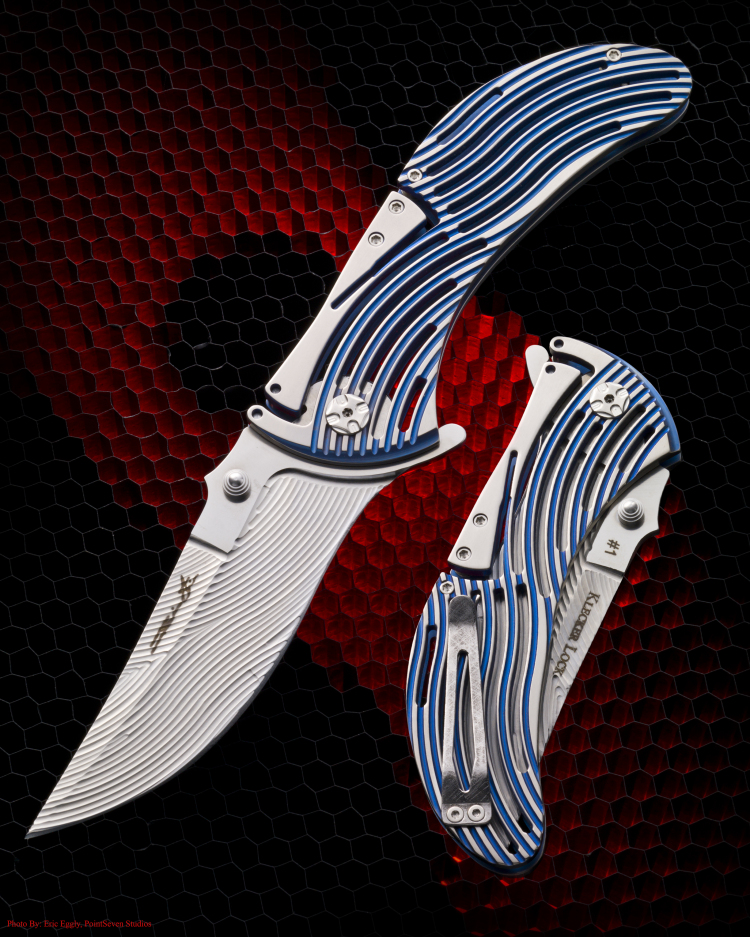
Award-winning knifemaker Brian Tighe adds to his long line of stunning folders with this blue-streaked flipper model sporting a lock designed by Glenn Klecker. The custom folder is our Knife Of The Day for Dec. 10, 2011.
For Brian’s contact information, visit his website at www.briantighe.com.
For the latest on the hottest knives, knife trends, knifemakers, knifemaking how-to’s, knife shows and much more, subscribe to BLADE®, the World’s No. 1 Knife Publication. For subscription information, click on http://www.shopblade.com/product/blade-magazine-one-year-subscription-us/?r+ssfb101211#BL1SU