
Knife Collecting

Knife collecting is an extremely rewarding experience for knife enthusiasts. There truly is a knife for everyone. Many increase or hold their value throughout the years, making collecting knives something to pass on to the next generation of knife collectors.

Which Knifemakers Will Excel in 2017?

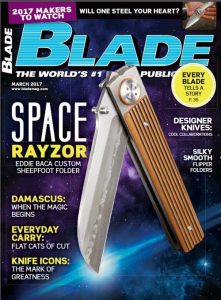
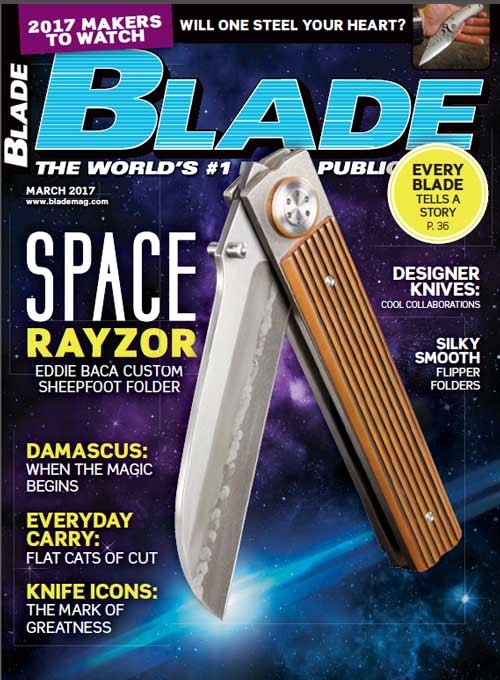
Which knifemakers will excel in 2017? What is the mark of knife greatness? When does the magic begin in the making of mosaic damascus, aka canned steel? What were the knife industry’s top stories of 2016? What will not happen in the knife industry in 2017? These and other edge-pressing questions are answered in the latest issue of BLADEĀ®, on newsstands now!

Custom knifemaking is a whirlwind of talented individuals worldwide. Picking the ones on the verge of breakout years is no easy task, but BLADE feature writer Pat Covert tackles the assignment with gusto, interviewing some of the custom industry’s top authorities for their opinions on the subject. Find out which makers will take their work to the edge and beyond in “Will One Steel Your Heart?”

What is the mark of knife greatness? One leading indicator is a knife that, after its debut, serves as a yardstick against which all subsequent knives of a similar type are measured. BLADE field editor Mike Haskew examines these “yardstick knives” in “The Mark of Greatness.”

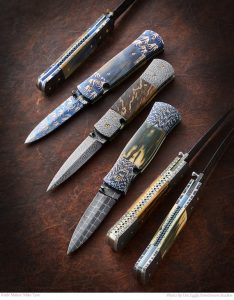
Mosaic damascus, aka canned steel, provides some of the most beautiful and intricate of blade materials. BLADE feature writer Daniel Jackson visits with some of today’s forgers of the scintillating steel to find out not only why they do it but how in “When The Magic Begins.”

The year past had more than its share of cool happenings in the knife industry, including the first-ever
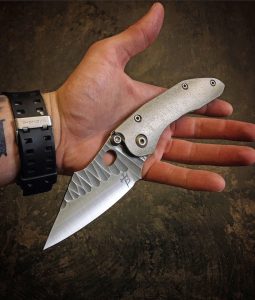
Mosaic damascus
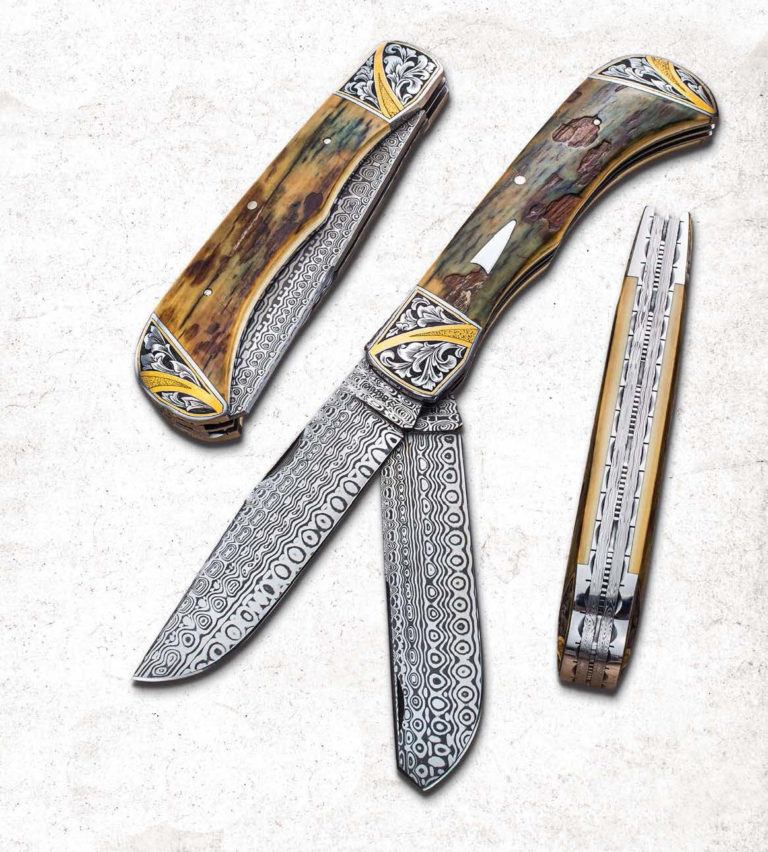
Read how mosaic damascus is forged, such as on these folders by Mike Tyre, in “When The Magic Begins.” (PointSeven image)
Borka Blades
Which knifemakers will excel in 2017? One Neil Ostroff highly recommends is Sebastijan Berenji of Borka Blades. (True North Knives image)
BLADE on newsstands
Find out which knifemakers will excel in 2017 in the latest issue of BLADEĀ®, on newsstands now!

BLADE Show Women’s World Championship Cutting Competition, burgeoning knifemaking stars on social media, pro-knife legislative gains, a world record price for an American knife at auction and much more. Read all about it in “Sharp and Sweet ’16.”

Predicting what will happen in the coming year is a skill far beyond that of yours truly. However, one thing I can do is predict what will not happen in the coming year. Of course, one question remains: Can I even do that? It will take one year to find out. Check out my predictions in “What Will Not Happen in 2017.”

There’s much more in the latest BLADE, including an educational examination of knives and the Second Amendment by Knife Rights’ Doug Ritter (page 6), tests of the latest tantos, flipper folders and factory/custom collaborations, the hottest convenient carry knives and much more, all in the March 2017 BLADE, on newsstands now! For subscription info, click here.
Save

Save

Save

Save

Save

Knife Review: A $7 Bolo?

  • Purchase Price: $7
  • Maker: Unknown
  • Blade Length: 14 1/8″
  • Blade Material: Hardened carbon steel
  • Handle: Hand-carved wood
  • Handle Design: Dropped at butt
  • Collar: Aluminum conduit
  • Knife to Know: Blade has a forged distal taper; handle butt flared to enhance purchase
  • Weight: 12 ozs.
  • Overall Length: 20″
  • Sheath: Wood with handcarved details
  • Sheath Weight: 3 ozs.

I received a bolo made in the Philippines from my friend, Mike Key, as a gift a couple of years ago. He went on a three-day search for good bolos made from carbon steel in villages, not the souvenir type. He was successful in his quest.

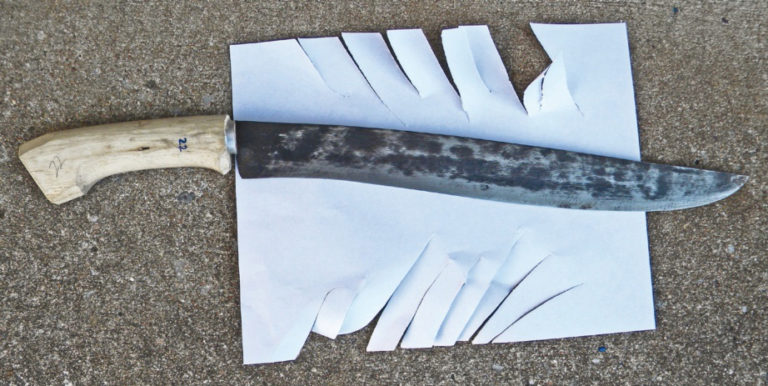
I ran a triangle file down the edge and it skated off, an indication the blade is hardened steel for sure. The forged blade has a smooth distal taper, starting around 3/16-inch thick down to 0 inches at the tip. The knife sports hidden-tang construction. The wood for the sheath and handle are from a local shop in the Philippines. Of course, a blade must cut no matter where it’s made.

Cutting Tests

Up first: the paper slice. Despite a coarse edge, the bolo still managed to give clean slices in 20-pound bond paper. Normally, a bigger blade is cumbersome slicing paper, but the bolo has a perfect balance due to its distal taper.

Best bolo knife reviews
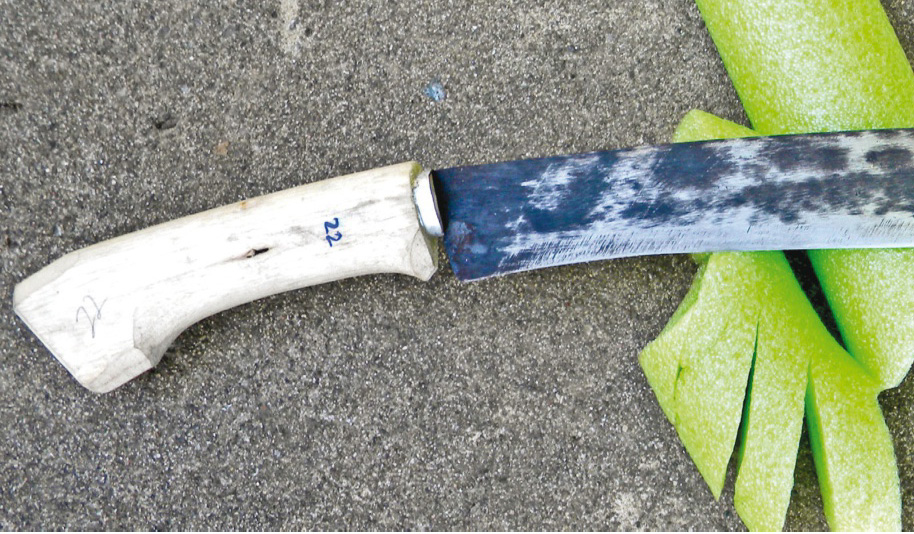
The bolo was very aggressive on the plastic foam. The author held the pool noodle suspended in air with one hand and sliced it. He indicated the knife is very controllable and the handle is indexed perfectly.

A pool noodle was next on the test menu. The bolo was very aggressive on the plastic foam. I held the pool noodle suspended in air with one hand and sliced it. The knife is very controllable and the handle is indexed perfectly.

Next up: chopping into a hard cardboard tube with the noodle inserted to prevent wall collapse. It worked on the first two chops, but then I hit too close to the previous pair of chops and the tube crushed under the force of the blows. Still, the blade made it halfway through the tube.

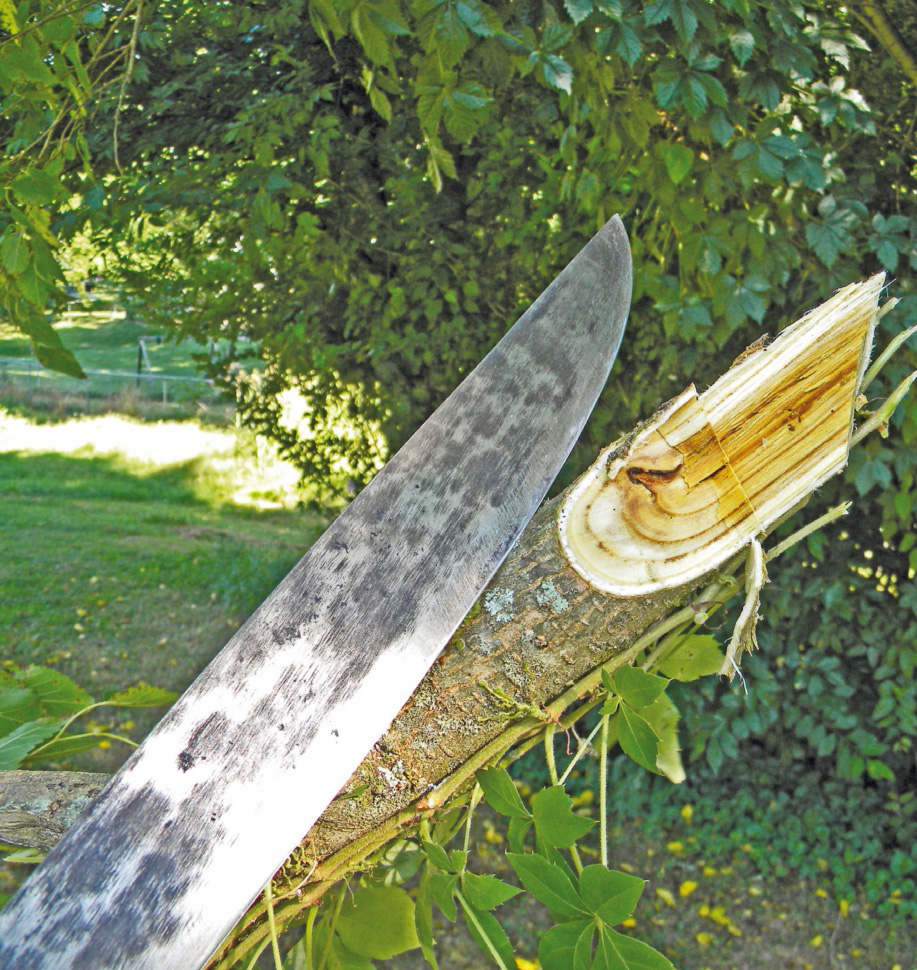
When you have trees encroaching on your property, you have to take steps to keep your yard clear. One such branch had scraped me for the last time while I was mowing the lawn. Its 2.5-inch diameter was a breeze for the bolo. Five whacks and the branch was down.

Bolo knife reviews
Five whacks and the 2.5-inch-diameter branch was down.

I dragged it away from the fence to whack it into smaller pieces. This is what the bolo was designed to do. One chop per branch and it was in pieces quickly. Just a wrist snap carried the blade halfway through a 1.5-inch-diameter branch. The bolo is a very fast chopper.

A note on the wooden sheath: It’s flat on one side for resting against your body and slightly rounded on the other. The maker even added some hand-carved detail into the wood. Excellent workmanship!

A big thank you goes out to Mike Key for finding this gem of a bolo for me.

Changes

On a blade this long, I would like to see a pin in the handle for a mechanical connection.

Final Results

The bolo is a very balanced working model. You can use it all day without wearing your hand or arm out. It exhibits great workmanship in the forging and the woodwork!

Vacation Knives: CRKT Guppie

Tom Stokes and Launce Barber designed the Guppie as part of Columbia River Knife & Tool (CRKT)’s I.D. Works line of tools. It’s a hard-working carabiner tool with dozens of uses.

The adjustable wrench jaw opens to a half-inch so you can use it for all kinds of light repair and assembly jobs. Thanks to the carabiner gate, the Guppie is easy to carry on a belt loop, D-ring, pack or rope. It’s not a weight-bearing tool, though (sorry, mountain climbers).

The high-carbon, stainless steel 2″ blade with a Razor-Sharp edge can be worked with one hand using the blade slot.

The removable bit carrier is also a high-intensity LED light. Two magnets hold it securely to the Guppie’s left side. The stainless steel clip will hold the Guppie in your pocket or on gear. This adds another layer of versatility.

The Guppie makes a great little money clip, too, for those who prefer it over a thin wallet.

If that weren’t enough, the Guppie carabiner detent will open bottle caps and metal jar lids.

For more info click on http://www.shopblade.com/guppie-9070/?lid=blssbl080912

Trend Watch: Why Are Custom Slip Joint Knives So Popular?

How to buy a custom slip joint knife
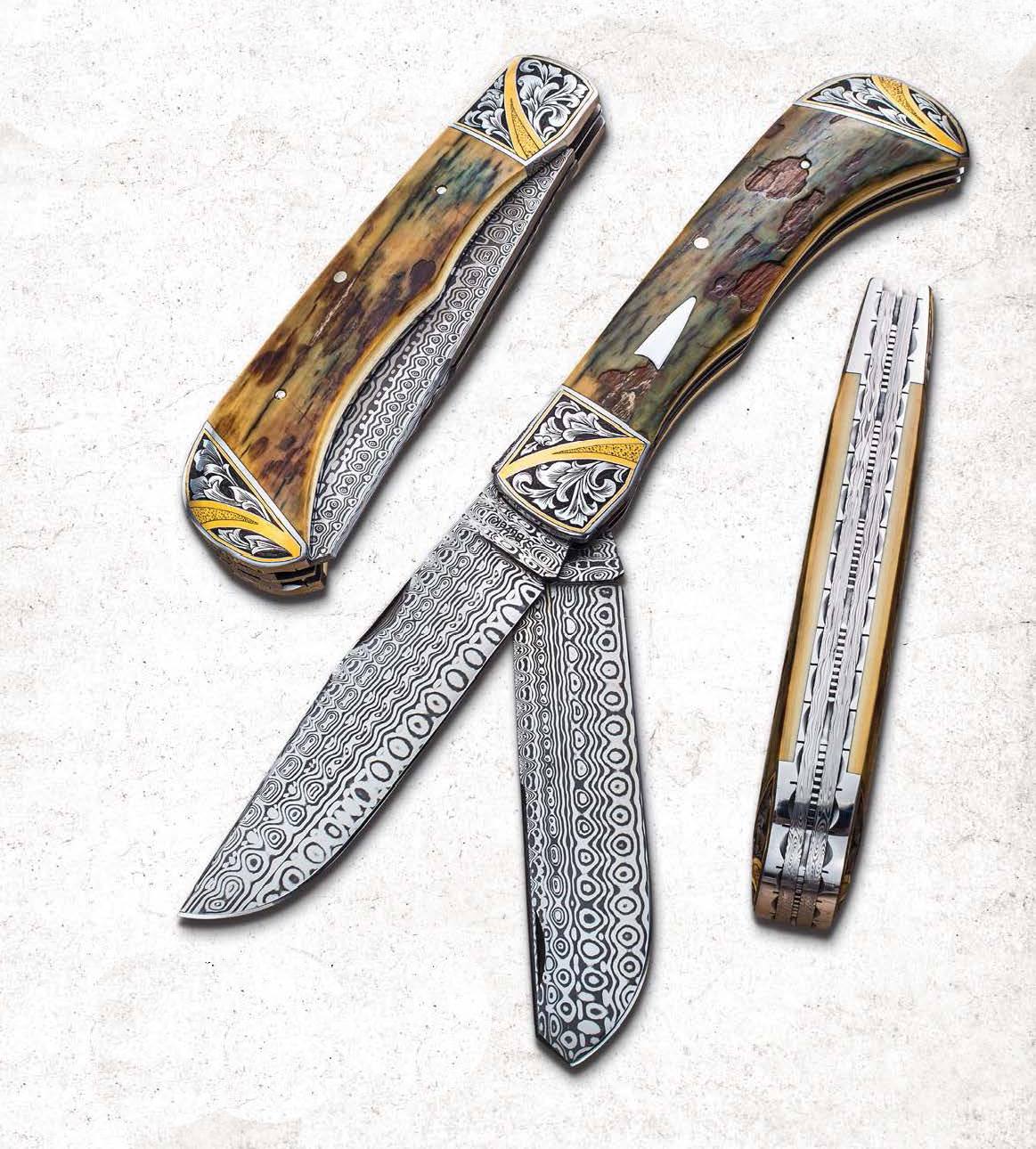
Stan Buzek based his slip joint on a Bill Ruple two-blade trapper. The hollow-ground blades are Damasteel damascus and 3.5 inches each. The fileworked liners are 416 stainless steel. Closed length: 4 3/8 inches. Buzek’s list price to make a similar piece: $1,950. (SharpByCoop photo)

Blade Counts Count

Custom slip joints are hot again and have been for a while. Why are they so hot and how long will their popularity run this time?

ā€œI have seen a bit of an uptick in pocketknife sales in the last couple of years,ā€ notes custom knifemaker Stan Buzek, whose turnaround time on orders is three to four months. ā€œI think this is due to the fact you can have both multiple- and single-blade slip joints,ā€ as opposed to the single blades of tactical and other locking folders (though lockbacks are experiencing somewhat of a surge in sales, too).

Custom slip joint knife
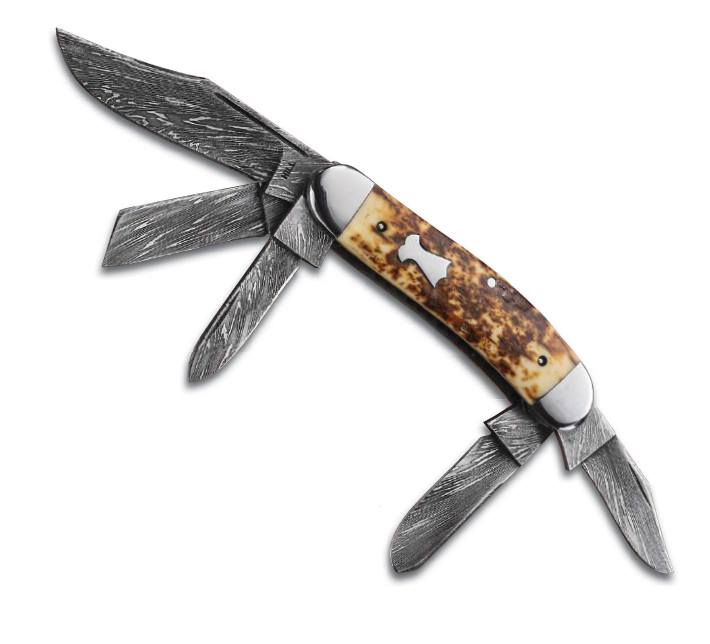
Tobin Hill’s five-blade sowbelly sports feather-pattern damascus blade steel in hollow grinds and a mammoth ivory handle. The maker’s list price for a similar piece: $1,200.

A Bright Future Ahead For Slip Joints

Adds Johnny Stout, who has a backlog of six to eight months, ā€œFrom what I’m seeing at the shows and online in the past few years, pocketknives are alive and well. I see a bright future for slip joints.ā€

ā€œI have seen slip-joint groups on Facebook grow by 300 percent in the last three years,ā€ Tracy LaRock states. ā€œI also have a group called ā€˜Making Slip Joints and Lockbacks’ that has grown a lot recently, with many new slip-joint makers.ā€

As for his sales, Tracy says, ā€œMy books are closed but I intend to open them in early 2020 when I retire from the military. In the meantime I list available pieces in my Facebook group and on Instagram.ā€

What is a slip joint knife?
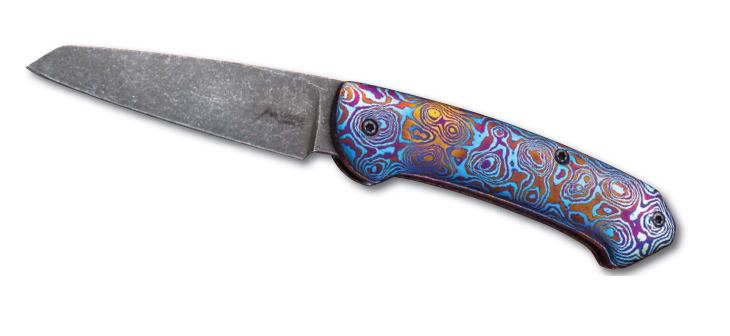
Tracy LaRock pushes the envelope of traditional slip-joint design with his Ethan Jack. The 3-inch blade is D2 tool steel and the handle and frame are Timascus™. Closed length: 4 inches. His list price to make a similar knife: $900. (SharpByCoop photo)

Pocketknife Sales Are Up In General

ā€œI think there’s an upswing in pocketknife sales,ā€ Tom Ploppert agrees. ā€œPlus, a strong economy hasn’t hurt anything.ā€

Tom says he continues to take orders and has no idea how far behind he is.

ā€œI will write an order down. I do not take deposits. I will call when it’s your turn. If you commit, then we will discuss price and I will start on building it,ā€ he says matter-of-factly.

Turnaround time notwithstanding, the exquisite slip joints by Stout, Buzek, LaRock and Ploppert are well worth the wait—though you might want to get a leg up now. The more demand increases, the longer you’ll have to bide your time until you can get your hands on one of these gems.


See More Knife Trends In KNIVES 2019

Get the KNIVES 2019 book here.

Cool Custom: Peyton Ramm’s 3D Printed Damascus

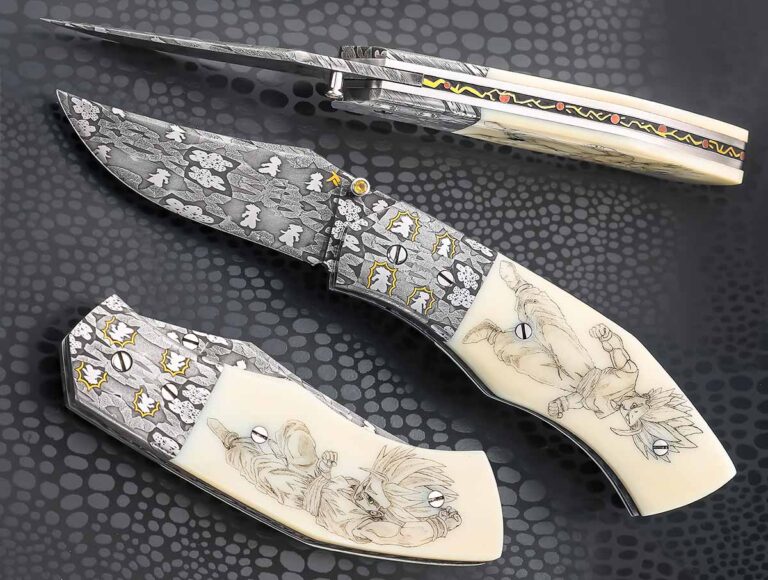
Peyton Ramm uses the 3D printing process for canister patterns to make his dream knife.

It was ABS journeyman smith Peyton Ramm’s dream to make a knife themed after his favorite childhood TV show, Dragon Ball, and the new 3D printing process for canister patterns provided him with the perfect vehicle to do so.

ā€œBefore I heard about 3D printing, I dreaded the idea of paying someone to wire EDM every single dragon ball out, but my good friend Ron Hardman introduced the idea,ā€ Peyton wrote. ā€œI sent him pictures of Gohan [a prominent character in the Dragon Ball series] and the dragon balls, and asked him to recreate the image in the best way possible to forge down. His students at Kilroy’s Workshop got a rough draft for me and once I approved it, they printed and sent it.ā€

Peyton Ramm

Peyton stated he had to build a new forge just to do the canisters, as he only had a vertical forge and it’s important to forge weld lightly on the two end caps first before welding the sides.

ā€œMy first billet fell apart because of this, a mistake I didn’t [repeat],ā€ he wrote. He combined the two images with a flower mosaic he made with a damascus of 1095 carbon and 15N20 nickel-alloy steels to break the pattern up, and finally had his damascus. From there he matched the blade and bolsters as best he could so it would look like an uninterrupted transition.

Check Out More Cool Custom Knives:

Knives and Swords 101: What are Menuki?

0

Menuki definition
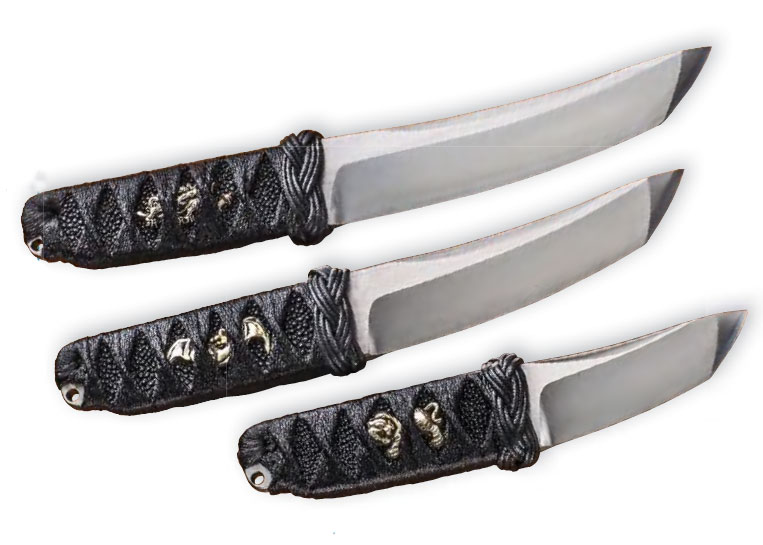
Shaped like a dragon, bat and lion, menuki (handle charms) are tucked under the cord-wrapped stingray skin
handles of a trio of tanto knives by RJ Martin. (SharpByCoop image)

In Japanese sword culture, menuki are handle charms, often tucked under the silk wrappings of stingray skin grips. Like all aspects of Japanese swords, the charms are handmade—fashioned one at a time, sculpted, carved and engraved. They are for decorative purposes only, though one could argue that, if appropriately shaped, they’d add palpability, and perhaps, if lucky charms, good omens for sword wielders.

Knife charms
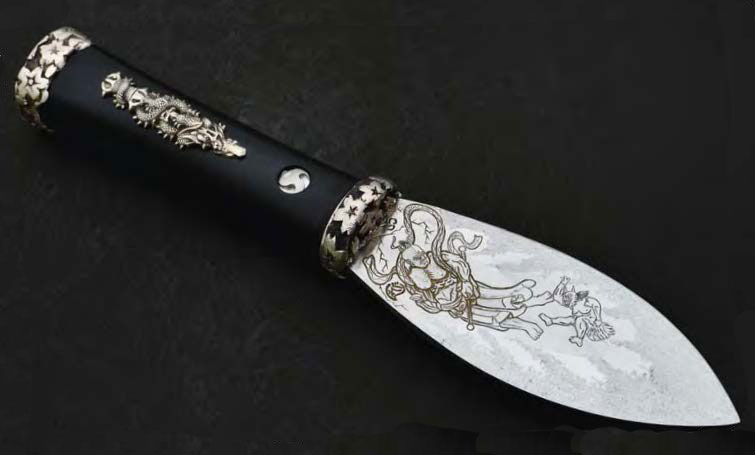
Along with ā€œAgyoā€ and ā€œUngyo,ā€ two Japanese temple guardians, engraved on the VG-10 blade of the ā€œYariā€ spear, this knife by Glenn Waters also sports an ebony handle and a silver dragon handle charm.

Knifemakers being knifemakers, whether American, German, Nordic, Australian, Indian or South African, these little handle charms have not gone unnoticed. They’ve been adopted by knifemakers wanting to add more elements of intrigue to their knives.

A knife’s ability to perform the cutting chores for which it was designed is the first priority, but ask any knifemaker, and he or she will tell you that form follows function. And sometimes it’s the aesthetics of a knife that catches the eye of a potential buyer.

So knifemakers pay attention to the details. They add amenities, embellish the pieces and fashion handle charms. And knife collectors are charmed, we’re sure.


See More Unique Knives at BLADE Show West 2018

BLADE Show West 2018 information

Knife History Made In Kansas City

Bump wins Best of Show.
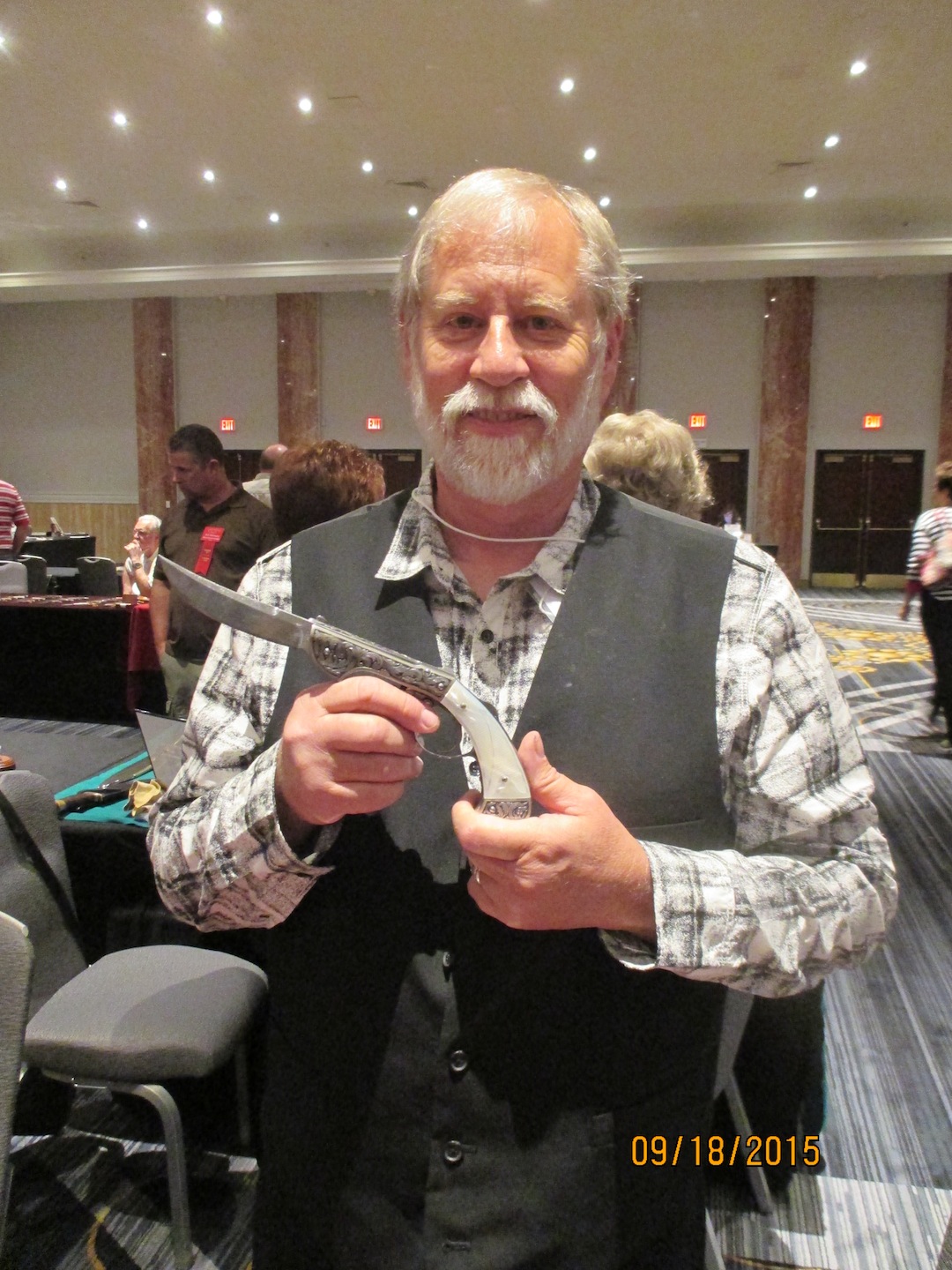
Bruce Bump won Best Of Show at the International Custom Cutlery Exposition for his cut ‘n shoot model.

Modern custom knife history was made this past weekend in the first-ever International Custom Cutlery Exposition (ICCE) held at the Marriott Downtown in Kansas City.

It was the first time the Knifemakers’ Guild and the American Bladesmith Society, the world’s two oldest and best-known knifemaker organizations, combined forces to hold a joint knife show.

And from all indications, things went about as smoothly as anyone could have hoped.

Over 120 makers exhibited their knives at the show. A number of exhibitors commented on how nice it was to see makers from both organizations displaying side-by-side and getting along so well. Of course, that was a far cry from the old days when the two groups competed openly and did not get along so well, to say the least. However, those days seemed to be forgotten over the weekend as both organizations came together and voted on the best knives of the show, with members of each group often voting for knives by makers in the other. Among the winners of the awards were Bruce Bump for Best In Show for his cut ‘n shoot knife, Paul LeBatard won an award for his stag hunter, Adam DesRosiers for Best Combat Knife and Best Hunter, Jerry Moen for Best Tactical Folder, Johnny Stout for Best Folder, Charles Vestal for Best Fighter, and J.W. Randall for Best Damascus. Other honors included Betty Dowell being presented with the Nate Posner Award and Dianna Casteel winning the Red Watson Award.

There was a lot of history at the show, as it was held in the very same showroom as the one where BLADE Magazine Cutlery Hall-Of-FameĀ© member Bill Moran introduced his revolutionary damascus knives at the 1973 Knifemakers’ Guild Show. In honor of that monumental event, the ICCE presented a special Bill Moran Memorial Damascus Knife Award, with the winner being Bill Burke.

A complete rundown of other of the show’s knifemaking awards and other highlights will be in a future issue of BLADEĀ®.


The latest issue of BLADE is on newsstands now!Recommended:

Stay abreast of the latest developments on this and many more knife rights issues with a subscription to BLADE.

Advertisement

Must Read Articles

Read this before you make a knife

Knifemaking 101 – Read This Before You Make a Knife

  by Wayne Goddard My experience has taught me that there's nothing like digging in and getting started. I've often said the hardest part of the...
how to forge damascus steel

How to Forge Damascus

Advertisement
Advertisement