Home Blog Page 71

Gerber Knives: The Blades That Made It Legendary

0

From kitchenware to commando companions, we go over how Gerber Knives became legendary and some of their all-time best offerings.

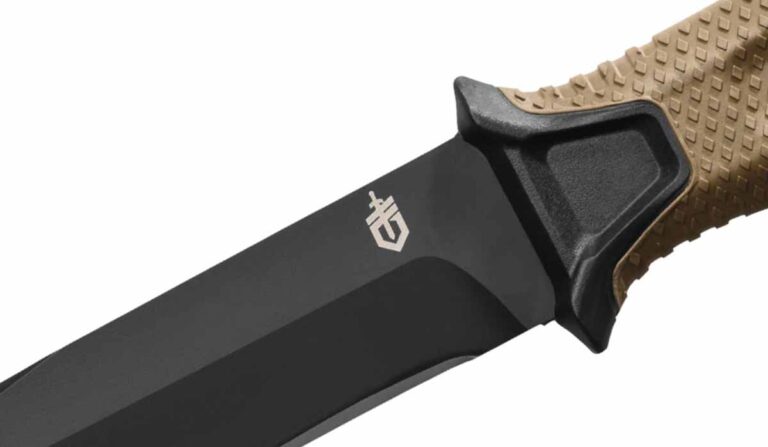
Gerber Legendary Blades, often known as just Gerber among the knife community (not to be confused with the equally legendary makers of fine baby foods and formula), is a name that you’ve probably heard. It’s hard to go into any outdoor store without finding one of its many blades.

But how much do you really know about the company?

Today, we’re going to do a deep dive into this iconic knifemaker that has helped shape the knife industry for so many years. We’re going to cover everything from its history to its new and exciting premium knife offerings, along with all the truly legendary knives it’s released along the way. 

Let’s get started. 

History of Gerber Knives

Cooked Up In The Kitchen

In the early 1900s, the Gerber family began their corporate climb with a simple advertising firm in Portland Oregon. As a promotion, Joseph Gerber sent out 24 sets of handmade kitchen knives to clients during the holidays. 
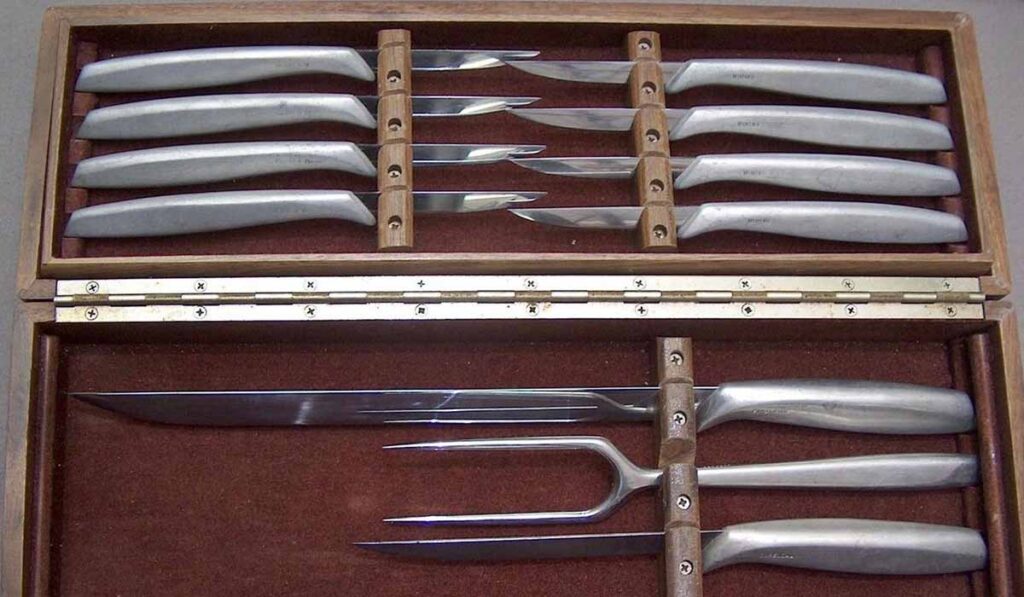
Vintage Gerber Kitchen Knife set
Vintage Gerber Kitchen Knife set. Photo: WorthPoint

These proved so popular that Abercrombie & Fitch, then one of the largest catalog retailers, requested more for its 1939 spring edition. Gerber Legendary Blades was then founded shortly after. 

Originally, Gerber focused on camp, kitchen, and carving knives, and did brisk business around the holidays and wedding season in the spring when many registries included a new kitchen knife set for happy couples. 

Off To War

Following WWII, Gerber expanded its focus and began to work on knives for military contracts, including the now-legendary Mark II fighting knife. Al Mar, a prolific knife designer, added some serrations to the blade allowing it to be marketed as a survival knife as well. 

Since then, the Mark II has been discontinued in favor of the Prodigy and LMF II knives, which are both in service with various militaries. The LMF II in particular currently sees services as an aircraft survival knife. It features a specially insulated handle so that downed pilots can cut their way free of airframes without risk of an electrical shock, even if they have to cut through the fuselage of the aircraft. 
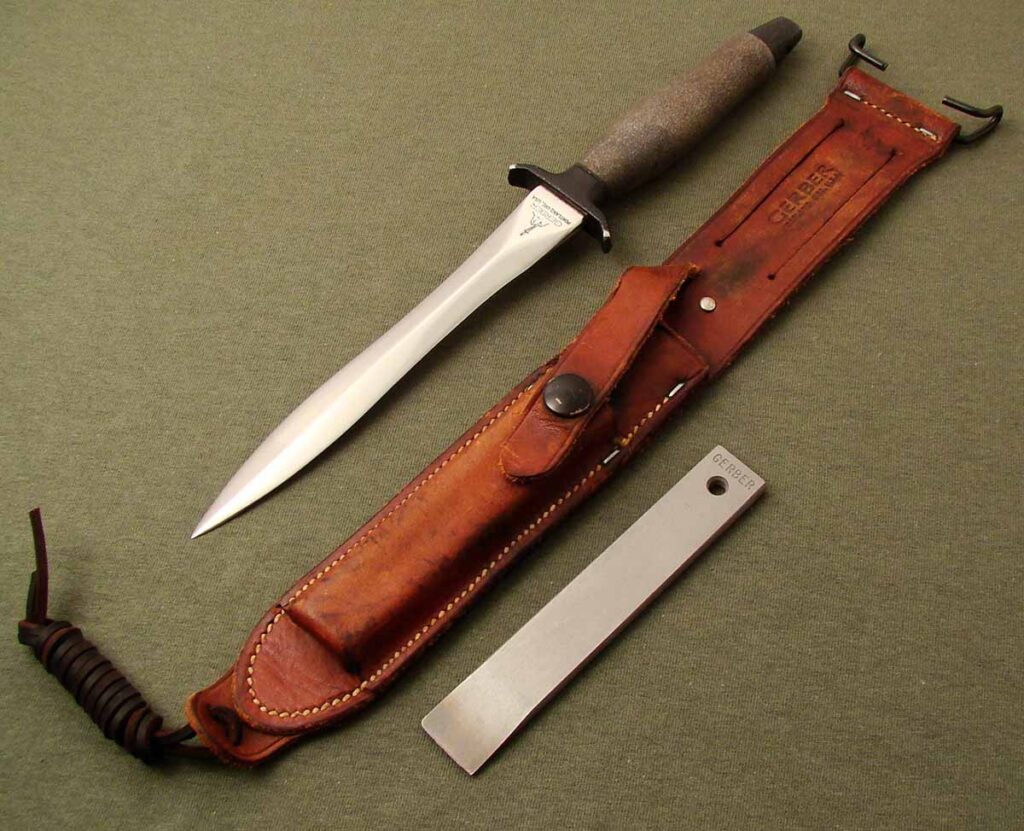
Vietnam Era Gerber Knives Mark II
Vietnam Era Gerber Knives Mark II. Photo: Sharpinvestments.net

Other Gerber knives such as the often-imitated LST lockback folder changed the shape of the knife-making landscape forever. The 06 Auto was, and is, hugely popular with U.S. and NATO forces in the Middle East and has earned a reputation as a tough piece of gear that gets the job done. 

Into Every Niche

Gerber has also collaborated with a wide variety of knife makers and designers, as well as police trainers, special forces operators, and world-class martial artists to design hard-use knives that meet any need in the field. 

One of my personal favorites is Gerber Guardian, a “boot knife” designed by Bob Loveless—the man who popularized the hollow-ground drop-point blade—and is generally considered one of the most innovative knife designers to ever live.
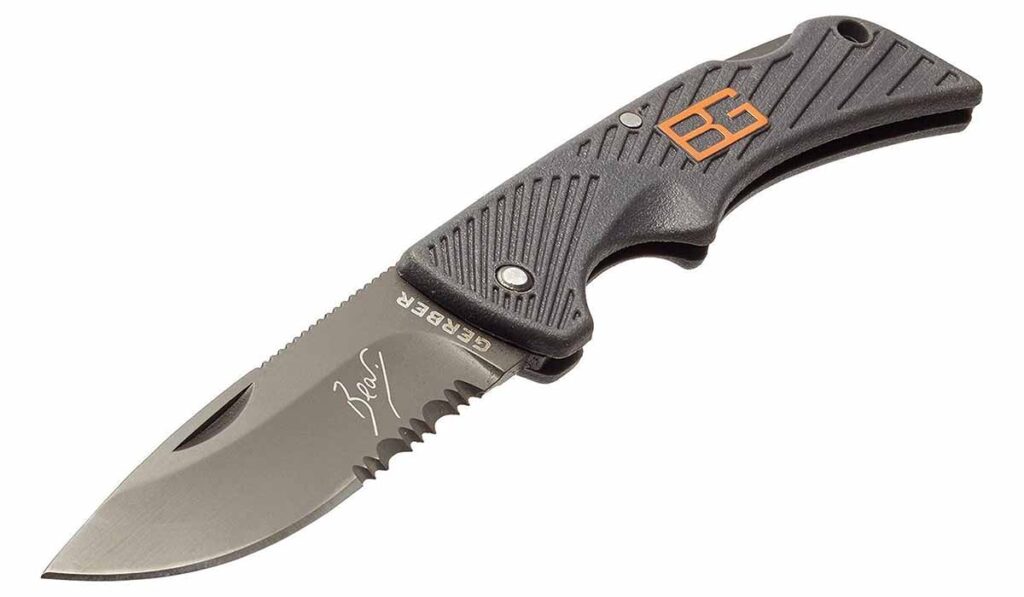
Gerber Bear Grylls compact Scout Knife

Another, now collector’s item, is the River Master, a collaboration with legendary knife maker Blackie Collins. The River Master is an aggressive dive knife designed to cut through fishing lines, nets, vegetation, and other obstacles that can spell doom for a diver—particularly in murky water. 

Blackie Collins, incidentally, gave us the assisted-opening spring mechanism that so very many knives today use, including the 06 FAST, the more budget-friendly, non-automatic version of the 06 Auto. Not to mention he was the founder of a little publication called American Blade (i.e. Blade Magazine).

There’s also the Bear Grylls collection, which includes the top-selling Ultimate Pro knife, which has become somewhat iconic in the years since its release. The original Ultimate was a bit of a flop as Gerber outsourced more of its manufacturing and quality control suffered. 

Thankfully, Gerber has taken things more firmly in hand these days, and while it still offers a variety of very budget-focused “beater” knives, its premium Reserve offerings stand tall with the best of the best in the production knife world today. 

Are Gerber Knives Any Good?

Yes, Gerber knives are good. The company’s more affordable lineup offers great value for the budget-conscious, and their higher-end offerings (particularly the Reserve line) are as good as anything you’ll find in the world of production knives.

Don’t make the mistake of thinking those $7.99 knives on the clearance rack in the camping section of your local big box store are all Gerber has to offer these days. 

The new(ish) Fastball cleaver, the Sedulo, Terracraft, and the now-iconic 06 Auto are all incredible knives I can personally vouch for (we’ll talk more about them later, plus a few other iconic Gerber knives). 

Today, Gerber also remains one of the largest suppliers of knives to the U.S. military and has grown into one of the most respected names in the knife industry. Though owned by Fiskars, a Finnish company also known for great blades, most of Gerber’s best knives are made right here in the US as well.

As a great man in the knife industry has often said, quality is about effort, not geography. But it’s always nice to support the home team, especially when it comes to knives. 

All-Time Greats: Best Gerber Knives to Pay Attention To

06 Auto
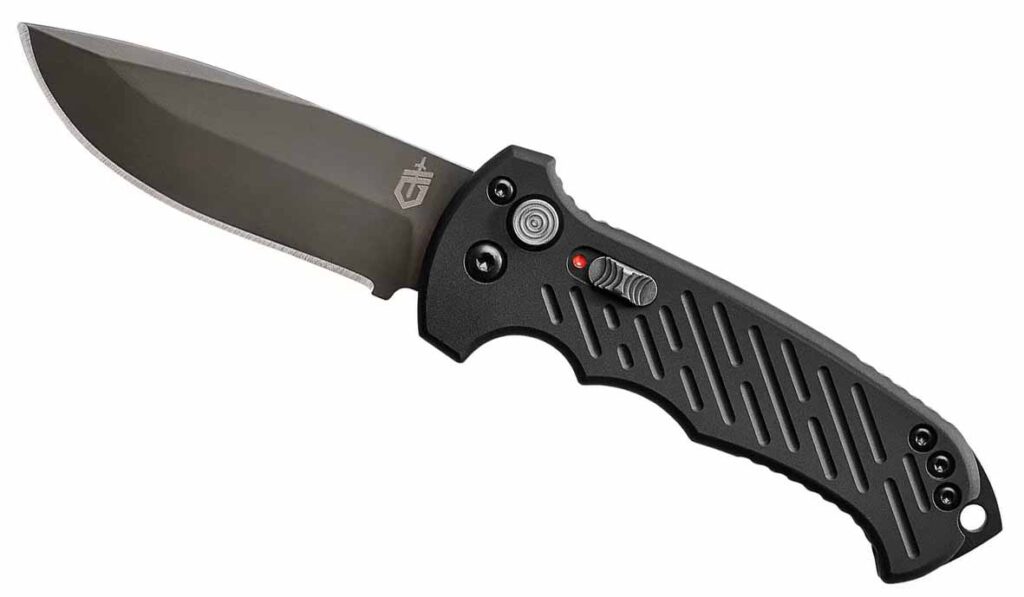
Gerber Knives Auto 06

The Gerber 06 Auto has been a top seller for ten years now and has been a big hit with US forces in Iraq and Afghanistan. This is a knife that has been issued to US forces and flown off the shelves at the PX as well, so it’s safe to say it has the military’s stamp of approval. 

It’s an automatic opening knife, with a 3.6-inch CPM S30V blade. The auto opening and the blade length make it a very useable knife for everything from camp meal prep to self-defense but be sure to check your local regulations before picking one up. 

My time with the 06 Auto has been great, and I’ve used it for all kinds of cutting and sawing tasks around camp and even used it to open a “spam can” of Russian surplus 7.62x54R ammo out in the desert when we absolutely had to have the ammo for a video shoot. 

All in all, a great knife, with a battle-proven pedigree. 

Mark II
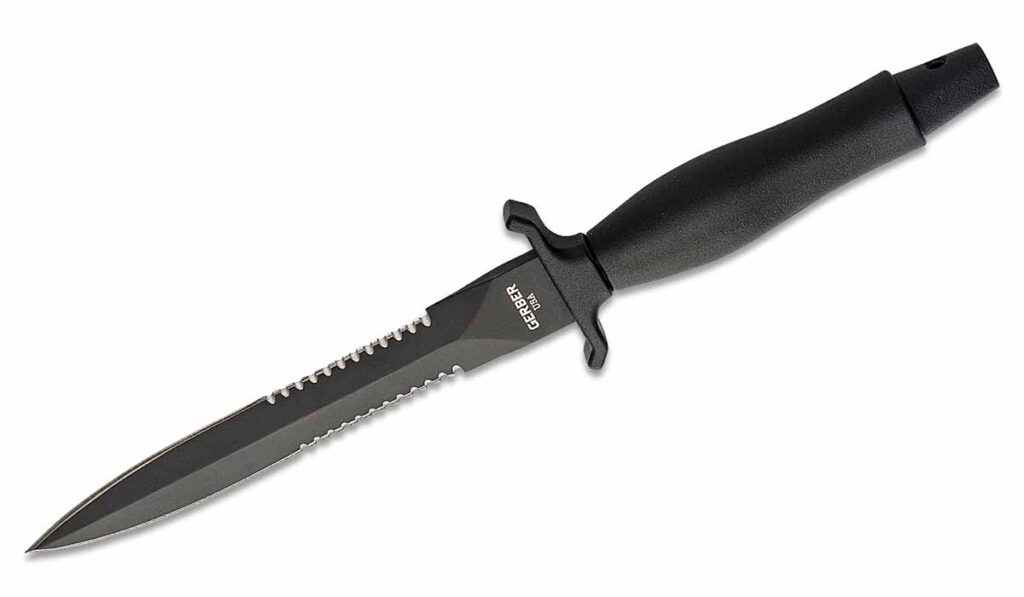
Gerber Mark II

The Mark II was introduced just before the kickoff of the American involvement in Vietnam and is one of the most popular knives around. It features a 6.6-inch 420HC double-edged blade with a black oxide coating. It also features serrations on both sides near the handle, giving it its iconic look.

It was originally conceived as a fighting knife by Captain Bud Holzmann, who based the design on a Roman Gladius, specifically the Mainz Gladius, which is a very famous example of the Roman blade that was found in the Mainz River. 

The knife overall takes some cues from the Fairbairn-Sykes fighting knife issued to British commandos and was the second-most commonly carried knife by American Troops in Vietnam, only behind the iconic Ka-Bar. 

The knife has also been quite famously featured in films like The Road Warrior as the knife carried by Max himself, in Aliens (the cafeteria scene), in the excellent knife fight scene in Captain America: Winter Soldier, and in the bananas knife fight scene at the end of Under Siege with Stephen Seagal. 

LMF II Infantry 
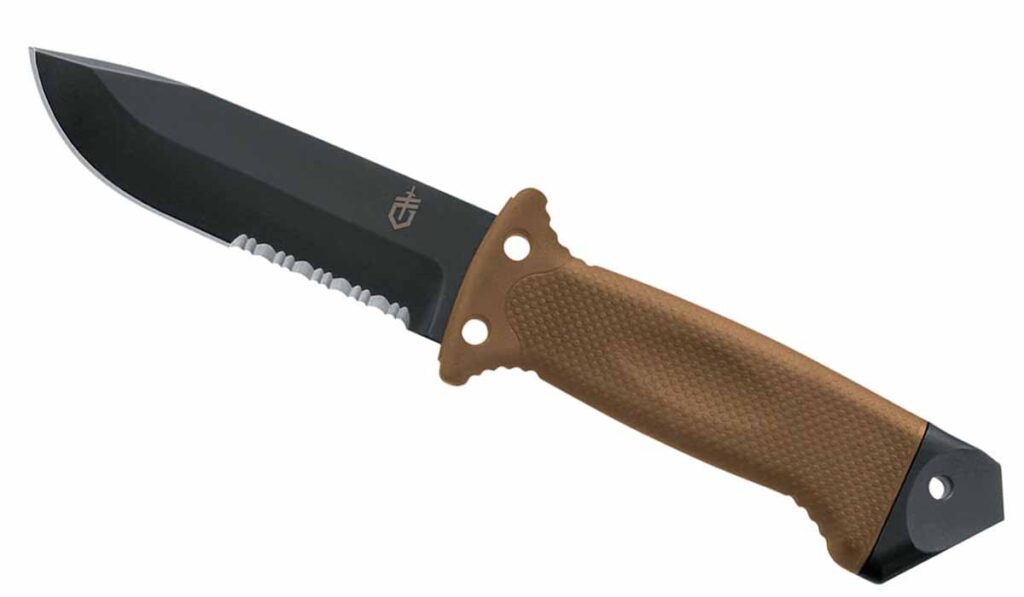
Gerber Knives LMF II Infantry

Currently, the LMF II Infantry is Gerber’s primary tactical fixed blade, and a great option if you need something robust that can be used in the field for just about anything from camp tasks to self-defense (or offense, if you have a profession that sends you into dangerous situations on purpose).  

The blade is 4.84 inches of 420HC stainless with a full tang and a striker pommel that can be used for pounding tent stakes, breaking glass, or whatever other tactical shenanigans you need a striking tool for. 

It also has partial serrations near the guard to allow for quick work sawing tasks, especially if you need to cut rope or thin lengths of wood in a hurry. Or use it to saw open a can because Kevin forgot the can opener. 

The ASEK version has an insulated handle and a partial tang, so it’s less suited for civilian tasks like processing firewood or what have you, but better for say, cutting your way out of a downed aircraft. 

Unless you’re a bush pilot, or cutting copper out of drywall for totally legal and normal reasons, the regular AESK is probably the better option for most folks.

Sedulo
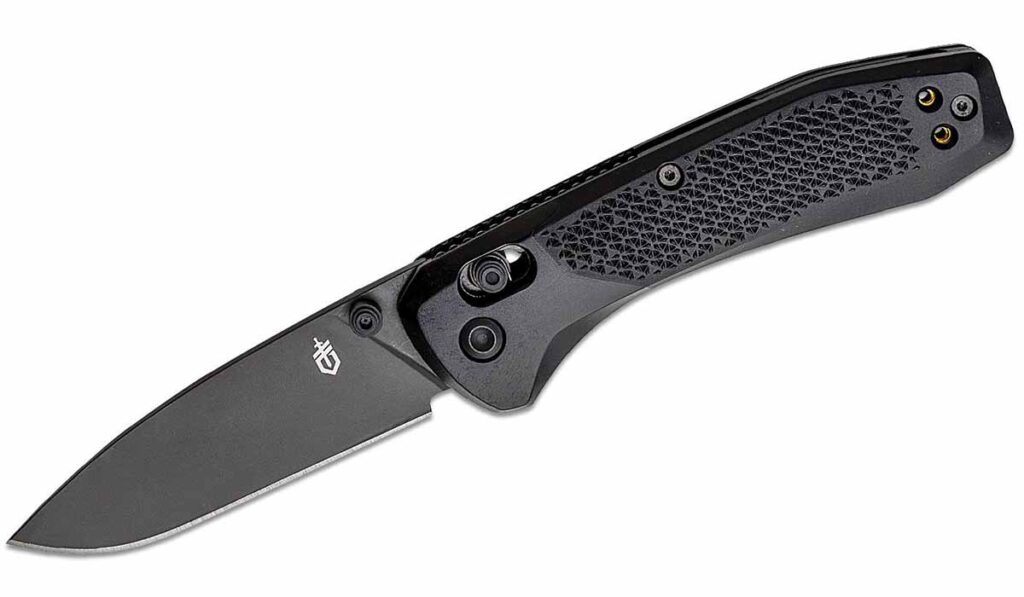
Gerber Sedulo

The Sedulo is a new favorite among Gerber fans, and it takes a bit of inspiration from another insanely popular knife, the Benchmade Bugout, including Gerber’s version of Benchmade’s Axis lock (called the Pivot Lock). 

The basic version retails for less than the Bugout and features a reversible deep-carry pocket clip, a textured FRN handle, and a 3.4-inch CPM S30V stainless blade. That blade length is uncontroversially under 3.5 inches, which is a key cut-off point in many areas in terms of what you can carry, by the way. 

Gerber hasn’t reinvented the wheel here, but they have produced a rock-solid EDC knife with all the modern features we’d expect and is made in America, at a price that won’t lead to any tears when it’s time to whip the debit or credit card out. 

All in all, the knife is something worth paying attention to and a promising direction for the company.

Fastball Cleaver
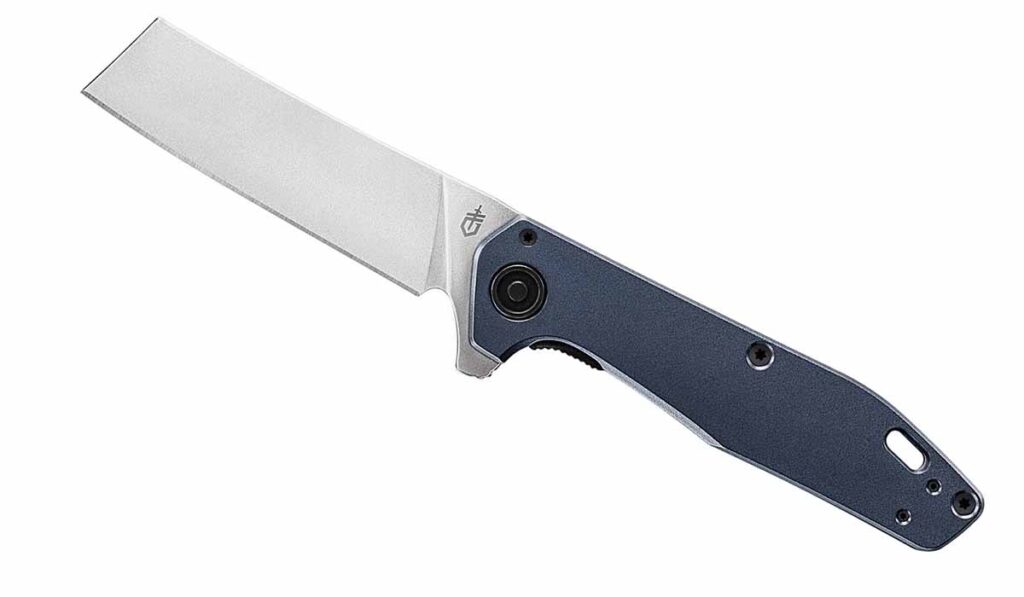
Gerber Fastball Cleaver

The Fastball is a great knife, but for me (and everyone I could find in an informal inter-office survey of about 20 people) the Cleaver version is just superior. 

It features a ball-bearing action with a precision detent and a robust liner lock mechanism that works well. The real highlight is the hefty 3-inch cleaver-style blade is it’s great for regular EDC tasks, camp kitchen prep, and anything else you can think of. 

The blade is ground very flat and relatively thin at just .11 inches, making it an incredibly good slicer, as well as something you can depend on for relatively detailed work despite the .88-inch blade width. That hefty cleaver profile helps with quite a few tasks and is surprisingly useful for opening packages and such as well.

The 20CV steel is a great choice as well, as it sharpens well while also holding an edge for quite a while. In testing, it held an edge about twice as long as 440C. While more prone to edge damage, it held an edge longer than M390 as well (another incredibly prolific and popular EDC steel). 

Terracraft
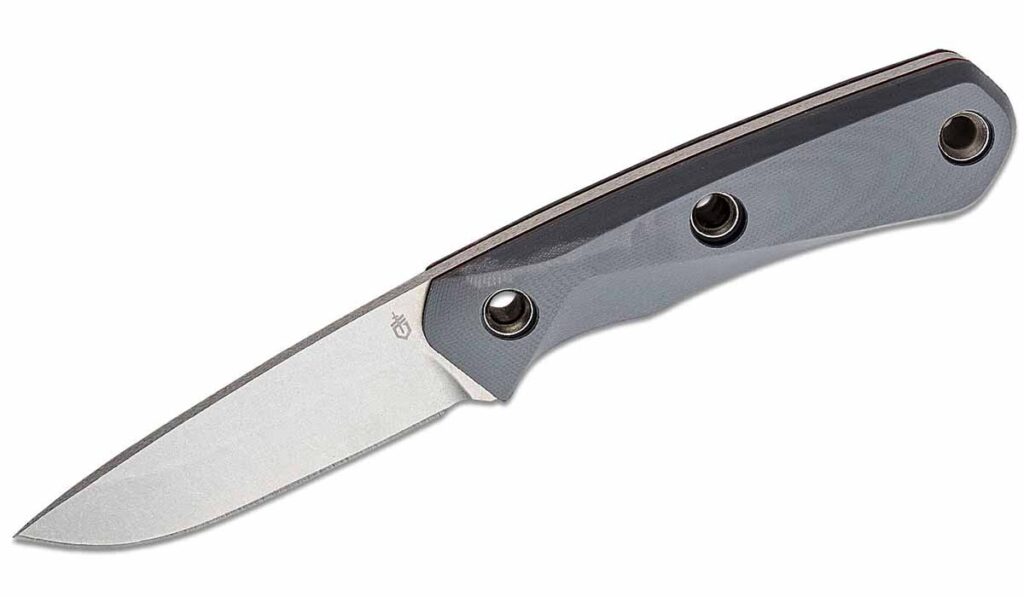
Gerber Terracraft

Bushcrafters, survivalists, and wilderness enthusiasts, this one is for you. The Terracraft, along with the Sedulo, is part of Gerber’s new Reserve lineup. The Reserve label is, well, reserved for their premium, American-made offerings. 

The Terracraft features a CPM S30V blade that has a thick drop point profile, and a 90-degree spine for easy fire starting with a ferro rod. The handle is a beautifully contoured G10 that is sculpted to provide maximum grip even with wet or gloved hands. 

If you’re out in the woods a lot and need a fixed blade, the Terracraft is a phenomenal option, especially if you’re a backcountry hunter, bushcrafter, or just like being able to do everything with just one knife.

Empower
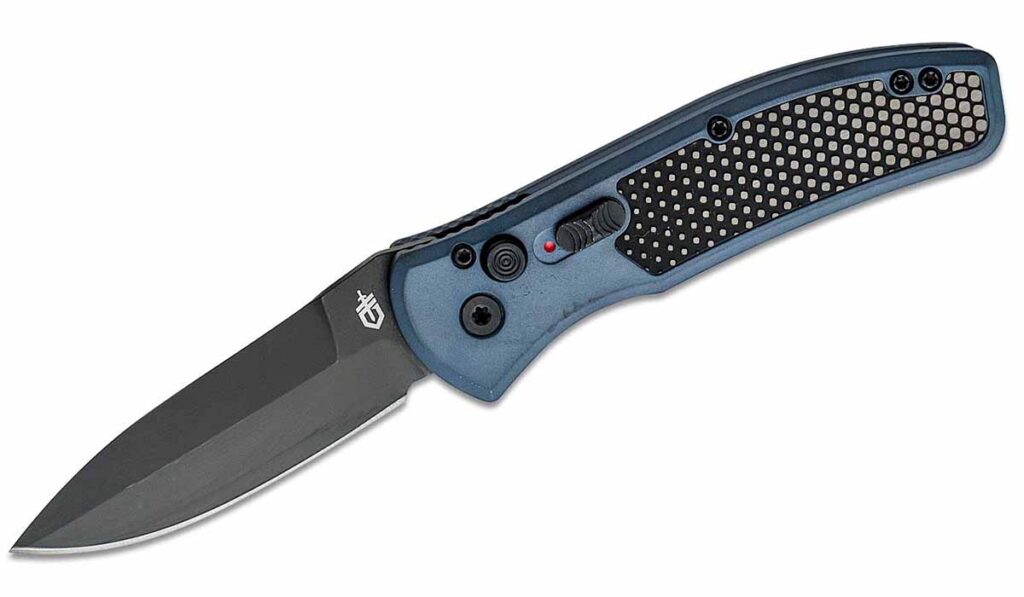
Gerber Knives Empower

The Empower is another great EDC knife that fits in the same general niche as the regular Fastball. It has a 3.25-inch S30V blade with a black oxide coating that gives it a more tactical look than the Fastball. 

The Armored Grip handles are very high-friction and perfect for use with gloves or wet hands. The rest of the handle is coated with a Type III hard anodization that will stand up to hard use, or to years of riding around in a pocket. 

Like all of Gerber’s US-made stuff, it has a lifetime warranty as well, so you know you’re covered if anything does go wrong, which is always great to know.

River Master (Blackie Collins Clip Lock)
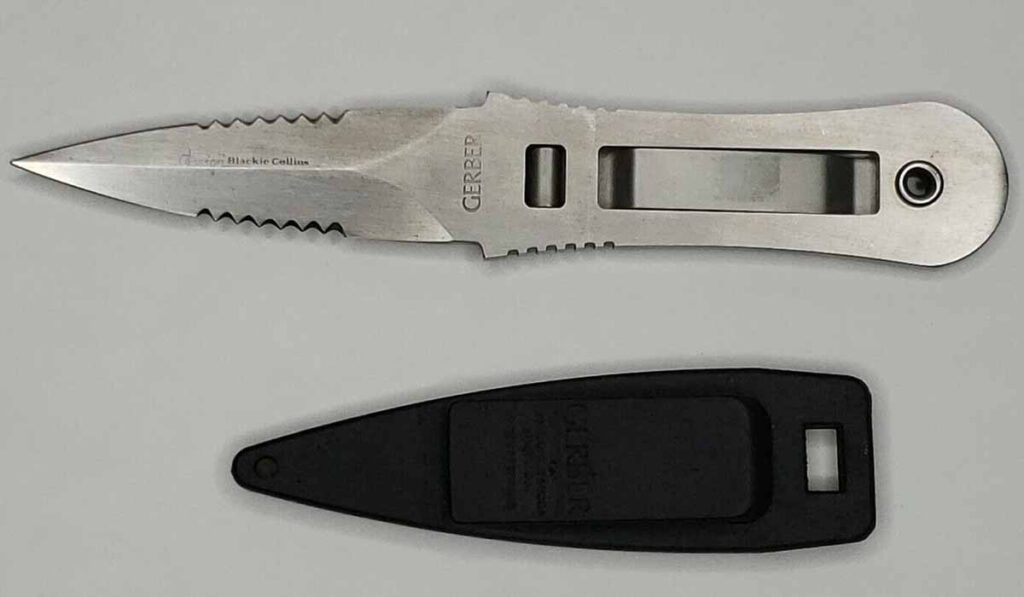
Gerber River Master

Alright, so technically Blackie Collins helped this publication, but I promise that’s not why his knife is on the list. The man had around 100 knife mechanism and design patents and is the inventor of the assisted opening mechanism that so many folding knives use today.
Having said that, I’m including the River Master on here because 1) It’s a great knife and 2) Blackie passed in 2011 and the knife was discontinued so there’s not really a conflict of interest here, and 3) I was stealing my dad’s River Master out of the tackle box 15 years ago before I ever worked here or heard of the guy. I just knew it was a great knife. 

The River Master is a dive-style fixed blade with a handle that is all one piece of stainless so there’s very little chance of anything breaking, or of rust hiding in a gap under a scale or anything like that.

If you’re looking for a classic dive knife, the Clip Lock, specifically the River Master, is a great one to search for on the secondary market. 

Final Verdict on Gerber Knives

Gerber is a name you’d probably already heard of before you opened this article, but you may not have known much about it. Hopefully, we’ve rectified that and opened your eyes to some of the great knives from this industry giant. 

More Gerber Knives:

Work Sharp Rolling Knife Sharpener A Smooth Operator

1

The dynamic system offers a host of advantages to knife sharpening.

Where do you need a sharpener most? Chew on it a bit. Unless you’re a professional wood carver or mending fishing nets is part of your gig, most of us dull our knives puttering around the kitchen. Be it chicken bones or pepper skins, the sheer amount of time a majority of us spend on culinary pursuits our food prep knocks the edge off our most utilized knives.

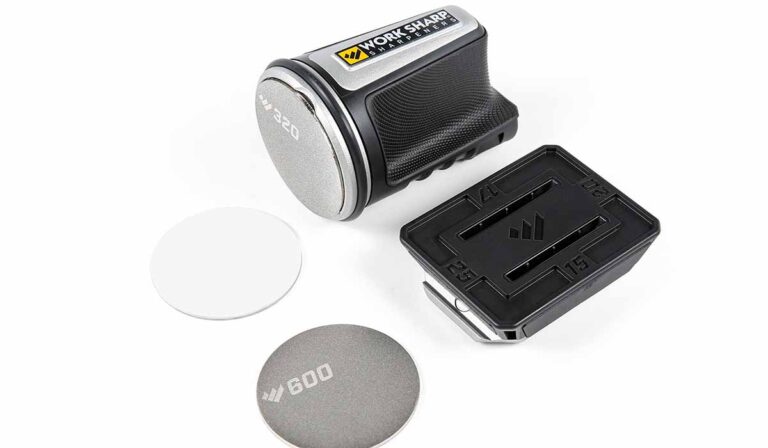
Recently expanding its kitchen sharpening collection, Work Sharp cobbled together an intriguing system to keep galley cutlery at its best.Dubbed the Rolling Knife Sharpener, the manually operated sharpener is designed to take the guesswork out of applying an edge to whatever kitchen knife requires honing—and likely more.

Rolling Knife Sharpener System

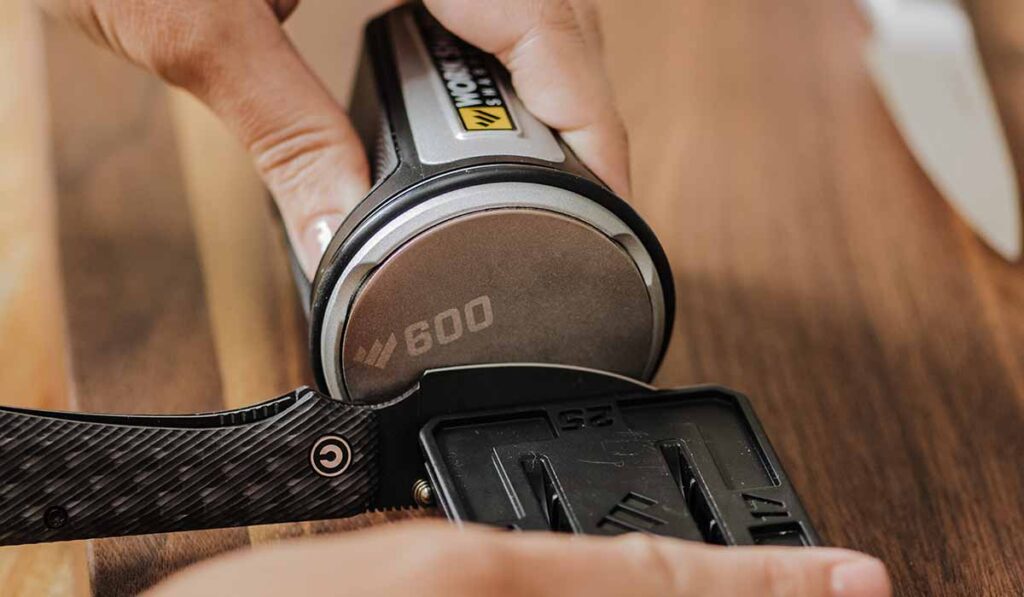
The Rolling Knife Sharpener system has two main components, a magnetic angle block and a rolling sharpener. As it suggests, the block has preset angles for the most common edges found— 15, 17,20, and 25 degrees—making it function on everything from common stainless steel to the acute edges found on Japanese chef’s knives. The roller holds the rotating 2.5-inch abrasive heads, with three grit sizes shipped along with the unit—a course 320 diamond grit, a find 600 diamond grit, and a ceramic polishing head. To use the system, the knife is attached to correct angle is found in the block, then the abrasive head is placed on the edge, from there it’s simply a matter of rolling the sharpener forward while maintaining contact with the knife.

Straightforward as it may sound, it’s a rather ingenious procedure. First off, given the sharpening surface is dynamic it ensures constant contact with the edge, always at the proper angle. Those who prefer the long and swooping bellies of traditional chef’s knives know, maintaining both facets proves tricky on each stroke. However, there’s another subtle feature at play in the Rolling Knife Sharpener—the entire length of the edge is honed with a fresh abrasive surface. Outside of Work Sharp’s belt-based sharpening system, there are few sharpeners that have this ability, which makes sharpening quicker and more precise, as well as extends the life of the abrasive itself. Pretty slick.

Rolling Knife Sharpener Work Sharp

Final Cut

Honestly, sharpener seems like a whizz for most kitchen implements and other medium and large blades. Additionally, might be just what the doctor ordered for a more exotic blade style. Potentially, kukri owners might find it a godsend. But the Rolling Knife Sharpener does seem have its limitations.

Given its size, the unit is going to live in your kitchen or workshop—it’s certainly not designed for the field and needs a uniform surface to do its job properly. Furthermore, it could prove a bit tricky to get the most out of it with your smaller blades. Could it touch up a spey blade on a pocketknife? Absolutely. But it might be a bit awkward.

At present, Work Sharp has the Rolling Knife Sharpener listed at $149.95 on its website, which puts it toward to tonier end of its catalog. For folks who always want to keep their edge—in the kitchen and out—that might prove a small price.

For more information, please visit worksharptools.com.

Check Out More Buyer’s Guides:

Bevy Of Drool-Inducing New Blades

0

We round up a dozen dazzlers that are certain to make your wish list grow.

One thing nobody has ever said: “I have enough knives.” In that sprite, we’ve gathered up a ton of new knives that have hit the market in recent months, each one sharp as a razor in looks and function.

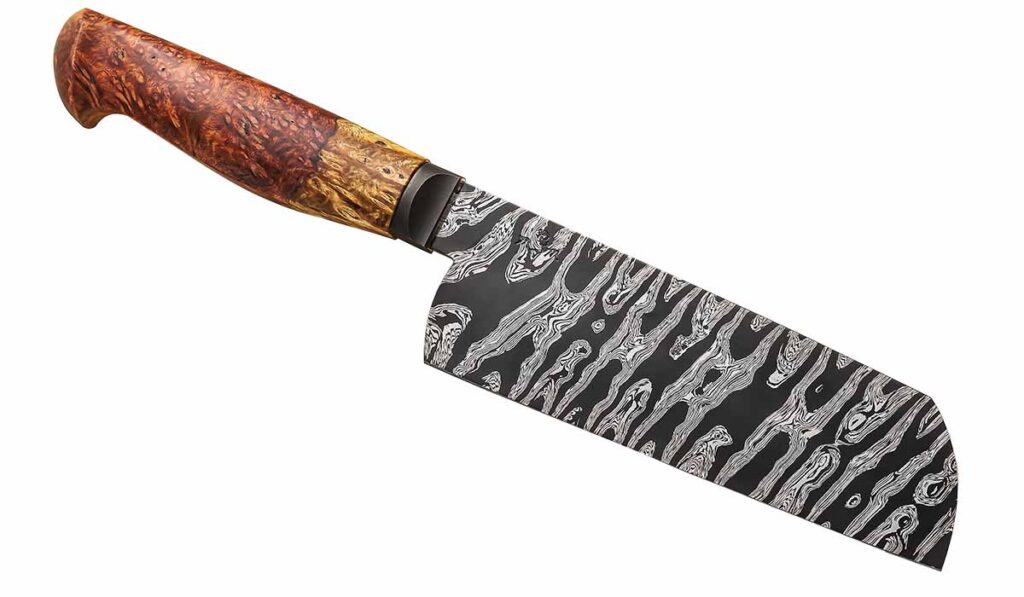
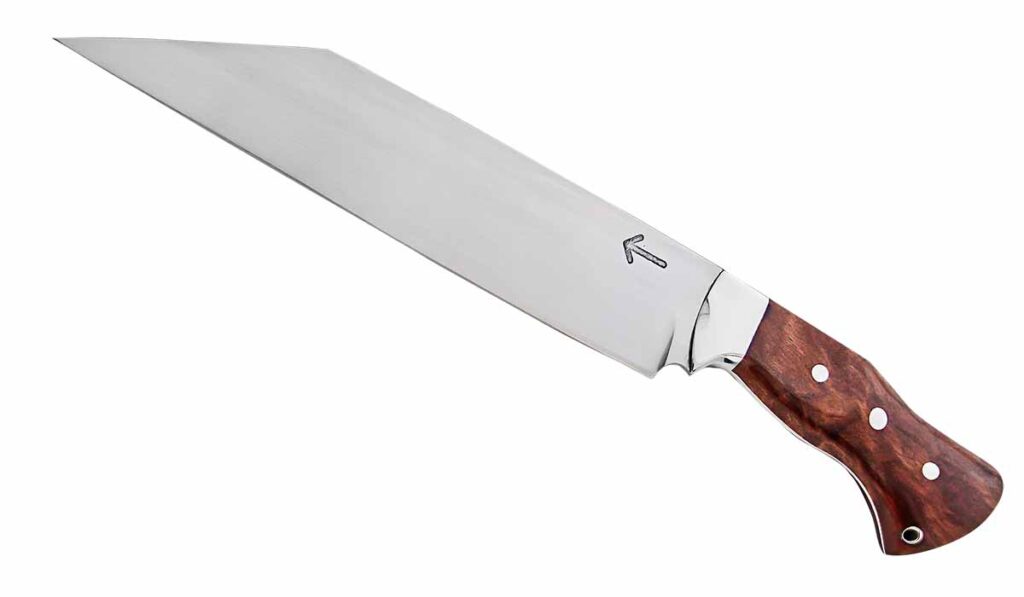
Maverick Knives Cleaver

Maverik Knives Cleaver

KNIFE TYPE: Cleaver
BLADE LENGTH: 6.5”
BLADE MATERIAL: 1084 carbon and 15N20 nickel-alloy steels in a zebra-twist damascus pattern
BLADE GRIND: Flat w/convex edge
BLADE AT THICKEST: .135”
HANDLE MATERIAL: Amboyna burl
BOLSTER: Antiqued bronze
OVERALL LENGTH: 12”
KNIFE TO KNOW: Maverik Murdock is an ABS apprentice smith
MAKER’S PRICE FOR A SIMILAR KNIFE: $1,400
MAKER: Maverik Knives (SharpByCoop image)


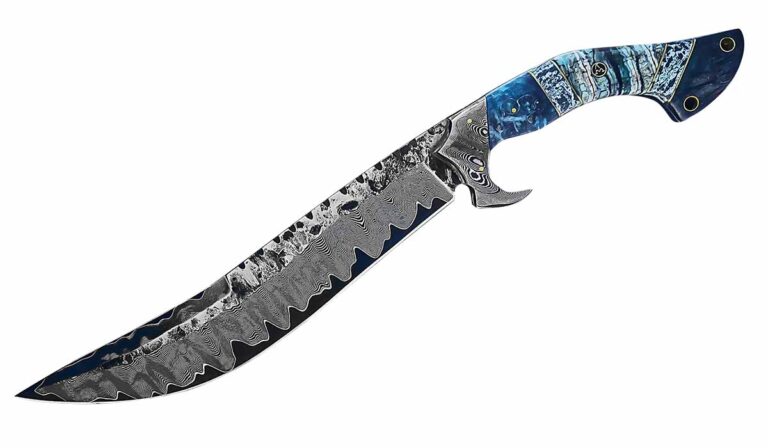
S.K.MO Knives Fi

S.K.MO Knives Fi

KNIFE TYPE: Fixed blade
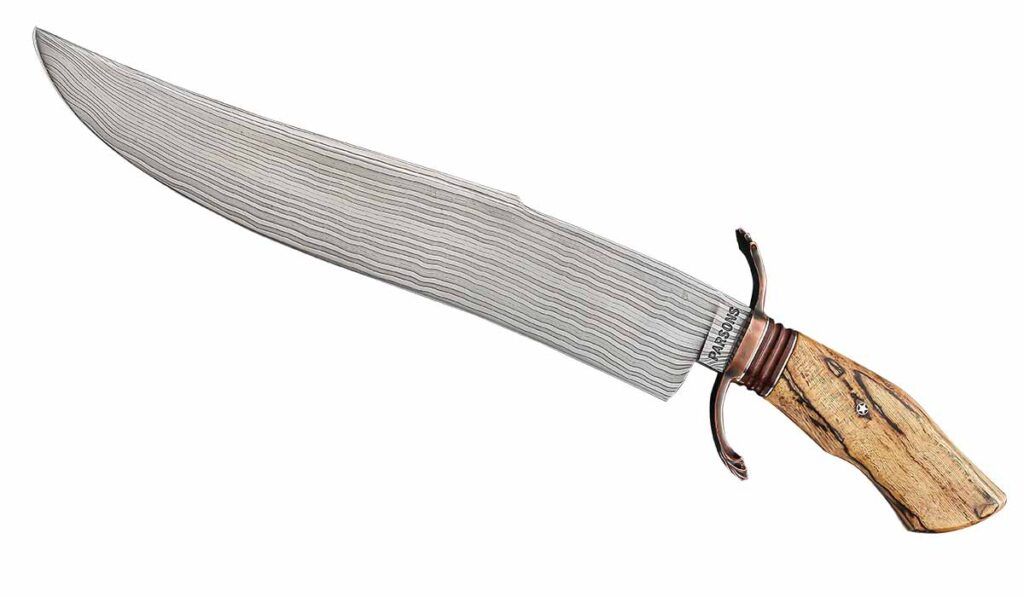
BLADE LENGTH: 13.25”
BLADE MATERIAL: Canister damascus of 1095 powder and nails
BLADE PATTERN: Harpoon
HANDLE MATERIAL: Black palm and water buffalo horn w/nickel spacers and star pin
GUARD/BOLSTER: Stainless steel
OVERALL LENGTH: 17.75”
KNIFE TO KNOW: S-guard and dropped-handle designs
MAKER: S.K.MO Knives (SharpByCoop image)


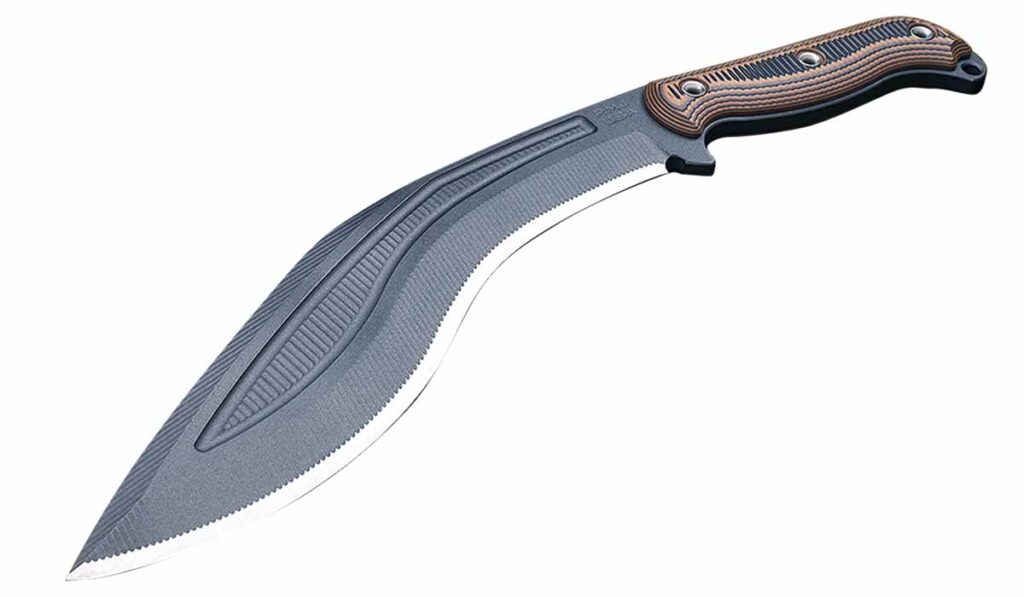
RMJ Tactical Kukri

RMJ Tactical Kukri

KNIFE TYPE: Kukri
BLADE LENGTH: 10.5”
BLADE MATERIAL: 80CrV2 carbon steel
ROCKWELL HARDNESS: 57-58 HRC
BLADE AT THICKEST: .27”
BLADE FINISH: Tungsten Cerakote®
HANDLE MATERIAL: 3D-machined G-10
CONSTRUCTION: Full tang
WEIGHT: 24 ozs.
OVERALL LENGTH: 15.5”
SHEATH: Molded Kydex w/low-ride M.O.C. straps
COUNTRY OF ORIGIN: U.S.A.
MSRP: $550
COMPANY: RMJ Tactical


Francois Mazieres Viking/Nordic Seax

Francois Mazieres Viking/Nordic Seax

KNIFE NAME: Viking/Nordic seax
KNIFE TYPE: Fixed blade
BLADE LENGTH: 9.33”
BLADE MATERIAL: Sup9 by Jake Mantel/Firepants Fabrication, w/proximal and distal tapers
BLADE GRIND: Flat; secondary bevel w/convex edge
BLADE AT THICKEST: .177”
HANDLE MATERIAL: Stabilized, Northern-Territory-grown, figured coolabah wood
OVERALL LENGTH: 14.96”
MAKER’S PRICE FOR A SIMILAR KNIFE: $500
KNIFE TO KNOW: Francois Mazieres is an ABS apprentice smith and a member of both the Australian Knifemakers Guild and The Knifemakers’ Guild
MAKER: Yandiwa (Rod Hoare image)


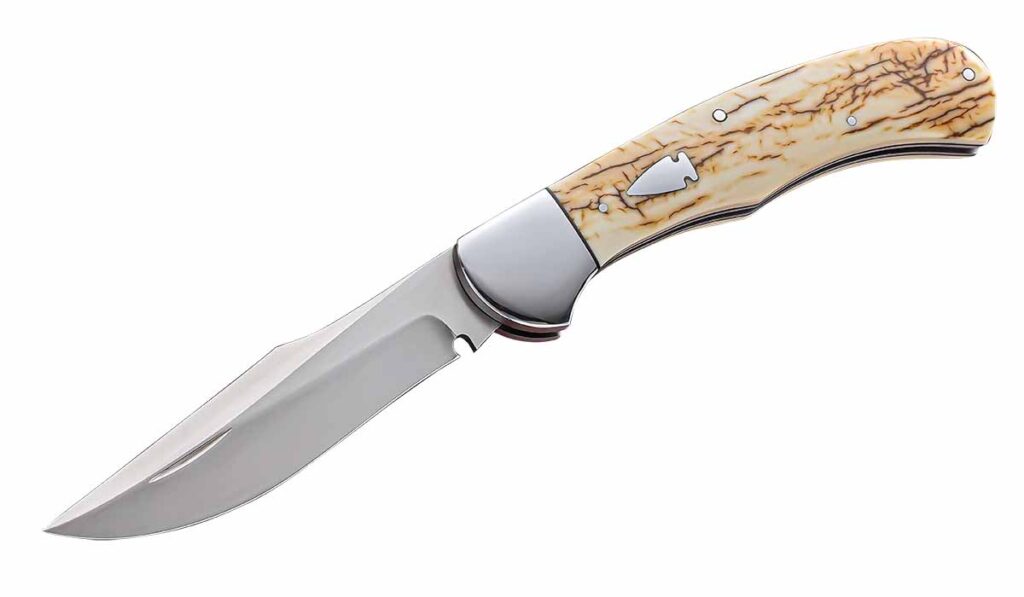
Tobin Hill Comanche

Tobin Hill Comanche

KNIFE NAME: Comanche
KNIFE TYPE: Folder
BLADE LENGTH: 3.75”
BLADE STEEL: CPM 154 stainless
BLADE GRIND: Hollow
HANDLE MATERIAL: Ancient mammoth ivory
GUARD/BOLSTER: 410 stainless
CLOSED LENGTH: 4.75”
KNIFE TO KNOW: The knife is a collaboration between Tobin Hill and ABS master smith Jason Knight
MAKERS’ PRICE FOR A SIMILAR KNIFE: $3,500
CONTACT: Tobin Hill (SharpByCoop image)


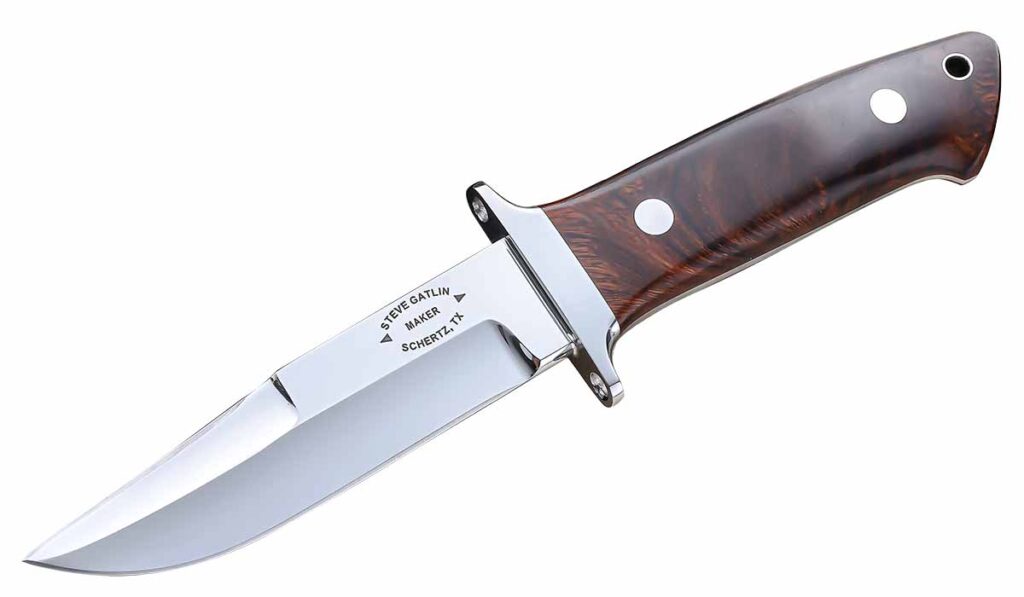
Steve Gatlin Chute

Steve Gatlin Chute

KNIFE NAME: Chute
KNIFE TYPE: Fixed blade
BLADE LENGTH: 4.5”
BLADE STEEL: CPM 154 stainless
BLADE GRIND: Hollow
BLADE FINISH: Mirror polish
HANDLE MATERIAL: Desert ironwood w/red liners
GUARD/BOLSTER: 416 stainless
OVERALL LENGTH: 9.125”
SHEATH: Custom made of leather
MAKER’S PRICE FOR A SIMILAR KNIFE: $1,400
MAKER: Steve Gatlin, (SharpByCoop image)


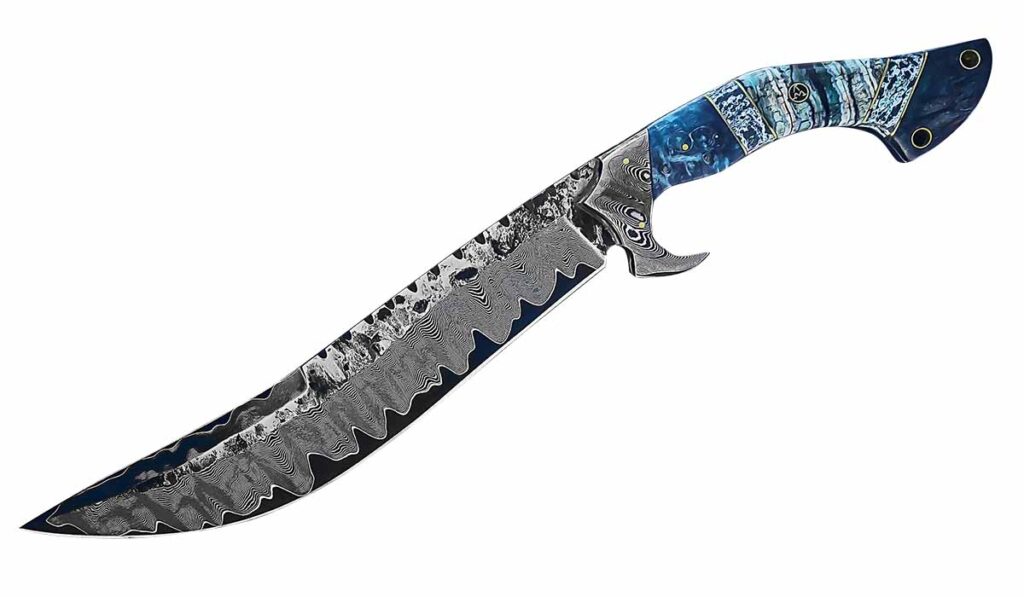
Allen Matthew Custom Knives Bushman's Knife

Allen Matthew Custom Knives Bushman’s Knife

MODEL NAME: Bushman’s Knife
KNIFE TYPE: Fixed blade
BLADE LENGTH: 12”
BLADE MATERIAL: 1095 carbon and 15N20 nickel-alloy steels in a damascus-clad san-mai construction
HANDLE MATERIAL: Ancient mammoth molar tooth w/stabilized and dyed amboyna burl and yoskizaki; Starmascus glow in the dark spacers & brass highlights
GUARD/BOLSTER: Damascus
OVERALL LENGTH: 19”
KNIFE TO KNOW: Bulldog Damascus forged the blade material
MAKER’S PRICE FOR A SIMILAR KNIFE: $2,300
MAKER: Allen Matthew Custom Knives (Rod Hoare image)


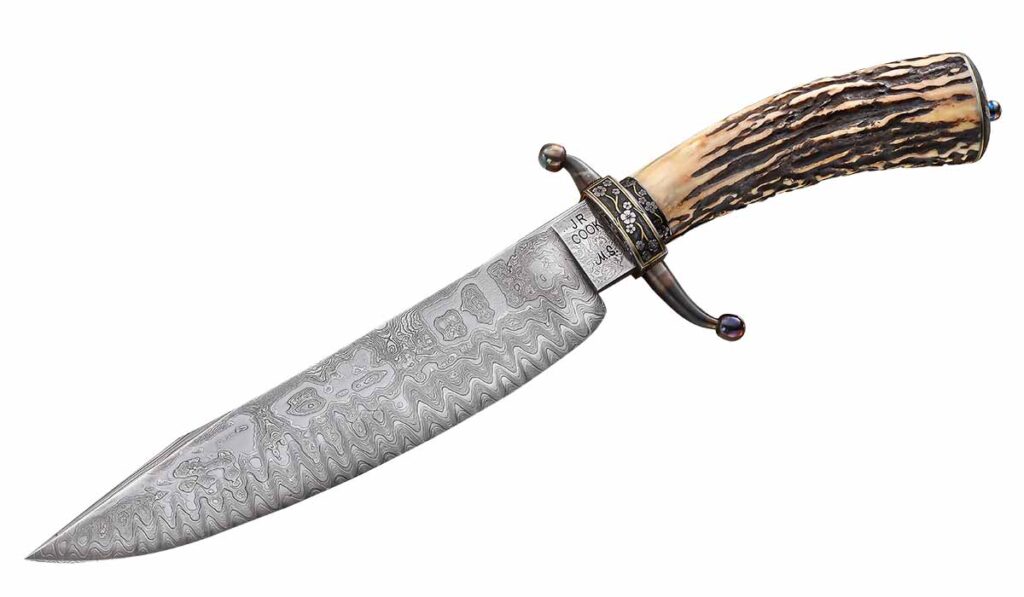
J.R. Cook Vaquero

J.R. Cook Vaquero

KNIFE NAME: Vaquero
BLADE LENGTH: 8”
BLADE MATERIAL: Damascus steel in a wolf-tooth pattern
HANDLE MATERIAL: Stag
FITTINGS: 416 stainless steel engraved in 24k gold by J.R. Cook
OVERALL LENGTH: 10.25”
SHEATH: Custom-fitted, tooled-leather belt model
KNIFE TO KNOW: The knife is sole authored; J.R. Cook is an ABS master smith and a past Arkansas Living Treasure
MAKER’S PRICE FOR A SIMILAR KNIFE: $6,200
MAKER: J.R. Cook (SharpByCoop image)


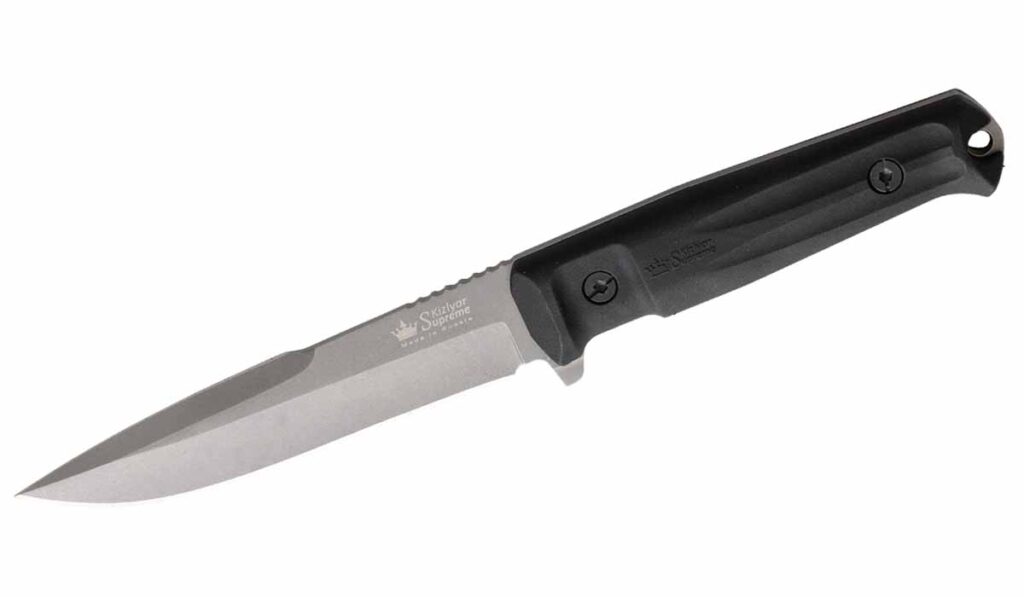
Kizlyar Supreme Delta AUS8 Black Titanium

Kizlyar Supreme Delta AUS8 Black Titanium

KNIFE NAME: Delta AUS8 Black Titanium
KNIFE TYPE: Tactical fixed blade
BLADE LENGTH: 6”
BLADE MATERIAL: AUS8 stainless steel
BLADE GRIND: Hollow
BLADE THICKNESS At GUARD: .185”
BLADE PATTERN: Harpoon
HANDLE MATERIAL: Contoured black Kraton/ABS synthetic w/lanyard hole
CONSTRUCTION: Full tang
OVERALL LENGTH: 11.1”
SHEATH: MOLLE compatible w/three-point locking system
KNIFE TO KNOW: Integral single guard, finger traction ridges on blade spine
COUNTRY OF ORIGIN: Russia
MSRP: $149
COMPANY: Kizlyar Supreme


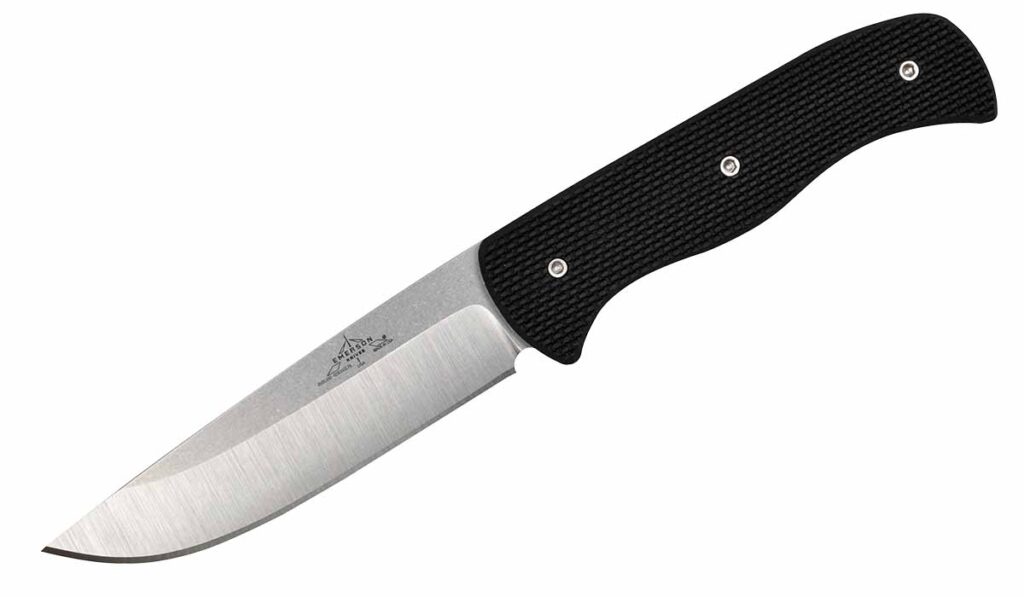
Emerson Knives Overland Renegade

Emerson Knives Overland Renegade

KNIFE NAME: Overland Renegade
KNIFE TYPE: Fixed blade
BLADE LENGTH: 4.3”
BLADE STEEL: 154CM stainless
ROCKWELL HARDNESS: 57-59 HRC
BLADE GRIND: Conventional “V”
BLADE AT THICKEST: .125”
BLADE FINISH: Stonewashed
HANDLE MATERIAL: Black G-10 (also in Richlite)
OVERALL LENGTH: 9”
KNIFE TO KNOW: The Renegade is also available in a folding configuration
COUNTRY OF ORIGIN: U.S.A.
MSRP: $262.95
COMPANY: Emerson Knives


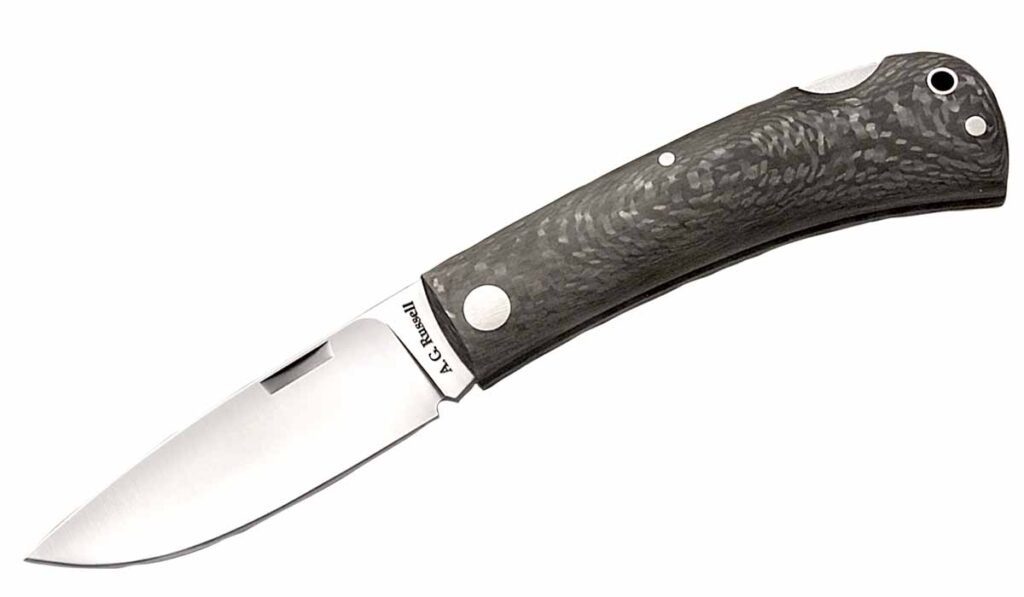
A.G. Russell Knives Skinny Brute

A.G. Russell Knives Skinny Brute

KNIFE NAME: Skinny Brute
KNIFE TYPE: Utility folder
BLADE LENGTH: 3.25”
BLADE STEEL: CPM S35VN stainless
BLADE GRIND: Flat
BLADE PATTERN: Drop point
BLADE FINISH: Satin
HANDLE MATERIAL: Carbon fiber (also comes in green G-10)
POCKET CLIP: None
LOCK: Lockback
CLOSED LENGTH: 41/8”
KNIFE TO KNOW: The knife is an update from the original released in the 1970s; the handle is a “skinny” linerless design that is just over .5” thick at the center swell
COUNTRY OF ORIGIN: China
MSRP: $135 ($99 in green G-10)
COMPANY: A.G. Russell Knives


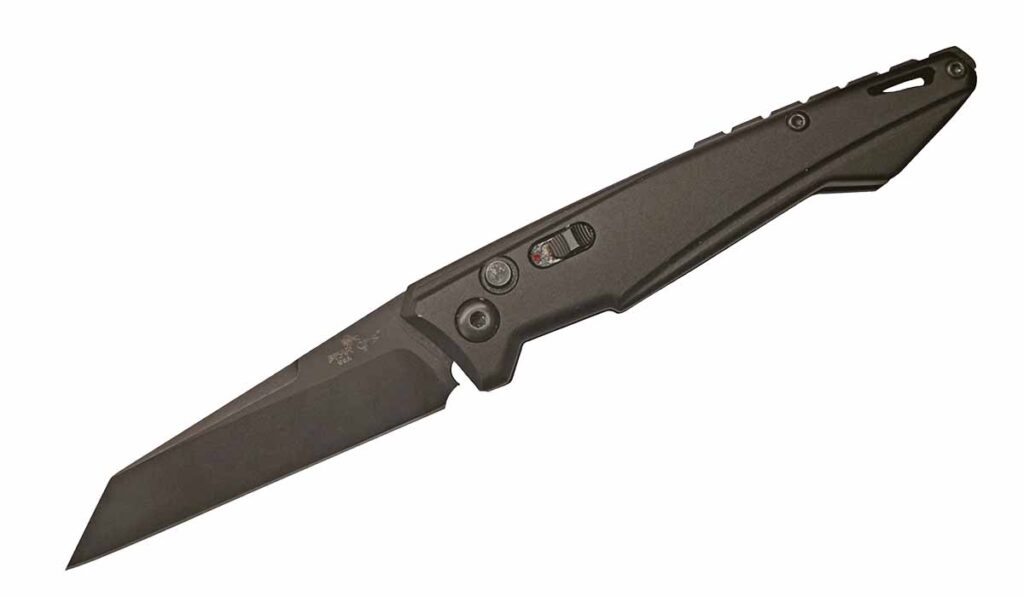
Bear & Son Cutlery Auto Bold Action XV

Bear & Son Cutlery Auto Bold Action XV

KNIFE NAME: Auto Bold Action XV
KNIFE TYPE: Automatic folder
BLADE LENGTH: 31/8”
BLADE STEEL: Sandvik 14C28N stainless
ROCKWELL HARDNESS: 58-60 HRC
BLADE GRIND: Hollow
BLADE PATTERN: Reverse tanto
BLADE FINISH: Black
HANDLE MATERIAL: Black aluminum
POCKET CLIP: Carries blade tip up
LOCK: Lock safety
WEIGHT: 2.6 ozs.
CLOSED LENGTH: 4.5”
KNIFE TO KNOW: Ball-bearing pivot; safety lock switch just below the push button opener
COUNTRY OF ORIGIN: U.S.A.
MSRP: $179.99
COMPANY: Bear & Son Cutlery

Check Out More Cool Custom Knives:

What Defines The Best Custom Hunting Knives?

What to look for in a custom hunting knife and some sharp examples.

For outdoorsmen, a knife of some kind is almost a constant companion. Most carry a knife that falls into the category of a hunter.

The Merriam-Webster Dictionary defines hunting knife as a large, stout knife used to skin and process game. When I started judging custom knife competitions at knife shows 30 years ago, the category with the greatest number of entries was always the hunter. Why? Because there are so many interpretations of what a hunting knife is. Often the judges refer to their own experience using knives in the category. Entries generally range in blade length from 2.5 to 5 inches. I have seen knives entered in the category with 10-inch blades.

Blade Lengths

Blade lengths are often designed to process a particular bird or animal. Smaller blades in the 2.5-to-3-inch range are primarily used for dressing birds. The short blade length allows the hunter to quickly extract the bird’s breast meat. The most common blade length is 4 to 4.5 inches, a length that will dress out most game hunted regularly in North America. The dropped hunter/drop-point hunter designed by BLADE Magazine Cutlery Hall-Of-Fame® member Bob Loveless (page 26) is the world’s most copied hunting knife. The standard Loveless drop point features a 4-inch blade.


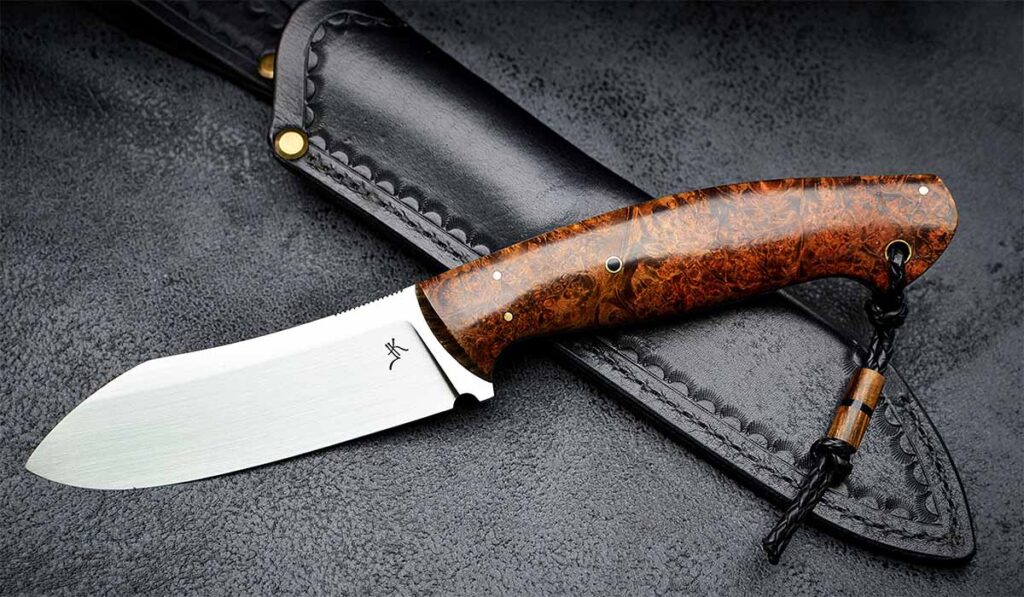
Custom Hunter Kuberski-Nessmuk-Hunter
One of the more popular skinner designs is the Nessmuk, praised for its all-around versatility in the field. Luk Kuberski’s Nessmuk Hunter features Sleipner stainless blade steel with an impeccable satin finish and a mesmerizing handle of maple ash burl. (Luk Kuberski image)

Nessmuk Skinner 
Maker: Luk Kuberski 
Blade Length: 4.75”
Blade Steel: Sleipner stainless
Blade Finish: Satin
Blade Style: Drop point
Handle Material: Ash maple burl
Overall Length: 8.6”
Sheath: Leather pouch/belt model by the maker
Author’s Comments: Full-tang construction; excellent balance and handle ergonomics; serrated thumb ramp enhances control
Maker’s price for a similar knife: $350


When dressing out larger game such as moose or elk, many hunters prefer a longer blade because of the animal’s size. Why is the 5-inch blade the limit? The idea behind the hunting knife is to dress out the animal without losing control and cutting into the animal’s vital areas. Going much past a 5-inch blade can affect the average hunter’s ability to control the cutting edge. 

Blade Steels

Materials for hunting knife blades are primarily stainless and carbon steels, though damascus has been gaining in popularity in recent years. The environment the hunters will be in and their skill level at resharpening a blade will enter into the choice of steel.


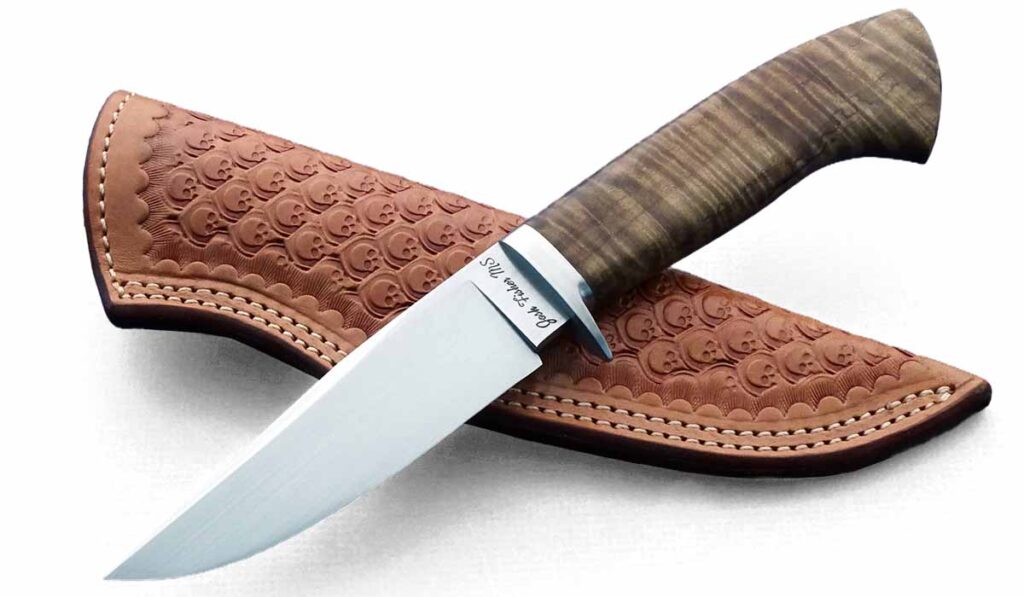
Custom Hunting Knife Fisher-Forged-Hunter-Blade-Mag
Wood is a popular handle material for custom hunting knives. Josh Fisher opts for curly maple on his drop-point hunter. And how about those skulls on the tooled-leather sheath by Bob Bobbert? (Robertson’s Custom Cutlery image)

Drop-Point Hunter 
Maker: Josh Fisher
Blade Length: 4.5”
Blade Material: 1084 carbon steel
Blade Style: Drop point
Guard Material: Stainless steel
Handle Material: Curly maple
Overall Length: 9”
Sheath: Tooled-leather pouch/belt model in a skull motif by Bob Bobbert 
Author’s Comments: Excellent handle ergonomics and balance; Josh is an ABS master smith
Maker’s list price for a similar knife: $625


Each steel has its advantage(s) concerning rust resistance, ease of sharpening and edge holding. Carbon steels such as 1084, 5160 and 52100 provide an extremely keen edge and can be easily resharpened. They do, however, require more corrosion maintenance. Stainless steels such as 440C, ATS-34 and CPM 154 make up the bulk of stainless steels used on custom hunters. These can be reasonably simple to sharpen and more forgiving regarding corrosion.  

Whichever steel you choose, the blade should be cleaned after use and a light coat of oil should be applied. It is best not to store your knife long-term in a leather sheath, as the tannic acid found in the leather can rust your blade. Additionally, leather does hold moisture, which can hasten the rusting process of the steel. It is best to store knives in something other than their leather sheaths. 

Handle Materials

A wide variety of handle materials are used for hunting knives. A favorite among makers and outdoorsmen is Sambar stag, either in its natural color or dyed to create amber stag. Stag is favored not only for its looks but because its contours provide an excellent gripping surface, even when wet. Another handle material gaining favor is elk and much for the same reasons. Two advantages of elk are it can be found in larger sizes and is less expensive. 


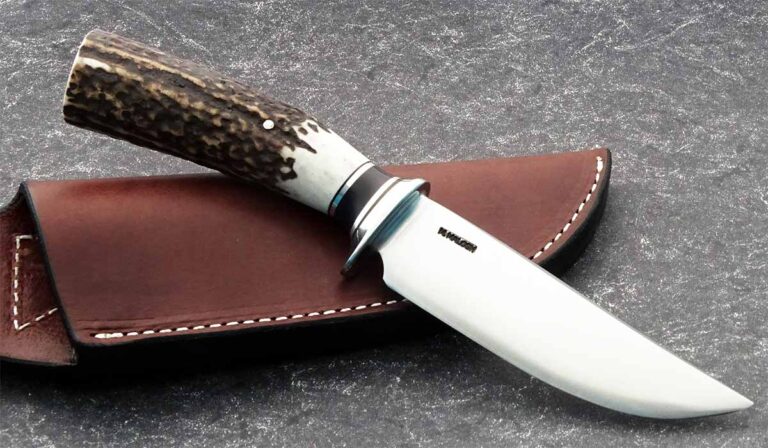
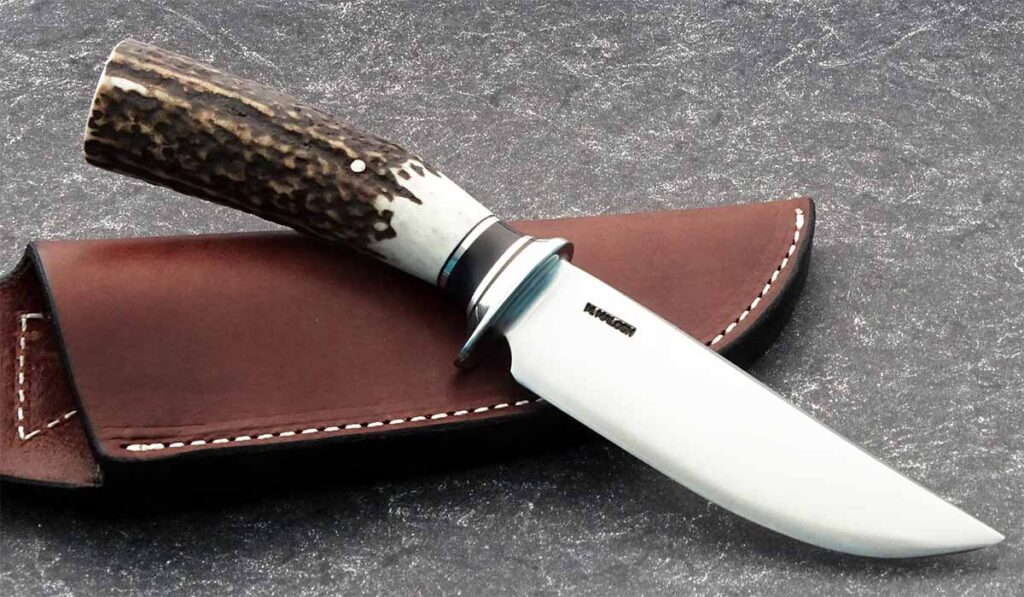
Custom Hunting Knife Malosh-Forged-Elk-Hunter
Sambar stag and elk are favored for their looks and because they provide an excellent gripping surface, even when wet. Mike Malosh’s Elk Hunter 23 custom hunting knife features elk scales.  (Robertson’s Custom Cutlery image)

Elk Hunter 23
Maker: Mike Malosh 
Blade Length: 47/8”
Blade Material: W-2 tool steel
Blade Finish: Satin
Guard Material: Stainless steel
Handle Material: Elk w/black Micarta® and stainless steel spacers
Overall Length: 9.5”
Sheath: Leather pouch/belt model by the maker
Author’s Comments: This knife is built for serious work; excellent balance and handle ergonomics
Maker’s price for a similar knife: $395


Desert ironwood, curly koa, California buckeye burl and curly maple are among various kinds of popular handle woods used for hunters. Other popular materials are synthetics such as G-10 and Micarta®. The main advantage of these materials is that, for the most part, they are impervious to the elements. As such, they tend not to shrink and crack as some natural handle materials can do over time.  

Guards

Guards are made primarily from either 304 or 416 stainless steel. If the knife features a hidden tang design, the joint between the guard and the blade should be soldered. Sealing the guard helps keep the moisture away from hidden tangs. Because their softness makes them prone to damage, along with their additional maintenance requirements, brass and nickel silver generally are not used for guards.  

Blade Styles

The drop-point hunter is the most commonly made hunting knife. The drop-point blade maintains its thickness along the spine and then gently slopes to the point. Generally, the drop point is slightly thicker than other hunting blade patterns at the point. The blade thickness provides the drop point the versatility not only to skin but to disjoint and pry. These advantages can be critical to the hunter when dressing larger game.


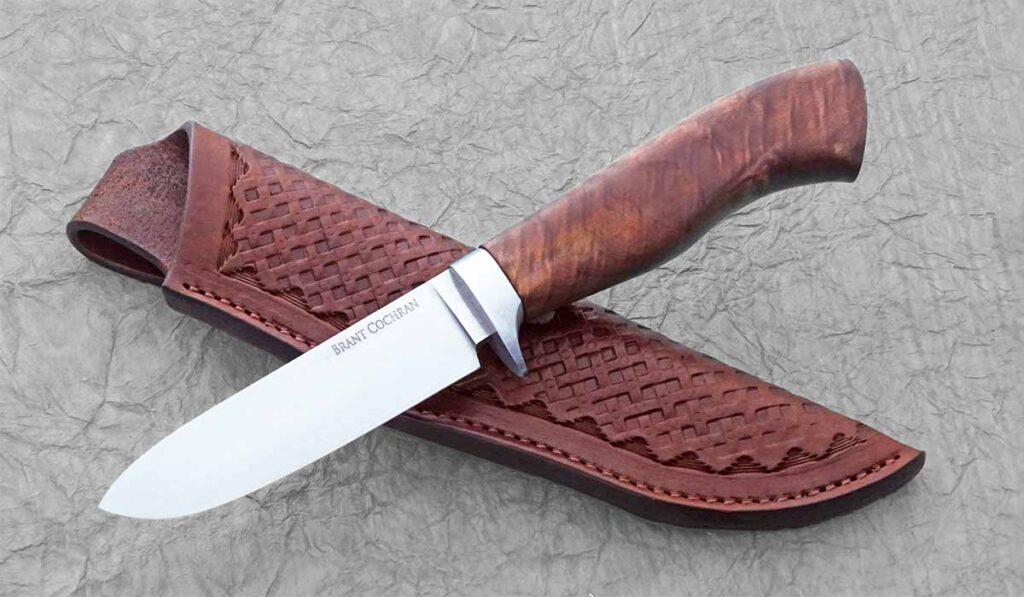
Custom Hunting Knife Cochran-Walnut-Drop-Point-Hunter
The slightly raised blade spine/hump extends the curved part of the semi-skinner blade for skinning while maintaining the drop point to avoid puncturing the abdominal cavity. Brant Cochran covers the pattern in a sturdy lightweight version of 80CrV2 carbon steel and walnut in his custom hunting knife. (Robertson’s Custom Cutlery image)

Semi-Skinner 
Maker: Brant Cochran
Blade Length: 4.25”
Blade Material: 80CrV2 carbon steel
Blade Finish: Satin
Guard Material: Stainless steel
Handle Material: Walnut
Overall Length: 9”
Sheath: Tooled-leather pouch/belt model by the maker 
Author’s Comments: 80CrV2 is a carbon steel that is both tough and provides outstanding edge retention; excellent balance and handle ergonomics; sturdy lightweight knife, perfect for your next hunt; Brant is an ABS journeyman smith 
Maker’s price for a similar knife: $300


The idea of a skinner is basically to remove the skin/fur from the game. The skinning blade shape features a slightly thinner blade and edge meant for a specific purpose. The skinner is designed for elongated cuts and better control of the blade, ensuring the game’s fur maintains its integrity. While primarily intended to remove the fur, a knife with a skinner blade can be used to dress game out, too. One of the more popular skinner designs is the Nessmuk, praised for its all-around versatility in the field. 

The semi-skinner blade is the middle ground between the drop-point and skinner blades. The slightly raised blade spine/hump extends the curved part of the blade for skinning while maintaining the drop point to avoid puncturing the abdominal cavity, which could taint the meat of the animal. 

Conclusion

Picking the right edged companion for your time in the field should require some research. As noted, hunting knives come in various shapes and sizes. This variety enables you to choose the right size, steel and handle material necessary to get the job done. It would benefit you greatly to hold the knife in your hand, primarily for sizing. You must always be able to control the blade’s edge.   


Custom Hunting Knife Romeis-Drop-Pt-Hunter
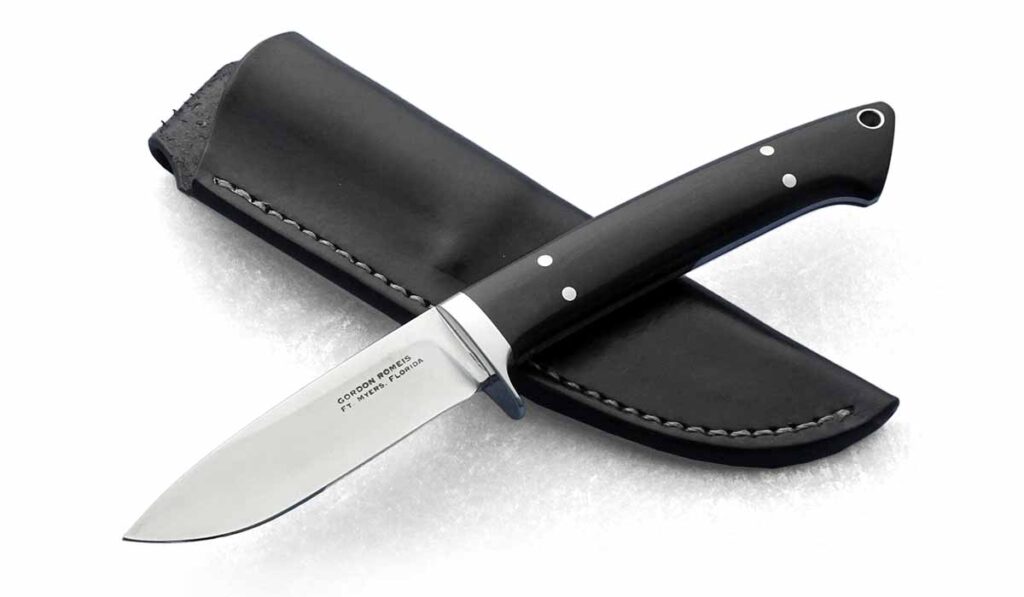
The drop-point hunter is the most commonly made hunting knife. A George Romeis drop point features CPM 154 stainless blade steel and a black G-10 handle. (Robertson’s Custom Cutlery image)

Drop-Point Hunter
Maker: George Romeis
Blade Length: 3.5”
Blade Steel: CPM 154 stainless
Blade Finish: Satin
Guard Material: Stainless steel
Handle Material: Black G-10 w/stainless-steel-lined thong hole
Overall Length: 8”
Sheath: Leather pouch/belt model by the maker
Author’s Comments: Full-tapered tang, excellent balance, very comfortable in the hand
Maker’s price for a similar knife: $300


Remember, the rifle or bow harvests the game but the knife creates what becomes dinner and the trophy.

Check Out More Outdoor Knives And Tools:

Cool Custom: Peyton Ramm’s 3D Printed Damascus

Peyton Ramm uses the 3D printing process for canister patterns to make his dream knife.

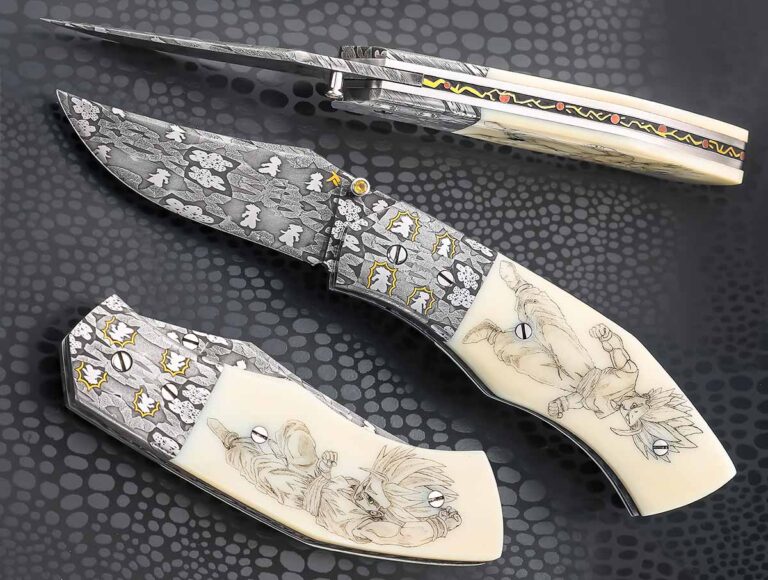
It was ABS journeyman smith Peyton Ramm’s dream to make a knife themed after his favorite childhood TV show, Dragon Ball, and the new 3D printing process for canister patterns provided him with the perfect vehicle to do so.

“Before I heard about 3D printing, I dreaded the idea of paying someone to wire EDM every single dragon ball out, but my good friend Ron Hardman introduced the idea,” Peyton wrote. “I sent him pictures of Gohan [a prominent character in the Dragon Ball series] and the dragon balls, and asked him to recreate the image in the best way possible to forge down. His students at Kilroy’s Workshop got a rough draft for me and once I approved it, they printed and sent it.”

Peyton Ramm

Peyton stated he had to build a new forge just to do the canisters, as he only had a vertical forge and it’s important to forge weld lightly on the two end caps first before welding the sides.

“My first billet fell apart because of this, a mistake I didn’t [repeat],” he wrote. He combined the two images with a flower mosaic he made with a damascus of 1095 carbon and 15N20 nickel-alloy steels to break the pattern up, and finally had his damascus. From there he matched the blade and bolsters as best he could so it would look like an uninterrupted transition.

Check Out More Cool Custom Knives:

Fillet Knives That Are Bad To The Bone

0

These babies will unzip your catch with ease.

While you may think a fillet knife has only one purpose, there’s as much variation in fillet knives as there is with any other knife type. Just as there’s no one type of pocketknife, neither is there one type of hunting knife. Treating the fillet knife as an afterthought for your fishing is a mistake. In other words, you want to match your quarry to your blade.

Fillet Knife Size

The vast majority of American anglers, and most in Europe, fish either in inland waterways or along coastal waters. While it is certainly possible to catch large fish in these places, few people realize just how large of a difference there is between a 5-ounce bluegill and a 50-pound sturgeon. When you get above 10 pounds, you run the same risk of breaking fillet blades as you would breaking hunting blades on large game like deer. The flesh, bone and scales of fish are far tougher than many realize and a fragile blade can and will break if you put too much pressure on it. Heavy-duty fillet knives exist and are specially designed for larger fish.

Fillet knives handle
Handles are an important consideration. Texture matters on these fine knives and for some outings you need a very sure grip.

Likewise, small fish do not benefit from larger knives. This should seem like common knowledge, but I see anglers with 8-to-10-inch knives going after panfish. This is not a bad thing overall, just really unnecessary for the task. In my experience, large work like skinning deer and breaking down large game needs a 7-inch blade; you want to be able to see what you’re working with and keep your hand out of the body and highly visible. With small fish, you want the tip closer to your hand to better control your cuts. Fish cleaning is an activity that leads with the tip. You need to have it cut in easily and then glide. A paper-thin blade isn’t meant for chopping or sawing, unlike what you can accomplish with a thick-spined hunting knife.

Blade Flexibility

Flex is another important aspect of a fillet knife. Because of the way fish are shaped you want a blade that has the ability to match contours and glide along the spine or under the skin. Flex varies depending on the task. On large fish you’ll want the least flex, on small ones you’ll want the most. As for the tip, the largest fish need a reinforced tip because skin and fat can be extremely thick, and a thin tip is more likely to bend or break. Ideally, the tip should be as fine as possible and come to a narrow-angle. However, this becomes a hard thing to accomplish when you need a fillet knife that is also very strong. To get this, you need something like the tip of a wharncliffe pattern that provides a fine point while maintaining a thick blade.

Some Of The Best Fillet Knives

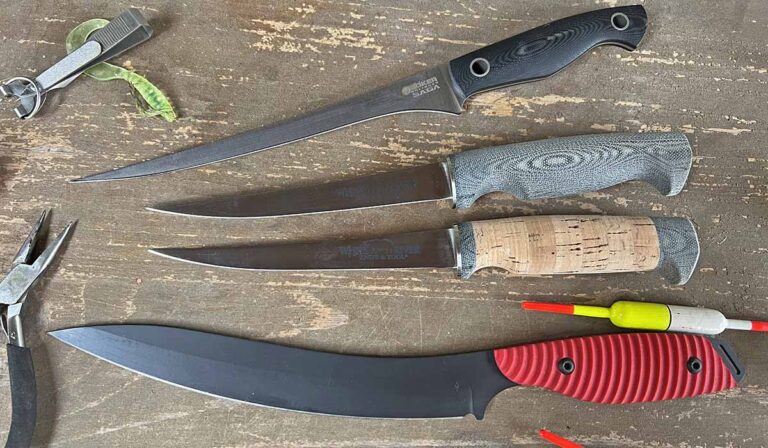
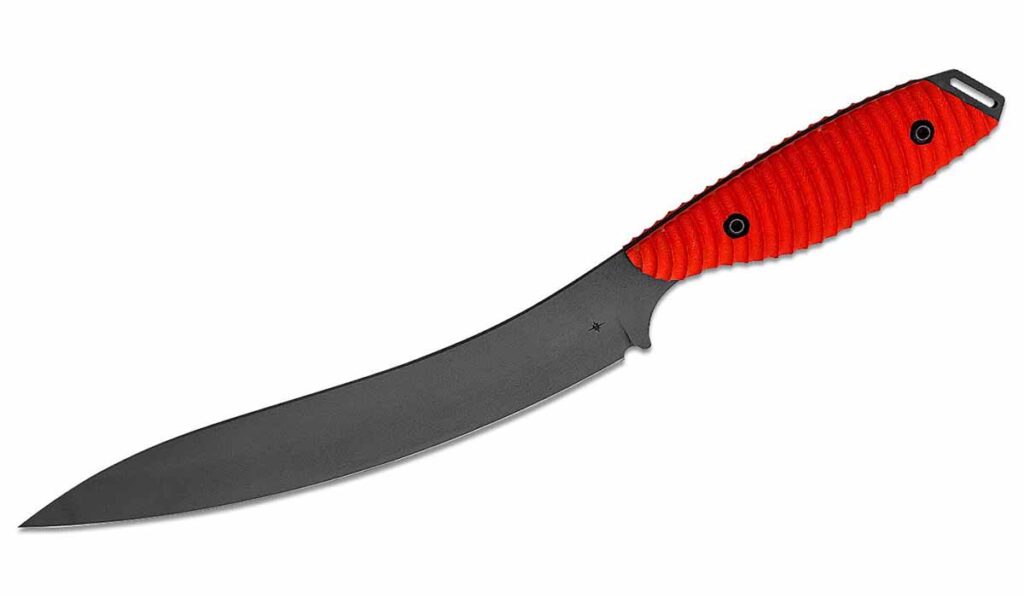
Toor Cardiff

Fillet Knife Toor

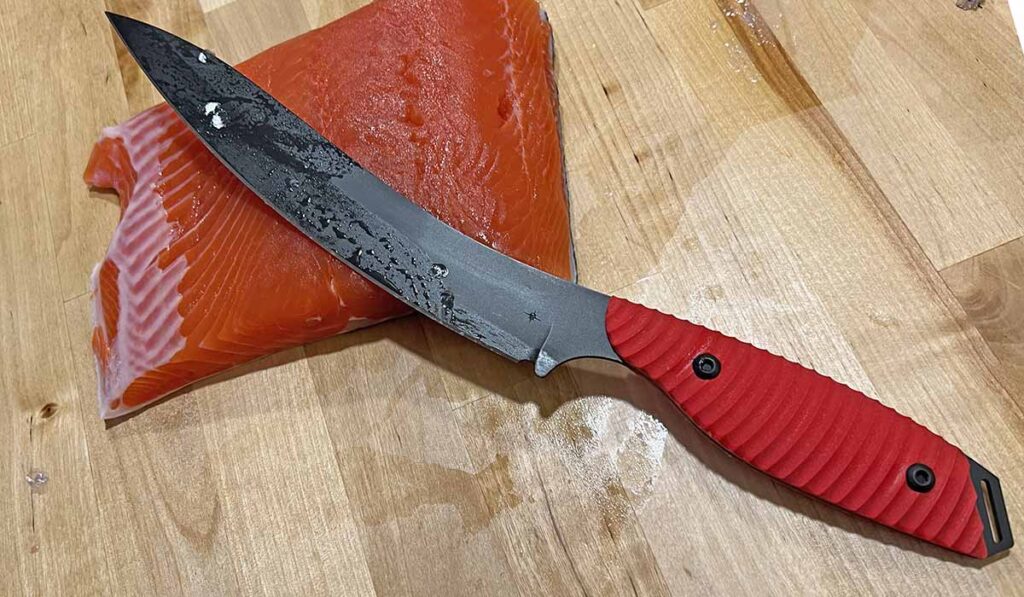
The Toor Cardiff is perhaps the most well-designed and best-thought-out knife for large fish. Just about every part of the knife is properly contoured and ground to achieve a light, thin blade that is also very strong and razor-sharp. It is the thickest knife of the test bunch, but, at just .09-inch thick, is still considerably thinner than standard blades. It does not taper substantially from pommel to tip. The point of the knife is quite fine but shaped with strength in mind. Its edge geometry enables it to be used on most sizes of fish, though it is at a slight disadvantage on the smallest bluegill or anything you would throw in the pan as one piece. This has more to do with the overall size of the knife than it does cutting ability.

Cardiff knife
Large salmon were no match for the Cardiff, a well-thought-out, hard-use fillet knife that can also be used for large game. It is a crossover knife meant for the field, not just light work at the dock.

The blade has a curve with a deep belly. It permits the hand to sit at a more relaxed angle if you are cutting steaks or slicing a thick fish along the spine. The grip is very aggressive and promotes a firm hold even when your hands are covered in fish slime, water and blood. The knife is ruggedly designed and a suitable tool even for large game, including deer. While it does have some disadvantages as compared to a dedicated hunting knife, you could certainly get away with it as your primary blade for a mixed-bag hunting/fishing adventure. It does very well in the kitchen but you can tell it needs to be in the field.

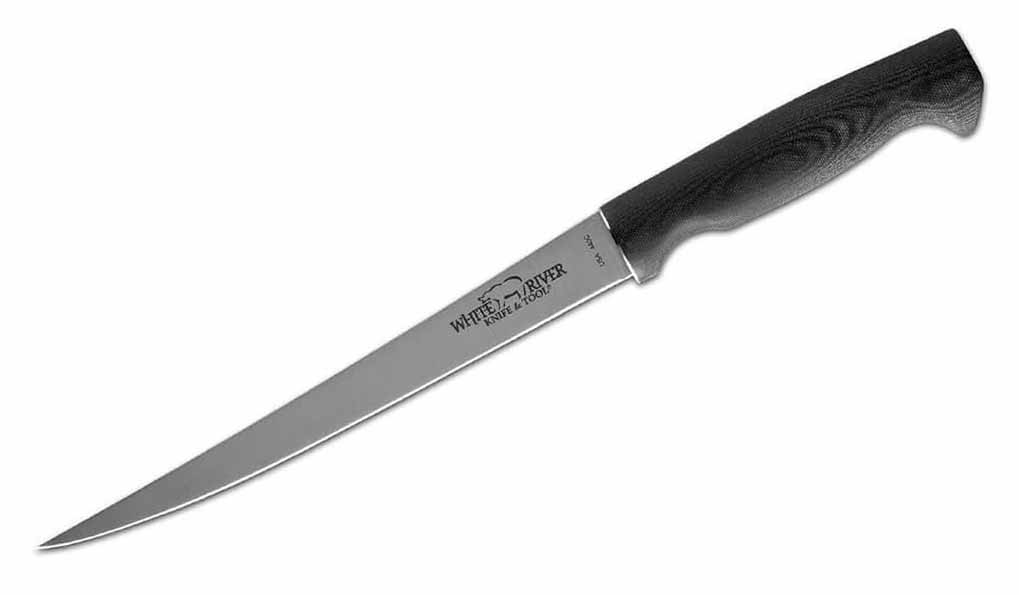
White River Knife & Tool Traditional Fillet

Fillet Knife Whit River

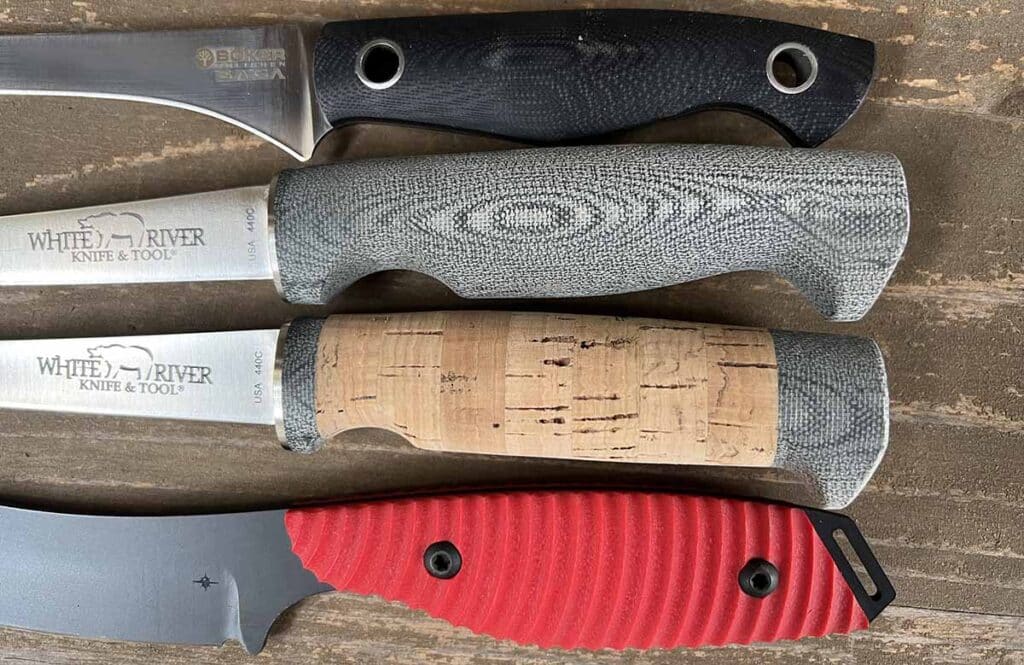
When you think of a fish knife, the White River Knife & Tool Traditional Fillet is probably what comes to mind. White River is excellent when it comes to delivering traditional appearance with modern function. I have been using White River knives almost exclusively in the field for years for deer hunting, and I jumped at the opportunity to look at its fillet knives. Not only are White River fillets some of the best money can buy, they also are the best across-the-board for general fishing use. Moreover, they display some noteworthy properties.

While there are two White Rivers in the review group, they are for all purposes the same except for the fact that the cork-handle version will float. I especially like this feature considering I spend some time in kayaks and canoes. A cork handle is not as durable as the full Micarta® version but will last a lifetime if properly maintained and not abused. The two are not for hunting. They are dedicated for fishing and should be used as such.

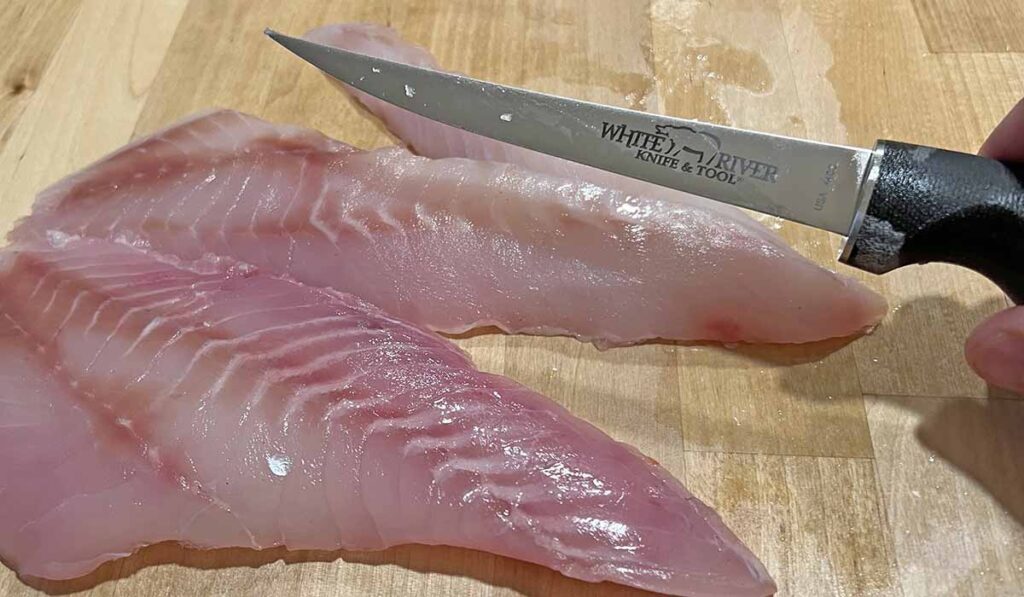
White River fillet knife
The White River fillets performed well for all general use.

As far as overall performance, the White Rivers will do everything you need and nothing you don’t. They are dedicated fillet knives that are, at least in the 6-inch size, best on intercontinental species. There really isn’t anything you can fish for in an American river that you can’t process with these knives. They are a tad thin for heavy-boned fish and the largest river catfish, but if you’re careful you should be just fine.

The knives come in an excellent wooden presentation box and have a functional, adjustable sheath with multiple mounting options. When sheathed, the blade can be used as a line cutter thanks to a small cutout toward the end that you can slip a line into. For dock work these knives are great. I eventually came to prefer the cork-handled version even though it is a little harder to keep clean. In the kitchen, they performed equally and stayed razor-sharp for the duration of testing.

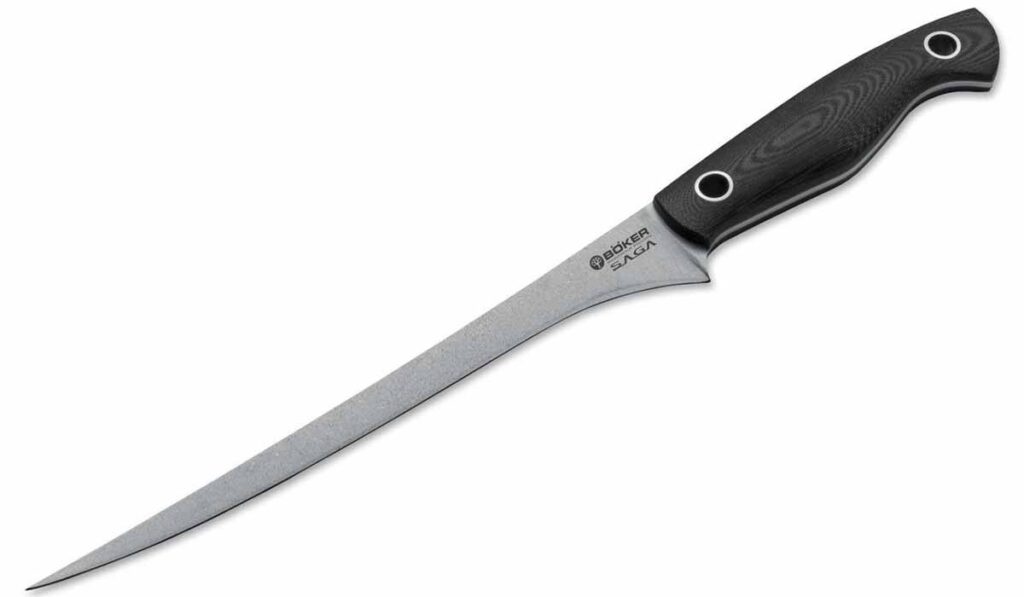
Boker Solingen Saga Filetiermesser

Fillet Knife Boker

From the moment you open the box, the quality of the Boker Solingen Saga Filetiermesser is immediately apparent. You can tell it was made with great attention to detail and is a singularly specialized tool. Unlike the other test models, it does not come with a sheath. It is also quite smooth in the grip and clearly meant for end processing in the kitchen.

It is the sharpest test blade and also the thinnest. The thickness at the choil is just .07 inch, and it tapers from grip to tip quite aggressively considering how thin it is to start. The tip is like a scalpel point. It is so incredibly fine that you must be aware of its presence when working. If you cut yourself with it, you probably wouldn’t even know. I didn’t.

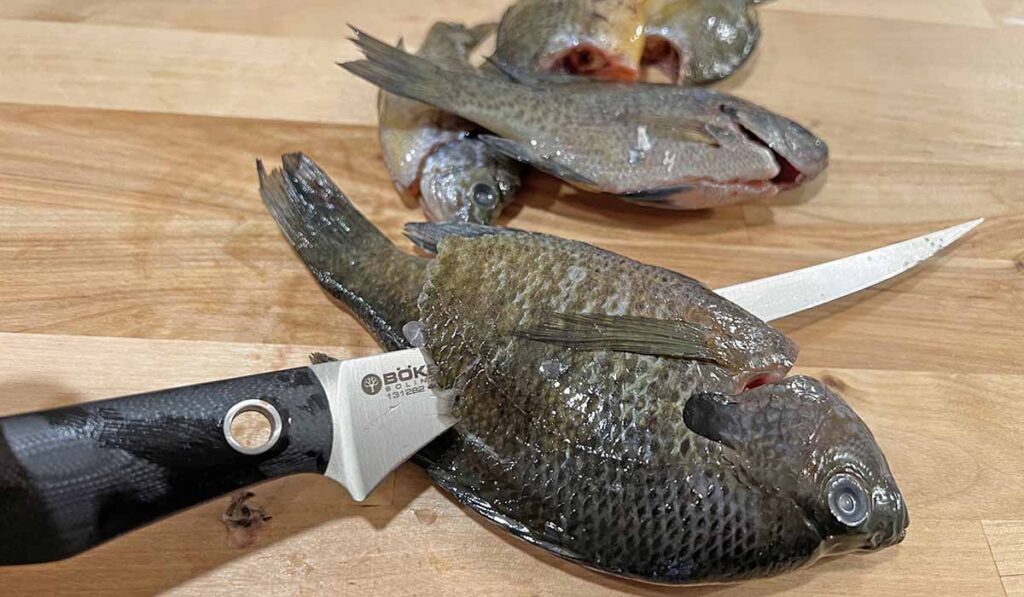
Boker Fillet knife
The Boker’s narrow edge makes it excellent on even the smallest catches.

Working with this knife in the kitchen is effortless. It is so sharp that it cut through all the fine bones in salmon; it simply glided right through. The blade is the most flexible in the review and bends quite a bit, though this is not a concern. The quality of steel and manufacture ensures it goes back to true even after substantial use. Because it has a smooth grip and is so incredibly fine at the tip, I would not immediately recommend the Boker for use in the field. If you decide to take it to camp, I would suggest either transporting it in a dedicated case or find a sheath that fits it.

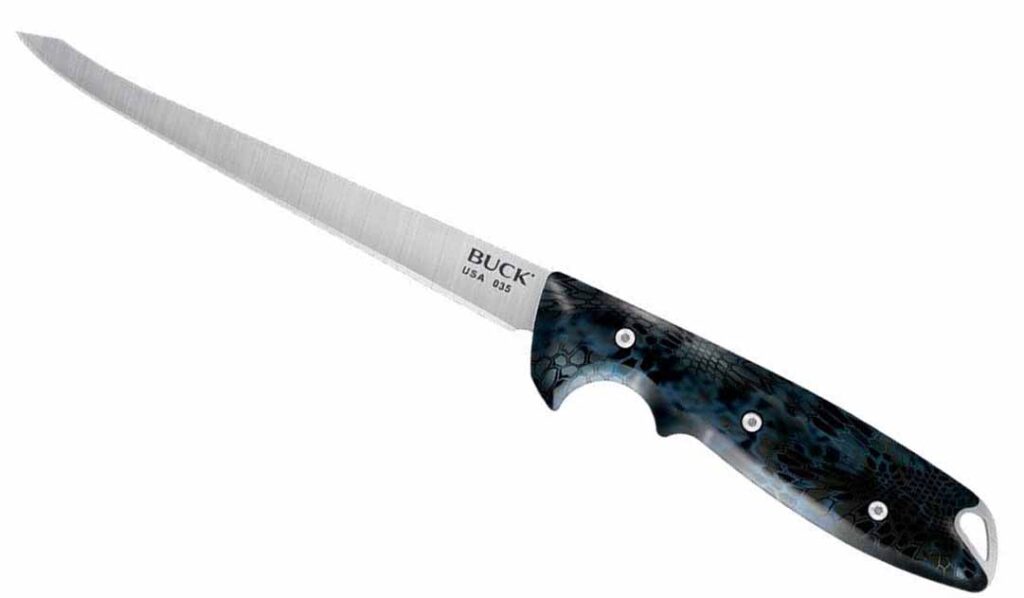
Buck Abyss

Fillet Knife Buck

The Abyss is a fillet knife Buck brought a little style to by using a Kryptek Pontus camo handle. Normally you just get some kind of bright rubber but this handle has some style to it. Overall length is 12 inches and the blade measure 6.5 inches. Buck lists it as a 6-inch blade but I can tell you my tape measure isn’t broken.

The 420HC stainless steel blade features a double-ground tip and a distal taper. The double grind gives you an edge on the back of the tip to make puncturing and entry cuts easier. The distal taper gives the blade stiff ness toward the handle for use with large game fish. A more flexible tip area makes it useful for smaller fish. By using a distal taper, Buck can get away with having the Abyss straddle the fence between a stiff fillet knife and a flexible one.

The Kryptek scales have a slight texture but they also sport lateral contouring to aid in a secure grip. Sure, the Abyss does not have a super blade steel, but 420HC has been holding its own for years.
During testing the Abyss did fine for handling and cutting—in fact, I like the knife very much.

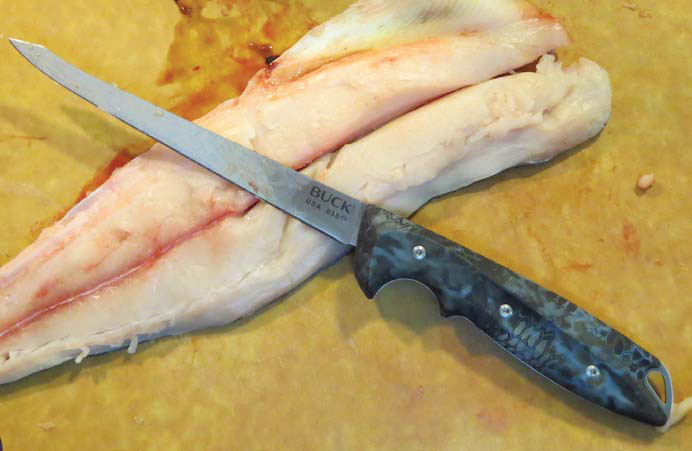
new fillet knives 2018
Buck’s Kryptek Pontus handle has style and utility. The appearance is somewhat reptilian and features a subtle texture. To add to the user friendliness, the contouring is well designed.

I would have to say my only doubts are about the sheath. Buck provides a simple pouch sheath with a plastic insert to carry the knife. Though I’m not planning any long adventures hauling it around with me, I still find the sheath lacking. Inserting and drawing the knife is a clumsy affair, as the fit is tight. I also find the material, in my opinion, not robust enough to take years of use.

Kershaw Folding Fillet K-Texture

Fillet Knife Kershaw

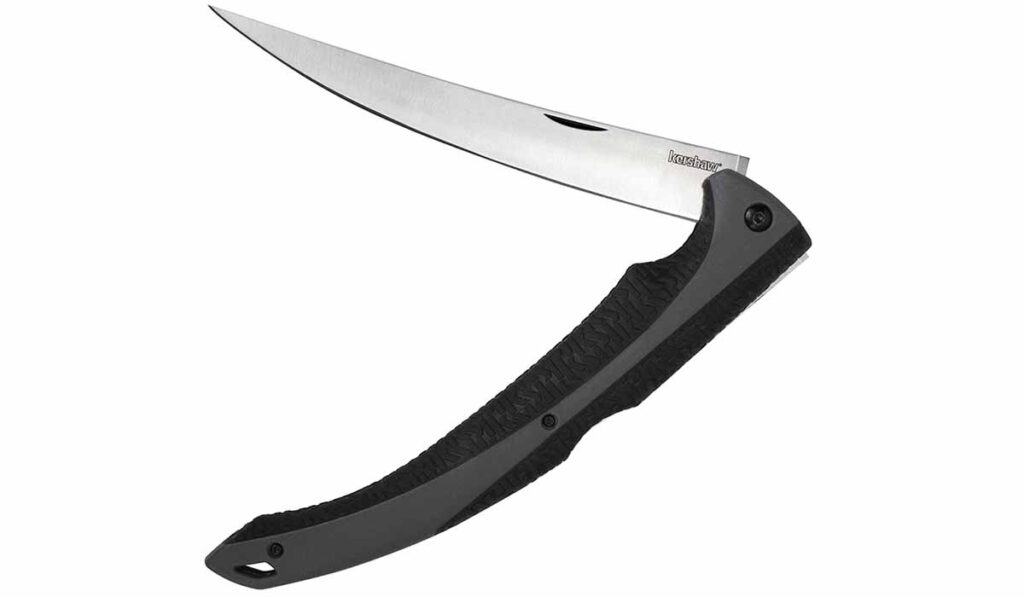
As with many folding fillet knives, the excessively large handle of the Kershaw Folding Fillet K-Texture tends to be disproportionate to the entire design. The 6-inch blade has a slight distal taper and is 420J2 stainless steel.

Even with a distal taper the blade has a mid-range flex—not really stiff but not very flexible, either. The lockback folder’s closed length is 7.75 inches. The knife does not come with a sheath.
I like to test the blade’s edge right out of the box. One of the most difficult things to do with a knife, believe it or not, is put the first edge on the blade. To the best of my knowledge, with all the CNC machinery out there, this is an operation that is still predominantly done by hand. Out of the box, the Kershaw was razor sharp.

kershaw folding fillet knife
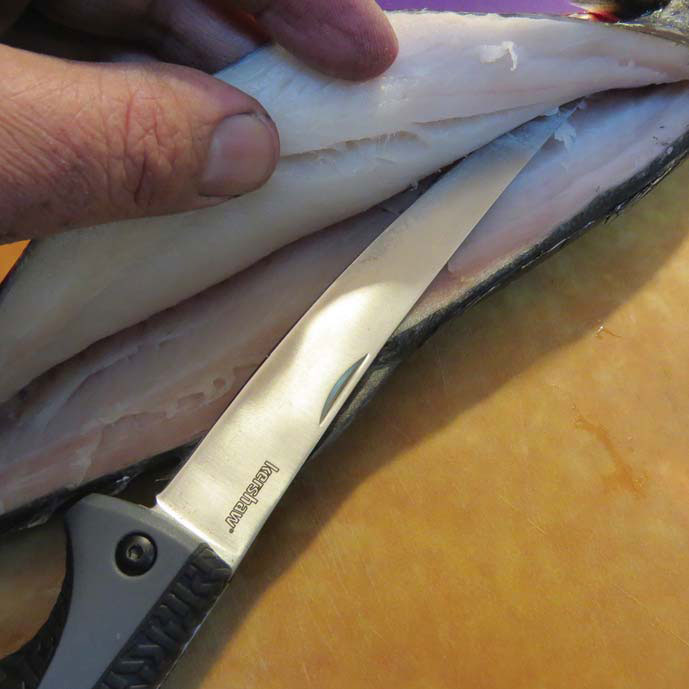
Kershaw’s fillet knife follows the spine bones for a perfect cut so you get the most from your catch.

Even before I took it fishing, I put it through some paces in the kitchen by skinning a tomato. I was impressed with the initial edge. Holding the knife is easy thanks to the duel-textured, or “K-Textured,” handle. The rubber has many small “K’s” patterned into it for the texture while the main plastic part of the scales is slightly textured. Accompanying the texture is an ergonomic handle, which seals the package.

Overall, I like the knife. It can be used for fishing under most any condition, but I see it as a great tool for fishing holes that require a long journey to access. The fact the knife folds gives you a fillet model in a smaller, safer and more convenient carry package.

Gerber Controller

Fillet Knife Gerber

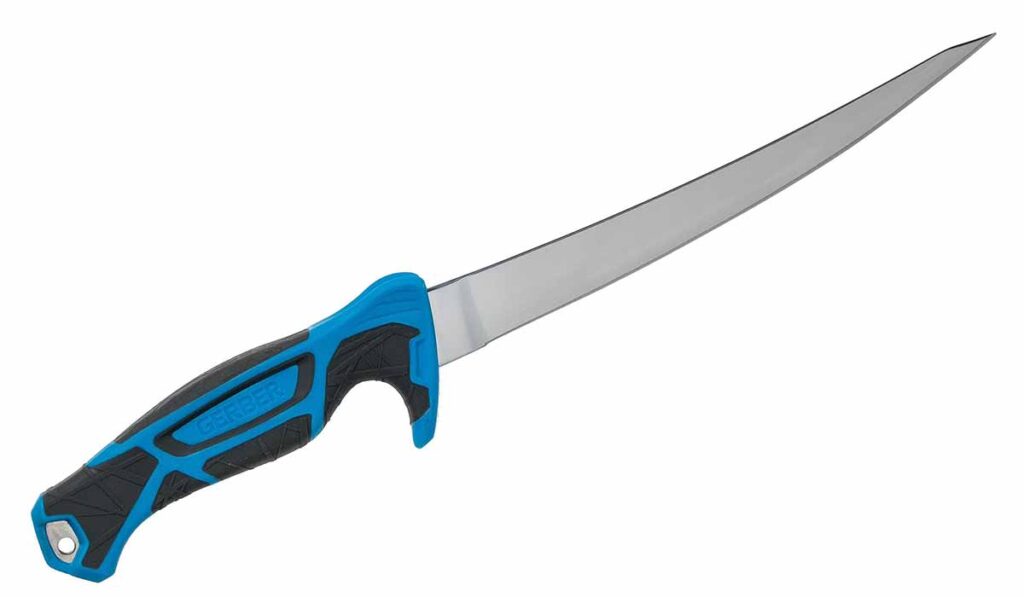
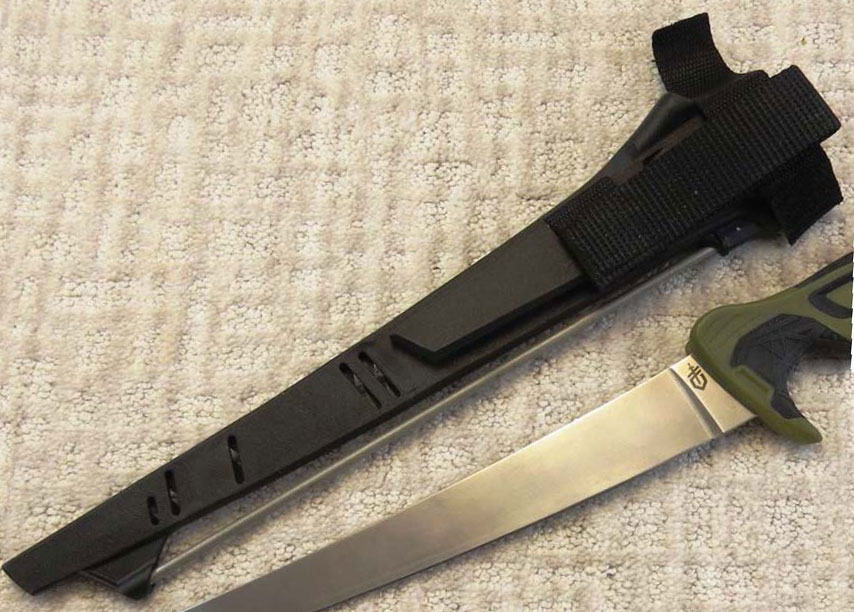
I am not in favor of loading a knife down with too many features. In the case of the Controller 10-inch fillet knife, Gerber has provided more than a knife but did not get carried away. The Controller is a full system fillet model. At 15.5 inches overall, it has a 10-inch blade of 9Cr18MoV stainless steel.

There are three knives in the series: the 10-inch and also 6- and 7-inch blades. I wish I had gotten the 6-inch model to test as well. All have a plastic molded sheath that provides secure carry and is puncture-resistant. Along the sheath’s body are multiple drainage points. On the sheath’s edge is a diamond rod sharpener for quick blade touch-ups.

best new fillet knives for fishermen
The Gerber Controller sheath features a diamond rod sharpener, plenty of drainage points and two carrying systems.

Here is where the devil is in the details. The sharpener is not fixed and can be rotated by hand so you won’t wear down one side of the diamond rod. The sheath impresses me. It comes with a nylon belt dangler and a clip molded in the back for belt carry. To finish it off they built in a natural thumb push-off that matches up with the handle. The knife clips into the sheath as well as having a fabric-fastener retaining loop.

If the sheath isn’t enough, Gerber hit it on the head with the knife. The handle consists of two materials: a hard plastic at the core and soft, textured rubber inlays at all the tactile points. The blade has a full flat grind with medium flexibility. The Controller sports the same style tip as the Buck Abyss except the edge is not ground back. I am very impressed with the whole system.

Editor’s Note: Josh Wayner contributed to this post.

Check Out More Outdoor Knives And Tools:

Enter The Knife I Carry Feature… Win A Free Knife

1

Here’s your shot to show off your prized carry knife to the world!

What’s better than carrying a knife? Showing the world exactly what knife you carry. Now, this little act of gratification might earn you—what else—a new knife.

Show us your carry knife—be it slip joint, fixed-blade, or whatever—for our The Knife I Carry feature in BLADE® Magazine. The monthly feature focuses on knife enthusiasts who carry knives but who do not have the wherewithal to make their own. We’re looking for the folks who comb through the knifemakers, knife companies and knife retailers to find the gem they always have at hand. You know, your everyday, average knife nut.

Here’s the best part, if you enter a picture of your knife and a short writeup and we publish it, you’ll be entered in a drawing for a free knife! Brag up your present blade and possibly add a new one to the collection, what could be better? Just follow the instructions below to potentially become part of the “World’s No. 1 Knife Publication” and be entered to win a free knife.

Don’t be shy, show us the knife you carry!

How To Submit Your Blade For The Knife I Carry Feature:

  • Compose a short write-up about the knife you carry, with a little history or an anecdote about it.
  • Include a photograph—at least 600 KB but no larger than 2 MB—of you holding your knife.
  • Send both to [email protected] and include your physical address (this is for the knife drawing and will not be published).

Selected submissions will be published in an upcoming “The Knife I Carry.” If selected for publication, we will enter your name in a drawing to win a free knife, which will take place on November 15, 2023.

The Knife I Carry Examples

Knife I Carry

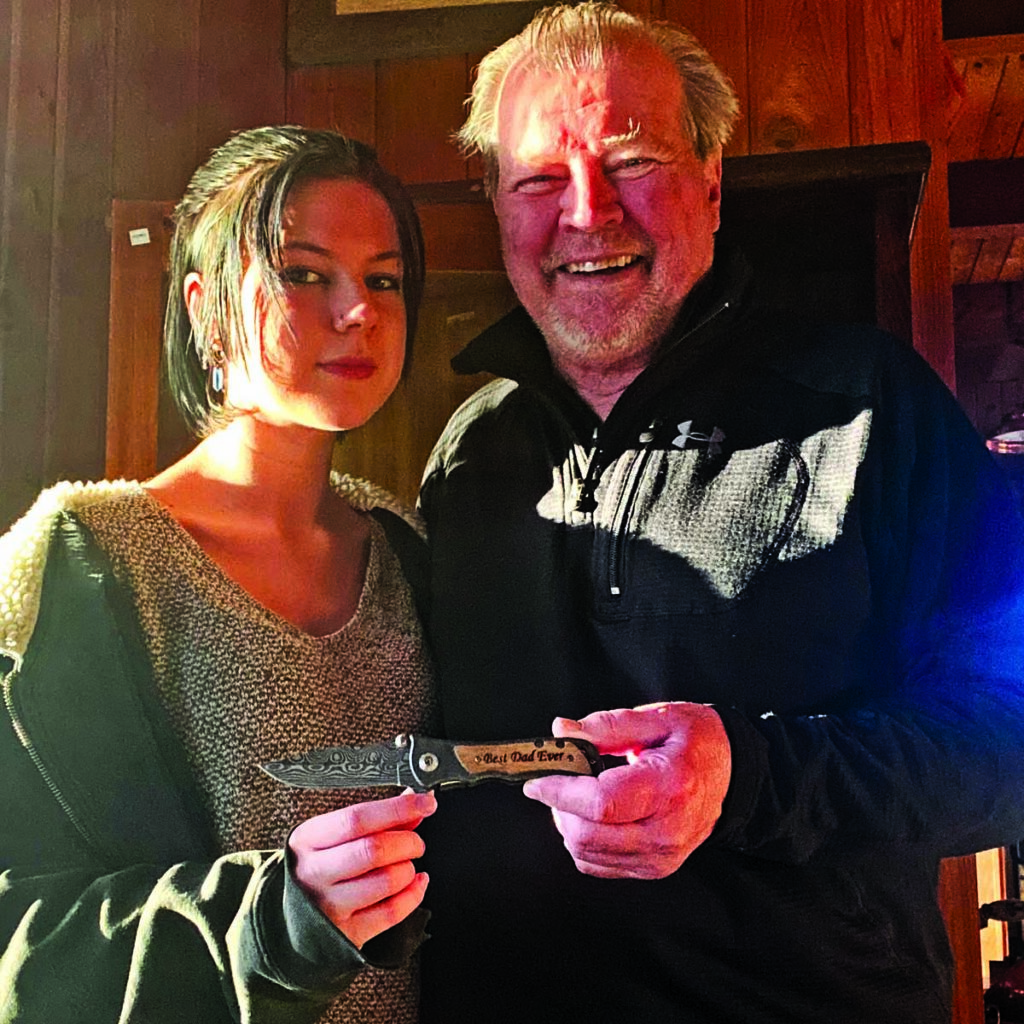
“My name is John Schwanke. My daughter, Eden, got me this knife for Father’s Day 2018. There are no identifying marks as to who made it, but on the slab scale it reads, ‘Best Dad Ever.’ The damascus blade is beautiful and I cherish and carry it every day. It walks and talks, is a flipper folder and of the highest quality you can imagine.”
John and Eden Schwanke,
Danbury, Connecticut


I carry a knife Vietnam Vet

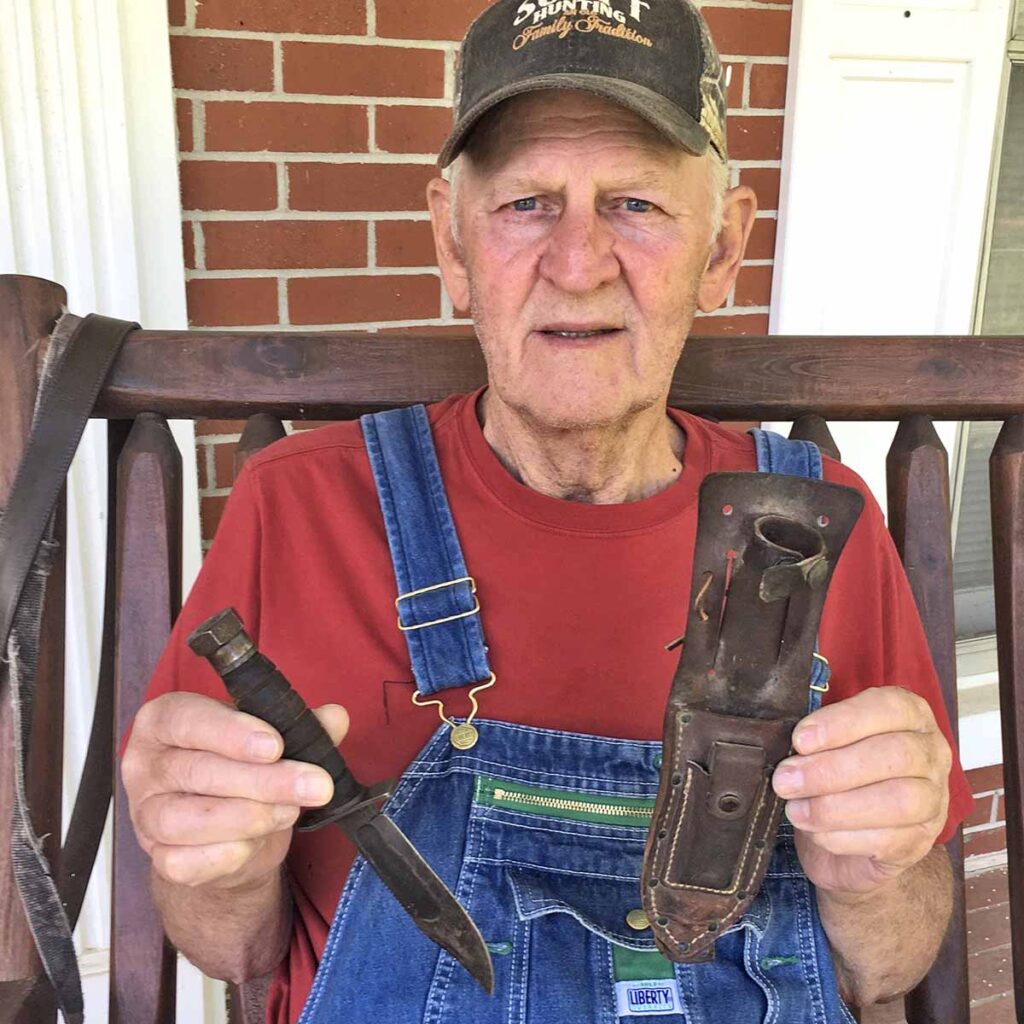
“My tour of duty in Vietnam was from April 4, 1967, to April 4, 1968. My constant companion was my Camillus ‘k-bar.’ I left the country at the end of the 1968 Tet Offensive and brought my knife home with me. It continued to serve me well for several more years. It meant so much to me and had become like a trusted friend. It was always there to do whatever job was asked of it. One day I got to thinking, what if I lose it or break it after all this time? So, I reluctantly retired my knife, scabbard and stone. It now has a front-row seat in my showcase of mementos. It has a date stamped on the buttcap: 1-1967. Money can’t buy it. I know this is supposed to be about a knife I carry now and not an old relic, but I just had to tell you about my ‘old friend.’ I did carry it many, many years. I’m 76 years old.”
Danny L. Scott,
Tiptonville, Tennessee


I carry a knife

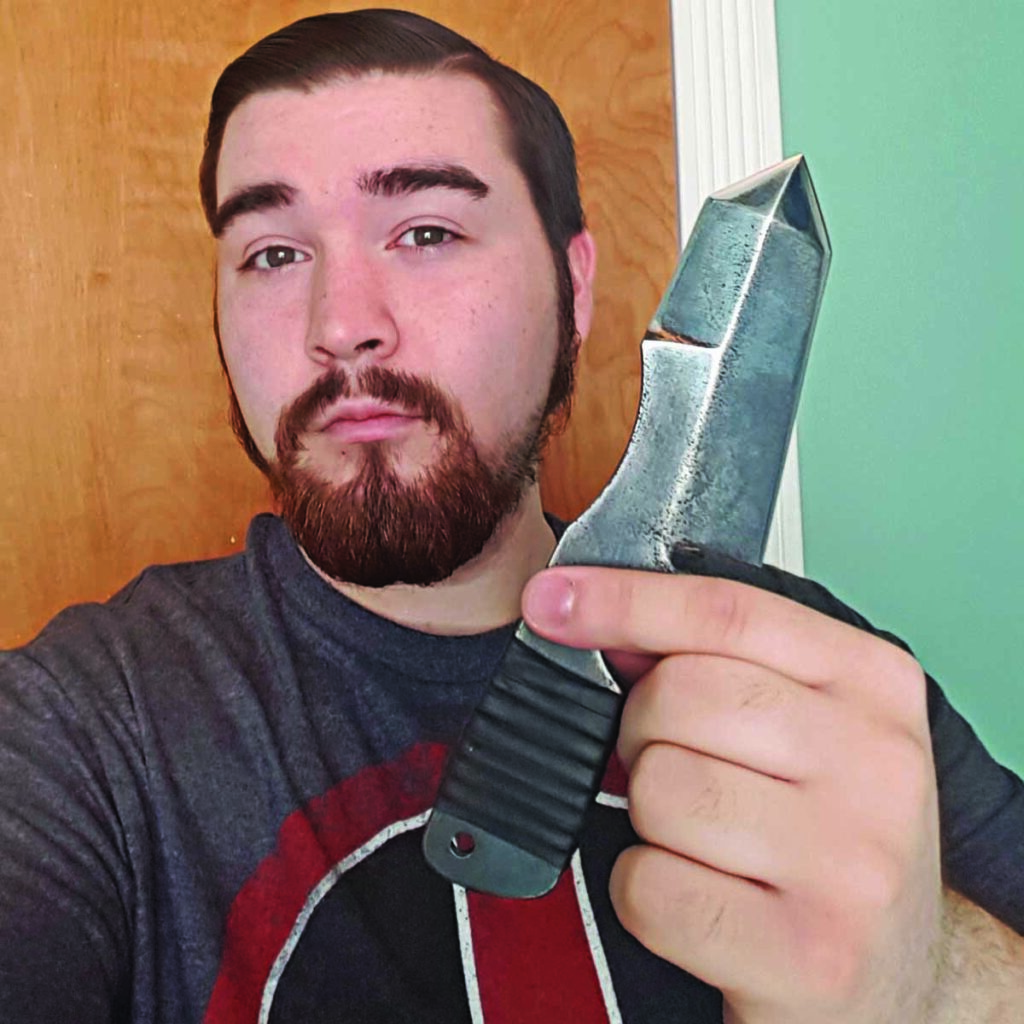
“My EDC has a blade of .220-inch-thick Spectrumwear steel and was hand made in California. I designed the knife ground up. Originally, I wanted a chopper. However, I wanted it to also have a dagger tip profile. Matt Freeman did an amazing job and had my knife done in under two weeks. He is the first maker I worked with who would email me pictures of the knife’s progress without me asking. He jokingly said it was the hardest blade to grind out, reason being it has four edges. He laid out the knife almost like a Roman gladius. I then angled the main edge to make it longer and then shortened the top edge. After that, Matt worked out the size and handle. The knife is just over 8 inches with a handmade leather sheath. We decided an old finish would look nice, so he Parkerized it, then gun blued it to protect against rust.”
Caleb Hoskins,
a letter via e-mail


Knife I Carry Vet

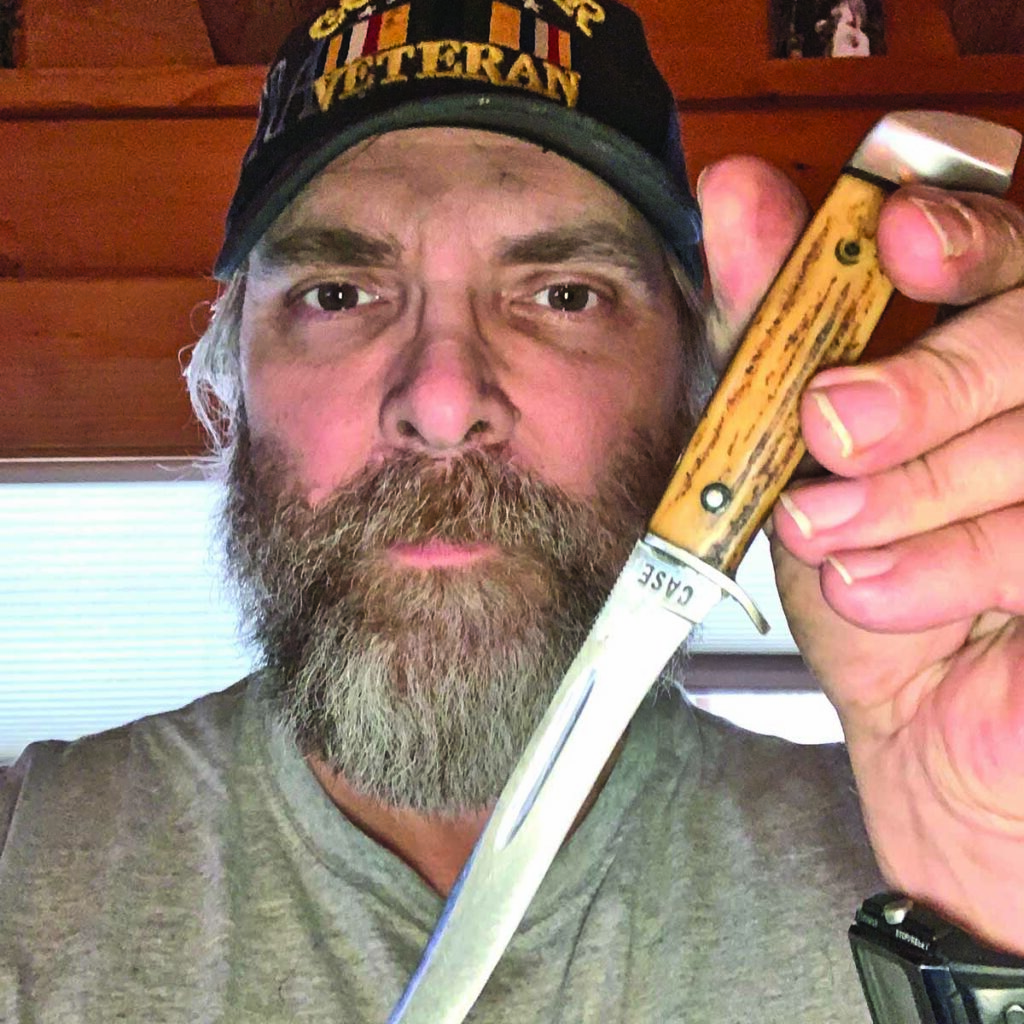
“The knife I carry into the woods each fall is my beloved Case fixed blade. She’s showing her age and has been passed down for three generations. Dad inherited her from my grandfather and then when Dad passed away in 1996 she was handed to me. Though I can’t tell exactly how old she is, I know she is well over 55 because that’s my age. For all I know the knife may be close to 100. She has been well used and processed more wild game over the years than I can count. She’s a true testament to Case quality and reliability. So many wonderful memories come to mind each time I draw this knife.”
Stacey Roberts,
Bridgewater, Vermont

Read More On BLADE Magazine And Show:

Advertisement

Must Read Articles

Read this before you make a knife

Knifemaking 101 – Read This Before You Make a Knife

  by Wayne Goddard My experience has taught me that there's nothing like digging in and getting started. I've often said the hardest part of the...
how to forge damascus steel

How to Forge Damascus

Advertisement
Advertisement