Buyer's Guides

You’re looking for a new knife in a certain style – we’ve got recommendations on the best blades for every price point.

First Look: GiantMouse GMF4

GiantMouse Has Taken A Big Step With Their New Fixed Blade. The GMF4 Is The Company’s Biggest Blade Ever And First Camp-Style Knife.

It’s a new era for GiantMouse. The company has stepped into the world of camp knives with the new GMF4. The knife is the company’s largest blade ever and comes in multiple finishes.

The star of the show is the blade. The N690 blade is 5.65 inches long, and the overall length is 10.45 inches. The steel has a flat grind and comes in two finishes: a traditional stonewash and a PVD stonewash. The PVD version is married to a Double Black Canvas Micarta handle, and the traditional blade is meted to a Double Red Canvas Micarta handle.

The handle is sturdy. The high flat saber grind is razor sharp, and the jimping helps stabilize it when cutting. There’s been a lot of thought put into the construction of this knife. A prime example of that is the lanyard hole.

Designed for outdoorsmen and campers, the lanyard hole is placed on the front of the knife so if a branch sneaks in there and pulls at the knife, it will be pulled forward and out of your hand rather than potentially snapping back and slicing you open.

No stone has been left unturned with this knife, and it will serve any and all campers well for a very long time.

MSRP: $245

Read More

Best Nakiri Knife: What To Know About This Japanese Kitchen Classic

Have vegetables that need knocked down to size? Get chopping with the Nakiri.

The Japanese people have historically produced excellent knives specialized for dedicated tasks. The culture of the region did not put a heavy emphasis on speed and slop, but rather precision and the utmost perfection of a given craft. Following this ethos came a specialized knife dedicated to culinary artistry.

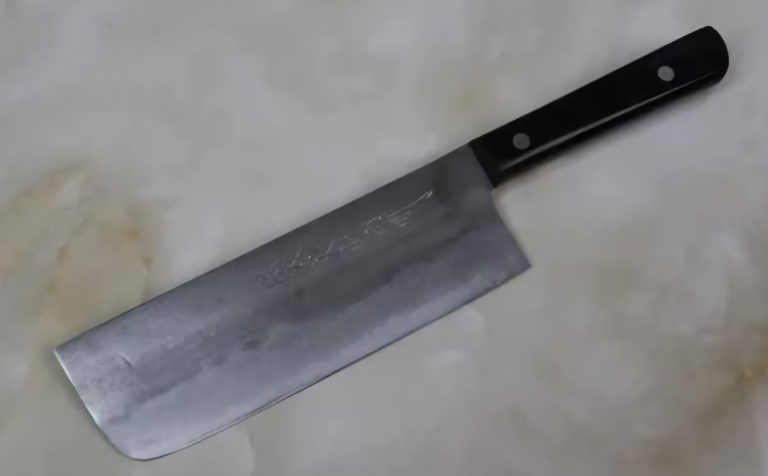
The Nakiri (also Nakiri Bōchō) was developed specially for cutting vegetable and not much of anything else. The blades on these knives are thin, sharp and, surprisingly, not as ancient as we understand many Japanese blades.

In this article, we’ll explore the history of this dedicated tool, its modern uses and look as some of the best nakiri available. So, chop, chop… let’s get cooking.

History Of The Nakiri

Many blade styles we associate with Feudal Japan came into use after Western contact was established. The Nakiri was one such product and it came at a time of significant modernization in the country.

Traditional feudal culture in Japan would come to an end over the course of the 1800s, culminating in a tremendous shift from a medieval society to a completely industrialized nation. These culinary tools became a feature of Japanese blade makers, and eventually, they arrived at a point of heavy specialization.

The Nakiri is a vegetable knife, plain and simple, in fact, the name translates to ‘knife for cutting greens’. It was made over time to excel at this one task. As a result, it isn’t ideal for much else.
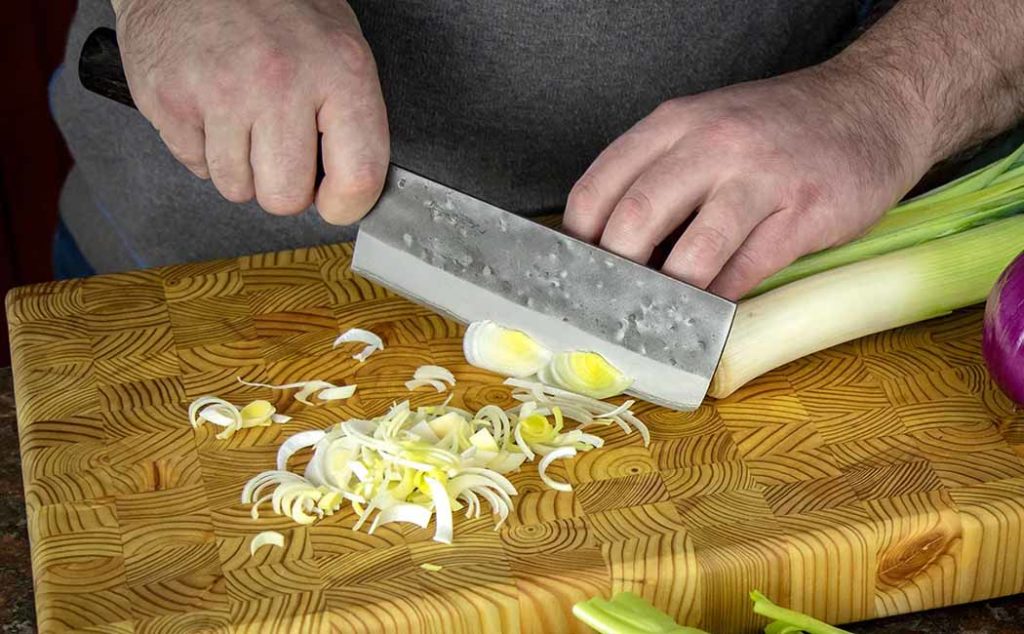
Despite its round, tipless shape it is not a cleaver. The blades on these knives are very thin, sometimes to the point of being fragile. They should not be used against bone or even used on meat for the most part. The entire concept is that the Nakiri makes clean cuts in veggies, as opposed to the more coarse, crushing cuts found on chef knives.

Nakiri Vs Western Chef’s Knife

Looking at the Nakiri next to common Western chef knives isn’t exactly a fair comparison. The chef knife is meant as a multipurpose blade that cuts virtually anything in a kitchen without missing a beat.

Most Western chef knives are derived from our own historical camp knives, seax blades, and Central European ‘messer’ knives. These are structurally far more robust and usually taper down to a fine tip with a thicker spine at the handle. Not so with the Nakiri.

Its shape is slim and has a straight edge, meaning in one motion it can be made flat against the cutting board. The height of the blade from the spine to the edge is also greater, enabling the hand to come to rest above the cutting surface. Contrast this to the Western chef knife, which works in a back-and-forth rocking motion. The Western chef knife is in theory not as efficient for motion, but how much this matters is subjective to the user.

The Nakiri Edge
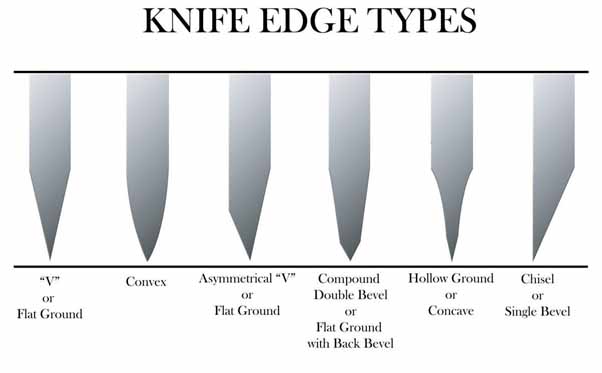
While the knife is commonly available on the commercial market with a standard, double-beveled edge, many traditional Nakiri boast a chisel-beveled. In short, as previously mentioned, one side of the blade is completely flat. Depending on if you are right- or left-handed determines which side your blade is beveled. Advanced users can take advantage of this feature for enhanced cosmetic presentation of food, such as spiral peeling, ornamental julienned strips, and more.

Advantages Of The Nakiri

Honestly, one-on-one against a standard chef knife in your own kitchen you may not notice the difference at of an Nakiri. The exception being, in the overall style of your food presentation. Furthermore, if cooking is part of your livelihood, you will like the shape, style, and ease of use of the Nakiri. It is a tool that can be used to step up the cosmetic end of delicacies

In short, if you spend time with this knife style in a professional setting, where aesthetics are equal to edibility, you might find the Nakiri an excellent companion. Home chef’s, on the other hand, might discover there cuisine doesn’t gain much with one at hand.

Disadvantages Of The Nakiri

The elephant in the room, you need more knives to accomplish a given task if you use a Nakiri for its intended role. This doesn’t jib with many pro or amateur chefs in the west.

Most Western cooks appreciate the flexibility and ease of the Western-style chef’s knife, a dedicated vegetable chopper seems redundant. In turn, it’s a great leap to investing in a specialized tool such as a Nakiri.

Best Nakiri Options At Every Price Point

Toshu Hammer Finished
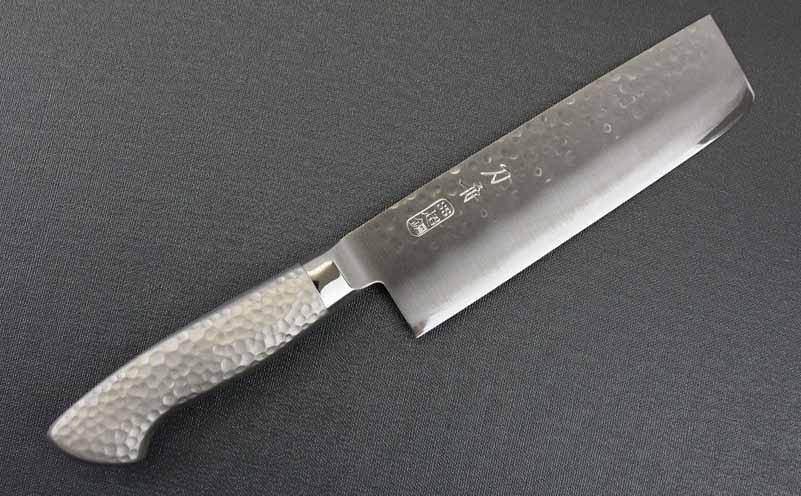
Toshu Hammer Forged

Made in Japan, the Toshu knife is made to work without compromise. The knife is not traditionally constructed, rather it is made of all stainless steel and is dishwasher safe. This is an important consideration for the home chef short on time. The knife features the beveled “Edo-Togi” grind, meaning that it isn’t double-beveled like most Western knives. It is very easy to keep clean, and sharp choice for everyday vegetable chopping vegetables duty.

MSRP: $213

Hinokuni Shirogami #1 Tall
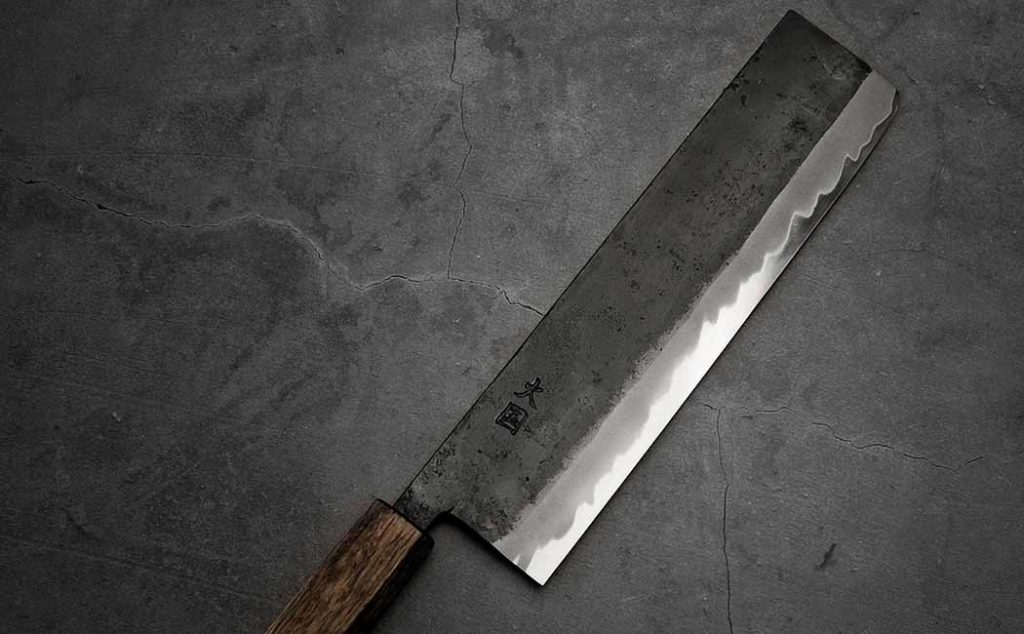
Hinokuni Shirogami #1 Tall

A custom Nakiri from a smaller maker, the Tall Nakiri might be the perfect large-format vegetable knife. If you are making salads, working on squash or melons, or trying to dice up a large quantity of veggies, this knife will knock them down to size. The knife is a labor of love, the maker of this brand is a young blacksmith that is well-versed in traditional methods. Interestingly, the knife is made of an uncommon (in America) type of carbon steel, Shirogami #1. This is a blade steel favored by the best Japanese smiths. However, neglected it can easily corrode. Like many traditional items, regular care is necessary to maintained it, but do so and the blade should last a lifetime.

MSRP: $180

Shun Cutlery Classic
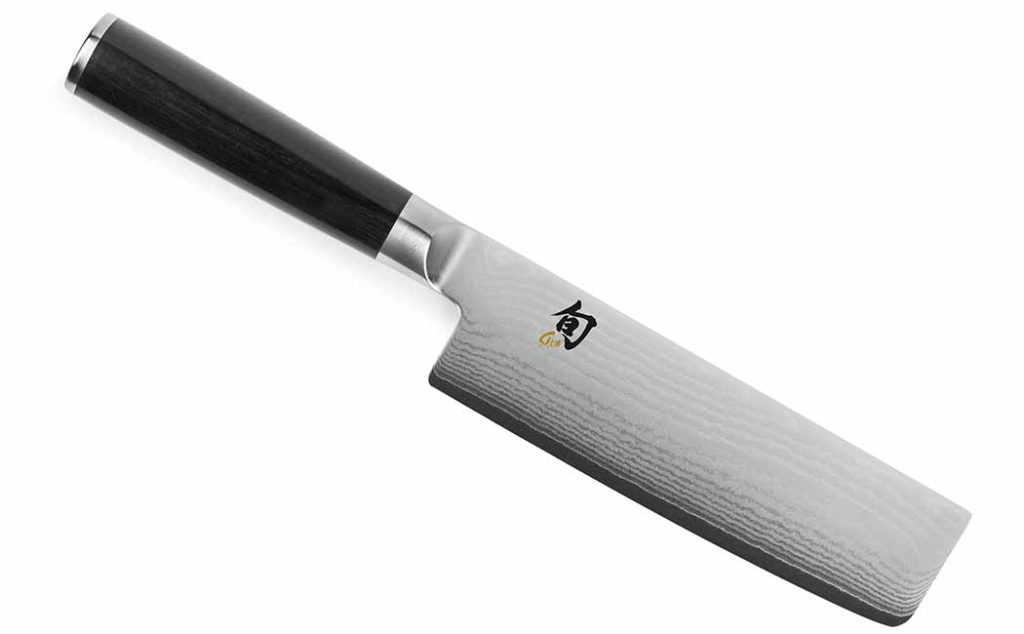
Shun Cutlery Classic

This Japanese knife is popular, well-constructed, and made in… China? No surprise, the broad Western market sees just about everything made in China these days. While not exactly up to the quality or authenticity of a true Japanese Nakiri, Shun Cutlery does a great job with this knife for the price. Chef among these assets includs using a novel layering method. The blade itself is not entirely Damascus, rather it is a stainless core sandwiched in layer of Damascus. It is a great starting point for getting into Nakiri but is priced in such a way that it may be your only one for years.

MSRP: $170

Kai Seki Magoroku Watakake
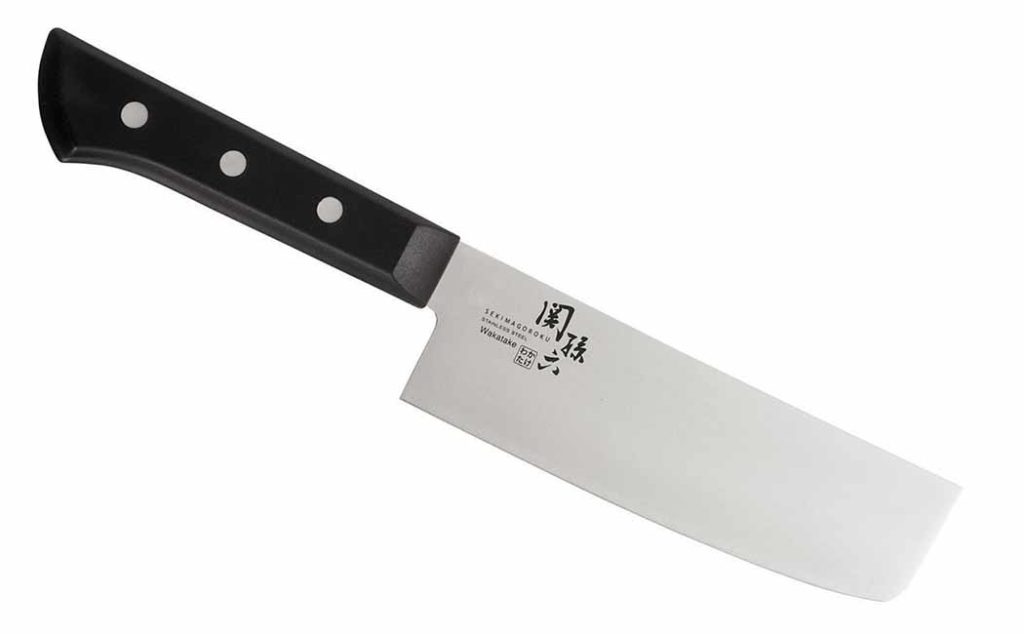
Kai Seki Magoroku Watakake

This Kai knife is a genuine Japanese-made Nakiri, fully sized in every way but price. Retailing at under $20, this is a great knife to add to your drawer if you want the function of a Nakiri but don’t do enough dedicated veggie chopping to warrant a several hundred-dollar in expense. Many people are just casual cooks and can certainly appreciate the utility a Nakiri brings, though just not enough to make a hobby of fleshing out an entire Japanese kitchen set. This knife is not of the same quality as the others on this list in terms of the overall construction but is certainly capable of most uses. Considering chopping veggies are the end use, you should do just fine, except perhaps in some of the most advanced techniques that require the features of a custom knife.

MSRP: $20

Shun Cutlery Dual Core
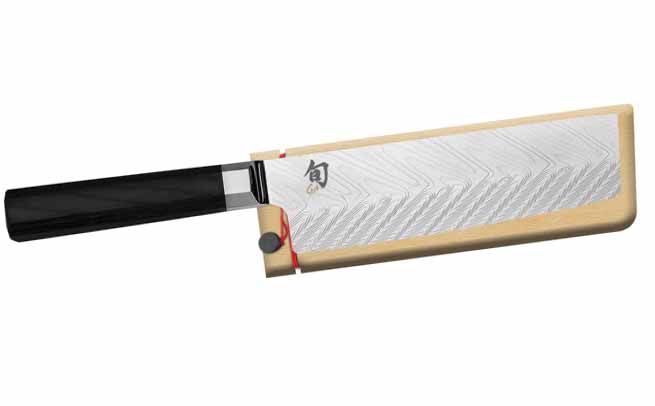
Shun Cutlery Dual Core

Another great product from Shun, the Dual Core Nakiri is a dull Damascus blade of 72 layers of VG10 and VG2 steels. As far as production Nakiri knives go, this is probably as good as it gets before you start to look at custom options. The knife here is priced higher, more than double that of the other Shun listing in this article. The manufacturing process results in a blade holds its edge longer and remain in service for extended periods of time, especially in a high-production restaurant setting. As a production knife, this product is great for showy use in a hibachi, but also easily replaced should it become damaged. The styling on this knife isn’t quite traditional Japanese, though patrons and guests will likely not notice that minor detail.

MSRP: $330

Masamoto FH Japanese
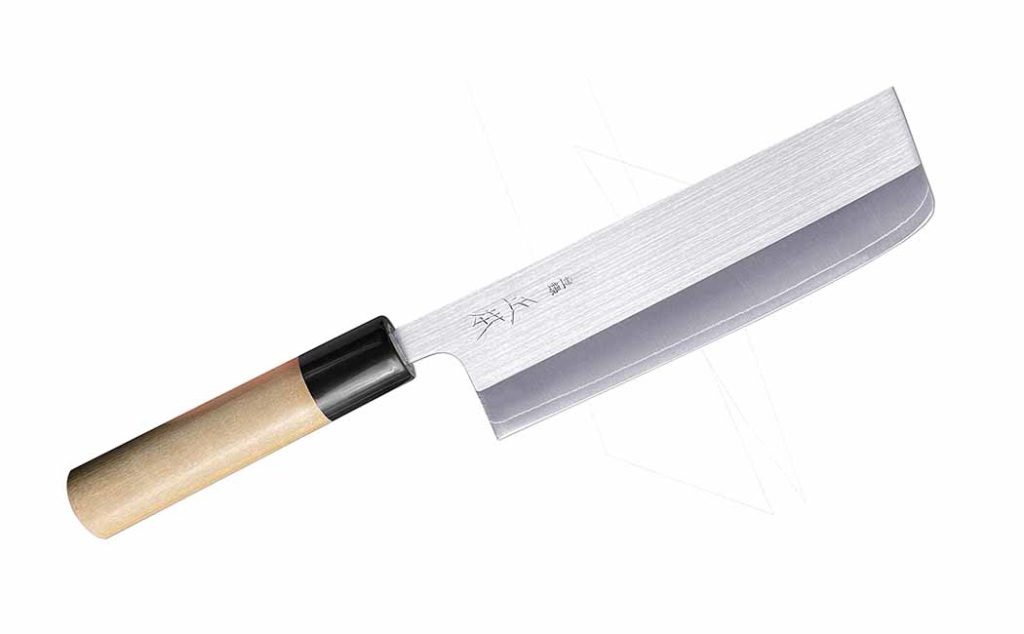
Masamoto FH Japanese

Masamoto’s product is a reasonably priced, high-performance traditional Nakiri made in Japan. This knife is just about as good as it gets from the standpoint of function and traditional appearance. Made of modern steel and reasonably corrosion-resistant, it’s a forgiving knife. But you still need to care for it after every use. The handle is made in traditional style out of buffalo horn and magnolia wood, both of which add to its already incredible appearance. It is not the most costly Nakiri here by far, though when combined with the extra maintenance needed to keep it ship-shape, isn’t for someone who will just throw it in the dishwasher.

MSRP: $229

Yoshihiro Hayate
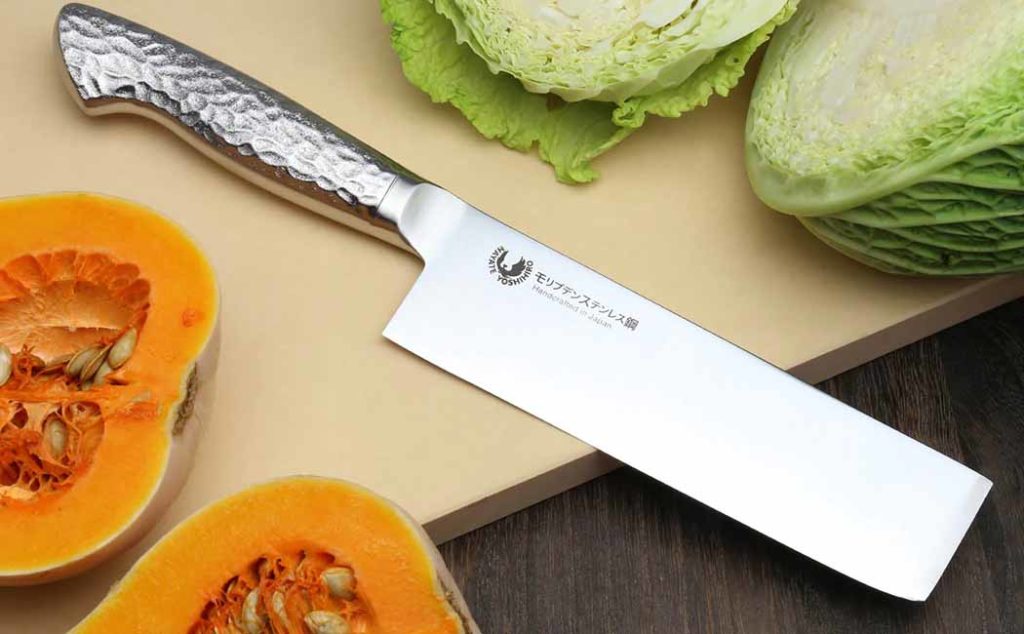
Yoshihiro Hayate

Last on this list is certainly not the least. The Yoshihiro Hayate is a handcrafted, high-end Nakiri that is for use by the most discerning culinary aficionado. The knife is made of extremely hard and difficult-to-work with ZDP-189 steel. Not only is it beautiful, but the knife is also NSF-approved for use in commercial kitchens, making it one of the most expensive single-use products in a restaurant. However, thanks to its superior steel and impressive edge retention, the knife will ultimately save the chef effort on high-volume cutting and other laborious tasks. This Nakiri is made with excellent materials in the handle as well, including premium ebony with a sterling silver ring. Completing this knife is a lacquered cover for storage. Of note, this knife is double-beveled, making it great for use with both hands as opposed to specializing to left or right. If you decided to spend the money on something like this, you will never need to seek out a replacement. Short of a completely custom knife made to your hand and style of cutting, this is as good as it gets.

MSRP: $700

More Kitchen Knives:

Vosteed Mayhem: The Compression Lock Rides Again

A top-end offering, the Vosteed Mayhem takes a run at proven, yet challenging locking mechanism.

Prolific in its offerings, they must not sleep much over at Vosteed Knives. Yet, the company’s productivity has generally been knife buyer’s gain—at least those attracted to mid-priced fidgety options that by and large have fairly decent lines. Though, one of its latest releases should turn heads if only to see if Vosteed indeed has been able to pull off what few other companies have dared.

Christened the Mayhem (a prototype was showcased at their table at the 2023 BLADE Show), the collaboration with Rob Saniscalchi of R.S. Knifeworks boasts what the firm defines as a hybrid frame/compression lock. Some might recognize the latter aspect of the system as the same mechanism developed and used to great effect by Spyderco. The Colorado company’s patent on the mechanism ran out a few years ago, making it fair game and clone fodder. But given the tight tolerance required for the lock to operate properly, few companies have given it a run.

The Sypderco system is operated by a leaf spring wedging laterally between a ramp on the tang and a stop pin. The system was smooth and easy to operate, as well as strong as the dickens—given pressure is exerted directly down on the spring’s vertical surface, preventing potential bowing. Vosteed appears to operate almost identically, though a bit of the geometry on the blade’s lock elements differ. At arm’s length, Vosteed’s attempt appears on track, but only time and plenty of fiddling by owners will prove if the company truly got it right.

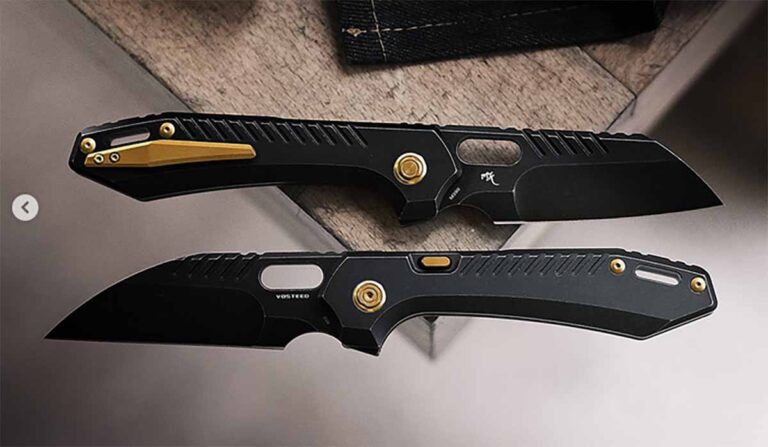
Vosteed Mayhem black and gray finishes
Photo: Instagram

As to its operation, the lock is actuated by a push button on the spine. The system allows for wrist opening, but as has been Vosteed’s OM for some time, it outfitted the Mayhem with multiple deployment options. In this case, both a thumb hole and a kicker; a pair of caged ceramic ball bearings aid in a smooth and fast deployment.

Vosteed offers the Mayhem with a couple of different options. Perhaps the imperative one is the choice between a Wharncliff or sheepsfoot blade, each coming in a 3.3-inch in length and constructed from the highly desirable M390 steel. Each blade has a compound grind, but this appears a play at aesthetics, given the thicker rear grind seems too small for practicality. The blades also feature a choil, so you can choke up, even though the titanium scale is ample enough to land all five fingers of a large hand. The scale itself is clean, with a closed rear and texturing across its back, not to mention a nice taper up to the blade to allow for a firm grip.

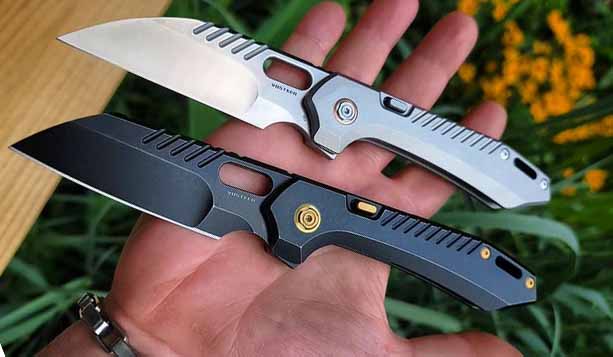
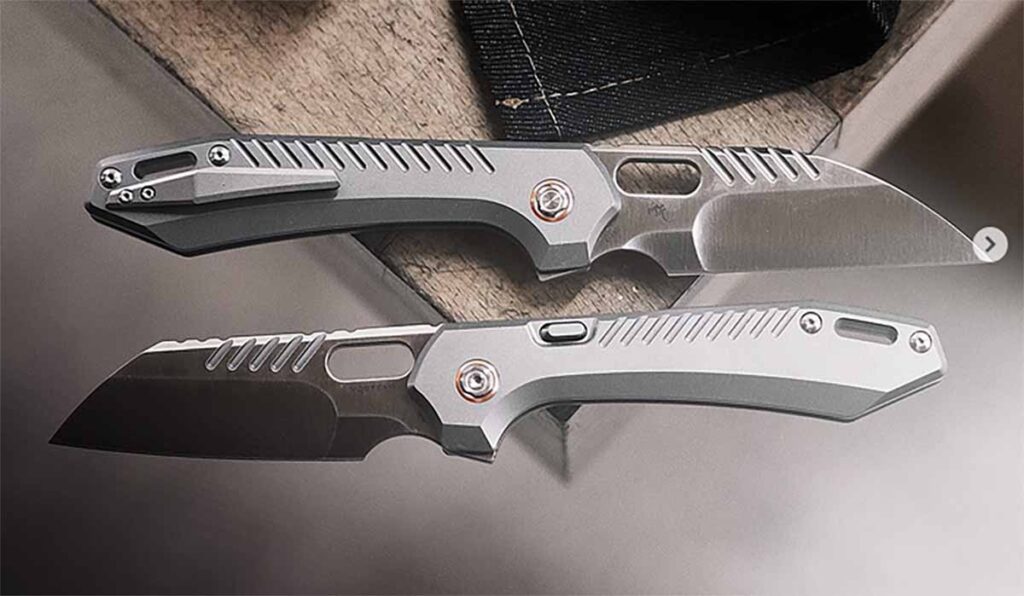
The other choice buyers have to make on the Mayhem is finish, with a stonewashed black PVD coating and gray satin options on the menu. The gray version is gray from top to bottom—outside a gold pivot collar—accentuating the knife’s tidy design, while the black iteration is a bit more boisterous boasting gold hardware. Note, the knife offers tip-up carry with a non-reversible titanium clip.

Vosteed Mayhem gray
Photo: Instagram

The Vosteed Mayhem is a break from what most have come to expect from the company, which has made its bones at the affordable end of the market. The new knife—no matter options—runs $250. However, if it proves well executed, most likely will find this money well spent.

Check Out More Buyer’s Guides:

New Knives: Must-Have Production And Custom Blades
From kitchen to camp and beyond, these puppies will perform.

Christmas may have passed and all your presents have been unwrapped, but that doesn’t mean you can’t start building out your wish list for the coming year. We’re here to help with a slew of new knives—and non-knives—that are certain to tantalize and tempt. From production options full of pomp and customs cutting one-of-a-kind profiles, there’s something for knife lover.

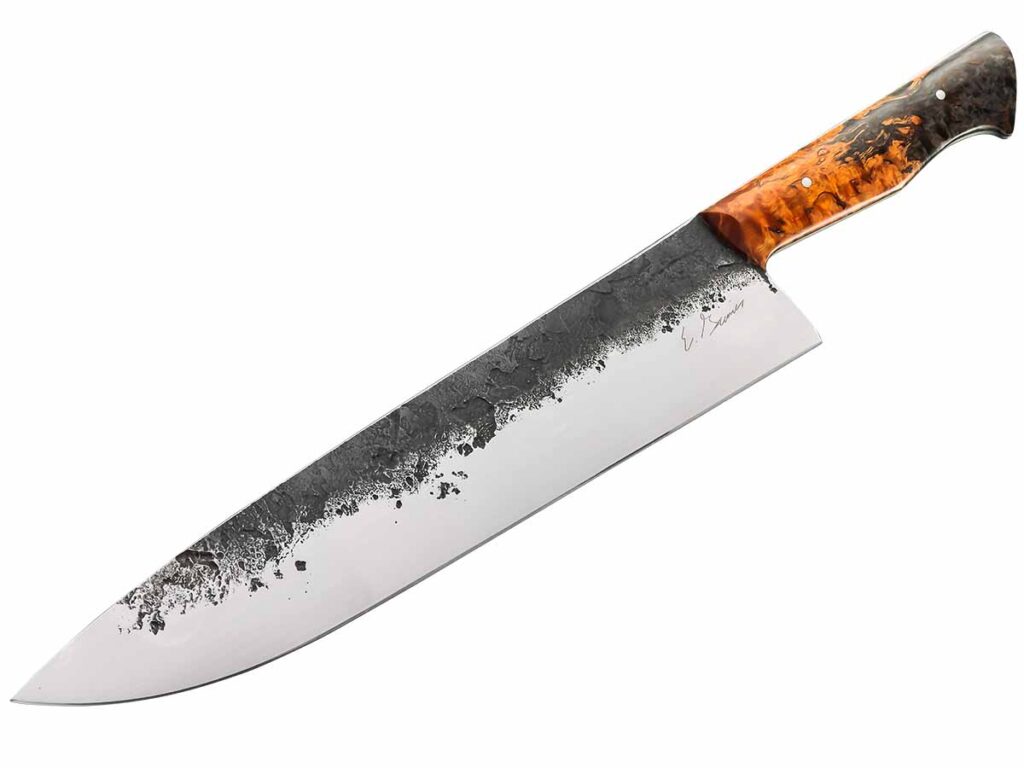
Greiner Chef’s Knife

Greiner Chef's Knife

Blade length: 10”
Blade material: 80CrV2 carbon steel w/forged finish
Blade grind: Flat
Handle material: Double-stabilized karelian birch
Overall length: 14.5”
Maker’s price for a similar knife: $600
Maker: Erik Greiner, greinerblades.com (SharpByCoop image)


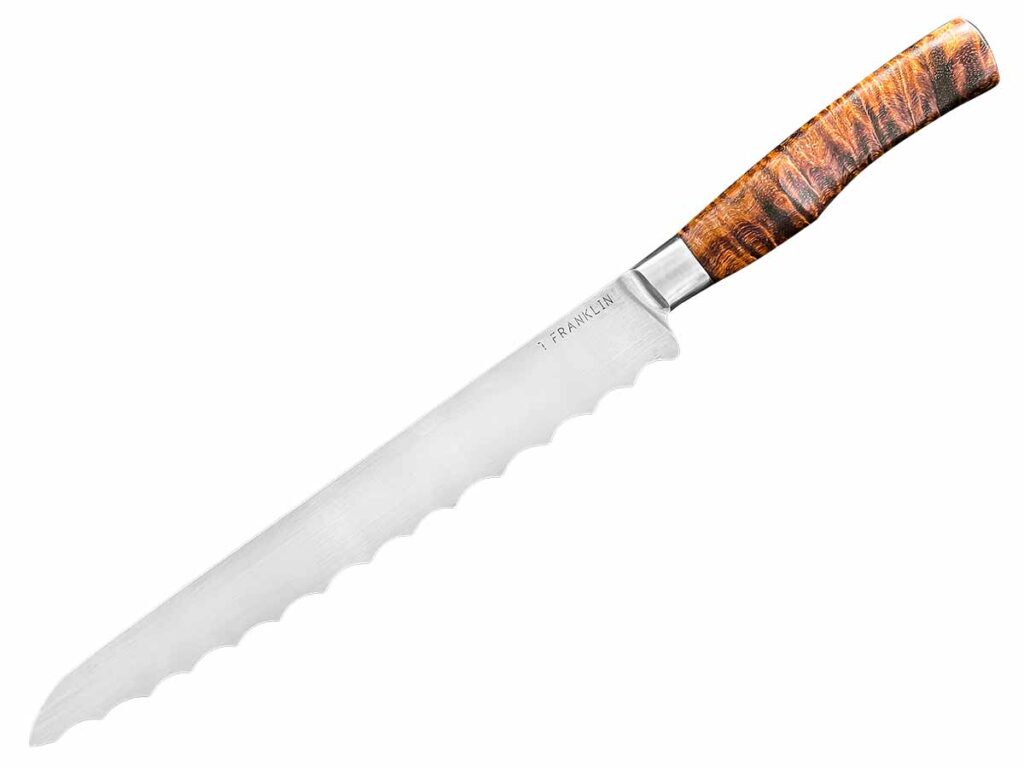
Franklin Bread Knife

Franklin Bread Knife

Blade length: 9.25”
Blade material: 52100 carbon steel
Handle material: Hawaiian koa
Overall length: 14”
Maker’s price for a similar knife: $575
Knife to know: Also comes in a set of three that includes chef’s and paring knives w/a price of $1,750 for the entire set; Thomas Franklin is an ABS apprentice smith
Maker: Thomas Franklin (Jfrasierphotography.com)


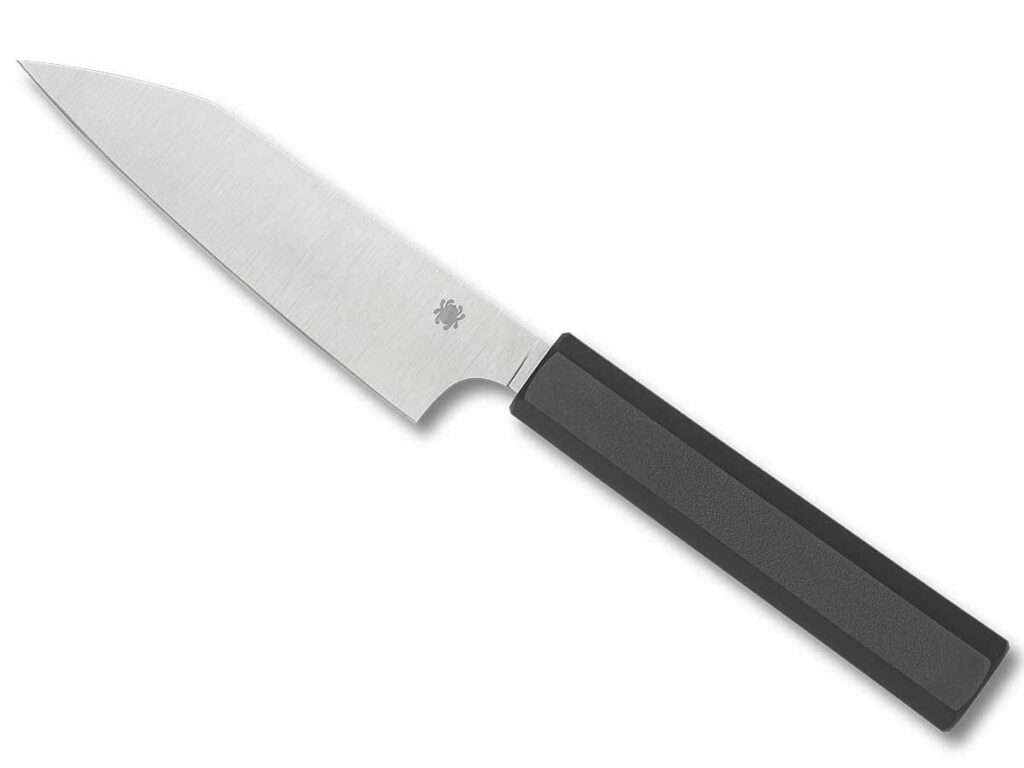
Spyderco Petty

Spyderco Petty

Designer: ABS master smith Murray Carter
Blade length: 4.64”
Blade steel: CTS BD1N stainless
Blade grind: Full-flat
Blade @ thickest: .068”
Handle design: Wa style (octagonal)
Handle material: Black polypropylene
Weight: 1.8 ozs.
Overall length: 8.87”
Knife to know: The Petty is part of Spyderco’s Minarai Series; meaning “to look and learn,” minarai is the Japanese way of describing the role of an apprentice
Country of origin: Japan
Company: Spyderco, spyderco.com


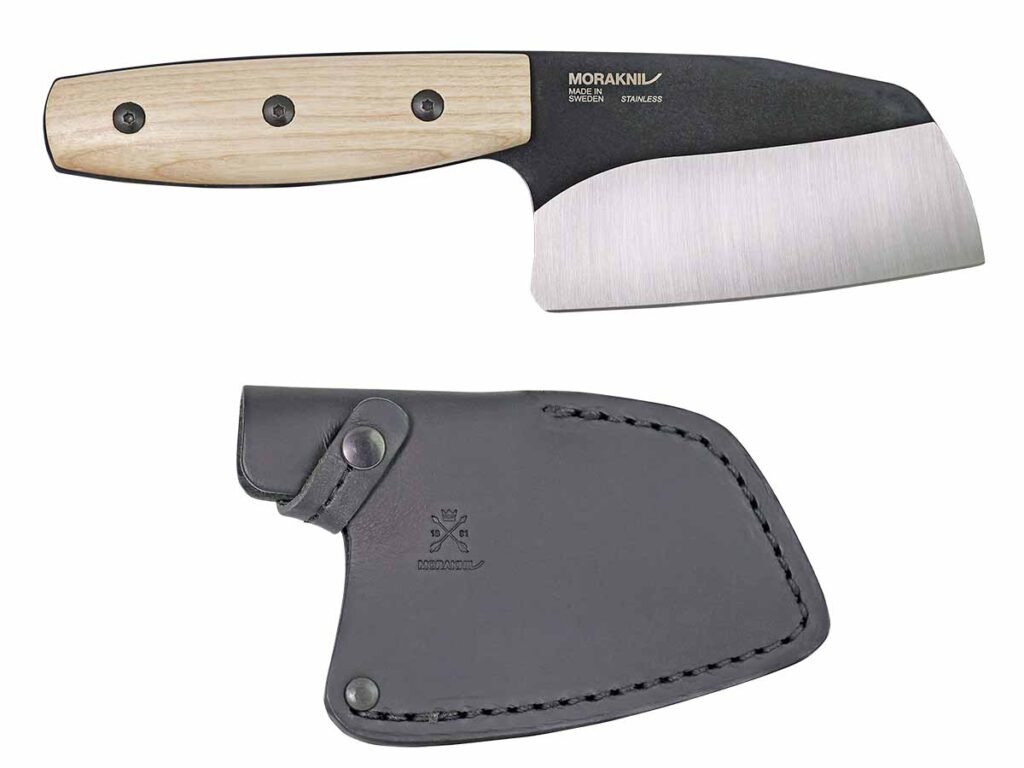
Morakniv Rombo

Morakniv Rombo

Model: Camp chef’s knife
Blade length: 3.86”
Blade steel: Swedish stainless
Blade grind: Flat
Blade @ thickest: .09”
Blade finish: Two-tone
Handle material: Wood
Weight: 5.5 ozs.
Overall length: 8”
Country of origin: Sweden
Knife to know: Designed for right-hand use
MSRP: $230 (at press time rate of exchange)
Company: Morakniv, industrialrev.com


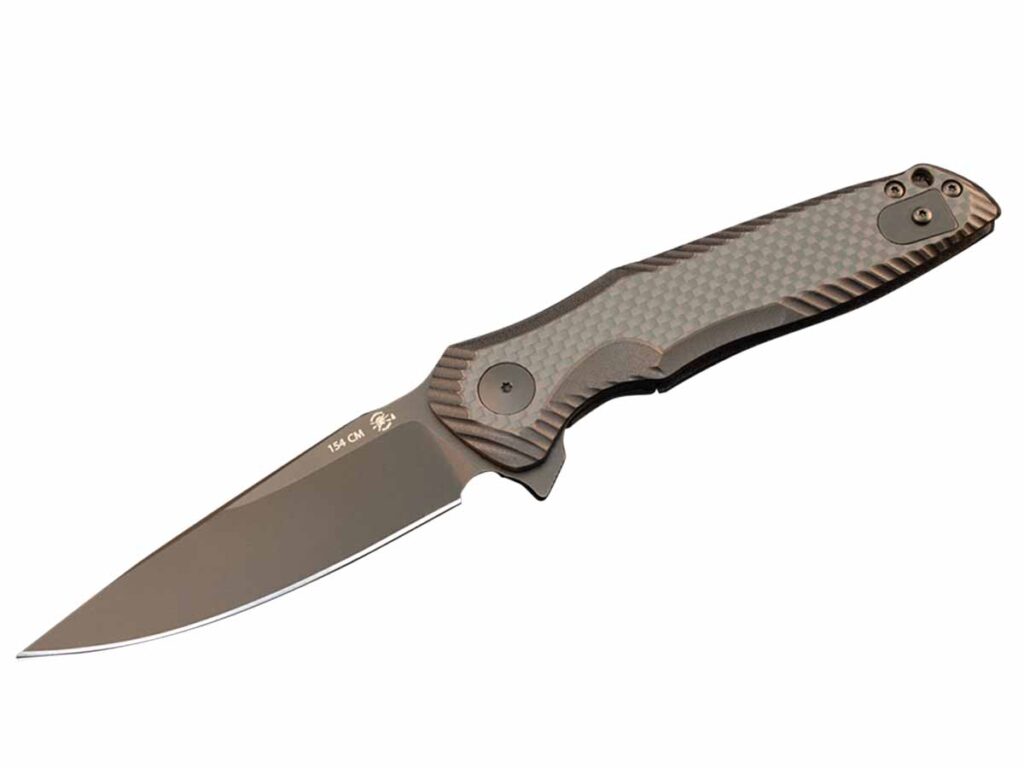
Spartan Blades Poros

Spartan Blades Poros

Designer: Curtis Iovito
Knife type: Flipper folder
Blade length: 3.75”
Blade steel: 154CM stainless
Rockwell hardness: 58-60 HRC
Blade grind: Flat
Blade @ thickest: .125”
Blade finish: Black titanium nitride coating
Blade pattern: Drop point
Pivot action: Ikoma Korth Bearing System (IKBS)
Handle material: Carbon fiber/G-10 composite
Lock: Linerlock
Pocket clip: Deep carry
Hardware & liner: Stainless steel w/black electro-deposit powder coating
Weight: 5.3 ozs.
Closed length: 4.25”
Country of origin: USA
MSRP: $190
Company: Spartan Blades, spartanbladesusa.com


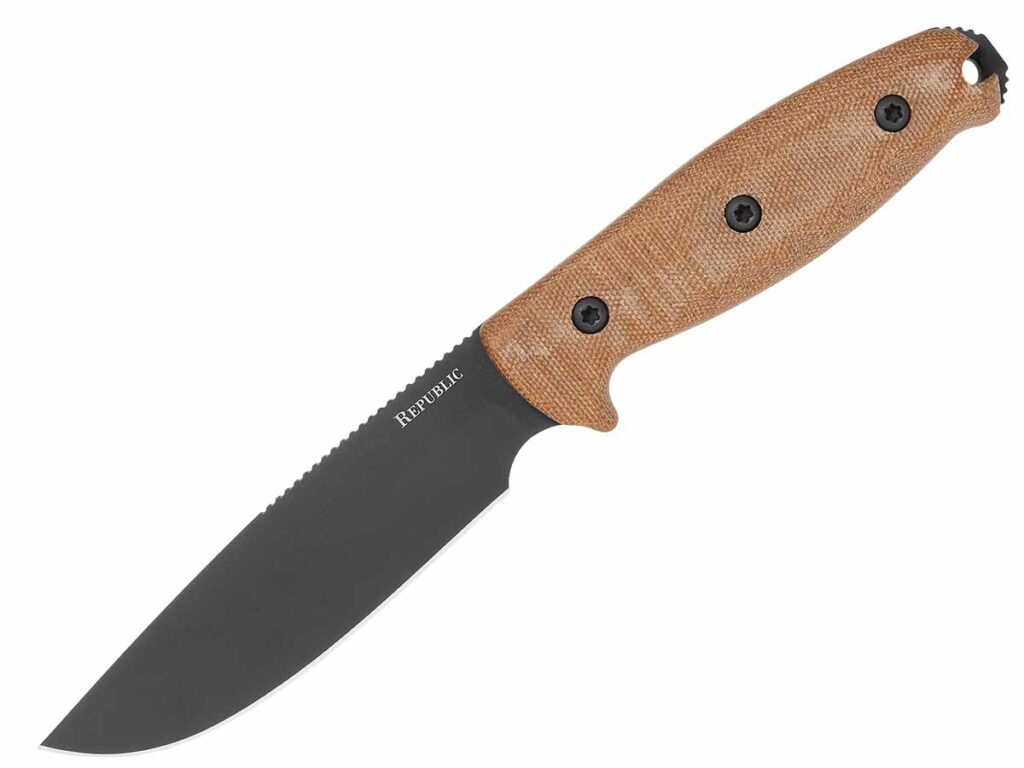
Cold Steel The Republic

Cold Steel The Republic

Knife type: Bushcraft fixed blade
Blade length: 5”
Blade steel: CPM S35VN stainless
Rockwell hardness: 58-60 HRC
Blade @ thickest: .1535”
Blade finish: Corrosion resistant/no-glare Ionbond
Blade pattern: Drop point
Handle material: Micarta® w/single integral guard and lanyard hole
Knife to know: Handle is removable for customization based on situation/undertaking; spine gimping for extra control
Weight: 8.4 ozs.
Overall length: 10”
Sheath: Leather pouch
MSRP: $269.99
Country of origin: USA
Company: Cold Steel, coldsteel.com


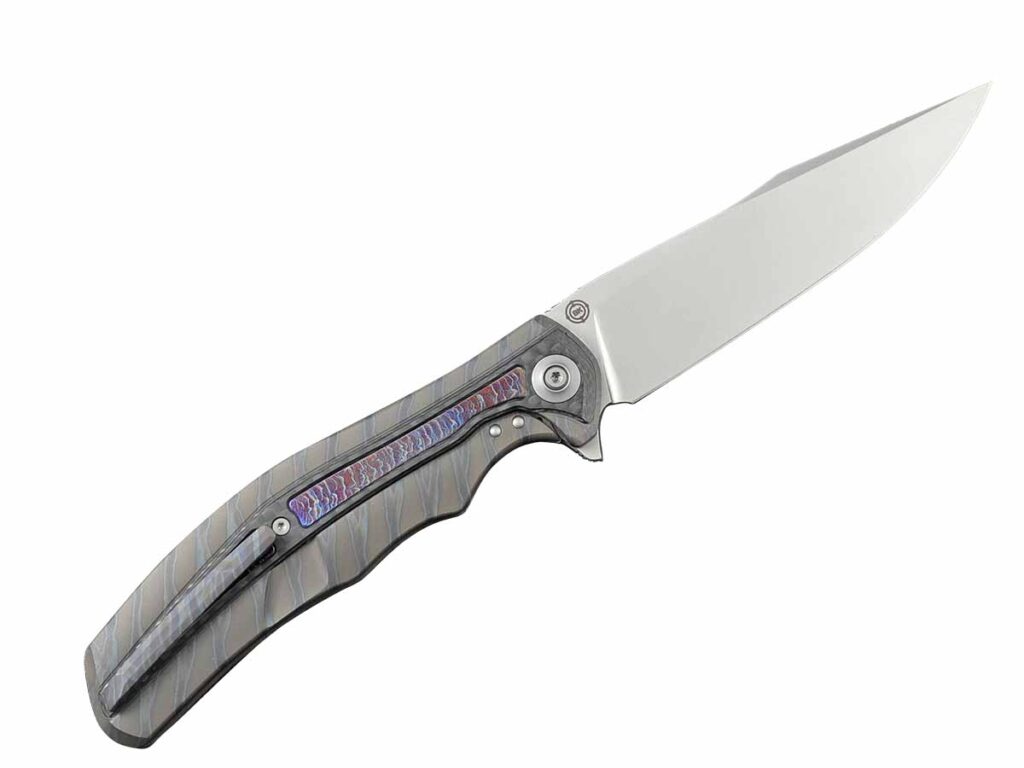
WE Knife Zonda

WE Knife Zonda

Pattern: Flipper folder
Blade length: 4.04”
Blade steel: CPM 20CV stainless
Blade finish: Stonewashed
Blade @ thickest: .13”
Handle material: Black titanium w/flamed titanium inlay
Pocket clip: Right-hand, blade-tip-up carry
Lock: Framelock
Closed length: 4.85”
Country of origin: China
MSRP: $480
Company: WE Knife, weknife.com


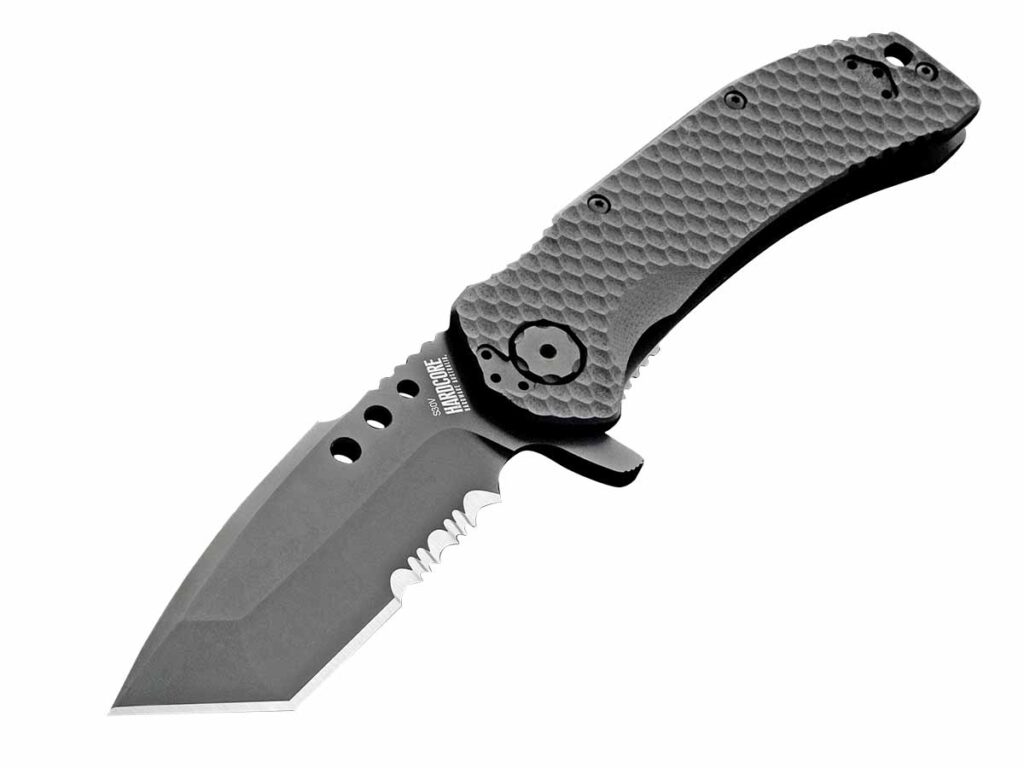
Halfbreed Blades MILF-03PS

HHA MILF

Blade length: 3.54”
Blade steel: CPM S30V stainless
Rockwell hardness: 59-60 HRC
Blade grind: Hollow
Blade @ thickest: .19”
Blade finish: PVD coat
Blade pattern: Tanto
Handle material: G-10
Washers: Phosphor bronze
Weight: 7.34 ozs.
Closed length: 5.51”
Handle @ thickest: .59”
Country of origin: Australian and Taiwanese make
MSRP: $280
Company: Halfbreed Blades, halfbreedblades.com.au


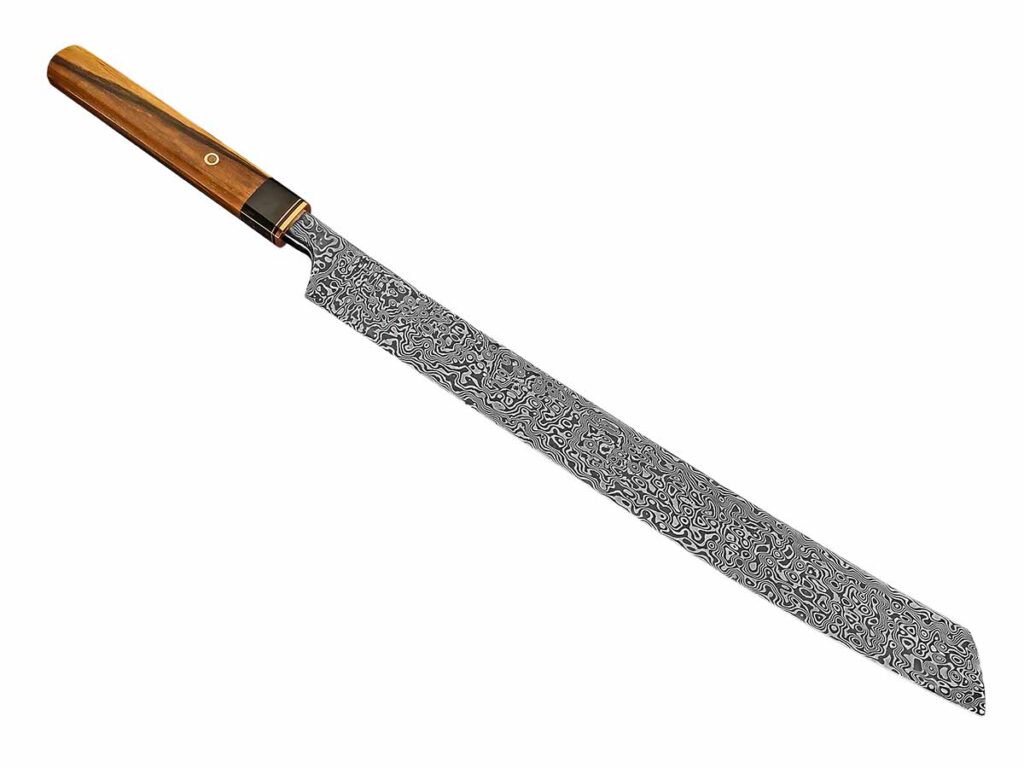
Schubert Knives Large Damascus Slicer

Schubert Knives Large Damascus Slicer

Blade length: 19.3”
Blade material: 90-layer raindrop-pattern damascus of 1084 carbon and 15N20 nickel-alloy steels
Blade grind: Flat
Blade @ widest: 1.77”
Bolster/guard material: Copper and buffalo horn w/soldered joint
Handle material: Stabilized blackheart sassafras
Handle pins: Turned whale tooth and bamboo
Overall length: 26.4”
Scabbard (not shown): Glass lacquered wood inlaid w/black heart sassafras, buffalo horn, copper and whale tooth
Maker: Bruce Schubert (Rod Hoare image)


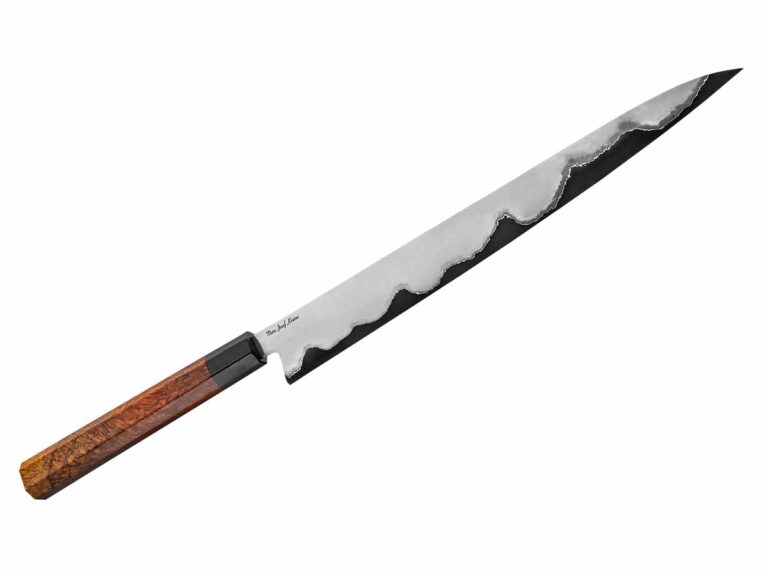
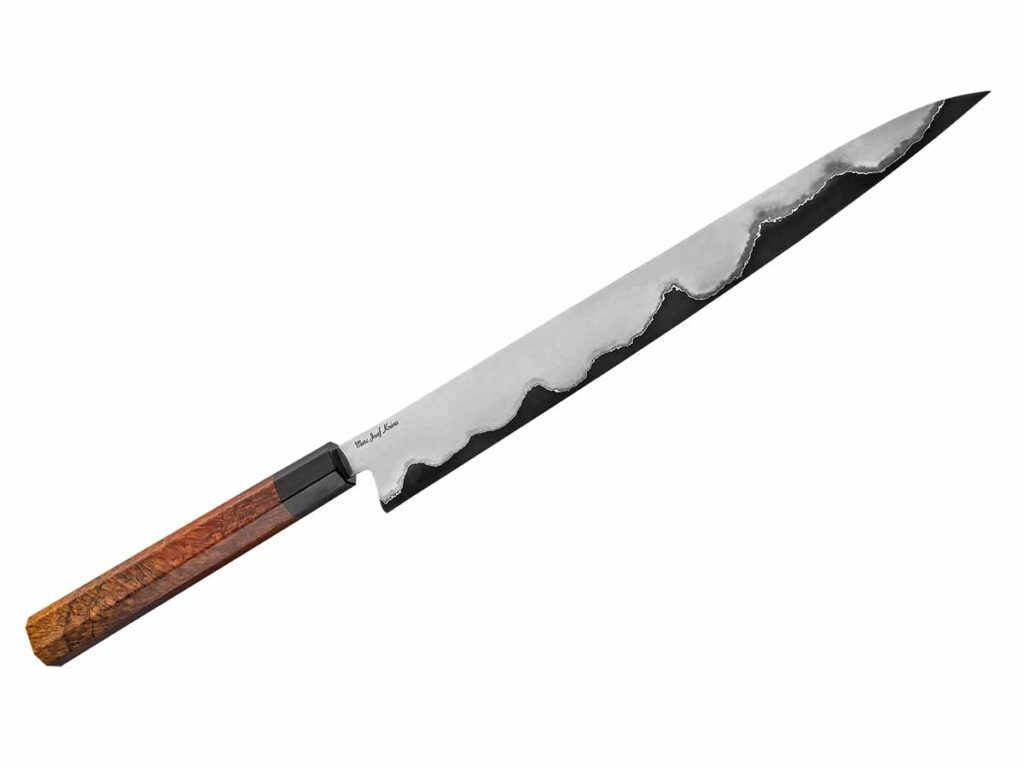
Mark Josef Knives Sujihiki

Mark Josef Knives Sujihiki

Pattern: Slicer
Blade length: 11.8”
Blade material: San-mai construction of 410 stainless steel, nickel and 52100 carbon steel forged by Brook Turner
Rockwell hardness: 62 HRC
Blade grind: Flat/convex
Blade thickness @ ricasso: .118”
Blade @ widest: 1.496”
Handle material: Coolabah burl
Bolster/guard: African blackwood
Overall length: 18.5”
Maker: Marc Stewart, Mark Josef Knives, marcjosefknives.com.au (Rod Hoare image)


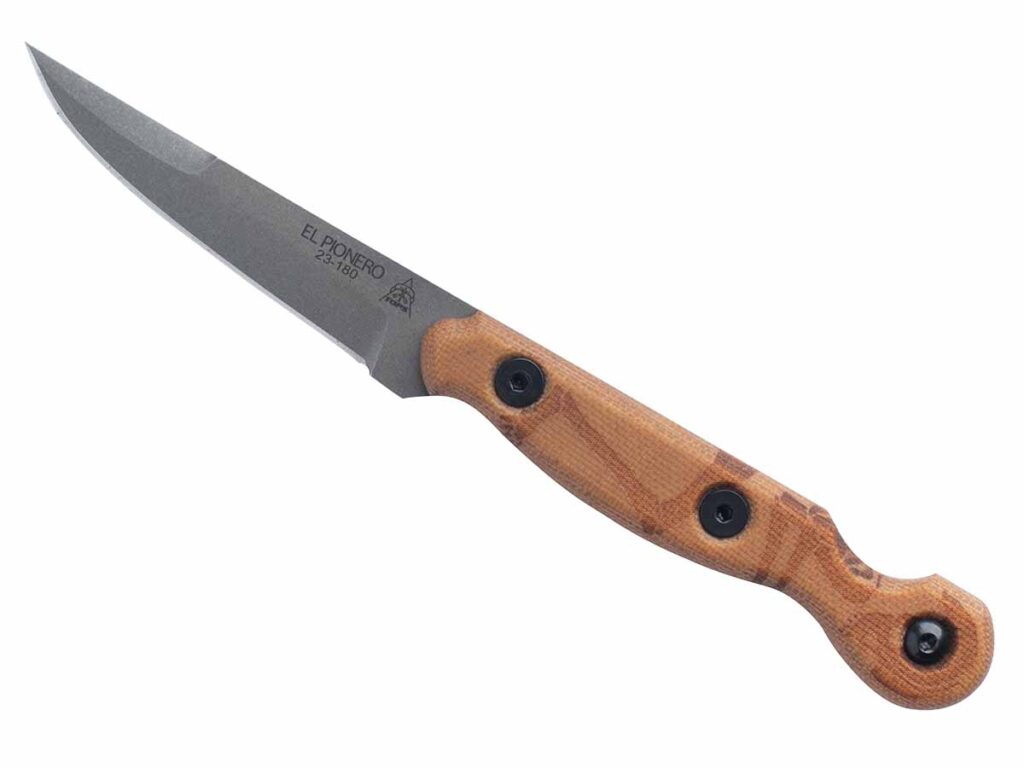
TOPS Knives El Pionero

TOPS Knives El Pionero

Designer: Ed Calderon
Blade length: 3.38”
Blade material: 1095 carbon steel
Blade @ thickest: .09”
Blade finish: Tumble
Handle material: Tan canvas Micarta® w/finger divot that aids in blade orientation, etc.
Weight: 2.9 ozs.
Overall length: 7.63”
Sheath: Black Kydex
Weight w/sheath: 4.1 ozs.
Knife to know: The El Pionero is a “paring knife-esque design”; Ed Calderon (edsmanifesto.com) worked as a counter-narcotics officer in Mexico and more recently as a trainer and “guru in the tactical space”
Country of origin: USA
MSRP: $220
Company: TOPS Knives, topsknives.com


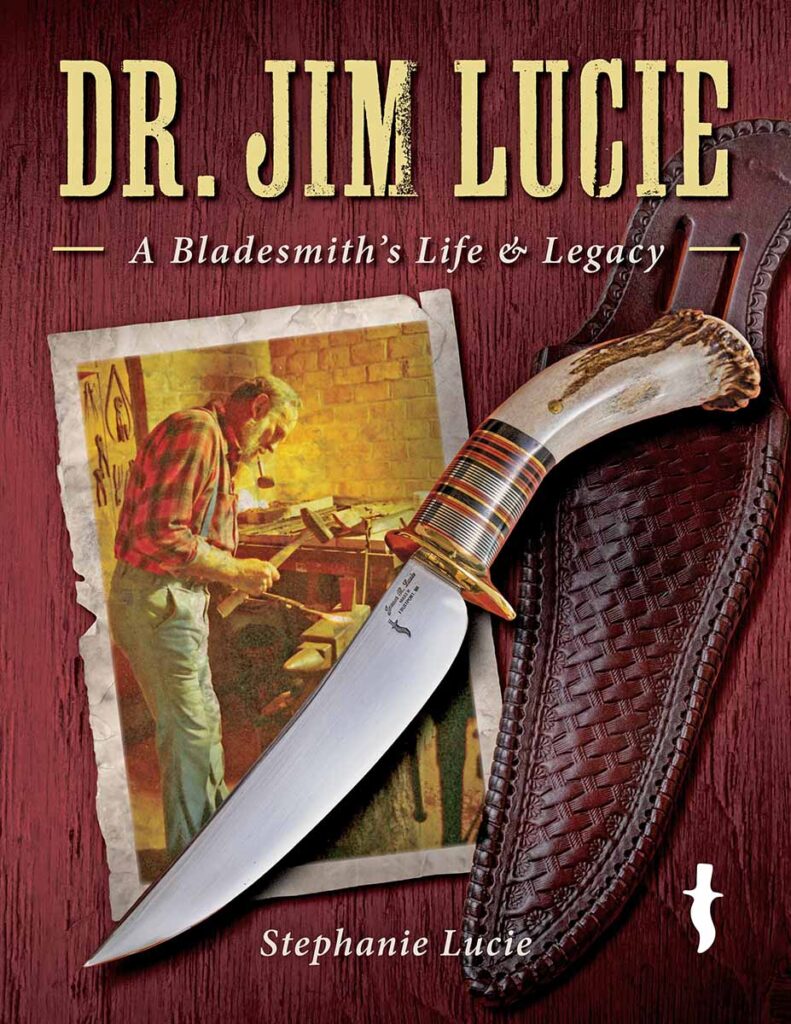
Dr. Jim Lucie: A Bladesmith’s Life & Legacy

Dr. Jim Lucie: A Bladesmith’s Life & Legacy

What it’s about: ABS journeyman smith Dr. Jim Lucie had a unique background: he served as the personal physician for, and learned about knifemaking from, the man recognized as the grandfather of custom knives—BLADE Magazine Cutlery Hall-Of-Fame® member William Scagel. The author, Stephanie Lucie, is Lucie’s youngest of four daughters. She paints a picture of her father like no other, from childhood to adulthood, his bladesmithing mentors and friends, the many stories written about him and much more.
Format: 9.25 x 12.5-inch hardback, limited to 1,500 copies in the first edition, over 300 color photos, including more than 200 knives Lucie made, and over 100 pictures of his life and accomplishments.
MSRP: $120
Contact: jimluciebook.com

Check Out More Knife Drops:

Framelock Folders: Top Picks Built For Hard Use

Today’s framelock folders are built tough, stylish and sharp.

Framelocks are popular with folks who put folding knives to rough use. They are built more robust than linerlocks simply because the lockbar is cut out and bent from the steel or titanium frame of the handle. The lockbar is the exact width of the handle scale, whatever thickness that may be. Consequently, compared to the spring of a standard linerlock, there is significantly more material locking the blade open and, thus, greater lock strength.

Hinderer Knives Halftrack

titanium lockbar of the Hinderer Halftrack
At the end of the titanium lockbar of the Hinderer Halftrack is a bolted-in steel block that contacts the tang and reduces wear on, and thus adds longevity to, the lockbar. 

Named for the specialized military vehicle with a tracked propulsion drive system, the Hinderer Knives Halftrack framelock folder is, like its namesake, practically unstoppable. Despite the knife’s compact size, it has the horsepower to muscle through tasks big and small.

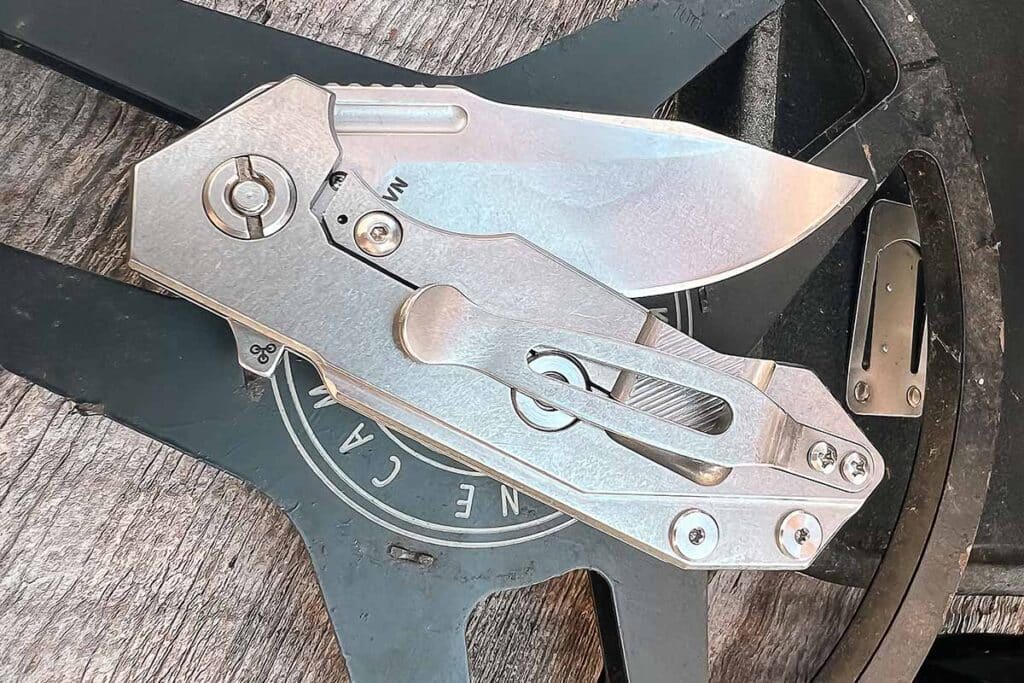
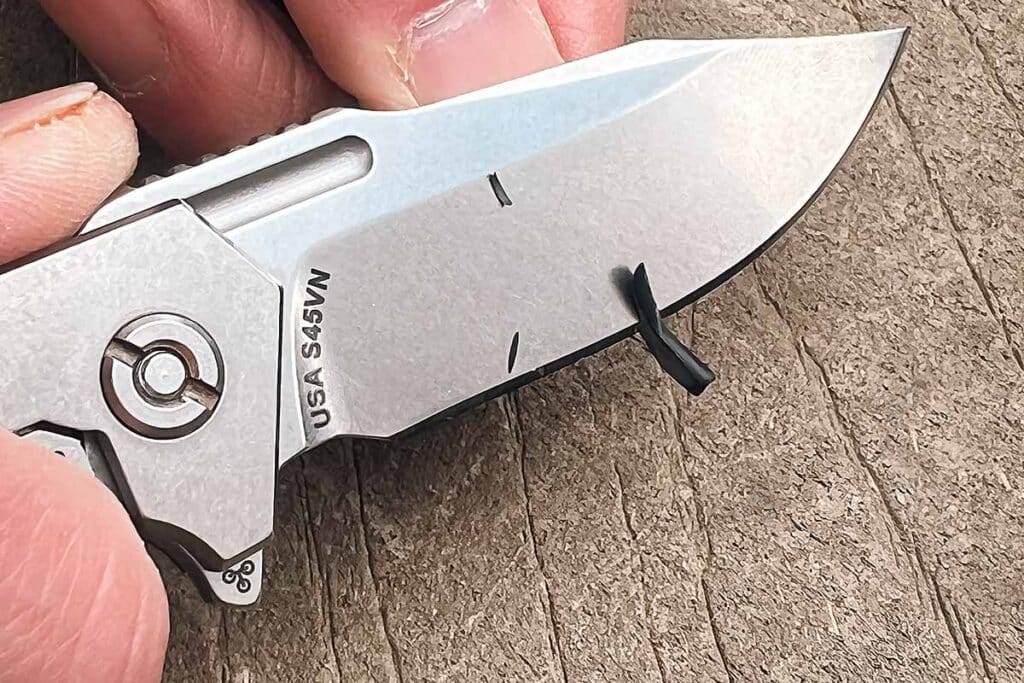
Hinderer Knives is known for high-end folding and fixed-blade knives aimed at the tactical market. The Halftrack is a bulldog of a tactical folder and one of Hinderer’s biggest sellers. A scaled-down tactical folder, it’s easy to carry. One thing’s for sure, the Halftrack is stout, with a handle that’s a little over a half-inch thick. The 2.75-inch blade is high-octane CPM S45VN stainless steel. The classic bowie shape has a defined tip for precise cutting. Other blade pattern options are a Spanto—Hinderer’s in-house design of blade grind that results in a very stout spear point—a tanto, wharncliffe and drop point.

The boxy handle frame is stonewashed titanium and the framelock is one of the strongest on the market. At the end of the titanium lockbar is a bolted-in steel block that contacts the tang and reduces wear on, and thus adds longevity to, the lockbar. Not all knife companies incorporate such a feature on their framelocks. A sturdy titanium pocket clip carries the closed knife blade tip up in the pocket. G-10 inlay in several color options on the presentation side sports a nice 3D milling pattern that aids in traction. At 3.85 inches closed, the Halftrack is robustly built without being too bulky.  

The Halftrack blade has an excellent edge
The Halftrack blade has an excellent edge out of the box and is ready to work. The CPM S45VN stainless steel has staying power and holds an edge exceptionally well. As the author noted, it’s a material that can go the distance. 

The blade has an excellent edge out of the box and is ready to work. The S45VN has staying power and holds an edge exceptionally well. It’s a steel that can go the distance. The handle doesn’t seem that comfortable at first but once you work with it you’ll understand the purpose behind the design. The large finger recess forms an integral lower guard that seats your index finger and prevents forward hand movement, while the angled handle butt fits perfectly in the palm of your hand. The boxy shape helps prevent it from being “lost” in your grip while wearing work gloves, too. 

Expect top notch performance all around. The blade sails through just about anything—cardboard, hose, wire, meat and a lot more. It does it all easily. The MSRP of $425 may be somewhat steep but the knife is well worth every dollar. It’s a tough folder that will take abuse and last for years. Country of origin: USA.

Kershaw Helitack

The 3.25-inch clip-point blade of the Helitack is built to excel at utility tasks
The 3.25-inch clip-point blade of the Helitack is built to excel at utility tasks. Such a pattern not only slices very well but also has a defined tip for precise cutting and scoring. 

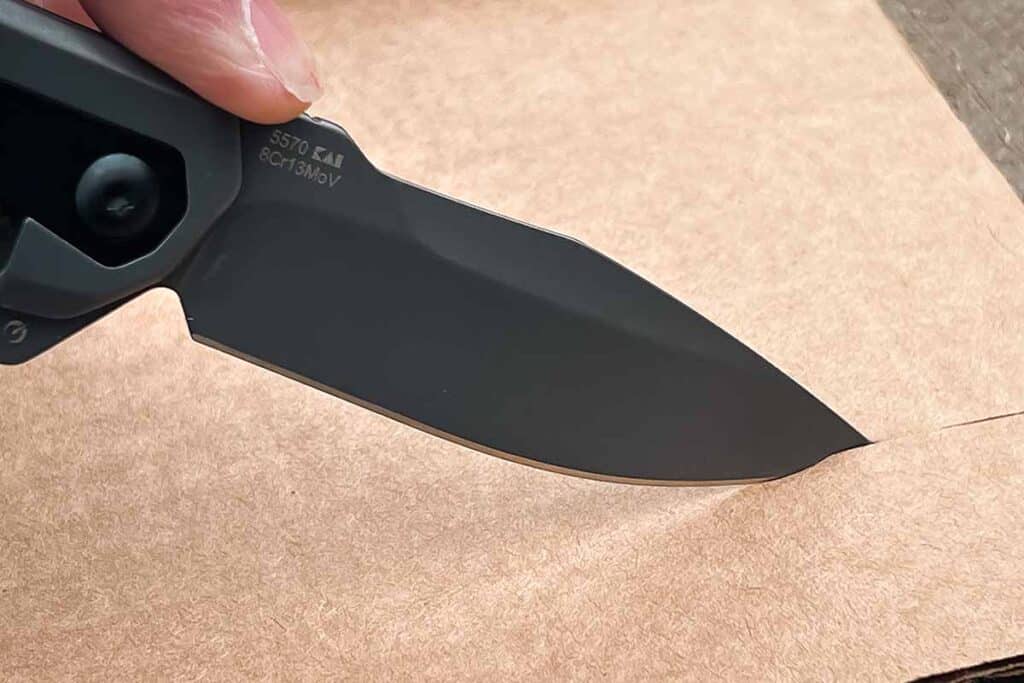
Named for the U.S. Forest Service helicopter borne firefighters who are flown to combat remote wildfires, the Helitack from Kershaw exhibits the same toughness and resolve that the special breed of firefighters possesses. Like firefighter gear, the Helitack is built tough and carries easily. The 3.26-inch modified clip-point blade of 8Cr13MoV stainless is razor sharp out of the box. (The 8Cr13MoV is the Chinese equivalent of Japanese AUS-8.) The blade deploys via a flipper tab and SpeedSafe assisted opener, and rides on a pair of caged bearings for the ultimate smoothness in opening and closing.

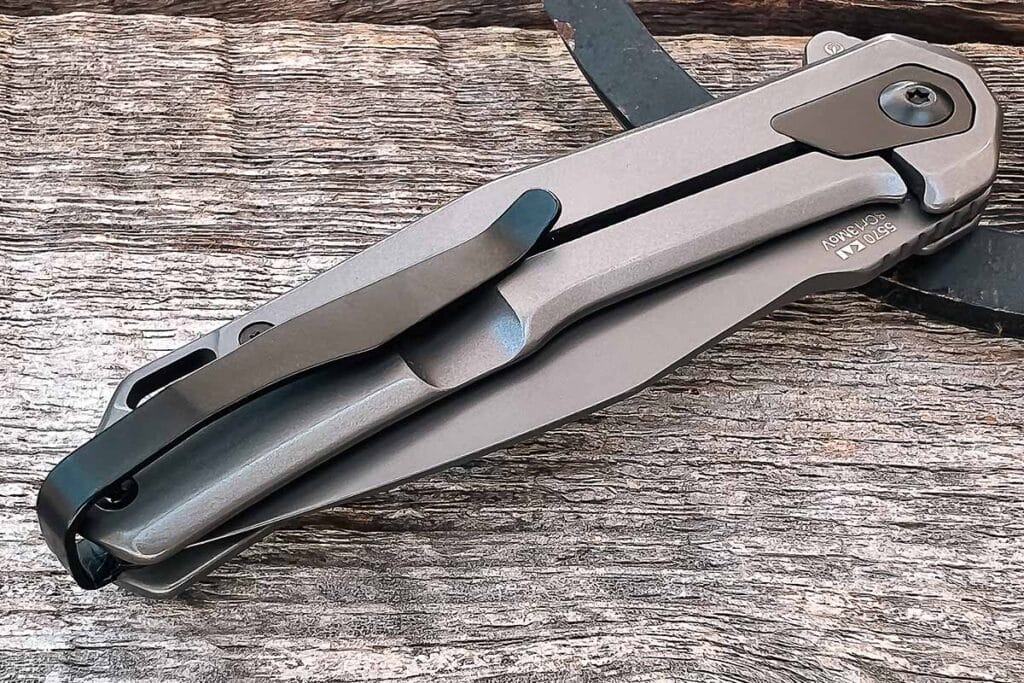
The handle is a stainless steel framelock and sports a chamfer around the edges to soften the grip and make it more comfortable. A reversible clip carries the knife deep in the pocket. The clip easily reverses to the opposite side using a standard T6 Torx driver. A steel lockbar stabilizer is integrated into the pivot on the lock side of the handle. It prevents the lockbar from traveling too far and thus losing tension when locking the blade open. The handle’s slender nature adds to the comfortable carry experience. The lock engages securely with zero play. The blade and handle sport a gray titanium nitride coating that’s handsome and low glare. The hardware is a contrasting black for an overall eye-catching look.  

Kershaw Helitack’s stainless steel framelock
The Kershaw Helitack’s stainless steel framelock sports a chamfer around the edges to soften the grip and make it more comfortable. A reversible clip carries the knife deep in the pocket. 

The 3.25-inch clip-point blade is built to excel at utility tasks. Such a pattern not only slices very well but also has a defined tip for precise cutting and scoring. The hollow grind allows the blade to be thinned out somewhat, giving the edge great bite without compromising strength. The Helitack tackles tougher materials with ease, something an EDC work knife must do.

The handle seems very comfortable and has no hot spots, though there were times I wished it were a bit wider to help me power through a cut. As slim as the handle is it carries very well. The lock held firmly. At an MSRP of $64.99, the knife is a great value. Country of origin: China.

Bastinelli Knives Bastien Coves

BBR2’s titanium lock side is anodized a bronze color
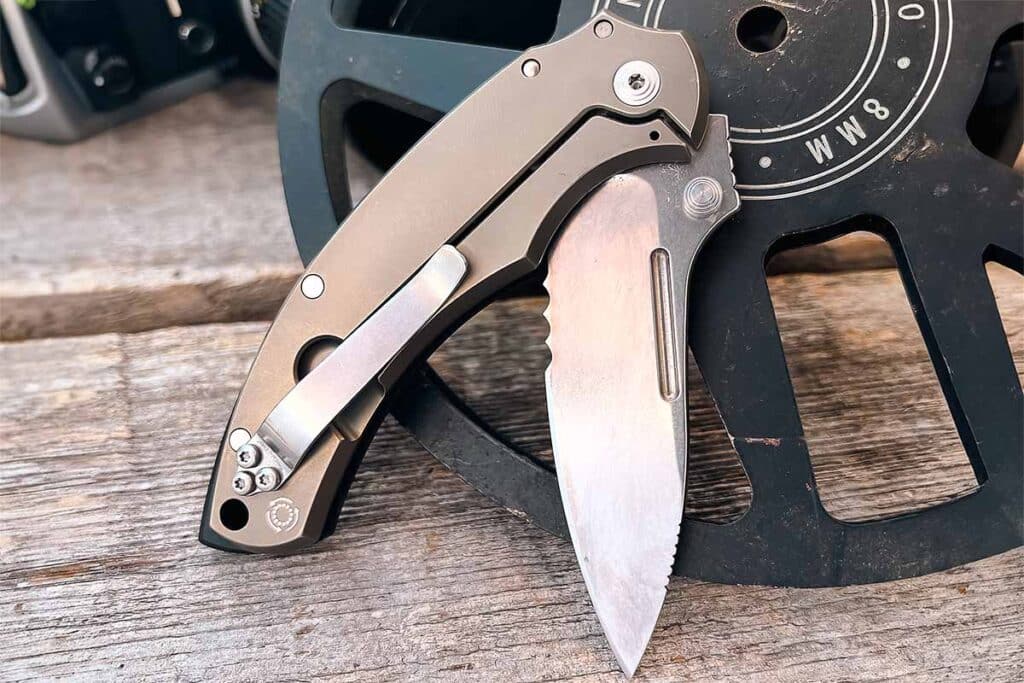
The BBR2’s titanium lock side is anodized a bronze color. The blade spine thumb rest is at the most forward point of the grip and has traction notches. The pocket clip carries the closed knife blade tip up and is non-reversible.

The knife designs of Bastien Coves of Bastinelli Knives are very progressive and geared toward tactical with an emphasis on high utility. Ergonomics are a priority with Bastinelli’s designs and they are some of the most comfortable tacticals around.

The BBR2 framelock folder showcases Bastien’s fine design talent. Made in Italy by Lionsteel, the knife has a 3.1-inch drop-point blade of D2 tool steel in a stonewash finish for a good visual contrast. The blade is rather interesting as it is a “dropped” design in relation to the handle. This permits Bastinelli to make full use of the ergonomic handle and allows the blade to be used to its full potential by lowering the cutting edge below the handle, reducing interference from the user’s hand and making the blade more useful in various cutting tasks. D2 was chosen for its high performance for the money. Dual thumb studs provide ease of one-hand opening, and the pivot’s Ikoma Korth Bearing System (IKBS) ensures ultra-smooth blade rotation. A fuller milled into the blade reduces weight and provides a nice visual and an aggressive presence.

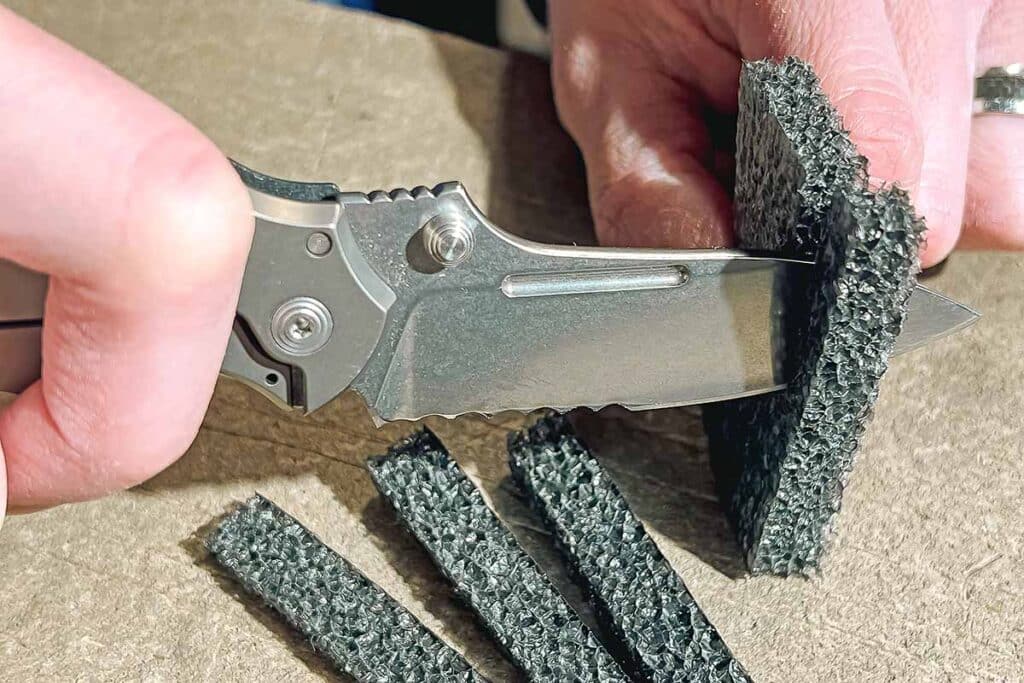
If you follow Bastinelli’s work, you know the BBR2 is available in a plain edge blade. Starting in 2024, Bastinelli will begin offering the BBR2 in a partly serrated blade as well, and provided an early sample of the semi-serrated iteration to road test for the article.  

A partly serrated blade on the Bastinelli BBR2
A partly serrated blade on the Bastinelli BBR2 is new for 2024.

The handle is a half-and-half construction, with a milled G-10 presentation side and a titanium lock side anodized bronze. The curved handle with prominent index finger groove is one of the best things about the BBR2. It is super comfortable. The handle edges are chamfered as is the grip to remove some material to fit your hand better. The blade spine thumb rest is at the most forward point of the grip and has traction notches. An aluminum spacer protrudes stylistically at the handle butt to form a skull cracker point. The pocket clip carries the closed knife blade tip up and is non-reversible. (Sorry, southpaws.) I also like the rounded G-10, which helps the knife sit better in your hand. At first it did feel a bit weird with the rounded G-10 and the flat titanium lock side, but after working with the knife for a while you get used to it. MSRP: $250.  

CRKT Padawan

For using, the author’s favorite of the two blade patterns of the CRKT Padawan is the wharncliffe.
For using, the author’s favorite of the two blade patterns of the CRKT Padawan is the wharncliffe. The full flat grind gradually tapers down to the edge and makes it an absolute slicer. 

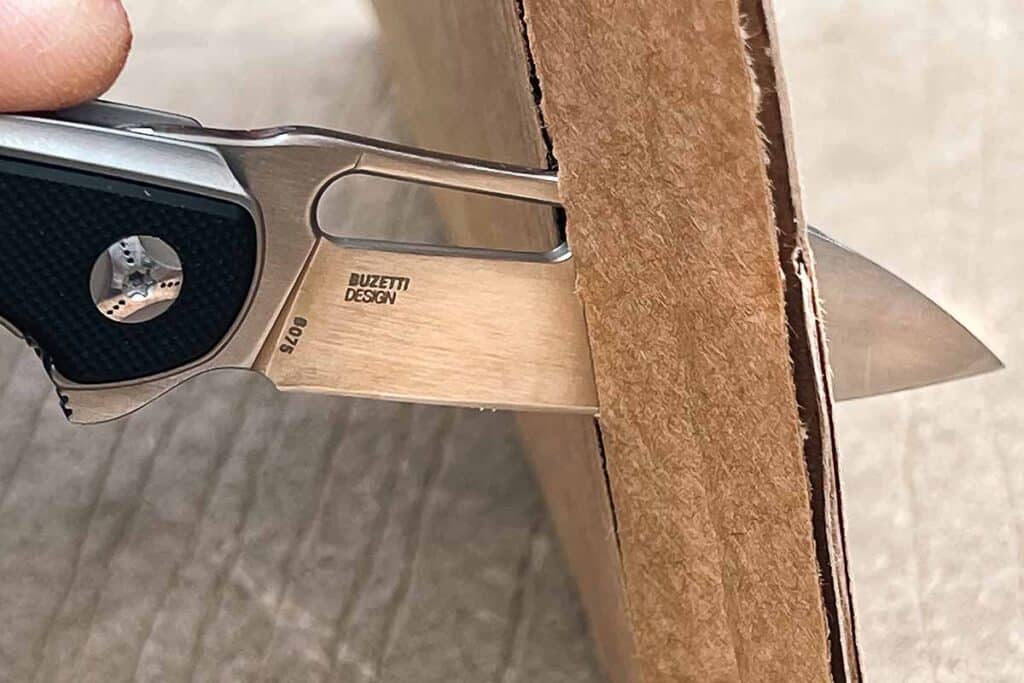
CRKT’s newest folder design, the Padawan is designed by Brazilian knifemaker Pedro Buzetti of Presidential Prudente, Brazil. Buzetti is the protege of Flavio Ikoma (page 36), the Ikoma of the Ikoma Korth Bearing System (IKBS) and a well-known Brazilian knifemaker who also has several collaborations with CRKT. The Padawan is Buzetti’s first collaboration with the company and is a stylish EDC folder. Pretty much a scaled-down tactical folder, the Padawan features a steel handle and framelock construction. It comes in two blade styles—an upswept semi-skinner and a wharncliffe, both 3 inches long. Blade steel is Sandvik 14C28N stainless, comparable to AUS-8.

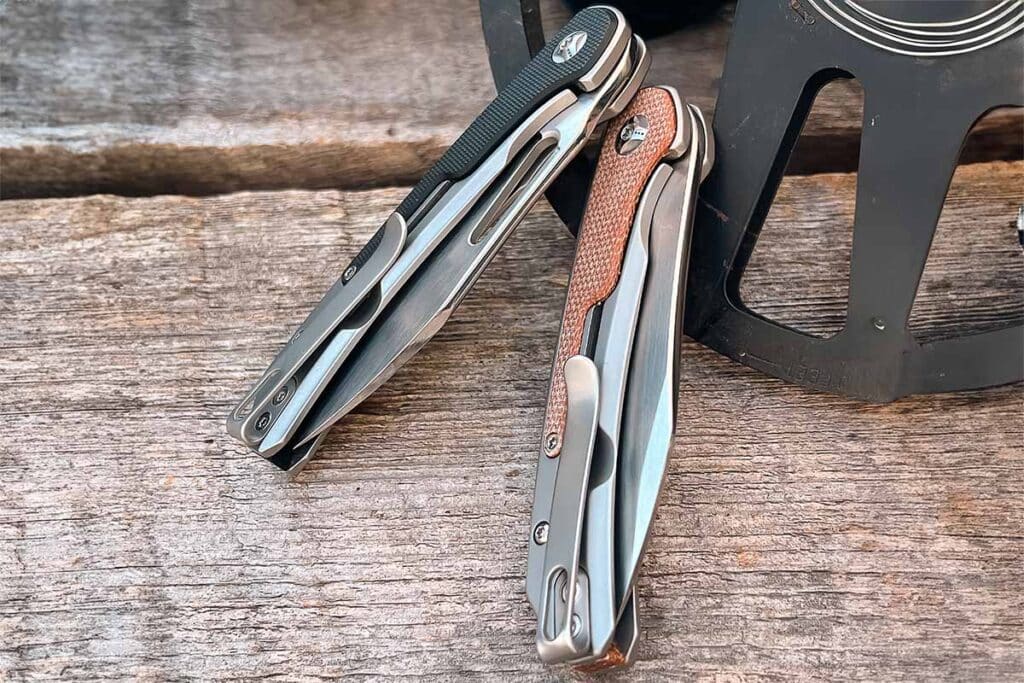
There are two choices of handle overlays: textured black G-10 for the wharncliffe and brown canvas Micarta® for the semi-skinner. The overlays not only provide enhanced grip and visual styling but also act as a lockbar stabilizer. At 4.1 inches closed, the Padawan rides very well in the pocket, thanks in part to a blade-tip-up, deep-carry clip. Unfortunately, the clip is not reversible. Both knives feature flipper opening and the IKBS to provide easy, fast blade deployment.  

For using, my favorite of the two blade patterns is the wharncliffe. The full flat grind gradually tapers down to the edge and makes it an absolute slicer. The wharncliffe has a more defined tip than the semi-skinner’s drop point. The Sandvik 14C28N steel holds an edge well for the money and is fairly easy to resharpen.

CRKT Padawan offers two choices of handle overlays
The CRKT Padawan offers two choices of handle overlays: textured black G-10 for the wharncliffe and brown canvas Micarta® for the semi-skinner. The overlays not only provide enhanced grip and visual styling but also act as a lockbar stabilizer.

The Padawan is a breeze to carry. It just disappears in your pocket. The handle is slender and comfortable, with the primary finger groove helping your index finger seat itself, with the rest of the fingers falling into place naturally. Chamfers in the grip make the handle feel slimmer than it actually is. Attention to detail is not lost at all, from the stylized tri-wing pivot screws to the mirror-polished, crowned blade spine. Such little touches make a good knife even better and add value. The Padawan is a great EDC framelock built stout that carries well without feeling bulky. MSRP for either version is a very reasonable $99.99. Country of origin: China.

Check Out More Buyer’s Guides:

Spartan Blades Clandestina Review: 2024 Blade Knife of the Year

Find out why the Spartan Blades Clandestina took home Blade Knife of the Year, thanks to its standout tactical design, top-tier materials, and unbeatable performance.

A deadly beauty, Spartan Blades’ Clandestina packages the best of both worlds. Yup, it’s a looker, but dang if it isn’t engineered to inflict damage.

The dueling personalities of the BLADE Knife of the Year aren’t surprising, given who cooked up this wicked fixed blade. Bill Harsey has built his reputation on designing robust outdoor and tactical knives.

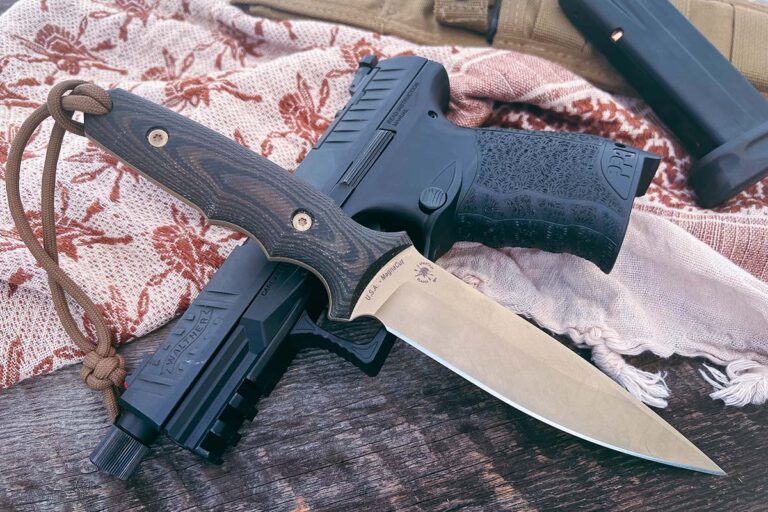
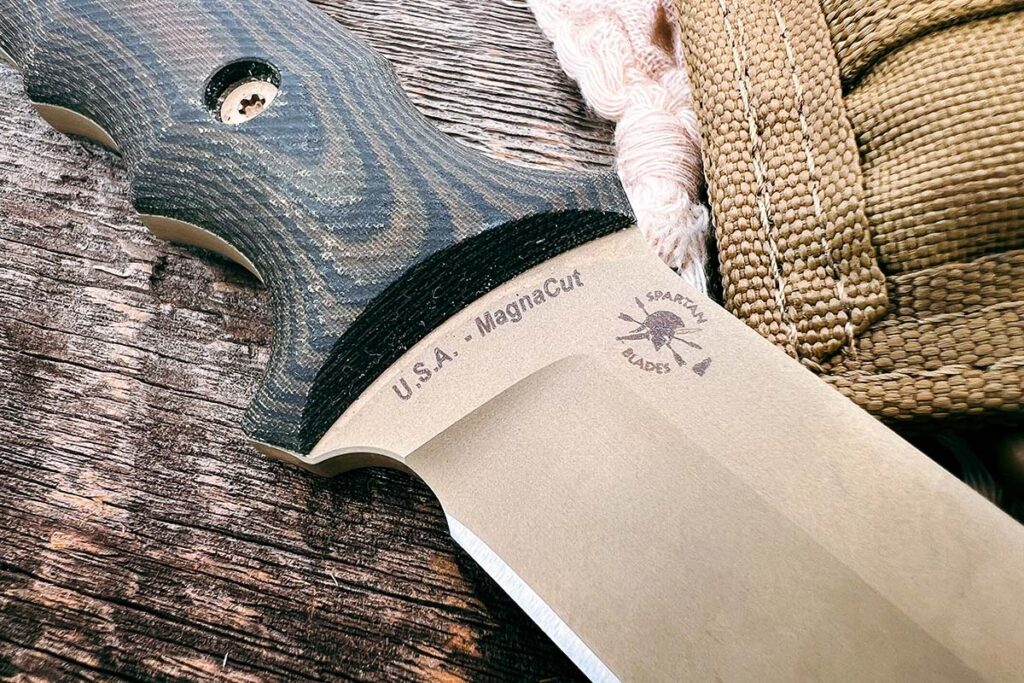
Spartan Blades Clandestina blade markings
Photos by Marty Stanfield, Marty Stanfield Photography

A favorite of Army Special Forces and figures such as Col. Rex Applegate, Harsey work also has a certain lethal aesthetic to it as well. But even with operators enamored with his work, Harsey’s Spartan project has an appeal beyond serving in foreign conflicts.

Spartan Clandestina Specs

Knife Type: Fixed
Blade Type: Spear Point
Blade length: 5.5
Blade steel: CPM MagnaCut
Blade grind: Flat ground
Handle material: Canvas Micarta Black and Camo
Blade Hardness: 61-63 HRC
Overall length: 10 3/16”
Sheath type and material: MOLLE and Kydex options
Special features: Available in Black and FDE PVD Coating, Double Deep Cryogenic Treatment
MSRP:

Pros

  • Superior Ergonomics
  • Premium Blade Material
  • Sheath Options

Cons

  • Large For Everyday Carry
  • High Price Point
  • Niche Design

Spartan Clandestina Handle

Oddly enough for a knife review, I’m going to start at the handle. There’s a method in this madness, given this feature is what gives the Clandestina its edge.

The canvas Micarta handle is slim in profile, even understated, yet sports big-league features.

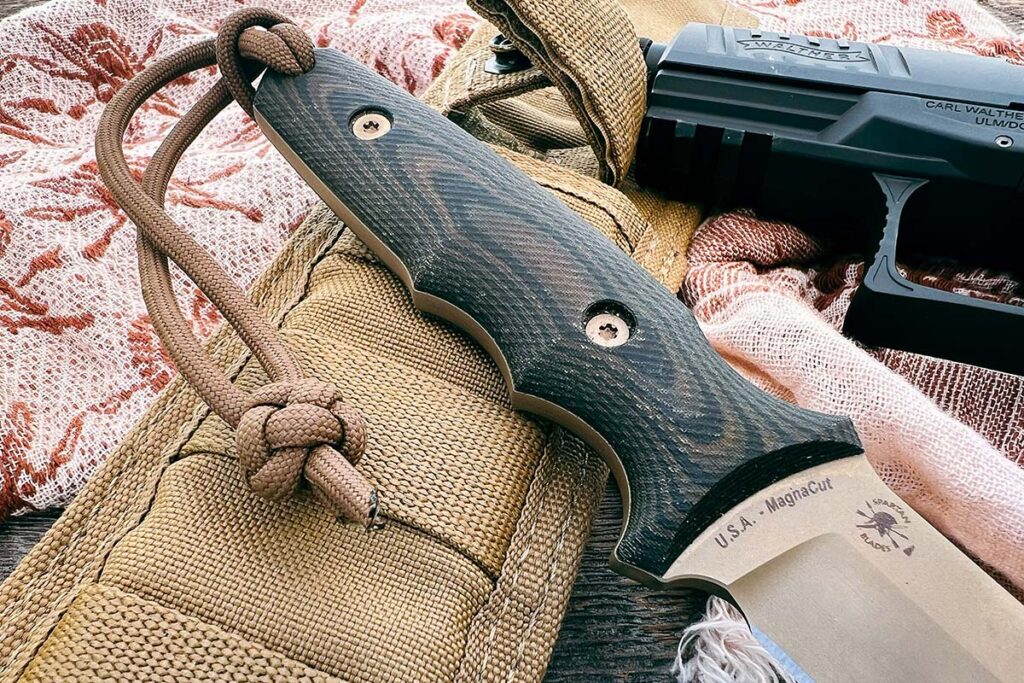
Spartan Blades Clandestina handle
Photos by Marty Stanfield, Marty Stanfield Photography

Boasting two-finger grooves leverage the use of the middle finger to help stabilize the knife in the user’s grip and help lock it in for security.  The double guard is somewhat subtle but does its job very well.  

The entire handle is rounded and therefore, extremely comfortable to hold. No hot spots or harsh angles to get in the way. Overall outstanding ergonomics make the knife one with the hand. In brief, it’s pure Harsey all the way.

Micarta itself was an excellent choice for the tactical fixed blade—it’s lightweight yet strong.  Comprised of fabric saturated in phenolic resin, it is also impact-resistant and fluid-resistant. 

These attributes were engineered in the Clandestina with combat in adverse conditions in mind. Yet, the everyday user benefits, given it’s a robust system that should last a lifetime. Not to mention, the Micarta is available in a multitude of colors, besides my black and camo.

Spartan Clandestina Blade

From the understated to the obvious—the knife’s nefarious.

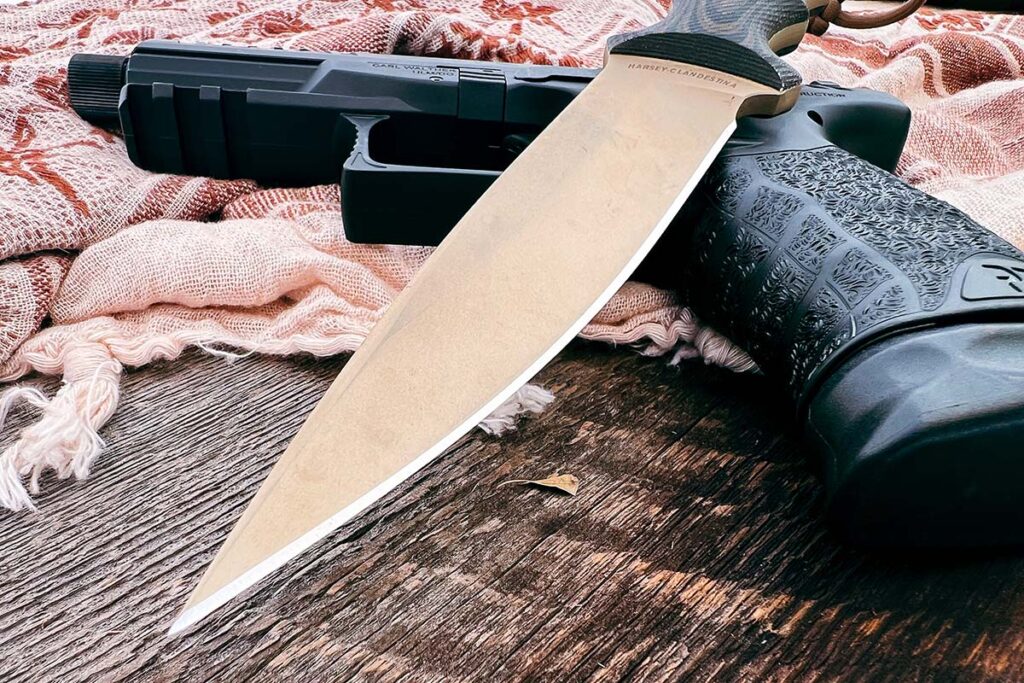
At 5.5 inches long and sporting a spear-point profile, the Clandestina was designed for more than opening boxes. A testament to this was Spartan opting for premium CPM Magnacut stainless steel.

Spartan Blades Clandestina blade
Photos by Marty Stanfield, Marty Stanfield Photography

Know for its capability of long-term edge retention, the metal makes the ready to slash or perforate with ease. Again, this material also has superior corrosion resistance, adding to the overall hardiness of the knife.

The blade is flat ground and the factory edge right out of the box is outstanding. I found nothing needed to be done to improve the edge, I just took it out of the box and put it right to work! 

While larger than most folks’ carry option, the blade length isn’t over the top. I found it nearly perfect for belt carry, hitting an elusive sweet spot many fixed-blades miss.

Spartan Clandestina Sheath

Sheath-wise, there are two options – form-fitting Kydex or a tried and true ballistic nylon.  The sample knife shipped to me with the latter.

Spartan Blades Clandestina sheath
Photos by Marty Stanfield, Marty Stanfield Photography

I found the sheath is very well made, with double sewn edges and a button snap retention strap to hold the e knife in.  A large belt loop allows the use of various widths of belts to be used.

Should you opt for Kydex, the sheath is of a riveted construction with a belt loop attachment.  The form-fitting sheath locks up around the integral guard of the handle. There are two MOLLE straps that also double as belt loops.

Testing The Spartan Clandestina

Putting the Clandestina to work is nothing short of an excellent experience. 

All of Harsey’s tactical fixed blade design expertise comes into play here, and you quickly realize you have a piece of serious bladeware in your possession. It makes slicing cuts with brash confidence thanks to the excellent factory edge coupled with the flat grind. 

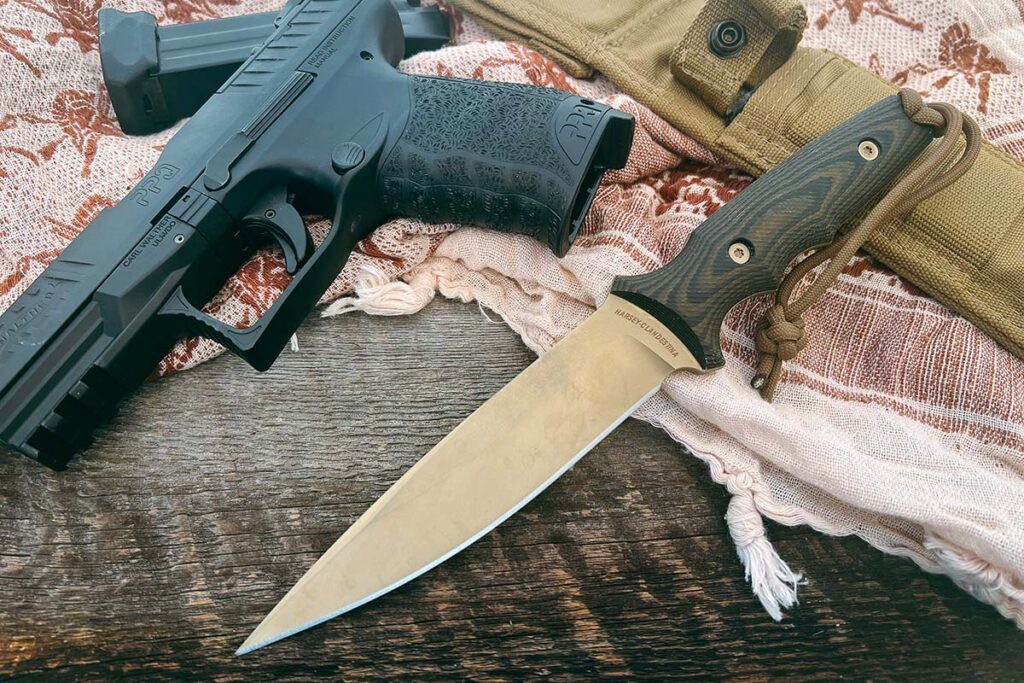
Spartan Clandestina Sheath and pistol side by side
Photos by Marty Stanfield, Marty Stanfield Photography

The blade thickness tapers down progressively to the tip, allowing it to have the ability to do some serious piercing without being too thin where accidental breakage can occur. The overall blade profile is somewhat dagger-like, as you will notice. 

The handle is downright comfortable.  It allows the user to obtain a secure grip at all times, instilling and promoting user confidence. Thanks to the dual finger grooves, these allow the slender handle to have such a great grip quality. Locking your grip on the handle, it feels very stable and unlikely to rotate. 

Furthermore, when you grip the handle and allow your thumb to rest on the blade spine, you can feel how secure this choke grip is and the knife is very controllable in this grip. Whittling and wire stripping are two such tasks that this grip facilitates.  Simply put, the Spartan HARSEY Clandestina is built for use.   

Short Cut

It’s definitely not a toy!  Use it with confidence and use it hard.  Spartan Blades’ craftsmanship skills are highly rated consistently, with each knife they turn out.  You cannot go wrong with choosing the Clandestine.

Spartan Blades$360Check Price
DLT$390Check Price

More On Tactical Knives:
New Knives May 2025

Have the yen to build our your collection? Just need a sharp new blade? Check out these new knives for May and build out your wish list.

Eyes always peeled, we’re on the look out for the latest and the greatest. We think we’ve found a bevvy of them this May. So, with out further adieu, here’s our latest round of new knives to add to your wish list.


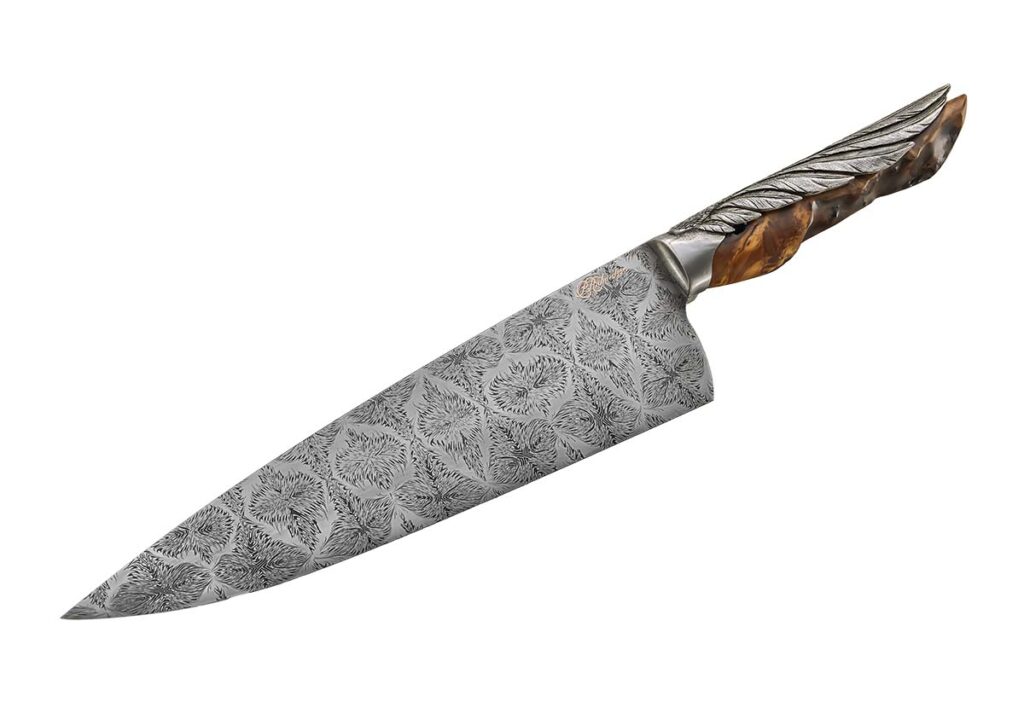
Pearce Richardson Silver Swan

Pearce Richardson Silver Swan

Model type: Chef’s knife
Blade length: 8”
Blade material: Mosaic damascus of 1084 carbon and 15N20 nickel alloy steels
Blade grind: Flat
Scales: Turkish olive wood root burl
Bolster: Mild steel
Overall length: 13.25”
Maker’s price for a similar knife: $6,500
Knife to know: The maker’s mark on the blade is brass inlaid; Pearce Richardson is an apprentice smith in the American Bladesmith Society
Maker: Pearce Richardson, icarusforge.com (SharpByCoop image)


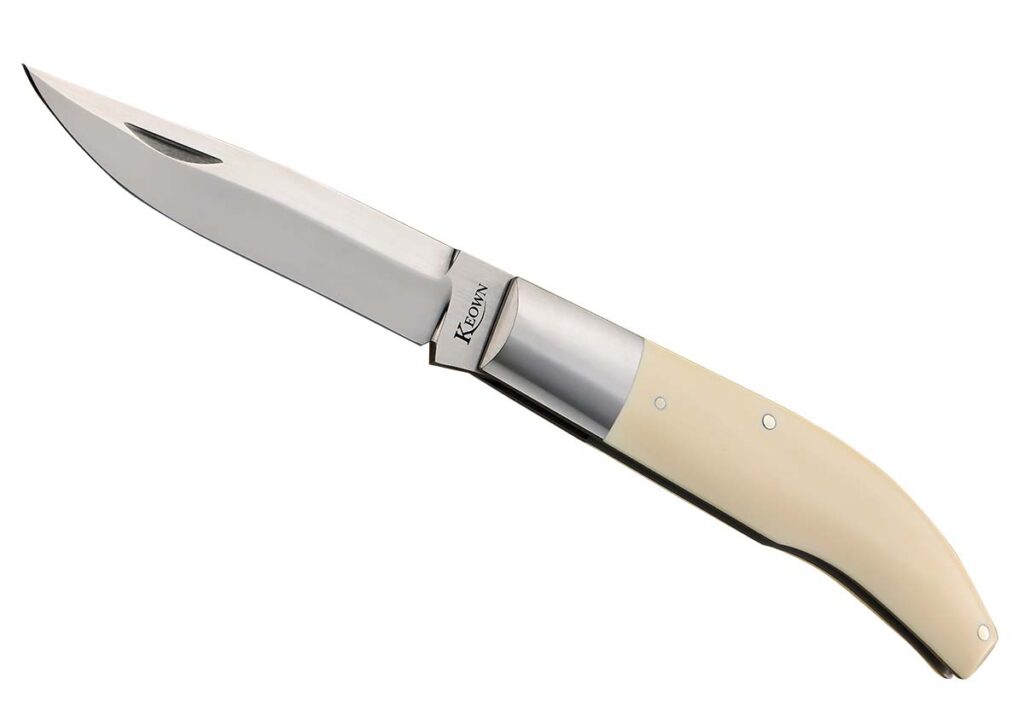
Daniel Keown Big City Fighter

Daniel Keown Big City Fighter

Knife type: Slipjoint
Blade length: 3.5”
Blade steel: AEB-L stainless
Blade grind: Hollow dagger
Handle frame: 416 stainless
Scales: Mammoth ivory
Bolsters: 416 stainless
Liners: Integral
Closed length: 3.5”
Maker’s price for a similar knife: $1,800
Maker: Daniel Keown, (SharpByCoop image)


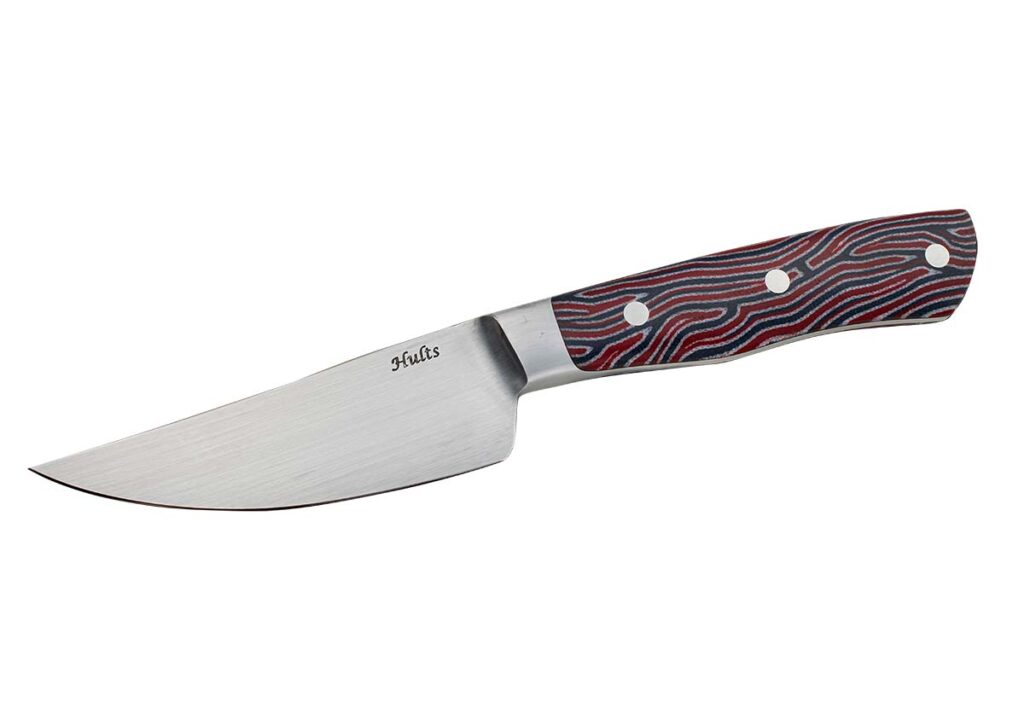
Josh Hults Camp Knife

Josh Hults Camp Knife

Blade length: 4.5”
Blade material: 1085H carbon steel
Blade grind: Flat-ground integral
Scales: G-carta
Bolster: Forged integral
Overall length: 9.5”
Maker’s price for a similar knife: $500
Knife to know: Josh Hults is a journeyman smith in the American Bladesmith Society
Maker: Josh Hults, southern-forge.com (Jocelyn Frasier image)


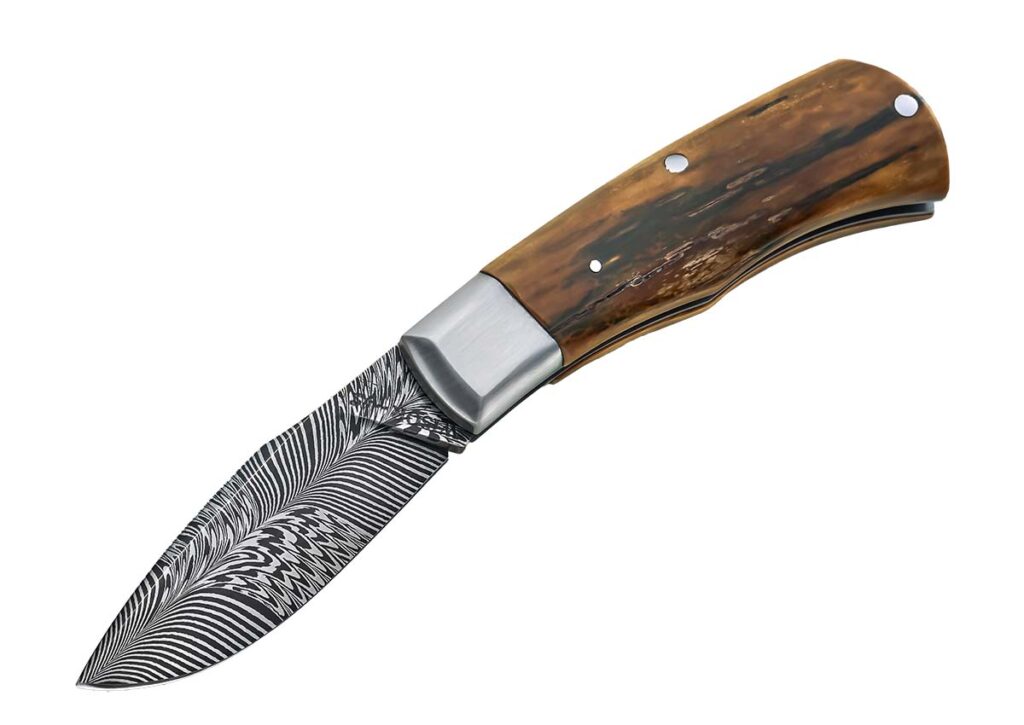
Josh Wisor Dress Slipjoint

Josh Wisor Dress Slipjoint

Blade length: 3”
Blade material: Feather damascus
Blade grind: Flat
Handle frame: Stainless steel
Scales: Mammoth ivory
Maker’s price for a similar knife: $1,300
Knife to know: Josh Wisor is a journeyman smith in the American Bladesmith Society
Maker: Josh Wisor, wisorforge.com (SharpByCoop image)


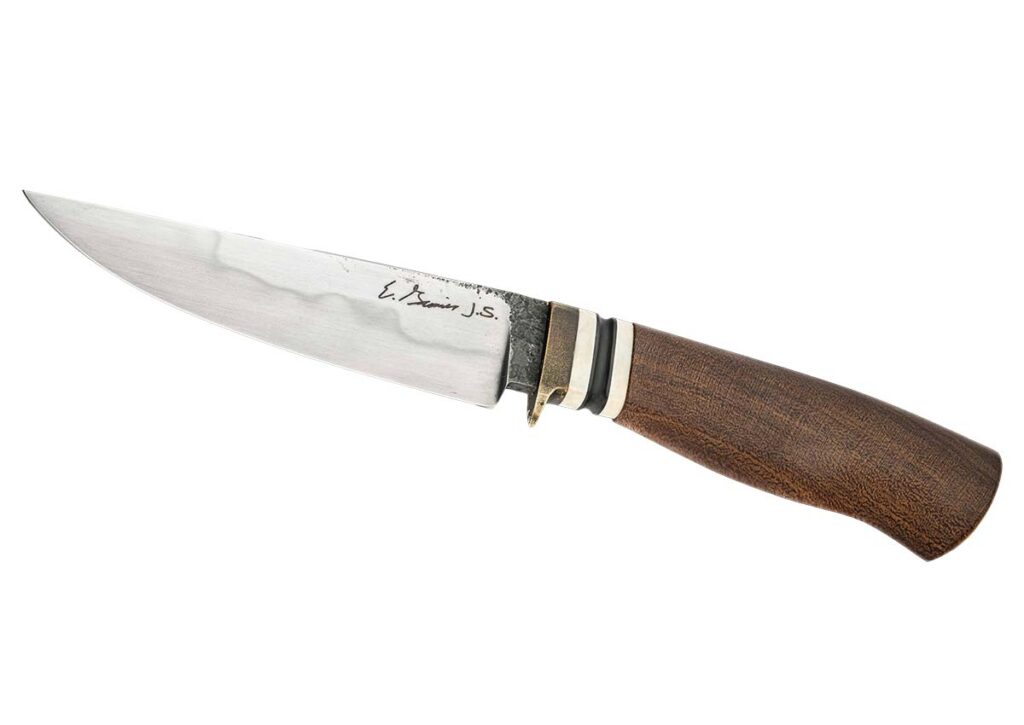
Erik Greiner Hunter

Erik Greiner Hunter

Blade length: 4.25”
Blade material: 80CrV2 carbon steel w/hamon
Blade grind: Flat w/secondary edge bevel
Scales: Dolf wood
Spacers: Oryx horn and warthog tusk liners
Guard: Antiqued brass
Overall length: 8.5”
Maker’s price for a similar knife: $450
Knife to know: Erik Greiner is a journeyman smith in the American Bladesmith Society
Maker: Erik Greiner, greinerblades.com (Jocelyn Frasier image)


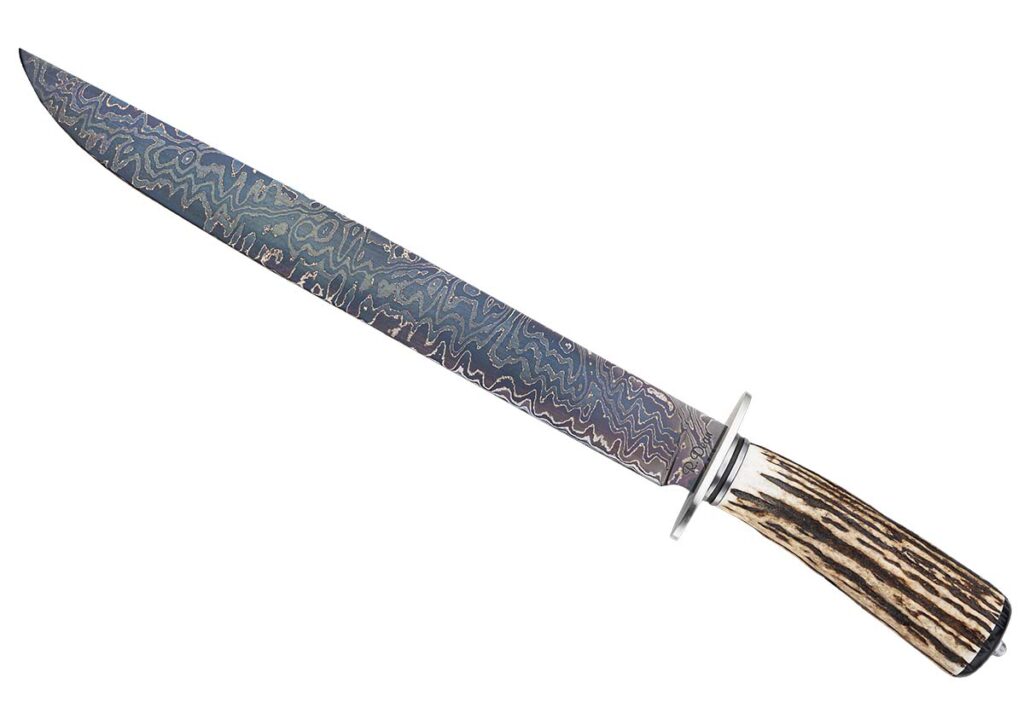
Rudy Dean Fighter

Rudy Dean Fighter

Blade length: 11.75”
Blade material: 136 layers of colored damascus
Blade grind: Full flat
Scales: Stag
Guard material: Nickel silver
Spacer: Nickel silver
Overall length: 17”
Maker’s price for a similar knife: $1,750
Knife to know: Rudy Dean is a journeyman smith in the American Bladesmith Society
Maker: Rudy Dean, rudydeancustomknives.com (Jocelyn Frasier image)


Honoré Vilain No. 7 Slipjoint

Honoré Vilain No. 7 Slipjoint

Blade length: 3”
Blade steel: RWL-34 stainless by Damasteel
Blade pattern: Clip point
Handle frame: Z40 stainless
Scales: Vintage rag Micarta®
Liners: G-10
Bolsters: Integral
Closed length: 4.5”
Maker’s price for a similar knife: Contact maker for pricing
Maker: Honoré Vilain (SharpByCoop image)


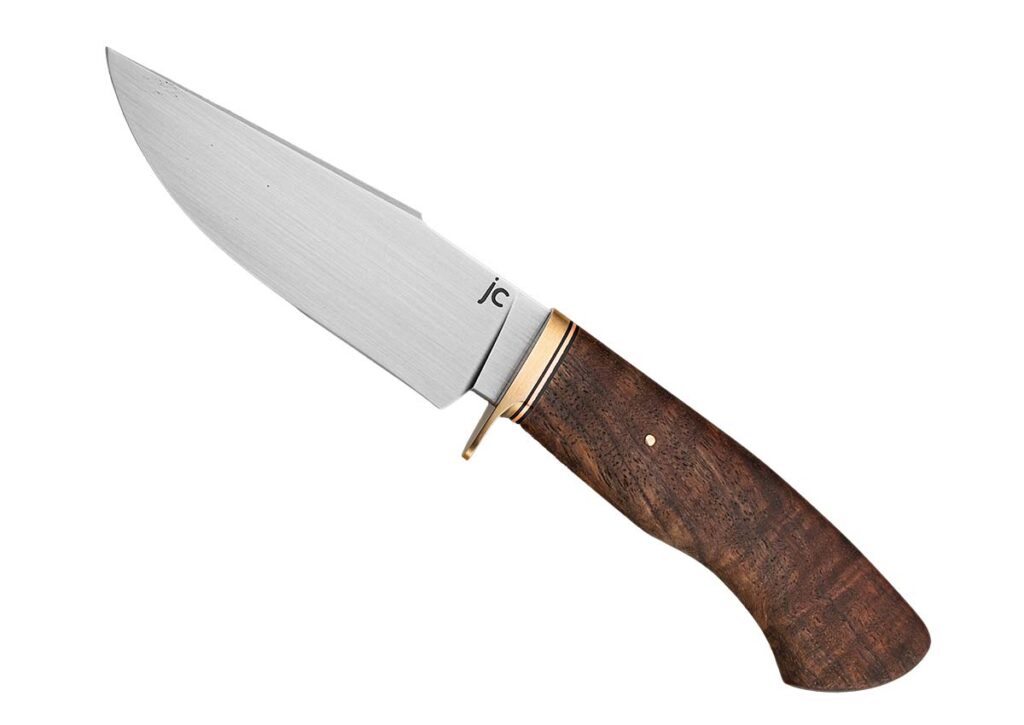
Jason Coy Clip-Point Hunter

Jason Coy Clip-Point Hunter

Blade length: 4.5”
Blade material: 80CrV2 carbon steel
Blade grind: Flat
Scales: Walnut
Handle pin: Bronze, domed
Guard material: Bronze
Spacers: Black fiber and copper
Overall length: 9.25”
Maker’s price for a similar knife: $500
Maker: Jason Coy, jasoncoyknives.com (Jocelyn Frasier image)


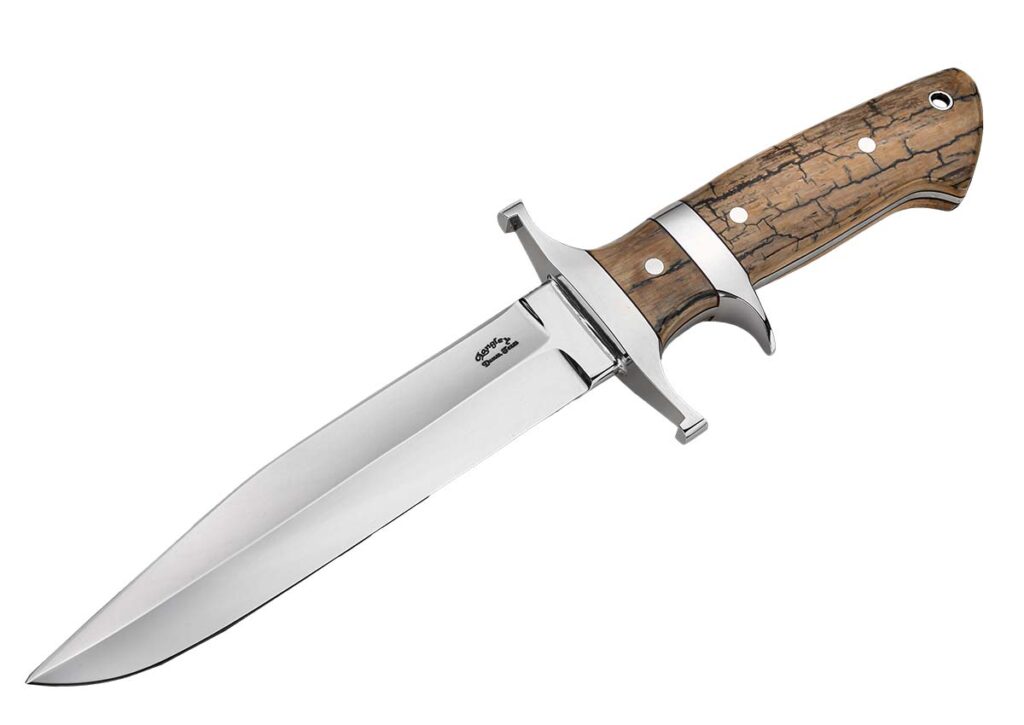
Gary Langley Subhilt Fighter

Gary Langley Subhilt Fighter

Blade length: 6.25”
Blade steel: CPM 154 stainless
Scales: Mammoth ivory
Guard & subhilt: 416 stainless
Overall length: 11.5”
Maker’s price for a similar knife: Contact maker for pricing
Knife to know: Gary Langley is a voting member of The Knifemakers’ Guild
Maker: Gary Langley, gllangley.com (Jocelyn Frasier image)


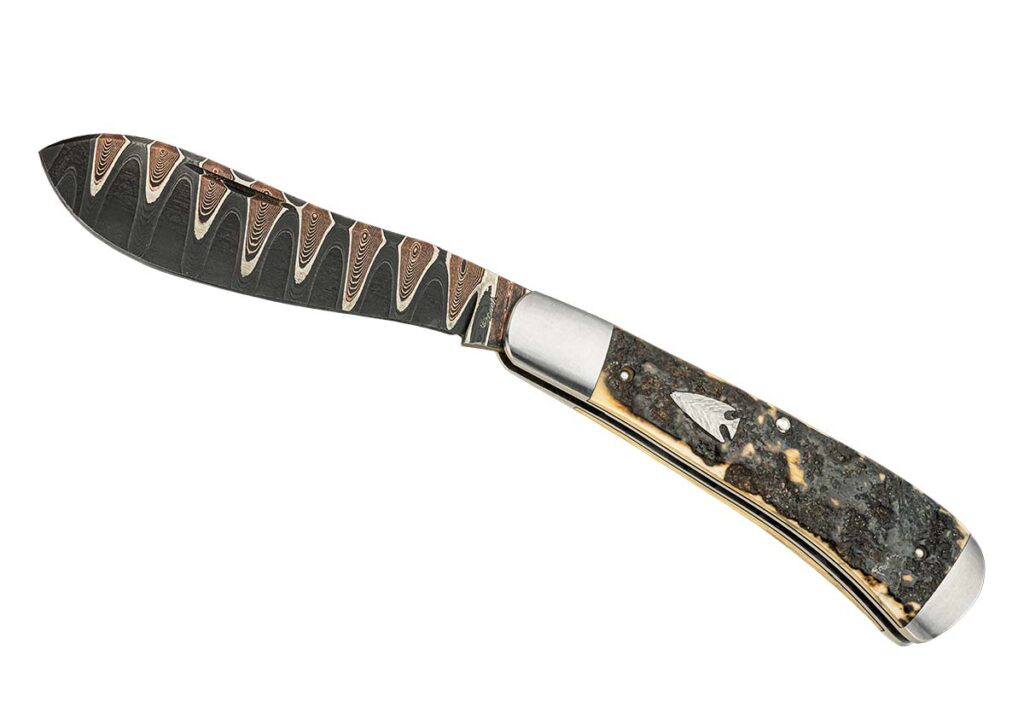
Bubba Crouch Trapper Skinner

Bubba Crouch Trapper Skinner

Knife pattern: Trapper skinner
Blade length: 3.5”
Blade material: Copper san-mai by Baker Forge
Blade grind: Hollow
Scales: Barky mammoth ivory
Bolster: Integral
Liners: 416 stainless steel
Backspring: Heat-colored CPM 154 stainless
Closed length: 4.25”
Maker’s price for a similar knife: $2,200
Maker: Bubba Crouch (Jocelyn Frasier image)


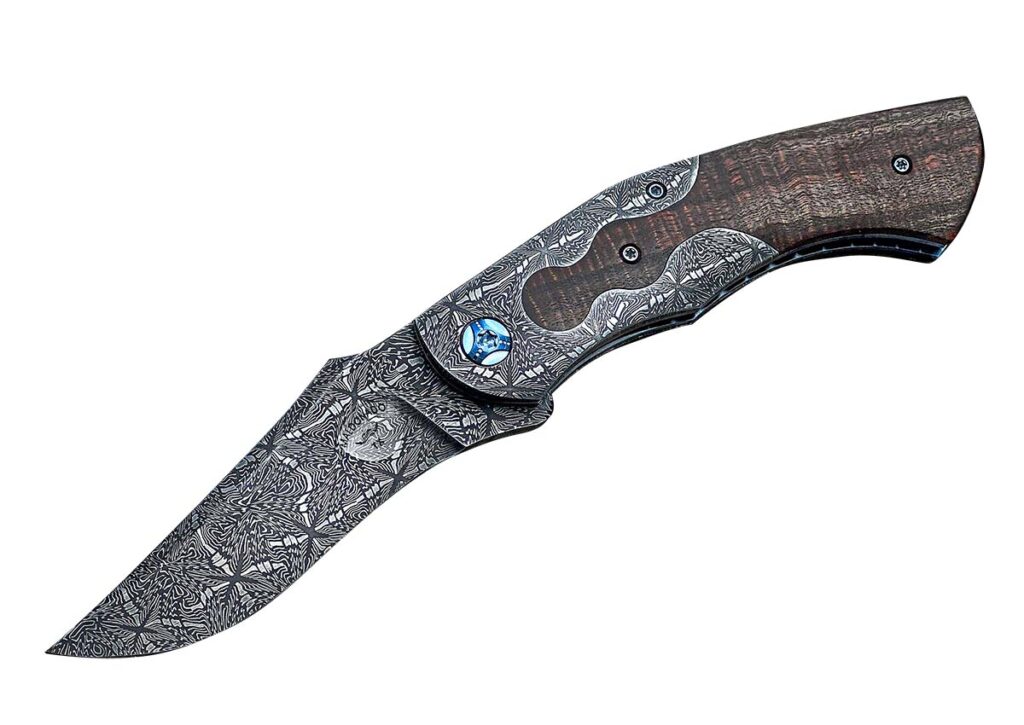
Eliot Maldonado Folding Fighter

Eliot Maldonado Folding Fighter

Blade length: 3”
Blade material: Mosaic damascus by Curt Zimmerman and Kelly Vermeer Vella
Blade grind: Hollow
Blade pattern: Clip point
Blade opener: Flipper
Bolster material: Same as blade
Bolster design: Double keyhole
Scales: Koa
Handle hardware: Titanium
Lock: Linerlock
Closed length: 4”
Maker’s price for a similar knife: $2,200
Maker: Eliot Maldonado (Jocelyn Frasier image)


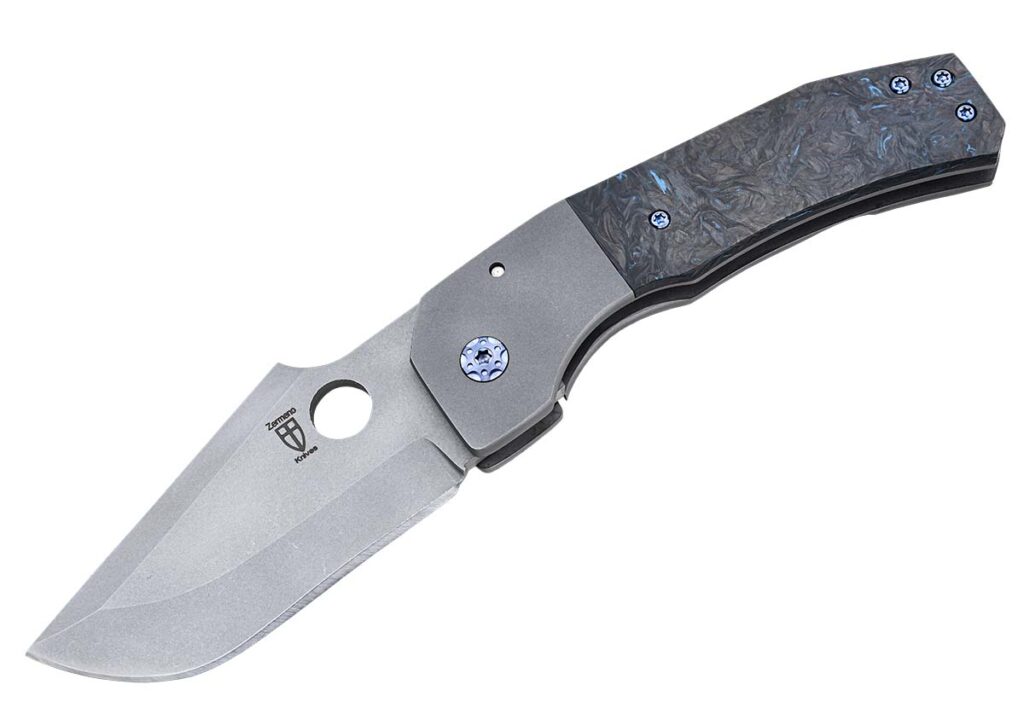
William Zermeno Folder

William Zermeno Folder

Blade length: 3.5”
Blade steel: CPM 154 stainless
Blade @thickest: 3/16”
Blade grind: Hollow
Handle frame: 160 titanium milled out
Scales: FatCarbon®
Handle screws: Titanium
Lock: Framelock
Lock stabilizer: Titanium
Pocket clip: Titanium
Closed length: 5.25”
Maker’s price for a similar knife: $550
Maker: William Zermeno, wdzknives.com (Jocelyn Frasier image)


Check Out Knife Drops:

Advertisement

Must Read Articles

Read this before you make a knife

Knifemaking 101 – Read This Before You Make a Knife

  by Wayne Goddard My experience has taught me that there's nothing like digging in and getting started. I've often said the hardest part of the...
how to forge damascus steel

How to Forge Damascus

Advertisement
Advertisement