
Buyer's Guides

You’re looking for a new knife in a certain style – we’ve got recommendations on the best blades for every price point.

Last-Ditch Survival Kits

Nothing Is More Terrifying Than Being Caught In The Woods Without The Tools Needed To Get Through The Night. At Least One Of These Tool Arrays Should Meet Your Short-Term Survival Needs.

Prepping and survival equipment came to the forefront of public attention about 15 years ago with the expansion of the popular zombie film and TV genre. In fact, it got to the point where there was at least a two-year industry-wide emphasis on zombie merchandise, guns, ammo, and equipment. 

While that remains a fond memory for many, what it really served to do was appeal to the broader masses, and many people began thinking about just what they would do in a real, non-zombie emergency.

Since then, the world has experienced no shortage of natural disasters, from massive wildfires to coastal tsunamis, floods, volcanic eruptions, and more. The world is no safer a place now than it was before. However, in lieu of zombies and green goo, the public has taken a keen interest in survival and its tactics. 

Shows like Alone, Survivorman, Life Below Zero, and others captured the interest of many, and bushcrafting, foraging and fieldcraft exploded in popularity. Suffice to say, there is no shortage of specialized equipment to better your odds in a bad place.

What Is A Survival Kit?

I break down survival items and kits into four categories: full kit, partial kit, last-ditch and, knife-only. I would classify our trio of review kits as last-ditch in that they contain a variety of small items not meant for extended use but rather as a single-day advantage. The items can save your life in a pinch but by nature of size and weight will likely not last in a long-term survival situation.

Examining the survival kit theory requires considering the context of just what a survival kit is. The category I identify as a full kit is exactly as it sounds: likely a backpack setup with excellent weight distribution. This includes weapons and ammunition, ideally a rifle or shotgun, or a modern bow. Like it or not, survival in a bad situation increases dramatically with the presence of a firearm. 

When I go into the woods, I have a rifle and a handgun at minimum with 100 rounds for each, usually in magazines. For the non-American readers out there this amounts to around five boxes of rifle ammo and two of most handgun loads. Hunting use is the primary idea but signaling and self-defense from large predators are also valid uses. If you have the ability to own a gun, you absolutely should, even if that gun is an antique design or black powder cartridge.

A partial kit is what you need for a minor excursion, the type of kit you may put in your vehicle if you are far from home but not too far from civilization or a gas station. In the kit I would prioritize a single firearm, typically a pistol of .22 caliber up to .357 Magnum (99 percent of all game can be taken with these rounds), medical supplies, and equipment to take down saplings or branches, such as a folding saw or hatchet. Unlike a full kit, this is to get you through an area as opposed to intentionally staying in one. Clothing appropriate to the short-term environment would ideally already be on your person.

Having the materials to quickly build a fire is a must for any survival kit.

The last-ditch kits reviewed here are for if you have already screwed up, failed to bring a suitable weapon, or are fully out of ammunition or supplies. Baseline, when you break open one of these kits, you are already on your last legs as far as survival goes. The kits in this article are short-term, almost single-use in nature. All three come with materials enough to work on small pieces of wood and at least signal or start a fire.

Lastly, if you have a single knife good enough to spark with and know how to use it, I’d say that you stand a pretty good chance of survival. I say this because, unlike a last-ditch kit, a good, heavy-bladed knife can be used to move a surprising amount of material, often quite quickly. 

A thick blade can easily take down small trees with minimal exertion, baton firewood, make kindling, spark, and be lashed to a shaft to use as a spear. In a pinch, you can use a knife to make a bow, though that takes skill and time. For fishing, it can make spears and clean your catch.

Picking The Right Survival Kit For You

Understanding the theory of use behind these levels of preparedness, as well as their limits, is crucial to making it through a situation into which you may or may not have intentionally entered. In looking at the review kits I am assuming that we have run out of all other equipment, say a kayak tipping over in the river after hitting an underwater tree on a hunting trip. You, being a forward thinker, slipped one of these kits into the dry bag you stowed in your kayak before you fell in. 

You’re wet, you’ve lost your gun, and you don’t have the rest of your gear. You’re in normal temperate conditions, but nightfall will be cold. To make matters worse, your kayak has cracked and has taken on water.

Colonial Pocket Size Survival Kit

The Colonial Pocket Size Survival Kit is the only one of the test entries that is waterproofed, and the baggy can be used to keep tinder dry. Country of origin: USA. MSRP: $130.

At first glance, the Colonial Pocket Size Survival Kit looks like a Boy Scout put it together in his dad’s garage. The items are simply tossed into a thick baggy and are mostly off-the-shelf. The kit, however, is extremely well thought out and is almost entirely usable. It is the only one of the test entries that is waterproofed, and the baggy can be used to keep your tinder dry. 

It consists of a signaling whistle; compass; waterproof matches; a military general-purpose pocketknife (containing a blade, can opener, screwdriver and pick); a survival blanket; aluminum foil; small candles; firestarter brick; fishing tackle; floss; adhesive bandages; gauze; and alcohol swabs.

Of note is that this kit did not come with a striker rod or visual signaling device. While not a disadvantage, the kit relies on matches as a source of fire making. I typically will always have matches on me if outdoors, but I try to use them as a last resort. In the present scenario, you would immediately begin gathering branches and medium kindling like grass or leaves, knowing you have dry matches and can immediately get warm and dry.

Building a shelter with this kit isn’t really going to happen, but at least you can build a fire fast and try to catch fish in the river. You get your fire going, get your socks and boots drying, and you luckily caught a fish with your tackle. 

Using a flat river rock and aluminum foil, you wrap it up and fry your catch. You survive the night warm and dry and set out back to the guide camp the following morning, stopping to fish by hand as you go, expecting to cook your catch in the early evening. You must be mindful of your health and dehydration on the walk because you have no ability to make water safe to drink, though, knowing you’re close, you figure you’ll just take some medicinal drugs when you get home.

Fox Knives BlackFox Survival Kit

 All packed in a sealed metal can, the Fox Knives BlackFox Survival Kit contains a fire starter and striker, compass, whistle, a wire saw, razor blade, bandages, and so much more. Country of origin: Italy. MSRP: Approximately $55.
 All packed in a sealed metal can, the Fox Knives BlackFox Survival Kit contains a fire starter and striker, compass, whistle, a wire saw, razor blade, bandages, and so much more. Country of origin: Italy. MSRP: Approximately $55.

Start over at the point of your crash, this time with the Fox Knives BlackFox Survival Kit. It contains a fire starter and striker, candle, compass, whistle, tackle, a tiny Swiss Army-style knife; safety pins, a wire saw, razor blade, sewing kit, wire, match carrier (but no matches, none came with the kit), bandages, repair tape, cotton balls, and a notepad and pencil. It is all packed in a sealed metal can.

You take a different approach to your night in the woods. You know you must get dry first, and this kit has a rod and striker. You set about gathering kindling and starting a decent fire to get warm and dry. You set about fishing as well and make a good catch. You have to cook it on a stick over the fire but had no issue gutting it with the razor blade. You use your wire saw to cut saplings to make a shelter. You end the night warm and dry in your shelter, and with a full belly.

In the morning, you use the repair tape on your kayak and harvest sap from the trees you took down to smear it on the outside of the craft for waterproofing. You paddle back to your basecamp and then return to the spot with your friends to retrieve your gear from the river. Because you knew you could paddle back, you didn’t risk drinking river water, so your hunt continues.

Lansky P.R.E.P Kit

 The Lansky P.R.E.P. (Preparedness, Resource, Equipment Pack) Kit stores a survival blanket, multi-tool, flashlight, fire striker, and LifeStraw water filter among many other tools in a compact black nylon bag. Countries of origin: USA and “various others.” MSRP: $129.99.
 The Lansky P.R.E.P. (Preparedness, Resource, Equipment Pack) Kit stores a survival blanket, multi-tool, flashlight, fire striker, and LifeStraw water filter among many other tools in a compact black nylon bag. Countries of origin: USA and “various others.” MSRP: $129.99.

In this scenario, you have the Lansky P.R.E.P. (Preparedness, Resource, Equipment Pack) Kit and its survival blanket, first-aid kit, tackle, a small multi-tool, flashlight, paracord bracelet, survival guide, fire striker with compass, collapsible water bottle, LifeStraw water filter, Lansky UTR7 Responder knife, and Blademedic sharpener. All are packed in a black nylon bag.

Upon dragging your kayak back to land, you need to make a fire. Your kit is waterlogged but the items inside are not damaged. You need to gather wood and kindling, and it takes some effort, but you get a fire going using the bracelet to start the initial burn. 

Once warming up, you catch some fish and gut them with the knife. You build a rudimentary shelter using the knife to cut down small branches, and rest until morning. You’re hydrated thanks to the LifeStraw and thus won’t need to see a doctor when you get home.

However, you failed to check in with your friends, so they come looking for you in this scenario. You hear distant noises and get out your flashlight and signal them. Your friends arrive after dark and take you back to camp. They brought a retrieval magnet and you get your rifle and equipment back that night. You clean the firearm and test it in the morning, ready to resume your hunt.

Tempering Your Expectations

None of the review kits are going to assuredly get you out of trouble. They can, however, offer you a stay on the inevitable and get you to a point where you can signal for help or make it to a safe location. Survival isn’t a guarantee and the scenario changes dramatically if you were injured in the accident. These kits can be the difference between life and death, make no mistake about that. Having one on hand is cheap insurance if things take a turn for the worse.

Read More
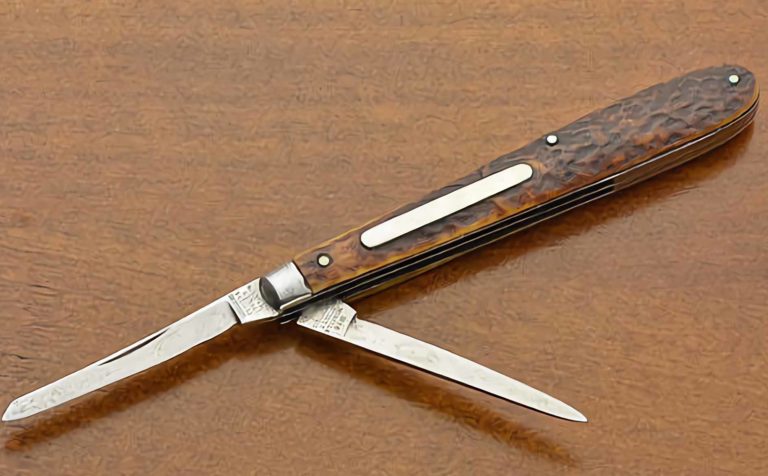
Finding The Best Penknife For Practical Modern Use

While no longer required to keep lines of communication open, the utilitarian penknife continues to prove its EDC cred.

The penknife is a tool that has grown to fit our needs for centuries. It used to be an item that was in the pocket or purse of just about every individual alive, but today is easily confused with multi-tools and ‘Swiss Army’ knives.

The penknife is the ancient great-granddaddy of EDC knives, it was not just an EDC knife like we understand today in our assist-open or fixed blade defines knives, rather it was an edged tool that accomplished all daily chore-cutting, from maintaining writing utensils to working on small game.

History Of The Penknife

The original penknives were created to help maintain quill pens, the kind you see in movies made from feathers. These were called dip-pens, as they were dipped into ink to write with. The tips of these pens were shaped with penknives. As the quill lost its integrity from use, the tip was reshaped until it was depleted.

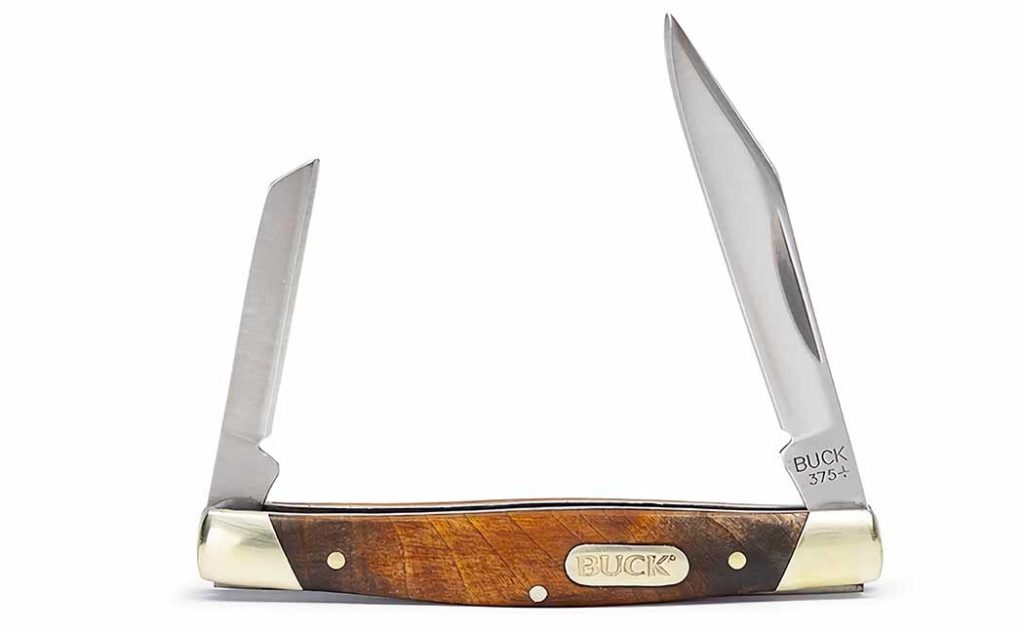
Buck 375
Though fairly modern, the Buck 375 Deuce closely resembles what most think of when it comes to a penknife. On one end a small pen blade (in this case a coping blade) and the other a clip point.

The penknife was small, usually only a few inches long with a fixed blade. They remained in their original form for much of history until the 1700s saw some variation as pencils began to appear on the scene, though in limited numbers. Interestingly, the knives excelled as the maintenance tool of the newer writing implement. Through World War 2 the penknife was considered the most functional and least wasteful means to sharpen a pencil. The British famously banned the use of mechanical pencil sharpeners in the war due to how quickly they consumed graphite and wood.

The last major leap forward in design changes came in the mid-1800s when penknives commonly become folders, where they remain today as a standard design element. These knives rarely had any kind of locking mechanism, and even today many are simply opened with a nail nick and held open with a slipjoint design. The pen blades were later combined with larger blades, usually, clip-points and the utility was expanded beyond simple maintenance functions.

Traditional Penknife Design Points

The penknife in its double-blade form became standardized into one of two categories, those being knives with blades mounted at each end of the grip and those with two blades mounted on one end. The latter is referred to commonly as a ‘trapper’ style, itself a design that has a following even today.

The penknife reached something of a crossroads in the modern era. Knives have always been used for regular tasks, however, as pocket knives changed they diverged from multi-tools. Penknives can fall into either category depending on who you ask, some consider any small, sub-3-inch folder to be a penknife, while others would happily call a Leatherman tool a glorified penknife.

The tool aspect is something that blurs the line today, the original utility was as a tool, but in adding more tools to create more function, it moves into a new category…or does it? As we are about to discuss, the penknife isn’t one particular thing. It is what we need it to be.

Practicality Of The Modern Penknife

Victorinox and its classic SD model set up the penknife as a multi-function tool as opposed to a task-oriented specialty item. Some would argue that a true penknife is simply that, a penknife and any added function beyond maintaining quills or pencils move it from this category. That is not something that has legs to stand on in the author’s opinion, as the entire original premise of the penknife has been thoroughly antiquated as quill pens fell out of use.

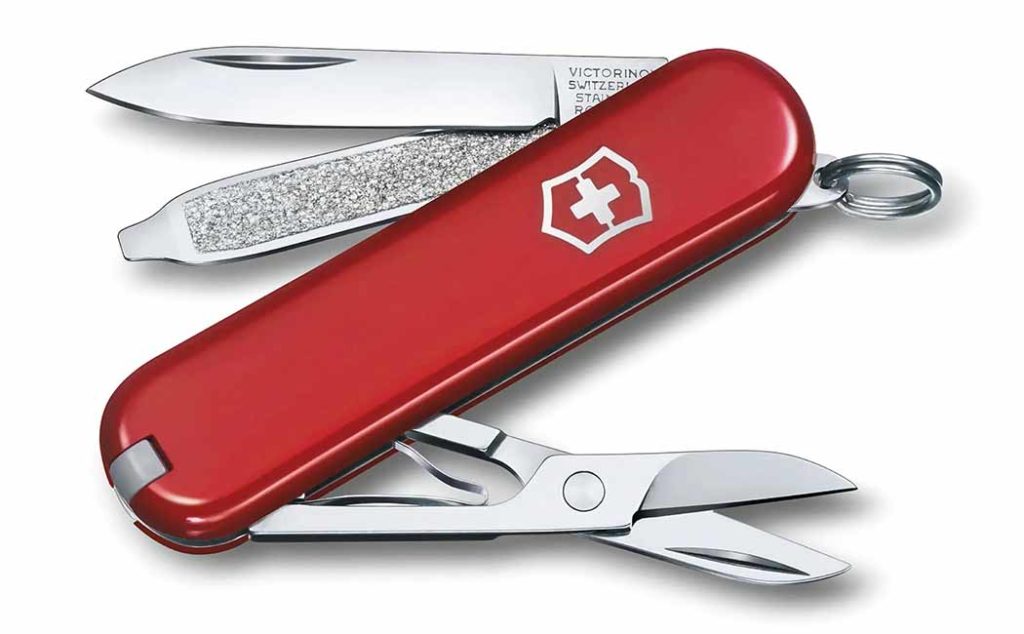
Victorinox Classic SD
The Victorinox Classic SD is likely what comes to mind when talking modern penknives. Though, does the extra utility of the knife cross the line from pen to pocketknife?

The pen blade was functional for general use, but then again so was the larger blade. So what to keep? Many of these multi-function knives still carry two blades of different styles and lengths, however, nobody but perhaps a few dozen individuals worldwide are using modern penknives to maintain quill pens. The inclusion of pen blades on these knives is, as of 2023, purely ceremonial or simply a callback to what many see as a necessary feature. Adding things like scissors or a file was the first step in making these small knives functional for regular life, which was of course their original intent, but life changed beyond their utility.

As materials have evolved, so have the strength and utility of these small blades. Despite this,  penknives are not for heavy lifting. It is beyond its role to pry, baton, or otherwise abuse these small knives, but it should be your expectation it hold up to regular use in a light-duty setting.

The penknife today should be thought of as a companion tool and that very much depends on what you do with your life. If you don’t want scissors in yours, they make a variety without. If you need a bottle opener, you’re covered. Hell, if you need a can opener, Boker makes a great replica Japanese version that includes one.

The penknife is the knife for your life, and even if you aren’t trimming feathers, you will certainly benefit from one of these clever little knives.

Traditional Style Penknife Options To Write Home About

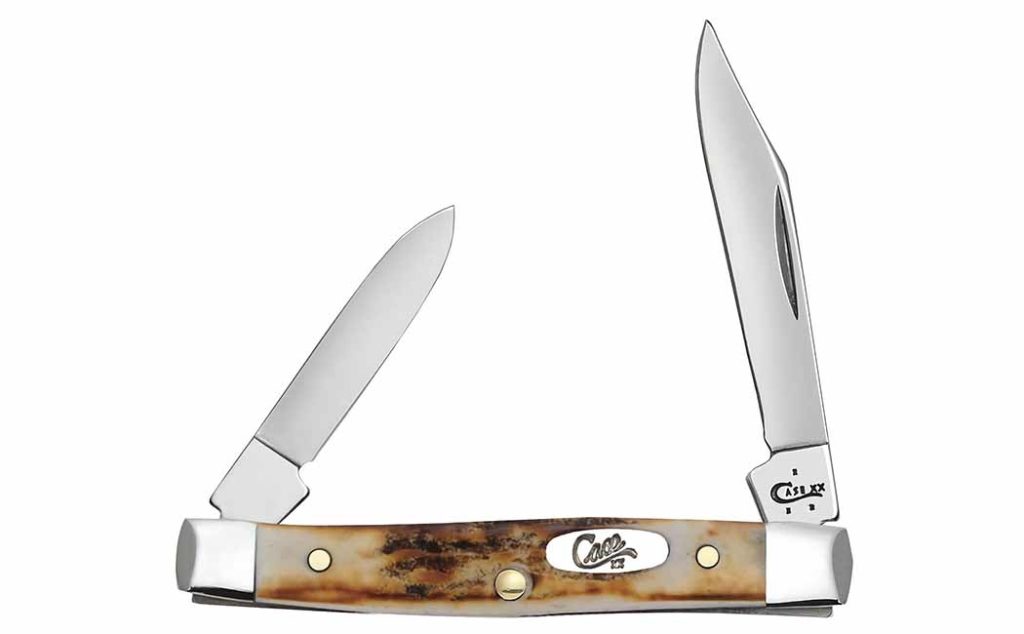
Case & Sons Small Pen w/Stag Grip

Case Penknife

Case has been making pen knives since time started. Well, probably not that long, but they have been the leader in the category for decades. Just about every hardware store across the country has a Case display hosting the company’s various small pocket knives, among them their famous penknives.

The knives are available in a variety of styles, however, the standout example of a penknife is their Small Pen with stag scales. The knife features two blades, one at each end, and it is just about as classic as you can imagine. It has one pen blade and the other a functionally designed clip point. Despite being a rather benign presentation compared to today’s advanced materials, you’ll never want for function with this old-school setup. For all light tasks you are covered, and to make it better, chances are your granddad carried this exact knife… or at least one very close to it.

MSRP: $106

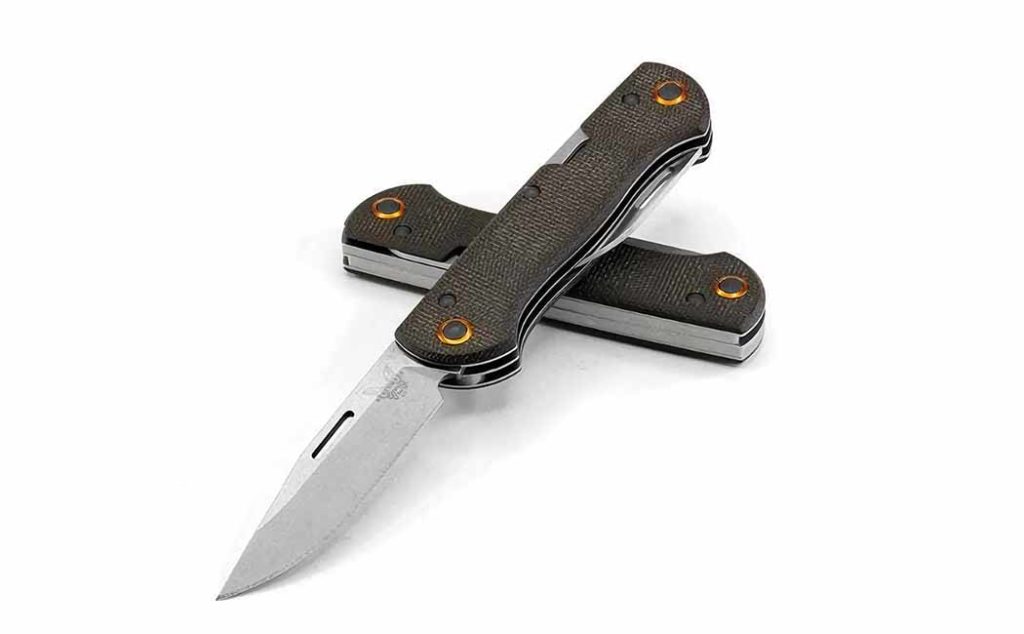
Benchmade 317-1 Weekender

Benchmade Weekender

Benchmade manufactures a dizzying number of knives, however, each is very well thought out and of extremely high quality. While not exactly a penknife in the strictest sense, this modern twist has a bit of added function and pizzazz. The Weekender is designed as the perfect weekend companion and has features that make it great for light tasks. It is great for work on small fish or small game and is also equipped with a bottle opener, because let’s face it, you’re probably going to be killing beers more often than you’re going to be killing game.

The knife is finished in green micarta and bears flashy copper-colored accents. It has just the right amount of flair to match the rest of your daily gear but isn’t made of easily damaged materials. Think of this little guy as the ultimate modern penknife. It is the most expensive option listed here, but it is arguably the strongest and sharpest of the bunch. For what it’s worth, these are advantages of a small knife where cutting ability is limited and strength is lacking.

MSRP: $275

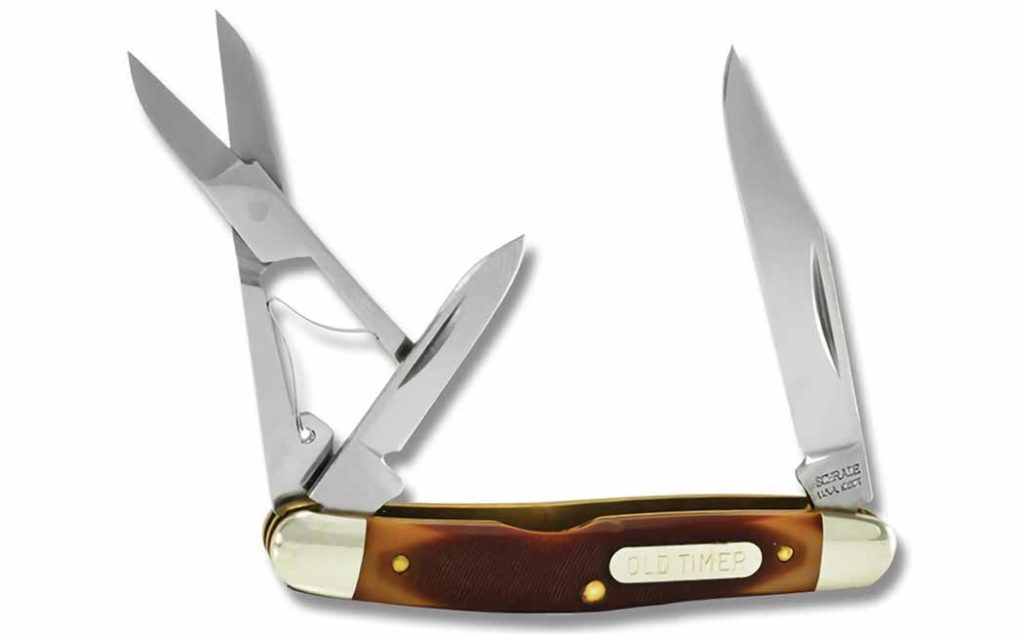
Schrade Old Timer

Schrade Old Timer

In the world of penknives, there is little room for variation except in price. These small knives are not designed for the strength of heavy work, and in some cases, they are made to a standard that more closely resembles their class in terms of cost.

The Shrade knife here retails at under $20, making it a fraction of the price of some on this list. It has a clip-point blade as well as a pen blade and a pair of small scissors. For the duty of a penknife, you don’t need to spend more and this will last you years if used accordingly. Light duty is something that needs to be stressed here, but at this low cost, you won’t be out much if you do break it. Shrade priced this right to be bought and used, and it makes a great gift or stocking stuffer for that hard-to-buy-for person in your life.

MSRP: $19

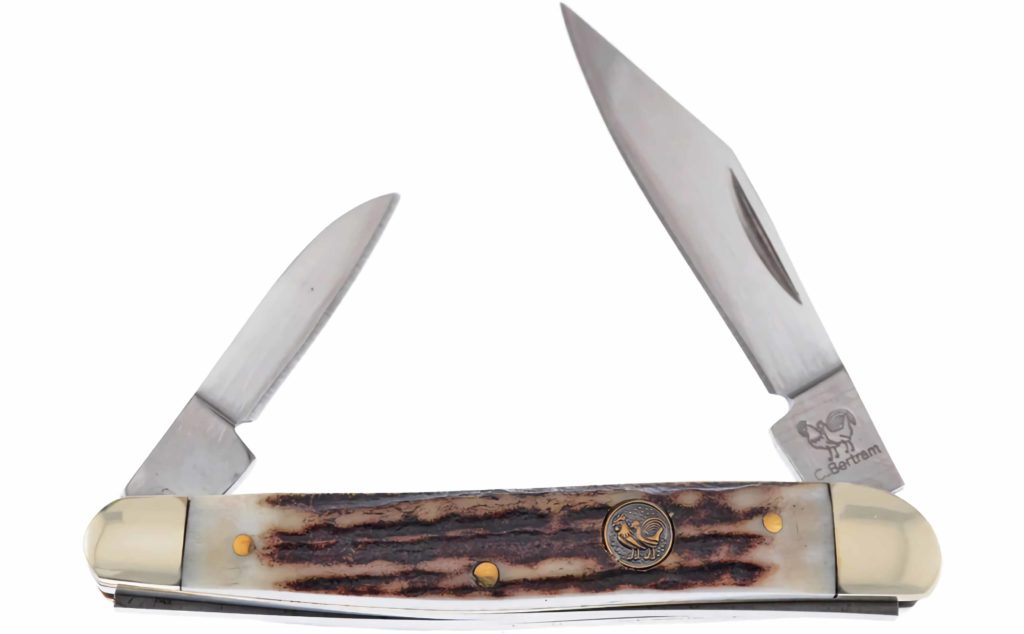
Hen & Rooster Stag Penknife

Hen & Rooster Stag Penknife

Hen & Rooster knives are great, medium-cost alternatives to Case or other penknife brands. The company is not as well known as the others on this list, but they make a great product that rivals all in quality and appearance.

Its stag-griped penknife is extremely simple and priced right for someone looking to have a nice knife with real materials as opposed to lookalikes or plastic stand-ins for antler. The knife features both clip point and pen blades and is exactly how you figure a penknife should look. Stag isn’t the only material offered for grips, and the company has a tremendous number of models and variants available.

MSRP: $45

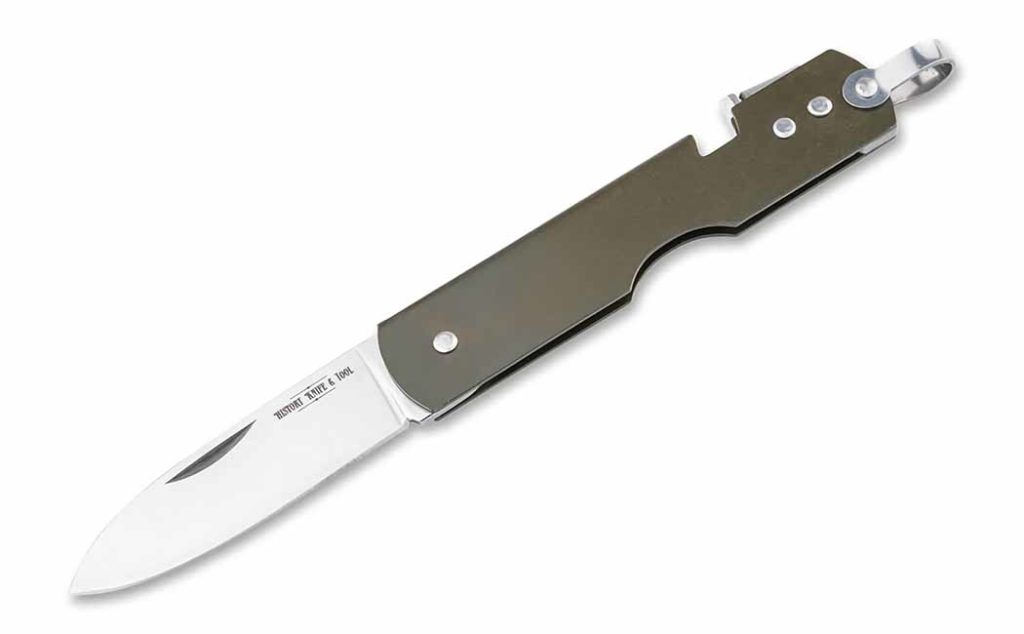
Boker Historical Japanese Army Penknife

Boker Japanese Army Penknife

There is a long history of small utility knives integrated with other tools to make them just a bit more functional. This offering by Boker is a replica of a Japanese army penknife that has an integrated bottle and can opener. This penknife served to open rations and prepare food in the field and it is good for just about anything minor.

It is an exceedingly slim knife in all proportions, the single blade being just 2 inches. The blade folds into the steel frame, itself just slightly wider than the blade itself. History buffs may not be aware of this little tool, but they sure will love it when they open it. Boker has a winner here, and to boot, they also have a Japanese multitool and other historical knives should you want to start collecting modern replicas you can use in your daily life.

MSRP: $30

Check out More of Our Buyer’s Guides
Best Flipper Knife: Blades That Win The Fidget Factor (2023)

With a simple finger flick or even in promo art, today’s flipper knives fly.

Early flipper folders were used in conjunction with assisted-opening mechanisms as a means for initiating movement, allowing the spring or torsion assists to open the blades the rest of the way. A few years later, folder pivots incorporated ball bearings, nearly negating the need for assisted-opening mechanisms on flippers.

This reduced friction simplified folder construction and provided glassy smooth blade rotation. Although a few companies still offer assisted-opening flipper folders, most production versions rely on ball bearings.

Flipper Folders: Function Flows From Form

A flipper tab and ball bearings don’t necessarily equate a folder with quick action and secure deployment. A flipper mechanism will not work properly without a well-designed detent.

Imperative is the detent’s power to secure and hold the blade shut. When placing pressure on the flipper tab with an index finger, the user should be able to feel the grab of the detent. With more pressure on the flipper, the inertia of the blade overrides the pressure of the detent, and kinetic energy swings the blade into the fully open and locked position.

An imprecise detent results in either sloppy action or a flipper mechanism that requires too much pressure against the narrow tab. Optimally, with pressure on the flipper tab, the detent holds its load for a second before letting the blade go with enough energy to snap it open.

Finding Fun In The Fidget Factor

It’s the flipper action that is so satisfying. It imbues a “fidget factor” that causes knife users to snap open their folders while watching TV, talking on the phone, lying in bed or practicing any number of mundane daily routines.

The latest flipper folders not only offer pleasing aesthetics but stay true to the ideals of their predecessors. With premium materials, designs that make use a pleasure and looks that astound, they epitomize some of the coolest knives around.

Best Flipper Knives

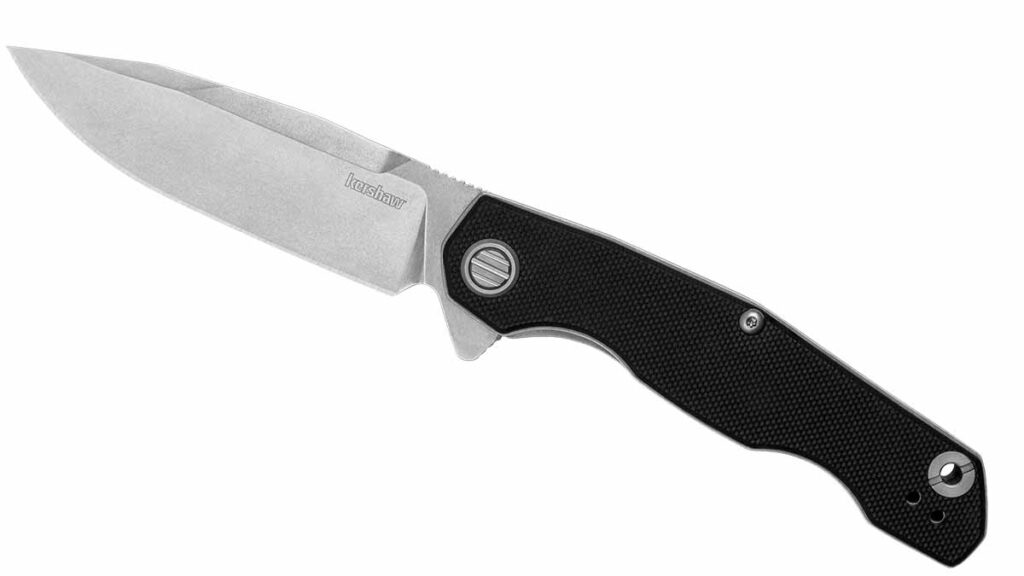
Kershaw Inception

Flipper Knife Kershaw Inception
The stonewashed blade of the Kershaw Inception pivots on KVT ball bearings. The custom pivot collar adds a touch of class.

At Kershaw, the Inception is looking good with performance to match. “I love the clean, stylish look,” related Kershaw Marketing Manager Dominic Aiello, “but the satisfyingly smooth action is what really makes the Inception a top-notch manual everyday carry.”

The flipper tab was not designed with the intention of acting as a single guard, Aiello says, but rather in combination with the textured handle overlays to help prevent the user’s hand from slipping. Along with that, the D2 tool steel blade .11-inch at the thickest provides enough heft to balance durability and ease of slicing. The clip is reversible and deep carry with flush screws that won’t snag in the pocket or impede quick deployment.

Kershaw Inception Specs
Company: Kershaw
Blade Length: 3.25 inches
Blade Material: D2 tool steel
Handle Material: G-10
Lock: Linerlock
Weight: 3.1 ounces
Pocket Clip: Ambidextrous/reversible, deep carry, tip up
Closed Length: 4 inches
Country Of Origin: China
MSRP: $99.99

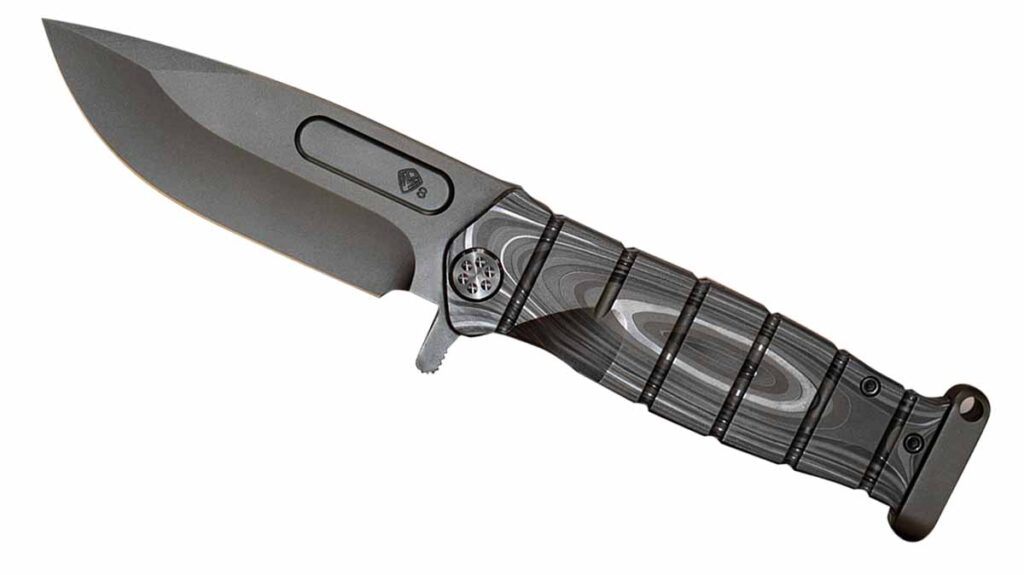
Medford Knife & Tool USMC Fighter Flipper

Flipper Knife Medfor USMC
The CPM S35VN stainless blade of the Medford Fighter Flipper is 3/16-inch thick at the thickest and has a Rockwell hardness of 58 HRC.

The USMC Fighter Flipper from Medford Knife & Tool boasts an iconic name and incorporates titanium along with other highly durable components.
“Where to start?” commented Medford representative Geoff Oprandy. “First, the USMC Fighter Flipper has superior design, engineering and aesthetics. When Greg Medford was inspired to make this knife, it didn’t take long for initial sketches to appear. He wanted a worthy companion piece for our top-selling Fixed Fighter, which has been a category king for quite some time.”

Oprandy describes the USMC Fighter Flipper as “a unique mixture of titanium components with the best CPM S35VN blade steel. This is a big, manly knife that’s as comfortable working as it is cruising around in your pocket. There is so much going on with it that it’s hard to take in, from the retro milling on the handles, drop-point blade, and integral Ti pommel to the bearing pressed into the one-of-a-kind pocket clip. The tab is designed to be a tad longer and has a unique radius with a knurled feature. For being a large knife [it provides] great purchase, and the flipper tab combined with the finger-indexing groove enable a great grip. The knife runs on phosphor-bronze washers custom made to meet our specs.”

According to Geoff, the knife has a special connection with the United States Marines Corps. As designer Greg Medford related, “When you hold it in your hand, almost 250 years of Marines speak to your soul.”

The design is intended to feel at home with users who prefer the “connection” made with a large folder, Oprandy says. “When people position the knife correctly and begin to use it,” he stated, “the energy transfer seems balanced, natural and confidence inspiring.”

USMC Fighter Flipper Specs
Company: Medford Knife & Tool
Designer: Greg Medford
Blade Length: 4.25 inches
Blade Steel: CPM S35VN stainless
Handle Material: Titanium
Pivot Action: Phosphor-bronze washers
Weight: 9.8 ounces
Pocket Clip: Titanium; standard carry
Closed Length: 5.25 inches
Country Of Origin: U.S.A.
MSRP: $840 and up

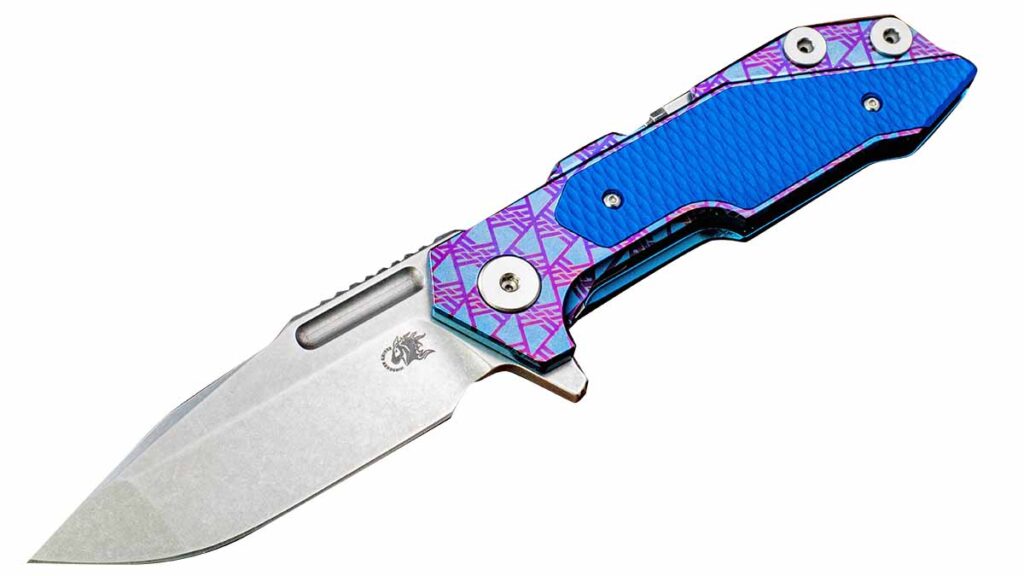
Rick Hinderer Knives Full Track Spearpoint “Nuked”

Flipper Knife Rick Hinderer Knives Full Track
The Full Track Spearpoint “Nuked” has a removable tool seated in the spine for disassembly/assembly of the knife. The scale on the show side is removable to store spare washers and spacers.

Sam Santa Rita, general manager of Rick Hinderer Knives, says the Full Track Spearpoint “Nuked” is a bigger version of the company’s “very popular Half Track model. It is one of our larger folders at 3.75 inches and has titanium handles with G-10 inserts. The Full Track features a removable tool seated in the spine of the folder that is capable of complete disassembly of the knife.” The folder also utilizes a G-10 insert cover on its show side that hides a pocket for the storage of steel inserts and washers for the Rick Hinderer Knives Tri-Way Pivot System. This allows the user to easily swap from bearings to washers or vice versa depending on the situation.

“Its size and durability coupled with the ease of maintenance and ‘customizability’ makes the knife a perfect hard-use folder capable in any environment,” Sam added. The Full Track is available in stainless blade steel options of CPM S35VN, CPM 20CV and M390. Another blade steel option will be released later this year.

The Full Track flipper tab doubles as a single guard, while the blade pivots on caged thrust bearings. Meanwhile, the Tri-Way Pivot System allows for the aforementioned use of Teflon™ and phosphor-bronze washers as well, which come standard with the knife.

Full Track Spearpoint “Nuked” Specs
Company: Rick Hinderer Knives
Designer: Rick Hinderer
Blade Length: 3.75 inches
Blade Steel: CPM 20CV stainless
Handle Material: G-10
Lock: Framelock
Pocket Clip: Yes
Weight: 6.9 ounces
Closed Length: 5.125 inches
Country Of Origin: U.S.A.
MSRP: $820

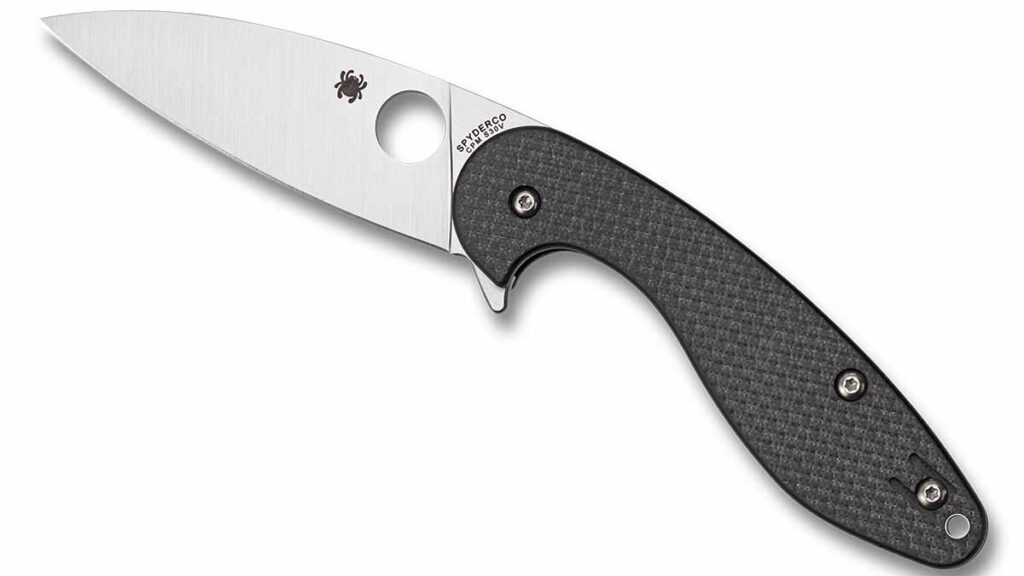
Spyderco Sliverax

Flipper Knife Spyderco SLIVERAX
The Sliverax is the first factory folder to combine Spyderco’s Compression Lock® with a flipper-style opener. Blade thickness and grind: .138 inch at the thickest and full flat.

The Sliverax is a bit of a departure for Spyderco. “It’s a flipper design, which is not common among Spydercos,” explained Joyce Laituri, company marketing manager. “The designer, Paul Alexander, is a different type of cutlery designer we have worked with in the past. He holds a doctorate in industrial design and mechanical engineering, and is a leading researcher for a company in the automotive industry.”

The Sliverax brings a shape with seamless flow and a slightly negative blade angle to enhance leverage, placing the point on the knife’s centerline for utility and control. “The negative angle also shortens the opening arc combined with the round hole and flipper mechanism for a full spectrum of positive, high-speed one-hand-opening options,” Joyce commented.

“The flipper tab doubles as a guard,” she continued, “and it’s easy to see and feel when the knife is held. There is a large, deep finger choil already, and the flipper mechanism in the open position extends the choil, creating a comfortable and deep guard for the index finger, or pinky if held in a reverse grip.”

Laituri describes the opening experience with the Sliverax as “slick as a Slip & Slide.” The mechanism features a phosphor-bronze bushing with ball bearings and a nested liner for structural strength. The CPM S30V stainless blade is exceptional in its combination of toughness, wear resistance and corrosion resistance as well, while the ergonomics of the handle are derived directly from its innovative shape, super-thin choil and expansion at the butt to fill the hand.

Spyderco Sliverax Specs
Company: Spyderco
Designer: Paul Alexander
Blade Length: 3.48 inches
Blade Steel: CPM S30V stainless
Handle Material: Carbon fiber/G-10 laminate
Lock: Compression Lock®
Weight: 3.3 ounces
Pocket Clip: Deep pocket, wire, ambidextrous, tip up
Closed Length: 4.52 inches
Country Of Origin: Taiwan
MSRP: $306

Editor’s Note: Mike Haskew and Dexter Ewing contributed to this post.

Check Out More Buyer’s Guides:
Spyderco Tenacious Review: The Relentless Workingman’s Knife

Built like a top-shelf Spyderco, but at a fraction of the price the Tenacious more than lives up to its name.
Spyderco’s knives are about as high-performance as you can get in a production knife. They look at things from all angles, from blade grinds to handle ergonomics and how each plays an important role in the other. It’s a symbiosis of sorts. Therefore, most of their knives are on the pricey side but very well worth it.
The use of high-end materials with superior ergonomics and cutting-edge blade steels get everyone drooling, but there is one factor that spoils it for some. The high price.

“No thank you”, some might retort. Then resort to looking at other brands, whose offerings might be a bit cheaper and more within their budget range. Still, they crave Spyderco.

Fear not my penny-pinching friends.

Spyderco Tenacious neutral open copy
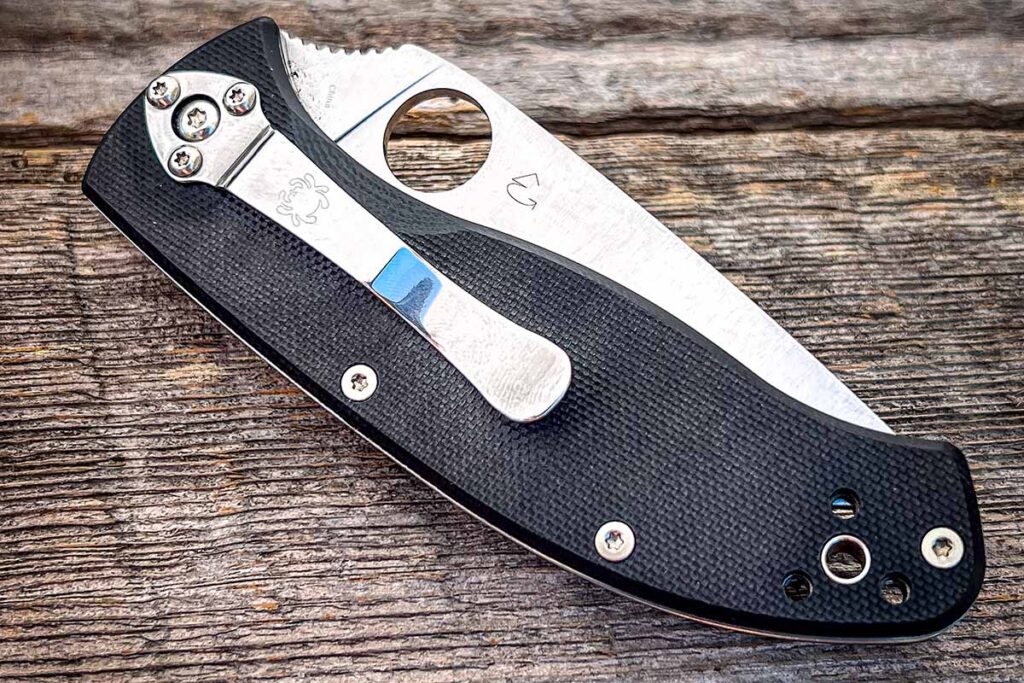
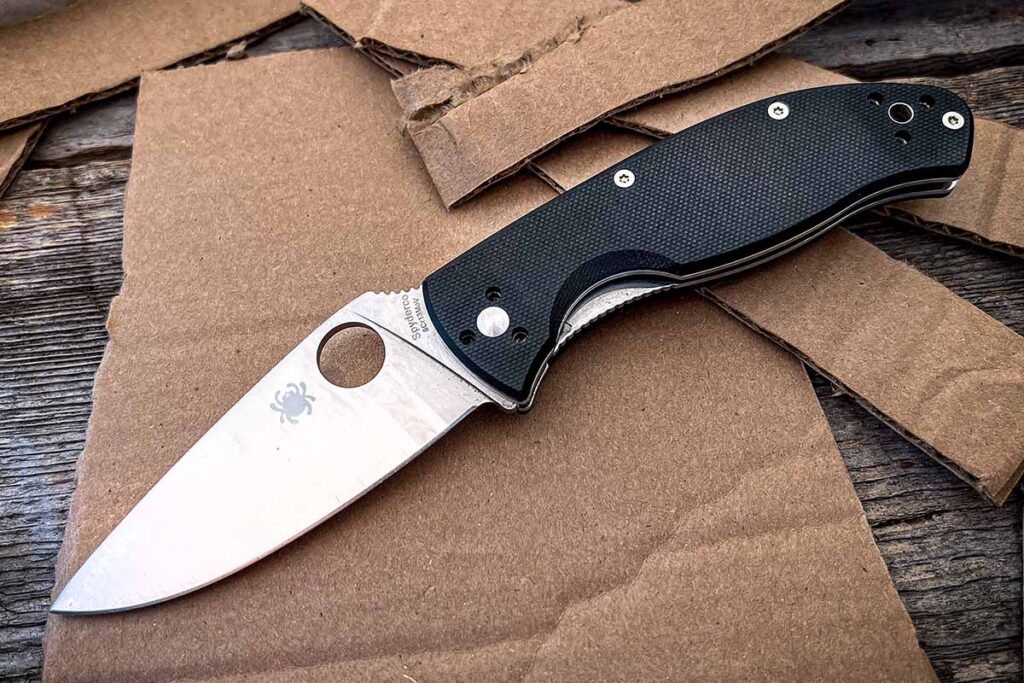
Affordable and capable, the Tenacious proves a capable workingman’s knife. Photo: Marty Stanfield

Spyderco had exactly you in mind when it unleashed the C122GP Tenacious. An excellent value folder from incorporating all the hallmarks of a Spyderco design and execution but without the scary high price tag. Essentially, it’s an everyman’s knife, with the elite performance the company has built its name on. 

How’s that for value?  

Spyderco Tenacious Blade

Starting with the modified clip point blade of the Tenacious, 8Cr13MoV stainless steel was chosen because of its great balance between edge retention, ease of sharpening and low cost. For those not familiar, 8Cr13MoV is the Chinese equivalent of the Japanese-made AUS-8. A lot of entry-level to mid-range knives have this steel. It makes a great choice for a working folder as 8Cr13MoV is relatively easy to resharpen and takes a good edge in minimal time.

The blade length is 3 ⅜ inches, long enough to for serious work but short enough to carry easily in the pocket. Jimping on the thumb rest allows you to place your thumb there to apply downward pressure on the blade. The rest sample we were sent has a satin-finished blade, though, Spyderco offer the Tenacious with a black coated blade for low visibility, as well. 

Spyderco Tenacious Blade
A 8Cr13MoV drop-point blade offers respectable steel in a useful profile.Photo: Marty Stanfield

Additionally, partially serrated edge formats are available for enhanced cutting power. This blade design is a workhorse, with its flat grind and distal taper, which allows the blade to become a voraciously efficient slicing tool. Honestly, Tenacious in hand, you’ll be able to slice through your biggest and toughest cutting tasks with ease.  

Spyderco Tenacious Handle

Look at some other budget folding knives on the market and you can tell where corners were cut. One evident area is handle design. No so with the Tenacious.

Spyderco has some of the best handle designs on the market, the company has an intimate understanding of how to design a comfortable interface comfortable for extended hard usage. In this case, the knife uses a black textured G-10 phenolic resin handle for both reduced weight and an excellent grip. As a side note, the handle length is 4 7/16-inces long and overall, well thought out. In the hand, it proves comfortable, important with any knife. There are no hot spots to speak of and it seem designed for long periods of use without fatigue.

Spyderco Tenacious lock vertical copy
In addition to G10 scale, the Tenacious has a study double stainless-steel liner to provide the handle plenty of backbone. Photo: Marty Stanfield

Double stainless-steel liners provide a solid backbone for the handle, and a sturdy liner lock secures the blade in the open position for ultimate user safety. A radiused gripping area accommodates the fingers well and the perimeter of the G-10 is chamfered to reduce sharp corners for a comfortable grip. 

Four sets of clip screw holes are drilled into the handle, offering a have-it-your-way approach to pocket clip mounting. You can mount the clip for left-hand use or right-hand use and within these two, you can have either a tip-up or a tip-down configuration. The clip comes from the factory set up for right-handed, tip-down configuration.

Practicality Of The Spyderco Tenacious

If you are in any of the trades and use tools in your job—a knife being one of them—it’s very important to select your work knife carefully not just from a budget/financial standpoint but feature-wise as well. Just because it is a budget knife doesn’t mean it’s stripped down and basic. 

Budget knives can include some creature comforts that make work easier. The Tenacious packs in one hand ambidextrous opening, a secure blade lock, open handle construction with dual steel liners and textured G-10 handles. Furthermore it boasts a pocket clip with user-selectable modes of carry, and a properly designed blade that will cut efficiently. All this, in one knife.

Spyderco Tenacious clip_ copy
Righty, lefty, doesn’t matter. Spyderco enginereed a clip that caters to either hand and nearly any style of carry. Photo: Marty Stanfield

With this being said, the Tenacious lives up to its name as it is eager to tackle any cutting task that awaits. The MSRP for the Chinese made Tenacious is $86, which means it probably can be purchased online for around $60. This makes it a great bargain for a sturdy, well-designed work knife. And if you lose it, you are not out a lot of money.

If you have more expensive knives in your collection and are hesitant to beat on as a work knife, then the Tenacious fills that role well. What you have here is a midsize folding knife that feels good in the hand and cuts exceptionally well.

Final Cut

As an owner of quite a few high-end Spyderco models such as the Military, Paramilitary 2, Manix 2, Shaman, and a few others, I can honestly say the Tenacious performance-wise is almost identical. Bold statement, I know. But all Spyderco knives just have that feel to them—no matter the price. If you are a fellow Spyderco owner, you know exactly what I am talking about.

Spyderco Tenacious action 2 copy
Spyderco created an affordable gem in the Tenacious. Photo: Marty Stanfield

The 8Cr13MoV steel holds an edge well but don’t expect it to be like S30V and hold an edge for a long time. Maintenance in the field is possible with the right sharpener and the steel responds well to routine touch-ups.

Just do yourself a favor and purchase a Tenacious and put it to work. You won’t be disappointed. Spyderco did their homework with this budget-conscious folder that’s packed with features that also are found on their more expensive knives.  

More Spyderco Knives:

Boker And Condor’s Back To Basics Bushcraft Knives

We put the Boker Plus Vigtig vs. Wild and Condor Tool & Knife head to head to see which come out on top in the backwoods.

A couple of decades ago, attention started turning to the category of bushcraft knives. As usual, custom knifemakers were the ones filling the demand and leading the way. I was proud to be among them, along with such makers as Scott Gossman and others. There were those* before us but the push back then seemed more on survival knives with a tactical leaning.

After the push started, many smelled the opportunity to make money and the genre was flooded with assorted marketing schemes and people seeking their 15 minutes of fame. In all the confusion of people wanting to become famous and cash in, the true meaning of bushcraft was lost.

Boker Vigtig vs. Condor Wild
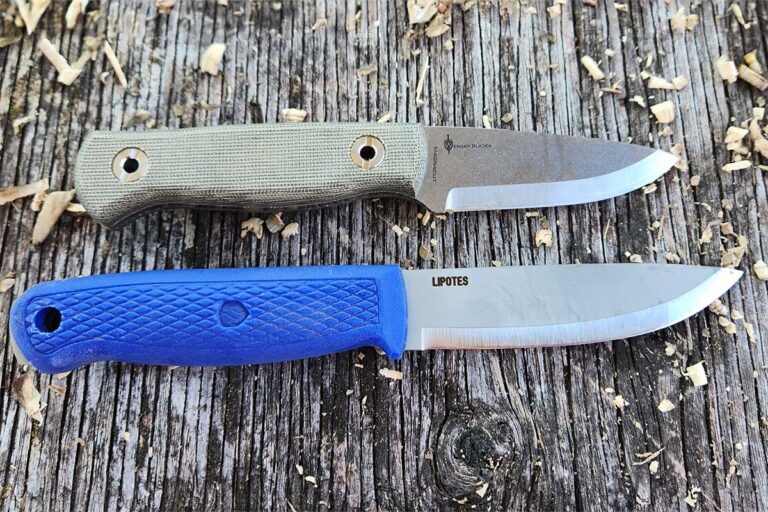
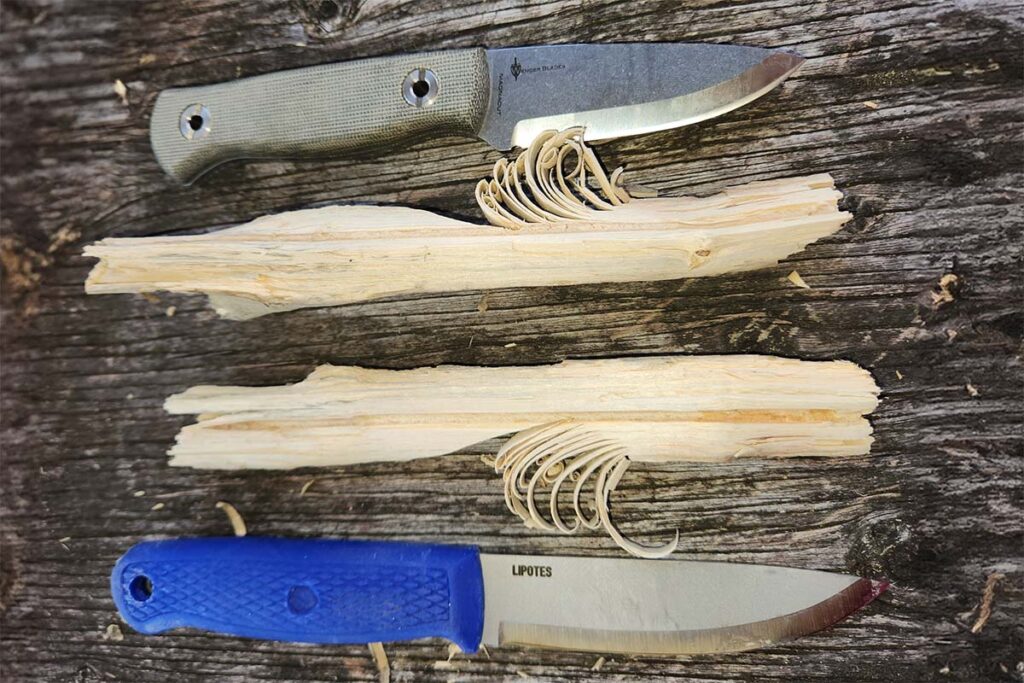
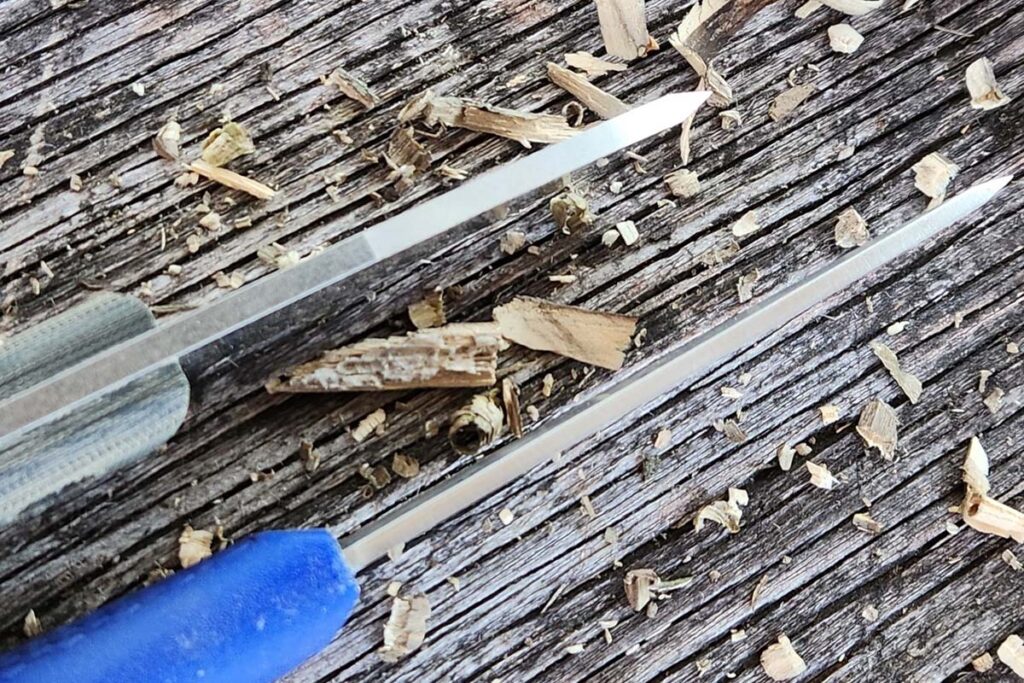
The thinner steel thickness on the Condor Tool & Knife Lipotes enables it to make finer curlicues than the Boker Vigtig vs. Wild. Designed by Dave Wenger and made in Germany, the Boker has an MSRP of $194.95. Joe Flowers designed the Lipotes, which is made in El Salvador. MSRP: $64.98.

A bushcraft knife is not something meant to be indestructible at all costs. It instead has always been a tool of creation. Now I see most marketing or testing related to whether the knife can be pounded through a log, a log that most likely would be unavailable if not for a chainsaw. No, the bushcraft knife started out as a tool, nimble in hand, keen in cutting and used to fabricate things in the bush, things not just to accommodate survival but to help a person thrive. In that reasonable light and practical expectation of the genre, let’s see how the Boker Plus Vigtig vs. Wild and Condor Tool & Knife Lipotes are suited to help you thrive in nature.

Boker Plus Vigtig

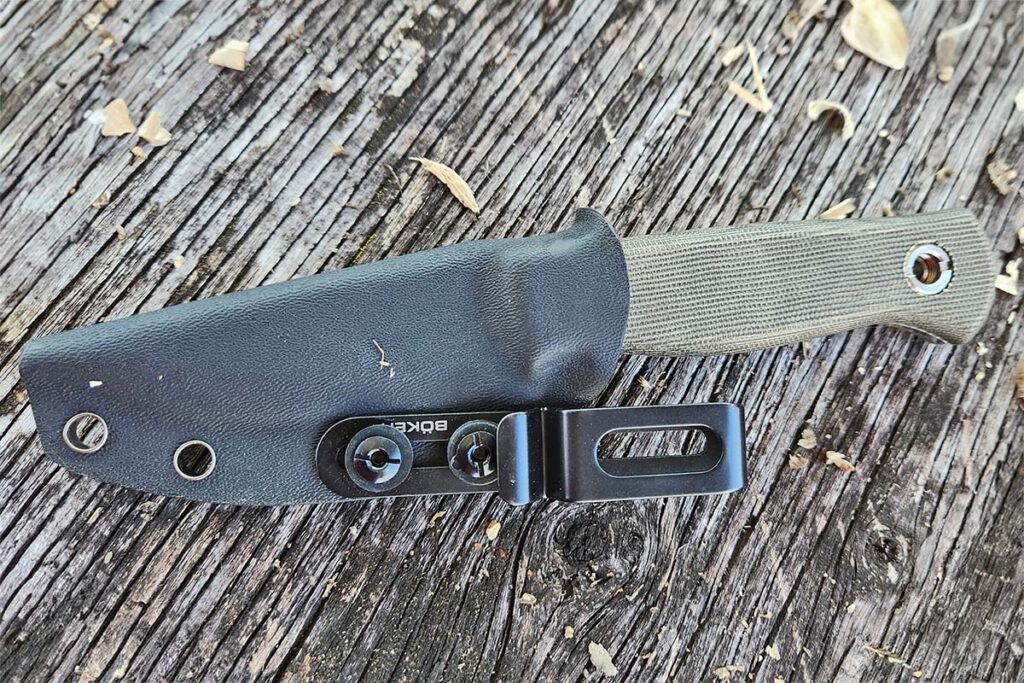
Boker sports a molded Kydex sheath
The Boker sports a molded Kydex sheath with an ambidextrous belt clip. The sheath holds the knife secure while still allowing for an easy draw when using a thumb push off.

The Boker’s 3.35-inch blade features a Scandinavian, aka Scandi, grind, a grind in which the major bevel is the only bevel and goes straight to zero. Executed correctly, the grind should take up at least a third of the blade’s width. If the grind is any shallower it will be too steep. Some variation on the height of the grind is due to the thickness of material. Being too steep will decrease the effectiveness of the blade to cut because the angle of the edge will plow into the work material—and when I cut with the Boker, it did just that. It is not that it won’t cut with a steep angle, it just tries to take heavier cuts as it dives. Therefore, you don’t get the thin controlled cuts as easy as a properly executed grind.

Scandi grinds are popular in bushcraft because of their amazing effectiveness carving wood. In the game area they work fine but you will often find that bone wreaks havoc on a Scandi edge. In addition, the cross profile of the blade is not optimized for processing meat. Full flat grinds process soft, malleable materials such as meat best since there is no shoulder on the blade to bind as the meat flows along the cross-section profile. On flat grinds you also have a secondary bevel, or micro bevel as some call it, and it takes hitting bone better.
The Boker is a full-tang knife with a blade .16 inch thick at the thickest, somewhat thick for a bushcraft knife. A clever feature is how the spine is finished. To strike a ferro rod off the blade spine you need a crisp edge. Sharp spines are more effective at generating sparks but are not very comfortable if you need to use a pinch grip or a thumb extension on a power grip. To address the issue, the Boker has a sharp spine toward the tip and a crisp spine section near the handle.

Blade thickness comparision
Note how much thicker (.16 inch at the thickest) the Boker blade is than that of the Lipotes (.13 inch at the thickest).

The handle is green linen Micarta® with beefy mechanical fasteners that double as lanyard holes. For those who prefer a full grip it has good profile contouring and leaves a blocky handle from side to side. There are no hot spots while still providing control.
The blade is CPM MagnaCut stainless steel and is wide for its size. With its thicker blade it batons well through small branches to make small kindling. You trade some agility for durability with a beefier blade material.

The molded Kydex sheath rides high and boasts a metal belt clip that screws on for right- or left-hand carry. The knife locks securely into the sheath yet not so much you can’t easily withdraw it.

I think the Boker has its good points. I do prefer my bushcraft knife to be more of a nimble cutting tool. Overall, if the edge were ground higher this knife would up its game substantially.

Wild and Condor Tool & Knife Lipotes

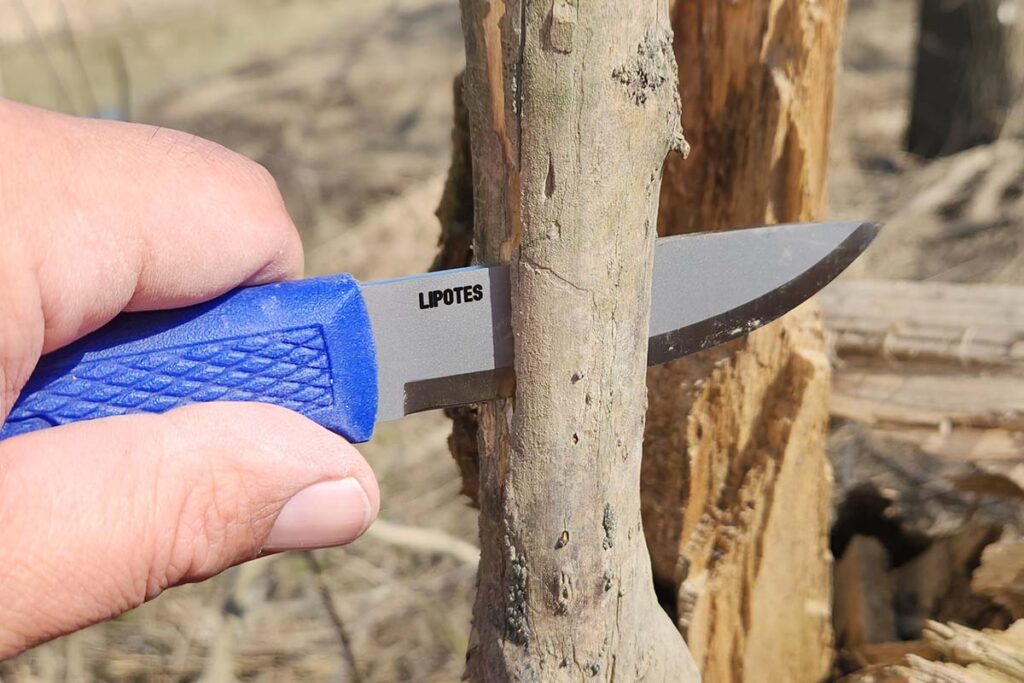
Lipotes batoning
For ease of baton work, the general rule is the cutting medium should be no wider than one-third the length of the blade. The Lipotes has a 4.15-inch blade of 14C28N stainless steel.

Let’s start with the handle on the Lipotes (among others, a lipotes is an endangered species of dolphin). It is an extended hidden tang and not a full tang—that’s right, not a full tang. Some time ago a well-known knife company introduced an extended-hidden-tang version of a knife and called it a full tang, and all the marketers and social media influencers decided to rename a feature so everyone could fall in line. If you can’t see the tang all around the knife’s handle, it isn’t a full tang.

Along with rat-tail tangs, hidden tangs have the distinct advantage of being some of the most comfortable knives in use. The steel element is totally encapsulated in the handle, allowing the maker to have full control in contouring the scales. In other words, you basically have a tang that will not interrupt how the material is shaped.

The Lipotes handle is very comfortable and the texture in the molded material provides a secure grip. As for the hidden tang extension, it can be used as a small hammering device or even a scraper.

Except for the grind, I like the overall proportions of the knife. As with the Boker, the grind doesn’t go high enough. It will still cut but the cutting would be greatly optimized if the grind were half its height taller. It performed well in its cutting tasks with power cuts, feathering and the like. However, it still missed the ease of cut and control of a higher grind. If I could, I would love to get my hands on a bunch of these blades and regrind them.

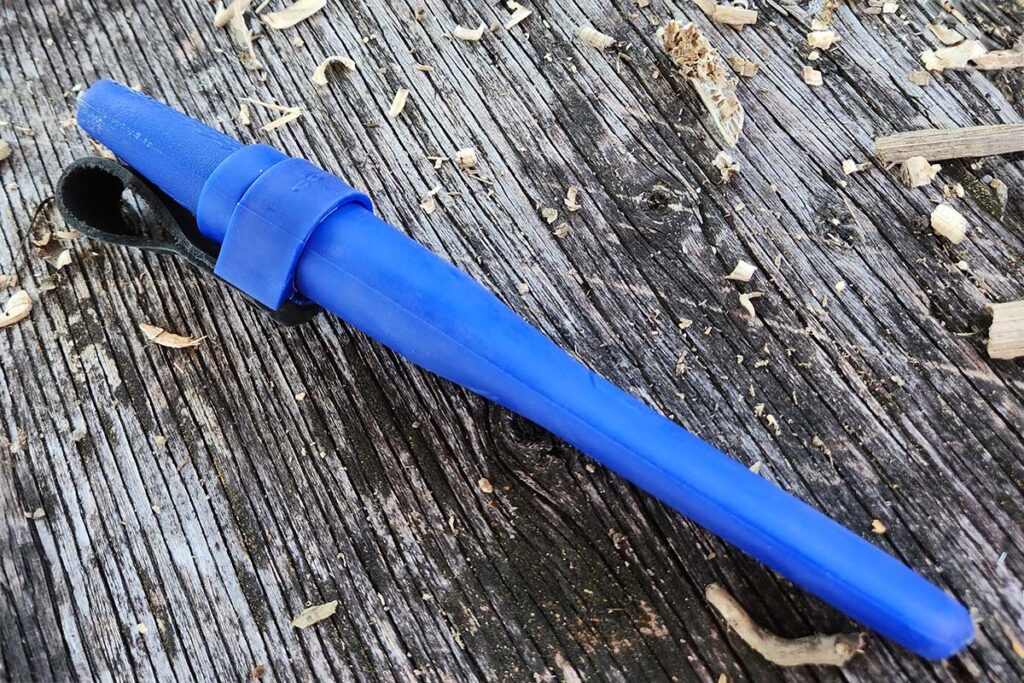
Lipotes sheath
The Lipotes has a quality sheath that holds the knife nice and tight when you ramble through the woods. The leather belt loop riveted to the back won’t accommodate a wide belt.

I really like the sheath. It has a nice, deep carry. It is a molded plastic with a good friction fit. It is a bit mysterious to me as to why the belt loop is so small. Only a dress belt would fit through it. You could still run a cord through it for neck carry or a baldric. The Joe Flowers design checks off so many of the boxes for a good tool. I would have been singing its praises more with a higher grind. Instead, I am pretty much humming.

More Than Survival

To repeat, a bushcraft knife isn’t just for survival, it is a tool of creation. Often the real goal of an issue gets lost in the minutiae that results from personal gain and egos. Over the years, marketing and self-promotion have polluted bushcraft until we have lost it in a sea of books and an ocean of social media. A look at a simple tool such as a knife can really remind us of what bushcraft is about. It is about man’s will to do more than just survive. Man strives to prosper.

I will leave you with one of my favorite quotes about tools by Thomas Carlyle: “Man is a tool-using animal. Without tools he is nothing, with tools he is all.”

*Author’s note: The origins of the discussions of bushcraft can be attributed to such enthusiasts as Mors Kochanski, Larry Dean Olsen, Lofty Wiseman, Ray Mears and others.

Check Out More Outdoor Knives:

Best Custom Hunting Knives: Is There A Consensus?

Top knife observers decipher the best custom huntering knives ever made.

It’s an ongoing discussion, or maybe a debate, slightly contentious but always cordial. When the question is pondered regarding who made the best custom hunting knives ever, a few names quickly come to mind.

Of course, there is no right or wrong answer. It’s a matter of interpretation, fit and finish, design, form and function, and the feel of the knife in the hand when it’s time to get down to the business of skinning and dressing game. Each respected and well-traveled knifemaker and observer consulted below can tell the stories that back up his top few. But in the end there is no doubt. Each of these revered custom makers and/or bladesmiths has got game. It’s proven in their work.

Bruce Voyles’ Take

BLADE Magazine Cutlery Hall-of-Fame® member and knife auctioneer Bruce Voyles accompanied his fellow Cutlery Hall of Famer, the legendary George Herron, on a few hunting trips and experienced his work in the field.

George Herron' Model 6 and Model 3 skinners
Among the top hunting knives BLADE Magazine Cutlery Hall-of-Fame® member George Herron made are the Model 6 (top) and the Model 3 skinner, aka Little Dude (bottom). The Model 6 sports a 4-inch blade and 9-inch overall length. Blade and overall lengths for the Little Dude: 2.75 and 6.75 inches. Respective blade steel, handle material and construction on each knife are ATS-34 stainless, curly maple and tapered tang. (Jay Mealing knife image)

“George was a fantastic hunter,” Bruce remembered. “When a group of us would go with him, we might kill three deer in a four-day morning and afternoon hunt, but he could get eight if he wanted to.”

Bruce tells the story of an Outdoor Writers Association hunt Herron organized after an invitation from a South Carolina country gentleman that George had helped change a tire. It seems the man owned a large tract of land, and in return for Herron’s kindness he was allowed to hunt deer on the property.

“When we got to that plantation, every guide there was carrying a George Herron knife,” Bruce commented. “The thing about George’s knives is that when you held one and used it, you were using a knife made by a man who had been there. He made tremendous skinning knives, and the balance and feel in the hand are unsurpassed. The balance, shape of the handle, and minor nuances of the tilt of the blade, its thinness, and the tapered tang set Herron knives apart.”

Bill Moran’s engraved gentleman’s hunter
According to BLADE Magazine Cutlery Hall-of-Fame® member Bruce Voyles, the knives of Cutlery Hall-of-Famer Bill Moran feel like an extension of your hand. Mr. Moran’s engraved gentleman’s hunter in damascus and with one of his iconic moon logo sheaths is representative of Bruce’s sentiment. (Eric Eggly/PointSeven image)

According to Voyles, the knives of Herron, Jerry Fisk and Cutlery Hall-of-Famer Bill Moran feel like an extension of the hand. Herron also made knives that were affordable for a hunter to purchase. Since he put many knives in the hunters’ hands because of a reasonable price point, the praise of his work in the shop spread far and wide. Today, there are several quality custom knifemakers contending for recognition, and they include Ralph Smith, Larry Page and Wayne Hendrix to name just a trio, Bruce says.

“Wayne was one of the guys who trained in George’s shop, and while we were hunting he had his own shop set up on the grounds making knives to sell directly to hunters,” he noted. “He was a guide in South Carolina and approaches making hunting knives the same way George did. He’s the closest to George’s knives now.”

Jim Sornberger’s Take

Cutlery Hall-of-Fame knifemaker Jim Sornberger remembers the days years ago when names such as Harry Morseth and Cutlery Hall-of-Famers Bo Randall and Rudy Ruana were synonymous with excellence in hunting knife craftsmanship. He also mentions the fine work of Corbet Sigman and other contemporaries of the 1960s and ’70s.

A.G. Russell made Herry Morseth designed Model 1
“The first new model A.G. Russell made when he acquired Morseth Knives from Harry Morseth was the Model 1, also known as the Ozark Hunter,” Tom Krein noted. “It is a drop-point camp and hunting knife with a 3.5-inch blade, hidden tang, nice guard, and thin-shaped Micarta® handle that make the knife extremely light.” This version sports a stacked leather and fiber spacer handle with a stag butt. (Nordic Knives image)

“It goes back to when I was a kid and my uncle had a gun store in Redding, California,” Jim said. “Those names were famous, and I met Harry Morseth in the ’50s. His Cascade Skinner was my favorite hunting knife for many years with a great handle shape in leather or stag for a good grip and a guard, which is really important in a good hunting knife because you’ve got to hang onto an animal or fish if you’re working and you can’t afford to have the knife slip in your hand. The blades were laminated Brusletto steel from Norway, and the knives came with a safety sheath. Mine was copper-lined leather in the shape of the knife, and later models had a fiber material liner inside.”

Sornberger also mentions Cutlery Hall-of-Famer Gil Hibben, Ruffin Johnson and Clay Gault as makers of outstanding hunting knives. However, trying to identify custom makers that are in that rarefied air with the masters these days requires some reflection. “It’s tough because a lot of guys follow trends nowadays and they find it’s cheaper and faster to make a knife without a guard,” he opined. “Randy Lee has been around a long time and still makes a lot of good using knives. Dave Pitt in Redding, California, does as well, and that’s hunting country. Randy has a stubby little hunter with a 3.25-inch blade and nice guard, and that’s plenty of knife for most hunting applications.”

Tom Krein’s Take

Veteran knifemaker Tom Krein is upfront with his thoughts on the best maker of hunting knives.

“I actually worked for Bob Dozier and A.G. Russell from the mid-1990s to 2001, and honestly this is a tough one. We all use hunting knives differently in the field and for different things, but I would put Bob Dozier forward. He grew up hunting in the bayous and providing for his family, [and] he has a lot of experience making knives. He is an exceptional craftsman, and in the 1980s I feel one of the pioneers in the style of distilling everything down to make hunting knives easier to make and get them in everybody’s hands.”

Jerry Fisk’s Sendero hunter
Award-winning bladesmith Jerry Fisk’s Sendero hunter served as Tom Krein’s inspiration to make knives. (Eric Eggly/PointSeven image)

Krein likes the reasonable price point of a Dozier hunting knife and the attributes that characterize the maker’s outstanding work: a full tang, thinly ground blade, Micarta® handle, and often a Kydex sheath system for safety. “Dozier’s knives check all my boxes,” he related. “The Dozier Personal with a 2-inch blade works great on game, and an investment of $300 will get you a fine Dozier knife.”

Tom also has seen the Morseth line continue with A.G Russell and has tremendous respect for the maker’s legacy. “The first new model A.G. made when he acquired Morseth Knives from Harry was the Model 1, also known as the Ozark Hunter,” Krein noted. “It is a drop-point camp and hunting knife with a 3.5-inch blade, hidden tang, nice guard, and thin-shaped Micarta® handle that make the knife extremely light.”

Tom tips his hat to custom knifemaker Brian Goode, whose hunters and skinners are gaining notice, while he also acknowledges the great work of Jerry Fisk, whose Sendero served as Krein’s own inspiration to begin making knives. And then there’s the geometry and thinness of the blade in ABS master smith James Rodebaugh’s hunting knives that Krein calls “beautiful work.”

James Rodebaugh’s Take

Speaking of Rodebaugh, his thoughts on the best maker of hunting knives include George Herron, whose work he describes as “superb,” and two more greats, D. E. Henry and Cutlery Hall-of-Famer Jimmy Lile. “The first knife I ever owned was a Lile hunter, and he made one heck of a hunting knife,” James remarked. “That knife was my primary hunter before I even started making knives, and it did all I ever asked of it.”

Adam’s clip-point hunter
ABS master smith James Rodebaugh is high on the work of Missouri-based maker Jason Coy and ABS master smiths Jason Knight and Adam DesRosiers. Adam’s clip-point hunter in damascus and stag is a stunner. (SharpByCoop image)

According to Rodebaugh, edge geometry is critical in a hunting knife, along with the design and profile of the handle and proper Rockwell hardness. Each of these characteristics is essential, and the Lile knife was “about as perfect as I’ve ever held, and I’ve dressed well north of 300 animals, not counting small game.”

Rodebaugh’s own knives are reflections of his hunting experience. He has been lauded for the field performance of his Raised Swedge Hunter, which some refer to as a harpoon point, that was actually inspired by a Marble’s hunter design. He has been making the Outfitter hunting knife for about 15 years, forging the blades in batches of five with O1 tool steel hardened to a Rockwell of 60-61 HRC, and a Micarta handle with a palm swell for added comfort.

James has been impressed recently with the work of Missouri-based maker Jason Coy and ABS master smiths Adam DesRosiers and Jason Knight. “Jason saw my raised swedge years ago and asked to use it, and I said ‘absolutely!’ Nobody has probably designed a ‘new’ blade in the last 1,000 years or so. Adam has worked with it as well, and now everybody in the country produces that design feature.”

Of Course, Bob Loveless

The names of custom makers past and present conjure images of their outstanding hunting knives. But no story on the topic would be complete without mention of Cutlery Hall-of-Famer Bob Loveless. While some have said Loveless was a fine maker, some have also said his fit and finish were reasonably good—not great. Nonetheless, the thing about Loveless was his eye for design.

Randy Lee drop point hunting knife
According to BLADE Magazine Cutlery Hall-of-Fame® member Jim Sornberger, Randy Lee has been around a long time and still makes a lot of good using knives. An example is his drop point with an amber-spacer look reminiscent of the My Knife by BLADE Magazine Cutlery Hall-of-Fame® member D’ Holder, a pretty fair maker of hunting knives in his own right. (SharpByCoop image)

“Loveless went to design school,” Voyles explained. “He made a knife with eye appeal. It was different, and a lot of people don’t understand why, but it was the natural French curve. It was the design. People say Loveless made the perfect hunting knife because of the drop point, and to me it doesn’t work as good as one of George Herron’s knives.”

Sornberger knew Loveless well. “Bob was a good friend and signed for me to get into the Guild,” Jim began. “I think Bob found a universal handle shape that he used on all his knives, and it was a combination of a good kitchen knife and all with a guard except for a couple of models he made later on. All fit well in the hand. Bob got a lot of publicity. He could sell snow to Eskimos.”

Krein sees the Loveless drop point as iconic. “But there is a difference with the variance in game animals from squirrels to rabbits to deer, elk and moose. So best at what? I personally think the Loveless drop point is a fine design, but I wouldn’t take it into the woods,” he observed. “It’s just bigger than I like, and I like hidden tangs for hunting knives.”

Rodebaugh reminds that Loveless is a giant among custom knifemakers, and his hunters are noteworthy to say the least. “I met Bob many years ago and didn’t live far from him in California,” James recalled. “He made a good knife, and the drop point had a lot of impact on the industry, but contemporary with Bob were guys like Herron that produced excellent knives. Loveless made a solid working knife and took that to great heights through pretty good marketing, along with his popularizing of ATS-34 stainless blade steel.”

All hunters have a favorite knife, a trusted companion in the field that is handy, dependable, and built for the jobs encountered. While discussing the topic of just who might be the best custom maker of hunting knives is a never-ending exercise, suffice it to say that hunters are fortunate to find such steadfast companion tools when they are needed most.

Check Out More Outdoor Knives:

New Knives March 2025

0

Today’s pocketknives come in assorted locks, no locks, blades, handles and more.

Eyes always peeled, we’re on the look out for the latest and the greatest. We think we’ve found a bevvy of them this March. So, with out further adieu, here’s our latest round of new knives.


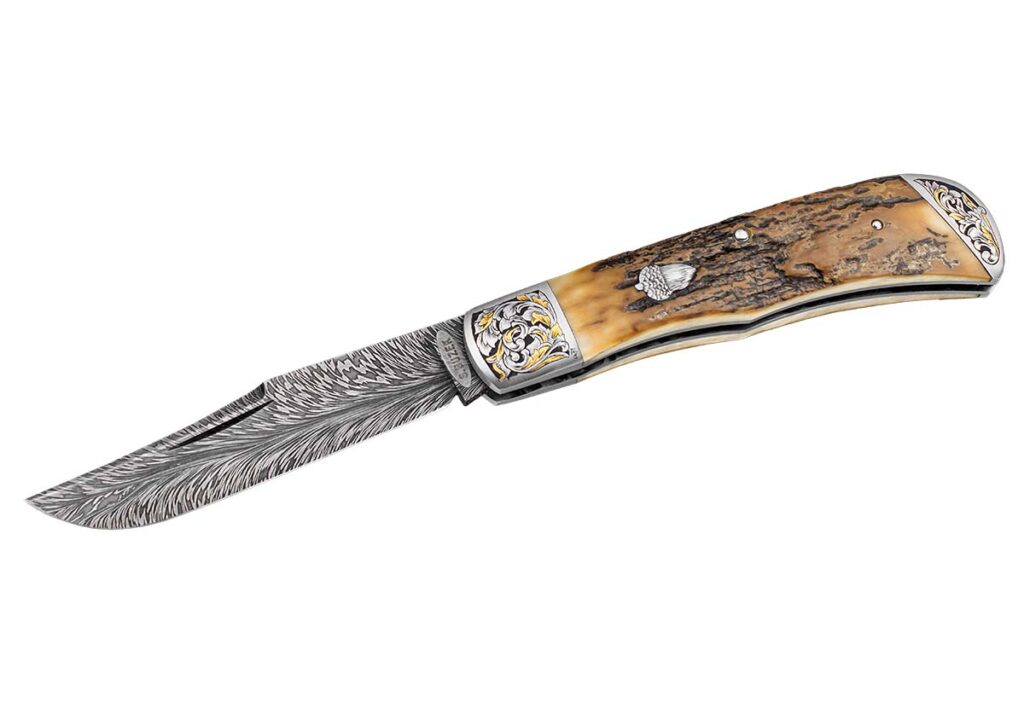
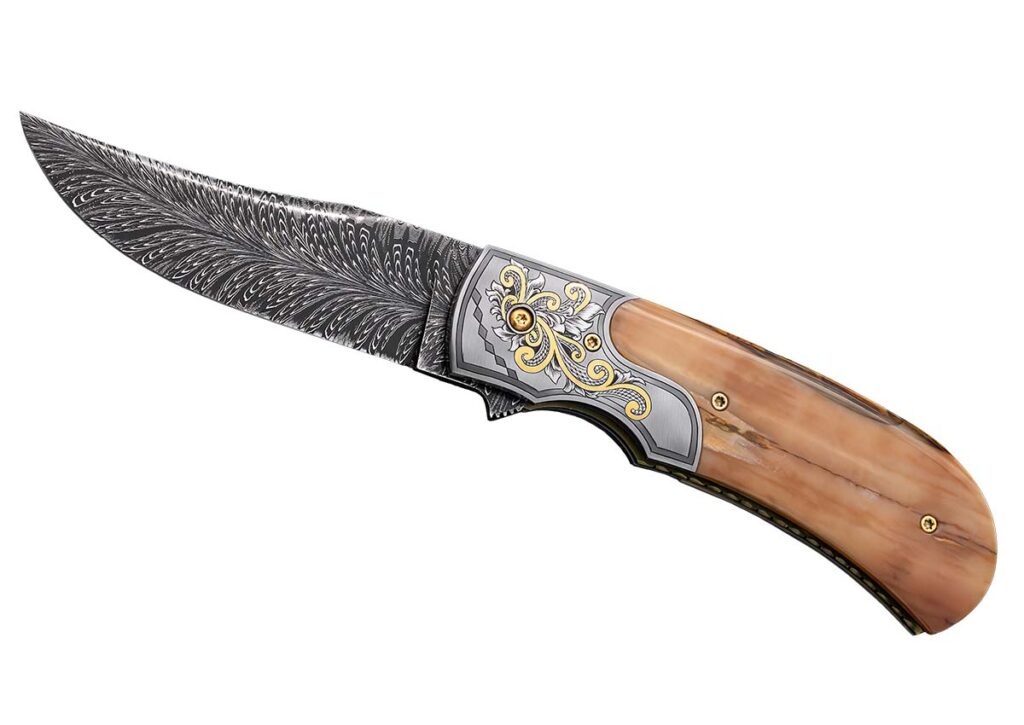
Stanley Buzek Single-Blade Slipjoint

Stanley Buzek Single-Blade Slipjoint

Blade length: 3 3/8”
Blade steel: Feather damascus forged by ABS journeyman smith Mike Tyre
Blade grind: Hollow
Blade pattern: Clip point
Blade opener: Nail pull
Scales: Mammoth ivory
Liners/bolsters: 416 stainless in an integral construction
Engraving: Alice Carter, including 24k-gold inlay
Knife to know: Fileworked liners and acorn shield
Closed length: 4.25”
Maker’s price for a similar knife: $2,800
Maker: Stanley Buzek, sbuzekknives.com (Jocelyn Frasier image)


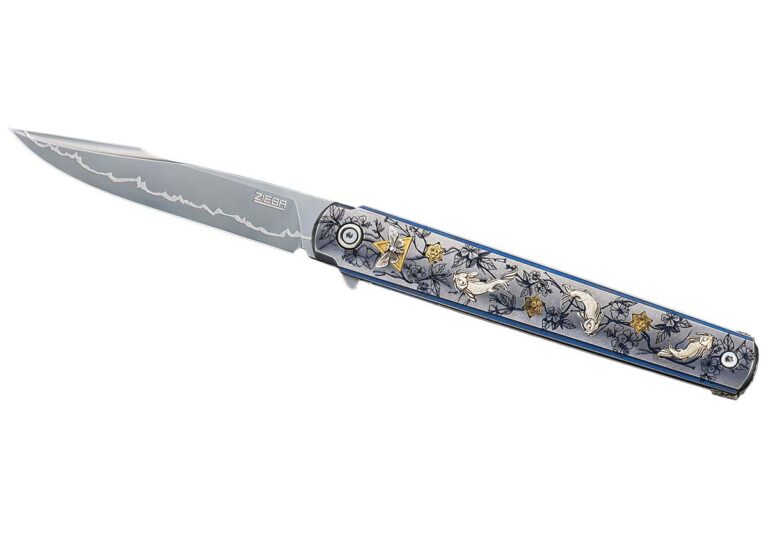
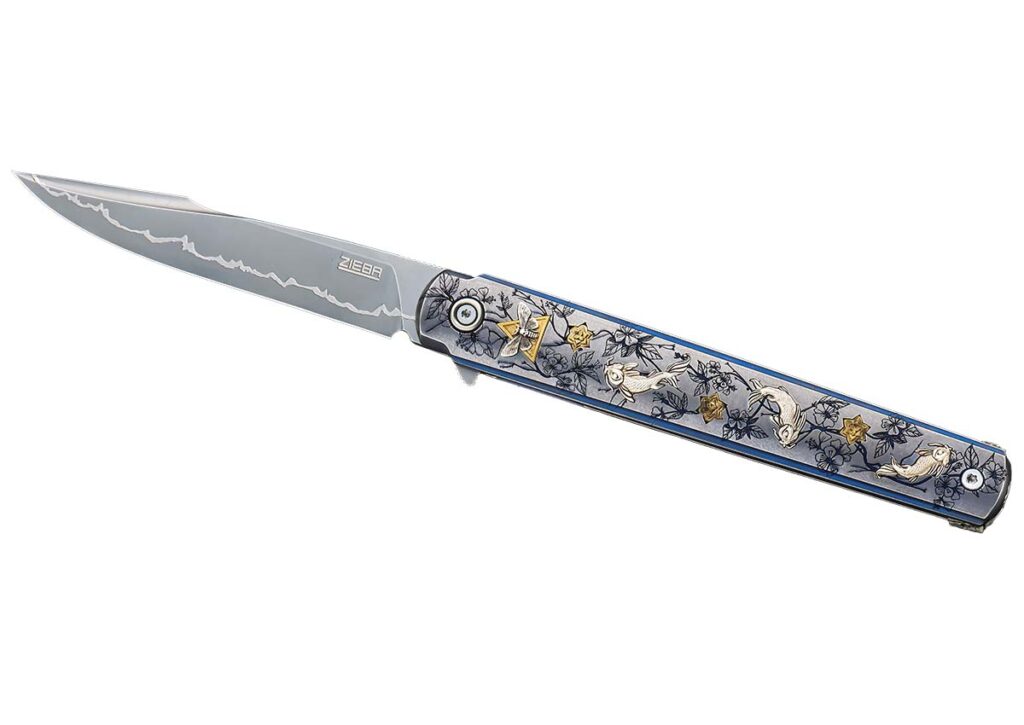
Michael Zieba Nine Silver Kois

Michael Zieba Nine Silver Kois

Knife type: Side flipper
Blade length: 4.126”
Blade steel: CPM MagnaCut stainless
Rockwell hardness: 62-63 HRC
Blade grind: Flat
Blade @thickest: .159”
Pivot: Ceramic ball bearing washers
Handle & pocket clip: Titanium w/24k-gold koi, lotus and moth inlay
Weight: 5.07 ozs.
Closed length: 5.5”
Knife to know: Air pockets for weight reduction; ceramic detent; white brass skull spacer
Maker’s price for a similar knife: $3,300
Maker: Michael Zieba, (SharpByCoop image)


Curt Zimmerman Flipper Folder

Curt Zimmerman Flipper Folder

Blade length: 3”
Blade steel: Feather damascus
Blade grind: Flat
Blade pattern: Clip point
Lock: Linerlock
Scales: Ancient walrus ivory
Bolster: Stainless steel engraved by Alice Carter w/24k-gold inlay
Liners: Titanium; fileworked and anodized
Screws: 24k-gold plated
Closed length: 3 15/16”
Maker’s price for a similar knife: $2,500
Maker: Curt Zimmerman (Jocelyn Frasier image)


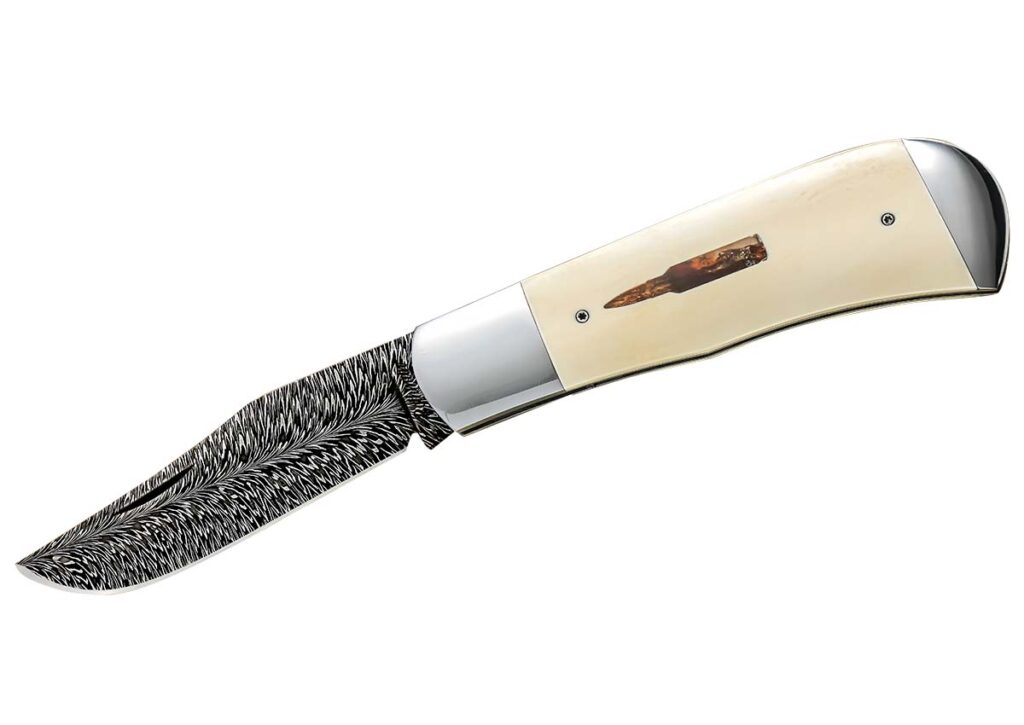
Rothman Knives Backpocket

Rothman Knives Backpocket

Knife type: Dress slipjoint
Blade length: 3.25”
Blade steel: Feather damascus forged by Adam Deville
Blade grind: 14” hollow
Blade pattern: Clip point
Scales: Interior mammoth
Bullet shield: Dark mammoth
Frame: 416 stainless in an integral construction
Closed length: 4.75”
Knife to know: Fileworked liners and embellished backspring; Michael Rothman is a member of the Knifemakers’ Guild
Maker’s price for a similar knife: $1,500
Maker: Rothman Knives, rothmanknives.com (SharpByCoop image)


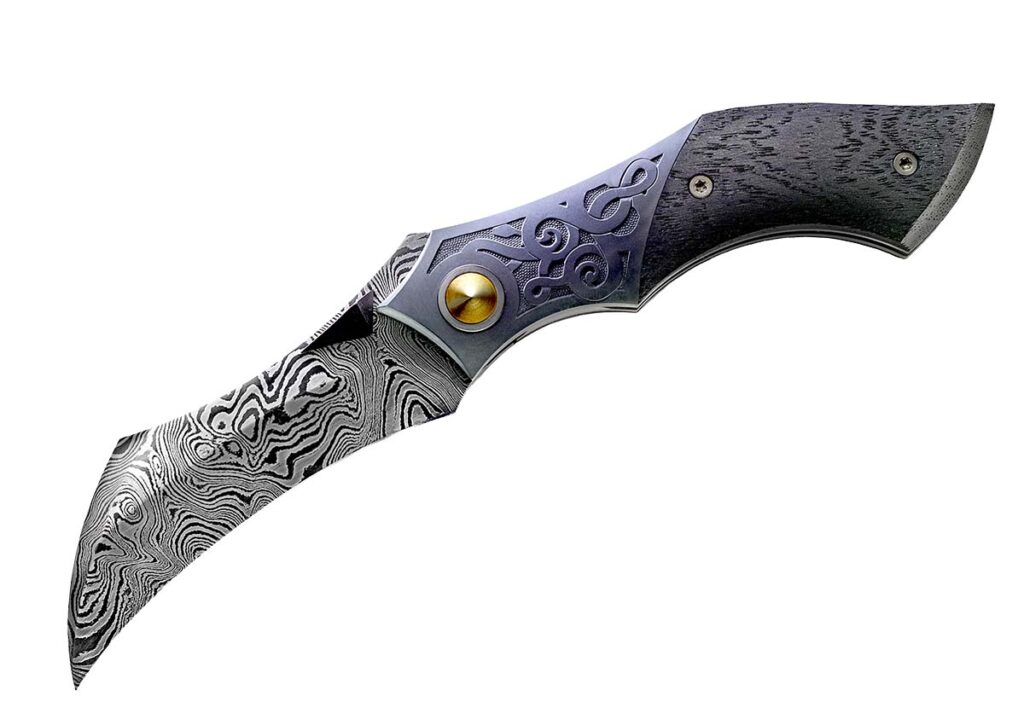
Jeremy Marsh Mini Assassin

Jeremy Marsh Mini Assassin

Knife to know: A collaboration between Jeremy Marsh and Jonathan Quill
Blade length: 3.5”
Blade steel: Damascus of 1084 carbon and 15N20 nickel-alloy steels forged by Quill and finished by Marsh w/a dark, deep etch and “a great deal of hand finishing”
Scales: 10,000-year-old bog oak from Ireland w/a coarse-grained, oily look
Liners: Feature a distressed rock finish along the edges applied by Marsh and traditional vine filework applied by Quill Bolsters, thumbstuds and hardware: Zirconium toned lightly bronze and burnished for highlights
Embellishment: Quill engraved the bolsters and pocket clip in a Celtic/Norse theme
Closed length: 4.5”
Make’s price for a similar knife: $8,000
Maker: Jeremy Marsh (Mitchell Cohen image)


Maverik Knives Dress Slipjoint

Maverik Knives Dress Slipjoint

Blade length: 3”
Blade steel: CPM 154 stainless
Blade grind: High flat
Blade pattern: Clip point
Scales: Black paper Micarta®
Frame: Brass
Bolster: Straight twist damascus
Hardware: Titanium
Closed length: 4”
Knife to know: Maverik Murdock is an ABS apprentice smith
Maker’s price for a similar knife: $750
Maker: Maverik Knives, maverikknives.com (SharpByCoop image)


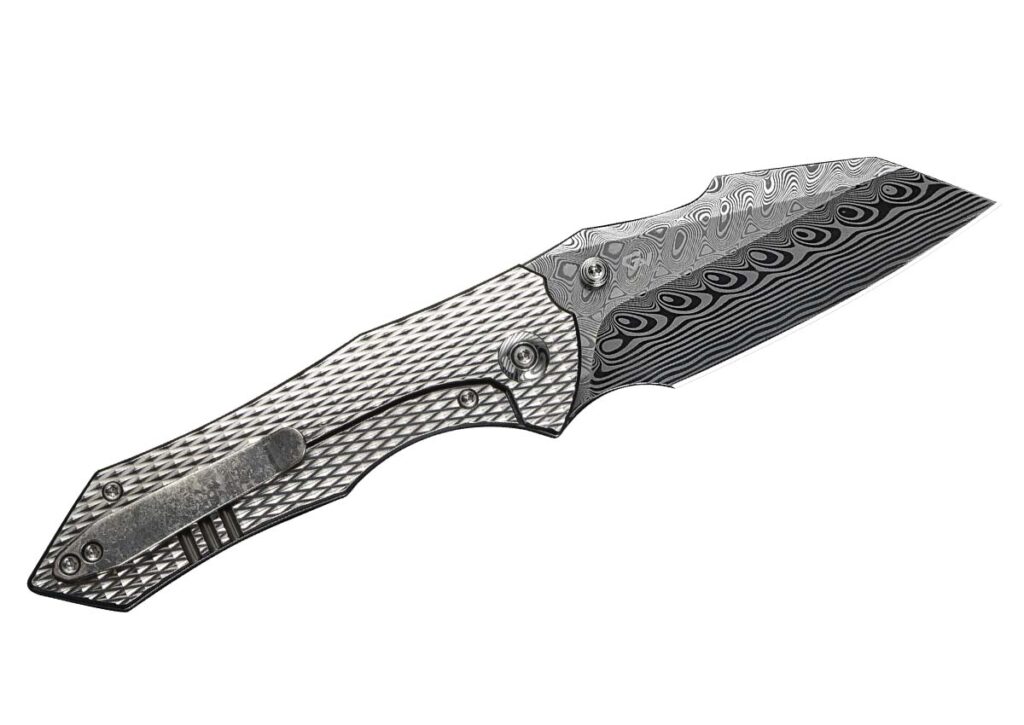
WE Knife High-Fin XL

WE Knife High-Fin XL

Designer: Gavko Knives
Blade length: 3.48”
Blade steel: Hakkapella damascus by Damasteel
Rockwell hardness: 59-61 HRC
Blade grind: Hollow
Blade pattern: Reverse tanto
Pivot: Caged ceramic ball bearings
Handle: Satin-polished 6Al4V titanium in a diamond-pattern texture
Pocket clip: Crystallized gray 6Al4V titanium; blade tip up, right-handed
Lock: Framelock
Weight: 4.03 ozs.
Closed length: 4.67”
Country of origin: China
MSRP: $740
Company: WE Knife, weknife.com


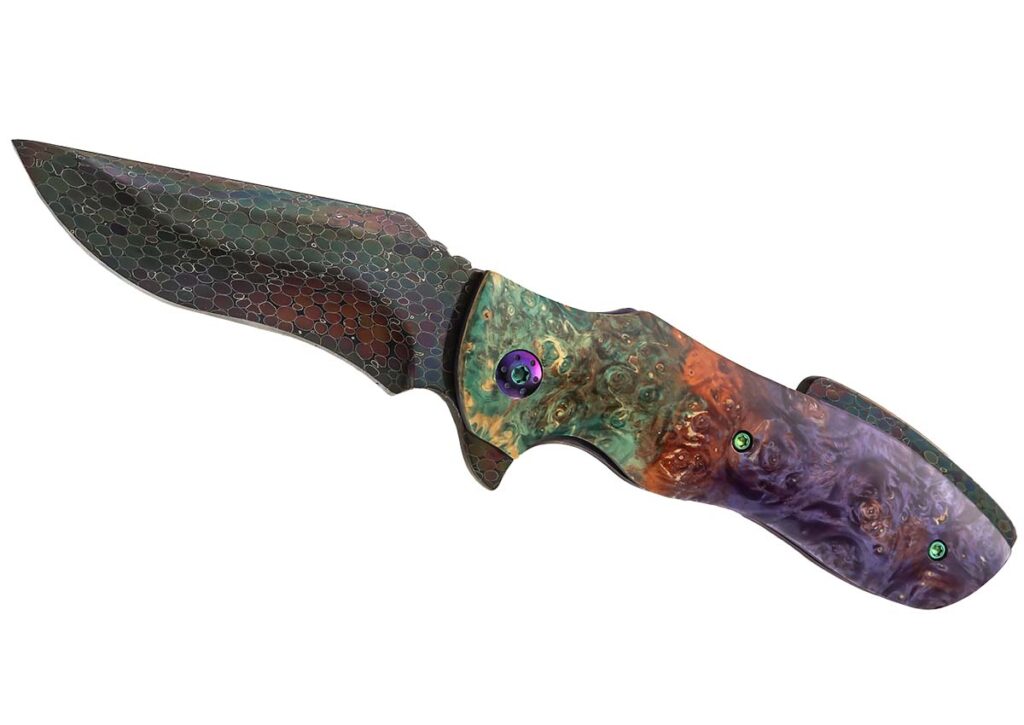
David Kulis Spectre XL

David Kulis Spectre XL

Knife type: Dress tactical flipper folder
Blade length: 3.5”
Blade steel: Dragonskin damascus forged by Bertie Rietveld
Blade grind: 8” hollow
Blade shape: Recurve
Handle: Purple/orange/green burl
Liners: Titanium
Knife to know: All titanium hardware anodized to match the Timascus pocket clip
Closed length: 5.25”
Maker’s price for a similar knife: $1,500
Maker: David Kulis (SharpByCoop image)


Takach Forge Dress Locking Folder

Takach Forge Dress Locking Folder

Blade length: 2 5/16”
Blade steel: Damascus
Blade grind: Flat
Blade pattern: Wharncliffe
Blade opener: Thumb stud
Scales: Carved pre-ban elephant ivory
Bolster: Damascus w/24k-gold inlay
Embellishment: Filework, micro-texturing, coloring, 24k-gold inlay
Liner material: 15N20 nickel-alloy steel
Lock: Linerlock
Closed length: 3.25”
Maker’s price for a similar knife: $1,776
Maker: Takach Forge, takachforge.net (SharpByCoop image)


SOG Knives Escape 2.0 Hi Viz Orange

SOG Knives Escape 2.0 Hi Viz Orange

Knife type: Rescue folder
Blade length: 3.4”
Blade steel: AUS-8 stainless
Blade mechanism: Assisted opening
Handle: 6061 aluminum
Lock: Linerlock
Pocket clip: Low carry
Weight: 4.4 ozs.
Closed length: 4.6”
Knife to know: Belt cutter and glassbreaker in the butt; spare blade for the belt cutter stores in the handle
Country of origin: China
MSRP: $54.95
Company: SOG Knives, www.sogknives.com


Jerry Fisk Saddlehorn-Style Slipjoint

Jerry Fisk Saddlehorn-Style Slipjoint

Blade length: 3.33”
Blade material: Damascus
Blade pattern: Clip point
Blade opener: Nail pull
Scales: Wood from one of the last walnut trees planted by President George Washington
Bolster: Spring steel engraved by Jerry Fisk Maker’s price for a similar knife: $5,900 (includes a bottle of whiskey from George Washington’s Distillery)
Knife to know: In 1999, Jerry Fisk was named a National Living Treasure by the Museum of World Cultures at the University of North Carolina at Wilmington
Maker: Jerry Fisk (Jocelyn Frasier image)


Chris Richardson Lockback Folder

Chris Richardson Lockback Folder

Blade length: 3.25”
Blade steel: CPM 154 stainless
Blade grind: Flat
Blade pattern: Modified wharncliffe
Handle inlay: Mammoth ivory
Thumbstud inlay: Angelskin coral
Bolster: 416 stainless in an integral construction
Closed length: 4.75”
Maker’s price for a similar knife: $850
Maker: Chris Richardson (Jocelyn Frasier image)


Check Out Knife Drops:

Advertisement

Must Read Articles

Read this before you make a knife

Knifemaking 101 – Read This Before You Make a Knife

  by Wayne Goddard My experience has taught me that there's nothing like digging in and getting started. I've often said the hardest part of the...
how to forge damascus steel

How to Forge Damascus

Advertisement
Advertisement