Buyer's Guides

You’re looking for a new knife in a certain style – we’ve got recommendations on the best blades for every price point.

Knife Buying Don’ts: How To Avoid Cutting Pitfalls

Knife buying–particularly custom–can prove daunting. We gathered industry pros to give the top mistakes to avoid.

When it comes to acquiring knives, the informed buyer is most often the satisfied buyer when the transaction is complete. So in the spirit of friendly advice, BLADE® has enlisted the help of several knife industry pros to offer a few words on making the most of the knife-buying experience—or to put it another way, 11 mistakes to avoid when buying a knife.

Don’t Deal With Questionable Sellers

“A lot of it revolves around reputation,” said custom knife purveyor and collector Paul Farina of Farina Fine Arts. “Human beings can be different, but 80 to 90 percent of the people you meet out there are great. In the knife world, many of them will give you a refund if you aren’t happy.”

Dave Harvey of Nordic Knives echoed that sentiment. “Honest sellers are not hard to find, thankfully,” he said. “Look for those with years of experience. Generally speaking, dishonest sellers will not be in the business very long.”

Along the same lines, Daniel O’Malley of bladegallery.com cautions folks interested in buying online. “If purchasing online, make sure you are buying from a company that has been around a while,” he offered. “There are a lot of fraudulent websites out there these days—often ones that are trying to appear to be a well-known website. One dead giveaway that you may be on a fake purveyor website is if the prices are too good to be true. Unfortunately, you are unlikely to find a legitimate site selling knives for half the price of other legitimate sites.”

Don’t Buy Knives On Pictures Alone

“In most cases today, knives will be purchased online, and therefore you may have to judge the knife by photographs and listed descriptions,” O’Malley advised. “Since the value of the knife is greatly affected by small scuffs and scratches, it is important that the photos are clear enough that any imperfections will be noticeable.”

Along the same track, Harvey noted, “Pictures are great, but they never fully substitute for being able to see and hold a knife in person. Make sure you buy from someone or a dealer with a 100-percent-return guarantee. If you are not satisfied with your purchase, you should be able to return it in a reasonable period of time.”

Don’t Buy Knives On Steel Only
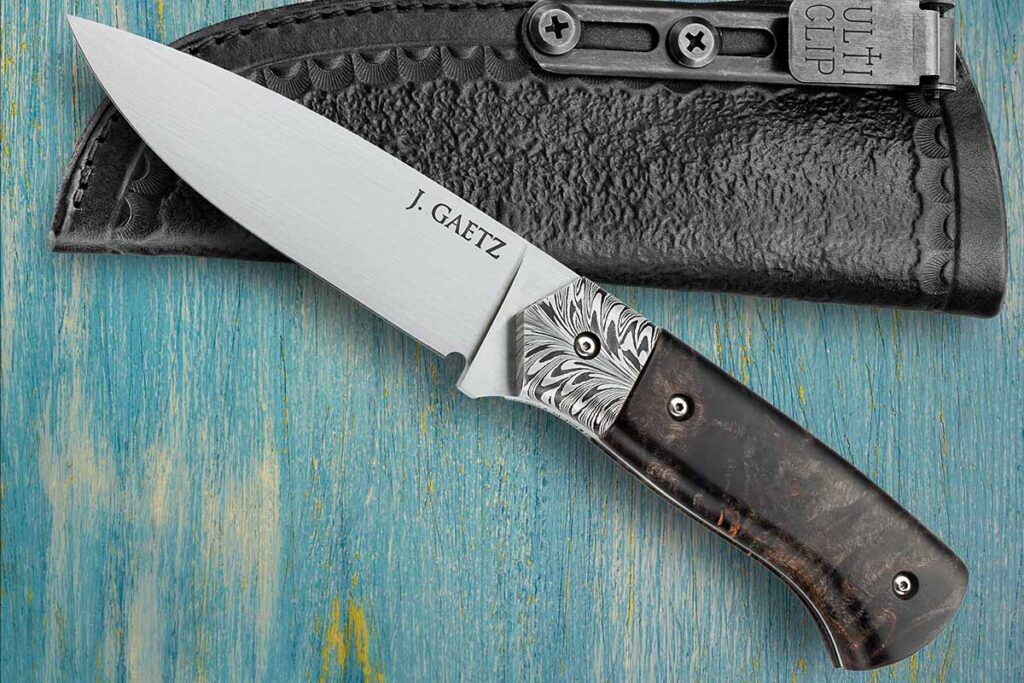
Jacob Gaetz forged the 4-inch blade of his fancy hunter
Daniel O’Malley advised that each year new miracle steels appear but often lose popularity after a year or two because they may not pan out. Conversely, tried and tested steels like CPM S35VN, Takefu SG2, 52100 and more are great benchmarks to test against. Jacob Gaetz forged the 4-inch blade of his fancy hunter from 52100. (Jocelyn Frasier image)

“I never talk to people too much about a particular blade steel,” commented Dave Ellis of Exquisite Knives. “I usually discuss with clients how the complete knife was made, how it was fashioned, and that is more important, I think. Someone may be enamored with a certain type of steel, but that is rare with my clientele and only a consideration in talking about the whole knife.”

Harvey reckons that few knife buyers take the “blade-steel-first” approach. “At least I would hope not,” he asserted. Farina added, “There are a few exotic blade steels out there right now, and these may be sought after just because they’re exotic. Also, some steels have been discontinued and knives with those steels may be selling because of the rarity.”

Taking the entire knife into account is the best way to reinforce a purchasing decision, according to O’Malley. “Knowing the stats on the knife is important,” he reasoned. “We want to know where it was made, who made it, in what country it was made, and what materials they used. That said, judging a knife by just the blade materials used ignores fit and finish as well as heat treatment quality. In some cases the identical steel at the identical Rockwell hardness can still have tremendously different edge holding. In fact, over the years I have found that the quality of heat treatment is perhaps even more important than the steel used.”

Don’t Buy Knives On The Handle Comfort
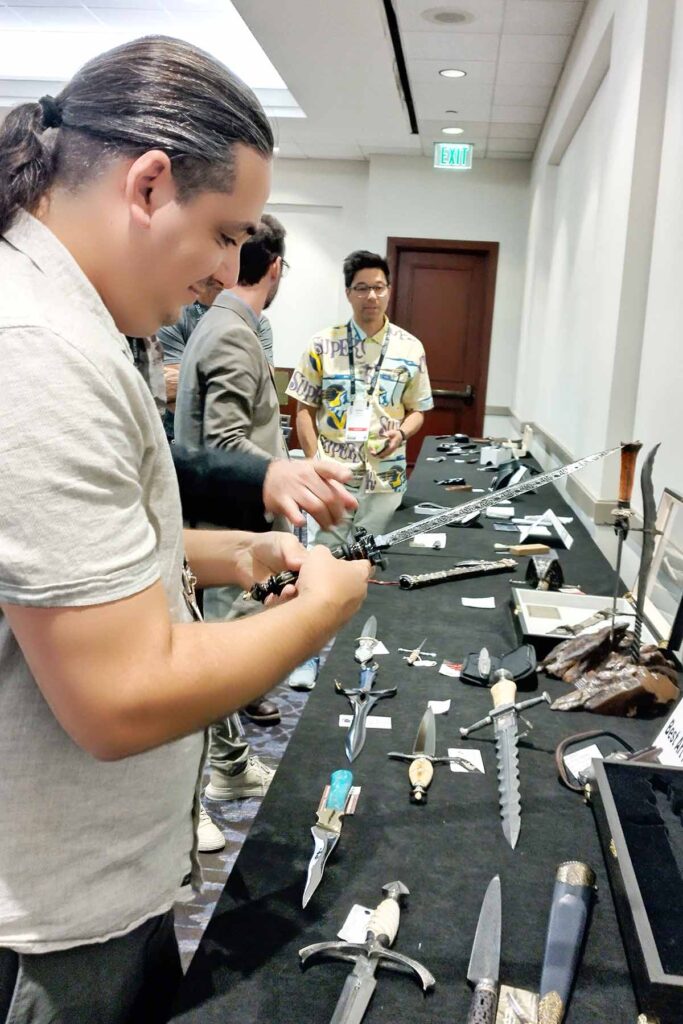
Lee Lerman, a custom knife judge
Daniel O’Malley said that even if it’s the best knife in the world, if you don’t like the way it feels it isn’t the best knife for you. Lee Lerman, a custom knife judge at BLADE Show 2024, checks the handle of one of the knives entered. In the background are observer Henry Wu (right) of the BLADE Show and judge Rodrigo Sfreddo (center).

“Getting a knife in hand and seeing what it feels like is ideal, though sometimes not possible if you are purchasing from far away,” O’Malley related. “I often advise potential buyers that even if they are holding the best knife in the world, if they don’t like the way it feels it isn’t the best knife for them. That said, some buyers feel a knife is comfortable just because it is familiar—similar to their last knife. They may have gotten used to the last knife and like the way it feels, but a different feel might actually be better, that is, a more ergonomic handle or lighter design. Sometimes it takes using the knife for a while before you know how you really feel about it.”

Don’t Adopt A Herd Mentality

“There are trends out there, but because I’m older and been around the art knife world so long, I’ve thought about the places to put my money,” Farina commented. “If you’re looking at an up-and-comer in knifemaking, check their quality, find out who taught them. That is how I get introduced to them. If they have been taught by an experienced maker, you can tell the quality, and the price may reflect in less money with younger guys.”

From the perspective of “hot styles,” Harvey remarked, “I don’t object to those who want to buy the ‘hot’ knives as long as they are styles and makers that they enjoy and collect. Buyers should always beware of ‘hot’ knife prices and not fall for overpricing.”

“What’s currently ‘hot’ isn’t always best,” O’Malley commented. “The knife industry develops relatively slowly and though each year we see new miracle steels come out, they often lose popularity after a year or two because they may not have panned out. Tried and tested steels like S35VN, Takefu SG2, 52100 and more are great benchmarks to test against.”

Don’t Overlook Makers By Name
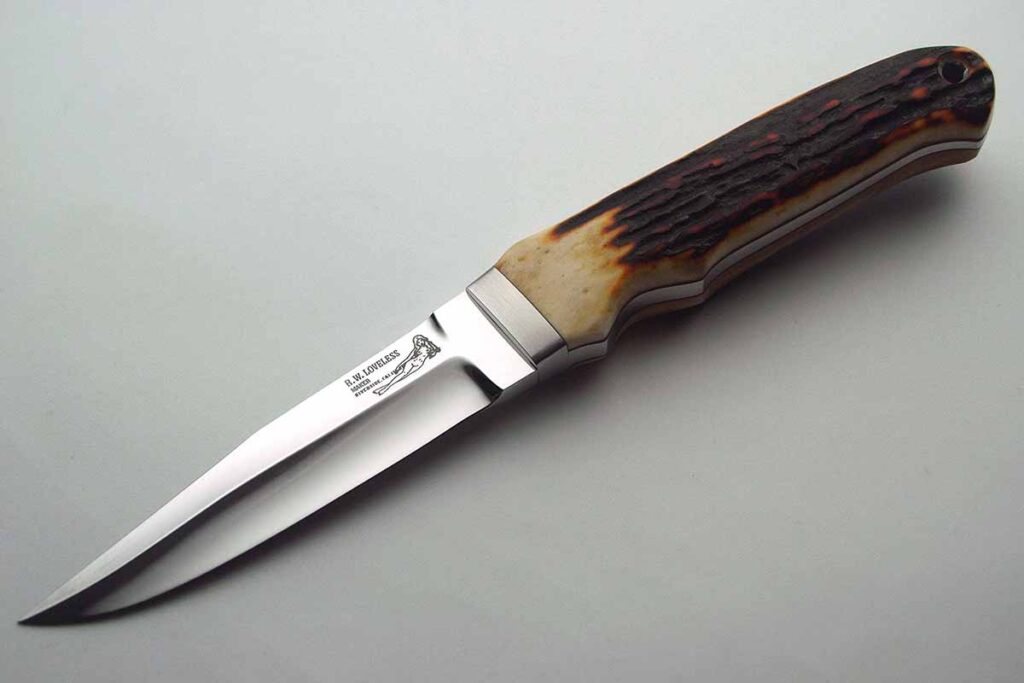
Loveless hideout model in stag
Dave Ellis said that instead of buying 10 knives you can afford, save up and buy one made by Bob Loveless. A Loveless hideout model in stag and with the iconic Naked Lady logo would be a good place to start. (Exquisiteknives.com image)

Ellis looks long-term and sees intrinsic value in the known commodities. “I recommend the blue-chip makers,” he declared. “Instead of buying 10 knives you can afford, save up and buy that one Loveless. This year I’ve sold 14 Lovelesses and the pricing has not gone crazy. So, an entry level $5,000 knife is not so ‘out there’ for someone.”

According to Harvey, most big-name makers have an established collector following, which typically relates to a lasting market for their knives down the road. However, O’Malley points out the benefits of considering numerous makers.

“The knife industry is full of tiny workshops that are doing the best work in the industry,” he noted. “While there are also some great big-name makers, these smaller shops are more likely to provide more bang for your buck. Additionally, in many cases, small workshops may be putting more attention toward quality of heat treatment, which can result in much higher performance.”

Don’t Overrate The Investment Factor

“Buying for investment is something I love because of the fact I can make money on knives,” Farina explained, “but this is not a blue-chip investment stock. So do it for the passion and love of the product. However, if the goal is only for investment, then be very structured. Listen to an adviser. I had a customer come to me after spending a lot of money in four years. He wanted to sell and make 20 percent profit on all the knives [he had bought]. Maybe that would happen on some stuff, but it is a bit unrealistic.”

O’Malley added, “Knives can be a great investment. Over the years, I have seen many knives increase dramatically in price, though certainly there are some that hold their price and even some that go down. Picking the right knives for investment does take a time commitment. You need to research and know the maker and their work. How does the knife fit in the range of knives that maker creates? Will the materials hold up over time? Where is the maker in his or her career? Taking all this into account, it is possible to collect knives as a great investment, though keep in mind that even with the best research not every investment will work out.”

For Harvey, the investment path requires some preparation. “Smart buyers can and do successfully invest in certain knives,” he said. “This does require a lot of knowledge and patience, as you generally won’t see significant increases in value in the short term. For most buyers, I suggest buying what you like and enjoy for your collection, not expecting a large return for it upon sale.”

Don’t Exceed Your Knife Buying Budget
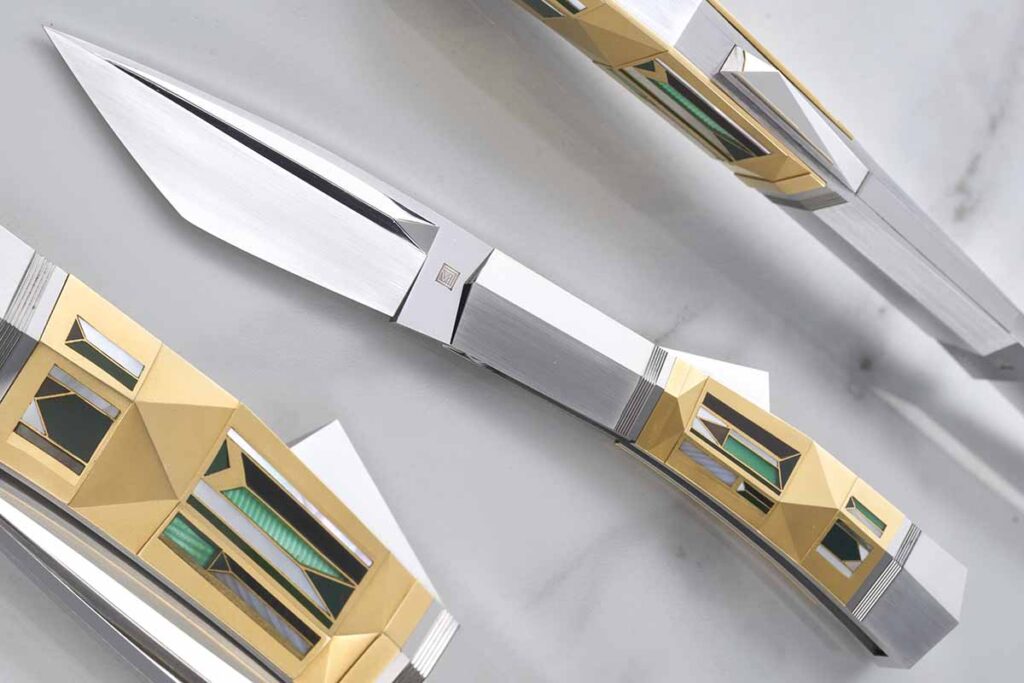
Jurgen Steinau fixed-blade knife
Dave Ellis recommended setting a price limit at auctions and don’t exceed it or you will find yourself paying a lot more than necessary. “I remember a particular Jurgen Steinau fixed-blade knife a few years ago when an overseas bidder and a guy from the Bay Area were in there. The knife went for $110,000,” Dave noted. “People were in there butting heads and then it became an ego thing.” Steinau’s unique style is reflected here in his Folding Knife LBS. (Eric Eggly/PointSeven image)

Ellis provides sound wisdom on auction bidding. “Set a price at the auction and don’t go over the limit and find yourself suddenly paying a lot more than you wanted to pay. I remember a particular Jurgen Steinau fixed-blade knife a few years ago when an overseas bidder and a guy from the Bay Area were in there. The knife went for $110,000,” he noted. “People were in there butting heads and then it became an ego thing. Also, don’t buy with an eye toward flipping the knife. Avoid bid ups like the plague.”

“Auction sites tend to have horrible photos, making it impossible to ascertain what a knife is really like—and what it is worth. Since fit and finish as well as condition are so important to value, figuring out what to bid can be near impossible. Additionally,” O’Malley opined, “auctions can be a way to end up paying much higher than a direct-from-maker price.”

Don’t Discount Second Opinions

“Second opinions are nice and not too hard to get on many knives,” Harvey pointed out. “There are online forums and other social media outlets where collectors share information on many makers and knives.” Take advantage, then, of the availability of information but consider the source always.

“Knives are pretty personal,” O’Malley observed. “What works for you might not work for your buddy. It’s always fun to walk around a show with someone so that you can bounce ideas off each other, but at the end of the day, buying what you like is probably most important.”

Don’t Buy Knives Under Duress

Never feel pressured to make a knife purchase. Don’t always accept the line that the knife you are considering could be gone in the next few minutes. Take a deep breath and make the most informed decision possible in the current environment. If you don’t feel totally positive, walk away.

“Many knives are literally one in the world,” O’Malley said. “This means that if you don’t buy it, there is a chance that it will be gone. Over the years, I’ve found a good way to evaluate is to ask yourself, ‘If this knife sells to someone else, in three to five weeks will I be frustrated and still want to purchase it?’ If the answer is no, you probably didn’t need to purchase the knife. There will always be others. There are, however, a few knives that I didn’t buy that even years later I wish I had purchased. Figuring out if this is one of those knives lets you know to buy it before someone else does. Any big collector has had a few knives they didn’t purchase quickly enough that they still regret not purchasing today.”

Don’t Always Discount Deposits
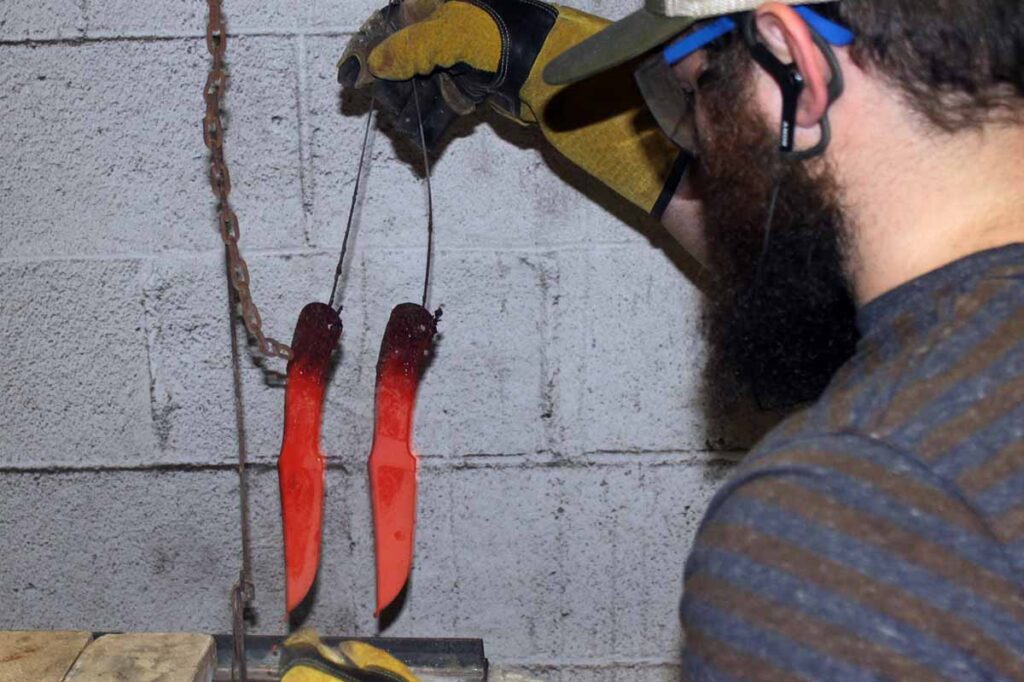
heat treatment of knives
Over the years of buying and selling knives, Daniel O’Malley said he found that the quality of heat treatment is perhaps even more important than the steel used.

“If a maker requires a deposit, he or she must be a good accountant,” Farina related. “Some are not businessmen. They are artists and machinists. So, it’s about reputation and feeling good about the maker you are working with.”

Trust is a big factor across the board. “Paying for a knife before it is completed can be complicated,” O’Malley maintained. “A well-regarded maker once summed up the problem: ‘It’s very hard to work on a knife that’s already paid for.’ That said, collectors often commit to a purchase, have a knife made, and don’t complete the purchase or just ghost [stop communicating with] the seller. For this reason, I feel it is reasonable to pay a relatively minimal deposit, 10 to 20 percent of the cost of the knife, when purchasing directly from the maker. If working through a purveyor and having a knife made, it isn’t unusual to have to pay the full amount up front since the purveyor is committing to the purchase for you.”

Stay Informed

Advice is free, for sure, but it comes from the voices of experience. When buying a knife, it pays to listen to those already engaging in the process. Of course, every situation is a bit different. There are always additional considerations. The bottom line is to approach a knife purchase on an informed basis. That translates into a confident buy!

More On Custom Knives:

New Knives: August 2026

Scorching new knives to keep you sharp this summer.

August’s new arrivals spotlight the full spectrum of modern knife making, blending production innovation with hand-crafted custom artistry. This month’s lineup captures everything from precision-engineered factory folders built for everyday carry to one-of-a-kind custom fixed blades tailored for serious collectors. Featuring fresh designs from established industry veterans and rising makers alike, these August 2026 releases highlight the cutting-edge materials, refined edge geometry, and field-ready performance defining today’s cutlery landscape.

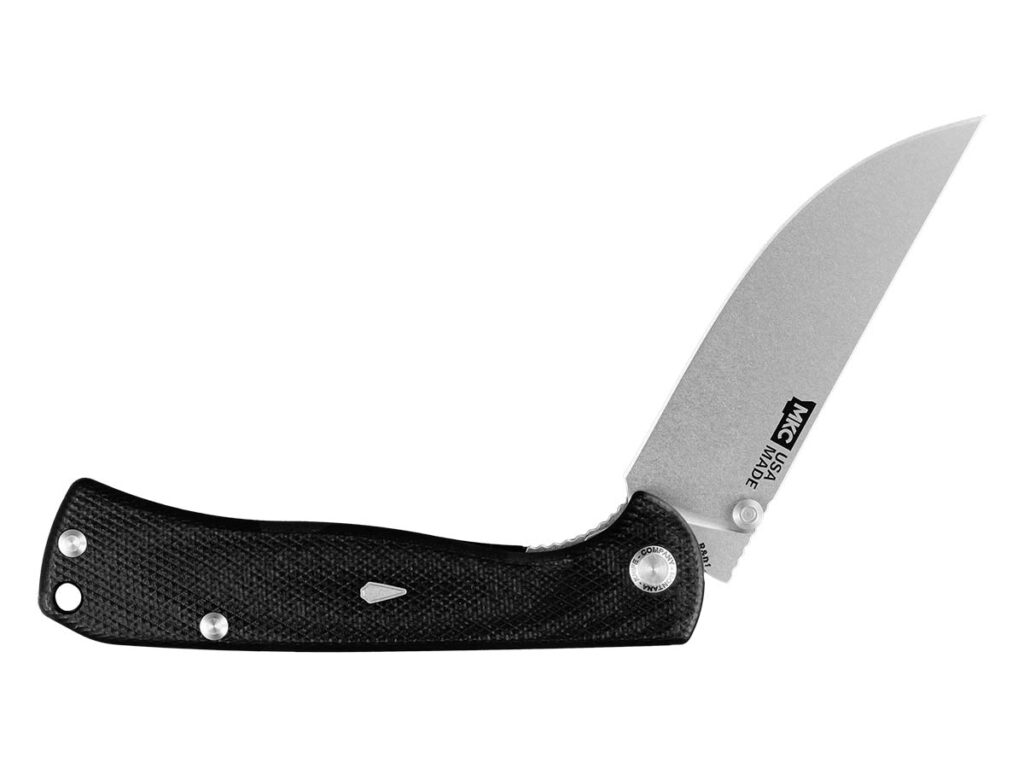
Montana Knife Co. The Montana

Montana Knife Co. The Montana

Knife Type: Folder
Blade Length: 3.25”
Overall Length: 7.625”
Blade Finish: Stonewash
Blade Steel: MagnaCut
Blade Opener: Thumbstud
Handle Material: G10
Lock: Liner Lock
Pocket Clip: Tip-up, right-hand
Weight: 2.84 oz.
Knife To Know: The Montana is the first folding knife from the Montana Knife Company.
MSRP: $390
montanaknifecompany.com


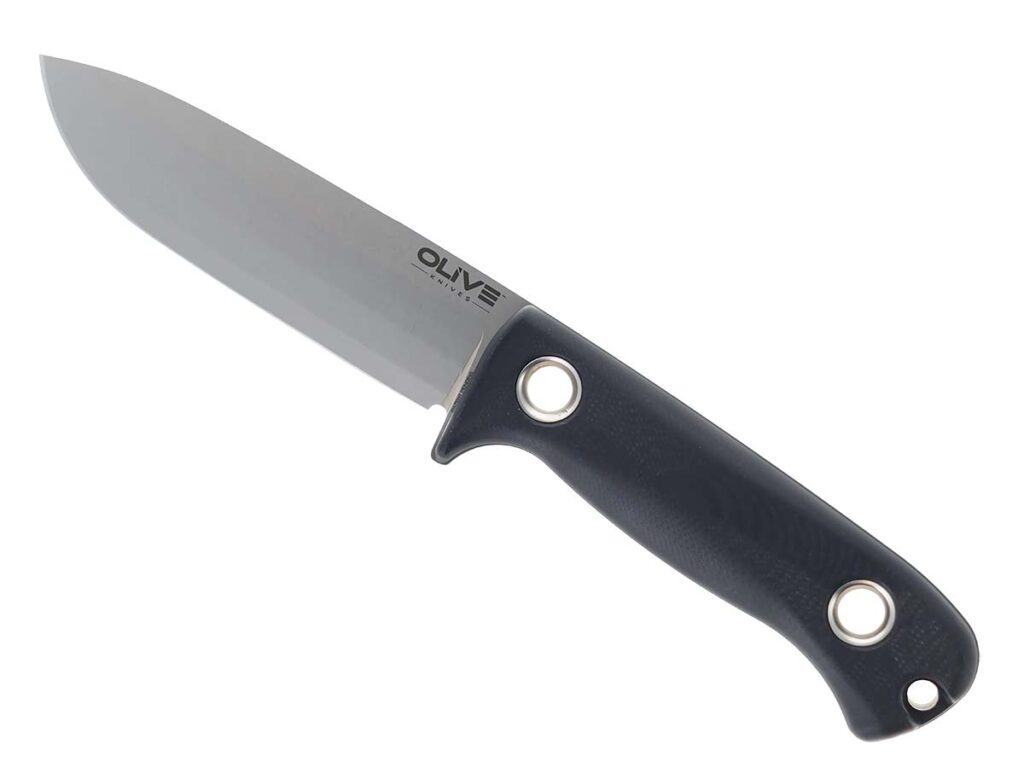
Olive Knives Arbor

Olive Knives Arbor

Knife Type: Fixed-Blade
Blade Length: 4.54”
Blade Steel: Elmax
Blade Grind: Fibonacci (Proprietary)
Blade Finish: Stonewash
Blade Profile: Drop Point
Handle Material: G10
Weight: 9.14 oz.
Knife To Know: Proprietary stepped grind combines convex strength, with sharpening ease of a flat grind.
MSRP: $400
oliveknives.com


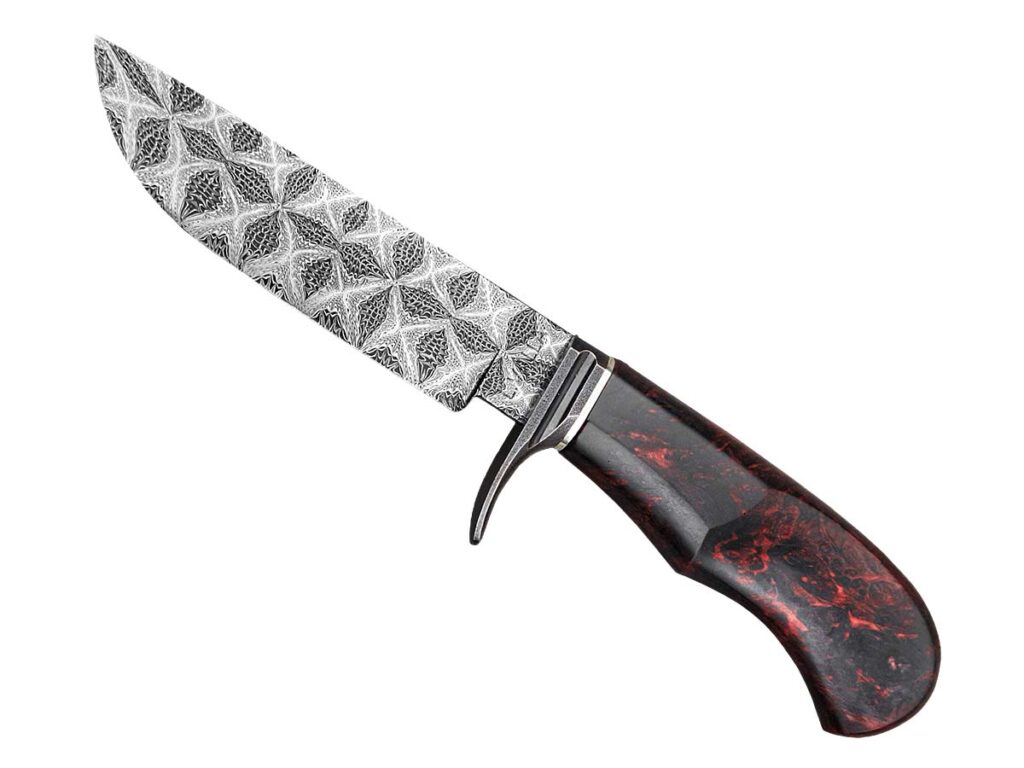
Liam Walle Anthazoa Hunter

Liam Walle Anthazoa Hunter

Knife Type: Fixed Blade
Blade Length: 7.75”
Overall Length: 9.75”
Blade Steel: 115n20/1084 Gorgon Flower Mosaic
Blade Grind: Convex
Handle Material: Honduran Rosewood
Knife To Know: Bronze Bolster
Maker’s Price For A Similar Knife: $2,300
liamvallaknives.com. Jocelyn Frasier image


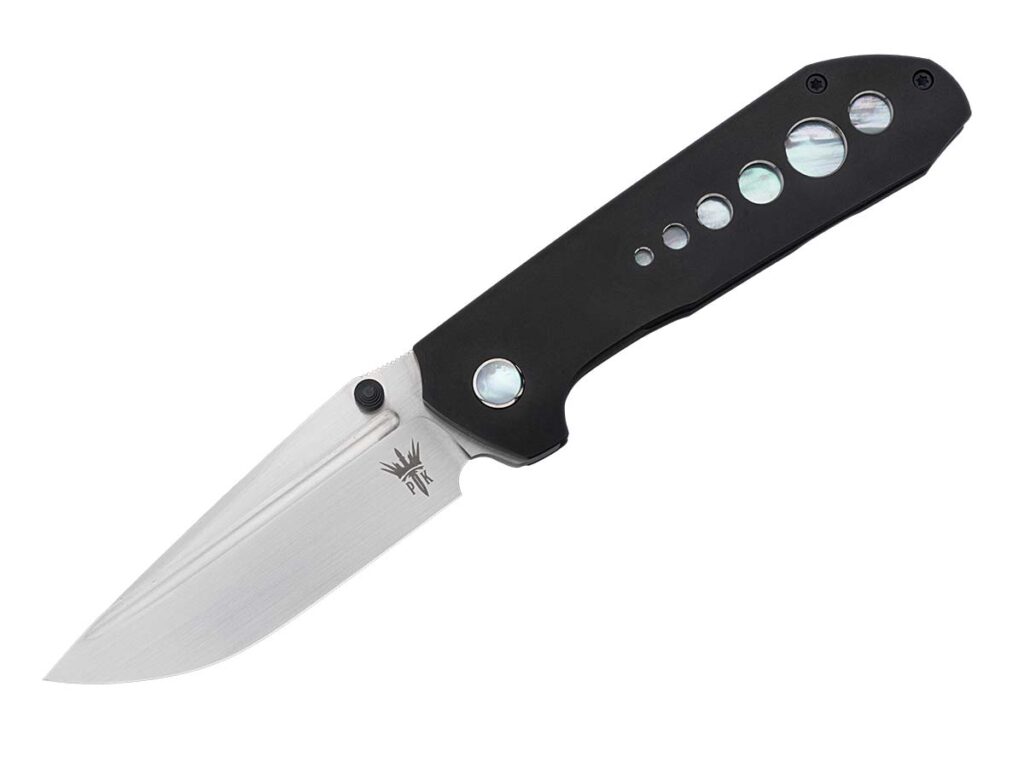
Blake Parthenay Saint

Blake Parthenay Saint

Knife Type: Folder
Blade Length: 3.5”
Overall Length: 8”
Blade Steel: Elmax
Blade Opener: Thumstud
Handle/Frame Material: Blackened Titanium
Knife To Know: Mother of pearl inlay in the handle, ceramic bearings
Jocelyn Fraiser image


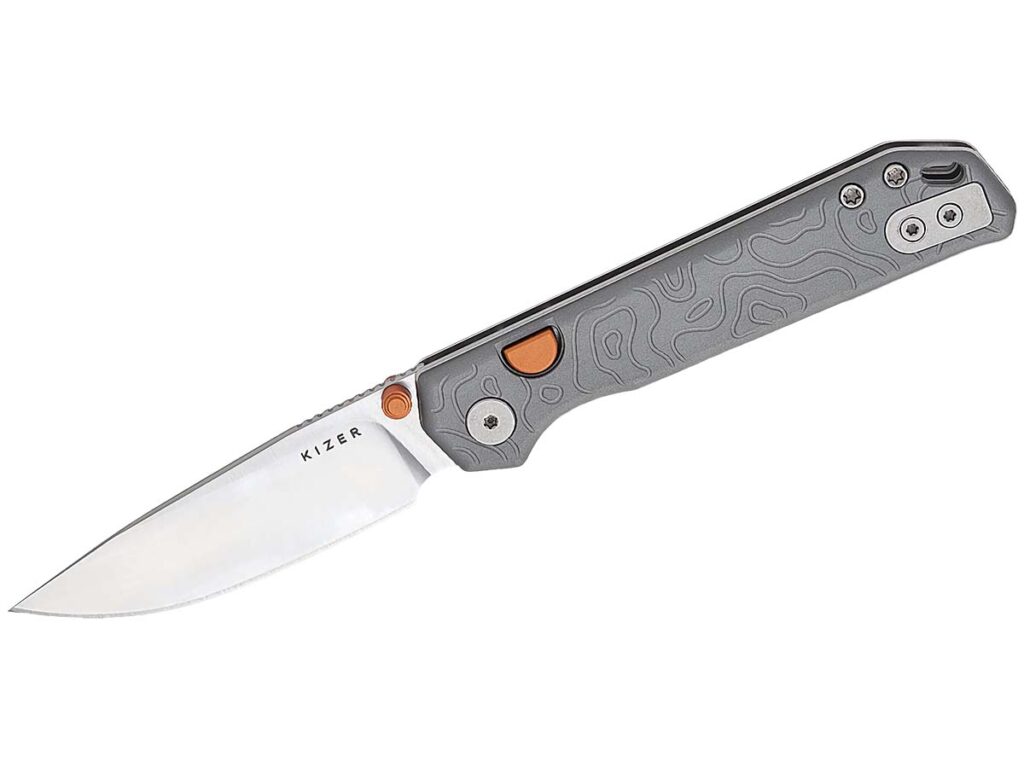
Kizer Begleiter

Kizer Begleiter

Knife Type: Folder
Blade Length: 2.97”
Overall Length: 7.03”
Closed Length: 4.06”
Blade Steel: S35VN
Blade Finish: Satin
Blade Grind: Hollow
Blade Opener: Thumbstud
Handle Material: Aluminum
Lock: Kizer Button Liner Lock
Pocket Clip: Tip Up Reversible
Weight: 2.88 oz.
MSRP: $110
kizerknives.com


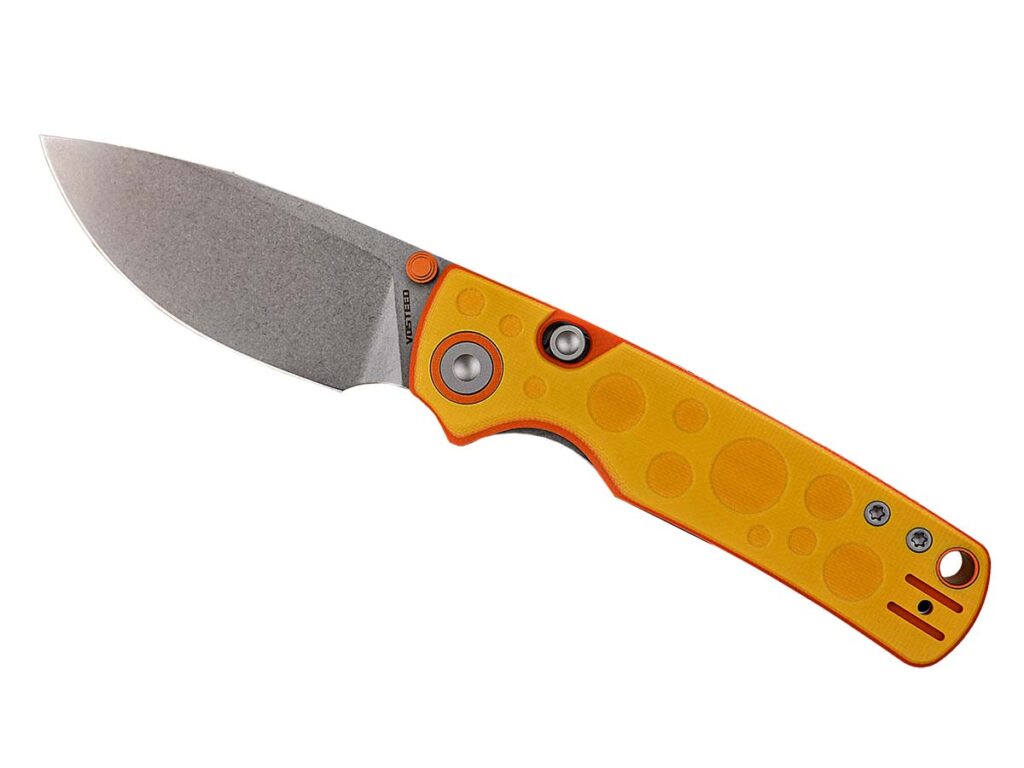
Vosteed Porcupine Cheese Pirate

Vosteed Porcupine Cheese Pirate

Knife Type: Folder
Blade Length: 2.99”
Overall Length: 7.16”
Blade Steel: 14C28N
Blade Profile: Drop Point
Blade Opener: Thumbstud
Handle Material: G10
Lock: Top Liner Lock
Pocket Clip: Tip Up
Weight: 3.55 oz.
Special Features: Custom cheese-inspired handle.
Knife To Know: Vosteed and Blade HQ plan to make a company-funded contribution to support animal rescue efforts All Paws Count from sales.
MSRP: $69
vosteed.com


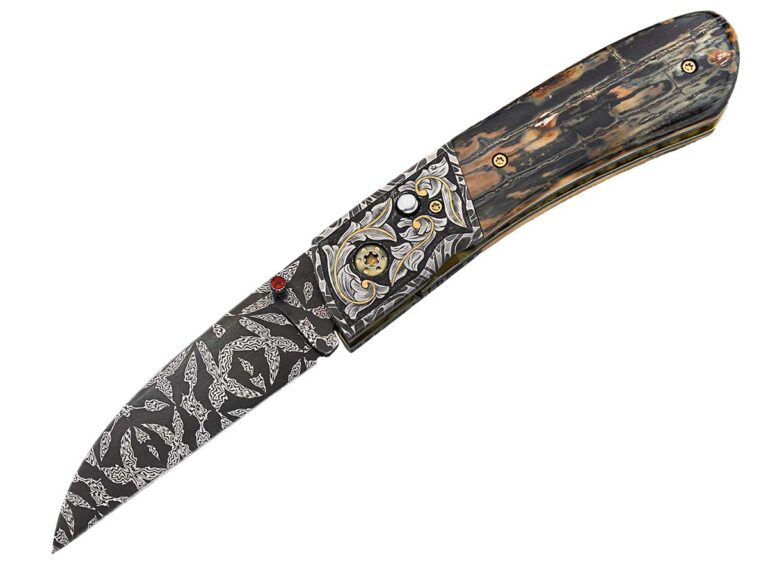
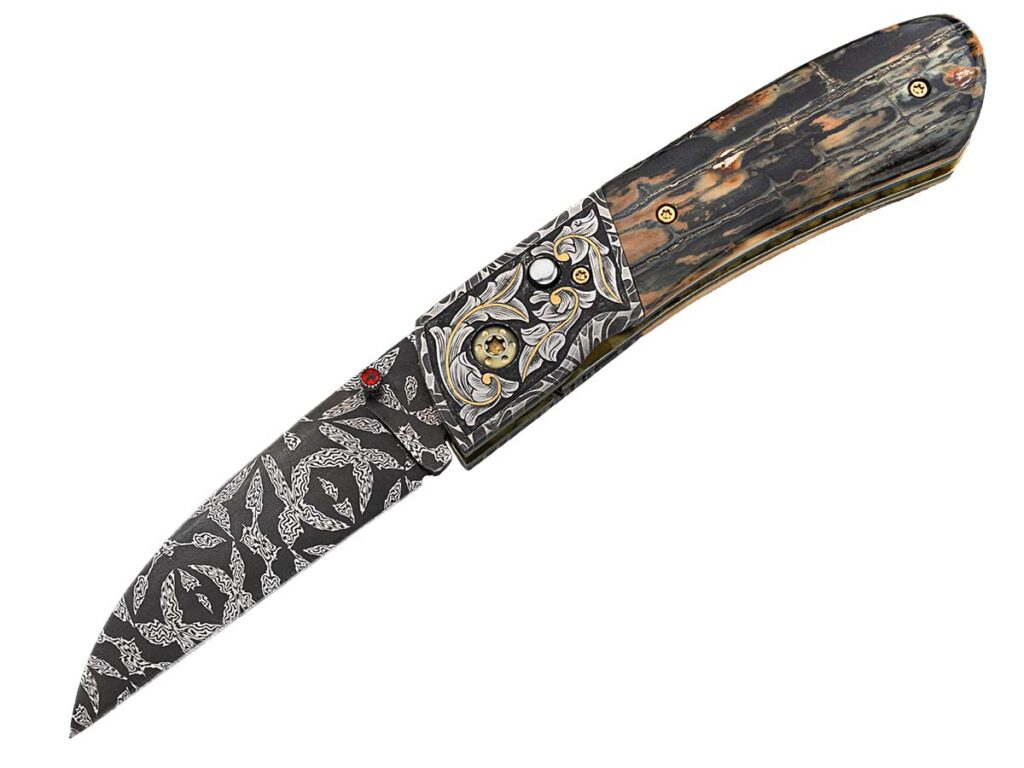
Mike Tyre OTS Automatic

Mike Tyre OTS Automatic

Blade Length: 3.5”
Overall Length: 7.25”
Blade Steel: 01/L6 damascus
Blade Grind: Flat Convex
Blade Opener: Button
Handle Material: Mammoth Ivory
Liners: Ice Finished Gold Anodized Titanium
Knife To Know: Bolster engraved by Joe Mason
Maker’s Price For A Similar Knife: $4,500
miketyrecustomknives.com. Jocelyn Frasier image


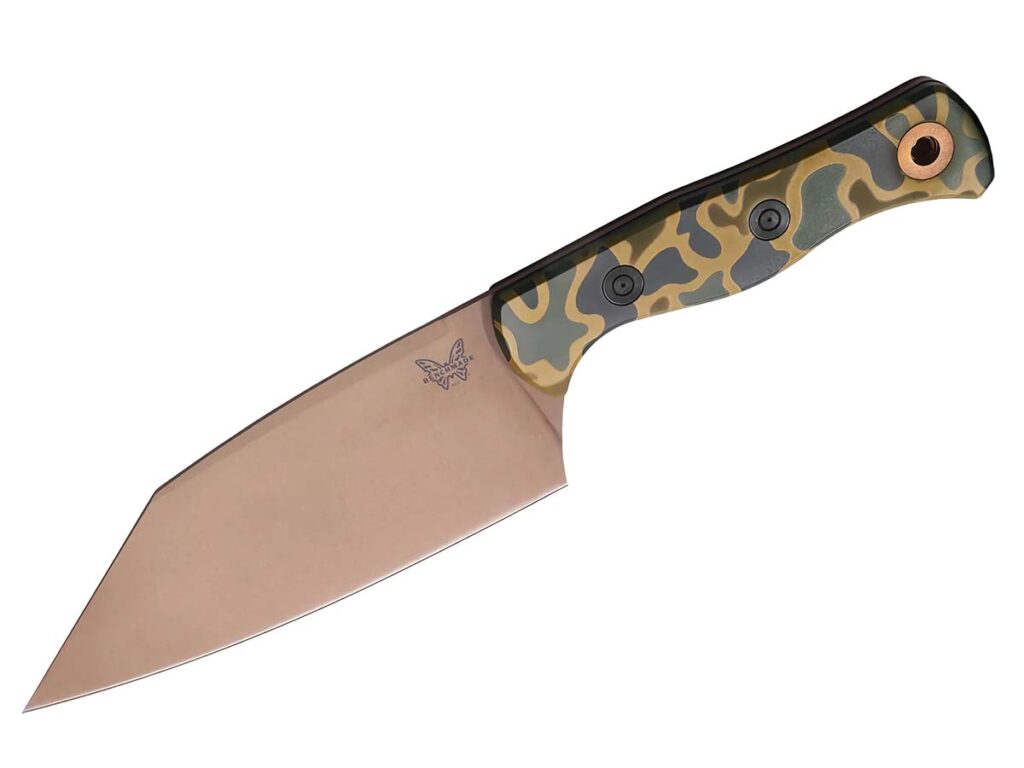
Benchmade Station Knife

Benchmade Station Knife

Knife Type: Chef’s Knife
Blade Length: 5.97”
Overall Length: 10.88”
Weight: 6.768 oz.
Blade Steel: CPM-154
Blade Profile: Clip Point
Handle Material: 6061-T6 Aluminum
Sheath: Boltaron
Knife To Know: Limited-edition camo handle.
MSRP: $450
benchmade.com


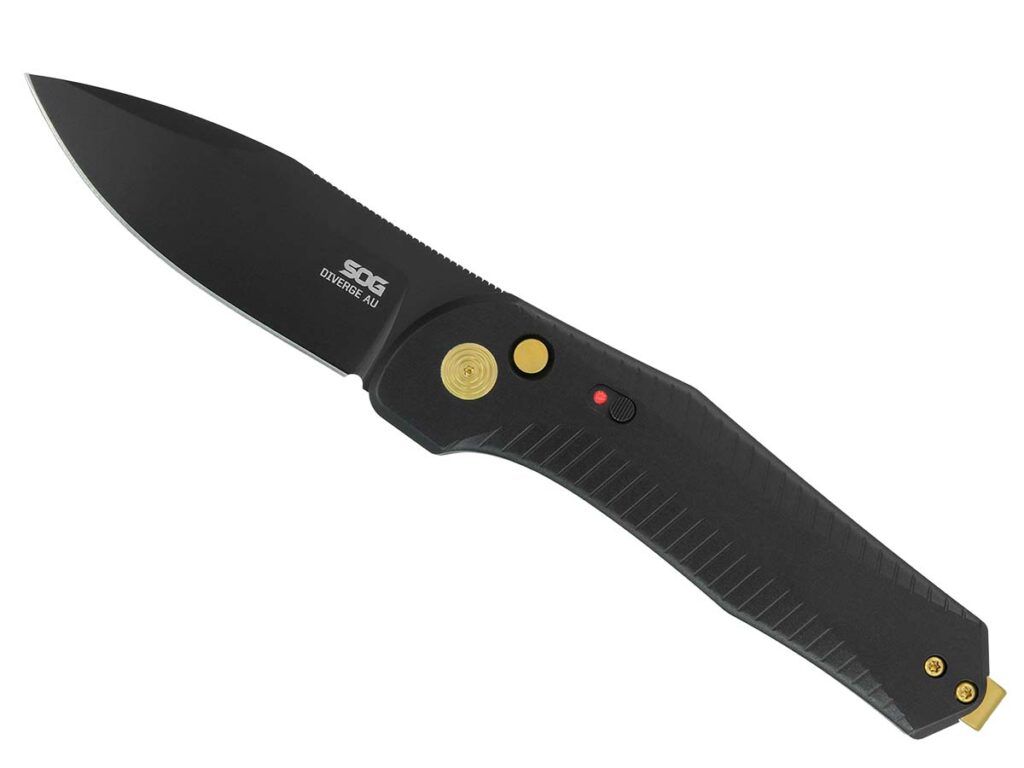
SOG Knives Diverge AU

SOG Knives Diverge AU

Knife Type: OTS Automatic
Blade Length: 3”
Overall Length: 7.3”
Blade Steel: D2
Blade Profile: Drop Point
Handle Material: Aircraft-Grade Aluminum
Pocket Clip: Reversible Clip
Weight: 3 oz.
Knife To Know: Ambidextrous pocket clip and deployment lock.
MSRP: $90
sogknives.com


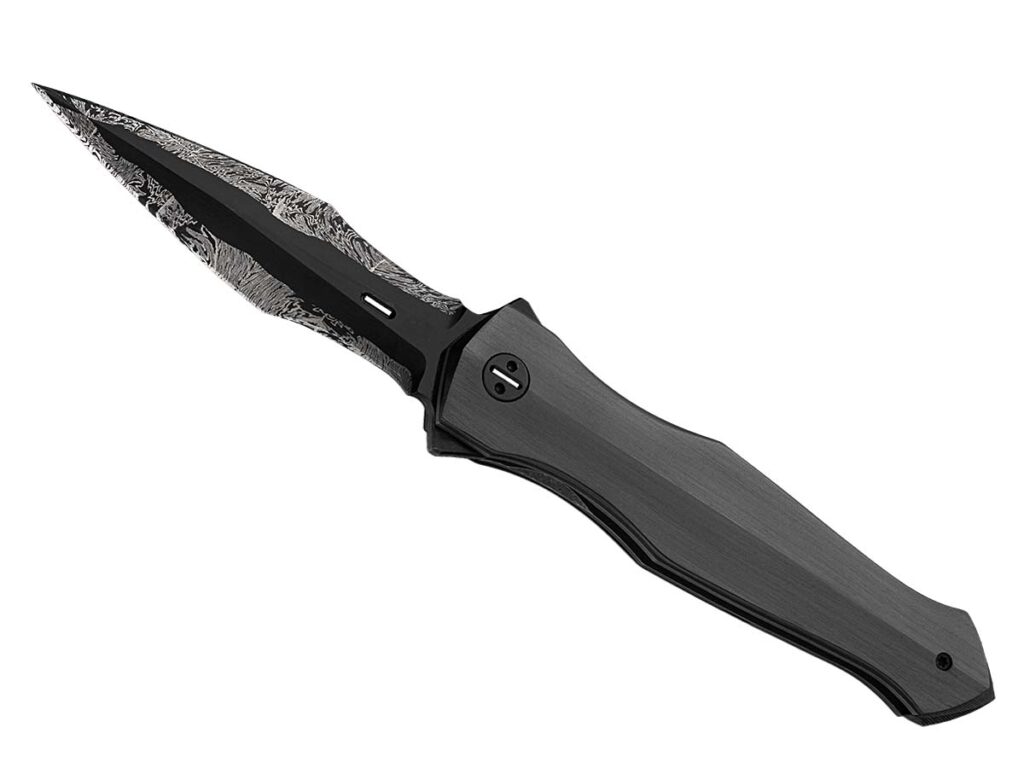
Alex Hossom Collab With Charlie Bridges Void

Alex Hossom Collab With Charlie Bridges Void

Knife Type: Folder
Blade Length: 3.75”
Overall Length: 9”
Blade Steel: 1084/1095/80crv2/Procut/15n20
Blade Grind: Symmetrical Hollow
Blade Opener: Flipper
Handle Material: McLaren Carbon Fiber
Liners: Titanium
Knife To Know: Titanium inlays in blade and pivot screws
Maker’s Price For A Similar Knife: $3,000
brokenanvilknifeworks.com. Jocelyn Frasier image


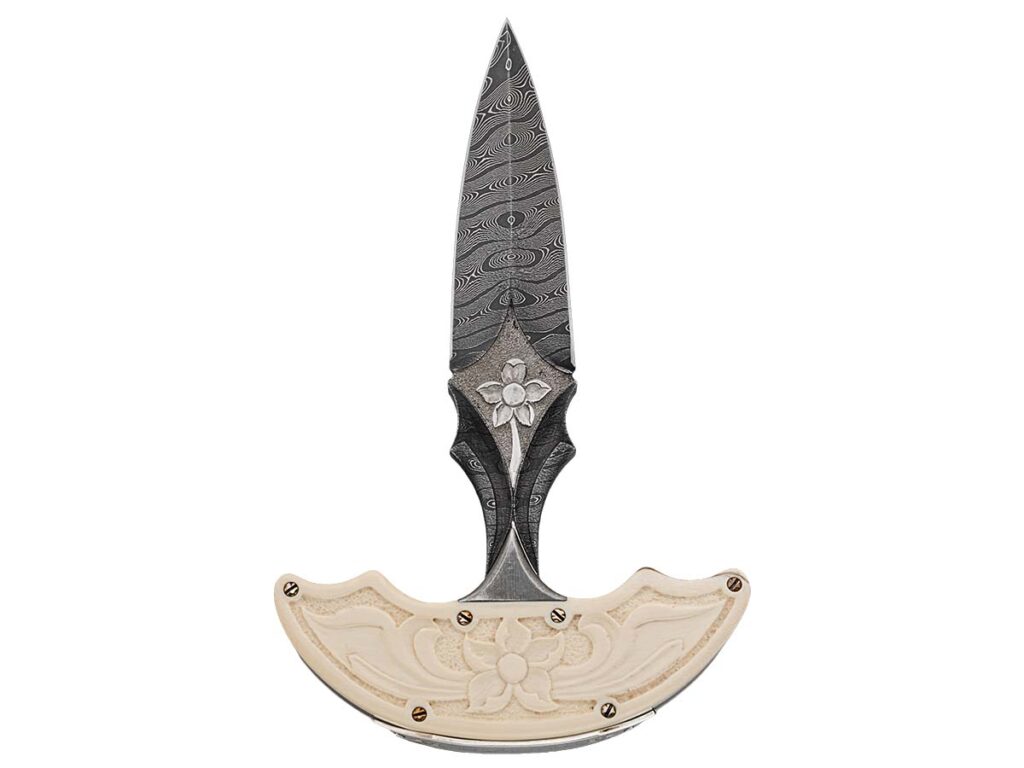
Frank Edwards Push Dagger

Frank Edwards Push Dagger

Blade Length: 3.25”
Overall Length: 6.5”
Blade Steel: 1084/15n20 twist
Blade Grind: Dagger
Handle Material: Mammoth Ivory
Special Features: Carved flower on the interior of handle, matched with an engraved flower on blade.
Maker’s Price For A Similar Knife: $2,550
Jocelyn Frasier image


Check Out Other Months:

Montana Knife Co.’s Marshall Review: Big Sky Bush Blade

Josh Smith’s new knife company tackles the wild with bushcrafter Marshall Knife.

I was surprised at the thickness of the Marshall—.17 inch. Great design makes the blade wider, which adds weight for chopping, yet still keeps the knife lightweight enough to wear all day long without discomfort. The addition of a finger cutout just before the choil is perfect for control during smaller tasks. It is a nice knife on first glance. However, it has to cut and be comfortable to pass muster.

Light-Duty Cutting

To test the edge I sliced 20-pound bond copy paper. Supported by a full flat grind, the edge cut the paper effortlessly. The wide blade made indexing the slices very safe and smooth on each pass. It should be a cutter for sure, I figured.

Knife Cutting Cardboard
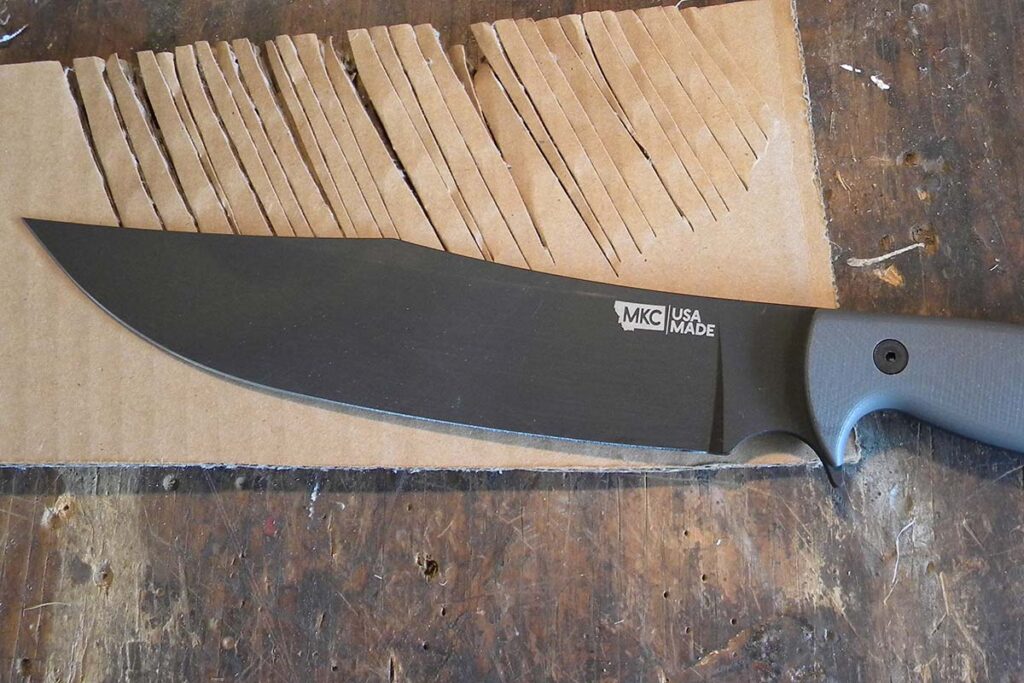
The knife zipped quickly through the double-walled cardboard. The slices were straight with no distortion of the cut pieces.

On to double-walled cardboard. I thought the blade would drag some with the deeper cuts but the Marshall zipped through quickly. The slices were straight with no distortion of the cut pieces. I enjoyed slicing the cardboard with the bigger blade.

I grabbed a piece of plastic board to dispatch while choking up via the finger cutout. This really helped in controlling the finer slices. The Marshall passed through the material quickly. I really like the finger cutout. It balances the knife in use.

Marshall Medium-Duty Chores

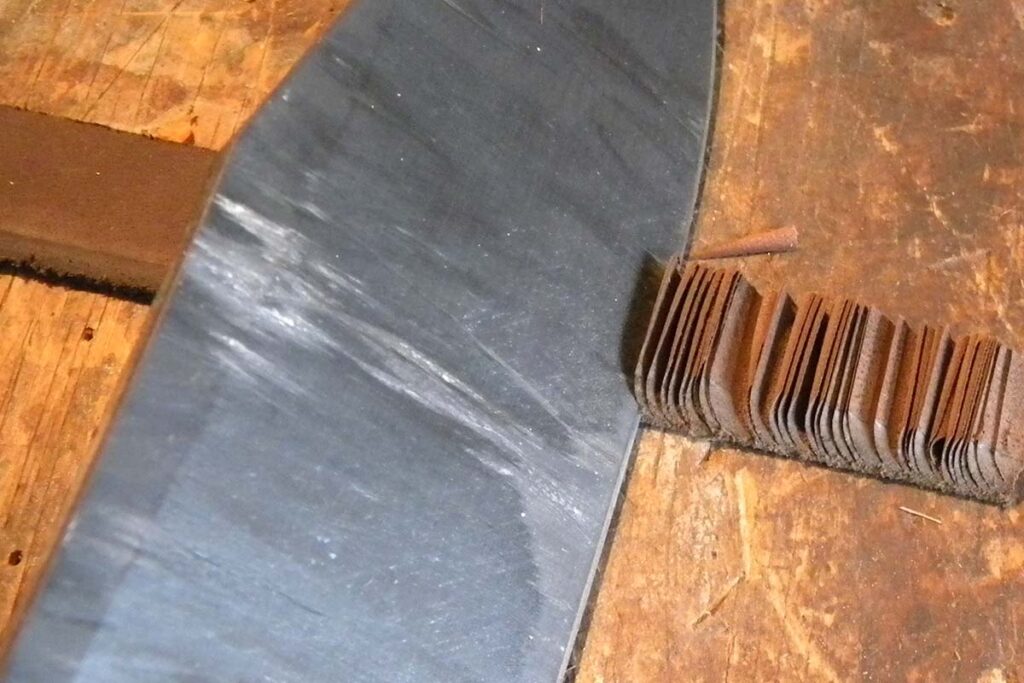
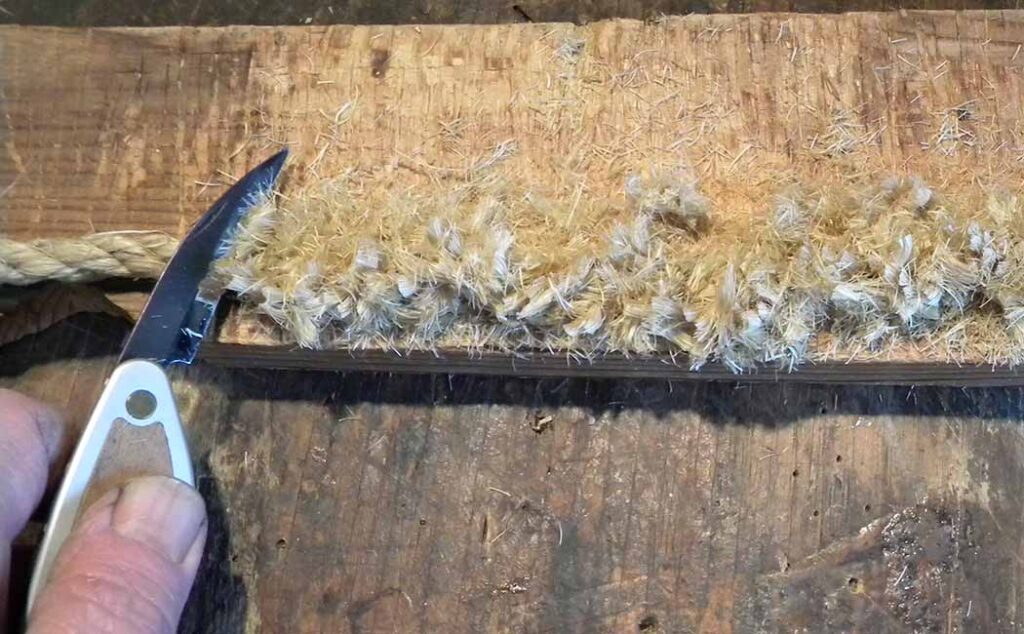
On to my favorite medium, half-inch sisal rope. As I used a push cut, the Marshall started crunching. After 200 clean crunching cuts, I wanted more out of the larger blade, so I switched to 1-inch manila rope. It took 35 crunching cuts to slow the Marshall down. The handle was comfortable throughout. Excellent work from Montana Knife Co.

Cutting leather with
Crunch, crunch; the Marshall cut nice and aggressive in skiving the 8-ounce leather.

I almost forgot to skive some 8-ounce leather. Crunch, crunch; the Marshall was nice and aggressive cutting the material. The knife provided great control, again using the finger cutout.

Heavy-Duty Cutting

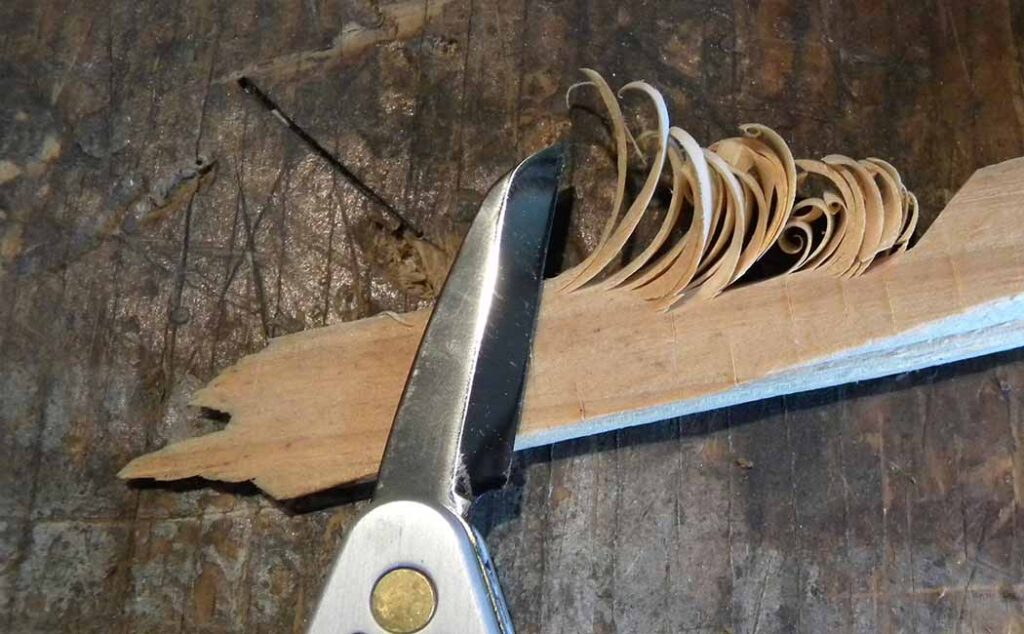
It was time to whittle a firestick. The knife rendered large curly-cues. I tended to push the knife too far and cut the curly-cue off the stick. Don’t you hate it when that happens? The Marshall was controllable during whittling but the blade wanted to take bigger bites. Still, it did a nice job.

Montana Knife Co. Bushcraft knife chopping
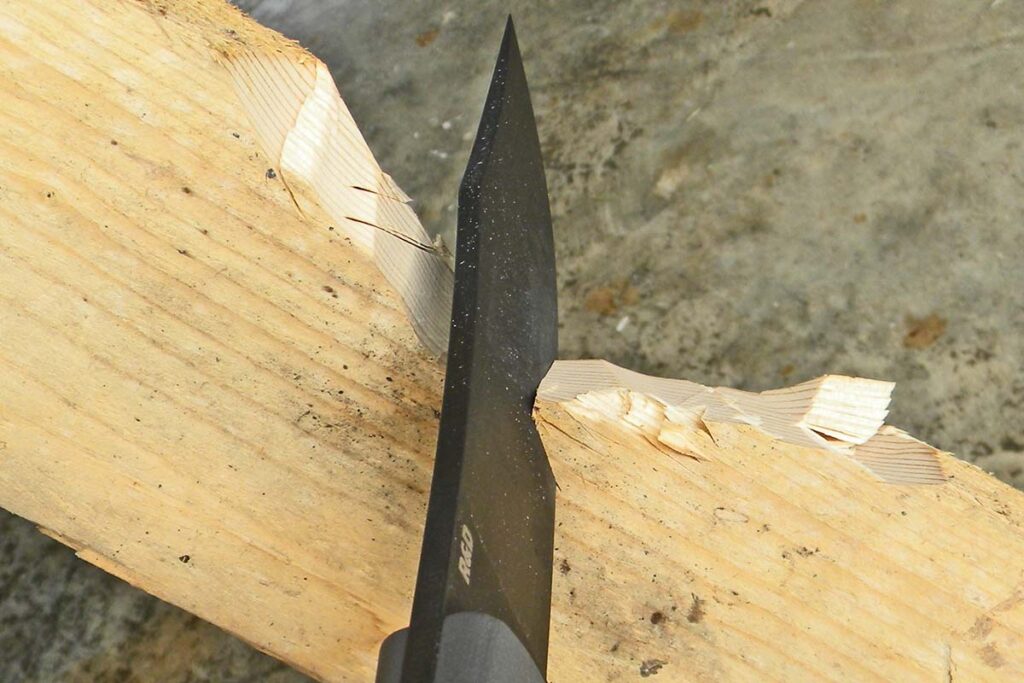
The blade bit deep into the 2×8 every swing and soon the author had wood chips scattered over the driveway. The handle was comfortable and transferred no shock up the author’s arm. It was easy to free the blade from the wood for each subsequent chop.

After rearranging the storage area, I found a piece of 2×8 that would work great for chopping. The blade bit deep every swing and soon I had wood chips scattered over the driveway. The slightly blade-forward balance really shines with chopping. The handle was comfortable and didn’t transfer any shock up my arm. It was easy to free the blade from the wood for each subsequent chop.

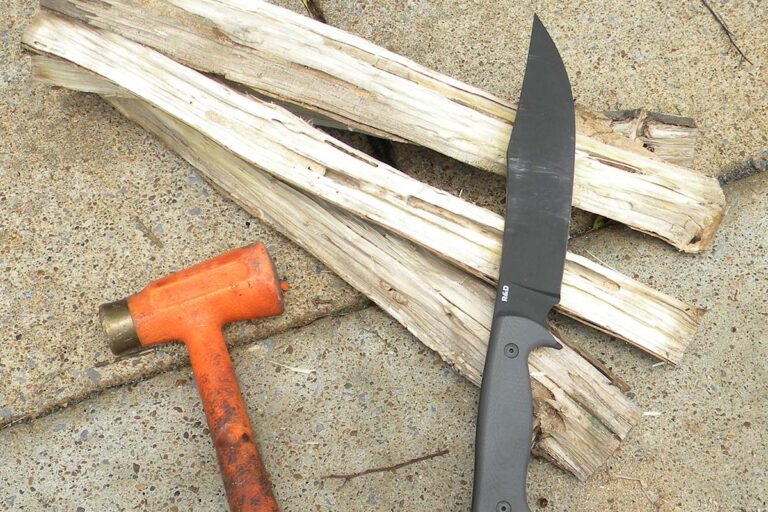
I split some seasoned hackberry using my trusty dead blow hammer as a baton. I split a 3.5-inch piece four ways for kindling. The Marshall penetrated deep with each blow of the hammer, averaging 3.5 whacks per split. The results were outstanding!

Splitting logs with the Marshall.
The author split some seasoned hackberry with the help of his dead blow hammer. He split a 3.5-inch piece four ways for kindling. The Marshall penetrated deeply with each blow of the hammer, averaging 3.5 whacks per split. The results were outstanding!

It was time for the whitetail antler chop to check for edge toughness. Thirty hard wrist snaps into the antler didn’t damage the edge at all, a sure sign of spot-on heat treatment. Wow!

The last is first—back to the 20-pound bond paper. The Marshall still sliced cleanly. It incurred a snag in the paper but I don’t know if it was because of a mistake on my part or the knife.

Final Cut

The Marshall is an excellent bushcraft knife with a large blade that’s not too heavy. I might make the handle a tad thicker for my personal use.

Marshall Specs
Knife style: Bushcraft
Blade length: 7”
Blade material: 52100 carbon steel
Blade grind: Full flat
Blade thickness: .17”
Blade finish: Parkerized
Handle: G-10
Weight: 9.8 ozs.
Overall length: 125/8”
Sheath: Kydex
MSRP: $350

Read More Knife Reviews:

Magical Decades: Custom Knives Of The 1980s And 1990s

Custom knives came of age as collectables in the ’80s and ’90s.

Custom knives from the 1980s-1990s have become especially collectable, not just because of nostalgia but for specific reasons. To understand why, a trip down memory lane is in order.

The ’80s and ’90s encompass a unique intersection of custom knife history, innovation, craftsmanship and scarcity. In the 1970s, custom knifemaking was mostly hobby-based and regional. The two leading knifemaker organizations were The Knifemakers’ Guild and the American Bladesmith Society (ABS), established in 1970 and 1976, respectively. The latter, in fact, celebrates its 50th anniversary this year. The two organizations helped move knifemaking from a predominantly hobbyist pursuit into the business realm. Custom knifemaking had become a viable full-time option for some custom makers.

Willie Rigney was known for his fighters and daggers, with the latter usually incorporating engraving by Ron Skaggs.

The Guild and ABS matured in the 1980s, and knife shows had become a separate venue from the previous gun-and-knife-show format. During the ’80s and ’90s, makers started to intentionally design knives with aesthetics, handle ergonomics and originality in mind. The concept of a custom knife being collectable began in earnest. For many, knifemaking became an art form. Knives were being made that looked like they should be behind glass in a museum and were displayed on tables at knife shows for patrons to observe and handle.

Many of the founding members of the knifemaker organizations were in their prime production years, developing signature styles, techniques and ideas that would influence future generations of makers. Almost all the knives were designed and built entirely by makers standing before machines in their shops. Blades, frames and scales were not laser cut or CNC’d as many are today. Blades were ground freehand. Each knife was individually fit, finished and, in the case of folders, “tuned up.” The tolerances, grinds and finishes required extreme skill and precision by the maker. Most custom makers were personally involved with every aspect of making the knife that came out of the shop.

Tech Boom

It is a natural progression in manufacturing to adopt technology to increase precision and create items that previously could not be made affordably. Some custom makers have adopted this technology and can produce exceptional work with precision that a human cannot replicate. This is especially true among custom folder makers.

Bob Loveless trained W.C. “Bill” Davis, and it shows in W.C.’s version of the Loveless Wilderness Fighter. 

This ever-evolving technology was a double-edged sword. The same technology has helped makers create the custom version of a knife, a semi-production version of the same knife, and, in some cases, to sell the design and program for collaboration with a factory.  This has allowed even more makers to go full-time.

However, in the ’90s it caused confusion for some buyers. Dealers/purveyors would list the names of five or six well-known makers only to discover the knives were the factory collaborations. The utilization of the technology also allows the maker to produce more knives. Today you can attend knife shows and see tables with 20 or 30 custom knives on them. In the ’80s and ’90s, it was a rare sight to see makers with that many knives on their tables. 

Unlike today, information was harder to come by. You had four main sources of information: print publications such as BLADE®, Knife World (today’s Knife Magazine), Knives Illustrated, Fighting Knives, Tactical Knives and, of course, the KNIVES annual.  Other sources were dealers/purveyors, fellow collectors and knife shows. It was the shows that provided the most information. You were able to see and handle the knives, compare knives in person and, equally important, talk with makers. Back then, it was face-to-face communication that really helped me to understand what I was buying and why.

Turning Point

Interframes dominated the custom folder world in the late ’80s, and Jack Busfield was among the pre-eminent makers of the style.

In the ’80s, the fixed-blade market was primarily hunting knives and presentation knives. The go-to stainless blade steels included 440C and the new steel, ATS-34. Their high chromium content allowed for an exceptional mirror finish. Coupled with premium wood, Sambar stag and elephant ivory, the fighters, bowies and daggers became works of art that, as a new buyer, I could not afford. As the ’80s ended, the CITES (Convention on International Trade in Endangered Species) treaty made elephant ivory no longer a desired handle material. Elephant ivory was replaced with the mammoth, mastodon and ancient walrus (the latter my favorite) ivories.

It was in the ’80s and ’90s that custom knives experienced a rapid rise in collectability, and several makers in particular benefited. Rod Chappel was one. His knives often bordered on fantasy. His huge stainless-steel guards and pommels, along with his deep double-hollow grinds, became popular with many makers. Schuyler Lovestrand was another maker whose work never disappointed. He too utilized the deep hollow grinds, while his fit and finish, especially on his sub-hilt fighters, was among the best ever!   

Like Rod Chappel, Schuyler Lovestrand was a fan of deep hollow blade grinds.

It was also during this time that many of the knife patterns and styles that were to become iconic were developed or refined. The design influence of BLADE Magazine Cutlery Hall-of-Fame® member Bob Loveless was becoming more common. Loveless trained W.C. “Bill” Davis and it shows in W.C.’s version of the Wilderness Fighter. Corbert Sigman was another maker who worked with Loveless designs. His version of the Loveless chute knife is clean and accurate.

Art knives featuring engraving, gold inlay and, on occasion, gemstones were popular among both fixed blades and folders, as was the case with many of the interframe folders from Jack Busfield. Interframes dominated the custom folder world in the late ’80s. Willie Rigney was known for his fighters and daggers, with the latter usually incorporating engraving by Ron Skaggs.

Meanwhile, the bladesmiths were refining the forging processes and developing new damascus patterns. Perhaps in the ’90s, the knife style that had the most significant influence was the tactical folder, different versions of which were turned out by many makers.

They’re Out There

Like many of you, I was fortunate to be involved in custom knives during the time in question. When many of today’s knifemaking legends were in their prime, they attended shows with knives on their tables for sale. Imagine being at a show and buying a knife from Rod Chappel or Cutlery Hall-of-Famers Bob Loveless, Bill Moran, Jimmy Lile, George Herron, Buster Warenski or Kit Carson. This writer was fortunate enough to do that. Back then, custom knives escaped the social media hype cycle. There were no bubble prices brought on by speculative flipping. Many of the knives were historically foundational, mechanically innovative and truly handmade.

Rod Chappel’s huge stainless-steel guards and pommels, along with his deep double-hollow grinds, became popular with many makers.

Unfortunately, too many of the makers from the “magical decades” have passed away or have retired. Fortunately, they left a legacy that is waiting for you to explore and learn about, and knives to obtain. These treasures are out there—enjoy the hunt!  
 

Replica Chute Specs
Maker: Corbet Sigman
Blade Length: 4.5”
Blade Steel: 440C stainless
Blade Finish: Mirror polish
Handle Material: Sambar stag
Guard Material: Stainless steel
Overall Length: 9.25”
Author’s comment: “Corbet made a wide variety of excellent knives.”

Integral Boot Dagger Specs
Maker: Willie Rigney
Blade Length: 4.75”
Blade Steel: 440C stainless
Blade Finish: Mirror polish
Handle Material: Ancient walrus ivory 
Engraving: Ron Skaggs
Overall Length: 8.75”
Author’s comments: “Willie was an incredibly talented knifemaker with limited output.”  

Wilderness Fighter Specs
Maker: W.C. “Bill” Davis
Blade Length: 6”
Blade Steel: 440C stainless
Blade Finish: Mirror polish
Handle Material: Black Micarta®
Guard Material: Stainless steel
Overall Length: 11”
Author’s comments: “Bill was one of the best at reproducing the Loveless style, as well as making one of the more affordable versions of this type of knife. Great guy, great maker.”

Interframe Folder Specs
Maker: Jack Busfield
Blade Length: 2.5”
Blade Steel: 440C stainless
Blade Finish: Mirror polish
Frame Material: Stainless steel
Scales: Jade 
Closed Length: 3.5”
Author’s comments: “This impressive folder features engraving and gold inlay by Dan Wilkerson. The knife was initially offered by the-then-premier dealer of interframe folders, Barrett-Smythe.”

F-2 Sub-Hilt Fighter Specs
Maker: Schuyler Lovestrand
Blade Length: 8.5”
Blade Steel: ATS-34 stainless
Blade Finish: Mirror polish
Handle Material: Sambar stag
Guard Material: Stainless steel
Overall Length: 13.5”
Author’s comments: “Schuyler made some of the finest custom knives ever. Clean, crisp lines, the epitome of fit, finish and flow.”

Hunting Leopard Bowie Specs
Maker: Rod Chappel 
Blade Length: 10”
Blade Steel: 440C stainless
Blade Finish: Mirror polish
Handle Material: Walrus ivory 
Guard Material: Stainless steel
Overall Length: 15”
Author’s comments: “This is Rod’s signature style and one of my favorite knives.”

Knife Reviews:

Kitchen Utility Knives: Cutters Fit For All Culinary Endeavors

Utility knives are among the most essential of kitchen cutters.

Food is life, and cooking is a vital part of your daily routine. Having the right tools can transform your kitchen experience, and kitchen utility knives are among the most essential. With the right one, even the toughest tasks can become a breeze.

Kitchen Utility Knives Defined

A kitchen utility knife is a versatile tool designed for a variety of food preparation tasks. Typically, it features a blade ranging from 4 to 7 inches, making it larger than a paring knife but smaller than a chef’s knife. It’s ideal for slicing, dicing and chopping a wide range of foods, such as vegetables, fruits and meats. The utility strikes a balance between precision and strength, allowing it to handle chores that require both detail and some heft. It’s a great all-around option for anyone looking to tackle everyday kitchen jobs efficiently.

Vero Engineering Utility 5

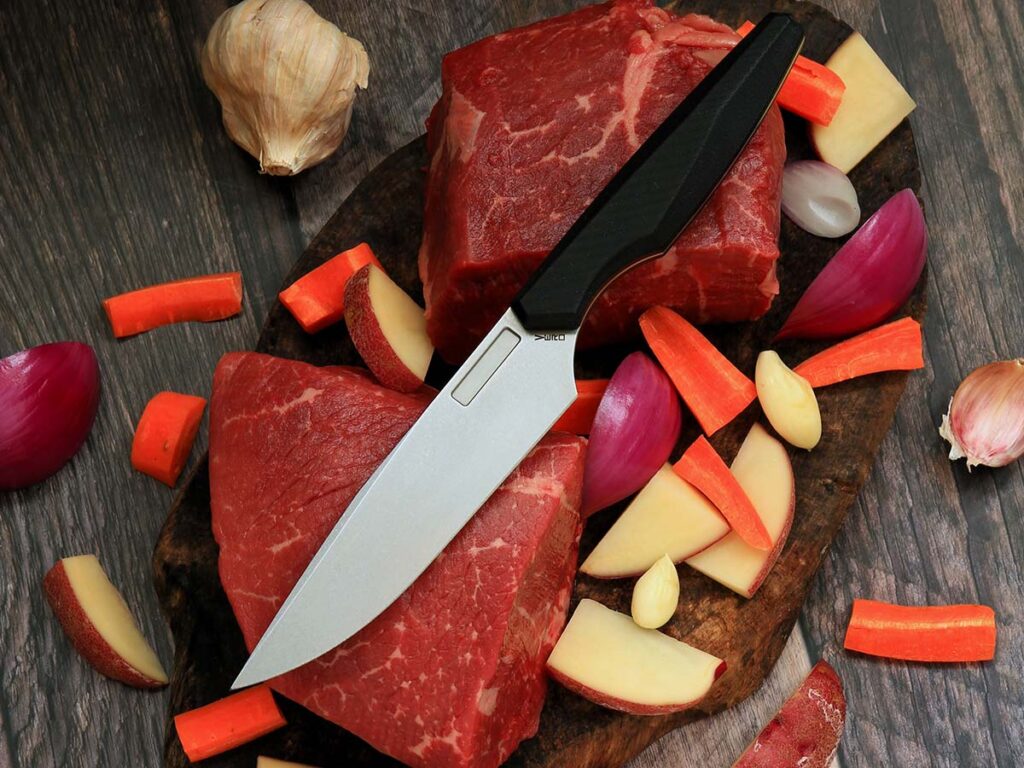
The author prepped a hearty meal of beef pot roast and veggies using the Vero Utility 5. The knife was equally effective cutting meat, root vegetables and herbs, all with finesse.

Utility 5 Specs
Blade Length: 5.27”
Blade Steel: Nitro-V stainless
Blade Grind: Full flat
Blade @ Thickest: .138”
Blade Finish: Stonewashed
Handle Material: G-10 black
Overall Length: 10.08”
Knife to know: Multiple options in blade finishes and handle materials
Country of Origin: China
MSRP: $174

The Vero Engineering Utility 5 doesn’t just show up—it sharpens your kitchen game with precision and style. The fixed-blade slicer offers excellent corrosion resistance and edge retention, making it a reliable workhorse for a wide range of tasks, from citrus to sirloin. The drop-point pattern and full flat grind give it slicing versatility, while a milled pocket on the blade adds grip and control for those who favor the pinch-grip life. At just 4.75 ounces it’s light in the hand but heavy on performance.

The handle options—black G-10, ebony or marbled carbon fiber—aren’t just aesthetic choices, they are also ergonomic, moisture resistant and designed for comfort across various grip styles. Blade finishes include stonewashed, belt satin and hand satin, allowing you to match your knife to your mood or your cutting board. Whether for preppers or perfectionists, the Utility 5 slices with purpose and looks good doing it.

At first, the Vero resembles a combat knife. And if you call slicing roast beef, potatoes, onions, garlic and carrots combat, then this blade is your trusty weapon of choice. It is designed to transform simple ingredients into a champion-worthy feast with accuracy and panache.

I sliced a hefty cut of beef roast and all the fixings. Root veggies are hard, so sharpness is key. The test knife had an excellent grind and an ultra-sharp blade, which puts less stress on the hand when cutting. It truly was a meat-and-potatoes meal, with carrots, onions and garlic. The handle remained slip-proof despite exposure to blood and vegetable juices. The steel never stained and at press time I had yet needed to sharpen this culinary champion.

Bradford 6-inch Utility Knife

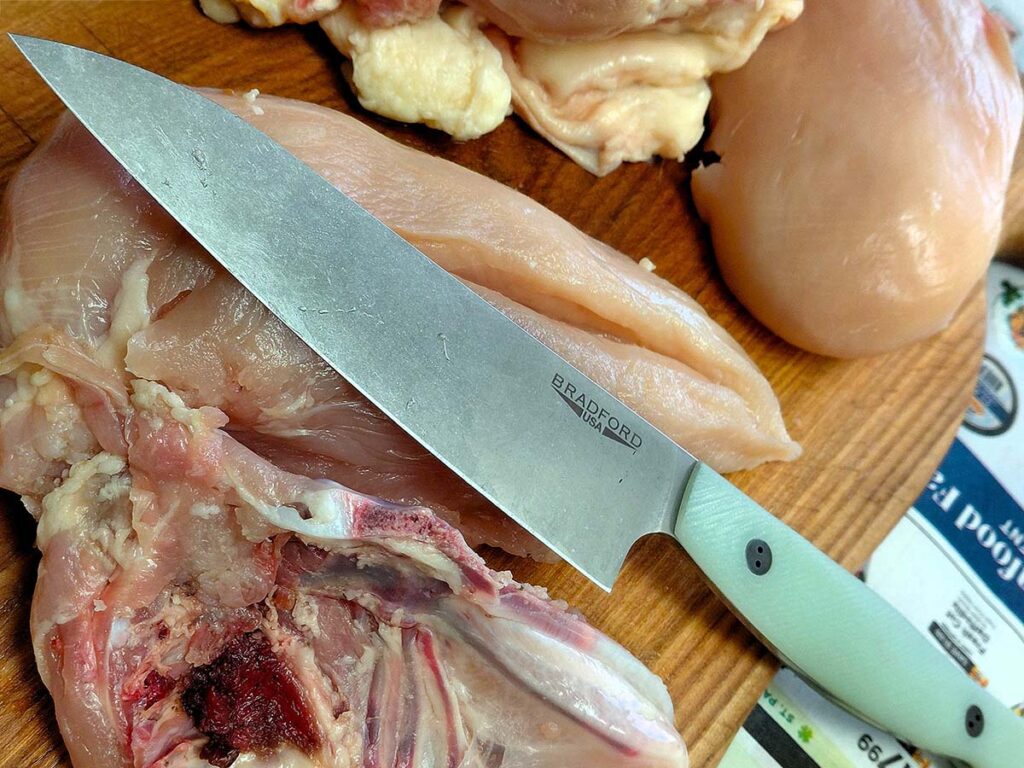
The Bradford deboned chicken and cut a variety of veggies with ease.

6” Utility Knife Specs
Blade Length: 6”
Blade Steel: MagnaCut stainless
Blade Grind: Full flat
Blade @ Thickest: .10”; distal tapered
Blade Finish: Satin stonewash
Handle Material: 3D microtextured
Overall Length: 11”
Country of Origin: USA
MSRP: $209

Bradford’s 6-inch Utility Knife slices through kitchen monotony with surgical precision and unapologetic style. Its CPM MagnaCut stainless steel blade has a Rockwell hardness of 61-to-63 HRC and delivers top-tier edge retention, corrosion resistance and toughness—ideal for everything from delicate herbs to dense proteins. The blade features a stonewash finish that hides scuffs like a pro, keeping your knife looking fresh even after a week of hard prep. Weighing just 5 ounces, it strikes the perfect balance between nimble and substantial and will fit in most kitchen blocks.

The ghost (light blue) handle is ergonomic, moisture-resistant and built to withstand heat, wear and long prep sessions without losing grip or comfort. Thin, full-tang construction keeps the profile sleek and strength solid. Meanwhile, the design makes it a welcome tool for lefties and righties alike.

This fixed-blade kitchen essential is proudly made in the USA and designed to feel like an extension of your hand—whether you’re dicing vegetables or breaking down wild game. It’s not just a knife, it’s a daily driver for the serious slicer.

I spend a lot of time in the kitchen, a big part of it prepping and freezing foodstuffs for later dates. Chicken and veggies get the most attention. I received the Bradford 6-inch Utility Knife at the right time. I had a large quantity of split bone-in chicken breasts that needed deboning and freezing. The idea of a utility knife is to be versatile. I stick to the rule of whatever’s on the cutting board gets used for everything. Hence, the Bradford was now a deboning knife.

The blade was nimble and the low 5-ounce weight glided through the protein with ease. I felt what the handle was all about and liked it. I trimmed the fat and extra unsavory bits using a variety of grips, mostly modified chef’s pinch grips. The wharncliffe-style blade was a huge help when drawing back for pinpoint slices.

The Bradford definitely fits the bill for a kitchen utility knife. From handle comfort, grind and overall design, this is your utility cutter for several occasions.

White River Knife & Tool Liong Mah

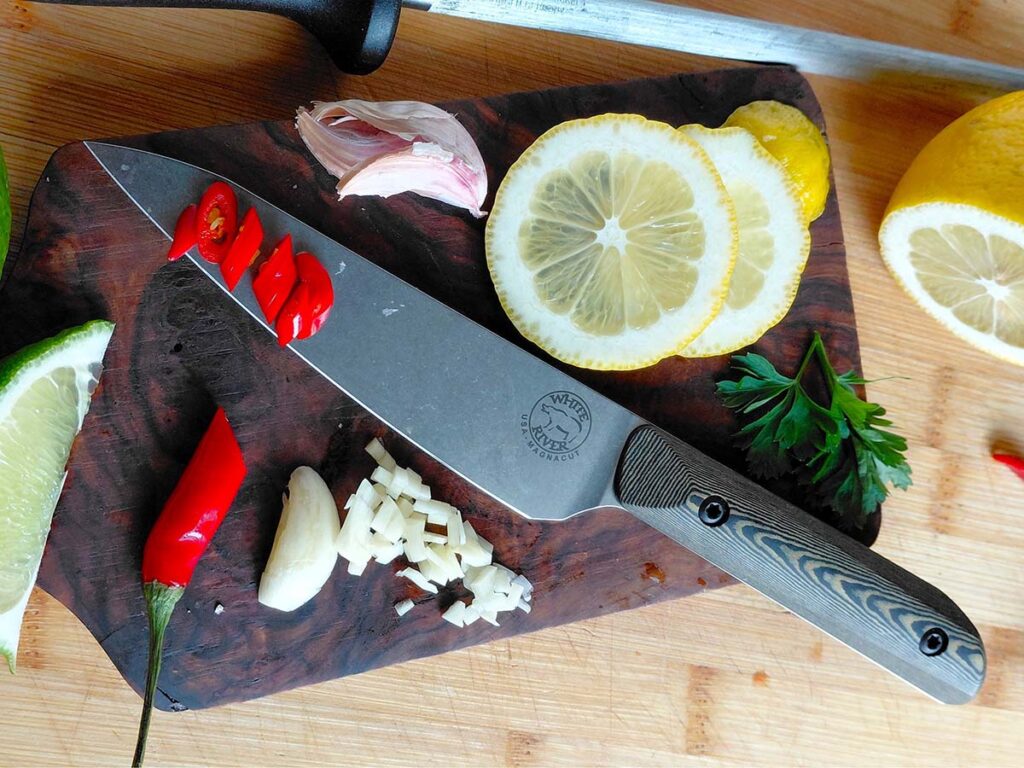
Garnish requires precision, and the White River/Liong Mah Utility Knife excelled at it.

Liong Mah Utility Specs
Designer: Liong Mah
Blade Length: 4.75”
Blade Steel: MagnaCut stainless
Blade Grind: Full flat
Blade @ Thickest: .095”
Blade Finish: Satin
Handle Material: Maple Richlite
Overall Length: 9.12”
Country of Origin: USA
MSRP: $200 ($475 for it and the Liong Mah Chef Knife in a set)

The White River Knife & Tool Liong Mah series isn’t just household cutlery—it’s a chef’s dream set in MagnaCut. Designed by Liong Mah, a former New York City chef turned knife architect, these blades blend culinary intuition with precision engineering.

The smaller 3.8-ounce Utility Knife offers nimble control while the larger 6.2-ounce Chef Knife addresses the bigger stuff. Both blades feature MagnaCut at a Rockwell hardness of 62-to-63 HRC, delivering elite edge retention, corrosion resistance and toughness that scoffs at daily abuse. The modern handle tapers toward the blade for a natural, comfortable grip—ideal for vertical chopping and pivoting like a pro. Whether dicing shallots or tackling a brisket, these USA-made tools feel like an extension of your hand, packed in a custom wooden box that says, “Yes, I take prep seriously.” No sheath, no nonsense—just pure slicing satisfaction.

For small tasks like slicing cheese, limes and herbs, it doesn’t get any better than the Liong Mah Utility Knife. Brie cheese is soft, while garlic mincing takes precision and sharpness. However, fret not using the White River entry. For small kitchen tasks and the ability to share a cutting board with other food and garnish, it’s excellent. Hors d’oeuvres, anyone?

The Liong Mah Chef Knife was my pick for long sweeping slices for butterflying chicken breasts. I wanted the full length of a chef’s knife and was delighted with my pick for the task. It sliced with authority and made clean cuts.

CRKT Onion Utility Kitchen Knife

Root vegetables such as potatoes and carrots were no match for the CRKT Onion Utility Knife.

Onion Utility Kitchen Knife Specs
Designer: BLADE Magazine Cutlery Hall-of-Fame® member Ken Onion
Blade Length: 5.5”
Blade Steel: Damasteel damascus
Blade Grind: Full flat
Blade @ Thickest: .10”
Blade Finish: Acid etch
Handle Material: FatCarbon Dark Matter carbon fiber
Bolster: Titanium
Overall Length: 10.19”
Country of Origin: Italy
MSRP: $850

The CRKT Onion Utility Kitchen Knife in Damasteel® damascus isn’t just a kitchen tool, it’s a precision instrument dressed for a gala. Built in Italy, the fixed-blade beauty features a Damacore® Hugin-pattern blade with a finish that highlights the layered steel like a fingerprint of craftsmanship. It’s slim enough for finesse work but long enough to handle serious slicing. The synthetic handle and bolster help keep the weight featherlight at 3.3 ounces so it won’t tire your hand during marathon prep sessions. The construction resists thermal stress, meaning it won’t warp when the kitchen heats up.

Packaged in a laser-engraved walnut box because even your kitchen drawer deserves a little class, it’s a limited-edition blend of performance and polish that says, “Yes, I julienne with style.” The knife isn’t just a pretty face, it’s a high-performance hybrid that bridges the gap between a chef’s knife and a paring knife, ideal for tasks that demand both precision and power.

I make a lot of soups and braised meat dishes, especially when it’s cold outside. Carrots are a no-brainer for such meals. Beef roasts and chicken soup all require onions, celery and carrots. The Onion Utility looks too classy to use. However, it’s purpose-built for hard kitchen work. BLADE Magazine Cutlery Hall-of-Fame® member Ken Onion designed the handle to be stable in the hand when the kitchen heats up, and the grip withstood the heat and then some.

Slicing carrots was a breeze with the super thin blade, and not one piece split or wedged apart as can happen with thick-beveled knives. I sectioned long carrots for freezing and julienned them for stir fry and noodle dishes. The handle comfort and edge retention are stellar. There’s a lot going on in Ken’s design. The best thing I can say is, pick one up and try it.

More Kitchen Knives:

Flexcut Whittlin’ Jack Review: Taking Wood Down To Size

When it comes to wood cutting, the Flexcut Whittlin’ Jack takes no prisoners.

The Whittlin’ Jack by Flexcut Carving Tools is the knife I wish I had when I was growing up. It would have made my outdoor life so much easier, not to mention much less painful. Granted, the blade edges are very fine and made for wood, so they tend to chip if you cut hard stuff.

Growing up a commercial fisherman on the Great Lakes, I was always cutting twine. The Whittlin’ Jack’s sharp blades would have saved me plenty of time resharpening and in doing such outdoor chores as marking sticks on a trapline. However, the best things about the knife are the sharpness of the edges during whittling, including for super fine cuts, and a very comfortable handle shape. The backspring holds the blade open tightly enough to stop accidental foldup while cutting, yet slowly closes the blade.

Flexcut Whittlin’ Jack Edge Test

Cutting paper
For the first edge-check medium, the author used his standard 20-pound bond copy paper. Both the roughing and detail blades zipped through the stationery way too fast. He just used the weight of the blade and pushed down.

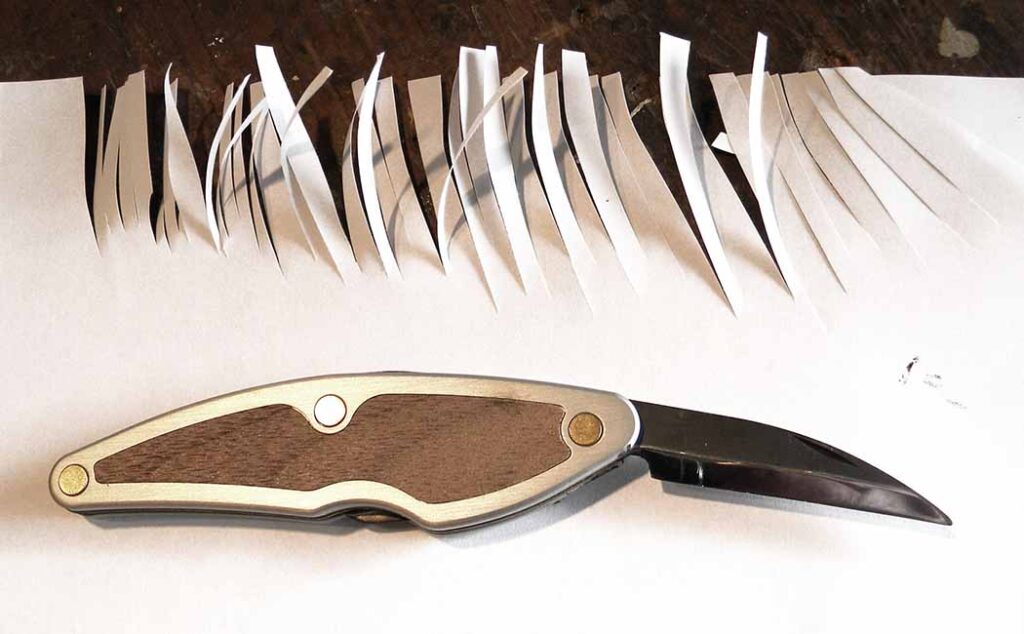
For the first edge-check medium I used my standard 20-pound bond copy paper. Both the roughing and detail blades zipped through the stationery way too fast. I just used the weight of the blade and pushed down. I’m glad I had fingernails! Now I have four nicks in one. The knife was scary sharp from the get-go.

Whittlin’ Jack Vs Light-Duty Material

Next up was single-walled cardboard. The Whittlin’ Jack did not slow down one bit, though I did learn to move my finger faster. I could feel the blades cutting through the pockets in the cardboard. I made the longer cuts with the roughing blade.

I made some straight cuts in 8-ounce leather to see how thin I could get the slices without the leather folding over. These blades are so scary sharp that I really had to watch how much pressure I was using so I didn’t cut the leather in half. Both blades were very controllable.

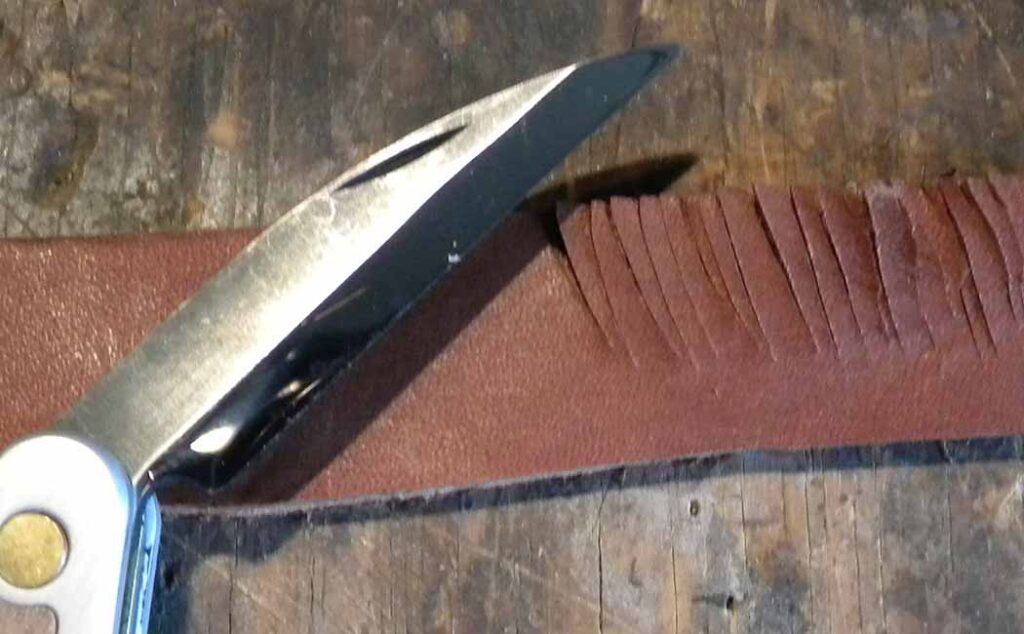
Cutting the end of the leftover leather at an angle, I did some skiving. I could hear a very aggressive crunching sound as the Whittlin’ Jack bit into the material. The slices were so thin I could actually see the polished bevel cutting through. Very sharp indeed!

Whittlin’ Jack Whittling

Flexcut Whittlin’ Jack whittling
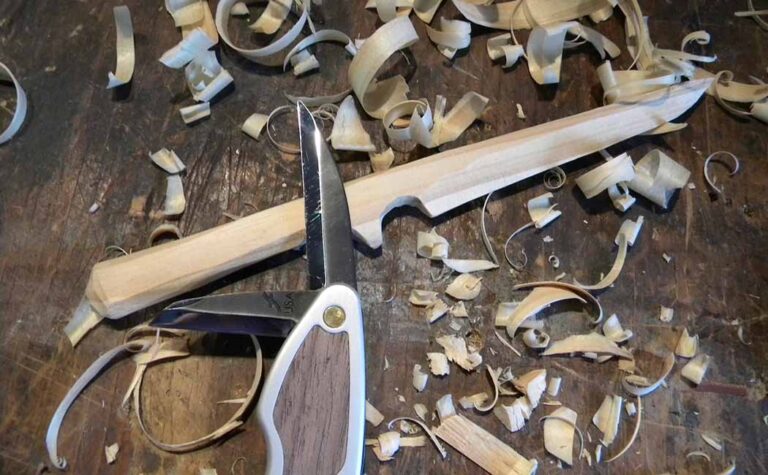
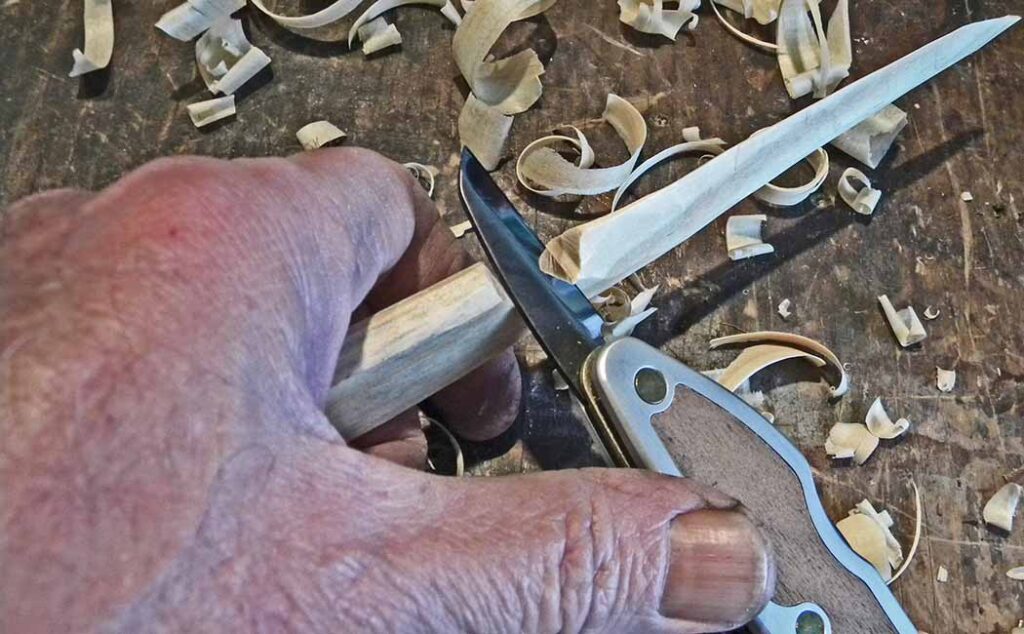
The curls were curlin’ as the author whittled a wooden tanto with the Whittlin’ Jack. Here he cuts the tanto’s choil with the detail blade.

The Whittlin’ Jack is the first knife to ever give me curly curly-cues. It was amazingly simple and easy to do. Fine cuts or deeper cuts, it didn’t matter. The whittling was so smooth the blades just slid through the wood. I liked the detail blade better for making curly curly-cues. The handle shape really excels as it fills your palm, making the blades an extension of your hand. This is an outstanding design to say the least.

For some extra whittling fun, I carved a thin tanto-style knife in less than 5 minutes. The roughing blade did its job very quickly, thinning the wood and getting the overall shape. The detail blade made short work of cutting in the bevels and choil. It was amazing how smooth every cut was. Controlling the blades was easy with the handle design. The Whittlin’ Jack is the perfect knife for the job.

Whittlin’ Jack Vs Sisal Rope

Cut Rope with the Flexcut Whittlin’ Jack
The knife crunched to 150 cuts in half-inch sisal rope in record time without any sliding. According to the author, it is the best overall Spec Sheet sisal rope cutter to date—that includes for both edge sharpness and handle comfort.

I used the roughing blade so my knuckles would clear the workbench. The knife crunched to 150 cuts in record time without any sliding. Since it would be a waste of sisal rope, I stopped cutting. The blade was still nasty sharp. This is the best overall Spec Sheet sisal rope cutter to date—that includes for both edge sharpness and handle comfort. Wow!

Recomendations

I might put a finer finish on the walnut handle inserts.

Bottom Line

Cutting leather with Flexcut Whittlin’ Jack
The author indicated the Whittlin’ Jack was the first knife to ever give him curly-cues that were actually curly. He preferred the smaller detail blade for the purpose.

The Whittlin’ Jack really impressed me in both sharpness and handle comfort. I’ll place it in the top
1 percent of knives I’ve tested. I will be carrying one.

Flexcut Carving Tools warrants its knives against defects as long as the knife is not abused. Remember, this knife is made for wood use only and the blades do not lock in place.

Flexcut Carving Tools Whittlin’ Jack Specs
Blade Patterns: Roughing and detail
Blade Lengths: Roughing 2” and detail 1.5”
Blade Material: In-house tool steel
Blade Grinds: Flat
Handle: Aluminum frame, walnut insert
Non-Lock Mechanism: Slip joint
Weight: 3 ozs.
Closed Length: 4.125”
Country Of Origin: USA
MSRP: $63.95
Flexcut Tools

Read More Knife Reviews:

First Look: GiantMouse’s GM14 And GMP14

From GiantMouse’s GM line, these new drops continue a storied tradition.

GiantMouse’s GM line has an impressive pedigree. Not only has it produced a BLADE Magazine’s Knife of the Year—the GMX—it has also proven among the company’s most popular collections.

One of the aspects adding to the line’s intrigue is the limited aspect of the knives that compose it. Early on, only 400 pieces were produced for each design—300 of the standard and 100 of the P version; now, it’s 600 total knives—400 standard and 200 of the P version. But in either amount, once the run is done, so is the design. So, if you like a knife from this line, you’ll need to be quick on the draw to procure one.

With that in mind, GiantMouse fans might need to limber up their left-mouse-click fingers, because the company has two new GMs about to drop—the GM14 and GMP14. These are the first additions to the collection in a spell and are sure to be popular when they go live on the GiantMouse website Dec. 9.

As the name suggests, the knives are very similar in design. The GMP offers some premium features. At the quick, what are collectors getting in the GM14 and GMP14? A slick, sleek and modern design. These knives are as comfortable in a three-piece suit as they would be in a pair of casual jeans.

Giant Mouse GMP14

The liner locks teeter on the larger side, with the blades measuring in at 3.6 inches and an overall length of 8.6 inches. Even with the size, the knives are featherweight, with the heavier of the two—the GMP—tipping the scales at less than 5 ounces. Much of the weight savings is thanks to titanium handles, which do a number on the knives’ overall mass.

GiantMouse uses Vanax steel for the blade, a nitrogen-alloy offering some pretty desirable traits. Among the most notable are its corrosion resistance, toughness and edge retention. You find this steel in a lot of high-end fishing knives or blades bound for moist environments.

Where the GM14 and GMP14 split paths is the bling GiantMouse incorporated into each design. In particular, the GMP features a darker PVD titanium handle, PVD Vanax blade and rich bronze inlays. An interesting aspect of the use of bronze is that it will patina over time, making each knife unique to its owner.

As for price, the GM14 rings up at $395, while the GMP14 has an MSRP of $445. Both look like solid additions to a storied line.

More Knife Reviews:

Advertisement

Must Read Articles

Read this before you make a knife

Knifemaking 101 – Read This Before You Make a Knife

  by Wayne Goddard My experience has taught me that there's nothing like digging in and getting started. I've often said the hardest part of the...
how to forge damascus steel

How to Forge Damascus

Advertisement
Advertisement