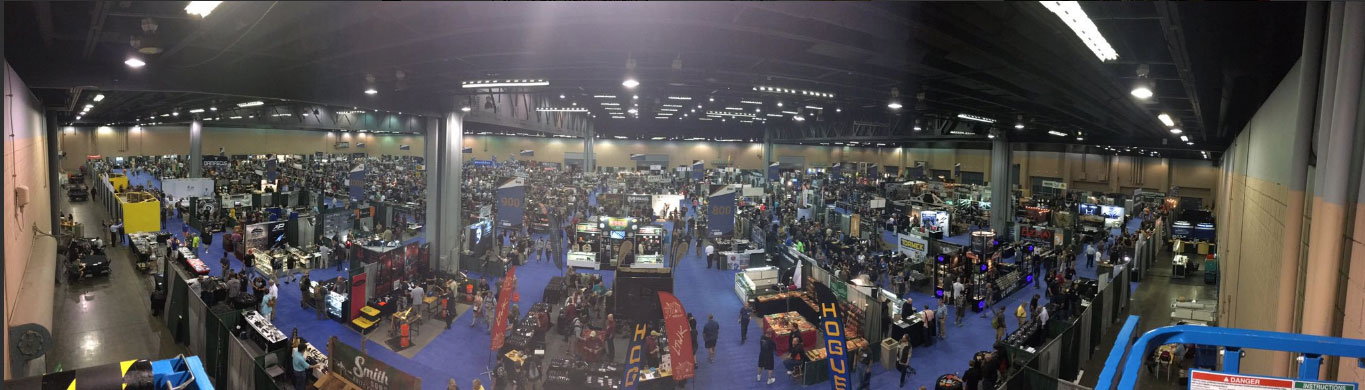
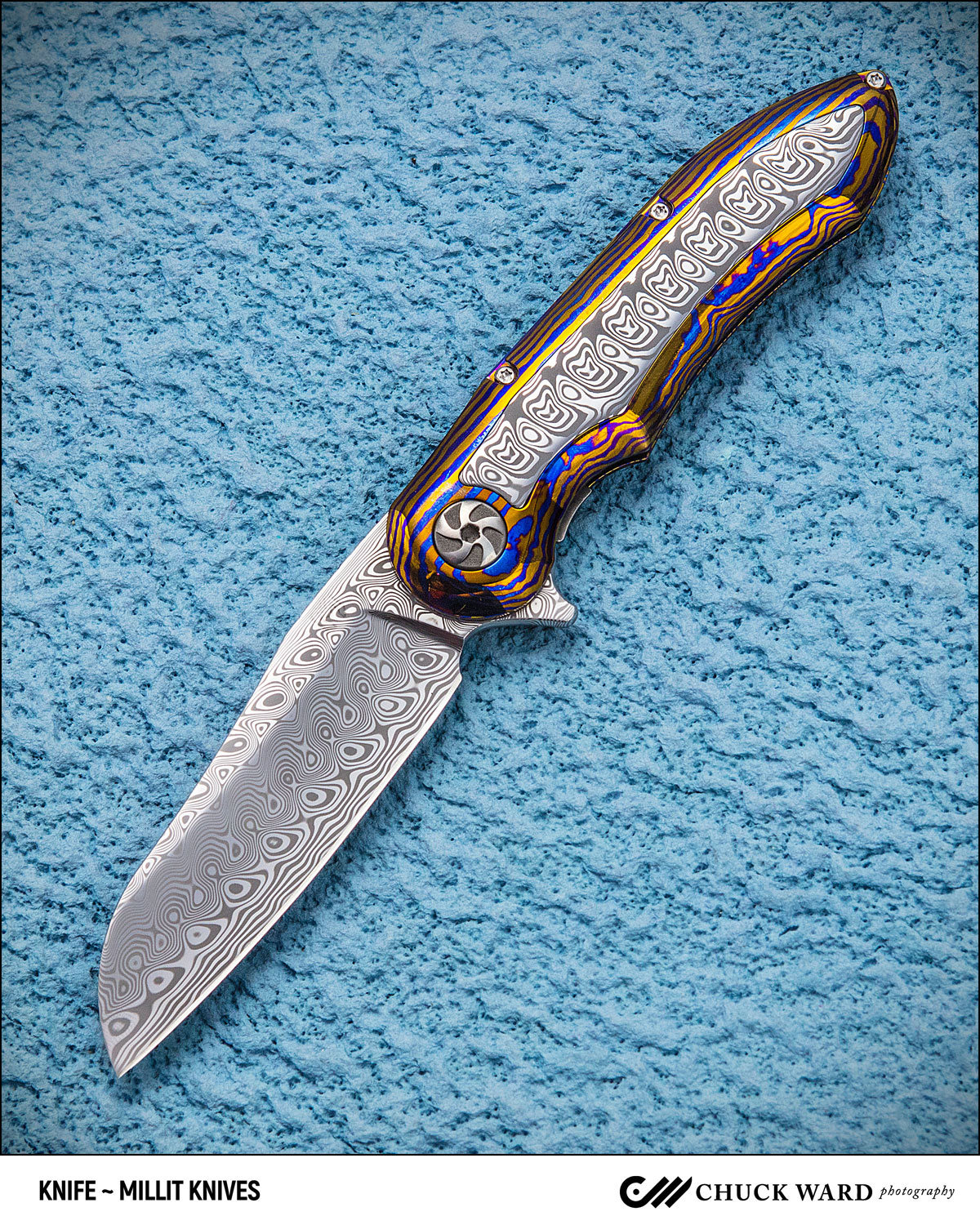
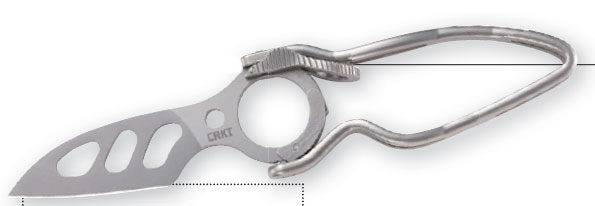
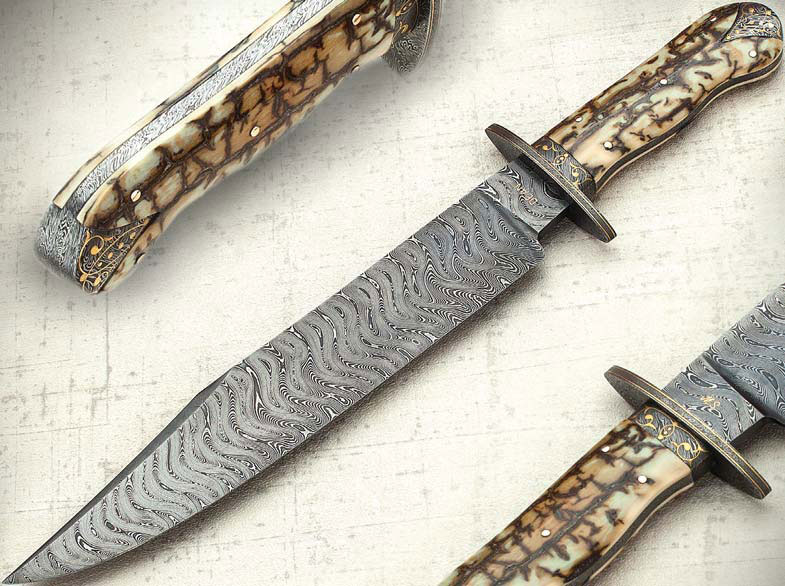
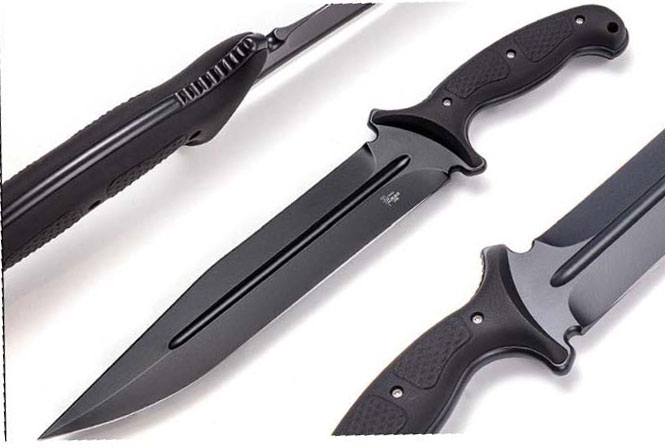
A view of one corner of the BLADE Show floor from above.
BLADE Show 2019 kicks off June 7 in Atlanta. In the hurry to get everything ready, don’t forget these considerations.
Pack comfortable shoes for all that standing and walking.
If you’re flying in, figure out how you’re getting from from the airport to your hotel. Most people opt for a taxi (available right outside the doors of the airport), a ride-sharing service or a shuttle (if your hotel provides one).
Then figure out how you’re getting from your hotel to the Cobb Galleria.
The BLADE Show is huge, and it grows every year. Make an itinerary of exhibitors and activities you want to hit so that you don’t get too far into the weeds.
On the other hand, casually browsing the show has benefits, too. You never know what surprises you might find.
How will you get the new knives you purchased home? The most popular way is with a courier service, like UPS or FedEx. Scout out locations ahead of time. Don’t wait until the last minute!
If you plan to make purchases with cash, it’s a smart idea to arrive with it in hand rather than relying on ATMs. There are ATMs located on-site, but if there’s a run on cash, they might be empty.
On that note, how will you keep your cash secure as you walk the show floor?
How will you keep your knives and cash secure in your hotel room?
Have you set a budget for yourself about how much to spend on knives? It’s easy to get carried away on the show floor.
Last, but certainly not least, safety is important. How you carry every other day is different from how you carry at a crowded knife show. Please don’t be this guy:
Atlanta, Georgia (June 2, 2018) – Awards recognizing the highest achievement in the custom and factory knife industries were bestowed the evening of Saturday, June 2, 2018, at the BLADE Show in the Cobb Galleria.
2018 BLADE Show Knife of the Year® Award Winners
Representatives from BLADE (www.blademag.com) distributed BLADE Magazine Knife of the Year® awards in 13 categories. Two of the awards—Industry Achievement and Publisher’s—went to a retail knife store and a knife-related organization, respectively, for their contributions to the world of knives.
All entrants in the Knife of the Year® competition were judged on a number of factors, including utility, design, creativity, materials, aesthetics, feel and other traits.
2018 Overall Knife of the Year® – FOX Knives SURU
BLADE editor Steve Shackleford and Cutlery-Hall-of-Fame® member Ron Lake checked out this knife before the official show start. Here is a quick video of that chance encounter.
2018 American Made Knife of the Year® – Chris Reeve Impinda
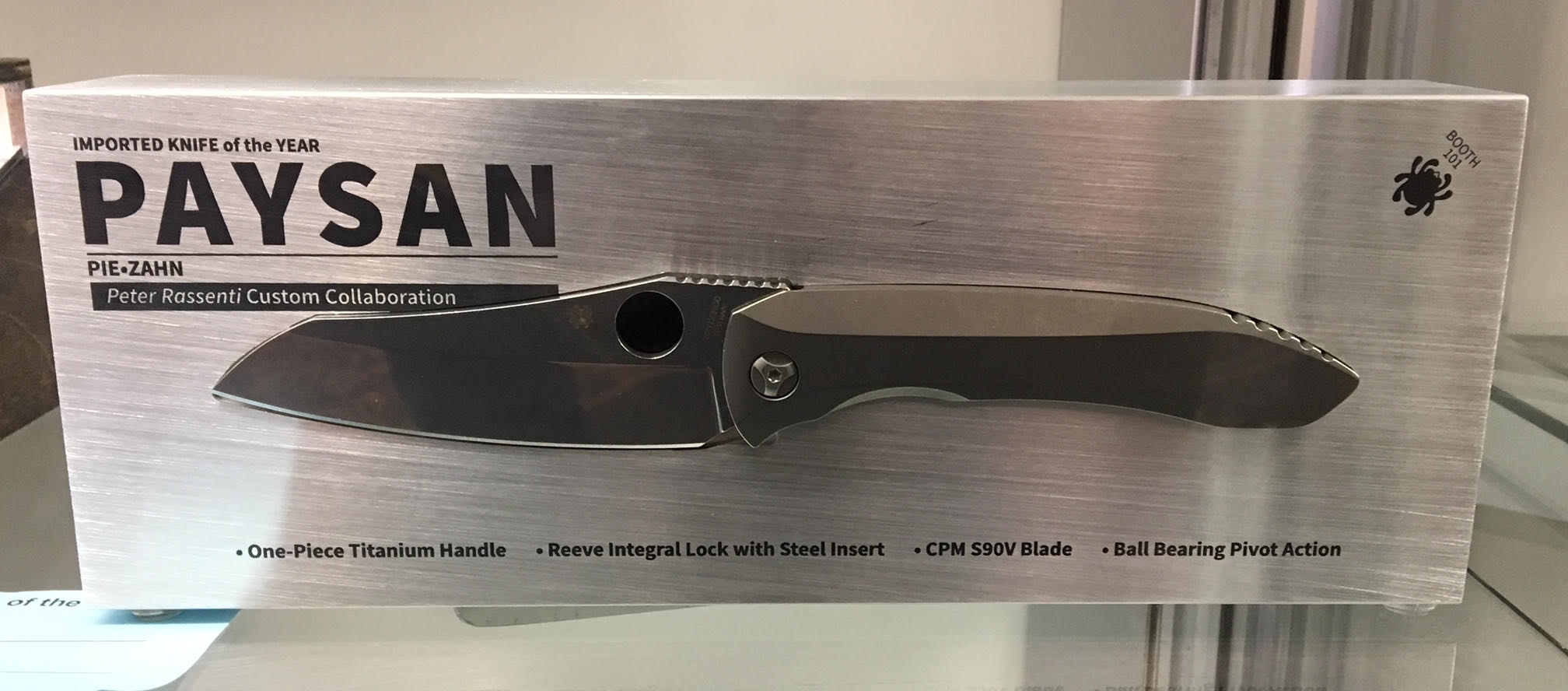
2018 Imported Knife of the Year® – Spyderco Paysan
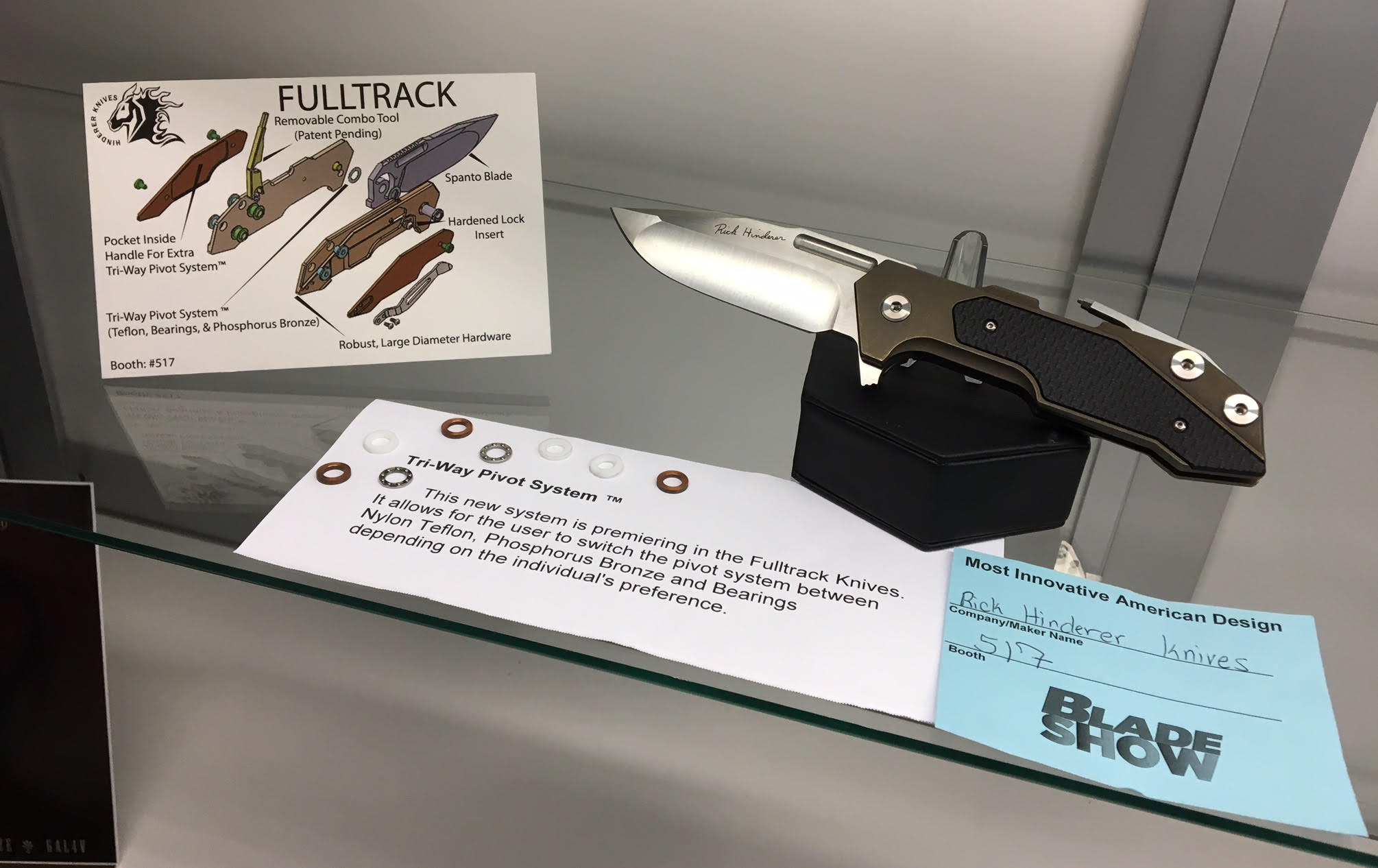
2018 Most Innovative American Design – Rick Hinderer Tri-Way Pivot System
2018 Most Innovative Imported Design – V Nives C.R.A.B.
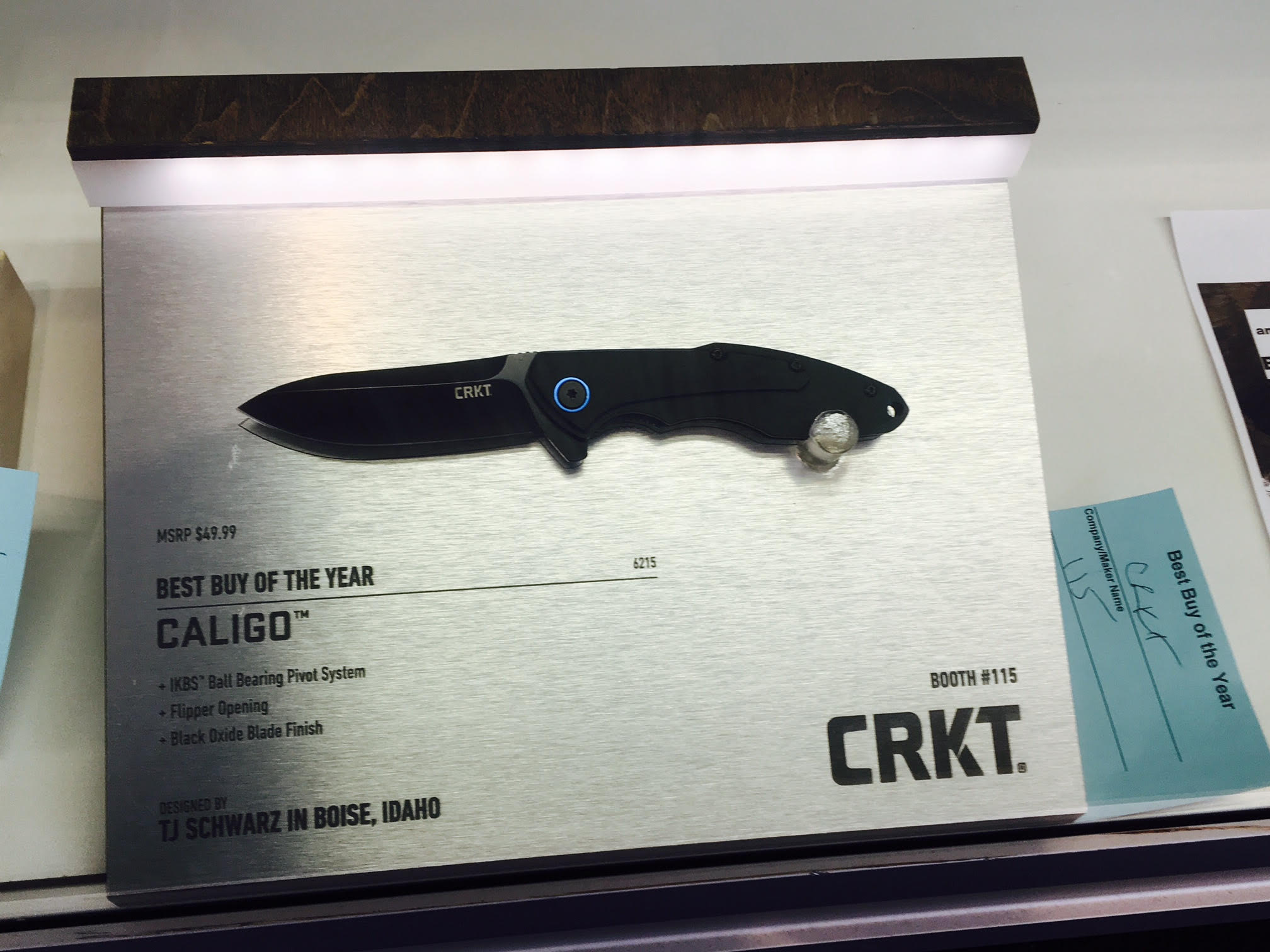
2018 Best Buy of the Year – CRKT Caligo
Note: the Caligo is also the official knife of BLADE Show 2018, and is available as a commemorative through BLADE‘s online store. That designation is separate from this award. BLADE does not vote in the Knife of the Year awards.
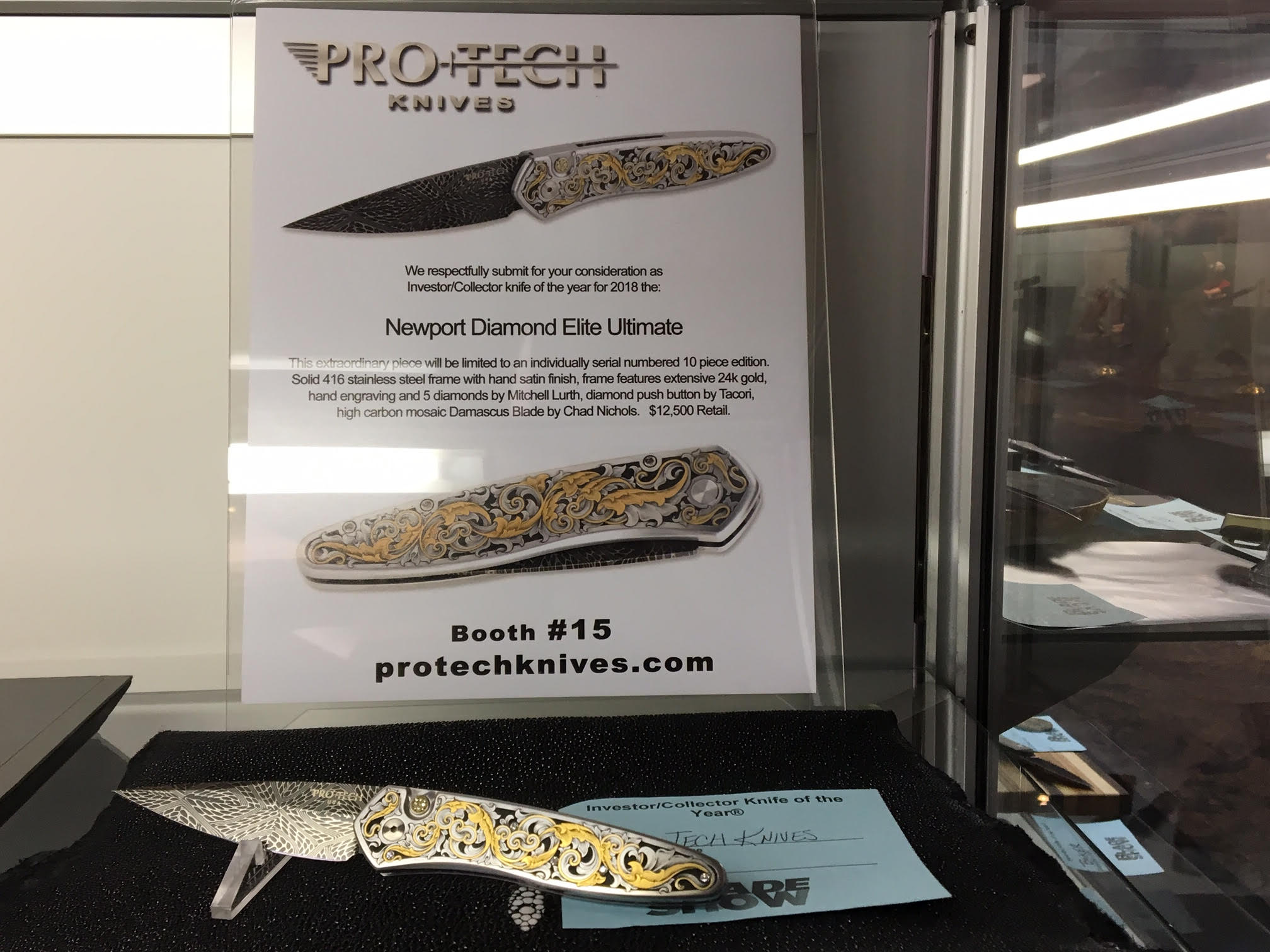
2018 Investor/Collector Knife of the Year® – Protech Newport Diamond Elite Ultimate
2018 Manufacturing Quality Award – Lionsteel
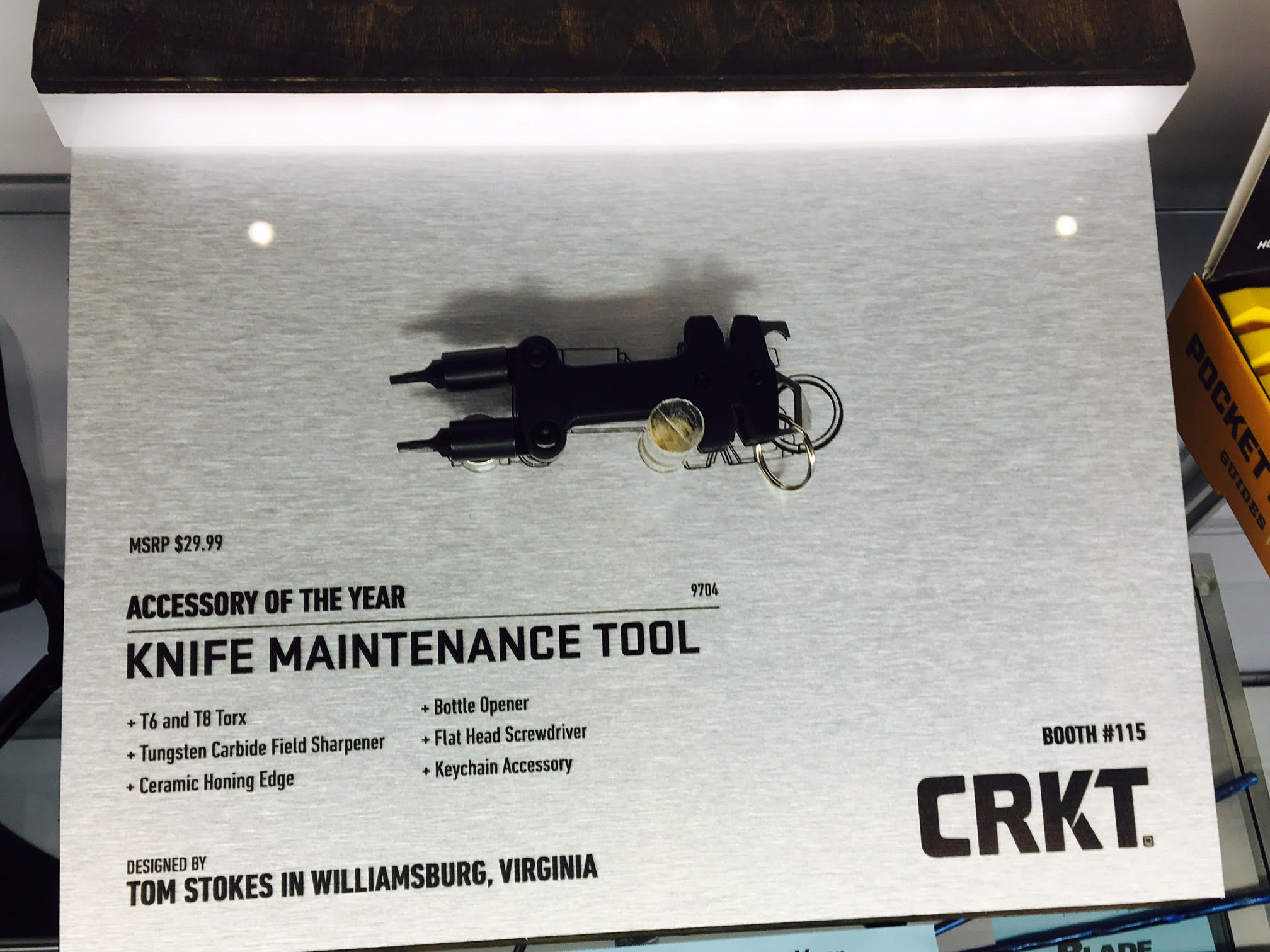
2018 Accessory of the Year – CRKT KMT
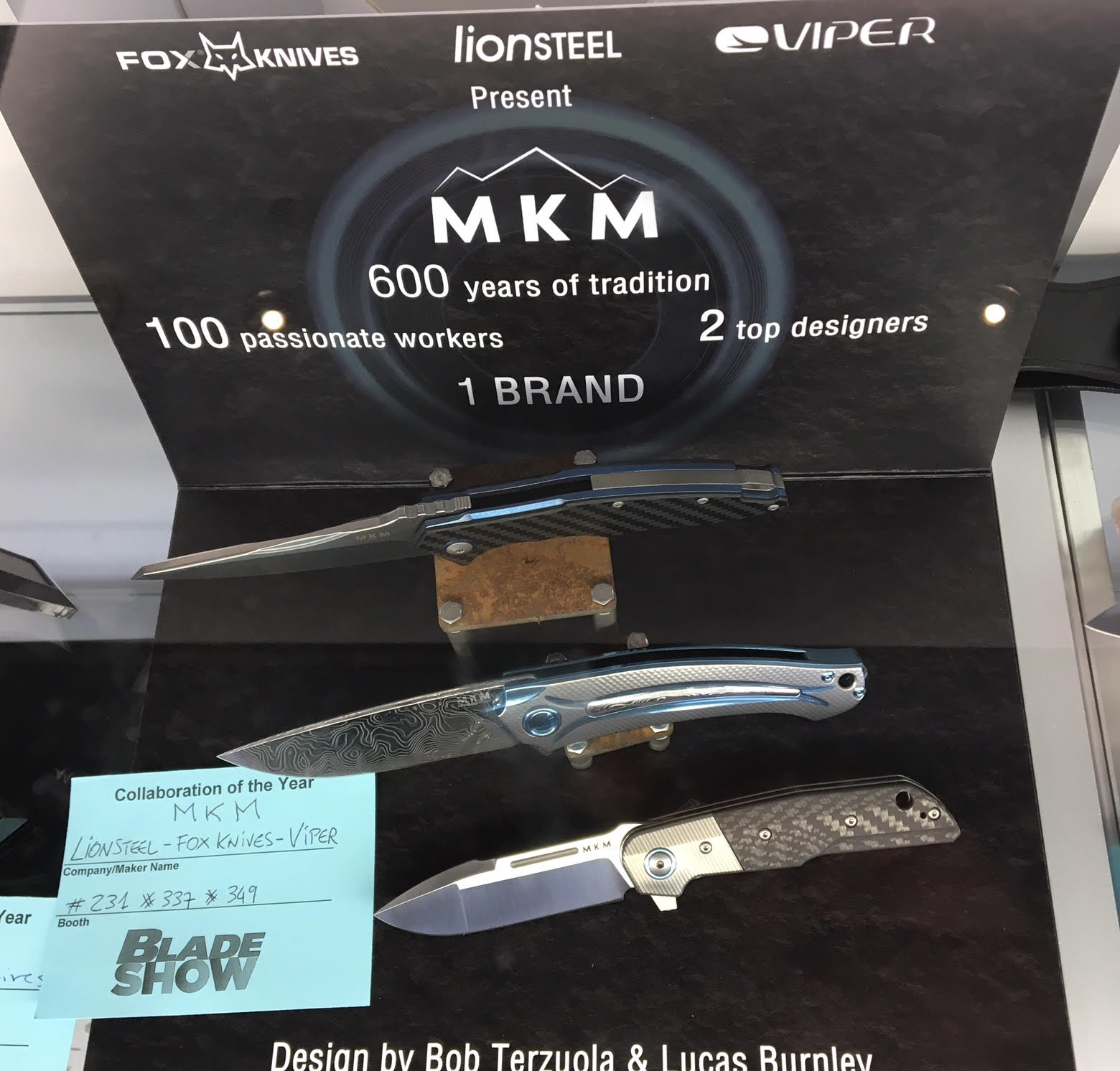
2018 Knife Collaboration of the Year – MKM by Bob Terzuola and Lucas Burnley for FOX, Lionsteel and Viper
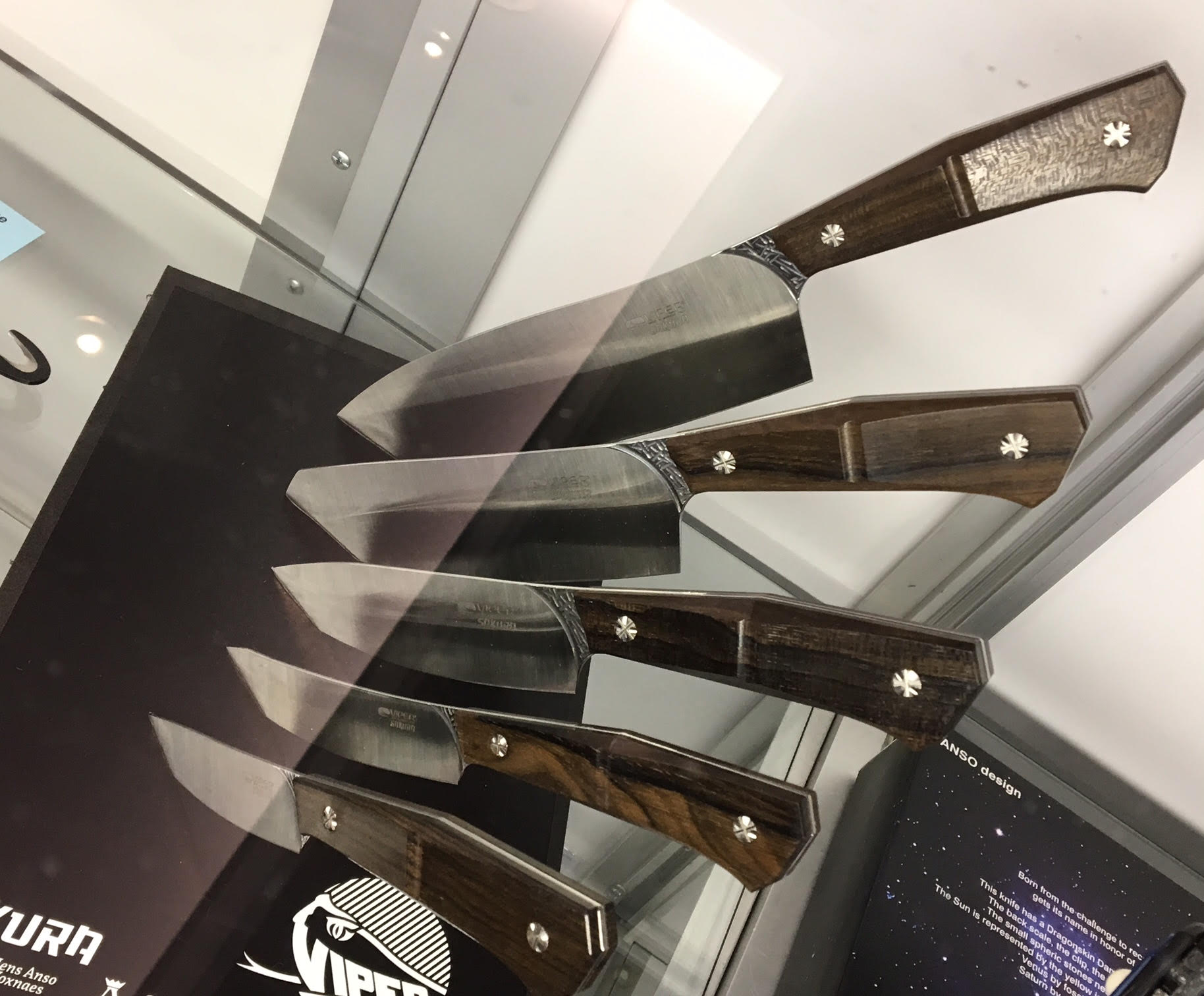
2018 Kitchen Knife of the Year® – Viper Sakura
Personal/Professional Achievement Awards
The Knife of the Year Awards recognized achievements in knives at the personal and professional levels in the following categories:
The 2018 BLADE Show Custom Knife Award Winners were also announced on Saturday, June 2, 2018, at the Cobb Galleria in Atlanta.
Best Fixed and Best in Show: Anders Hogstrom
Best Sword: Matthew Parkinson
Best Damascus: Jimmy Chin
Best New Maker: Ed Cope
Best Art Knife: Jean Louis Regent
Best Knife Collaboration: Ben Breda & Ben Seward
Best Folder: Gusatvo Cecchini
Best Utility Hunter: Haley Desrosiers
Most Innovative Design: Corrado Miro
Best Fighter: Josh Fisher
Best Handle Design: Steve Rapp
Best Bowie: Jean Louis Regel
Best of the Rest: Thomas Ward
Best Miniature: Toshiaki Michinaka
Best Tactical Folder: Svarn II by Cultrotech
About BLADE Show
The BLADE Show is the world’s largest, most important knife show, and has taken place every year since 1982 and in Atlanta since 1992. Upwards of 1,000 exhibitors from more than 20 countries display their knives and knife-related items over a three-day cutlery celebration that also features BLADE University knife seminars, knife auctions, custom knife awards, celebrity appearances and much more.
About BLADE
BLADE® Magazine (www.blademag.com) is the world’s No.1 knife publication. It is also the world’s oldest knife magazine, publishing its first issue in 1973. In conjunction with the BLADE Show, it has sponsored the Knife of the Year® Awards annually since 1982. The awards are the most coveted honors in the factory knife industry and are voted on by the booth exhibitors at the BLADE Show, who this year number more than 200. Only BLADE Show booth exhibitors are eligible to enter.
The BLADE Show and BLADE Magazine are the properties of Caribou Media LLC.
See 40 Years of Knives that Changed the World
BLADE collected the very best factory and custom knives into two digital collections to showcase the blades that changed the edged world forever. Click a cover to grab yours today.
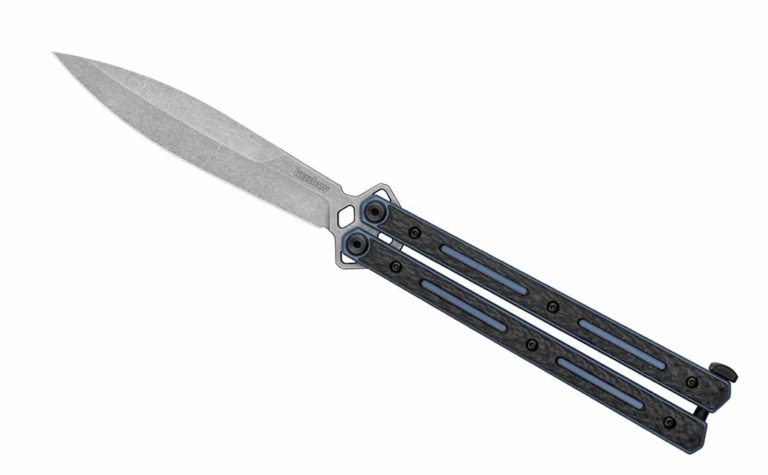
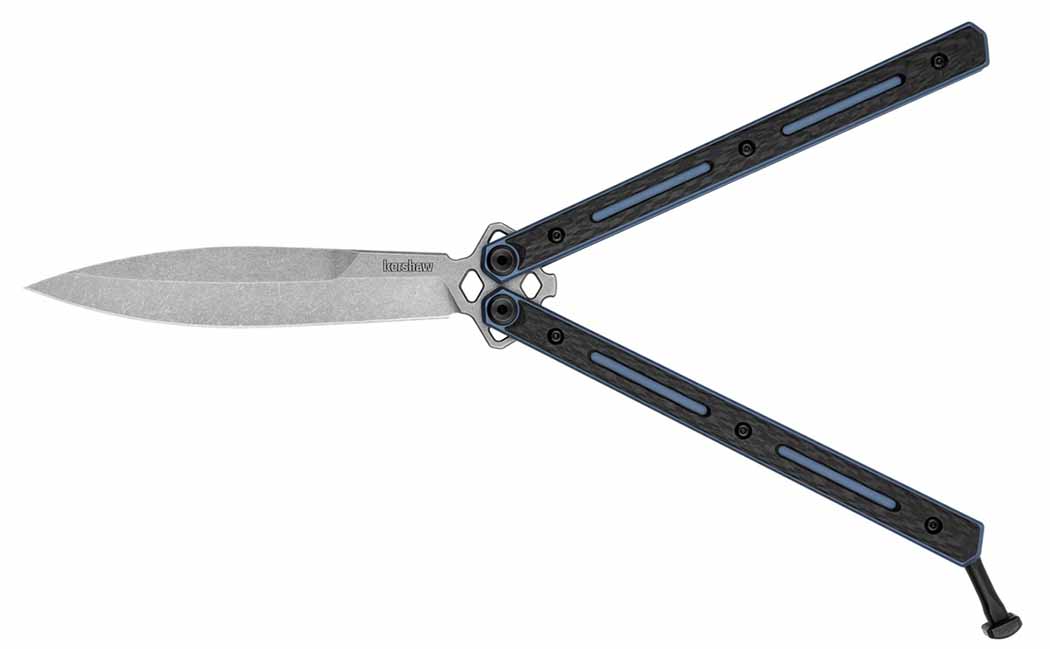
Kershaw steps up its balisong game with the introduction of the lightweight Lucha Carbon Fiber.
The original Kershaw Lucha made waves when it was released 2 years ago, and it’s only gotten better with a new twist on the design. Shake hands with the Kershaw Lucha – Carbon Fiber. Embracing cutting-edge materials, the Oregan company has cooked up a more nimble variation, one perfect in the role of a unique EDC option or a top-end balisong competition blade.
As its name suggests, Carbon Fiber is the belle of the ball in next-generation Lucha, with Kershaw applying it to the handle. Adding rigidity to the system, the company opted for a titanium skeleton, but offset the use of metal with weight-saving cutouts in the carbon-fiber exterior. The efforts paid off, the knife is a full ounce lighter than the original Lucha at a very svelt 4.9 ounces. Worth mentioning, the mix of carbon fiber and blue finished titanium gives the knife a dynamic look.
Kershaw didn’t skimp on the other aspects of the Lucha Carbon Fiber. Dual KVT ball bearings make the knife’s action silk smooth and quick as lightning, making opening and manipulating the knife effortless and smooth. A wicked spear-point blade, constructed of corrosion-resistant CPM 20CV stainless steel, facilities faster opening and proves useful for both cutting and perforating tasks. And a Kershaw’s “Working” finish maintains the aesthetic integrity of the blade, hiding scratches and gulls better other finishes.
While not the most expensive option on the market, the Lucha Carbon Fiber tilts to the expensive end of the balisong spectrum—$500 (expect around $300 retail). Yet, it’s difficult to argue the USA-made knife certainly offers plenty for the price.
Initial Impression
Describing the Lucha Carbon Fiber in one word is simple: streamlined. Building on the successful original, the new Carbon Fiber appears a more refined version in every way. From its single-edge spear point to its almost lighter-than-air titanium and carbon fiber handle, it should bring everything balisong fans appreciate to the next level.
Cargill’s impacted the knife industry in nearly every facet.
Bobby Lynn “Bob” Cargill, custom knifemaker, a president of the National Knife Collectors Association board of directors, and founder of Cargill Knives and Cripple Creek Cutlery, passed away January 3. Of Old Fort, Tennessee, he was 81.
Using old car springs for material, Cargill made his first knife when he was 10. He went full time in his mid-30’s circa 1975 making knives via the stock removal method, including folders, some fancy, lockbacks and multi-blades. He used 440C, 154CM, D2 and other steels for blades, and mother-of-pearl, stag, bone, Micarta®, ivory and wood for handles.
He joined the Guild in 1979. “What I enjoy most is the completed knife,” he was quoted as saying in Knifemakers: An Official Directory of the Knifemakers Guild, “because it is rewarding to see a design on paper developed … If I can’t deliver a knife that I’m proud of and make you a little bit happier and proud to collect my knives, then I don’t want your money.”
Cargill had his right leg amputated below the knee as a result of a car accident. However, instead of letting it hold him back, he used it as inspiration for the name of Cripple Creek Cutlery. Founded in 1981 in Lockport, Illinois, Cripple Creek specialized in slipjoints in classic patterns and natural handle materials.
Consisting mostly of slipjoints—they were called pocketknives back then—club knives were big in the late 1970s and throughout the ’80s, and Cripple Creek was among a number of companies that provided knives for knife clubs nationwide, companies that included Case, Queen, Hen & Rooster, A.G. Russell, Fight’n Rooster, KA-BAR, Boker, Schrade and others. Among the knife clubs Cripple Creek made club knives for included the Western Reserve Cutlery Association, Allegheny Mountain Knife Collectors Association, Central Kentucky Knife Club, Badger Knife Club, the Northeast Cutlery Collectors Association and others. He was active in the American Edge Collectors Association. Cripple Creek also made limited-edition slipjoints for Knife World in the early 1980s when BLADE Magazine Cutlery Hall-Of-Fame® member Houston Price owned the magazine. Knife World is now known as Knife Magazine. Bob also made club knives under the Cargill Knives mark for such knife clubs as the Soy Knife Collectors Club.
Bob sold Cripple Creek in 1993 and it operated under Blackjack Knives in Effingham, Illinois, until 1995. He was on the Guild’s “knifemaker emeritus” list at the time of his passing. He is survived by his three children, nine grandchildren, several great grandchildren, two sisters and a brother.
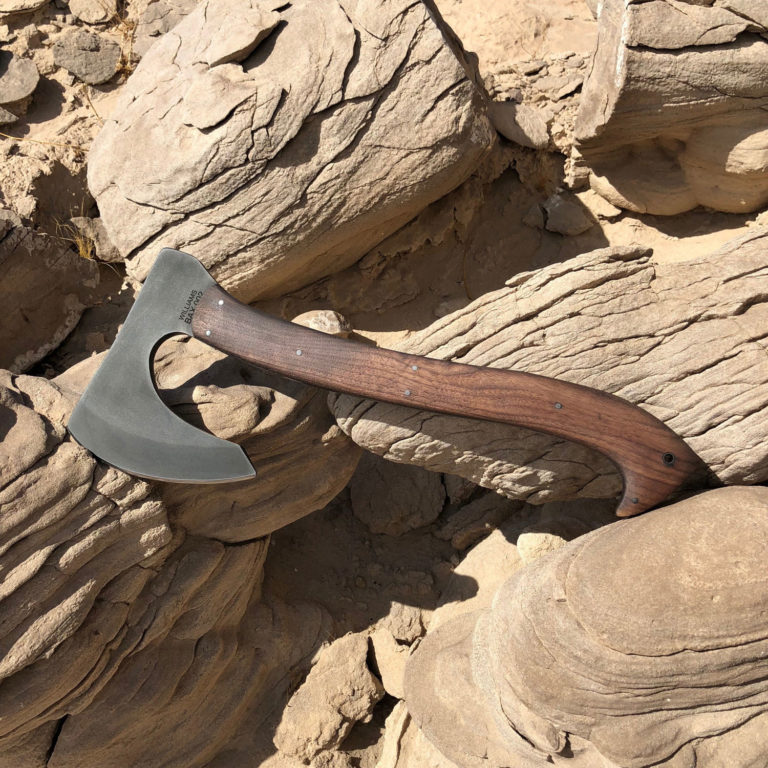
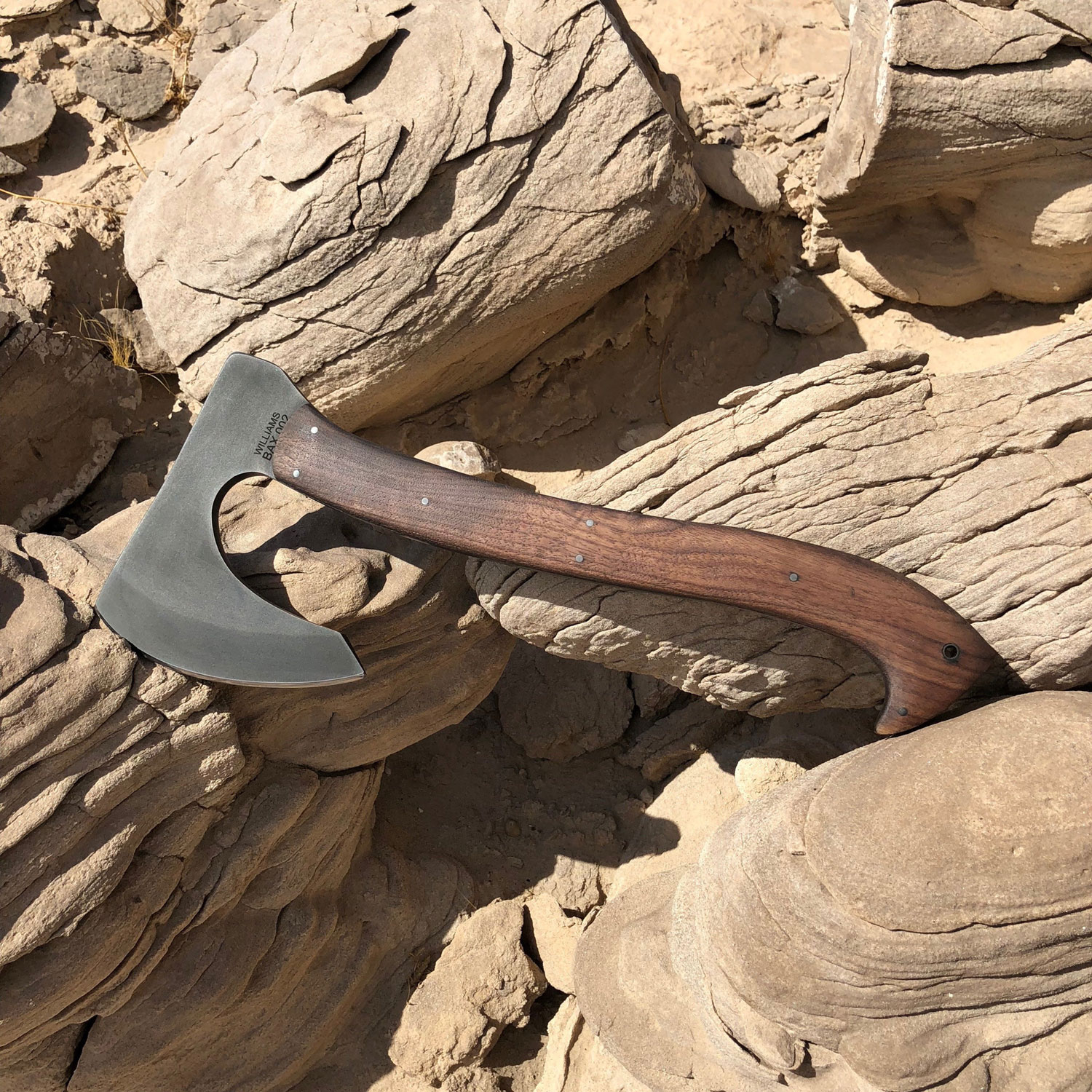
Beards and blades never went out of style, so it’s only appropriate that an axe continue the tradition with a “beard” of its own. The BAX 002 Bearded Axe, offered via Williams Blade Design, draws from Viking lore with a formidable design hatched by ABS master smith Daniel Winkler, someone with plenty of beardly street cred himself.
While the follicles on the BAX 002 are noticeably absent, it should be noted that the “beard” refers to the shape of the axe head. The extra gap this allows between the head and the handle allows the user to “choke up behind the edge for detailed work,” according to a media release. The result offers enough heft to satisfy raiding parties of yesteryear or today.
From Williams Blade Design:
Inspired by the axes of the Vikings, this bearded axe is equally at home in the wild or on the battlefield. The full tang 80CrV2 steel construction makes for an impressively tough tool that excels in the roughest environments. The walnut handle scales provide excellent feel for delicate tasks, and solid grip when the need arises.
Growing In Popularity, The Serbian Chef’s Knife Has Gained A Reputation For Strength And Versatility.
When many think of kitchen knives it falls into two categories: Japanese-style knives and German/Western-style knives. However, there is slowly a third type of knife gaining popularity: the Serbian knife.
Also known as an Almazan knife (or just an Almazan), the Serbian chef’s knife has a unique history when compared to other blade styles. Rather than evolving and adapting over time, the Serbian chef’s knife is tied back specifically to Almazan Kitchen.
Almazan Knife And Kitchen Backstory
The company was founded by two men in Serbia, uncle and nephew Boban and Aleksandar Almazan. Essentially, clever marketing and a unique look have vaulted the knife into the limelight.
Despite Almazan’s and other knives’ bucolic charm, there is little attaching the style to a particular historic Serbian design. Instead, the moniker comes from the Almanzan clan hailing from Serbia. In some corners of the globe, the knife is simply known as an Almanzan knife … makes sense.
Interestingly, the Almanzans seemed able to harness to disparate trends in the knife world with the Serbian chef’s knife. On one side, was the ever-growing interest in cooking, the other the rise of cleaver-like knives for bushcraft. They must have had some passing inkling of this crux, given they marketed their knives to both communities, as well as played up the wilderness and food prep in their marketing.
Serbian Chef Knife Design Points
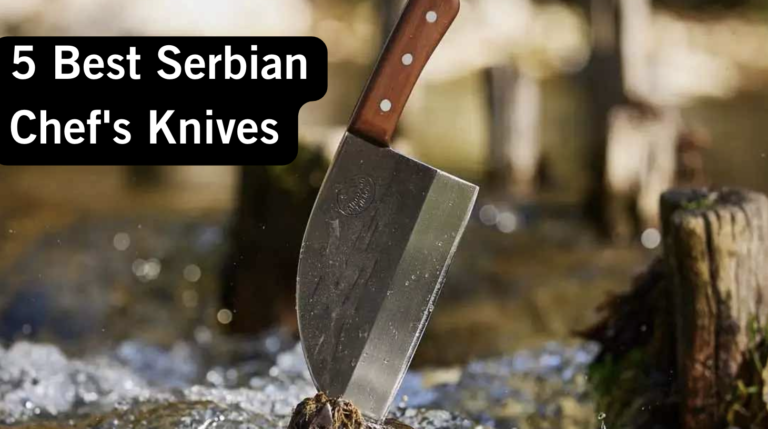
Unless you’ve lost your glasses, it’s fairly apparent what sets the knife apart from its counterparts–its huge hooking blade. If we’re honest with ourselves it’s a cleaver with a tip–somewhat reminiscent of a large deba bōchō, but overall heftier.
Generally, most Serbian chef’s knife makers tout their wares as handmade–of course at factory scale, with all that entails. Most of the blades have a very thick spine giving them the chops to tackle heavy-duty jobs. Though, most lack a defined belly, lending them better hacking jobs.
By and large, Serbian knives are constructed of carbon steel and have won some kudos for maintaining a good edge. Furthermore, almost all makers favor a wood handle of some sort, most likely because it maintains the rustic, outdoorsy aesthetic Almazan originally pioneered.
Should I Get A Serbian Chef’s Knife?
Honestly, like all things knives, that’s up to you. Maybe the Serbian chef’s knife is the kitchen or backwoods tool you’ve been waiting for or perhaps is all online hoopla. There are many who fall in the latter category and are vocal about it.
Despite this, it does seem the cleaver-style design has a place in the galley, particularly if you happen to process chuck wagons full of meat. The large width of the blade makes it ideal for hacking, particularly joints and bone. Additionally, boasting a tip, it could potentially tackle basic kitchen jobs in a pinch.
That said, as a catch-all chef’s knife, most cooks are likely going to find themself more comfortable behind a traditional design. The large blade is unwieldy for basic cooking jobs, such as chopping and mincing. Furthermore, the lack of a belly on most examples slows the knife down considerably on general tasks.
Bushcraft? Sure, there’s the potential. A Serbian chef’s knife certainly has the ability to work in a hatchet’s stead. Outside of that, well, things get dicey. It’s not exactly the style of blade you’d reach for to skin a buck or whittle fuzz sticks. Not to mention, do you really envision toting one of those beasts in your kit? (Add a pound to your ruck, not mine!)
Of course, this is coming from a more traditional mindset of kitchen and backcountry work and utility. And much like beauty, utility is often times in the eye of the beholder.
5 Top Serbian Chef’s Knives
Almazan Kitchen Original Serbian Chef’s Knife
Almazan Kitchen Original Serbian Chef’s Knife
The blade that started the craze. The Original from Almazan Kitchen set the standard for every Serbian knife that’s come after it. Hand forged in Serbia, and weighing a shade under 1 pound, this blade is a menace in the best possible way.
The carbon-alloy blade is tempered to a 58-60 HRC. The full-tang construction features a triple-riveted handle for grip and gives the user a sense of confidence. The uncle-and-nephew team that founded the company, Boban and Aleksandar Almazan, wanted to make a knife that would be as comfortable in the forest as it would be in the kitchen, for some they’ve succeeded.
Beyond just the knife itself, Almazan also sells accessories including leather sheaths, cutting boards, and kitchen equipment made from olivewood.
The knives have also benefitted from the company’s wildly successful marketing, in particular the Almazan YouTube channel. Fueled by more than 3 million subscribers, the company and its knife have blown up in recent years.
MSRP: $152.92 (There is also a stainless version for $30 less)
Damas Knives Bushcraft Serbian Knife
Damas Knives Bushcraft Serbian Knife
This model from Damas Knives is emblematic of the new(ish) design, with its wide blade and rustic handle. The knife is hand-forged from a single sheet of XC75 high-carbon steel with a 59 HRC and ground to a 21-degree angle.
The blade’s strength and the Rosewood handle’s sturdiness allow the user to butcher big cuts of meats, nimbly dice veggies, and even slice right through small bones. Beyond the food uses, this piece can tackle cutting wood and brush on a hike.
MSRP: $145
Imarku Butcher Knife
Imarku Butcher Knife
From one of the most trusted names in kitchen knives comes a budget Serbian chef’s knife that swings far above its price point.
This knife from Imarku features a hammered design and is hand forged. The blade is made from high-carbon, high-manganese German X50CrMov15 steel. The hard 56-60 HRC steel holds a razor edge and has good rust resistance as well. You can see the spots from the hammering up and down the blade, which gives it its signature look.
The knife comes with a leather sheath and, like other Serbian knives, has the strength to cut through bones and butcher large meats.
Imarku stands apart from other Almazans due to the price. The company has found a way to make a top-tier example for under $100.
MSRP: $59.99
Kopala Original Kitchen Knife
Kopala Original Kitchen Knife
Now for a little something different from Kopala. Its original kitchen knife is made in the Serbian style but in a far different shape from the other knives on this list.
Instead of the rounded cleaver-esque design, Kopala has made a smaller, swooping blade–reminiscent of a scimitar–attached to a triple-riveted Rosewood handle. The high-carbon blade is balanced enough to cut through raw fish and other assorted meats.
The main drawback on the knife, unlike the others on this list, is the company did not design it to cut through bone. That takes away the versatility that makes the traditional Serbian knife so beloved. However, as the most inexpensive knife on our list, if that’s a compromise you’re willing to make then the knife is more than worth it.
MSRP: $29.88
HDMD Serbian Chef Knife
HDMD Serbian Chef Knife
Rounding out our list is a fine all-rounder from HDMD Knives. Handmade from high-carbon steel and pakkawood, this blade from HDMD is an excellent middle ground if you have any interest in a Serbian knife.
It follows the construction of knives like the original Almazan. It’s hand forged, roughly six inches long, and has a 56-58 HRC. It weighs about .75 pounds and can handle whatever you throw at it in the kitchen.
Where it stands apart is in the price. This blade is under $100, which makes it a perfect entry point for this style of knife.