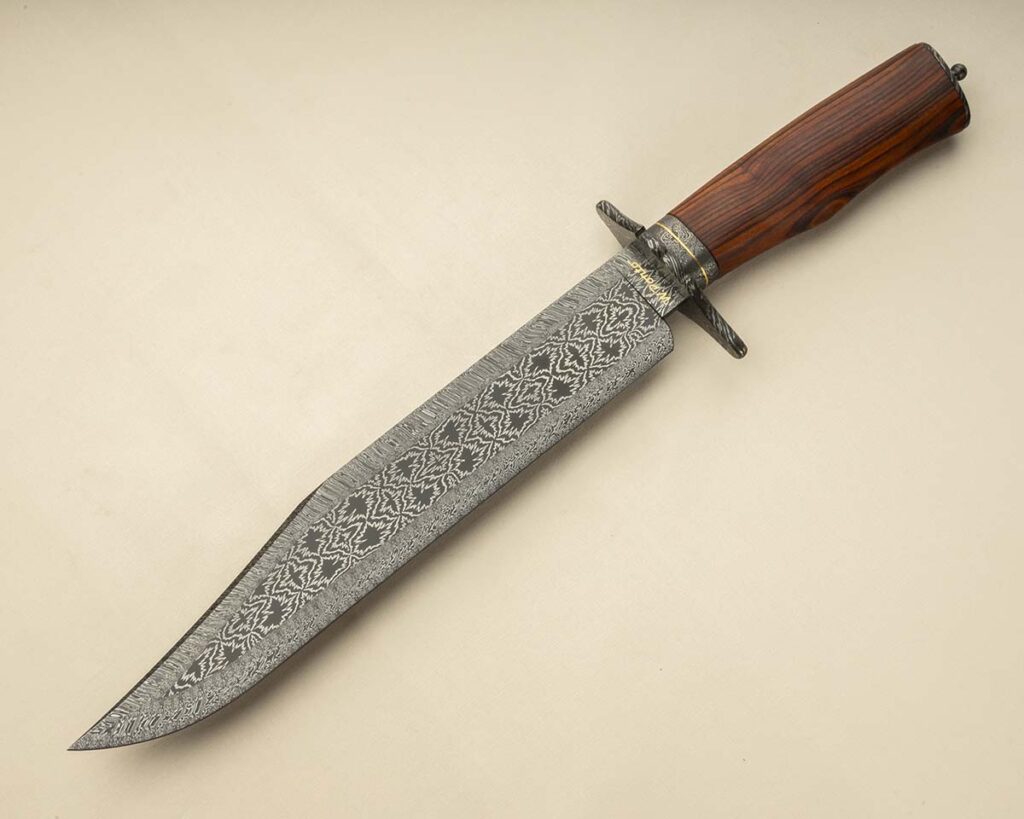
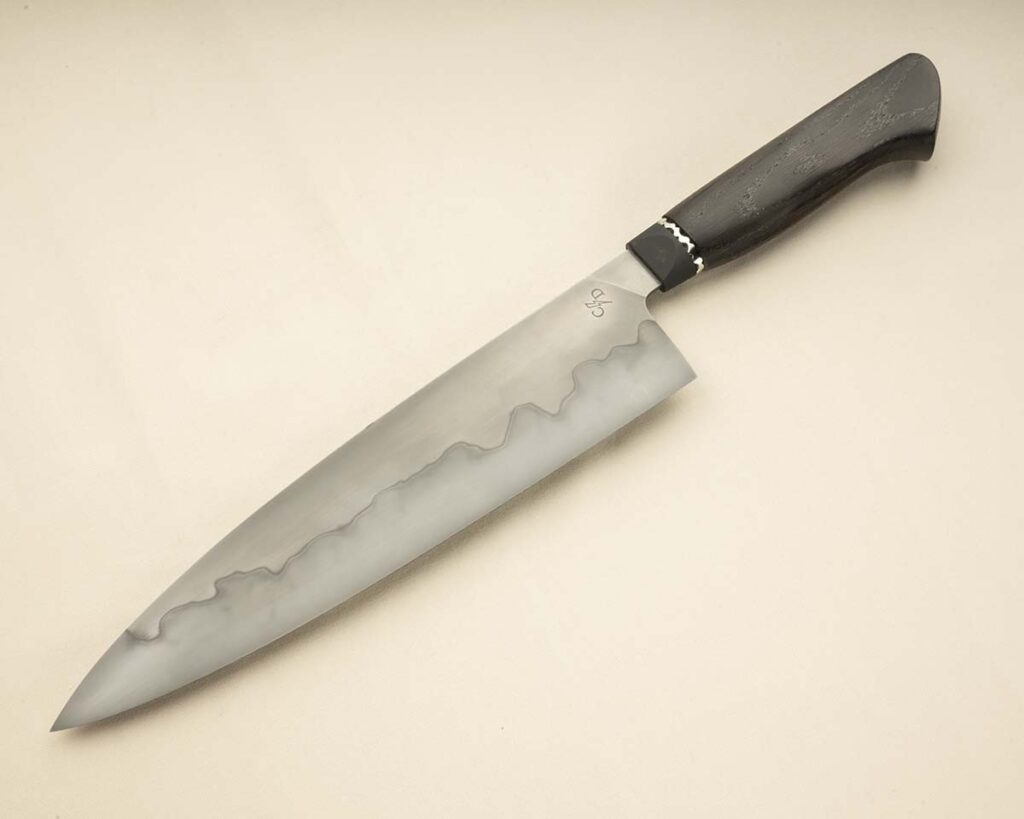
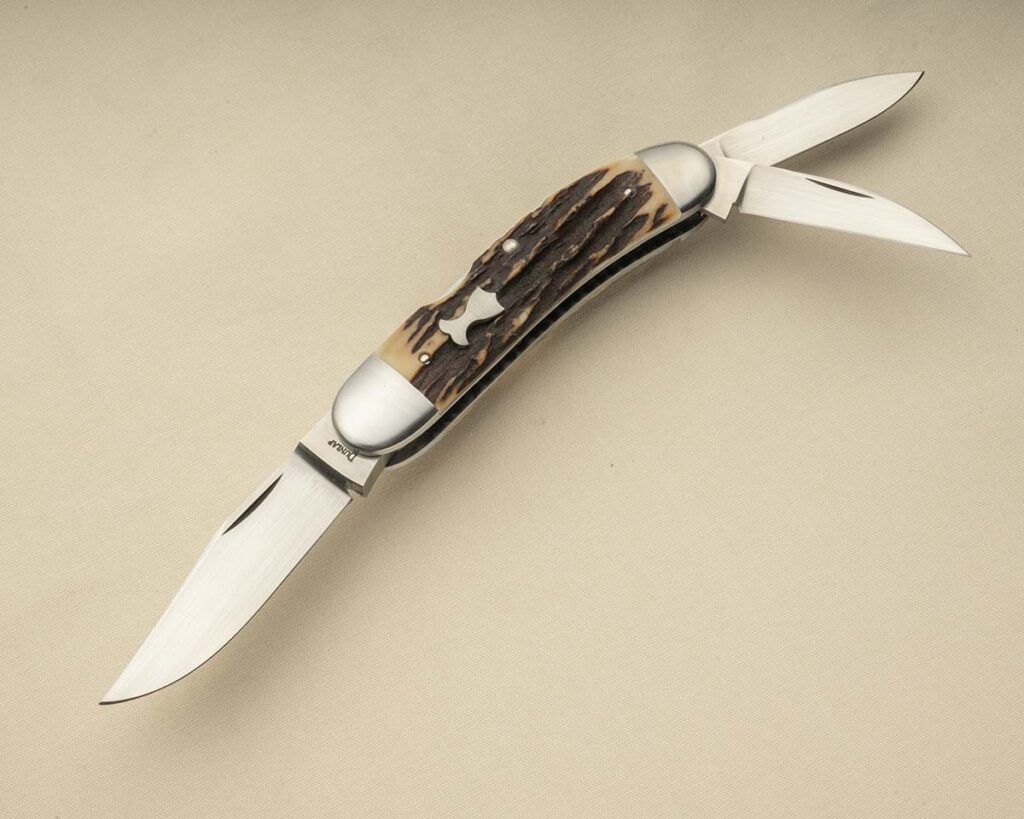
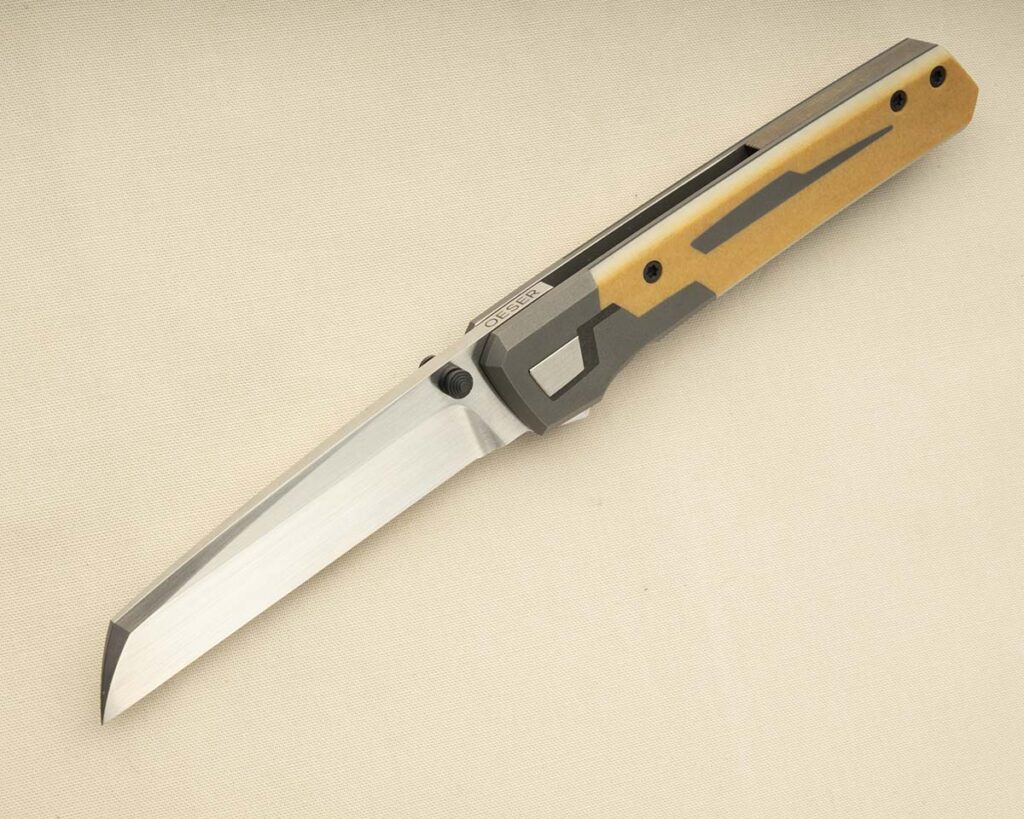
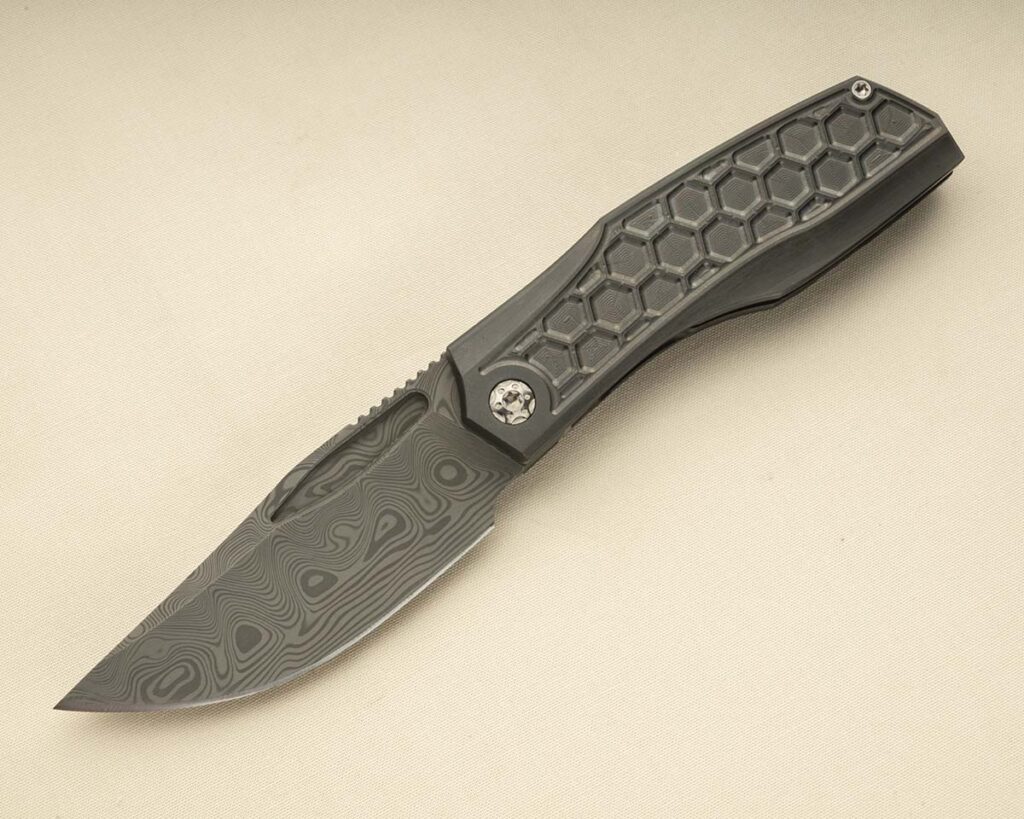
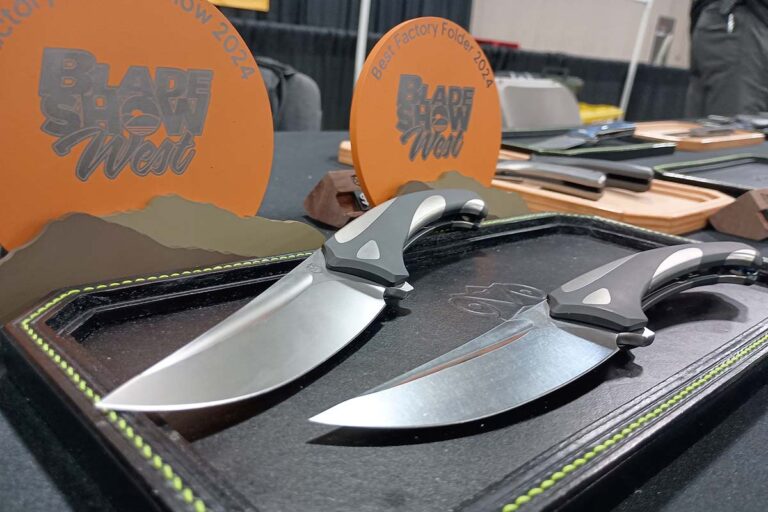
See Who Took Top Honors In Salt Lake City For The 2024 BLADE Show West Custom Knife Awards.
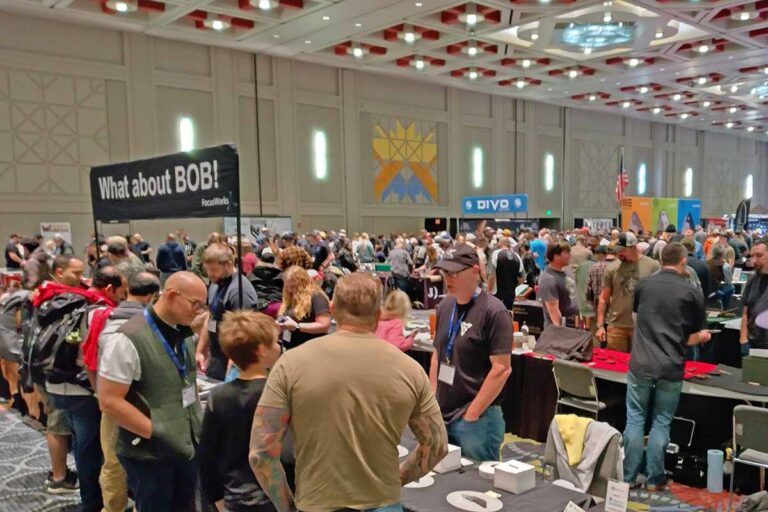
The 2024 BLADE Show West, held October 4-5, once again brought the knife community together at the Salt Palace Convention Center in Salt Lake City. Now in its third year in Utah, the show attracted custom makers, manufacturers, and collectors from across the U.S. and beyond.
One of the highlights was the Custom Knife Awards, where makers competed in nine categories. A panel of anonymous industry experts carefully judged each entry, evaluating factors like design, creativity, materials, utility, and craftsmanship. The competition was fierce, showcasing a wide range of impressive talent and innovation.
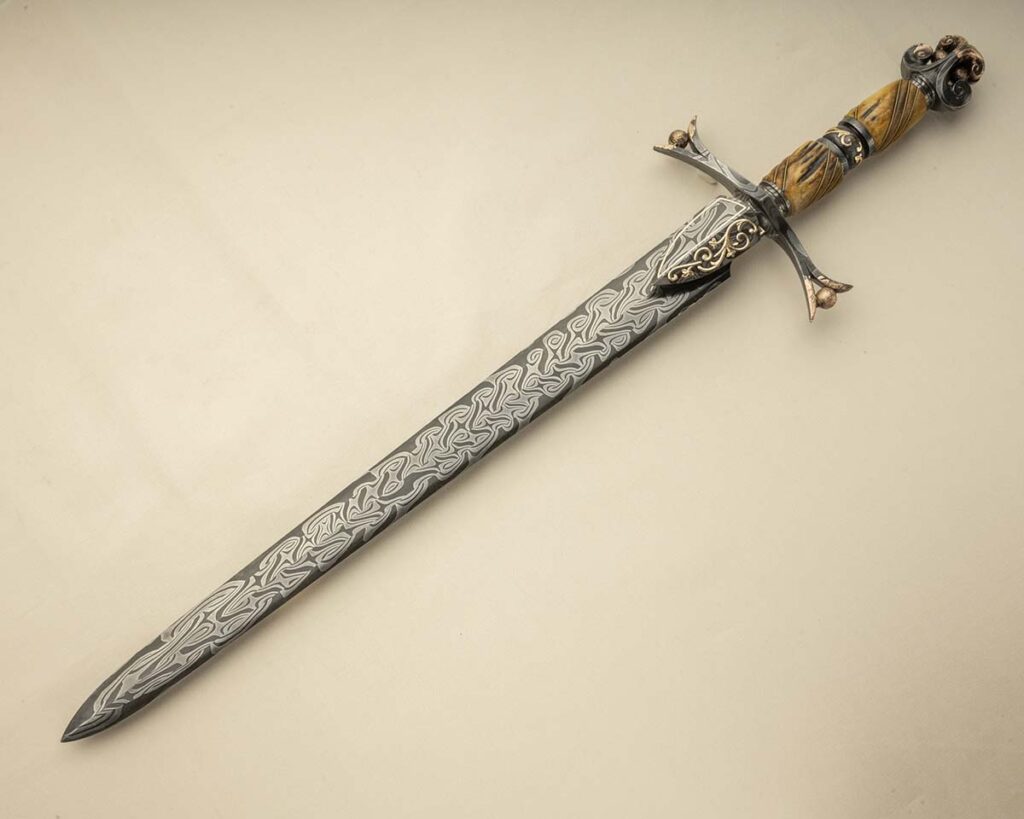
Best Fixed Blade And Best In Show: Pearce Richardson
See Who Took Top Honors In Salt Lake City For The 2024 BLADE Show West Factory Knife Awards.
Over its short history in Salt Lake City, the BLADE Show West Factory knives competition has become very heated. Likely none have been as hot as the 2024 field.
Held during the Oct. 4-5 show at the Salt Palace Convention Center, the event drew its largest field of entrants yet, with companies worldwide bringing their best for the coveted hardware. The undisclosed panel of judges more than had their work cut out for them in choosing the top knives out of five categories.
As a side note, the folder section—which also produced the Best In Show knife—was particularly tense. The judges started in this category and spent the better part of 30 minutes deciding the winner.
Check out what these industry experts picked as the best of the best in the last BLADE Show of the year.
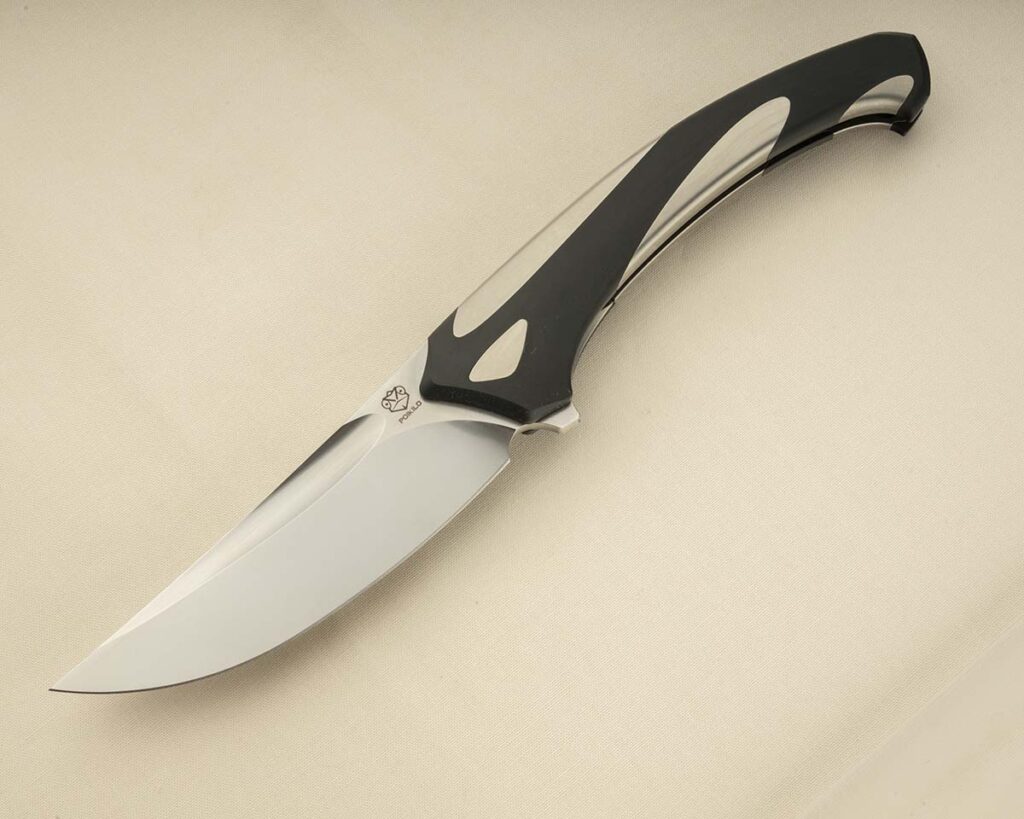
Best Folder And Best In Show: Poikilo Orca
JFRASIER PHOTOGRAPHY
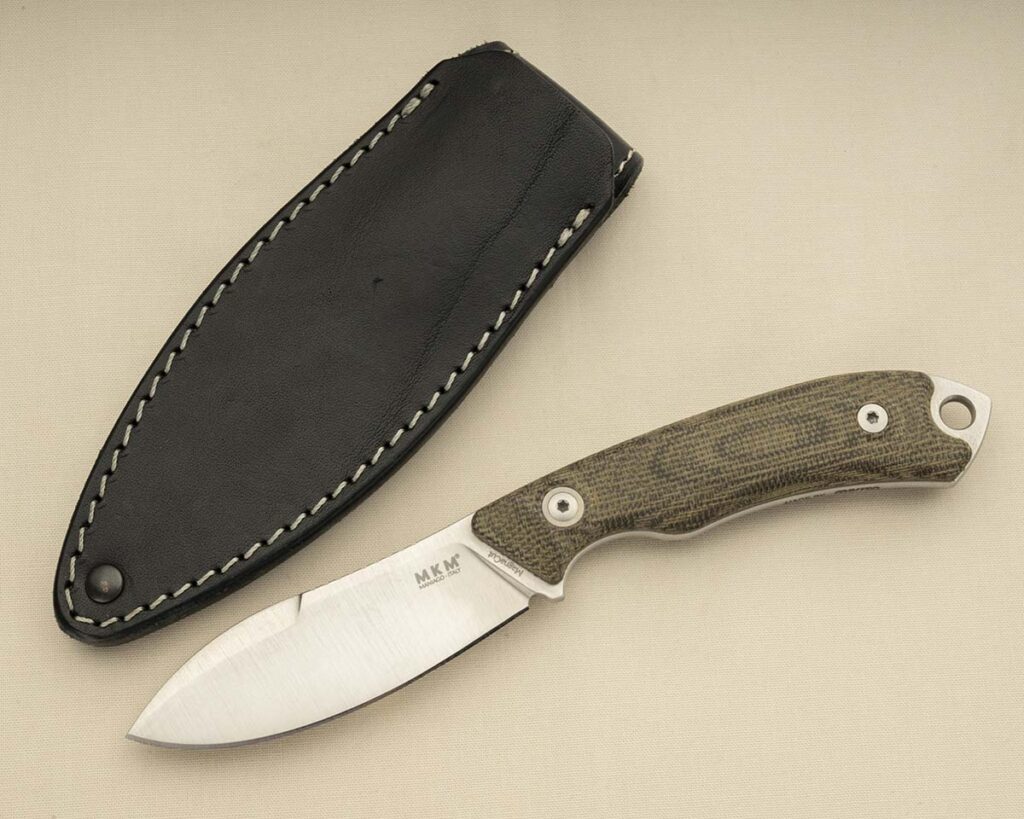
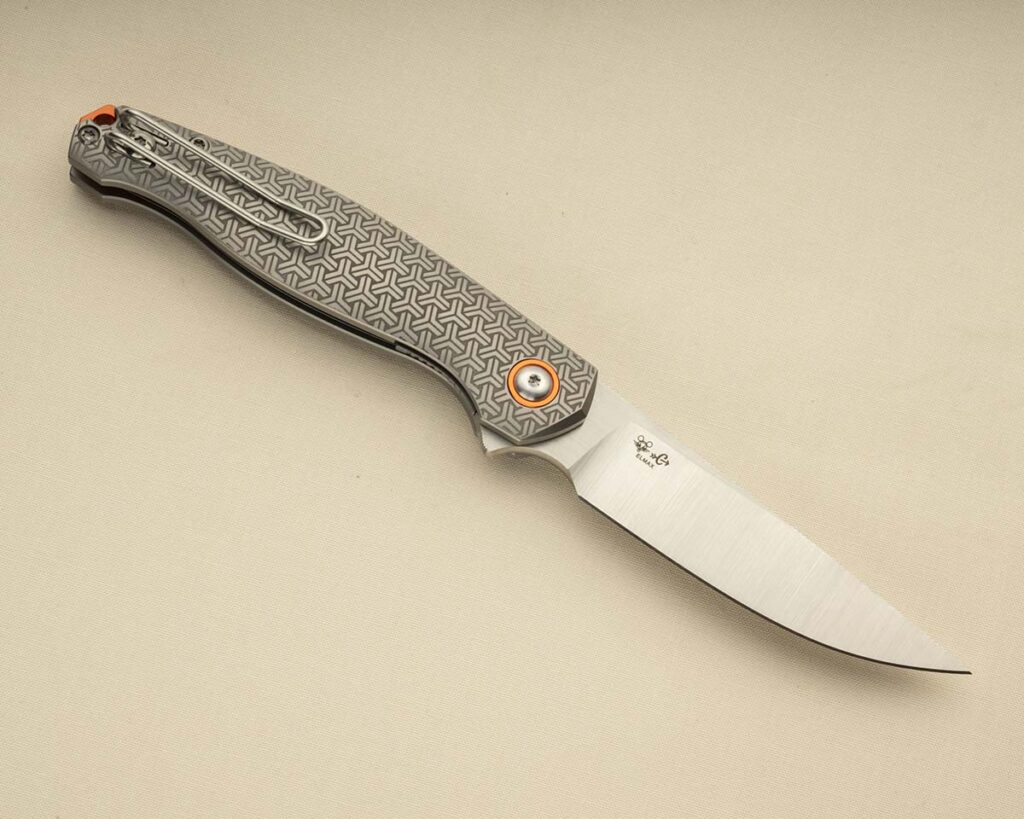
Best Fixed Blade Knife: MKM Pocket Tango
Photo: J. Frasier Photography
Best EDC Knife: GiantMouse Sonoma V2 Titanium
Photo: J. Frasier Photography
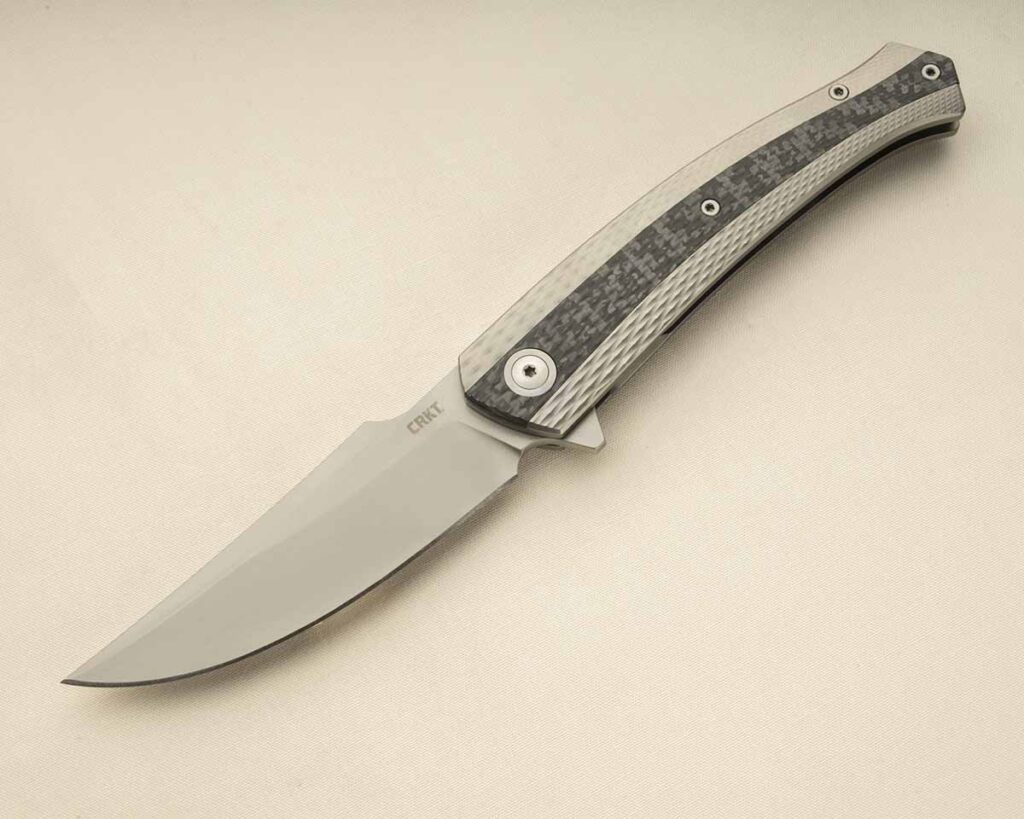
Best Imported Knife: CRKT Persain
Photo: J. Frasier Photography
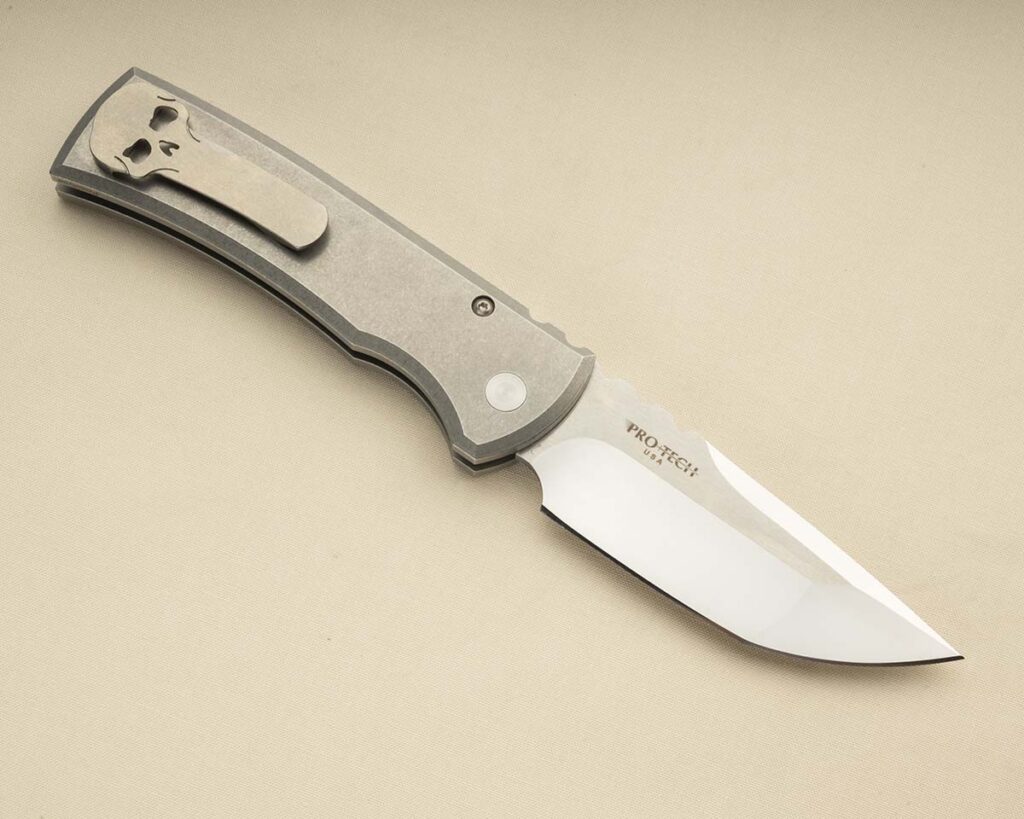
Best American-Made Knife: ProTech Redencion Prototype Chaves Auto
Hughes’ unbound energy touched outdoor writing, knifemaking, sports and higher education.
Billy Ray “B. R.” Hughes, one of four founders of the American Bladesmith Society, pioneering knife and also a gun and outdoor writer, bladesmithing teacher, member of the BLADE Magazine Cutlery and ABS halls of fame and dear friend of the knife community, passed away September 17. He was 92.
B. R. began his writing career in 1951 as a reporter for the El Dorado Daily News in El Dorado, Arkansas, and later wrote for the Arkansas Gazette and Monroe Morning World. He attended Henderson State University in Arkadelphia, Arkansas, where his flair for writing blossomed. He was editor of the college newspaper, assistant editor of the school yearbook and was active in school drama productions. He lettered in baseball and went on to play professionally for a short time in the minor leagues, topping out in the Class “C” league. He graduated from Henderson State in 1954 with majors in history and literature and a minor in speech and drama.
He began his teaching career in Huttig, Arkansas, where he met and later married Carolyn, current editor of The ABS Journal. Over the next decade, B. R. taught and coached at several Arkansas high schools. He covered the undefeated/untied University of Arkansas football team when the Razorbacks were recognized by several organizations as the 1964 NCAA national champions, a team coached by Frank Broyles and that included future Dallas Cowboys head coach Jimmy Johnson and Dallas Cowboys owner Jerry Jones. In 1965, B. R. joined the Texarkana College staff as director of public relations.
In 1961, he began his outdoor writing career with material published in Guns, Gun World, The American Rifleman and other magazines. His first knife-related stories were printed in Gunsport in 1966 and later in Gun World. His first knife book, American Handmade Knives of Today, was published in 1972. Along with Jack Lewis, B. R. co-authored The Gun Digest Book of Knives in 1973. It was the first knife publication of its kind in book form and foreshadowed the KNIVES annual introduced by Cutlery Hall-of-Famer Ken Warner in 1981, the latter of which continues to this day under the Caribou Media umbrella.
Other of B. R.’s books include the iconic Master of the Forge on the life and knives of his good friend, Cutlery Hall-of-Famer Bill Moran; Modern Handmade Knives; The Gun Digest Book of Folding Knives (co-authored again with Lewis); and others. In all, B. R. authored over 500 magazine articles on knives, including many in BLADE®, Knife World/KNIFE and others, in the process serving as a BLADE field editor for many years.
In 1976, along with Moran, Don Hastings and Bill Bagwell, B. R. was one of the four founding members of the ABS. Since 1984 he had served as the society’s secretary. Among his knife honors are the Knifemakers’ Guild Nate Posner Award and the Don Hastings Award, the latter the top honor of the ABS.
B. R. retired from Texarkana College in 1995 after having served over 25 years as dean of students. During that time he also served as commissioner of the Northeast Texas Junior College Baseball Conference, president of the Texas Junior College Dean’s Association, on the National Health Council, and on the Advisory Council of the American Red Cross.
For at least the past decade the B. R. Hughes Award named in his honor has been presented to the best knife of a successful applicant for ABS master smith at the BLADE Show. B. R. and Carolyn attended ABS hammer-ins for decades right up to the last year or two, helping coordinate the events and covering them over that time. B. R. also taught assorted subjects at the hammer-ins, at BLADE University and the Bill Moran School of Bladesmithing, first in Washington, Arkansas, and later when the school moved to the campus of Texarkana College in 2019. He also served as a judge for the testing of applicants for bladesmith ratings at the hammer-ins, the BLADE Show and elsewhere. B. R. and Carolyn’s children include Barry and Lee Ann, and two grandchildren, Cody and Cale.
A larger show hall, more exhibitors, some of the world’s best makers and knives, entertaining seminars, awards and other sharp stuff beckon you to attend BLADE Show West Oct. 4-5 in the Salt Palace Convention Center in Salt Lake City, Utah.
A move to the Salt Palace’s exhibit hall No. 4 adds 15,000 square feet to this year’s show, and along with the added space come 30 more exhibitors to join the hundreds of knifemakers, bladesmiths, knife companies, knife suppliers and other knife professionals at the third annual rendition of the BLADE Show West held in Utah.
Among the top custom makers set to exhibit is an unbridled posse of South Texas Slipjoint Cartel members that includes BLADE Magazine Cutlery Hall-of-Fame® member Bill Ruple, award-winning makers Luke Swenson, Enrique Pena and Tim Robertson and others. An all-star list of ABS bladesmiths features Bill Burke, Shane Taylor, Steven Koster, Seth Lopez, Shayne Carter and Trevor Morgan, to name a few. Other top award-winning makers include Johnny Stout, Princeton Wong, Mick Strider, Duane Dwyer, Evan Nicolaides, Mike Tyre, Jared Oeser and Brian Nadeau. There are many more.
2024 BLADE Show West Classes And Demos
Let The Pro Critique Your Knife
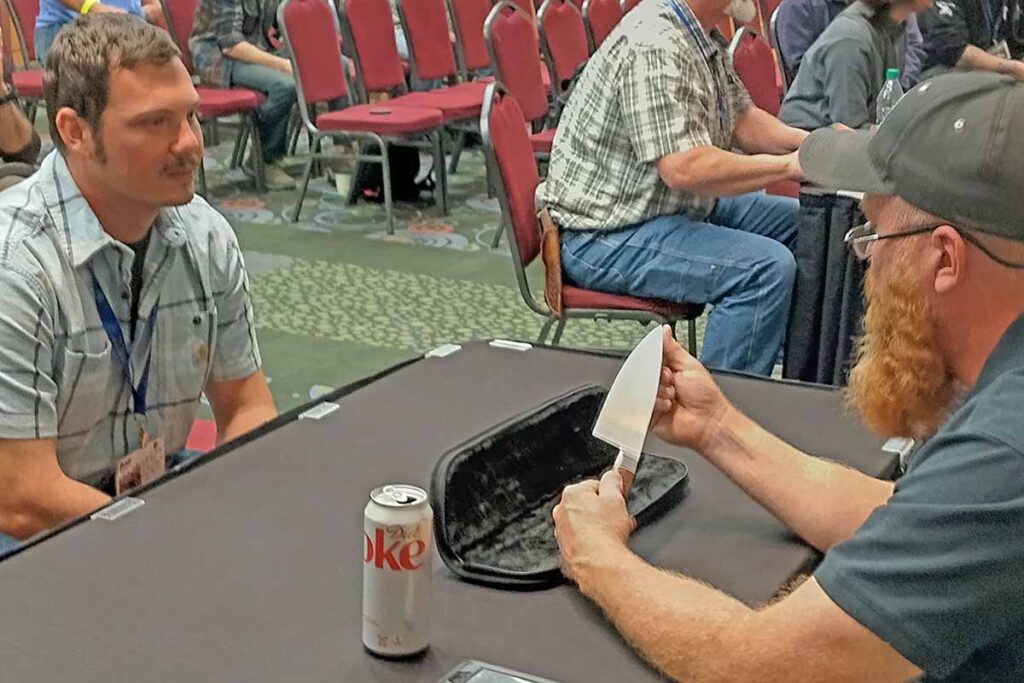
While the full seminar slate had not been set at press time, the popular Let the Pros Critique Your Knife session was set to return, with some of the leading custom maker show exhibitors expected to examine and critique knives made by assorted show attendees. As usual, it will be a limited-seating event and attendees can bring one knife only.
Select show attendees will have their knives examined by the world’s best custom makers in the popular “Let The Pros Critique Your Knife” seminar. Luke Swenson (right) inspects a patron’s knife at last year’s show. The makers participating in this year’s seminar were being assembled at press time. See the free BLADE Show West program at the show for more info.
Basecamp Essentials
Basecamp Essentials by Survival University will be a 30-to-45 minute demonstration designed to introduce essentials of wilderness living. “We will demo how to create various camp comforts such as benches, chairs, and other useful camp tools, using materials found in the natural environment,” a company spokesperson wrote. “This demo goes beyond the basics of survival, focusing on enhancing comfort and fostering a sense of community in the wilderness.”
West Coast Flipping Championships
Also set to return is the West Coast Flipping Championships hosted by Squid Industries. It will be the fifth annual version of the championships, with head-to-head/live balisong flipping matchups in an elimination/bracket-style competition. Awards and prizes will go to the top finishers. For the complete seminar schedule, see the free BLADE Show Program distributed at the show.
2024 BLADE Show West Awards
The show’s best custom and factory knives will be determined by a panel of judges assembled by the BLADE Show West staff. This year’s custom knife categories: Best in Show; Best Hunter; Best Kitchen Knife; Best Damascus; Best Slip Joint; Best Fixed Blade; Best Folder; Best M.A.C.K. (Machine Assisted Custom Knife); and Best of the Rest.
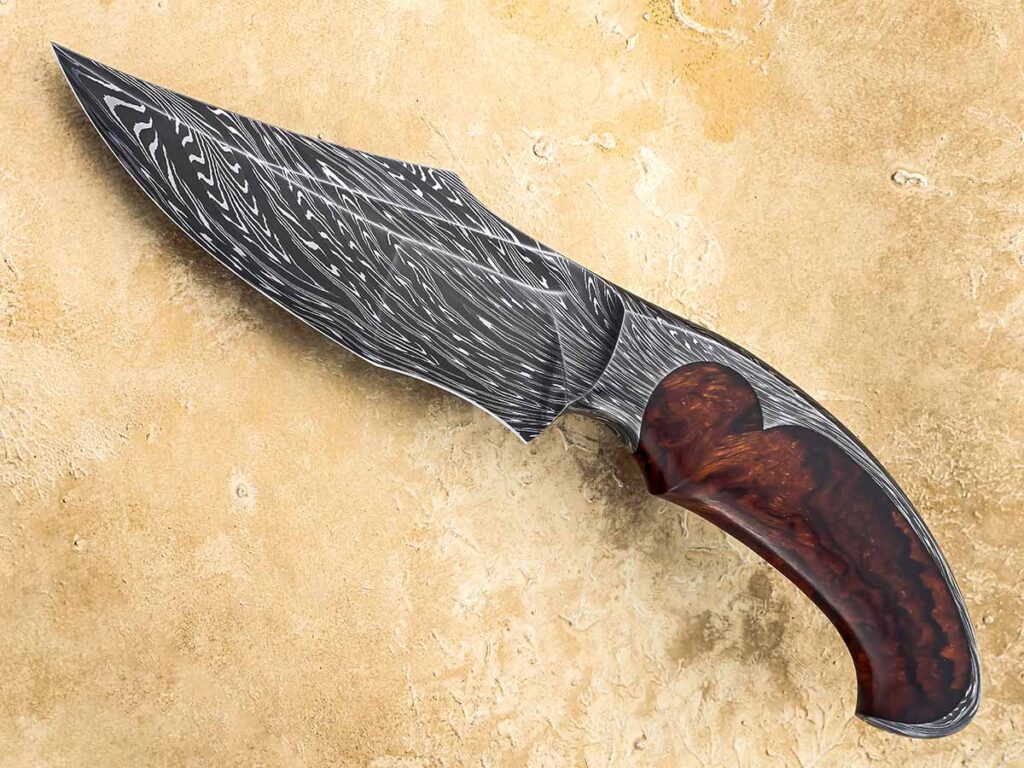
Winner of Best Fighter at BLADE Show 2024, bladesmith Seth Lopez will showcase his curvaceous creations. His recurve fighter boasts a compound-ground blade of a damascus of 1080 carbon and 15N20 carbon steels. Handle: desert ironwood burl. Overall length: 8.75 inches. (SharpByCoop image)
On the factory side, the award categories are Best American Made, Best Imported, Best EDC, Best Fixed Blade, Best Folder and Best in Show.
For the times and locations for the judging, signs and schedules will be prominently placed in and around the show hall. Also, see the free BLADE Show West Program distributed at the show for updates.
The winners will be announced and presented their awards in a special ceremony the Friday night of the show. See the free BLADE Show West Program for the time and venue.
2024 BLADE Show West Hidden Gems
The factory knife section is always a beehive of activity at BLADE Show West, and this year’s rendition promises more of the same. Leading exhibiting knife companies include CRKT; Emerson Knives, Inc.; Fox Knives; GiantMouse; Heretic; Hogue; Lionsteel; Pro-Tech; SOG; Spyderco; Squid Industries; McNees Knives; Suprlativ Knives; Tactile Knife Co.; TOPS Knives; WE Knife; White River Knife & Tool; and others. For the complete exhibitor list, visit bladeshowwest.com.
CRKT will host custom knifemaker/designer Richard Rogers and his wife Sally to answer questions about Richard’s latest CRKT designs. CRKT’s Doug Flagg (center) talks knives with Cutlery Shoppe’s Jeff Loffer (right) and two patrons at BLADE Show West 2023.
One of the hidden gems of the factory section is you never know who might show up, including custom makers who engage in collaborations with select companies. For example, the CRKT booth will feature award-winning custom knifemaker Richard Rogers, along with his wife Sally, to answer questions about Richard’s latest CRKT designs. Other CRKT maker/designers exhibiting at the show will be Eric Ochs, TJ Schwarz and Princeton Wong. Ochs will exhibit under Ochs Worx, Wong under Prince Customs and Schwarz under Schwarz Knives.
Danish knifemaker Jens Anso, along with fellow Danish maker Jesper Voxnaes the design team behind most if not all of GiantMouse knives, will be stationed at the GiantMouse booth. Knife designer Tony Sentmanat will be based at the WE Knives booth. WE maker/collaborators Ben Petersen and Zac Whitmore also will attend the show and may appear at the company’s booth at times.
While TOPS Knives won’t have any custom knifemaker designers on hand, it will have headman/head knife designer Leo Espinoza in attendance, as always. Case will continue showcasing its first Bill Ruple collaboration, and Bill will have a table at the show, too, so chances are he will make an appearance at the Case booth as well. There no doubt will be other company booths serving as the destination of custom makers/designers, custom makers in general, and more.
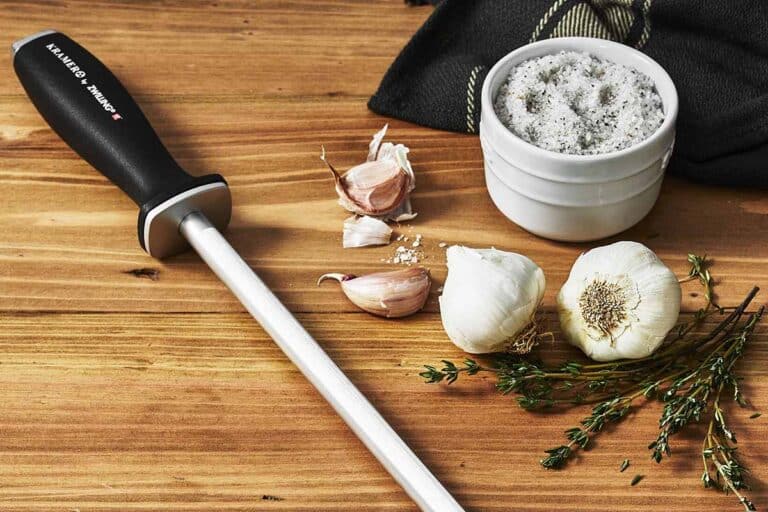
Honing Rods. Honing Steel. Sharpening Steel. Here are our top picks.
Whether it’s in your knife block or you saw Gordon Ramsay using it on TV, you’ve probably seen a honing rod. While it’s a ubiquitous piece of kit in the kitchen, it’s a bit of an enigma. Many think that this long steel rod is meant to sharpen your knives, but that’s not the case. Beyond that, contemporary rods are made from materials other than stainless steel like ceramic and diamond-coated steel.
It isn’t known when honing steels were first invented, but there are records from the Company of Cutlers in Hallamshire making honing steels in Sheffield, UK as far back as the early 1600’s.
With such a long history of use by knife owners, it’s important to know what a honing rod is, how to use it, and how to find the right one for you.
What Is A Honing Rod?
While many people call it a sharpening rod, a honing rod or steel hones your blade rather than sharpens it. With regular use, your knives will start to lose their edge. Standard wear and tear such as cutting through fibrous meats or knicking the cutting board will eventually bend your knife’s edge at the microscopic level.
By using your honing rod, you fix those small deformations to keep your knife’s edge like new. It’s important to note that you’re not removing material like you do when sharpening on a stone. A honing rod won’t help you if a knife has a totally blunt edge.
The best way to think about it is that your honing steel should be used a few times a week, or even daily, while a proper sharpening of your knives should be done once or twice a year.
Honing Rod Vs. Kitchen Sharpener
Traditional honing steel will help keep your knives sharper longer. Newer honing rods made from ceramic and diamond-coated steel do remove a minimal amount of steel when honing, usually tiny bits hanging onto your blade by a thread. No matter what material rod you use, it is healthier for your knives to use them regularly to maintain the edge for as long as possible.
Popular YouTuber Ethan Chlebowski goes in-depth on honing and how to hone to keep your knives fit for daily use.
Best Honing Rods
Whether they’re made from steel, ceramic, or even coated in diamond, honing rods come in all sizes, materials, and even shapes. These stand out from the rest.
Best Honing Rods Comparison
Rod
Weight (Ounces)
Rod Material
Handle Material
Country of Origin
MSRP
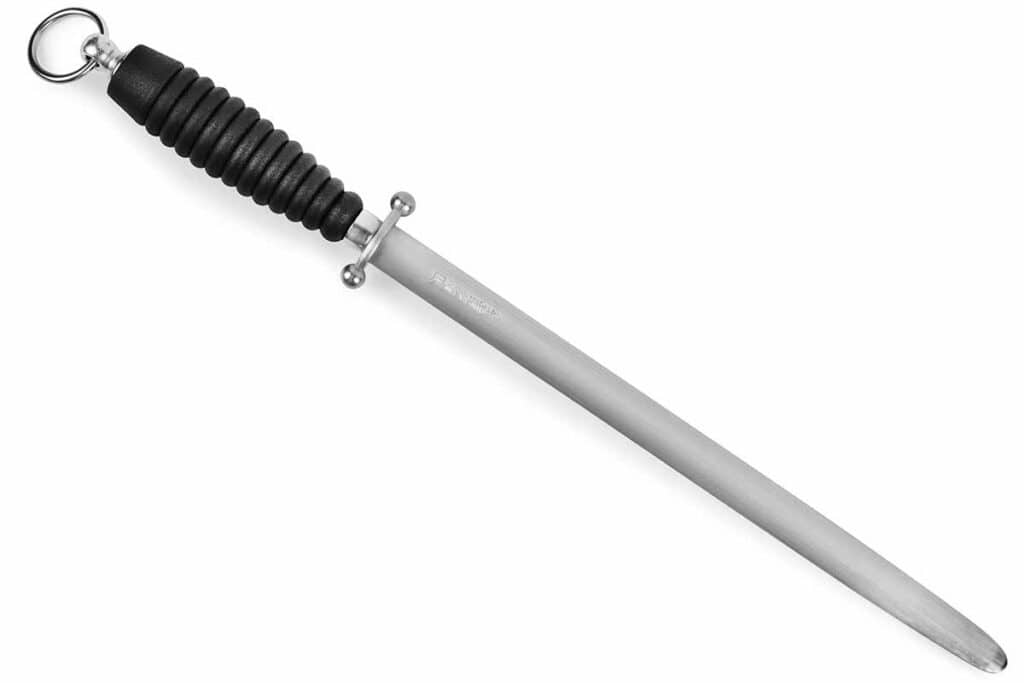
Wusthof 9-Inch Classic Ikon Honing Steel
11.6
Stainless Steel
Polyoxymethylene
Germany
$200
Zwilling 12-Inch Professional Oval Sharpening Steel
14.4
Stainless Steel
Polyoxymethylene
Germany
$60
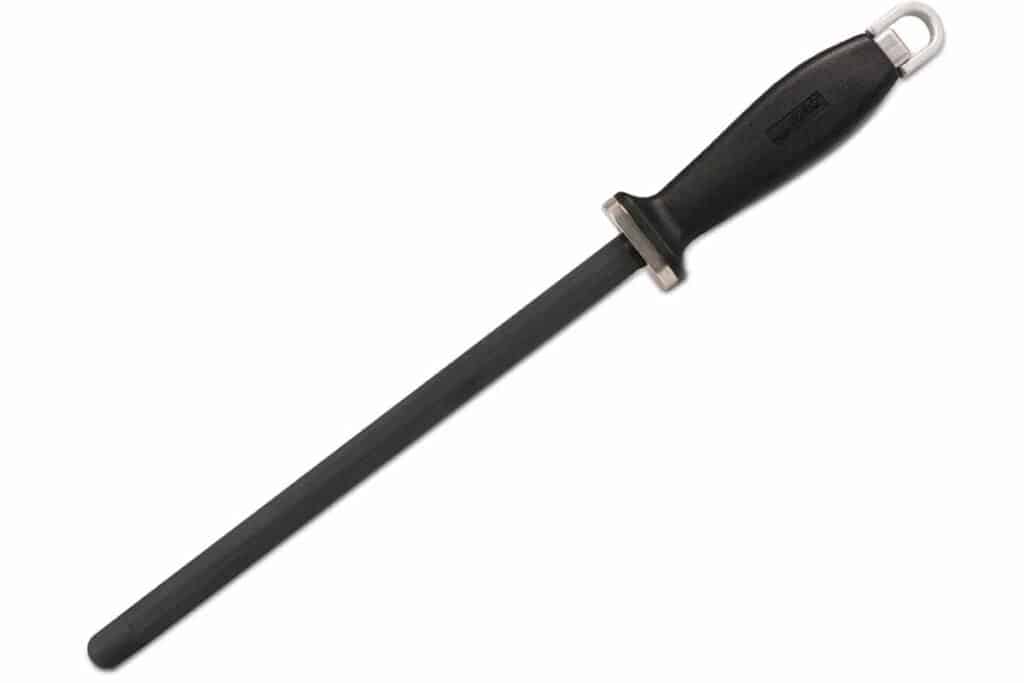
JB Prince Mac Black Ceramic Honing Rod With Grooves 10.5-Inch
13.4
Ceramic, Steel Core
Polypropylene
Taiwan
$64
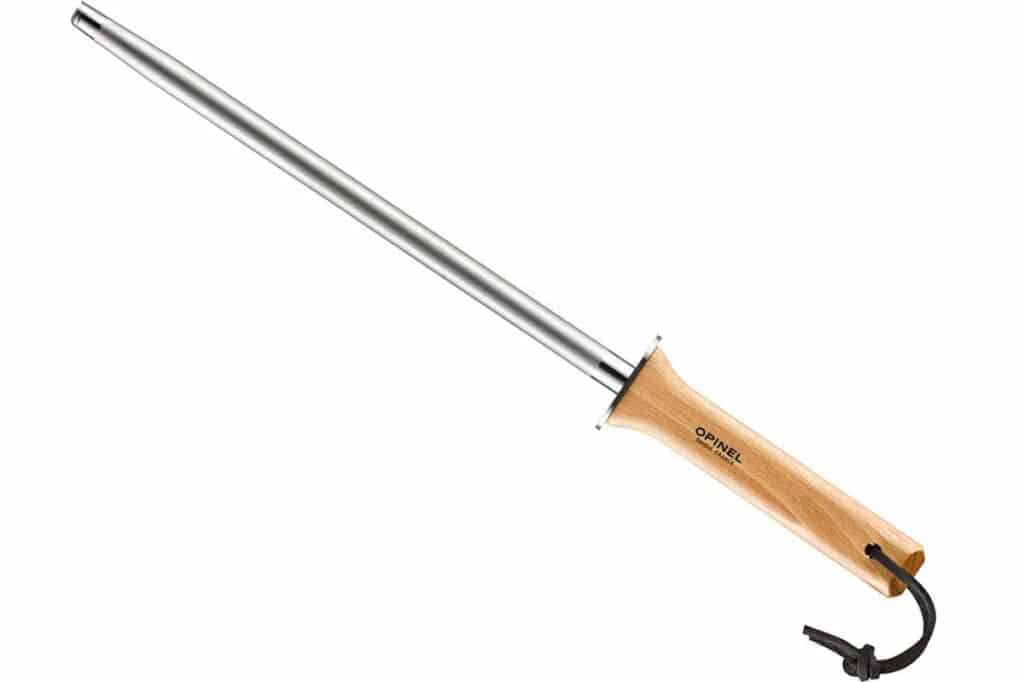
Opinel 10-Inch Diamond Steel Sharpening Rod
24
Diamond-Coated Stainless Steel
Wood
China
$60
Green Elephant Ceramic Sharpening Rod
7.2
White Ceramic
Polypropylene
Taiwan
$30
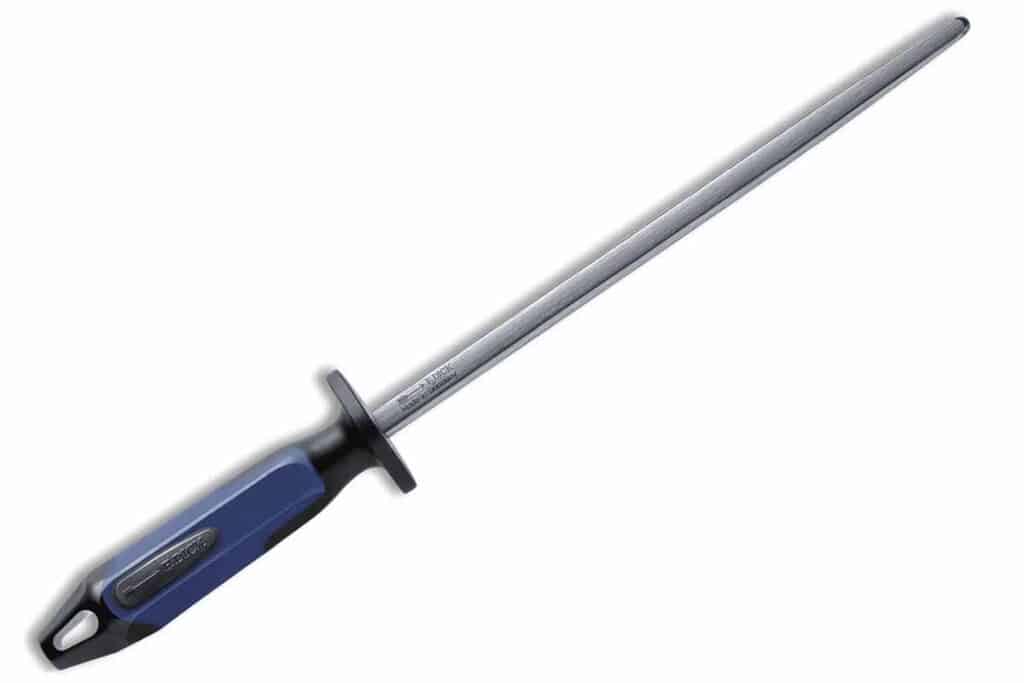
Friedr Dick 10-Inch Honing/Polishing Rod
4.9
Stainless Steel
Plastic
Germany
$83
Kuma Kitchen Knife Sharpener
8.6
Stainless Steel
Polyoxymethylene
Japan
$48
Friedr Dick Multicut Steel
15
Stainless Steel
Plastic
Germany
$150
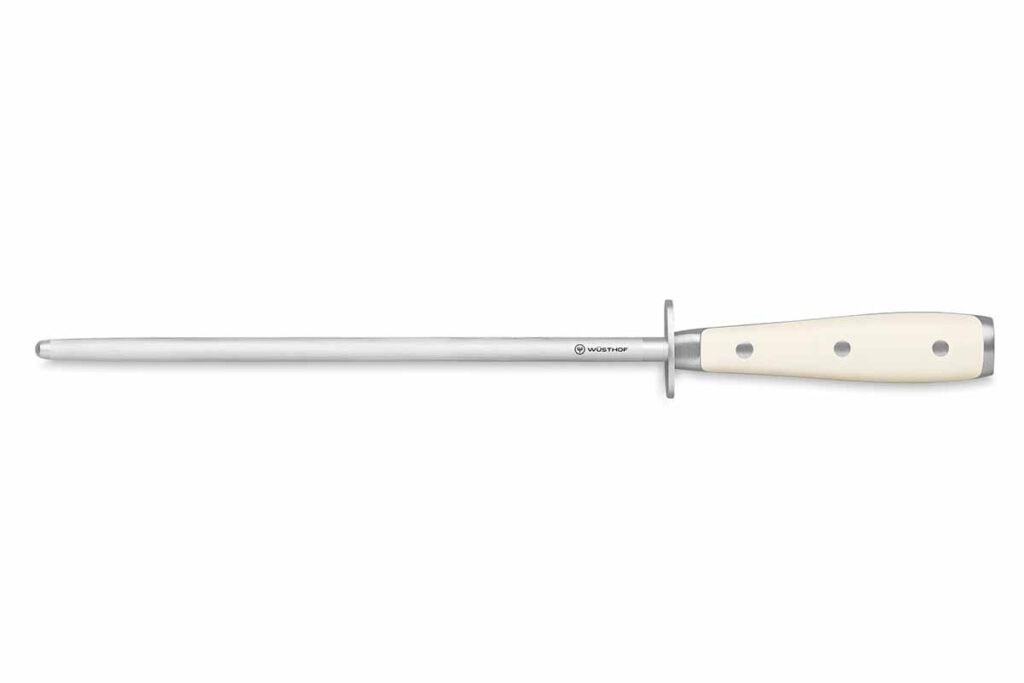
Wusthof 9-Inch Classic Ikon Honing Steel
Wusthof 9-Inch Honing Steel
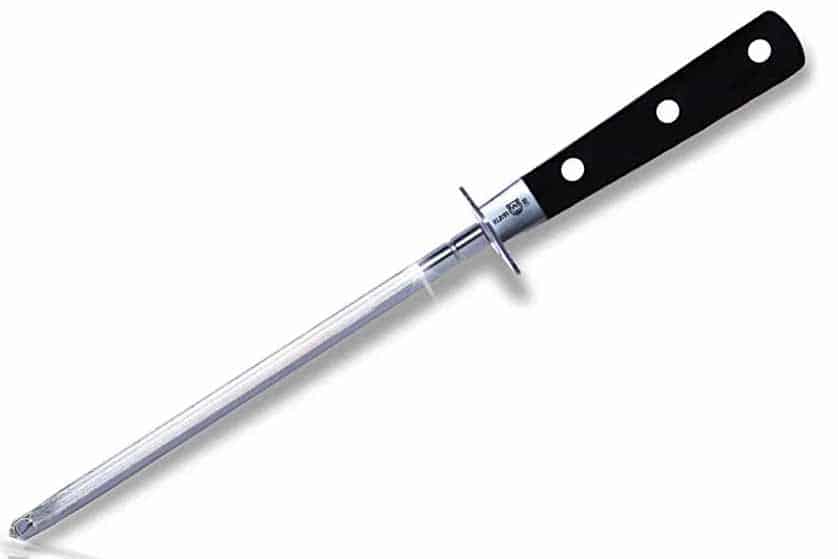
A classic honing steel by any measure, the Wusthof 9-inch steel is a great honing rod to have in your kitchen. Made of stainless steel, this is everything you want from a honing rod. It’s light and tough and made by a company with more than two centuries of history making knives.
A strong, robust honing rod is what every knife owner should be looking for, and this one checks the boxes.
Classic Ikon Honing Steel Specs Weight: 11.6 ounces Rod Material: Stainless Steel Handle Material: Polyoxymethylene Country of Origin: Germany MSRP: $200
Zwilling 12-Inch Professional Oval Sharpening Steel
Zwilling 12-Inch Professional Oval Sharpening Steel
Sometimes you just need something a little bigger and heartier. This steel from Zwilling is up to the task. Its oval shape and longer length make it great for bigger knives. The chrome-plated steel is hard enough to hone most types of steel with ease and is easy to clean.
The loop at the end lets you hang it up easily too. Weighing in at just under a pound, don’t let that fool you. This is a heavyweight rod that will withstand years of use in your kitchen.
Professional Oval Sharpening Steel Specs Weight: 14.4 ounces Rod Material: Stainless Steel Handle Material: Polyoxymethylene Country of Origin: Germany MSRP: $60
JB Prince Mac Black Ceramic Honing Rod With Grooves 10.5-Inch
With a fine 1200 grit, this ceramic rod from JB Prince is incredibly hard and durable. Its black ceramic coating is harder than both white ceramic and steel, and it’s also resistant to breaking so it can handle whatever you throw at it. Since it’s ceramic, it has the benefit of being completely rust-resistant, unlike traditional steel rods.
Most knife blocks that come with a honing rod will have a steel varietal, but looking beyond the block can lead you to quality rods like this one that can last a lifetime.
Mac Black Ceramic Honing Rod With Grooves 10.5-Inch Specs Weight: 13.4 ounces Rod Material: Ceramic, steel core Handle Material: Polypropylene Country of Origin: Taiwan MSRP: $64
Opinel 10-Inch Diamond Steel Sharpening Rod
Opinel 10-Inch Diamond Steel Sharpening Rod
When it comes to rods that also sharpen, you can’t go better than diamond steel. This Opinel rod has a coating embedded with diamonds that sharpens as it hones. It’s good for both kitchen and pocket knives so you sharpen your EDC with it as well.
With a beechwood handle, and weighing 21 ounces, this rod feels good in the hand and will leave a pristine edge on your knives. Worth the price in every way for the discerning knife owner.
10-Inch Diamond Steel Sharpening Rod Specs Weight: 24 ounces Rod Material: Diamond-coated stainless steel Handle Material: Wood Country of Origin: China MSRP: $60
Green Elephant Ceramic Sharpening Rod
Yes, there are many ceramic rods on the market today, but you’d have a hard time finding one as robust and durable as this one from Green Elephant. With a grit of 1500, the rod is fine enough to lightly sharpen along with honing and realigning your blade. It’s also suitable for Japanese knives which may come with only one cutting edge instead of a Western, or German, style double-edged knife.
The silicone seal between the rod and the handle is designed to absorb vibrations and the whole construction is built to withstand being dropped without cracking. Lightweight and fairly-priced, this 11-inch rod is worth a look.
Ceramic Sharpening Rod Specs Weight: 7.2 ounces Rod Material: White ceramic Handle Material: Polypropylene Country of Origin: Taiwan MSRP: $30
Friedr Dick 10-Inch Honing/Polishing Rod
It is almost impossible to chip this rod thanks to being coated in diamond dust. From German maker Friedr Dick, this 10-inch rod is diamond-coated steel is designed for the heavy knife user in mind.
An oval shape allows more of the blade to contact the rod with each pass which means each knife takes less passes to hone. The ergonomic, dual-density polymer grip keeps everything safe and secure when passing the blade down the rod.
The catch-22 is the diamond itself. Yes, it will return your knife’s edge quicker, but use the rod too often and it’ll scrape off material far faster than other types of rods.
10-Inch Honing/Polishing Rod Specs Weight: 4.9 Rod Material: Stainless Steel Handle Material: Plastic Country of Origin: Germany MSRP: $83
Kuma Kitchen Knife Sharpener
Some rods are designed for only one type or knife or are too short to properly hone long chef’s or slicing knives. This honing steel from Kuma is the consummate all-arounder. The steel reliably restores your knife’s edge thanks to its carbon steel construction. The triple-riveted ergonomic handle is slip resistant so even honing wet knives (although you shouldn’t do that on a honing rod) can be done safely.
Unlike most of the other rods on this list, this steel will need more hands-on maintenance due to its carbon steel construction otherwise it will rust.
Kitchen Knife Sharpener Specs Item Weight: 8.6 ounces Rod Material: Carbon Steel Handle Material: Polyoxymethylene Country of Origin: Japan MSRP: $48
Friedr Dick Multicut Steel
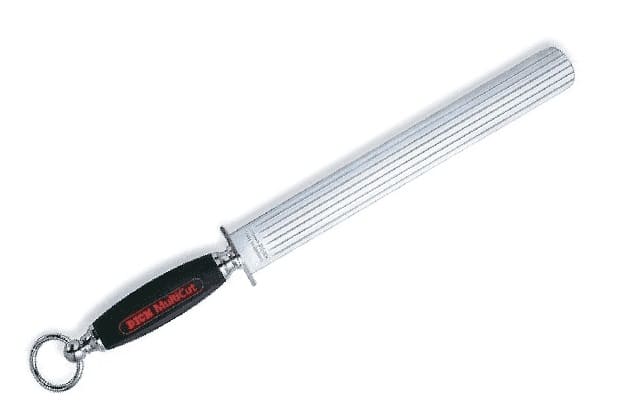
Another entry on this list from the German maker, this honing steel looks unlike anything else out there today. At first glance it’s easy to think this is a misplaced paddle, but in reality it’s a multi-dimensional honing steel.
The flat 11-inch blade has six parallel grooves running through it. Slide your knife down the main body of the steel and it’ll hone like any other rod. However, slide down one of the grooves and you can more precisely remove burrs and imperfections from the blade.
This is far and away the priciest honing steel on the list so you’ll need to determine if it’s worth the investment or if you would be better served using one of the other rods to hone your knives.
Multicut Steel Specs Weight: 15 ounces Rod Material: Stainless Steel Handle Material: Plastic Country of Origin: Germany MSRP: $150
Editor’s Note: This article was written by Mike Ableson.
Blade Magazine‘s Editor-in-Chief reflects on why receiving the Posner Award proves so meaningful.
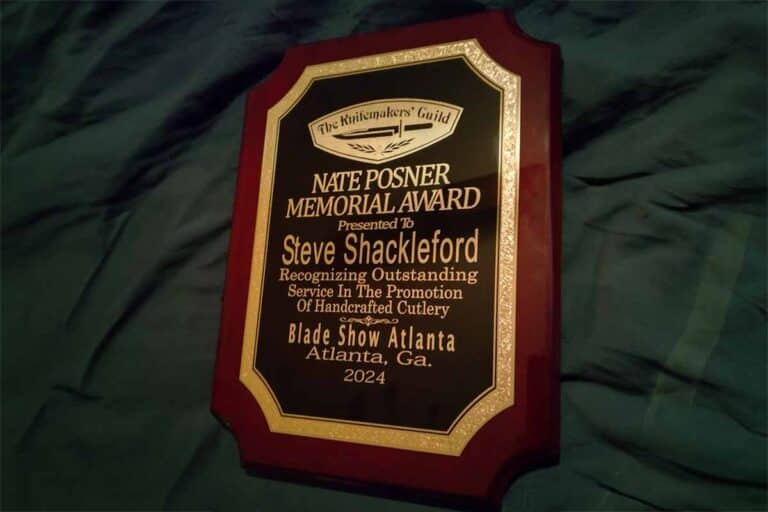
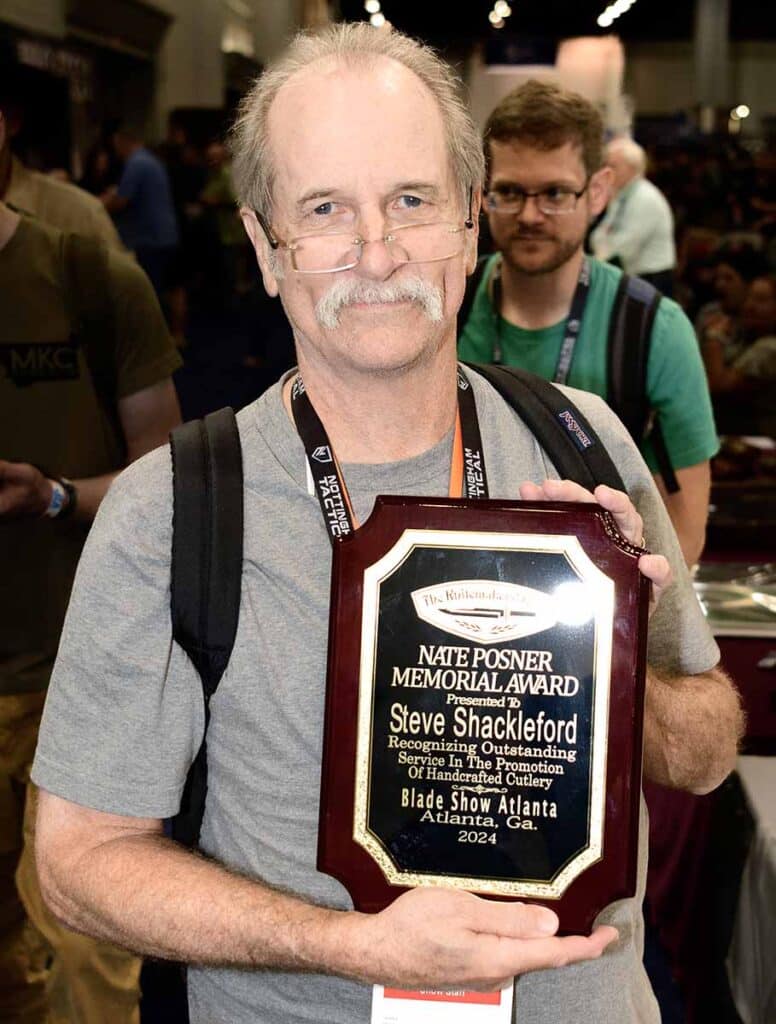
I was talking to knifemaker Edmund Davidson at his table during the BLADE Show when he and Gary Langley handed me a white cardboard box and told me to open it. When I did so, I found it contained a most beautiful plaque. It was the Nate Posner Award, and on it in big letters was my name as the latest recipient.
I must admit, I was equal parts astonished and delighted. Presented by The Knifemakers’ Guild, the Posner Award is one I’ve always wanted. The list of those who have won it is long and among others includes Mrs. Betty Dowell, Admiral Steel’s Terry Summers, photographer David Darom, KNIFE editor Mark Zalesky, knifemaker Bill Herndon, French knife writer Francis Anglade, BLADE Magazine Cutlery Hall-of-Fame® member Dan and Mrs. Pam Delavan, and Cutlery Hall-of-Famers Bruce Voyles and Edda and Aldo Lorenzi.
Steve Shackleford proudly mugs with his Nate Posner Memorial Award at the 2024 BLADE Show in Atlanta. Photo: Gary Langley
As the words on the plaque read, the award recognizes “outstanding service in the promotion of handcrafted cutlery.” And those words pretty much say it all in terms of why I’ve always wanted the Posner, because promoting handcrafted cutlery has been a monumental part of what I’ve been doing for BLADE® for almost four decades now.
Who exactly was Nate Posner and why did the Guild name an award after him? If you reference the December 1981 American Blade, the original name of BLADE, you will find a most informative story by Cutlery Hall-of-Famer Bernard Levine about the San Francisco Gun Exchange and its proprietor, Nate Posner.
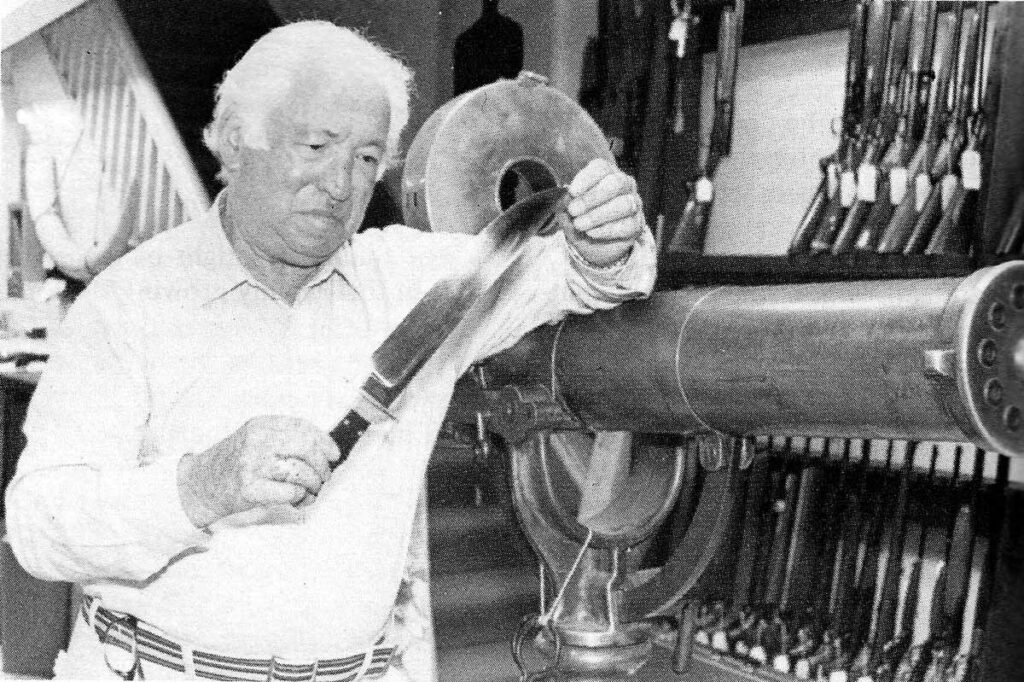
Mr. Posner started his business in 1948. Through the years he built it into what he called the “Firearms Center of the West.” It had most everything firearm-related, including inexpensive rifles and shotguns, collector’s cartridges, reloading equipment, rare and unusual guns, a whole wall of de-activated submachine guns, posters, cartridge boards and more. He even had an authentic Gatling gun in the back of the store.
As all-encompassing as his array of firearms and equipment was, it was his displays of knives, both factory and custom, that pertain here. At one time he had over 350 custom knives on display, with at least that many others in stock. (In subsequent years those numbers no doubt grew even more.) At first, in 1975 or ’76, he ordered knives from dozens of makers, most either active or past Guild members. Eventually he culled his list to about 25 or 30 makers, including one of his favorites, D. E. Henry, whom Posner reportedly called “the Van Gogh of knifemakers.” Others included Tommy Lee, Jess Horn, Herman Schneider, Corbet Sigman, the-then-team of Scott Sawby and Steve Mullin, and Cutlery Hall-of-Famers Frank Centofante, Jimmy Lile, Bob Loveless, George Herron, Bo Randall and more.
Nate Posner in his San Francisco Gun Exchange circa 1980 leaning on his authentic Gatling gun and admiring a D. E. Henry bowie.
Along with Dan Delavan at Plaza Cutlery, Bob Gaddis and Dave Harvey of Nordic Knives, and Cutlery Hall-of-Famer A.G. Russell, Posner was among the first custom knife purveyors. His approach was a most honest and forthright one. He was known for telling his customers that to get the best price, instead of buying custom knives from middlemen such as him, they should buy directly from the maker. Of course, if the customers wanted the custom knife in question immediately, they often had to buy it from Nate to avoid spending what might be months or even years on a maker’s waiting list.
However, it was being up front that put Nate in good stead not only with his knife customers but the Guild, too—for both buying/selling the makers’ knives and treating what often were the makers’ customers/prospective customers in a professional manner. Add the high store profile he gave custom knives and knifemakers to knife buyers and gun buyers alike, and Nate became one of the most important custom knife promoters of his or any time—and thus the Guild award in his name.
To be mentioned in the same breath as those who have won the award before me and, of course, Nate Posner himself, is a privilege and an honor. To any and all who were involved in my selection, I cannot thank you enough.
And thanks to Nate Posner for setting a standard for all in the knife community to emulate.
We outline how to put an edge back on a recurve knife, both by manual and automated systems.
Editor’s note: In addition to holding down a full-time job, being a BLADE® field editor for many years and conducting several sharpening seminars and BLADE University classes on the subject, the author also runs a sharpening service. All the sharpeners illustrated in the story are in his collection.
Face it—recurve blades are just plain sexy. The way the cutting edge adopts a sinewy figure is unlike most any other blade pattern and definitely catches the eye.
A fun fact about recurve blades: the cutting edge is always longer than a standard blade of the exact same size. How? If you were to take the recurve edge and straighten it out and compare it with a more conventional blade of the same length, the recurve cutting edge would always be longer. Why? The curves pack in more steel real estate in the same overall blade length. Recurves are practical as well, as the curved part presents itself at an angle to whatever is being cut and therefore slices it more efficiently.
While recurves are attractive and functional, some folks tend to steer clear of them because they assume the edges must be difficult to sharpen. It’s the curvature that throws them off. I’m here to tell you that recurves are not hard to sharpen at all if you have the right sharpener. Once you have the right sharpener, the steps you follow are exactly the same as if you were sharpening a standard blade.
Type Of Recurve Sharpeners
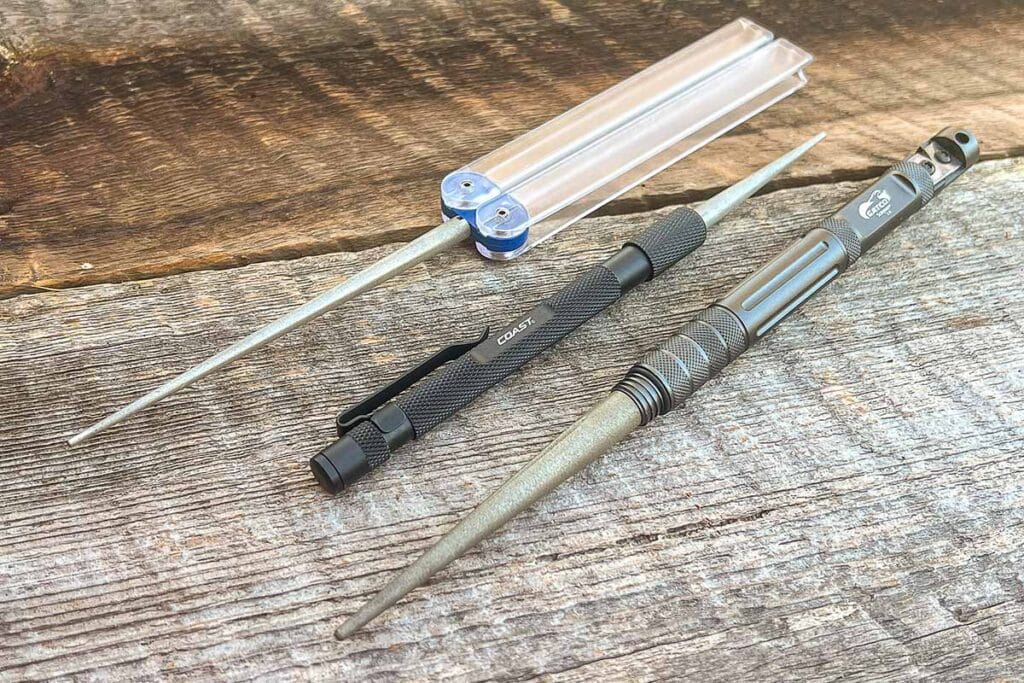
These manual sharpeners with rounded profiles not only are good for serrations but are for recurve blades as well. From top: DMT FSKC Diafold Serrations Sharpener Coarse Grit, Coast SP245 and GATCO Scepter 2.0.
What sharpener do you use for recurve blades? There are actually quite a few sharpeners that are best suited. Some you may already have and didn’t know they would do the job. The appropriate sharpener has a round profile, as the round part always makes contact with the cutting edge regardless of how recurved the blade gets. I recommend that the sharpener be diamond coated since diamond works exceptionally well with the harder, more wear-resistant steels popular today such as—though not limited to—the CPMs of S30V, 20CV, S35VN, S45VN and MagnaCut.
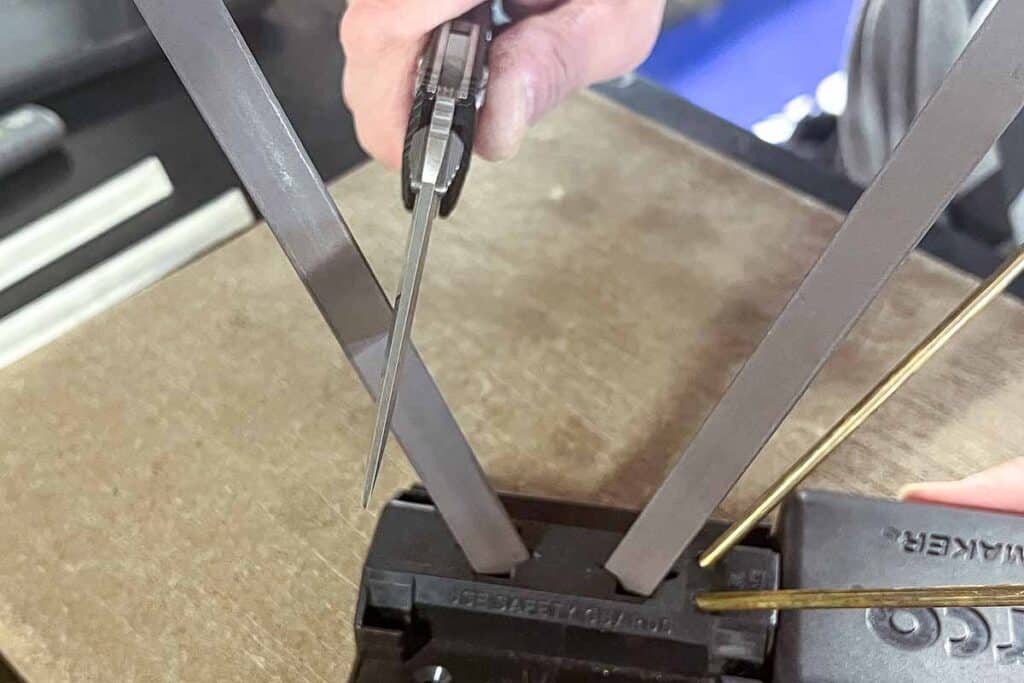
The “V” approach of the Spyderco Tri-Angle Sharpmaker is another effective way to sharpen recurves manually.
In this article, I first show you how to properly sharpen recurve knives using a manual sharpener. The technique is the same regardless of which sharpener you use. Then I demonstrate how I sharpen recurve blades using a powered method. As the editor was so kind to point out, I run a sharpening service on the side as well, and I have years of experience sharpening all sorts of blades. My way is reserved for more advanced and more accomplished sharpening skills only.
How To Sharpen Recurve Knives
Manual Sharpening
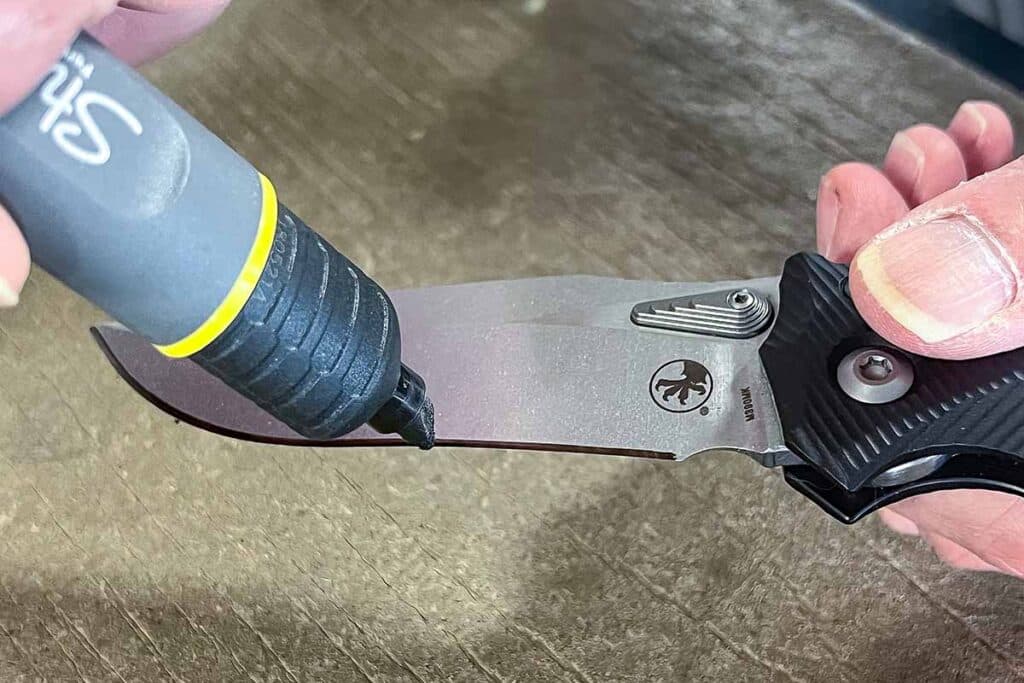
Manual Step 1: Using a black permanent marker, preferably with a chisel tip, color in the entire length of the cutting edge on both sides of the blade.
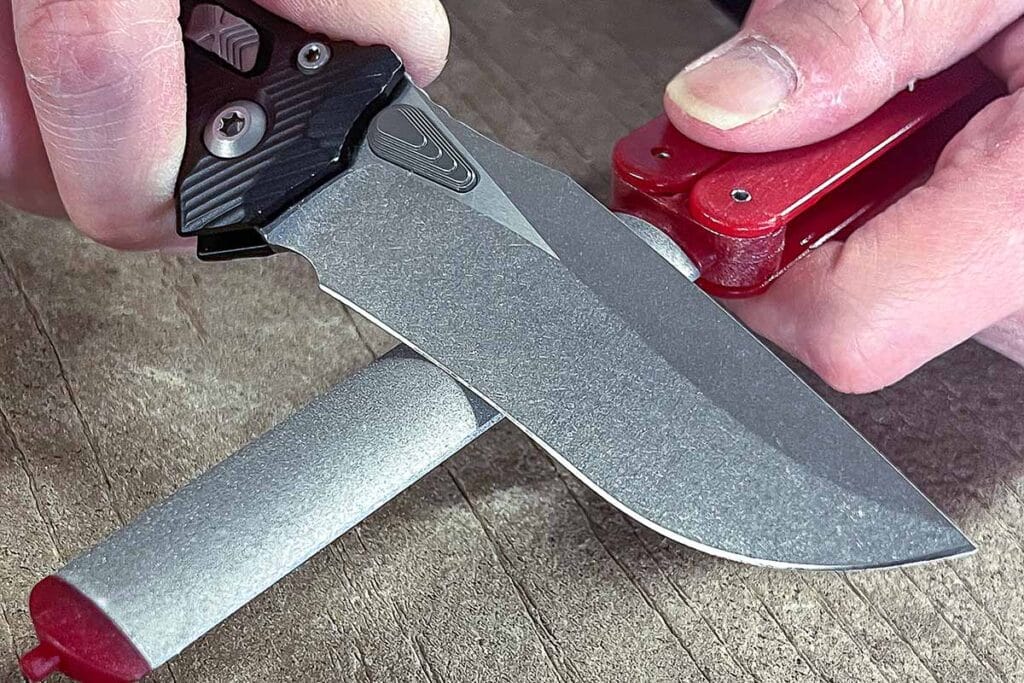
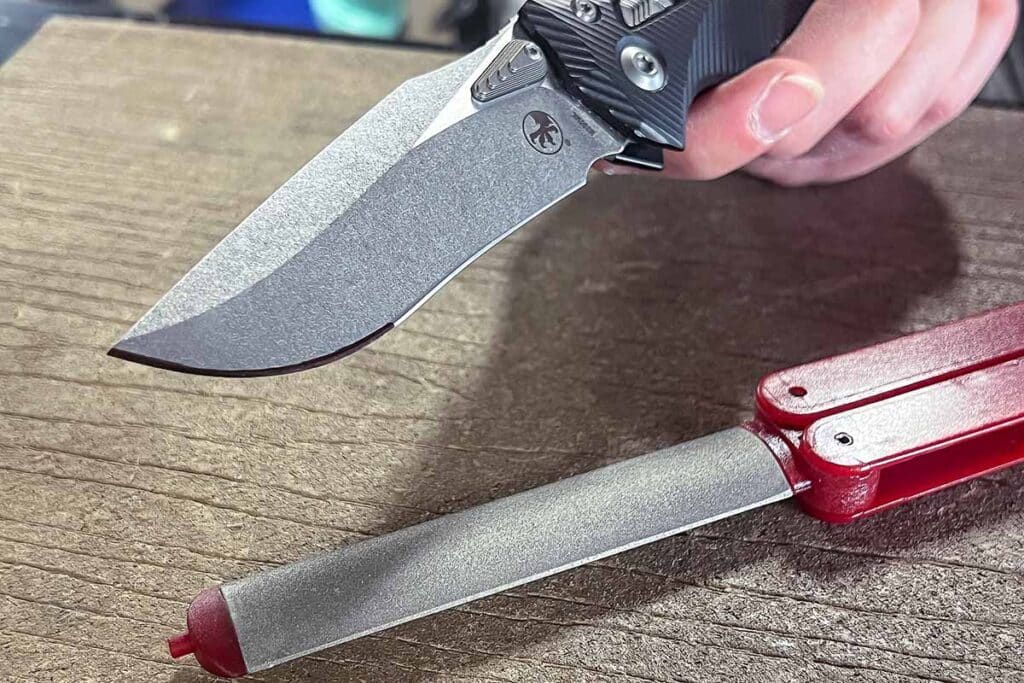
Manual Step 2: Take a round profile sharpener—the author uses the EZE-Lap folding diamond sharpener—and, holding the blade to it at approximately a 20-degree angle, start at the tang and move your way down to the tip in one fluid motion.
Manual Step 3: Stop after a few strokes and look to see where the marker ink remains. This is an indicator of the need to adjust your angle more or adjust it less. And that, my friends, is pretty much how to sharpen recurves. Simple, safe and effective. This is a failproof method.
Automated Sharpening
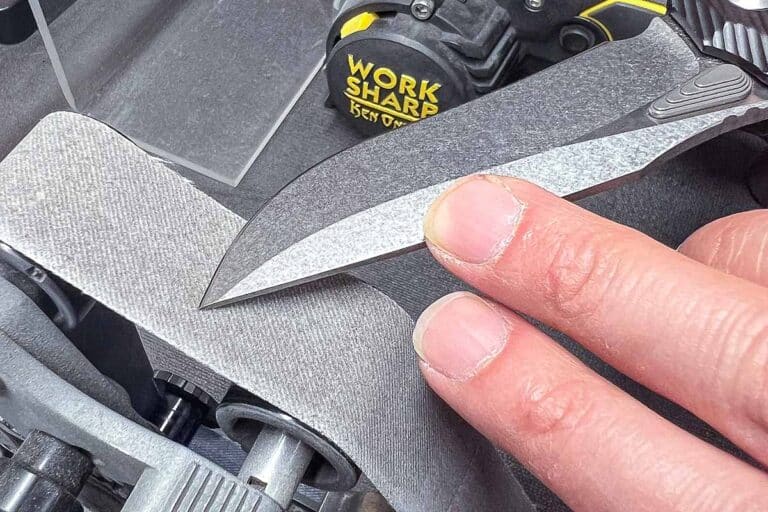
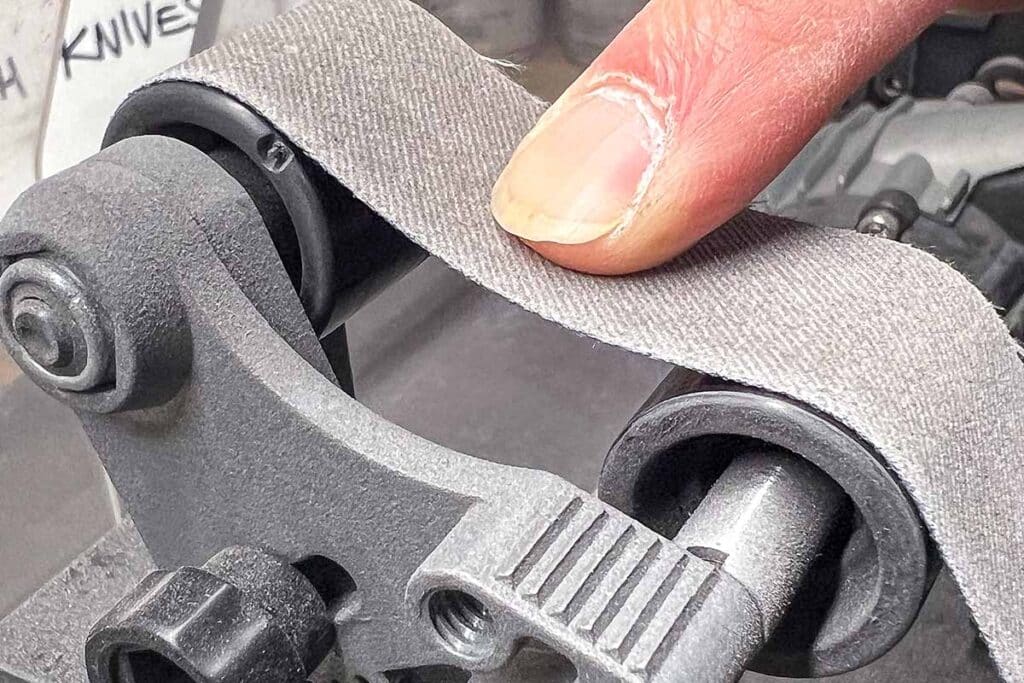
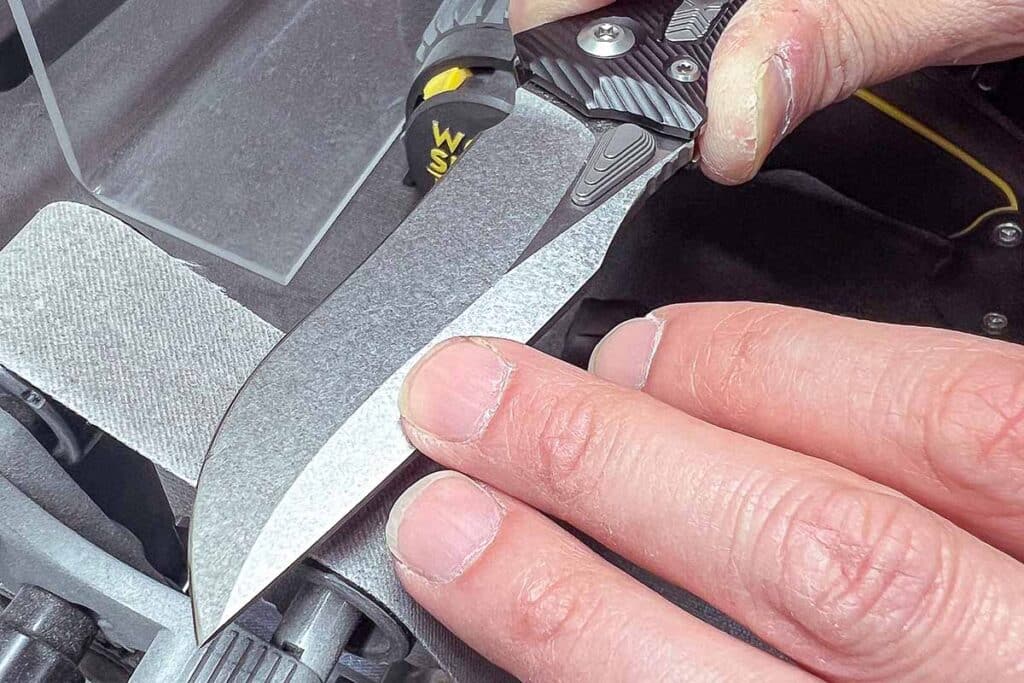
Automated Step 1: The author uses his Ken Onion Elite Sharpener from Work Sharp with the blade grinding attachment to sharpen recurves. The illustrated belt deflection helps the belt to conform to the cutting edge as it curves.
Automated Step 2: The author sharpens the recurve blade as he would any standard blade by pulling it across the belt from choil to tip on both sides. Use the same motion when sharpening a recurve on a manual sharpener.
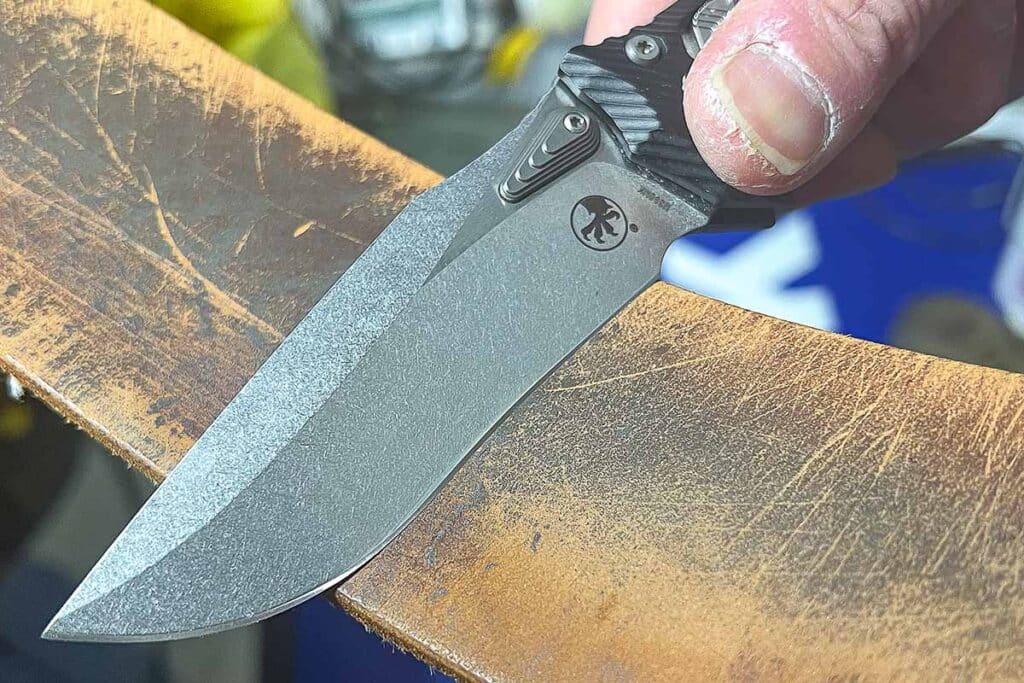
Automated Step 3: After sharpening, the author strops the edge using a leather strop to wipe off any micro burrs that form.
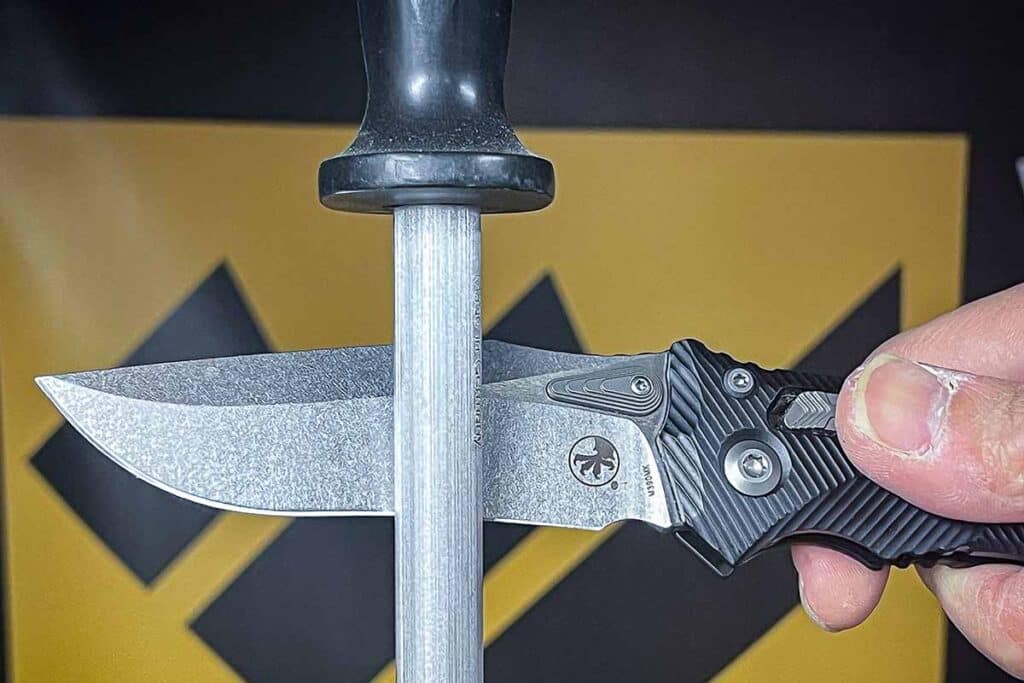
Automated Step 4: After stropping, the author gives the recurve a few swipes on a hanging kitchen knife steel to give the edge extra bite.