Penny For A Knife: Unraveling The History Of This Tradition

2

The fascinating origins of the “penny for a knife” custom, from ancient Rome to Sheffield. Learn why a coin was exchanged saved friendships.

Not all that long ago, the tradition of a penny for a knife was a common practice. Today the custom appears to be barely clinging to relevance, though as traditions go there is the possibility that it may linger and even gain new traction. That, however, remains to be seen.

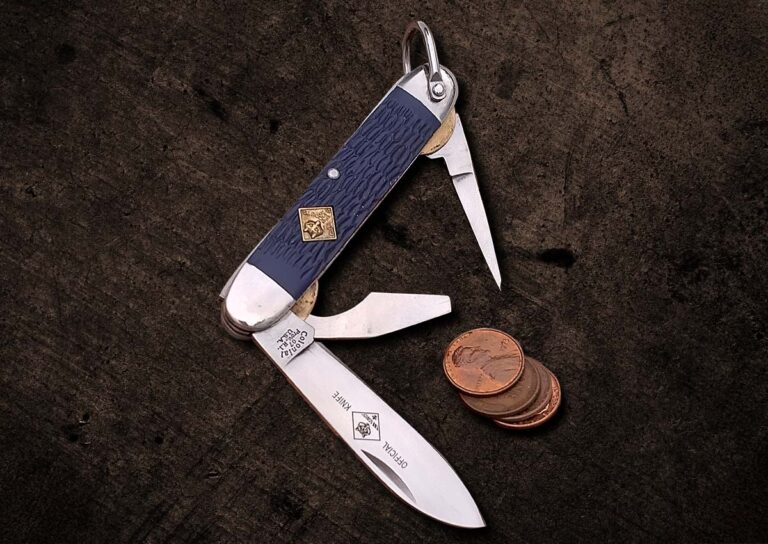
The old story goes that when someone gives a knife to someone else, the recipient is obliged to present the giver with a penny as a token of appreciation or even as an insurance policy. The origins of the old custom are shrouded in mystery and have become more obscure with the passage of time. Nonetheless, there is a larger aspect to the tradition, and that is its questionable staying power in the modern milieu that is the world of knives.

Is the old practice virtually clinging to life? Apparently so. A few folks contacted for the story were frank in their assessment. Phil Gibbs of A.G. Russell Knives in Rogers, Arkansas, went to the buying public and then conferred with his boss, BLADE Magazine Cutlery Hall-of-Fame® member Goldie Russell, both longtime participants in all things knife.

If somebody gave you a knife and you didn’t give him a penny in return, Cutlery Hall-of-Famer Dan Dennehy noted, “it would cut your friendship.” Dan is also a member of the International Knife Throwers Hall of Fame.If somebody gave you a knife and you didn’t give him a penny in return, Cutlery Hall-of-Famer Dan Dennehy noted, “it would cut your friendship.” Dan is also a member of the International Knife Throwers Hall of Fame.
If somebody gave you a knife and you didn’t give him a penny in return, Cutlery Hall-of-Famer Dan Dennehy noted, “it would cut your friendship.” Dan is also a member of the International Knife Throwers Hall of Fame.

“I’ve polled customers in our store since we first discussed this, and zero people were aware of the old custom,” Phil remarked. “Goldie and I agree that it was once quite prevalent but now is long gone and forgotten.”

The late Cutlery Hall-of-Famer A.G. Russell knew the custom well but sometimes found himself having to explain it a bit.

“Sometimes people look at me funny,” he said years ago of the times he gave a knife to someone and asked for a penny in return, “especially when they are younger. The younger they are, the funnier they look at me. I just think it’s a matter of their not knowing about it.

“As I was growing up, I saw it being done, not just once but many times. I still do it myself. I insist on compensation. It may end up being a quarter if they don’t have a penny, nickel or dime. I knew a man years ago who liked to give knives away, and he would give the knife away with a penny and then make you give the penny back.”

Veteran knife dealer Bill Claussen of Northwest Knives in Salem, Oregon, is another source who definitely would be in the know regarding the tradition, and his assessment was a straight-up, “I really don’t have anything to offer on this one. This is really not ‘old knife’ country out here, and I never even heard of this until a few years ago,” he noted, “and then I never heard it discussed.”

Cutlery Hall-of-Famer A.G. Russell (at far left) waits on a customer in the retail knife store inside A.G. Russell Knives.
Cutlery Hall-of-Famer A.G. Russell waits on a customer in the retail knife store inside A.G. Russell Knives.

The tradition may well be on life support. While it is likely fading or the sun has quite possibly set on it altogether, there are related memories. Matter of fact, this writer put together a BLADE® story on the topic some 26 years ago. Coincidentally, I had just experienced the tradition in action. When I handed a nice folder to a close friend, his wife piped up, “Now you have to give Mike a penny. My mother and father never gave one another anything with an edge without receiving a penny in return.” Even then, my friend’s wife had no idea where the practice had originated.

Penny For A Knife Origins

In that BLADE story 26 years ago, Cutlery Hall-of-Famer Bruce Voyles related that he believed the custom originated in ancient Rome.

“The general theory was that you would ask for the lowest coin of the realm when you were given a knife,” he said. “Back then, when you were dealing with an absolute monarch and the king or queen handed you a knife of their own, you were expected to kill yourself with it. But, if the king demanded a coin from you, then he was giving you the knife.”

Well-known knife dealer Jim Taylor, who grew up in Sheffield, England, remembered the penny for a knife custom as it was practiced in his family. “When I was a little boy,” he recalled years ago, “I had to give my mom a penny before she would give me a pocketknife she had bought for me. It might have been a particular Sheffield custom that became popular.

“I’ve always expected to be given a coin, whatever it might be, any coin at all. In England you don’t have to explain it, but in the United States sometimes the custom is not held so tightly. If I were to take someone a gift of a pocketknife in England, they would without question give me a coin. They think, ‘You must buy this because otherwise it might cut our friendship.’ I’ve seen knives from time to time with an old English farthing or half penny built into them.”

That was then.
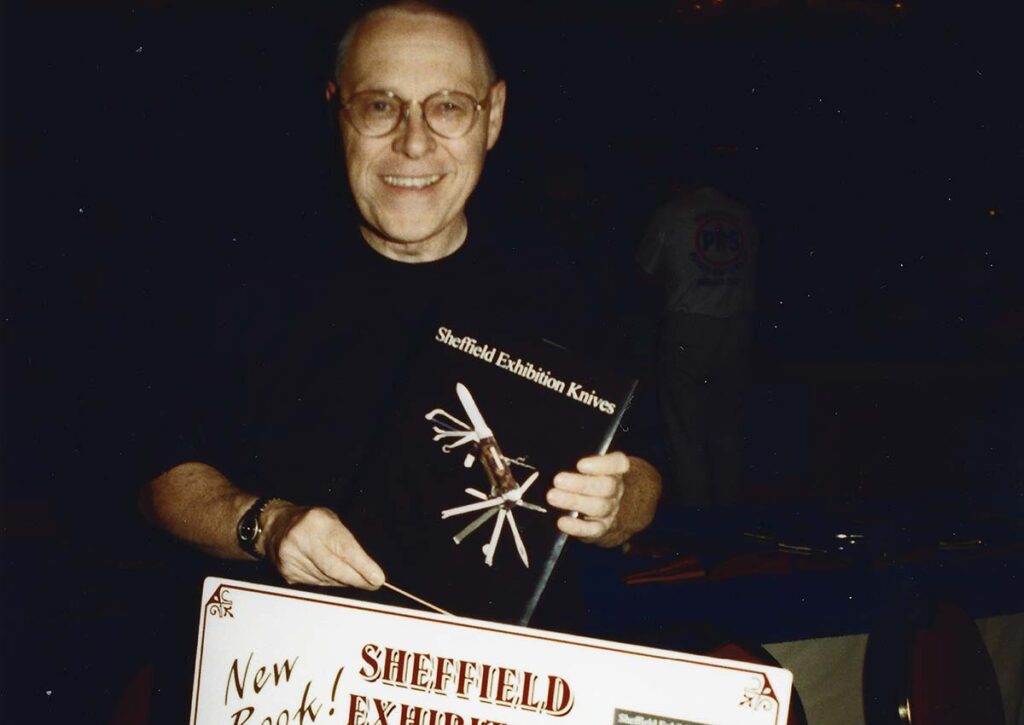
Bill Claussen with Sheffield Exhibition Knives, the book he authored in 1999 along with Brad Watts and Pete McMickle.

Even Queen Elizabeth II participated in the tradition. The Sheffield Star newspaper dutifully reported in its Dec. 12, 1986, edition that the Queen visited the city and was presented with a platinum penknife and responded by handing the presenter a six-pence coin in a case. Thirty-five years earlier, the monarch had visited Sheffield and handed a cased half penny to the giver in exchange for a gold penknife.

In fact, the practice was so widespread at one time that according to Cutlery Hall-of-Famer Bernard Levine, one of the foremost knife writers and folklorists, Gerber knives were often sold in the 1940s with an accompanying card that explained the penny for a knife tradition. The card even had a penny glued to the top along with the declaration of “invoice” and then space for a name along with the instruction, “debtor to” and then “1 box of Gerber Blades … 1 cent.”

Levine said the Gerber card explained the legend a bit further. “There is a superstition, or something, about giving away cutlery … etc., so I trust you will honor this bill,” the card stated. “Besides, I need the money.”

FRIENDSHIP CUTTER
Years ago, Cutlery Hall-of-Famer Dan Dennehy indicated that he had grown up with the tradition.

“If someone in our family gave you a pocketknife, they got a coin,” he recalled. “The value didn’t matter just as long as it was legal tender. If somebody gave you a knife, a letter opener, anything with a sharp edge, or even a butter knife, you always gave a coin in return because if you didn’t collect a payment it would cut your friendship.”
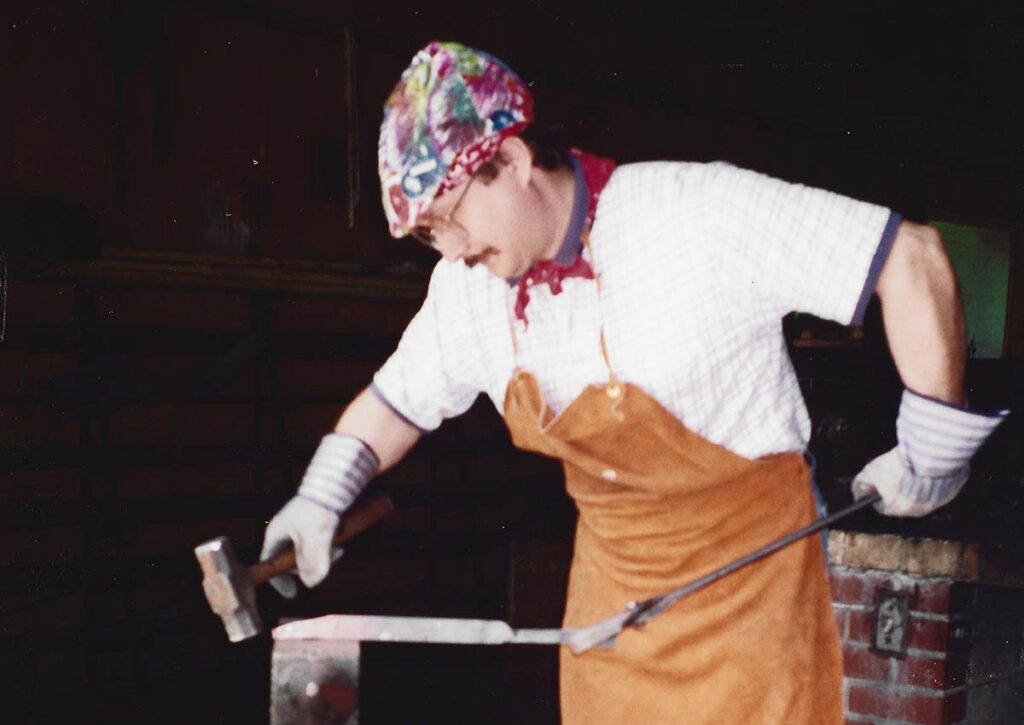
Cutlery Hall-of-Famer Bruce Voyles hammers hot steel during a basic bladesmithing course in 1994 at the Bill Moran School of Bladesmithing. (B. R. Hughes image)

Those who remembered the old practice seemed convinced a quarter century ago that fear of “cutting the friendship” was their prime motivation. Knifemaker John Dennehy, Dan’s son, remembers his close association with it.

“I’ve thought about this and don’t have any firm history about it,” John reflected. “I do remember my dad spoke about it a lot. Giving a knife as a gift can sever the friendship, so he always asked me for a quarter or something when I was a kid and a dollar as an adult. He often told the story about being on the radio with G. Gordon Liddy [talk show host, attorney and FBI agent involved in the Watergate scandal of the 1970s] and presenting him a knife. Gordon was prepared and had a silver dollar ready to give Dan. Being first-generation Irish in the U.S., he claimed it was an old Irish tradition. In the books and TV show Outlander, Jamie Fraser, the Scottish highlander, gifts his wife a custom knife. He asks her for a little something in return—says it’s an old Scottish tradition. That’s not much, but I did grow up with the tradition and carried it forward.”

In doing some research sometime back, it became apparent that the tradition has been a cross-cultural phenomenon. In Scandinavia, for example, it’s seriously bad luck to outright give someone a knife. A knife that was gifted but not meant to be a “killing knife” had a coin accompanying it with the initials of the maker. That would ensure the knife’s good use. Along with the knife an old saying, “A man without a knife is a man without a life,” added to the Scandinavian sincerity of the event.

Despite the fact that the tradition may be fading or has already slipped into history, some way or somehow it may experience a revival. Levine and many others seemed to love it. Some still do. After all, it adds to the quaintness and charm that surrounds the exchange of a knife with a friend or family member.

Tradition is a common thread that just makes the giving more memorable and enriches the experience for everyone. In these days of inflation, it’s cheap, too. It only costs a penny.

Pocketknife Info:

First Look: Legendary CRKT M16 Gets Affordable Makeover

Celebrating its 30th birthday, the Kit Carson-designed M16 has an economical crossbar lock option.

It might seem surprising, but CRKT produced one of the most popular military knives of modern times. Here, we aren’t talking about issued blades, but working EDC options, typically purchased at a soldier’s local PX.

Aptly named, the M16 was the wire stripper, rope cutter, lid prier and snack slicer of choice for many a military man and woman from Kandahar to Kubal and Baghdad to Balad, and everywhere in between. And the unexpected warhorse is celebrating its 30th birthday this year.

CRKT isn’t allowing this momentous occasion to slip by, with the Kit Carson-designed folder having a pair of new models added to the series. The black M16-10XK and tan M16-10XD hues aren’t the eye-catching aspect of the new knives, nor are the models’ crossbar lock—it’s available on a few other models. Instead, the M16 model’s price tag should get fans of the folder excited.

Both models come in with a very affordable $48 MSRP, making them among the most reasonably priced options in the family of knives. This is particularly true of the crossbar lock models, which start at $75.

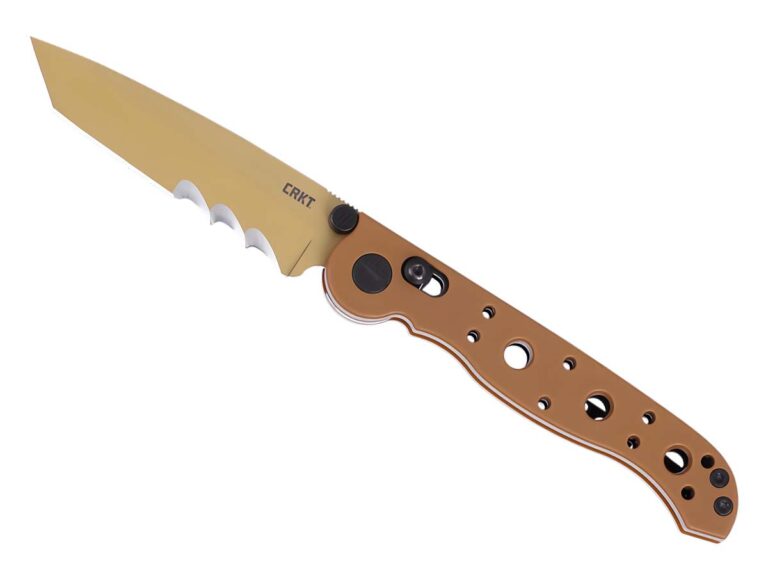
CRKT M16 10XD profile, clip side.

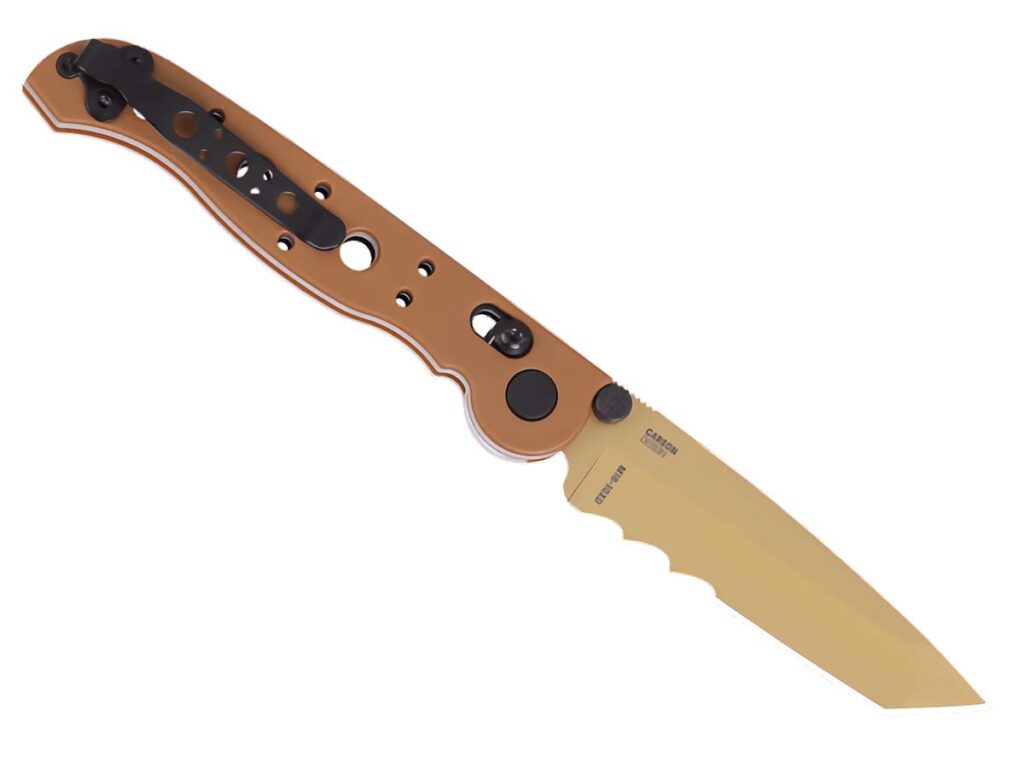
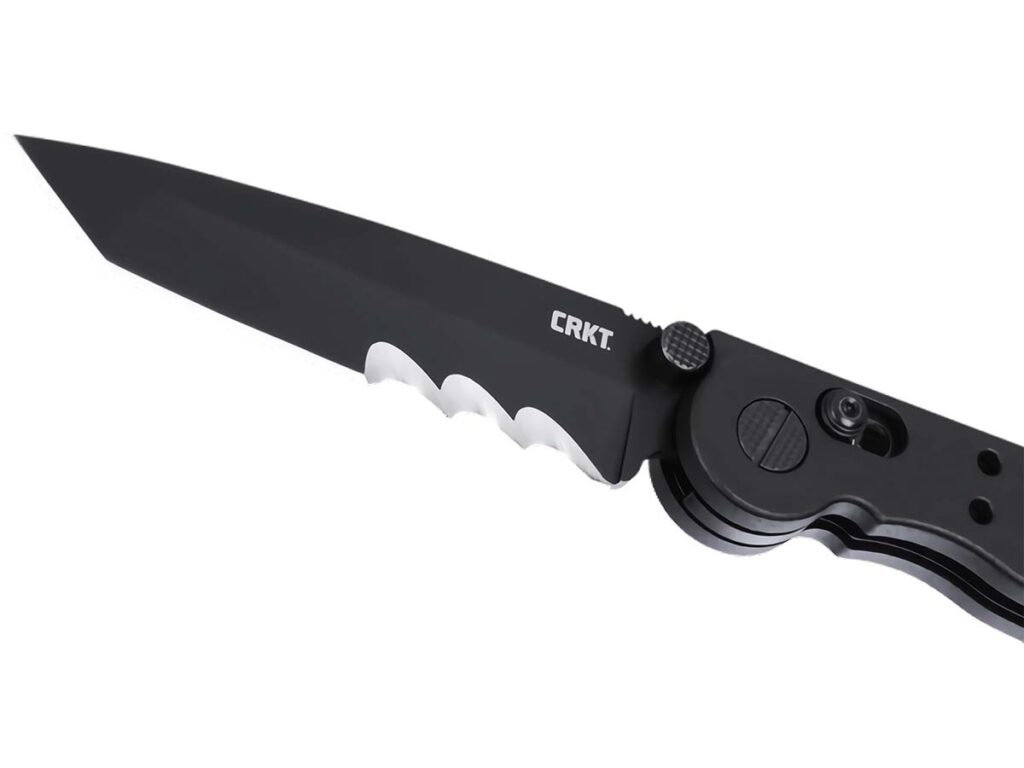
Enthusiasts or veterans looking to replace the blade they lost in the “sandbox” get a solid build out of the new M16s. Both models are outfitted with 3.03-inch 8Cr14MoV modified tanto blades, with titanium nitride finishes and sporting Veff serrations near the heel. The final aspect is wicked, giving the blade a highly aggressive cutting ability.

The blade deploys quickly, thanks to IKBS ball bearings and opens via thumbstuds or with a flick of the wrist, with the crossbar lock actuated. Note, the locking system is ambidextrous, rock solid and allows for single-handed manipulation. The handle is fiber-glass reinforced nylon, keeping the knife’s weight a very manageable 2.1 ounces.  

CRKT has shown plenty of dedication to the M16 design and evolving it over the years. Early this year, the company dropped a balisong version of the knife, possibly the most unique riff of the time-tested design. In all, there are now 36 variations of the storied M16.

A couple of notes on the knife and its legacy. It was included on BLADE® Magazine’s top 10 tactical knives of the past decade in the early 2000s. Further, CRKT has created a video series on the knife’s design and military pedigree, with veterans and experts looking back on their time with the knife.

CRKT M16 10XK blade profile.

M16 10XK & 10 XD Specs
Blade Length: 3.03”
Blade Thickness: .10”
Overall Length: 7.06”
Closed Length: 4.01”
Weight: 2.1 oz.
Blade Material: 8Cr14MoV
Blade Profile: Tanto
Blade Edge: Plain & Veff Serrations
Handle Material: Fiber-Glass Reinforce Polymer
MSRP: $48

Knife Reviews:

Time Is Running Out To Get Your CANCON Tickets!

0

SUPPRESSORS, NIGHT SHOOT, FOOD, AND FAMILY FUN!

Welcome to CANCON A Fully Suppressed RECOIL Range Day!

Save the date and make your plans to come down on Veterans Day weekend, Nov. 11-13 to the 17 South Rod and Gun Club in Savannah, Georgia.

Hundreds of the newest and best suppressors, firearms, and optics will be on the firing line for you to get hands-on trigger time.

All ammo will be provided, just bring your trigger finger!

Veterans get in FREE Friday, so come spend your Veterans Day weekend with us at CANCON!

SATURDAY NIGHT VIPs will have the opportunity to shoot suppressed with night vision goggles, clip-on night vision optics, IR lasers, tracers, and more. 

CANCON will even have activities for kids, making this a completely family-friendly event.

Expect to see hundreds of firearms and suppressors, every one of them available to shoot. Don’t forget your eyes and ears for safety!

Not every day you get to shoot cool stuff like this!

Great food will be available on-site for when you need to recharge between shooting bays.

More information and ticket pre-sales coming soon!

Subscribe to the CANCON Event Newsletter

Give us your email below and click the button to be the first to learn about updates and developments!

CANCON 2022 SPONSORS

ABS Lose Two Long-Time Leaders In Passing Of Steve Dunn & Hanford Miller

Dunn and Miller left lasting impressions on ABS, students and custom knifemaking.

The American Bladesmith Society lost two of its finest leaders and bladesmithing instructors recently with the passing of ABS master smiths Steve Dunn and Hanford J. Miller.

Steve Dunn

Steve died on May 21. He was 68. Outgoing chairman of the ABS, he was a longtime Society member, receiving his master smith stamp in 1994 before going on to serve on the ABS board of directors and eventually being elected chairman.

“He was a craftsman of the highest level, as evident in the exceptional blades he made, and unsurpassed as an engraver, which he passed on to so many with his teaching,” americanbladesmith.org reported.

Many in the ABS were still recovering from the shock of the news as BLADE® was going to press, ABS master smith Billy Bob Sowell among them.

“I was stunned,” he wrote. “Steve was one of my judges for my master smith stamp. I took his engraving class and his folder class. I’ll miss him.”

According to his bio on the ABS website, Steve began making knives as a hobby in 1988. In 1990 he enrolled in the basic forging class at the Bill Moran School of Bladesmithing, where he started forging damascus. After achieving master smith, it wasn’t long before he began teaching at the Moran School. In 2003 he was selected to serve on the Society’s board of directors.

A strong believer in sole authorship of his knives, he enrolled in a basic engraving class at GRS Tools in 2002. He later studied with Chris DeCamillus on Bulino style engraving and was asked to be an instructor at the GRS school in 2005.

Hanford Dunn

Hanford passed away on March 25. He sold his first knife in 1968. He made knives in the Moran style, including bowies, fighters, camp knives and other large fixed blades, and also period pieces such as reproductions of the cinquedea. His mark was his initials or name within a bowie logo.

In addition to being an outstanding maker of forged knives, Hanford served on the ABS board of directors as treasurer for many years. According to americanbladesmith.org, he was best of friends with BLADE Magazine Cutlery Hall-of-Fame® member Bill Moran, with the pair being “like two peas in a pod.”

They first met in 1974 in Bill’s shop. Hanford read about Bill in a library book about knives and realized he was only a short drive away from Hanford’s home in Randallstown, Maryland.

“Bill was a great mentor,” the site observed, “and their friendship lasted long after Hanford moved to Colorado in 1976.”

Knife Show Success: Pricing, Conduct & Collector Trust

0

Selling knives takes more than a sharp edge—professionalism, fair pricing and trust are key to long-term success on the show floor.

How you conduct yourself and your knifemaking business when you’re on the selling floor of a knife show is critical. If word comes down the aisle there is a well-known collector in the room, don’t go over and interrupt the business between the collector and crafter by waving your work in front of them, or stepping into the customer’s space.

I’ve seen this too many times over the years. Such crafters are an embarrassment to all who draw from the same collector pool. Stay in your space, behave in a professional manner and wait for the customer to come to you.

The last thing any craft needs is for a crafter to double his prices when a particular collector approaches. As a result, the collector immediately assumes all crafters are a pack of thieves, taking advantage of him. Those who are at the top of their trade will tell you what a bad move this is for any crafter. Such things travel through the collector network worldwide in hours.

Pricing Custom Knives

Sales are the toughest part of the business. Pricing their work is difficult for all crafters. To take some of the mystery out of trying to maintain control of my cash-poor studio, I’ve always gone by the following simple formula.

Work out the minimum amount per month you must earn to eat and pay your bills. Whether you’re paying all or a portion of your bills, it’s the same. How much is the total amount? You can’t drop below netting the figure from your studio. If you spend more than you make, your approach is not working and you need to change something.

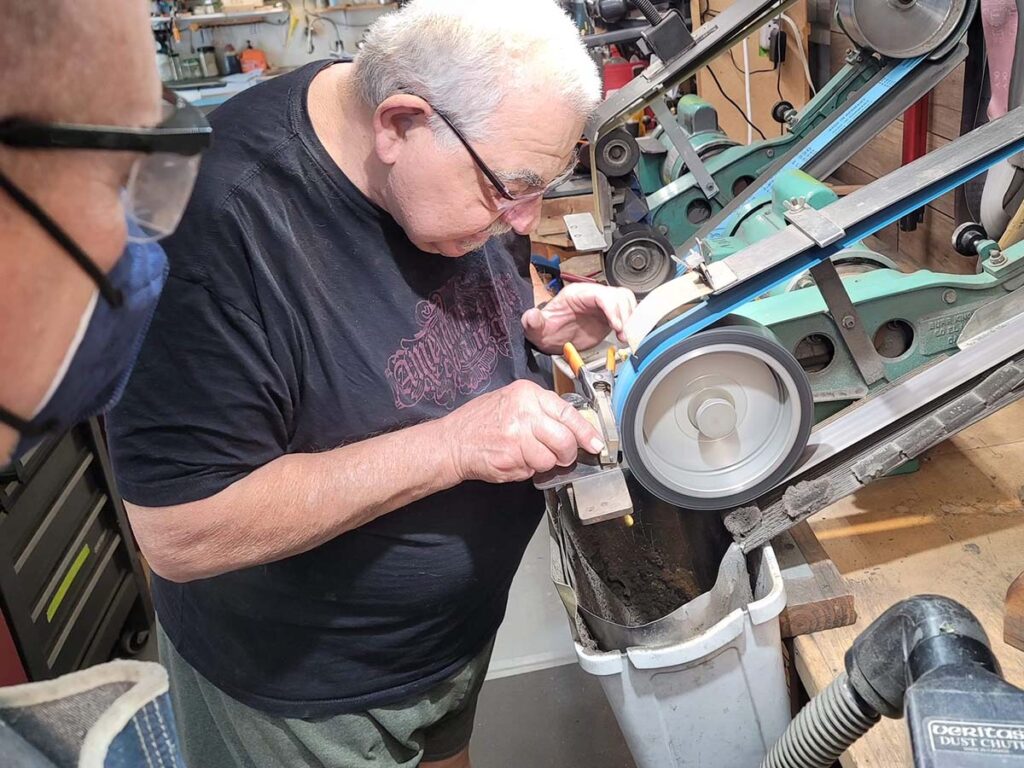
Doing things by hand takes time, especially when you start trying to extend your boundaries. BLADE Magazine Cutlery Hall-of-Fame® member Bob Terzuola has been extending his boundaries a long time, including at the belt grinder. Collector Chris Schluter watches at left.

I triple my base material and labor figures. This must cover everything and very often doesn’t work out as hoped. Throw in costly materials and things soon get out of balance, not to mention foundry fees and shipping.

Paying Yourself

Pay yourself. It doesn’t matter if it’s only a little bit, there is still the psychological impact of being paid something for your efforts. Don’t work for free. No one likes not being rewarded for his efforts.

I’ve been on a schedule of seven 10-hour days a week for most of my career. If I don’t work those kinds of hours the pieces won’t get done, and the bills won’t get paid. There has never been a lot of time for doing Alaska kinds of things, be it hiking or fishing, or just sitting and doing nothing. If I’m home, I had better be in my studio working. Welcome to the world of the full-time crafter. Your family is in the wings, waiting for you to finish up so everyone can go out for pizza.

Most of the time, workers in fast food restaurants make more per hour than crafters. That’s a basic fact. Doing things by hand takes time, especially when you start trying to extend your boundaries.

Developing Your Talent As A Smith

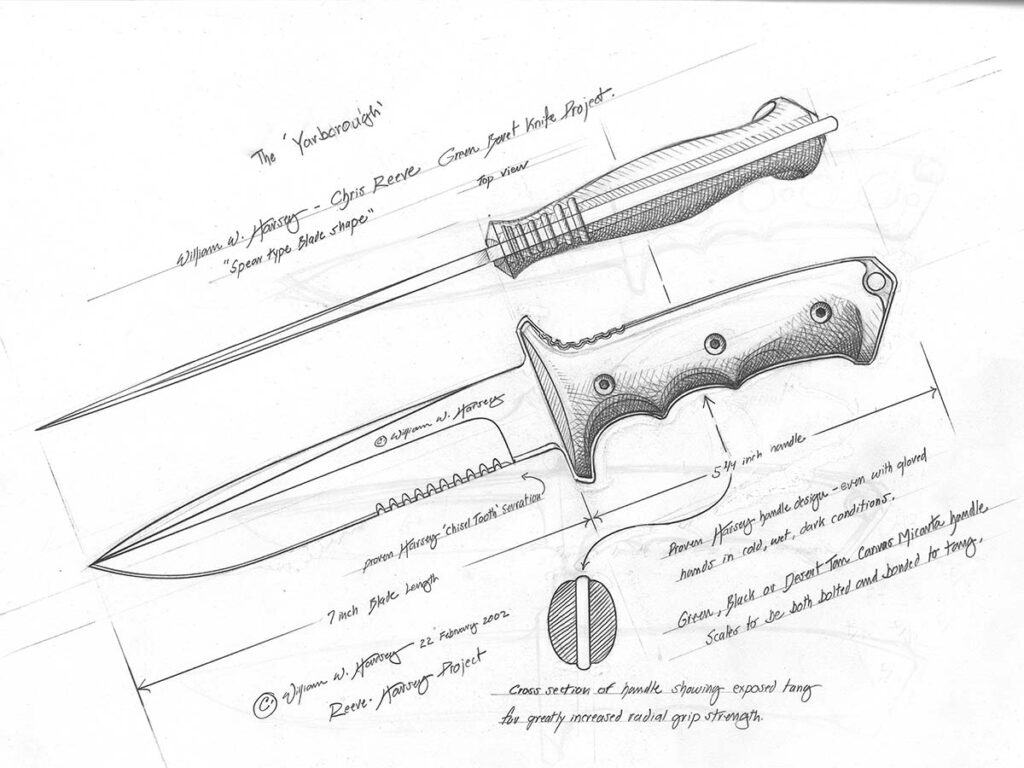
There are very talented people who can’t freehand a drawing of something in their imagination, but give them a clear idea and they can do it with a dedication to detail few ever achieve. Cutlery Hall-of-Famer Bill Harsey’s drawing in 2002 of the “Yarborough” for the Reeve-Harsey Green Beret Knife Project reflects his prodigious artistic talent. (image courtesy of Bill Harsey)

The artisan/crafter who drops the Saturday mall hobby artist status to get into the shows of a size to make the dream of becoming a full-time working artisan/crafter possible must make some adjustments. You will encounter a couple of stumbling blocks along the way. They are big ones and never really go away completely, no matter how much experience you might have.

One is talent—you can’t have enough of it. But the strings attached to it require endless dedication to sometimes crazy rules. There are very talented people who can’t freehand a drawing of something in their imagination, but give them a clear idea and they can do it with a dedication to detail few ever achieve.

Most people with raw talent show it early in life, from the 10-year-old piano protégé and 11-year-old symphonic composer to the ones who talk of space as something tangible to them, to the hands of a 12-year-old who carves hardwoods like the elders around him. They say the spirits of a great carver have moved into his hands. (That’s what I need.)

What do you do if you don’t come loaded down with the skills necessary to get your ideas on paper where you can see them? You don’t have the ability yet to create new and innovative ideas but really like crafting.

Get a pack of white paper, some pink erasers and a pencil sharpener that attaches to your table or bench. Have sufficient light; don’t work in the dark. Try and get the bulk of your idea down the first time, then let it sit and simmer while you look at the rough and try to come up with a direction to take your drawing to next.

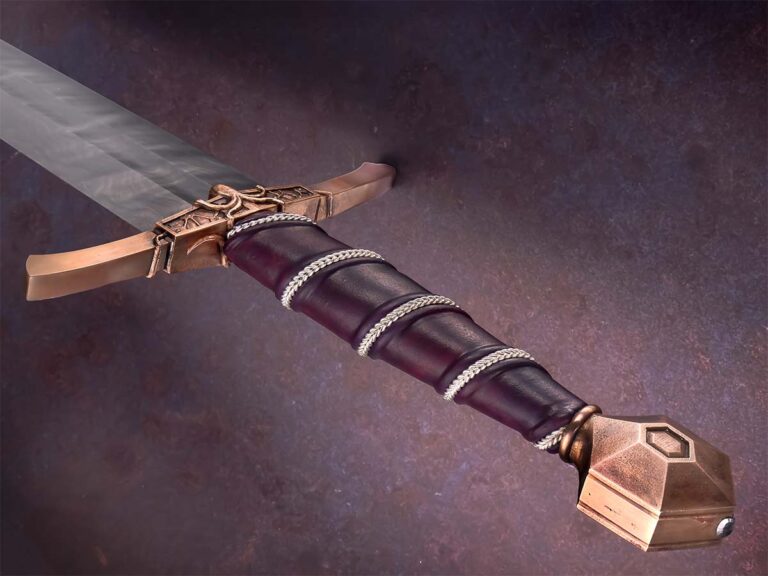
For a project that may take months or years to complete, be sure you cover the bases as much as you think is possible. One of the author’s longer-term projects is his famed Chugach Dragon. Commissioned to make a sword “capable of slaying a dragon,” he not only built the sword, he also made a "dragon" from whalebones and caribou hides. (Weyer International image)
For a project that may take months or years to complete, be sure you cover the bases as much as you think is possible. One of the author’s longer-term projects is his famed Chugach Dragon. Commissioned to make a sword “capable of slaying a dragon,” he not only built the sword, he also made a “dragon” from whalebones and caribou hides. (Weyer International image)

Work with small thumbnail-size sketches. They can be quick and you can do a number till you find something that appeals to you in a short time. Scan it and blow it up to the size it needs to be when finished. Instant gratification art!

Don’t design far beyond your skill sets; keep them in mind when you begin drawing.

I look on my sketches as my guidelines for the final finished piece. I work out the design issues on paper until I’m satisfied. I don’t begin anything until I have a possible route to take to achieve the end product I want. I’m not locked into it but I know there is at least one way that my chances are good, or there’s a reasonable risk, of me pulling something off. When you’re working on something that may take months or years to complete, make sure you have covered the bases as much as you think is possible.

Skills come from continual practice. You don’t have to be Picasso to make a raku* tea bowl. It may not be your original idea but the joy available just in doing the more mundane tasks is tangible. Being able to do raku means you have acquired a new skill set that will tweak your craft view a bit, that will give you the view from another craft’s perspective.

The more skills you can master, the broader your creative strokes can be. It’s not necessary that you learn every technique to the level of a master, only that you can do it without issue the few times it is required.

Ray Appleton’s IQ folders are famous for being difficult to figure out how to open and close, but one (though not one of those shown below) he put on the author’s table at a Solvang Knife Show may have been the most difficult ever.

Sales Presentation

A good idea poorly presented has no positive aspects. Keep it under the table until you work out the kinks at some later date.

Twenty years ago, celebrated knifemaker Ray Appleton came to the Solvang Knife Show. He is well known for his IQ folders, so named because it takes some thinking to work out how they open and close.

He didn’t have an exhibitor table, so he didn’t have anything to sell. He laid a small, leather-slip-covered folder on my table and stepped away. Ray was very tall, so he walked over by the show entrance and stood there to watch what happened. Someone had spotted him putting the knife down and was at my table immediately. The person asked for permission to look at it, which I gave, as Ray had asked.

The man fiddled with the folder for five minutes, then handed it off to someone else. It went through the hands of at least 20 people in an hour. Then Ray came back over to my table. He picked the knife up and slipped it in his denim shirt pocket.

“Did anyone open it?”

“Not as far as I could tell,” I said.

“Neither can I,” he said with the usual twinkle of the jokester in his eye, a man who saw enough humor in life to drive from central Colorado to Solvang on the California coast just to play a 20-minute joke. Ray was someone who knew the joys available in life for an eternal prankster.

The point here is don’t send customers photos of unfinished projects. Their imaginations aren’t usually up to your level, so it is easy for them to misinterpret something by a large margin. When you show up with the final, they will be expecting something different.

*Editor’s Note: Raku is a low-fire process of making pottery.

More On Knife Marketing:

Sharps Makers: New Knife Sharpeners & Maintenance Gear

0

Tools and accessories to keep your edge.

As with so many tools, knives require other tools to keep them up to snuff. A vicious cycle, to be sure, but one in the modern day has been simplified with innovation. Modern knife maintenance equipment is leaps and bounds beyond what it was a few short years ago. In turn, there is little excuse to pocket a dull blade or carry around a knife whose action is choked with lint and fouling. While the concept remains the same—a sharp and functional knife—we’ve gathered up some of the latest maintenance equipment designed to keep your blades edgy and acute.


Horl Rolling Sharpener

Horl Sharpener

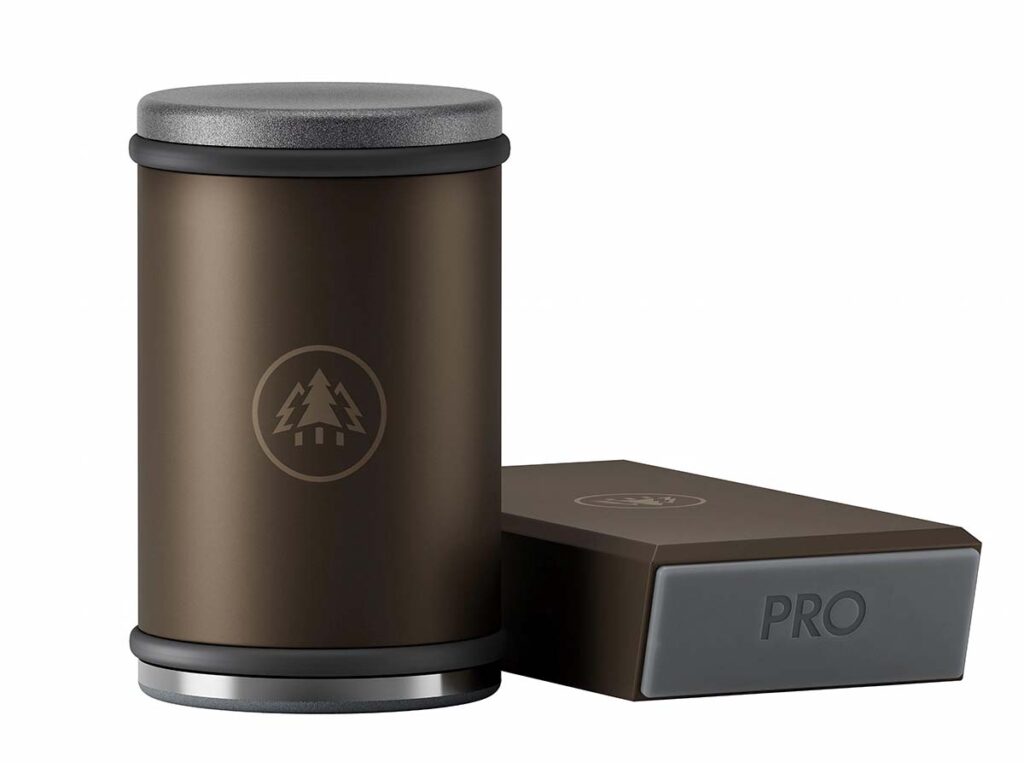
ROLLING DEEP—Horl is shifting its popular rolling sharpener system up a gear with its most recent iteration. Underneath the hood, the Horl3 Pro features a planetary gear system, increasing the sharpening head’s rotation. Geared 1:3, the sharpener hones at a much faster rate than the company’s previous versions, cutting work time down. Further, the Pro is also more versatile, offering six sharpening angles—10, 13, 15, 20, 22 and 25 degrees—so you precisely match its acuteness to the knife you’re sharpening. The new Horl still has all the features that made the system all the rage in the first place, including quick-change heads, diamond sharpening disk, ceramic honing disk and magnetic angled holding pad. MSRP: $399


Hapstone Bench Stone

Hapstone Benchstone

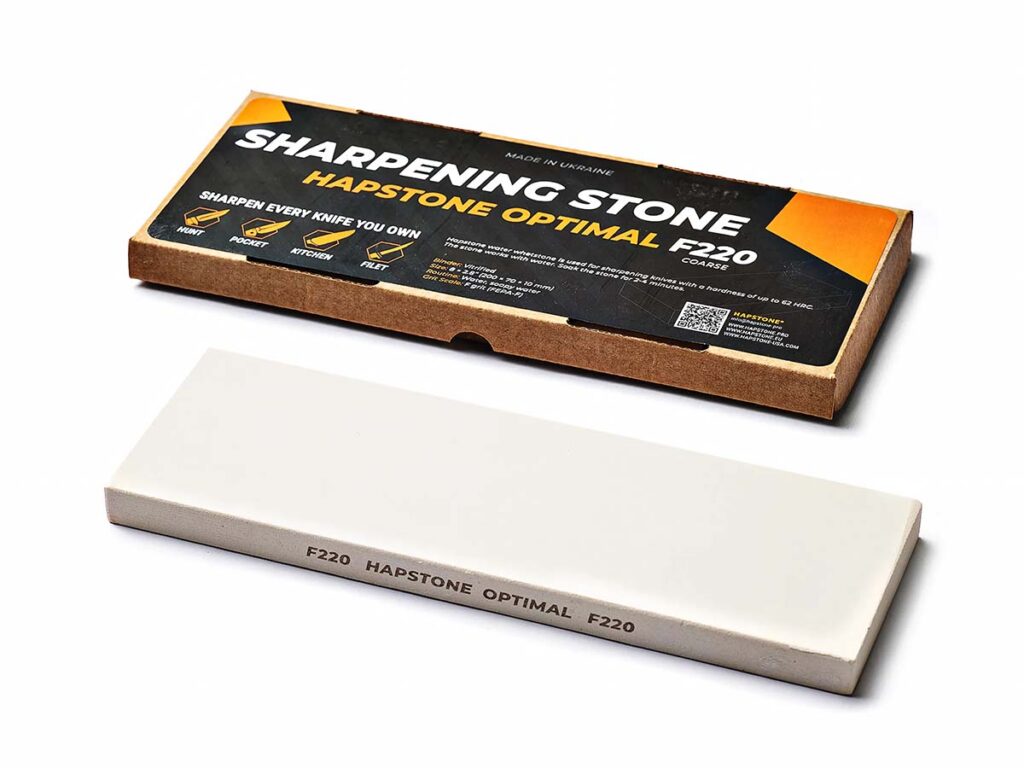
STONE COLD—Freehand sharpening is an art, one that requires the right tools. Hapstone delivers with affordable and effective bench stones in its Optimal line. Made in the Ukraine, the stones are designed to hone steel with hardnesses up to 62 HRC, which covers most of the modern super steels. The 8×2.8-inch stones use aluminum oxide as the cutting medium and a vitrified binder, and the company pre-laps the stones to ensure a smooth working surface. Hapstone offers five grit sizes—220, 400, 500, 1000 and 1200—giving sharpeners the full course to re-form, sharpen and hone their edges. MSRP: $36-$44, depending on grit size


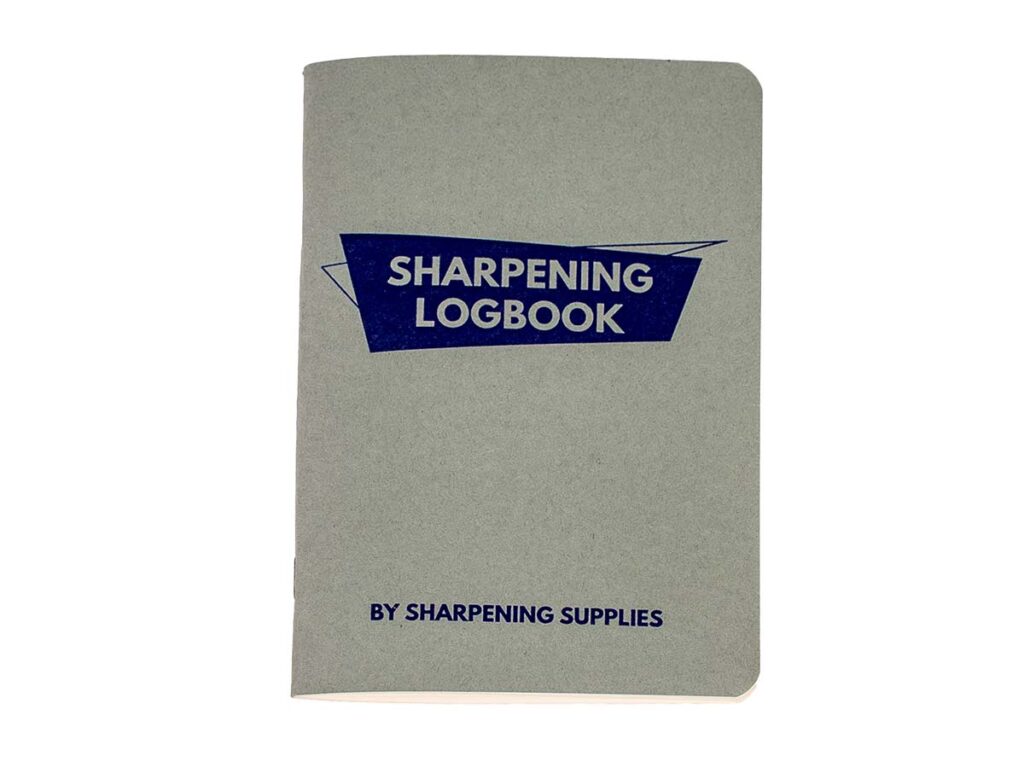
SharpeningSupplies.com Logbook

SharpeningSupplies.com Logbook

KEEPING TABS—If you’re serious about your knives and their upkeep, SharpeningSupplies.com cooked up an absolute must-have maintenance tool. Low-tech as it comes, the online retailer’s Sharpening Logbook helps you keep track of a ton of useful data on your sharpening sessions. Designed to document each knife’s session, there’s room to record knife and date specs, grits used, sharpening angle, edge condition, faults, sharpness before and after, personal notes and more. Additionally, the back of the book has some very useful guidance on sharpening in general. For those who are resolute about achieving and maintaining a pristine edge, this is the type of sharpening D.O.P.E. that proves vital. MSRP: $10


Edge Pro BevelTech

Edge Pro BevelTech

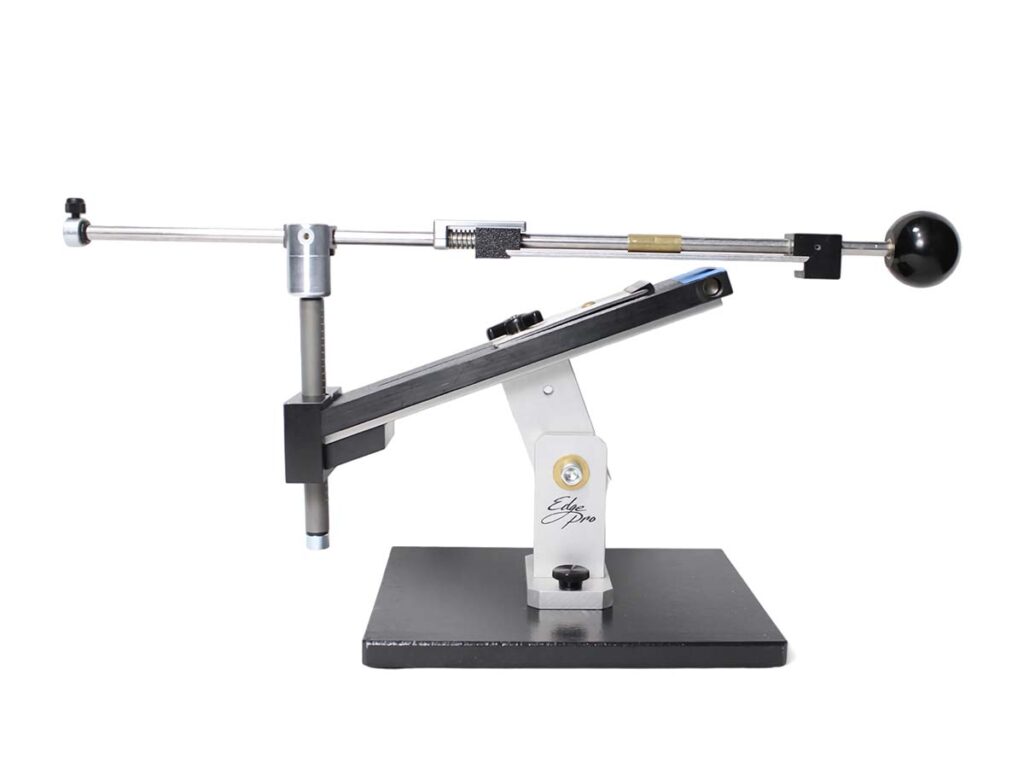
PROFESSIONAL DEGREE—Perhaps you run a sharpening business or maybe you simply take a professional approach to your sharpening projects. Either way, Edge Pro’s BevelTech system is tailored to the most exacting hone hounds in the knife world. Designed for installation in a workspace (though there are less-permanent mounting options), the all-metal angle-adjustable sharpener is designed for precision projects or high-volume honing. Features that should intrigue those undertaking either are an adjustable tilting retention surface, oversized ball grip on the sharpening arm, angle-gauge attachment point on the arm, laser-engraved angle-adjustment graduation and quick-attachment stone holders. Edge Pro offers four different tiers of its system, with more sharpening stones as you go up. But each is built around the base precision sharpener. MSRP: Starting at $435


Knafs Launchpad

Knafs Launchpad

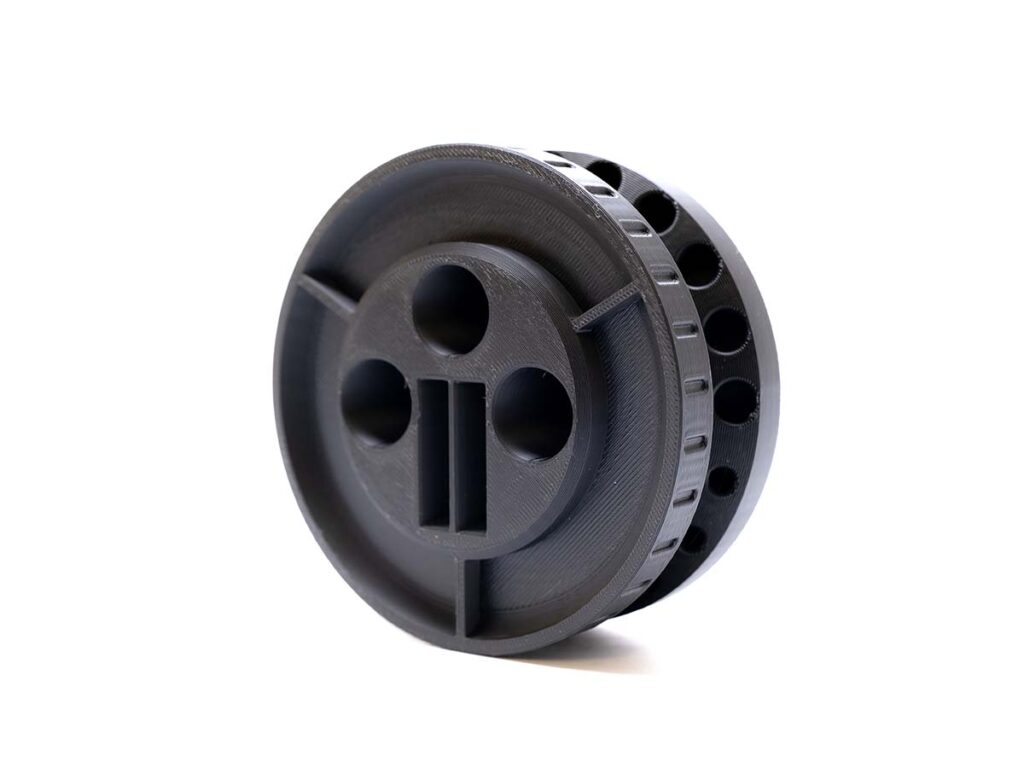
TO THE MOON—Since we talked about Knafs’ Bit Driver Grande in a bit, we’ll pitch an accessory for it that is well worth add to the cart with it—the Launchpad. Simply put, it’s a holding system for the driver, giving you an easy and organized place to hold the tool and a whole array of bits. Here’s the great thing about the 3D-printed accessory: you can spend a little coin and buy one from Knafs or—if you have a 3D printer—the company offers the files for free to print one at home. MSRP: $9


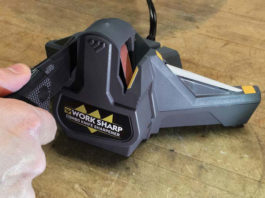
Work Sharp Guided Field Sharpener

Work Sharp Guided Field Sharpener

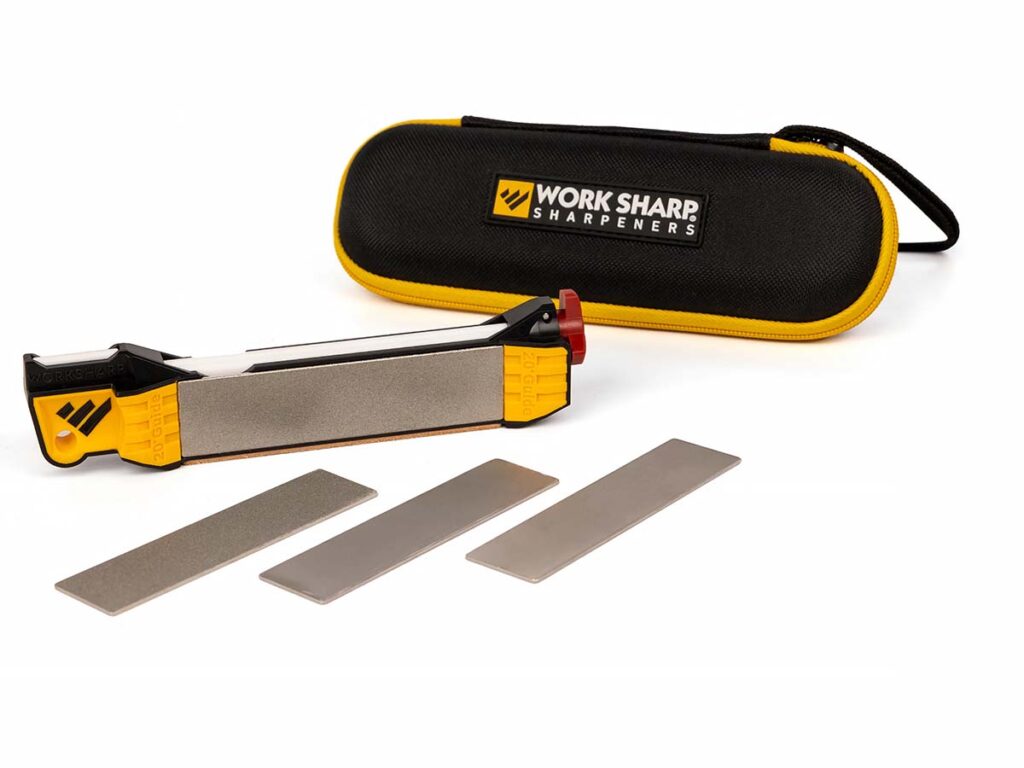
EDGY ANYWHERE—Anyone who aims at recapturing a knife’s edge is likely familiar with Work Sharp’s standby Guided Field Sharpener. It’s been around for a hot minute, but never in what’s being offered now. The Guided Field Sharpener Elite offers complete angle-guided edge maintenance in a system that delivers it anywhere. Where Work Sharp has kicked it up a notch is the sharpening surfaces it includes in the kit, with the Elite coming with 220-, 400-, 600- and 800-grit diamond plates. That takes users from course to extra-fine and covers nearly every sharpening necessity you’re likely to encounter. Plus, Work Sharp throws in a handy zippered carrying case to keep everything organized. MSRP: $75


JRW + KPL Knife Maintenance Tray

JRW + KPL Knife Maintenance Tray

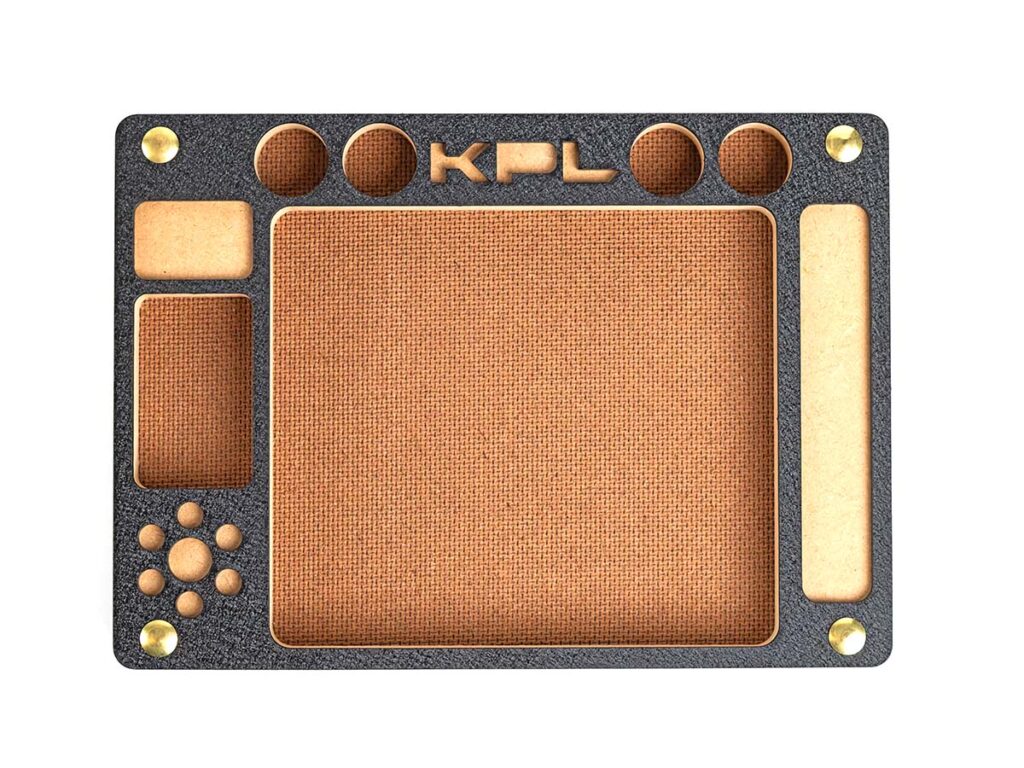
TRAY CHIC—Keeping your workbench organized during a teardown is half the battle, and KPL has teamed up with the pocket-art wizards at JRW Gear to deliver a dedicated workspace solution. The JRW + KPL Knife Maintenance Tray is a premium, multi-layered, riveted storage platform precision-machined to house your entire maintenance arsenal. Designed with custom-bored pockets, it features dedicated slots for your lubes, detailing swabs, hardware and loose knife parts. It even includes a custom cutout perfectly sized for an oil-resistant JRW dump tray to catch small screws before they roll away. Finished with silicone rubber non-slip feet to keep the station securely anchored while you work, you have a steady place to get jobs done. MSRP: $135


Sharpal 202H Adjustable Angle Sharpening System

Sharpal 202H Adjustable Angle Sharpening System

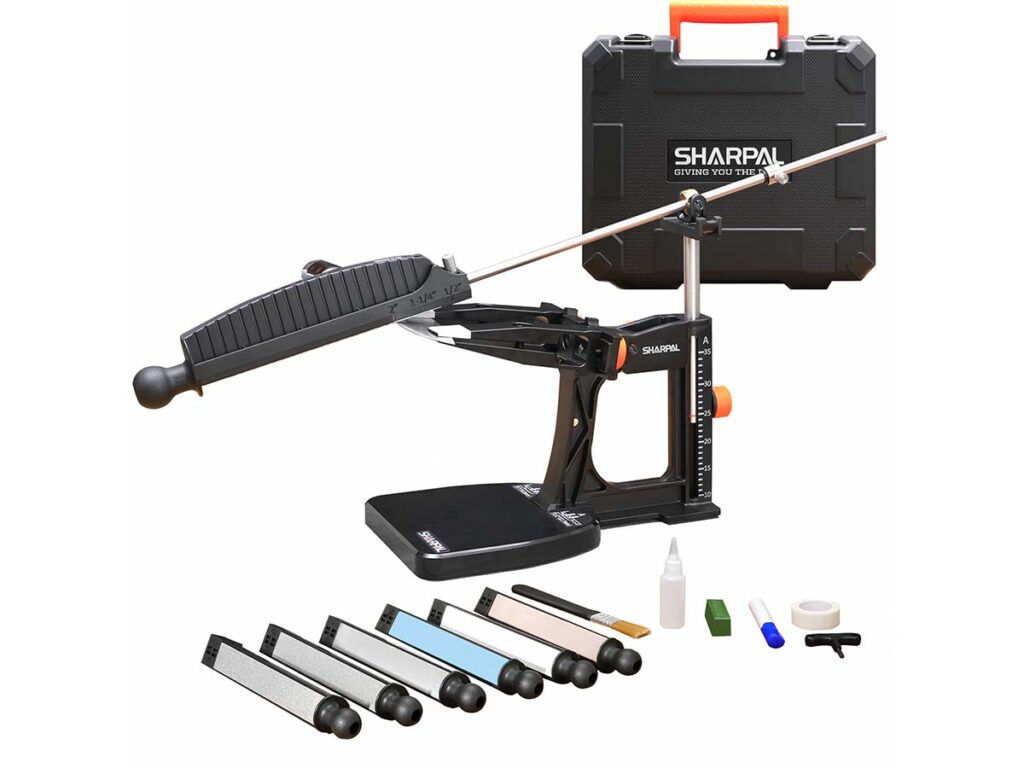
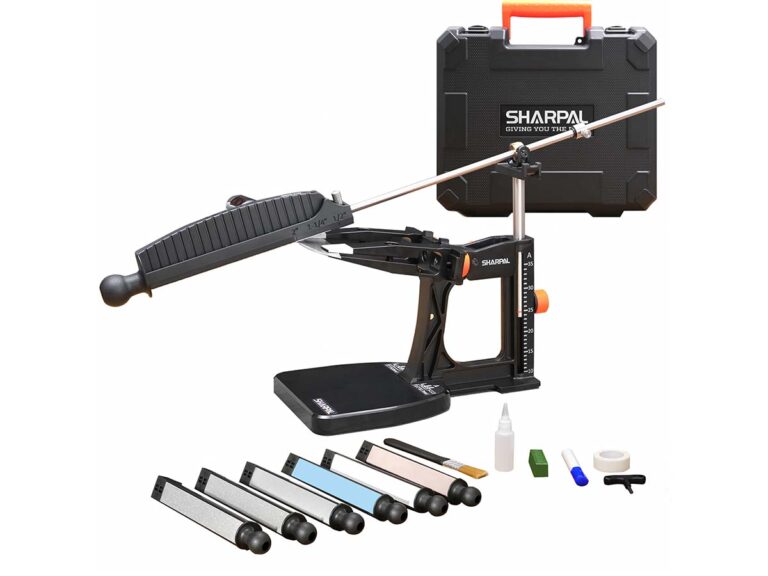
ALL IN ONE—If you want a single setup that handles everything from total edge repair to a mirror polish, Sharpal has a comprehensive solution. The 202H Adjustable Angle Sharpening System is a seven-in-one kit built around a heavy-duty metal chassis and an anti-slip base. The heart of the system is its smooth angle adjustment, delivering a wide 10-to-35-degree range with precise 0.2-degree granularity. To guide your progress, the kit includes seven different 1×6-inch abrasive plates, starting with 220-, 325-, 600- and 1000-grit diamond surfaces. From there, 3000- and 6000-grit whetstones smooth out burrs before you finish on a leather strop with green compound. A reliable flip mechanism lets you work both sides evenly without losing your exact angle. MSRP: $180


Knafs Bit Driver Grande

Knafs’ Bit Driver Grande

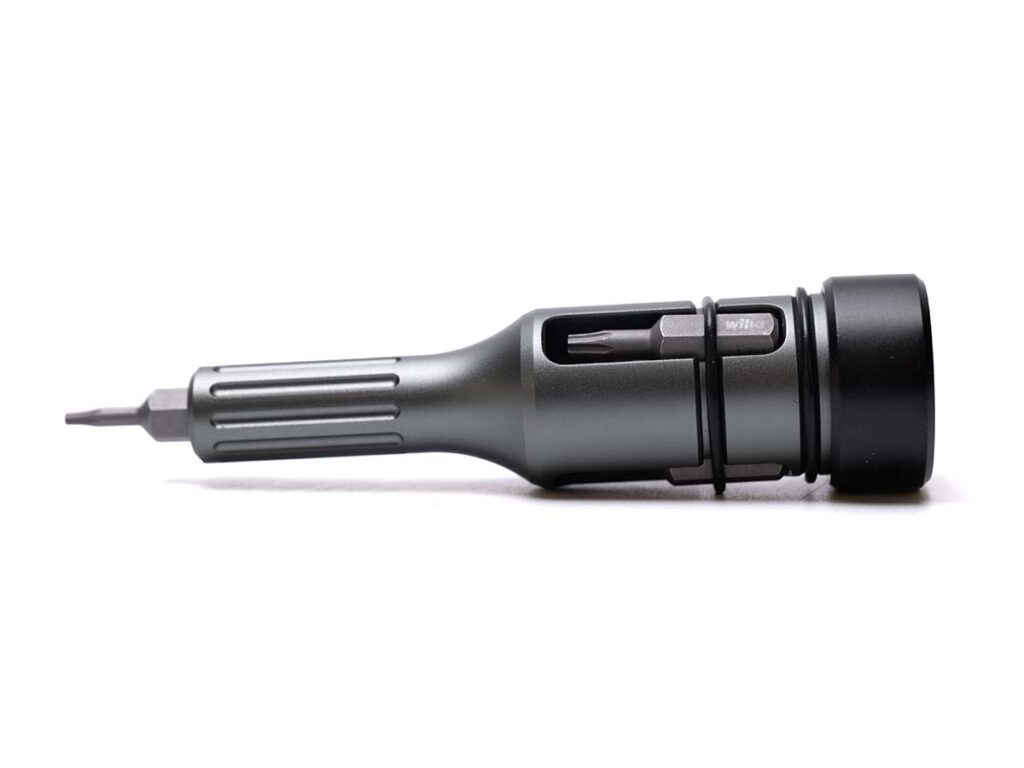
DRIVER’S SEAT—Man does not live by sharp edges alone. Sometimes there are screws to tighten and liners to swab clean. In these situations, a bit driver is the hero of the story and Knafs has a solid—not to mention manageable—option in its Grande. What’s to like about this self-contained system is that it’s the larger brother to its original driver, which, in turn, fits into the palm better to deliver more torque. At the same tick, it has an elongated neck, perfect for more control in precise operations. The tool comes with three Wiha Torx bits (T6, T8 and T10), has a spinning cap run on ceramic bearings and a body of durable, yet light, aluminum. MSRP: $38


Lansky 4-Rod Diamond/Ceramic TurnBox Crock Stick

Lansky 4-Rod Diamond/Ceramic TurnBox Crock Stick

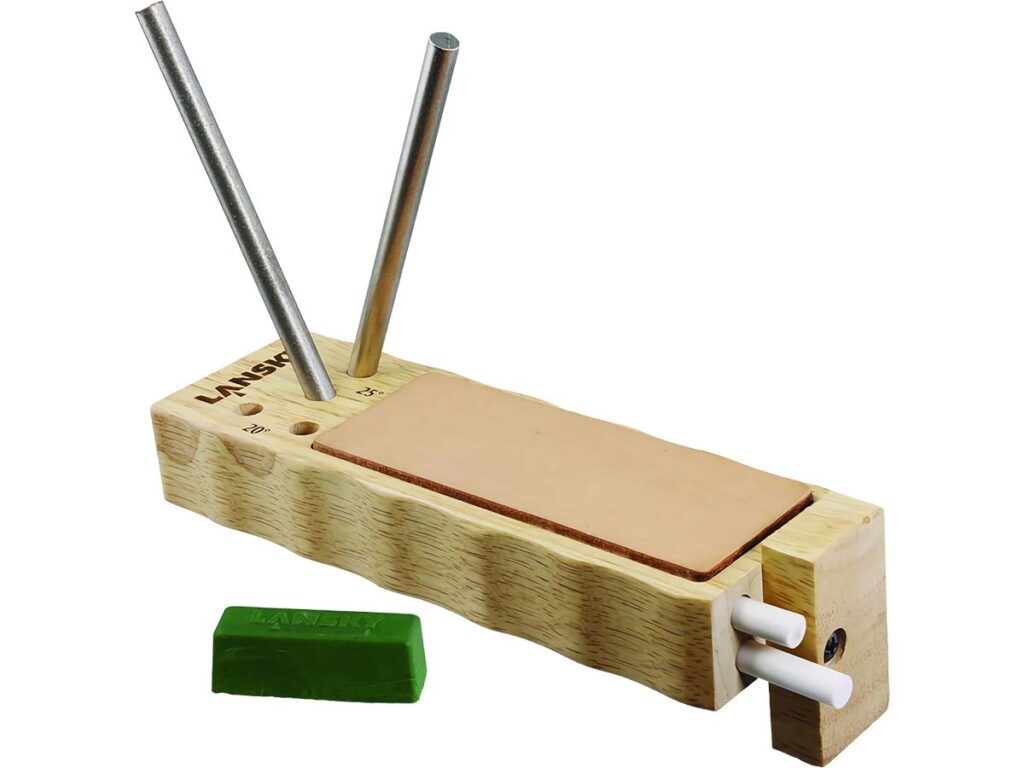
TURNING HEADS—Lansky is updating its classic V-rod format by packing an extra refinement stage into a highly portable layout. The latest 4-Rod Diamond/Ceramic TurnBox Crock Stick system features a compact hardwood block with integrated internal storage for the rods inside the base. Perfect for a kitchen drawer or a hunting pack, the system utilizes preset 20- and 25-degree angles to keep your bevel geometry completely consistent. The two-stage sharpening process leverages two 5-inch medium 400-grit diamond rods for rapid steel removal, followed by two 5-inch fine 1000-grit ceramic rods for daily touch-ups. Lansky then takes the system a step further by including a dedicated leather strop and polishing compound to deliver a true factory-level mirror edge. MSRP: $65


More On Sharpening:

Tim Britton’s Badger: Old Keen Kutter Pattern Reborn

A sensational slip joint, Tim Britton’s Badger revives the Keen Kutter pattern with a ton of flare.

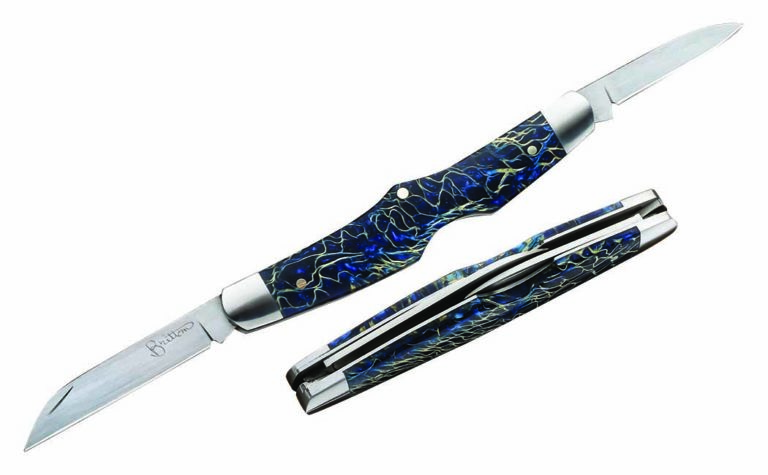
When ABS master smith Bruce Bump showed an old Keen Kutter penknife pattern to veteran knifemaker Tim Britton, Tim fell in love with it and immediately set to making his own iteration.

The blades are BG-42 stainless steel that, as Tim noted, has high ductility and holds an edge forever. He flat ground them on his “ancient” 18-inch, 200-pound Porter Cable disc sander. However, it’s the handle that really stands out. Consisting of stabilized diseased ash burl from Whistle in the Woods, the material looks synthetic but isn’t.

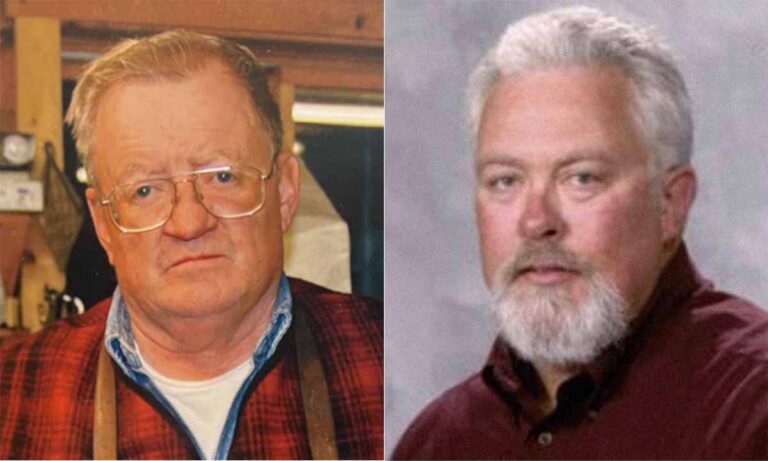
Tim Britton , 80, has been making knives since 1971 and has focused a lot in recent years on slip joints, with the Badger being the latest. He’s got about six antique pocketknife designs on his to-do list for this year, including a peanut and a copperhead. (knife image courtesy of Tim Britton)
“The light stuff in it looks like explosions,” Tim said. “I’ve never seen anything like it.” The projection on the spine fits right in between the user’s index and middle fingers and the groove on the underside cradles the latter for a comfortable, secure grip.

Calling it the Badger, Tim said he made 10 of them and had four or five at BLADE Show 2022.

Badger Spec Check
Knife Name: Badger
Maker: Tim Britton
Blade Steel: BG-42 stainless
Blade Grinds: Flat
Handle Material: Stabilized diseased ash burl from Whistle in the Woods
Closed Length: 3.5 inches
Maker’s Price For A Similar Knife: $375

More Knife Collecting And Custom Knives
Advertisement

Must Read Articles

Read this before you make a knife
Knifemaking 101 – Read This Before You Make a Knife
  by Wayne Goddard My experience has taught me that there's nothing like digging in and getting started. I've often said the hardest part of the...
how to forge damascus steel

How to Forge Damascus

Advertisement
Advertisement