Knife collecting is an extremely rewarding experience for knife enthusiasts. There truly is a knife for everyone. Many increase or hold their value throughout the years, making collecting knives something to pass on to the next generation of knife collectors.
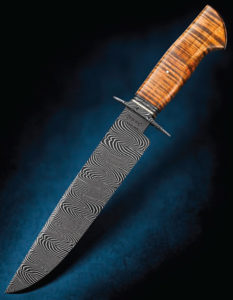
If the knife is well made, it will always have value. Josh Fisher’s bowie features a damascus blade of 1084 carbon and 15N20 nickel-alloy steels, and a handle of curly Tasmanian black wood. (Caleb Royer image)
Thinking of dipping your toe into the exciting world of collecting custom knives? Read these tips first.
What for Look for in a Custom Knife
Don’t buy or collect trends. Buying what’s “hot” today may mean selling at a loss tomorrow. Buy a knife because you like it, not because you think it will increase in value. If the knife is well made, it will always have value.
Decide what the knife will be used for and choose accordingly. Is it pleasing to your eye? Hold it and see how it feels in your hand.
Is it easy to carry? Is the edge geometry correct and are the grind lines even? Are there gaps at joints between the blade and guard? On a folder is there too much blade play—up and down and/or side to side?
Does the knife walk and talk? What about fit and finish?
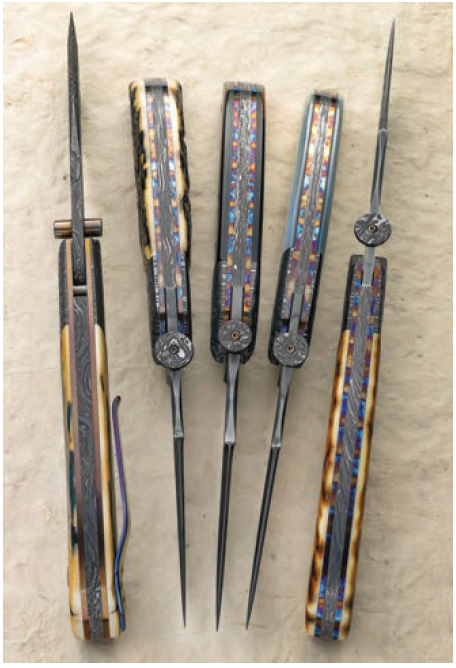
Is the edge geometry correct and are the grind lines even? Are there gaps at joints between the blade and guard? Don Hanson’s folders exhibit tight fit and finish from stem to stern. (SharpByCoop image)
On a linerlock or framelock does the lock engage too late or too early? Is lockup tight? Feel the knife all over for hot spots and evaluate it in terms of quality construction and materials, creativity, etc.
If the knife is a fixed blade, a sheath can add value. However, the knife needs a sheath only if it is important to you, though it may affect resale value. A good sheath can cost $75 to $150 to have one made, so this is a good benchmark of value detraction.
On the other hand, some sheaths can be distinctive works of art that can add significantly to the knife’s overall appeal and value.
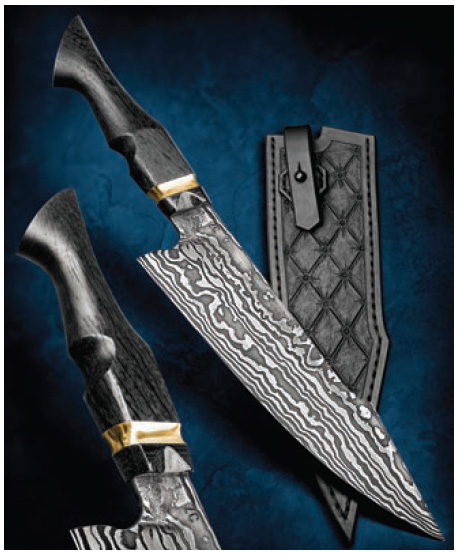
If the knife is a fixed blade, a sheath can add value. However, the knife needs a sheath only if it is important to you, though it may affect resale value. Zac Camacho offers a sheath with his zesty fixed blade in damascus and a handle of stabilized ancient bog oak. Overall length: 13.875 inches. (Caleb Royer edited image)
Commissioning a Completely New Custom Knife
Be wary of custom orders, as many things can go wrong, including long wait times before delivery, and makers who shun lengthy dialogue over what might be a healthy monetary investment on your part. Moreover, the finished knife may not meet your expectations.
Custom orders may be best for makers early in their careers. Veteran makers may wind up making a custom order that doesn’t represent their style, so the knife may not increase in value.
Place an order with enough time to pick the knife up at a time that works for you, such as during BLADE Show.
Determining Price of a Custom Knife
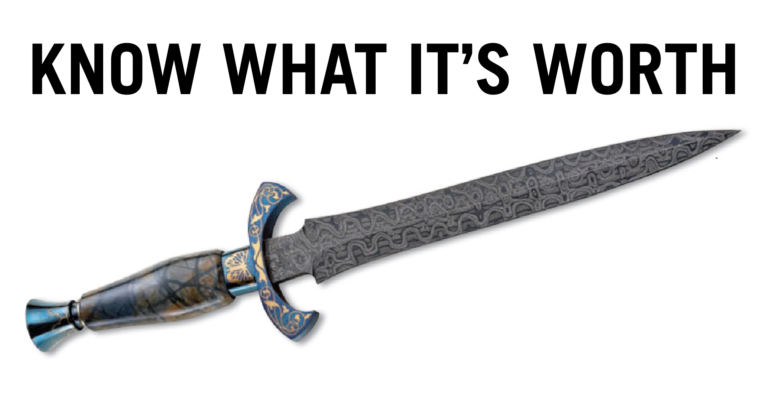
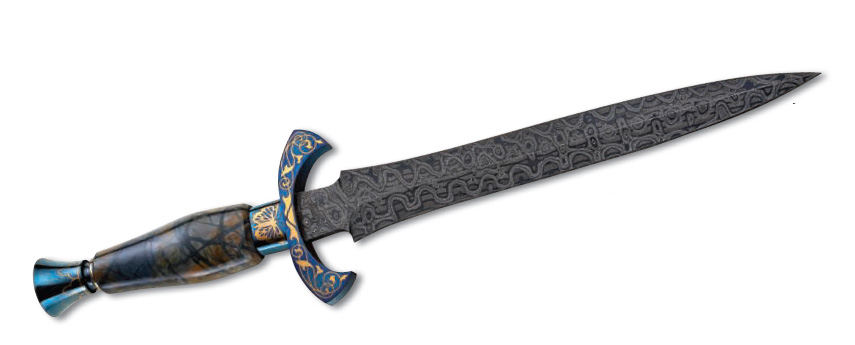
If you pay a high price for a knife, see if the maker has been in business for a number of years, has a strong following and that the knife is something special. Such a knife should be made of materials of a higher quality/more in demand than a less expensive model. An art dagger by Dennis Friedly with engraving by Gil Rudolph would appear to qualify on most all of these counts. (SharpByCoop image)
Never be afraid to ask a maker, purveyor or any seller why a knife costs what it does. Ask him/her for some background and history on the knife, both of which can embellish a knife’s value, especially if the knife is a vintage one.
If you pay a high price for a knife, see if the maker has been in business for a number of years, has a strong following and that the knife is something special. Such a knife should be made of materials of a higher quality/more in demand than a less expensive model.
If the maker is just starting out, be sure his knives are priced reasonably.
If the knife appears to be underpriced, be sure there’s not a mistake in its construction.
For a guide, check the prices of like knives on the sites of purveyors who have been in the business for a long time. They wouldn’t still be in business if they didn’t offer reasonable pricing.
Are Deposits Necessary?
One purveyor said you should never pay an upfront deposit on a custom order. No exceptions. Watch out for makers who claim to need the deposit to buy materials, etc. You are not a finance company.
Besides, as one purveyor said, “It’s unfortunately very human that it’s hard to get work done that is already paid for.”
Warranties
Ask for a written guarantee regarding what the maker will and will not cover in terms of damage caused by use/abuse, flaws in workmanship or materials (excluding natural materials that chip and crack), etc.
The warranty should last for the remainder the maker’s career.
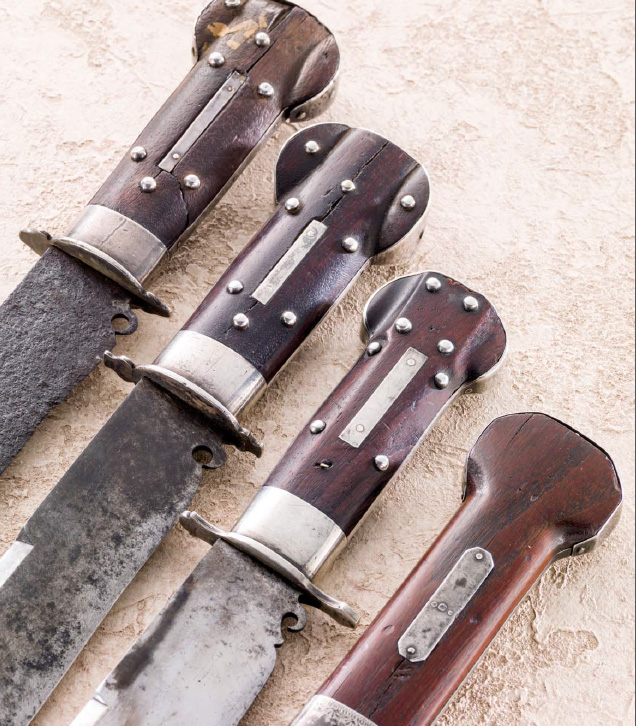
The distinctive handle of the dog-bone bowie knife resembles a dog bone and allows the user to swing, slice, hack, stick and pull the knife without it flying or slipping out of the hand. A wrap of thin coin silver protects the end of the dog bone, or pommel. An oval-shaped silver ferrule supports the wooden handle at the guard. A metal ferrule is a characteristic of early American knives. It prevented the handle from cracking.
For decoration, thin coin-silver strips are pinned to the top and bottom of the handle from ferrule to pommel. Domed silver studs and rectangle escutcheon plates adorn the dark walnut handle. A thin silver cross guard decorated on each end provides protection to the user’s hand.
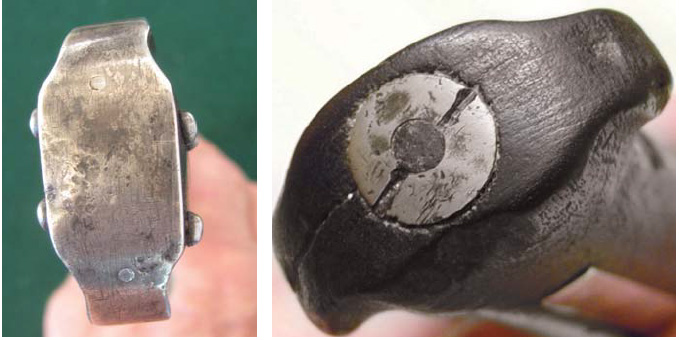
The decorated wooden handle without the silver pommel wrap slips over the blade’s hidden tang. A slotted cylinder nut secures the handle to the threaded tang. The photos accompanying this article show both the slotted nut on the handle with the silver pommel removed, and the silver pommel wrap covering this feature. The slotted cylindrical nut is a feature of knives made by the French cutlers of the time in New Orleans.
The decorated wooden handle without the silver pommel wrap slips over the blade’s hidden tang. A slotted cylinder nut (right) secures the handle to the threaded tang. A silver pommel wrap (left) covers this feature. (photo of exposed cylinder nut by, and courtesy of, Mark Zalesky)
The feature is evident on push daggers and on knives made by Blaise Pradel that originated in New Orleans. His mark of “PRADEL, A NEW ORLEANS,” is French for Pradel of New Orleans. A pupil of Charriere of Paris, France, Pradel lived on St. Charles Street in New Orleans. The blades were forged and flat ground into a triangular cross section.
They did not have a ricasso. The ricasso is the rectangular cross section of the blade before the guard on modern knives. Instead, they had a circular notch on the edge called a Spanish notch. It is a form of decoration. In the past, it may have had a purpose that is unknown today.
While the definition of the “perfect” or “4.0” military knife is subjective, those who have been there know well how their knives perform and what it takes to build confidence that the indispensable tool can deliver.
So, with a clean slate, how would veterans of the military and the knife industry construct the finest knife for their own use?
1) Easy
“Durability and maintenance are primary, as they are with any tool or gun,” assessed Rob Cude, who spent 24 years in the U.S. Navy and retired in 2006 as an Explosive Ordnance Disposal Chief after completing tours in Africa, Yemen, Afghanistan and Iraq, with combat duty as a member of the CIF (Commanders in Extremis Force), a group of exceptionally trained Special Operations personnel.
Retired Navy EOD Chief Rob Cude prefers any of the “SV” stainless steels such as CPM S30V and paper or canvas micarta with a thread exposing finish on his military knives. Stellite® 6K—such as that on this fighter by Kit Carson—is another Cude favorite for blade material. (Cude image)
“The knife must be easy to maintain and built of quality materials that stay sharp, are easy to sharpen, and strong,” Cude continued. “Any of SV [CPM S30V, etc.] series steels are really good, and Stellite® for some uses such as diving. High carbon can also be used as blade steel, but it’s all about finish and coating. My handle choice is paper or canvas Micarta with a thread-exposing finish, but the aggressive G-10 textures on fixed blades like those by Strider Knives are really good as well. The material needs to be durable and chemical resistant with a slip-resistant finish when wet.”
While on active duty, Cude carried a Spyderco Police, Benchmade and Emerson folders, and Gerber fixed blades.
“In 1996, I contacted a few custom makers to help us with a fixed blade that met a variety of needs,” he remembered. “Later, I carried Kit Carson, Jones Brothers, Strider and R.J. Martin, all excellent knives that withstood the test of time and extreme conditions.”
His friendship with Cutlery-Hall-Of-Famer Kit Carson and contributions to a military knife design resulted in variants of the U2, which Buck Knives picked up as the Intrepid.
“Kit was not only a friend but a mentor in military career,” Rob noted.
2) Simple
A Pacific Cutlery Fer-de-Lance designed by the late David E. Steele was always with Kim Breed on deployment. Breed also carried a Swiss Army knife Champion in no small part for its tweezers and scissors for removing thorns. (Breed image)
Retired 5th Special Forces Master Sergeant and BLADE field editor Kim Breed makes knives and has done design work for Spartan Blades. He applies the KISS principle, always keeping it simple.
“The more moving parts, the higher the chance of failure,” he reasoned. “I make it a point to serve the military by providing the best knife with the soldier’s interest in mind. They provide me with important feedback on how my knives have performed, which allows me to tailor their needs into my designs.”
While serving with the Special Forces, Breed preferred lightweight knives that could perform a wide variety of tasks since most of his active duty time was spent living out of his rucksack.
“A Ferde-Lance designed by David E. Steele was always with me on every deployment. I also carried a Swiss Army knife Champion, as the tweezers and scissors were the best for removing thorns.”
For Kim, experience still points to the multifunctional blade style with a comfortable handle, and high carbon steel and Micarta are the most requested materials from active service personnel. Comfort, edge-holding ability and ease of sharpening are the top priorities.
“The fixed blade will always have a place with the soldier,” he asserted, “and some folders will be used for smaller tasks. Kydex seems to be the sheath of choice, as it is approved for airborne operations and securely holds the knife in a variety of positions. Blade shapes run the whole spectrum, but most are a version of a drop point or slightly upswept blade. A few soldiers like guards, but as long as the knife has a finger notch to keep the hand from slipping, it’s good. A bead-blasted finish is a favorite. A non-reflective blade is a must.”
3) Environmental Versatility
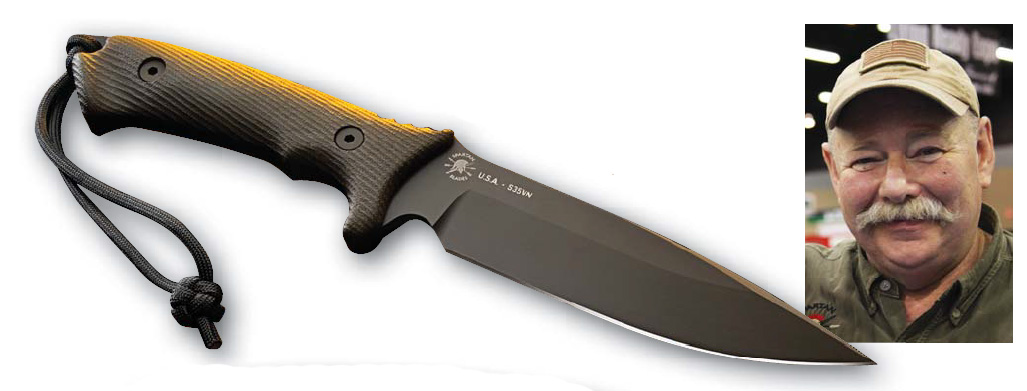
The steel of choice for Bill Harsey (inset) is CPM S35VN, which he says mimics the traits of a true tool steel but with stainless characteristics. S35VN blade steel and a handle of another Harsey favorite, Micarta, help complete the Harsey-designed Difensa from Spartan Blades. (Spartan Blades knife image)
William “Bill” Harsey Jr. has been around military-style knives for decades and worked in design with legendary Cutlery Hall-Of-Famer Col. Rex Applegate, as well as Chris Reeve Knives and Spartan Blades.
He says canvas Micarta handles are tough to beat for control in harsh conditions, including wet and cold and even in darkness. They have been approved for cleanup after exposure to chemical or biological weapons, too.
“I also believe that a knife must be able to retain its sharpness in hot and humid conditions such as marine, riverine and jungle environments,” he commented. “This takes some amount of stain resistance, as an edge can ‘go away’ in the sheath without ever being used.”
The steel of choice for Harsey is CPM S35VN, which he says mimics the traits of a true tool steel but with stainless characteristics. While he adds that good makers can utilize a range of blade steels and produce outstanding knives, non-stainless steels require more maintenance.
“One thing I’ve learned about discussing knives with members of the military is that the topic elicits strong responses, kind of like which handgun is the best,” said Harsey, who has made knives individually and in collaboration with U.S. Army Special Forces, U.S. Navy Special Warfare personnel and Canadian Special Forces.
“Many of the warfighters I know carry several knives in the field and when not in the field. Folders, fixed blades and tools all count.”
Harsey sees the basics as the most important aspects of the ideal military knife.
“I think the requirements for a good military use knife, which can be mission and region specific, are that the blade has a point, cuts and can be carried in a good sheath that works with the rest of the kit carried by the warfighter,” he concluded.
Forget the Movies
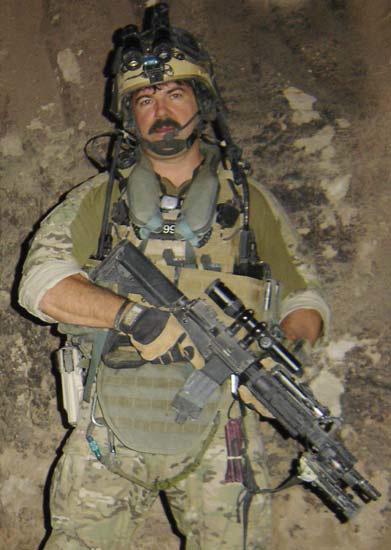
An Army veteran of the 7th Infantry Division (Light) during the invasion of Panama, the 82nd Airborne Division during the Gulf War of 1991, the 173rd Airborne Brigade during the Balkans air war, and a special mission unit in Special Operations during the global war on terrorism in Iraq and Afghanistan, Jack Stottlemire retired with the rank of sergeant major. (Stottlemire image)
During stints with the U.S. Marine Corps and Army, Jack Stottlemire, who makes custom knives for military personnel at Fort Bragg, North Carolina, near his home, has seen many a global hotspot.
A veteran of the 7th Infantry Division (Light) during the invasion of Panama, the 82nd Airborne Division during the Gulf War of 1991, the 173rd Airborne Brigade during the Balkans air war, and a special mission unit in Special Operations during the global war on terrorism in Iraq and Afghanistan, he retired with the rank of sergeant major. Jack also has carried numerous knives.
He put away his Gerber Mk II after carrying it briefly and went with a KA-BAR that performed well in multiple functions. He also has used a Buck 110 folder, M7 bayonet, Leatherman multi-tool, Air Force survival knife, Benchmade Stryker auto, and a Horrigan Fighter made by his squadron mate, Bob Horrigan, who was killed in action June 17, 2005.
“Unlike what you see in the movies,” Stottlemire explained, “soldiers and Marines do not carry large crew-served knives like in Rambo or The Expendables. A knife is a cutting tool for everyday tasks. For silent killing when warranted, a spike hawk is used more often than not in lieu of a knife in Special Operations on today’s battlefield.”
Stottlemire’s custom knives are made under the Rustick Knives brand, and word of mouth drives his sales. He has a large following among Navy SpecWar Teams and Air Force Combat Control Teams.
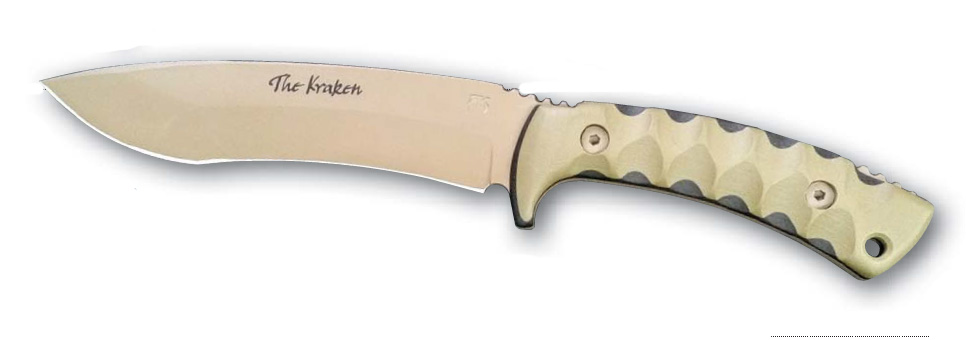
One of Jack Stottlemire’s best-selling knives for military personnel is the 6-inch-blade Kraken. The blade is finished in Cerakote™ with a flat-dark-earth color. The handle is G-10. (Stottlemire image)
“Carbon steel knives that are treated to 57-59 Rockwell are easier to sharpen in the field than most stainless steels,” he remarked. “Carbon is more affordable for the average ‘Joe’ also. I was surprised when a SEAL platoon ordered knives from me and did not want stainless. They preferred carbon with a Cerakote™ finish. Now, stainless does have its place, especially in a humid environment like Central America where you can actually watch an unprotected edge rust. But with proper maintenance and protective finishes, carbon can excel in these areas.”
Jack’s handle material of choice is G-10 and he uses that on all the custom knives he produces.
Another of Jack Stottlemire’s best-selling knives for military personnel is the 4-inch blade utility/combat knife. The handle is G-10 and the blade is finished in a flat-dark-earth Cerakote™. (Stottlemire image)
“It’s very tough and durable stuff that stands up to any abuse you throw at it,” he said. “Micarta would my second choice.”
From a military man’s perspective, Stottlemire says a knife needs to do one thing well—cut. Added options such as wrenches, screwdrivers or bottle openers are unnecessary in the field. A good point with a blade of 4-to-5 inches is usually more than enough to do the job well.
It Comes Down to Individual Preference
Overall, both fixed blades and folders useful in the field. Handles of durable synthetic such as Micarta are the top choice, while blade steel is a toss-up between carbon and stainless.
A blade length of up to 5 inches is ideal. Personal preference, though, remains a major factor, and the individual has the opportunity to decide what knife or knives to employ.
Shadow-pattern penknives form a distinctive niche in the pocketknife world and own a tradition related to their original purpose, which was, as with other forms of penknives, to sharpen writing quills or feathers.
Before the introduction of mass-produced, steel-pointed pens in the early 1800s, feathered quills were the only utensil available for writing with ink and paper. Since the smaller blade on penknives was almost always used to sharpen quills into “pens,” the blade became known as a “pen blade.”
Even after the development of steel pens, the penknife continued to be a most popular style found in the pockets of most townspeople, who used them for opening mail and trimming candle wicks.
What’s the Difference Between Jackknives and Penknives?
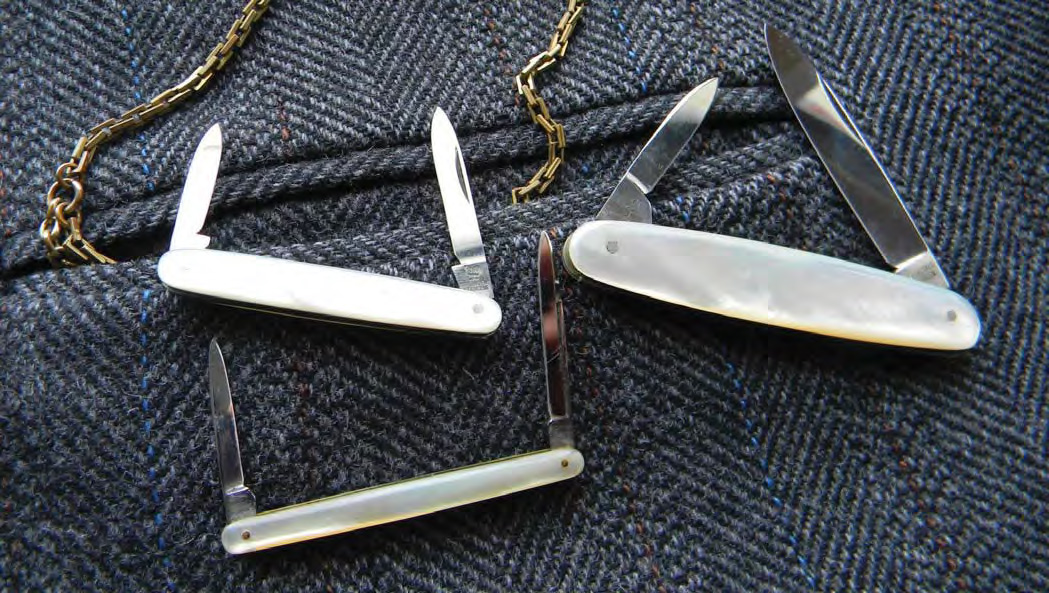
A pen style of pocketknife, shadow patterns have blades that open from opposite ends of the handle. These three in mother-of-pearl were all made in Solingen, Germany.
Before exploring shadow-pattern penknives, some categorization about pocketknives in general is in order. In basic terms, pocketknives fall into two large categories: jackknives and penknives. By examining a typical pocketknife, you can quickly discern the difference between the two styles.
Jackknives have both blades opening from the same end of the knife, while penknives have blades opposite each other and open from either end of the knife. During production, the cutlery worker must frequently “crimp” or slightly bend one of the blades sideways so the opposing pair of blades can pass each other in the same slot without one blade landing atop the other. This step results in a costlier knife.
It is interesting that penknives, being more expensive to produce, have not held their value when compared to jackknives. Collectible jackknives consistently have been priced higher than penknives because of their larger size. Hence, the old adage applies to jackknives: “Bigger is better.”
Shadow Pattern Definition
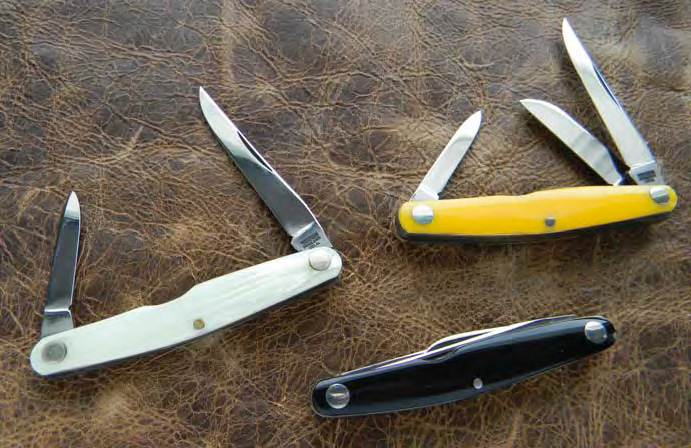
Western Cutlery addressed the lack of bolsters on these two- and three-blade shadow patterns by adding oversized bird’s-eye rivets.
In order for a knife to be a shadow pattern, it must have one important characteristic that separates it from other penknives. Unlike almost all other types of penknives, the shadow pattern does not have a bolster at either end. In fact, the shadow pattern is the only penknife style missing bolsters.
Why is that significant? Bolsters on each end strengthen the knife since the pin that goes through the pivot portion of the blade also goes through both sides of the knife and passes through a hole in the bolsters.
Since many knife users pry the blade sideways from time to time, this action dislodges the pin holding the blade in place, and frequently damages the knife. Shadow patterns defined as having no bolsters at either end of the knife are substantially more delicate than penknives that have bolsters.
Shadow patterns have blades held in place by a pin that passes only through a thin piece of brass and the handle material itself. When you use the knife to pry sideways you quickly widen the pin hole, and, frequently, crack the handle material.
Of special significance is that many of the expensive shadow patterns had either jigged bone, tortoise shell, or mother-of-pearl or abalone sides.
Given the fragile nature of the natural handle materials, an examination of many shadow patterns reveals cracks or missing handle parts.
Advantages
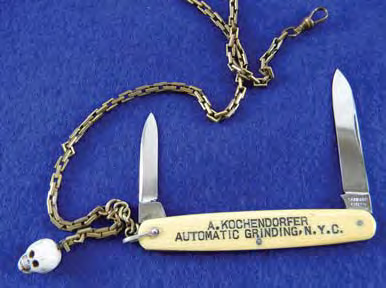
A Schrade Cutlery mint shadow-pattern advertising knife in French ivory celluloid sports a bail for attachment to a watch chain.
Why produce a pocketknife with no bolsters that is prone to the cracking or breaking of the handle material? The answer lies in the beauty of the vintage penknives. Handled in tortoise shell, abalone, mother-of-pearl or even fancy celluloids, the small shadow patterns have sides not limited by bolsters at each end.
A mother-of-pearl side with iridescent shades of pinks, purples, blues and greens are displayed without being “bordered” by bolsters. Even bone, especially those with peachseed- or Rodgers-style jigging, outfit the knives’ sides.
Another reason for eschewing the bolsters was understanding the knives’ general uses. Lightly constructed, small in nature and finely finished, the knives were never intended for opening paint cans or scraping rust from a piece of metal as with standard pocketknives.
Instead, they were designed to handle such delicate tasks as cutting a loose thread, cleaning fingernails, removing splinters, opening packages and loosening a stamp from a piece of mail.
Collecting Shadow-Pattern Knives
In terms of overall beauty, the shadow pattern has few equals. Because of its slight size and rather thin cross section, the knife can be fully appreciated for the work involved in producing such a subtle style. Because the blades oppose each other there is some fascination with the craftsmanship needed to produce a knife with limited clearance between blades.
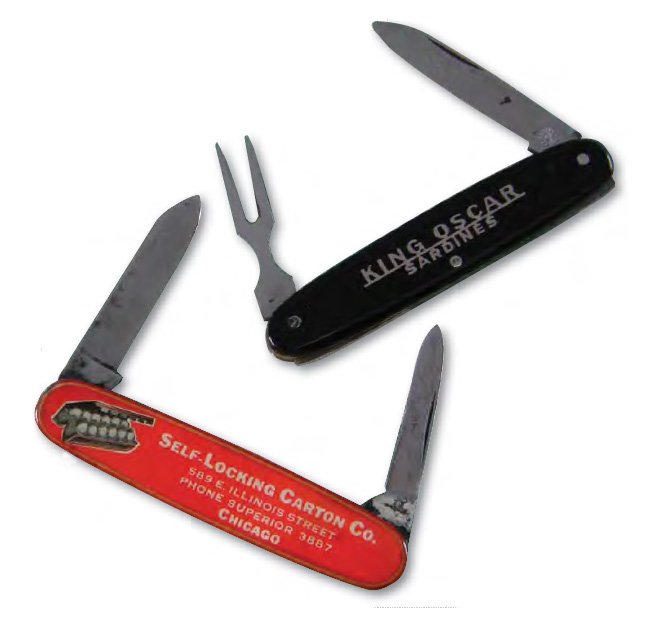
Some manufacturers found yet another use for shadow patterns—as advertising knives. Because the sides of shadow patterns have no bolsters, the entire side could be used to advertise various products.
Western States Cutlery used the technique often. Western States also found that without the bolsters and by using less expensive handle materials, engraved “tourist knives” could be produced inexpensively and distributed to souvenir shops across the Western USA.
Shadow patterns are under collected and underpriced compared to other knives of similar size and handle material. As an added bonus to collectors, any number of American and foreign cutlery companies made the knives, especially those in mother-of-pearl.
When examining them, look especially close to where the pin comes through the handle material. Here is where the cracks will appear.
Meanwhile, you can amass an outstanding group of these delicate pocketknives for a reasonable price.
For starters, honing a knife is different from sharpening a knife in one major way: how much steel is removed from the blade. Sharpening involves removing steel along the edge using an abrasive. It’s more aggressive than honing, which is a process by which the grains of steel on the edge are made uniform.
While honing isn’t a replacement for sharpening, it can extend the time between sharpenings. Honing is also a quick way to refresh a blade before use. Professional chefs will often use honing rods on their knives before getting to work.
You don’t need to be a five-star chef to hone your knives like a pro, though. No matter the task at hand, you can bring your knife back to life quickly with these simple steps.
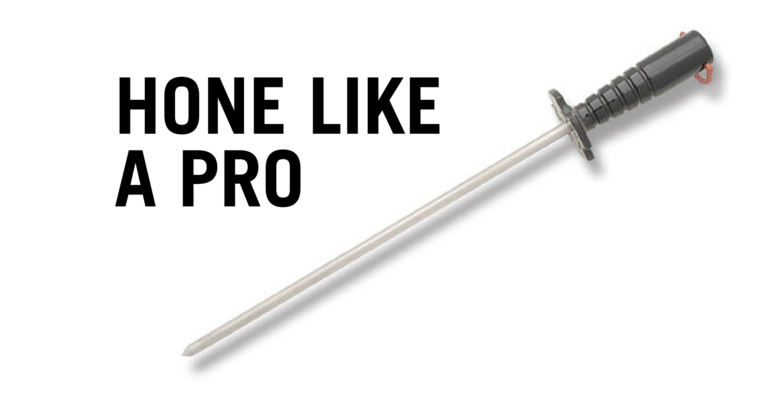
Step 1: Buy A Honing Rod
In general, honing rods come in three styles: steel, ceramic and diamond. Each comes with different characteristics.
Steel is the least expensive. Because it’s softer than the other two styles, it won’t remove much metal from the blade. It’s great for beginners.
Ceramic carries more bite than steel. The honing will last longer because of this, but ceramic is also less forgiving of the novice.
Diamond honing rods are usually the most expensive of the three. The diamonds embedded in the rod remove a good amount of steel, so this style should only be used by the skilled knife enthusiast.
No matter which style you choose, aim for these features:
A secure, ergonomic grip
A sturdy guard that protects your hand
A ring on the handle for slipping a pinky through in case you drop it
Step 2: Find Your Angle
Place the rod perpendicular onto a non-slip surface. Hold the handle of the rod and plant the tip onto a soft yet durable surface, like a cutting board. Place the heel of the knife against the top of the rod at an approximate 15-20 degree angle. It’s important to match the angle of the edge already set on the blade.
If you’re not sure of the degree, angle the edge against the rod almost like you’re going to cut a long, thin slice of the rod off, and then apply light downward pressure until the edge catches.
Step 3: Time to Hone
Using light pressure, draw the knife down the rod. Use the full length of the rod (you paid to use the whole thing) and pull across the full length of the blade (you paid for that, too). Do your best to maintain a constant angle. Do the same for the other side of the blade.
Repeat eight to 12 passes on each side of the blade. Take your time. There’s no need to show off by honing quickly. That comes later.
With practice, honing will be like second nature to you. Honing will put your knives into a whole new light. You’ll be amazed at how quickly you can give your blade a new pair of shoes.
Looking For a Shortcut? Try Knife Aid
The next best thing to sharpening and honing on your own is to use a mail-in knife sharpening service, like Knife Aid.
Knife Aid makes it simple. After placing your order, Knife Aid sends you everything you need to send them your knives for sharpening. It’s as easy as dropping your order in the mail, waiting a little bit and receiving the knives back in the mail as good as new. You can read BLADE‘s review of Knife Aid here.
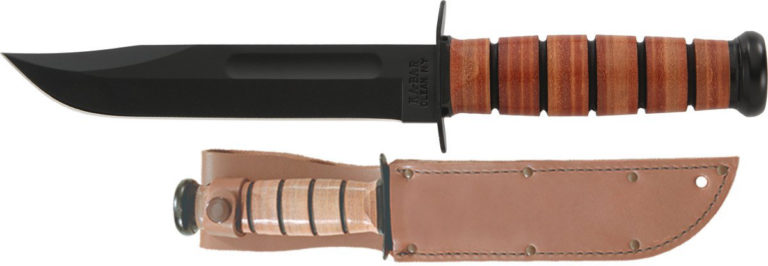
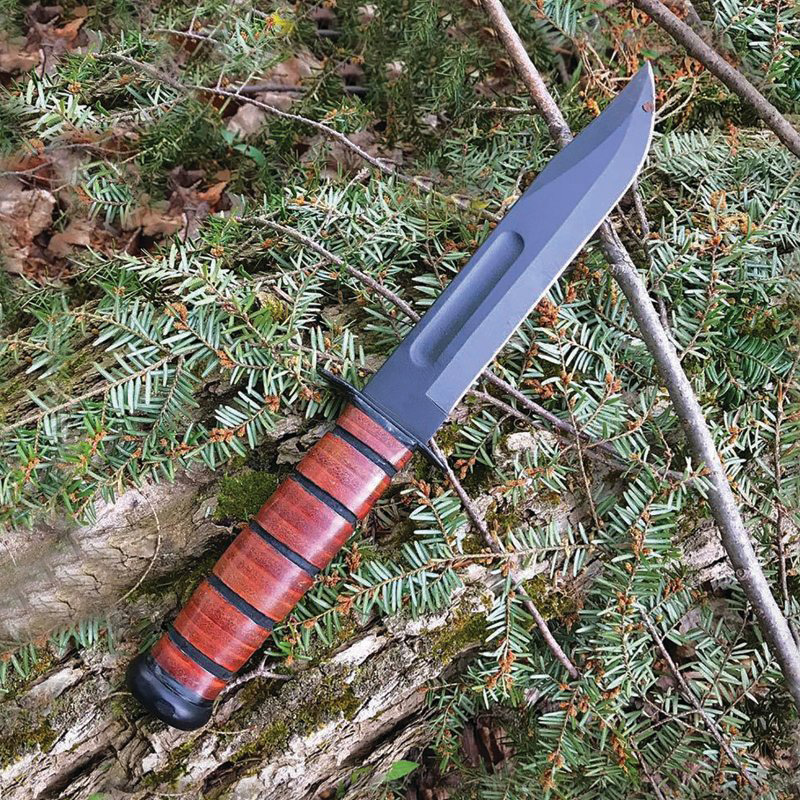
KA-BAR’s website says that the Single Mark KA-BAR is the knife for those who have “never been in the military.” That’s less of a dig at those who haven’t served than it is being true to the brand. Every KA-BAR knife traces its lineage back to the USMC Fighting/Utility Knife. As such, the Single Mark is made to the exact specifications of that legendary knife.
Unlike the military, however, you can personalize the Single Mark right out of the box. One side of the blade is stamped with, “KA-BAR, OLEAN NY,” while the other side is blank. That’s a perfect spot for an engraving.
Plus, this made-in-the-USA slice of history is built for the masses with an MSRP of $113.45.
As of this writing, the MSRP for the Single Mark is $113.45. (KA-BAR photo)
Manufactured: USA
Overall Length: 11.875”
Blade Length: 7”
Blade Width: 1.188”
Bulk Weight: 0.7 lb.
Handle: Leather
Blade Stamp: KA-BAR
Steel: 1095 Cro-Van
Thickness: 0.165”
Grind: Flat
Angle: 20°
HRC: 56-58
Sheath: 1217I – Leather
Spartan Harsey Difensa
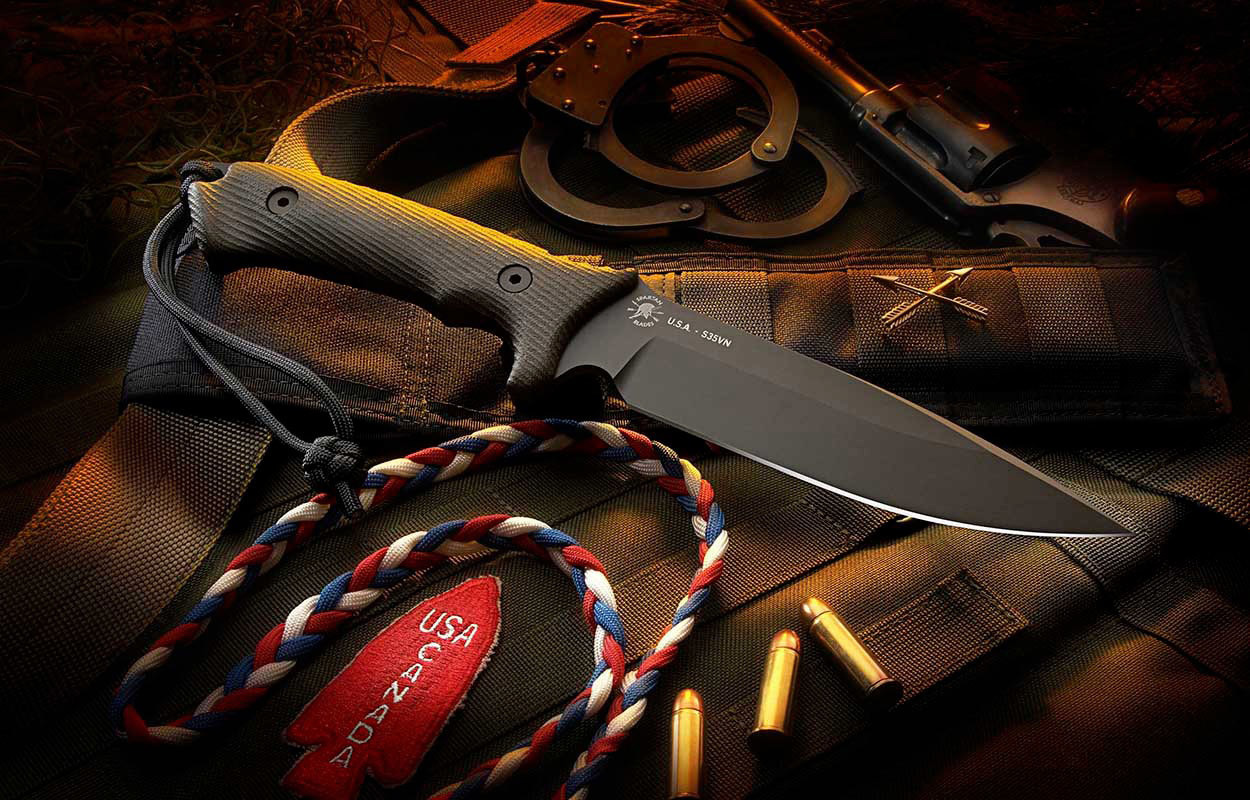
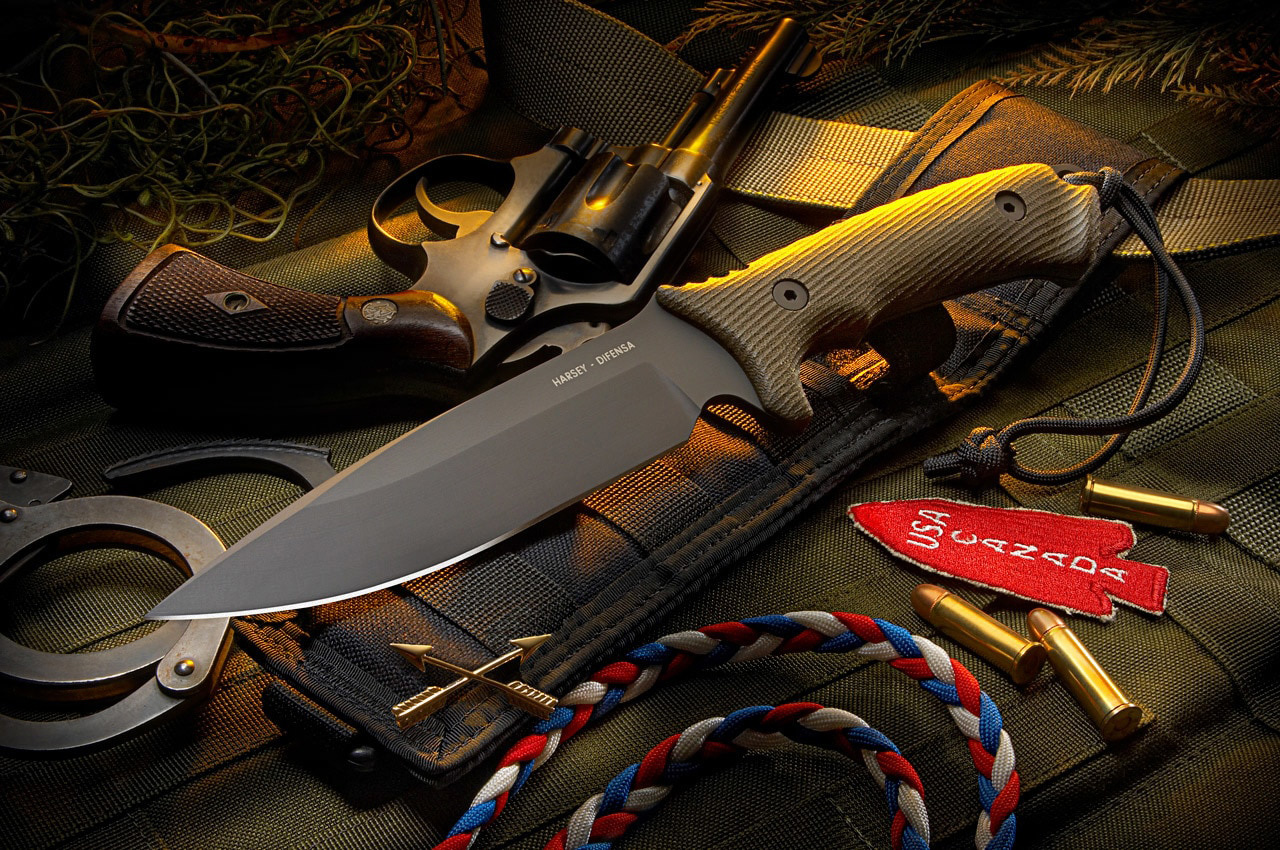
The Spartan Harsey Difensa is named after a battle fought between the U.S./Canadian First Special Service Force and German troops in Italy. Known as the Battle for Monte la Difensa, the courageous performance of U.S. and Canadian forces there was essential to the eventual Allied victory in Italy. (Caption and photo via Spartan)
Named after the 1943 battle for Monte la Difensa in Italy during World War II, the Spartan Harsey Difensa is a prime example of military history meeting modern knifemaking.
The knife got its start when the Canadian special forces commissioned Spartan Blades and William Harsey to produce a blade for it. This U.S./Canada collaboration harkens back to the Allied heroism of that 1943 battle, so the result needed to be perfect.
From the looks of it, the spear-point Difensa hit its mark and then some. Its design wouldn’t be out of place in either country, or abroad for that matter.
The full tang and handle of the Spartan Harsey Difensa allow for a neutral balance in the user’s hand. Combined with the textured, ergonomic canvas Micarta handle (modified from Spartan’s Model II with no rear jimping) this custom combat knife offers the wielder a comfortable, confident grip whether wet or dry. (Caption and photo via Spartan)
Designer: William Harsey
Overall Length: 11 5/8″
Blade Length: 6 1/4″
Blade Thickness: 3/16″
Blade Steel: CPM S35VN
Blade Hardness: 59-60 HRC
Blade Style: Spear Point
Grind: Flat ground main bevel with tapered top edge.
Coating: SpartaCoat – PVD – Tungsten DLC (Black) or ZrN (Flat Dark Earth)
Handle Material: 3D Contoured CE Canvas Micarta® Black or Green
Weight: 0.710 LBS
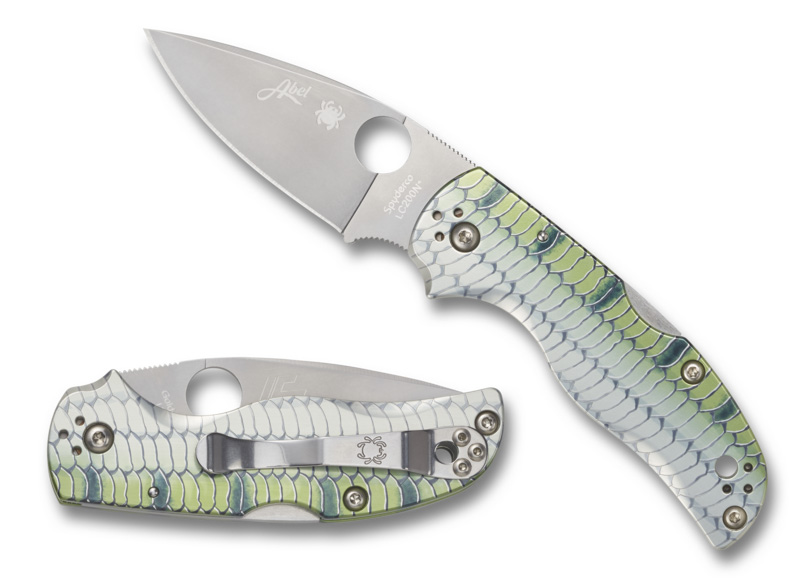
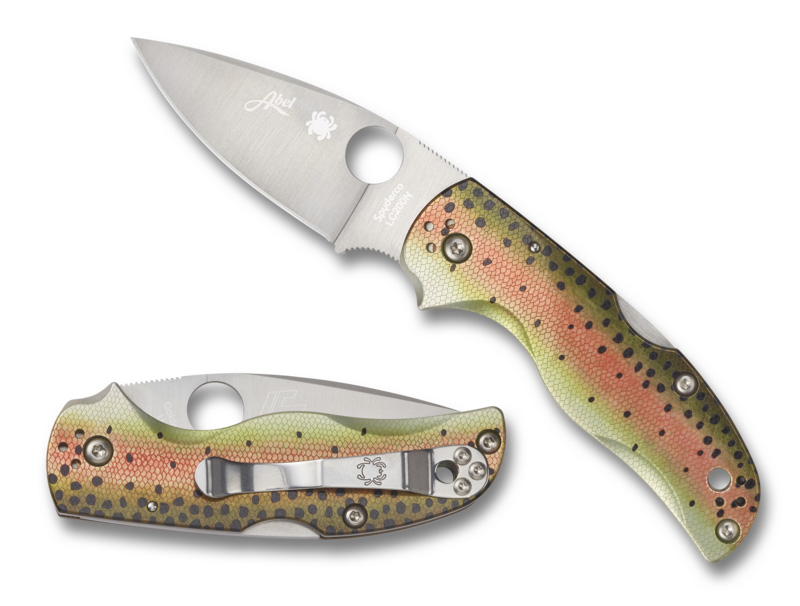
Spyderco Native 5 Abel Reels Exclusive Signature Series
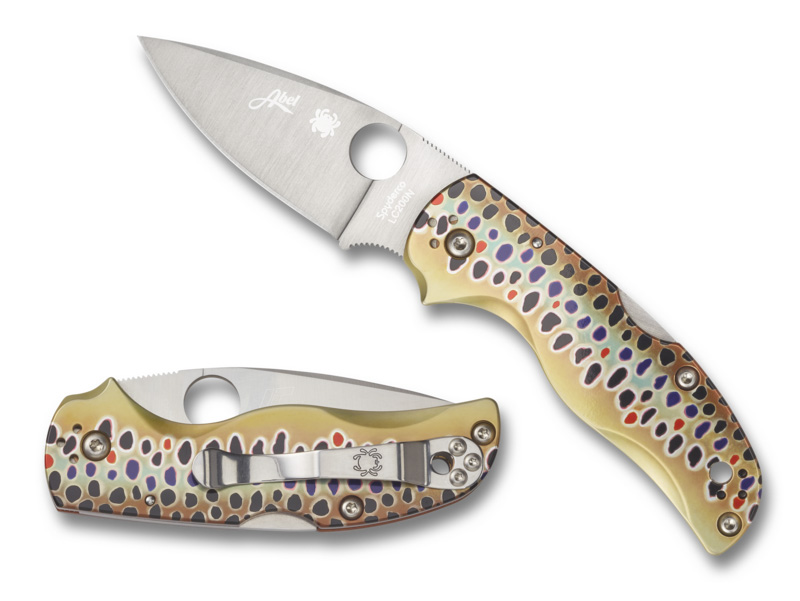
The brown trout pattern. (Spyderco photo)The bonefish design. (Spyderco photo)
Spyderco’s collaboration with fine fishing tackle manufacturer Abel Reels has turned out a creel of keepers with the painstakingly detailed Native 5 Abel Reels Exclusive Signature Series.
One look will show you what makes this series of three knives stand out. The same proprietary process Abel Reels uses to make its tackle so realistic is also applied to the design of the knives. That’s not to say the knives can be used as fishing lures, but it’s pretty close.
Each work of art wraps itself around Spyderco’s popular Native 5 folding knife platform. These photorealistic knives might swim away if you don’t watch out.
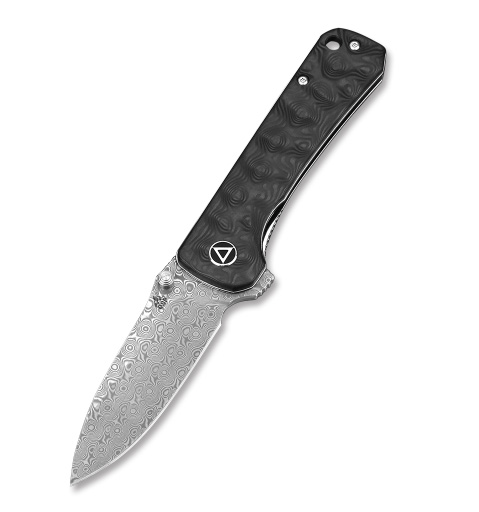
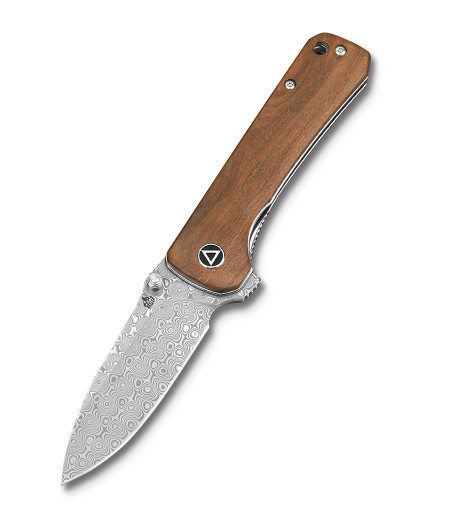
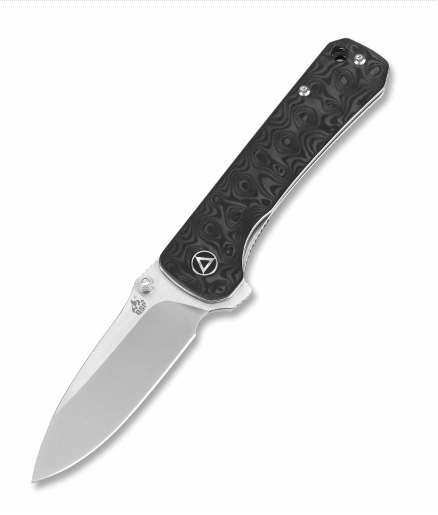
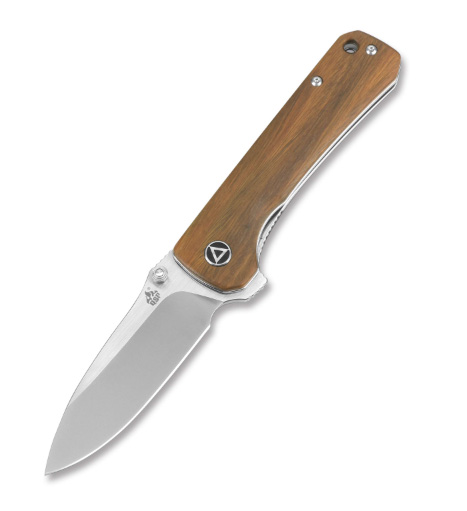
QSP doubles down on the growing interest in urban EDCs with the Hawk QS131 line of four knives (A, B, C and D). The handle and blade material separate each of the four, but the rest of the specs are roughly the same.
The squared off handle design in each Hawk softens the overall design, staying true to urban EDC’s non-aggression ethic. The same could be said for the damascus on two of the Hawk knives; urban EDCs need to have something to talk about.
Ceramic ball bearings mean no matter which of the four Hawk knives finds its way into your pocket, it’s sure to pop open like a true flipper every time.
QS131-C-Hawk (QSP photo)QS131-D HAWK (QSP photo)
Mechanism: Flipper (Ceramic Ball Bearing)
Blade: Chinese Damascus Steel or CPM35VN (Satin Finish)
Handle: Carbon Fiber (A), Verawood (B) or Carbon Fiber (C)
Lock: Locking liner
Overall: 7.35”
Closed: 4.125”
Cutting edge: 3.225”
Net weight: +/-3.6oz
SOG Trident AT
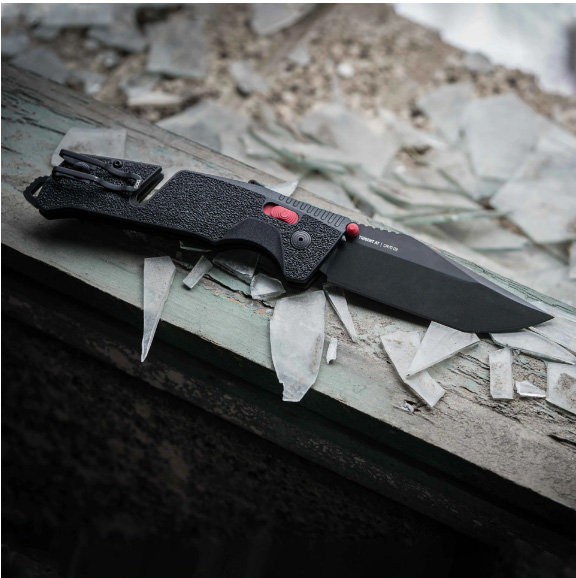
(SOG image)
With flippers all the rage, is there still room for an assisted opener? Absolutely.
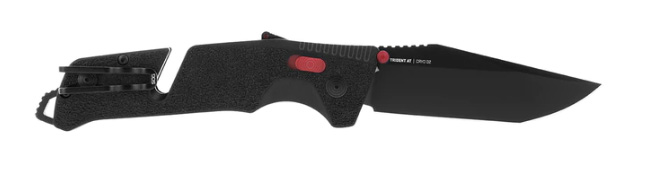
SOG’s Trident AT is an overbuilt example of the enduring assisted opening category, marketed as being “designed for professional users.” Anyone can order up the AT, though, and why wouldn’t they? The assisted mechanism opens rapidly, and the blade stays securely in place with SOG’s renowned AT-XR locking system, including an ambidextrous safety in the handle.
Why so much security? SOG anticipates you’re going to beat the heck out this knife. SOG prides itself on taking its folders to the limits, and this is no different.
Plus, the line cutter and glass breaker mean that no matter what you encounter in the field, you’ll be ready.
Editor’s note: This article originally appeared in the January 2010 issue of BLADE. However, the information presented is still relevant and useful to anyone interested in paracord-wrapped knife handles.
Advantages of Paracord-Wrapped Knife Handles
Affordable: Much less expensive than many natural and synthetic handle materials
Customizable: Available in a variety of colors
Convenient: Cordage is as near as your knife
Versatile: Paracord can be used in countless everyday and survival situations
Disadvantages of Paracord-Wrapped Knife Handles
Fixed blades only: Folders aren’t an option
Absorbent: Will soak up moisture (water, mud, blood), and may give off unpleasant odor as a result
Needs replacing: Wear and tear mean the wrap won’t last forever
Ergonomics: Some say gloved hands often find a better grip than bare hands
The Infinite Uses of Paracord
While for some it may be considered just a quick wraparound, for others it has proven to be a lifesaver. The simple paracord handle does more than meets the eye.
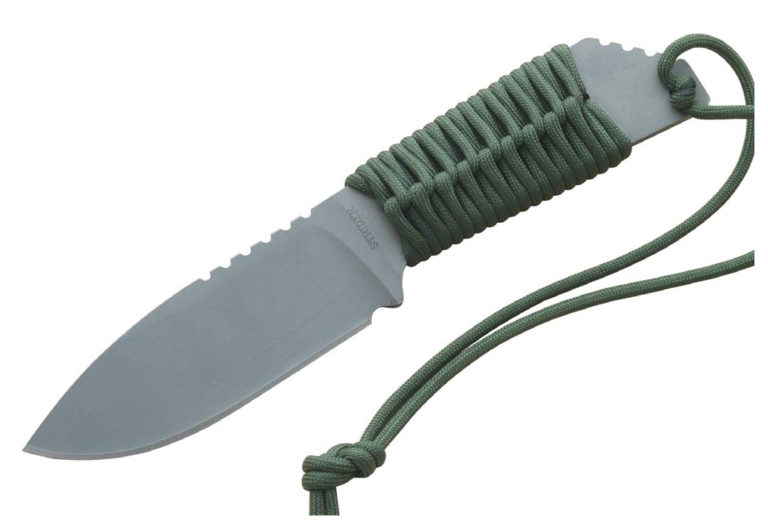
Functioning as a handle material that allows for the best fit for the size of the user’s hand, and one that can be added or removed in a matter of minutes, paracord is durable and relatively inexpensive. It also adds a dimension of survivability for those in the field.
Paracord pulls double duty as a bootlace, securing line, snare or even in a first-aid situation.
What’s the Best Kind of Paracord?
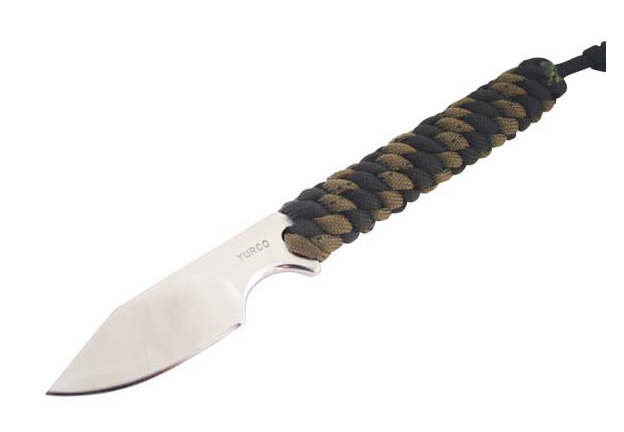
This Yurco model is available from Arizona Custom Knives. (photo courtesy of Arizona Custom Knives)
“The best paracord to use is military 550 cord,” explained custom knifemaker Mickey Yurco, who has employed paracord wrap for handles on as much as 40 percent of his knives. “It has seven inner strands of nylon cord, and the outer shell is tightly braided nylon. If you pull out the separate strands in a survival situation, you can make a bowstring, use it to catch a rabbit with a snare, use it for fishing line, and you can break down the inner core into three separate smaller strands for sewing a rip in a tent or as suture if you cut yourself.
“You can use the outer shell to lash branches together to build a lean-to or tie logs together for a raft. You can even use it to keep a fire lit because [paracord] will melt.”
Yurco also points out that when a paracord handle is unwrapped for another use, the gripping end of the knife is still intact. The entire piece is lightweight and, on the sheath or in a belt clip, as much as eight to 12 feet of additional paracord can be tightly wrapped as backup.
Two Schools of Thought
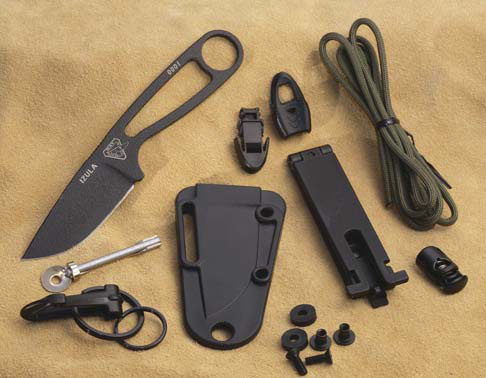
Interested in doing a wrap yourself? You certainly can. The Izula-B Kit includes the paracord wrap (upper right) and cod lock, and also the black molded sheath, large and small split rings, ferro fi re-starting rod, emergency whistle, plastic snap hook and MOLLE lock kit. (RAT photo)
Mike Fuller of TOPS Knives noticed its reputation rising around 2000.
“I first saw it during the Vietnam era, as some guys wrapped paracord around their sheaths just to have some extra cord if needed,” he commented at the time this article was published. “I did see a few homemade jeepspring knives with paracord wrapping.
“There are two schools of thought on the paracord,” Fuller continued. “In an emergency situation, you might have about 10 feet of cord to use for survival applications. In a wet situation, you might have a better grip, and some people feel that it assists when wearing gloves in the field.
“Paracord can in fact tear or become frayed and, if it gets soaking wet in really cold weather, some have said that their handles freeze and coat with ice. Several professional hunters have said that if you are field dressing an animal the blood may get into the cord and it’s difficult to clean and may carry a distinct odor.”
The Secret is the Simplicity
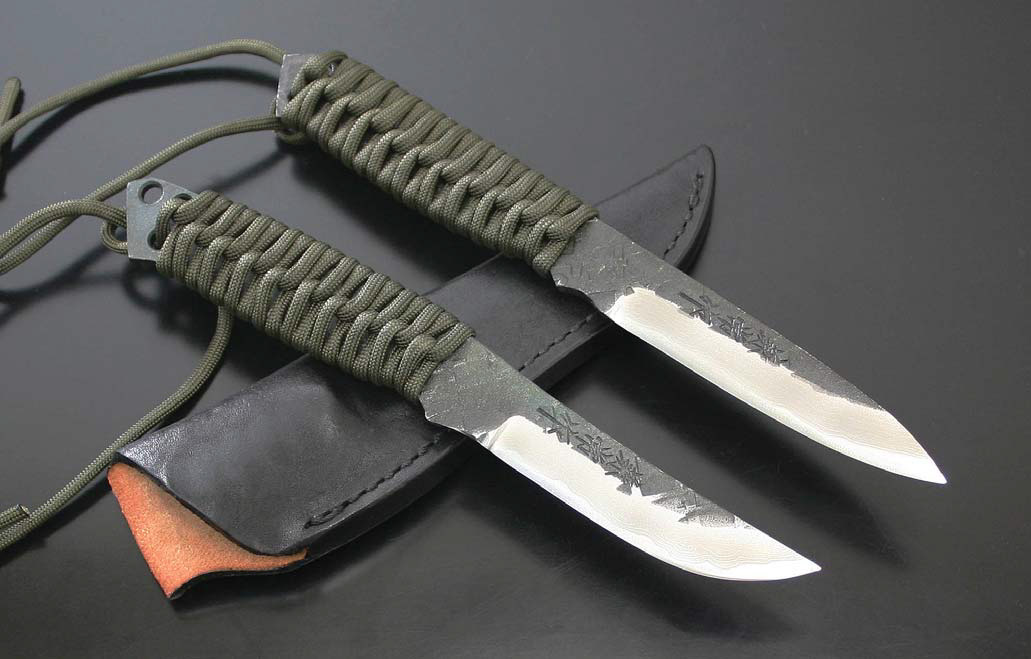
The Yumi (top) and Ya (bottom) from Kanetsune/Kitasho offer paracord-wrapped handles and blades of 15-layer White steel damascus. Each piece comes with a cowhide sheath. Overall lengths: 7.68 and 8.07 inches. (Kanetsune/Kitasho photo)
“People like paracord because it is so simple,” said Justin Gingrich, a consultant with Ontario Knife Co. “It allows them to customize a handle and still have a knife they can carry close to the body. You can wrap, rewrap and even change the cord to match the outfit you’re wearing.
“Paracord allows users to tailor the knife to themselves, beefing the handle up or thinning it out, and, if it gets dirty or frayed or messed up in any way, it’s easy to replace. It will absorb water and hold it, so you don’t want it on an unprotected high-carbon steel knife. You could get rusting issues with water or any other fluids. It will absorb blood if you are hunting, but then again, it’s a give and take since you can change it out pretty quickly.”
Conclusion
As with any knife feature, whether to go with a paracord-wrapped knife handle or not is up to the user. However, many knife collectors enjoy the versatility and customization that paracord offers. Far from a trend, paracord is here to stay as a handle option.