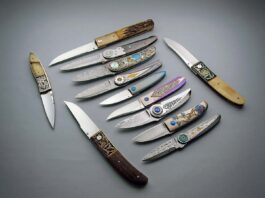
Knife collecting is an extremely rewarding experience for knife enthusiasts. There truly is a knife for everyone. Many increase or hold their value throughout the years, making collecting knives something to pass on to the next generation of knife collectors.
Tailor-made for a three-piece suit, jeans or purse, the Boker 145th Anniversary Knife salutes the Solingen, Germany, manufacturer's landmark birthday. The 2-inch blade is high-polished stainless steel with a laser-engraved 145th anniversary logo. The handle is Grenadill wood with the classic Boker Tree Brand logo shield, and the bolsters and liners are nickel silver. Closed length: 2 inches. The lockback pocketknife carries an MSRP of $149.
Check out the photo gallery of eight new, hot knives for fall 2014. See any keepers?
Now that you’ve seen what’s new, turn back the clock with BLADE‘s digital collection of annual KNIVES books. Get every KNIVES book from 2004 to 2015 in one PDF download for just $79.99.
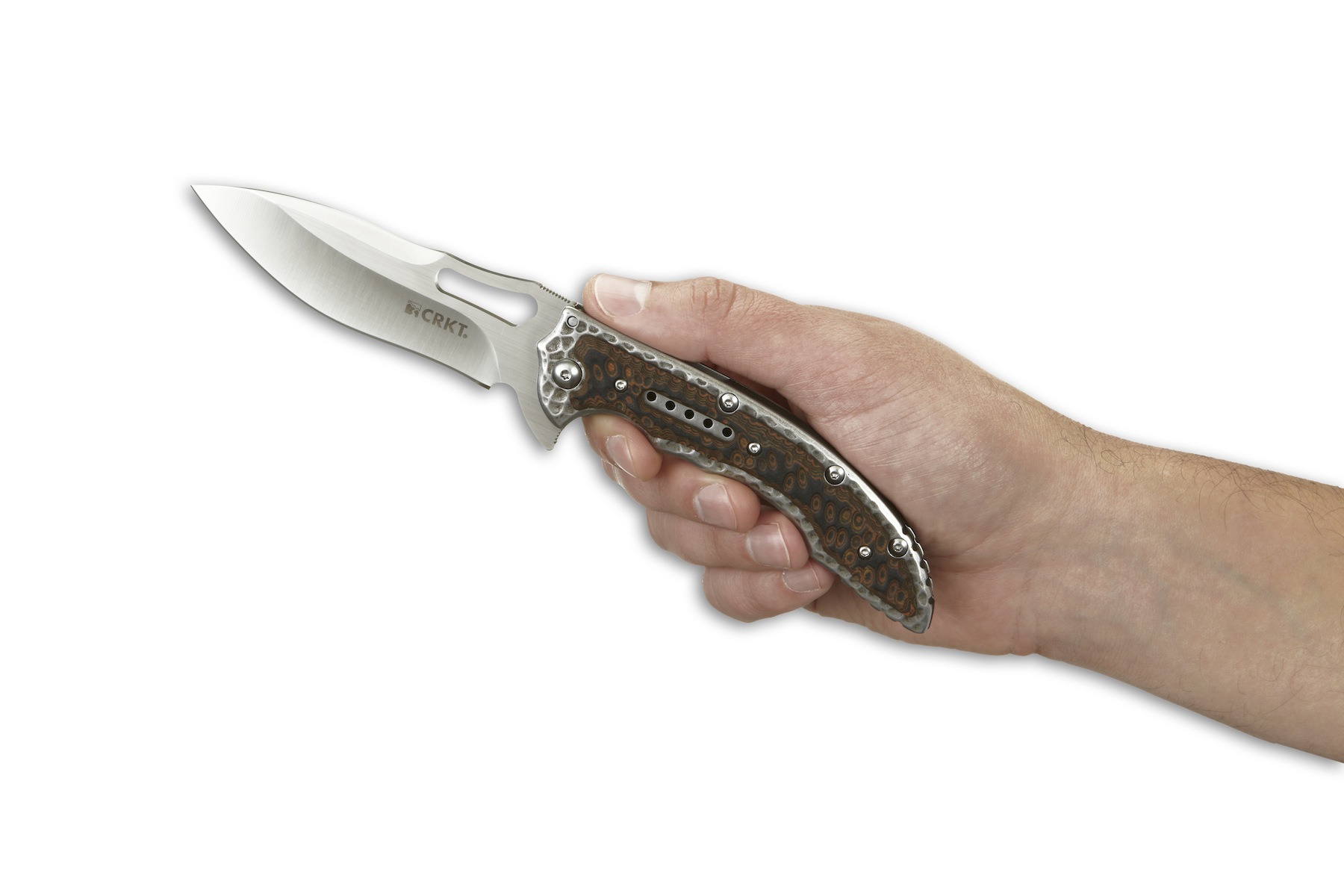
The knife handle should fit your hand snugly. The knife is the CRKT Fossil.
What to look for in a knife handle is a question whose answer—as with most things knife—depends on many factors.
For one thing, no one knife handle fits everyone. Hands come in all shapes and sizes, so a knife handle that will fit a large hand probably will not fit a small one—and vice versa. As a result, no matter how much a knife handle is touted as being “user friendly,” you can’t know if it will suit your needs unless you pick the knife up and use it. Of course, that’s hard to do when you can’t use the knife unless you buy it. Then, if you don’t like the knife, you’re stuck with it.
One way around that is to find a friend who has the knife in question and borrow it. Of course, you will need to take good care of the knife and give it back when you’re through.
Barring the above, look for a knife handle with gentle curves, contours and palm swells that fit the shape of your palm snugly. This will help prevent the knife from sliding around in your hand or cause you to have to constantly regrip the knife handle with your hand. Avoid finger grooves as they are too restrictive in terms of the way you can hold a knife handle. Besides, you may find over time that grooves you thought fit your fingers/hand really don’t.
Avoid a knife handle that has sharp corners at the butt or any place that tend to dig into your hand. Those can cause hot spots or even cut you. Avoid a knife handle that is too soft. It may feel good at first but it, too, can cause hot spots/friction on your palm and/or fingers over extended periods of use.
Single, integral guards are good as they keep your hand from sliding onto the blade. That’s one of the good things about flipper folders—not only do the flippers ease the job of opening the knife but they also serve as single guards.
For more on the best knife handle for you, see your local knife retailer and ask him to show you the many different options you have when it comes to a knife handle.
Recommended:
Stay abreast of the latest developments on this and many more knife rights issues with a subscription to BLADE.
Grassroots effort to save legal ivory could be swaying Congress. (SharpByCoop photo of a knife by Kevin Casey)
The grassroots effort to protect Americans’ right to sell legal elephant ivory appears to be having the desired effect on Congress. Why? Because U.S. Fish and Wildlife did not make the expected changes to rule 17.40/Use After Import that were supposed to have been announced this past August. With October only a week away, the delay would seem to indicate that legislators are having second thoughts about approving the rule changes.
Among other things, if approved, the changes would make it anywhere from extremely expensive to virtually impossible to prove your existing legal elephant ivory and/or ivory knife or other item made of ivory was imported legally. As a result, most elephant ivory and items made of ivory or with ivory parts that previously had been legal to sell would become illegal to sell.
One reason Congress is delaying the rule changes may be because of the grassroots ivory effort of many letters, emails and other communications American citizens are sending to their representatives urging them not to make the rule changes.
A leading proponent of Americans’ right to own legal ivory and a founding member of elephantprotection.org, scrimshander Sandra Brady stated she thinks the letters and emails are having an effect on both the Senate and House of Representatives. As a result, she added, no changes to the rule are likely until after the Nov. 1 elections. “We have to keep up the pressure and have our voices heard in the voting booths, too,” she noted. “A Republican-strong Senate would certainly help our cause, even thought this issue is by-partisan.” The anti-ivory contingent is led by the Obama Administration and the currently Democratic-controlled Senate.
Meanwhile, Brady urges those for legal ivory rights to continue their letter and email writing campaigns, and also to use Twitter and Facebook to further the cause. She added that elephantprotection.org has been updated to make it easier for you to stay abreast of law changes and to contact your representatives.
For more information, visit elephantprotection.org.
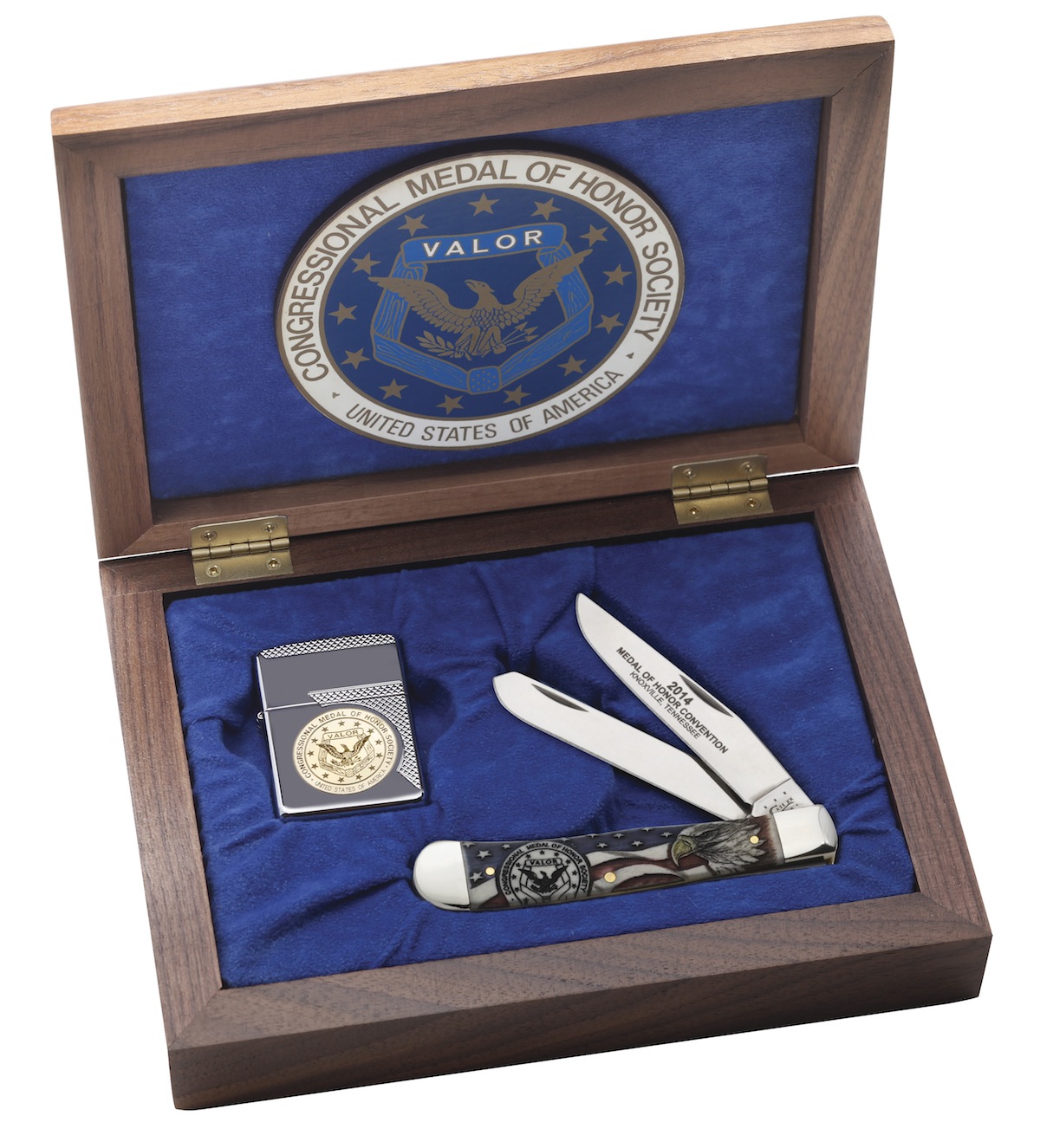
Case and Zippo are presenting a special knife/lighter set to MOH awardees on the anniversary of 9/11.
Case and Zippo saluted Medal Of Honor recipients with a special personalized knife and lighter set on the 13th anniversary of 9/11.
The presentation of the sets to MOH recipients occurred last week as part of the 2014 Medal of Honor Convention and celebration in Knoxville, Tennessee.
In an official release, Case and Zippo presented the Medal of Honor Commemorative Lighter and Knife set “to the recipients of America’s highest military honor, in recognition of their outstanding service in preserving America’s freedom. Case knives and the American military have gone hand-in-hand for decades, as far back as World I, when the U.S. government called on Case to make military knives for American servicemen and women. Later, during World War II, Case manufactured the V-42 stiletto, issued to the First Special Service Force, aka the Devil’s Brigade.”
The knife is a Case trapper boasting a red, white and blue bone handle laser-engraved with images of an American flag, a reproduction of the Medal Of Honor Society seal and an eagle. The Zippo lighter has a high-polish chrome Armor™ case with deep dimensional engraving, 24k-gold reproduction of the MOH Society seal and a heavy gold-plated inside unit. Both pieces are personalized for each MOH recipient and were made in Bradford, Pennsylvania, home to Case and Zippo.
The MOH Convention included a number of special events throughout downtown Knoxville, including many awards and appreciation presentations. A number of the events were sold out, including a Charlie Daniels Band performance at the Tennessee Theatre as well as the Patriot Award Gala at the Knoxville Convention Center. A number of MOH recipients were available for questions from the audience during special live interviews at the Cox Auditorium at the Alumni Memorial Hall on the University of Tennessee campus. Autograph sessions and other special events also were offered.
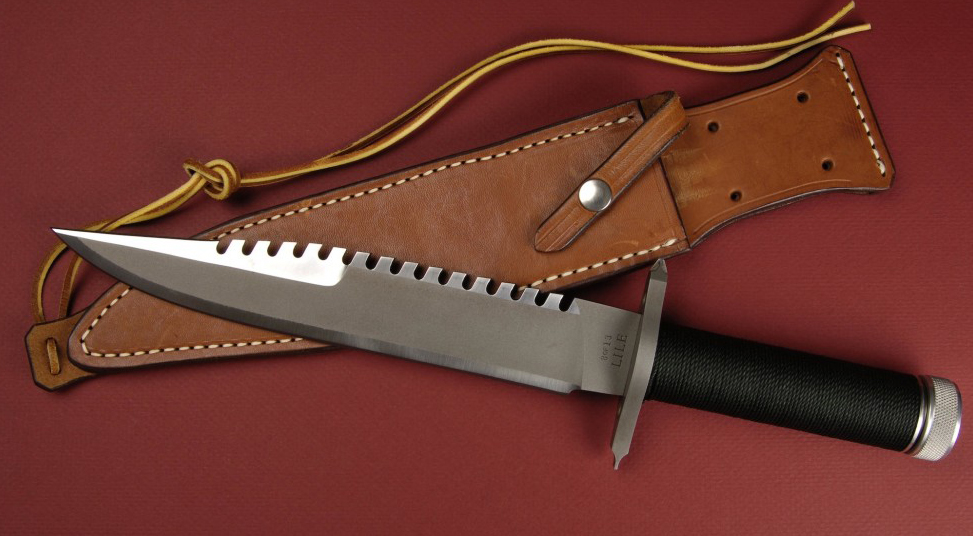
Jimmy Lile’s Rambo knife is one of the most influential knives of the past half century. (Jack Lucarelli photo)
This being the 50th anniversary of the Buck 110 and all, it got our friendly staff to thinking: What are the most influential knives of the past half century?
As with any such list, the parameters must be set. Those would include knives that have been emulated most (unfortunately, this would have to include the many unauthorized copies, knock-offs and downright counterfeits that have long plagued the industry) and/or knives that dramatically changed the knife culture (one observer explained it as “the knife that changed all knives after it”). There are other common denominators among the most influential knife designs, but we’ll stick with these two for the moment.
The Buck 110 obviously would have to be in the mix, as its overall look, size, feel and lockback design have been emulated by many. The K.I.S.S. folder designed by Ed Halligan for CRKT has been knocked off/counterfeited perhaps as much as any knife over the past 15 years or so. Michael Walker’s LinerLock™ folder changed the way the industry approached locking folders. Jimmy Lile’s Rambo knife was THE knife of the 1980s and was emulated by scores of factory and custom makers alike.
Ernest Emerson’s CQC-6 and/or CQC-7 had a monumental impact on the tactical knife phenomenon that continues to this day. Bob Lum’s American tanto galvanized the industry in the 1980s and is still seen. Spyderco‘s Worker, introduced in 1981, was the company’s first knife with the blade hole and pocket clip that changed modern knives completely. Bob Loveless‘s drop-point hunter was and remains an international sensation. Though not a knife, Bill Moran‘s reintroduction of damascus steel in 1973 and the repercussions and the many spinoffs from it continue to this day.
There are many others. Which ones would you pick from the above or add of your own?
For the latest knives, knife news and more, stay tuned to blademag.com.
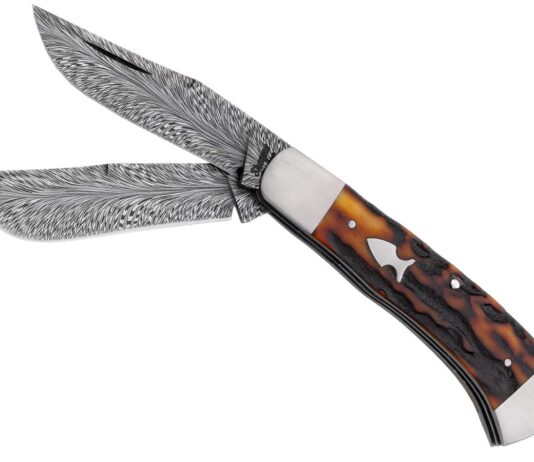
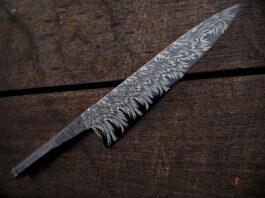
Get the latest knife information with features on the latest developments, history, and transformation of knives, swords, and edges of all types, and explore the latest trends in blades, steels, styles, and materials. Gaze upon a “State of the Art” section parading engraved, scrimshawed, jewel-inlaid, carved, etched, sculpted and forge-welded, and Damascus and mosaic-damascus knives. Learn more
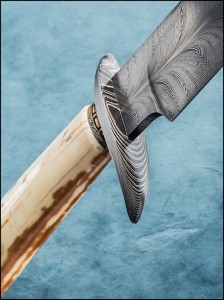
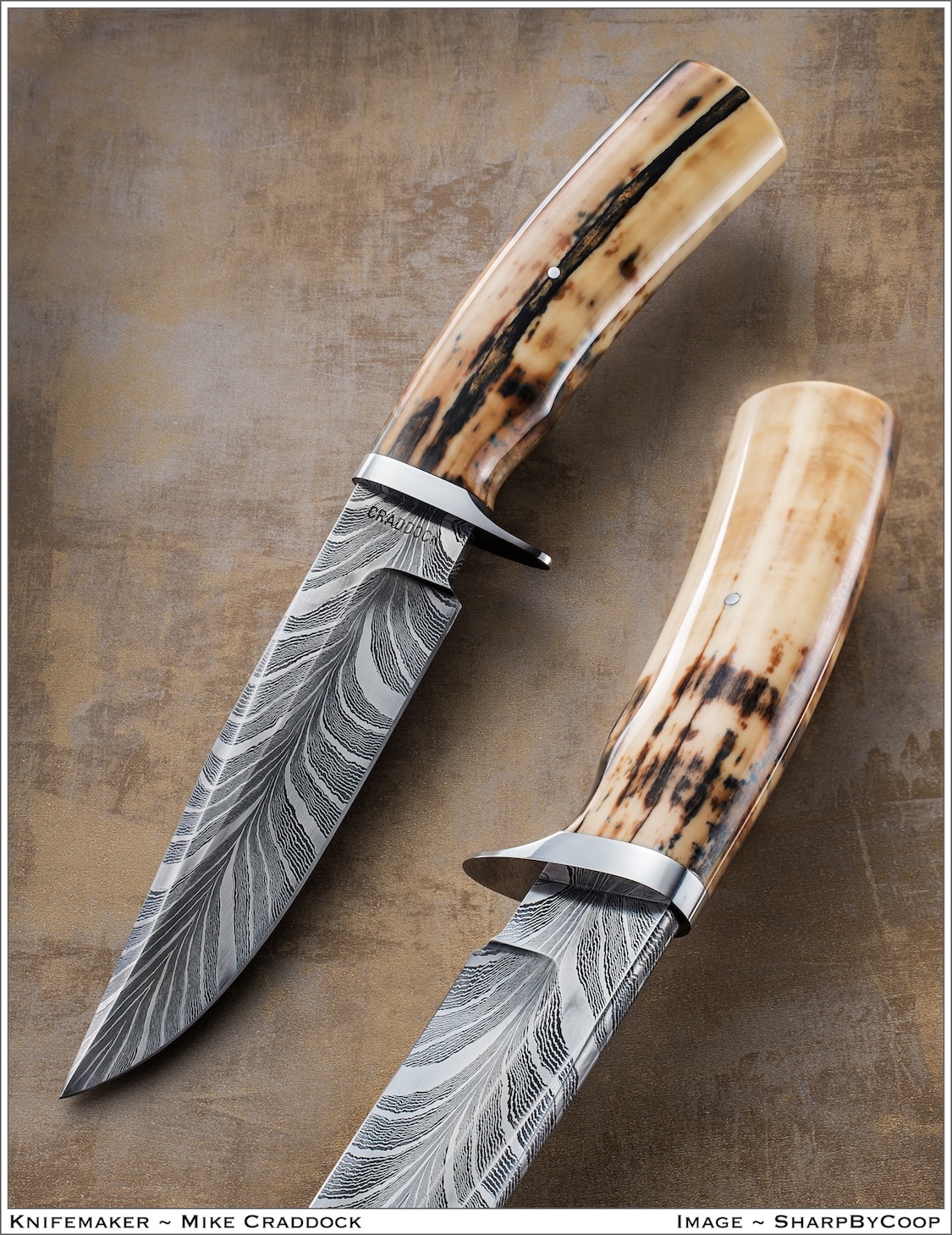
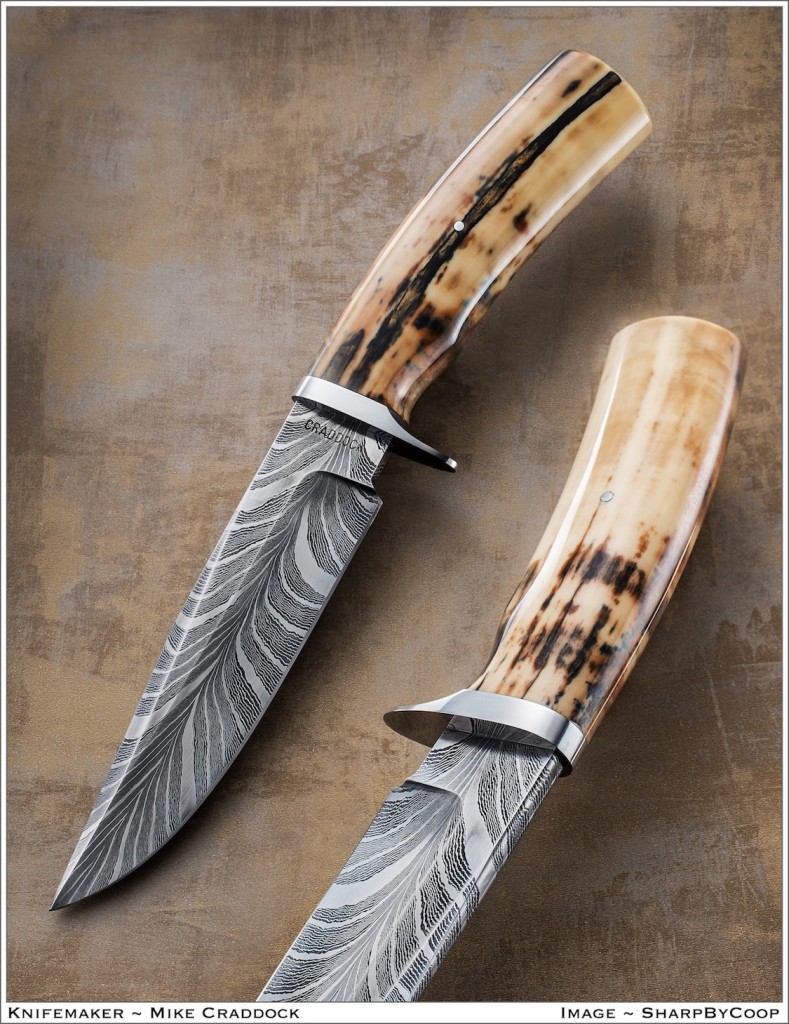
Help stop such heinous ivory bans as the one in New Jersey that forbids fossil ivory, too. Mike Craddock employs fossil walrus ivory on his damascus beauty. (SharpByCoop image)
Ivory ban proponents are feeling the heat from those who would protect their right to own and sell legal ivory on both the federal and state levels.
If recent developments are indicative, the actions of those fighting to protect their right to sell their legal ivory are having the desired effect.
However, much work remains to be done.
According to Rob Mitchell of the Elephant Protection Association, ivory ban proponents have been scrambling to torpedo pending Congressional bills that would stop a nationwide ivory ban. “In the past few weeks, the Wildlife Conservation Society [WCS] has e-mailed its members praising the the New Jersey ivory ban while soliciting contributions to fight back the bills pending in Congress to stop a federal domestic ivory ban,” Mitchell writes.
New Jersey’s ban is especially heinous as it bans not only elephant ivory but fossil ivories as well. Like New Jersey, New York has instituted a state ivory ban that exceeds the restrictions recommended by U.S. Fish and Wildlife.
According to Mitchell, John Calvelli of the WCS said, “I can’t overstate what a threat this is. These bills could be attached to any larger piece of legislation and swiftly passed at any time.” Meanwhile, the WCS is calling on its members to urge their lawmakers to halt any and all efforts to stop ivory bans on both the federal and state levels.
Mitchell indicated the WCS is disseminating false stories to trigger public hysteria about the possibility of elephant extinction in attempts to snuff out rational discourse on how to both protect elephants and Americans’ right to sell their legal ivory. He added that the WCS is “an organization with over $210 million in annual revenue and over $750 million in assets” that “continues to lead the publicity campaign drawing misleading relationships between legal ivory in the United States and poaching in Africa.”
For information on how you can help protect both the elephant and the rights of Americans to sell their legal ivory, visit elephantprotection.org.
The BLADE Magazine 2014 Knives Of The Year® highlight the new BLADE®, on newsstands now!
Stay abreast of the latest developments on this and many more knife rights issues with a subscription to BLADE.
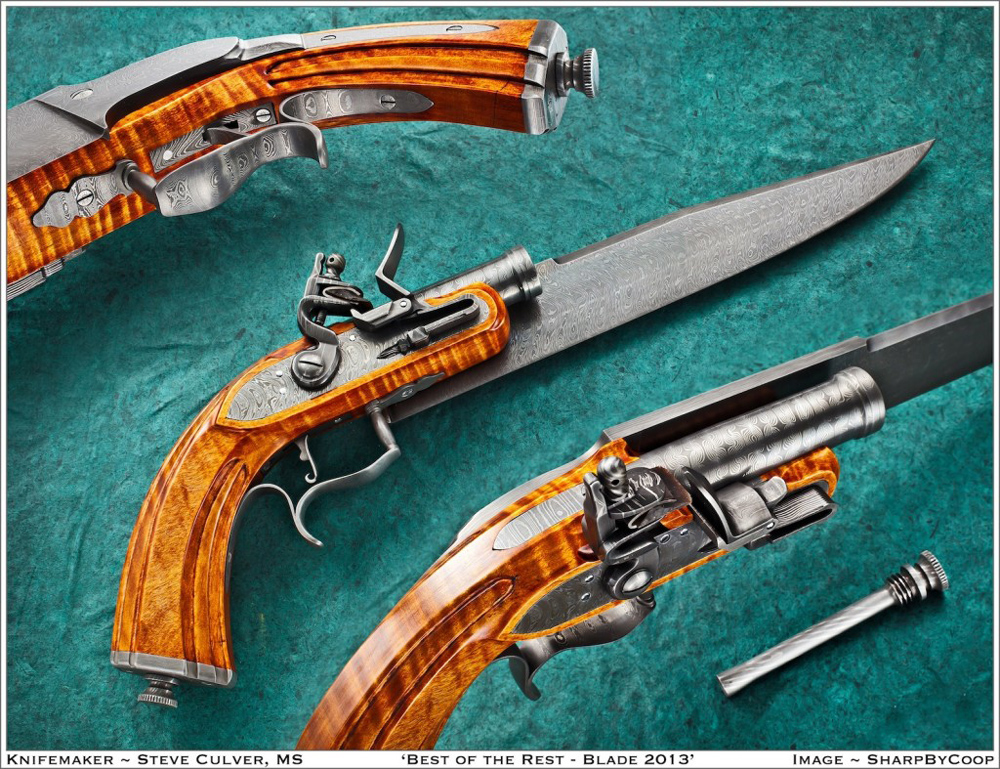
Steve Culver’s cut ‘n shoot would make a great collaboration with Browning. (SharpByCoop image)
Which knife collaborations would you like to see between today’s custom knifemakers and knife and/or gun companies?
There have been many great knife collaborations over the years—from such early ones as those between Smith & Wesson Knives and Blackie Collins and Bob Loveless and Schrade, to those between Spyderco and Bob Terzuola, CRKT and Kit Carson, Benchmade and Mel Pardue and many more—all of which got us to thinking: What great collaborations that never happened would you like to have seen?
Or, perhaps better yet, which ones would you like to see among today’s companies and knifemakers?
Here are a few, first of the former:
•Bob Loveless and Marble’s: Hey, the man behind the dropped hunter and one of the leading hunting knife companies of a bygone era. Seems like a natural collaboration;
•Bill Moran and Busse Combat Knife Co.: Moran made those big, sweeping fixed blades and Busse does, too;
•Bob Lum and Cold Steel: OK, so it probably never would have happened, but the possibilities for a special American tanto collaboration would have been intriguing.
And now for the latter:
•Wolfgang Loerchner and William Henry Knives: Two great makers of fine knives would make an awesome pairing in anybody’s knife book;
•Joe Keeslar and Spartan Blades: Joe’s a retired Marine and Mark Carey and Curtis Iovito of Spartan Blades are retired Special Forces. I bet they could put their heads together and come up with a really cool combat knife collaboration;
•Steve Culver and Browning: Culver’s cut ‘n shoot is a tour de force of the genre and a collaboration with Browning would be a real breakthrough in terms of a special limited-edition crossover between the knife and gun industries. Browning has experience working with the knife industry—for example, Russ Kommer and Jim Crowell are two makers who have collaborated with Browning on knife projects—so Browning would not have to break new ground.
How about it? What knife collaborations would you like to see/have seen?