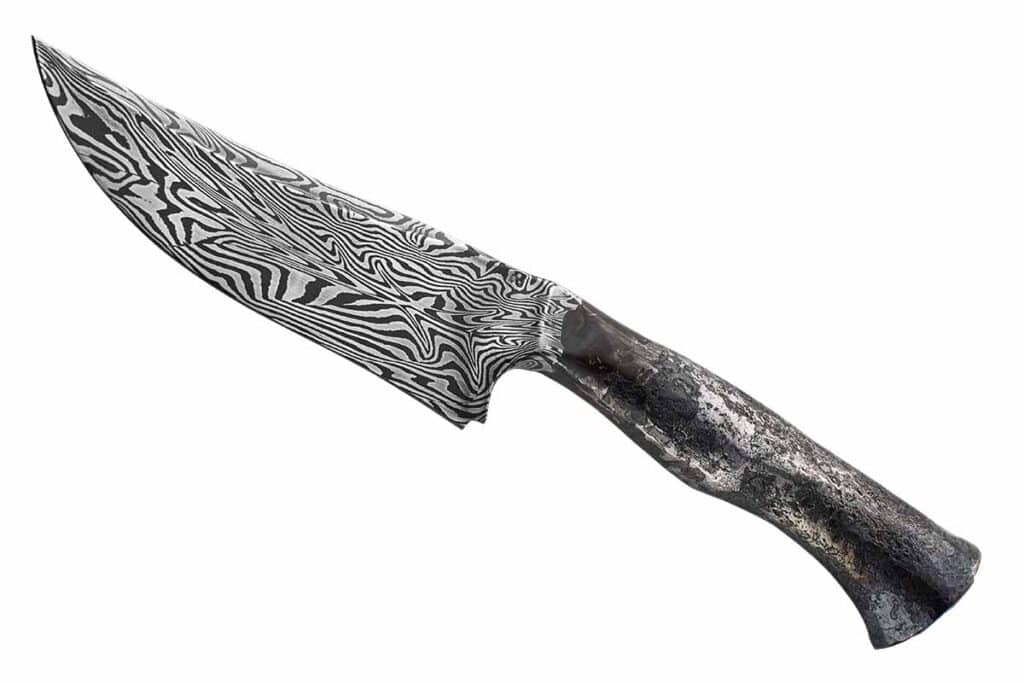
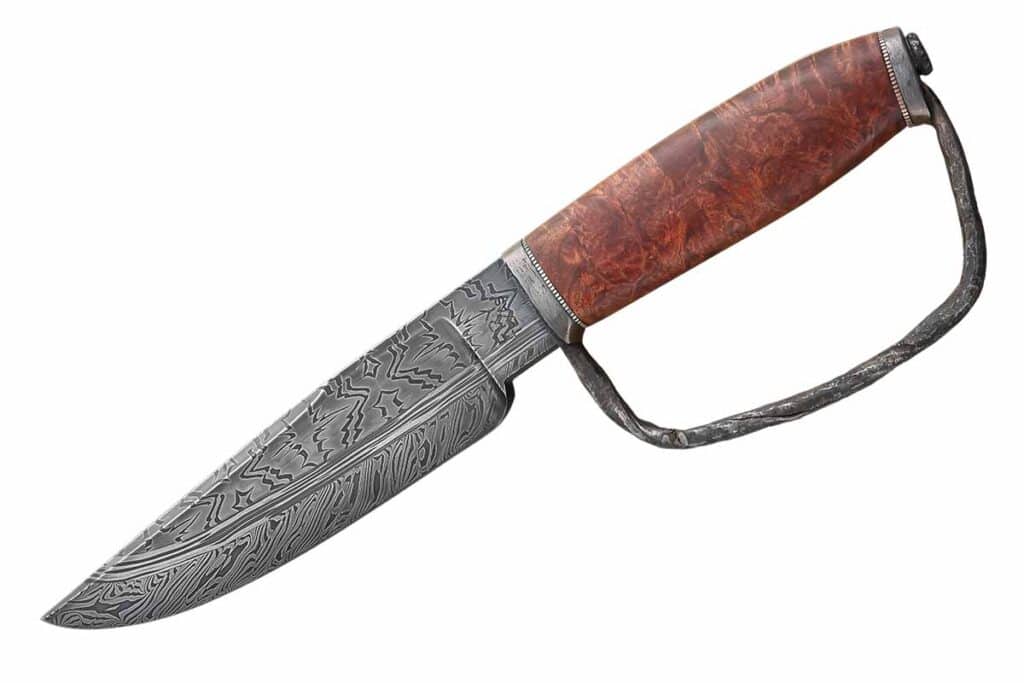
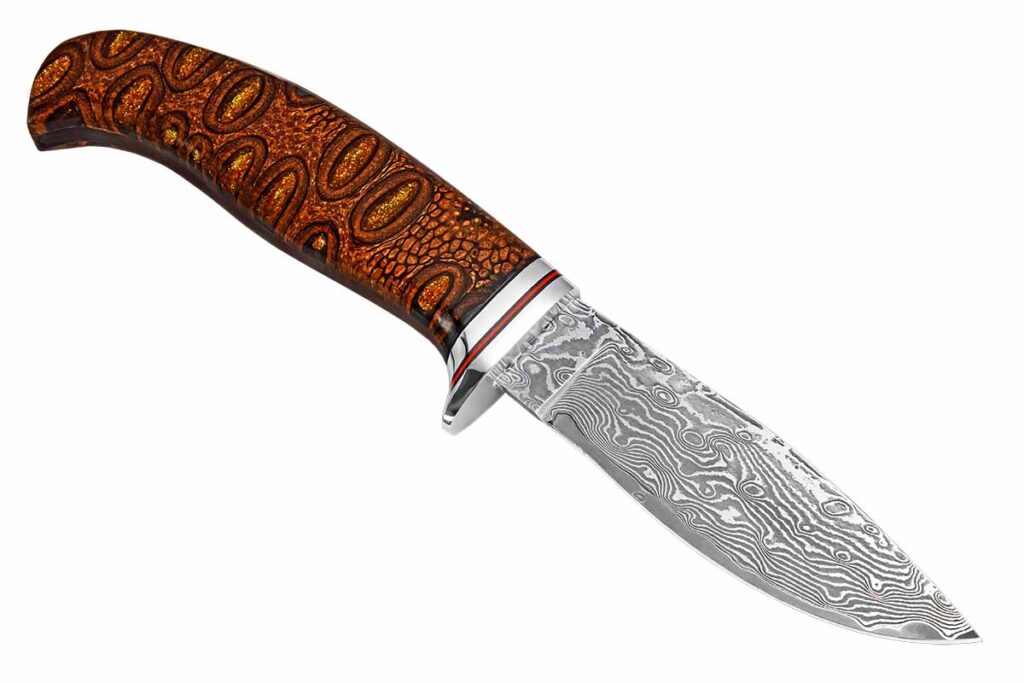
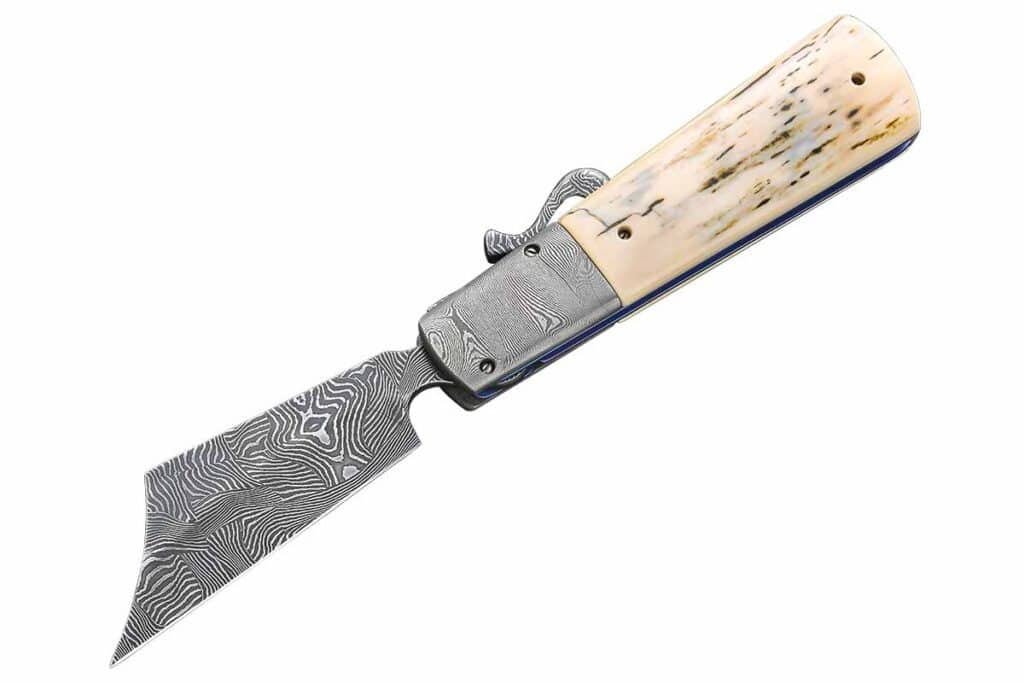
Knife collecting is an extremely rewarding experience for knife enthusiasts. There truly is a knife for everyone. Many increase or hold their value throughout the years, making collecting knives something to pass on to the next generation of knife collectors.
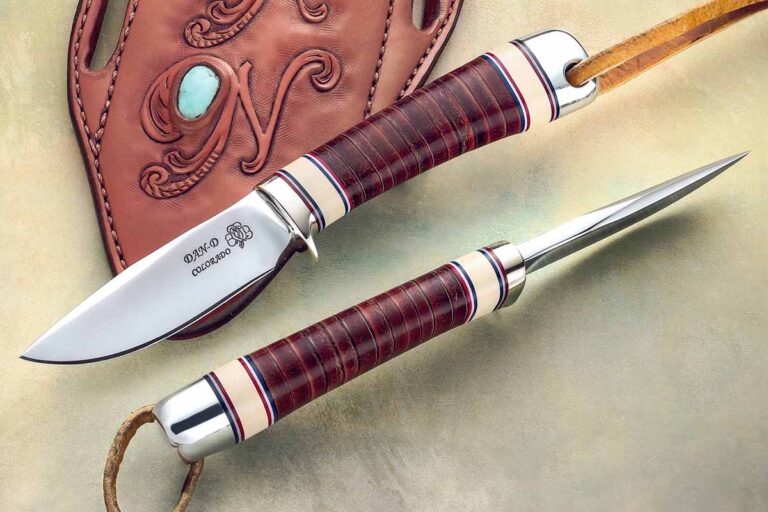
John Dennehy carries on a family tradition with a Model Alpine 1 for Kristi Noem.
South Dakota Gov. Kristi Noem and her leadership skills have captured the imagination of many Americans, including Colorado knifemaker John Dennehy.
John’s been looking for a place to retire, and Noem’s handling of the pandemic put South Dakota square on his list of places to consider. “The state stayed open and came out of the pandemic with a strong economy,” John noted. “I like Kristi’s no BS approach and her conservative Christian values.”
Kristi Noem with her custom Model 1 Alpine.
As a result, Dennehy decided to carry on a family tradition started by his father, BLADE Magazine Cutlery Hall-Of-Fame member Dan Dennehy, of making knives for notable individuals that he admires. John reached out to Kristi’s office and offered to make her the knife of her pick of his DAN-D models. One of Kristi’s aides got back to John and told him Kristi wanted the Model 1 Alpine general-purpose field knife.
John completed the knife and personalized the handsome leather sheath with Kristi’s initials and turquoise from King’s Manassa Turquoise mine near Manassa, Colorado. Though John didn’t get to talk to Kristi directly, she had a picture made of her holding the knife and had it sent to him. The smile on her face speaks volumes of how pleased she is with her sharp new gift.
Today’s American-made knives embody the latest in the state-of-the-art.
American knifemaking is alive, well and thriving. Certainly over the years the marketplace for cutlery has become more global, despite this native craftsmen and companies have held their ground and remained sharp as ever. Below is a good example. We’ve collected a throng of blades made in good ol’ U.S. of A. that showcase creative prowess of our countrymen.
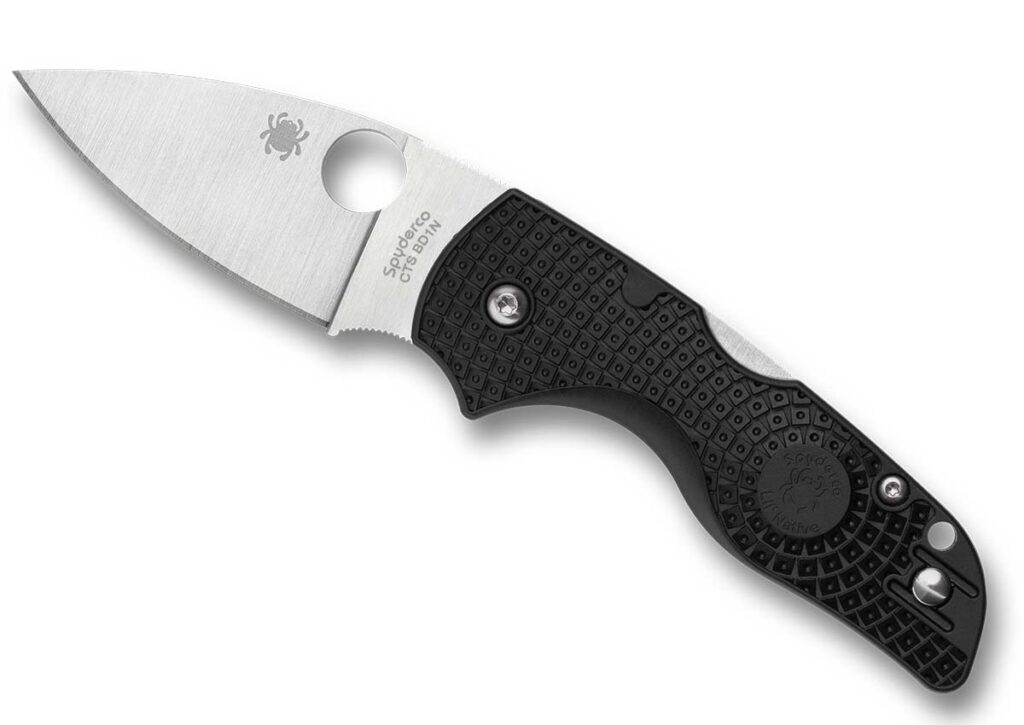
Designer: Eric Glesser Blade length: 2.42” Blade steel: CTS BD1N stainless Blade grind: Full-flat Blade finish: Satin Scale material: FRN Lock: Back Lock Weight: 1.5 ozs. Closed length: 3.74” MSRP: $160 Knife to know: This folding knife takes the company’s Lil’ Native Back Lock platform and lightens it by 40 percent with fiberglass-reinforced-nylon scales. Available: March
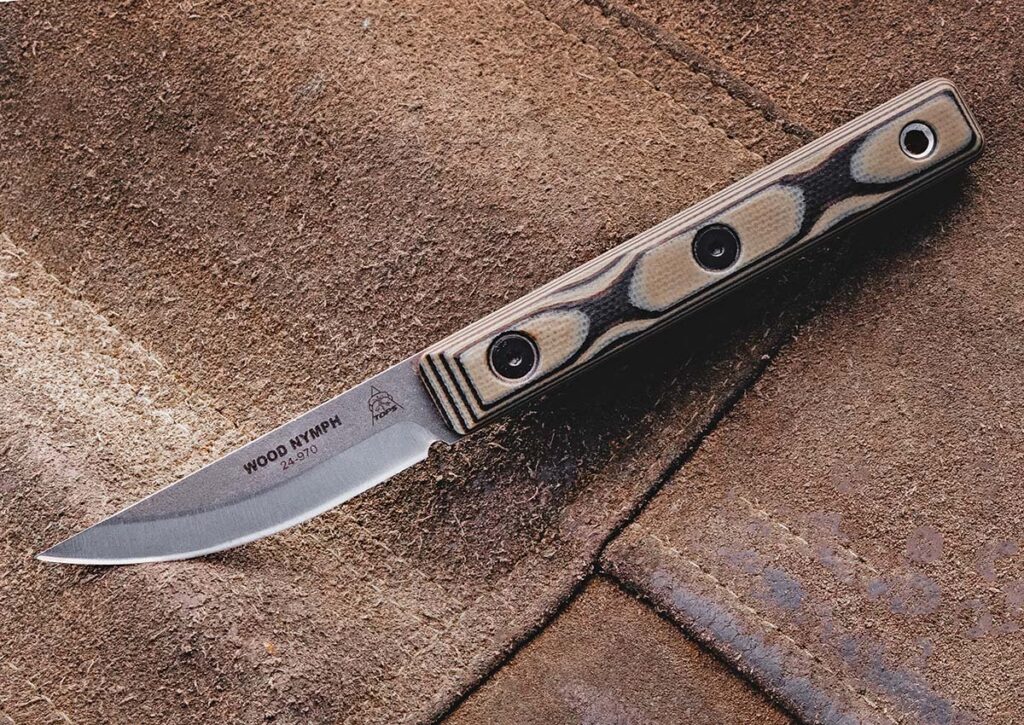
TOPS Knives Wood Nymph
Knife type: EDC/bushcraft Designer: Bushcraft Kelso Blade length: 2.25” Blade material: 1095 carbon steel Rockwell hardness: 56-58 HRC Blade grind: TOPS’ modified Scandi Blade finish: Tumble Scale material: Tan/black G-10 Weight: 1.8 ozs. (3.2 ozs. w/sheath) Overall length: 5.75” Sheath type and material: Brown leather MSRP: $190 Knife to know: Thick for its size, the handle is well-rounded and longer than the blade for a solid grip. The blade shape is simple and classic. It’s sharp, pointy and a little thinner than most would expect from TOPS at 3/32-inch thick. A simple leather sheath makes this knife one of the easiest to carry. It’s a simple yet effective workingman’s tool. Available: NOW
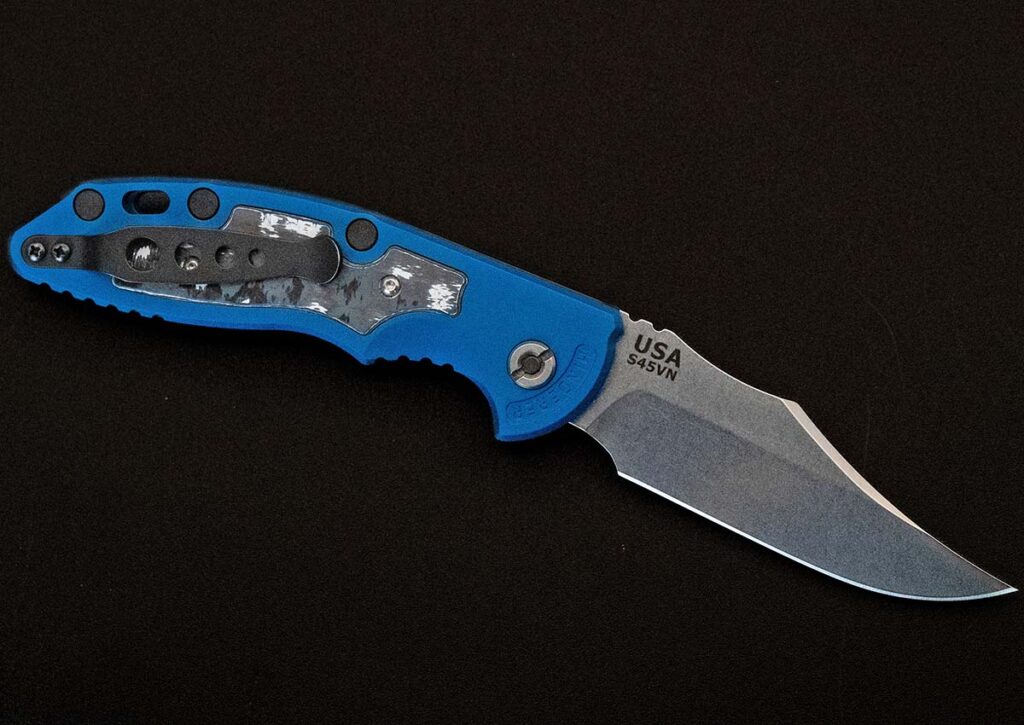
Rick Hinderer Knive XM-18 3.5” Bowie Automatic Aluminum
Knife type: EDC Designer: Rick Hinderer Blade length: 3.5” Blade steel: CPM S45VN stainless Rockwell hardness: 60-62 HRC Blade pattern: Bowie Blade finish: Stonewash Liners: Patent pending titanium half liners Scale material: Two options: anodized blue aluminum w/inlay and Arctic Storm w/FCF inlay Frame material: Aluminum anodized blue Furniture material: Stainless steel black nitride hardware (add on) and matte black Holey Clip (add on) Lock: Button lock Pivot: Phosphor bronze washers Weight: 5.12 ozs. Closed length: 4.75” MSRP: $495 Knife to know: Featuring a lightweight yet durable aluminum handle with patent-pending titanium half liners, this knife offers enhanced strength and stability without compromising on weight. Designed with the EDC enthusiast in mind, it blends innovation, practicality and cutting performance, making it a trusted companion for any daily task or adventure. Available: 2025
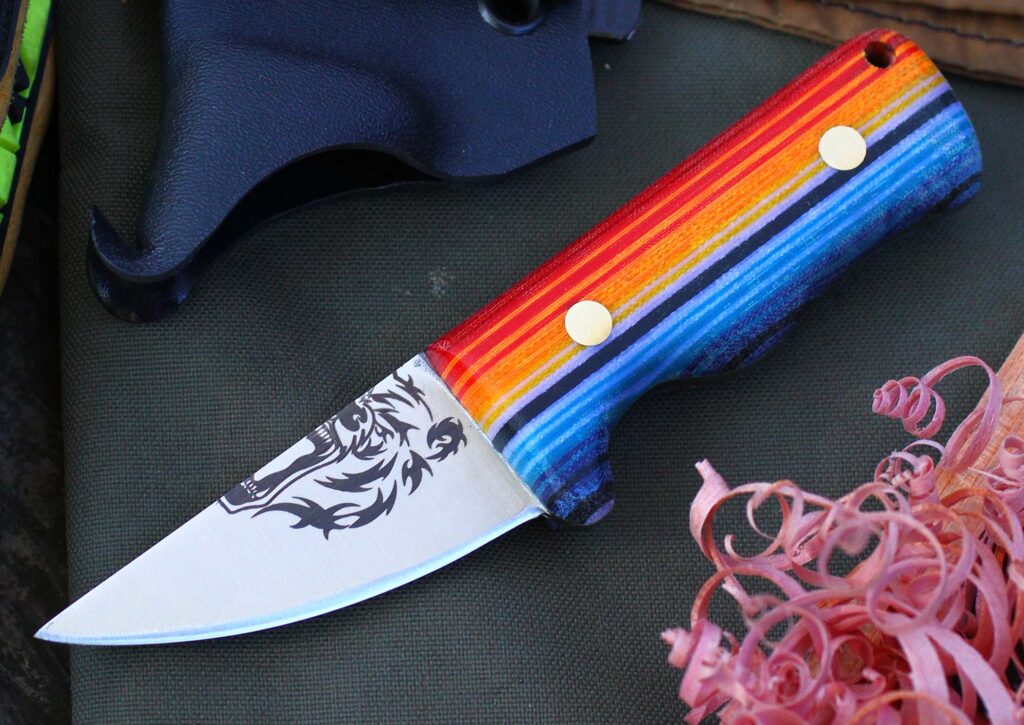
Bear Forest Knives Stumpy
Blade length: 2 1/8” Blade steel: Nitro V stainless Blade thickness: 1/8” w/90-degree spine Grind: Full flat Finish: Raw matte Scale materials: Various Micarta®/wood/Bearcarta (check availability) Overall Length: 5 7/8” Sheath: Kydex® black (.08” thick) MSRP: $239.99 Knife to know: The Stumpy checks all the boxes; it defines what is needed in a small utility fixed-blade knife while in the shop or outdoors. At the same time, you aren’t giving up comfort. Available: NOW
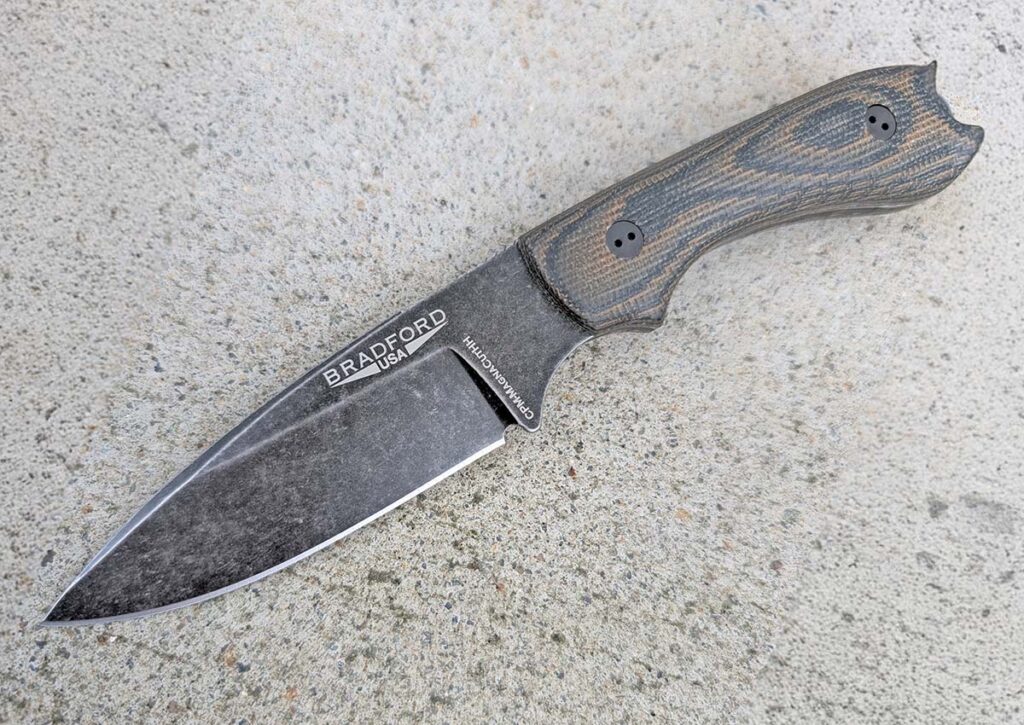
Bradford USA Guardian 3.2
Knife type: Fixed-blade EDC Blade length: 3.5” Blade steel: CPM MagnaCut High Hardness stainless Rockwell hardness: 63-64 HRC Blade grind: Sabre, false edge, full height flat Blade thickness: .14” Scale options: Micarta®, G-10 and carbon fiber Overall length: 7.125” Sheath: Horizontal leather MSRP: $229 Knife to know: Blade also available in a choice of ELMAX and M390 stainless steels Available: NOW
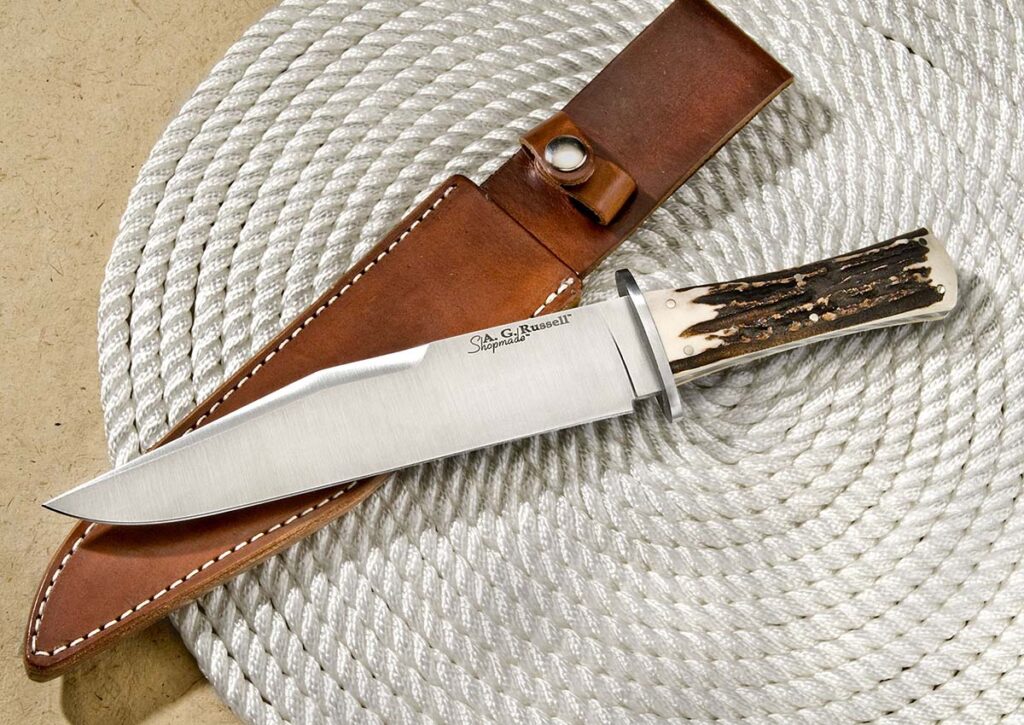
A.G. Russell Knives California Bowie Knife
Designer: BLADE Magazine Cutlery Hall-of-Fame® member A.G. Russell Blade length: 8.5” Blade steel: 154CM stainless Rockwell hardness: 59-61 HRC Blade grind: Flat Blade finish: Satin Scale material: Premium India stag Furniture material: 410 stainless steel Weight: 10.6 ozs. Overall length: 13.25” Sheath type and material: Handmade of leather Special feature: Long California clip point blade MSRP: $595 Available: NOW
RMJ Tactical Gym Rat
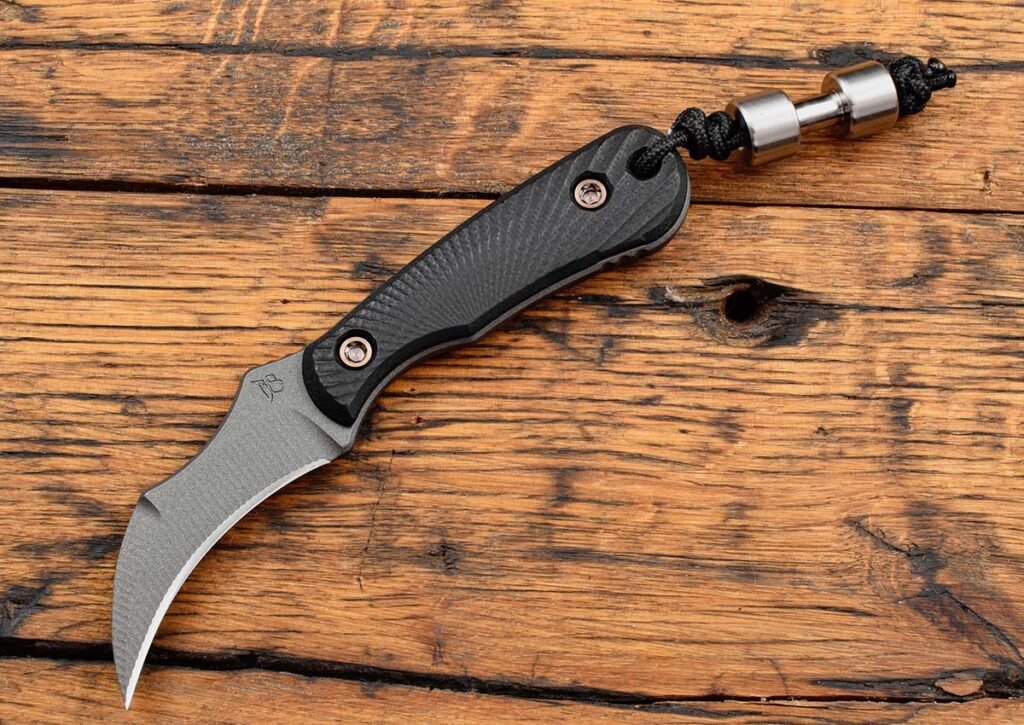
Designer: Bryan Schellenger Knife type: Fixed-blade EDC Blade length: 2 3/8” Blade thickness: 1/8” Weight: 2.3 ozs. Blade steel: Nitro V stainless Rockwell hardness: 59-60 HRC Blade finish: Tungsten Cerakote® Scale material: Three G-10 options: black, dirty olive, hyena brown Handle fasteners: Torx Grade 5 titanium anodized a bronze color Barbell bead: Grade 5 titanium Overall length: 5 1/8” Sheath: Kydex w/ball chain & ambidextrous clip adapter suitable for pocket and outside the waistband carry Knife to know: Designer Bryan Schellenger wanted to come up with a small, light but effective blade that could be easily concealed with minimal clothing, and that idea was spawned at the gym; also carries as a necker MSRP: $185 Available: NOW
Tactile Knife Maraner 2
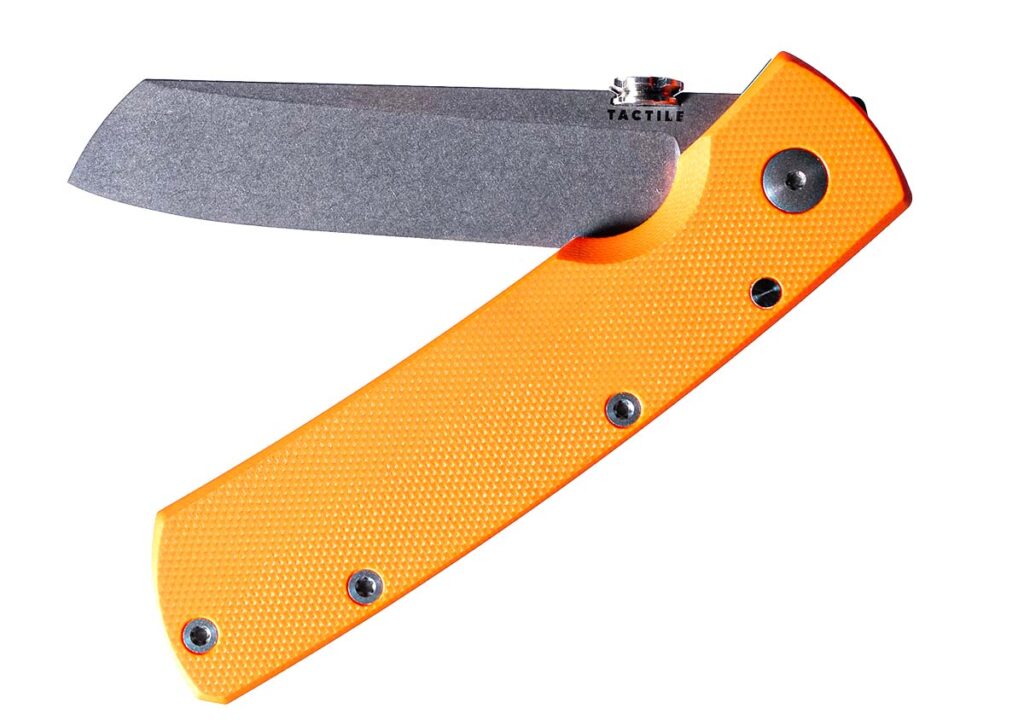
Knife type: EDC Designer: BLADE Magazine Cutlery Hall-of-Fame® member Bob Terzuola Blade length: 2.985” Blade steel: CPM MagnaCut stainless Rockwell hardness: 63-64 HRC Blade pattern: Sheepsfoot Blade finish: Tumbled Liner material: Hardened stainless lock-bar insert Scale material: Titanium & G-10 Furniture material: Titanium backspacer Lock: Insert linerlock Pivot: Ceramic bearings Closed length: 4.175” Knife to know: Designed in 1987; first production variant MSRP: $399 Available: NOW
Hogue Knives Ballista II
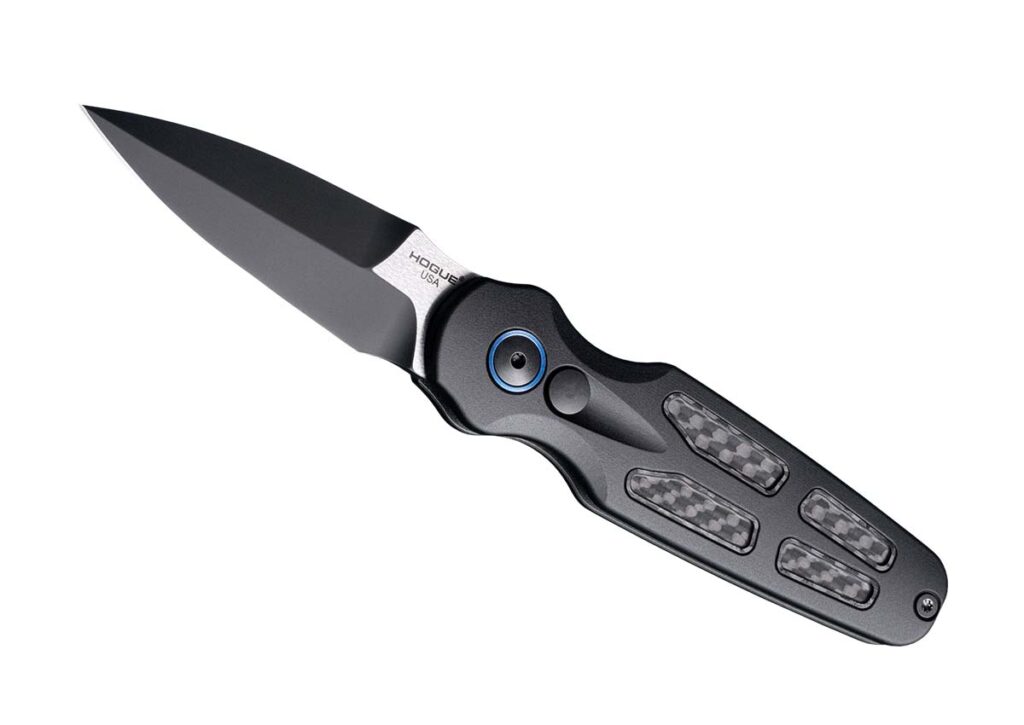
Knife type: EDC automatic Designer: Scott Bruhns Blade length: 3.4” Blade steel: CPM MagnaCut stainless Rockwell hardness: 62-64 HRC Blade grind: Flat Blade finish: Two-tone: stone tumbled and black PVD Scale material: Carbon fiber inserts Frame material: Matte black 6061-T6 anodized aluminum Pocket clip: Deep carry, right-hand carry Weight: 2 ozs. Closed length: 3.8” Special features: Titanium accents anodized blue MSRP: $239.95 Available: NOW
CRKT Twist Tighe Compact Automatic
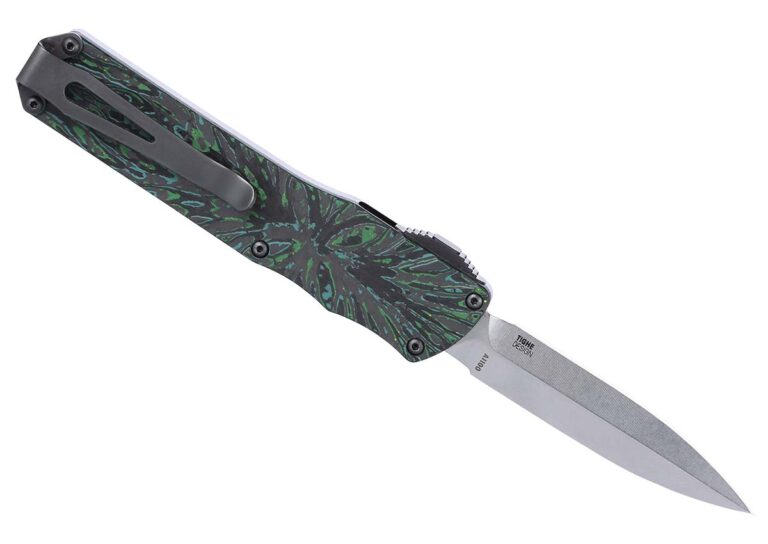
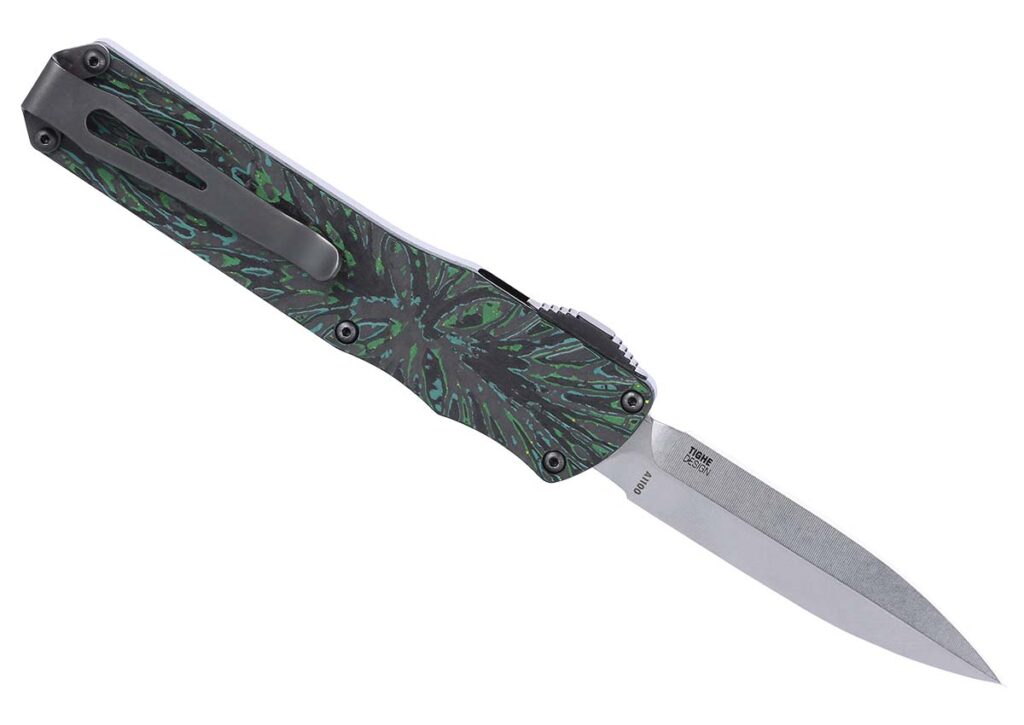
Designer: Brian Tighe Knife type: EDC OTF automatic Blade length: 2.69” Blade steel: CPM MagnaCut stainless Blade thickness: .09” Blade finish: Stonewash Scale material: Green carbon fiber Weight: 1.6 ozs. Closed length: 4.01” MSRP: $300 Available: NOW
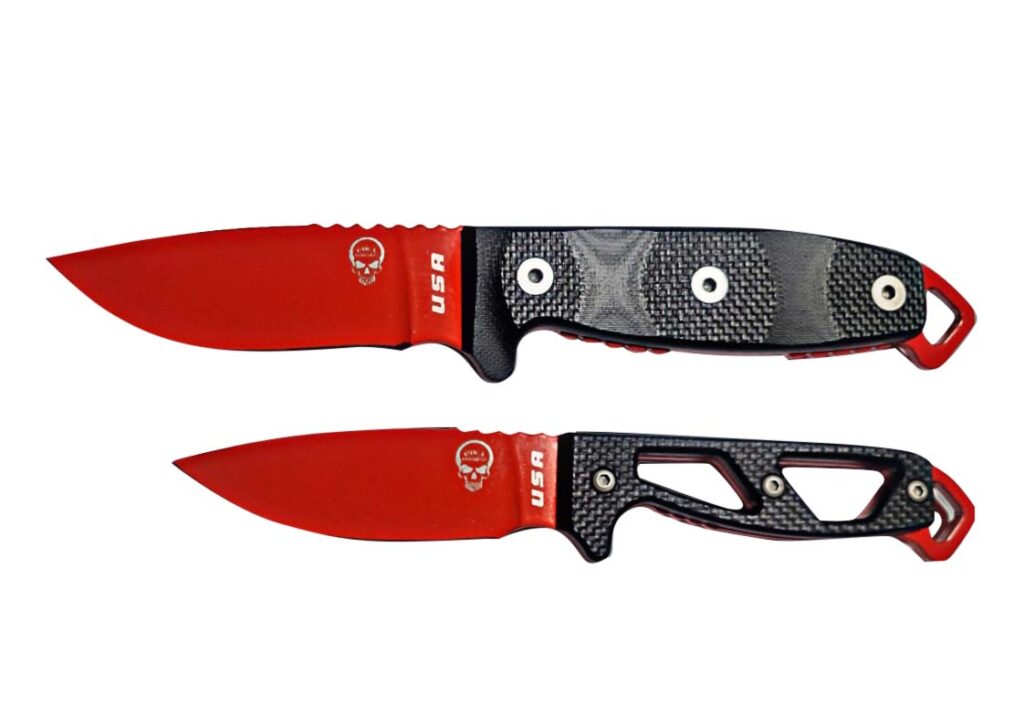
Knife type: Tactical, EDC, survival Designers: Bill Harris, Stephen Schook and Utica team Blade lengths: 3 and 2.5” Blade steel: CPM MagnaCut stainless Rockwell hardness: 61-62 HRC Blade grind: Flat Blade finish: Red powder coat Scale material: Black textured Micarta® Liner material: G-10 Overall lengths: 8 and 5.25” Sheath type and material: Critical Hit I ABS sheath w/built-in sharpener and fire striker and reversible belt clip and paracord; Critical Hit II ABS sheath w/belt clip and paracord MSRP: $170 Available: NOW
Honor 250 years of Marine Corps history! Discover the legendary KA-BAR/MK2 fighting knife and new anniversary blades from makers like Medford and Defiant 7.
The day before Veterans Day, November 10 is the 250th anniversary of some of the most storied combat fighters in world history—the United States Marines.
The Marines have a special aura that almost transcends their many exploits. And when it comes to American military exploits, the Battle of Iwo Jima is in the top two or three all time. The raising of the flag on Mount Suribachi is America personified, and the United States Marine Corps War Memorial across the Potomac River from Washington, D.C., celebrating the event is about the most awesome monument anywhere.
As for those in the knifemaking community, Marine veterans are well-represented and include two BLADE Magazine Cutlery Hall-of-Fame® members, Don Fogg and Joe Keeslar. Other Marine vets who make knives are Tim Britton; Matt Chase; Allen Elishewitz; Doug Esposito; Les George; Brad Jennings; Tim Kell; Jonathan McNees; Greg Medford; Jeff Moore; ABS Master Smith James Rodebaugh; Kevin Stack; and Connor Toor. There are no doubt many more, both present and past.
Then there’s the iconic Marine knife, variously known as the Mark 2/MK2, USMC fighting/utility, the Model 1219 or simply the generic kabar. Associated by many with having been made by KA-BAR Knives, the knife also was made by a number of other companies during World War II, including Camillus, Case, Colonial, Ontario, Pal, Queen, Robeson, etc., and is made by several of the foregoing that remain active today, as well as others. The 200th KA-BAR commemorative of the knife graced the cover of the November-December 1975 issue of The American Blade 50 years go in what may be the best BLADE® cover ever.
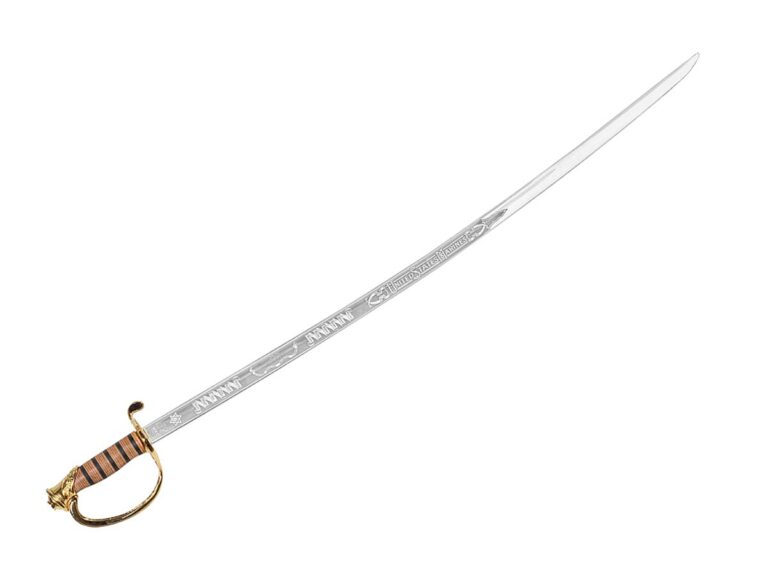
As for blades observing the 2025 anniversary, the 250th USMC Trench Knife by Medford Knife & Tool is available now. KA-BAR is making a dress sword in a limited edition of 250 pieces that at press time was slated to be out in early October. At Defiant 7, Allen Elishewitz and Les George are “reworking” the USMC MK2 in what will be called the M320. Among other features, it will include a 3V carbon steel blade and a stacked handle construction not unlike the original MK2 grip but in a polymer material and a more ergonomic shape. Ontario was reportedly working on a new kabar-inspired piece at press time, too.
Look for these and other anniversary-focused knives in future issues of BLADE. Choose one or more of them if you want a blade inspired by our incomparable Marines.
To America-loving Marines everywhere, Semper Fi! And to all U.S. military vets, Happy Veterans Day!
Harking back to American military glory and post-war prosperity, antique switchblades from the 1940s and 1950 have enduring appeal.
From its first patent in 1884, the switchblade was an important addition to most early U.S. cutlery companies.
According to Mark Erickson, author of Antique American Switchblades, between 35-to-40 companies made and/or sold switchblades, including almost all of whose names long-time collectors recognize: Aerial, Camillus, Case, Challenge, Colonial, George Schrade, KA-BAR, L.L. Bean, Novel Shapleigh Hardware, Queen, Remington, Schrade Cutlery Co., Utica, Wade and Butcher, and Shapleigh Hardware, to list a few.
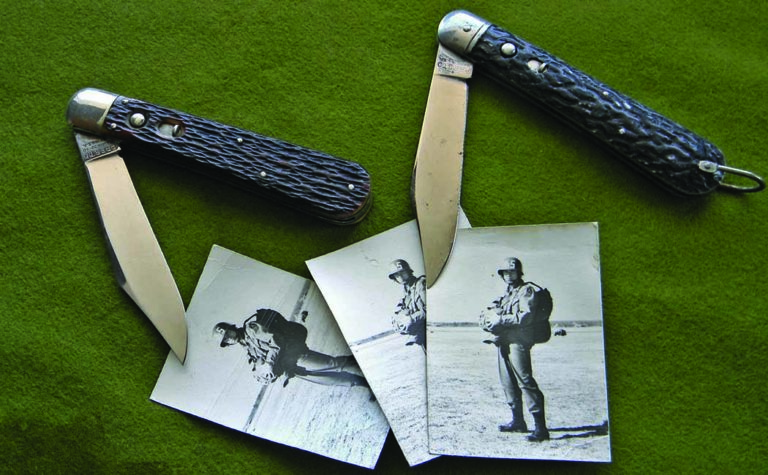
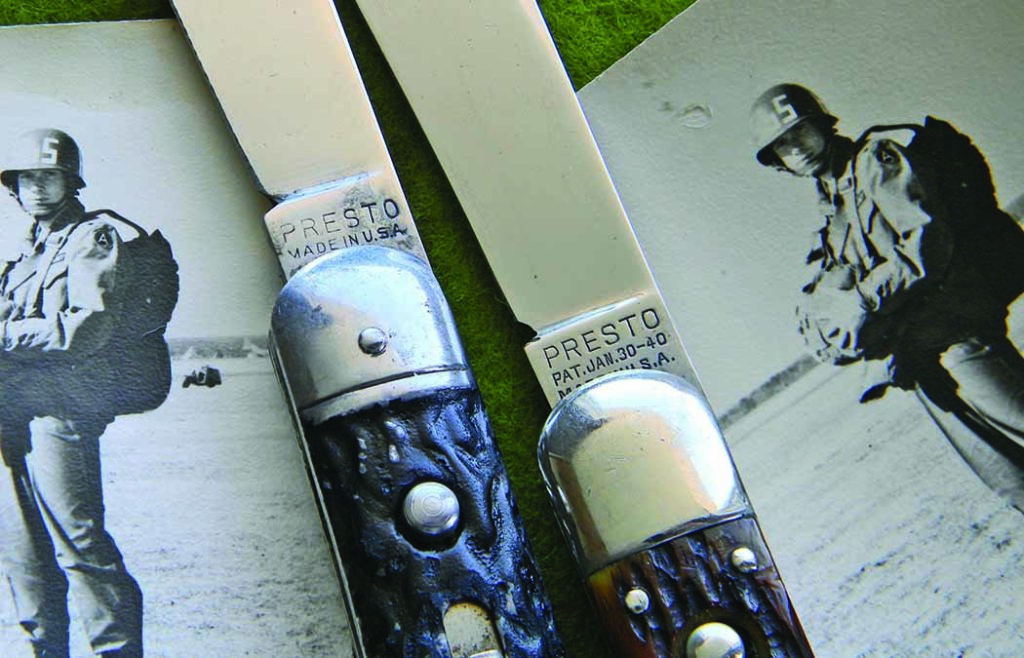
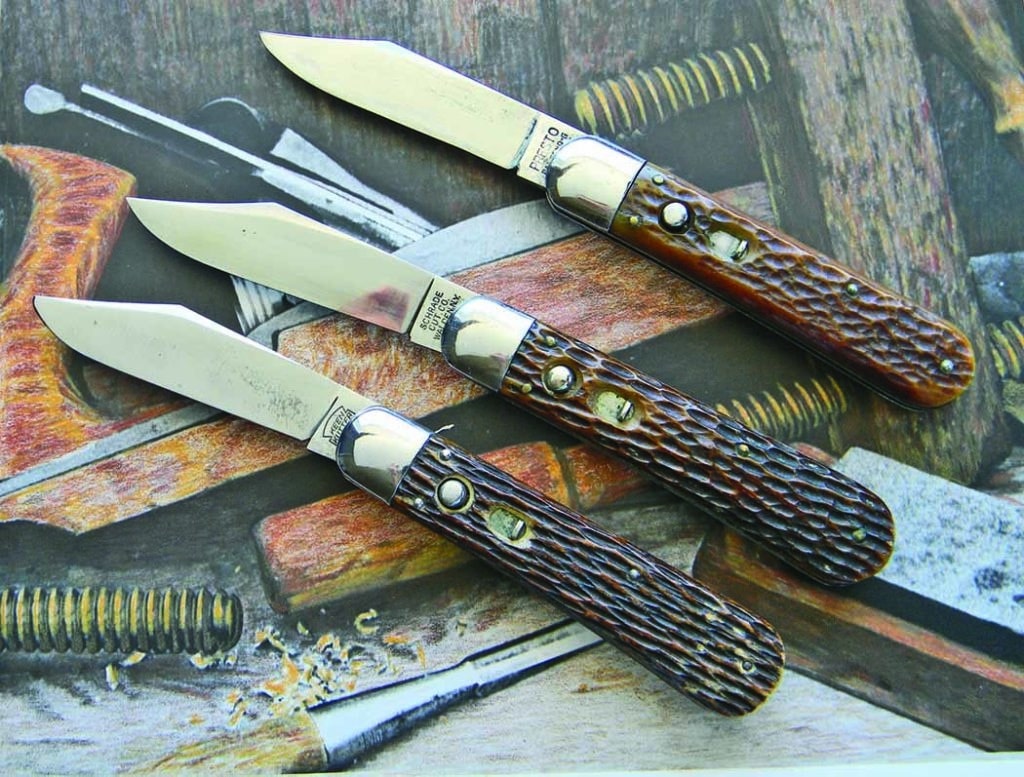
These two switchblades with the Presto stamping by George Schrade Knife Co., are among those that played an important part in the success of American paratroopers during World War II.
Because of the collectibility of the named companies and the significant variety of styles, sizes and handle materials associated with them, switchblades have become a serious endeavor for many collectors of antique knives.
Invention Of The Switchblade
As a serious cutlery collector, my downfall has been fingernails that bend backward with even the smoothest opening blades. The switchblade innovators had fingernails in mind when they produced a knife that could be opened without using a nail. In fact, some of the best switchblades are found in women’s old sewing baskets.
In fact, early switchblade ads tout the folder’s ability to be used by people with weak fingernails. “These knives will be a wonder for those who have difficulty opening a traditional knife” stated one such ad.
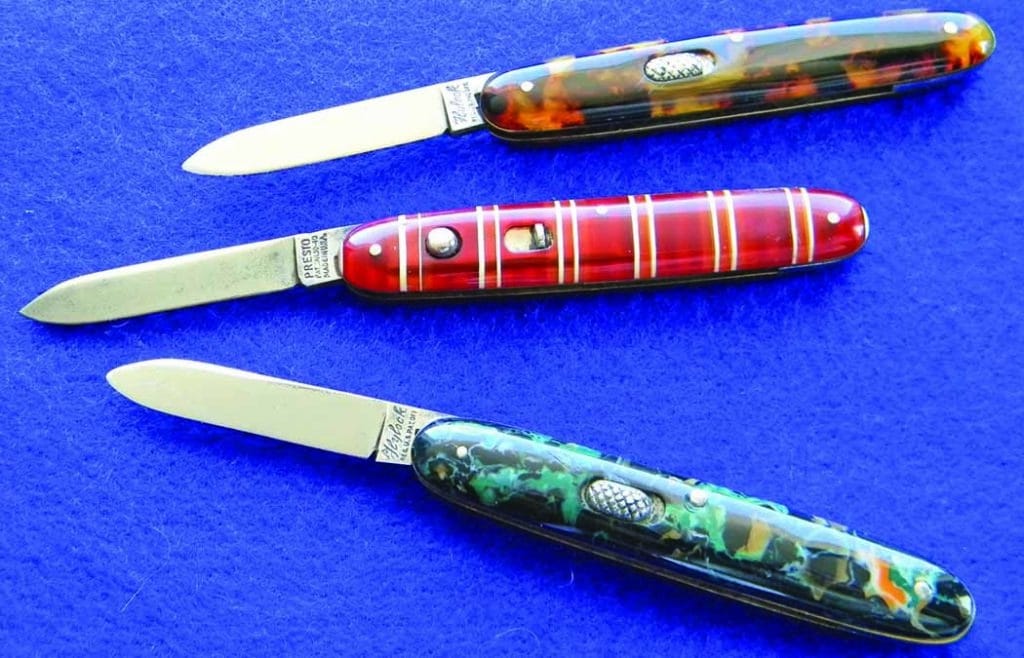
Celluloid was a very popular handle material on antique switchblades. Celluloid types, from top: a George Schrade in imitation tortoise, another George Schrade model in candy stripe, and one from Flylock Knife Co., in blue, pink and black swirl.
For many other occupations, the switchblade and its ability to be opened with one hand has proven immensely important. Mechanics, fishermen, ranchers, soldiers, veterinarians and even Boy Scouts were frequent users of the pocketknives. With a wiggling fish in one hand, it is easy to see how a switchblade could be a valuable asset to most fishermen when cutting a line.
Moreover, most switchblades have a lock/safety that keeps the blade from opening accidentally and the open blade from closing on the hand. An early Flylock Knife Co. ad touted, “The ideal knife for all outdoors and sports use. One hand only required to open or close, leaving the other hand free to grip a rod or gun.”
World War II Switchblades
World War II brought with it the necessity of supporting soldiers who parachuted behind enemy lines. Switchblades procured for the U.S. military were designed to cut the parachute suspension lines that became entangled during landing. The knives were carried in what has been described as “neck pockets’ in jump uniforms.
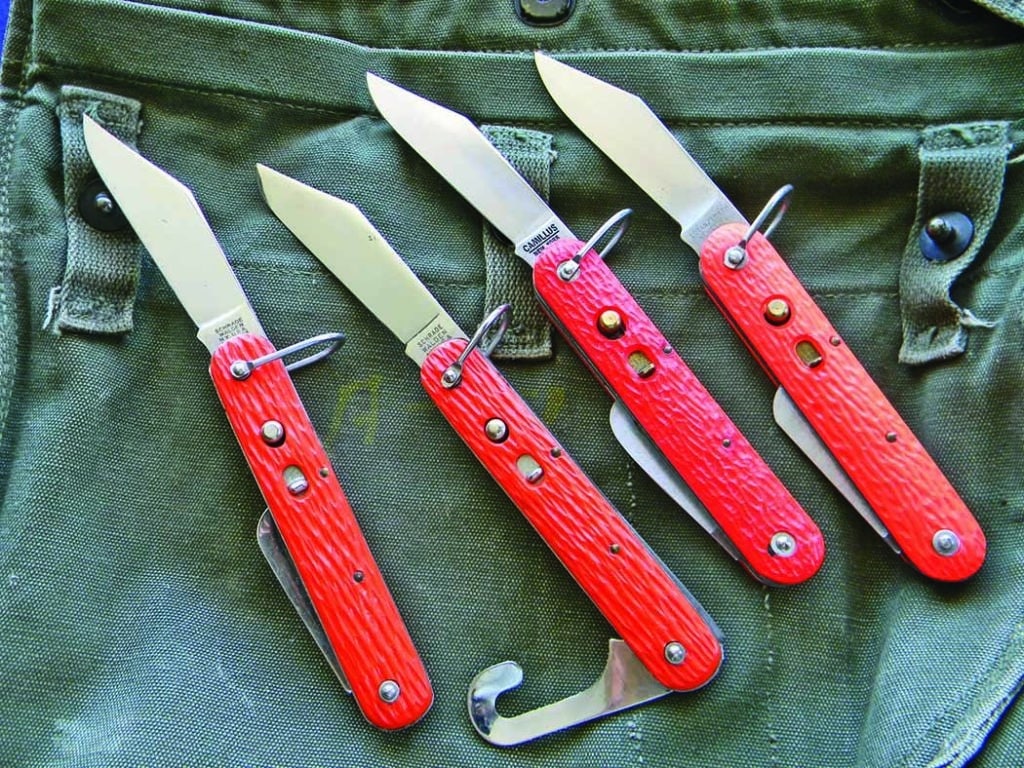
Military switchblades designated “MC1” included models in orange handles for heightened visibility. They were made by Schrade until 1960, when Camillus took over the contract. The knives have a master blade opened by a push button and a manual shroud cutter.
There are continuing discussions about the knives specifically made for and used by the U.S. military during the war. The discussions center around whether switchblades issued to troops all had jigged bone handles or jigged metal sides. Another discussion is whether all switchblades used by paratroopers had a bail—known in the military as a “lanyard staple”—or whether knives without bails also were used.
Units that used the knives included paratroopers in the 82nd Airborne and 101st Airborne Divisions, which included the 505th, 507th and 508th parachute infantry regiments. The 505th Infantry Regiment website shows switchblades made by Schrade Cutlery Co. stamped “Presto” with jigged bone handles and metal handles made to look like jigged bone painted black. Knives both with and without bails are included in the photographs. Switchblades made for World War II paratroopers also include those stamped Schrade-Walden and Schrade Cut. Co.
The book, 4 Stars of Valor: The History of the 505th Parachute Infantry, describes the equipment carried by paratroopers. In addition to main and reserve chutes, full uniform and helmet, the paratroopers carried over 70 pounds of equipment, including an M-1 carbine with ammo, Mae West life jacket, switchblade, water-filled canteen, trench knife, fragmentation and smoke grenades, mess kits, three days of K rations, escape map and compass, gas masks, toiletry items, 30 feet of rope, blanket, half a shelter and first-aid kit.
Post-War Military Switchblades
After World War II, several companies made switchblades for military personnel. According to one website, the first such knife was produced for the armed forces by Schrade Cutlery Co., designated as MC-1, an airman’s paratrooper knife, in 1957. Sometimes the knives are referred to as aircrew survival knives.
Three jigged bone switchblades, from top: Schrade Cutlery Co., George Schrade Knife Co. and one of the rarest of antique models, one stamped “Keen Kutter,” a trademark of Shapleigh Hardware. Schrade made the knife.
The first contract was awarded to Schrade Cutlery followed by a second contract to Camillus, and a third to Logan-Smyth. The orange-handle switchblades had two blades: one a master spear pattern opened by depressing the button, and a second blade shaped like a hook to cut parachute suspension lines. In my estimation, the hooked blade is not sharp enough to easily cut parachute lines and must be resharpened.
Civilian Switchblades
The early 1950s brought a renewed interest in cheap, colorful switchblades, with thousands of knives made by Imperial in its Jack-O-Matic Texas toothpick model, and Colonial, which used the Shur-Sharp stamp on its colorful models. The fishtail jackknives and the Texas toothpick styles were by far the favorite examples produced by the two companies.
The George Schrade Knife Co. continued to produce popular switchblades with celluloid handles stamped Presto. The knives were made with a single blade, double blades (the latter with a push button for each blade) and even a letter opener with a push button in one end.
Celluloid Handles On Antique Switchblades: Why?
The handle material for most of the inexpensive switchblades was celluloid. Thin sheets of the versatile plastic-like substance were molded around the knife’s metal sides. The most popular celluloid style was candy stripe. The knives also can be found in a wide variety of swirled celluloid handles in a myriad of different color combos, some with such recognizable celluloids as cracked ice and imitation tortoise.
Because the knives were inexpensively priced, they were extremely popular with boys in the 1950s. Because of the knives’ widespread use, some advertisers saw an opportunity to emboss various ads on them, giving them away as a novel company promotion gimmick.
Allure Of Antique Switchblades
Because of their connection with the heroic actions of airborne troops during World War II, antique switchblades have continued to be a popular cutlery collecting niche. Moreover, since almost three dozen companies, each producing a vast array of sizes and handle materials, made the knives, the collecting field is wide open.
Even in the 1950s cheap construction, made more evident by the continuous opening and closing of the blades, the knives remain popular collectibles. No doubt one reason for the popularity is that antique switchblades remind many of the Golden Age of the 1950s and ’60s when kids played outside all day, shot their BB guns, and hit the corner gas station for a cold soda and a candy bar.
With BLADE Show 2024 just around the corner, many new knives are hitting the custom and factory markets. We scoured the former end—hitting all points of the compass along the way—to bring you some of the latest and greatest handmade gems. If you’re heading to Atlanta, be on the lookout for these and other great custom creations.
Camille Sennegon Fighter
Blade length: 8” Blade material: 80CrV2 carbon steel Blade grind: Flat, w/a small convex grind on the edge Blade finish: 800-grit satin Blade pattern: Harpoon w/recurve edge Handle: Ironwood Bolster: 304 stainless steel Overall length: 13” Maker’s price for a similar knife: $800 at press time rate of exchange Maker’s remark: “I made this knife based on a design drawn and given to me by my friend, ABS master smith Samuel Lurquin.” (Jocelyn Frasier image)
Francesco Piccinin Northern Style Utility
Blade length: 4” Blade steel: 14C28N stainless Blade grind: Flat Handle: White G-10 w/black G-10 frame and spacers w/hole for a lanyard Bolster: Ash burl Overall length: 9” Sheath: Leather w/belt loop and leather tiedown w/bead Maker’s price for a similar knife and sheath: $600 at press time rate of exchange (Jocelyn Frasier image)
Steven Ramos Pisces
Knife pattern: Hunting/utility Blade length: 7” Blade steel: CPM 154 stainless Blade grind: Hollow Blade finish: Bead blast Handle: Micarta® w/G-10 liners Overall length: 10.625” Sheath: Kydex over aluminum frame; made by Steven Ramos Maker’s price for a similar knife and sheath: $825 (Jocelyn Frasier image)
David Lisch Singing Crusader
Knife type: Fixed blade Blade length: 5.25” Blade material: Damascus of 1080 carbon and 15N20 nickel alloy steels Blade grind: Convex Construction: Damascus integral Handle: Forged pipe handle holds ball bearings that make the knife “sing” when shaken Knife to know: The bear head pommel is hand forged; the maker is an ABS master smith Overall length: 10.5” Maker’s price for a similar knife: $1,500, though this one being a one-of-a-kind, the pipe handle and carved pommel would be somewhat different, as would the damascus pattern davidlisch.com (Jocelyn Frasier image)
Jason Fry Border Bowie
Blade length: 8” Blade material: Explosion/twist/border-wall damascus D-guard/bolster: 1880s wrought iron artifacts Handle material: Mesquite Frame: 1848 and 2023 half dollars Overall length: 13” Knife to know: Border-wall stand included Maker’s price for a similar knife: $4,200 frycustomknives.com (SharpByCoop image)
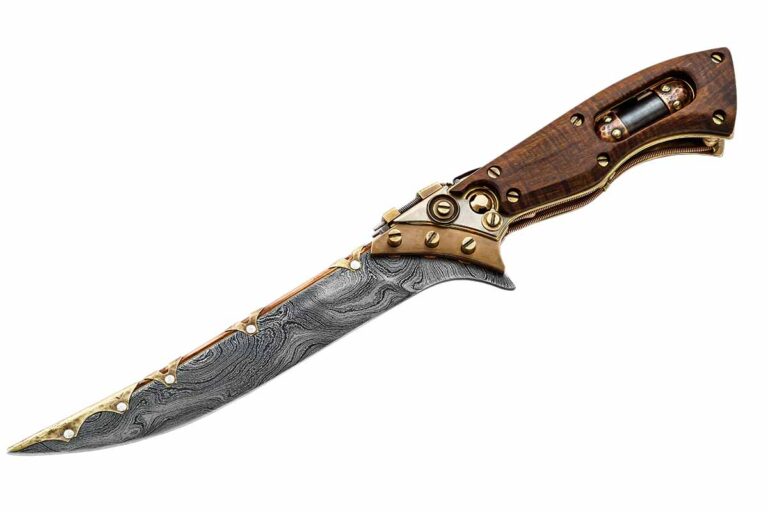
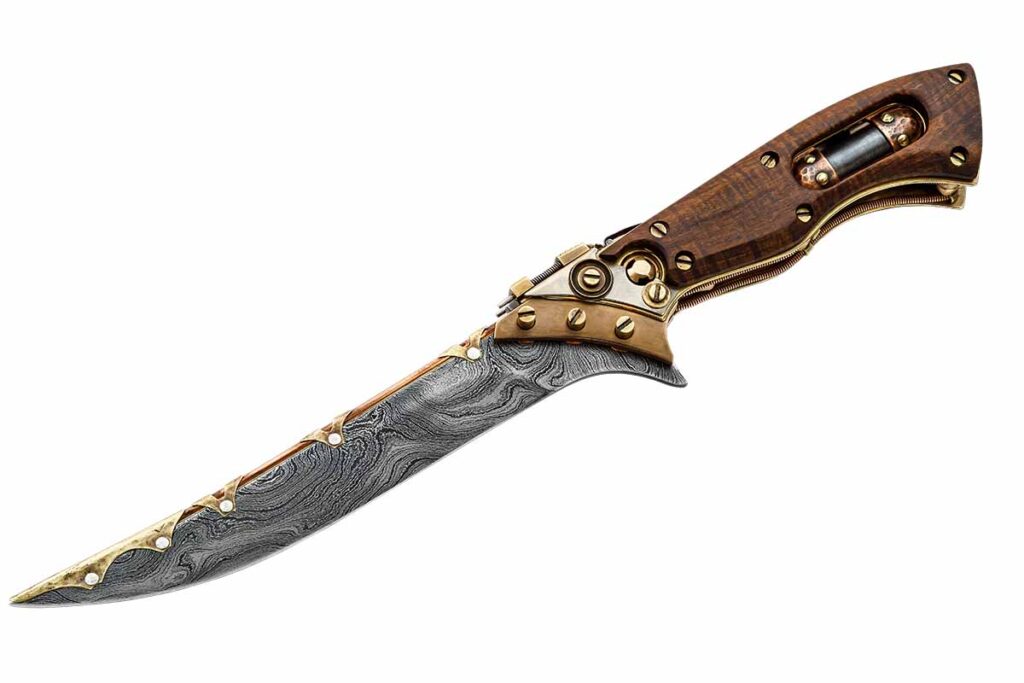
Blade length: 5.9” Blade material: Damascus of 1075 carbon and 15N20 nickel-alloy steels Blade grind: Flat Handle: Tasmanian blackwood Frame: Brass, copper, steel, clock parts, nickel silver Guard: Bronze Knife to know: The knife includes parts from clocks, a piano, cordless drill, gas valves, cigarette lighter and a gas bottle; the maker is a member of the Australian Knifemakers Guild and is an ABS apprentice smith Overall length: 12.2” Maker’s price for a similar knife: $4,700 at press time rate of exchange (Rod Hoare image)
Gabriel Turner Fixed Blade
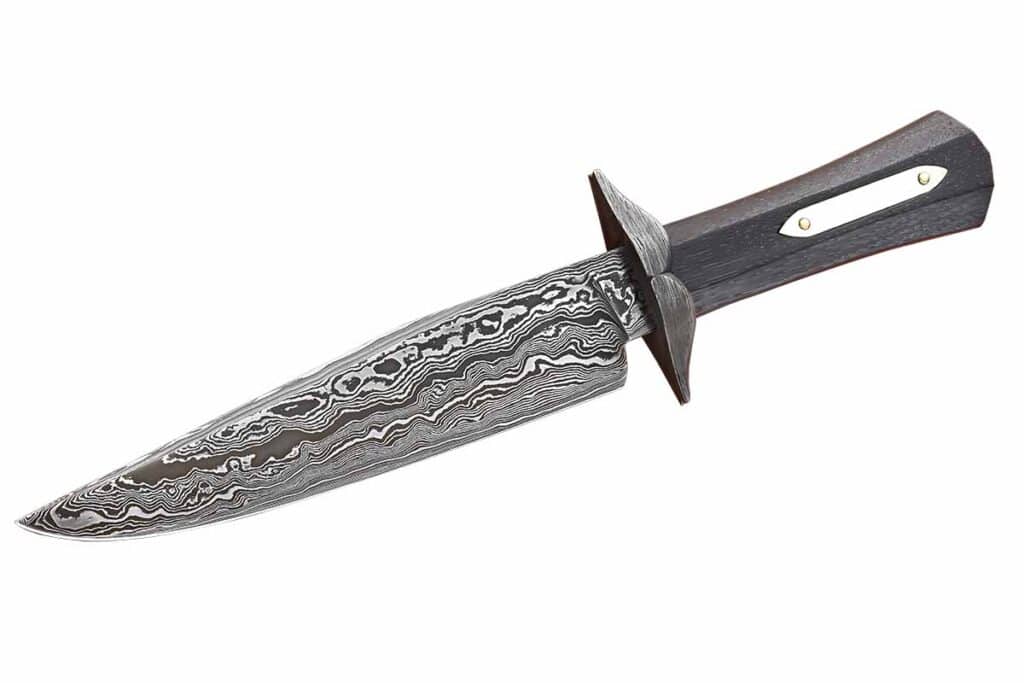
Blade length: 6.25” Blade material: Damascus of 1084 carbon and 15N20 nickel-alloy steels Blade grind: Full flat Guard: Cable damascus Handle material: Bog oak Overall length: 11.25” Maker’s price for a similar knife: $1,050 (SharpByCoop image)
Julian Roche Nakiri Chef’s Knife
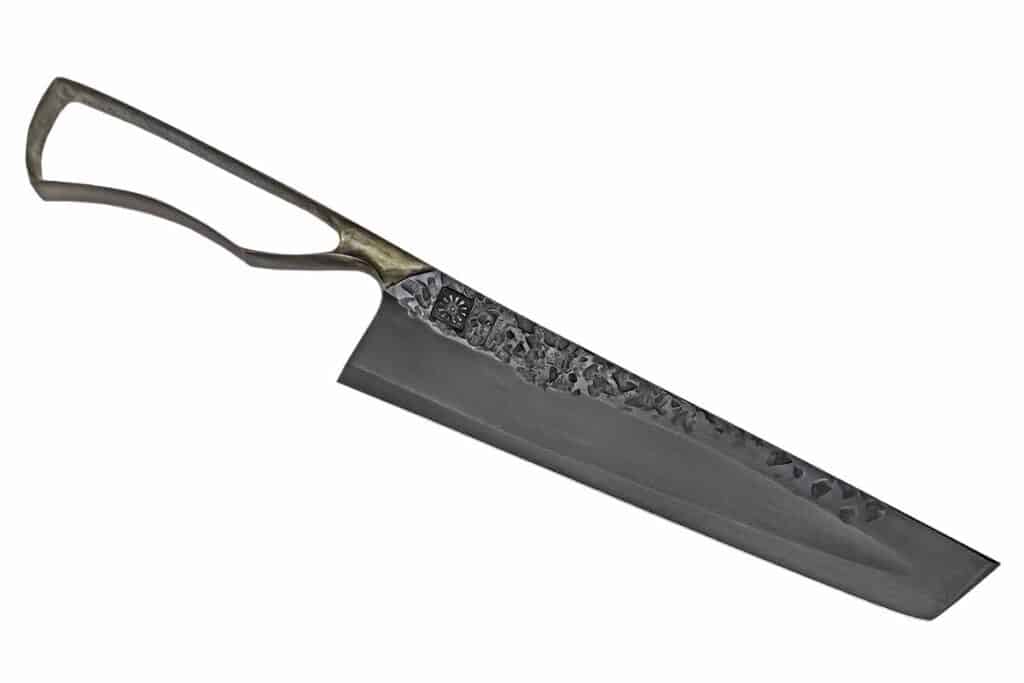
Blade length: 8.27” Blade material: 1084 carbon steel Blade grind: “S” grind Blade thickness @ ricasso: .196” Blade at widest: 1.77” Knife to know: Forged from one piece of 1084; rust-blue finish and brassed Overall length: 12.6” Maker’s price for a similar knife: $450-$475 at press time rate of exchange (Rod Hoare image)
Jeremy Wheaton Leon
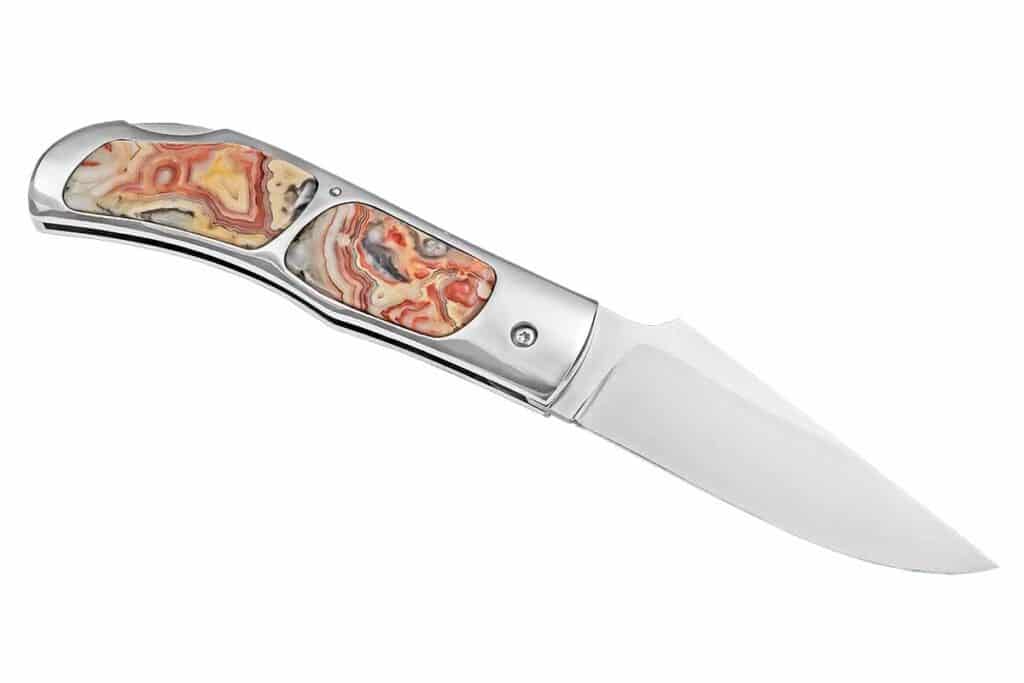
Knife type: Lockback folder Blade length: 3.19” Blade steel: CPM 154 stainless Blade thickness @ ricasso: .12” Blade @widest: 1.2” Blade grind: Flat Handle: Crazy lace agate seed inlays; a local miner sourced the agate Frame: 410 stainless steel Closed length: 5.27” Maker’s price for a similar knife: $445 at press time rate of exchange Maker’s remark: “The photo is a testament to Rod Hoare, who has worked very hard to bring his work up to an international standard. All of us Australian knifemakers are very grateful that we now have an artist of his caliber servicing our industry.” wheatonartsandcrafts.com (Rod Hoare image)
Mike Tyre Beavertail
Knife type: Double-action automatic/manual folder Blade length: 3.5” Blade material: Damascus of O1 and L6 tool steels Blade grind: Flat Blade pattern: Wharncliffe Blade opener: Thumb stud Handle: Gold-lip mother-of-pearl Frame: Titanium Lock: Linerlock Closed length: 4.5” Knife to know: Engraving w/gold inlay by Joe Mason; heat-colored filework Maker’s price for a similar knife: $4,200 miketyrecustomknives.com (SharpByCoop image)
The May-June 1975 American Blade covered the CIA-forerunner’s knives.
Editor’s Note: BLADE Magazine is celebrating more than 50 years of bringing the knife community sharp coverage of the knife world at large. Given a more comprehensive picture of where the industry comes from—thus, where it’s going—we’re running a series of vignettes on important articles marking milestones in the knife design, knife making and knifemakers from 50 years ago.
Adrian Van Dyk was the military knife guru for The American Blade at the dawn of the magazine’s era, and OSS knives were one of his specialties.
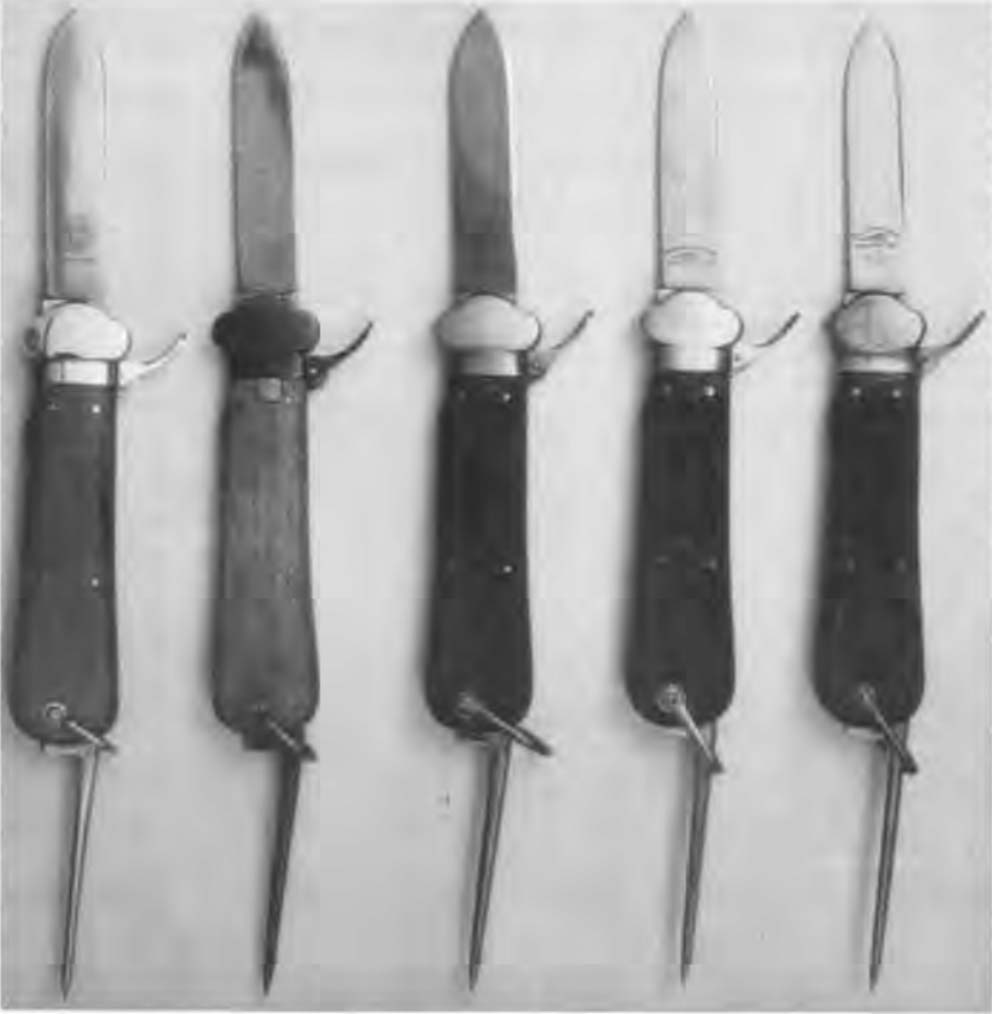
Five World War II-era OSS gravity knives, from left: a trial piece with George Ibberson blade markings; one with a variation of an Ibberson marking; unmarked issue specimen; German-issue take-down model; and a German-issue non-take-down model.
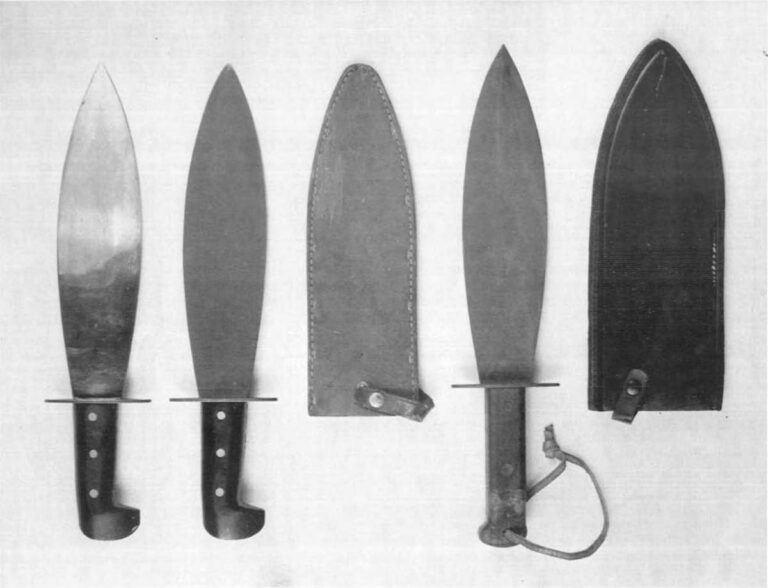
In “Knives of the OSS” in the May-June 1975 issue, he wrote a comprehensive story on a number of OSS knives, including, among others, the smatchet, stiletto, escape knife and gravity knives. The smatchet is of particular interest here because APOC/Cas Iberia offers a new iteration that it will debut at the BLADE Show (see our 2025 BLADE Show Knife Debuts post).
According to Van Dyk, the smatchet was designed for heavy chopping and brush clearing.
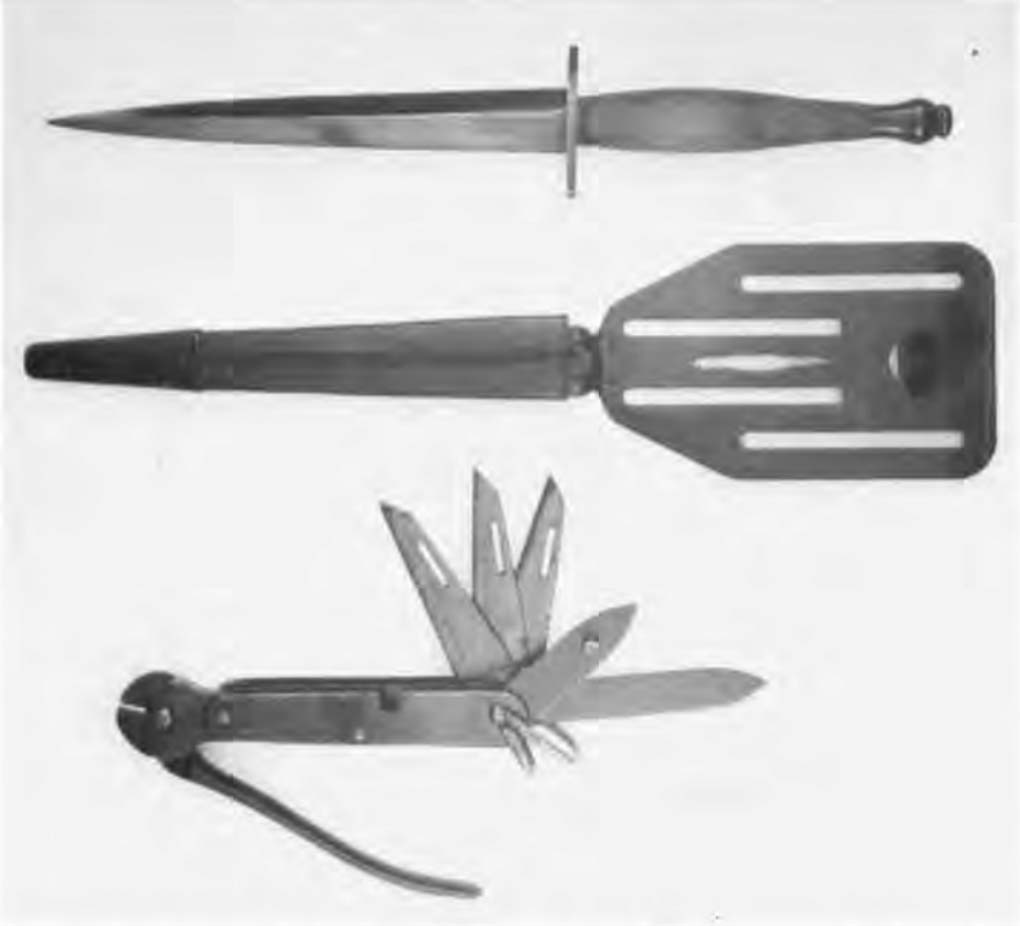
World War II OSS knives, from top: an OSS stiletto with a pancake-flapper sheath and a standard-issue OSS escape knife, completely blued and unmarked.
“The name apparently derived from its intended use since it could serve both as a machete and a hatchet,” he wrote. “The knife was probably a design derivation of the Welsh machine gunner’s sidebar,” illustrated in A Primer of Military Knives by Gordon Hughes and Barry Jenkins. “It was also designed as a fighting weapon and techniques for using it in combat are described in the book Get Tough by William Fairbairn,” one of the designers of the famed Fairbairn-Sykes commando knife.
Van Dyke added that OSS-issued versions of the smatchet were manufactured by Case and were completely unmarked. Some variations have British military proof marks and are thought to have been issued to British commandos.
Custom knives came of age as collectables in the ’80s and ’90s.
Custom knives from the 1980s-1990s have become especially collectable, not just because of nostalgia but for specific reasons. To understand why, a trip down memory lane is in order.
The ’80s and ’90s encompass a unique intersection of custom knife history, innovation, craftsmanship and scarcity. In the 1970s, custom knifemaking was mostly hobby-based and regional. The two leading knifemaker organizations were The Knifemakers’ Guild and the American Bladesmith Society (ABS), established in 1970 and 1976, respectively. The latter, in fact, celebrates its 50th anniversary this year. The two organizations helped move knifemaking from a predominantly hobbyist pursuit into the business realm. Custom knifemaking had become a viable full-time option for some custom makers.
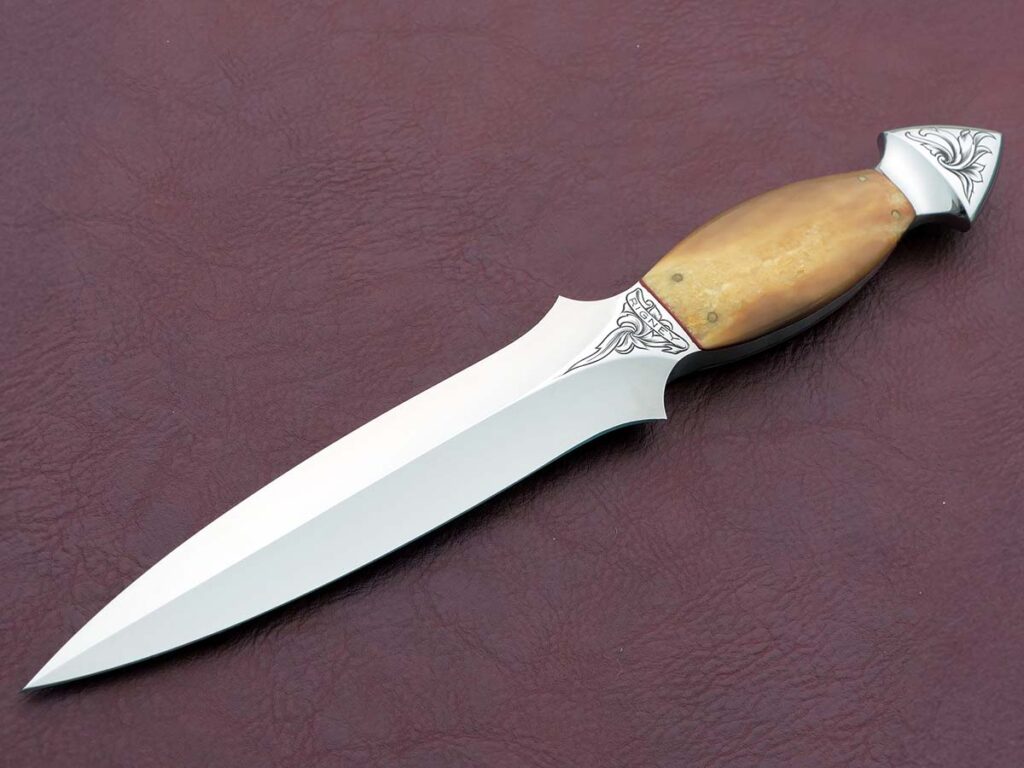
Willie Rigney was known for his fighters and daggers, with the latter usually incorporating engraving by Ron Skaggs.
The Guild and ABS matured in the 1980s, and knife shows had become a separate venue from the previous gun-and-knife-show format. During the ’80s and ’90s, makers started to intentionally design knives with aesthetics, handle ergonomics and originality in mind. The concept of a custom knife being collectable began in earnest. For many, knifemaking became an art form. Knives were being made that looked like they should be behind glass in a museum and were displayed on tables at knife shows for patrons to observe and handle.
Many of the founding members of the knifemaker organizations were in their prime production years, developing signature styles, techniques and ideas that would influence future generations of makers. Almost all the knives were designed and built entirely by makers standing before machines in their shops. Blades, frames and scales were not laser cut or CNC’d as many are today. Blades were ground freehand. Each knife was individually fit, finished and, in the case of folders, “tuned up.” The tolerances, grinds and finishes required extreme skill and precision by the maker. Most custom makers were personally involved with every aspect of making the knife that came out of the shop.
Tech Boom
It is a natural progression in manufacturing to adopt technology to increase precision and create items that previously could not be made affordably. Some custom makers have adopted this technology and can produce exceptional work with precision that a human cannot replicate. This is especially true among custom folder makers.
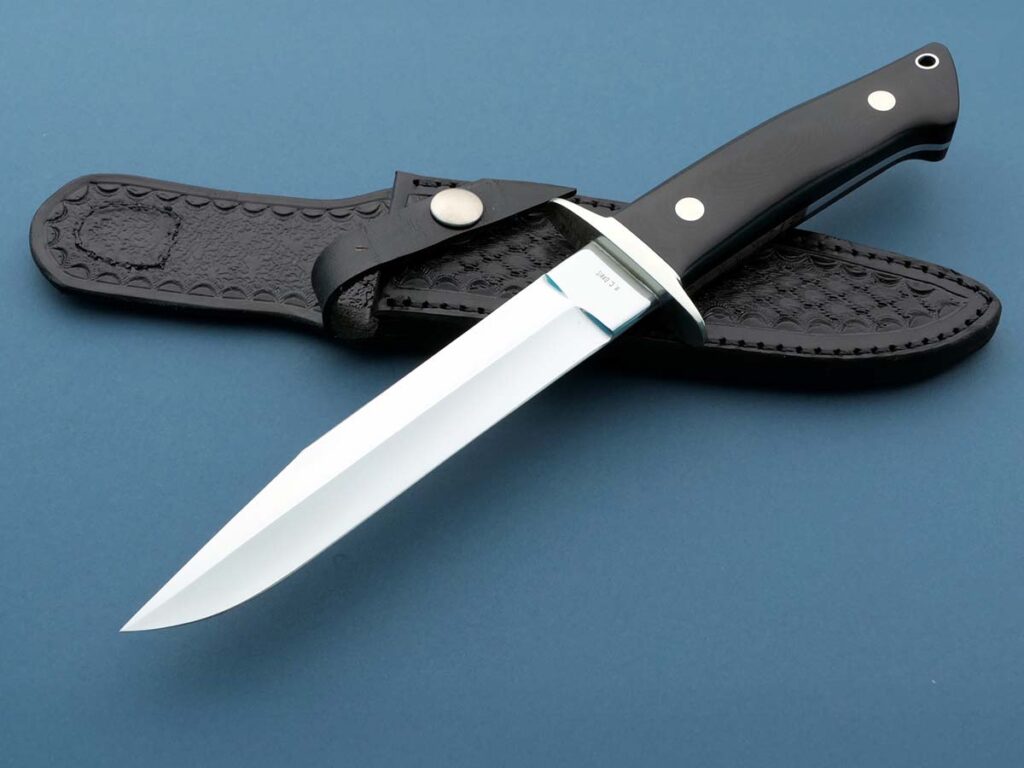
Bob Loveless trained W.C. “Bill” Davis, and it shows in W.C.’s version of the Loveless Wilderness Fighter.
This ever-evolving technology was a double-edged sword. The same technology has helped makers create the custom version of a knife, a semi-production version of the same knife, and, in some cases, to sell the design and program for collaboration with a factory. This has allowed even more makers to go full-time.
However, in the ’90s it caused confusion for some buyers. Dealers/purveyors would list the names of five or six well-known makers only to discover the knives were the factory collaborations. The utilization of the technology also allows the maker to produce more knives. Today you can attend knife shows and see tables with 20 or 30 custom knives on them. In the ’80s and ’90s, it was a rare sight to see makers with that many knives on their tables.
Unlike today, information was harder to come by. You had four main sources of information: print publications such as BLADE®, Knife World (today’s Knife Magazine), Knives Illustrated, Fighting Knives, Tactical Knives and, of course, the KNIVES annual. Other sources were dealers/purveyors, fellow collectors and knife shows. It was the shows that provided the most information. You were able to see and handle the knives, compare knives in person and, equally important, talk with makers. Back then, it was face-to-face communication that really helped me to understand what I was buying and why.
Turning Point
Interframes dominated the custom folder world in the late ’80s, and Jack Busfield was among the pre-eminent makers of the style.
In the ’80s, the fixed-blade market was primarily hunting knives and presentation knives. The go-to stainless blade steels included 440C and the new steel, ATS-34. Their high chromium content allowed for an exceptional mirror finish. Coupled with premium wood, Sambar stag and elephant ivory, the fighters, bowies and daggers became works of art that, as a new buyer, I could not afford. As the ’80s ended, the CITES (Convention on International Trade in Endangered Species) treaty made elephant ivory no longer a desired handle material. Elephant ivory was replaced with the mammoth, mastodon and ancient walrus (the latter my favorite) ivories.
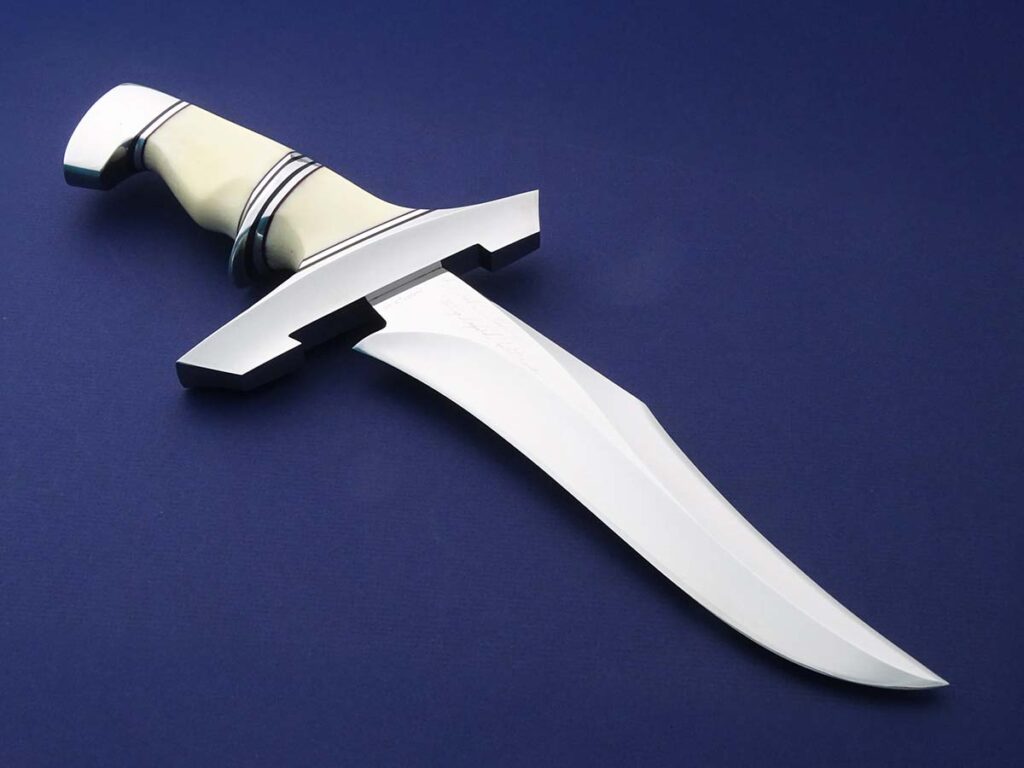
It was in the ’80s and ’90s that custom knives experienced a rapid rise in collectability, and several makers in particular benefited. Rod Chappel was one. His knives often bordered on fantasy. His huge stainless-steel guards and pommels, along with his deep double-hollow grinds, became popular with many makers. Schuyler Lovestrand was another maker whose work never disappointed. He too utilized the deep hollow grinds, while his fit and finish, especially on his sub-hilt fighters, was among the best ever!
Like Rod Chappel, Schuyler Lovestrand was a fan of deep hollow blade grinds.
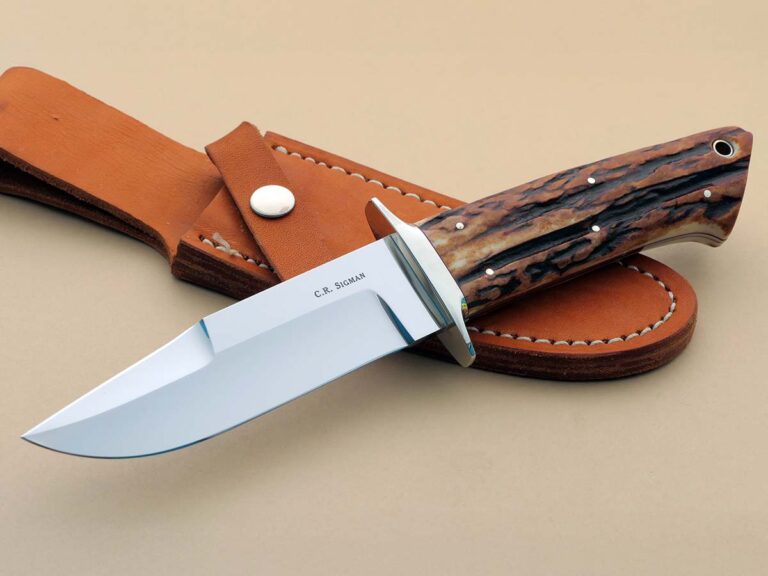
It was also during this time that many of the knife patterns and styles that were to become iconic were developed or refined. The design influence of BLADE Magazine Cutlery Hall-of-Fame® member Bob Loveless was becoming more common. Loveless trained W.C. “Bill” Davis and it shows in W.C.’s version of the Wilderness Fighter. Corbert Sigman was another maker who worked with Loveless designs. His version of the Loveless chute knife is clean and accurate.
Art knives featuring engraving, gold inlay and, on occasion, gemstones were popular among both fixed blades and folders, as was the case with many of the interframe folders from Jack Busfield. Interframes dominated the custom folder world in the late ’80s. Willie Rigney was known for his fighters and daggers, with the latter usually incorporating engraving by Ron Skaggs.
Meanwhile, the bladesmiths were refining the forging processes and developing new damascus patterns. Perhaps in the ’90s, the knife style that had the most significant influence was the tactical folder, different versions of which were turned out by many makers.
They’re Out There
Like many of you, I was fortunate to be involved in custom knives during the time in question. When many of today’s knifemaking legends were in their prime, they attended shows with knives on their tables for sale. Imagine being at a show and buying a knife from Rod Chappel or Cutlery Hall-of-Famers Bob Loveless, Bill Moran, Jimmy Lile, George Herron, Buster Warenski or Kit Carson. This writer was fortunate enough to do that. Back then, custom knives escaped the social media hype cycle. There were no bubble prices brought on by speculative flipping. Many of the knives were historically foundational, mechanically innovative and truly handmade.
Rod Chappel’s huge stainless-steel guards and pommels, along with his deep double-hollow grinds, became popular with many makers.
Unfortunately, too many of the makers from the “magical decades” have passed away or have retired. Fortunately, they left a legacy that is waiting for you to explore and learn about, and knives to obtain. These treasures are out there—enjoy the hunt!
Integral Boot Dagger Specs Maker: Willie Rigney Blade Length: 4.75” Blade Steel: 440C stainless Blade Finish: Mirror polish Handle Material: Ancient walrus ivory Engraving: Ron Skaggs Overall Length: 8.75” Author’s comments: “Willie was an incredibly talented knifemaker with limited output.”
Wilderness Fighter Specs Maker: W.C. “Bill” Davis Blade Length: 6” Blade Steel: 440C stainless Blade Finish: Mirror polish Handle Material: Black Micarta® Guard Material: Stainless steel Overall Length: 11” Author’s comments: “Bill was one of the best at reproducing the Loveless style, as well as making one of the more affordable versions of this type of knife. Great guy, great maker.”
Interframe Folder Specs Maker: Jack Busfield Blade Length: 2.5” Blade Steel: 440C stainless Blade Finish: Mirror polish Frame Material: Stainless steel Scales: Jade Closed Length: 3.5” Author’s comments: “This impressive folder features engraving and gold inlay by Dan Wilkerson. The knife was initially offered by the-then-premier dealer of interframe folders, Barrett-Smythe.”
F-2 Sub-Hilt Fighter Specs Maker: Schuyler Lovestrand Blade Length: 8.5” Blade Steel: ATS-34 stainless Blade Finish: Mirror polish Handle Material: Sambar stag Guard Material: Stainless steel Overall Length: 13.5” Author’s comments: “Schuyler made some of the finest custom knives ever. Clean, crisp lines, the epitome of fit, finish and flow.”
Hunting Leopard Bowie Specs Maker: Rod Chappel Blade Length: 10” Blade Steel: 440C stainless Blade Finish: Mirror polish Handle Material: Walrus ivory Guard Material: Stainless steel Overall Length: 15” Author’s comments: “This is Rod’s signature style and one of my favorite knives.”