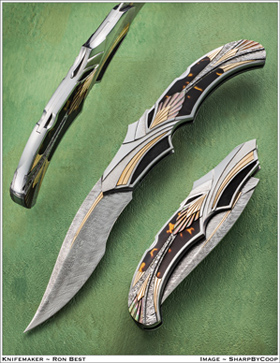
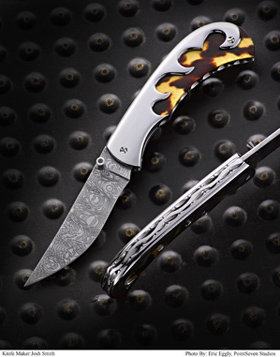
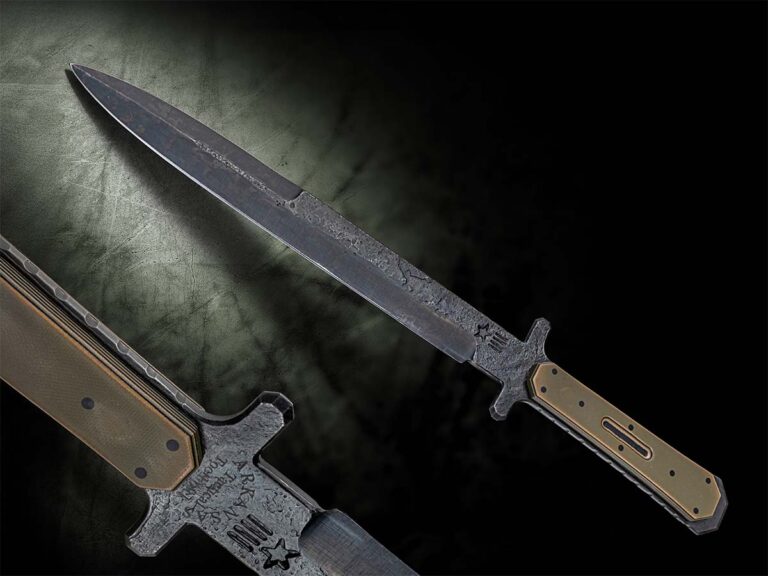
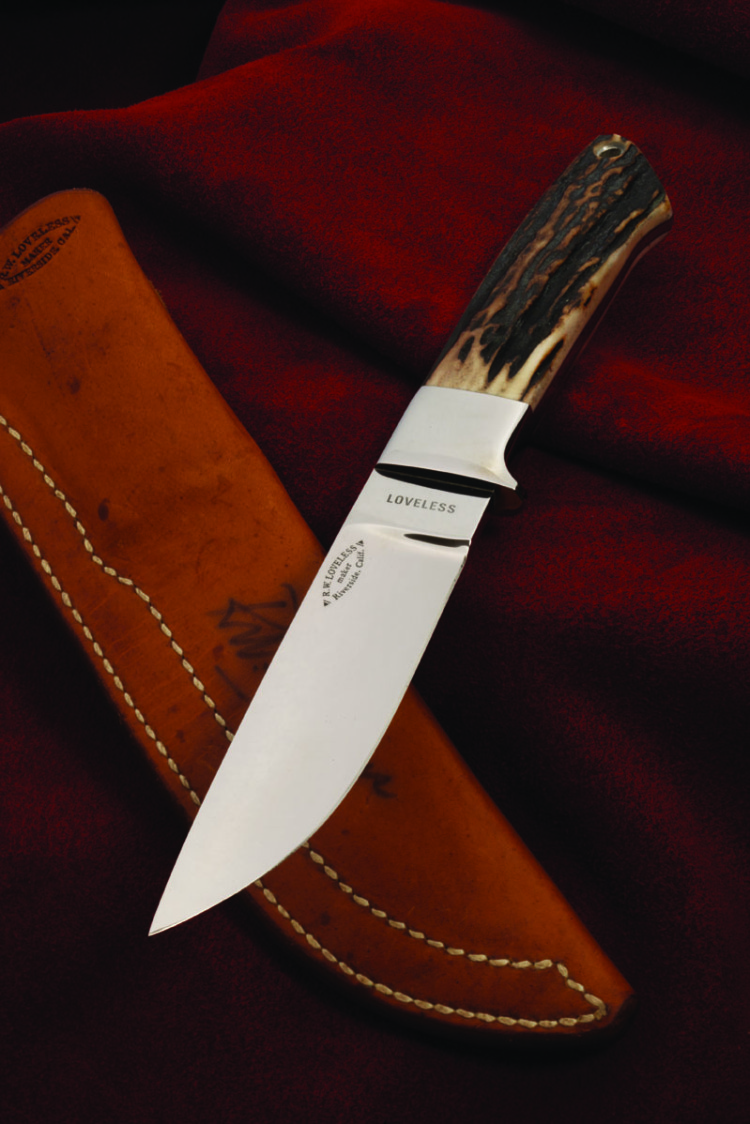
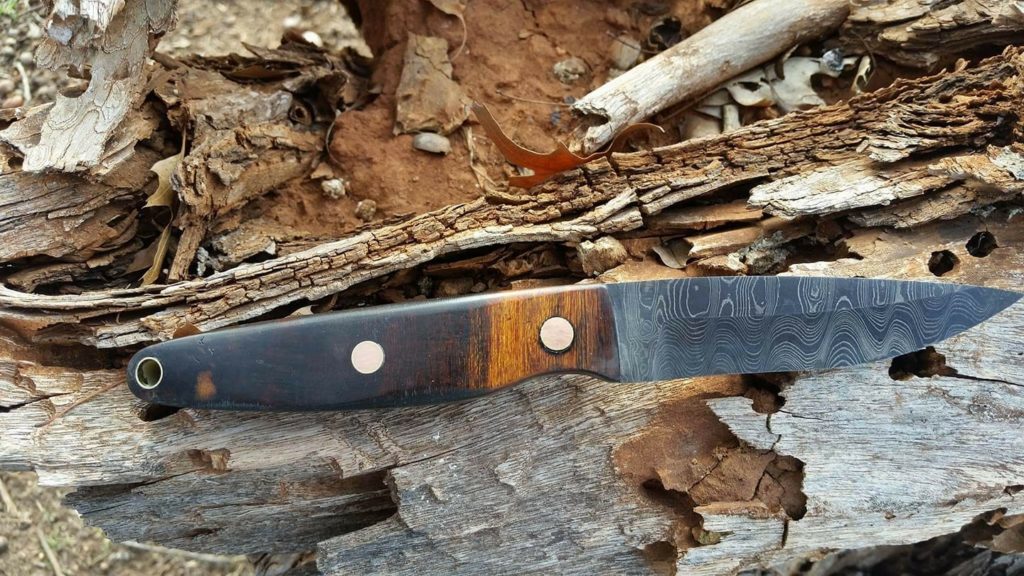
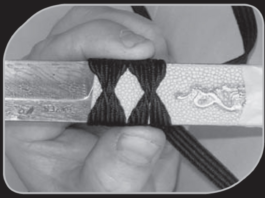
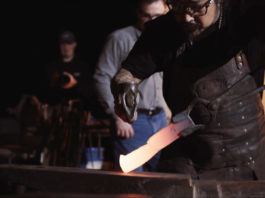
Knifemaking is the building of a knife, which includes the blade, handle and other accouterments. Blades are made by either removing metal from a steel blank via a grinder – known as stock removal – and the forging to shape of hot steel into a blade in the process known as bladesmithing. Other parts, including bolsters, guards, pommels, etc., are needed to complete the finished knife.
It’s not too early to pre-order the KNIVES 2016 book, which hits bookstores, newsstands and online in late August/early September. And staying true to form, KNIVES 2016 showcases nearly 800 of the newest, finest handmade, custom knives in the world in “Trends” and “State Of The Art” categories, as well as in-depth, truly fascinating feature articles on a variety of knife subjects, a “Factory Trends” section and, of course, the coveted Custom Knifemakers Directory.
The Custom Knifemakers Directory lists the names of 2,000-plus handmade knifemakers, their complete contact information, including addresses, phone numbers , emails and websites, their specialties, patterns, technical information, remarks, tang stamps and price ranges.
Within the “State Of The Art” section is a chapter titled “Sculpted Bods” that really speaks for itself, and here are a few of the incredible knives that parade their sculpted bods before an appreciative audience.
Stainless, high-carbon, super steels, see what 2025’s shakeups mean for knife steels in 2026.
Twenty-twenty-five saw radical change in the cutlery industry, but somehow the business of blades not only survived, in some ways, it also thrived. With new steels in the offing and despite a business environment made murky by the specter of tariffs, 2026 has several things going for it that could point to a year of continued resilience for knives.
Ironically, one of ’25’s biggest changes—the closing of Crucible Industries—did not turn out to be as debilitating as some thought it would be. While by mid-year there was no more Crucible, most of its coveted cutlery steels remained available, albeit under new manufacturer names (Knife After Crucible).
A steel processing company that came out quite well during the transition was Niagara Specialty Metals (NSM). Bob Shabala, NSM president, provided a look at the changes from an insider’s perspective.
Several sources say companies that manufacture their knives solely in the USA should experience little to no tariff-induced price increases in 2026. Case is such a company. The Crossroads Barlow features S35VN stainless blade steel and a black and tan Richlite handle. Closed length: 3.375 inches. MSRP: $118.99.
“Crucible’s decline didn’t happen overnight,” he notes. “Long before the shutdown, we saw signs of trouble: inconsistent allocations, slipping ship dates and growing uncertainty around future melts. As a steel processor that lives or dies by delivery reliability, we didn’t wait. We started to order more steel from Crucible to bolster our inventory in case something happened. We also reached out to Erasteel and Carpenter Technology to gauge their interest in supplying PM [powder metallurgy] steels. We have a long history with both companies and they were receptive to our requests. In September 2024, we started placing orders with both mills, not knowing that Erasteel would eventually buy the IP [intellectual property] and trademarks of Crucible in early 2025.
“In short, Crucible’s demise raised costs in the short term but also created an opportunity for us to buy high-quality steel from multiple suppliers. We diversified melt sources, invested in grinding/laser/ti capacity and kept steel flowing. The industry will come out of this with a more resilient supply chain, and makers will see faster builds and better consistency where it counts. If you’re a one-man shop or a major brand, you can get the material and the prep you need.”
Introduction MagnaMax Steel
Dr. Larrin Thomas, metallurgist.
Dr. Larrin Thomas is an acclaimed metallurgist whose web column knifesteelnerds.com is great reading if you want to stay current with knife steels. He sees the industry’s ability to bounce back over time as key to predicting events for the coming year.
“The huge changes in the ownership among steel manufacturers for cutlery consumers were minimal, mainly because the major players had a year to settle into their comfort zones,” states Thomas, whose portfolio as a steel designer includes the uber-popular MagnaCut. “Nothing changed as far as the king-of-the-hill steel. MagnaCut, which has been the most popular stainless steel among knife consumers for over two years, remains the top choice. That could change in 2026 because MagnaCut will be joined by a sibling dubbed MagnaMax.
“MagnaCut isn’t going away—its balance of edge retention, toughness and true ‘stainlessness’ keeps it the all-around benchmark. What’s new is MagnaMax: think MagnaCut-level corrosion resistance with meaningfully higher wear resistance, so edges hang on longer in abrasive cutting. That combination is why I expect MagnaMax to be one of 2026’s headline steels, especially in EDC folders, hunting/skinning knives, and pro kitchen blades that see lots of board or hide contact. MagnaMax complements MagnaCut rather than replacing it—pick MagnaMax when maximum edge life is the priority, MagnaCut when you want the ultimate do-everything balance.”
Knife Steels To Watch
AEB-L stainless will be one of the top blade steel choices for custom folders in 2026. Terry Jellison employs it on the blades of his Hobo Knife. Scales: mammoth ivory. Liners: brass. Closed length: 4 inches. The knife is not for sale. (Jocelyn Frasier image)
Despite or perhaps even because of the Crucible shakeup, manufacturers and custom makers have many steel options. Following is Larrin’s recap of the diversity of top-shelf options for 2026. First, the leading stainless steels for factory knives:
MagnaCut: Expanding across EDC folders, hunting knives and premium automatics as brands refresh the legacy of S30V/S35VN;
MagnaMax: Expect it to appear in the same knife types as MagnaCut and beyond. The appeal is simple: MagnaMax has the qualities of a stainless steel users already love (MagnaCut) but with more wear resistance for longer edge life, and;
LC200N and Vanax: Limited but visible in dive/fillet and salt-exposed knives where “no rust, period” is the spec.
Larrin’s top carbon steels for factory knives in ’26:
CPM 3V and CPM CruWear (aka NSM Wear): Factories use these steels selectively in choppers and survival/tactical fixed blades where warranty-safe toughness matters.
D2: The popular tool steel will persist in value lines, but you’ll see a gradual shift away from it toward tougher, easier-to-sharpen options. In the realm of carbon steels for custom knives, Larrin says Pop’s ProCut, a new blade material designed for use by bladesmiths, including in damascus, will shine. Its combination of nickel, tungsten and vanadium gives it high toughness and wear resistance while still being easy to forge and heat treat. It can be hardened in a 200°F window, which makes it extremely easy to heat treat. The high nickel content also makes it produce a bright layer in damascus. On the stainless custom side, Larrin says to watch these:
MagnaMax: Alongside MagnaCut and AEB-L, MagnaMax will be a go-to for customs where makers want a “set-and-forget” edge on EDC folders, hunting knives and chef’s knives. It delivers premium corrosion resistance plus a clear wear-resistance bump, which lets makers grind thin and still give customers long service intervals between sharpenings, and;
LC200N: It will fill a growing niche for dive knives, fillet knives, coastal EDC and pro kitchens where rust is the enemy.
Tariffs’ Affects On Knife Steel
Bear & Son is another company that manufactures its knives exclusively in the USA and that should experience little to no tariff-induced price increases in ’26. Its 11 7/8-inch White Smooth Bone Professional Fillet Knife features Sandvik 14C28N stainless blade steel. MSRP: $139.99.
Several sources say American consumers will see the effects of U.S. tariffs on both imported knives and/or the steel used in them in ’26—a double whammy in some cases. However, it’s too early to tell the overall impact tariffs will have on the prices American consumers will pay for imported knives. That said, enough has been done in the overall market to draw some conclusions as to what direction those numbers are heading in the knife market in general.
As for those who manufacture their knives in the USA, there will be little to no increase in prices, except for models that include some foreign-made parts. This is uncommon but a possibility, though for the most part, not a liability that cannot be overcome. Case, Bear & Son and others are among those that fall into this category.
The second group contains companies that do a large part of their manufacturing in the United States. Among those that fit into this group is Spyderco, which also has its “value line” of knives produced overseas. Sources say Spyderco can go with a bump in tariffs on its foreign-made knives, move all manufacturing in-house or ditch the value line entirely, though there was no indication at press time that the company will choose either of the latter two options.
Dr. Larrin Thomas says the new Pop’s ProCut blade material is designed for use by bladesmiths, including in damascus. Cliff Ivey combines it with 80CrV2 carbon steel for the damascus blade of his small hunter. Overall length: 6.25 inches. Cliff’s price for a similar knife: $450. (Jocelyn Frasier image)
Then there are American companies that produce the lion’s share of their knives overseas. CRKT is one such company. Sources indicate CRKT can work the tariff costs into existing pricing, move its manufacturing to a country that pays lower tariffs, or figure out a way to manufacture more of its knives domestically. Considering CRKT’s track record, it probably would be a mistake to underestimate the company’s ability to endure.
Bottom Line
While 2026 will have its challenges, barring any surprises, it should be relatively calmer than 2025 due to last year’s upheavals in the manufacturing sector and tariff-induced changes. Meanwhile, the cutlery industry remains healthy in both the budget, moderately priced and upscale sectors—and that is a very good sign.
A Father, With The Help Of His Uncle, Works To Make A One-Of-A-Kind Knife For His Son After Living The Life Of A Military Kid.
The hardest question for my son Zachary “Kaz” Kazmir to answer is “Where are you from?” His answer usually falls along the lines of, “Home is where the military takes your family.”
Zach’s answer is true for just about any token “military brat.” Military families often move every two to three years—that’s a rate of 10 times more than average civilian families. Living this kind of life for a child requires tremendous resilience, exceptional adaptability, and an uncommonly high maturity level. Zach would repeatedly get settled in a routine, a school, a friend group, and community activities, only to pick up, leave it all behind and start fresh again.
Oh, and the trials of life do not stop there. He persevered through my frequent deployments, earthquakes, accidents, and even a direct hit by one of the strongest tornadoes ever recorded while he was living in Moore, Oklahoma. Zach’s life led him on a journey spanning two countries, four states, and five schools.
Bobby Kazmir and his son Zach.
I wanted to give the young man something special on the occasion of his 21st birthday. Even with all the places he’s lived and the experiences he’s had, Zach’s fondest memories always gravitate to his time in Okinawa, Japan. The first memories of his life were created there. Okinawa will forever hold a special place in his heart. With that, I set out to have a knife crafted in hopes of capturing and honoring these priceless memories for him.
Uncle Stanley
I could think of no better place to turn for such a task than my uncle, Stanley Buzek. Uncle Stanley is a knifemaker from Caldwell, Texas, and is most certainly the right man for the job. There’s no one I know who puts as much heart into his craft as Uncle Stanley. He guided me through the many options, and I closed in on what would become the most meaningful and elegant 4.5-inch, two-blade Texas trapper I’ve ever seen.
My uncle crafted the frame and liners from raw bars of integral 416 stainless steel. As with each of his knives, he added a personal touch to the spine. This was truly amazing to witness. I’ve seen many of his finished knives over the years, but I hadn’t realized the level of precise craftsmanship he put into the pieces that non-makers like myself often take for granted. Most of us just naturally look to the business end of a blade.
In thinking of the knife for this gift, I aimed to give Zach a glimpse into his resiliency through my eyes. He has been stretched so thin that at times his only choice to keep from breaking was to fold over in the fetal position to regain his strength. He’s been heated, hammered, pressed to the edge of his capabilities, put back in the fire, crushed, bent beyond his limits, beaten down even more, and subjected to unrelenting pressures in different directions.
Nonetheless, he emerged from the fire stronger than ever before, with a character that can only be described as beautiful—just like the banding and mottling of damascus. The beautiful steel forged by Bill Poor couldn’t be more fitting for this knife. Bill transformed raw 1084 carbon and 15N20 nickel-alloy steels into an extra-fine River of Fire pattern with elaborate feathering that perfectly captures how I view Zach’s coming-of-age: indicative of many intense moments, but not scarred. Instead, radiating with a unique, luxurious magnificence that exemplifies resilience.
Making The Knife Handle
The next essential element on my mind was the scale material. (I called it the “side of the knife” but you know how knifemakers are about educating the ignorant.) The scales had to be more than just the perfect material, they had to be uniquely sourced. I wanted my son to have a literal piece of his childhood that he could hold in his hands whenever he wanted.
Scanning the beach for seashells while barefoot along the shoreline of Okinawa’s Devils Cove is no doubt among Zach’s favorite island memories.
I reached out to a military friend stationed in Okinawa to acquire a piece of one of the famed, colossal banyan trees from the island. With travel restrictions, import/export regulations on agricultural items, and COVID-related shipping delays, it proved much more difficult than we expected. However, my contact was able to come through! After nearly a year, a heavily worn, 5-by-10-inch piece of banyan tree finally arrived in the mail.
Uncle Stanley was reluctant to use banyan. He cautioned me not to get my hopes up because he knew how challenging it can be to properly stabilize such a soft wood. In addition, the sample was very weathered, extra-soft, and had several deep cracks inflicted in transit during shipping. In other words, there wasn’t a lot of room for error!
Uncle Stanley sent the wood to the very capable Terry Dunn of TNT Enterprises, and I was truly blown away by what he was able to do. Dunn not only stabilized the wood, he preserved its beautifully subtle grains and the small, intricate pitch pocket. The latter is a cavity in the wood where the tree suffered some sort of damage over its life, or a small knot of sorts if you will.
Stanley assembled the sleek trapper, affixed the scales, and presented me with a truly remarkable knife. Then he took it from my hands and said, “Now it’s time to go get it ‘scratched up.’”
Engraving The Knife
A slight fear came over me. I worried that an engraver could potentially damage this work of art. However, the worry left me as quick as it came when I learned the engraver was Alice B. Carter. I’ve seen her amazing work in the past. I knew she could add another layer of beauty to the piece.
To my surprise, Alice asked so much more than, “What would you like me to engrave?” She had an authentic interest in the story of the knife and its eventual recipient. I think she asked me more about Zach than she did about art that day. I shared with her the things Zach tends to reminisce about from his time in Okinawa, and we honed in on a few specifics.
One of the first memories of his life is enjoying the annual Cherry Blossom Festival in Okinawa’s capital city of Naha. The festival draws crowds of thousands each January to see the city streets completely encased in the vibrant blooms. Zach also speaks of how massive he remembers the banyan trees being there. If you’ve never seen a 200-year-old banyan, the behemoths appear to be as old as time and so wide they seem to fill the sky with a majestic, towering presence as if from a fantasy movie.
Alice’s smile grew wider and wider as we continued to talk through a few other details. She drew inspiration from our chat and created an absolute masterpiece. Engraving for more than 40 hours and inlaying more than six feet of 24k-gold wire, she created so much more than a scene or picture. Her art marvelously captured the emotions connected to the memories.
Reaching from corner to corner on the upper bolster of the facing side shines the island of Okinawa in pure, radiant gold. The shading effect seems to literally draw the island’s shape out from the knife. Carefully inlaid in the exact location of Kadena Air Base where Zach lived on the island, a one-millimeter copper marker memorializes his time there.
The lower bolsters hold a personal message from father to son: Ichi-go ichi-e. Emblazoned in bold Japanese Kanji, it is an idiom roughly translating to “for this time only.” Reaching from corner to corner on one side of the upper bolster shines the island of Okinawa engraved by Alice Carter in 24k gold. The knife’s oversized shield brilliantly gleams Zach’s nickname of “KAZ” in Japanese-styled English letters. (SharpByCoop image)
On the opposite side in exquisite detail is an ancient, powerful banyan tree spanning from edge to edge. In a beautiful complement to the gold inlay, the banyan’s leaves are adorned with Alice’s self-alloyed green gold. Zach can view the upper bolsters in remembrance of the land he once knew.
As is customary in the military, a servicemember’s last name becomes his or her first name. It’s the military way. Kazmir was shortened to “Kaz” almost immediately, and that nickname stuck for the entire two decades I served. As Zach approached adulthood, he began to go by this moniker as well. The knife’s oversized shield brilliantly gleams “KAZ” in Japanese-styled English letters—an embodiment of how I’ve passed on my name to my boy.
Finally, the lower bolsters hold a personal message from father to son: Ichi-go ichi-e. Emblazoned in bold Japanese Kanji, the message is an idiom roughly translating to “for this time only.” It means that Zach’s experience in Okinawa was truly a once-in-a-lifetime episode that can never be duplicated, and he should treasure it forever.
Alice brought all the components together by incorporating gorgeous cherry blossoms engraved with intricate detail resulting in what I see as the perfect gift. Zach received it as a Christmas present and shed some heavy tears as I explained each element. He and I are both still amazed at how everyone came together to help me make this one-of-a-kind knife happen.
Uncle Stanley once told me that nearly every knifemaker is an expert at something, but no knifemaker is an expert at everything. He described knifemaking as a network of experts who bring their talents together to make the impossible possible. In the military, we have a term for this—it’s called synergy. With this beautiful piece, I’m convinced the knifemaking community is synergy at its finest.
For more information about the knife, contact Stanley Buzek, Dept. BL8, P.O. Box 621, Caldwell, TX 77836 346-412-2532 [email protected], s.buzekknives.com.
It’s a long, hot summer—so why not fill the time by reading Knifemaking with Bob Loveless and learn how to make knives the way the legend himself did?
Durwood Hollis knew Loveless and visited the Loveless shop many times. Hollis wrote the book and takes you through making knives the Loveless way in word and color pictures, including the tools, blade, handle, sheath and edge work, and much more. There are also chapters on knife care and the people who worked with Loveless over the years, as well as color pictures of some of Loveless’ greatest knives, including some of those from the John Denton collection.
For more on the latest knives, knife legislation, knifemaking instruction, knife trends, knifemakers, what knives to buy and where and much more, subscribe to BLADE® Magazine, the World’s No. 1 Knife Publication. Click on http://www.shopblade.com/blade-magazine-one-year-subscription-us/?r+ssfb062912 for more information.
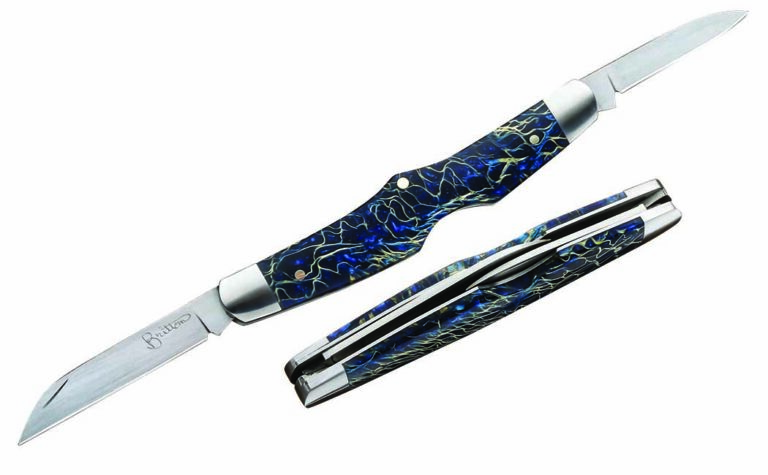
Inspired By The Keen Kutter Pen Knife, Tim Britton’s Badger Is A Refined, Modern Version Of The Classic Knife.
When ABS master smith Bruce Bump showed an old Keen Kutter penknife pattern to veteran knifemaker Tim Britton, Tim fell in love with it and immediately set to making his own iteration.
The blades of his version are BG-42 stainless steel that, as Tim noted, has high ductility and holds an edge forever. He flat ground them on his “ancient” 18-inch, 200-pound Porter Cable disc sander. However, it’s the handle that really stands out.
Consisting of stabilized diseased ash burl from Whistle in the Woods, the material looks synthetic but isn’t. “The light stuff in it looks like explosions,” Tim said. “I’ve never seen anything like it.” The projection on the spine fits right in between the user’s index and middle fingers and the groove on the underside cradles the latter for a comfortable, secure grip.
Calling it the Badger, Tim made 10 of them and showed them off to the world at BLADE Show 2022 in Atlanta.
Who Is Tim Britton
Britton has been making knives since 1971 and has spent much of his time recently creating slip joints, of which the Badger is one of his latest. While his knifemaking career started by making hunting knives for dressing game to crafting tactical knives and small folders and slip joints from his shop in Winston-Salem, North Carolina.
With more than a half century of experience, Britton has carved a place, pun intended, for himself among the top knifemakers in the country.
Badger Knife Specs Maker: Tim Britton Blade Steel: BG-42 stainless Blade Grind: Flat Handle Material: Stabilized diseased ash burl from Whistle in the Woods Closed Length: 3.5 inches Maker’s Price For A Similar Knife: $375
The Subhilt Provides An Additional Element To Make A Knife One Of A Kind. These Makers Show What A Subhilt Can Be.
The subhilt adds a little extra. Its form is expressive and its function is useful. It takes its share of the spotlight and provides another avenue of artistic approach for custom knifemakers who choose to build it.
A few of the makers who accept the challenge of the subhilt put their finest work forward. They use bold, sleek lines, and high-quality materials to bring the best of the subhilt to the market, and the combination of aesthetic and utility blends in a delightful presentation.
Subhilts In Italy
Daniele Ibba was already a goldsmith and “transferred” his skills in that pursuit to making knives. He describes himself as an “autodidact,” a self-taught subhilt maker.
Residing in a small town near Milan, Italy, Daniele Ibba has been making knives since 2004. He finds the subhilt a perfect approach to both usefulness and beauty as evidenced by his integral Medusa Gorgona.
“Although the knife has a clear artistic connotation, it was developed as a not-artistic knife,” he explained, “and the purpose of this subhilt is to have a stable grip, especially in the lunge, and consequently the possibility to hit the target/threat harder.”
Grip options are plentiful, and Daniele calls his subhilt pleasant to handle in any position, with the best control in the standard or reverse grips. The subhilt allows the user to always know where the blade and edge are located, and offers more protection to the hand.
In the Medusa Gorgona, Ibba collaborated with Lana Gorska and took home best in show from the September 2021 SICAC Knife Show in Paris.
“We are very proud of this,” he smiled, “because in every international show the competition is always very high and winning such a prize is never easy.”
The Medusa Gorgona is made from a single piece of 440C stainless steel hardened to a Rockwell hardness of 58-59 HRC, and is embellished with 13 mother-of-pearl inlays—four on the front of the handle, eight in the spine and one in the pommel. It also has 20 green diamonds, eight yellow diamonds, two blue diamonds, and three rubies—one round cut and two marquis cut. The fine engraving was done by Italian master Roberto Bruci.
“Lana and I had done many models in Plastiline® [a high-precision modeling clay] searching for the best ergonomic shape,” Daniele related. “Being a subhilt, it was not simple to reconcile design and easy handling. I do not have a [pantograph] or automated machinery, so it was very difficult to realize the handle and the slots for the mother-of-pearl inlays, but with time and patience I was able to achieve a beautiful result. Before designing the knife, Lana and I decided to engrave the mother-of-pearl with the mythological theme of Medusa.
“The story tells that she was one of the three sisters called the ‘Gorgoni,’ daughters of the Gods Forco and Ceto, and they had the power to petrify anyone with their gaze. So, we decided to make the name of the knife with the theme of the engraving, and Gorgona is like a nickname.”
An exquisite award-winning showpiece, the Medusa Gorgona stands out. Ibba’s price for a similar integral presentation without diamonds and extensive engraving would be roughly $13,000.
Marc Aldrich
Marc Aldrich mirror polished the undersides of the 416 stainless steel quillons of the subhilt on his bowie in a blade of 80CrV2 carbon steel and a handle of artificial ivory. Blade and overall lengths: 10 7/8 and 16 1 /8 inches. (Photo: SharpByCoop)
ABS apprentice smith Marc Aldrich has been making knives since 2013 after taking a couple of courses from ABS master smith/BLADE® field editor Joe Szilaski. Marc admires the work of Dave Loukides, Sam Lurquin, and Jan Hafinec which gave life to his ideas for a subhilt bowie with dazzling results.
His featured piece includes a blade of 80CrV2 carbon steel finished to a grit of 1500, a stainless subhilt with copper spacers, and a handle of artificial ivory accented with a copper pin. Marc made the sheath of hand-stitched leather with a quilted and copper-studded front panel, copper-studded frog and pigskin lining. A trace of a hamon is visible on the blade, and he explained that he chose not to etch the line but appreciates the discerning eye that catches sight of such detail.
“Of course, a subhilt adds retention and looks cool,” he offered, “but it helps if it is placed and shaped well. If we think of a knife as a sculptural object, the subhilt is another compositional, visual and tactile element we can use to add interest and function. I think my subhilt bowie is a mix between a bowie and fighter. Although not having a sharp swedge, the slender blade profile, added retention of the subhilt and excellent balance would make it formidable. The blade finish is actually bright and nearly mirror.”
Marc says his goal with every knife is to distill the lines down to their “pure essence.” His formula is “lines, flow, proportion and a tasteful balance of detail backed up with quality workmanship.”
The subhilt, he added, is an interesting subset of the bowie genre that is also seen in other knife styles. However, in all cases it must be properly spaced and integrated to avoid a clunky look and awkward handling. His price for a similar piece would run about $2,200.
Japanese Influence
Robert Appleby based his subhilt on a Tom Maringer-styled-and-designed fighter. Exhibiting a strong Japanese influence, the takedown model is comprised of 17 parts as a reflection of the 17 syllables in a Japanese haiku poem.
When Robert Appleby started making knives 27 years ago, he did so as a self-taught craftsman. He studied the work of other makers in similar styles prior to launching a piece of his own, and contacted other makers in person or by telephone to exchange information and gain understanding.
Appleby’s featured subhilt is a Tom Maringer-styled-and-designed Haiku fighter. Exhibiting a strong Japanese influence, the takedown model is composed of 17 parts as a reflection of the 17 syllables in a Japanese haiku poem.
A customer approached Robert a few years ago asking to make a 6-inch version of the original Maringer knife. After gaining permission, Robert borrowed an earlier version from a gracious customer and studied it closely. Robert has since made two knives in this fashion. The featured one sports a 9-inch blade of 154CM stainless steel mirror polished and double hollow ground.
Robert Appleby’s fighter (Photo: SharpByCoop)
The habaki is forged 416 stainless, while the tsuba (guard) consists of four layers of 410 stainless, and the handle sports 416 stainless fittings. The subhilt is formed of approximately 60 feet of twisted 304 stainless steel wire.
The handle and blade are joined by a toggle or link, and a pin attaches the tang to the threaded toggle. A 10-24 socket head cap screw is fed through the pommel and threaded into the toggle. For pricing on a similar piece, contact Robert directly.
“In my opinion, a subhilt provides increased retention, a more secure grip and increased control,” Appleby commented. “I don’t see the subhilt as impeding any grip style, as the blade is also double edged, and the subhilt also provides more positive extraction from the sheath. Each spacer is marked by a series of dots, one, two, three, etc., to hold the upper right of the tang hole. As I fit them, only the top and bottom of the tang hole contact the tang so they are self-aligning, as well as the front endcap of the handle. Indexing pins are set into the handle and align the last spacer, handle and pommel.”
Subhilts For Rugged Use
Knifemakers’ Guild voting member Gary Langley said his reproduction of a Bob Loveless Big Bear subhilt fighter is the only Big Bear he’s seen with a rear bolster. Blade and overall lengths: 8 3/8 and 15 inches.
Gary Langley built his reproduction of a Bob Loveless Big Bear subhilt for action.
“This was designed to be a fighter,” he said. “I have sold one that was going to be used to hunt wild hogs, though this particular piece resides in a collection in Florida. It’s pretty much a straight grip, but I suppose you could hold it however you’re comfortable with it.”
After building a new house, Gary started making custom knives in 1977. His new neighbor was Don Dollar, and it was Don who revealed fit and finish to Gary for the first time.
“Don showed me a few books and The American Blade Magazine [today’s BLADE®], and I was off,” Gary smiled. “I haven’t built a lot of knives compared to some, and this one is number 603. I’m 68 now and hope to get to 1,000 before I’m done.”
His Big Bear has a CPM 154 stainless blade and 416 stainless guard and subhilt with a mammoth ivory handle. Alice Carter did the engraving. Langley said this is the only Big Bear with a rear bolster he’s seen.
“I’m basically self-taught,” he commented, “and I’ve had a lot of inspiration, but have never taken a class or worked with anyone. [Steve] Johnson’s DVD on building a fighter was a big help—lots of trial and error! It’s not a simple knife to grind, and the things I learned trying to grind it have reshaped my process and equipment.
“The challenge on this blade with a rear bolster is to fit eight edges without a gap,” Langley concluded. “You just have to slow down. I would use my flat disc and rather than turn the motor on, I would turn it by hand so I didn’t go too far too fast.”
Depending on the engraving requested, Gary said his price for a similar knife would be around $3,000.
Taking great photographs of knives is no easy task—unless you’re a professional, in which case you can stop reading. Essentially, you’re taking a highly detailed shot of something that fills the entire frame, not something small like a bee in the center of a background of blurred petals, but a long, thin item that needs to be in focus from point to butt. But there’s so much more. Every line must be fully revealed and a depth established to convey thickness or thinness. I know close to zero about the mechanics of the art. There are plenty of videos and online courses out there that’ll give you the science of the “study of light.” They can speak to you of aperture, ISO and shutter speed in infinite combinations. All I know is a good photo when I see one, and how I have tried to improve my own photography. Here are the 6 things BLADE looks for in a knife photo. It’ll be up to you to make it happen. Why? Because there are “5 Ways To Get Your Knives Featured In BLADE” and you want to be ready.
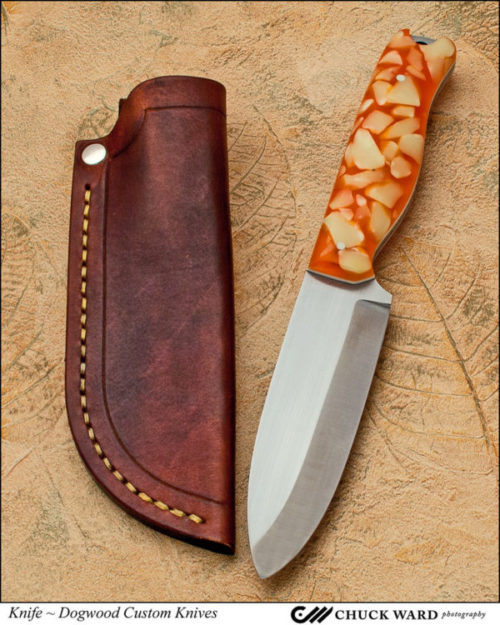
Dan Eastland of Dogwood Custom Knives used professional photographer Chuck Ward to take this exquisite image of his Hawkins knife. Chuck will be the official photographer at the 2017 BLADE Show. Contact www.dogwoodcustomknives.com for more about this outdoorsman’s knife.
Hire A Professional
Knife manufacturers, like good real estate agents, know that great photos will close a sale. They understand that the investment in a professional photographer pays off. When BLADE asks for a photo of their latest release, for example, some even allow high-resolution downloads right from the consumer website without having to go through a media relations person. That can be a time-saver at deadline. I’ve even experienced a large company resubmitting photos with even better ones. There’s nothing that says a one-man-show can’t learn from that level of perfectionism. It’s the same effort you put into crafting your knives.
Hiring a professional photographer will cost you some money, and it’s worth every penny. But like all professionals, some are more versed in what we’re trying to accomplish than others. A portraitist, wedding photographer or photojournalist may or may not be able to give you the results you’re looking for. You want to make sure you chose someone who can show you a portfolio of knives, guns, tools or similar items that looks…well…perfect.
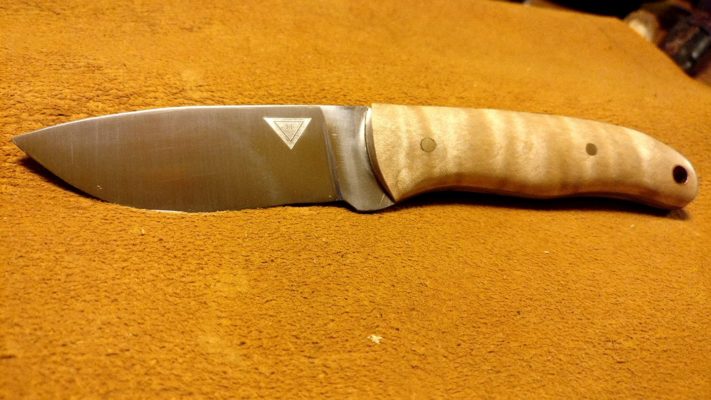
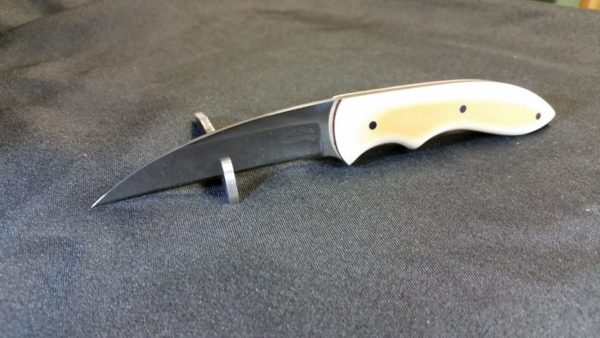
The handle on Tim Tracey’s everyday performer doesn’t stand out as much as it could against the similarly colored background. The caramel color ends up saturating everything in the photo. Also, although the focus on the blade is crisp, the topline on the handle is a touch soft.
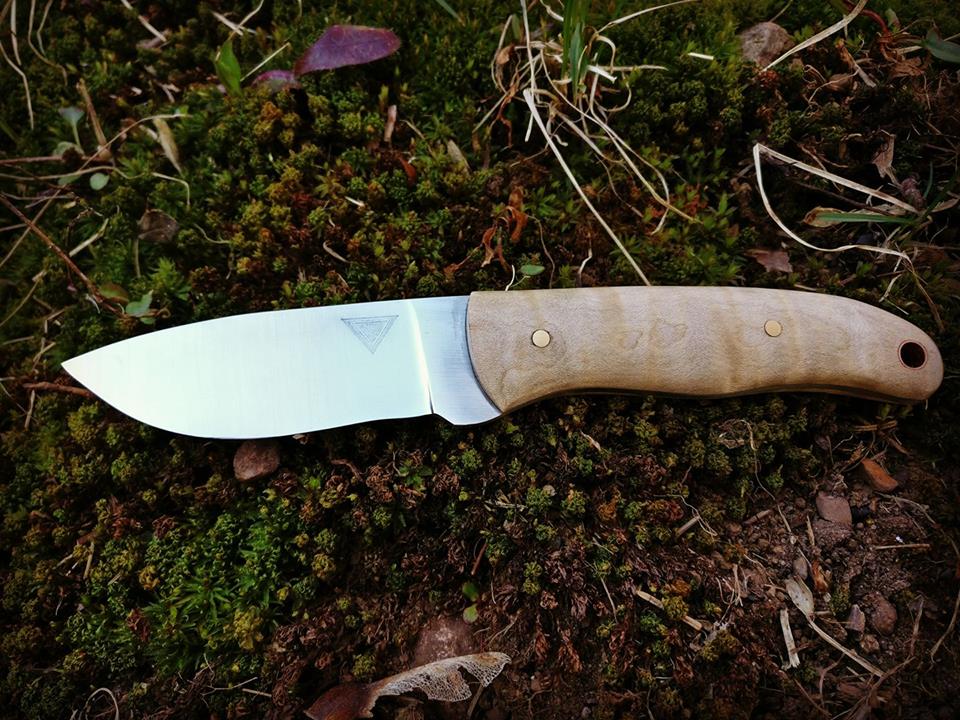
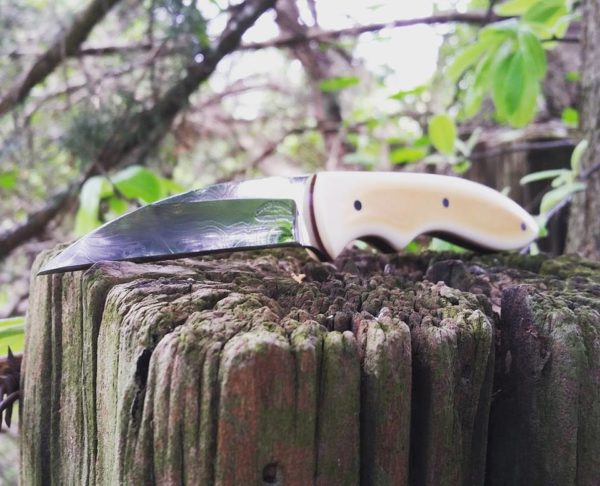
Tim Tracey took his knife outside and got not only a good image of the blade and handle, but good contrast and a better depiction of the piece’s fullness. The recurved blade is made of 1095 steel and sports exhibition grade curly maple scales. Makers list price: $220. Contact [email protected], Timtraceyknives.com on Facebook or @TimmTracey on Instagram.
You will want two kinds of photos. Photos for your website and social media will create an emotion, an atmosphere. Instagram is full of examples of survival, bushcrafting and hunting knives being photographed outdoors and tactical knives being shot in gritty workshops or light-painted in darkness. Makers create everyday carry still lifes with folders, wallets and watches. Typical? Sure, but each one tells a story that has been told a thousand times before in a slightly different way. Nobody reads just one novel, and nobody looks at just one knife photo. They are all beautiful in their own way. The other kind of photos you will need are those of just the knife itself on a simple background, what is often referred to as glamour or beauty shot.
The question you have to ask yourself is: Are you willing to put as much study and effort into your photography as you are your knifemaking? Answer honestly. There’s no shame in shelling out cash for stunning work. Fill your website with those choice images and have them on hand for BLADE, and then you can practice your own photography skills for social media. Even on social media, though, take the time to post only your best images. Plenty of knife-related Facebook Groups out there are looking for banner photography and have to reject knifes they’d like to showcase because the image is, say, out of focus.
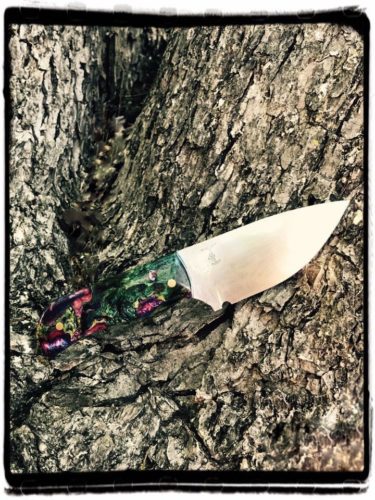
Although this image clearly shows the blade on this skinner by Bobby Toerck, the multicolored handle gets lost in the textured bark.
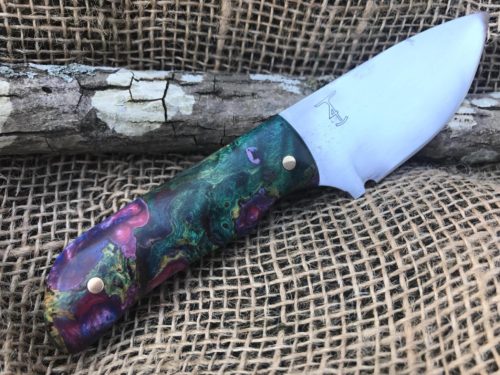
In this image, the handle on Bobby Toerck’s drop-point skinner is nicely contrasted against the still-textured, but now single-colored burlap. And the 80CrV2 blade still looks terrific. The handle is triple-dyed box elder burl by Terry Dunn. Maker’s list price: $175 with Kydex sheath. Contact T4 Custom Knives on Facebook or call 903-812-1173.
Do-It-Yourself
Let’s say you can’t justify the expenditure at this point in your knifemaking journey. Or, more likely, by the very nature of your interest in crafting, you’re determined to take quality photos of your knives yourself. You think, How hard can it be? Very. It can be very challenging to produce the kind of photos needed for a glossy magazine.
“Real” Camera Vs. Camera Phone
You can take the cost of a few sessions with a photographer and buy yourself a decent camera, for starters. Keep in mind, however, that lenses that come with a camera are usually not very good. Be prepared to buy a decent mid-range lens at a minimum.
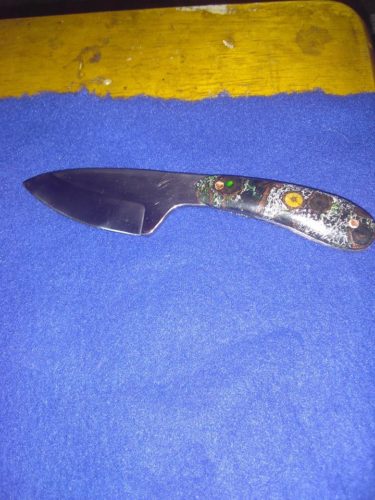
In this vertical image of a horizontal knife, the butt is cut off. There is also glare on the handle and the blade looks dull. Will Thompson decided to get some help for the reshoot.
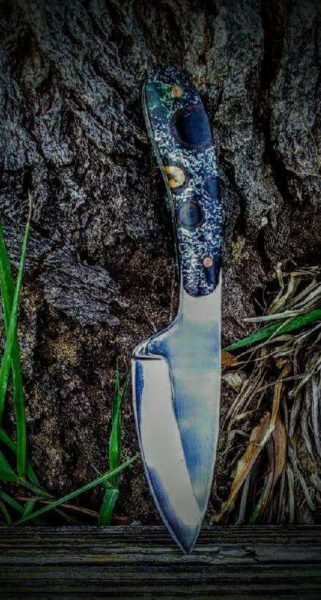
Even though Will Thompson’s handle has to work to stand out against the tree bark, it succeeds. The pattern is now discernible and the blade looks great. This drop-point finger skinner is made of 1095 steel and the Plantstone (stabilized pine branches with aluminum flakes) scales are from Robert Belcher. Maker’s list price: $75. Contact [email protected] or on Facebook at Dusty’s Cutlery.
Then again, there are some excellent photos being taken with newer camera phones. Do NOT attempt this with an older model. You will only frustrate us both because they do not allow for high enough resolution of the images. Be sure if you submit a photo from your phone that you email it at its largest size. If there are settings on your phone that need to be changed to allow for taking photos at higher resolution, then you’ll need to set those accordingly. Those settings will apply only to photos you take going forward; you cannot retroactively apply them to photos already taken. Whether you use your phone or a “real” camera, the same fundamentals of photography apply.
Tip: If you smoke or if you have your phone in your shop, there could be resin or dust on your lens. You’ll want to clean that—gently—before you begin.
Be sure to take great photos of all your work before they are sold, and to back them up, either in the cloud, through an online backup service or on a thumb-drive.
6 Things BLADE Looks For In A Knife Photo
Focus
The entire knife must be in focus, from point to butt. Are there some artsy shots of crystal clear blades and blurred handles or vice versa? Sure, but that’s not what we’re looking for in print. Online, we’re more open to considering some of those shots, provided we have some conventional full-focus shots to accompany the story as well.
If you are taking what we call a “using” shot where you’re photographing the knife in use for an online story or if we are working on a story together for print, be aware of where your camera is focusing. I have seen crystal clear shots of a leaves on the ground while the knife and the hand it’s in are both blurry. Focus is probably the single most important aspect of a good photo.
Contrast
Be aware of the color of your background. A grey knife on gray pavement, a black knife on a blackened tree stump, camouflage your knife. It’s like a silver or gray car against gray pavement on a gray winter day—you can’t see it. No contrast. This applies to multicolored handles against multicolored backgrounds as well.
In this image of Andrew Griggs’ knife, the blade looks dull and the focus on the handle is somewhat soft. Also, if this image were being used for a BLADE Magazine section that required a cutaway, the prop would be in the way of the blade.
Andrew Griggs got outside to reshoot his knife. Now you can see the pattern-welded steel! The Southern Comfort gentleman’s fixed blade has a Vintage Paper Micarta handle. Maker’s list price: $300 with leather sheath. Contact Griggs Knives on Facebook.
Composition
For two of BLADE’s sections, “What’s New” and “Knifemaker Showcase,” only cutaway images of the knife are used. (See the “5 Ways To Get Your Knives Featured In BLADE.”) This means that you don’t need to worry about the background at all. In fact, white paper is fine, but watch for any shadows. It’s fine to have a slight shadow, provided the lines of the knife are clearly visible. If the edge or spine of your knife bleeds into the shadow to the point where you can’t tell where the knife starts and the shadow ends, that’ll need to be reshot. Our designers need to able to see those lines.
Mood images are fine for both a feature in print and for online stories. Feel free to get as creative as you want, but ensure that the knife is the main attraction. Photographing knives is one of those times when the rule of thirds really isn’t applicable. The knife is the main attraction and we’re not going for proportional sharing with a background. If the image you’re submitting for consideration is for a section of the magazine that uses cutaways and there’s moss or grass, fabric or fur encroaching on the blade itself, that’ll impede the designers in their work.
Make sure no part of the knife is cut off, and don’t crowd the point or butt. If you place the knife in a stand and that stand encroaches on the knife, it can’t be used for a cutaway, but it could possibly still be used for an online story or in print.
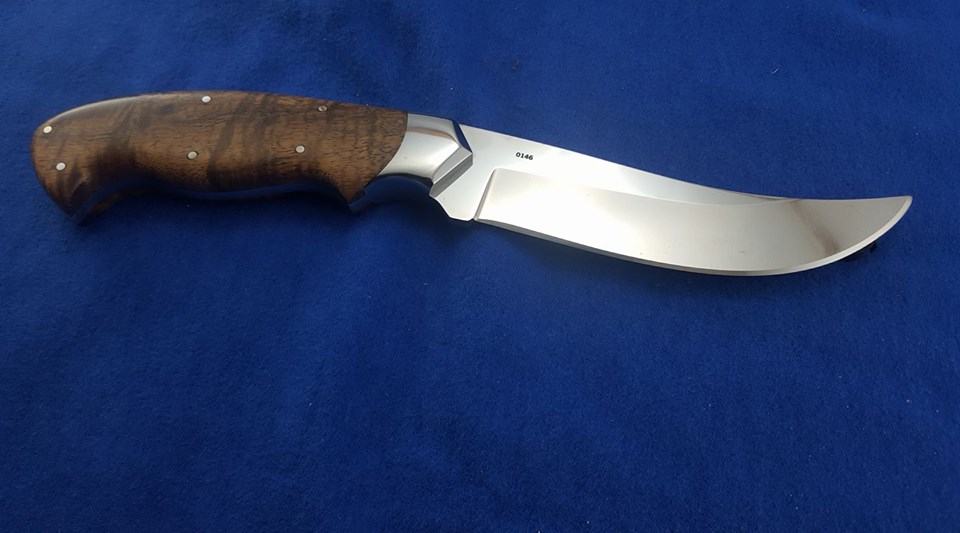
Devin Bliss has taken a very good photograph here. However, there is shadow at the handle, which would make it challenging for the designers to see where to make the cutaway image for inclusion in say, BLADE’s “What’s New” or “Knifemaker Showcase” sections.
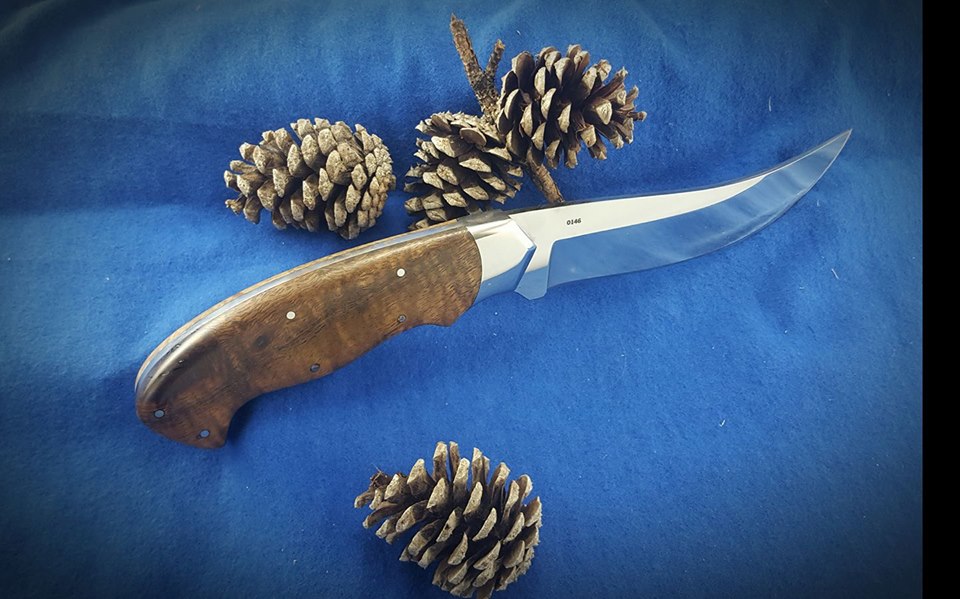
In Devin Bliss’s second attempt, the handle is more visible, but looks less rich in the harsher lighting. The inclusion of the pinecones makes a nice vignette without encroaching on any line of the knife, so it could still be used for a cutaway or as is. As a side note: Artists will tell you that the eye finds odd numbers more pleasing. I did not tell Devin that. I simply told him the truth: He had surpassed my level of being able to offer suggestions for improvement. He contacted another knifemaker for guidance.
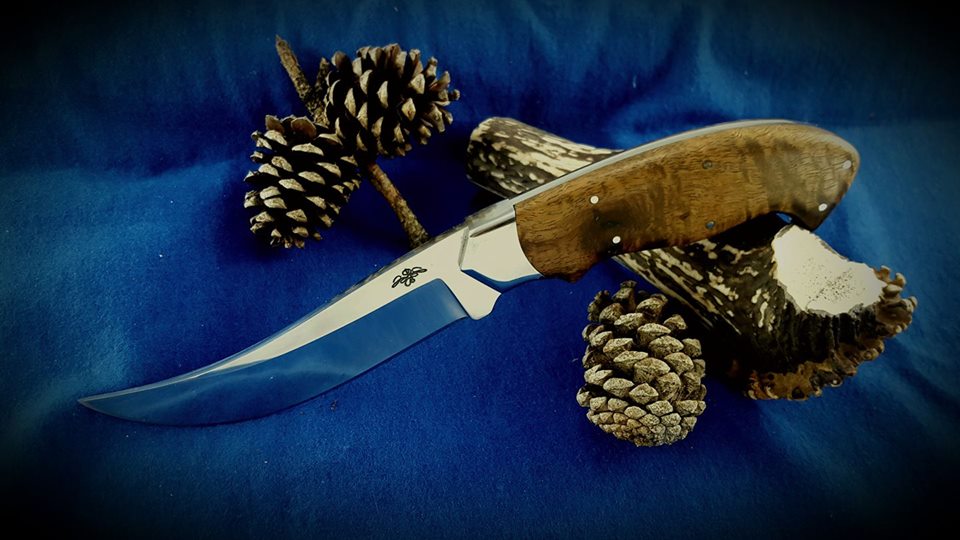
At this point, knifemaker Devin Bliss has reached a level of photography that serves his knives well. What did he do? “I changed the direction, propped up the handle onto the antler, moved the lighting around and used a foil reflector to get…a bit more light on the handle and a white reflector to mask off some glare on the blade and bolster.” This modified pronghorn is made of CTS-XHP steel with a curly koa handle. Maker’s list price $300 with stamped leather sheath. Contact [email protected], 903-736-3052 or on Facebook at DB Custom Knives.
Depth and Angles
In layman’s terms, you need to ensure your knives don’t look flat. You’re trying to capture something that’s three-dimensional in a two-dimensional medium. This is where some knives can look disproportionate because you’re focusing on the handle and the blade is in the fuzzy background, so to speak. A shallow depth of field is fine as long as your knife is standing out crisply from point to butt.
Finding the right angle will also help prevent your knife from looking flat. Prop up your knife somehow. Even just leaning it against a pebble allows you to move and capture the thickness or thinness of the piece. Laying it on your hand can work as long as your flesh doesn’t obstruct any of the knife’s lines.
Tip: Take dozens of photos from many different angles and distances and pick the best one of the bunch. If you don’t nail it, don’t compromise, don’t settle, get back there and take dozens more. Pros will take hundreds of impressions to deliver 30. Seriously. Take more shots. No, more. Get a ladder and shoot down, circle your quarry and shoot multiple shots from each hour of the clock, and get down and shoot at eye level. Shoot at morning, noon and night, but mostly late afternoon, to see how different types of sunlight affect your knife images. It’s what the pros did when they were starting out. Now, after years of experience, they can judge the sun’s angle and know how to get what they need.
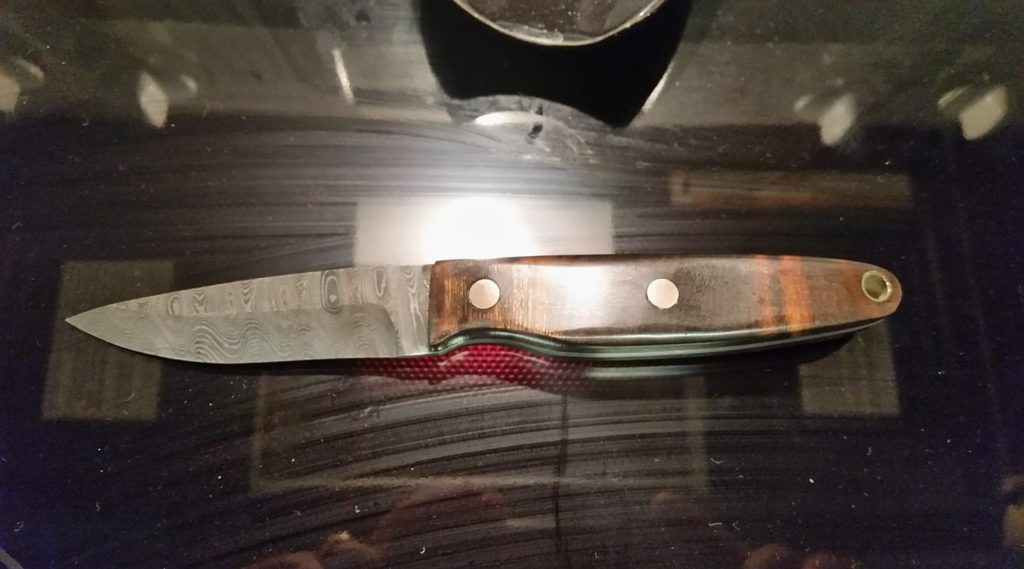
Charles Hawkins has a hard time taking a bad photo, but he pulled out all the stops on this one. That is a stovetop background, complete with streaks and a red glow. The glare on the handle deadens the handle and the pattern in the steel also appears dull. Note the photographer’s hands reflected on the cooktop. Analyze the entire photograph closely.
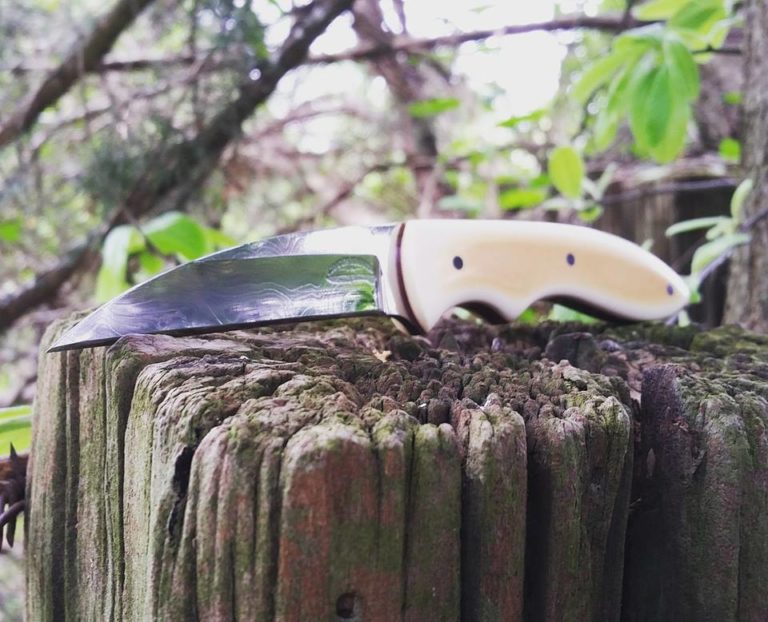
Charles Hawkins took his knife outdoors, and now the focus is as sharp as can be. The background adds interest while still allowing for plenty of contrast. The 3.5-inch blade is made of pattern-welded steel from Alabama Damascus Steel. The handle is ironwood. Maker’s list price: $300. Contact www.hawkcustomknives.com.
Lighting
Natural light is easiest for the amateur to master. A cloudy day is good to reduce blade glare but sometimes it will dull colors. Try a sunny day, but shoot in the shade. Avoid glare on either the handle or the blade whether you’re shooting indoors or out. You also don’t want dappled light coming through the leaves of a tree to interfere with the hamon, for example, so try to find a solid overhang. You also don’t want reflection to make your blade look different than it is in reality.
Indoor lighting is infinitely more challenging. Low light, fluorescent light, light-painting in a dark room—they all have the potential to become “noisy,” grainy, soft. I will leave it to the articles and videos you’re going to pour over to explain why, but trust me, it’s not easy. Sometimes, in light-painting for example, the pins might absorb all the light and they take over the picture. Or the handle’s too dark, or the handle’s visible, but the blade looks dull. Changing the countless variables on this project will help you get the right shot out of your many attempts. It can help to take notes so you know what you’ve tried and whether or not it worked.
Avoid using the flash inside your camera. It will only give you an overlit image that makes your work look flat. An external flash, shot off a wall or ceiling or even a white T-shirt, or an extra light diffused with a white paper bag, may help, but now your knifemaking shop has turned into a spaceship and you’re behind in your orders.
Specs
Images need to be 300 dpi for print with the photo at least 8 inches on the longest side, preferably 10. The image size should be at the very least 600 KB. It’s not that we’ll run it that large, but we need to have the option to do so, especially if we’re doing a cutaway and the knife doesn’t fill the frame.
We prefer .jpg format, and that you attach the image file rather than dragging it into the email. Sometimes that can make a difference in resolution quality, though it admittedly shouldn’t. Also, for similar reasons, submit originals and not versions scraped from Facebook or other social media platform, even for online stories.
Remember, it’s all about the knife here at BLADE. Oh, and makers and manufacturers, too. But without a fantastic photo of a knife as a starting point, how are we ever going to get to know you better?
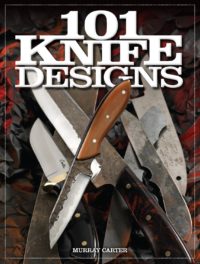
“101 Knife Designs” is not only filled with great comparisons of blade designs and design theory, but offers terrific examples of exceptional knife photography by Hiro Soga.
Knifemakers of all skill levels will enjoy comparing knife designs in this book by Murray Carter. The photographs by Hiro Soga are exquisite! There is even a discussion on the theory of knife design to help you better understand your craft. Save 35 percent off the cover cost of $29.99 for a total of $19.99.


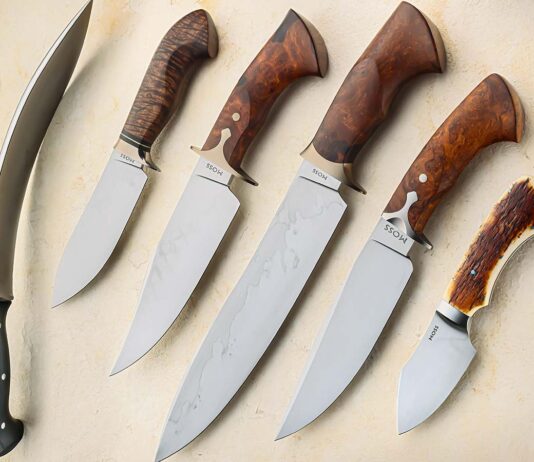
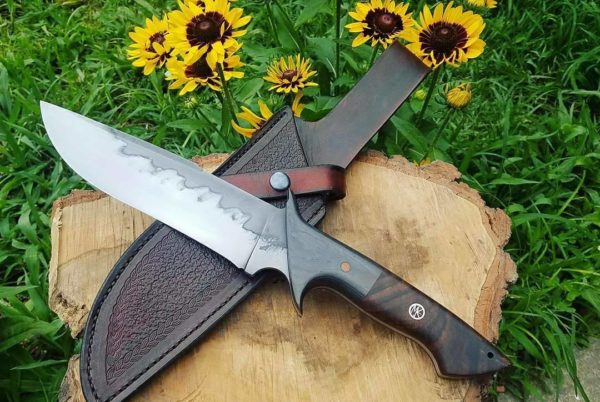

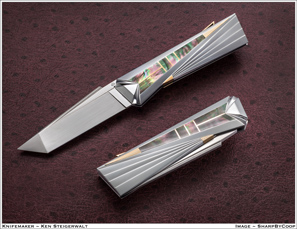 It’s not too early to pre-order the KNIVES 2016 book, which hits bookstores, newsstands and online in late August/early September. And staying true to form, KNIVES 2016 showcases nearly 800 of the newest, finest handmade, custom knives in the world in “Trends” and “State Of The Art” categories, as well as in-depth, truly fascinating feature articles on a variety of knife subjects, a “Factory Trends” section and, of course, the coveted Custom Knifemakers Directory.
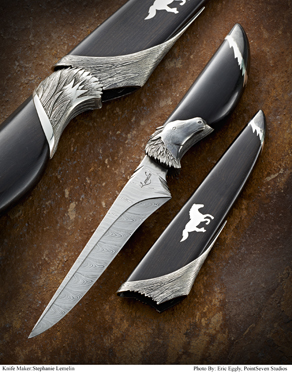 The Custom Knifemakers Directory lists the names of 2,000-plus handmade knifemakers, their complete contact information, including addresses, phone numbers , emails and websites, their specialties, patterns, technical information, remarks, tang stamps and price ranges.